Category: Economics

  • US Maintains Position as India’s Top Tree Nut Importer as Demand Surges

    US Maintains Position as India’s Top Tree Nut Importer as Demand Surges

    India’s tree nut imports continue to surge, with demand growing despite a tariff stranglehold. Consumption is growing as a result of the expanded perception of the health benefits of almonds and walnuts among middle- class consumers. FAS New Delhi forecasts in marketing year 2020/2021 Indian almond imports to reach 115,000 metric tons (MT). While walnut imports are forecast to reach 32,000 metric tons. Trade volumes can potentially be higher if it were not for Government of India imposed trade barriers (both tariff and non-tariff). 

    ALMONDS, SHELLED BASIS

    PRODUCTION:

    FAS New Delhi (Post) forecasts marketing year (MY) 2020/2021 (August-July) Indian almond production at 4,500 metric tons (MT) (kernel-weight basis), up seven percent on a year-on-year basis. More favorable weather conditions and new tree varieties are helping to increase production. Almond production is concentrated in the union territories of Jammu and Kashmir and in Himachal Pradesh. Shelling rates range between 20 and 30 percent for hard-shell varieties, and 40 percent for thin-shelled varieties.

    Post revises downward to 4,200 MT the MY 2019/2020 production estimate, down 300 MT compared to the U.S. Department of Agriculture (USDA) official figure of 4,500 metric tons. The lower number is due to an increase in the number of non-bearing trees observed, despite there being no changes in the area planted. The union territory government of Jammu and Kashmir through its Almond Development program aims to increase by 12,000 hectares the almond cultivation area, and in the process, phase in new higher yielding cultivars.

    CONSUMPTION:

    FAS New Delhi forecasts MY 2020/2021 Indian almond consumption at 125,000 MT, up nine percent from the MY 2019/2020 volume of 114,500 metric tons. The increase is due to strong, steady growth in household consumption of almonds, perceived as a healthy and immunity building snack nut at a time of expanded health concerns. A key factor facilitating driving greater consumption, notwithstanding the novel coronavirus (COVID-19) lockdown, is the rise of e-commerce platforms. With growing numbers of consumers shopping now online for groceries, almonds are making their way onto online shopping carts in greater quantities.

    With India’s middle-class (300-350 million) expansion, there is growing awareness of, and demand for healthy foods. The COVID-19 pandemic accelerated almond consumption in this country of 1.3 billion (Central Intelligence Agency July 2020 estimate). Perceived nutritional benefits of almonds as a food ‘good for the brain’ and its ‘immunity building characteristics’ are being used to tackle the pandemic. This is resulting in fundamental changes in consumer behavior that will last even after a COVID-19 vaccine is developed. Almonds are today displacing cashews as health-conscious consumers’ nut of choiceA reliable, steady supply combined with growing consumer awareness of the health benefits of almonds, is leading to almonds expanded use as a food ingredient by the Indian food processing industry. Almonds are making their way in greater numbers into breakfast cereal bars, snack foods, beverages, and confectionaries manufactures, as well as the in personal care industry (utilizing almond oil).

    PRICES:

    India is price-sensitive consumer market. Consumers favor affordably priced almonds, and in particular, quintessential California non-pareil almonds that are uniform in size and ‘eye’ shaped and count with the sweetness desired. Australia-origin non-pareil almonds and Carmel (often used for blanching and roasting) varieties account for a growing segment of the market. Iranian Mamra and Oumi varieties are popular in India’s western and northwestern regions (i.e., the National Capital Region – New Delhi, Rajasthan, and Gujarat) and often command price-premiums.

    Favorable Californian crop production and ample supply along with COVID-19 containment measures are driving down almond average prices compared to MY 2019/2020. Almonds will command higher pricing once the Indian hotel-restaurant-institutional (HRI) sector’s own demand for almonds picks up in 2021/2022.

    TRADE:

    FAS New Delhi forecasts MY 2020/2021 Indian almond imports at 115,000 MT, up nearly 10 percent from the USDA official MY 2019/2020 estimate of 105,000 metric tons. Post’s earlier MY 2019/2020 estimate is six percent higher compared to the previous year despite an increase in the basic-customs-duty (see PIB and GAIN-INDIA (IN2019) Government of India GOI Raises Tariffs on Specific U.S. Ag Products (June 16, 2019). Although shipments of almonds to India increased between January and August 2020, the post-Diwali festive season (when demand for tree nuts normally peaks) will be a bit leaner this year compared to 2019.

    U.S.-origin almonds account for 81 percent of India’s total import volume in MY 2019/2020; Australian almonds come in second with seven percent of the import volume. Almond imports from the United States and Australia are in shell, non-pareil or Carmel varieties, and are shelled locally (machine cracked and hand sorted); other origins supply shelled almonds. Packaged almonds only account for 10 percent of retail sales.

    FAS New Delhi forecasts MY 2020/2021 Indian almond exports at 200 MT, down by 20 MT or nine percent lower compared to the MY 2019/2020 estimate. India’s exports of almonds remain negligible. Exports in MY 2019/2020 are estimated at 220 MT; with the United Kingdom (28 percent), Nepal (14 percent), and the United Arab Emirates (13 percent) being the main export destinations by volume.

    POLICY:

    India does not set quantitative restrictions on almond imports. U.S.-origin almonds, however, face retaliatory tariffs of India rupees (INR) 41/kilogram (kg) (in shell basis) and INR 120/kg (shelled basis). (FOREX: INR 73.92 to $1.00).

    On May 23, 2018, the Indian government issued notifications announcing an increase in the basic-common-duty on several imported agricultural products, including shelled almonds. The tariff increases are applicable to all third-country suppliers. The tariff on shelled almonds increased from INR 65/Kg to INR 100/kg, and significantly restricts trade (see GAIN-INDIA (IN2018-8067) Government of India Increases Tariffs on Certain Agricultural Imports (June 7, 2018). 

    Non-tariff barriers include a third amendment to the Almond Kernel Standards, published by the Food Safety and Standards Authority of India (FSSAI) on August 14, 2020. The standards’ implementation date is set for July 1, 2021 (see GAIN-INDIA (2020-0103) Almond Kernel Standards and Other Various Food Products Published in the Indian Gazette (August 24, 2020).

    Industry sources indicate that the proposed almond kernels standards are too prescriptive to be widely applied across multiple commercial grades. Proposed quality/grade factors pertain to commercial contracts and should not form the basis for import or retail controls. Traders sustain that there is a need for flexibility in grades to account for varying commercial situations, including varietal differences, crop quality variability, and pricing differentials. For these, physical parameters such as damage and the presence of foreign material should not form the basis of import controls.

    Despite these challenges, FAS New Delhi continues to identify market development opportunities, particularly among markets serving children, young adults, and the growing urban work force. Additional opportunities exist with medium- and large-scale bakeries, boutique/artisan patisseries, food processors, such as cookie manufacturers and breakfast cereal companies, consumer packaged goods, and institutional end users. Regions in southern and eastern India offer new, worthwhile marketing opportunities.

    WALNUTS, IN SHELL BASIS
    PRODUCTION:

    FAS New Delhi forecasts MY 2020/2021 (September-August) Indian walnut production at 35,000 MT (in shell basis), a volume largely unchanged from the previous marketing year’s estimate. Indian walnut production is cyclical in nature and yields can vary by as much as 20 percent, depending on weather conditions at the time of blossom and harvest.

    India’s walnut harvest runs from late August through September, with market arrivals peaking in late October. Walnut production is concentrated in Jammu and Kashmir, Himachal Pradesh, and Uttarakhand. Lack of adequate infrastructure in the production areas, long gestation periods, poor orchard management, and uneven yields limit India’s walnut production. India produces hard, medium, or thin shell (kaghazi) walnut types, with an average shelling rate of about 40 percent.

    CONSUMPTION:

    FAS New Delhi forecasts MY 2020/2021 Indian walnut consumption at 60,000 MT, roughly 20 percent above its MY 2019/2020 estimate of 50,000 metric tons. Increases in consumption levels is attributable to greater at home consumption of walnuts during the COVID-19 pandemic outbreak in pursuit of health-related benefits.

    Higher walnut consumption stems from the growing perception among Indian middle-class consumers that walnuts help to reduce cholesterol, improve brain health, and lower risks of diabetes, among other health benefits. The Indian government’s FSSAI issued the public guidance document titled “Eating Right during COVID-19” encouraging the intake of walnuts for their nutritional benefits (especially as it pertains to Omega- 3 fatty acids, Vitamin B-9, Protein, Zinc, and Selenium concentrations). With people confined to their homes during the lockdown, consumption of walnuts increased significantly in 2020. 

    Indian walnut consumption is growing steady since MY 2015/2016 through MY 2019/2020, by almost 15 percent. Strong growth is indicative of the presence of a consistent supply to meet strong domestic demand. Packaging innovations (e.g., vacuum-packed bags, combined with attractive product packaging) is improving the shelf life and quality of walnuts, while encouraging year-round consumption. The rise of new distribution channels such as e-commerce websites are driving consumption and availability of walnuts. Between 70 and 75 percent of Indian walnuts are consumed domestically, and more than half of Indian walnuts are consumed during the holiday, festive, and winter seasons. Industry sources estimate that roughly 17 percent of walnuts go into food processing, with another four percent crushed for the personal care industry.

    PRICES:

    Domestic walnut prices were weak from January 2019 to September 2019. Prices saw improvement during the peak 2019 demand period towards the end of the year, with the upward trend in prices running through 2020. In the wholesale market, imported walnut (in shell) prices in 2020 range INR 52,500 ($710) to INR 60,000 ($812) per 100 kilograms. (FOREX: INR 73.92 to $1.00).

    TRADE:

    FAS New Delhi forecasts MY 2020/2021 Indian walnuts imports at 32,000 MT, up nearly seven percent or 2,000 MT greater than the USDA official 2019/2020 estimate of 30,000 metric tons. The United States will remain the dominant supplier with a 54 percent market share, followed by Chile at 40 percent.

    India is primarily an in shell walnuts market. Trade sources indicate that Indian imports of in shell walnuts grew 46 percent between January and August 2020, while shelled walnuts imports rose by an astonishing 329 percent during that same period.

    FAS New Delhi forecasts MY 2020/2021 Indian walnuts exports at 4,000 MT, up 800 MT or 25 percent higher than the USDA official MY 2019/2020 estimate of 3,200 metric tons. Indian walnuts exports declined in MY 2019/2020 due to high domestic demand for product, which will ease somewhat this year. Walnuts from India will make their way again to the traditional export destinations of France, the United Kingdom, and Germany. 

    Over 95 percent of Indian walnut exports go out as kernels in vacuum packs (35-40 percent light halves, 35-40 percent amber halves/light broken, and the remaining balance as amber halves). Market sources report that Indian walnuts compete with those from the United States, Mexico, Chile, Turkey, China, and Ukraine.

    TRADE POLICY

    India’s Open License program permits the import of walnuts without quantitative restrictions. In shell walnut imports, however, are subject to a 100 percent tariff, and shelled walnuts are similarly subject to a 100 percent tariff (effective February 2020). Afghanistan-origin import shipments face a lower, 50 percent tariff due to the enactment of the Indo-Afghan Preferential Trade Agreement.

    India is implementing a retaliatory tariff on U.S.-origin walnuts at 20 percent above the applied basic-common-duty of 100 percent. U.S. shipments of walnuts suffered from this measure in MY 2018/2019. However, California walnuts remain in the Indian market, counting with high consumer demand to help drive volumes.

    Post identified non-tariff barriers to trade include the Walnut Kernel Regulation published by the Indian government’s FSSAI on September 3, 2020 (see GAIN-INDIA (2020-0121) FSSAI Proposes Draft Standards for Walnut Kernels and Other Various Food Products). The effective implementation date is either January 1, 2021, or alternatively July 1, 2021, depending on when the amendment is published in the official gazette. The published standards are non-transparent, ambiguous, and likely difficult to adhere to; particularly as it pertains to moisture levels, foreign matter, damaged units, acidity, color, acid-insoluble ash, and extraneous vegetable matter. These standards deviate from globally established practices.

    India, given its huge market size, and despite the challenges, remains an attractive market especially as it relates to the Indian sweets and snacks industry. — By Ankit Chandra & Mariano J. Beillard, USDA Foreign Agricultural Service

  • Navel Orangeworm Winter Sanitation Considerations

    Navel Orangeworm Winter Sanitation Considerations

    Winter sanitation is a critical step in your Navel Orangeworm IPM programs. But when should you start and is it enough just to shake those mummy nuts off of the trees? Watch this interview with Bob Klein from the California Pistachio Research Board as he shares some key insights growers should consider when approaching winter sanitation and read about it in Pacific Nut Producer Magazine.

  • New Resources Available on Cal/OSHA Emergency COVID-19 Regulations

    New Resources Available on Cal/OSHA Emergency COVID-19 Regulations

    Almond Alliance of California — On November 19, 2020, the California Occupational Health & Safety Standards Board unanimously adopted 21 pages of emergency Coronavirus Disease 2019 (COVID-19) safety regulations. The Regulations are broad. They apply to all employees and places of employment except: 

    • Those places of employment with one employee who does not have contact with others.
    • Employees working from home. 
    • Employees covered by Title 8 of the California Code of Regulations, Section 5199 (e.g., health care facilities, police services, labs, etc.). 
    Yesterday, the Department of Industrial Relations (DIR) released a press release specific to the Cal/OSHA Regulations to Protect Workers from COVID-19. 

    “Cal/OSHA has posted FAQs and a one-page fact sheet on the regulation, as well as a model COVID-19 prevention program. Employers are invited to participate in training webinars held by Cal/OSHA’s Consultation Services branch. Cal/OSHA will convene a stakeholder meeting in December that will include industry and labor representatives to review the requirements of the emergency regulation and solicit feedback and recommend updates. 

    While Cal/OSHA is willing to meet and work with employers during the implementation of this standard, they have provided some materials that may be helpful, which include FAQs, a fact sheet, a model COVID-19 prevention plan, training modules, and other support and consultation services to assist with compliance. They have indicated that they plan to be reasonable and flexible during implementation, meaning they will consider your good faith effort to comply and evidence of working towards compliance.

    The Office of Administrative Law (OAL) has approved the temporary emergency standards on COVID-19 workplace hazards, and the regulation is in effect now.  The Almond Alliance continues to express our members’ perspective, so please continue to send us examples of the challenges of compliance. This is critical as we advocate for revisions to the regulations. 

    The Almond Alliance intends to be part of the stakeholder meeting and will continue to engage and monitor the issue and will provide updates to members as new developments occur.  

    Employers may consider the following to prepare for these changes:
    • A thorough review of all obligations required and how they apply to your employment arrangements at each workplace.
    • HR and management training in implementation and administration.
    • A proper record of compliance.
    • Updated policies and Illness and Injury Prevention Programs.
    We are in the process of working with legal counsel to interpret these new regulations for your operation and plan to develop templates and materials for your use. Please email or call the office if you have any questions. Below is the press release from DIR that was released yesterday.
    Department of Industrial Relations News Release:
    Cal/OSHA Emergency Regulations to Protect Workers from COVID-19 in Effect

    Cal/OSHA’s emergency regulations requiring employers to protect workers from hazards related to COVID-19 are now in effect, following their approval yesterday by the Office of Administrative Law.

    “These are strong but achievable standards to protect workers. They also clarify what employers have to do to prevent workplace exposure to COVID-19 and stop outbreaks,” said Cal/OSHA Chief Doug Parker.

    The emergency standards apply to most workers in California not covered by Cal/OSHA’s Aerosol Transmissible Diseases standard. The regulations require that employers implement a site-specific written COVID-19 prevention program to address COVID-19 health hazards, correct unsafe or unhealthy conditions and provide face coverings. When there are multiple COVID-19 infections or outbreaks at the worksite, employers must provide COVID-19 testing and notify public health departments. The regulations also require accurate recordkeeping and reporting of COVID-19 cases.

    As emergency standards, these regulations become effective immediately.

    “We understand the need to educate and assist employers as they implement the new provisions of the emergency standards,” Parker noted. “For employers who need time to fully implement the regulations, enforcement investigators will take their good faith efforts to implement the emergency standards into consideration. However, aspects such as eliminating hazards and implementing testing requirements during an outbreak are essential.”

    Cal/OSHA has posted FAQs and a one-page fact sheet on the regulation, as well as a model COVID-19 prevention program. Employers are invited to participate in training webinars held by Cal/OSHA’s Consultation Services branch.

    Cal/OSHA will convene a stakeholder meeting in December that will include industry and labor representatives to review the requirements of the emergency regulation and solicit feedback and recommend updates.

    Cal/OSHA helps protect workers from health and safety hazards on the job in almost every workplace in California. Employers and workers who have questions or need assistance with workplace health and safety programs can call Cal/OSHA’s Consultation Services Branch at 800-963-9424.


    Complaints about workplace safety and health hazards can be filed confidentially with Cal/OSHA district offices.

  • Tree Nuts Market Research and Outlook, 2020 – 2026

    Tree Nuts Market Research and Outlook, 2020 – 2026

    Tree Nuts market trends, outlook, growth opportunities and companies to 2025 presents analysis and outlook of Tree Nuts types, end user industries and countries. The global F&B market witnessed significant growth over the past decade. The report presents key trends in the Tree Nuts market and provides an overview of global and regional markets, market size forecasts, drivers and challenges across markets.

    The Tree Nuts market has been one of the rapidly recovering industries from the harsh COVID market conditions in 2020. The long-term outlook for Tree Nuts market size remains robust as companies emphasize investments in new product launches and process optimization.

    COVID-19 impact on the Tree Nuts industry

    Tree Nuts companies are strategizing focused R&D investments and planning new product launches post- COVID conditions from 2021. Further, strengthening relations with distributors, performance improvement, and cost optimization are largely observed strategies during 2020.

    Tree Nuts industry outlook and post COVID-19 pandemic opportunities:

    The report presents forecasts for Tree Nuts market revenue over the next six years from 2020 to 2026 across coronavirus spread conditions:

    • Pre-COVID Tree Nuts market scenario: Economic growth continues as usual without the impact of COVID
    • Post-COVID impact scenario: Economic recovery will begin from mid-2021 and the economy faces recession and weak supply-demand conditions

    Growth Opportunities, Market Risks, and Strategy Analysis:

    The report details strategic growth opportunities, potential market drivers, and risks in global and country-level Tree Nuts markets from 2020 to 2026. Key strategies being opted by leading manufacturers, suppliers, distribution companies, and other players in the near-term and long-term future. Potential market risks, emerging trends, and top-level strategies are included in the report.

    Segment growth outlook of Tree Nuts across markets

    The market analysis report presents the potential growth opportunities across types and applications of Tree Nuts industry size. The report models the long-term impact of new product developments, shifting consumer patterns, and swiftly changing industry dynamics on different Tree Nuts types and Tree Nuts end-user applications.

    Strategic analysis of leading Tree Nuts companies

    To make better planning decisions by suppliers and other food and beverage industry stakeholders, the report presents the strategic analysis of leading Tree Nuts companies. Opportunities in emerging markets, product launches, and technology trends are analyzed in the report.

    Tree Nuts market size forecast across 15 countries

    The US, Canada, Germany, the UK, France, Spain, China, India, Japan, Republic of Korea, Brazil, Argentina, Saudi Arabia, and other countries across North America, Latin America, Europe, Middle East Africa, and Asia Pacific are included in the report. The outlook for Tree Nuts market size growth is provided for each of the countries from 2020 to 2026.

    Tree Nuts market news and developments:

    Tree Nuts market developments including technological developments, mergers and acquisitions, product launches, business expansions, investments, new plants, and others are included in the report.


    Scope of the Study:

    • Tree Nuts Market revenue forecasts across three post-COVID pandemic case scenarios, 2020- 2026
    • Global Tree Nuts market size outlook by type, 2020- 2026
    • Global Tree Nuts market size outlook by application segment, 2020- 2026
    • Global Tree Nuts market outlook across 15 emerging and developed countries, 2020- 2026
    • Strategies, Trends, Drivers, and Risks facing Tree Nuts companies
    • Company profiles of leading five players in Tree Nuts industry
    • Market News and Developments

    This report provides insight into:

    • Understanding the impact of market conditions on the future of Tree Nuts across segments and markets
    • Developing longer-term strategies to improve customer engagement and market shares
    • Prioritizing short-term R&D and CAPEX allocations to ensure high profitability
    • Identifying key trends and market opportunities
    • Boosting revenues from existing and new consumer markets

    Methodology:

    The comprehensive and trusted guide for anyone seeking information on this industry is developed using primary interviews with suppliers, annual reports of companies, filings, news podcasts, outlook statements, statistical organizations, directories, databases, investor presentations, white papers, and others. Both top-down and bottom-up approaches are used to ensure the accuracy of forecasts.

    Why Choose this Report- APES

    A: Authored by a team of 7 analysts, headed by a manager with 14+ years of industry experience
    P: Print authentication given for single-user license
    E: Excel sheet will be provided for ease of analysis across scenarios
    S: Strategy consulting and research support will be provided for three months

     
    Purchase the full report HERE.
  • Industry Input Needed: Aluminum Phosphide, Magnesium Phosphide & Phosphine Proposed US EPA Interim Registration Review Decision

    Industry Input Needed: Aluminum Phosphide, Magnesium Phosphide & Phosphine Proposed US EPA Interim Registration Review Decision

    In September of 2020, the US EPA released their Proposed Interim Registration Review Decision on Aluminum Phosphide, Magnesium Phosphide, and Phosphine. There is a 60-day comment period on this decision with a deadline of Tuesday, December 22, 2020.
    In the review, the EPA has proposed mandatory buffer zones based on computer modeling. The proposed actions for phosphine and the metal phosphides would establish mandatory buffer zones around fumigation facilities into which bystanders may not enter during treatment or aeration of commodities post treatment. EPA is proposing a minimum of 10 feet for all fumigations and proposed buffers of 10 feet to 500 feet depending on application rate, facility, container size and other impacts of the fumigation procedures. These buffer zones could restrict your current uses of phosphine drastically, some to the point where you may no longer be able to use the fumigant.

    How does this impact the almond industry?  This decision impacts almonds, barley, grains, avocados, corn, cotton, lettuce, peanuts, pistachios, rice and more. Phosphine is a colorless gas used on commodities in storage and shipping to prevent losses due to insect and vertebrate (mainly rodent) pests. Phosphine is formulated as a pressurized gas stored in cylinders. It is the active component of the metal phosphides, released when pellets of metal phosphide interact with moisture in the air. Phosphine and metal phosphide products are registered for use on dried foods (e.g.: nuts, dried fruits, grains), on animal feed, and on processed foods (e.g.: candy, baking mixes, crackers, meats, dairy). Phosphine gas products are registered for use on non-food commodities, such as tobacco, clothing fibers, hair, wood, paper, tires, and beehives. Metal phosphide products are also registered for in-field (i.e.: greater than 100 feet from occupied buildings), in-burrow rodent control. Phosphine and the metal phosphides are applied as structural or space fumigants (e.g.: under tarps, in grain mills, in warehouses), vehicle fumigants (e.g.: railcars, trucks, containers), grain fumigants (e.g.: silos, farm storage, flat storage), and vessel/ship fumigants.

    Data from California for the years 2013 to 2017 indicate that an average of 19,900 lbs phosphine, 160,600 lbs aluminum phosphide, and 13,200 lbs magnesium phosphide were applied annually in California. The applications for all three active ingredients (a.i.s) were made to nuts (6,900 lbs phosphine, 50,200 lbs aluminum phosphide, and 67,000 lbs magnesium phosphide). Structural use including storage facilities and processing equipment (14,900 lbs aluminum phosphide, 300 lbs magnesium phosphide) was also reported. The remaining usage data do not specify a specific commodity. Similar records of usage data are not required by other states and are not available.

    Please take the time to read the below attachments and click the link to fill out the questionnaire which was developed by the manufacturer Degesch. This questionnaire should only take a few minutes to complete but is extremely valuable in responding to public comments and advocating on behalf of the industry. Time is of the essence, so we are asking for your assistance by November 30th.

    Questionnaire: Click Here.

    EPA Proposed Interim Registration Review Letter: Click Here.

    Proposed Interim Registration Review Decision Case Document: Click Here.

    Again, the industry has a deadline of December 22, 2020, to respond to the PID. Please complete your responses to the questionnaire by Monday, November 30, 2020.

    Feel free to distribute this link within your organization or to others who may be able to provide feedback on the PID proposals.

    If you have any questions, please call, Elaine Trevino at 209-300-7140 or Ed Hosoda at Cardinal Professional Products at 916-997-6045.

    For additional information please go to the EPA website at the following link: http://www.epa.gov/pesticide-reevaluation.

  • Fresno Ranked #1 Ag County in the Nation, Led by Almonds

    Fresno Ranked #1 Ag County in the Nation, Led by Almonds

    The Fresno County Department of Agriculture’s 2019 Crop and Livestock Report was presented to the Board of Supervisors today. For the second year in a row, Fresno County is the number one agricultural county in the nation.

    “Fresno County’s 2019 Crop and Livestock Report once again showcased how this region is the food capital of the world,” said FCFB CEO Ryan Jacobsen. “A significant amount of the nation’s plate originates right here in our backyard with over a third of the country’s vegetables and two-thirds of the country’s fruits and nuts grown in California, a great majority of those here in the San Joaquin Valley. In total, California holds seven of the nation’s top 10 agricultural counties, including Fresno, Kern, Tulare, Monterey, Stanislaus, Merced, and San Joaquin.”

    Overall, the 2019 agricultural production value in Fresno County totaled $7.717 billion. While the total crop production decreased 2.31 percent, Fresno County was just able to hang on to the number one spot.

    “This report is prepared in accordance with California Food and Agriculture Code and summarizes the acreage, production, and value of agricultural commodities produced in Fresno County,” said County of Fresno Agricultural Commissioner/Sealer of Weights and Measures Melissa Cregan. “The figures contained herein represent gross returns to the producers and does not reflect actual net profit.”

    Included in the 2019 report are over 300 different commodities, 78 of which have a gross value in excess of $1 million.

    “Although individual commodities may experience difficulties from year-to-year, Fresno County continues to supply the highest quality of food and fiber nationwide and abroad to more than 89 countries around the world,” said Cregan.

    Fresno County Department of Agriculture issued 17,796 phytosanitary certificates for 63 commodities destined for 89 countries around the globe in 2019. In addition, inspectors walked and certified 1,406 acres of alfalfa, lettuce, radish and onion grown for seed export.

    “During this week of gratitude and thanks typically celebrated around the dining table, we should all be appreciative to the men and women whose jobs depend on agriculture,” continued Jacobsen.

    Too often, the Crop and Livestock Report gets summarized down to just a single overall number, but it yields a significant amount of information, such as, the ability to examine changes and trends in crop acreage and yields. Amounts in the report reflect the gross income values only and does not reflect net return to producers.

    “The Crop Report is more than numbers,” said Jacobsen. “It provides the opportunity to salute local agriculture and focus on the food and fiber, jobs and economic benefits our farms provide. No matter how small or big the farm operation is, they all provide essential benefits to our community, nation and world.”

    One significant component of the report is the review of the county’s “Top 10 Crops,” which showcased the diversity of products grown here. In 2019, these crops accounted for just shy of three-fourths of the report’s value.

    This year’s Crop Report was a salute to our “superheroes” in the agricultural community, including the work done by the County of Fresno Department of Agriculture in partnership with the California Department of Food and Agriculture in protecting the agricultural industry from invasive species and pests.

    For a copy of the full crop report, click here.

    Source: Fresno County Department of Agriculture’s 2018 and 2019 Crop and Livestock Reports

    Frequently asked questions about the Crop Report:

    What is the Crop Report?

    The Crop Report is a state mandate that reflects the county’s gross value of agricultural production, separating the information by commodity group for a calendar year. Information is gathered through the use of a crop report survey from a random sample of growers, ranchers, processors, packers and many other sources.

    Due to its diversity, California is the only state that produces annual county crop reports, which are more precise and unique than other government and industry reports. The report is also the only source of specialty crop and general county data.

    Who uses the Crop Report?

    The information provided in the Crop Report helps groups, such as ranchers and growers, agricultural suppliers, agricultural lenders, agricultural research and education agencies, agricultural regulatory agencies, transportation agencies, farm labor offices and health and disease programs, plan for the upcoming year in regards to harvesting, processing, pricing, transportation and credit.

    Lenders use the Crop Report extensively to be informed of cropping trends and potential capital needs for different crops. In addition, research and education agencies use the Crop Report as a historical baseline of what is being grown. It provides valuable information in policy alternative decision making. Finally, the USDA Farm Service Agency (FSA) uses the Crop Report. During disaster relief, the FSA pays growers based on a weighted average of the crop report data for the impacted crop.

    How does it benefit Fresno County?

    Every year, there is a gap between when Fresno County fiscal year begins and ends, and when the funds from property taxes are received. Since the county cannot operate without funds, it applies for a tax and revenue anticipation note (TRAN), which is a short-term loan. The county needs this loan prior to July 1 to ensure that all county services will continue for residents.

    When Fresno County officials apply for the Standard & Poor’s Bond Rating, they present a financial package, which includes the county’s risk management strategies, current budget for the year and a forecast for the upcoming year. This portfolio highlights resources that are unique to the area and includes a page focusing on Fresno County’s record agricultural production and trends of the previous 10 years.

    Fresno County Farm Bureau is the county’s largest agricultural advocacy and educational organization, representing members on water, labor, air quality, land use, and major agricultural related issues. Fresno County produces more than 300 commercial crops annually, totaling $7.717 billion in gross production value in 2019. For Fresno County agricultural information, visit www.fcfb.org.

  • CA Court Rules Insects Not Protected by Endangered Species Act

    CA Court Rules Insects Not Protected by Endangered Species Act

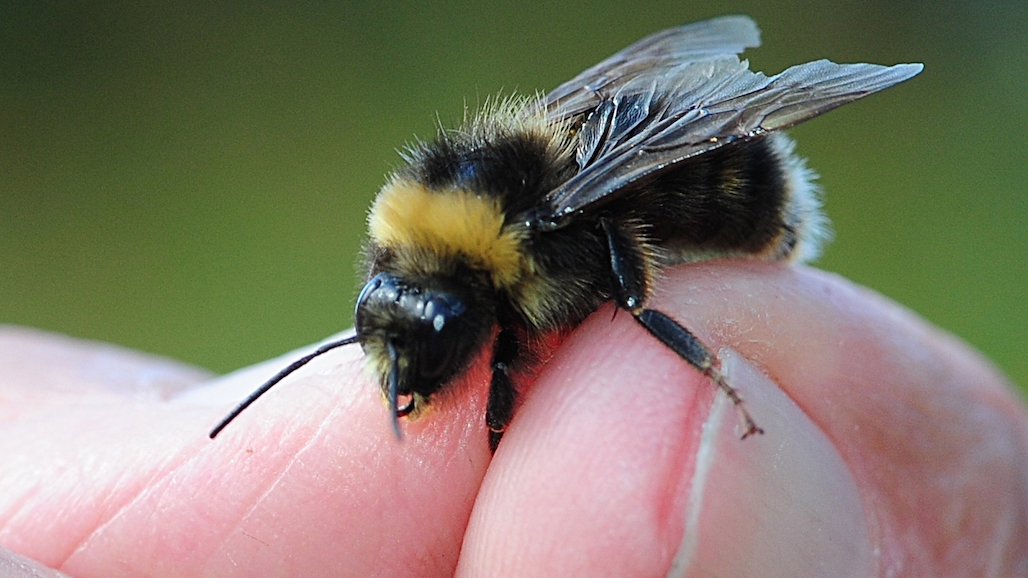
    The California Superior Court in Sacramento has ruled the California Endangered Species Act (CESA) does not cover insects and that bees cannot be classified as fish. The Court issued its final ruling on Nov. 19, 2020.

    The Almond Alliance of California, in collaboration with seven other agricultural groups, filed suit with California Fish and Game Commission in response to a vote to grant candidacy status to four subspecies of bumble bees under the California Endangered Species Act (CESA).

    The California almond industry recognizes that pollinators are integral to many natural habitats and are crucial for the production success of our industry.  The Almond Alliance of California is pleased with the ruling and reiterates that the California almond industry continues to be committed to protecting the health and well-being of bees.

    Ruling in Almond Alliance of California v. California Fish and Game Commission, Judge James P. Arguelles agreed with a group of petitioners including the Almond Alliance of California. The petitioners argued that the California Fish and Game Commission (the Commission) was not authorized by the CESA to give four species of bumble bees candidate-species status because the California Legislature was clear in the CESA that insects were not protected.

    The Commission and the California Department of Fish and Wildlife unsuccessfully argued that bees and other insects and invertebrates are covered under the CESA because “invertebrates” are included within the definition of “fish” in Section 45 of the Fish and Game Code (FGC).

    The case follows a 2018 petition from the Xerces Society for Invertebrate Conservation, Defenders of Wildlife, and the Center for Food Safety to the Commission to add the four bumble bee species to the list of endangered species under the CESA. The four species of bumble bee were the Crotch, Franklin’s, Suckley cuckoo, and Western bumble bee. The bumble bees became candidate species, meaning “a native species or subspecies of a bird, mammal, fish, amphibian, reptile or plant that the Commission has formally noticed as being under review”, when the Commission accepted the petition in June 2019. The court’s Thursday ruling set aside the Commission’s decision.

    The Almond Alliance in conjunction with our trade organization partners argued that this consideration is not justified based on the following facts:

      • Presently, no insects are listed as threatened or endangered under CESA.
      • Both the California Office of Administrative Law and the California Office of the Attorney General have previously taken the position that insects cannot be listed under CESA.
      • CESA defines candidate, threatened, and endangered species as “native species or subspecies of a bird, mammal, fish, amphibian, reptile, or plant.” The list does not include insects.

    If listed under the California Endangered Species Act (CESA), the bees would have been the first insects added. Pesticide restrictions, grazing rules, and other habitat protections could then be imposed.  While the bees are “candidates” for listing, they have the same protections as species listed as threatened or endangered.  This means prohibitions on killing them, which the Department of Fish and Wildlife routinely interprets to extend to harm to the bees or their habitat.  That could lead to uncertainty if bumble bees are present on fields or in other areas where agriculture is happening. This type of ambiguity would be disruptive to the almond industry.  For example, ripping or other soil movement could be claimed to disturb potential nesting sites.  The petitioners specifically list honey bees as a threat to the bumble bees, thus a listing could regulate placement of or reduce the number of honey bee hives.  Listing bumble bees as threatened or endangered is setting the stage for how other insect pollinators will be defined, regulated, and protected.The Almond Alliance thanks Nossaman, LLP for effectively representing the coalition and appreciates those in our industry who contributed to the legal fund to support this effort.

  • Autonomous Robot to Sample Leaves and Measure Water Potential

    Autonomous Robot to Sample Leaves and Measure Water Potential

    Every backyard gardener knows how hard it can be to tell when to water the plants. Multiply that by tens or hundreds of acres and it’s easy to see the challenges growers face keeping their crops healthy while managing water resources wisely.

    To determine water needs accurately, growers hand-pluck individual leaves from plants, put them in pressure chambers, and apply air pressure to see when water begins to leak from the leaf stems. That kind of testing is time consuming and means growers can only reach so many areas of a field each day and cannot test as frequently as needed to accurately determine optimal irrigation scheduling patterns.

    A group of researchers from UC Riverside and UC Merced have received a grant for more than $1 million from the U.S. Department of Agriculture through the National Science Foundation’s National Robotics Initiative to address these challenges. From UC Riverside are Assistant Professor Konstantinos Karydis and Professor Amit K. Roy-Chowdhury, both from the Department of Electrical and Computer Engineering. UC Merced, which leads the effort, is represented by Stefano Carpin, professor of computer science; and Joshua Viers, professor of environmental engineering.

    UC Riverside Assistant Professor Konstantinos Karydis

    As part of the project, the group is developing a robotic pressure chamber that can autonomously sample leaves and immediately test them on site to provide the freshest data. The system will work to gather data even in large fields, and over a period of time, rather than just providing a snapshot.

    Frequently updated data can help growers better plan irrigation schedules to conserve water, optimize the time and effort spent by crop specialists tasked with determining and analyzing lead water potential, and help decrease some of the costs in the food-production chain.

    UC Riverside Professor Amit K. Roy-Chowdhury

    Current measuring techniques involve collecting leaf samples and transporting them to an off-site location, where testers can use very accurate, expensive pressure chambers; or sampling and analyzing leaf samples in the field using hand-held pressure chambers.

    “In the first category, leaf samples can get mixed up, making it impossible to track them back to the specific areas of the field they came from, Karydis said. “In addition, the properties of the leaf might vary given the time elapsed between being sampled and being analyzed, which in turn may yield misleading results.”

    Hand-held instruments in the field can be less accurate, but testing can be done multiple times with different leaves from the same plants. This method is time- and labor-intensive, and must be undertaken by specially trained personnel.

    Carpin has already worked with colleagues at UC Davis and UC Berkeley to create the Robot-Assisted Precision Irrigation Delivery, or RAPID, system, which travels along rows of crops adjusting irrigation flows according to sensor data that tells the robot precisely what’s needed for each plant.

    The project will use the same mobile base robot as in RAPID but equip it with a custom-made robotic leaf sampler and pressure chamber being designed by the researchers at UC Riverside, and pair it with drones that can survey the fields and direct the robot to areas of interest.

    “Using this process, growers could survey plants all day long, even in large fields,” Carpin said.

    The four-year project will support graduate students as well as summer research opportunities for undergraduates. The project has four phases: development of the chamber; developing machine vision so the robot can “see” the water coming from the leaf stems; coordinating multiple robots — in the air and on the ground; and evaluation.

    The researchers plan to have the first set of automated pressure chamber prototypes fabricated by spring 2021, and to evaluate their performance and refine designs in controlled settings over spring and summer 2021. They expect to have a completed setup by winter 2022, so they can begin controlled field testing.

    “We have to be quick about it because if we miss a peak growing season, we have to wait another nine months for the next one,” Carpin said. “We’d like to be able to start testing next summer and test every summer, and we need to be able to maximize the tests.”

    When all of the components have been designed, the designs and code will be made open source, and all the data collected during the project will be made available to the scientific community, the researchers wrote in their proposal.

    The project came about after Carpin and Viers, director of the Center for Information Technology Research in the Interest of Society, or CITRIS, at UC Merced, had been talking with area farmers about the challenges of growing almonds and grapes. Karydis and Roy-Chowdhury had been hearing the same challenges from citrus and avocado growers in the Riverside area, so the four partnered up.

    “California agriculture presents a challenge in terms of scalability,” Carpin said. “But this an exciting collaboration because we’ll get to develop a system that will work on different kinds of crops.” — By Holly Ober, UC Riverside

  • Grower Survey to Address Future Innovations in Weed Management

    Grower Survey to Address Future Innovations in Weed Management

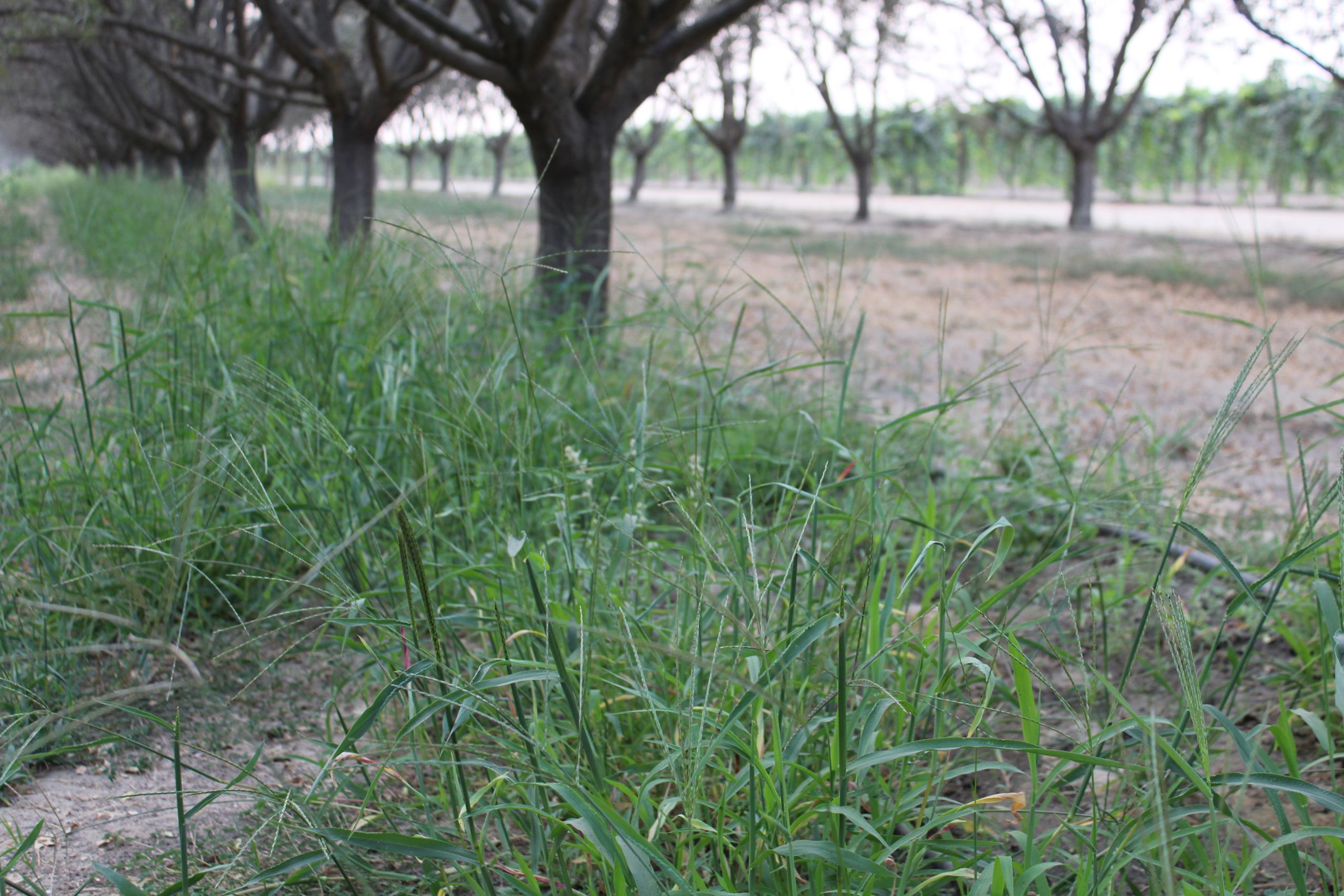
    Weeds can be a significant problem in berries, tree fruits, tree nuts, and vine crops (e.g. grapes, hops, etc.) especially after transplanting and during flowering and fruit and nut set. Herbicides are a primary tool for managing weeds, even though the evolution of herbicide resistance has limited the utility of many products and off-target movement can sometimes result in damage to trunks, shoots, leaves and flowers. Many growers are transitioning to organic systems to address changes in consumer preferences or satisfy the requirements set in place to enter export markets.

    Perennial cropping systems are exploring technologies such as automated harvesters and pruners, to reduce labor demands, and canopy sensing sprayers, to minimize the amounts of crop protection chemicals applied to shrubs, trees, and vines. Novel weed control tools that eliminate or reduce the need for herbicides are actively being developed for and marketed in the agriculture and horticulture industries. These new technologies could begin to play and increasingly large role in future crop production, particularly in high-value specialty crops that 1) have limited herbicide options, 2) are sensitive to herbicide injury, and 3) are heavily reliant on a labor market that is simultaneously growing more scarce and more expensive.

    A team of weed scientists from UC Davis, Oregon State University, and Cornell are asking berry, tree fruit, tree nut, and vine crop growers to take 5 to 10 minutes and answer this short and anonymous survey (link below) about your current weed management practices and your interest in novel technologies, like vision-guided sprayers and cultivators, and electric, steam, and pressurized water weeders. This will help us plan research and extension projects that will address stakeholder concerns regarding the future of weed management.

    There’s always a chance that we forgot to include some amazing tools that are emerging on the horizon; please feel free to e-mail Lynn Sosnoskie at lms438@cornell.edu and let her know what you think the future of weed control will look like.

    Thanks for your time. We appreciate your support of weed science research.

    Survey link: https://cornell.ca1.qualtrics.com/jfe/form/SV_bEpfAijoP7puQDP

  • How to Maximize Groundwater Recharge, Addressed at Upcoming Almond Conference

    How to Maximize Groundwater Recharge, Addressed at Upcoming Almond Conference

    Almond Board of California — Ensuring there is enough water from surface and underground supplies to meet all the state’s demands is a complicated and often controversial task. As author Mark Twain famously said, “Whiskey is for drinking. Water is for fighting.”

    Groundwater usage and potential recharge opportunities are huge points of discussion in the California agricultural industry, particularly in the San Joaquin Valley. Approximately 2 million acre-feet more groundwater is pumped in this valley each year than is replenished to provide drinking water for people and nourishment for an enormous variety of annual and perennial crops, including almond trees.

    In 2014, the state passed the Sustainable Groundwater Management Act (SGMA), setting deadlines for sustainability in many almond-growing regions by 2040. The act mandated the formation of Groundwater Sustainability Agencies (GSAs) to oversee management and recharge efforts in specific local groundwater basins.


    Recharge is one of the primary methods to replenish groundwater basins on the supply side of the equation, which is why it again will be the focus of a session at The Almond Conference. This session will be held on Tuesday, Dec. 8 at 10 a.m. PT. 

    The session will feature three experts on water issues in California:

    • Stacey Sullivan, policy director for Sustainable Conservation. Sullivan will discuss state water policies that affect recharge, such as water rights.
    • Scott Hamilton, a consultant for San Joaquin Valley Water BlueprintHamilton will discuss infrastructure and conveyance as part of recharge efforts, including the availability of canals and pipelines to move water as well as who is responsible to pay for said infrastructure.
    • Laura Ramos, program manager at the California Water Institute at California State University, Fresno. Ramos will focus on how recharge efforts – including those undertaken by the ag industry – can improve drinking water supplies, particularly for those in more disadvantaged areas of the San Joaquin Valley.

    Session explores options for recharge

    Recharge is a serious topic for almond growers, many of whom rely on pumping to augment whatever surface water allocations they receive each year.

    According to the Public Policy Institute of California’s Water Policy Center, intentional groundwater recharge efforts could fill about 25% of the gap between current supply and demand for groundwater in the San Joaquin Valley, putting up to 500,000 acre-feet of water back into aquifers each year. Without mitigation, the San Joaquin Valley Blueprint estimates as many as 1 million acres in ag production today could be fallowed in years to come.

    There are several options for growers who want to try groundwater recharge. The simplest method involves using existing flood irrigation systems in the dormant season, when there is excess available water that can percolate down and replenish the aquifer. If a flood irrigation system isn’t available, the soil doesn’t drain well, or other obstacles stand in the way, growers can consider: 

    • installing a groundwater recharge pond on their property outside the orchard,
    • fallowing an area within in the orchard that is best suited for recharge in order to develop a pond (sandy areas are optimal), or 
    • working with a GSA to develop recharge projects elsewhere in one’s basin.

    Jesse Roseman, principal analyst for Environmental and Regulatory Affairs at the Almond Board of California (ABC), will moderate the session. His hope is that the discussion spurs growers to “think through the factors involved in recharge to better understand if this practice is right for their orchards.”

    Though many of SGMA’s potential restrictions on groundwater pumping won’t take effect for many years, the possibility of consecutive years of below-average rainfall and snowfall years always threatens growers’ access to surface water – and puts pressure on aquifers.

    “Some counties have already tightened up on approving new wells,” Roseman said. “If we have below-average rainfall again this year, reservoirs will be drawn down, impacting surface water allocations.”


    Groundwater guide supports grower decisions

    Beyond the session on recharge, the Almond Board of California (ABC) and Sustainable Conservation are collaborating on a Groundwater Recharge Guide that will be published in early 2021 and distributed via an Industry Roadshow. As part of this roadshow, ABC’s Field Outreach and Education team, along with other staff, will travel throughout the growing region of the Central Valley to meet with industry members and distribute content that would have typically been provided at an in-person Almond Conference. Stops along the roadshow will include locations in your area, including coffee shops, Farm Bureau offices and other places that people can safely gather during the pandemic.

    “The document will give growers a starting point to learn about recharge and how it might not only fit into their farming operation, but also help achieve basinwide sustainability,” Roseman said. “Recharge won’t be an option on every farm or even in every basin, but we want to provide guidance based on research, informing growers on what questions to ask before they try it out.”

    Mark your calendar for Tuesday, Dec. 8 at 10 a.m. to attend the session on groundwater recharge, and check out The Almond Conference 2020 webpage for the event’s complete agenda. As a reminder, The Almond Conference 2020 will be held completely virtually.