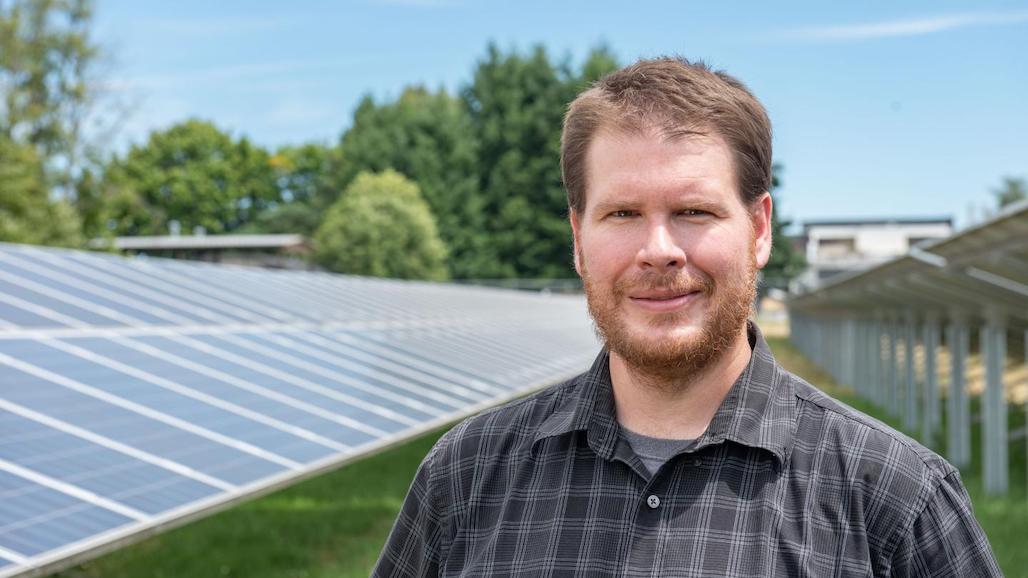
Oregon State University — Co-developing land for both solar photovoltaic power and agriculture could provide 20% of total electricity generation in the United States with an investment of less than 1% of the annual U.S. budget, a new paper by Oregon State University researchers found.
Wide-scale installation of agrivoltaic systems could lead to an annual reduction of 330,000 tons of carbon dioxide emissions in the U.S – the equivalent of 75,000 cars off the road per year – and the creation of more than 100,000 jobs in rural communities, while minimally impacting crop yield, the researchers say.
“Agrivoltaics provide a rare chance for true synergy: more food, more energy, lower water demand, lower carbon emissions, and more prosperous rural communities,” said Chad Higgins, an associate professor in Oregon State’s College of Agricultural Sciences and the senior author of the paper published in the journal Sustainability.
Agrivoltaics also align with the goals of the Green New Deal, a package of federal legislation that seeks to address climate change and economic inequalities, Higgins said.
“Rural America, agriculture in particular, can be the solution to many of our concerns, whether it be renewable energy, mitigating climate change impacts, sustainable food or good water resource management,” Higgins said. “That connection is untapped mostly because there hasn’t been sufficient investment in those communities.
“What we propose in this paper is all possible. It’s technically possible. It’s politically possible. And it would make money after the initial investment. That’s the takeaway – that we should take a hard look at agriculture as a solution to problems rather than a cause of problems.”
The analysis outlined in the paper prepares Higgins for the next phase of his agrivoltaics research, which includes the installation of a fully functional solar farm designed to prioritize agricultural activities on five acres of Oregon State’s North Willamette Research and Extension Station in Aurora, Oregon, 20 miles south of Portland.
The next phase aims to demonstrate to the agricultural community and potential future funders how Higgins’s findings can be applied in real world agricultural systems to encourage early adoption. Ground is expected to be broken in May 2021 with production expected to start in 2022.
In the Sustainability paper, Higgins and his co-author, Kyle Proctor, a doctoral student in his lab, find that an area about the size of Maryland would be needed for agrivoltaics to meet 20% of U.S. electricity generation. That’s about 13,000 square miles, or 1% of current U.S. farmland.
The cost of the agrivoltaic arrays would be $1.12 trillion over a 35-year project life. The researchers believe that the private sector would invest in the bulk of the construction costs with the federal government contributing with rebates and other incentives.
Using money generated from the electricity the arrays produce, the researchers estimate it would take about 17 years to payback the $1.12 trillion. After the projected 35-year lifespan of the project, the researchers estimate the arrays would produce $35.7 billion in revenue.
Installation of the arrays would create the equivalent of 117,000 jobs lasting 20 years, with 40% being sustainable positions for operating and maintaining the arrays, the researchers say.
Higgins comes at this project with an eclectic background. He went through a self-described engineering degree collection phase and has published papers on everything from enzyme reaction kinetics to snow physics to turbulence theory.
The broad background came in handy one day in 2013 while he was strolling his “thinking walk path” on the Oregon State campus. He noticed greener pasture under recently installed solar arrays. Drawing on his background studying water, agriculture, renewable energy, mechanical and civil engineering, he started thinking about agrivoltaics research.
His initial research focused on the impact solar arrays had on the crops planted around them. That research, along with work by other scientists, has shown that crop yield is dependent on the type of crop, but in the end, when the value of the electricity generated by the solar panels is included, there is an economic net benefit from the agrivoltaic systems.
Looking to the future, Higgins believes the wide-scale installation of agrivoltaic systems opens the door for other technologies. The surplus energy generated by the solar arrays could be used to power electric tractors or to generate fertilizer on a farm. Inexpensive sensors could be installed on the solar panel platforms to support artificial intelligence-based decisions to improve agricultural productivity.
“Once we have infrastructure, once we have energy, we are ready to tackle so many more big problems,” Higgins said.
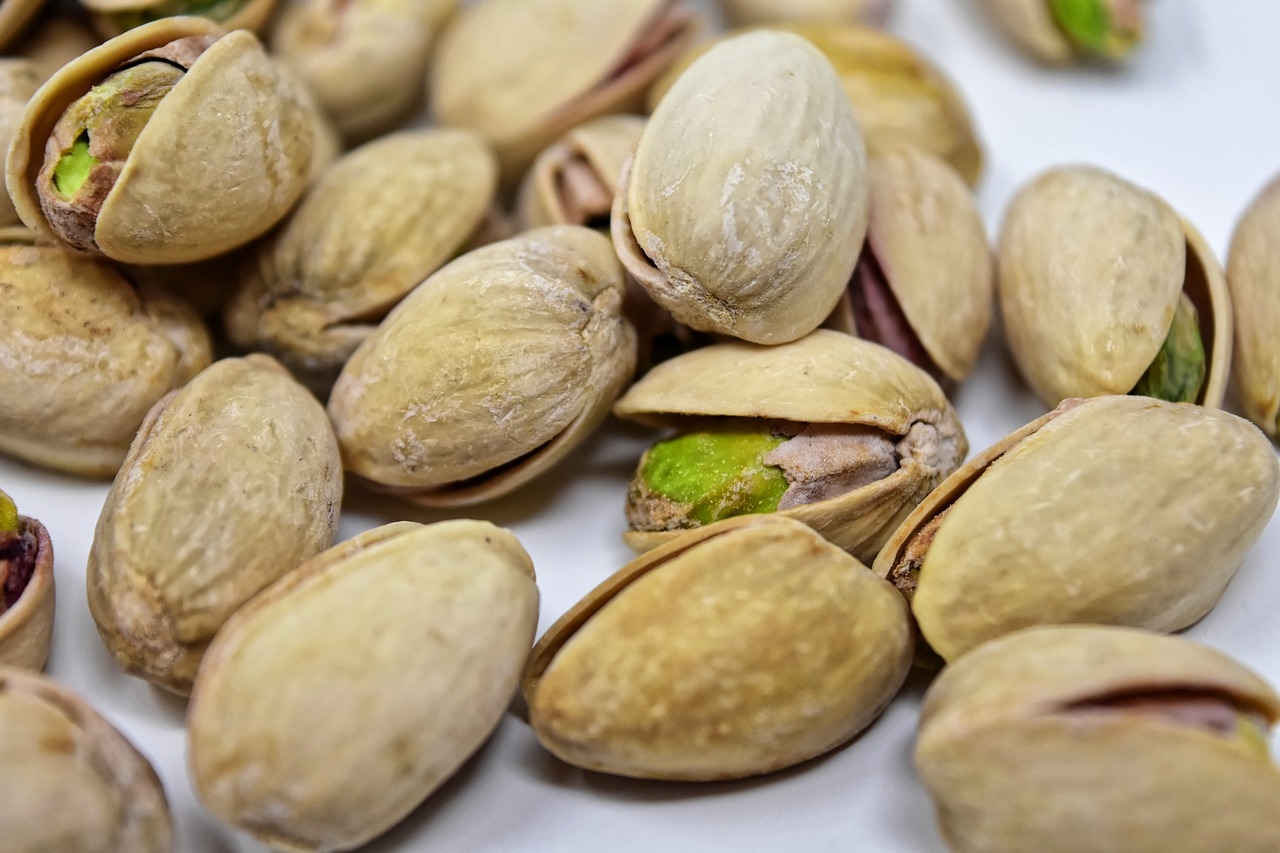
One of the many wonderful things about California’s climate is that in many regions of the state you’ll find orchards of walnut, almond, pecan, pistachio or chestnut trees. You may be growing or planning to grow one or more of these trees in your yard so you can enjoy consuming the nuts. But do you know how to safely store, and preserve these fresh nuts?
There are just a few simple steps to follow. First, be sure to promptly remove the hull (the fibrous outer covering) that may still be remaining on some of the nuts. (If you have hulled walnuts before you will know they’ll stain your hands brown, so you should wear gloves to hull walnuts.)
During this time of COVID-19, you may be tempted to wash your fresh nuts, but don’t. Washing the nuts in their shell could increase their moisture and provide the environment for mold or bacteria to grow. Although not required to safely store the nuts, to decrease the likelihood of walnuts, almonds, pecans and pistachios developing mold, you may want to dry them. For walnuts and almonds, spread them out preferably single layer on a flat screen or tray that allows good air circulation. To prevent birds and other critters from making off with them while they are drying, cover them with another screen or plastic netting. Stir and move the nuts around daily.
It will take several days for them to dry. To determine when they are sufficiently dry, remove the shell from several nuts. Break apart the almond kernels, or walnut meat. If they are rubbery, they’re not dried sufficiently. If they are crisp or brittle when broken, then they are dried adequately.
For pecans, they should be dried slowly in air temperatures 75–85 degrees Fahrenheit to prevent the shells from cracking. A fan blowing on the nuts will speed up the drying process, which can take up to 10 days. The pecans are dry when they’re brittle and the membrane between the kernel halves separate easily from the kernels.
Pistachios can be dried in the sun on a plastic tarp, or they can be dried in the oven at 140–160 degrees Fahrenheit for 10–14 hours. They are dried when the kernels are crisp, but not brittle.
Before consuming or storing at room temperature, fresh home-grown walnuts, almonds, pecans, pistachios or chestnuts, or those bought at farm stands, pasteurize them to kill any insects or insect eggs. To pasteurize, simply place them in the freezer for 48 hours. (Make sure your freezer is set at 0 degrees Fahrenheit or lower.)
To store your walnuts, almond, pecans or pistachios, place them in clean moisture free, odor tight packaging, such as glass or plastic jars or other containers. The nuts can be stored shelled or unshelled. They can be stored up to a year in your refrigerator set at 40 degrees Fahrenheit or lower. Almonds can be stored in your freezer (set at 0 degrees Fahrenheit or lower) for a year or more, walnuts and pecans for two years plus, and pistachios for three years.
Chestnuts are different from the other nuts because they’re more like potatoes than tree nuts. They usually develop mold within two weeks if stored at room temperature. Unshelled chestnuts can only be stored for two to three months in the refrigerator, but shelled chestnuts can be stored for a year in the refrigerator. Both shelled and unshelled chestnuts can be stored in the freezer for one year or more. Enjoy your stored nuts throughout the year! — By Kathy Low, UC Master Food Preserver of Solano & Yolo Counties
For more information about the UC Master Food Preserver Program, including the Food Preservation Video Library, visit mfp.ucanr.edu.
Ganoderma butt rot has been an increasing problem in the almond industry. The disease has been responsible for trees falling over all throughout the Central Valley. Ganoderma butt rot is caused by wood decay fungi that can spread via spores in the air. In order to better focus our management efforts, researchers must conduct a spore survey that will help us determine the times and locations that are at greatest risk of infection and spread by spores.
The survey will include collecting air samples at almond orchards once a month for 2 years, so it will require long-term cooperation, but will be non-invasive and will not interfere with management practices. Any almond growers interested in volunteering their orchards (any age orchard works) for the research conducted by UC Davis plant pathologists, please contact Daisy Hernandez.
Thank you all for your time and help.
Contact: Daisy Hernandez, PhD, Student David Rizzo Lab, UC Davis Email: dahe@ucdavis.edu
California walnut growers are not happy with current global market trends for their industry. How long will the market remain in a slump? Will prices ever return to the record highs of 2014? Watch this brief interview with Jon Field, General Manager of the Walnut Bargaining Association, as he shares his projections for the future of the industry, based on his recent State of the Walnut Industry presentation at the annual Grape, Nut & Tree Fruit Expo.
Please thank this video’s sponsor Suterra for their industry support.
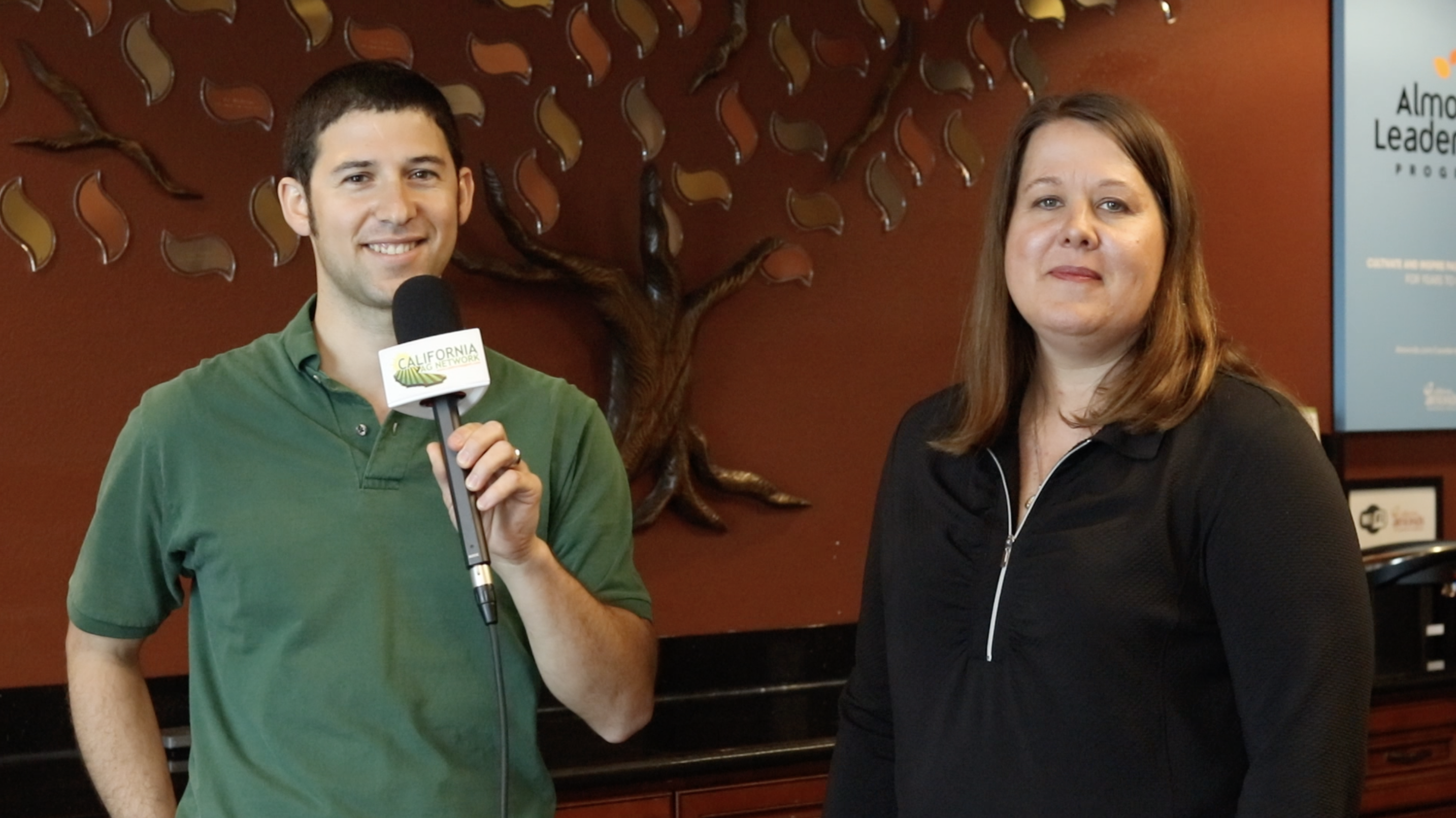
As almond pollination costs have gone up in recent years, the Almond Board of California has engaged in studies to help growers reduce costs and developed strategic partnerships with other organizations to provide some new services that almond growers should take advantage of. Watch this brief interview with Josette Lewis from the Almond Board as she explains and read more about it in Pacific Nut Producer Magazine.
Please thank this video’s sponsor Suterra for their industry support.
Many have heard initial projections as to how COVID-19 might impact the California almond industry, especially at such a critical time with growers expecting their largest crop ever this year. But how has the market actually been impacted up to this point? And are evolving consumer habits beneficial to this growing industry? Watch this brief interview with Emily Fleischmann from the Almond Board of California to find out and read more about it in the coming issue of Pacific Nut Producer Magazine.
Please thank this video’s sponsor Suterra for their industry support.
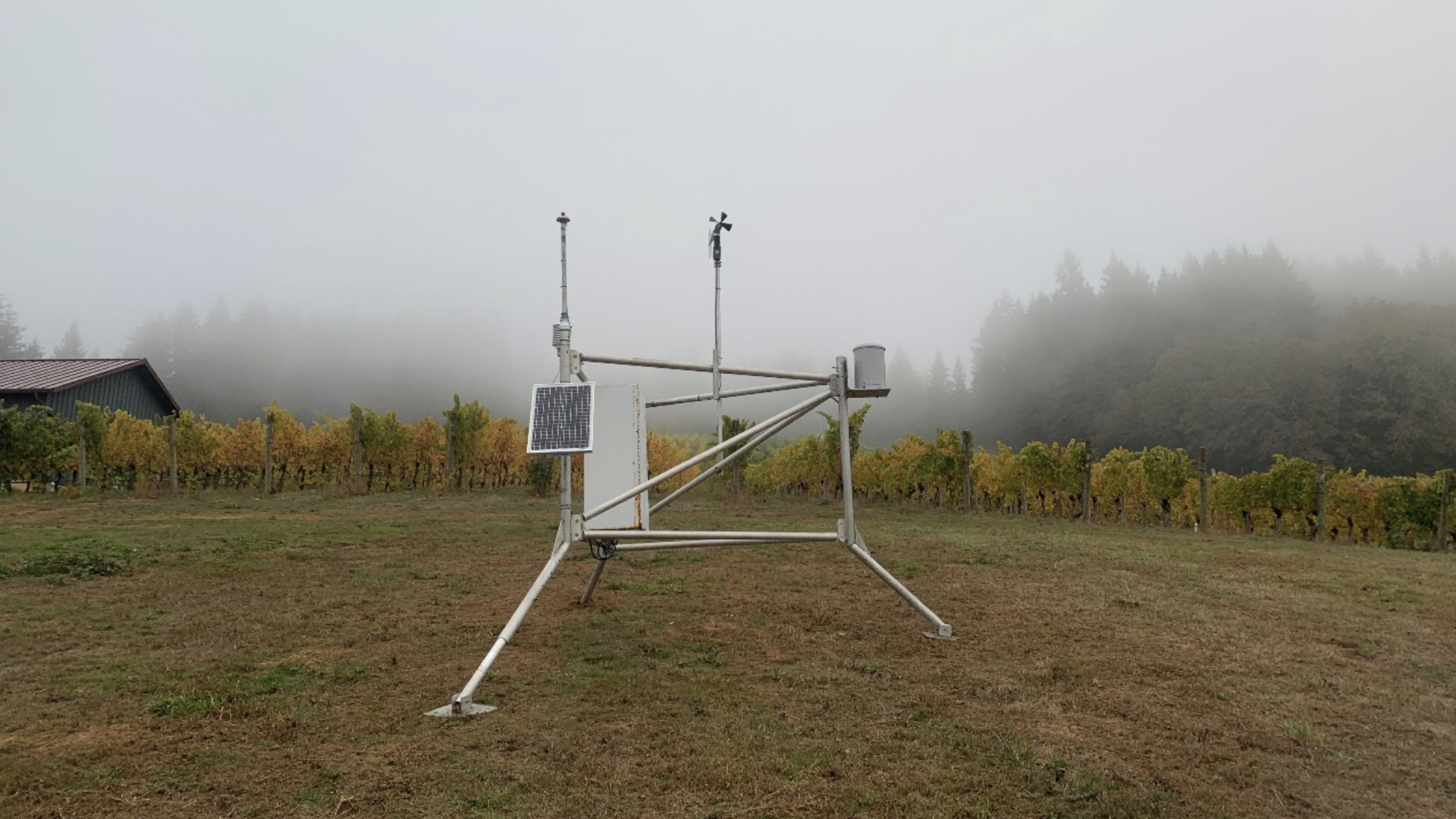
A weather station in the AgriMet Cooperative Agricultural Weather Network was installed at OSU’s Woodhall Vineyard in late October 2020. The weather station will provide critical weather information and a climatic archive of weather conditions for the south Willamette Valley location. This is an important service for Oregon State University to provide grape growers, other agriculturists, and the public. Woodhall Vineyard is one of several research farms owned and operated by Oregon State University and currently has research plots in wine grapes, olives, honeybees, and hops. The location is within Benton County and is surrounded by land used for forestry and commercial vineyards.
Installation of the weather station at this site provides publicly available weather data to an area of the Willamette Valley that was not previously represented by public weather stations. There is growing agricultural acreage in the area, including wine grape vineyards and hazelnut orchards, amongst other specialty crops. There are currently 4,323 acres of wine grapes in the south Willamette Valley, the third- largest production region in the state, outside of the north Willamette Valley and the Rogue Valley, both of which have access to local AgriMet weather stations. Most producers in the south Willamette Valley either did not have access to weather data from nearby or had to rely on AgriMet stations in Corvallis, Roseburg, or purchase weather stations to install on-site. Many producers are farmers of smaller acreage who are not likely to install weather stations due to cost and/or cannot maintain them properly. We encourage farmers to use weather data to determine production risks, such as frost events, calculate growing degree days for pest and crop management, determine crop and location suitability, and estimate irrigation needs. Without this information, it is difficult for growers to make informed decisions on water use.
Placement of a weather station at OSU’s Woodhall Vineyard provides additional benefits of value to regional producers, including a hillside site that may better reflect weather conditions for hillside producers in the region than the Willamette Valley AgriMet stations located on the valley floor (i.e., Corvallis and Aurora). The land is publicly owned and managed by Oregon State University, so the location is available long-term. Finally, the southern Willamette Valley is being developed for both agricultural and residential land use, and the water demand is increasing. The vineyard is located within the Long Tom Watershed, which includes a community with growing concerns over groundwater depletion. This weather station will provide climatic information to help the local community understand water resource needs. Furthermore, the weather data is a part of a more extensive publicly available weather network available for research from local to international in scope.
You can access weather data from this station online here. The weather station installation and annual maintenance are funded by the Oregon Wine Research Institute at Oregon State University.
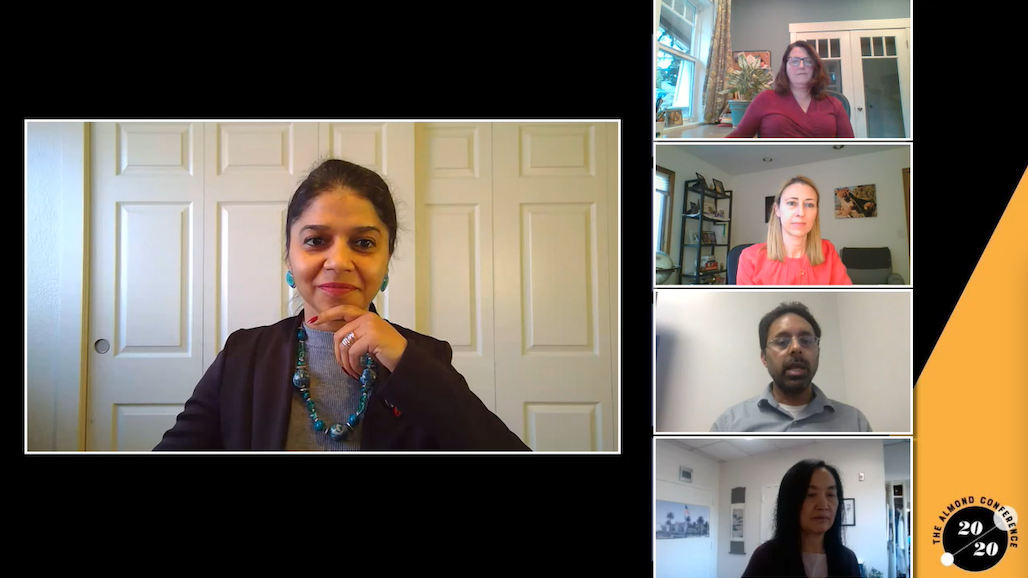
Almond Board of California – Logging in instead of looking for a place to sit. Walking from the coffee pot to the office chair instead of driving to Sacramento. Connecting with attendees via online chat instead of shaking hundreds of hands while walking the trade show floor. Instead of sitting shoulder-to-shoulder in session rooms, participants of The Almond Conference (TAC) 2020 connected remotely from their office, the seat of their pickup truck, or, perhaps for some, from their favorite recliner.
The 48th annual staging of The Almond Conference on December 8-10 looked much different than past events. Still, the structure and offerings of the Conference provided an opportunity for industry members to gather and learn about the latest research, marketing efforts, and global developments impacting the industry. From the (un)usual State of the Industry to 30 educational sessions, an exhibit hall and even an online version of the Passport Game, the Conference provided many of the same features that attendees have come to expect from the premier almond industry event.
The Almond Board of California (ABC) Industry Relations team saw the need to host a virtual event as an opportunity, not a hindrance. The online setting provided the opportunity to host a truly global event, bringing attendees and speakers from across California, the U.S. and the world. More than 3,000 attendees representing 45 countries participated in TAC 2020 and had virtual access to 149 exhibitor booths, 30 educational sessions and 14 sponsor presentations.
“It was a pretty amazing experience. The three days just flew by,” said ABC President and CEO Richard Waycott during the live Closing Remarks. “It was a great example of the flexibility of our staff and the resilience of the industry throughout this year.”
Amid Challenges, Industry Continues Onward & Upward
This year’s State of the Industry address featured Waycott hosting ABC Board Chair Kent Stenderup and Vice Chair Brian Wahlbrink in a “late-night” TV show setting at the historic State Theatre in downtown Modesto. Stenderup and Wahlbrink provided an overview of key trends and marketing challenges faced by the industry throughout 2020, as well as insights into strategic ABC initiatives aimed at further supporting the industry’s profitability. From the massive responsibility of marketing a projected record 3-billion-pound crop to ongoing trade tension with China and growing advancements in production technologies, the address set the stage for the rest of the Conference.
ABC Board Chair Kent Stenderup
“Growers were worried about what we were going to do with all these nuts,” Stenderup noted, referencing the fact that production is up 32% (about 730 million pounds) compared to just two years ago. And yet, he said, processing facilities are working harder than ever before to get almonds out the door. “With the advent of a possible 3-billion-pound crop, I witness handlers very responsibly getting out in front of it and moving product, setting monthly shipping records.”
Wahlbrink praised ABC’s Global Market Development Committee, of which he is a member, for building global demand in emerging markets beyond traditional export leaders like India, Spain, China and Germany.
“Despite everything, we increased shipments by almost 5% [in the last crop year], which is a real testament to building global demand year on year,” said Wahlbrink.
While the industry is ready to turn the page on 2020, Waycott praised the California almond community for remaining headstrong in facing each challenge. “It has been a remarkable year,” he said, “but there were a number of curveballs that came our way. COVID-19. A lockdown in India, our biggest market, fires in California, a perfect bloom, and now we’re headed to a 3-billion-pound crop. Just an awful lot to deal with.
“Still, the resilience and the ability of this industry to handle a large crop, and to be able to ship the numbers we’ve shipped, is really admirable—congratulations to all of you.”
Leadership Recognizing Leadership
During the State of the Industry address, Waycott, Stenderup and Wahlbrink honored two esteemed, established industry leaders, the first being Dr. Karen Lapsley. Lapsley, who retired earlier this year after 22 years of service for the California almond industry, began her ABC career as director of Nutrition Research and then acted as the Almond Board’s Chief Scientific Officer for many years before retirement.
“She catapulted us into the area of super foods,” said Waycott. Stenderup referred to Lapsley as the “matriarch of nut nutrition,” crediting her with developing “a health halo” around almonds through her work with food researchers and experts in a variety of human health and nutrition specialties.
While reflecting on Lapsley’s myriad of contributions, Waycott got a special twinkle in his eye and introduced a surprise guest to the stage – Lapsley herself! In her remarks Lapsley praised ABC’s long-term commitment to human health research and commitment to scientific excellence. When asked to share the most fun she had during her time at ABC, she said that her efforts to create the Almond Board’s biomass program over the past five years would be among the top of her experiences.
Waycott, Stenderup and Wahlbrink also announced the winner of the 2020 Almond Achievement Award, Jim Paiva, who sadly passed away in November before the award was announced.
Paiva planted his first orchard in 1970 in Lost Hills and his properties grew to about 5,000 acres in the Sacramento Valley as well as Kern County. He also started Paiva Hulling and Shelling – which serves hundreds of growers in Northern California – and later co-founded Riverwest Processing in Glenn County.
“I cannot think of one person in our industry who is more deserving of this honor,” said Stewart & Jasper CEO Jim Jasper, who was the Almond Achievement Award recipient in 2015 and, among multiple other industry members, nominated Paiva for the award.
Paiva is survived by his wife Geraldine and sons Jim and Dan. The Almond Board is proud to recognize Paiva’s years of service and dedication to the California almond industry and sends its sincerest condolences to the Paiva family in Jim’s passing.
Trade, Policy & Election Outcomes Highlight General Sessions
On Wednesday morning, ABC hosted a general session featuring two nationally recognized agricultural leaders with deep experience in trade issues.
Former U.S. Trade Representative Darci Vetter, now vice president at Edelman Communications in Washington, D.C., and former USDA Deputy Secretary Krysta Harden, who today is executive vice president of Global Environmental Strategy for Dairy Management, Inc., shared the virtual stage to discuss the global agricultural scene and how the events of 2020 may affect the future.
Vetter said the pandemic is taking an “economic toll that is hugely significant in terms of unemployment, the food and beverage industry, restaurants… We should expect that while trade is really important, there are lots of things on the plate of the administration coming in that will likely take priority.”
She also encouraged growers to become more transparent about and comfortable with communicating to consumers, trade regulators and others about what they do and how they grow their product.
“Telling our story is important, and when that story comes from the mouths of farmers themselves, it’s even more effective,” Vetter said.
Harden agreed, saying American growers are “very committed to the environment” even if “they don’t always know how to measure it or talk about it, and don’t want the spotlight on what they’re doing.”
“No one can produce more than U.S. farmers, but having the best product is not enough. You have to be accountable,” Harden said. “Some farmers don’t want to have these conversations, but if they don’t, they may not be farming in a decade.”
The following morning respected political journalist Charlie Cook, publisher of The Cook Political Report, addressed the Conference from his home in the Nation’s Capital. For more than 35 years, Cook has been highly regarded as a non-partisan observer of U.S. politics. During this general session, he provided insight into the state of our nation’s political landscape after one of the most divisive presidential elections in American history.
“I think we are losing our fabric as a nation,” Cook warned. “We are supposed to be the United States of America, but we’re not very united right now.”
On a positive note, Cook believes Tom Vilsack – President-elect Joe Biden’s nominee to run the U.S. Agriculture Department – is a good choice for the California almond industry. Many industry members will remember Vilsack as he served in the same role for eight years under former President Barack Obama.
“I think Biden made a good decision to pick someone from the ag side who knows the whole set of issues,” Cook said. “Vilsack knows about your sector. My guess is you’ve dodged a bullet, because if he went with a more urban-oriented person, you wouldn’t have gotten the time of day.”
Educational Sessions, Virtual Exhibit Hall ‘Just Awesome’
The Conference virtual exhibit hall – though missing the buzz of attendees rubbing elbows as they migrated from booth to booth – still provided a way for exhibitors and sponsors to interact with participants. “The exhibit hall was really well done – it was just awesome,” Wahlbrink said. “It made it really easy to access information and have a quick chat.”
Similarly, the format of this year’s educational sessions allowed attendees to tune in while on the road or in the office, an element of the virtual event that was largely well received.
“I appreciated the ability to still work during this busy time of year while also attending the sessions. I was better able to focus on the sessions,” commented one attendee in the post-Conference survey.
Even though the Conference is expected to return to Sacramento next year, Waycott predicts a hybrid model will be put in place to allow attendees the option to participate in at least a portion of the Conference virtually.
Final session recordings and presentation slides are now available at Almonds.com/Conference – be sure you check out any sessions you could not attend! And be sure to mark your calendar for next year’s event, The Almond Conference 2021 is scheduled to be held Dec. 7-9 at the Sacramento Convention Center.
Editor’s Note: Read more about the proceedings from the Almond Conference in the coming issue of Pacific Nut Producer Magazine.
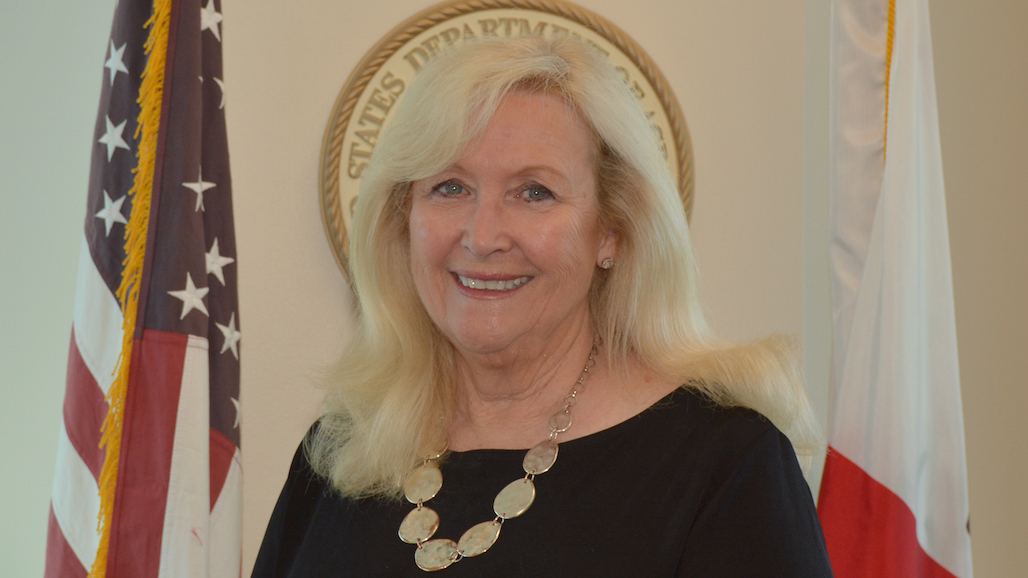
Connie Conway, Director of the USDA Farm Service Agency in California, has been honored as the Almond Alliance of California’s 2020 Almond Champion of the Year for the agency’s outstanding efforts in assisting almond growers with the Coronavirus Food Assistance Program (CFAP.)
The Almond Champion of the Year Award is presented annually to those who have demonstrated extraordinary leadership in education, coalition building, partnerships and promoting legislation and policies that encourage the advancement and protection of California agriculture and the California almond industry.
The CFAP consists of direct payments to almond growers for losses suffered as a result of COVID-19 as well as disruptions to the supply chain. The Almond Alliance advocated for federal funding for the original program and the subsequent program known as CFAP 2. To date, the California almond community has received over $125 million through the programs.
The Farm Service Agency (FSA) administers the funding and provides technical assistance to potential applicants. Almond Alliance Chair Mike Curry praised Conway for her leadership in providing access to the program. “Some of these programs can be incredibly technical and complex. Connie and her team have been very attentive and worked with our industry members above and beyond what would normally be expected,” he explained. “Her team has conducted numerous educational webinars for our members and addressed literally hundreds of questions about the program and how it works. Her leadership and commitment to excellence in providing this assistance during these unprecedented times is truly appreciated.”
Prior to her appointment, Conway ran her own consulting business, focusing on strategic planning, business development, and government relations services. She also served as an assemblywoman for the California State Legislature where she served as Minority Leader and on the Agriculture, Transportation, Labor and Health Committees. She also served as a member of the Tulare County Board of Supervisors.
About the Almond Alliance of California
The Almond Alliance of California (AAC) is a trusted non-profit organization dedicated to advocating on behalf of the California almond community. California almonds generate more than $21 billion in economic revenue and directly contribute more than $11 billion to the state’s total economy. California’s top agricultural export, almonds create approximately 104,000 jobs statewide, over 97,000 in the Central Valley, which suffers from chronic unemployment. The AAC is dedicated to educating state legislators, policy makers and regulatory officials about the California almond community. As a membership-based organization, our members include almond processors, hullers/shellers, growers and allied businesses. Through workshops, newsletters, conferences, social media and personal meetings, AAC works to raise awareness, knowledge and provide a better understanding about the scope, size, value and sustainability of the California almond community.
For more information on the Almond Alliance, visit https://almondalliance.org/ or check out the Almond Alliance on Facebook, Twitter and Instagram.
The 110th Blue Diamond Growers Annual Meeting countered the challenges of 2020 with a sense of accomplishment for the present and optimism for the future.
“We are a growth business by choice, and I’m confident in declaring that the best is yet to come,” said Mark Jansen, President and CEO, Blue Diamond Growers.
In his virtual presentation to Blue Diamond almond growers on Nov. 18, Jansen acknowledged the numerous obstacles the co-op overcame during the past year due to the COVID-19 pandemic and other factors.
“With trade wars, port-related receiving disruptions, market price corrections, foodservice shut-downs, and a fire at the Sacramento Blue Diamond plant, it was a tough year to sell almonds,” said Jansen. “Yet, Blue Diamond prevailed in continuing to build a remarkably strong business in support of a 3-billion-pound almond crop – the largest ever in our 110-year history.”
Mark Jansen
Jansen reported that in 2020 alone, Blue Diamond was able to:
Provide growers a 16-cent competitive advantage per pound of almonds delivered.
Complete a multi-year construction plan including the addition of a 50-million-pound-capacity raw almond warehouse in Salida, Calif. The new warehouse is the second facility of similar capacity recently built at the site.
Incorporate engineering upgrades and expand a high-efficiency production line for Almond Breeze® almondmilk at the Blue Diamond facility in Turlock, Calif. The newly enhanced line more than doubles the plant’s Almond Breeze production volume. Almond Breeze leads as the co-op’s most profitable product with more than $800 million in annual retail sales.
Increase direct sales into India by 40 percent as trade pressures dramatically curtailed access into the Chinese market.
More than double e-commerce sales of Blue Diamond products, while achieving the goal of Amazon becoming the co-op’s fifth largest customer.
Be recognized, for the fourth consecutive year, as an IRI Growth Leader for fastest-growing consumer-packaged goods sales in terms of volume, revenue and market share.
Achieve its fifth consecutive year – representing five million work hours – of no lost-time accidents at the Salida facility.
Dan Cummings
Blue Diamond Board Chairman Recognizes Leadership Milestone and Co-op Honor
In addition to the business performance highlights shared by Jansen, Dan Cummings, Blue Diamond Board Chairman and Director, District 1, announced Jansen’s tenth anniversary as President and CEO of Blue Diamond Growers. Cummings made note of Jansen’s remarkable leadership and accomplishments on behalf of the co-op. “We are confident in the future with Mark’s great leadership to guide us,” said Cummings. “Considering the successes so far, we can only imagine what the next10 years will bring. Blue Diamond is in great hands with him.”
Additionally, Cummings announced Gurcharan Dhillon as the 2020 Chairman’s Grower Ambassador of the Year. Dhillon serves as a Grower Liaison Committee Member for District 9, and he is also active on Almond Board of California committees. “We thank Gurcharan for his outstanding service and unwavering commitment to the co-op and the almond industry. He is truly an inspired leader,” said Cummings. “We also thank our many partners, including haulers, shellers, truck drivers, co-manufacturers, marketers and the 1,800 Blue Diamond employees who go above and beyond each day to help provide Blue Diamond almonds to the world.”
About Blue Diamond
Blue Diamond Growers, a grower-owned cooperative representing over 3,000 of California’s almond growers, is the world’s leading almond marketer and processor. Established in 1910, it created the California almond industry and opened world markets for almonds. Blue Diamond is dedicated to delivering the benefits of almonds around the world and does so by providing high-quality almonds, almond ingredients, and branded products. Headquartered in Sacramento, the company employs more than 1,800 people throughout its processing plants, receiving stations and gift shops. To learn more about Blue Diamond Growers, visit www.bluediamond.com and follow the company on Facebook, Instagram, LinkedIn and Twitter.


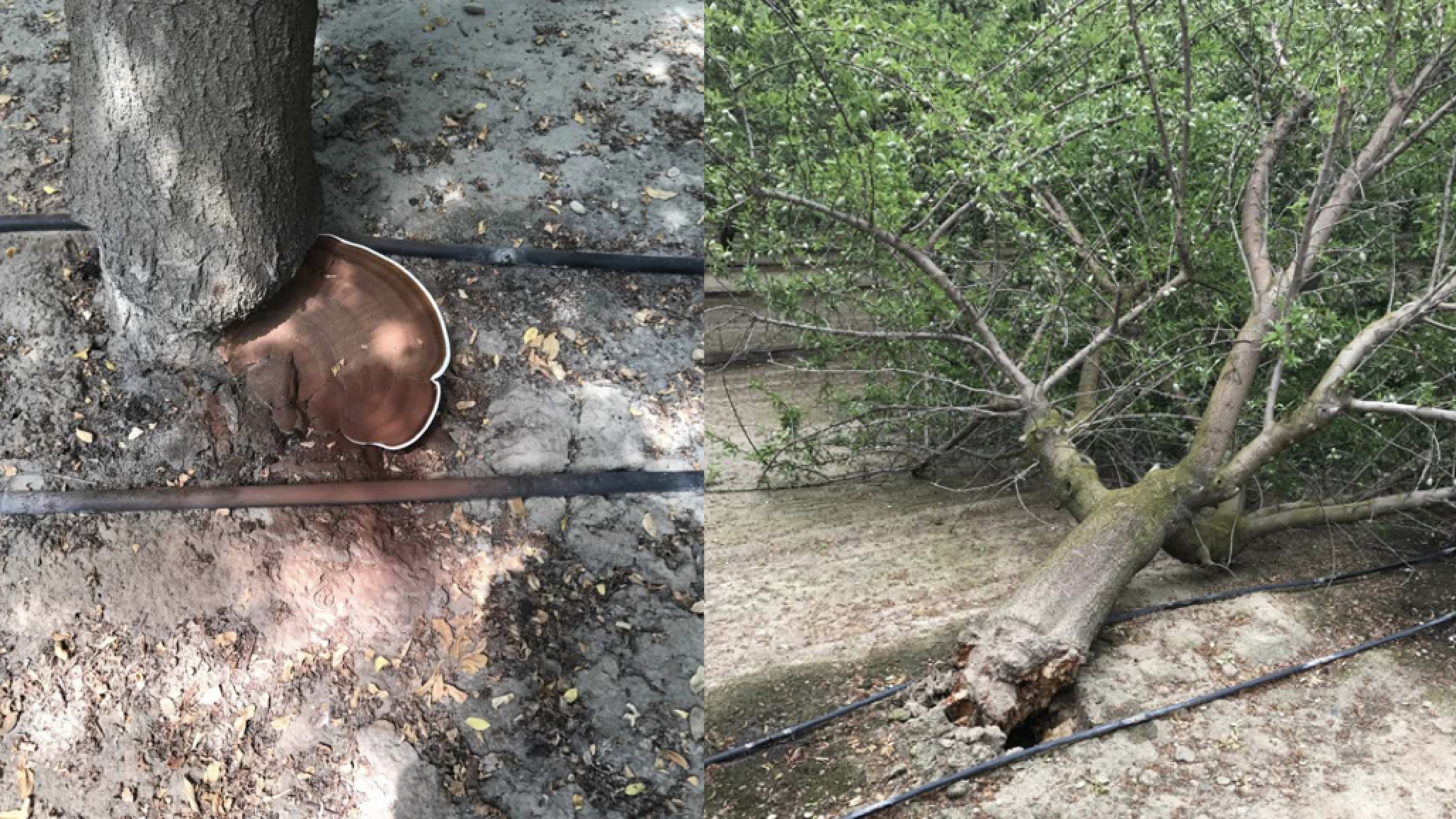
 Ganoderma butt rot has been an increasing problem in the almond industry. The disease has been responsible for trees falling over all throughout the Central Valley. Ganoderma butt rot is caused by wood decay fungi that can spread via spores in the air. In order to better focus our management efforts, researchers must conduct a spore survey that will help us determine the times and locations that are at greatest risk of infection and spread by spores.

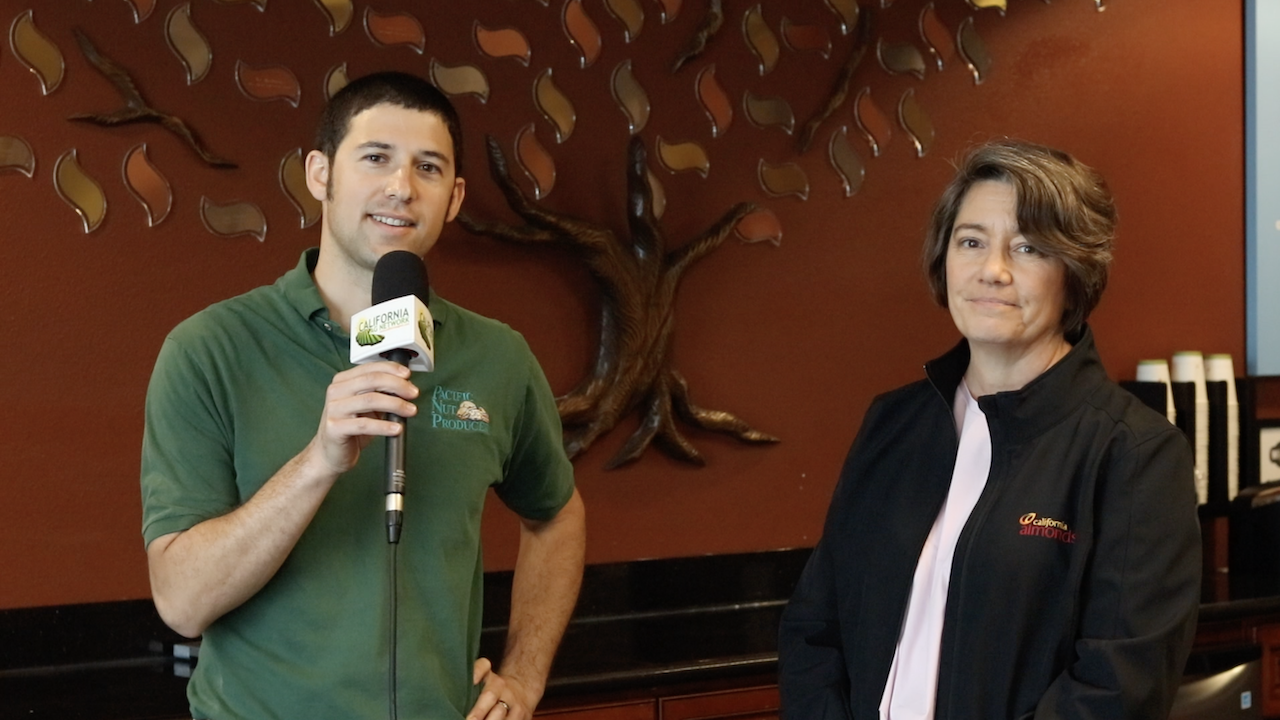


 Connie Conway, Director of the USDA Farm Service Agency in California, has been honored as the Almond Alliance of California’s 2020 Almond Champion of the Year for the agency’s outstanding efforts in assisting almond growers with the Coronavirus Food Assistance Program (CFAP.)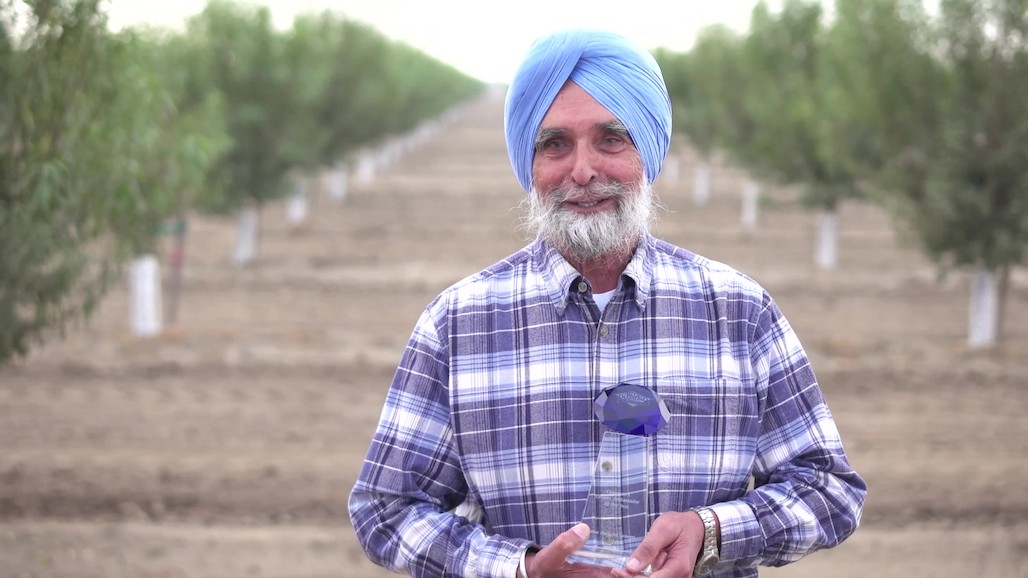
 The 110th Blue Diamond Growers Annual Meeting countered the challenges of 2020 with a sense of accomplishment for the present and optimism for the future.
