Category: Economics

  • Attention Oregon Hazelnut Growers: 2022 Ag Census Now Underway

    Attention Oregon Hazelnut Growers: 2022 Ag Census Now Underway

    Last week the U.S. Department of Agriculture (USDA) mailed an invitation to all known agriculture producers across Oregon and the nation to respond online to the 2022 Census of Agriculture at agcounts.usda.gov. By completing the survey, Oregon producers can tell their story and help generate opportunities that better serve current and future generations of farmers.

    The 2022 Census of Agriculture will be mailed in phases, with paper questionnaires following in December. Producers need only respond once, whether securely online or by mail. The online option offers timesaving features ideal for busy producers. All responses are due Feb. 6, 2023. Farm operations of all sizes, urban and rural, which produced and sold, or normally would have sold, $1,000 or more of agricultural products in 2022, are included in the ag census.

    Conducted every five years by USDA’s National Agricultural Statistics Service (NASS), the Census of Agriculture helps provide a complete picture of American agriculture. It highlights land use and ownership, producer characteristics, production practices, income and expenditures, among other topics. For 2022, new questions about the use of precision agriculture, hemp production, hair sheep, and updates to internet access questions are included. 

    “The Census of Agriculture is so important because it provides the only source of uniform, comprehensive, and impartial agriculture data for every state and county in the nation. Through the ag census, producers can show the value and importance of Oregon and U.S. agriculture and influence decisions that will shape the future of their industries,” says Dave Losh, Oregon State Statistician. 

    Responding to the Census of Agriculture is required by law under Title 7 USC 2204(g) Public Law 105- 113. The same law requires NASS to keep all information confidential, to use the data only for statistical purposes, and only publish in aggregate form to prevent disclosing the identity of any individual producer or farm operation. NASS will release the results of the ag census in early 2024.

    To learn more about the Census of Agriculture, visit nass.usda.gov/AgCensus. Follow @usda_nass on Twitter for the latest information. 
  • Fumigation Considerations Before Replanting an Orchard

    Fumigation Considerations Before Replanting an Orchard

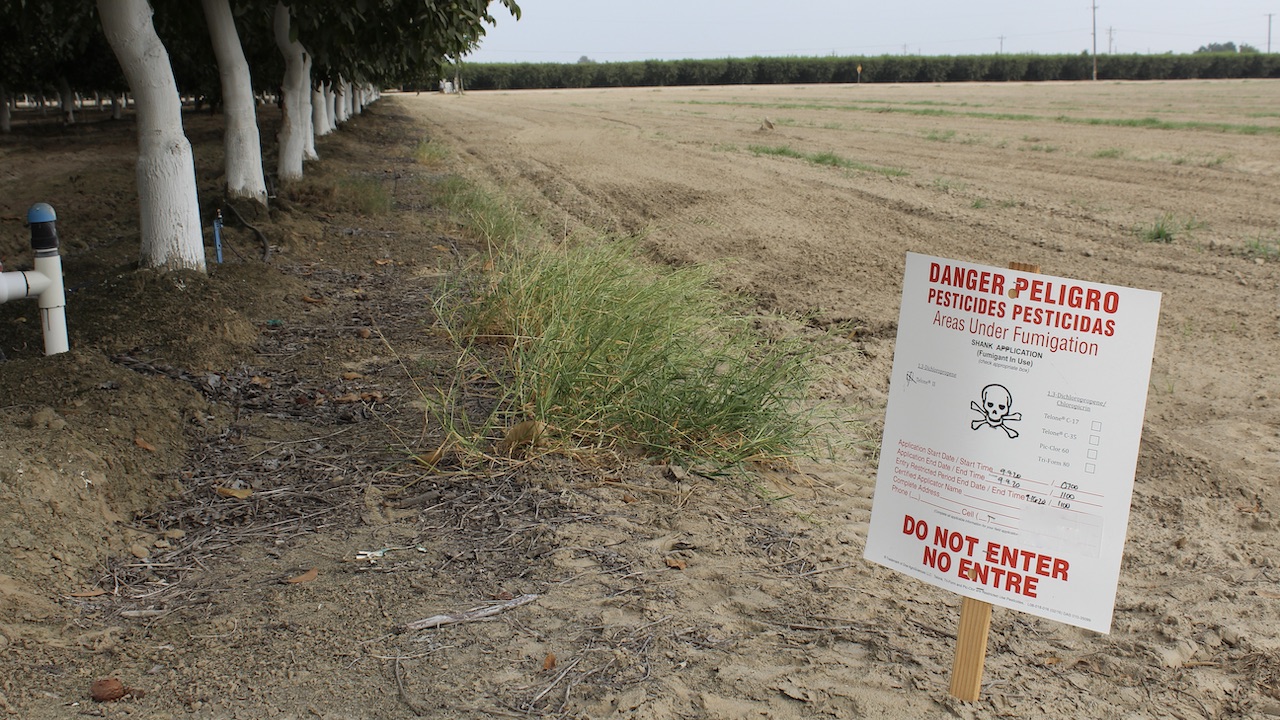
    It’s that time of the year when orchards are being pulled and growers begin preparing their soil for future plans.  For growers looking to replant their orchards, watch this brief interview with UC Riverside Nematologist Andreas Westphal as he shares some considerations to take for fumigation when it comes to nematode pressure.

    Please thank this video’s sponsor Suterra for their industry support.

  • Sucker Control Options for Hazelnut Growers

    Sucker Control Options for Hazelnut Growers

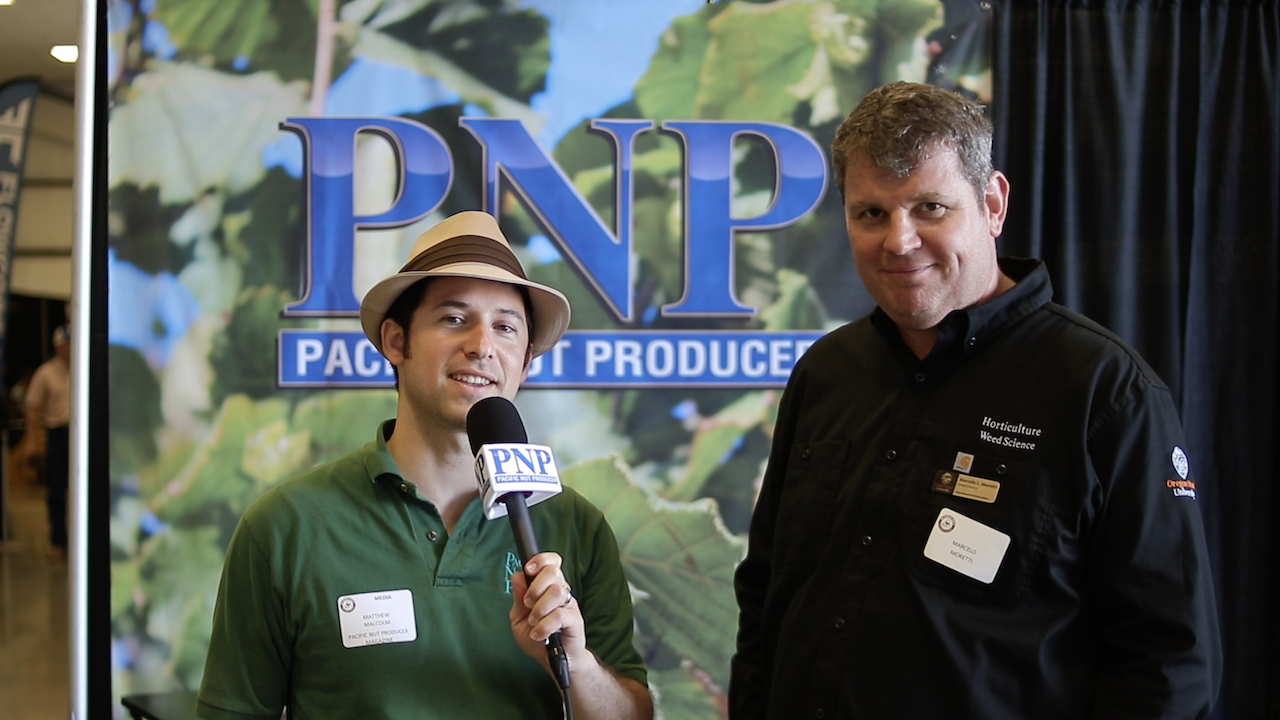
    Probably more than any other tree nut crop, hazelnuts love to produce suckers, especially in their early years of development.  Too many suckers can divert a young tree’s energy and slow down the overall growth and productivity of the tree.  Watch this brief interview with Marcelo Moretti from Oregon State University as he shares what growers can do to mitigate this.  Read more about it in Pacific Nut Producer Magazine. Don’t currently receive this monthly publication? Subscribe for free at: https://malcolmmedia.com/subscribe/

    Please thank this video’s sponsor Suterra for their industry support.

  • New UCCE Advisor to Serve Tree Fruit & Nut Growers in Merced and Madera

    New UCCE Advisor to Serve Tree Fruit & Nut Growers in Merced and Madera

    The UC Cooperative Extension is pleased to introduce one of their newest Orchard Crops Advisors, Cameron Zuber, who will be serving tree fruit and nut growers in Merced and Madera Counties. Watch this video interview to get to know Cameron, his history with California agriculture, and what his research and extension focuses are.  Cameron can be reached at (209) 385-7403 or cazuber@ucanr.edu.

    Please thank this video’s sponsor Suterra for their industry support.

  • CA Almond Export Situation Improves, Almond Alliance Update

    CA Almond Export Situation Improves, Almond Alliance Update

    As almond growers were preparing for harvest this year, there were major concerns as to whether their crop would have a home overseas, due to port and logistical issues (both locally and worldwide).  The Almond Alliance of California quickly worked to bring authorities together to address this issue and do whatever it takes to get product onboard ships destined to our almond export countries.  Watch this video with Almond Alliance President Aubrey Bettencourt, as she shares how conditions have improved with more work to be done. She will be presenting more information on this at the Tree & Vine Expo on November 8 in Stanislaus and at the Grape, Nut & Tree Fruit Expo on November 11 in Fresno, so be sure to register FREE at https://agexpo.biz/ to attend.

    Please thank this video’s sponsor Suterra for their industry support.

  • CA Walnut Board Federal Marketing Order Amendatory Referendum Takes Next Steps

    CA Walnut Board Federal Marketing Order Amendatory Referendum Takes Next Steps

    In August 2021, the California walnut industry initiated a process to modernize the (California Walnut Board) Federal Marketing Order rules governing grades, standards, inspections, and certifications.

    In April 2022, USDA conducted an open hearing in order to collect input from the CWB, growers, handlers, and public at large. Since the hearing, USDA conducted a thorough evaluation of the requested amendments and published the proposed rule on October 25, 2022, in the Federal Register.

    A 30-day comment period is provided to allow interested persons to respond to this proposal. All written exceptions received within the comment period will be considered, and a producer referendum will be conducted before any of these proposals are implemented.

    Summary from the Federal Register:

    This recommended decision proposes amendments to Marketing Order No. 984 (Order), which regulates the handling of walnuts grown in California. The proposed amendments are based on the record of a public hearing held via videoconference technology on April 19 and 20, 2022. The California Walnut Board (Board), which locally administers the Order, recommended proposed amendments that would eliminate mandatory inspection and certification of inshell and shelled walnuts, and of shelled walnuts for processing; create a new mechanism for determining and collecting handler assessments; add authority to charge interest for late payments; establish an assessment rate of $0.0125 per inshell pound of walnuts; expand the definition of “to handle” to include “receive”; and remove volume control authority. In addition, the Agricultural Marketing Service (AMS) proposed to make any such changes to the Order as may be necessary to conform to any amendment that may result from the hearing.

    About the California Walnut Board

    The California Walnut Board (CWB) was established in 1948 to represent the walnut growers and handlers of California.The CWB is funded by mandatory assessments of the handlers. The CWB is governed by a Federal Walnut Marketing Order. The CWB promotes usage of walnuts in the United States through publicity and educational programs. The CWB also provides funding for walnut production, food safety and post-harvest research.

  • Walnut Bargaining Association Recommends Minimum Grower Price

    Walnut Bargaining Association Recommends Minimum Grower Price

    In an effort to keep walnut prices from tumbling further downward, the Walnut Bargaining Association (WBA) is recommending a minimum price recommendation that will return at least 65 cents per pound back to growers. This price is based on in-shell Chandlers, Jumbo/Large, average quality.

    “Our organization is concerned that walnut prices will continue to fall without some minimum price being suggested,” said Jonathan Field, Executive Director of the Walnut Bargaining Association (WBA), a grower cooperative that exists to ensure walnut farmers receive fair prices. “The WBA realizes there is ample carryover from 2021 which needs to be moved out prior to marketing new crop, but this should not be done at the expense of the current crop and production. We believe buyers are willing to pay more for walnuts and we’re urging handlers to move prices up from current levels.”

    According to Field, current prices being offered by handlers will result in only 45 or 50 cents per pound going back to growers, which is substantially below break-even. The 65 cents per pound minimum grower return recommended by the WBA, means handler trade prices need to immediately increase from current levels to cover handling costs and margins.

    Historically, handlers have published a minimum price for walnut exports in August. This didn’t happen in 2022 due to several unknowns surrounding the new crop and global supplies. The WBA will publish its official price recommendation for the 2022 crop after more is known about crop size and quality, worldwide production and the effect of the economy worldwide on prices, movement and utilization.

    “The WBA Board feels strongly the current California crop will come in lighter than expected,” said Todd Ramos, a walnut grower from Winters who is chairman of the WBA. “As walnut harvest continues throughout the state, growers are reporting less volume and more damage from the excessive heat than what was expected before the announcement of the 2022 crop estimate. These factors will reduce overall tonnage.”

    “California walnut farmers are struggling with record inflation of production costs and severely depressed prices which make it impossible to be profitable,” continued Ramos.  “The industry needs every handler to adhere to the minimum price point recommended by the WBA.”

    The WBA is urging growers and handlers to work together to stabilize the market as much as possible. They suggest that payment schedules, advances, timing of payments and all mutually beneficial discussions take place as soon as possible.

    The WBA recently launched a campaign to raise awareness about the benefits it provides to walnut growers by sharing information on prices walnut farmers receive from their handlers.

    “The WBA collects only verifiable information on grower price,” said Field, “That’s why the pricing information collected by the WBA is considered the most accurate data available. It’s definitely more reliable than what growers hear at the coffee shop.”

    The WBA hopes to gain new members so that they can collect even more accurate data.

    “When additional walnut growers join the WBA, our grower pricing data becomes increasingly comprehensive and the better the WBA can help us get the highest price for our walnuts,” said Ramos.  “The WBA understands by uniting together cooperatively with our handlers and marketers, we all stand the best chance for success.”

    More information about the WBA can be found on their website.  Growers interested in receiving sample reports and information from the WBA can sign up here.

  • Wonderful® Pistachios Partners with Panda Global as an Official Snack of the First-ever Licensed North American Super Smash Bros.™ Circuit

    Wonderful® Pistachios Partners with Panda Global as an Official Snack of the First-ever Licensed North American Super Smash Bros.™ Circuit

    Wonderful® Pistachios, America’s number one snack nut, announced a new partnership with gaming organization Panda Global as an Official Snack of the Panda Cup, the first North American Super Smash Bros.™ circuit to be officially licensed by Nintendo. Wonderful Pistachios will also be the title sponsor of the “Wonderful Pistachios Last Chance Qualifier” on December 15 at the Los Angeles Convention Center.

    The “Wonderful Pistachios Last Chance Qualifier” is a day-long event that is free and open to the public. Participants and attendees can enjoy a Wonderful Pistachios activation booth while sampling No Shells pistachios, available in Roasted & Salted, Honey Roasted, Chili Roasted, Smoky Barbecue and Sea Salt & Vinegar flavors – the perfect guilt-free, great-tasting, one-handed gaming snack with six grams of protein in every one ounce serving.

    “The Super Smash Bros. franchise and family-centric nature of Nintendo make the opportunity to be a part of this historic Panda Cup a natural fit,” said Diana Salsa, associate vice president of marketing, Wonderful Pistachios. “The team at Panda Global is providing us with an amazing opportunity in competitive gaming to share our flavorful, protein-forward snack nuts with new audiences on multiple touchpoints throughout the circuit.”

    As part of the partnership, Wonderful Pistachios will serve as the Analyst Desk sponsor for its Last Chance Qualifier and the Panda Cup Finale, which takes place from December 16-18 and offers a $100,000 prize pool for the winners. In addition to the in-person events, the qualifying rounds and finale will be broadcast on Twitch, where viewers will see Wonderful Pistachios ad spots featuring the disgruntled No Shells mascot, Sheldon the tortoise. Sheldon is upset with the brand managers of Wonderful Pistachios No Shells for their “anti-shell” advertising; however, No Shells is the perfect snack for gaming as it is healthy, delicious, and can be poured straight from the bag – no shell cracking required!

    The Panda Cup follows Panda Global’s partnership with video game company Nintendo, enabling it to host licensed tournament circuits for Super Smash Bros.

    “I’ve always made sure to have a bag of Wonderful Pistachios in my pantry long before we found out they’re big fans of Super Smash Bros.,” said Alan Bunney, CEO of Panda Global. “We’re very excited that Wonderful Pistachios is joining the Panda Cup to celebrate our community and help us take things to the next level. And I’m looking forward to all the pistachio flavors they’re bringing with them!”

    According to a report by MRI Simmons, 47 million U.S. adults are esports fans with more than 80% of fans reporting that they eat or drink while watching competitive gaming. The convenience of Wonderful Pistachios No Shells, combined with the great variety of flavors, makes marathon gaming (and snacking) easy for fans.

    Wonderful Pistachios are one of the only snack nuts that are a complete and good source of protein. Pistachios also offer fiber and unsaturated fats for a trio of nutrients that may help keep snackers feeling fuller for longer, a beneficial combination for competitive gaming and longer gaming sessions.

    For more information about Wonderful Pistachios visit WonderfulPistachios.com, YouTube at @WonderfulPistachios, Facebook at /WonderfulPistachios, and Instagram at @WonderfulPistachios.

    About Wonderful Pistachios

    Wonderful Pistachios is the world’s largest vertically integrated pistachio processor and marketer. Located in California’s Central Valley, our nuts are Non-GMO Project Verified, providing a smart, healthy choice for consumers around the world. Our nuts can be found in stores nationwide and online under the flagship brand, Wonderful® Pistachios.

    Wonderful Pistachios is part of The Wonderful Company, a privately held $5 billion company that also has iconic brands such as Wonderful® Halos®, FIJI® Water, POM Wonderful®, JUSTIN® Wine, and Teleflora®.

    About The Panda Cup

    The Panda Cup is a licensed North American Super Smash Bros. Ultimate and Super Smash Bros. Melee Competitive circuit featuring qualifying events across the USA, Canada and Mexico. The circuit strives to create and foster a fun and welcoming space for players to compete while simultaneously boosting support for Super Smash Bros. tournaments and competitors.

  • How Oregon Hazelnuts Fit into Current Global Market Dynamics

    How Oregon Hazelnuts Fit into Current Global Market Dynamics

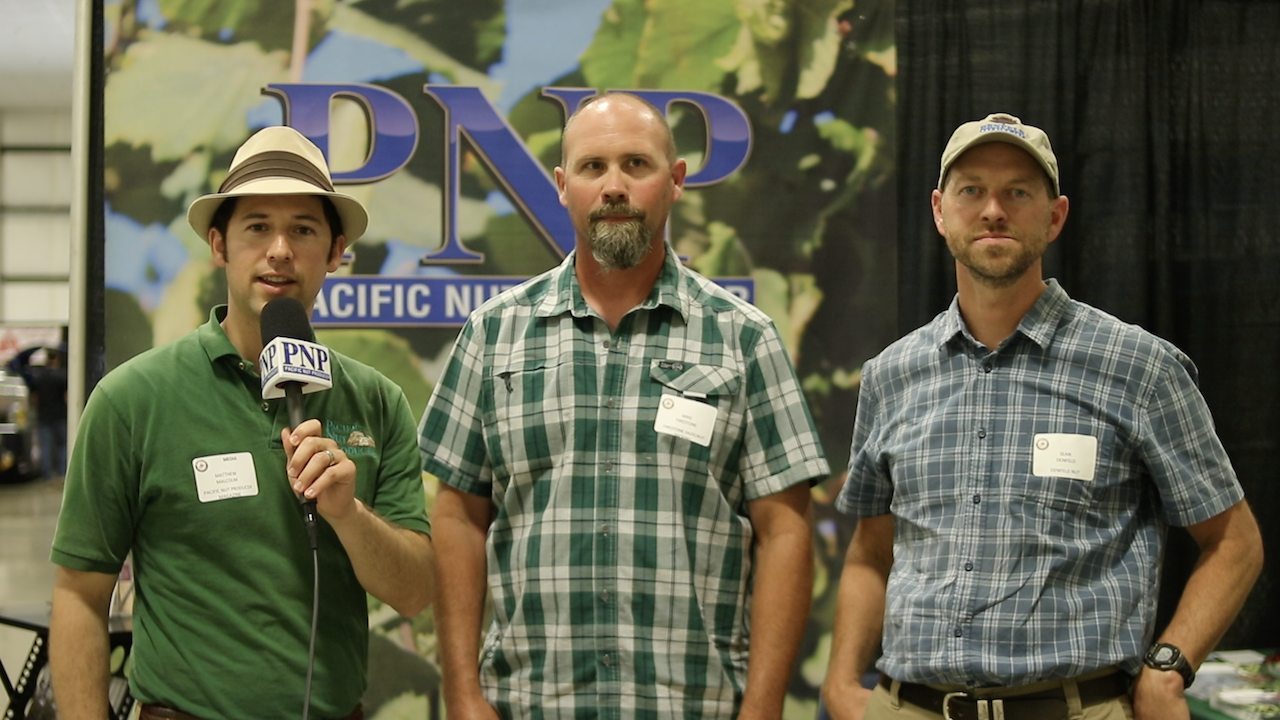
    While the 2022 hazelnut crop forecast is down from last year’s yields in the Pacific Northwest, there appears to be no shortage of hazelnuts on the global scale currently. Watch this brief interview with hazelnut packers Mike Firestone and Sean Denfeld as they share their perspectives on the global hazelnut market and how Oregon hazelnuts fit into the mix.  Read more about it in Pacific Nut Producer Magazine. Don’t currently receive this monthly publication? Subscribe for free at: https://malcolmmedia.com/subscribe/

    Please thank this video’s sponsor Suterra for their industry support.

  • Effort Secures Federal Procurement Program for Almonds

    Effort Secures Federal Procurement Program for Almonds

    More school children and others benefitting from food nutrition programs all across the country will enjoy California almonds this year, thanks to their inclusion in federal ag marketing efforts.

    A USDA program known as Section 32 allows the U.S. Department of Agriculture to buy surplus ag commodities to distribute through various federally subsidized food programs.

    The almond industry doesn’t always have surplus inventory, but a couple of big crop years combined with pandemic-related shipping issues that delayed nuts being sent to overseas markets created the perfect conditions this year for almonds to participate in the federal program.

    “In recent history, it happened once (in 2020) because of some pandemic pressures, but other than that, it’s been quite a while since there was an almond purchase,” explained Brock Densel, who works as part of the Almond Board of California’s Global Technical and Regulatory Affairs team.

    As many as 26.2 million pounds of almonds could find their way into this year’s federal food programs. That means millions of American K-12 students who benefit from free or subsidized meals at their schools, as well as people of all ages who depend upon food banks or assistance programs, will be able to get a taste of California almonds.

    The federal program is run through the USDA’s Agricultural Marketing Service, which administers a number of feeding programs. Qualifying for the Section 32 purchase program can be complex, but once approved, commodities brokers – or in the case of almonds, handlers – are able to bid on specific orders. Handlers can establish their own appropriate price point and low bid wins.

    The deadline for handlers to submit bids was Aug. 31.

    “Section 32 often relies on lower priced commodities,” Densel explained. “Typically, almonds haven’t had the market conditions to justify a USDA purchase.”

    The Almond Board worked with its partners at the Almond Alliance to convince the USDA to include almonds in this year’s Section 32 program, and to revisit the specifications to allow broader participation. The Almond Alliance is allowed to lobby government agencies and elected officials on behalf of the industry, something the ABC cannot do as part of the marketing order.

    Once almonds received the go-ahead, the Almond Board held a virtual training in June for interested almond handlers to explain the Section 32 rules and how the process works.

    “Because this is such an infrequent opportunity for almonds – as opposed to other commodities or other tree nuts like walnuts – there’s not really the institutional knowledge of how to go through this whole process,” Densel said. “Here at the Almond Board, that’s certainly one of the things that we felt we could do, to help our industry members understand the requirements.”

    Though inclusion in the Section 32 program is not something handlers can expect in most years, it can be a sensible alternative when almond inventories are up and USDA puts out a bid.

    “At a time we’re seeing the challenges the almond industry is facing to market larger crops, Section 32 certainly provides an alternative destination and one that is logistically easier under shipping current conditions,” Densel said. — By the Almond Board of California