Category: Economics

  • USDA California Walnut Nursery Sales Report Reveals Steady Decline

    USDA California Walnut Nursery Sales Report Reveals Steady Decline

    Combined sales of walnut trees to California growers were 6,444 acres for the 2021 crop year and 10,650 acres for the 2020 crop year. The majority of tree sales in 2021 were Seedlings, at 62% of new plantings. The Chandler variety came in second at 30%. For 2020, Seedlings were the largest percentage of new plantings at 58%, with the Chandler variety coming in second at 35%. The remaining percentages by variety can be seen in the pie charts.  Based on reported nursery sales data, planted walnut acreage for year 2021 was down by 12,471 acres from just five years prior. The table below reveals a steady downward trend in walnut nursery sales in the last several years, likely correlated with increased global competition, softening prices and drought conditions in the state.

    OBJECTIVE

    The primary objective of the California Walnut Nursery Sales Report survey is to estimate planted acres by variety for the 2020 and 2021 crop years based on the number of walnut trees sold for new plantings. This report summarizes data supplied by California nurseries throughout the State who sold to walnut growers for commercial plantings. Results from this survey will be used in conjunction with the Walnut Acreage Survey to estimate the walnut acres in California.

    PROCEDURES

    Questionnaires were mailed to all known walnut nurseries in California, and responses were received from most operations. Nurseries that did not report data were estimated. The nurseries were asked to report the number of trees sold by variety for commercial plantings, and to estimate the percentage of trees sold for new plantings. Acres planted by variety were then estimated based on the data reported. Acre estimates were calculated using the reported number of trees sold, along with the trees per acre by variety from the Walnut Acreage Survey.

    ACKNOWLEDGMENTS

    The USDA, NASS Pacific Regional Office sincerely appreciates the nurseries for providing the information. A special thanks goes to the California Walnut Board for providing funding and support for this special Walnut Nursery Sales Report survey.

  • New Directors at Almond Board of California Begin Terms

    New Directors at Almond Board of California Begin Terms

    The new Board of Directors of the Almond Board of California (ABC) took their seats this week with four voting members beginning new terms to help guide ABC’s support of one of California’s most important crops.

    Board members, whose terms officially began Aug. 1, also elected Alexi Rodriguez as chair and re-elected George Goshgarian Jr. as vice chair.

    “Our industry is facing many challenges right now,” said Rodriguez. “I’m looking forward to working with this talented and dedicated board and organization. I believe we have the resources and experience to navigate these complicated times.”

    The 10-member ABC board has five grower members – three representing independent growers and two representing cooperative growers – and five handler members, also with three independent and two co-op representatives. Some members sit in three-year seats, others in one-year positions.

    The grower representatives elected or re-elected in this year’s elections are:

    • Paul Ewing, an independent from RPAC, LLC in Los Banos. He was re-elected to a one-year term.
    • Brandon Rebiero, an independent grower from Gold Leaf Farming in Modesto who previously served as an alternate and was elected to a three-year term.

    The handler representatives were re-elected in both positions this year. They are:

    • Darren Rigg, an independent handler from Minturn Nut Co. in Le Grand. He was re-elected to a one-year term.
    • Mel Machado, a co-op handler with Blue Diamond Growers from Modesto re-elected to a three-year term.

    In addition, the board has three alternates elected or re-elected this year:

    • Katie Staack-Dorsett, an independent grower with Grizzly Nut, LLC from Waterford This is her first term as an alternate.
    • Chad DeRose, an independent handler with Famoso Nut Co., LLC in McFarland, who was re-elected.
    • Mark Jansen, a co-op handler with Blue Diamond Growers from Sacramento who was also re-elected.

    This is the full board:

    VOTING MEMBERS                                                                                      TERM

    Grower #1:            Paul Ewing, RPAC, LLC                                                 1 year

    Grower #2:            Brandon Rebiero, Gold Leaf Farming                            3 years

    Grower #3:            Joe Gardiner, Treehouse California Almonds, LLC       3 years

    Handler #1:           Alexi Rodriguez, Campos Brothers                                3 years

    Handler #2:           Bob Silveira, Vann Family Orchards                              3 years

    Handler #3:           Darren Rigg, Minturn Nut Co. Inc.                                  1 year

    Co-op Grower #1: George Goshgarian Jr., Goshgarian Farming Co.        3 years

    Co-op Grower #2: Christine Gemperle, Gemperle Orchards                      3 years

    Co-op Handler #1: Mel Machado, Blue Diamond Growers                          3 years

    Co-op Handler #2: Alicia Rockwell, Blue Diamond Growers                       3 years

    ALTERNATES

    Grower #1:             Katie Staack-Dorsett, Grizzly Nut, LLC

    Grower #2:             Vacant

    Grower #3:             Chris Bettencourt, Suvik Farms

    Handler #1:            Ron Fisher, Fisher Nut Company

    Handler #2:            Dexter Long, Hilltop Ranch, Inc.

    Handler #3:            Chad DeRose, Famoso Nut Company, LLC

    Co-op Grower #1:  Kelli Evans, Evans Farming

    Co-op Grower #2:  Kent Stenderup, Stenderup Ag Partners

    Co-op Handler #1: Mark Jansen, Blue Diamond Growers

    Co-op Handler #2: Dean LaVallee, Blue Diamond Growers

    The ABC board sets policy and approves budgets in major areas, including production research, public relations and advertising, nutrition research, statistical reporting, quality control and food safety.

    ABC is a Federal Marketing Order dedicated to promoting California almonds to domestic and international audiences through marketing efforts and by funding and promoting studies about almonds’ health benefits, as well as ensuring sustainable agricultural practices and food safety.

    About California Almonds

    California almonds make life better by what we grow and how we grow. The Almond Board of California promotes natural, wholesome and quality almonds through leadership in strategic market development, innovative research, and accelerated adoption of industry best practices on behalf of the more than 7,600 almond farmers and processors in California, most of whom are multi-generational family operations. Established in 1950 and based in Modesto, California, ABC is a non-profit organization that administers a grower-enacted Federal Marketing Order under the supervision of the U.S. Department of Agriculture. For more information on the Almond Board of California or almonds, visit Almonds.com or check out California Almonds on Facebook, Twitter, Pinterest, Instagram and the California Almonds blog.

  • The Facts on San Joaquin Valley Water Use & Realigning Priorities Amidst Drought

    The Facts on San Joaquin Valley Water Use & Realigning Priorities Amidst Drought

    In a panel discussion titled, “Water: What Real, What’s Not, What’s Next” at the Annual Convention of the Almond Alliance of California, Friant Water Authority CEO Jason Phillips shares his views on solutions to California’s water crisis based on the reality of the San Joaquin Valley’s water supply and use.

    Please thank this video’s sponsor Suterra for their industry support.

  • Chinese Consumers View Pistachios as Healthy “Happy Nuts”

    Chinese Consumers View Pistachios as Healthy “Happy Nuts”

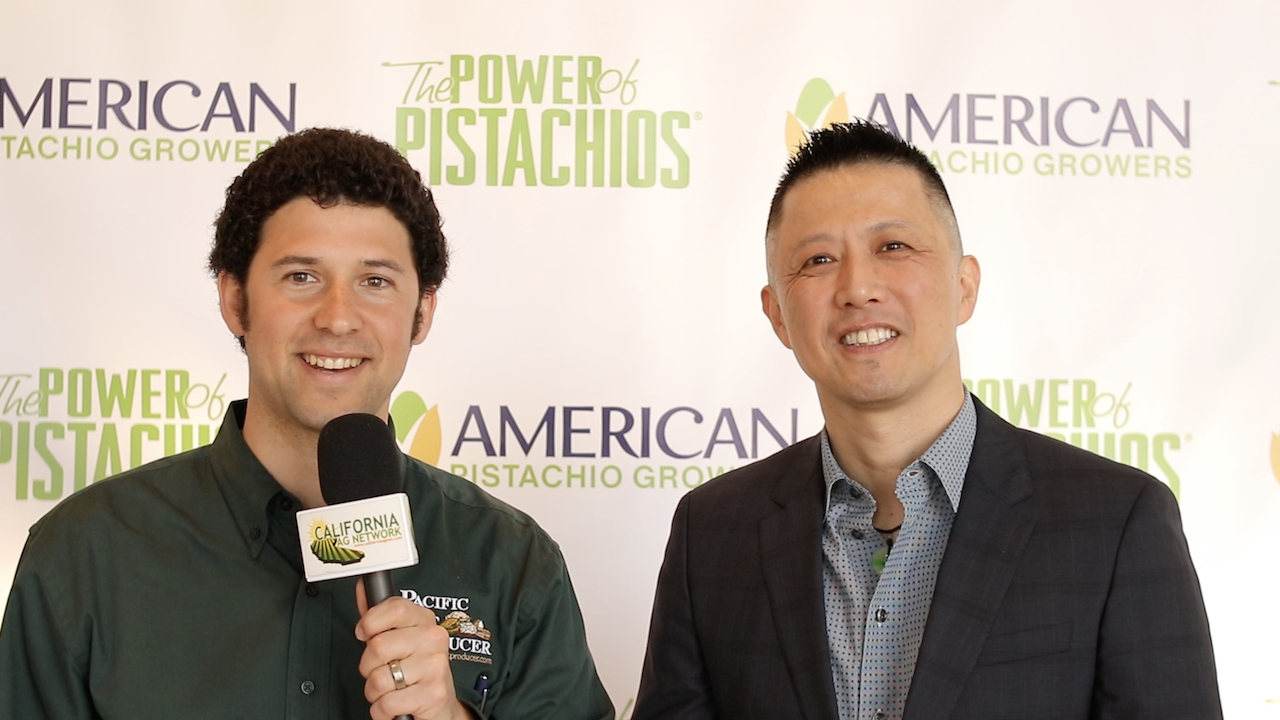
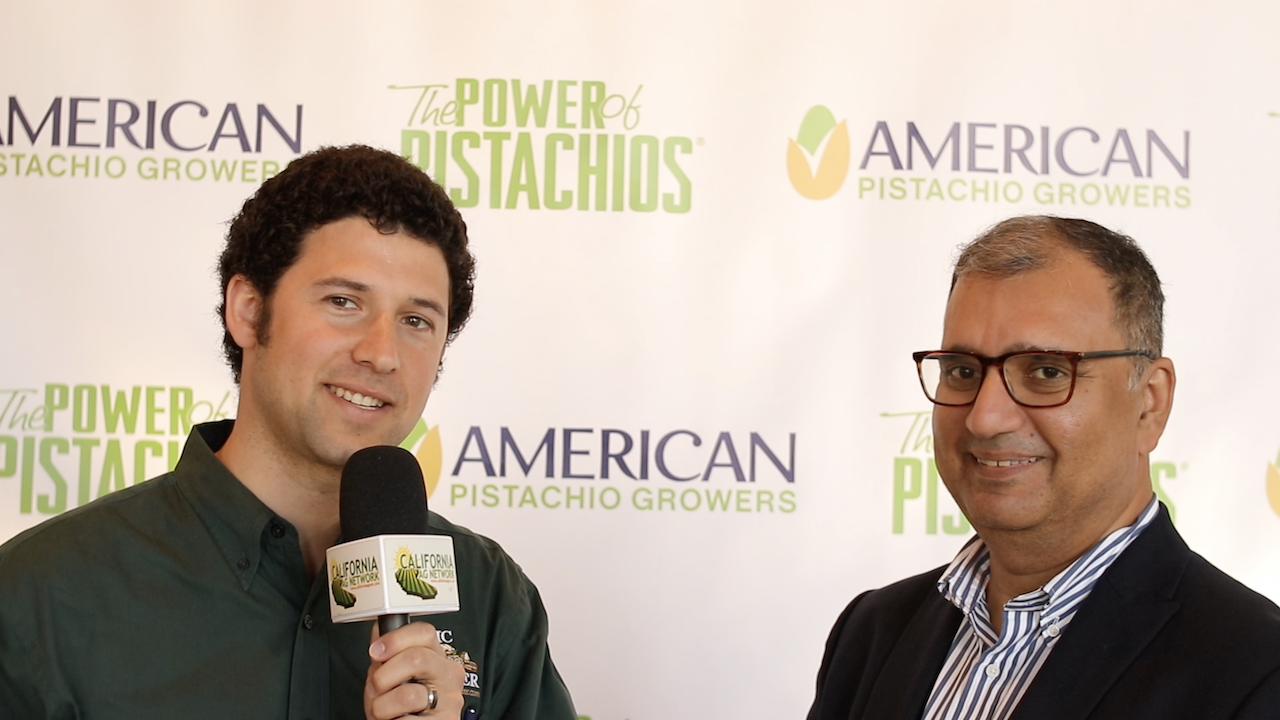
    Can an increasing Chinese appetite for U.S. grown pistachios help overcome trade barriers?  Possibly, but watch this brief interview with American Pistachio Growers’ in-country trade representative Roger Zhang as he shares pistachio consumer trends in China. Read more in Pacific Nut Producer Magazine.

    Please thank this video’s sponsor Suterra for their industry support.

  • Pest and Disease Management Considerations for Organic Hazelnut Growers

    Pest and Disease Management Considerations for Organic Hazelnut Growers

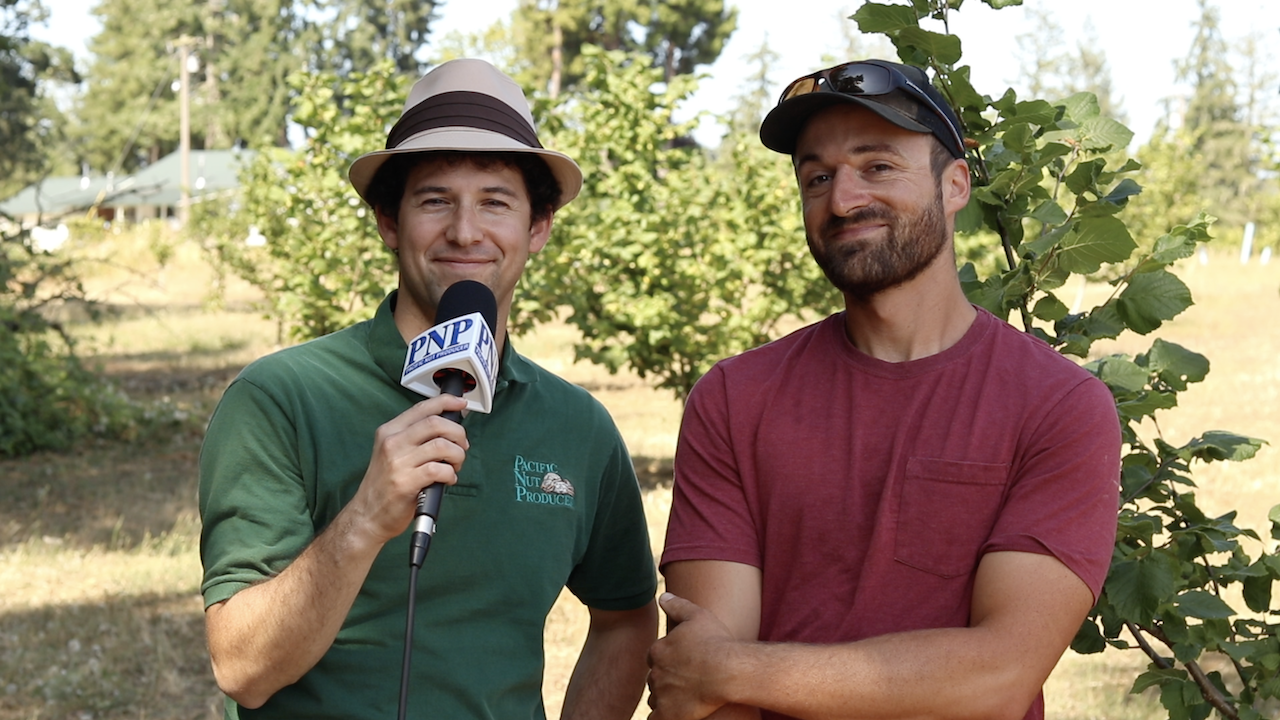
    Considering converting your hazelnut farm to organic production but not sure how to keep pest and disease pressure at bay? Watch this brief video with the organic grower Taylor Larson from the Oregon Organic Hazelnut Collective as he offers his personal insights and read more about it in Pacific Nut Producer Magazine. Don’t currently receive the monthly publication? Subscribe for free at: https://malcolmmedia.com/subscribe/

    Please thank this video’s sponsor George Packing Company for their industry support.

  • Pistachios Evolve from a Garnish to a Popular Snack in India

    Pistachios Evolve from a Garnish to a Popular Snack in India

    The Indian market is a relatively new one for U.S. pistachios, yet has tremendous potential as American Pistachio Growers continues to invest in it.  Watch this brief interview with American Pistachio Growers’ in-country trade representative Summit Saran as he explains. Read more in Pacific Nut Producer Magazine.

    Please thank this video’s sponsor Suterra for their industry support.

  • Winter Honey Bees Show Resistance to a Common Insecticide

    Winter Honey Bees Show Resistance to a Common Insecticide

    Winter honey bees, compared to newly emerged summer bees, have a better ability to withstand the harmful effects of a widely-used insecticide in pest management, according to a recent study published in Apidologie.

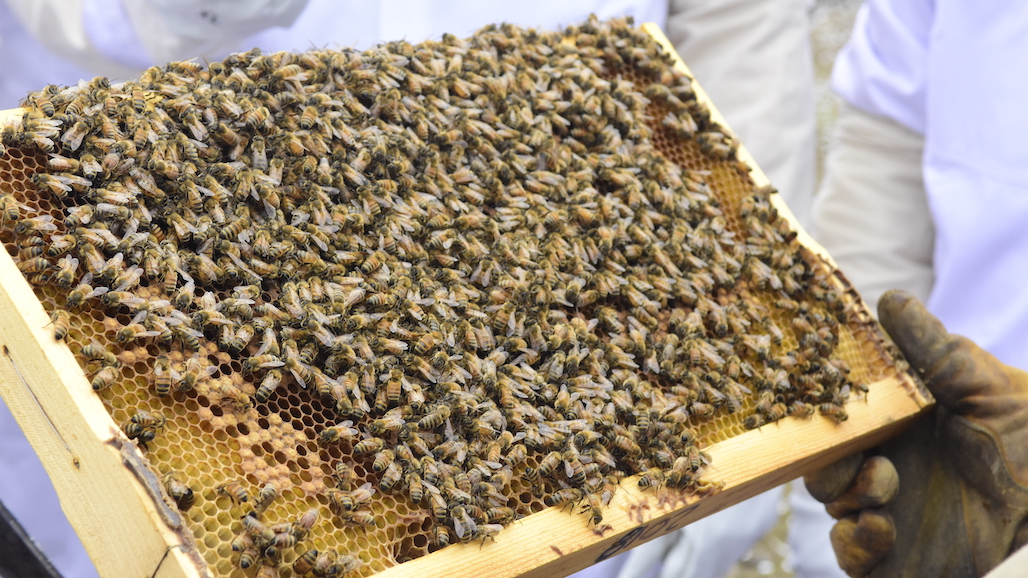
    Honey bees feed on imidacloprid during a cage experiment. (Photo by Mohamed Alburaki, ARS)

    United States Department of Agriculture (USDA), Agricultural Research Service (ARS) researchers from the Bee Research Laboratory in Beltsville, Maryland, found winter honey bees’ consumption of a nearly lethal, imidacloprid-laced syrup did not affect their survival during the study.

    Imidacloprid is an insecticide made to mimic nicotine and is toxic to insects. This powerful insecticide is widely used in agriculture for pest management control. Honey bees are likely to encounter imidacloprid while foraging in the field or through contaminated hive products.

    “Although imidacloprid toxicity to honey bees is an important concern for beekeepers, our results provide good news,” said Miguel Corona and Mohamed Alburaki, researchers at the ARS Bee Research Laboratory. “Our research shows that winter honey bees have unrecognized physiological mechanisms to counteract the effects of insecticides.”

    The study assessed differences in diet behaviors for summer and winter honey bees in a controlled laboratory setting. Researchers provided sublethal doses of the imidacloprid-laced syrup to bees as necessary. Winter bees showed a preference to consuming imidacloprid-laced syrup over untreated sugar syrup while summer honey bees made the safe choice and avoided consuming the laced syrup each time.

    According to Corona, it is important to study the differences of summer and winter honey bees’ diets.  Honey bee colonies survive extreme seasonal differences in temperature and forage by producing two seasonal phenotypes of workers: summer and winter bees. These seasonal phenotypes differ significantly in their psychological characteristics as well as their susceptibility to disease and ability to handle poisonous substances.

    “Winter bees and summer bees undergo physiological changes to cope with drastic seasonal changes in temperature and the availability of nutritional resources,” said Corona and Alburaki. “Our results suggest that long-lived winter bees are especially well-adapted to tolerate higher levels of chemical stressors.”

    Corona said that although the study’s results show that winter bees could tolerate more intoxication by imidacloprid, they are still susceptible to higher concentrations of this insecticide in field settings. — By the USDA-ARS

  • Almonds Prove Indispensable to New Product Innovation

    Almonds Prove Indispensable to New Product Innovation

    Almond Board of California — For the sixteenth consecutive year, almonds are the top nut in global new product development according to Global New Products data from Innova Market Insights, having been first recognized as the number one nut globally in 2006. With more forms than any other tree nut, almonds’ versatile taste, texture and health claim benefits align to consumers’ ever-changing tastes, lifestyles and preferences.

    This year’s Global New Products Report revealed that more than 12,000 new almond products were introduced in 2021, making up 40 percent of total nut introductions. Almonds are the number one nut in four of the top six global food introduction categories: bakery, bars, dairy and cereals. Of note, bakery’s growth at 15 percent is highest out of all introductions across global food, nut and almond introductions.

    The report also revealed introductions with almonds led to a higher likelihood of on-pack health claims with over 1 in 5 products with almonds featuring the top health label claim, “gluten-free,” specifically. The remaining four leading health label claims for products with almonds were “no additives/preservatives,” “high source of fiber,” “organic,” and “high source of protein.” Almonds remain the number one nut by a large margin for global introductions with label claims for “plant-based,” “vegan” and “vegetarian,” as plant-based food products continue to dominate consumer desires for health and lifestyle needs. 

    “We’re continually impressed to see manufacturers across the globe innovating with almonds to stay on top of consumer demands, trends and preferences coming out of the pandemic,” said Harbinder Maan, Associate Director, Trade Marketing and Stewardship at the Almond Board of California. “The versatility of almonds as an ingredient is truly unique, and we continue to see new innovations across product categories that really push the envelope.”

    The Global New Products Report also found that almonds are not only the number one nut in North America but also in Europe and Asia-Pacific. Europe is leading almond introductions for all top almond relevant categories except for cereals, where Asia-Pacific is the leading region. Globally, the top six almond relevant categories account for 82 percent of total almond introductions, while these categories account for only 43% of total food introductions.

    Confectionery is the leading category for almond product introductions in Europe and the Middle East & Africa, while bars is the leading category in North America, and bakery is the leading category in Asia-Pacific with a narrow margin over snacks. When it comes to regions where almond product introductions are growing fastest, the Middle East & Africa lead the charge at 15 percent, followed by Latin America at eight percent, and Asia-Pacific at three percent.

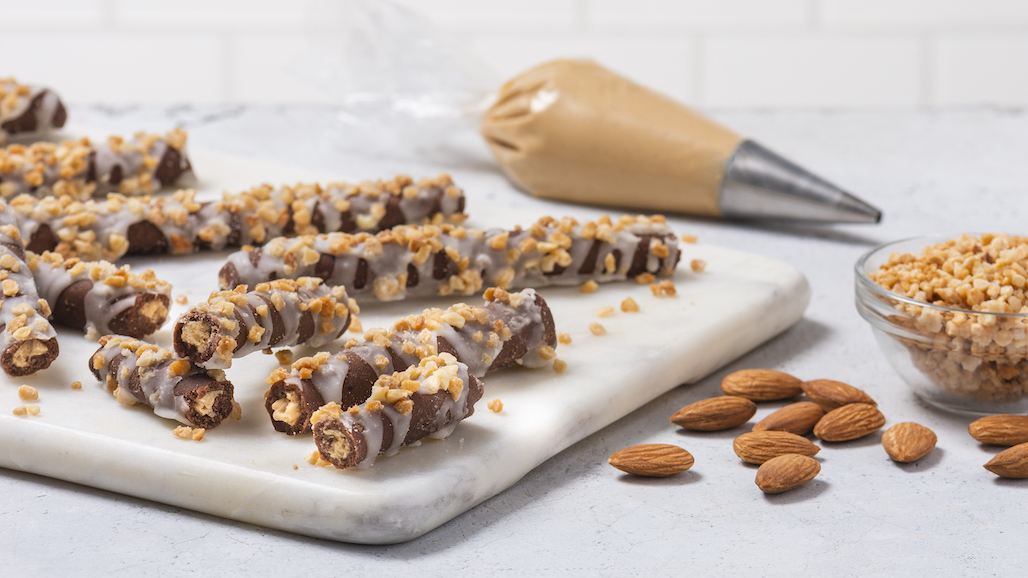
    The success of almonds as a key ingredient across product categories can partially be attributed to their texture versatility. The creaminess and contrasting smoothness of almond butter is a natural fit for spreads, which grew globally at 12 percent, whereas sliced or chopped almonds add crunch to a growing desserts and ice cream category. Most notably, to satisfy an increased demand for gluten-free and healthy indulgence options, almond flour is often utilized as a key ingredient in the ready meals and side dish category, particularly in products like frozen pizzas.

    “Coming out of two unprecedented years of pandemic-related change, it’s encouraging to see consumer expectations shifting towards a demand for a healthier lifestyle both in what and how they choose to consume,” said Lu Ann Williams, Global Insights Director at Innova Market Insights. “It’s no surprise that almonds have maintained their spot as number one for 16 years and counting, with the dynamic and various texture, flavor and health label claims they satisfy.”

    Almonds are a nutrient-rich and heart-healthy ingredient. When compared ounce for ounce, almonds are the tree nut highest in vitamin E and riboflavin, and a one-ounce serving of almonds provides six grams of protein, four grams of fiber, 13g of unsaturated fat and only 1g of saturated fat. Scientific evidence suggests, but does not prove, that eating 1.5 ounces of most nuts, such as almonds, as part of a diet low in saturated fat and cholesterol may reduce the risk of heart disease.

    Visit Almonds.com to view an infographic highlighting key data from the report.
     
    References:
    Innova Market Insights, Global New Products Introductions Report, 2021. May 2022.
  • Students Learn About Commodities Grown Almost Exclusively in the Golden State

    Students Learn About Commodities Grown Almost Exclusively in the Golden State

    California’s farmers grow more than 400 commodities each year, making the state the nation’s breadbasket. And for 36 years, the nonprofit California Foundation for Agriculture in the Classroom has been educating students around the state that the nutritious and tasty fruits and vegetables they eat don’t just come from the supermarket.

    During the past school year, Executive Director Judy Culbertson said the focus of the educational program was highlighting the “99% club” – 16 commodities grown almost exclusively in the Golden State.

    “On April 1 we held our second annual California Farm Day virtually, with presenters talking about a different one of the commodities for 10 minutes, providing information, activities, recipes and ‘did you know’ segments,” Culbertson said.

    “Nearly 500 teachers registered, and we sent out a box of goodies for each class, with snacks, resources for students and teachers and the What’s Growin’ On? newspaper. We put the video package on YouTube, and 16,000 kids registered!” She added that 45 counties had at least one school participating this year.

    Mark Littlefield, President and CEO of Farm Credit West, said Farm Credit organizations have given the foundation over $250,000 since 2002 to help educate students in urban and rural areas alike about the importance of agriculture to California.

    “California’s climate makes it ideal for growing a large variety of crops, many of which can’t be grown anywhere else in the U.S.,” Littlefield said. “It’s important to educate Californians about how much of their food is grown here and why agriculture is so vital to the state’s economy. Farm Credit is proud to be a longtime sponsor of the California Foundation for Agriculture in the Classroom, which has done a great job over the years providing that education.”

    Farm Credit West, American AgCredit, CoBank, Colusa-Glenn Farm Credit, Fresno Madera Farm Credit and Yosemite Farm Credit all provide funding. The organizations are part of the nationwide Farm Credit System – the largest provider of credit to U.S. agriculture.

    Besides talking about the 99% club commodities during the two-hour virtual event, there was also a half-page devoted to each commodity in the newspaper – which celebrated its 20th anniversary this school year – that provided information about their history, nutrition, and little-known facts.

    The commodities are almonds, artichokes, celery, clover, figs, garlic, honeydew melons, nectarines, olives, peaches, pistachios, raisins, medium- and short-grain rice and walnuts. Among the fun facts included in the publication are:

    • Celery has many health benefits and that bunches of celery were presented to ancient Greek athletes, much as a bouquet of roses would be today.
    • Almonds, roses, and peaches are distant cousins, members of the rose family.
    • Garlic was used as a first aid compound in World War II to kill bacteria and germs on the battlefield.

    Among the Farm Day video presenters was Ag in the Classroom Foundation President Jamie Johansson, an Oroville olive grower who also is president of the California Farm Bureau.

    “It’s a fruit, right, like a cherry or a peach, but it’s one of the few fruits you can’t pick off the tree and just eat,” he told the students. “The first time I tasted an olive off the tree it was so bitter I wondered what I was doing and how I failed.” He later explained that you have to cure the olives by soaking them in lye or brine to remove the bitter compounds. You can view the entire Farm Day presentation here.

    Culbertson said the response from teachers and students was overwhelmingly positive.

    “One teacher wrote back to say, ‘It really gave our students a better understanding of the impact that California’s agriculture has on our state, country, and the world.’ Another wrote, ‘They learned so much about their home state and came back from the weekend telling me what they taught their parents about California agriculture. Thank you so much,’” Culbertson said.

    This year, Ag in the Classroom began working with the Fresno Unified School District to promote the commodities grown in the heart of California’s farm belt. The district received a $500,000 grant from the U.S. Department of Agriculture and the California Department of Food and Agriculture to provide locally grown fruits and vegetables to the school lunch program and to provide education about the importance of agriculture.

    “We are providing the education side of the nutrition grant,” Culbertson said. “We produced classroom materials including a monthly Fresno Farms to You newsletter, along with posters for each school’s cafeteria. Both feature information about what’s in season in the Fresno area that month.

    “There are 70,000 kids in Fresno Unified, and everybody goes through the cafeteria and learns about the commodities. We’re going through evaluation now, but it’s a two-year grant, and we’re planning to do it again next year.”

    The poster for October, for example, featured table grapes, informing students that eating them benefits the heart, brain, and skin. And each month’s poster includes a joke about that month’s commodity, which she said she hopes helps capture their attention. For October, it was, “What happened when the grape was promoted? It got a raisin pay.”

    Keith Hesterberg, president and CEO of Fresno Madera Farm Credit, said he was especially pleased that California Foundation for Agriculture in the Classroom was able to help promote agriculture in his community.

    “The Fresno area has grown tremendously in recent years, and many people moving here from other parts of the state don’t have the same understanding about the importance of agriculture as people who grew up here. This program is a great way of giving students information as well as a taste of how delicious locally grown fruits and vegetables are,” he said.

    About Farm Credit:
    American AgCredit, CoBank, Colusa Glenn Farm Credit, Farm Credit West, Fresno Madera Farm Credit, and Yosemite Farm Credit are cooperatively owned lending institutions providing agriculture and rural communities with a dependable source of credit. For more than 100 years, the Farm Credit System has specialized in financing farmers, ranchers, farmer-owned cooperatives, rural utilities and agribusinesses. Farm Credit offers a broad range of loan products and financial services, including long-term real estate loans, operating lines of credit, equipment and facility loans, cash management and appraisal and leasing services…everything a “growing” business needs. For more information, visit www.farmcreditalliance.com

    About the Foundation for Agriculture in the Classroom:
    The California Foundation for Agriculture in the Classroom is a nonprofit organization dedicated to educating youth throughout California about the importance of agriculture in their daily lives. We do this through:

    • Developing materials that are accurate, teacher-tested and scientifically sound to enhance the educational experience of K-12 students.
    • Providing programs, inspiration and training opportunities for educators.
    • Partnering with like-minded organizations to create awareness about the significance of agriculture in our everyday lives.
    • Recognizing teachers and students for their achievements in agricultural literacy.
    • Supporting the pursuit of agricultural careers and continuing education.

    Our mission is to increase awareness and understanding of agriculture among California’s educators and students. Our vision is an appreciation of agriculture by all. Learn more at https://learnaboutag.org.
  • Fun Facts About Bees & Almonds

    Fun Facts About Bees & Almonds

    Almond Board of California — Honey bees and almonds form a partnership designed by nature. They both evolved in the same Mediterranean region and help each other prosper.

    Pollinators are responsible for one out of every three bites of food we consume, beyond just almonds.

    Just like almonds are a nutritious snack for us, almond pollen is very nutritious for honey bees, providing all 10 of the essential amino acids their diets require.

    When almond trees bloom, bees get their first nutritious food source of the year as they pollinate almond orchards. Bee hives regularly grow in strength and size during almond bloom and consistently leave stronger than when they arrived.

    Research by the U.S. Department of Agriculture released in June 2021 found that amygdalin – a naturally occurring compound in the nectar and pollen of almond trees – can reduce honey bee viruses and gut parasites, which are some of the leading threats to bee health and colonies.

    Every almond you eat comes from a flower once pollinated by a bee.

    California’s almond bloom is the largest pollination event annually in the world, with beekeepers from most US states supplying nearly a million beehives (close to half the beehives in America) for this event.

    Each almond flower is receptive to pollen for one to three days.

    Almond trees produce roughly 20,000 blossoms, depending on size and variety.

    Bees have furry little bodies and legs – honey bees have almost 3 million tiny hairs on their bodies – so pollen sticks to them like lint on a black sweater. They carry the pollen back to their hive, but some drops off onto other flowers or blows to almond blossoms in the breeze.

    Bees can often strip an almond orchard of pollen by midafternoon on many days, collecting all the pollen available then moving to neighboring flowers and landscape before returning to the hive before night. Then, orchards produce a new pollen crop every day, so the cycle continues until the orchard finishes flowering.

    Some orchards have more than 6 million flowers per acre during bloom. Thanks to ideal Central Valley weather, supportive bee work and good orchard management, often 25%-30% of those flowers become the almonds that you eat.

    Bloom lasts about 2-3 weeks per variety, and because most orchards have more than one variety, an average bloom lasts about six weeks through a whole orchard.

    Honey bees are major pollinators on which we depend, but native pollinators, including butterflies and other bee species and insects are also essential.

    The California almond community has funded over 100 research projects supporting honey bees, more than any other crop group.

    The California almond community works hard in the orchard to support honey bee health during bloom and beyond.

    The almond community’s five-point Pollinator Protection Plan outlines steps farmers are taking in their orchards to keep bees safe during bloom as well as how they’re supporting honey bee health all year round.

    The Almond Board of California established Honey Bee Best Management Practices (BMPs) for California almond growers using research insights and in partnership with universities, government agencies, nonprofits and other institutions. The Bee BMPs provide key recommendations to help keep orchards orchard a safe place for honey bees, protect the developing crop, and give hives the opportunity to grow.