Category: Economics

  • Wonderful Pistachios No Shells Wins Good Housekeeping 2022 Healthy Snack Award

    Wonderful Pistachios No Shells Wins Good Housekeeping 2022 Healthy Snack Award

    Wonderful Pistachios No Shells is thrilled to announce the latest awards received for two of its No Shells flavors, BBQ and Chili Roasted. Both No Shells flavors have both been selected as a Good Housekeeping 2022 Healthy Snack Awards winner. As the highest protein snack nut, Wonderful Pistachios contain six grams of protein per serving and are a healthy way to fuel, with zero guilt.

    • Wonderful Pistachios No Shells BBQ – Savor the taste of summer all year long with Wonderful Pistachios No Shells BBQ. Exploding with hickory-smoked flavor and dashed with garlic, paprika, and salt, Wonderful Pistachios No Shells BBQ are an irresistible mix of sweet and smoky.
    • Wonderful Pistachios No Shells Chili Roasted – Turn up the heat with Wonderful Pistachios No Shells Chili Roasted. Wonderful Pistachios No Shells Chili Roasted are bursting with the big, bold flavors of red pepper, garlic, and vinegar to tingle your tongue and keep you craving more.

    The Good Housekeeping 2022 Healthy Snack Awards highlights innovative snacks in the food space that meet the publication’s nutritional criteria (including caps on per-serving calories, sugar, and sodium). Good Housekeeping’s in-house registered dietitian and team of nutrition experts in the Good Housekeeping Institute’s Nutrition Lab rigorously analyzed ingredient lists, Nutrition Facts labels, packaging claims and flavor profiles of hundreds of snacks to find the best of the best. Consumer testers also weighed in on taste and provided additional real-life analysis.

    Wonderful Pistachios No Shells are available nationwide in-stores, as well as online. For delicious recipe inspiration, visit our website.

  • NASS Updates Almond Forecast, Smaller 2022 Crop

    NASS Updates Almond Forecast, Smaller 2022 Crop

    The 2022 California Almond Objective Measurement Report published by the U.S. Department of Agriculture’s National Agricultural Statistics Service (NASS) estimates that the crop harvested in 2022 will come in at 2.6 billion meat pounds, 11 percent below last year’s 2.9 billion pounds.

    The estimate is down 7 percent from NASS’s subjective forecast in May and comes in a complicated year. Some growers were impacted by frost in spring while the entire almond industry, and all California farmers, have been navigating a difficult water year and continued logistical issues impacting the ability to ship almonds to meet consumer demand around the world.

    “Growers have been working hard in the face of challenging circumstances and it demonstrates their dedication to improving stewardship practices and meeting the demands of consumers,” said Brian Wahlbrink, chair of the Almond Board of California (ABC) Board of Directors.

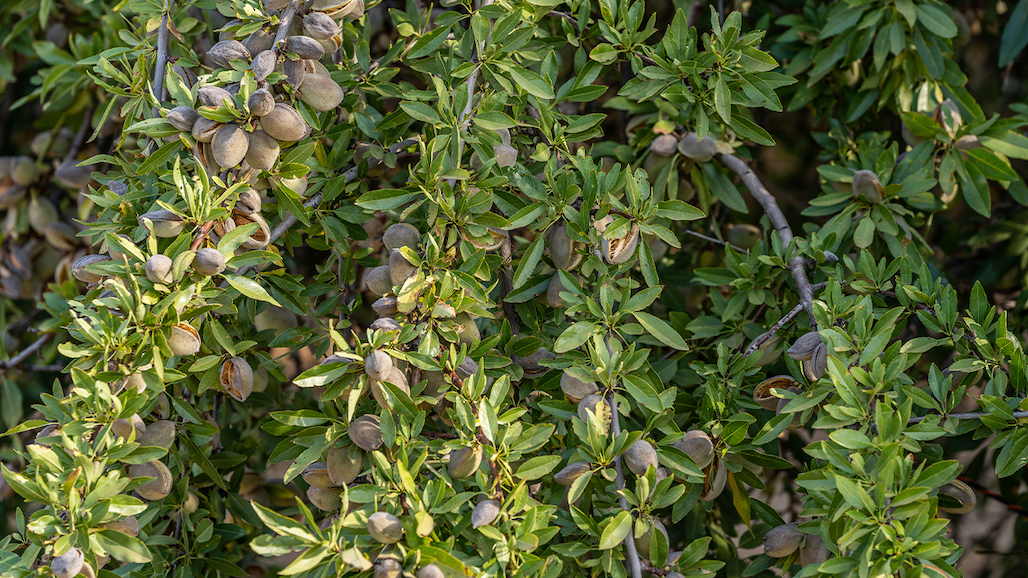
    The forecast for the average nut set per tree is 4,082, 12 percent down from 2021. The Nonpareil average nut set of 3,966 is also 12 percent lower than last year. The average kernel weight for all varieties sampled was 1.47 grams, up less than 1 percent from the 2021 average weight. The Nonpareil average kernel weight was 1.55 grams, up slightly from last year.

    “Despite the shipping and logistical logjams, recent shipment numbers have set monthly records, which demonstrates the demand for California almonds continues to increase in the U.S. and around the world,” said Almond Board President and CEO Richard Waycott. “Almond growers are putting what resources they can afford this year into producing their crop, and their efforts show. Although there was a drop from last year, the forecast reflects the efforts of growers to meet global demand and ensure a steady supply of high quality California almonds.”

    ABC’s April and May 2022 Position Reports showed that almond exports set records for both months, even while facing shipping and logistical obstacles, and total almond shipments in May also set a record.
     
    NASS conducts the annual Subjective Forecast, Objective Report and Acreage Report to provide the California almond industry with the data needed to make informed business decisions. Of the crop estimates, the 2022 California Almond Objective Report is considered the more accurate and is based on actual almond counts using a statistically rigorous methodology. — by the Almond Board of California

  • New Hazelnut Receiving Station Paves Way for Bulk Handling

    New Hazelnut Receiving Station Paves Way for Bulk Handling

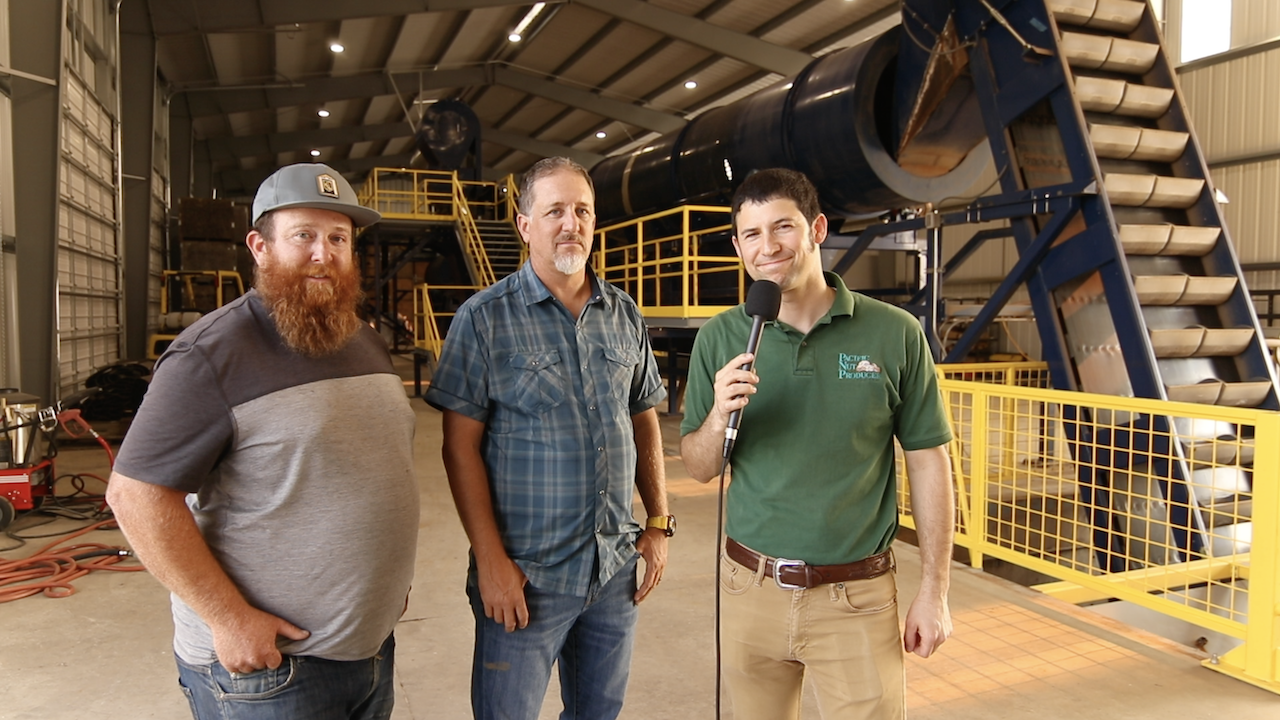
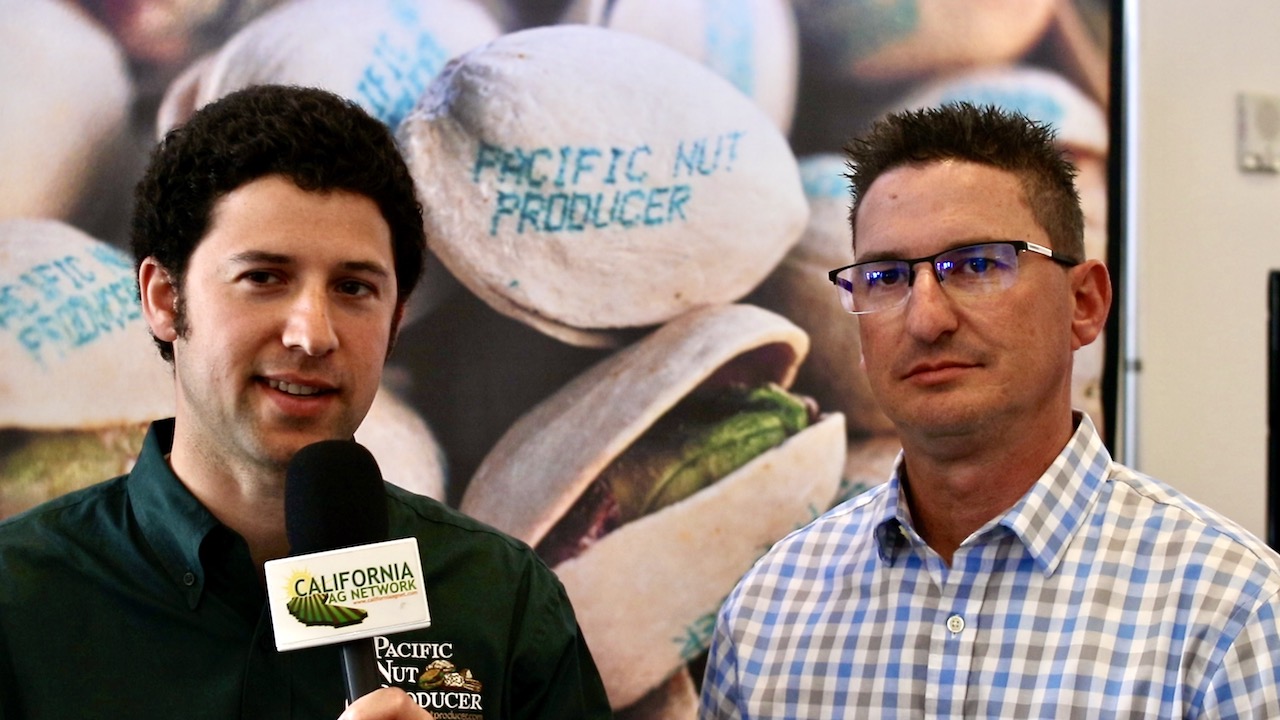
    The Nut Growers Society is holding their Summer Hazelnut Tour this year at K&D System’s new receiving station in Albany, OR.  Watch this brief video with the Kropf brothers to get a sneak preview of what attendees will get to see at their new state-of-the-art bulk handling receiving station. Be sure to attend the Summer Tour this year and read more about the Kropf family in the July issue of Pacific Nut Producer Magazine. Don’t currently receive the monthly publication? Subscribe for free at: https://malcolmmedia.com/subscribe/
    Please thank this video’s sponsor George Packing Company for their industry support.
  • Progress on Prop 1 Funded California Water Projects

    Progress on Prop 1 Funded California Water Projects

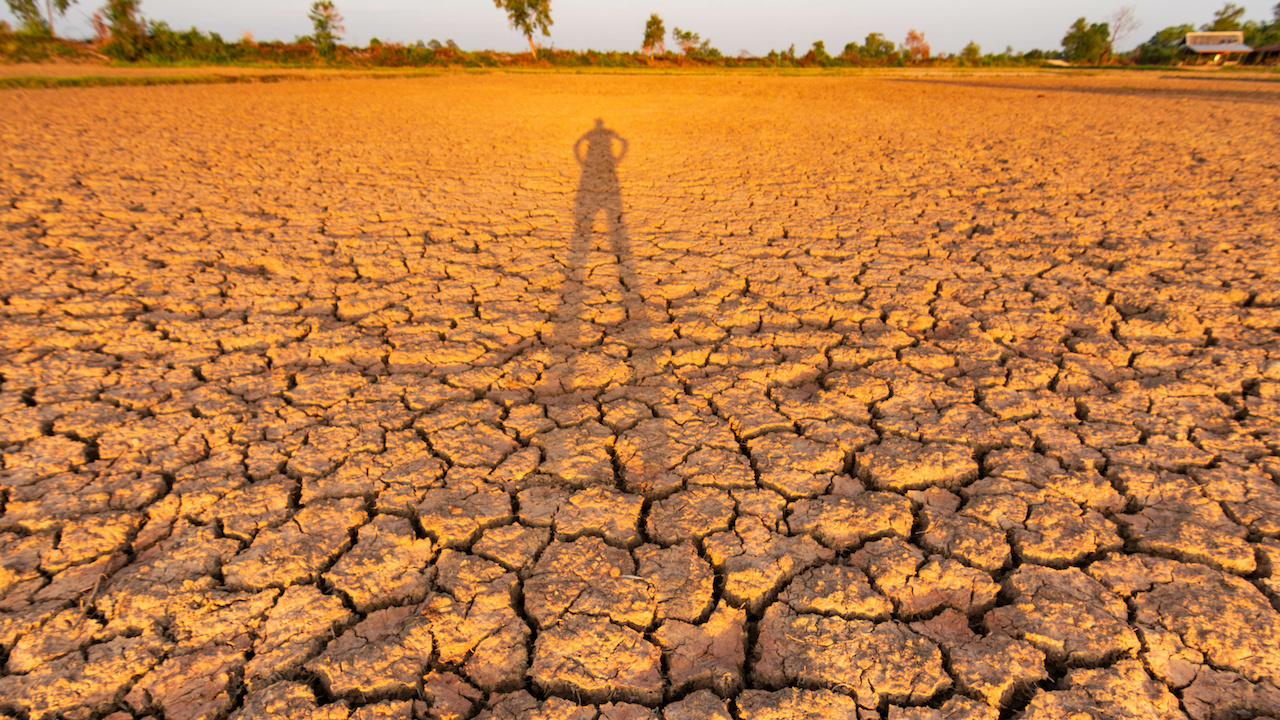
    California is in the midst of a serious drought, which is taking a major toll on our local agricultural industries. The Water Quality, Supply & Infrastructure Improvement Act (Prop 1) passed back in 2014, yet no construction of any of the funded projects has commenced.  Watch this brief interview with Emily Rooney from the Ag Council of California as she shares a progress report on these projects and how they will help address California’s water crisis.
    Please thank this video’s sponsor Suterra for their industry support.
  • Pistachio Grower Bullish about Market Amidst Record Production

    Pistachio Grower Bullish about Market Amidst Record Production

    Despite water, trade, labor, inflation and pest challenges impacting the western pistachio industry, Madera grower Justin Wylie is bullish about the future of the industry. Watch this brief video with Wylie sharing his thoughts as growers venture through another potentially record-breaking year of production. Read more in Pacific Nut Producer Magazine.
    Please thank this video’s sponsor Suterra for their industry support.
  • Tree Nut Grower Invests in Groundwater Recharge

    Tree Nut Grower Invests in Groundwater Recharge

    While much is expected of the state in resolving California’s water crisis, farmers are trying to do their part as well in conserving water for the future. Watch this brief interview with Tipton pistachio grower Dominic Pitigliano as he talks about his family’s groundwater recharge project. Read more in Pacific Nut Producer Magazine.
    Please thank this video’s sponsor Suterra for their industry support.
  • European Consumer Trends for American Pistachios

    European Consumer Trends for American Pistachios

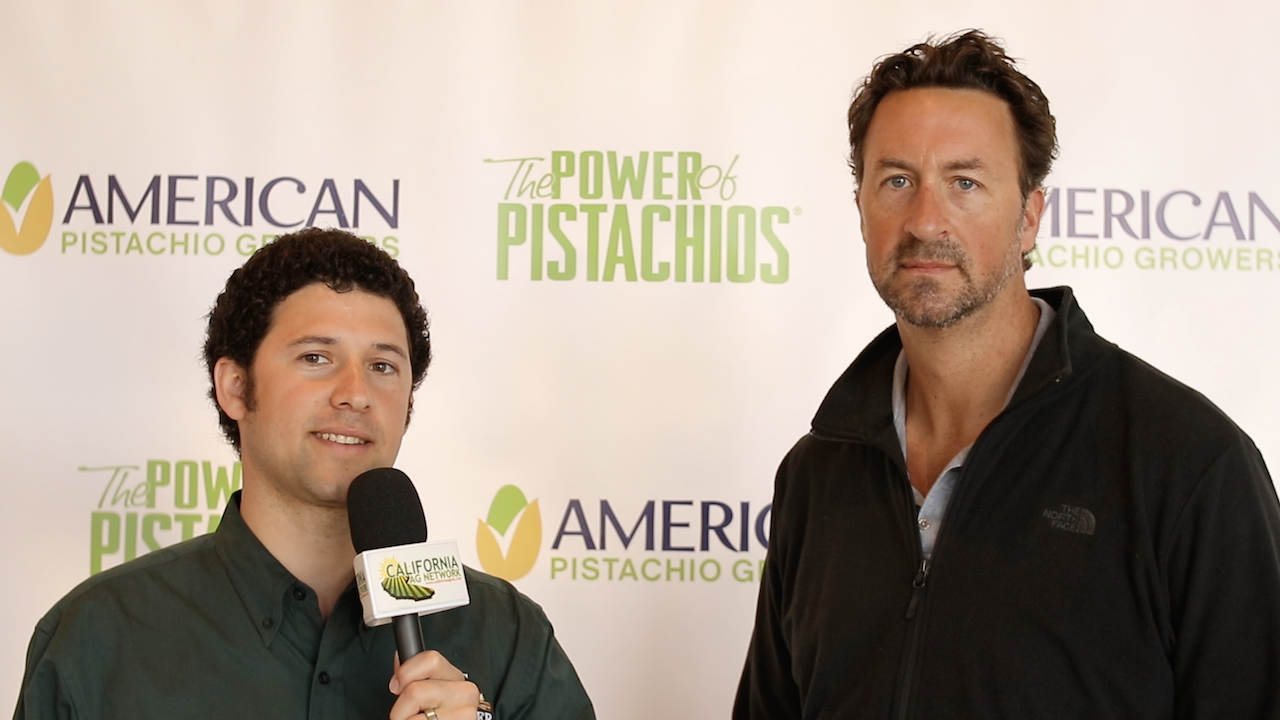
    Among the top export markets for U.S. pistachios, consumers in the European Union are incorporated pistachios into their diets in many new ways.  Watch this brief interview with American Pistachio Growers’ in-country trade representative George Smith as he explains. Read more in Pacific Nut Producer Magazine.
    Please thank this video’s sponsor Suterra for their industry support.
  • What is the Gumming on My Almond Trees, What to Know about Almond Canker Diseases

    What is the Gumming on My Almond Trees, What to Know about Almond Canker Diseases

    It’s not uncommon to find gumming on the trunks and scaffolds of some almond trees when walking through an orchard.  While it can be very concerning for the health of the tree, determining whether or not a canker disease is causing it is not so simple.  Watch this brief interview with UC Davis Plant Pathologist Florent Trouillas as he explains what growers should know about canker diseases and some novel treatment methods.
    Please thank this video’s sponsor Suterra for their industry support.


  • California Ag Coalition Requests Immediate State Action on Water Needs

    California Ag Coalition Requests Immediate State Action on Water Needs

    Due to an economically crippling drought and the overwhelming regulatory demands of California, several agricultural groups formed a coalition and recently sent a letter to the governor and state legislature, both informing them of the challenges impacting farming families and requesting immediate action and funding to boost water storage and supplies. Watch this brief interview with Emily Rooney from the Ag Council of California as she explains.
    Please thank this video’s sponsor Suterra for their industry support.
  • Japan to Require Allergy Labeling for Walnuts

    Japan to Require Allergy Labeling for Walnuts

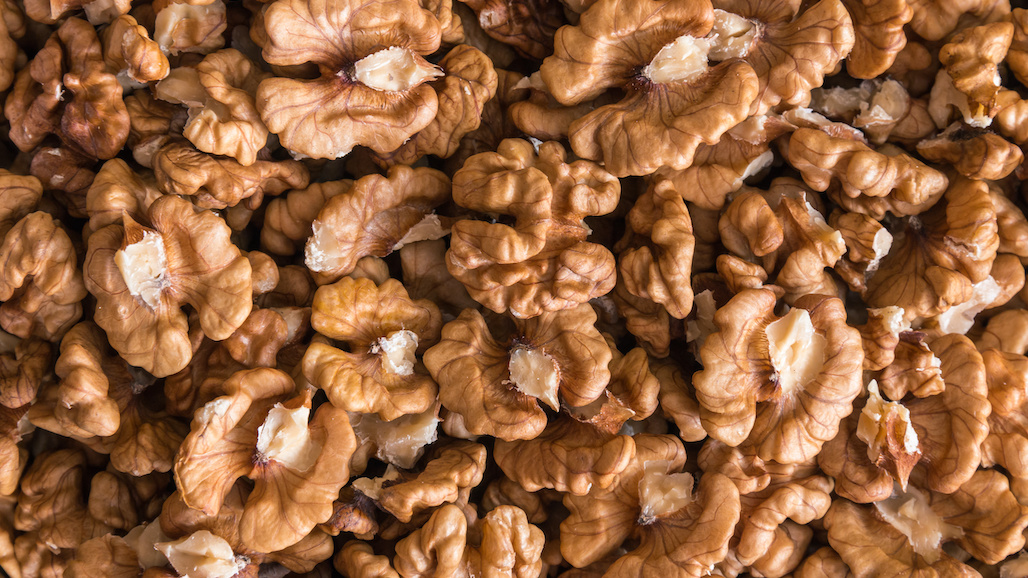
    Japan’s Consumer Affairs Agency (CAA) will add walnuts to list of allergens that product manufacturers and importers must include on the label of packaged products containing walnuts. Currently, CAA strongly recommends including walnuts on the label, but does not require their inclusion. CAA will hold a public comment period prior to making this modification to the Food Labeling Standards, but have not yet announced dates for the comment period. Exports of U.S. walnuts to Japan have grown from 10,604 metric tons to 21,944 metric tons over the last decade.

    General Information

    Japan’s Consumer Affairs Agency (CAA) announced that it will add walnuts to the list of allergens that food manufacturers and importers must include on product packaging labels. CAA has not yet scheduled a date for the public comment period. Japan’s Food Labeling Standard currently includes walnuts on the list of allergens that it highly recommends food manufacturers and importers include on packaging. Since February 2021, CAA has held three Advisor Meetings on Food Allergy Labeling to determine if walnuts should be added to the list of allergens with mandated labeling requirements. The advisory panel found that walnuts should be added to the list of allergens required for labeling based on the results of a new longitudinal study on food allergies in Japan. On June 6, during the during the 67th Food Labeling Subcommittee meeting, the Cabinet Office’s Consumer Committee reviewed this issue.

    Food Allergy Labeling

    The Ministry of Health, Labour and Welfare (MHLW) established food allergen labeling standards in 2001 before oversight of the Food Labeling Standard shifted to CAA, a division of the Prime Minister’s Cabinet Office, in 2009. Cabinet Order No.10 currently requires allergy labeling for seven “required ingredients” and highly recommends allergy labeling for 21 “recommended ingredients,” see Table 1.

    If CAA classifies an allergen as a required ingredient, and it is present in a food product, then the product manufacturer or importer must include the name of the individual allergen on the packaging. If a required ingredient is included as part of a processed ingredient within the final product, the label must also include the name of the allergen, for example, “cake mix (including wheat, egg, milk).” For recommended ingredients, CAA highly recommends the label include the name of the allergen within the ingredient list. The labeling standard allows for labels to list all existing individual recommended ingredients and recommended ingredients collectively. The Food Labeling Standard does not require labels indicate which ingredients are allergens, but product manufactures may choose to do so. See Table 2 for examples of approved labeling of allergens. Please see JA7078 for more details on the Food Labeling Standard.

    CAA periodically revises the allergy labeling requirements. To do so, CAA relies on the “Reports on Food Labeling Related to Food Allergies Investigation Project,” which it publishes approximately every three years. This series of longitudinal surveys is a compilation of food allergy case reports.

    Japanese importers and manufacturers bear sole responsibility for the development of labels compliant with Japanese food labeling regulations, including allergy labeling. There is no legal obligation for U.S. exporters to affix Japanese labels to their products prior to export. Please see Food and Agricultural Import Regulations and Standards for the current Japanese food labeling requirement.

    Production and Trade

    There is limited walnut production in Japan, hovering around 35-60 metric tons2 (MT) per year. As shown in Figure 1, Japan has roughly doubled walnut imports over the last decade, with most growth coming from U.S. walnuts. In 2021, Japan imported about 21,944 MT of shelled walnuts from the United States. For more details about the tree nuts market in Japan, see JA2022-0036. — By Daisuke Sasatani, USDA Foreign Agricultural Service