Category: Economics

  • Growing Matters Launches Fifth Annual BeSure! Stewardship Campaign to Help Protect Pollinators During Planting Season

    Growing Matters Launches Fifth Annual BeSure! Stewardship Campaign to Help Protect Pollinators During Planting Season

    Now in its fifth year, the agriculture industry collaboration led by Growing Matters kicked off its annual BeSure! stewardship awareness campaign to promote best stewardship practices when using neonicotinoid products on farms and urban landscapes. Using a wide range of media channels, the BeSure! campaign reminds growers, crop protection applicators, urban landscape applicators, agricultural supply retailers and others to follow label directions and responsible stewardship measures for neonicotinoid products to minimize any potential impact on pollinators and other wildlife.

    Since its inception in 2019, the BeSure! campaign is estimated to have reached millions of growers and applicators by providing them with access to multiple informational resources to help use crop treatments and plant protection treatments responsibly and avoid exposure to pollinators and wildlife.

    “These past five years of the BeSure! campaign have been a testament to the longstanding, collaborative commitment by the industry to communicate about the importance of care and safety when using treated seed,” said Bethany Shively, Vice President of Strategic Communications at the American Seed Trade Association (ASTA). “When it comes to stewardship, we all have a role to play. We’re proud to partner with BeSure! to extend the reach of our mutual efforts around stewardship – to everyone who treats, handles or plants treated seed.”

    In addition to ASTA, the campaign has been endorsed by the National Pesticide Safety Education Center (NPSEC), National Corn Growers Association, CropLife America, the Agricultural Retailers Association and the American Soybean Association (ASA), among others.

    The food industry depends on crop protection products to meet consumer needs. Along with Brazil, India, and China, the United States ranks as one of the top countries for food production in the world and is also the world’s top food exporter. Neonicotinoids and other crop protection products ensure that growers can continue to grow the U.S. food supply at a sustainable rate, while minimizing risk to surrounding wildlife.

    “Seed treatments, including neonicotinoid products, are an indispensable part of a grower’s toolbox. This vital application type can reduce the amount of pesticide being used and allow the product to be applied in a more environmentally sensitive manner, all while ensuring crops are protected when they are most susceptible to pests,” said Daryl Cates, ASA President and soybean farmer from Illinois. “The BeSure! stewardship program helps increase grower and applicator awareness so they are incorporating seed treatments into their practices safely, responsibly, and yet effectively. The American Soybean Association values its partnership with the Growing Matters coalition through the BeSure! program to achieve these important protections for our wildlife and natural resources.”

    In addition to corn and soybean crops, the BeSure! campaign also includes fruits, nuts, vegetables, turf, trees and ornamental plants that are protected with neonicotinoid products.

    Citrus growers, for example, use crop protection products to combat a deadly disease known as citrus greening. First detected in 2005, citrus greening is the single most serious threat to citrus farming and has shrunk Florida’s citrus production by 80%. Used safely and properly, neonicotinoids can help combat citrus greening by controlling its insect vectors – an ever-crucial tool as citrus demand in the U.S. continues to grow.

    “Honey bees, other wildlife, and all segments of the Florida orange blossom honey industry rely heavily on blossoming citrus trees, and the BeSure! campaign reminds us that we all have a responsibility to protect the biodiversity of our planet through proper stewardship practices,” said Mike Aerts, Vice President of Science and Regulatory Affairs at the Florida Fruit & Vegetable Association.

    Growers, applicators and others can go to GrowingMatters.org/BeSure for up-to-date stewardship tips and information. The BeSure! site also includes ASTA’s Guide to Seed Treatment Stewardship, including videos and brochures to show how treated seeds can be used in a way that avoids exposure to pollinators and other wildlife. The site contains a host of links to explain how neonicotinoids applications can be used responsibly, including the comprehensiveInsect Pollinators and Pesticide Product Stewardship Guide. Two downloadable fact sheets with five quick tips to guide best stewardship practices during planting season – one for growers and one for applicators – are also available.

    Over the coming weeks, the campaign will share relevant updates and best stewardship tips via social media content (search using hashtag #BeSure), radio programming, outreach via industry trade groups, and a variety of digital content. For more information, please visit: GrowingMatters.org/BeSure.

    About Growing Matters

    Agriculture and horticulture are key to nourishing families and communities. Feeding a growing population, enhancing the beauty of our surroundings and a sustained commitment to environmental protection are fundamental needs that matter. Crop protection products, both natural and synthetic, are important tools that protect plants from tough and invasive pests that can devastate crops and urban landscapes. Growing Matters is funded by a consortium of companies committed to open and healthy scientific discourse on stewardship, benefits and alternatives to neonicotinoid insecticides in North America. Consortium members include Bayer, Syngenta, Valent U.S.A., BASF, and Mitsui Chemicals Agro, Inc. The BeSure! campaign is also supported by Gowan Company and PBI Gordon Corporation. Go to www.GrowingMatters.org for information, reports, videos and infographics on the benefits of neonicotinoid insecticides.

    About American Seed Trade Association (ASTA)

    Founded in 1883, the American Seed Trade Association (ASTA) represents over 700 companies involved in seed production, plant breeding and related industries in North America. ASTA is the leading voice of action in all matters concerning the development, marketing and movement of seed, associated products and services throughout the world. The association’s broad membership offers varieties from alfalfa to zucchini and all production types including conventional, organic and biotech. ASTA promotes the development of better seed to produce better crops for a better quality of life. Go to www.betterseed.org.

    About The American Soybean Association

    The American Soybean Association represents U.S. soybean farmers on domestic and international policy issues important to the soybean industry. ASA has 26 affiliated state associations representing 30 soybean-producing states and more than 500,000 soybean farmers. Find more information at soygrowers.com.

    About the Florida Fruit & Vegetable Association

    The Florida Fruit & Vegetable Association (FFVA) acts as a strong voice for Florida farmers who grow nutritious fruits and vegetables to feed our country. FFVA is the state’s leading full-service specialty crop organization, serving Florida’s grower-shipper community since 1943. We represent a broad range of crops, including vegetables, citrus, tropical fruit, berries, sod, sugar cane, tree crops and more. Our mission is to enhance the business and competitive environment for producing and marketing fruits, vegetables and other crops.

  • Almond Board Launches New Website to Help Growers Coordinate NOW Mating Disruption Efforts

    Almond Board Launches New Website to Help Growers Coordinate NOW Mating Disruption Efforts

    In effort to improve area-wide management of navel orangeworm, the number one pest of the California tree nut industry, the Almond Board of California has launched a new website to help growers and PCAs coordinate/collaborate on mating disruption efforts. Funded by a grant from the California DPR, the Almond Board has created this new online tool with support from Land IQ, Blue Diamond Growers, and the UC Cooperative Extension.  Watch this video interview with Jesse Roseman and read more about it in Pacific Nut Producer Magazine.

    Please thank this video’s sponsor Suterra for their industry support.

  • Applying Herbicides Safely to Keep Residue Off of Harvested Almonds

    Applying Herbicides Safely to Keep Residue Off of Harvested Almonds

    While there has been research and work underway to move the almond industry to off-ground harvesting such as is done in pistachios, harvested almonds currently spend just enough time in the dust of orchard floors that they can pick up trace residues of herbicides.  Watch this brief interview with UC Cooperative Extension Weed Specialist Brad Hanson as he shares how growers can mitigate this risk with more effective weed management planning and timing of herbicide sprays.

    Please thank this video’s sponsor Suterra for their industry support.

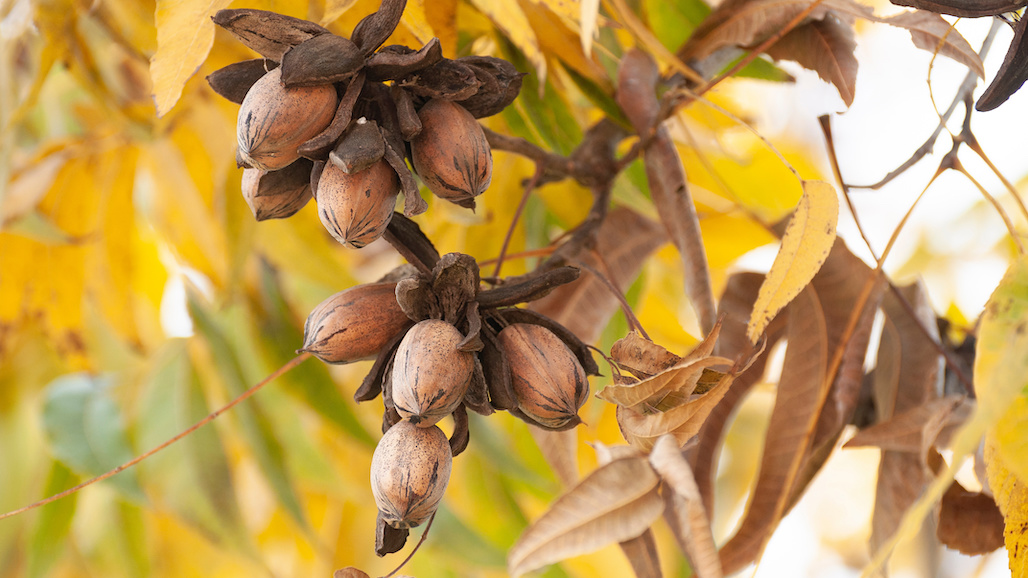
  • USDA Seeks Nominees for American Pecan Promotion Board

    USDA Seeks Nominees for American Pecan Promotion Board

    The U.S. Department of Agriculture (USDA) is seeking nominees for the American Pecan Promotion Board. Nominees are needed to fill six seats for members whose terms end on Sep. 30, 2023, and one vacant seat with a term that ends on Sep. 30, 2024.

    The American Pecan Promotion Board is seeking nominees for the following seats:

    • Four producer seats representing the Western Region
    • Two importer seats
    • One vacant producer seat representing the Central Region

    Members appointed to the producer and importer seats will serve three-year terms. The member appointed to the vacant seat will serve a one-year term.

    The Western Region consists of Arizona, California, New Mexico, Alaska, Hawaii, plus any states in the U.S. whose land mass is in the Mountain or Pacific Time zones, plus any U.S. territories in the Pacific Ocean. The Central Region consists of Arkansas, Kansas, Louisiana, Mississippi, Missouri, Oklahoma, Texas, plus any U.S. state with the majority of its land mass is in the Central Time Zone.

    The board is made up of 17 industry members including ten producers and seven importers.

    To serve on the board, producers and importers must have produced or imported more than 50,000 pounds of inshell pecans (25,000 pounds of shelled pecans), on average, for four fiscal periods. Producers who produce pecans in more than one region may seek nomination only in the region in which they produce the majority of their pecans.

    More information about the board is available on the Agricultural Marketing Service’s (AMS) American Pecan Promotion Board webpage or on the board’s website at www.eatpecans.com. You may also contact the American Pecan Promotion Board at industry@eatpecans.com or by phone at (817) 985-3034, or USDA Marketing Specialist Alex Caryl at Alexandra.Caryl@usda.gov or by phone at (202) 253-4768.

    AMS policy is that diversity of the boards, councils and committees it oversees should reflect the diversity of its industries in terms of the experience of members, methods of production and distribution, marketing strategies, and other distinguishing factors, including but not limited to individuals from historically underserved communities, that will bring different perspectives and ideas to the table.  Throughout the full nomination process, the industry must conduct extensive outreach, paying particular attention to reaching underserved communities, and consider the diversity of the population served and the knowledge, skills and abilities of the members to serve a diverse population.

    Since 1966, Congress has authorized industry-funded research and promotion boards to provide a framework for agricultural industries to pool resources and combine efforts to develop new markets, strengthen existing markets and conduct important research and promotion activities. The Agricultural Marketing Service (AMS) provides oversight to 22 boards. The oversight ensures fiscal accountability and program integrity, and is paid for by industry assessments.

  • Wonderful® Pistachios Calls Upon the Universe, a World Champion Eater, and TikTok Creators to “Get Crackin’”

    Wonderful® Pistachios Calls Upon the Universe, a World Champion Eater, and TikTok Creators to “Get Crackin’”

    The iconic “Get Crackin’” campaign that helped Wonderful® Pistachios become a household name is back! America’s #1 Nut®, Wonderful Pistachios, will feature nostalgic talent alongside some of the latest trends to relaunch Get Crackin’ and celebrate the unique ways people enjoy cracking open and eating pistachios. The campaign brings irreverent humor in a new series of commercials, will set world records at the “Wonderful Pistachios Get Crackin’ Eating Championship” and encourages TikTok users to #GetCrackin.

    Live now, Get Crackin’ showcases how nursery rhyme legend Humpty Dumpty “does it with a great fall,” how the Universe “does it with a big bang,” and how the world’s number-one-ranked competitive eater Joey Chestnut “does it like a champ.” Additional spots rolling out over the next few months include everyone’s favorite ghost-chomping arcade icon PAC-MAN™, and Spot®, an agile mobile robot with a decidedly doggy name from Boston Dynamics. The campaign will live across cable outlets, digital streaming platforms, and on social media.

    “Get Crackin’ succeeded because it cracked social media before we had social media. We’re excited to bring that forward-thinking perspective to the platforms that drive culture today,” said Michael Perdigao, President, The Wonderful Agency. “True to the spirit of the initial campaign, Get Crackin’ 2.0 will be in conversation with culture at the moment that it’s happening—identifying, partnering, and launching both our unique brand and the unique talent that’s drawn us forward.”

    The Get Crackin’ ad campaigns have become a barometer for social media and internet trends over the past decade. Former Get Crackin’ castmates have included award winning host and executive producer of Comedy Central’s “The Colbert Report,” Stephen Colbert, “The Jersey Shore’s” Snooki, Snoop Dogg, and internet sensations PSY, Honey Badger and Keyboard Cat among others.

    Wonderful Pistachios Get Crackin’ Eating Championship at Pacific Park on the Santa Monica Pier

    Wonderful Pistachios will also Get Crackin’ with a new world record. Wonderful Pistachios has teamed up with Major League Eating to host the “Wonderful Pistachios Get Crackin’ Eating Championship” on World Pistachio Day, February 26, 2023. World champion competitive eater Joey Chestnut and other top-ranked Major League Eating athletes including Geoffrey Esper, Miki Sudo, and Nick Wehry will vie for a world record for pistachio-cracking and -eating at the inaugural event taking place at 10:00 a.m. PST at Pacific Park on the Santa Monica Pier.

    Competitors will have eight minutes to crack open and eat as many Wonderful Pistachios as possible in a battle for the championship title and $10,000 in cash prizes.

    The event is free and open to the public. For more information on the Wonderful Pistachios Get Crackin’ Eating Championship, please visit https://majorleagueeating.com/contests/946.

    #GetCrackin on TikTok with Wonderful Pistachios 

    Wonderful Pistachios is also extending the campaign to TikTok, partnering with talented creators to show how they uniquely Get Crackin’. Thoren Bradley does it on his first attempt. Daniel and David Hulett do it with a trick shot. And, Elladj Balde does it on a single blade.

    Earlier this month, Shawn Johnson, Alex Wong, and Vanesa Amaro helped launch a Wonderful Pistachios’ #GetCrackin branded hashtag challenge. TikTok users applied a custom branded effect to share fun videos of how they creatively cracked open Wonderful Pistachios. The contest ended on February 20, 2023, and the winner will receive $10,000 and a one-year supply of Wonderful Pistachios.

    How will you Get Crackin’? Visit Wonderful Pistachios at GetCrackin.com, or on Instagram, TikTok and Facebook@WonderfulPistachios to learn more.

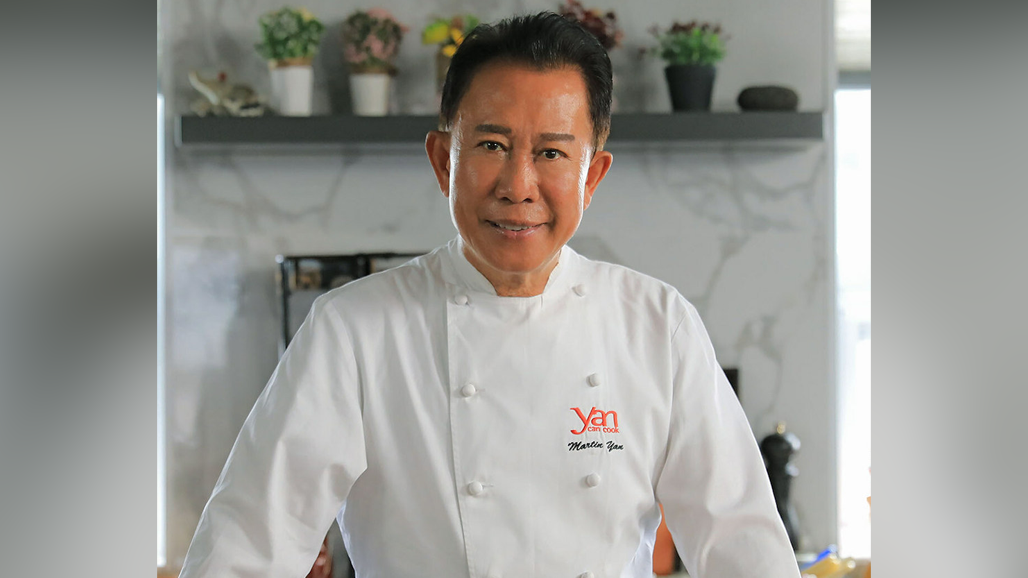
  • American Pistachio Growers Taps Chef Martin Yan As Global Brand Ambassador

    American Pistachio Growers Taps Chef Martin Yan As Global Brand Ambassador

    American Pistachio Growers announced today that world-renowned Chef Martin Yan will join their team as a global brand ambassador. The news comes just ahead of the Pistachio Industry Annual Conference in Carlsbad, California, where Yan is slated to teach more than 1,000 pistachio farmers how to prepare his trademark Kung Pao Chicken with Pistachios themselves.

    With a career spanning over four decades, Chef Yan has traveled around the world, sharing the best of Chinese and American culture, food, and tips for personal enrichment with multiple generations of audiences. Chef Yan brings diverse culinary expertise and award-winning experiences that span several continents. His grand vision is shaped from experiences working on over 3,500 culinary and travel TV shows, 32 cookbooks, and several restaurants in North America and Asia. Today, Chef Yan is one of the most recognizable Chinese American icons in mass media. He is a tireless promoter of many social causes and cross-cultural exchanges between Asia and North America. He has been named culinary ambassador for the cities of Chengdu, Guangzhou, and Shenzhen, China. For his efforts, Chef Yan has been awarded multiple James Beard Awards throughout his career, including the prestigious lifetime achievement award in 2022.

    “Singing the praise of American-grown pistachios comes to me naturally. Their rich taste, texture, nutritional value, and beautiful pistachio-green color make pistachios the perfect ingredient for any global cuisine, and certainly in my Asian dishes,” said Chef Martin Yan. “I’m looking forward to showing all our growers—and food lovers around the world—that they can cook like Yan with American pistachios!”

    “Through our various international media events, Chef Yan has already reached more than 2.5 billion consumers in Asia, demonstrating how pistachios grown in the American West enhance any cuisine’s flavor and nutritional profile.  A beloved Californian and citizen of the world, we are honored to have him represent our product and our hard-working growers,” said Haiying Zhang, Director, Asian Markets for American Pistachio Growers.

    As a global brand Ambassador, Yan will impart knowledge and culinary skills that enhance and expand American pistachios usage to consumers and culinary professionals around the world. He will lead cooking demonstrations, participate in media events, and engage with consumers on social media platforms around the globe.

    About American Pistachio Growers

    American Pistachio Growers is a voluntary non-profit trade association representing pistachio growers, processors and industry partners in California, Arizona, and New Mexico. For more information, visit www.AmericanPistachios.org.

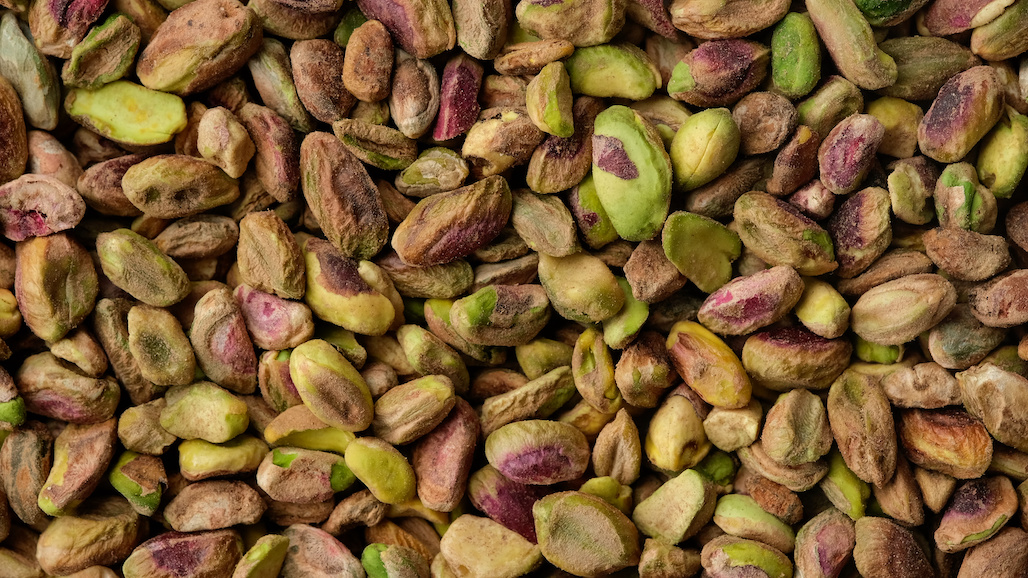
  • Pistachios are The Nut (and Color Trend) of 2023

    Pistachios are The Nut (and Color Trend) of 2023

    From lattes to cocktails, fashion and even paint colors, pistachios are having a moment. Food industry leaders like Baum + Whiteman and Lyons Magnus recently predicted pistachios would be the top nut of 2023 in food trend research, and outlets like Forbes and Eat This, Not That! all covered the news. Beyond the taste and nutritional benefits of the nut, trends are extending into the color – and even smell – of pistachios, with the nutty aroma now being used in candles and perfumes.


    Looking back at where the pistachio craze began, the pandemic forced consumers to reevaluate their health and wellbeing; people were forced to consider not only what they ate and how it affected them, but also how it affected the planet. The result was a movement toward plant-based proteins, and as a source of complete protein, pistachios fit the bill. Further, the sustainability of pistachios stands out from other crops; pistachios are a permanent crop that spans generations of farmers and as a high desert plant, are relatively drought tolerant.

    “Pistachios aren’t just the hottest snack, their surging popularity is because of research that shows their unique health benefits,” said Judy Hirigoyen, VP of Global Marketing for American Pistachio Growers trade association. “They’re a complete protein which is the quality of protein usually found in animal proteins. Further, thanks to a recently published study by Cornell University, we now know they’re also very high in antioxidants. In fact, they rival the level of antioxidant capacity you’d find in blueberries, pomegranates and red wine.”

    American Pistachio Growers is the entity that is responsible for consumer education globally, something that’s been easy to do with myriad scientific studies that keep coming from around the world.

    “Shipments of American-grown pistachios to export markets continue to grow in double digits,” said Hirigoyen. “We know the educational efforts are working,” said Hirigoyen, citing an analysis of shipments from the U.S. to key export markets from 2016 through 2021. “In the export markets where we promote the research, shipments grew by 36 percent on average.”

    About American Pistachio Growers

    American Pistachio Growers is a non-profit trade association representing more than 865 members who are pistachio growers, processors and industry partners in California, Arizona and New Mexico. American-grown pistachios are sold under many quality brand names internationally, so look for country of origin on packaging. For more information, visit AmericanPistachios.org.

  • Japan’s Reopening Signals Export Opportunities, with Tree Nuts on the Rise

    Japan’s Reopening Signals Export Opportunities, with Tree Nuts on the Rise

    The sun is rising again for increased U.S. export trade opportunities in “Land of the Rising Sun”.  Japan has a well-developed food retail market that demands high-quality, high-value agricultural and food products. Despite reduced economic activity during the COVID-19 pandemic, trade data show that agricultural imports have remained resilient (with growth opportunities for California tree nuts in particular). As Japan’s top supplier of agricultural products, the United States is a stable and reliable partner with a long-standing relationship. Although competition in Japan has intensified in recent years, U.S. suppliers can find many opportunities to market consumer-oriented products that follow Japanese retail trends. The U.S. Department of Agriculture’s (USDA) Foreign Agricultural Service (FAS) maintains a website to help U.S. food and beverage exporters to navigate the Japanese market: USDAJapan.org.

    Macroeconomic Perspective

    Japan is a high-income country with a population of 125.7 million people. It is one of the most highly urbanized countries in the world with more than 90 percent of the population living in urban areas. With the third-largest economy in the world, behind only the United States and China, Japan has a highly diversified manufacturing and service economy. According to household data from IHS Markit, 95 percent of Japanese households, approximately 51.6 million households, have incomes higher than $20,000 at purchasing power parity. In 2021, Japan had a gross domestic product (GDP) per capita at purchasing power parity of $42,940. According to the latest International Monetary Fund forecast, real GDP growth is projected at 1.6 percent in 2023 and 1.3 percent in 2024.

    Since the initial response to the COVID-19 outbreak in 2020, the Government of Japan’s containment measures and consumers’ risk-averse behaviors limited economic activity. However, in the third quarter of 2022, Japan loosened border controls, boosting economic activity and seeking to reconnect with the world. Since October 2022, visa-free tourism resumed for U.S. citizens While Japan’s economic recovery continues, challenges remain. Japan’s lack of natural resources, including agricultural land, makes the country susceptible to external pressures such as food and energy prices. For example, price shocks from Russia’s war in Ukraine and supply chain disruptions have impacted domestic purchasing power. Increased prices have subdued household confidence and real income. Also, from a demographic perspective, Japan not only has an aging population but also a declining population. This trend continues to limit economic growth and presents fiscal policy challenges.

    Japan & Agricultural Trade

    Despite various challenges and an uncertain global economic environment, Japan’s agricultural trade, particularly agricultural imports, has been resilient because these imports play a crucial role in Japan’s domestic food supply. According to Japan’s Ministry of Agriculture, Forestry and Fisheries annual report, Japan’s food self-sufficiency ratio on a caloric basis was 37 percent in 2020, suggesting that many food items depend on imports to boost food availability. In particular, imported livestock products and animal feed supplement Japan’s limited domestic agricultural production.

    In 2022, Japan imported $70.2 billion of agricultural products, a 16.4-percent increase from pre-COVID 2019 and also surpassing record-level agricultural imports of 2011 and 2012. Although rising food prices contribute to higher unit prices, putting downward pressure on real income and purchasing power, Japan is an advanced economy where demand for high-quality food is relatively stable compared to emerging economies.

    The United States is a dependable agricultural trading partner of Japan. Despite supply chain disruptions and economic shocks from the COVID-19 pandemic, the United States has continued to supply safe, high-quality agricultural products. With the implementation of the 2020 U.S.-Japan Trade Agreement (USJTA), U.S. agricultural exporters remain competitive, from a tariff perspective, with Comprehensive and Progressive Agreement for Trans-Pacific Partnership (CPTPP) member countries. However, macroeconomic conditions, including Japan’s economic recovery and exchange rate dynamics, affect U.S. export competitiveness. As the U.S. dollar strengthened during 2021 and 2022, U.S. exports to Japan became more expensive. However, since October 2022, the Japanese yen has rebounded somewhat, increasing purchasing power for Japanese importers.

    As Japan’s top agricultural supplier, the United States exported $14.6 billion of agricultural products in 2022, with consumer-oriented products making up almost half ($6.8  billion) of the agricultural exports. Japan was the fourth-largest market for U.S. consumer-oriented products.

    Exports Opportunities for Consumer-Oriented Products

    Japan’s highly developed food retail market allows consumers to have several options to meet their food needs, whether it is dining at a restaurant, shopping at supermarkets and convenience stores, or retailing via e-commerce, where customers have quality groceries and food delivered to their doorsteps. Customers continue to seek out high-quality food, emphasizing convenience and accessibility, such as ready-to-eat meals and on-the-go packaged food. Also, Japan’s demographic shift has opened the door for increased demand for health food. Japan’s older population generally has more spending power and influence regarding household consumption patterns, and the health-conscious population are willing to pay more for high-quality, nutritious foods Food products that consumers believe support health and dietary and functional needs are promising for the foreseeable future.

    In October 2019, the United States and Japan signed the USJTA, which provides for limited tariff reductions and quota expansions to improve market access. Japan agreed to reduce or eliminate tariffs on about 600 agricultural tariff lines (e.g., beef, pork, and cheese), and expand preferential tariff-rate quotas for a limited number of U.S. products (e.g., wheat). Opening Japan’s highly protected agriculture market and reaching parity with exporters from Japan’s free trade agreement partners was a major priority for the U.S. agriculture sector.

    Consumer-oriented goods with strong prospects for growth include the following:

    Beef and Beef Products: Despite higher beef retail prices, beef shipments to Japan in value and shipment volumes have remained steady. Higher prices may shift consumer preferences from fresh or chilled beef to frozen beef, or from beef products to pork and poultry products. However, beef consumption is expected to increase in 2023 as Japan’s reopening to foreign visitors further supports the hotel, restaurant, and institutional (HRI) sector’s recovery. As a result of the recently revised agreement with Japan regarding the beef safeguard mechanism, U.S. beef exports are less likely to trigger safeguard tariffs in the coming years even with increased shipments. In 2022, the United States exported $2.3 billion of beef and beef products to Japan, nearly matching the previous year’s record of $2.4 billion.

    Cheese: The United States exported $231.8 million of cheese products to Japan in 2022, a 23.4-percent increase from a year ago. Prior to the COVID-19 pandemic, cheese products were generally marketed and consumed in dining options outside of the home. However, consumers taking advantage of expanded retail options in supermarkets during the pandemic have continued to consume cheese products beyond the stay-at-home period. According to cheese consumption data from the Agricultural Trade Office at the U.S. Embassy in Tokyo, Japan’s per capita cheese consumption is significantly lower than other advanced economies. From a marketing perspective, elevating the cheese consumption experience with cheese pairing guides will be important. Although the European Union (EU) suppliers enjoy a degree of marketing advantage (product differentiation) by promoting their geographical indications, import demand for most cheese products continues to rise.

    Tree Nuts: In 2022, Japan imported $826.5 million of tree nuts, of which 51.0 percent (approximately $421.1 million) were from the United States. Elevated unit prices in 2022 did not negatively impact shipment volumes, suggesting that demand for tree nuts is stable. The United States almost exclusively supplies almonds and walnuts, the top two imported tree nuts (not including mixed or prepared tree nuts). Another positive development is shelled pistachios, which had a higher import value than in-shell pistachios. Japan imported $28.3 million of shelled pistachios in 2022, a 35.9-percent increase from 2021’s record-breaking imports ($20.8 million). Combined with in-shell pistachios, Japan imported $50.9 million worth of pistachios, and the United States supplies almost 90 percent of shelled and in-shell pistachios. With an image of “guilt-free” snacking, tree nuts have great potential as a stand-alone product as well as ingredients for other prepared food.

    Processed Fruit: Processed (frozen, prepared, or preserved) fruits are essential ingredients in bakery products and snack foods. Although consumers have generally regarded fresh fruit as a premium product, consumers are shifting from fresh fruit to processed fruit. The link between processed fruit’s longer shelf life and perceived “freshness,” or the lack thereof, is less significant, especially among the younger generation. Also, processed fruit allows consumers to enjoy seasonal products year-round and to take advantage of many more fruit options that aren’t available from domestic production. While the United States has a strong presence in the dried fruit market (raisin and dried prune products), frozen fruit competition continues to intensify.

    Distilled Spirits: After record-high imports in 2019 ($817.1 million), the premium drink market experienced decreased sales with disruptions to the HRI food service industry in 2020 and 2021. During this slump, however, distilled spirits observed a consumption trend shift, where the COVID-19-induced trend of at-home drinking made distilled spirits more accessible. As consumers seek a premium experience, whether at home or from a bar, spirits-based, ready-to-drink beverages have growth potential. Imports from the United Kingdom, for example Scotch whiskey, make up more than 60 percent of the whiskey market share, but name recognition for American whiskeys, namely bourbon and Tennessee whiskey, is growing. In 2022, U.S. whiskey exports were up 7.2 percent in value during the past year.

    Looking Ahead

    Japan’s declining agricultural production and evolving consumption trends indicate that agricultural imports will continue to play an integral role in meeting Japan’s food demands. Japan has emphasized import diversification and stabilization to secure food supplies, including through trade liberalization. Accordingly, Japan signed significant trade agreements with major U.S. competitors in recent years, notably the CPTPP and the Japan-EU Economic Partnership Agreement. As more economies in Asia and South America continue to join the CPTPP, Japan will continue to diversify trade partners for its food supply. Nevertheless, given U.S agriculture’s reputation for safety and reliability, the United States is well-positioned to continue as the leading agricultural product supplier.

    As competition intensifies in the food retail market, crafting a marketing strategy to cater to Japan’s consumer preferences will be essential for U.S. suppliers to remain competitive in a Japanese market that seeks quality, value, and convenience. — By the USDA Foreign Ag Service

  • Relief Programs Now Available to Walnut Growers

    Relief Programs Now Available to Walnut Growers

    In this video, Joshua Rahm from the California Walnut Commission shares details on some new and upcoming government programs to aid walnut growers amidst these difficult times — some of which growers can act on now.  So watch this video now and read more about it in Pacific Nut Producer Magazine.

    Please thank this video’s sponsor Suterra for their industry support.

  • What to Expect at the American Pistachio Conference

    What to Expect at the American Pistachio Conference

    In this video, American Pistachio Growers President Richard Matoian not only provides details on the latest pistachio shipment trends, but he also shares what growers can expect in attending what will likely be the largest American Pistachio Conference yet, coming up Feb. 27 – Mar. 1. Stay in the know and watch now!

    Please thank this video’s sponsor Suterra for their industry support.