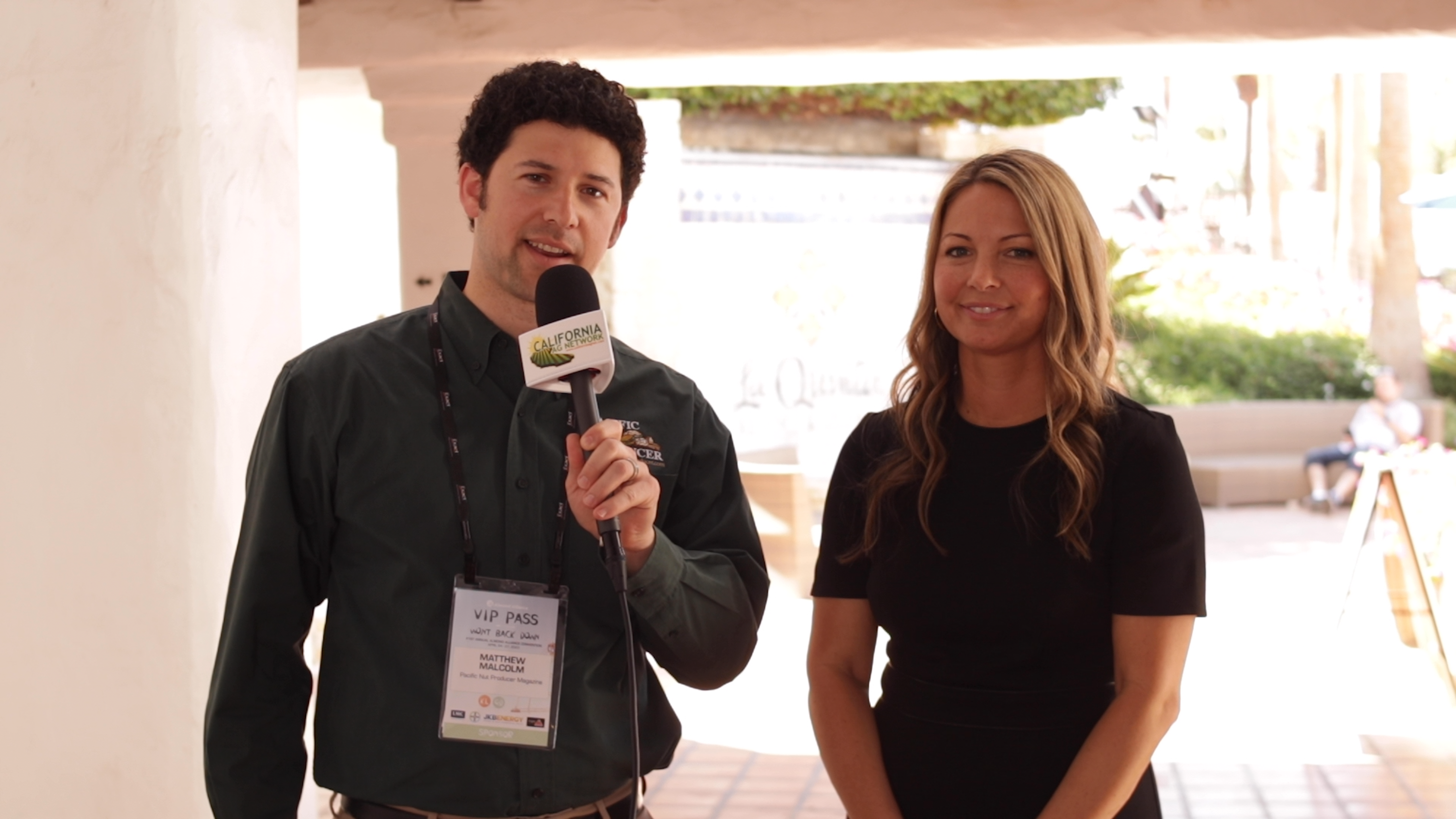
There are countless immigrant farmworkers that spend most of their lives laboring to feed the world in states such as California, and struggle without the benefits of citizenship and any clear path to get there. Watch this brief interview with Manuel Cunha, President of the Nisei Farmers League, as he and many others take a stand to support the rights of these many hard working families that are the powerhouse of California agriculture.
Blue Diamond Growers Foundation is pleased to announce its 2023-2024 scholarship recipients. This year, scholarship funding is being awarded to 25 college students who are either dependents of Blue Diamond employees or are members of local communities who are pursuing agriculture-related fields of study at colleges and universities in California and throughout the country.
“We are proud of this year’s scholarship recipients and wish them the best as they pursue their higher education goals,” said Dan Cummings, Chairman of the Board of Directors for Blue Diamond Growers. “The Blue Diamond Growers Foundation is committed to supporting the next generation of students, students who will undoubtedly contribute to the success of the greater agricultural industry for many years to come.”
Celebrating its 15th anniversary this year, the Blue Diamond Growers Foundation was established in 2008 for the purpose of providing scholarships to students who have demonstrated excellent academic performance and are pursuing a four-year college degree. Since 2011, the Blue Diamond Foundation has awarded nearly 200 scholarships to help students in local communities achieve their dreams of a college education.
This year’s Blue Diamond Growers Foundation scholarship recipients include:
Blue Diamond Growers, a grower-owned cooperative representing over 3,000 of California’s almond growers, is the world’s leading almond marketer and processor. Established in 1910, it created the California almond industry and opened world markets for almonds. Blue Diamond is dedicated to delivering the benefits of almonds around the world and does so by providing high-quality almonds, almond ingredients and branded products. Headquartered in Sacramento, the company employs more than 1,800 people throughout its processing plants, receiving stations and gift shops. To learn more about Blue Diamond Growers, visit www.bluediamond.com.
The USDA National Agricultural Statistics Service’s (NASS) official walnut industry crop estimate provides the California walnut industry with crucial information to support an orderly sales process. Using scientific methodologies, USDA field staff counted, measured, weighed and evaluated thousands of walnuts from major growing regions in July and August for use in a statistical acreage model to establish the annual walnut crop estimate.
The 2023 California walnut production is forecast at 790,000 tons, up 5% from 2022’s production of 752,000 tons. The forecast is based on 385,000 bearing acres, down 4% from 2022’s estimated bearing acreage of 400,000.
“The California walnut industry has increased its focus on providing handlers and growers the most accurate crop information by accelerating the collection of various data points,” said Robert Verloop, CEO and Executive Director for the California Walnut Commission (CWC) and Board (CWB).
While official final shipment, inventory and close-out figures for the 2022 crop year will be released within the month, preliminary figures indicate last year’s crop is virtually sold out.
“Last year, we were facing a completely different scenario with 130,000 tons in inventory brought on by the lingering effects of the COVID-impacted global marketplace and a record heat wave last September that negatively impacted the entire crop, which led to lethargic sales and record-low grower returns,” added Verloop.
“With minimal carryover from the previous crop year and favorable weather throughout the growing season, we’re optimistic about the new crop year,” said Tim Sabado, CEO of Prima Noce, based in Linden, California. “The upcoming crop promises a return to the exceptional quality that defines California walnuts globally.
“Harvest will begin in September, and may extend into November due to the early season cooler temperatures,” added Sabado. “Our focus is on an aggressive harvest, picking the crop at its peak quality and freshness.”
Inshell walnut shipments for international destinations will start in October. In the U.S. and Canada, retail customers are currently placing orders and building sales plans for their traditionally large holiday promotions and their health-focused kernel campaigns for January and February.
About the California Walnut Board
The California Walnut Board (CWB) was established in 1948 to represent the walnut growers and handlers of California. The CWB is funded by mandatory assessments of the handlers. The CWB is governed by a Federal Walnut Marketing Order. The CWB promotes usage of walnuts in the United States through publicity and educational programs. The CWB also provides funding for walnut production, food safety and post-harvest research.
About the California Walnut Commission
The California Walnut Commission, established in 1987, is funded by mandatory assessments of the growers. The Commission is an agency of the State of California that works in concurrence with the Secretary of the California Department of Food and Agriculture (CDFA). The CWC is mainly involved in health research and export market development activities. For more industry information, health research and recipe ideas, visit www.walnuts.org.
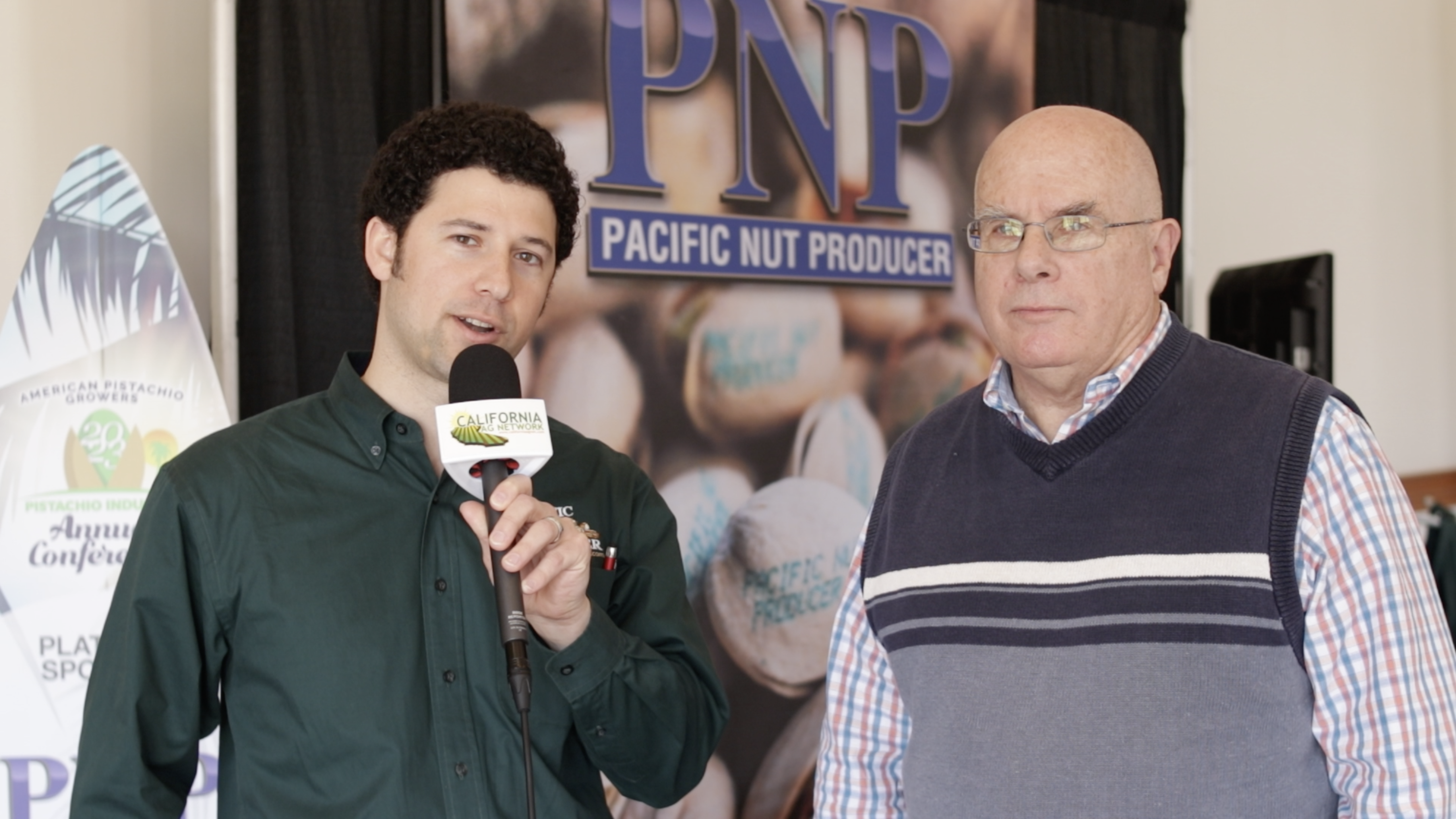
Internal Kernel Discoloration (IKD) is a recent cosmetic concern discovered in the Golden and Lost Hills varieties of pistachios, which now make up about half of the total planted acreage of California pistachios. While IKD is only noticeable inside the kernel and does not alter the flavor of the nut and is of no food safety concern, USDA Specialty Crops Inspection has indicated that they intend to consider this as a defect under the voluntary USDA Grades and Standards for pistachios and would score it as “damage”. The industry strongly disagrees with USDA on this as it would cause unnecessary and costly problems should they choose to move forward with this. Watch this brief interview with Bob Klein from the California Pistachio Research Board to learn more.
Please thank this video’s sponsor G3 Enterprises for their industry support.
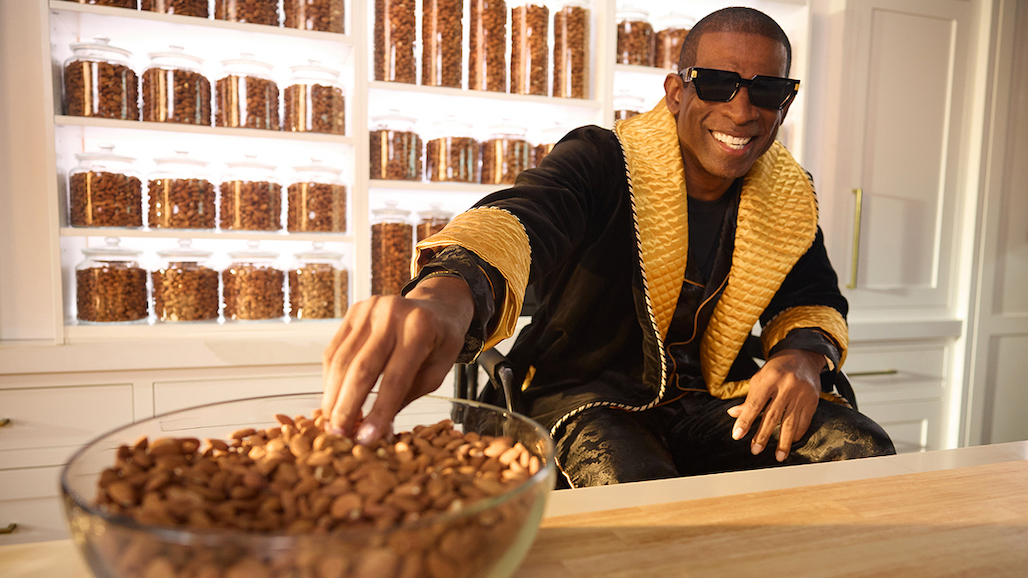
Hall of Fame athlete and now collegiate coach Deion “Coach Prime” Sanders and California Almonds are teaming up for a partnership of a lifetime to help consumers own their PRIME. Being in your prime is a mindset, and the grind to own your prime never stops. That’s why Coach Prime and California Almonds are encouraging people to be smart about recovery. Almonds are rich in nutrients that can help with exercise recovery – making them THE food to own your prime.
A perfect exercise food, almonds may improve your recovery response from physical activity. Initial research, funded by the Almond Board of California, conducted among 64 U.S. adults ages 30-65 who are occasional exercisers found that most study participants who ate almonds experienced reduced fatigue and tension during muscle recovery, increased leg and lower back strength, and decreased muscle damage during the first day of recovery.
Coach Prime knows hard work means being strategic about recovery, which is why he adds almonds to his routine for their exercise recovery benefits. Prime Time never ends whether you’re a weekend warrior or a competitive athlete – there’s no “off the clock,” so you have to keep that energy, confidence and consistency up, something Coach Prime instills in his team.
“You can’t achieve your PRIME unless you put in the work…DAILY! In order to BE YOUR BEST YOU, you gotta recover with the right stuff,” says Sanders. “It’s all about consistency! I’m partnering with California Almonds to share how almonds help me stay PRIME all the time. IT DON’T STOP, BABY!”
Catch Coach Prime in action with California Almonds at the beginning of the NCAA football season with advertisements airing on national and cable TV, on CBS, Fox, ESPN and CBS Sports, social media and more. For more inspiration on how to own your prime from Coach Prime himself, visit almonds.com and follow California Almonds on Facebook, Instagram and Twitter.
About California Almonds
California Almonds make life better by what we grow and how we grow. The Almond Board of California promotes natural, wholesome and quality almonds through leadership in strategic market development, innovative research, and accelerated adoption of industry best practices on behalf of the more than 7,600 almond farmers and processors in California, most of whom are multi-generational family operations. Established in 1950 and based in Modesto, California, the Almond Board of California is a non-profit organization that administers a grower-enacted Federal Marketing Order under the supervision of the United States Department of Agriculture.
To accelerate adoption of climate-smart farming practices, the University of California Office of the President has awarded nearly $2 million to a team of UC Cooperative Extension scientists and community partners working on a network of farm demonstration sites. The project will be led by Sonja Brodt, coordinator for agriculture and environment at the UC Sustainable Agriculture Research & Education Program. This UC Agriculture and Natural Resources project is one of 38 funded with $83.1 million allocated to UC by the State of California for climate action research and innovation.
Scaling up soil health and other climate-smart agricultural practices to sequester carbon, increase water and nutrient use efficiency, and improve the resilience of farms to climate-related threats like drought and floods is a core pillar identified in California’s Natural and Working Lands Climate Smart Strategy.
Climate-smart agriculture is a systems-based approach that requires localized adaptation across the diverse soils, cropping systems, socioeconomic and cultural contexts throughout California.
Sonja Brodt
“Our project will strengthen the nascent California Farm Demonstration Network for on-the-ground, regionally specific demonstration of a range of climate-smart practices,” said Brodt. “Regional farms will demonstrate practices such as cover cropping, reduced tillage, compost and mulch use, hedgerow planting, irrigation system optimization and more.”
The $1,999,524 project will pilot a participatory partnership extension model that allows farmers to learn from their peers to reduce adoption risks and adapt knowledge to an ever-changing environment, increasing the likelihood of farmer success and accelerating long-term uptake of complex, place-specific practices.
Building on the capacity of local trusted organizations, project collaborators will be organized in a hub-and-spoke network with three regional Farm Demonstration Hubs (Sacramento Valley, North Coast and Central Coast), a pilot Hmong/Mien Demonstration Hub, and a statewide Organic Demonstration Hub.
Collaborators at each hub will be responsible for identifying and nurturing farm demonstration sites, and conducting demonstration trials and farmer-to-farmer outreach activities. Centralized organization and capacity building will be provided by UC SAREP, UC Organic Agriculture Institute, the California Association of Resource Conservation Districts, the Community Alliance with Family Farmers, and the California Farm Demonstration Network Advisory Panel.
In addition to several UC Cooperative Extension advisors and specialists across the state, partners include the UC Hansen Research and Extension Center and the Rodale Institute California Organic Center, both in Ventura County, and the UC Climate Smart Agriculture Program. Eight Resource Conservation Districts will also be involved in leading Farm Demonstration Hubs.
Hope Zabronsky of the UC Climate Smart Agriculture Program shows the importance of soil structure at a cover cropping workshop.
The project will also conduct soil health assessment activities to inform soil health and resilience monitoring protocols in future research and extension efforts. Since many existing soil health metrics were designed for agroecosystems in the Midwest and Eastern U.S., this project aims to lay the groundwork for research to adapt soil health metrics to the arid and Mediterranean climates of California.
“By utilizing relationships built between demonstration hub managers and demonstration farms across different cropping systems, we will gather quantitative and qualitative soil health data, information about growers’ management practices as well as their own perspectives of what they really need to know about their soils in order to better manage for climate resilience and mitigation,” said Brodt.
Ultimately, the project partners aim to establish an enduring on-farm extension and research system that will help thousands of farmers adopt climate-smart practices tailored to their farms.
Three other projects involving UC ANR researchers received California Climate Action Seed Grants and Matching Grants subawards:
Development of a hydrogel that can work as a soil amendment to help small-scale vegetable farms conserve water led by UC San Diego associate professor Shengqiang Cai with Ruth Dahlquist-Willard, UC Cooperative Extension small farms advisor and interim director of UC SAREP; Mallika Nocco, UC Cooperative Extension specialist; and Matthew Gilbert, UC Davis professor of whole plant physiology. $297,979
Development of a tool for predicting climate-water variation led by UC Irvine professor Isabella Velicogna with Tapan Pathak, UC Cooperative Extension specialist. $199,531
A study of urban stream corridors led by UC Davis professor Gregory Pasternack with Igor Lacan, UC Cooperative Extension environmental horticulture and urban forestry advisor. $33,824
UC Agriculture and Natural Resources brings the power of UC to all 58 California counties. Through research and Cooperative Extension in agriculture, natural resources, nutrition, economic and youth development, our mission is to improve the lives of all Californians. Learn more at ucanr.edu.
U.S. Department of Agriculture (USDA) Secretary Tom Vilsack today announced nearly $700 million in grants and loans to connect thousands of rural residents, farmers and business owners in 22 states and the Marshall Islands to reliable, affordable high-speed internet through the ReConnect Program,funded by President Biden’s Bipartisan Infrastructure Law. This program is uniquely designed to fund the most difficult high-speed internet projects in the nation, which are the most rural, remote and unserved communities.
Connecting all communities across the United States to high-speed internet is a central part of President Biden’s Investing in America agenda to rebuild the economy from the bottom up and middle out by rebuilding our nation’s infrastructure. This agenda is driving more than $500 billion in private-sector manufacturing investments, rebuilding America’s infrastructure, lowering costs, and creating good-paying jobs. And it’s transforming our country for the better – reaching communities in every corner of the United States, including those that have too often been left behind.
“Keeping the people of rural America connected with reliable, high-speed internet brings new and innovative ideas to the rest of our country and creates good-paying jobs along the way,” Secretary Vilsack said. “Thanks to President Biden’s Bipartisan Infrastructure Law, we are connecting rural communities to a global marketplace. These investments will support economic growth and prosperity for generations to come.”
Today’s high-speed internet investments are part of the fourth funding round of the ReConnect Program. Many residents and businesses in rural areas would not have high-speed internet service without the ReConnect Program, as the program is a key part of the Administration’s Internet for Allinitiative to connect everyone in America to high-speed internet by 2030. Today’s announcement includes $667 million in USDA investments in Alaska, Arkansas, Arizona, California, Illinois, Iowa, Kansas, Michigan, Minnesota, Mississippi, Missouri, Nevada, New Mexico, North Carolina, Ohio, Oklahoma, Oregon, South Carolina, Texas, Virginia, Washington, Wisconsin and the Marshall Islands.
Today’s announcement includes several investments that will benefit people living in Rural Partners Network (RPN) communities. RPN works with hundreds of federal, state and local partners to address specific needs in rural communities that have long struggled to access government programs and funding. RPN helps these communities carry out locally driven plans to create jobs, build infrastructure and support economic growth and stability.
Examples of projects in this announcement include:
In North Carolina, Star Telephone Membership Corporation is receiving a $24.9 million grant to benefit 2,674 people, 84 businesses, 117 farms and four educational facilities in Bladen, Columbus and Sampson counties. Bladen and Columbus are part of an RPN community.
In Oregon, Pioneer Telephone Cooperative is receiving a $24.9 million grant to benefit 2,239 people, 50 businesses, 205 farms and one educational facility in Lincoln, Lane and Benton counties.
In New Mexico, SWC Telesolutions Inc. is receiving a $9.2 million grant to benefit 4,962 people, 106 businesses, 11 farms and 17 educational facilities in Doña Ana and Sierra counties. Doña Ana County is part of an RPN community.
Also, as part of USDA’s commitment to expand high-speed internet access, the Hood Canal Telephone Co. Inc. is receiving a $3.8 million loan through the Telecommunications Infrastructure Loan & Loan Guarantee Program. This investment will help construct 16 miles of fiber to provide high-speed internet access to 800 households and 10 businesses in Union, Washington.
Applicants to ReConnect Program funding must serve a rural area that lacks access to service at speeds of 100 megabits per second (Mbps) download and 20 Mbps upload. Applicants must also commit to building facilities capable of providing high-speed internet service with speeds of 100 Mbps (download and upload) to every location in the proposed service area. Additionally, to ensure that rural households that need internet service can afford it, all awardees will be required to apply to participate in the Bipartisan Infrastructure Law’s Affordable Connectivity Program (ACP). The ACP offers a discount of up to $30 per month toward internet service to qualifying low-income households and up to $75 per month for households on qualifying Tribal Lands.
Background: Bipartisan Infrastructure Law
President Biden forged consensus and compromise between Democrats, Republicans and Independents to demonstrate our democracy can deliver big wins for the American people. After decades of talk on rebuilding America’s crumbling infrastructure, President Biden delivered the Bipartisan Infrastructure Law – a historic investment in America that will change people’s lives for the better and get America moving again.
The Bipartisan Infrastructure Law provides $65 billion to ensure every American has access to affordable, reliable high-speed internet through a historic investment in broadband infrastructure deployment. The legislation also lowers costs for internet service and helps close the digital divide, so that more Americans can take full advantage of the opportunities provided by internet access.
USDA Rural Development provides loans and grants to help expand economic opportunities, create jobs and improve the quality of life for millions of Americans in rural areas. This assistance supports infrastructure improvements; business development; housing; community facilities such as schools, public safety and health care; and high-speed internet access in rural, tribal and high-poverty areas. For more information, visit www.rd.usda.gov.
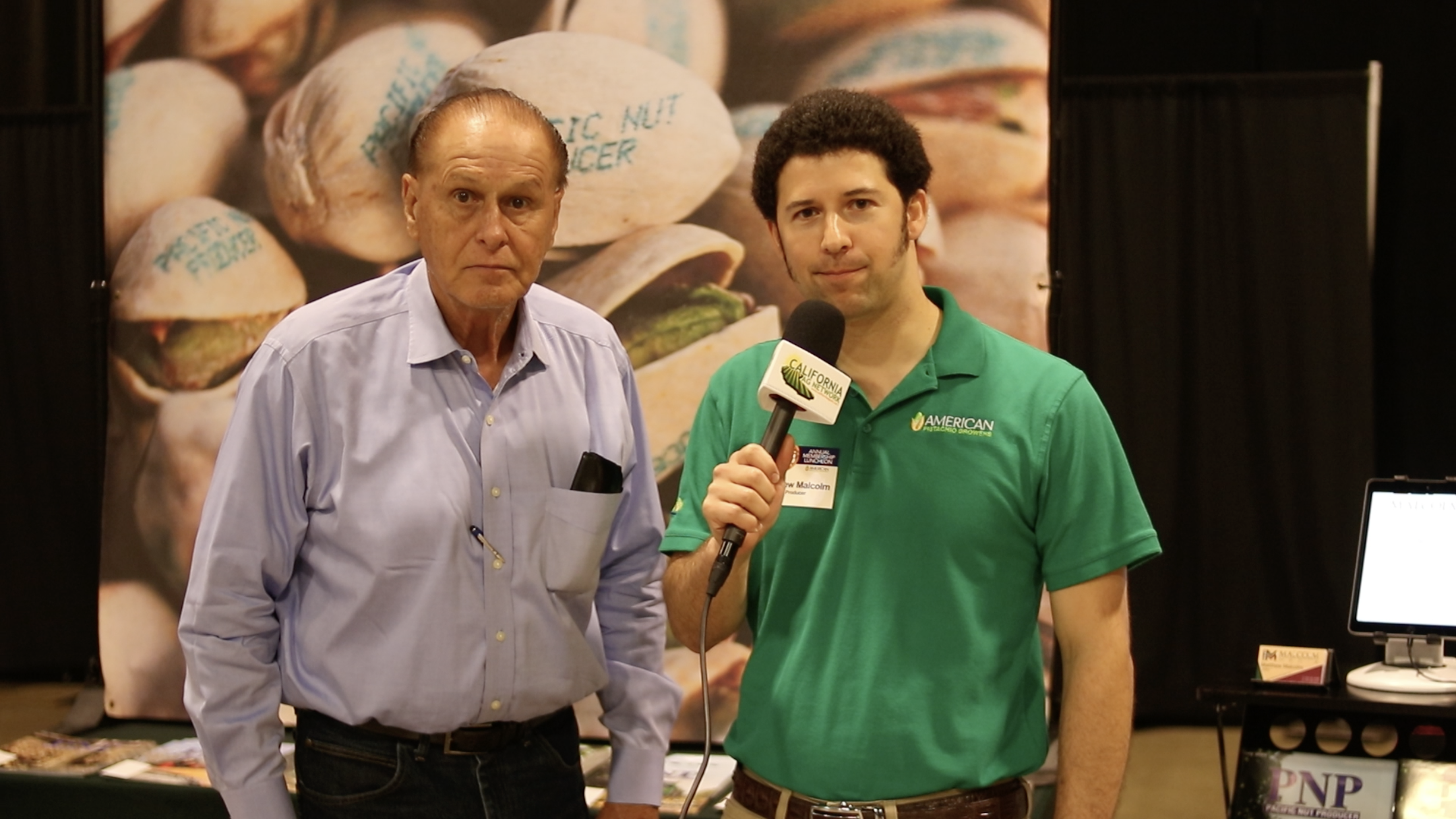
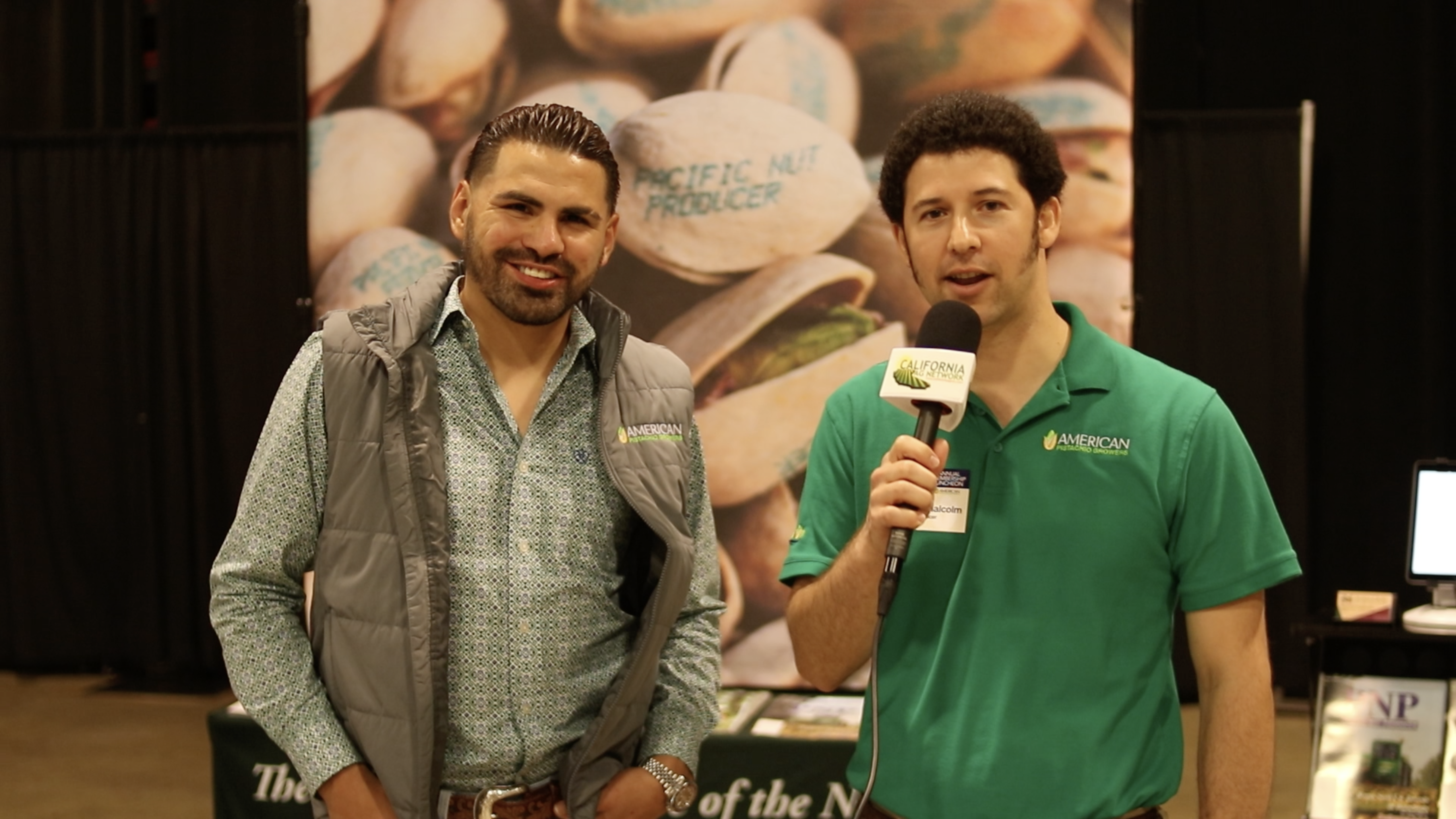
World Champion Boxer and Olympian Jose Ramirez grew up in the Central Valley and spent some of his youth working in the fields. Both inside and outside the ring, he has been an advocate for farm water rights, immigration reform, farmers, and farm workers. Watch this brief interview at the American Pistachio Growers annual luncheon featuring Jose taking his involvement with agriculture to the next level. Read more about it in Pacific Nut Producer Magazine.
Please thank this video’s sponsor G3 Enterprises for their industry support.
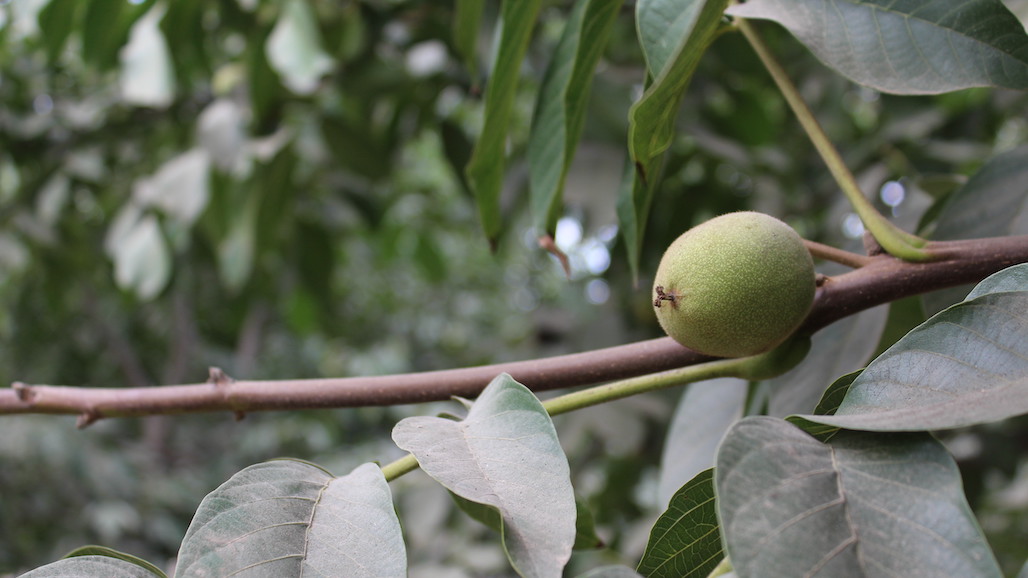
What a difference a year makes! The California walnut industry is gearing up for a stellar 2023 harvest and shipping season after several years of drought, record low grower returns, COVID disrupted markets with supply chain challenges and a devastating heat wave in September 2022 that negatively impacted the entire crop. Here’s why this season is lining up to be a different story.
Quality is expected to be excellent due to favorable growing conditions.
Last winter’s prolonged heavy rains in the California walnut growing regions helped restore deep soil moisture and provided for healthy root zones, enabling trees to better tolerate late season high temperatures. The state also benefitted from an extensive snowpack which has provided all growing regions with sufficient water to support the trees and the crops through this season.
The much-needed chilling hours were at normal levels, placing the trees into a much-needed deep winter dormancy and a prolonged “rest and recuperation” period. Mild spring temperatures were ideal and produced full, vibrant, vigorous tree canopies which supported strong pollination, resulting in robust nut sets throughout the orchards.
“This year, our trees are more capable of handling higher temperatures than the previous years when the trees were under stress due to long-term deficit irrigation,” commented fourth-generation grower and handler Bill Carriere of Glenn, California. “Long-time growers have commented that the trees have not looked this strong and healthy in at least six to seven years. The full leaf canopy provided excellent temperature control and sun protection during the spring and summer months, allowing the walnuts to grow evenly with minimal sunburn. I am very optimistic that this year will mark a return to the premium quality walnuts we are known for in California.”
Acreage adjustments
Record low prices, brought on by an oversupply of darker than normal walnut kernels and weak demand in international markets, have taken a toll on growers, some opting to remove orchards from production. “Our family decided to pull out a productive orchard planted by my father in the early 2000s, it was a difficult decision, but the numbers told the story,” said Don Barton, a fourth-generation family farmer in Escalon, California. “We pulled a few acres with legacy varieties that are no longer desired by the broader buying community. Further south, walnut growers had removed trees due to new water restrictions that resulted in a lack of long-term availability to groundwater. Overall, the last few years have been devastating for growers and we are making some difficult decisions.”
The extent of the acreage shift became more evident in an acreage survey conducted by the California Walnut Board between October 1, 2022, and June 30, 2023. For the first time ever, the acreage of California walnuts declined with 23,000 acres removed during the nine-month period. The industry will likely see additional reductions between July and December 2023, as more growers decide to shift to other crops and the needed tree removal equipment becomes available.
Favorable New Crop Volumes and Inventory levels
However, even with the removal of these orchards, the industry has a strong production base with approximately 380,000 producing acres and 37,000 younger non-bearing acres. USDA/National Agricultural Statistics Service Information (NASS) is currently conducting the annual walnut crop objective evaluation which counts and measures walnuts in a representative cross-industry sampling protocol. Incorporating the recently updated acreage report with the sampling results. USDA will release the official California walnut industry crop estimate on September 1, 2023.
“This week, the California Walnut Board released the monthly and year-to-date shipment report which highlighted an additional reason why I am bullish about the upcoming season,” remarked Martin Mariani, a grower/processor from Winters, California, “The data shows that we have shipped the equivalent of 730,488 tons this season from an available inventory of 880,000 tons.” He went on to explain that when taking into consideration the high sales commitments going into the fall, “we are virtually sold out of available inventory, which bodes well for the industry. I can’t wait to bring the new crop to market.”
Global and Domestic Market Outlook
With a focus on inshell markets, Chile is anticipated to be sold out by the time the new California crop starts shipping this fall. With minimal inventories of export-quality walnuts on hand, coupled with the current limited supply of walnut halves in global markets, the fresh California crop of premium quality walnuts, inshell and kernels, will be in high demand.
“Domestically, sales have increased 28% which helped our industry work through the high inventory numbers we saw at the start of the season” said Mike Poindexter of Poindexter Nut Company in Selma, California. “Major US retailers significantly increased their promotional efforts, which stimulated consumer sales. This is continuing through the fall and will provide nice momentum going into the U.S. holiday season for new crop kernels and inshell sales.”
Market Development and Sales Expansion
Acknowledging the difficulty California walnut industry growers have faced in recent years, Robert Verloop, CEO and Executive Director for the California Walnut Commission (CWC) and Board, said the organization has taken several steps to aid growers.
Robert Verloop, CEO and Executive Director, California Walnut Commission (CWC) and Board
“There have been successful efforts during the season to respond to the heat wave impacted crop, yet with low prices and high input costs, the squeeze on family farms has been relentless. Through the Commission, we continue to work with our representatives in Washington, D.C. and Sacramento for emergency relief for growers,” he said.
“Also, working with the CWC Board of Directors, industry handlers/processors, many volunteer leaders and elected officials and regulators, we have successfully secured a record USDA Section 32 purchase this season for up to $90 million; this funding is being used to help move the current crop out of our storage and into 1,400 food banks across the U.S., providing additional nutrition to thousands of families. In addition, the 20% reduction in tariffs recently announced by India will help us regain our footing in the Indian market.”
About the California Walnut Board
The California Walnut Board (CWB) was established in 1948 to represent the walnut growers and handlers of California. The CWB is funded by mandatory assessments of the handlers. The CWB is governed by a Federal Walnut Marketing Order. The CWB promotes usage of walnuts in the United States through publicity and educational programs. The CWB also provides funding for walnut production, food safety and post-harvest research.
About the California Walnut Commission
The California Walnut Commission, established in 1987, is funded by mandatory assessments of the growers. The Commission is an agency of the State of California that works in concurrence with the Secretary of the California Department of Food and Agriculture (CDFA). The CWC is mainly involved in health research and export market development activities. For more industry information, health research and recipe ideas, visit www.walnuts.org.
With the bountiful supply of much needed rain and snowpack over the winter and spring, watch this brief interview with Michelle Reimers from Turlock Irrigation District as she shares how they are utilizing it, serving and protecting their farming customers this summer with full water allocations.
Please thank this video’s sponsor G3 Enterprises for their industry support.



 About the California Walnut Board

 About California Almonds




 About the California Walnut Board