Category: Economics

  • New Directors of Almond Board of CA Begin Terms

    New Directors of Almond Board of CA Begin Terms

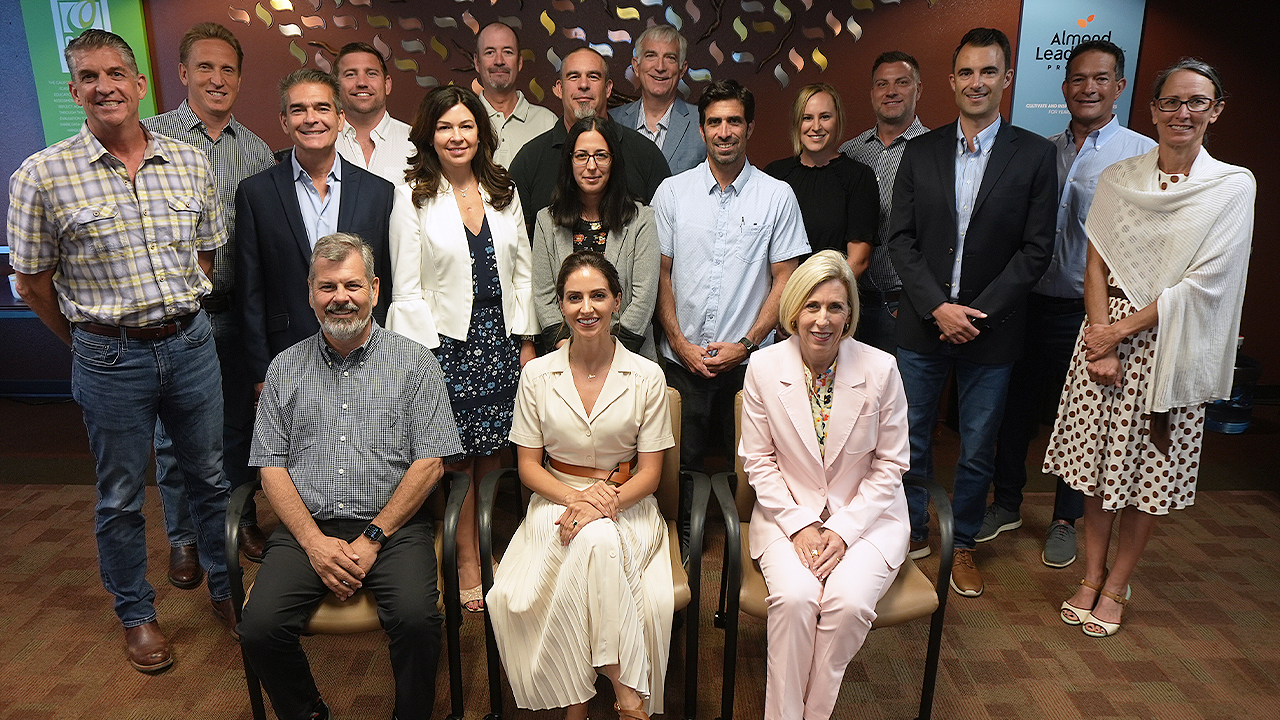
    The new Board of Directors of the Almond Board of California (ABC) took their seats on Thursday with five voting members elected in 2023 – four of them incumbents – beginning new terms to help guide ABC’s support of one of California’s largest crops.

    Board members, whose terms officially began Aug. 1, also re-elected Alexi Rodriguez as chair and elected Alicia Rockwell as the new vice chair.

    “Our industry continues to endure hard times,” said Rodriguez. “This board understands that intimately, and we have a strong group of individuals who are incredibly committed to doing our part to get beyond our current challenges successfully.”

    The 10-member ABC board has five grower members – three representing independent growers and two representing cooperative growers – and five handler members, also with three independent and two co-op representatives. Some members sit in three-year seats, others in one-year positions.

    The grower representatives elected or re-elected in the 2023 elections are:

    • Paul Ewing, an independent from RPAC, LLC in Los Banos. He was re-elected to a one-year term.
    • Kelli Evans, a co-op grower from Evans Farming in Live Oak, who previously served as an alternate. She was elected to a three-year term.

    The handler representatives were re-elected in all three positions this year. They are:

    • Alexi Rodriguez, an independent handler with Campos Brothers in Caruthers, who was re-elected to a three-year term.
    • Darren Rigg, an independent handler from Minturn Nut Co. Inc. in Le Grand. He was re-elected to a one-year term.
    • Alicia Rockwell, a co-op handler with Blue Diamond Growers from Sacramento, who was re-elected to a three-year term.

    Also, three grower and three handler alternates were elected or re-elected:

    • Katie Staack, an independent grower with Grizzly Nut, LLC from Hughson, was re-elected.
    • Brad Klump, an independent grower with BKI Exports, Inc. in Escalon, was elected for the remaining two years of a previously unfilled three-year term.
    • George Goshgarian Jr., a co-op grower with Goshgarian Farming Co. in Fowler, was elected to an alternate grower position after serving as a voting member and previous vice-chair.
    • Chad DeRose, an independent handler with Famoso Nut Co., LLC in McFarland, was re-elected.


    • Ron Fisher, and independent handler with Fisher Nut Co. in Modesto, was re-elected.
      • Dean LaVallee, a co-op handler with Blue Diamond Growers in Sacramento, was also re-elected.

    In addition, Laura Gerhard, a co-op handler with Blue Diamond Growers in Sacramento, was selected by Blue Diamond to serve the final two years in the alternate seat formerly held by the retired Mark Jansen.

    This is the full board:

    VOTING MEMBERS                                                                                      TERM

    Grower #1:            Paul Ewing, RPAC, LLC                                                 1 year

    Grower #2:            Brandon Rebiero, Gold Leaf Farming                            3 years

    Grower #3:            Joe Gardiner, Treehouse California Almonds, LLC       3 years

    Handler #1:           Alexi Rodriguez, Campos Brothers                                3 years

    Handler #2:           Bob Silveira, Vann Family Orchards                              3 years

    Handler #3:           Darren Rigg, Minturn Nut Co. Inc.                                  1 year

    Co-op Grower #1: Kelli Evans, Evans Farming                                            3 years

    Co-op Grower #2: Christine Gemperle, Gemperle Orchards                      3 years

    Co-op Handler #1: Mel Machado, Blue Diamond Growers                          3 years

    Co-op Handler #2: Alicia Rockwell, Blue Diamond Growers                       3 years

    ALTERNATES

    Grower #1:             Katie Staack, Grizzly Nut, LLC

    Grower #2:             Brad Klump, BKI Exports, Inc.

    Grower #3:             Chris Bettencourt, Suvik Farms

    Handler #1:            Ron Fisher, Fisher Nut Company

    Handler #2:            Dexter Long, Hilltop Ranch, Inc.

    Handler #3:            Chad DeRose, Famoso Nut Company, LLC

    Co-op Grower #1:  George Goshgarian Jr., Goshgarian Farming Co.

    Co-op Grower #2:  Kent Stenderup, Stenderup Ag Partners

    Co-op Handler #1: Laura Gerhard, Blue Diamond Growers

    Co-op Handler #2: Dean LaVallee, Blue Diamond Growers

    The ABC board sets policy and approves budgets in major areas, including global market development, production research, public relations and advertising, nutrition research, statistical reporting, quality control and food safety.

    ABC is a Federal Marketing Order dedicated to promoting California almonds to domestic and international audiences through marketing efforts and by funding and promoting studies about almonds’ health benefits, as well as ensuring sustainable agricultural practices and food safety.

    About California Almonds

    California almonds make life better by what we grow and how we grow. The Almond Board of California promotes natural, wholesome and quality almonds through leadership in strategic market development, innovative research, and accelerated adoption of industry best practices on behalf of the more than 7,600 almond farmers and processors in California, most of whom are multi-generational family operations. Established in 1950 and based in Modesto, California, ABC is a non-profit organization that administers a grower-enacted Federal Marketing Order under the supervision of the U.S. Department of Agriculture. For more information on the Almond Board of California or almonds, visit Almonds.com or check out California Almonds on Facebook, Twitter, Pinterest, Instagram and the California Almonds blog.
  • Honey Bee Colonies Down 7 Percent for Operations with Five or More Colonies

    Honey Bee Colonies Down 7 Percent for Operations with Five or More Colonies

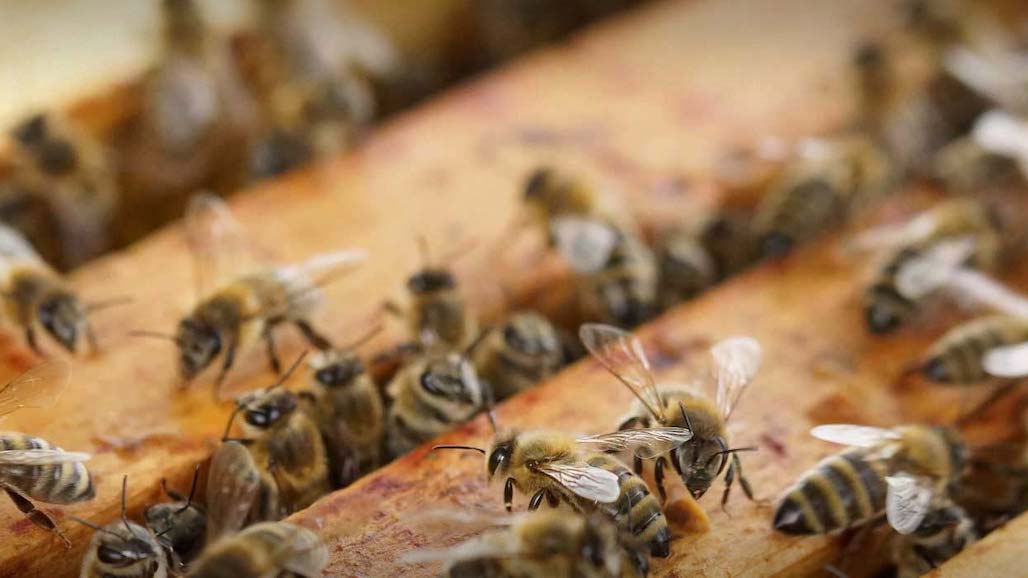
    Honey bee colonies for operations with five or more colonies in the United States on January 1, 2023 totaled 2.68 million colonies, down 7 percent from January 1, 2022, according to a recent USDA survey. The number of colonies in the United States on April 1, 2023, was 2.71 million colonies. During 2022, honey bee colonies on January 1, April 1, July 1, and October 1 were 2.88 million, 2.91 million, 3.11 million, and 2.89 million colonies, respectively.

    Honey bee colonies lost for operations with five or more colonies from January through March 2023, was 373,880 colonies, or 14 percent. The number of colonies lost during the quarter of April through June 2023, was 237,350 colonies, or 9 percent. During the quarter of April through June 2022, colonies lost totaled 363,570 colonies, or 13 percent, the highest number lost of any quarter surveyed in 2022. The quarter surveyed in 2022 with the lowest number of colonies lost was January through March, with 331,480 colonies lost, or 12 percent.

    Honey bee colonies added for operations with five or more colonies from January through March 2023 was 384,790 colonies. The number of colonies added during the quarter of April through June 2023 was 596,360. During the quarter of April through June 2022, the number of colonies added were 573,160 colonies, the highest number of honey bee colonies added for any quarter surveyed in 2022. The quarter of July through September 2022 added 152,640 colonies, the least number of honey bee colonies added for any quarter surveyed in 2022.

    Honey bee colonies renovated for operations with five or more colonies from January through March 2023 was 113,440 colonies, or 4 percent. During the quarter of April through June 2023, the number of colonies renovated were 478,440 colonies, or 18 percent. The quarter surveyed in 2022 with the highest number of colonies renovated was April through June 2022 with 494,890 colonies renovated, or 17 percent. The quarter surveyed in 2022 with the lowest number of colonies renovated was October through December 2022, with 147,950, or 5 percent. Renovated colonies are those that were requeened or received new honey bees through a nucleus (nuc) colony or package.

    Varroa Mites Top Colony Stressor for Operations with Five or More colonies:

    Varroa mites were the number one stressor for operations with five or more colonies during all quarters surveyed in 2022. The period with the highest percentage of colonies reported to be affected by varroa mites was April through June 2022 at 47.5 percent. The percent of colonies reported to be affected by varroa mites during January through March 2023 and April through June 2023 are 39.7 percent and 50.9 percent, respectively. — By the USDA National Ag Statistics Service

  • Best Food Safety Practices Shared at Peanut and Tree Nut Processors Association 2023 Summit

    Best Food Safety Practices Shared at Peanut and Tree Nut Processors Association 2023 Summit

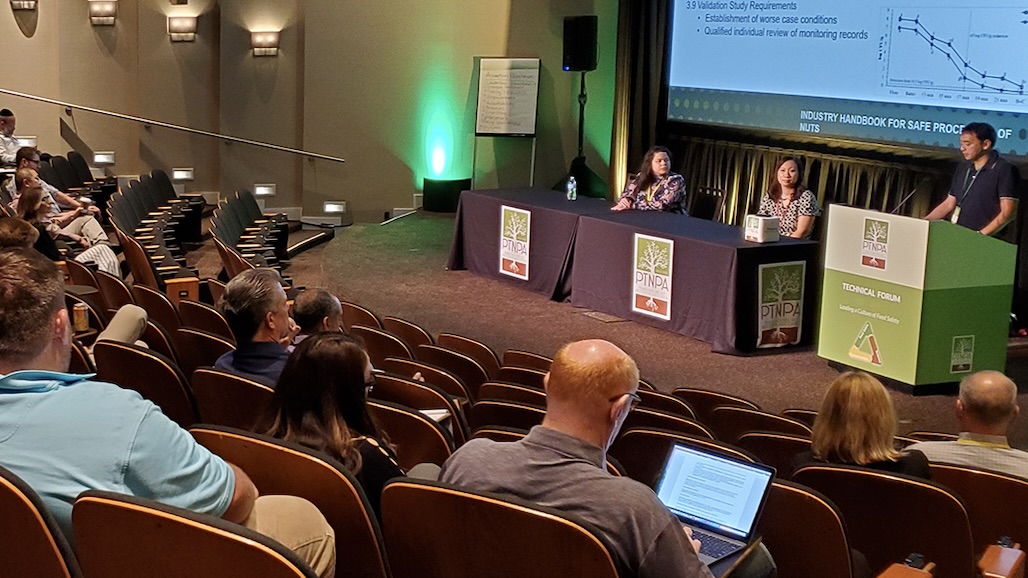
    National and international nut industry leaders recently convened for the Peanut and Tree Nut Processors Association’s (PTNPA) annual Operations and Technical Food Safety Summit.

    Now in its eighth year, the summit brings together business owners and operators and food safety, quality assurance and regulatory experts in the nut industry from across the globe to hold critical discussions that drive food safety advancement in businesses of all sizes. Facilitated, interactive sessions focused on current regulations and practices for compliance, company success stories and challenges, food safety investment impacts, and more.  As the nut industry’s only food safety educational forum, this event is a unique and valuable opportunity to tackle ongoing challenges to directly contribute to safe and stable food systems.

    “The landscape for food safety is ever-growing and expanding—it’s more valuable than ever for industry thought-leaders to ideate on the topics presented at the summit,” shares Dr. Darlene Cowart, vice president of food safety and quality for Birdsong Peanuts. “Hearing directly from experts on key food safety topics as well as business leaders in every aspect of the organization is so important in the current food safety environment. What a great opportunity to learn and network with some of the world’s most talented food safety professionals.”

    PTNPA conducted anonymous, real-time polling during the summit and attendee participation identified important themes:

      • An Integrated Business Unit Approach: A majority of organizations proactively educate financial, maintenance and inventory teams on what it means to operate in a culture of food safety.
      • Training Is a Priority: Nearly 89% of companies conduct food safety trainings at least once a year across departments.
      • Emotionally Intelligent Leaders Stand Out: Strong communication and collaboration skills were rated the most critical leadership factors needed when working to prevent food safety risks or deficiencies in the market.
      • The Bottom Line — Value of Food Safety Cultures Reigns: Creating a culture of food safety emerged as a key topic of importance, with 94% of attendees indicating it as a priority for operations now and in the future.

    Presentations were led, moderated and hosted by industry experts from PTNPA member companies: Michael Campagna (vice president of quality, food safety and regulatory), Dr. Yvonne Masters (director of food safety and quality policy), and Jasper Sanfilippo, Jr. (COO) from John B. Sanfilippo & Son, Inc.; Dulce Guzman (director of food safety and QA) and Craig Leva (CEO and Owner) of Arway Confections; Suzanne Chamberland (food safety manager), Totally Nuts & More Inc.; Gaby Chavarria (quality and food safety manager), Harris Woolf Almonds; Erin Clem (director of food safety and quality), Diamond Foods, LLC; Dr. Darlene Cowart (vice president of food safety and quality), Birdsong Peanuts; Martin Hahn (general counsel), Hogan Lovells; John Larsen (president), Marathon Ventures, Inc.; Angelo Losurdo (vice president of quality and quality systems), Golden Peanut; Dr. Wendy Maduff (vice president of corporate food safety and quality), The Wonderful Company; Stephen O’Mara (president), J.F. Braun & Sons, Inc.; Eric Paskerian (principle and owner), WEP Engineering and Consulting Co.; Joel Perkins (CEO), Horizon Nut Co.; and Randy Porter (vice president of technical services), IEH Laboratories & Consulting Group. View speaker biographies and session topics to learn more.

    “We’re so proud of our industry and its commitment to innovation in a very rugged regulatory environment,” shares Jeannie Shaughnessy, executive director and CEO of PTNPA. “Our members are experts who are eager to collaborate for the advancement of the industry with a focus on measurable food safety investments in their businesses.”

    During the summit, PTNPA continued to expand the forward-thinking Industry Handbook for Safe Processing of Nuts with the launch of a new section focused on food safety best practices for importers and brokers. The handbook provides companies with guidance on day-to-day safety operations, company training protocols, employee onboarding, and regulatory guidance.

    About the Peanut and Tree Nut Processors Association

    The Peanut and Tree Nut Processors Association, established in 1939, is composed of leading nut industry companies, representatives and solution providers, ranging from international household brands to fourth-generation family-owned businesses. The organization exists to advance the nut industry through professional networks, advocacy and education for and on behalf of its members. For more information about PTNPA, the nut industry or to become a member, visit www.ptnpa.org.

  • Bob Schramm Retires, APG Selects New Federal Advocacy Firm

    Bob Schramm Retires, APG Selects New Federal Advocacy Firm

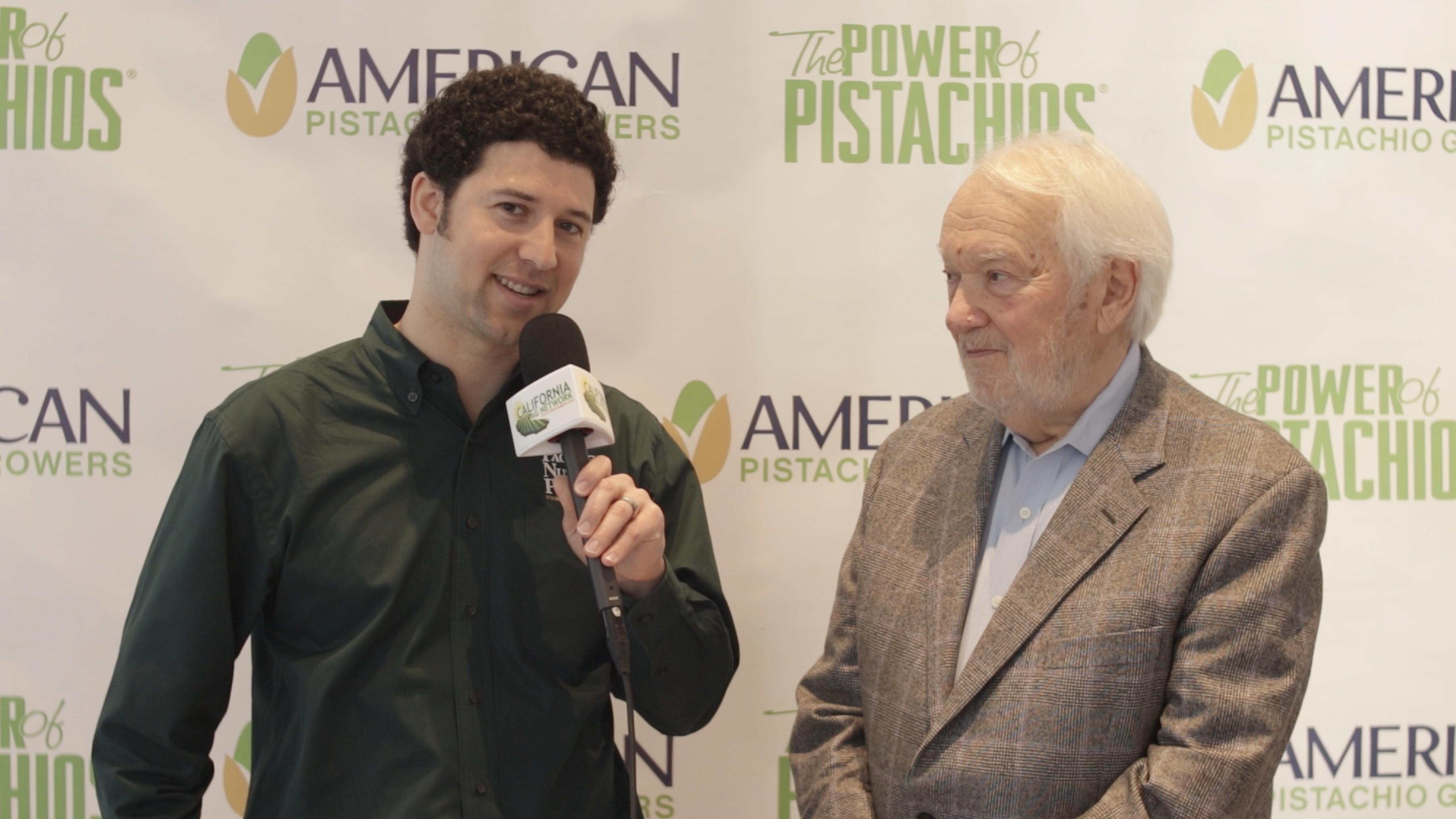
    Back at the annual American Pistachio Growers (APG) Conference, longtime federal advocate for the association — Bob Schramm was paid special tribute for his dedicated service to the U.S. pistachio industry.  Schramm is now transitioning into retirement, and he has worked with APG in selecting a new firm to take his place in representing and protecting the interests of the pistachio industry at the federal level. Watch this video to learn more, and be sure to keep up with the activities of APG in Pacific Nut Producer Magazine.

    Please thank this video’s sponsor Thunder Creek Equipment for their industry support.

  • Opportunities for U.S. Tree Nut Exports to Malaysia

    Opportunities for U.S. Tree Nut Exports to Malaysia

    Malaysia was the 26th-largest export destination for U.S. agricultural products in 2022, totaling nearly $1.1 billion in value, and is a top prospect for exports of food and beverage ingredients because of its large and growing food processing industry. Food and beverages manufactured in Malaysia not only serve domestic consumers but are also exported to many neighboring countries. U.S. exports of dairy products, fresh and processed potatoes, food-grade soy, processed fruit and juices, tree nuts, and more have many opportunities to supply the Malaysian food processing sector, which depends on imports for key ingredients and inputs, and in doing so reach consumers across Malaysia and throughout Southeast Asia.

    Macroeconomic Perspective

    Malaysia has a diverse and open economy with a gross domestic product (GDP) per capita that is among the highest in Southeast Asia at $12,360 in 2022. Malaysia is currently considered an upper-middle income country by the World Bank (countries with gross national income per capita between $4,466 and $13,845) but is expected to become a high-income country within the next few years. According to the International Monetary Fund, Malaysia’s real GDP growth has been mostly between 4 and 5 percent in recent years, apart from major shifts between 2020 and 2022 due to the COVID-19 pandemic. With an estimated population of 34 million in 2022, Malaysia is the 43rd-most-populous country in the world and the 6th-most-populous member state of the Association of Southeast Asian Nations (ASEAN).

    Agricultural Trade and the Food Processing Industry

    Malaysia is the 26th-largest export destination for U.S. agricultural products, with exports valued at nearly $1.1 billion in 2022. The United States was Malaysia’s eighth-largest supplier, accounting for 5.6 percent of total agricultural imports. The mix of U.S. products is diverse, ranging from bulk products such as soybeans, wheat, and cotton to consumer-oriented products such as dairy, tree nuts, fruits, and vegetables.

    U.S. Agricultural Exports to Malaysia
    Value in Millions, U.S. Dollars

    The Malaysian food processing sector accounts for around 10 percent of total domestic manufacturing output and supplies in both the internal and export markets. To serve its consumers domestically and abroad, the Malaysian food processing industry depends on imported ingredients. The manufacturing of dairy products, wheat flour-based products, processed fruit and vegetables, and various specialty foods and beverages rely heavily on imports. The United States is an important supplier of many of these ingredients, and prospects are strong because of the size and growth of Malaysian food processing. Because Malaysia is a regional supplier of processed foods, U.S. food and beverage processing ingredients can reach consumers in Malaysia, throughout Southeast Asia, and beyond.

    The U.S. agricultural products that have high potential to expand in the Malaysian market for use in food processing include: dairy products; fresh and processed potatoes; food-grade soy products; processed fruit and juices; and tree nuts.

    Tree Nuts

    Malaysia imported $196 million of tree nuts from all suppliers in 2022, down from $204 million in 2021. The United States exported $32.4 million to Malaysia in 2022 and was the second-largest supplier behind Indonesia, holding 19 percent market share. Shelled almonds made up 68 percent of U.S. tree nut exports to Malaysia, with $22.2 million exported there in 2022. Other top products include in-shell pistachios ($3.5 million), shelled walnuts ($3.4 million), and in-shell almonds ($1.6 million). The United States holds a very high market share in Malaysia for imported shelled almonds, at nearly 85 percent, and a high market share for shelled walnuts (64 percent) and in-shell pistachios (48 percent). According to Euromonitor International, sales of nuts, seeds, and trail mixes in Malaysia have increased 4.5 percent annually, on average, since 2018, and this growth rate is forecast to increase during the next 5 years. Almonds, pistachios, and walnuts are common ingredients in nut mixes, and U.S. exports have good prospects because of the current market share for these tree nuts.

    Trade Policy

    Malaysia is a member of ASEAN and is thus part of the ASEAN Free Trade Area along with its neighbors Brunei, Cambodia, Indonesia, Laos, Burma, Singapore, Thailand, and Vietnam. As part of ASEAN, it has free trade agreements (FTAs) with Australia, the People’s Republic of China (PRC), India, Japan, New Zealand, and the Republic of Korea (South Korea). Malaysia is a party to the Comprehensive and Progressive Agreement for Trans-Pacific Partnership and the Regional Comprehensive Economic Partnership. Malaysia also has seven bilateral FTAs with countries including Australia, the PRC, India, Japan, New Zealand, Pakistan, and Türkiye. For information on trade policy and regulations relevant to the export of food processing ingredients to Malaysia, see FAS’s most recent Malaysia: Food Processing Ingredients GAIN report.

    Conclusion

    Due to its expanding food processing industry, Malaysia is a major prospect for the export of food and beverage ingredients and is a significant export destination for U.S. agricultural products. The Malaysian food processing sector, which depends on imports for essential ingredients and inputs, has many opportunities to benefit from U.S. exports of dairy products, fresh and processed potatoes, food-grade soy, processed fruit and juices, tree nuts, processed food and beverages, snacks, and more. Food and beverages manufactured in Malaysia not only serve domestic consumers but are also exported to many neighboring countries. Given that Malaysia is a key regional supplier of processed foods, U.S. food and beverage ingredients can effectively reach consumers not only within Malaysia but also throughout Southeast Asia and beyond.

  • Blue Diamond Growers Launches USDA Climate-Smart Grant Program

    Blue Diamond Growers Launches USDA Climate-Smart Grant Program

    Blue Diamond Growers has launched its USDA Partnerships for Climate-Smart Commodities Grant Program with its 3,000 grower-owners. The program is a major step in expanding the use of climate-smart practices in almond orchards.

    The initial launch of the Blue Diamond USDA Climate-Smart Grant Program offers almond growers no-cost seed and a financial incentive for implementing cover crops and/or conservation cover on their land. These practices will not only work towards sequestering carbon but will also enhance the biodiversity of orchards, while improving soil health. As part of this program, growers will work with civil society technical partners, Pollinator Partnership and Project Apis m. to implement these practices.

    “This is an exciting and unique opportunity for growers outside of the traditional federal, state, and local resources that are typically available to them,” said Dan Sonke, Sr. Director of Sustainability, Blue Diamond Growers. “We know that cost and technical barriers are the largest hurdles to overcome when implementing climate-smart practices. This project provides resources to accelerate our grower-owners’ advances in soil health, biodiversity, and climate-smart agriculture.”

    The program will also work to identify almond-specific methods for quantifying the greenhouse gas (GHG) impacts of implementing climate-smart practices and will explore market-based mechanisms to reward growers for their stewardship work.

    The USDA Partnerships for Climate-Smart Commodities Grant Program further extends Blue Diamond’s current Orchard Stewardship Incentive Program (OSIP). OSIP currently has more than 50% of Blue Diamond acreage enrolled, the largest amount of almond acreage in the world participating in a sustainability program, with over 15% of Blue Diamond’s acreage being Bee Friendly Farming (B.F.F.) certified.

    “Not only does this program benefit growers, but food companies and retailers as well,” continued Sonke. “Customers can partner with Blue Diamond to support the use of climate-smart practices which benefit the climate, soil health, and orchard biodiversity, and thereby procure almonds with a measured GHG reduction quantification that helps meet their own climate and sustainability targets.”

    With planning and grower communication underway now, Blue Diamond Growers will largely begin to implement the grant-related practices across California beginning in October, after this year’s harvest.

    For more information on Blue Diamond Grower’s sustainability efforts, please visit bluediamond.com/sustainability.

    About Blue Diamond Growers®
    Blue Diamond Growers, a grower-owned cooperative representing approximately 3,000 of California’s almond growers, is the world’s leading almond marketer and processor. Established in 1910, it created the California almond industry and opened world markets for almonds. Blue Diamond is dedicated to delivering the benefits of almonds around the world and does so by providing high-quality almonds, almond ingredients and branded products. Headquartered in Sacramento, the company employs more than 1,800 people throughout its processing plants, receiving stations and gift shops. To learn more about Blue Diamond Growers, visit www.bluediamond.com.

  • LandFlex Program Awards $16 Million in Farmer Contracts, Providing Immediate Well Protection for 34,000 Homes

    LandFlex Program Awards $16 Million in Farmer Contracts, Providing Immediate Well Protection for 34,000 Homes

    The Department of Water Resources (DWR) has announced the successful conclusion of LandFlex Phase 2, providing $16,775,162 in grants to support grower contracts within various Groundwater Sustainability Agencies (GSAs) for the protection of rural at-risk water systems and advancements in groundwater sustainability.

    The awarded funds will be allocated to three GSAs as follows:

    Lower Tule Irrigation District GSA: Grant award in the amount of $7.7 million
    Pixley Irrigation District GSA: Grant award in the amount of $ 5 million
    Westlands Water District GSA: Grant award in the amount of $4 million
    “At the heart of LandFlex‘s success is its proven effectiveness in addressing critical water resource challenges,” said Anja Raudabaugh, Chief Executive Officer of Western United Dairies. “Initially designed to combat drought conditions, the program has demonstrated remarkable versatility by also proving its mettle in flood protection and identifying active recharge potential. This adaptability has positioned LandFlex as an innovative and indispensable tool for growers to meet sustainability goals in both dry and wet periods.”

    One of the program’s key achievements is the immediate protection it provides to drinking water wells serving 34,259 households in underserved communities. By swiftly reducing water demand, LandFlex alleviates pressure on these communities and overburdened water systems while simultaneously supporting the sustainability of both the communities and the agricultural industry.

    Moreover, LandFlex plays a pivotal role in accelerating compliance with the Sustainable Groundwater Management Act (SGMA). Growers who participate in the program can plan ahead and explore innovative farming methods that align with long-term sustainability goals, ensuring the resilience of water systems and critical water infrastructure.

    “LandFlex owes its success to the voluntary participation of growers who are committed to supporting their communities and farming for the future,” said Aubrey Bettencourt, President and Chief Executive Officer of the Almond Alliance. “The program was oversubscribed, and their active involvement showcases their determination to find immediate solutions rather than waiting until 2040 to achieve sustainability goals. By participating in LandFlex, these growers contribute significantly to the well-being of underserved communities and the long-term resilience of at-risk water systems while investing in new farming practices to ensure California agriculture is leading and vibrant for the 21st century.”

    The LandFlex program stands as a testament to the power of collaboration between growers, government entities, and local communities. By focusing on the protection of water resources and underserved communities, LandFlexexemplifies the importance of finding innovative, practical, and actionable solutions to address pressing water challenges.

    For more information about LandFlex, please visit landflex.org.

    About the Almond Alliance
    Almond Alliance is the leading authority in state and national policy, championing American almond farmers, industry, and community for the continued global growth, innovation, and success of American almonds and agriculture. Established in 1980, the Almond Alliance is a non-profit trade association with a local and international network of almond processors, hullers/shellers, growers, and allied businesses. The Alliance is dedicated to providing resources and solutions for our members, ensuring industry success and growth opportunities. Learn more at almondalliance.org.

  • Almond Board of California Directors Announce Clarice Turner as Next CEO

    Almond Board of California Directors Announce Clarice Turner as Next CEO

    The Almond Board of California Board of Directors selected Clarice Turner, an experienced global leader in consumer goods, food service and wine and spirits, as the next president and CEO.

    Turner is joining the Almond Board of California (ABC) after most recently serving as president of iconic Napa Valley winery Joseph Phelps Vineyards. She has also held CEO and senior executive positions at Boudin Bakery, Starbucks Coffee Company, YUM! Brands, Papa Murphys International and PepsiCo.

    The ABC Board is excited to welcome Clarice to the California almond industry,” said board chair Alexi Rodriguez. “A tremendous amount of thought and effort went into the search process and we couldn’t be more pleased with the result. Clarice brings extensive knowledge and experience that we believe will be a great benefit to the organization and the industry.

    Turner is a ninth generation Californian and has a long history of serving on corporate and non-profit boards including the Culinary Institute of America, Delicato Family Wines, the National Restaurant Association, Washington State University School of Business and San Francisco State University Lam School of Business.

    Along with her former global executive positions, Turner was also an international business major at Fudan University in China and understands the role different nationalities play in trade, business and culture.

    “I am honored to lead the Almond Board of California, Turner said. “It’s a once in a lifetime opportunity to combine my California heritage, roots in generational farming and executive experience to build on the strong foundation established in 1950. I look forward to working collaboratively with the staff, board, growers, handlers and industry stakeholders in the coming years.

    Rodriguez said that in September, Turner will begin working closely with the board, current President and CEO Richard Waycott and the ABC executive team to ensure a smooth transition over the coming months.

    “We are thankful for Richard, not just for his commitment to the industry over the last 21 years, but also for his support during this transition period to make certain Clarice and the organization are set up for success moving forward,” Rodriguez said.

    Waycott informed the board of directors in November 2022 that he planned to step away from his ABC responsibilities at the end of 2023 to pursue other interests.

    About the Almond Board of California

    California almonds make life better by what we grow and how we grow. The Almond Board of California promotes natural, wholesome and quality almonds through leadership in strategic market development, innovative research and accelerated adoption of industry best practices on behalf of the more than 7,600 almond farmers and processors in California, most of whom are multi-generational family operations. The Almond Board of California is a non-profit organization that administers a grower-enacted Federal Marketing Order under the supervision of the U.S. Department of Agriculture. It was established in 1950 and is based in Modesto, CA. For more about the Almond Board or California almonds, visit Almonds.com.

  • Over 25 Farming Robots to be Featured at FIRA USA 2023 this Fall in Salinas

    Over 25 Farming Robots to be Featured at FIRA USA 2023 this Fall in Salinas

    Weeding, harvesting, picking, carrying,… Robots are today’s answer to many challenges facing agriculture. And they will show up this fall in Salinas for the second edition of FIRA USA. From September 19 to 21, the Salinas Sports Complex, home of the famous California Rodeo Salinas, will be the place to discover the autonomous farming solutions in action. During three days, expo, demos, pitch sessions and even a robot parade will take place in the Salad Bowl of the World. Please note that the traveling event through California FIRA USA not only focuses on vegetables: trees and vineyards are also at the heart of the environmental and labor issues that agriculture must address… just like FIRA USA!  For this reason, Malcolm Media is partnering with FIRA-USA, and California Ag Network, California Fruit & Vegetable, Pacific Nut Producer, and American Vineyard Magazines are among the proud sponsors of this special event, so be sure to come see us there.

    25+ robots for farming autonomously

    FIRA’s organizers, French association GOFAR, Western Growers and University of California ANR/The VINE announce that already 25 robots have signed up for FIRA USA 2023.

    “Even if FIRA USA 2022 in Fresno was already a success, this year marks a real turn: four months before the event, we already confirmed 25 robots – and it’s just the beginning!”notes Maialen Cazenave, co-director in charge of the partnerships at GOFAR. “Coming from California, other states in the US, and even from Europe, we expect another 10 to 20 robots to partner with us – and we have space to welcome them both on the exhibition area and on the demo zones (on vegetables, fruits, orchards, and vineyards)”.

    From weed control to fruits picking, robots main functions at FIRA USA

    Here is the list of the 25 robots from the companies that already confirmed their participation in FIRA USA 2023:

    • ●  Bluewhite (USA – California): Bluewhite’s Pathfinder transforms any brand of existing orchard or vineyard tractor into a fully autonomous fleet, capable of executing multiple tasks, such as spraying, herbicide, discing, mowing, or harvesting, with high precision and operating efficiency.
    • ●  Naïo Technologies (France and USA – California): Oz, Ted, Orio and Jo: light electric and autonomous ag. robots to offer a sustainable alternative to the use of herbicides that can interface with smart implements to offer a high precision weeding, seeding, mowing and a very precise guidance of the implements.
    • ●  Carbon Robotics (USA – California): high-precision LaserWeederTM leverages sophisticated AI deep learning technology, computer vision, robotics, and lasers.
    • ●  Stout Industrials (USA – California): the Stout Smart Cultivator is a software-defined, tractor-drawn implement that uses machine vision and artificial intelligence to cultivate and weed fields using mechanical blades.
    • ●  Agtonomy (USA): A fully electric, reference tractor that executes labor-intensive field missions such as mowing, spraying, transport, and weeding, in the toughest terrain.
    • ●  Ecorobotix (Switzerland): ARA is a high-precision sprayer developed by Ecorobotix, which enables the ultra-targeted application of herbicides, fungicides, insecticides or fertilizers, reducing the use of them up to 95%.
    • ●  Solinftec (Brazil): scouting robot that scans the crops and record their growth rates, plant health the prevalence of any weeds, suited for farms around 500 acres and works with several types of row crops including corn, soybeans, cotton, wheat, canola and many others.
    • ●  Nexus Robotics (Canada): weeding and scouting robot that provides farmers with real-time information about the size and health of their crops.
    • ●  Verdant Robotics (USA – California): multi-action, autonomous farm robot capable of millimeter-accurate spraying, laser weeding, and AI-based digital crop modeling.
    • ●  GUSS Automation (USA – California): GUSS autonomous sprayers provide a solution to labor challenges while increasing efficiency, precision and safety in orchards, vineyards, and high-density orchards.
    • ●  SeedSpider (USA – California): the WeedSpider can be configured to efficiently and accurately mechanically weed, mechanically thin, or precision spray commercial vegetable crops.
    • ●  Farm-ng (USA – California): Amiga is a modular, all-electric micro-tractor that can turn-in-place, haul, lift, carry tools, cultivate, and is easy to adapt to any farm’s cropping systems and cultural practices.
    • ●  Monarch Tractor (USA – California): fully electric, driver-optimal, smart Tractor platform built to empower farmers by enabling profitable implementation of sustainable and organic practices.●  Mantis Ag Technologies (USA – California): from thinners to sprayers and cultivators, the line of products turns intelligence, automation and data into smart, practical solutions for growers.●  Burro (USA – California): Burros use computer vision, high precision GPS, and AI to follow people to navigate autonomously from A to B while carrying various payloads.●  Robotics Plus (New Zealand): modular platform, designed to accommodate swappable attachments for spraying – mowing, trimming and weed control under development.●  Aigen (USA – Washington) : robotics platform powered by the sun, directly. Like a plant! We aim for affordability and scale, while others aim for high profit margins. We start with the farmer first, and build our platform from there.●  EDETE (Israel): end-to-end artificial pollination service comprising 2 steps that mimics the natural pollination process: 1. collecting and 2. distributing pollen.●  K.U.L.T. (Germany): agricultural machines for soil cultivation and weeding solutions for vegetable production, field crops, ornamental production, herbs, grassland, vineyards, orchards,

      ●  Sabanto (USA – Iowa): aftermarket autonomy system installed on tractors.

      The US largest in-field demo zone for robots

      FIRA USA will host the largest demo zone of farming robots.

      Managed by Triangle Farms, Pacific Ag Rentals and the University of California, the crops will be available for the robots to show their functions on vegetables, fruits, orchards and vineyards.

      To exhibit and/or make a robot demos, manufacturers can contact Maialen Cazenave:

      fira.usa@fira-agtech.com

      Registrations to FIRA USA 2023 are open, please visit: www.fira-usa.com

      About GOFAR

      The GOFAR non-profit organization undertakes to promote and develop the agricultural robotics sector at international level. Like RobAgri, whose objective is to facilitate the technical development of agricultural robots, GOFAR meets the increasing need for visibility and networking of the agricultural robotics sector.

      About Western Growers

      Founded in 1926, Western Growers represents local and regional family farmers growing fresh produce in Arizona, California, Colorado and New Mexico. Our members and their workers provide over half the nation’s fresh fruits, vegetables and tree nuts, including nearly half of America’s fresh organic produce. Some members also farm throughout the U.S. and in other countries so people have year-round access to nutritious food. For generations, we have provided variety and healthy choices to consumers.

      About The Vine, UC ANR

      The VINE, an initiative of University of California, Agriculture and Natural Resources, is California’s agriculture, food, and biotech innovation network. Our mission is to harness the power of open innovation to help industries and entrepreneurs grow and scale globally while catalyzing technology innovation and commercialization for productive, sustainable, and equitable food systems.

      We connect entrepreneurs to a vast network of public and private sector resources, build collaborations that accelerate technology solutions to solve industry challenges, and grow regional capacity to support global innovation as an economic opportunity.

  • USDA Final Forecast Projects Slightly Larger 2023 Almond Crop

    USDA Final Forecast Projects Slightly Larger 2023 Almond Crop

    The 2023 California Almond Objective Measurement Report published Wednesday by the U.S. Department of Agriculture’s National Agricultural Statistics Service (USDA-NASS) estimates that the crop harvested in 2023 will come in at 2.6 billion meat pounds, 1% percent above last year’s 2.57 billion pounds.

    The estimate is up 4 percent from USDA-NASS’s Subjective Forecast in May and comes after one of the wettest winters on record, limited bee flights because of rain and wind, and a cool spring. USDA’s Forecasted yield is 1,880 pounds per acre, down 20 pounds from 2022 and the lowest since 2009.

    The slight increase comes partly because of larger nut size and despite difficult conditions, USDA-NASS said. “Record level rainfall and unprecedented stormy conditions hindered bee pollination activity in orchards across the state. Cooler than normal temperatures continued through early summer and delayed the maturity of the crop,” the report said.

    “Almond farmers have faced a series of challenges in recent years, and this wet, cool winter and spring created different obstacles after three years of drought. Yet the forecast for a larger crop shows the resiliency of California almond orchards,” said Richard Waycott, president and CEO of the Almond Board of California (ABC). “Almond farmers have worked hard while dealing with higher production and financing costs and a bloom with highly compromised bee flight hours. They are very thankful, however, for the abundant rain and snow which vastly improved the water situation, at least for now, and for shipping logistics that continue to improve. The perseverance of California’s almond farmers is admirable as is their commitment to meet future growth in global demand with high quality California almonds.”

    The forecast for the average nut set per tree is 3,953, 3 percent down from 2022. The Nonpareil average nut set of 4,004 is 1 percent more than last year. The average kernel weight for all varieties sampled was 1.67 grams, up 14% percent from the 2022 average weight. The Nonpareil average kernel weight was 1.69 grams, up 9 percent over from last year.

    The 2023 Objective Report is based on actual almond counts using a statistically rigorous methodology. The survey was conducted from May 26 to July 3 and 1,824 trees were sampled in 912 orchards, 32 more orchards than in 2022. USDA-NASS conducts the annual Subjective Forecast, Objective Report and Acreage Report to provide the California almond industry with the data needed to make informed business decisions. — By the Almond Board of California