Category: Economics

  • LandFlex Succeeds as an Incentivizing Farmer-Driven Solution for SGMA Compliance

    LandFlex Succeeds as an Incentivizing Farmer-Driven Solution for SGMA Compliance

    Permanently retiring millions of acres of productive California farmland is not a solution the growing world population needs right now.  That is why a new program, known as LandFlex was created, providing an alternative solution to assist farmers in meeting the requirements of SGMA. Millions of dollars of LandFlex funding have recently been awarded to serve farmers within critically overdrafted basins of California.  Watch this video with Anja Raudabaugh, CEO Western United Dairies, to learn more about the success of the program.

    Please thank this video’s sponsor afimilk for their industry support.

  • Almond Board Directors and New CEO Listen and Talk with Industry

    Almond Board Directors and New CEO Listen and Talk with Industry

    The Almond Board of California Board of Directors and President and CEO Clarice Turner engaged almond industry members up and down the Central Valley in an eight-stop listening tour to answer questions and hear concerns and ideas.

    Board members and Turner hosted gatherings starting in Shafter in the south valley and ending in Orland in the north to hear what growers and handlers have on their minds and to give people a chance to ask questions in informal settings. Turner also participated with  outgoing Almond Board President Richard Waycott in delivering the State of the Almond Industry address at Malcolm Media’s recent Tree & Vine Expo in Turlock and Grape, Nut & Tree Fruit Expo in Fresno.

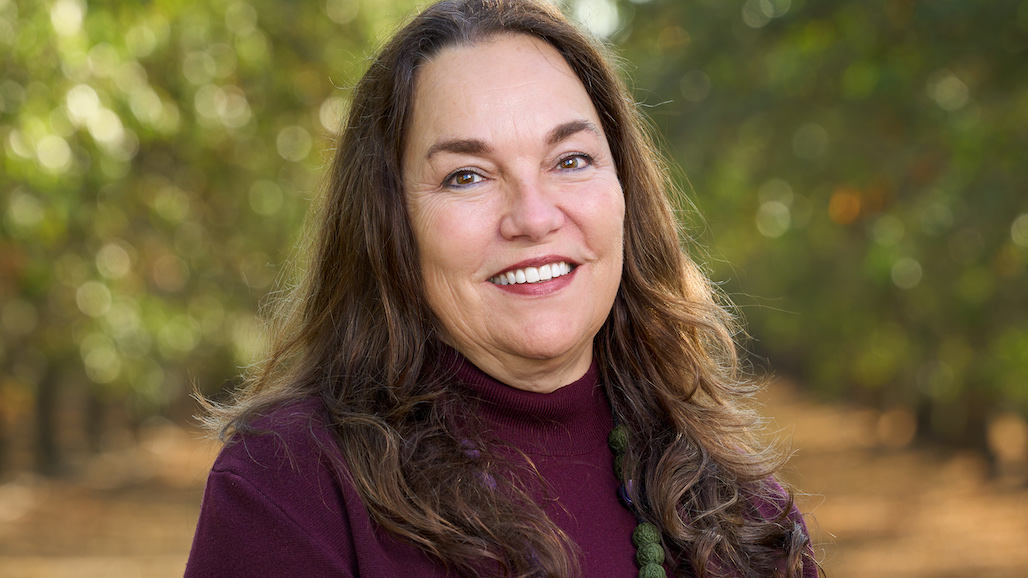
    Incoming Almond Board of California President and CEO Clarice Turner addressing growers at Malcolm Media’s Tree & Vine Expo in Turlock (Photo by Matthew Malcolm)

    “While the long-term outlook for the industry seems promising, the short-term economics have left many growers contemplating their next steps,” said Alexi Rodriguez, chair of ABC’s Board of Directors. “The listening sessions were a great opportunity to engage with industry members to share information, experiences and ideas. It was also great for Clarice to hear from stakeholders in each region, as their challenges and priorities vary. Unfortunately, the Almond Board can’t solve every problem and many will be left to make some tough decisions going forward. That said, the Board and the organization are working hard to tackle the areas where we can make a positive difference for the future of the industry.”

    The listening sessions were casual and designed to be small so the questions and conversations could go deep. They are one of the ways Turner, who started as ABC president and CEO in September, is introducing herself to the industry and learning more about the people in the industry she serves.

    “I enjoyed meeting so many interesting, caring and knowledgeable people across the valley,” Turner said. “I heard many stories and learned so much about the history of this great industry, people’s hopes and concerns, and about their commitment to their land, roots, communities and to almonds. Despite the current difficult macro environment, we had very constructive conversations about the future of the industry. It was an inspiring week.”

    Subjects ranged from broad policy to technical questions, and the conversations will help guide sessions at The Almond Conference 2023 in Sacramento Dec. 5-7 where topics and issues will be addressed by experts during in-depth panel discussions. Rodriguez, Turner and Board of Directors members will also be available at The Almond Conference for industry members who have questions of their own.

    About the Almond Board of California

    California almonds make life better by what we grow and how we grow. The Almond Board of California promotes natural, wholesome and quality almonds through leadership in strategic market development, innovative research and accelerated adoption of industry best practices on behalf of the more than 7,600 almond farmers and processors in California, most of whom are multi-generational family operations. For more on California almonds visit Almonds.com.

  • Scott Fryer Joins American Pistachio Growers as VP of Global Marketing

    Scott Fryer Joins American Pistachio Growers as VP of Global Marketing

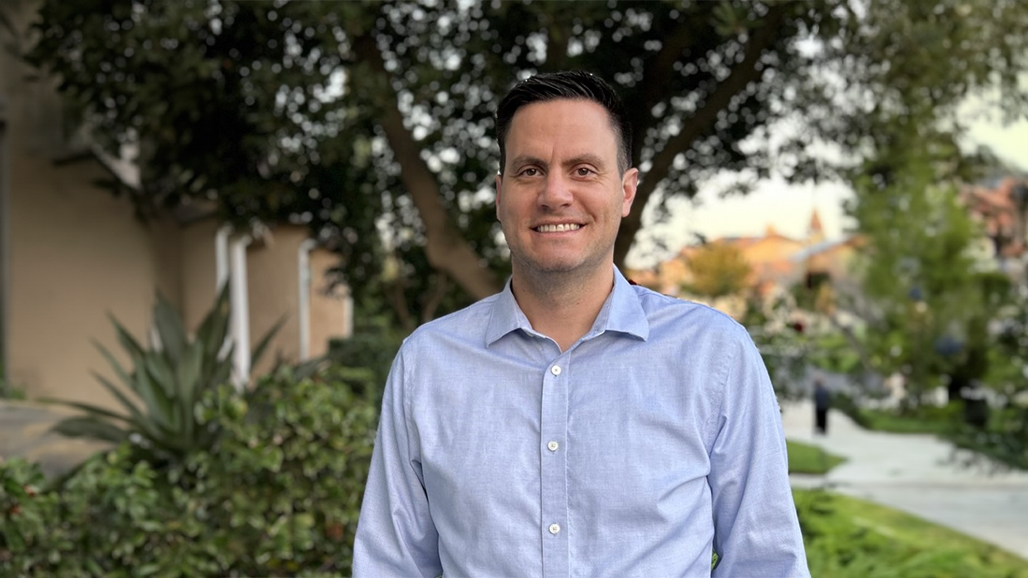
    Scott Fryer, with more than a decade of experience in the food marketing sector, has joined American Pistachio Growers as Vice President of Global Marketing. Fryer will lead APG’s initiatives to expand consumption of American-grown pistachios in the U.S. and abroad.

    Before joining APG, Fryer served five years as Marketing Innovation Director for Sun-Maid  Growers in Fresno where he directed the innovation and base business marketing efforts. He brings to APG a strong track record of successfully marketing an array of products. For seven years in his prior career at WhiteWave Foods in Broomfield, CO, he expanded several businesses including International Delight Coffee Creamer, Stok Cold Brew Coffee, and So Delicious Dairy Free.

    “I am excited to join American Pistachio Growers and help drive demand for pistachios across the world,” Fryer said. “American pistachios are an incredibly heathy and nutritious snack, and if we can make consumers aware of the benefits, I have no doubt that they will love them as much as my family and I do.”

    Richard Matoian, APG President, said the addition of Fryer to the APG team is timely as the pistachio industry is coming off a successful 2023 harvest season and growers and processors are eyeing increased pistachio crops looming in the future.

    “We welcome Scott to the APG family and look forward to his contributions to the pistachio industry,” said Matoian. “Our industry has incredible opportunities to expand consumption of pistachios in the years ahead, especially in overseas markets. Scott will play a pivotal role in helping to fuel demand in our key markets.”

    Fryer earned a B.A. at Brigham Young University and an MBA from Purdue University’s Daniels School of Business. Scott and his wife, Elly, have four children. Among his off-duty pursuits are travel, sports and enjoying the outdoors with his family.

    American Pistachio Growers is the non-profit trade association representing more than 865 growers and member processors in California, Arizona, New Mexico and Texas.

  • Six New Farmers Join the San Joaquin County Agricultural Hall of Fame

    Six New Farmers Join the San Joaquin County Agricultural Hall of Fame

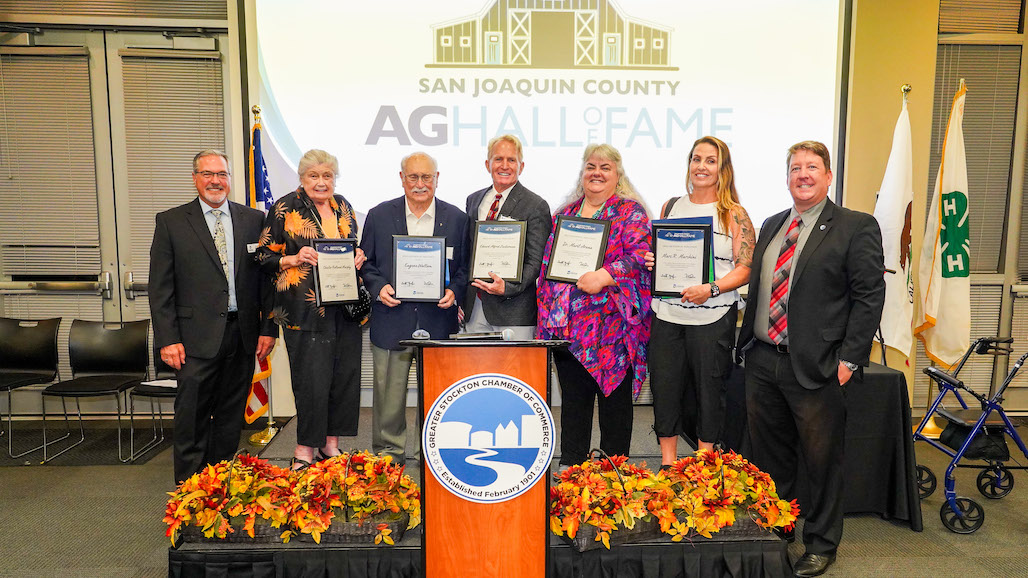
    On Thursday, October 19, 2023 at a dinner at the Robert Cabral Ag Center, 6 new members were inducted into the San Joaquin County Agricultural Hall of Fame.  The 2023 San Joaquin Agricultural Hall of Fame Inductees were:

    Dr. Marit Arana, A.L. Gilbert Company

    Eugene “Gene” Wallom, Lodi Farming Inc.
    Marden Wilbur, Lane Ranches
    Edward “Eddie” Alfred Zuckerman, Zuckerman Family Farms
    Marc R. Marchini (Posthumous)
    Chester “Bud” Rolland Murphy (Posthumous)

    The San Joaquin County Ag Hall of Fame honors those who have contributed so much to a great part of our heritage.  Our Agricultural Hall of Fame marks the efforts and history of those who have gone before, those who have graced our homes and enriched our hearts and those who in the days past laid the foundation upon which we build for today and tomorrow.  The agricultural community is a wonderful example of people working together and continuing a tradition that has been handed down throughout the years from people who had to sacrifice a great deal, both personally and physically, to nurture our land and our community.

    Honoree Bios:

    Dr. Marit Arana

    Dr. Marit Arana’s journey into agriculture exemplifies dedication and passion. Despite a non-agricultural background, her love for horses ignited at an early age. Determined to own a horse, she saved $200 by age 8, a promise her parents honored, marking the beginning of her lifelong agricultural involvement.

    Her academic path led her to Cal Poly, San Luis Obispo, where she ultimately, earned a Bachelor of Science in Animal Sciences. She had a short detour while at Cal Poly and earned an AA degree in Animal Health Technology from Hartnell College in Salinas.  Her educational journey continued at California State University, Fresno, where she achieved a Master of Science in Animal Sciences, specializing in equine nutrition and exercise physiology.

    Marit’s educational pursuit culminated in a Ph.D. in Animal Nutrition from the University of Arizona. Post-graduation, she returned to California, working for the University of California Cooperative Extension as the Dairy Farm Advisor for San Joaquin, Sacramento, Yolo, Solano and Contra Costa Counties.

    Marit joined the A.L. Gilbert Company as a nutritionist, and swiftly rose to Head of the Nutrition Department. Her expertise in animal nutrition extended to serving as the National President for the American Registry of Professional Animal Scientists (ARPAS) in 2008-2009. She also has played a pivotal role as Chairman of the California Department of Food and Agriculture’s Feed Inspection Advisory Board since September 2013.

    Marit’s contributions aren’t limited to agriculture. She’s been an active member of the Agricultural Awareness and Literacy Foundation (AAL), supporting consumer education through initiatives like Farmology, which educates children about the origins of their food, particularly those with little agricultural knowledge.

    Her involvement in activities such as the San Joaquin Chapter of California Women for Agriculture, participation in scholarship committees, mentoring students, and engagement with legislators, showcases her extensive impact on agricultural and non-agricultural communities. Her leadership and commitment to mentoring have inspired countless individuals, encouraging the next generation.

    Eugene “Gene” Wallom

    Eugene “Gene” Wallom, born in 1936 in New Glarus, Wisconsin, where he grew up helping his father on his farms from a very young age. Through his hard work and dedication, Gene landed a job and formed a partnership with Dino Cortopassi to from Donco Farm Equipment. This was the beginning of a fifty-five year partnership.

    In 1988, Gene and Cortopassi founded Lodi Farming Inc., a vineyard and orchard operation. They made significant innovations in agriculture, such as double cropping of wheat and kidney beans, no-till farming practices, center pivots, and the invention of a tomato vine trainer. They also built over-the-row equipment for vineyards, allowing two rows to be sprayed, dusted, or trimmed with one pass. Gene was one of the first to plant apples in San Joaquin County, planting the first orchard of Fuji in 1987.

    Soon Lodi Farming Inc. transformed into the largest apple grower in California. Gene was also one of the first to plant cover crops in orchards and vineyards, improving water penetration, soil tilth, and increasing organic matter in the soil. Gene has been a member of the San Joaquin Farm Bureau for over 60 years, serving as a volunteer project leader for the Alpine Victor 4-H Club. He has been a strong supporter of the San Joaquin County Junior Livestock Auction and has been a charter member of the Early Days Gas Engines and Tractors Association. Gene is also a member of the Mid-Valley Apple Association, the Lodi District Grape Growers Association, and the San Joaquin Valley Swiss Club. Gene served in the US Army from 1956-1960 and volunteered as a Lost Wax jewelry making instructor. Gene and his late wife Karen enjoyed traveling, especially on river cruises and he enjoys spending time with family and friends. His innovation, perseverance and devotion to his work has make him an important part of the San Joaquin community.

    Marden Wilber

    Marden Wilber, a graduate of University of California, Davis, has found success by embracing new ideas, working with others, and giving back to his community. In the 1960’s and 1970’s, Marden owned and operated the El Mar Angus herd of purebred Angus cattle. In 1969, he was awarded the American Angus Association’s “Picture Bull of the Breed” and was named California’s Outstanding Young Farmer.

    In 1978, he established a partnership with his father-in-law Kenneth Lane. They started Lane Ranches, a successful cow-calf and stocker operation. In 2003, Marden was honored as the California Livestock Man of the Year at the 59th Grand National Rodeo, Horse, and Stock Show. Marden is a leader in environmental stewardship. He originated and directed flood control projects, and implemented an Agricultural Water Conservation Program.

    In 1999 he established the Fitzgerald Ranch Conservation Bank, to protect and help vulnerable animal species in the area. Throughout his lifetime, Marden served as a leader in the cattle and agriculture industry, serving multiple committees such as the Cal Expo Blue Ribbon Advisory Committee, California Cattlemen’s Association, the San Joaquin County Valley Hay Growers Association and other organizations. He was an original founding member of the California Beef Cattle Improvement Association and the Northern California Angus Association. Marden was involved with the San Joaquin County Multi Species Habitat Conservation and Open Space Plan, the San Joaquin County Board of Supervisors, the State Department of Fish and Game, and the Army Corps of Engineers on various projects to maintain a rural environment in the Clements area.

    Marden has volunteered and worked tirelessly, whether lobbying in Washington D.C., locally, or at the state level, on issues that he feels are critical to the agriculture industry. Marden was a Rotary member for over 25 years and is a Past President. He has served on countless committees involving the Clements community and is a University of California, Davis Alumni Association Member. Today, at the age of 87, Marden is still serving his community for the betterment of agriculture and the environment.

    Edward “Eddie” Alfred Zuckerman

    Edward Alfred Zuckerman, known as “Eddie”, is a third-generation farmer from the San Joaquin County Delta. His journey in agriculture began after earning a bachelor’s in business, when he joined his father in cultivating potatoes on McDonald Island. In 1978, Eddie’s vision diversified the family business as he introduced turf grass, founding the Delta Bluegrass Company.

    Since then, Eddie’s farming enterprise has thrived, expanding to around 8,000 acres with diverse crops such as sod, potatoes, corn, rice, almonds, wine grapes, wheat, barley, alfalfa, and sunflowers. Zuckerman Farms is now one of California’s largest potato growers and packers, serving local, national, and international markets. Delta Bluegrass Company, which he nurtured, is the largest sod grower in Northern California, acclaimed for its premium products. Eddie employs nearly 700 people annually, primarily in San Joaquin County.

    Eddie’s agricultural innovations shine, with Delta Bluegrass Company pioneering drought tolerant Kurapia and introducing native, eco-friendly grasses. His embrace of technology is evident in modern farming practices, utilizing advanced equipment, mobile app-driven irrigation, and robotics.

    Beyond farming, Eddie’s leadership extends to co-founding Delta Growers and serving as President of Turf Producers International. Eddie has served on the board for Central Delta Water Agency for more than 20 years and is very much involved in the ag and urban water matters for the San Joaquin Delta and California. Throughout the years Eddie has also served as a board member of various agricultural organizations, making a significant impact in the ag industry.

    In non-agricultural domains, Eddie’s service is admirable. He’s a National Ski Champion and a generous supporter of charitable organizations like St. Mary’s Dining Hall, Stockton’s Gospel Center Rescue Mission, Bread of Life, Red Rhino, and Uplift Foundation, to name a few.

    Marc R. Marchini

    Marc R. Marchini was born on December 15, 1941 in San Francisco, California and passed away August 7, 2018. Marc had a lasting impact on his brother, daughter, grandchildren, countless students and the community. Throughout high school Marc was involved with FFA and later attended Modesto Junior College. After some time at Fresno State Marc returned to Union Island to work in the family farming operation headed by his father and uncle.

    In 1983, Marc, his brother Paul, and father Angelo formed A. Marchini & Sons (later becoming A.M. Farms) where they predominantly grew asparagus and wine grapes. Throughout his career he participated in numerous research initiatives with the University of California Cooperative Extension (UCCE) helping to improve asparagus cultivation practices, varietal development, pest and disease eradication, and mechanization.

    Marc was a recognized leader in the Delta as well as at the state and national level. Locally, he was active in the San Joaquin Farm Bureau and the Robert Union Farm Center. He also found time to be a trustee on the school boards of Delta Island and Tracy Unified School District. He even played an instrumental part in the planning and building of Merrill F. West High School. Marc sat on the board for the Stockton Asparagus Festival where he took pride in the festival’s famous Asparagus Alley. On the state level, he was involved in the California Asparagus Growers Association and creation of the California Asparagus Commission where he served as Chairman. Nationally, he represented the California asparagus industry by serving as a member of the National Asparagus Council.

    Agriculture was more than a vocation for Marc, it was an advocation. The impact he has made not only on his family but the community will live on.

    Chester “Bud” Rolland Murphy

    Chester “Bud” Rolland Murphy, grew up in Telegraph City on his family cattle ranch and passed away on February 22, 1991. Growing up Bud worked on the family Cow Calf operation while attending Bret Harte High School in Angels Camp, California.

    Soon after graduation, he attended Stockton College, where he studied and obtained a degree in math and engineering. Bud was drafted into the United States Army after college, where he completed four years of service. When Bud returned home, he helped run his family’s beef cattle ranches.

    In the early 1940’s, the family expanded their cattle operation to San Joaquin County. This move gave Bud the opportunity to use his engineering degree to develop the grasslands around Farmington into irrigated farmland that is still used today. Bud also used his engineering education to build over twenty reservoirs and stock ponds with the cooperation of the California Department of Water Resources. These stock ponds were not only used on his own ranches, but also for neighboring ranchers in his community. Bud understood the importance of water storage in this state and served as a longtime, founding member of the Central San Joaquin Water Conservation District.

    At heart, Bud was a cattle rancher, and in the 1970’s-1980’s, he developed a purebred polled Hereford herd. He was one of the first breeders to improve his herd using embryo transplants which won him many champions at major shows throughout California and all over the United States.

    Through all of this he saw the benefits to raising children within the agricultural community. With his wife Erna and their four children, he was a generous supporter of both the Farmington 4-H Club and the Escalon FFA Chapter. He encouraged his own children to be active members in both organizations and he continued to support them well after his family was aged out of the programs and into his late years.
     
    About the Greater Stockton Chamber of Commerce     
    Founded on February 21, 1901, the Greater Stockton Chamber of Commerce speaks for thousands of local businesspeople. For these 122 years, the Chamber has been the authoritative voice in all business matters throughout the Central Valley.  The mission of the Greater Stockton Chamber of Commerce is to aggressively develop and promote an economically vibrant business community.    
  • Bacterial blast/canker: What do we know?

    Bacterial blast/canker: What do we know?

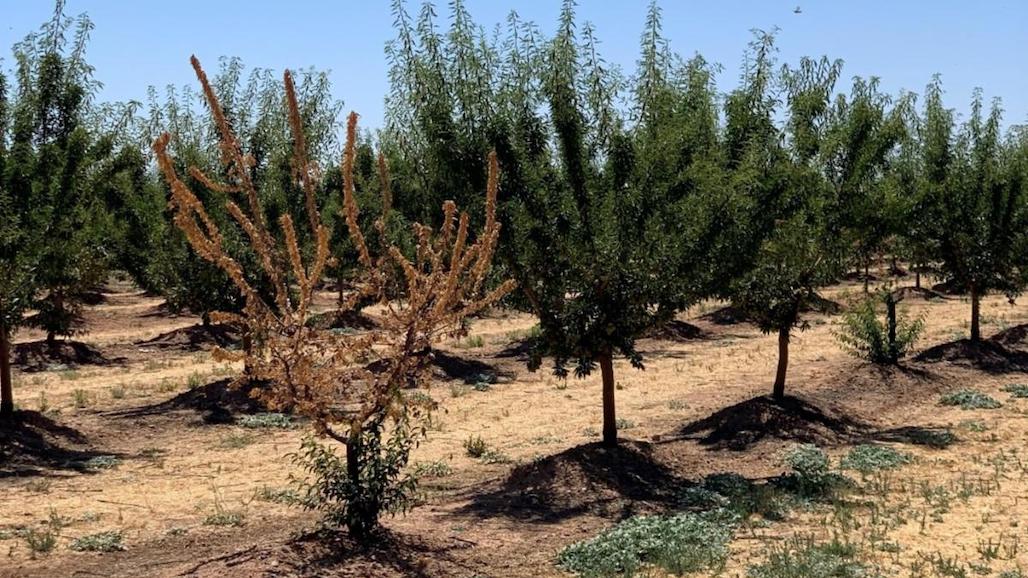
    Diseases caused by Pseudomonas syringae can affect tissue throughout the entire tree, including bacterial blast of flowers, leaves, and shoots as well as bacterial cankers that develop under the bark in cambial and wood tissues of trunks, scaffolds, and branches. The pathogen commonly exists on plant surfaces in an orchard without causing disease, but cold, wet weather can trigger damaging infections. Bacterial canker/blast infections are most damaging, and potentially lethal, in stressed trees. Stress from ring nematodes or root-restricting hardpan predisposes almonds to blast and canker damage.

    The wet, cold spring of 2023 promoted widespread Pseudomonas bacterial infections in almond. This pathogen is becoming a consistent problem in cold, wet springs as almond plantings increase across the state.

    Currently, there are limited control options for bacterial canker/blast in almonds. The following list outlines factors influencing management practices and decisions.

    • Pseudomonas syringae is a damaging pathogen in cold, wet weather.
    • The pathogen is ubiquitous and occurs naturally on plant surfaces.
    • Infection risk varies with orchard site, rootstock, and variety selection.
    • Low spots (sites) are colder and thus, more prone to freeze damage.
    • Peach x almond hybrid rootstocks (Hansen, Nickels, Bright’s) are more vulnerable to ring nematode and subsequently to bacterial canker damage than Viking, Lovell, or Guardian rootstocks.
    • All almond varieties are susceptible to bacterial canker/blast infection, but some are more so than others. New self-fertile varieties are very susceptible to bacterial blast/canker.
    • Antibiotics can significantly reduce bacterial blast at bloom in almond, but none are currently labeled for almond. An effective, research-proven antibiotic (kasugamycin; Kasumin®) was available under Section 18 exception but is not currently labeled for almond.
    • Copper resistance is widespread in Pseudomonas syringae bacteria, making copper sprays ineffective.
    • Frost protection can help reduce damage.
    What can growers do to manage bacterial canker/blast?
    • If approved for use, treat with labeled antibiotic (for example kasugamycin; Kasumin®) 1-6
    • days ahead of forecast freeze. Expect only a week of protection. Note that very cold weather will damage buds even if an antibiotic is applied. Greatest economic benefit should come from bloom treatment.
    • If antibiotics are not labeled before bloom 2024, growers have limited options. Spraying copper to control bacterial canker/blast is generally ineffective. Adding mancozeb to copper may overcome resistance. Unfortunately, copper is phytotoxic and may cause leaf damage. Biologicals (Actinovate, Botector, etc) are not registered for blast control in almonds, but if applied for other bloom pathogens may reduce blast damage if applied multiple times (4, 3, 2, and 1 week before bloom).
    • Run frost protection irrigation if water is available. This will help reduce both frost damage and blast risk.
    • High rates (100 lbs urea/acre) of foliar lo-biuret urea in October reduced bacterial canker growth by more than 90% in UC studies in peach orchards. Lower rates of urea were not tested.

    In the long run, recognize bacterial blast and canker risk when selecting rootstocks and varieties for a colder site (valley floor, etc.). Almond variety and rootstock selections in the Sacramento Valley have changed, trending from more tolerant to more sensitive combinations. The traditional almond planting in the Sacramento Valley was Nonpareil and pollinators on Lovell peach rootstock – combinations generally tolerant to bacterial canker/blast. Trees on Marianna 2624 plum rootstock were much more susceptible to bacterial blast than those on Lovell peach. Newer rootstocks with a plum genetic background and newer varieties may also be more vulnerable to damage. Solid plantings of self-fertile varieties on certain newer rootstocks increase the risk of economic loss under cold, wet conditions.

    University of California researchers, funded by The Almond Board of California, continue to study Pseudomonas syringae bacterial infections of almond. Updates will be available at The Almond Conference (almonds.com/about-us/programs-and-events/almond-conference) this December. — By Franz Niederholzer, UCCE Farm advisor, Colusa, Sutter, and Yuba Counties

  • Post-Harvest Almond Orchard Considerations

    Post-Harvest Almond Orchard Considerations

    Postharvest nutrition: Use information from your leaf and hull tissue analyses along with 2023 yield and anticipated 2024 yields to plan your fall Boron, Potassium and Zinc applications. 1,000 lbs of almond kernels harvested removes 80 lbs of potassium from the field, so it’s important to wait until after harvest to develop your fall nutrition plan. These fall applications have an outsized impact on the following year’s yield. Nitrogen applied in the fall, however, does not benefit yield if an orchard is otherwise healthy. Read the Postharvest Nutrition Review for details on fall fertilizer applications.

    Cover crops: Cover crops or resident vegetation have numerous benefits including improving water infiltration and holding capacity, providing additional forage for bees in the spring, and providing easier access to the field when the soil is wet. It’s important to monitor soil moisture and irrigate after planting a cover crop if we have a dry fall. This ensures good germination of your cover crop. Check out the

    UC-Almond Board Cover Crop Best Management Practices Guide for information on timing, cover crop species selection, equipment and more.

    Weed survey: After the first rain, scout for weeds and develop your weed management strategy for the next year. Correct weed identification is critical for effective management plans, so utilize the Weed Research and Information Center Weed ID Tool if necessary.

    Winter sanitation: With reports of higher-than-average navel orangeworm damage in the 2023 harvest, winter sanitation will be necessary in most orchards. Count the mummies in 20 trees throughout each orchard. If more than 1 mummy nut per 5 trees is found, sanitize by shaking or poling nuts to the ground by Feb. 1 to reduce navel orangeworm pressure next year. Also note if mummy nuts are caused by hull rot, which may indicate a need to reevaluate your irrigation and nitrogen management practices next season. See the article on sanitation standards in this newsletter.

    Pruning: Prune out dead or damaged branches, taking care to avoid pruning if rain is in the forecast within 14 days to minimize the risk of infection of fresh cuts by rain-spread pathogens. Applying Topsin-M after pruning also provides protection against canker pathogens like Cytospora and Botryosphaeriaceae.

    Apply foliar zinc if deficient: Recent research in stone fruit showed that lower rates of zinc sulfate (5 lbs./acre) applied earlier in October were as effective in getting Zn into the trees as later sprays at higher rates without damaging leaves. Zn applied at a high rate (for example, 20+ lbs. zinc sulfate/acre) has the added benefit of defoliating trees, which may provide the advantage of reducing inoculum for the 2024 season in orchards where shot hole or rust were a problem. However, in a dry fall, heavy Zn applications will not defoliate trees.

    Dormant spur sampling: Sample dormant spurs for scale and mite eggs and examine green shoots for scab lesions. Use this data to decide whether to apply a dormant spray to manage scale and mites and then watch for scab lesion sporulation in spring.

    Honeybee planning: Get your order in for 2-3 honeybee hives per acre for self-sterile varieties for the spring pollination season. Self-fertile varieties should have 0.5-1 hive per acre. See our article on Honeybees, Colony Strength, and Beekeeper Challenges for best practices for using honeybees in the orchard.

    Process harvest samples: November is a great time to pull those harvest samples out of the freezer and evaluate them to identify specific pest damage.  — By Becky Wheeler-Dykes, Orchard Systems and Weed Ecology Farm Advisor, Glenn, Tehama, and Colusa Counties

  • Be Careful with Almond Variety-Rootstock Selection

    Be Careful with Almond Variety-Rootstock Selection

    Almond variety and rootstock selection is a quarter century investment. After choosing which crop type to plant, this is likely the most important decision you will make when planting a new orchard. The difference in results is massive. A poor selection could lead to the orchard failing to establish and needing to be removed or providing sub-standard yield for the life of the orchard. A successful selection could mean your trees are regularly yielding twice as much as a different variety-rootstock combination.

    Variety and rootstock selections are typically thought of separately. Each rootstock is bred or selected to have different strengths and adaptations for different soil types, irrigation volumes, levels of anchorage, and ability to withstand adverse field conditions like nematodes, soil-borne pathogens, and toxic elements. Varieties are selected with self-fertility, pollen-compatibility and timing, marketing classification and price, quality and consistency, disease susceptibility, yield, and other factors in mind. However, evaluating the compatibility of different varieties and rootstocks together is critical to deciding whether a combination will be successful. A well-known nurseryman once said, “It takes 20 years to prove a rootstock”. We would add that it takes even longer to prove a variety, and a variety-rootstock combination. Why is the process as much as 30-40 years to provide growers with a winning variety-rootstock? Regional variety trials take the first 15-20 years but are only testing in three locations across the Central Valley and on only one rootstock per location. Once early adopters then plant the new variety-rootstock combination they become the researcher for another 20 plus years. If the grower decides to plant the same variety-rootstock combination for a second-generation orchard, we know we truly have a winner!

    In the Sacramento Valley, Krymsk®86, a hybrid of peach and Myrobalan plum parentage, is enormously popular due to rock-solid anchorage and a relatively higher tolerance of “wet feet” (flooding or soil saturation) compared to peach seedling rootstocks such as Lovell and Nemaguard. Krymsk® 86 rootstock has only been widely planted for about 15 years: while it consistently lives up to its promise of strong anchorage and strong production potential with many varieties, especially Nonpareil, we are still learning about how it performs with other varieties in different field conditions. In wet springs, Monterey and Butte on Krymsk® 86 rootstocks have demonstrated a higher tendency to have slow, yellow growth, a disorder termed ‘Yellow Curling Leaf’ (YCL). YCL symptoms have also been observed in Monterey on Rootpac®-R (almond x plum) rootstock. Trees with YCL express foliar symptoms similar to the Union Mild Etch (UME) disorder affecting those same varieties and others on the Marianna 2624 plum rootstock with typical symptoms including poor tree growth and yellowing leaves that roll and produce necrotic margins. YCL like UME, occurs mostly in second leaf orchards, although both disorders have been observed on older trees. UME was clearly linked to excess soil moisture in the root zone in wet springs or with over-irrigation resulting in excess soil moisture in late spring/early summer. Under those conditions weak pathogens attacked the small feeder roots, affecting growth, but rarely killing the trees. Affected Krymsk® 86 rooted trees, like those on Marianna 2624 usually recover over time when excessive soil moisture is corrected.

    More recently, some new self-fertile varieties have performed very poorly in the Sacramento Valley when grafted to Krymsk® 86. YCL symptoms for example have shown up in multiple seasons in some orchards – leading to a stunted orchard and the decision by the grower to remove the orchard entirely. Other orchards were removed early in the 2023 season after suffering massive tree losses due to suspected bacterial canker. Our current thinking is that like the UME issues on Marianna rootstock – the problems we are now seeing with certain varieties on Krymsk® 86 may have to do with the plum parentage of Krymsk® 86. Without testing each new variety that breeders produce on Krymsk® 86 over many years, we won’t know which varieties are more likely to have severe problems.

    Low vigor and yellow curled leaf (YCL) symptoms on 2nd leaf Independence® on Krymsk® 86 rootstock. Photos taken July 2, 2021. Photo Credit: Franz Niederholzer.

    Do you have a new variety struggling on Krymsk® 86?

    • Use the pressure chamber and soil moisture monitoring to avoid over-irrigation, which can exacerbate YCL symptoms.
    • Some growers have had success bypassing the rootstock and providing nutrition with foliar applications. However, this is very expensive, unsustainable, and doesn’t correct the fundamental problem for providing long-term nutrition.
    • Have ongoing discussions with your nurseryman, PCA, and farm advisor.
    For future orchards using a new variety:
    • If you have historic almond orchard performance, start your variety selection process with what has performed best previously. Your local farm advisor is a great resource for these variety and rootstock selection conversations.
    • Talk with your processor about what varieties the market wants now and what future trends could look like.
    • Consider rootstocks other than Krymsk® 86 (article and comparison tool / podcast). Self-fertile trees planted on other standard rootstocks without significant plum parentage (e.g. Viking and Atlas) or the more vigorous peach-almond hybrid rootstocks (e.g. Hansen 536, Brights, Nickels, and Titan) have not exhibited the same symptoms as those seen on Krymsk® 86 in the Sacramento Valley.
    • Stay tuned for developments at the UC Butte County almond variety trials (all varieties on Krymsk® 86 rootstock, planted at the CSU Chico University Farm) to help inform your decisions about new almond varieties. — By Luke Milliron, UCCE Orchard Advisor Butte, Glenn, and Tehama Counties; Franz Niederholzer, UCCE Farm Advisor Colusa, Sutter, and Yuba Counties; Katherine Jarvis-Shean, UCCE Orchard Advisor; Sacramento, Solano, and Yolo Counties; Clarissa Reyes, UCCE Orchard Advisor Sutter-Yuba, Butte, and Placer Counties; & Evie Smith, Former UCCE Staff Research Associate, Southern Sacramento Valley
  • DWR LandFlex Team Awarded Almond Champion of the Year Award

    DWR LandFlex Team Awarded Almond Champion of the Year Award

    Almond Alliance has announced the LandFlex team at the Department of Water Resources as their 2023 Champions of the Year. They are being honored for their leadership and partnership in developing the LandFlex program, which has emerged as a proactive and versatile solution safeguarding rural drinking water systems, increasing groundwater sustainability, and bolstering climate resilience.

    “The Almond Alliance is proud to give the Champion of the Year Award for the bold and creative leadership of this agency and team, who joined us in finding innovative solutions to a drought and flood crisis that was hurting our communities and our businesses,” said Mike Curry, chairman of the Almond Alliance. “Through voluntary collaboration and innovative on-the-ground strategies, LandFlex exemplifies the potential of community-driven initiatives to achieve meaningful and impactful results. We thank DWR, Director Nemeth, and the LandFlex team for their dedication to helping keep farmers farming and protecting our rural communities in California.”

    The Almond Champion of the Year Award is presented annually to those who have demonstrated extraordinary leadership in education, coalition building, partnerships, and promoting legislation and policies encouraging the advancement and protection of California agriculture and the California almond industry. The award recipient is decided on by our Government Relations committee members. Committee members include:

    • Mike Curry, Johnson Farms
    • Dick Cunningham, Cunningham Ranch Inc.
    • Blake Vann, Vann Brothers
    • Jeannine Grech, Campos Brothers Farms
    • Alicia Rockwell, Blue Diamond Growers
    • Dave Phippen, Travaille & Phippen
    • Melissa Frank, The Wonderful Company
    • Steve Van Duyn, Van Duyn Family Farms
    • Todd Meyer, Bear Republic Nut
    • Bill Lyons, Mapes Ranch
    • Sebastian Silvera, Gladstone Farms
    • Taj Samran, Hilltop Ranch

    Past recipients of this award include Assemblymember Adam Gray, Assemblymember Heath Flora, Connie Conway, former USDA State Executive Director of Farm Service Agency, Assemblymember Carlos Villapudua, and CDFA Undersecretary Christie Birdsong.

    The award will be presented by the Almond Alliance at the California Almond Industry Political Action Committee’s Annual Modesto Fundraiser at Del Rio Country Club on Thursday, November 2, 2023, at 5:30 pm. This event brings together members of the almond community as well as FFA students, elected officials, and designated special guests.

    RSVPs can be made to Annie Romero at aromero@almondalliance.org or 209-300-7140.

    About the Almond Alliance
    Almond Alliance is the leading authority in state and national policy, championing American almond farmers, industry, and community for the continued global growth, innovation, and success of American almonds and agriculture. As the voice of almonds, the Alliance represents the fourth-largest commodity in the United States and the third-largest American export.

  • Grower Innovates, Makes Planting Hazelnut Trees Easier

    Grower Innovates, Makes Planting Hazelnut Trees Easier

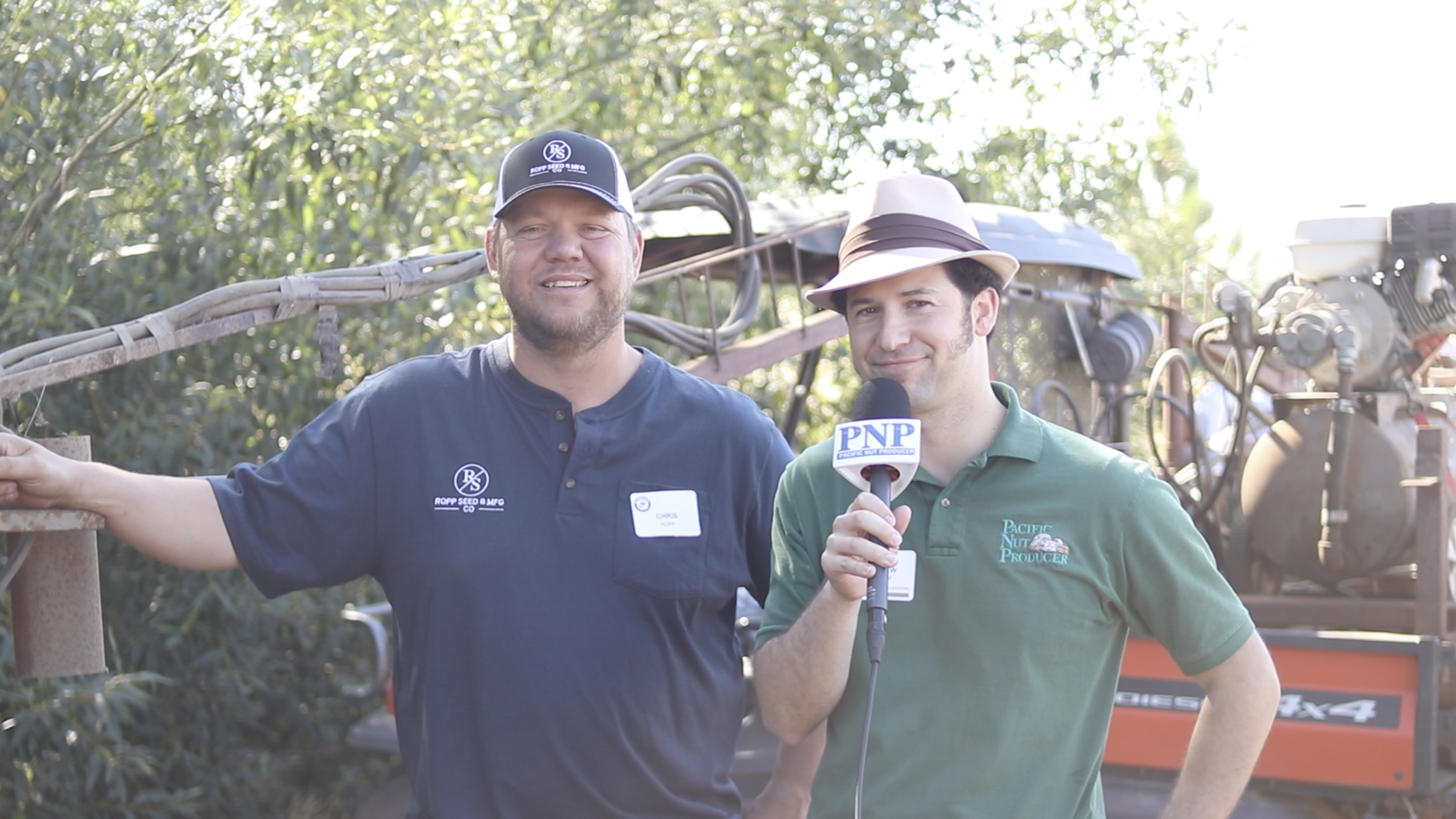
    Planting orchards of trees can be quite a tedious process.  In some areas, inclement weather can also severely limit a grower’s planting window of opportunity. Watch this brief interview with Chris Ropp, host of the Nut Growers Society’s hazelnut Summer Tour this year, as he shares what he and his family have done to lighten their load and increase the efficiency when it comes to planting hazelnuts. Read more about improving orchard practices in Pacific Nut Producer Magazine. Don’t currently receive the magazine? Subscribe for free at: https://malcolmmedia.com/subscribe/

    Please thank this video’s sponsor George Packing Company for their industry support.

  • Application Deadline Approaching for On-Farm Water Recharge Incentive Funding

    Application Deadline Approaching for On-Farm Water Recharge Incentive Funding

    It’s very important for California farmers to know that not only will there be more funding available in the next round of the NRCS Environmental Quality Incentives Program (EQIP), but the application deadline is coming much earlier this year. And for growers that are interested in getting some incentive funding for participating in on-farm groundwater recharge, applications are due by Nov. 3rd. Watch this brief interview with Wendy Rash from NRCS to learn more.

    Please thank this video’s sponsor afimilk for their industry support.