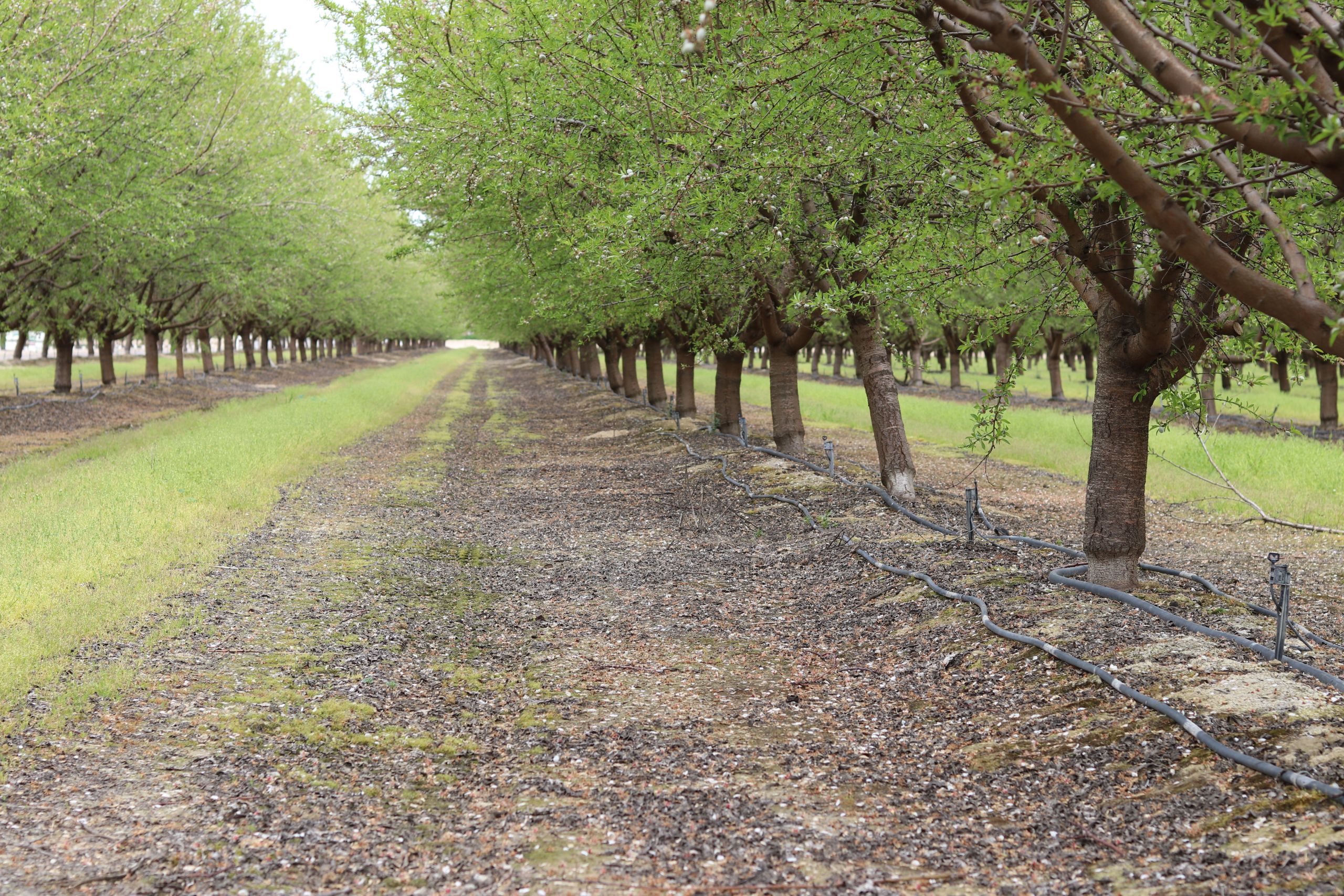
RPAC Owners are looking to continue to grow with high-integrity growers that produce top quality almonds. Based in Los Banos, RPAC has long-standing relationships with select almond growers, from Chico to Bakersfield.
Established in 1986, the RPAC has undergone significant growth in the past five years. Volume has grown 20% annually to approximately 50 million lbs. As a result of this and expected continued growth, RPAC is investing in a major expansion. Beginning with the 2020 crop, the expansion will accommodate an annual capacity of approximately 100 million lbs. The state-of-the-art facilities will continue RPAC’s tradition of operating the most advanced handling and packaging equipment available.
RPAC Offers Growers:
Stability – In business for over three decades.
Flexibility – Offering call pool as well as season pool: flexible payment-plan options.
Competitiveness – A strong and stable history of grower returns.
Additional Resources RPAC Provides Helping Their Growers Succeed:
Farming Information– As growers themselves, RPAC is pleased to share growing information that is useful.
Water information– Farming in riparian, state, and federal districts, RPAC shares with their growers water information that is important.
If you have recently planted or purchased an almond orchard, and want to learn more, please contact Paul Ewing or Dennis Soares at (209) 826-0272, or rpac@rpacalmonds.com.
Growers and PCA’s want options when determining a pest control program. Products that have flexible application timing and are compatible in mixtures can bring these options. Gowan USA has a portfolio of products that fit this profile in nut crops.
Imidan® is a powerful broad-spectrum residual insecticide that has been trusted for decades to bring back control when other products seem to no longer get the job done to a satisfactory level. Always keep Imidan® in mind for control of Navel Orangeworm in almonds as well as control of Walnut Huskfly and Codling Moth in walnuts.
Magister® is a dual action miticide and fungicide controlling adult and immature mite populations plus delivering fungicidal control of key pathogens in nut crops.
Onager Optek® is a solid, proven miticide that provides residual control of eggs, immature mites and sterilization of adult female mites. An advanced formulation leads to greater coverage and translaminar movement leads to stronger results. A seven day PHI and air label keep options open all season.
Voting will begin April 29 to select one independent grower member and alternate position and two independent handler member and alternate positions on the Almond Board of California (ABC) Board of Directors. These positions will serve terms beginning on August 1, 2020.
Candidates for the independent grower position are:
Position One, Member (One-year term): Position One, Alternate:
Paul Ewing, Los Banos (petitioner) Joe Gardiner, Earlimart (petitioner)
Louie Ott, Modesto (petitioner) Brad Klump, Escalon (petitioner)
Mike Mason, Wasco (petitioner)
Candidates for the independent handler positions are:
Position One, Member (Three-year term): Position One, Alternate:
Terry Boone, Modesto (petitioner) Ron Fisher, Modesto (incumbent)
Alexi Rodriguez, Caruthers (petitioner)
Micah Zeff, Modesto (petitioner)
Position Three, Member (One-year term): Position Three, Alternate:
Jonathan Hoff, Denair (petitioner) Chad DeRose, McFarland (petitioner)
Darren Rigg, Le Grand (petitioner) Dave Phippen, Manteca (petitioner)
Ballots and instructions have been mailed to all independent growers whose names are on file with ABC. The Almond Board must receive ballots by May 27, 2020, for them to be counted. If an independent grower or a handler does not receive a ballot, one may be obtained by contacting ABC’s Bunnie Ibrahim, senior analyst, Government Affairs, at (209) 343-3228.
As a governing body for the industry, the ABC Board of Directors is comprised of five handler and five grower representatives who set policy and recommend budgets in several major areas including production research, public relations and advertising, nutrition research, statistical reporting, quality control and food safety.
About the Almond Board of California
Almonds from California are a healthy, natural, wholesome and quality food. The Almond Board of California promotes almonds with a research-based approach to responsible farming, production and marketing on behalf of the more than 7,600 almond growers and processors in California, many of whom have third- and fourth-generation family operations. Established in 1950 and based in Modesto, California, the Almond Board of California is a non-profit organization that administers a grower-enacted Federal Marketing Order under the supervision of the United States Department of Agriculture. For more information on the Almond Board of California or almonds, visit Almonds.com or check out California Almonds on Facebook, Twitter, Instagram and the California Almonds blog. – Article and photo courtesy of the Almond Board of California
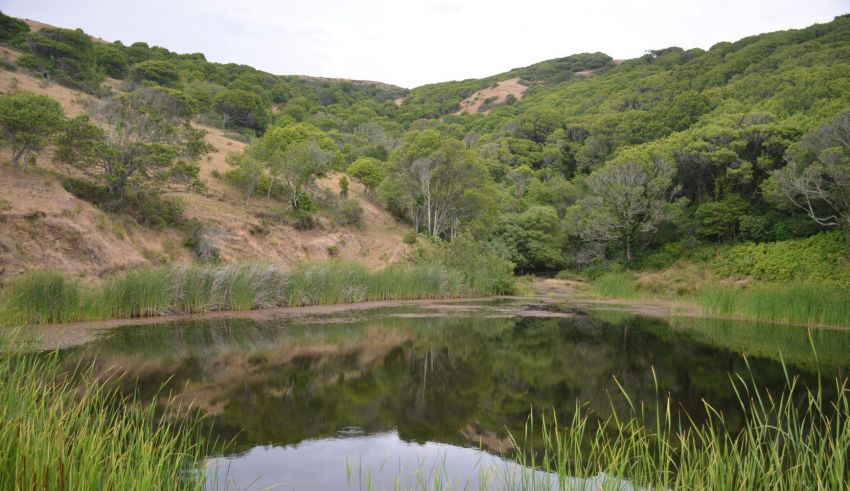
The U.S. Department of Agriculture (USDA) announced today a $15 million investment to help support the adoption of innovative conservation approaches on agricultural lands. USDA’s Natural Resources Conservation Service (NRCS) is accepting proposals through June 29, 2020, for national Conservation Innovation Grants (CIG). CIG projects inspire creative problem-solving solutions that boost production on farms, ranches and private forests and improve natural resources.
This year’s priorities are water reuse, water quality, air quality, energy and wildlife habitat.
“Through Conservation Innovation Grants, we’re able to co-invest with partners on the next generation of agricultural conservation solutions,” NRCS Chief Matthew Lohr said. “Conservation Innovation Grants have helped spur new tools and technologies to conserve natural resources, build resilience in producers’ operations and improve their bottom lines. This year will be the first time we are offering water reuse as a priority, and we’re excited to see how these projects play a role in USDA’s broader strategy for water reuse on agricultural land.”
National CIG
CIG is a competitive grants program that supports development, testing and research of conservation technologies, practices, systems and approaches on private lands. Grantees must match the CIG investment at least one to one.
All U.S.-based non-Federal entities and individuals are eligible to apply. Complete funding announcement information can be accessed through the Conservation Innovation Grants webpage.
The National CIG program supports early pilot projects or demonstrations of promising conservation approaches and is distinct from the $25 million announced on March 12 for On-Farm Conservation Innovation Trials. On-Farm Trials is a separate CIG component created by the 2018 Farm Bill. It includes a Soil Health Demonstration Trial.
State NRCS CIG
State NRCS offices are also able to fund and hold their own CIG competitions in addition to the National CIG signup. Please visitNRCS state office websites for information about state CIG competitions.
More Information
NRCS’s CIG program is identified in the federal government’s National Water Reuse Action Plan as an opportunity to support development of innovative projects that focus on water reuse on private lands. Read this April 28 post on the USDA Blog for how USDA is working with the U.S. Environmental Protection Agency, National Oceanic and Atmospheric Administration, Department of Interior, Department of Energy and others to promote water reuse across sectors.
CIG applications must be submitted through Grants.gov by 11:59 p.m. EDT on June 29, 2020. A webinar for potential applicants is scheduled for 3 p.m. EDT on May 13, 2020. Information on how to participate in the webinar is posted on the CIG website.
CIG also contributes to the Agriculture Innovation Agenda: a USDA initiative to align resources, programs, and research to position American agriculture to better meet future global demands. Specifically, USDA is working to stimulate innovation so that American agriculture can achieve the goal of increasing production by 40 percent while cutting the environmental footprint of U.S. agriculture in half by 2050.
The Board of Directors of the Nut Growers Society of Oregon, Washington and British Columbia met last week and voted unanimously to cancel the 2020 Summer Tour and Trade Show. The event was to be held on August 12th at the Lane County Fairgrounds with a tour of NGS president, Jason Perrott’s Coburg orchard. The board decided to “freeze” the event and locate to the same location for 2021 Summer Tour.
President Jason noted “The board felt the health and safety of members, sponsors and vendors are paramount at this unique time in history.” This is the first cancellation in the more than 60-year history of hazelnut-oriented summer tours. The same event is scheduled to be held in August of 2021. We are grateful for the support of members, sponsors and vendors. Please contact Juli Jones at the Oregon Hazelnut Industry Office at 503-582-8420 for any questions.
Watch Jason’s brief video related to the announcement HERE.
About the Nut Growers Society of Oregon, Washington and British Columbia
The Nut Growers Society was established in 1917 by the growers of hazelnuts and walnuts. The purpose of NGS as a membership group is to serve as the informational arm for the industry, providing news, research, marketing, current events and promotion information to grower members. For more information, visit oregonhazelnuts.org.
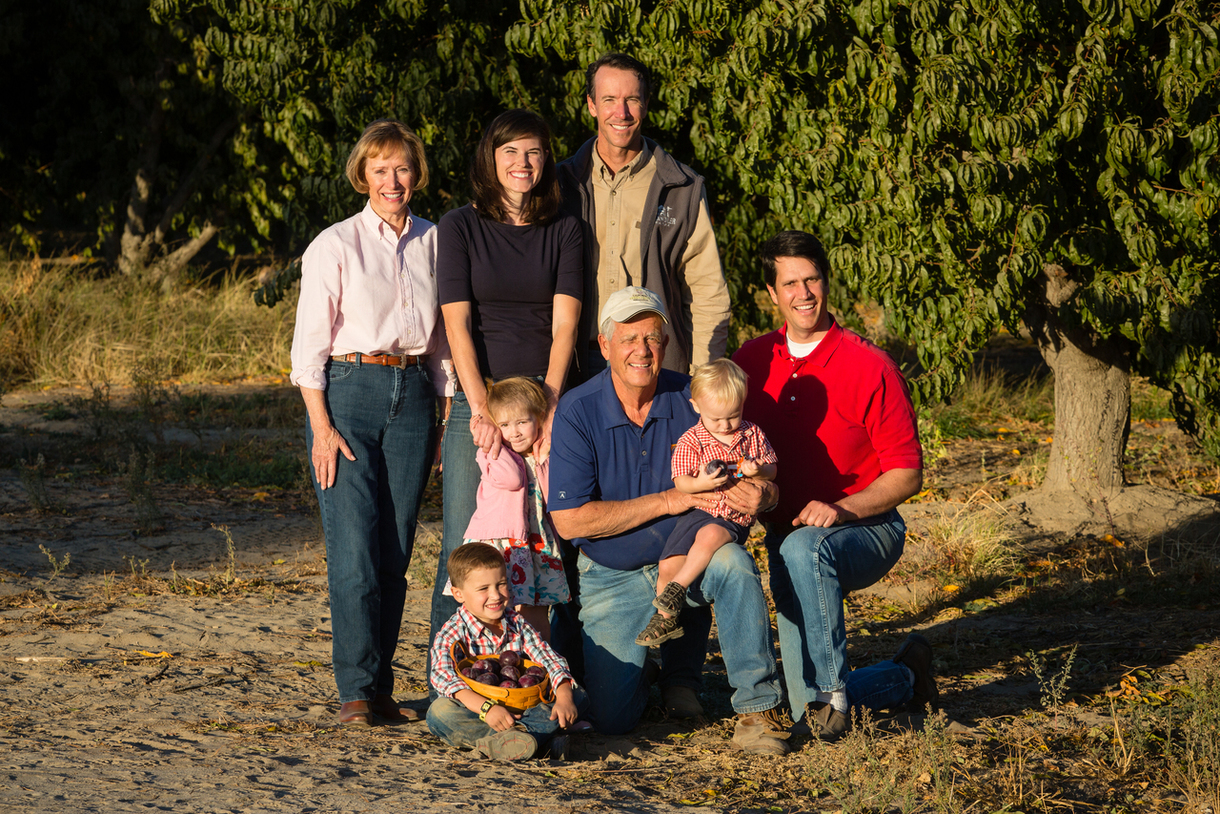
In celebrating the tradition and innovation of the State’s number one industry, agriculture, the California State Fair Board of Directors, upon the recommendation of the Agricultural Advisory Council, selects Bill and Carol Chandler as the Agriculturalists of the Year.
The Agriculturalist of the Year award is presented to an individual or individuals who have contributed extensively, in a professional capacity, to California’s agricultural industry. Award criteria stipulates the individual or individuals must have demonstrated leadership and clearly represented the industry over a number of years in one or more of the following areas: finance, government, production agriculture, education, labor, research, communications, trade and public service.
As a couple, Bill and Carol Chandler, contribute to the education and growth of the agriculture industry by serving the farming community in a variety of roles. Each in their own right continue to serve at local and statewide levels. Their peers recognize their commitment and leadership. “They are a dynamic couple who have demonstrated a true commitment to not only farming, but to family and their community,” said Cathleen Galgiani, State Senator.
“They truly are an unmatched duo when it comes to participating in leadership roles to articulate the value and need of the marvelous bounty of food, fiber and fauna that our state produces,” said Barry Bedwell, California Agriculture Leadership Foundation.
Bill is a third-generation farmer in Fresno County. Bill and Carol grow grapes, peaches, plums, nectarines and almonds on the family farm in Fresno County, which was founded in the 1880s by Bill’s grandfather, W.F. Chandler. Their sons, John and Tom, recently joined the family farming business.
Bill, a graduate of the University of California, Davis in Agriculture Production has had a long history of involvement in California agriculture. He has served and continues to serve and be recognized on a number of boards and commissions over the years, including:
California Association of Winegrape Growers, Nisei Farmers League, Fresno County Farm Bureau, California Cling Peach Advisory Board, Freestone Peach Association, California Fresh Fruit Association, U.C. Davis Foundation Board, U.C. Davis Fresno County Alumni Scholarship Chair, Cal Aggie Alumni Association Director, and U.C. President’s Agriculture Advisory Committee.
A graduate of Class 6 of the California Agriculture Leadership Program, Bill is also involved in his community as a board member of the Sequoia Council of Boy Scouts of America and is the recipient of the Silver Beaver award.
Carol is a partner in Chandler Farms. Carol is actively engaged in the business administration portion of the farming operation. Prior to joining the family farm, Carol taught in the San Joaquin Valley, including Fresno City College. She received her Bachelor’s Degree from the University of California, Davis, and her Master’s Degree from California State University, Fresno.
Carol is a past State President of California Women for Agriculture, a member of the Board of Directors of Western Growers Association, Fresno State Board of Governors, the Central Valley Community Foundation and American Agri-Women. She is also a member of the CSU Fresno Water Task Force and serves on the UC President’s Advisory Commission on Agriculture and Natural Resources. Carol previously served on the California State University Board of Trustees, University of California Board of Regents, California Post-Secondary Education Commission, U.S. Department of Agriculture Advisory Committee on Emerging Markets, Grape & Tree Fruit League, and the Fresno County Fair Board.
Recognized by the California State Legislature as Woman of the Year in 1992 and 2002, Carol has further been acknowledged for her outstanding contributions to agriculture and education as the recipient of the Tapestry Award presented by Common Threads for outstanding achievements in agriculture, and as the Agriculturalist of the Year by the Fresno County Chamber of Commerce.
The Chandlers will formally be honored at the California State Fair Gala, an evening supporting the California agriculture award winners and the Friends of the California State Fair scholarship program on Thursday, June 25, 2020. Those interested in attending and honoring Bill and Carol Chandler can purchase tickets at https://calexpostatefair.com/gala/.
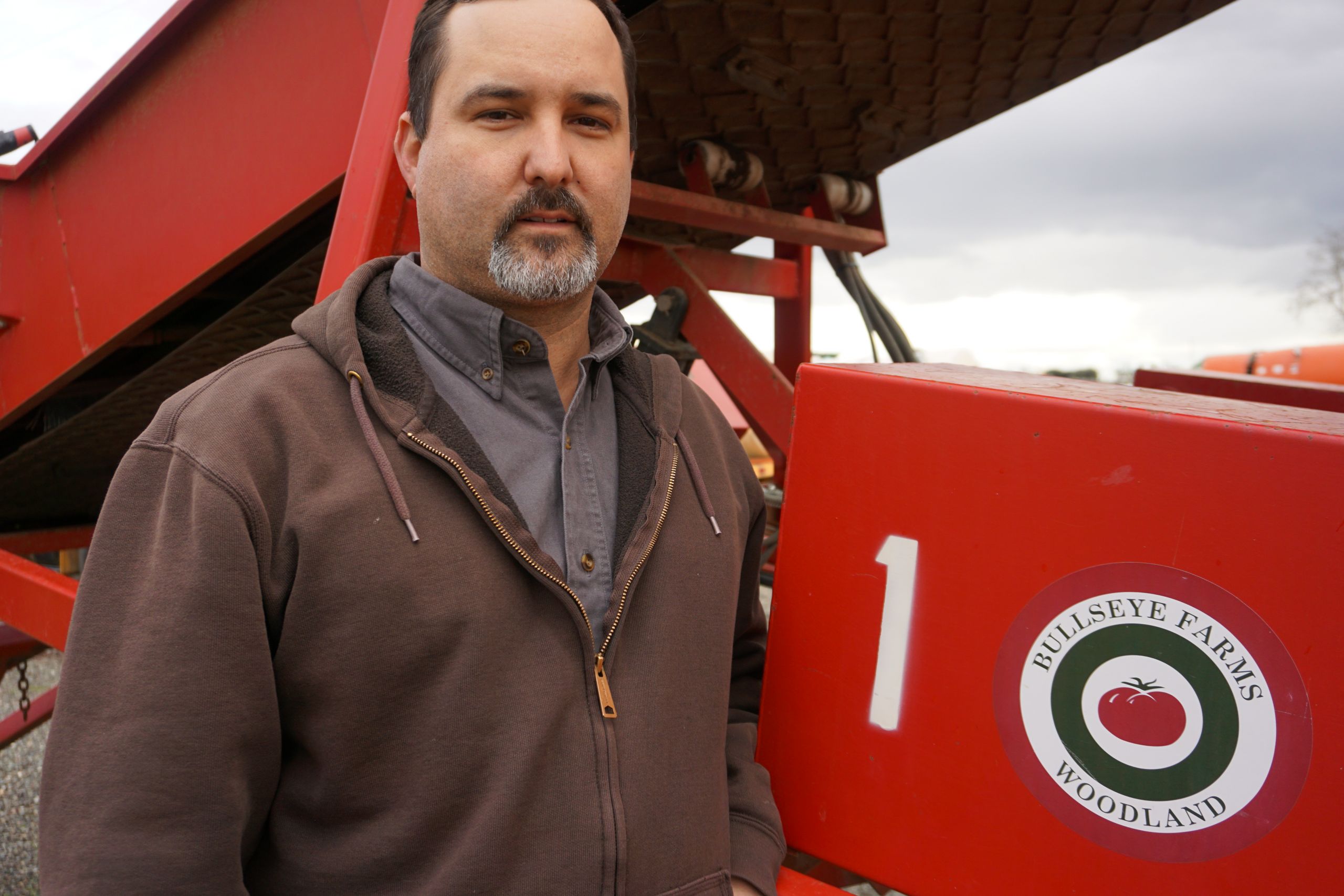
SCS Global Services announced today that Bullseye Farms is the world’s first almond farm to be independently certified under the internationally recognized “Sustainably Grown” standard for agricultural crops. Bullseye Farms, a diversified farming operation based in Woodland, California, grows almonds marketed under the “Almond Lane” brand.
“As the first almond grower to meet the high-bar requirements of the Sustainably Grown standard, Bullseye Farms has proven itself to be a leader in the industry,” said Kevin Warner, SCS’ manager of sustainable agriculture.
“Working through the Sustainably Grown certification process has opened our eyes to the amount of thought and effort we have put into implementing progressive practices,” said Nick Edsall, Bullseye’s orchard manager. “We’ve worked hard to create a working environment that we can all be proud of. It’s not often that we step back from our day to day activities to reflect on decisions we have made that contribute to the wellbeing of our employees, our environment, and our community. Being formally recognized under the Sustainably Grown certification validates our efforts and gives us motivation to continue on the path of sustainability.” He described several of the company’s achievements, including:
Competitive employee benefits, resulting in a <1% average turnover rate
Hosting frequent educational community field days, industry tours, and university research and workshops
Increasing orchard soil health to decrease overall inputs
Moving away from pyrethroids and relying more on beneficial insects for pest management
Progressive and state-of-the-art irrigation monitoring data collection techniques that create a multi-faceted water management strategy
The Sustainably Grown certification standard applies to products meeting the highest levels of environmental, social and economic sustainability. The program has been benchmarked to numerous international schemes for ethical and sustainable performance. It applies to agricultural operations around the world, large and small, providing a roadmap to satisfy the emerging market for environmental stewardship and social responsibility.
“Producers of Certified Sustainably Grown crops work diligently to provide a safe and healthy work environment, support farm communities, and protect vital environmental resources such as clean air, clean water, and wildlife habitat, while reducing energy consumption and carbon emissions,” explained Warner. “Having earned the right to carry the Sustainably Grown label, the Almond Lane brand has proven its resilience and relevance to today’s sustainably-minded marketplace.”
About Bullseye Farms
Bullseye Farms is located in Woodland, CA, one of the most fertile areas for growing in the United States. It produces tomatoes, tree crops, and several award-winning rotational crops. Its goal is to produce the best quality product possible on a large scale, bringing value and taste to buyers and consumers alike. Bullseye Farm’s almonds are currently offered at select Northern California grocers, hotels, restaurants, and on Amazon under the label “Almond Lane.”
For more information about Bullseye Farms and Almond Lane, visit www.bullseyefarms.com.
About SCS Global Services
SCS Global Services has provided global leadership in third-party sustainability and food safety certification, auditing, testing, and standards development since 1984. Its programs span a wide range of industries, recognizing achievements in food and agriculture, green building, product manufacturing, forestry, consumer goods, climate, and more. SCS is a California Benefit Corporation, reflecting its commitment to socially and environmentally responsible business practices. More information available at www.scsglobalservices.com.
In April and May, once new shoots start to grow, growers will be able to identify trees that are potassium deficient as their leaves will be pale, rolled into a boat shape and have developed tip and marginal scorching. Photo courtesy of UC IPM
By Almond Board of California — Almond trees need a variety of different nutrients to thrive, though one of the most important among them is nitrogen. From proper management to understanding the relationship between nitrogen and yield, it’s imperative that growers understand how this element benefits tree health and their productivity each crop year.
Comprehensive nutrient management improves many aspects of tree growth, yield and kernel quality during an orchard’s lifespan. Balanced nutrition, experts say, takes place over many months and should be timed to when the tree most needs it – typically, that’s in mid-March, when at least 70% of leaves are on the tree, and continues in phases throughout the growing season.
Beyond nitrogen, though, two other key nutrients trees are also necessary to maximize trees’ productivity – zinc and potassium. As with nitrogen, growers always are advised to keep the four R’s in mind when applying any nutrient or fertilizer:
Right rate: Match supply with tree demand from all inputs (fertilizer, water and soil)
Right time: Application must coincide with tree demand and root uptake
Right place: Delivery must be to active roots, not below the root zone
Right source: Maximize uptake and tree response and minimize waste
Zinc
Zinc helps trees when cells are dividing and growing, and also is important for next year’s bud set, according to Univeristy of California (UC) Davis professor Patrick Brown, an expert on almond nutrient management. Typically, it is applied via foliar sprays or micro-drip irrigation in the spring.
“Zinc needs to be ‘fed’ to the tree when it is hungry so that it can reach the buds,” Brown explained.
Leaf and soil analysis are important in monitoring zinc needs, Brown said. Leaf values should be at least 20 parts per million (ppm) in the summer, though orchards with readings of less than 30 ppm “will frequently respond to zinc.” In addition, a soil pH level of more than 7.2 can impede zinc uptake. Reducing the soil’s pH from 5.5 to 7.0 via acid injections or ammoniacal nitrogen sources will help with trees’ zinc uptake, and frequent zinc applications via micro-irrigation are the most effective.
Trees that are suffering from a lack of zinc will have small, pale leaves, Brown said. Other symptoms include late bud emergence and erratic flowering. Deficiencies often occur when cold, wet weather in early spring is followed by a warm period, which drives up trees’ zinc demand.
More on zinc demand and foliar application can be found in this published research paper written by Brown, the Almond Board’s Sebastian Saa and UC Davis professor Claudia Negron in March 2018.
Potassium
Potassium is important for development of the hull, shell and kernel. As with nitrogen, Brown recommends applying potassium in multiple smaller applications throughout the growing season. The rate, he said, should be 80 pounds per 1,000 pounds in yield.
Potassium deficiency symptoms often appear in early-to-midsummer and are worst on older leaves of current shoots. Trees also typically show slow growth and smaller leaves, and may produce yields below potential. Low potassium levels often carry over into the following year, “decreasing the number of flowering spurs where trees will set nuts,” as noted by Brown and UC Cooperative Extension farm advisors Katherine Jarvis-Sheen and Joseph Connell in the article “Potassium management for sustained almond yields.”
Leaf analysis is the best way to measure potassium levels and detect concerns early. Brown, Connel and Jarvis-Sheen recommend collecting leaf samples in July because they are “relatively stable at that time.” Potassium levels about 1.4% are “considered adequate.” The trio also states that “higher-than-adequate levels will also help provide ‘back-up’ for heavy set years, which may be especially important to sprinkler irrigated orchards where in-season fertigation to meet higher than usual potassium needs is not effective.”
A balanced approach
Something all growers should recognize, Brown said, is that the right balance of many key nutrients is necessary to optimize a tree’s use of nitrogen. The way to detect balance, he said, is through regular leaf analysis and other monitoring methods (sap analysis, trunk measurements, carbohydrate analysis and soil nutrient status).
“Optimizing nitrogen use efficiency requires optimal management of all inputs,” Brown said. “If any nutrient is undersupplied, yield is lost and response to other elements cannot occur. And if any nutrient is oversupplied, money is wasted.”
And, unlike the weather, nutrient management is something growers can directly impact.
“Nutrient and water management are items that growers control that impact profit, the value chain and protection for the planet,” said Steve Petrie, director of agronomic services for Yara North America. “Nutrient and water management are intertwined. You can’t do one properly without the other.”
For more information on optimal nutrient management, check out this presentation on nutrient management given by Brown, Petrie and others at The Almond Conference 2019 in December.
By Schramm, Williams & Associates, Inc. — The U.S. Department of Agriculture (USDA) announced the $19 billion Coronavirus Food Assistance Program (CFAP) to support farmers and ranchers during the COVID-19 pandemic. This program is comprised of two major elements: direct payments to farmers and ranchers and commodity purchase and distribution.
Direct Payments Program – Provides $16 billion in direct support based on actual losses for agricultural producers where prices and market supply chains have been impacted and will assist producers with additional adjustment and marketing costs resulting from lost demand and short-term oversupply for the 2020 marketing year caused by COVID-19.
Purchase and Distribution Program – $3 billion of agricultural products, including meat, dairy, and produce will be purchased to support producers and provided food to those in need. USDA will work with local food and regional distributors to deliver food to food banks, as well as community and faith-based organization to provide food to those in need.
CFAP uses funding authorities provided in the Coronavirus Aid, Relief, and Economic Security (CARES) Act, the Families First Coronavirus Response Act (FFCRA), USDA’s existing CCC funding, and Section 32 authority.
Direct Assistance Program
Source of Funds
This program is funded using the $9.5 billion emergency program secured in the CARES Act and $6.5 billion in Credit Commodity Corporation (CCC) funding.
Payment Allocations
USDA will provide $16 billion in direct payments to farmers and ranchers including:
$2.1 billion for specialty crops producers
$500 million for others crops
Payment Calculations
Producers will receive a single payment determined using two calculations:
Price losses that occurred January 1 – April 15, 2020.
Producers will be compensated for 85% of price loss during that period.
The expected losses from April 15 through the next two quarters.
Will cover 30% of expected losses.
Limitations
The payment limit is $125,000 per commodity with an overall limit of $250,000 per individual or entity.
Qualified commodities must have experienced a 5% price decrease between January and April.
Expected Timeframe
Program Sign-up: Beginning in Early May
Payment Distribution: End of May or early June
Food Purchase and Distribution Program
Commodity Procurement
It will begin with the procurement of an estimated:
$100 million per month in fresh fruits and vegetables;
$100 million per month in a variety of dairy products;
$100 million per month in meat products.
Distribution
The distributors and wholesalers will provide a pre-approved box of fresh produce, dairy, and meat products to food banks, community and faith-based organizations, and other non-profits serving Americans in need.
Additional Food Purchasing
In addition to the two targeted programs, USDA will utilize other available funding sources to purchase and distribute food to those in need.
USDA has up to an additional $873.3 million available in Section 32 funding to purchase a variety of agricultural products for distribution to food banks. The use of these funds will be determined by industry requests, USDA agricultural market analysis, and food bank needs.
The FFCRA and CARES Act provided an at least $850 million for food bank administrative costs and USDA food purchases, of which a minimum of $600 million will be designated for food purchases. The use of these funds will be determined by food bank need and product availability.
Further details regarding eligibility, rates, and other implementation will be released at a later date.
 [btn btnlink=”https://malcolmmedia.com/order-a-back-issue/back-issue-pacific-nut-producer-magazine/” btnsize=”full” txtcolor=”#ffffff” color=”#FFF” bgcolor=”#492500″ btnnewt=”1″ nofollow=”1″]Order A Back Issue[/btn]




 The U.S. Department of Agriculture (USDA) announced today a $15 million investment to help support the adoption of innovative conservation approaches on agricultural lands. USDA’s Natural Resources Conservation Service (NRCS) is accepting proposals through June 29, 2020, for national Conservation Innovation Grants (CIG). CIG projects inspire creative problem-solving solutions that boost production on farms, ranches and private forests and improve natural resources.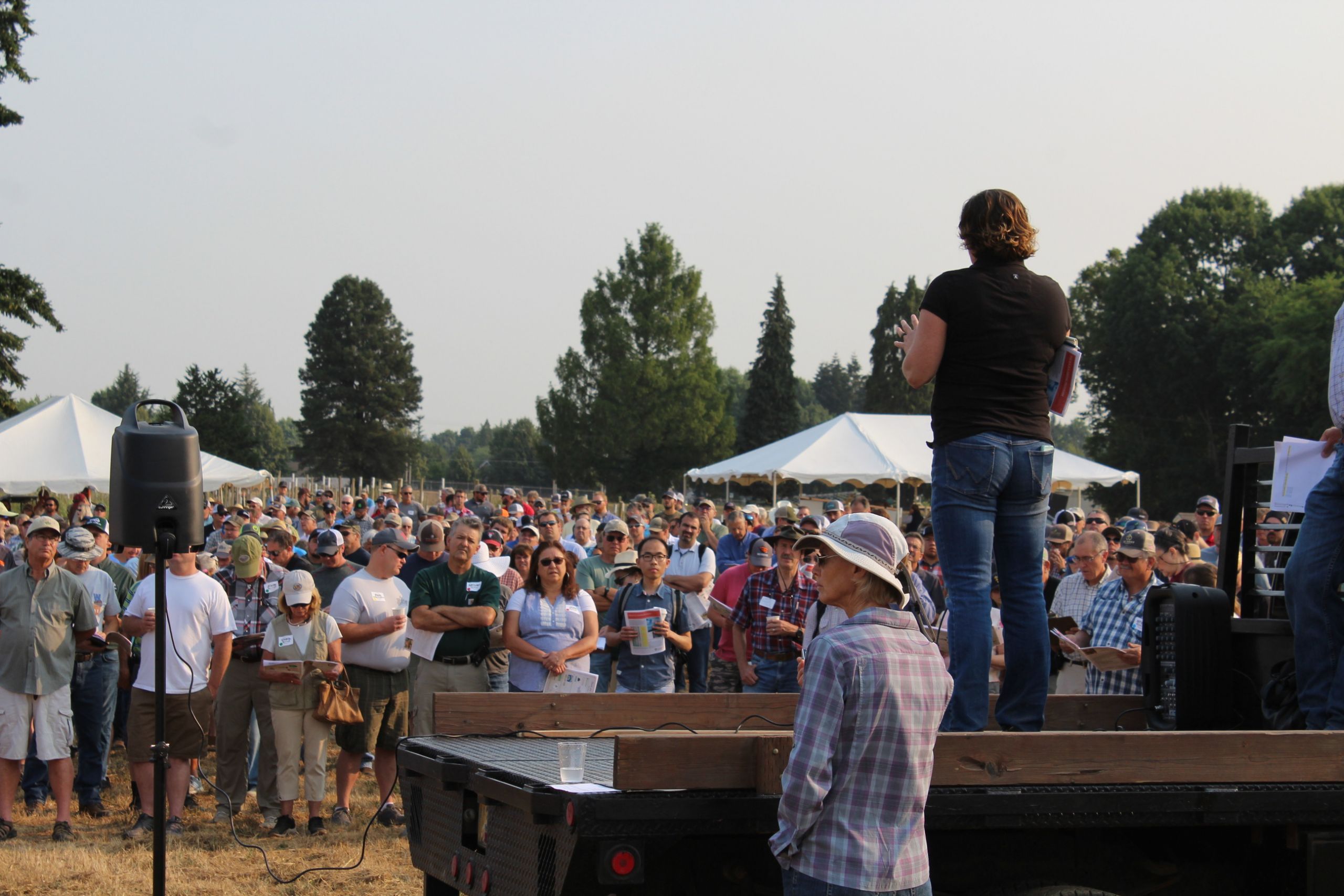
 The Agriculturalist of the Year award is presented to an individual or individuals who have contributed extensively, in a professional capacity, to California’s agricultural industry. Award criteria stipulates the individual or individuals must have demonstrated leadership and clearly represented the industry over a number of years in one or more of the following areas: finance, government, production agriculture, education, labor, research, communications, trade and public service.