Category: Industry News

  • California Walnut Acreage Continues to Grow

    California Walnut Acreage Continues to Grow

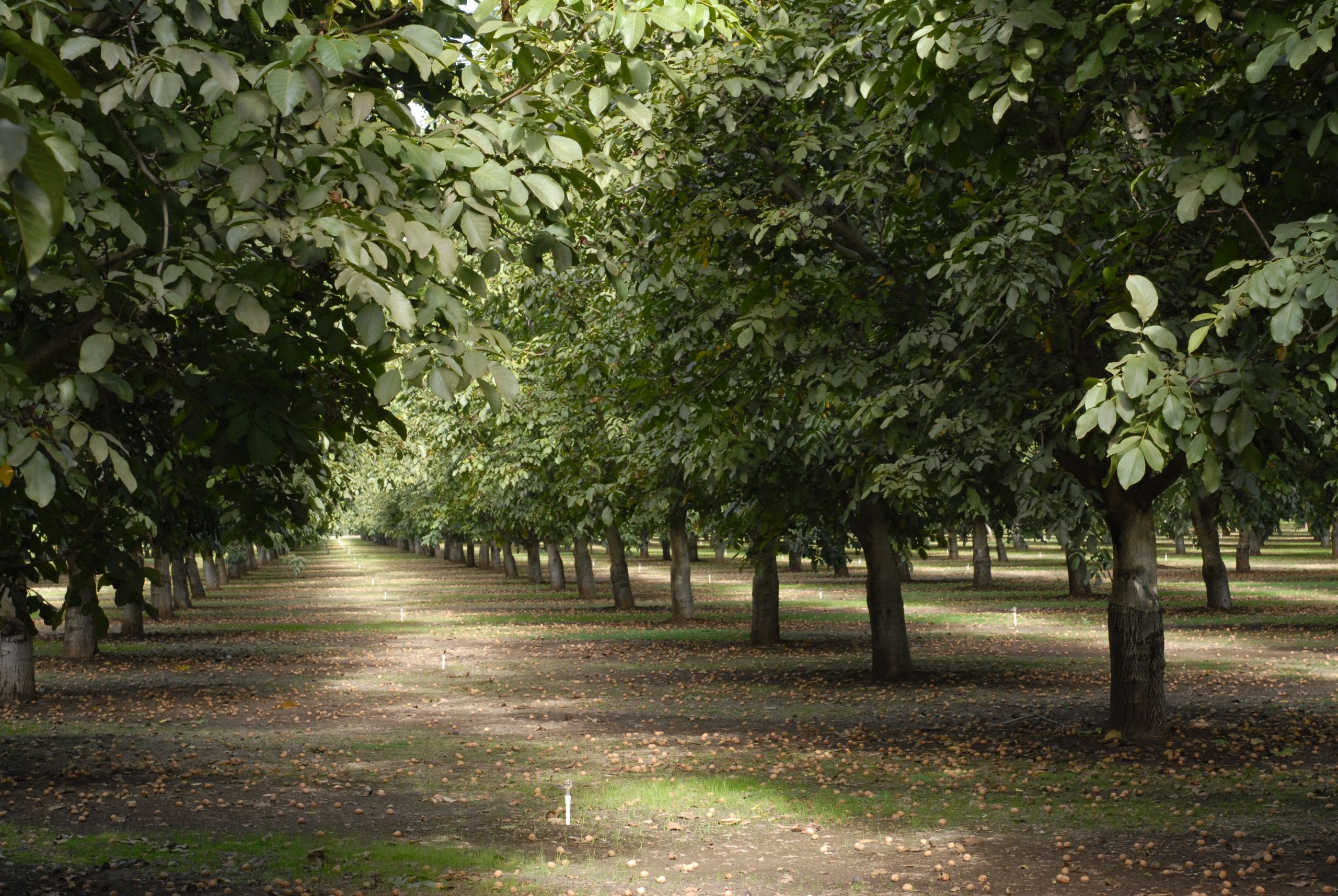
    According to the USDA’s 2019 Walnut Acreage Report, California’s walnut acreage is estimated at 415,000 acres, up 3.8 percent from 2017. Of the total acreage, 365,000 were bearing and 50,000 were non-bearing. Of the walnut acreage reported, Chandler continues as the leading variety with 133,609 bearing acres. Tulare overtook Hartley for second place with 29,331 bearing acres. San Joaquin County shows the largest acreage with 14 percent of the total, followed by Butte with 13 percent and Tulare with 10 percent each.

    Screen Shot 2020-05-28 at 12.26.02 PM.png

    OBJECTIVES

    The Pacific Regional Office of the USDA’s National Agricultural Statistics Service (NASS) conducts an acreage survey of California walnut growers. The purpose of this survey is to provide walnut acreage information on new plantings and removals. It is a continuation of a long series of industry-funded walnut acreage surveys.

    This report consists of two parts:

    Estimated walnut acreage — bearing, non-bearing, and total.

    Detailed data by variety, year planted, and county as voluntarily reported by walnut growers and maintained in the NASS database. 

    With perfect information, the estimated walnut acreage and the detailed data would be the same. However, differences exist for the following reasons:

    A voluntary survey of approximately 4,900 walnut growers is unlikely to ever attain 100 percent completeness.

    It is difficult for USDA, NASS to detect growers that are planting walnuts for the first time.

    The detailed data reflects tree removals from over 15,000 acres during the past two years. Of this number, some acreage was harvested in 2019 prior to being pulled out, and that acreage has already been removed from the detailed data.

    PROCEDURES

    The major source of the walnut detailed data was a questionnaire mailed to all walnut growers included in the NASS database. The mailing was made to approximately 4,900 walnut growers in early November. The questionnaire contained previously reported crop, variety, and acreage information preprinted. Producers were asked to update the information with new plantings, removals, and any other corrections; new growers were mailed a blank questionnaire. Producers were given six weeks to respond by mail. A telephone follow-up was then undertaken.

    To arrive at the estimated walnut acreage, the NASS walnut acreage database was compared with pesticide application data maintained by County Agricultural Commissioners and the California Department of Pesticide Regulation. In addition, NASS looked at data collected on the Walnut Nursery Sales Survey.

    ACKNOWLEDGMENTS

    The USDA, NASS, Pacific Regional Office sincerely appreciates the many farm operators, owners, and management firms for providing the information. A special thanks goes to the California Walnut Board for providing funding and support of this special acreage update survey. 

  • CA Farmers Can Now Apply for Financial Assistance through Coronavirus Food Assistance Program

    CA Farmers Can Now Apply for Financial Assistance through Coronavirus Food Assistance Program

    Agricultural producers can now apply for USDA’s Coronavirus Food Assistance Program (CFAP), which provides direct payments to offset impacts from the coronavirus pandemic. The application and a payment calculator are now available online, and USDA’s Farm Service Agency (FSA) staff members are available via phone, fax and online tools to help producers complete applications. The agency set up a call center in order to simplify how they serve new customers across the nation.

    “We know California producers are facing a tough time now, and we are making every effort to provide much needed support as quickly as possible,” said Connie Conway, state executive director for FSA in California. “FSA is available over the phone and virtually to walk you through the application process, whether it’s the first time you’ve worked with FSA, or if you know us quite well.”

    Applications will be accepted through August 28, 2020. Through CFAP, USDA is making available $16 billion for vital financial assistance to producers of agricultural commodities who have suffered a five-percent-or-greater price decline due to COVID-19 and face additional significant marketing costs as a result of lower demand, surplus production, and disruptions to shipping patterns and the orderly marketing of commodities.

    “We also want to remind producers that the program is structured to ensure the availability of funding for all eligible producers who apply,” Conway said.

    In order to do this, producers will receive 80 percent of their maximum total payment upon approval of the application. The remaining portion of the payment, not to exceed the payment limit, will be paid at a later date nationwide, as funds remain available.

    Producers can download the CFAP application and other eligibility forms from farmers.gov/cfap. Also, on that webpage, producers can find a payment calculator to help identify sales and inventory records needed to apply and calculate potential payments.

    Additionally, producers in search of one-on-one support with the CFAP application process can call 877-508-8364 to speak directly with a USDA employee ready to offer assistance. This is a good first step before a producer engages the team at the FSA county office at their local USDA Service Center.

    Applying for Assistance

    Producers of all eligible commodities will apply through their local FSA office. Those who use the online calculator tool will be able to print off a pre-filled CFAP application, sign, and submit to your local FSA office either electronically or via hand delivery. Please contact your local office to determine the preferred method. Find contact information for your local office at farmers.gov/cfap.

    Documentation to support the producer’s application and certification may be requested after the application is filed. FSA has streamlined the signup process to not require an acreage report at the time of application and a USDA farm number may not be immediately needed.

    Additional Commodities

    USDA is also establishing a process for the public to identify additional commodities for potential inclusion in CFAP. Specifically, USDA is looking for data on agricultural commodities, that are not currently eligible for CFAP, that the public believes to have either:

    1. suffered a five percent-or-greater price decline between mid-January and mid-April as a result of the COVID-19 pandemic,
    2. shipped but subsequently spoiled due to loss of marketing channel, or
    3. not left the farm or remained unharvested as mature crops.

    More information about this process is available on farmers.gov/cfap. 

    More Information

    To find the latest information on CFAP, visit farmers.gov/cfap or call 877-508-8364.

    USDA Service Centers are open for business by phone appointment only, and field work will continue with appropriate social distancing. While program delivery staff will continue to come into the office, they will be working with producers by phone and using online tools whenever possible. All Service Center visitors wishing to conduct business with the FSA, Natural Resources Conservation Service, or any other Service Center agency are required to call their Service Center to schedule a phone appointment. More information can be found at farmers.gov/coronavirus.

  • Walnut Grower Sustainability Survey

    Walnut Grower Sustainability Survey

    – SPONSORED CONTENT –

    Consumers are increasingly concerned about where their food is coming from and how it is produced. In our 2019 consumer research, almost 84% of consumers cited sustainability as an important factor in their purchases to a varying degree, and retailers have taken notice of this changing consumer expectation.

    We are working with a UC Davis expert to develop a Life Cycle Assessment (LCA) for the industry, but several data gaps remain. That is why it is important to hear from the industry as we look to leverage our sustainability credentials and educate consumers and retailers.

    The California Walnut Board is currently conducting an online grower survey to get a better understanding of industry practices as we look to flesh out our sustainability story. And we believe we do have a great story to tell.

    Walnut growers can take the survey at https://walnuts.org/sust-survey

    The survey should take about 15 minutes to complete. 10 lucky participants will be randomly selected for Visa gift cards ranging from $50 to $500. We thank you in advance for your time and help in providing a better understanding of industry practices.

    California walnuts have been sustainably produced for 150 years. We have achieved longevity by preserving the systems on which a healthy harvest depends. Our sustainability practices include decades of ongoing, comprehensive research that guides our water conservation initiatives, our insect abatement efforts, and compel us to continually innovate to produce the world’s finest walnuts. As retailers consider the need for proven sustainability on the part of all food producers, we want to assure them that California walnut growers and processors are improving our sustainability measures to support our customers and ensure the success of our farms for the next generation.

  • YOU KNOW WHAT HULLSPLIT MEANS: IT’S TIME TO SPRAY

    YOU KNOW WHAT HULLSPLIT MEANS: IT’S TIME TO SPRAY

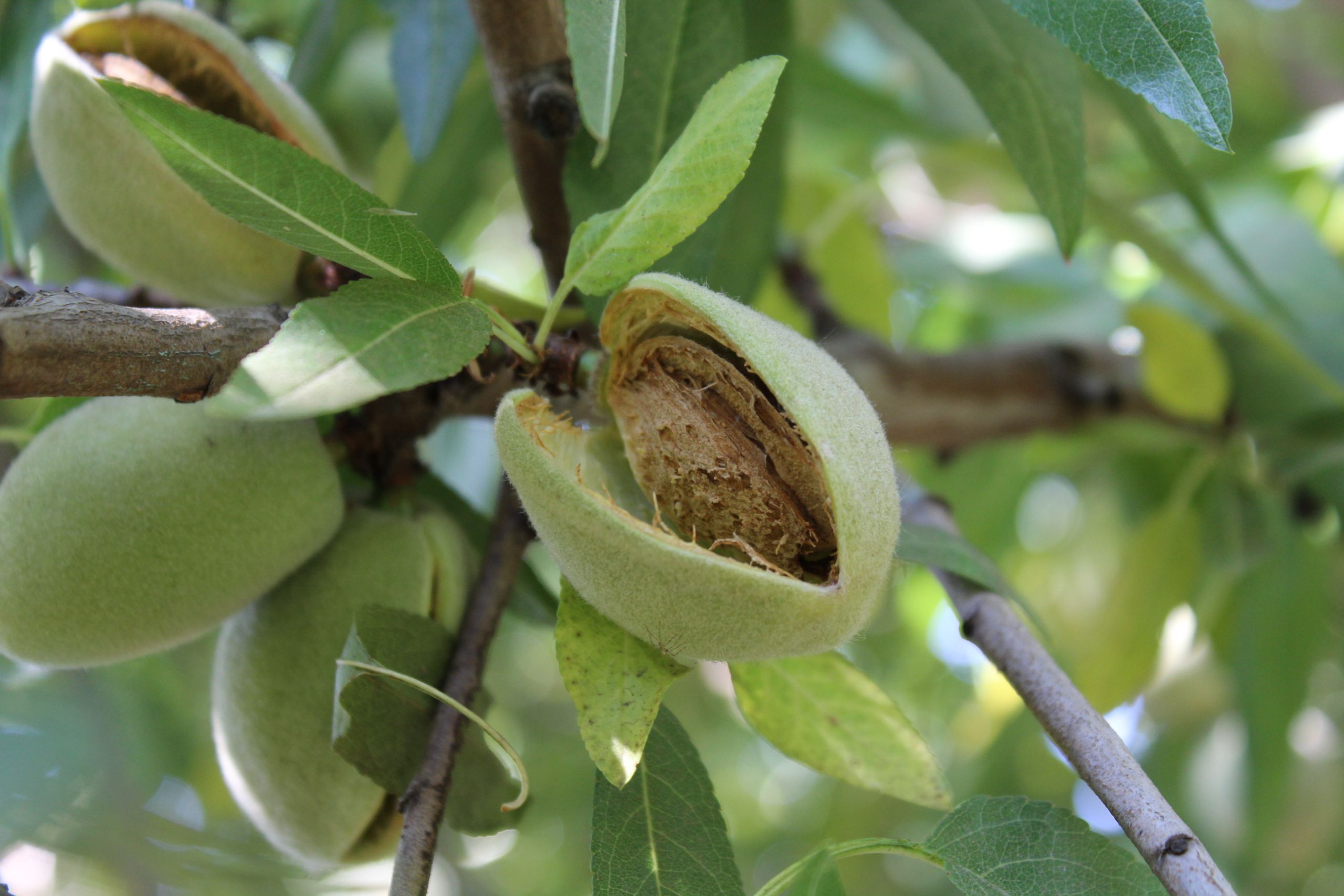
    Almond experts say there is only one proven way to know when hullsplit begins: inspect your trees from the top down, starting in the southwest corner of the canopy.
    The importance of knowing precisely when hullsplit occurs is critical because it signals the proper timing for treatments to control Navel Orangeworm (NOW). Whether growers use a ladder, climb into a pruning tower or lop off a few high branches with extension pruners, the goal is to understand what’s happening in the top of the tree, where nuts mature at a faster rate.

    Simply looking up into a tree’s canopy from the orchard floor is a sure way to miss the advent of hullsplit. When hulls split, a scent is released into the air, attracting female NOW moths to lay their eggs on the suture of the splitting hull. As the hull splits, fungal spores also can enter and spawn hull rot infections.

    Missing the beginning of hullsplit and allowing NOW or pathogens to gain a toehold in an orchard can wreck a grower’s entire season and reduce the value of the crop, costing growers in returns if nuts are rejected after harvest..

    Summer split invites unwanted guests 

    Growers can determine if hullsplit has occurred – and if it’s time to spray – if, when they squeeze the end of the hull, the entire suture opens up, exposing the shell within.

    Almond hulls split as the fruit ripens, and timing varies based on weather conditions and variety. For instance, the variety Nonpariel typically splits in early- to- mid-July, earlier than some other varieties.

    In addition, Director of Member Services for Blue Diamond Growers Mel Machado advises growers to look for blank nuts – those without a kernel inside – as those hulls are the first to split, several days ahead of the “sound” nuts (those with a full kernel).

    “The blanks are like the warning shot, signaling the start of hullsplit,” he said. “When full hullsplit does occur, the nuts at the top of the canopy will open up first.”

    Experts say growers also should pay attention to trees on the edge of their orchards as they often ripen more quickly.

    ‘Better to be too early than late’ 

    Once growers identify hullsplit in their orchard, their next step should be to initiate timely treatment. Experts warn that waiting too long to begin spraying will cost growers, as will performing a poor spray job.

    Machado advised, “It’s better to be a bit on the early side than late” when spraying. Once hullsplit begins, he recommended the entire orchard be sprayed in five days or less. “If it takes 10 or 15 days, that’s too long,” he said.

    Planning ahead – especially for smaller growers who rely on custom applicators – is essential.

    “Watch your fields closely and be in contact with your operator early on,” Machado advised.

    In larger orchards, Machado advises growers consider starting with aerial sprays, recognizing that ground-based sprays don’t always provide complete coverage at the tops of the trees.

    “We’re seeing growers effectively incorporate aerial applications into their treatment programs for the first application in order to cover the acreage in a timely manner,” Machado said.

    The best time to spray is early in the morning or at dusk.

    “Do not spray in the heat of the day – your application will evaporate into thin air and you won’t get the material where it needs to go. That’s a waste of time and money, as you’re not only wasting spray material but you also won’t achieve the coverage necessary to combat crop damage,” Machado said.

    Finally, growers should ensure their ground-based sprayers are properly calibrated, the nozzles are unplugged and that air flow isn’t restricted. Once it’s time to spray, growers should remind applicators to drive no more than two mph through orchards to ensure optimum coverage and to drive down each row to ensure the trees are equally covered.

    “There are some guys who spray every other row, and that’s not a good idea,” Machado said. “There are two sides to the tree; you need to spray both of them.”

    Machado reinforced that hullsplit sprays offer the final chance to manage NOW populations before harvest. Still, these applications are only part of a coordinated, year-round, integrated pest management plan to combat NOW that also must include winter sanitation and mating disruption, both of which are performed earlier in the crop year. — By the Almond Board of California

  • New Resources for Farmers with CA Irrigation Management Information System

    New Resources for Farmers with CA Irrigation Management Information System

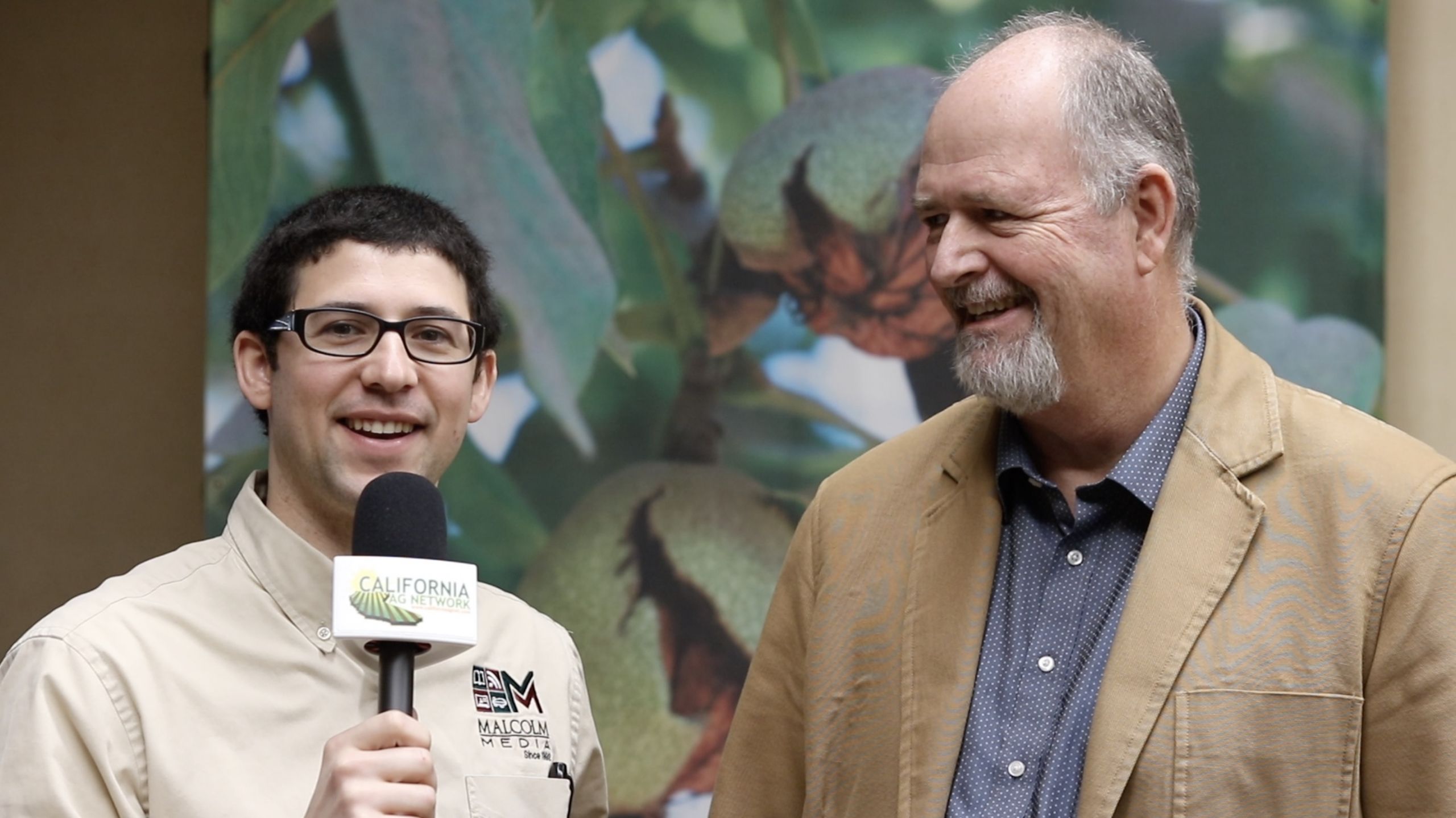
    Many farmers are already familiar with California DWR’s CIMIS program, with weather stations that collect data for them all over the state. What they may not know is some newer features to the program that can help them better determine irrigation needs for their crops wherever they may be. Watch this brief interview with Steve Ewert as he explains.

  • Supreme Court Ruling Expands Reach of Clean Water Act NPDES Permitting

    Supreme Court Ruling Expands Reach of Clean Water Act NPDES Permitting

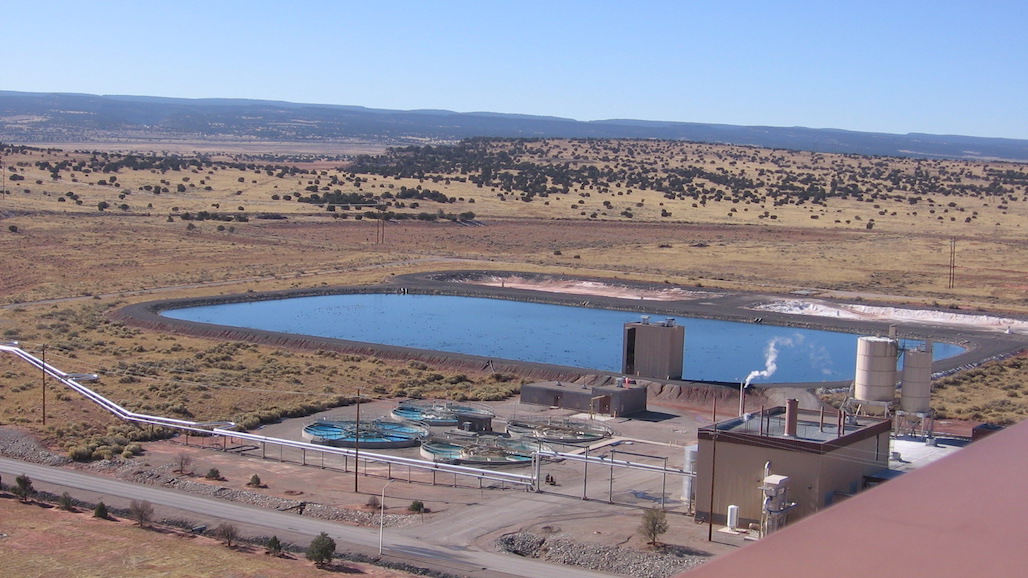
    In April, the United States Supreme Court issued a landmark ruling clarifying the reach of the federal Clean Water Act.  The Court decided that a discharge of pollutants from a point source to groundwater is subject to regulation under the act, if the discharge is the “functional equivalent” of a discharge to waters of the United States (which include rivers, streams, creeks, lakes, and other surface waters). 

    This ruling has the potential to both (1) expand the range of discharges, including from agricultural operations, that are required to obtain a National Pollutant Discharge Elimination System (NPDES) permit, and (2) increase the risk of citizen suit litigation alleging that operations discharging to groundwater have failed to comply with the Clean Water Act.

    The County of Maui Decision: Background

    The case decided by the Court, County of Maui, Hawaii v. Hawaii Wildlife Fund, concerned a wastewater reclamation facility operated by Maui County, which pumps approximately four million gallons of treated wastewater effluent per day into groundwater. The effluent travels through groundwater to the Pacific Ocean. 

    In 2012, environmental groups filed a citizen suit under the Clean Water Act, arguing that even though the wastewater was discharged to groundwater, the county was violating the act because it was discharging a pollutant from a point source (the wastewater facility) to waters of the United States (which include “territorial seas,” like the ocean waters around Hawaii) without an NPDES permit. The environmental groups prevailed in the Ninth Circuit Court of Appeals, and the case was then heard by the Supreme Court. 

    The Court’s New Rule: The “Functional Equivalent” of a Direct Discharge Requires an NPDES Permit

    The Supreme Court reversed the environmental group’s victory and sent the case back to the lower courts to evaluate the key issues under a new standard set by the Court: the Clean Water Act requires a permit when there is a direct discharge from a point source into waters of the United States or “when there is the functional equivalent of  a direct discharge.”

    The Court noted that the functional equivalence evaluation “depends upon how similar to (or different from) the particular discharge is to a direct discharge.” Beyond that, the Court declined to provide more specificity, asserting “there are too many potentially relevant factors applicable to factually different cases,” which could be addressed in future court decisions and EPA and state administrative guidance. However, it did list “some” of the factors that “may prove relevant”:

    1)    transit time;

    2)    distance traveled;

    3)    nature of the material through which the pollutant travels;

    4)    extent to which the pollutant is diluted or chemically changed as it travels;

    5)    amount of pollutant entering waters of the United States relative to the amount that leaves the point source;

    6)    manner by or area in which the pollutant enters the waters of the United States; and

    7)    degree to which the pollutant has maintained its specific identity at that point of entry.

    Importantly, the Court stated: “Time and distance will be the most important factors in most cases, but not necessarily every case.”

    Finally, it cautioned that implementation of its rule “should not create serious risks either of undermining state regulation of groundwater or of creating loopholes that undermine the statute’s basic federal regulatory objectives.”

    The Court’s Ruling Will Impact the Regulated Community, Including Some Agricultural Operations

    Although storm water runoff and return flows from irrigated agriculture may travel through groundwater to waters of the United States, the County of Maui holding did not alter the Clean Water Act’s exemption of these from the definition of a “point source.” An NPDES permit is still not required for such flows. 

    However, states have the authority to regulate nonpoint sources like agricultural runoff and may choose to modify the scope of their permitting requirements in light of County of Maui and subsequent developments in Clean Water Act regulation.  

    Moreover, to the extent that any agricultural operations involve mechanical processes that generate and discharge wastewater to the ground (and ultimately to groundwater), there is now an increased risk that such discharges could be regulated under the Clean Water Act and require an NPDES permit. The ruling may also impact operations dealing with accidental releases of contaminants to groundwater, as well as owners/operators of sites with legacy environmental contamination. 

    Right now, it is unclear to what extent the Supreme Court’s new rule is a “game-changer” in terms of how many dischargers to groundwater will be brought into the NPDES permitting regime. As with other aspects of Clean Water Act regulation—such as section 404 dredge-and-fill permitting—implementation by states and federal courts will vary broadly, until the Supreme Court revisits the issue at some future (likely, much later) date. Until then, dischargers will need to track the judicial decisions and administrative guidance in their jurisdiction to ensure they remain in compliance. 

    County of Maui may also spur an increase in citizen suit litigation by private parties and environmental groups challenging a discharger’s compliance with NPDES permitting requirements. Such litigation could claim that an operation’s discharges to groundwater trigger the requirement for NPDES permitting, even if regulators have not yet taken such a position. If successful, such suits could result in courts assessing penalties (payable to the federal government) and/or payment of the citizen enforcer’s attorney’s fees.

    In light of the evolving regulatory and legal framework and related risks, agricultural growers and producers should consider proactively assessing their exposure to a claim—by either a regulator or citizen enforcer—that their operations require an NPDES permit. If the exposure is significant, they may consider options to mitigate regulatory and liability risks such as preemptively submitting an NPDES permit application or requesting a permitting determination from the relevant implementing authority.

    — By Don Sobelman, Sarah Bell, and John Ugai

    Donald Sobelman and Sarah Bell are environmental law partners and John Ugai is an environmental law associate at Farella Braun + Martel, a law firm based in San Francisco.
  • USDA Announces Details of Direct Assistance to Farmers

    USDA Announces Details of Direct Assistance to Farmers

    U.S. Secretary of Agriculture Sonny Perdue today announced details of the Coronavirus Food Assistance Program (CFAP), which will provide up to $16 billion in direct payments to deliver relief to America’s farmers and ranchers impacted by the coronavirus pandemic. In addition to this direct support to farmers and ranchers, USDA’s Farmers to Families Food Box program is partnering with regional and local distributors, whose workforces have been significantly impacted by the closure of many restaurants, hotels, and other food service entities, to purchase $3 billion in fresh produce, dairy, and meat and deliver boxes to Americans in need.

    “America’s farming community is facing an unprecedented situation as our nation tackles the coronavirus. President Trump has authorized USDA to ensure our patriotic farmers, ranchers, and producers are supported and we are moving quickly to open applications to get payments out the door and into the pockets of farmers,” said Secretary Perdue. “These payments will help keep farmers afloat while market demand returns as our nation reopens and recovers. America’s farmers are resilient and will get through this challenge just like they always do with faith, hard work, and determination.”

    Beginning May 26, the U.S. Department of Agriculture (USDA), through the Farm Service Agency (FSA), will be accepting applications from agricultural producers who have suffered losses.

    Background:

    CFAP provides vital financial assistance to producers of agricultural commodities who have suffered a five-percent-or-greater price decline due to COVID-19 and face additional significant marketing costs as a result of lower demand, surplus production, and disruptions to shipping patterns and the orderly marketing of commodities.

    Farmers and ranchers will receive direct support, drawn from two possible funding sources. The first source of funding is $9.5 billion in appropriated funding provided in the Coronavirus Aid, Relief, and Economic Stability (CARES) Act to compensate farmers for losses due to price declines that occurred between mid-January 2020, and mid-April 2020 and provides support for specialty crops for product that had been shipped from the farm between the same time period but subsequently spoiled due to loss of marketing channels. The second funding source uses the Commodity Credit Corporation Charter Act to compensate producers for $6.5 billion in losses due to on-going market disruptions.

    Non-Specialty Crops and Wool

    Non-specialty crops eligible for CFAP payments include malting barley, canola, corn, upland cotton, millet, oats, soybeans, sorghum, sunflowers, durum wheat, and hard red spring wheat. Wool is also eligible. Producers will be paid based on inventory subject to price risk held as of January 15, 2020. A payment will be made based 50 percent of a producer’s 2019 total production or the 2019 inventory as of January 15, 2020, whichever is smaller, multiplied by the commodity’s applicable payment rates.

    Livestock

    Livestock eligible for CFAP include cattle, lambs, yearlings and hogs. The total payment will be calculated using the sum of the producer’s number of livestock sold between January 15 and April 15, 2020, multiplied by the payment rates per head, and the highest inventory number of livestock between April 16 and May 14, 2020, multiplied by the payment rate per head.

    Dairy

    For dairy, the total payment will be calculated based on a producer’s certification of milk production for the first quarter of calendar year 2020 multiplied by a national price decline during the same quarter. The second part of the payment is based a national adjustment to each producer’s production in the first quarter.

    Specialty Crops

    For eligible specialty crops, the total payment will be based on the volume of production sold between January 15 and April 15, 2020; the volume of production shipped, but unpaid; and the number of acres for which harvested production did not leave the farm or mature product destroyed or not harvested during that same time period, and which have not and will not be sold. Specialty crops include, but are not limited to, almonds, beans, broccoli, sweet corn, lemons, iceberg lettuce, spinach, squash, strawberries and tomatoes. A full list of eligible crops can be found on farmers.gov/cfap. Additional crops may be deemed eligible at a later date.

    Eligibility

    There is a payment limitation of $250,000 per person or entity for all commodities combined. Applicants who are corporations, limited liability companies or limited partnerships may qualify for additional payment limits where members actively provide personal labor or personal management for the farming operation. Producers will also have to certify they meet the Adjusted Gross Income limitation of $900,000 unless at least 75 percent or more of their income is derived from farming, ranching or forestry-related activities. Producers must also be in compliance with Highly Erodible Land and Wetland Conservation provisions.

    Applying for Assistance

    Producers can apply for assistance beginning on May 26, 2020. Additional information and application forms can be found at farmers.gov/cfap. Producers of all eligible commodities will apply through their local FSA office. Documentation to support the producer’s application and certification may be requested. FSA has streamlined the signup process to not require an acreage report at the time of application and a USDA farm number may not be immediately needed. Applications will be accepted through August 28, 2020.

    Payment Structure

    To ensure the availability of funding throughout the application period, producers will receive 80 percent of their maximum total payment upon approval of the application. The remaining portion of the payment, not to exceed the payment limit, will be paid at a later date as funds remain available.

    USDA Service Centers are open for business by phone appointment only, and field work will continue with appropriate social distancing. While program delivery staff will continue to come into the office, they will be working with producers by phone and using online tools whenever possible. All Service Center visitors wishing to conduct business with the FSA, Natural Resources Conservation Service, or any other Service Center agency are required to call their Service Center to schedule a phone appointment. More information can be found at farmers.gov/coronavirus.

  • Six Ways to Improve Pesticide Sprayer Calibration/Coverage

    Six Ways to Improve Pesticide Sprayer Calibration/Coverage

    Are you not seeing the results you expected in your latest fungicide/insecticide application? Watch this brief interview with Peter Ako Larbi from the UC Cooperative Extension who shares several considerations on how growers can improve their pesticide spray coverage in their orchard or vineyard.

  • PPE in Short Supply for Farm Work During the COVID-19 Crisis

    PPE in Short Supply for Farm Work During the COVID-19 Crisis

    While most Californians are staying home to slow the spread of the novel coronavirus, California farmers, farmworkers and other agricultural professionals are out in the fields and packing houses working to produce food. With increased demand for personal protective equipment, or PPE, to protect against COVID-19, these essential workers are facing shortages. Agricultural commissioners in 28 counties are hearing from farmers who are having trouble getting PPE for their employees and farmers in another 11 counties who are worried about running out of PPE in the next month or two, according to a California Department of Pesticide Regulation survey.

    Gloves, N95 respirators, coveralls and other gear that workers wear to protect themselves from COVID-19, pesticides, dust and other health hazards are in short supply as priority is given to health care workers during the pandemic.

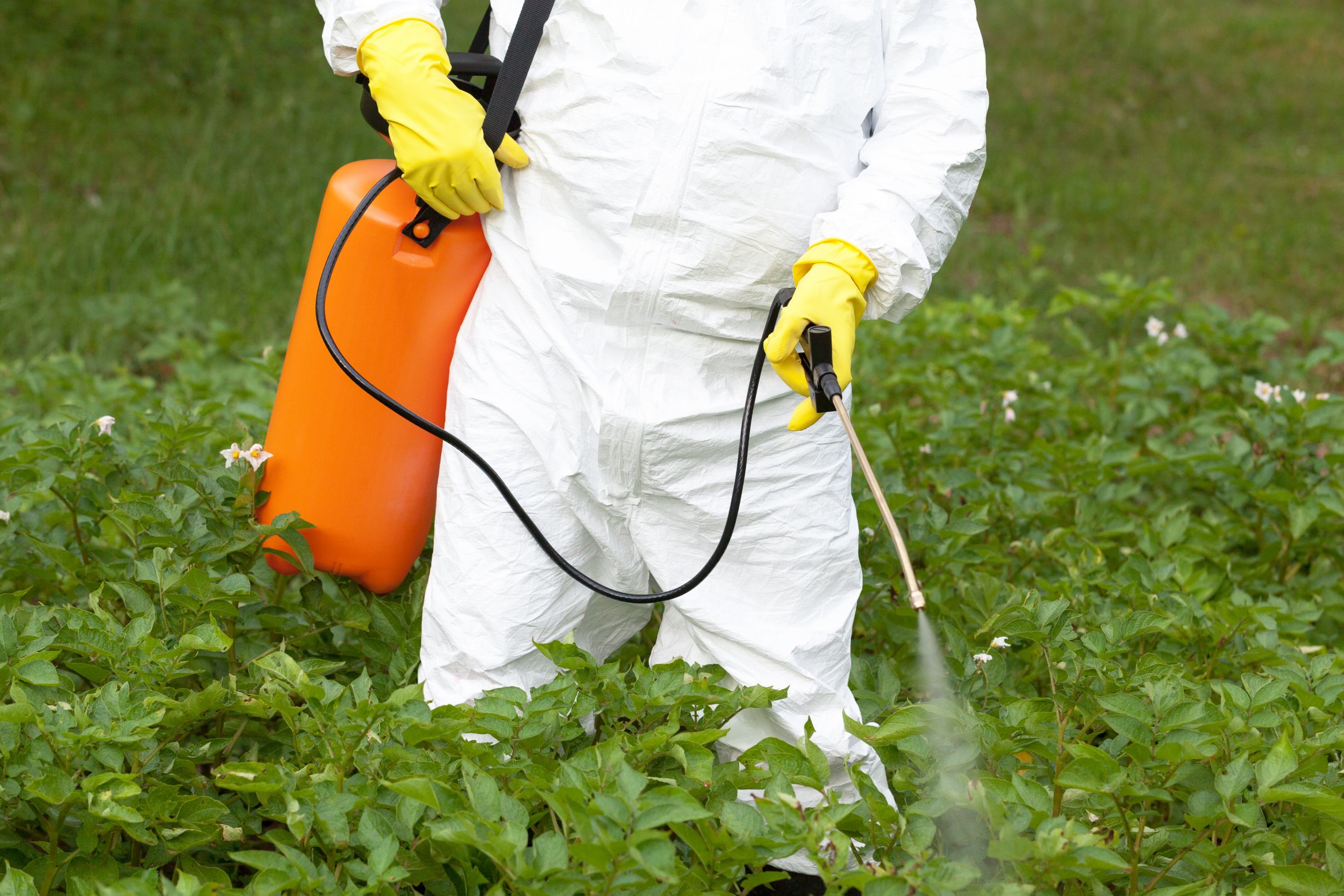
    To reduce the spread of COVID-19, workers may wear homemade face coverings, but for applying pesticides, they must wear respirators specified on the pesticide product label, said Whitney Brim-DeForest, UC Cooperative Extension rice advisor.

    Pesticide applicators may use gear that is more protective than required by the product label and regulations. 

    “Although this could change in the days ahead, half-mask and full-mask respirators are more available than disposable N95 respirators for now,” said Lisa Blecker, coordinator for the UC Pesticide Safety Education Program.

    Before the pandemic, 10% of N95 respirators from 3M went to health care, but that number is now 90%, the company said in a letter to distributors. This has led to significant backorders of PPE supplies for distributors.

    Carl Atwell, president of Gempler’s, an online distributor of worker supplies, said that before the crisis, normal lead times for PPE was up to 10 days. He estimated disposable respirators will become available in the fall and other PPE supplies in August.

    In the meantime, there is alternative PPE that agricultural professionals can use during the shortage.

    Atwell suggests looking for lesser known brands of PPE as opposed to the first tier of choice: “It’s sort of like searching for Purell hand sanitizer. Purell brand might be out of stock, but can you find a different disinfectant?”

    On Gempler’s website, the more recognizable Tyvek coverall from Dupont is sold out, however disposable protective clothing is available from other brands. Reusable chemical-resistant clothing is also available as opposed to their disposable counterparts. Supplies in high demand are reusable and disposable nitrile gloves, protective clothing, disposable respirators and certain protective eyewear, such as goggles and face shields.

    For workers who will be applying pesticides, Blecker and Brim-DeForest offered some guidelines on how to meet PPE requirements as the shortage continues.
    General PPE requirements: “Remember, the label is the law,” said Brim-DeForest. “PPE requirements for agriculture are not being loosened.” The UCCE advisor recommends purchasing only what you need for the season and choosing reusable PPE whenever possible. Growers who have excess supplies of PPE can coordinate with their county agricultural commissioner or UCCE advisor to help other producers in their area.

    Respirators: If you can’t find the respirator required on the label, Blecker said, “Use an alternative, more-protective respirator. For example, if an N95 is required, you can use a half-mask with N95 particulate filters; these can be stand-alone filters or ones that attach to an organic vapor cartridge. You could also use a different pesticide that doesn’t require a respirator. Consult with your PCA (pest control adviser) for options.”

    Gloves: Chemical-resistant gloves, usually 14 mil or more in thickness are required for most California pesticide applications and should be worn by mixers, handlers and applicators. If nitrile gloves are not available, viton and laminate gloves are universal chemical-resistant materials for most pesticide labels. If the glove material is specified on the label, that instruction must be followed.

    “Disposable gloves less than 14 mil can be worn, but not for more than 15 minutes at a time,” Blecker said. “Farmers should also note that thinner gloves cannot be layered on top of one another.”

    Coveralls: Coveralls should be worn when required by the pesticide label or when the signal word is “WARNING” or “DANGER,” or when applying by backpack or airblast. “Coveralls can be made out of high-density polyethylene fibers (Tyvek and other brands), which are disposable, or cotton, which are reusable,” Brim-DeForest said. “If reusable coveralls are worn, the employer must ensure employees are provided clean coveralls.”

    Goggles/face shields: Face shields are required for mixing and loading pesticides only if it’s stated on the label. “If a face shield is unavailable, a full-face respirator can be used,” Blecker said. “Goggles or protective eyewear should always be worn in California when handling pesticides, regardless of what the label says. The face shield, goggles or safety glasses must provide front, side and brow protection and meet the American National Standards Institute Z87.1 standard for impact resistance.

    The UC Integrated Pest Management Program also covers these topics in their pesticide safety webinar series at http://ipm.ucanr.edu/IPMPROJECT/workshops.html.

    For more information about PPE, contact your county agricultural commissioner or see the California Department of Pesticide Regulation’s posters at https://www.cdpr.ca.gov/docs/whs/pdf/gloves_for_pesticide_handling.pdfand https://www.cdpr.ca.gov/docs/whs/pdf/n95_alternatives_for_pesticide_handling.pdf. — By Katrina Hunter, UC Integrated Pest Management Program pesticide safety writer

  • What Pistachio Growers Can Do Right Now to Control Gill’s Mealybug

    What Pistachio Growers Can Do Right Now to Control Gill’s Mealybug

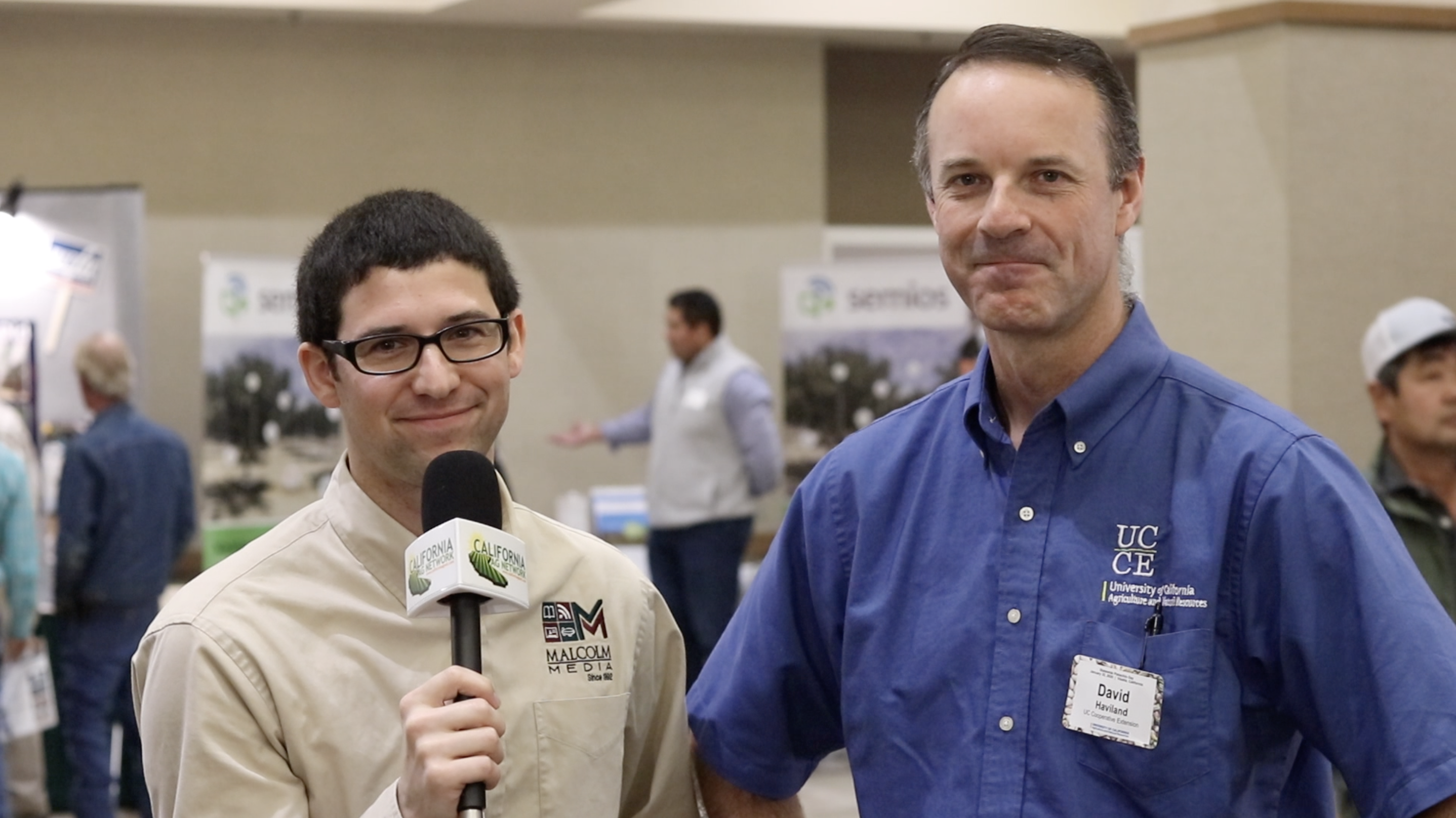
    Gill’s Mealybug was an unusually difficult problem for many pistachio growers last year. Watch this brief interview with David Haviland to learn what growers can do right now to get these pests under control and read more about it in Pacific Nut Producer Magazine.