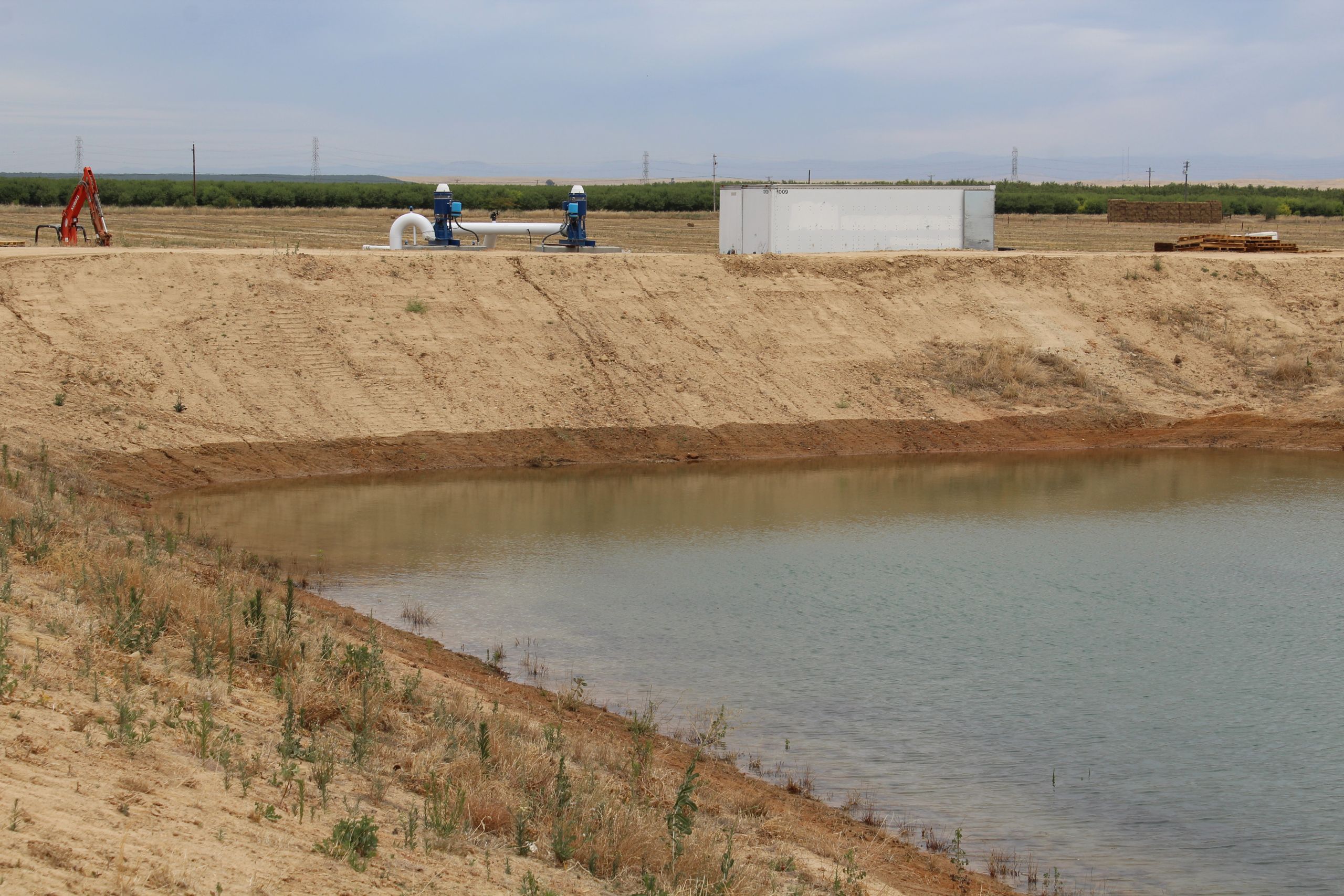
With Groundwater Sustainability Plans (GSPs) now required for critically overdrafted basins, the Sustainable Groundwater Management Act is gradually taking effect across the state of California; but how will this impact farmers? Watch this brief interview with Duncan MacEwan from ERA Economics as he shares his insights, as addressed at a recent meeting held by the California Tomato Growers Association.
Category: Industry News
-

Pistachio Extract Fights Off Bacterial & Viral Infections
With the panic of an international pandemic, citizens are flocking the grocery stores stockpiling essential food and supplies. Recent studies suggest that pistachios should be on that list of groceries to stock up on too. In addition to their known health properties, recent published research shows that pistachio extract can thwart and even kill certain bacteria and viruses. Watch this brief video with Judy Hirigoyen from American Pistachio Growers and read more about it in the coming issue of Pacific Nut Producer Magazine.
-

Dr. Oz Shares Why Pistachios Offer Complete Protein & Quality Sleep to Consumers
Dr Oz shared some breaking news in the health and nutrition industry at American Pistachio Growers recent Annual Conference in Monterey, CA. In addition to talking about how much he enjoys incorporating nuts in his daily diet, he shared the results of recent research suggesting that eating pistachios will not only help consumers sleep better at night, but is also one of the only plant-based foods available that offer “complete protein.” Watch this brief video with Judy Hirigoyen from American Pistachio Growers and read more about it in the coming issue of Pacific Nut Producer Magazine.
-
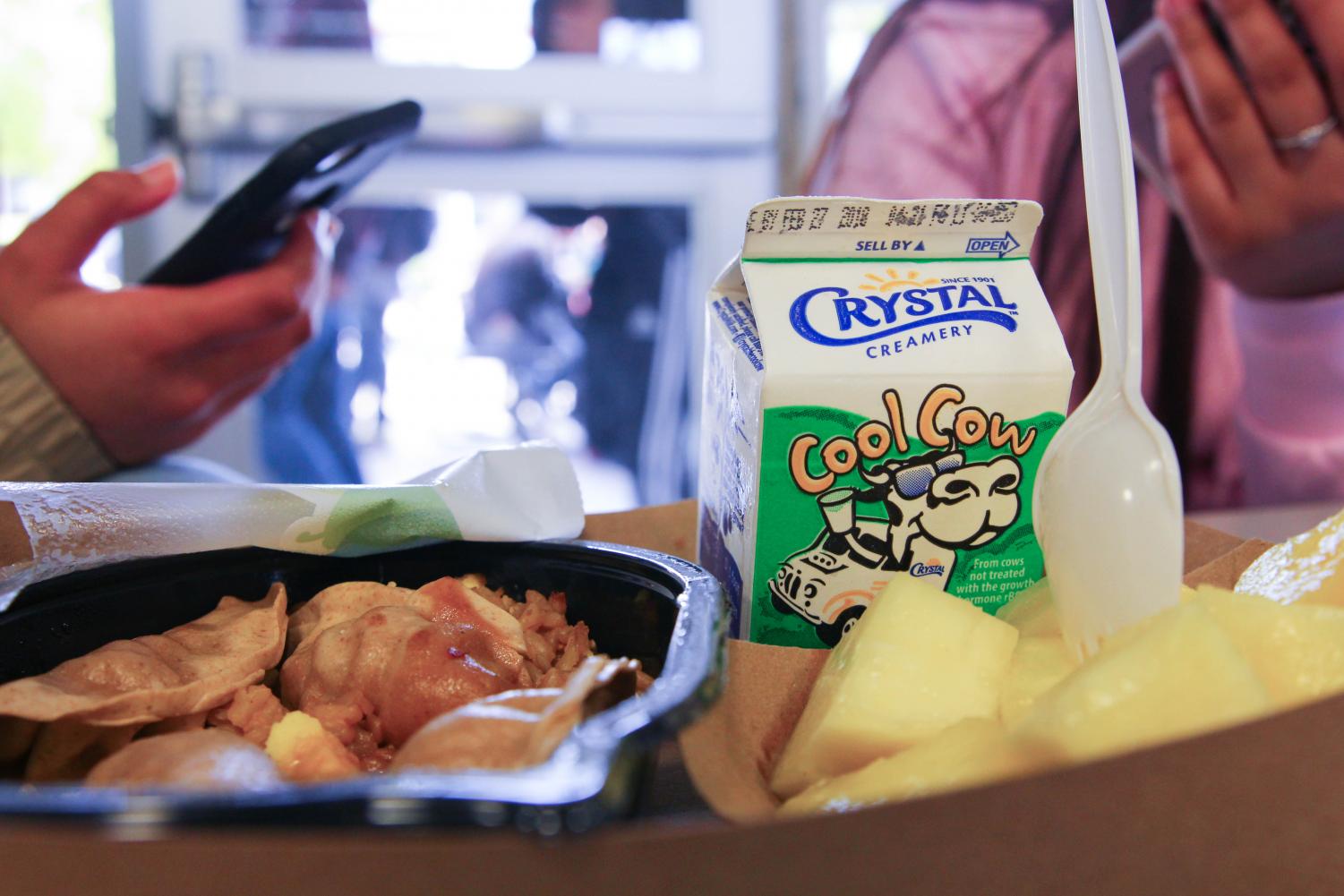
USDA Announces Feeding Program Partnership in Response to COVID-19
U.S. Secretary of Agriculture Sonny Perdue today announced a collaboration with the Baylor Collaborative on Hunger and Poverty, McLane Global, PepsiCo, and others to deliver nearly 1,000,000 meals to students in a limited number of rural schools closed due to COVID-19:
“Feeding children who are affected by school closures is a top priority for President Trump and this Administration. USDA is working with private sector partners to deliver boxes of food to children in rural America who are affected by school closures,” said Secretary Perdue. “Right now, USDA and local providers are utilizing a range of innovative feeding programs to ensure children are practicing social distancing but are still receiving healthy and nutritious food. This whole of America approach to tackling the coronavirus leverages private sector ingenuity with the exact same federal financing as the Summer Food Service Program. USDA has already taken swift action to ensure children are fed in the event of school closures, and we continue to waive restrictions and expand flexibilities across our programs.”
“We are grateful to come alongside USDA, PepsiCo, and McLane Global to ensure that children impacted by school closures get access to nutritious food regardless of where they live. We know from first-hand experience that families with children who live in rural communities across the U.S. are often unable to access the existing food sites. Meal delivery is critical for children in rural America to have consistent access to food when school is out. This is one way we, as citizens of this great nation, can respond to our neighbors in need,” said Jeremy Everett, Executive Director, Baylor University Collaborative on Hunger and Poverty.
“McLane Global was proud to take part in the success of the summer Meals-2-You home delivery pilot program in 2019. It was a great opportunity to bring private industry best practices together with the USDA to combat rural hunger. Given the rapid disruptions driven by COVID-19, we can work together to swiftly take this model nationwide. McLane Global is ready to do its part to support the fight against hunger through this crisis,” said Denton McLane, Chairman, McLane Global.
“As schools around the country close, millions of schoolchildren now don’t know where their next meal is coming from. In the face of this unprecedented crisis, it’s critical that the private sector help ensure these students have access to nutritious meals,” said Jon Banner, Executive Vice President, PepsiCo Global Communications and President, PepsiCo Foundation. “PepsiCo is committing $1 million to help Baylor create a solution with USDA to identify children most in need and then we will help reach them with at least 200,000 meals per week—one way we are deploying our food and beverage resources to help those most vulnerable.”
Background:USDA will utilize best practices learned through a summer pilot program in 2019 to deliver food boxes to children affected by school closures due to COVID-19 in rural America. Baylor will coordinate with the appropriate state officials to prioritize students who do not currently have access to a Summer Food Service Program (SFSP) site and have an active outbreak of COVID-19. Initial capacity is limited, and additional vendors are requested and encouraged to ensure we can provide food to more rural children as additional schools close. USDA has created a single contact for those who have suggestions, ideas, or want to help feed kids across the country. Email FeedingKids@usda.gov.
The Baylor Collaborative on Hunger and Poverty, McLane Global, and PepsiCo will begin distributing next week and will quickly increase capacity of nearly 1,000,000 nutritious meals per week. In addition to distribution, PepsiCo will generously provide $1 million in funding to the Baylor Collaborative on Hunger and Poverty to facilitate nationwide distribution in the coming weeks. These boxes will contain five days worth of shelf-stable, nutritious, individually packaged foods that meet USDA’s summer food requirements. The use of this innovative delivery system will ensure rural children receive nutritious food while limiting exposure to COVID-19. USDA will reimburse private sector partners for the same rate as an SFSP site.
Last week, Secretary Perdue announced proactive flexibilities to allow meal service during school closures to minimize potential exposure to the coronavirus. During an unexpected school closure, schools can leverage their participation in one of USDA’s summer meal programs to provide meals at no cost to students. Under normal circumstances, those meals must be served in a group setting. However, in a public health emergency, the law allows USDA the authority to waive the group setting meal requirement, which is vital during a social distancing situation.
USDA intends to use all available program flexibilities and contingencies to serve our program participants across our 15 nutrition programs. We have already begun to issue waivers to ease program operations and protect the health of participants. USDA is receiving requests for waivers on an ongoing basis. As of today, USDA has been asked to waive congregate feeding requirements in in all 50 states, the District of Columbia, and Puerto Rico and USDA has granted those requests. -

Why Oregon Hazelnut Acreage Growth has Slowed

Despite all the recent excitement in the growth of the hazelnut industry in the Pacific Northwest, the last few harvests are not quite reflecting the new acreage coming into production, and acreage growth has also slowed down this past year. Watch this brief interview with Michael McDaniel from Pacific Agricultural Survey as he shares some of the limiting factors, as well as where the growth is actually taking place. Read more about it in Pacific Nut Producer Magazine. Don’t currently receive it? Subscribe for free today at PacificNutProducer.com.
Please thank our sponsor Duarte Nursery for their industry support and tell them you saw them at PacificNutProducer.com.
-

Pollinator Partnership Equips Almond Growers with Greater Tools to Prove Sustainability
Almond growers sometimes get a bad rap in the general public as being abusive to bees or sucking too much water out of the ground, but it is quite the contrary. Almond growers are stewards of the land, and with the help of the Almond Board of California, and a new ties with the Pollinator Partnership, growers are going to be equipped with great tools to prove their environmental and sustainable practices in the orchard at bloom. Watch this brief video with the Daren Williams from the Almond Board of California for more details, and read more about it in Pacific Nut Producer Magazine.
Please thank our sponsor Duarte Nursery for their industry support and see them at their booth at the APG Conference in Monterey, March 2-4 (Booths 20-21).
-

PNP March 2020 Issue
[btn btnlink=”https://malcolmmedia.com/order-a-back-issue/back-issue-pacific-nut-producer-magazine/” btnsize=”full” txtcolor=”#ffffff” color=”#FFF” bgcolor=”#492500″ btnnewt=”1″ nofollow=”1″]Order A Back Issue[/btn][btn btnlink=”http://malcolmmedia.com/pacific-nut-producer-magazine-subscriptions/” btnsize=”full” txtcolor=”#ffffff” bgcolor=”#492500″ btnnewt=”1″ nofollow=”1″]Subscribe Free[/btn]
[three_fifth_last]
Contents of the March Issue:
Breeding the Nonpareil of the FutureThe Search for other Grower Choices
UC Davis Releases Many VarietiesNew Varieties Years in the Making
Orchard TasksAlmonds, Hazelnuts, Pecans, Pistachios
World Demand for Almonds, Greater Than SupplyAlmond Panel Featured Growers/Handlers[/three_fifth_last]
-

California Pistachio Crop Projections for 2020 Season
With more and more acreage of pistachios coming into production, California growers anticipate the largest crop ever this year. Watch this brief video with the Bob Klein from the California Pistachio Research Board as he shares his thoughts on pistachio chill accumulation this winter, acreage trends and water supply levels that should lead to their largest harvest yet this year. Read more about it in Pacific Nut Producer Magazine.
Please thank our sponsor Duarte Nursery for their industry support and see them at their booth at the APG Conference in Monterey, March 2-4 (Booths 20-21).
-
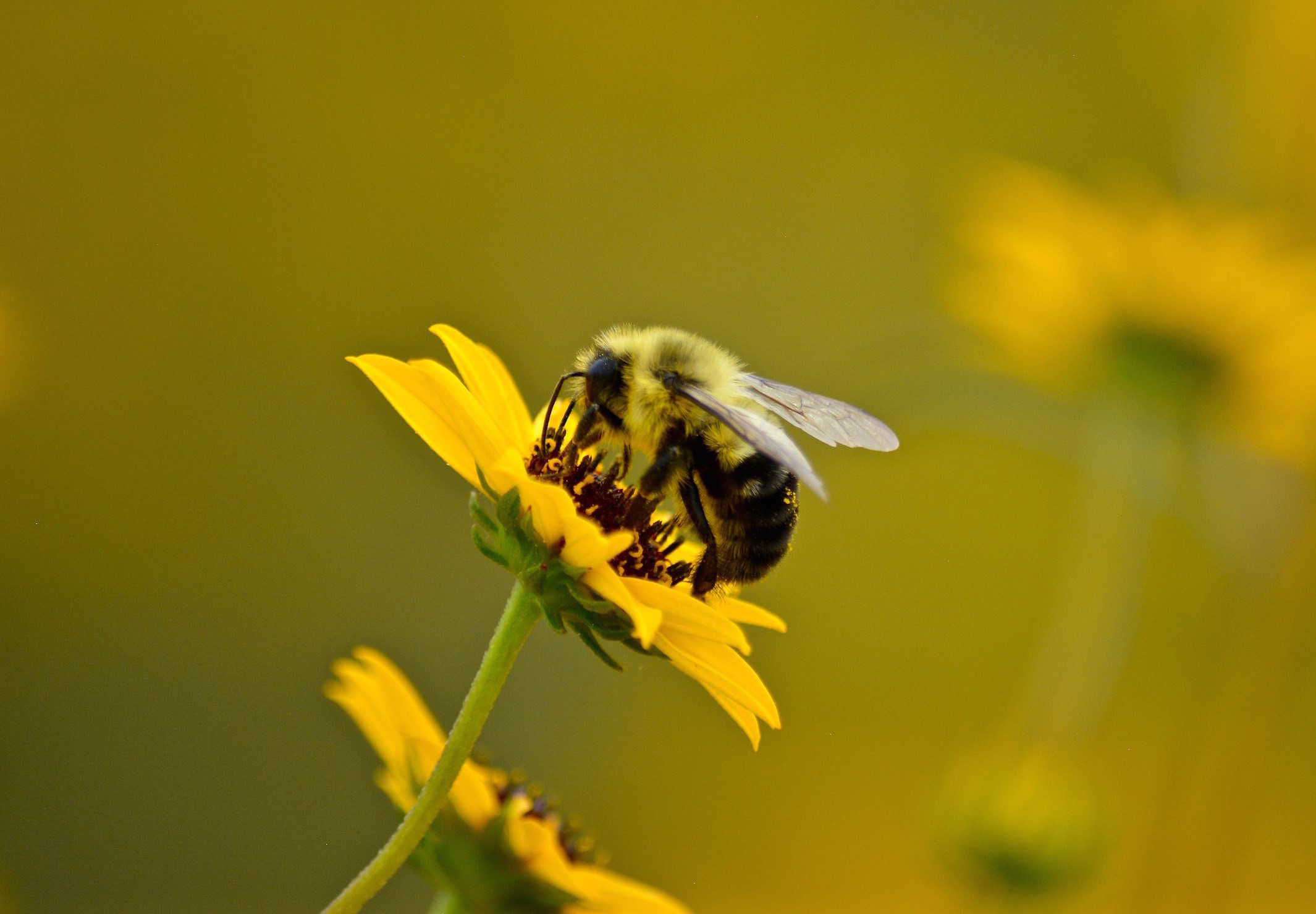
Flower Losses Due to Shrinking Habitats and Climate Change Hurt Prime Pollinators
Without enough sugar in their diets, bumblebee queens can experience difficulty reproducing and shorter lifespans. Hollis Woodard, assistant professor of entomology at UCR, has conducted multiple studies showing how loss of plant availability negatively affects the prolific pollinators. Previous research indicates a queen’s diet can impact how quickly her brood develops, or whether she’s able to live through hibernation.
In a study published recently, Woodard and her team demonstrate that without adequate sugar, the queen’s fat body, which functions like a human liver, does not correctly produce enzymes required for healthy metabolism and detoxification from pesticides.
“The fitness consequences of not producing enough of these enzymes, P450s, could ultimately be lethal, preventing reproduction or shortening lifespans,” Woodard said. “If you don’t outright kill a queen, but she can’t lay eggs, from a population standpoint you might as well have killed her.”
Woodard’s team wanted to focus its research on bumblebee queens because they undergo an event called diapause, which is like hibernation. Queens gather an abundance of nutrients just before diapause, as it is likely one of the most vulnerable times in their lives.
A queen’s ability to survive this period is not guaranteed without adequate nutrition. However, the team also wanted to know about the sublethal effects. “We wanted to ask if other signs of distress might be detectable in advance, and whether there are molecular signs queens might not make it through diapause,” Woodard said.
The research team collected queen bumblebees of varying ages and fed them one of four diets ranging from no sugar to extremely concentrated sugar. They found queens in the oldest age group, roughly 12 days old, who were fed the most sugar, began to exhibit gene expression patterns consistent with the beginning of diapause. This suggests queens may have an internal mechanism to detect the amount of stored sugar in their bodies, Woodard said. By extension, it means there may be a way to detect in advance when queens do not have enough sugar to survive diapause, or for their fat bodies to produce enough enzymes to protect them from damaging pesticides.
This research underscores the importance of bumblebee food resources, which have been dwindling in recent years due to habitat loss. “There are studies showing gaps in floral availability late in the season before diapause, when queens most need food,” Woodard said.
In addition to habitat loss reducing bumblebees’ preferred plants, climate change may also be taking a toll. As winters become warmer, queens may emerge earlier from diapause in winter when fewer flowers are available to them. Their physiology becomes uncoupled from the seasons, making it less likely that they survive, or that their nests will be successful.
Many bumblebee species are declining, which could eventually have consequences for the human diet. Bumblebees, unlike honeybees, are native to the U.S. and perform a type of pollination essential for some of humans’ favorite foods, such as tomatoes, blueberries, potatoes and almonds.
Therefore, Woodard believes every effort must be made to ensure bumblebees, especially queens, have enough flowers to feed on. “It’s important for everyone from land managers to people with gardens to plant things bumblebees can feed on,” she said. — By Jules Bernstein, University of California, Riverside
-
California Walnut Board Goes Worldwide with New Marketing Campaign
Happy Valentine’s Day from Pacific Nut Producer Magazine and the California Walnut Board. In the midst of American Heart Month, the California Walnut Board has launched an exciting new worldwide marketing campaign. Watch this brief interview with Jennifer Olmstead to see how you can get involved to promote heart-healthy walnuts, and read more about it in Pacific Nut Producer Magazine.
Please thank our sponsor Duarte Nursery for their industry support and see them at their booth at the World Ag Expo in Tulare, February 11-13 (Booth K24), and at the APG Conference in Monterey, March 2-4 (Booths 20-21).