Category: Industry News

  • Almond Orchard Recycling a Climate-Smart Strategy

    Almond Orchard Recycling a Climate-Smart Strategy

    Recycling trees onsite can sequester carbon, save water and increase crop yields, making it a climate-smart practice for California’s irrigated almond orchards, finds a study from the University of California, Davis.

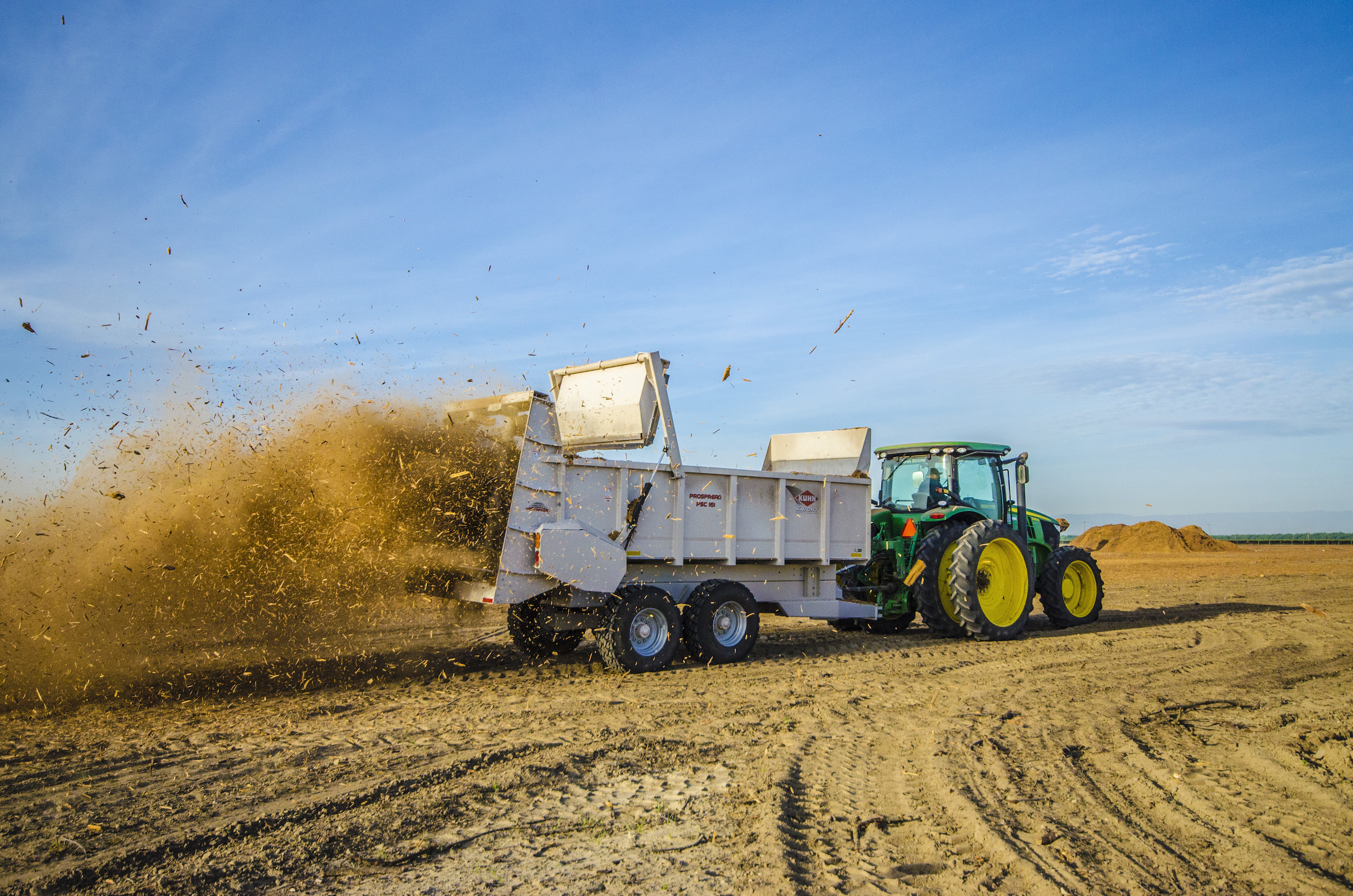
    Whole orchard recycling is when old orchard trees are ground, chipped and turned back into the soil before new almond trees are planted.

    The study, published in the journal PLOS ONE, suggests that whole orchard recycling can help almond orchards be more sustainable and resilient to drought while also increasing carbon storage in the soil.

    “To me what was really impressive was the water piece,” said corresponding author Amélie Gaudin, an associate professor of agroecology in the UC Davis Department of Plant Sciences. “Water is central to how we think about agriculture in California. This is a clear example of capitalizing on soil health. Here we see some real benefits for water conservation and for growers.”

     Burn vs. turn

    Drought and high almond prices have encouraged higher rates of orchard turnover in recent years. The previous practice of burning trees that are no longer productive is now restricted under air quality regulations, so whole orchard recycling presents an alternative. But how sustainable and effective is it for the environment and for farmers?

    For the study, scientists measured soil health and tree productivity of an almond orchard that turned previous Prunus woody biomass back into the soil through whole orchard recycling and compared it with an orchard that burned its old trees nine years prior. 

    They also experimentally reduced an orchard’s irrigation by 20 percent to quantify its water resilience.

    Their results found that, compared with burn treatments, whole orchard recycling can:

    • Sequester 5 tons of carbon per hectare
    • Increase water-use efficiency by 20 percent 
    • Increase crop yields by 19 percent


    “This seems to be a practice that can mitigate climate change by building the soil’s potential to be a carbon sink, while also building nutrients and water retention,” said Gaudin. “That can be especially important as water becomes more limited.”

    Study co-authors included Emad Jahanzad and Kelsey Brewer of UC Davis; Brent Holtz, Sean Hogan and Cameron Zuber of UC Agriculture and Natural Resources’ Cooperative Extension; and David Doll, who was formerly with UC Cooperative Extension.

    The study was funded by a Specialty Crop Block Grant Program of the California Department of Food and Agriculture and the Almond Board of California. — By Kat Kerlin, News and Media Relations, 530-752-7704, kekerlin@ucdavis.edu

  • Are Tree Nut Growers Doing Their Part to Manage Navel Orangeworm?

    Are Tree Nut Growers Doing Their Part to Manage Navel Orangeworm?

    Winter sanitation, mating disruption and proper pesticide application — all critical strategies in managing the number one pest of tree nuts: Navel Orangeworm. No one wants this pest on their farms, but are growers really doing their due diligence in managing this pest with tools that are now widely available to the industry?  Watch this interview with Bob Klein from the California Pistachio Research Board as he shares the rough statistics and read about how you can do better in Pacific Nut Producer Magazine.

  • Pros & Cons of the Early Harvesting Golden Hills Pistachio Variety

    Pros & Cons of the Early Harvesting Golden Hills Pistachio Variety

    Many growers have probably heard of the newer Golden Hills pistachio variety by now, but it is now being more widely planted in the industry. Likewise, growers and researchers are learning more about the unique characteristics of this variety that growers should consider before planting it. Watch this brief interview with UCCE Kern County Farm Advisor Craig Kallsen, as he explains and read more about it in Pacific Nut Producer Magazine.

  • Pistachio Rootstock Options Today: Seedlings and Clones

    Pistachio Rootstock Options Today: Seedlings and Clones

    Pistachio growers have more options today when it comes to varieties and rootstocks to plant with. Watch this brief interview with UCCE Farm Advisor Elizabeth Fichtner as she shares some of the characteristics of rootstocks currently available to growers and some of the pros and cons to planting on a seedling vs. clone. Read more in Pacific Nut Producer Magazine.

  • Keeping Up with the Evolving Navel Orangeworm Pest Pressure

    Keeping Up with the Evolving Navel Orangeworm Pest Pressure

    So how bad can Navel Orangeworm damage get in our tree nut orchards? Hopefully we won’t have to find out this season, as growers are equipped with more tools and practices to control the pest. Watch this brief interview with Research Entomologist Joel Siegel as he shares some evolving trends in pest pressure across the state, and read more about it in Pacific Nut Producer Magazine.

  • PNP April 2020 Issue

    PNP April 2020 Issue

    April 2020 Issue[btn btnlink=”https://malcolmmedia.com/order-a-back-issue/back-issue-pacific-nut-producer-magazine/” btnsize=”full” txtcolor=”#ffffff” color=”#FFF” bgcolor=”#492500″ btnnewt=”1″ nofollow=”1″]Order A Back Issue[/btn]

    [btn btnlink=”http://malcolmmedia.com/pacific-nut-producer-magazine-subscriptions/” btnsize=”full” txtcolor=”#ffffff” bgcolor=”#492500″ btnnewt=”1″ nofollow=”1″]Subscribe Free[/btn]
    [three_fifth_last]

    Contents of the April Issue:

    Study Profits Moore Farms
    Credits Almond Board & Almond Alliance

    Almond Alliance on COVID-19
    Answers to Questions, Communication & Resources

    Orchard Tasks
    Almonds, Hazelnuts, Pecans, Pistachios, Walnuts

    Ganoderma
    An Unusual and Troublesome Disease in Almonds

    [/three_fifth_last]

  • FSA Adjusts Farm Loan, Disaster, Conservation and Safety Net Programs

    FSA Adjusts Farm Loan, Disaster, Conservation and Safety Net Programs

    FSA Services Available by Phone Appointment Only: USDA’s Farm Service Agency (FSA) county offices are open by phone appointment only until further notice, and FSA staff are available to continue helping agricultural producers with program signups, loan servicing and other important actions. Additionally, FSA is relaxing the loan-making process and adding flexibilities for servicing direct and guaranteed loans to provide credit to producers in need. FSA Service Centers are open for business by phone appointment only. While our program delivery staff will continue to come into to the office, they will be working with our agricultural producers by phone and using email and online tools whenever possible.

    “FSA programs and loans are critical to America’s farmers and ranchers, and we want to continue our work with customers while taking precautionary measures to help prevent the spread of coronavirus,” FSA Administrator Richard Fordyce said. “We recognize that farm loans are critical for annual operating and family living expenses, emergency needs and cash flow through times like this. FSA is working to find and use every option and flexibility to provide producers with credit options and other program benefits.”

    FSA is delivering programs and services, including:

    • Farm loans;
    • Commodity loans;
    • Farm Storage Facility Loan program;
    • Disaster assistance programs, including signup for the Wildfire and Hurricane Indemnity Program Plus (this includes producers now eligible because of losses due to drought and excess moisture in 2018 and 2019);
    • Safety net programs, including 2020 signup for the Agriculture Risk Coverage and Price Loss Coverage programs;
    • Conservation programs; and
    • Acreage reports.

    Relaxing the Farm Loan-Making Process

    FSA is relaxing the loan-making process, including:

    • Extending the deadline for applicants to complete farm loan applications;
    • Preparing Direct Loans documents even if FSA is unable to complete lien and record searches because of closed government buildings. Once those searches are complete, FSA would close the loan; and
    • Closing loans if the required lien position on the primary security is perfected, even for loans that require additional security and those lien searches, filings and recordings cannot be obtained because of closed government buildings.

    Servicing Direct Loans

    FSA is extending deadlines for producers to respond to loan servicing actions, including loan deferral consideration for financially distressed and delinquent borrowers.

    FSA will temporarily suspend loan accelerations, non-judicial foreclosures, and referring foreclosures to the Department of Justice. The U.S. Attorney’s Office will make the determination whether to stop foreclosures and evictions on accounts under its jurisdiction.

    Servicing Guaranteed Loans

    Guarantee lenders can self-certify, providing their borrowers with:

    • Subsequent-year operating loan advances on lines of credit;
    • Emergency advances on lines of credit.

    FSA will consider guaranteed lender requests for:

    • Temporary payment deferral consideration when borrowers do not have a feasible plan reflecting that family living expenses, operating expenses and debt can be repaid; and
    • Temporary forbearance consideration for borrowers on loan liquidation and foreclosure actions.

    Contacting FSA

    FSA will be accepting additional forms and applications by facsimile or electronic signature. Some services are also available online to customers with an eAuth account, which provides access to the farmers.gov portal where producers can view USDA farm loan information and payments and view and track certain USDA program applications and payments. Customers can track payments, report completed practices, request conservation assistance and electronically sign documents. Customers who do not already have an eAuth account can enroll at farmers.gov/sign-in.

    FSA encourages producers to contact their county office to discuss these programs and temporary changes to farm loan deadlines and the loan servicing options available. For Service Center contact information, visit farmers.gov/coronavirus.

  • How Drones Can Help Farmers

    How Drones Can Help Farmers

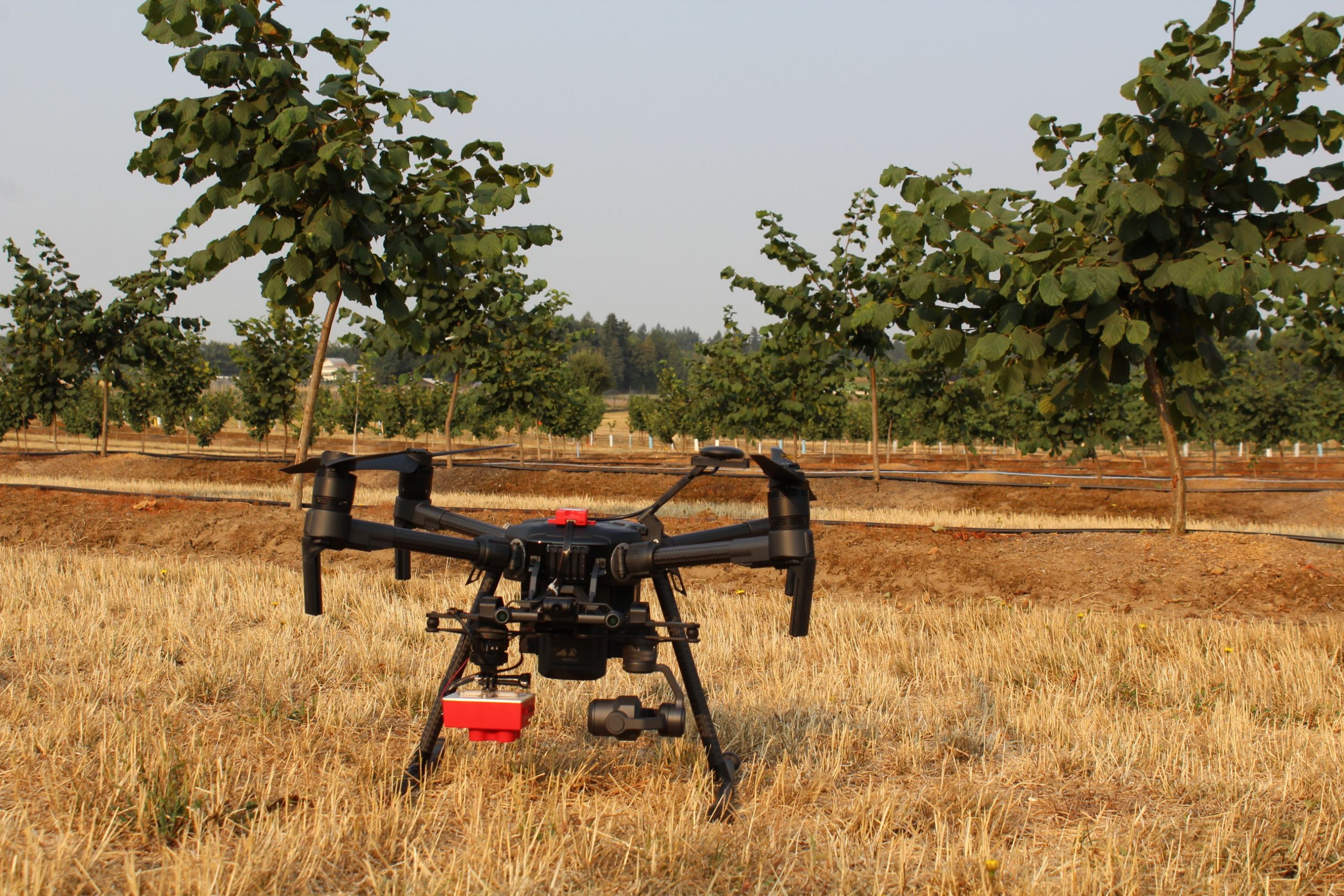
    Have you seen a drone buzzing by in a park and wondered what all the fuss is about? These flying vehicles may seem like just an upgrade to the remote-controlled helicopters of yesteryear. But drones are receiving a lot of attention for good reasons.

    Drones can help people, including farmers and scientists, look at and analyze pretty much anything. When it comes to farm fields, they can help track flooding, hail damage, or even plant health — fast.

    “The easiest advantage of drones is that they can be a huge time saver,” says Jason de Koff, an extension professor at Tennessee State University. “Rather than going out and scouting fields on foot or by truck, they can scout them with a drone in a lot less time and pinpoint specific areas that they might want to visit for closer inspection.”

    But drones aren’t a toy, and they take training to use safely. In fact, the Federal Aviation Administration (FAA) requires drone pilots get certified to use drones legally. That’s why de Koff offers a webinar series through the American Society of Agronomy so farmers and researchers can learn about drones.

    Those FAA requirements are all about safety. Drones can only fly during daylight, to make sure they’re visible. And pilots must be able to see their drones at all times. Drones are also limited to flying under 400 feet to prevent them from colliding with airplanes. And drones can’t be flown near people who aren’t part of a flight. So, if someone buzzes their drone too close to you, they’re breaking the rules.

    Getting a remote pilot license takes more than just knowing what not to do. Weather is a big factor. If it’s raining or snowing, flying is impossible. But a professional drone can handle windy conditions. Plus, de Koff teaches how to read airport charts. These maps give drone pilots the info they need to stay away from passenger planes.

    In his course, de Koff covers these rules to prepare would-be drone pilots to take the FAA test. He also discusses the confusing world of commercial drones. More drones are becoming available all the time, which makes it hard to know which one to buy and how much to spend.

    “A good drone can cost around $1,200 to $1,800,” says de Koff. The toys that cost just a couple hundred dollars aren’t very useful to pros. “Purchasing a used or refurbished drone or an older model can help reduce the initial cost but still provide a lot of the same features.”

    There’s only so much you can learn about drones online. That’s why de Koff also takes drones around Tennessee so farmers can try them out firsthand.

    “Farmers get the chance to fly a drone,” says de Koff. “And then I talk about different uses in agriculture, drone regulations and then different types of drones and options as well as cost.”

    So, it takes a lot of work — and a good amount of money — just to start flying. But it can pay off for farmers and ranchers, and the scientists who want to help them. Ranchers can keep close eyes on their herds using drones to keep animals safe. Or drones can help farmers spot diseases on their crops. That knowledge could help farmers spray pesticide only at the time and place it’s needed.

    Plus, farms are bigger than they used to be. So, it can be hard for a farmer to see all their land. Farmers can use drones to keep up with their operations.

    But maybe the most exciting possibility is the chance to study how plants grow. Special cameras attached to drones can acquire a lot of information from a picture of fields. “Software is available that can take images captured by the drone and measure things like plant health, plant populations, plant cover,” says de Koff.

    That wealth of information can help scientists help farmers. Researchers could use that special software to tell when drought is starting to slow plant growth. Then water could be used where it’s needed most. Or software could automatically track how many weeds are in a field. Eventually, phone apps might be available that analyze drone images and give farmers the information they need to keep their farms running smoothly.

    So, with a little know-how — and the right license — farmers can turn to drones to grow food more efficiently. That’s better for their business, for consumers, and for the environment. Knowing how useful they are, you’ll never look at a drone the same way again.

    Learn more about de Koff’s recent webinar series by visiting the American Society of Agronomy.

  • House Approves, Trump Signs Coronavirus Stimulus into Law

    House Approves, Trump Signs Coronavirus Stimulus into Law

    President Donald J. Trump today signed the “Coronavirus Aid, Relief and Economic Security Act” (CARES Act) into law with provisions to provide financially distressed consumers and small businesses greater access to business loans and bankruptcy relief. The legislative package, which quickly passed the House of Representatives on a voice vote earlier today and 96-0 in the Senate on Wednesday, provides a $2 trillion economic stimulus for U.S. industries and citizens faced with the challenges of the COVID-19 coronavirus.

    Upon passage of the stimulus package, Agricultural Retailers Association (ARA) President and CEO Daren Coppock shared, “We recognize that the health and safety of all people is a priority at this time. ARA is grateful that Congress is taking swift action to remedy the current situation in our country through passage of the Coronavirus Aid, Relief, and Economic Security Act (CARES Act).  Ag retailers and their farmer customers, as always, are committed to continuing their businesses so that they can deliver the safe, healthy, and abundant food supply that is in demand now and required for the future.  We are pleased with the support that Congress has included for the agriculture industry in this bill, and encourage the president to sign it so that we can have certainty moving forward.”

    National Milk Producers Federation (NMPF) President and CEO Jim Mulhern offered the following statement:

    “We thank President Trump for quickly signing this measure into law. It will provide much-needed help to dairy producers, who are experiencing steep drops in milk and dairy-product prices due to the COVID-19 pandemic.  With the CARES Act now law, we look forward to working with Agriculture Secretary Sonny Perdue on several important initiatives, including the need for a significant purchase of multiple dairy products. These efforts will be important to address sales lost because of COVID-19, lift farm milk prices and send a critical signal to disrupted dairy markets. Government dairy-product purchases will provide our food banks with an important, nutritious and popular staple item that will help feed families in need.”

    Michael Dykes, President and CEO of the International Dairy Foods Association (IDFA) shared, “The International Dairy Foods Association commends Congress for acting swiftly and decisively to bring financial relief to American businesses, households and workers as a result of the COVID-19 outbreak, which has delivered an historic blow to our nation’s economy and workforce. On behalf of America’s dairy industry, IDFA is grateful that this bipartisan bill has put a special emphasis on businesses large and small, farmers, and our rural communities who grow, process and distribute many of the foods and beverages that are so vital to Americans during this crisis. We urge Congress to continue to be mindful of the critical part the food industry plays in our national security, economic security and food security. The United States is the world’s most productive food and agricultural economy in the world, and our legislators and federal officials must do everything in their power to ensure continuity of operations throughout the food supply chain. Our food security is absolutely essential.”

    Dykes continued, “Now we are seeing record jobless claims for Americans, which presents hardships to families just trying to put nutritious, wholesome food on their tables. Our federal government must now turn its attention to those Americans most in need by ensuring our food banks, pantries and distributors have an abundant supply of food for families trying to make ends meet. The CARES Act includes billions of dollars to support federal nutrition and feeding programs, as well as $450 million for USDA to provide food banks with additional resources for food and distribution. With resources in place through replenishment of the Commodity Credit Corporation, billions for nutrition and feeding programs, and millions to support our food banks, it is incumbent on USDA to act without delay. We urge USDA to act today to make record purchases of fluid and powdered milk, cheese, and other dairy products, as well as other foods and commodities, to equip our food banks for a surge of food-insecure Americans and to bring certainty and balance to the marketplace due to whole sectors of the economy shutting down due to COVID-19. The closure of restaurants, cafes, bars and other food service operators as a result of COVID-19 has created a major market gap for our dairy producers and processors. While retail sales have climbed steadily, the loss of foodservice, which accounted for roughly 50% of all food sales, has presented a significant challenge to our industry. USDA should act now to direct those products to food banks to help people in need. This will prioritize those most in need, provide certainty to producers and agribusinesses, and restore needed balance in the marketplace.”

    The CARES Act provides:

    Relief for Farmers and Ranchers

    • $9.5 billion dedicated disaster fund to help farmers who are experiencing financial losses from the coronavirus crisis, including targeted support for fruit and vegetable growers, dairy and livestock farmers, and local food producers, who have been shorted from receiving emergency assistance in the past.
    • $14 billion to fund the Farm Bill’s farm safety net through the Commodity Credit Corporation.
    • Eligibility for farmers and agricultural and rural businesses to receive up to $10 million in small business interruption loans from eligible lenders, including Farm Credit institutions, through the Small Business Administration. Repayment forgiveness will be provided for funds used for payroll, rent or mortgage, and utility bills.
    • $3 million to increase capacity at the USDA Farm Service Agency to meet increased demand from farmers affected by the coronavirus crisis.

    Assistance for Small Towns and Rural Communities

    • $1 billion available in guaranteed loans to help rural businesses weather the economic downturn.
    • $100 billion to hospitals, health care providers, and facilities, including those in rural areas.
    • $25 million for telemedicine tools to help rural patients access medical care no matter where they live.
    • $100 million for high-speed internet expansion in small towns and rural communities.
    • Over $70 million to help the U.S. Forest Service serve rural communities and reduce the spread of coronavirus through personal protective equipment for first responders and cleaning of facilities.

    Protections for Consumers and the Food Supply

    • $55 million for inspection and quarantine at our borders to protect against invasive pests and animal disease.
    • $33 million for overtime and temporary food safety inspectors to protect America’s food supply at meat processing plants.
    • $45 million to ensure quality produce and meat reaches grocery stores through increased support for the Agricultural Marketing Service.
    • $1.5 million to expedite EPA approvals of disinfectants needed to control the spread of coronavirus.

    Food Access for Families

    • $15.8 billion to fund food assistance changes made in the Families First Coronavirus Response Act. Republicans and the Trump Administration blocked additional funding to expand benefits for children, families, and seniors.
    • $9 billion to fund child nutrition improvements made in the Families First Coronavirus Response Act.
    • $450 million to provide food banks with additional resources for food and distribution.
    • $100 million for food distribution in Tribal communities to provide facility improvements, equipment upgrades, and food purchases

    The California Association of Winegrape Growers (CAWG) shared that two small business loan programs have been created as a result of the COVID-19 pandemic. These may help small business operations (growers) that are dealing with the economic challenges of the pandemic. Small business is defined as a company with less than 501 employees and California small businesses are eligible for both programs.

    • The first program includes $1 billion to immediately assist small businesses hit hard by the current economic shutdown. Unlike traditional Small Business Administration (SBA) funding mechanisms, this program is being administered directly by the SBA and is live and accepting applications NOW.
    • The second program includes the Paycheck Protection Program and the Economic Injury Disaster Loan (EIDL) program. These will be administered more like traditional SBA programs, i.e. through third-party 7(a) lenders.

    Key Bankruptcy Provisions within the CARES Act Include:

    • Amending the Small Business Reorganization Act of 2019 (SBRA) to increase the eligibility threshold for businesses filing under new subchapter V of chapter 11 of the U.S. Bankruptcy Code from $2,725,625 of debt to $7,500,000. The eligibility threshold will return to $2,725,625 after one year. The increased debt limit for struggling small businesses to access subchapter V reflects recommendations of ABI’s Commission to Study the Reform of Chapter 11.
    • Amending the definition of “income” in the Bankruptcy Code for chapters 7 and 13 to exclude coronavirus-related payments from the federal government from being treated as “income” for purposes of filing bankruptcy.
    • Clarifying that the calculation of disposable income for purposes of confirming a chapter 13 plan shall not include coronavirus-related payments.
    • Explicitly permitting individuals and families currently in chapter 13 to seek payment plan modifications if they are experiencing a material financial hardship due to the coronavirus pandemic, including extending their payments for up to seven years after their initial plan payment was due.

    The American Bankruptcy Institute (ABI) emphasized that the bankruptcy provisions of the CARES Act listed above sunset within a year. Additionally, the law provides temporary relief for federal student loan borrowers by requiring the Secretary of Education to defer student loan payments, principal, and interest for 6 months, through September 30, 2020, without penalty to the borrower for all federally owned loans. This provides relief for over 95 percent of student loan borrowers.

    “The American Bankruptcy Institute (ABI) commends Congress and the President for their prompt action on this stimulus package to provide needed financial relief due to the COVID-19 coronavirus pandemic,” said ABI Executive Director Amy Quackenboss. “Consumers and small businesses will have greater access to the financial fresh start of bankruptcy thanks to this important legislation. “Our members will be sure to utilize these tools to help consumers and small businesses struggling with overwhelming debts due to the economic fallout of the pandemic.”

    ABI will be holding a free abiLIVE webinar with experts examining the bankruptcy provisions of the CARES Act on April 3 at 1 p.m. EDT. To register, please click here.
  • Malcolm Media’s Matthew Malcolm Recognized in Nation’s Top AgGrad 30 Under 30

    Malcolm Media’s Matthew Malcolm Recognized in Nation’s Top AgGrad 30 Under 30

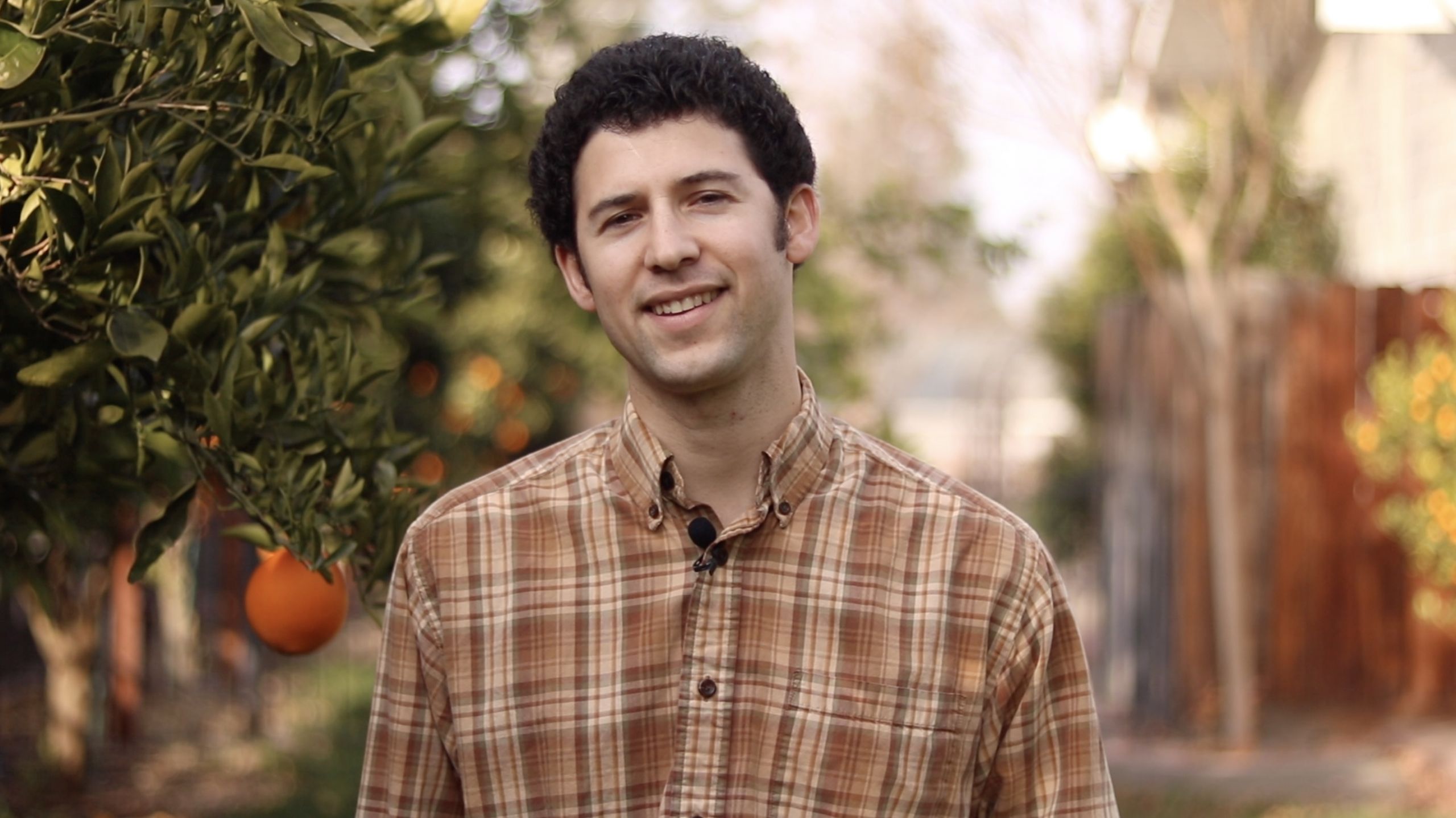
    On National Ag Day (March 24th), AgGrad announced winners of this year’s AgGrad 30 Under 30 Awards, a program that shows the future of agriculture is bright and aims at rewarding those making the extra effort to move this industry forward.  Our very own managing editor, Matthew Malcolm was honored among the top young agricultural professionals and influencers in the nation.  Matthew Malcolm has worked full-time for the Malcolm Media team since 2013, and has been doing a great job covering the news of California’s rich and diverse industry through Malcolm Media’s five agricultural publications, six digital news channels, and four grape, nut and tree fruit industry expositions.

    Eighteen judges were asked to select winners from peer and self-nominations based on contributions to agriculture, community, strength of innovation and significance of accomplishments. “These 30 individuals are at the forefront of agriculture and will one day be the leaders in agribusiness, innovation and technology, education and advocacy, entrepreneurship, sustainability and production,” says AgGrad Founder Tim Hammerich.

    Renée Vassilos, Director of Agriculture Innovation at The Nature Conservancy, and AgGrad 30 Under 30 Judge added, “From driving change within their local U.S.-based communities to supporting farmers and educators across the globe, the future is now with these incredible nominees!”

    Matthew Malcolm teaches local elementary school students about the importance of farming in California and how they can grow fruits and vegetables too in their yards. This is something he does voluntarily on the side in addition to managing editorial content in five agricultural publications.

    AgGrad 30 Under 30 2020 Winners by Category Include:

    1.  Production
    •       Brooke Beam, Agriculture, Natural Resources and Community Development Extension Educator in Ohio
    •      Casey Call, Head Grower at Plenty in California
    •      Jesse Wiggins, Sales at Wiggins Farms LLP in Texas
    •      Tony Lopes, Operations Team Leader at Tony L. Lopes Dairy, L.P. in California
    1.  Innovation & Technology
    •      Alacyn Cox, Product Support Rep at John Deere in Iowa
    •      Alexander Chuck, Chief Financial Officer at Pharm Robotics in California
    •      Ellie Symes, Founder and CEO at the Bee Corp in Indiana
    •      Tyler McGee, Founder and CEO at Tycom, Inc. in North Carolina
    1.  Entrepreneurship
    •      David Chan, COO and Founding Team Member at FarmTogether in New York
    •      Delaney Howell, Host of Market to Market and Founder of Ag News Daily and the Global Ag Network
    •      Matt Foley, Program Director at Invest Nebraska in Nebraska
    •      Mitchell Hora, Founder of Continuum Ag in Iowa
    •      Tyler Nuss, Purchasing Manager at Rivian in California and Co-Founder of The Modern Acre
    •      Zane Peterson, Owner and Manager of Peterson Timber, Inc in California
    1.  Education & Advocacy
    •      Benjamin Brown Assistant Professor of Professional Practice in Agriculture in Ohio
    •      Hannah Thompson-Weeman Vice President of Communications at Animal Agriculture Alliance in Maryland
    •      Matthew Malcolm, Managing Editor at Malcolm Media Ag Publishing in California
    •      Peter Bachmann, Vice President of International Trade Policy at USA Rice Federation in Washington D.C.
    •      Sarah Mock Freelance Writer Focused on Rural and Agricultural Issues in Washington D.C.
    1.  Agribusiness
    •      Cain Thurmond Senior Account Manager at CSX Transportation in Illinois
    •      Garrett Lister Risk Management of Cattle at Innovative Livestock Services in Kansas
    •      Jordan Bonham Rasmussen Farm Marketer at Cargill in Nebraska
    •      Lorryn Bolte Global Marketing Communications Specialist at Novus International, Inc. in Missouri
    •      Pedee Ewing Research Associate at Bayer in Idaho
    •      Rosie Thoni U.S. Public Relations Lead at AdFarm in Kansas
    •      Tristan Hudak Vice President of Ag Biotech, Inc. in California
    1.  Sustainability/Food Security
    •      Andrea Zinn Smallholder Farmer Finance & Agri Data Consultant in Costa Rica
    •      Anna Glenn Agriculture Instructor with Hope in Harvest Missions International in Liberia
    •      Keith Heidecorn VP Sustainability at Locus Agricultural Solutions in Ohio
    •      Sarah Hulick Grower Innovation at Full Harvest in California

    AgGrad was established in 2015 with the mission of “helping young professionals find their place in modern agriculture.” The company accomplishes this mission by providing blog posts, career profiles, job postings, “AgGrad Live” (a video program), and a weekly podcast called the “Future of Agriculture.” All is provided at zero cost to students and young professionals and supported by participating agribusinesses.  For more information or to receive the AgGrad 30 Under 30 publication, visit 30under30.ag.