Category: Industry News

  • USDA-NASS Predicts Third Straight Record-Breaking Almond Crop

    USDA-NASS Predicts Third Straight Record-Breaking Almond Crop

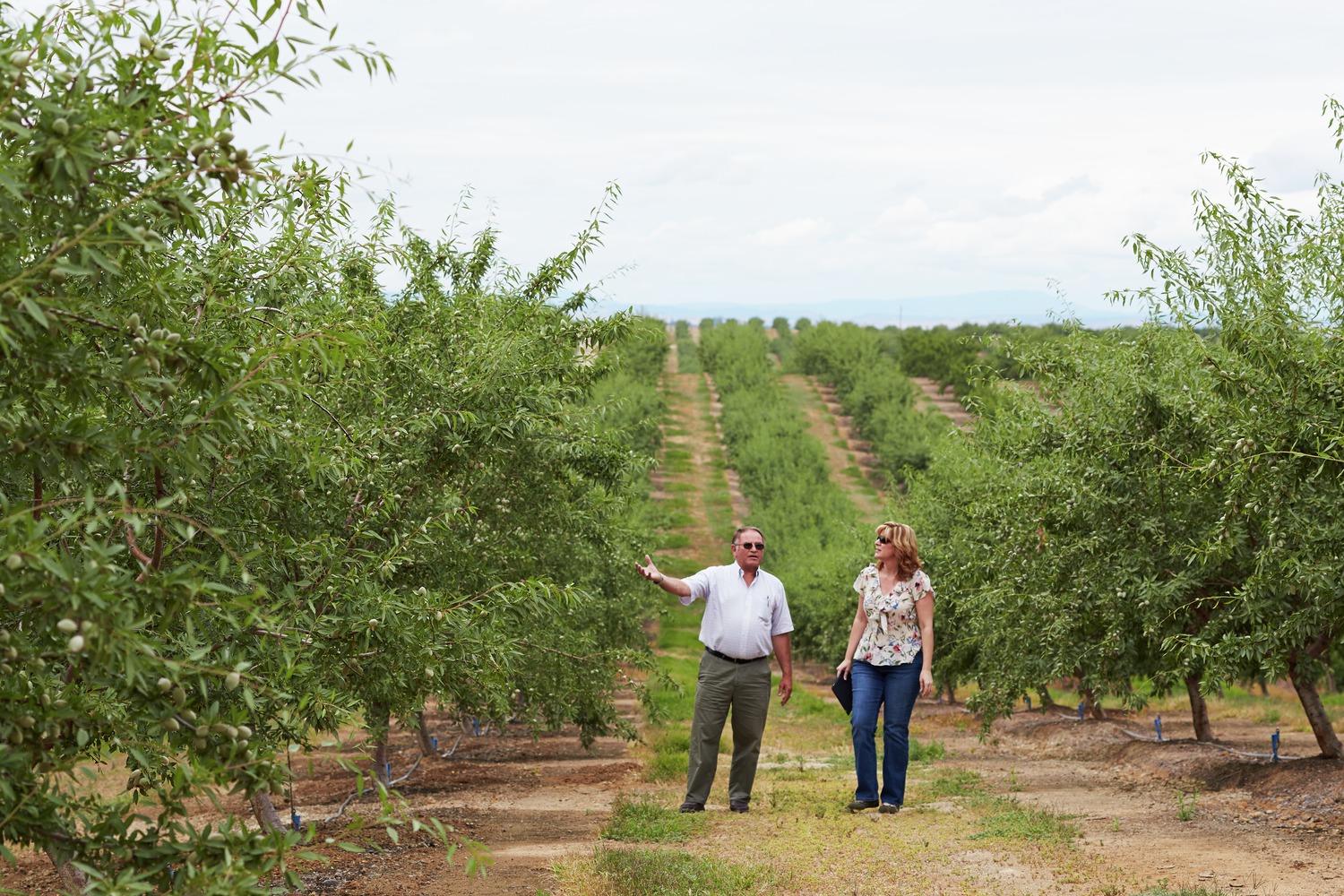
    The U.S. Department of Agriculture (USDA) National Agricultural Statistics Service (NASS) is predicting a record California almond crop for the third straight year. The USDA-NASS 2020 California Almond Subjective Forecast estimates California almond orchards will produce 3.0 billion pounds of nuts this year, up 17.6 percent from last year’s 2.55 billion-pound crop. Forecasted yield is expected to reach 2,380 pounds per acre, 10.2 percent greater than the 2019 yield of 2,160 per acre.

    This forecast comes about three weeks after USDA-NASS released the 2019 California Almond Acreage Report, which estimated total almond acreage for 2019 up 10 percent from 2018 at 1.53 million acres. Bearing acres – orchards mature enough to produce a crop – were reported at 1.18 million acres, up 8 percent from the previous year. USDA-NASS also estimated preliminary bearing acreage for 2020 at 1.26 million acres.

    “Almond acreage and production continue to increase as California almond growers further invest in precision agriculture and responsible best practices,” said Almond Board of California (ABC) President and CEO Richard Waycott. “Through the industry’s advancements in water use efficiency to environmentally friendly pest management, zero waste efforts in the orchard and beyond, almond growers are committed to achieving our Almond Orchard 2025 Goals and the realization of the California almond orchard of the future.”

    The first of two production reports for the upcoming crop year, the Subjective Forecast is based on opinions obtained from randomly selected almond growers located throughout the state via a phone survey, this year conducted from April 20 to May 6. USDA-NASS asks individual growers to indicate their total almond yield per acre from last year and expected yield for the current year based on field observations. The sample of growers interviewed is grouped by size of operation, and different individuals are interviewed each year to ensure grower representation throughout the Central Valley. USDA-NASS then combines the yield estimates obtained from each grower and extrapolates the information to arrive at the numbers reported in the Subjective Forecast.

    This July, USDA-NASS will release its second production estimate, the 2020 California Almond Objective Report. While the Subjective Forecast provides an initial estimate of the 2020/2021 crop, the Objective Report will provide an estimate based on actual almond counts that uses a more statistically rigorous methodology to determine yield. In Dec. 2019, ABC’s Board of Directors approved a strategic approach to further improve the accuracy of USDA-NASS’s reporting. From 2020 on, the Objective Report will include measurements from 1,000 target orchards throughout the state (an increase of 150 samples from 2019) and provide nut counts on not one but two branches per tree. The Objective Report will also provide the weight, size and grade of the average almond sample broken down by growing region – no longer growing district – and variety.

    The 2020 California Almond Objective Report will be released on Tuesday, July 7, at 12:00 p.m. PT. USDA-NASS conducts the Objective Report, the Subjective Forecast and the Acreage Report to provide the California almond industry with the data needed to make informed business decisions, and thanks all farm operators, owners and management entities for their time in providing the information necessary to create these reports. — Article & Photo Courtesy of Almond Board of California
  • Minimum Hourly Ag Wage Rates are Highest in Washington & Oregon

    Minimum Hourly Ag Wage Rates are Highest in Washington & Oregon

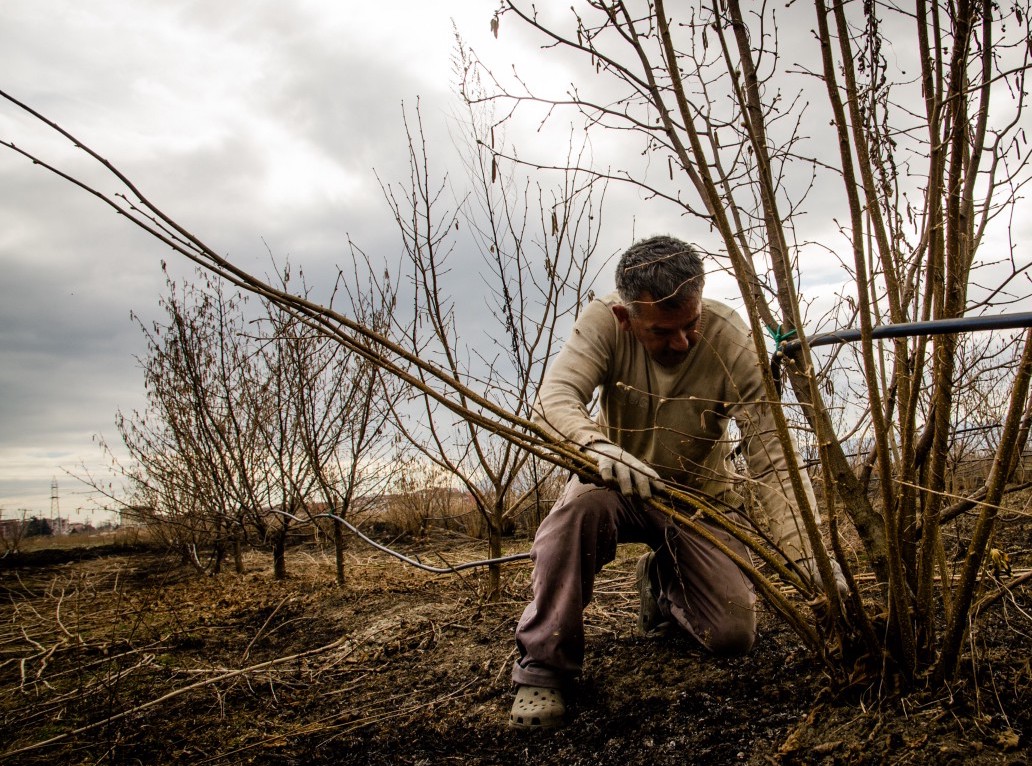
    The H-2A Temporary Agricultural Program provides a legal means to bring in foreign-born workers into the United States on a short-term basis. Workers employed on an H-2A visa may remain in the U.S. for up to 10 months at a time. Employers must demonstrate and the U.S. Department of Labor must certify that efforts to recruit U.S. workers were not successful. Employers must also pay a State-specific minimum wage, known as the Adverse Effect Wage Rate (AEWR). The rate is set at the region’s average farm wage to prevent H-2A employment from negatively affecting domestic farmworkers by lowering their wages. For fiscal 2019, this minimum hourly wage was highest in Oregon and Washington at $15.03, followed by Hawaii at $14.73. The wage rate was also high in the Dakotas, Nebraska, and Kansas at $14.38. By comparison, Alabama, Georgia, and South Carolina had the lowest minimum wages at $11.13. This chart appears in the Economic Research Service topic page for Farm Labor, updated January 2020.

  • Unique Characteristics of Oregon Walnuts with Denfeld Packing

    Unique Characteristics of Oregon Walnuts with Denfeld Packing

    When folks think of the Oregon agricultural landscape, some of the first crops that come to mind may include grass seed, hops, hazelnuts and Christmas trees.  While nearly all walnuts in the United States are grown in California, there is a small yet thriving walnut industry in Oregon.  Watch this brief interview with Sean Denfeld from Denfeld Packing — the sole processor of walnuts in Oregon to learn more about it.

  • Blue Diamond Celebrates 110-Year Anniversary with Key Expansions

    Blue Diamond Celebrates 110-Year Anniversary with Key Expansions

    Blue Diamond Growers, a nonprofit grower-owned cooperative and the world’s leading processor and marketer of almonds, marked its 110-year anniversary today with announcements about the completion of two key infrastructure expansions.

    The company also was recently recognized by Boston Consulting Group & IRI as one of the Top 10 Fastest Growing Mid-Size CPGs for the fourth consecutive year.

    As part of Blue Diamond’s long-range strategic vision, two major expansions at the co-op’s facilities in the heart of California’s Central Valley almond growing region, have been completed or are nearing completion this month. Groundbreaking ceremonies for both projects were held last year. The first expansion is a 52,000 square foot addition to the existing 200,000 square foot Turlock manufacturing plant that first opened in 2013 and sits on 88 acres. In 2014, Food Engineering Magazine recognized the Turlock facility as Plant of the Year for innovation, manufacturing excellence and sustainable operations. Construction completed on the new building last week expands Blue Diamond’s value-added almond processing capabilities with an automated factory that features state-of-the art handling, processing and packaging equipment. This expansion also provides space for a future manufacturing line to support current business or new innovations.


    Newly expanded Turlock facility

    The second expansion is the new Bulk 8 Warehouse at the Salida facility that originally opened as an almond receiving station in 1969. Today the 675,000 square foot facility sits on 44 acres and includes a retail Nut & Gift Shop. The new 58,000 square foot bulk storage facility is on schedule to be completed by the end of May providing an additional 50 million pounds of in-house bulk almond storage capacity in time to receive the 2020 almond harvest. The 65-foot-tall building includes advanced design with an automated gravity fed spiral conveyance system that improves grower delivery efficiency and reduces damage to the almonds.


    New Bulk 8 warehouse in Salida

    “It is particularly meaningful for Blue Diamond to be able to commemorate our Founders Day today by not only recognizing our humble beginnings 110 years ago, but also celebrating two key growth milestones that help secure our future,” said Mark Jansen, President and CEO for Blue Diamond Growers. “I couldn’t be more proud that, despite the unprecedented challenges businesses around the world have faced over the past two months, our incredible team has been able to sustain operations as an essential food supplier, while completing these critical expansion projects ahead of schedule to meet customer needs.“

    “When we opened each of Blue Diamond’s three main facilities, we made a commitment to invest in our infrastructure, in our workforce, and in the individual communities where our employees and almond growers live and work. Throughout the year, we support local nonprofits through our community grants, sponsorships, employee volunteerism and product donations. During yesterday’s global Giving Tuesday Now effort I’m thrilled to report that Blue Diamond, along with partners Union Pacific and Sun-Maid Growers of California, committed to a donation match of $50,000 to help support three food banks in northern and central California that are struggling to meet significant demand from local families in need.” 

    Blue Diamond Growers was founded by a handful of California almond growers on May 6, 1910.  Originally known as the California Almond Growers Exchange, the grower-owned cooperative quickly grew into the world leader in growing, processing and marketing almonds and almond ingredients. In 1914, the Exchange opened a new receiving and packaging plant in Sacramento, California, that eventually became the largest almond processing plant in the world. Today, the Sacramento plant sits on 90 acres, covering 33 city blocks and serves at the cooperative’s headquarters. In 1915, the co-op adopted the symbol of a blue diamond – the finest grade of diamond in the world – to signify its commitment to quality and in 1980, the cooperative’s name was officially changed to Blue Diamond Growers.

    California produces 80% of the world’s almond supply and almonds are the state’s largest food export item. Blue Diamond Growers’ 3,000 members account for roughly half of the state’s almond producers.


  • COVID-19 Impacts on Food Supply Chain (May 12 Zoom Call)

    COVID-19 Impacts on Food Supply Chain (May 12 Zoom Call)

    Why is milk being dumped and produce left to rot in fields while grocery store shelves go empty during the COVID-19 pandemic? Why are grocery stores running out of meat, and eggs becoming so expensive?


    The head of California’s Department of Food and Agriculture, researchers from the University of California, Davis, and food purveyors will tackle these and other questions in an online panel discussion at 5 p.m. Tuesday, May 12.

    UC Davis invites the public to attend “Food Shortages in a Pandemic” over the web through Zoom conferencing. To do so, register online at least 48 hours in advance.

    The 90-minute event, which will include a question-and-answer period with the Zoom audience, will feature:

    • Karen Ross, secretary of the California Department of Food and Agriculture since 2011
    • Dan Sumner, director of the UC Agricultural Issues Center, professor of agricultural and resource economics at UC Davis, and former assistant secretary for economics at the U.S. Department of Agriculture
    • Bu Nygrens, co-owner and director of purchasing at Veritable Vegetable of San Francisco, which distributes organic produce from more than 200 small and mid-size growers to restaurants, markets and co-ops across five states
    • Chelsea Minor, corporate director of public affairs for Raley’s Supermarkets of West Sacramento, a regional grocery chain in Northern California and Nevada

    Moderating the event will be Catherine Brinkley, who, as an assistant professor in the Department of Human Ecology at UC Davis, studies the architecture of food supply networks. 

    The panel will discuss how the food supply chain works, why the COVID-19 pandemic has been so disruptive, how distributors and supply chains are adapting to serve restaurants and grocery stores, and whether changes can or should be made to make food systems more resilient.

    The lecture is the third in the Savor series, which explores some of the biggest food and beverage topics being studied today at UC Davis — a world leader in the study of agriculture. The series is presented by the Robert Mondavi Institute for Wine and Food Science and the UC Davis Library.

    – By Jessica Nusbaum and Julia Ann Easley, UC Davis

  • NMSU Determining Combination of Native Flowers to Attract Different Pollinators

    NMSU Determining Combination of Native Flowers to Attract Different Pollinators

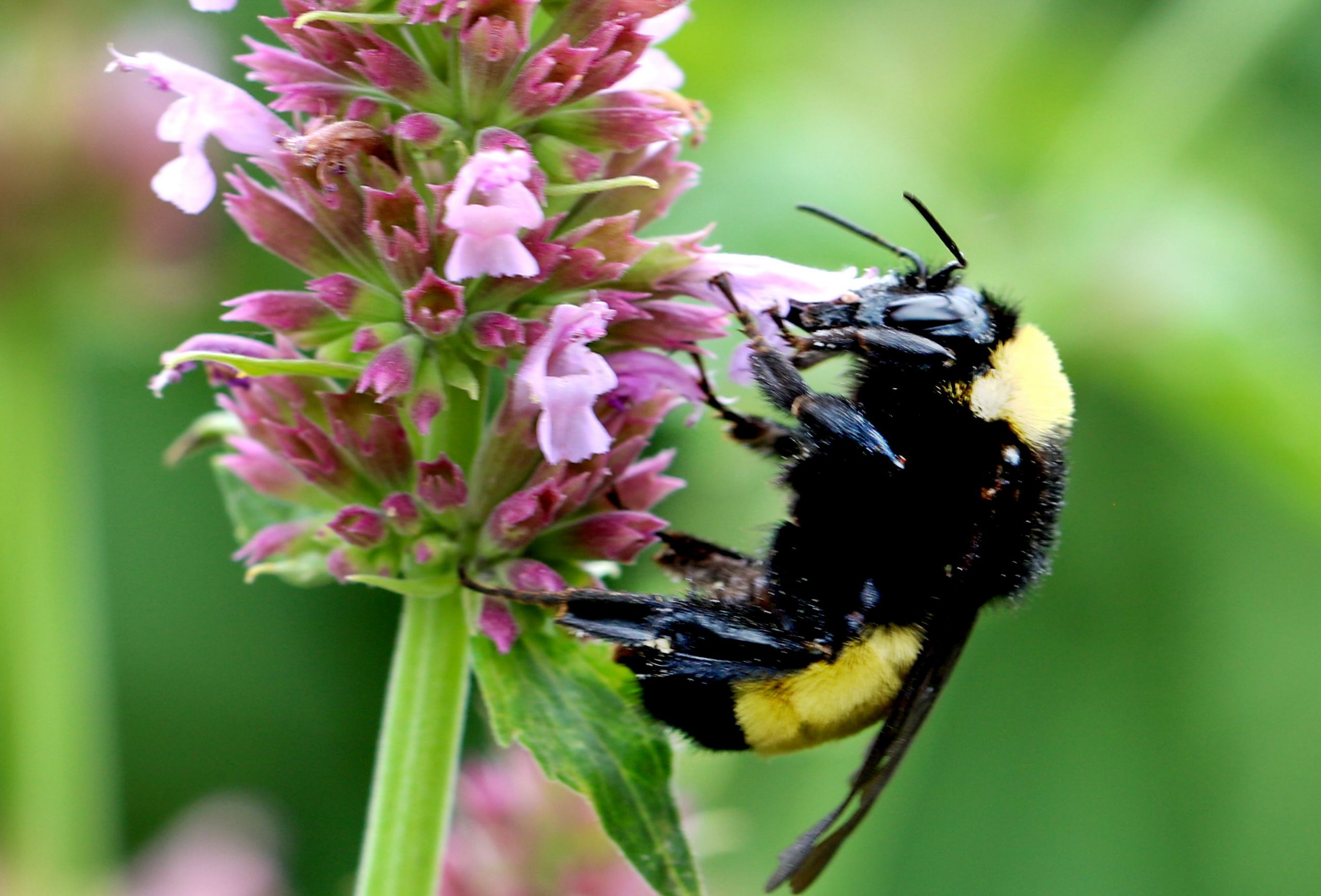
    Pollinator insects play a critical role in the agricultural world. Without their natural transference of pollen from plant to plant while obtaining nutrients, many types of vegetables and fruit for human consumption would not exist.
     
    More than 80 percent of plants are pollinated by animals, mainly insects. In recent years, there has been a decline in pollinator insects for many reasons, one being the decline or loss of habitat.

    This is one area people can help support pollinator populations, by growing native flowering plants from which the pollinators obtain protein and lipids from the pollen, and carbohydrates and amino acids from the nectar.

    Researchers at New Mexico State University’s College of Agricultural, Consumer and Environmental Sciences are studying the activity of insects, both pollinator and beneficial, around native plants to determine what mix of flowering cultivars will attract the different insect types.

    “We have evaluated 22 different perennial native plants in seven different mixes, or combinations,” said Miranda Kersten, senior program specialist at NMSU’s Agricultural Science Center at Los Lunas, of the study that began in 2017. “For the last two summers, we have done visual observations where we record the number of different insect groups visiting the flower, and taken vacuum samples from each of the plots to see which species are attracted to the plants.”

    From the current study, which is supported by a U.S. Department of Agriculture National Institute of Food and Agriculture Extension Implementation Program grant, the researchers can suggest plants to attract bumble bees, large and small native bees, and natural enemies of pests such as the ladybeetles, syrphid flies, and large and small wasps.

    “The flowers range in color from various shades of purple and pink, to orange, yellow and white,” Kersten said. “We did not use red flowers because insects don’t see that color well and are less attracted to the blossoms.”

    When planning a pollinator garden, it is important to include plants that flower at different times of the season. 

    “All during the season, bees are busy collecting nectar and pollen, depending if they are honey bees or native bees, to feed their babies during the winter,” said Amanda Skidmore, NMSU Cooperative Extension Service small farm integrated pest management specialist. 

    “Spring blooms help the early emerging pollinators,” she said. “Blooms throughout the summer that are different colors and shapes help attract the insects while they are building their nest. Fall blooms help them store up an energy source for their babies’ development.”

    Bees are considered to be the most efficient pollinator. They are the only pollinator that feeds on pollen/nectar as larvae and adults.

    “Some of our native bees are generalists, visiting many types of flowers, while others are specialists, visiting a specific species,” Skidmore said. “Bumblebees are generalists that are active from early spring to late fall, while different species of native bees are active in different times of the year.”

    A little-known fact is that New Mexico has more than 1,000 unique native bee species – the third-highest number in the nation behind California and Arizona.

    During the project, the researchers learned that Riddell’s ragwort was the latest-blooming flower of the plants included in the study and it was highly visited by bees and wasps in the fall. Plants with extra-floral nectaries, such as Rocky Mountain penstemon, can provide additional resources through the growing season and benefit a variety of insects.

    To learn more about identifying these beneficial insect groups, visit https://aces.nmsu.edu/pubs/_h/H172/welcome.html for the Extension publication “Backyard Beneficial Insects of New Mexico.” — By Jane Moorman, New Mexico State University
  • Tree & Vine Growers Eligible for Ongoing Disaster Assistance for Drought, Wildfire, Etc.

    Tree & Vine Growers Eligible for Ongoing Disaster Assistance for Drought, Wildfire, Etc.

    The U.S. Department of Agriculture (USDA) has started making payments through the Wildfire and Hurricane Indemnity Program – Plus (WHIP+) to agricultural producers who suffered eligible losses because of drought or excess moisture in 2018 and 2019. Signup for these causes of loss opened March 23, and producers who suffered losses from drought (in counties designated D3 or above), excess moisture, hurricanes, floods, tornadoes, typhoons, volcanic activity, snowstorms or wildfires can still apply for assistance through WHIP+. 

    “To date, FSA has received more than 33,000 WHIP+ applications,” said Richard Fordyce, Administrator of USDA’s Farm Service Agency (FSA). “We want to remind producers that we are still accepting applications for WHIP+, and we encourage producers to call our offices for next steps on how to apply.”

    To be eligible for WHIP+, producers must have suffered losses of certain crops, trees, bushes or vines in counties with a Presidential Emergency Disaster Declaration or a Secretarial Disaster Designation (primary counties only) for qualifying natural disaster events that occurred in calendar years 2018 or 2019. Also, losses located in a county not designated by the Secretary as a primary county may be eligible if a producer provides documentation showing that the loss was due to a qualifying natural disaster event.

    For losses due to drought, a producer is eligible if any area of the county in which the loss occurred was rated D3, or extreme drought, or higher on the U.S. Drought Monitor during calendar years 2018 or 2019. Producers who suffered losses should contact their FSA county office.

    In addition to the recently added eligible losses of drought and excess moisture, FSA will implement a WHIP+ provision for crop quality loss that resulted in price deductions or penalties when marketing crops damaged by eligible disaster events. To ensure an effective program for all impacted farmers, the Agency is currently gathering information on the extent of quality loss from producers and stakeholder organizations.

    USDA Service Centers, including FSA county offices, are open for business by phone only, and field work will continue with appropriate social distancing. While program delivery staff will continue to come into the office, they will be working with producers by phone and using online tools whenever possible. All Service Center visitors wishing to conduct business with the FSA, Natural Resources Conservation Service or any other Service Center agency are required to call their Service Center to schedule a phone appointment. More information on Service Centers can be found at farmers.gov/coronavirus, and more information on WHIP+ can be found at Remind.

  • Economic Injury Disaster Loans Now Available to Ag

    Economic Injury Disaster Loans Now Available to Ag

    U.S. Small Business Administration Administrator Jovita Carranza announced today thatagricultural businesses are now eligible for SBA’s Economic Injury Disaster Loan (EIDL) and EIDL Advance programs. SBA’s EIDL portal will reopen today as a result of funding authorized by Congress through the Paycheck Protection Program and Healthcare Enhancement Act. The legislation, signed into law by the President one week ago, provided additional funding for farmers and ranchers and certain other agricultural businesses affected by the Coronavirus (COVID-19) pandemic.
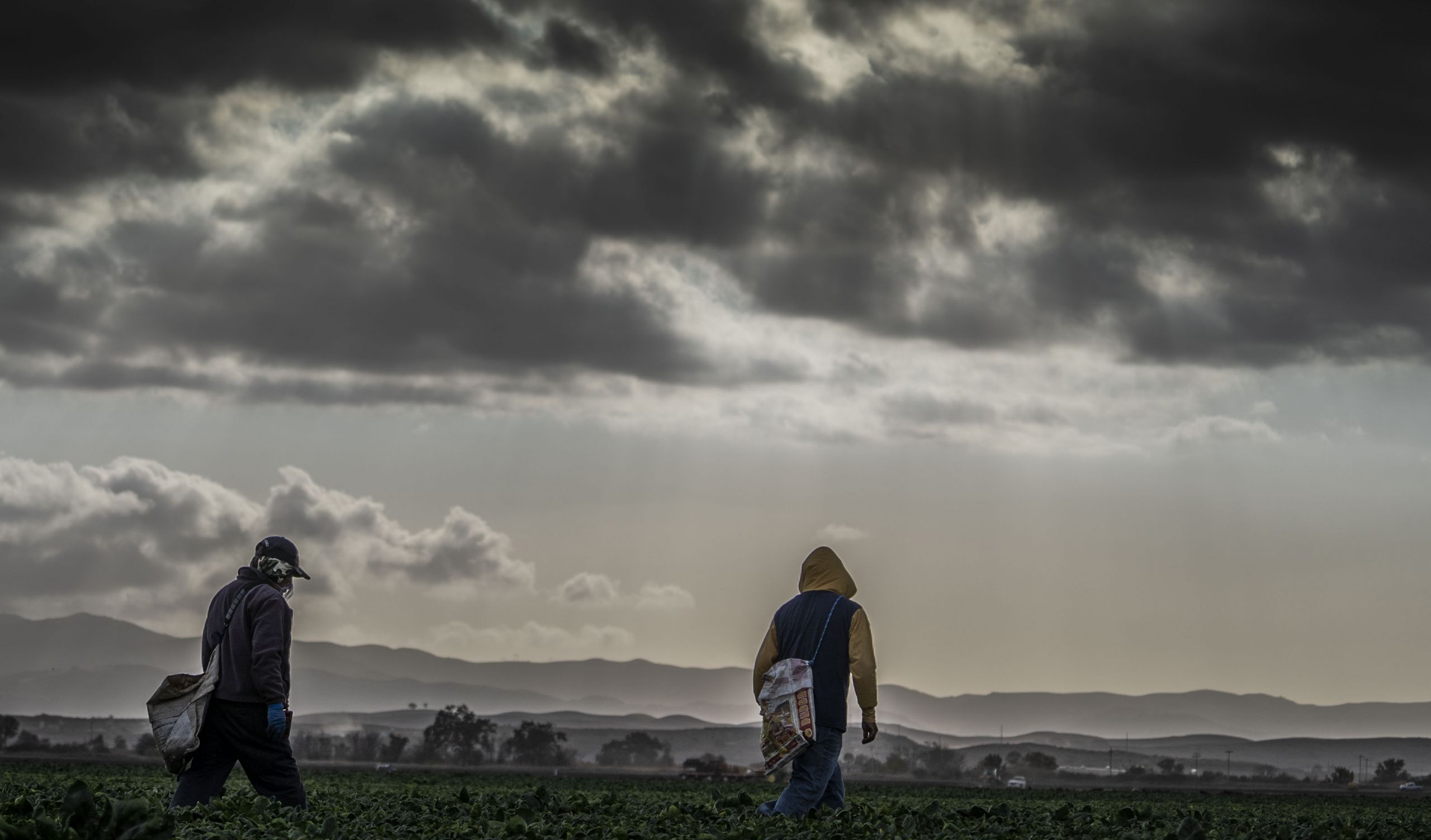
    “For more than 30 years, SBA has been prohibited by law from providing disaster assistance to agricultural businesses; however, as a result of the unprecedented legislation enacted by President Trump, American farmers, ranchers and other agricultural businesses will now have access to emergency working capital,” said Administrator Carranza. “These low-interest, long-term loans will help keep agricultural businesses viable while bringing stability to the national’s vitally important food supply chains.”

    Agricultural businesses include businesses engaged in the legal production of food and fiber, ranching, and raising of livestock, aquaculture, and all other farming and agricultural related industries (as defined by section 18(b) of the Small Business Act (15 U.S.C. 647(b)). Eligible agricultural businesses must have 500 or fewer employees.

    The SBA will begin accepting new EIDL applications on a limited basis only, in order to provide unprecedented relief to U.S. agricultural businesses. For agricultural businesses that submitted an EIDL loan application through the streamlined application portal prior to the legislative change, SBA will move forward and process these applications without the need for re-applying. All other EIDL loan applications that were submitted before the portal stopped accepting new applications on April 15 will be processed on a first-in, first-out basis.

    For more information, please visit: https://www.sba.gov/funding-programs/disaster-assistance.  Also, visit the all-encompassing coronavirus business guide for small business owners, at: Coronavirus Small Business Issues and Solutions Guide

  • CAL/OSHA COVID-19 Infection Prevention for Ag Employers & Employees

    CAL/OSHA COVID-19 Infection Prevention for Ag Employers & Employees

    California employers are required to establish and implement an Injury and Illness Prevention Program (IIPP) to protect employees from all worksite hazards, including infectious diseases. This guidance contains information, recommendations, and requirements for agricultural employers on how to update their IIPPs to include preventing the spread of COVID-19 in the workplace. This guidance does not introduce any new legal obligations, but because COVID-19 is widespread in the community, most California workplaces must consider the disease a workplace hazard.

    Employee Training on COVID-19

    Agricultural employers must provide training in a way that is readily understandable by all employees. Employees should be trained on the following topics:

    • Information related to COVID-19 from the Centers for Disease Control and Prevention (CDC), including:

    o   What COVID-19 is and how it is spread.

    o   Preventing the spread of COVID-19 if you are sick.

    o   Symptoms of COVID-19 and when to seek medical attention.

    • Information fromCalifornia’s COVID-19 Response Webpage for additional resources, including ones in Spanish.
    • The importance of frequent hand-washing with soap and water, including:

    o   Following CDC guidelines to wash for at least 20 seconds.

    o   When employees arrive at work and before they leave work.

    o   Before and after eating or using the toilet.

    o   After close interaction with other persons.

    o   After contacting shared surfaces or tools.

    o   Before and after wearing masks or gloves.

    o   After blowing nose or sneezing.

    • That hand sanitizer is not as effective ashand-washing but can be used as an interim measure if a hand-washing station is not immediately available.
    • Methods to avoid touching eyes, nose, and mouth.
    • Coughing and sneezing etiquette, including covering a cough or sneeze with a tissue or a sleeve instead of a hand.
    • Safely using cleaners and disinfectants on surfaces and objects, which includes:

    o   Carefully following label directions.

    o   Assessing the hazards of all cleaners and disinfectants used at the worksite.

    o   Wearing personal protective equipment (such as gloves).

    o   Ensuring cleaners and disinfectants are used in a manner that does not endanger employees.

    • Limiting close contact with others as much
      as possible and maintaining safe physical distancing (see Physical Distancing information on next page).
    • The importance of not coming to work if theyhave a frequent cough, fever, or difficulty breathing, or if they live with or have had close contact with someone who has been diagnosed with COVID-19.
    • The employer’s plan and procedures to protect employees from COVID-19 illness.

      2019

    Procedures to Help Prevent the Spread of COVID-19 at the Worksite 

    IIPP administrators should establish and implement the following procedures to help prevent the spread of COVID-19:

    • Immediately send employees with acute respiratory illness symptoms home or to medical care as needed.
    • Establish procedures to notify local healthofficials upon learning that someone has a COVID-19 infection. These officials will help employers determine a course of action.
    • Encourage sick workers to stay home by not punishing them for missing work. Considersick leave benefits to help prevent the spread among workers who might otherwise work out of economic necessity. Educate eligible employees on other benefits they can access if symptoms, illness, or caring for an ill family member prevents them from working.
    • Make hand-washing stations more readily available and encourage their use. Employers are advised that hand-washing is compensable as nonproductive time for piece-rate workers.
    • Establish procedures to routinely clean and disinfect commonly touched surfaces and objects (e.g., water containers, steering wheels, shared tools, shared work stations, door handles, seat belts, insides of toilet facilities) throughout the workday. These procedures should include:

    o   Using products that are EPA-approved for use against the virus that causes COVID-19.

    o   Providing EPA-registered disposable wipes for employees to wipe down commonly used surfaces before use.

    o   Following the manufacturer’s instructions for all cleaning and disinfection products (e.g., safety requirements, protective equipment, concentration, contact time).

    o   Ensuring there are adequate supplies to support cleaning and disinfection practices.

    Procedures to Increase Physical Distancing

    Physical distancing is an infection control measure that can stop or slow down the spread
    of an infectious disease by limiting contact between people. Safe physical distancing means maintaining a distance of at least six feet from other people. Agricultural employers should use the following physical distancing measures to stop or slow down the spread of COVID-19:

    • Physical distancing should be practiced, whether outdoors, in vehicles, or in structures.
    • Establish work practices and work stations, and adjust line speed and other processes to enable employees to maintain safe physical distancing while working.
    • Stagger break and lunch times.
    • Limit crew size by staggering work shifts or increasing the number of work shifts.
    • Provide additional seating and shade structures to allow employees to take breaks while staying at least six feet apart.
    • Encourage employees to avoid large gatherings and practice physical distancing during non-work hours. Employers who house workers are encouraged to be proactive in making physical distancing possible and totake affirmative steps to quarantine any housed worker exhibiting symptoms.
    • Establish a location for receiving regulardeliveries away from on-farm high-traffic areas and housing.

    o   Place drop-boxes or drop-off locations near the road so vehicles do not need to enter the farm.

    Health experts do not recommend the use of respirators by the general public or the general workforce for COVID-19. However, if available, employers should provide them to agricultural workers when needed to protect workers against excessive dust, Coccidioides fungus (the source of Valley Fever), or other harmful agents.

    • Create specific instructions for deliveries.

    o   Provide suppliers and customers with the location of and all the procedures to be used at the drop-off point.

    o   Create signage to easily identify drop-off points. Include contact information on the signs to assist with questions leading up to delivery and upon arrival.

    Good Sanitation Practices

    • 
Agricultural employers must ensure bathrooms and hand-washing facilities are readily accessible to all employees at all times.

    o   Restrooms must be clean and sanitary.

    o   Hand-washing facilities must be located at or near the restrooms.

    o   Soap or other suitable cleansing agent and single-use towels must be provided.

    o   Additional hand-washing supplies should be placed as close to work areas as possible to allow for frequent hand-washing.

    o   Enough time must be allowed for frequent hand-washing.

    o   Due to increased hand-washing, the employer should frequently check the supply of soap, paper towels, and toilet paper, and replenish them before they run out.

  • Navel Orangeworm Host Preferences & Need for Collaborative Control

    Navel Orangeworm Host Preferences & Need for Collaborative Control

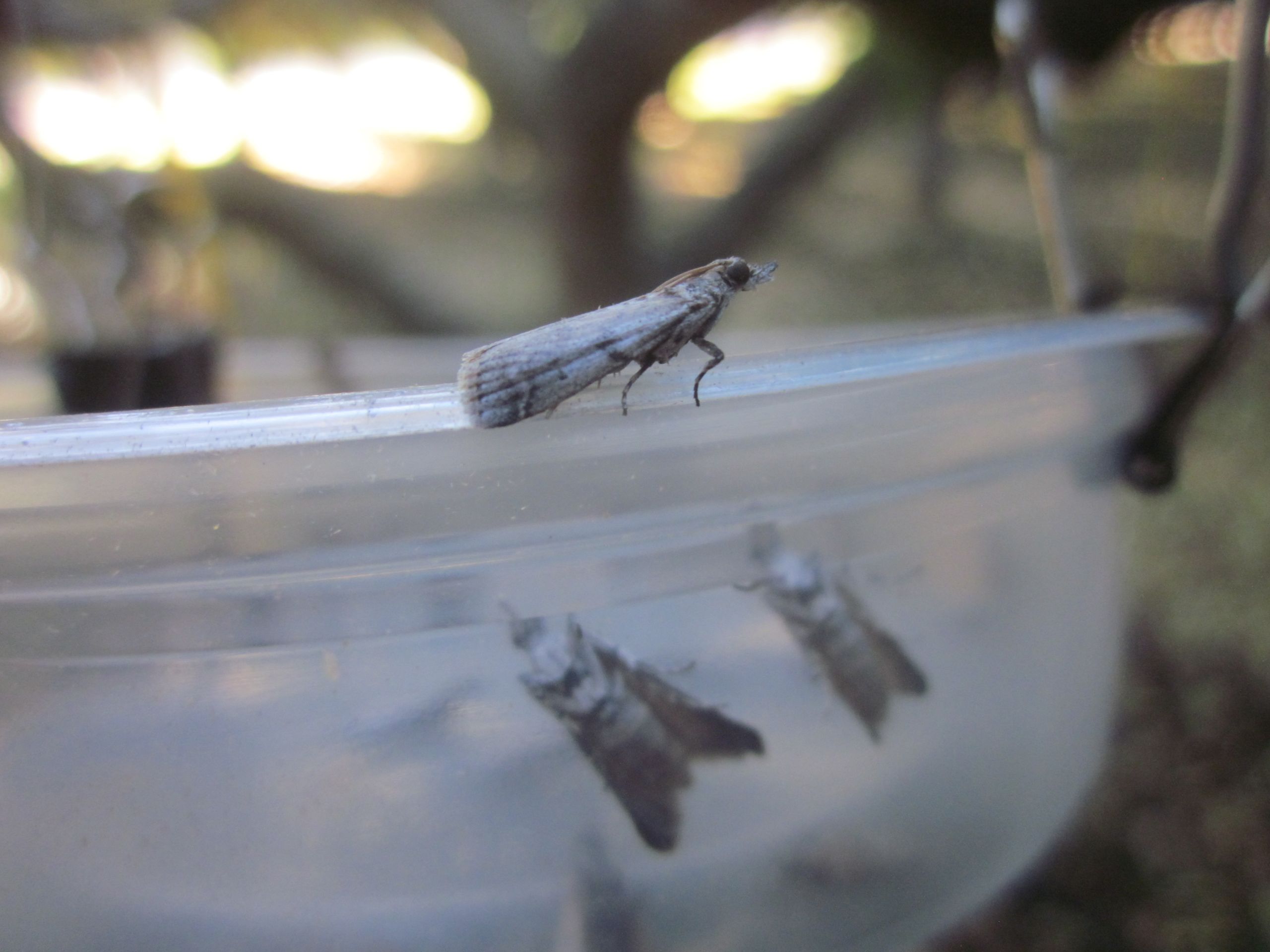
    Some may think Navel Orangeworm is just a pest of almonds and pistachios, but there are other crops it thrives off of as well. Watch this brief interview with Bob Klein from the California Pistachio Research Board as he shares his insights on preferred overwintering hosts for this pest as well as in-season comparisons.  It’s going to take a unified approach across industries to defeat this pest.