Category: Industry News

  • Covid-19, Climate, Challenge and Change

    Covid-19, Climate, Challenge and Change

    The global pandemic has revealed in new ways how essential farmers and farmworkers are to the food supply chain. With this revelation has also come more widespread understanding of the challenges farmers and ranchers face while scrambling to adopt new workplace safety protocols in the fields and on packing lines, respond to dramatically altered markets, and seek relief funding so they can stay in business.

    The realities and vulnerabilities of farmworkers, too, have been laid bare. Their exposure in the workplace and at home to Covid-19 and the barriers to health care and economic relief make us all vulnerable, dependent as we are on their labor and wellbeing.

    “Our main challenge right now is getting enough masks and suits to protect our workers. That’s what keeps me up at night. I’m also worried about harvest in August when we need 200 workers to pick grapes in 10 days—social distancing will be impossible.  As a new farmer taking over the business from my dad, I’m in this for the long game. It’s always been hard to make long-term decisions in farming, especially with the uncertainty of climate change. And now it’s challenging to make even short-term decisions about what to plant this year.” — Steven Cardoza, Cardoza Ranches (organic raisin grower, Fresno County)

    California agriculture is ramping up for its busiest time of year as hundreds of varieties of vegetable, fruit and nut crops are planted and harvested over the coming summer months. Even as shelter-in-place orders are easing, farmers have other looming challenges ahead in the form of seasonal climate change impacts. Wildfire season is predicted to start early this year in parts of the state because of a dry winter. Parts of the state will face another year of water scarcity given that the snow pack is only about half of normal.

    Despite these many challenges during the peak of the COVID-19 crisis, California farmers found time to apply for Climate Smart Agriculture grants for improving soil health and reducing methane emissions on dairies.

    In April, the California Department of Food and Agriculture (CDFA) announced that $50.8 million in grant requests had been submitted by 79 dairy producers for projects that reduce methane emissions by improving manure management—about five times more than the money available in the AMMP program.

    By mid-May, CDFA had received nearly 600 applications from farmers and ranchers for the Healthy Soils Program, a three-fold increase from the last round of applications to the program. CDFA recently announced program awards totaling $22 million to 316 farmers and ranchers carrying out healthy soils practices on more than 30,000 acres across the state.

    Clearly these programs are valued by California’s farmers, eager to do their part to curb greenhouse gas emissions, improve the resilience of their farms, and improve their bottom line with these important investments.

    “The milk industry was already being hit hard by an oversupply that drove down prices. It’s even harder now to find buyers even for powdered milk, and both dairy and meat processors are cutting contracts because they don’t have capacity right now. The pandemic has made it all the more real about our reliance on local farmers and it makes the case for curbing climate change to protect their livelihoods. We are getting in touch with what is really important, and food and farmers are core to our survival. It’s also clearer how important it is to maintain and shore up local economies and food systems.” — Rose Marie Burroughs, Burroughs Family Farms (organic dairy and almond grower, Merced County)

    Ed Seaman, Santa Barbara Blueberry Grower

    However, widespread support for the state’s Climate Smart Agriculture programs go beyond the state’s farms and ranches. This spring, more than 65 non-profits, food businesses and public health organizations sent in letters urging state legislators and Governor Newsom to invest in the climate solutions of our farms and ranches.

    We expect a huge hit to our tourism business this year and really don’t know how many ‘u-pickers’ will visit our farm because of people just being afraid to go out. I worry about the small farm sector generally and how many will go out of business if the economy doesn’t open back up in time and they don’t get help. The pandemic has shown how fragile our food security is. Maybe the fear people are feeling can be leveraged to make widespread change and protect family farms and local food systems. If you want to fight climate change, you need an army of small farmers who focus on keeping carbon in the soil by increasing biodiversity in the soil and above ground.” — Ed Seaman, Santa Barbara Blueberries (blueberries, Santa Barbara County)

    California has been a global leader in setting ambitious, science-based climate goals and allocating funds to programs that achieve it, including the Climate Smart Agriculture programs. Continued progress and financial investments in these programs will not only help keep California on track with its climate goals but will also reduce air and water pollution, protect our food supply, and provide an engine for economic development to rebuild rural economies hit hard by the pandemic. – By Renata Brillinger, California Climate & Agriculture Network
  • NMSU, Xerces Society Present Supporting Pollinators, Beneficial Insect Webinars

    NMSU, Xerces Society Present Supporting Pollinators, Beneficial Insect Webinars

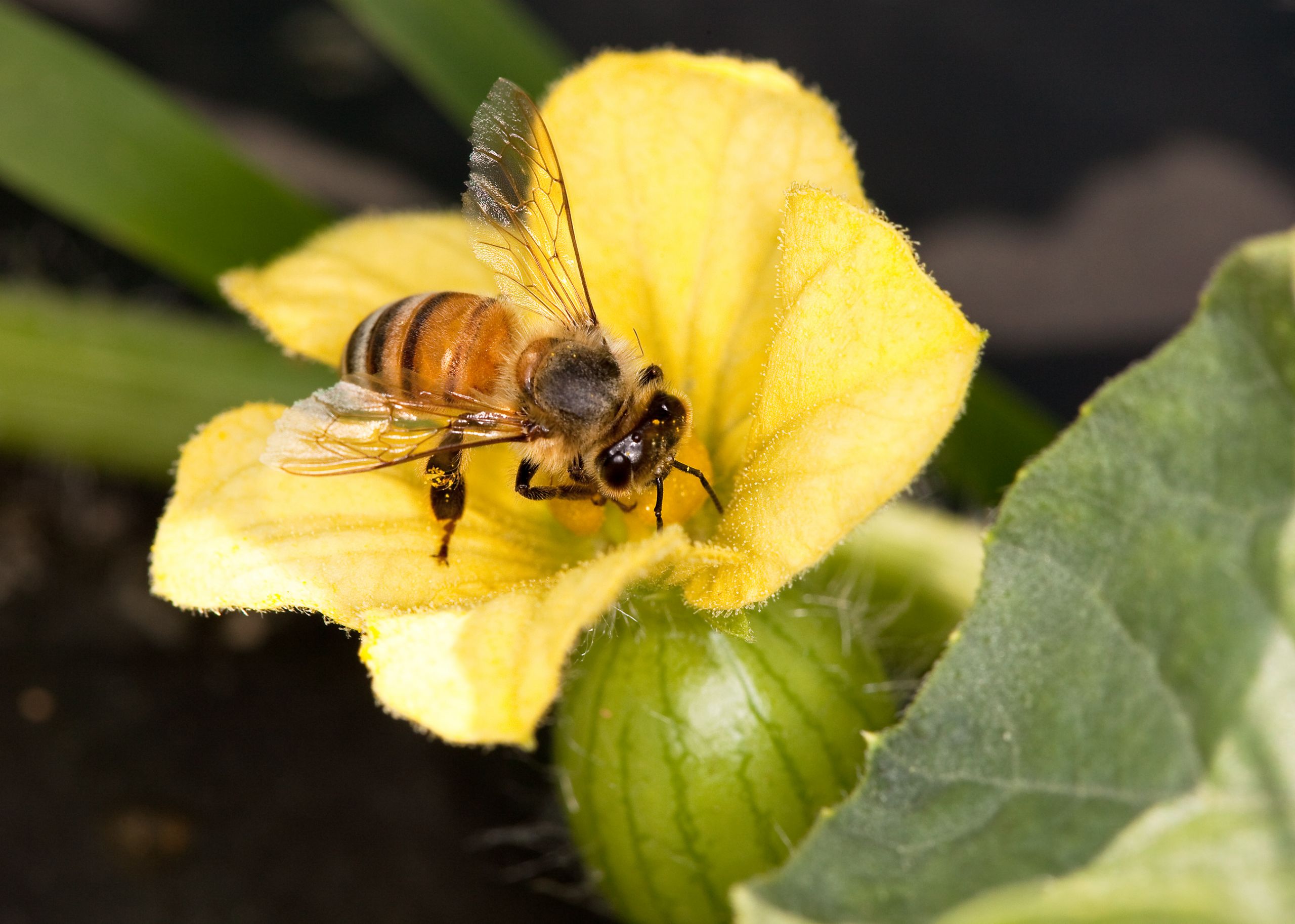
    Bees are busy pollinators. New Mexico State University and the Xerces Society for Invertebrate Conservation are presenting a six-part weekly webinar series, “Supporting Pollinators and Beneficial Insects in Backyards and on Farms,” beginning June 23. (NMSU photo by Jane Moorman)

    New Mexico State University has partnered with the Xerces Society for Invertebrate Conservation to host a free virtual course series to inform farmers, educators and the general public about pollinator and beneficial insect conservation in gardens and farms in northern New Mexico.

     
    “The six-part weekly series, “Supporting Pollinators and Beneficial Insects in Backyards and on Farms,” will consist of one to one-and-a-half hour live virtual presentations via Zoom,” said Amanda Skidmore, NMSU College of Agricultural, Consumer and Environmental Sciences integrated pest management small farm specialist. 

    The webinars will be at 3 p.m. Tuesdays, June 23 through July 28. Participants are welcome to attend any and all of the six sessions.

    Registration is required for attendance of each live presentation. Live captioning will be provided.

    All sessions will be uploaded to the NMSU ACES YouTube channel at a later date with no viewing restrictions.

    “The series will cover a range of topics on pollinators and beneficial insects in northern New Mexico,” Skidmore said. “From getting to know the bees and other helpful bugs in backyards and farms, to designing and planting healthy habitat to support those insects and protecting pollinators from pesticides.” 

    The topics and dates of each session, with links to individual registration pages, are as follows: 
    • June 23: “Pollinators of Northern New Mexico: How to Identify and Conserve the Bees in Your Backyard”
    • June 30: “Helpful Bugs of Northern New Mexico: How to Identify and Conserve Beneficial Insects for Pest Control” 
    • July 7: “Conserving Bees in Your Backyard: How to Create Habitat for New Mexico Pollinators in Small Spaces” 
    • July 14: “Attracting and Supporting Crop Pollinators on New Mexico Farms” 
    • July 21: “Integrating Pollinators and Pest Management in New Mexico Gardens and Farms”
    • July 28: “Ask Me Anything: New Mexico Pollinator and Beneficial Insect Expert Roundtable” 

    For more details and to register, visit the series website at http://nmsu.life/8m.  
    Contact Rachel Dunham at rachel.dunham@xerces.org with any registration questions. To submit questions about pollinators and beneficial insects for the “Ask Me Anything,” email nmsuipm@nmsu.edu— By 
  • Three Ways to Prevent Almond Hull Rot

    Three Ways to Prevent Almond Hull Rot

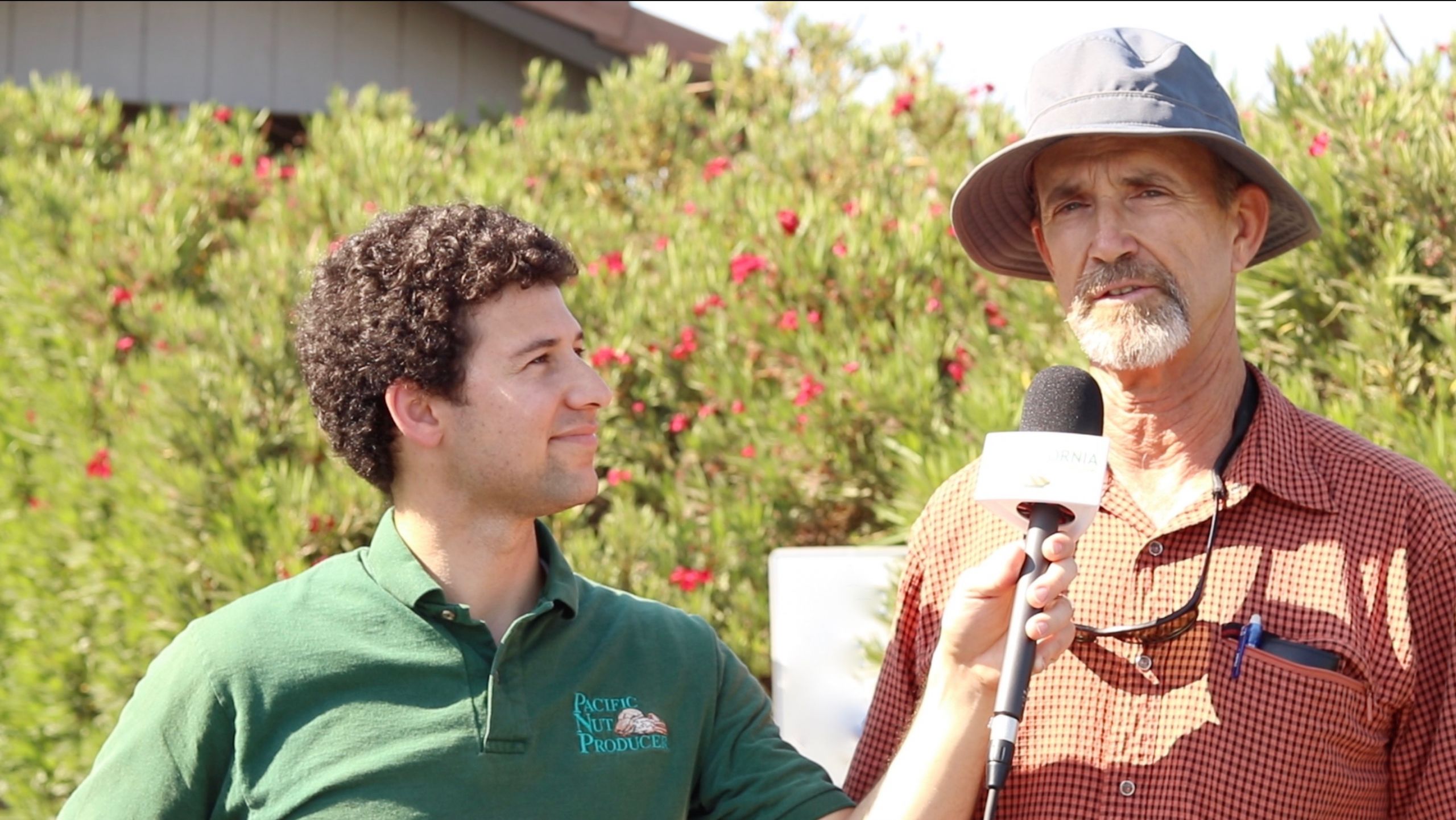
    As almond growers in California prepare for hull split, almond hull rot is often a problem on their minds during this time. As UC Cooperative Extension Orchard Systems Farm Advisor Franz Niederholzer says, prevention is key.  Watch this brief interview with Franz as he shares three tips on avoiding this costly issue in the orchard, and read more about it in Pacific Nut Producer Magazine. Don’t currently receive the magazine? Subscribe for free at: https://malcolmmedia.com/pacific-nut-producer-magazine-subscriptions/

  • California Walnuts Bright Spots During COVID-19

    California Walnuts Bright Spots During COVID-19

    California Walnut Board — Although it has been a challenging time in many ways since COVID-19 began, we want to draw your attention to some “bright spots” for California Walnuts. Over the last few months, we’ve seen significant growth in trends in baking, snacking, simple meals, and interest in plant-based eating. Walnuts are increasingly being recognized by consumers as one of the most versatile “pantry” staples, having stocked up on them during the initial weeks of COVID-19 especially. Nationwide stay-at-home orders have allowed more time for experimentation in the kitchen. Consumers are indulging, but also being mindful of nutrition and their consumption of nutritious, immune-boosting foods, and walnuts are well positioned to provide both.

    We have been monitoring the evolving landscape from a marketing perspective, and continue to pivot to ensure we are leaning into appropriate trends. Consumers have been searching for keywords such as “food”, “recipes”, and “simple cookie recipes” at higher-than-normal rates. With digital partner Allrecipes, recipes using walnuts as an ingredient grew to an all-time record in April, up by 169% compared to April 2019, even beating historic numbers typically seen around the Thanksgiving holiday season.

    Consumers also engaged at historic levels with promoted Baking, Meal Prep, and Kid Friendly recipes, our “How To” content series, and blog content, resulting in increases in website traffic, with users up by 40%, sessions up by 34% and pageviews up by 18% since this time last year. This performance confirms the shift in consumer online behavior due to COVID-19, and validates that our content is resonating in a very meaningful way.

    Leaning into On-trend Baking Inspiration

    With consumers spending more time at home, baking has made a resurgence as a way to pass time, and as a source of comfort. In turn, we highlighted some of the trending baked goods by featuring our own recipes, including homemade sourdough bread and banana bread.

    On walnuts.org, we curated a special recipe collection inspired by this nostalgia to include our top banana bread and baking inspired recipes, called “Bananas, Bread, and More” and promoted it on our home page and native advertising channels.

    Resharing Famous Recipes for Consumers to Make at Home

    Companies such as The DoubleTree Hilton have been sharing their beloved recipes for fans to make at home. We shared their famous DoubleTree Cookie recipe which includes walnuts, on California Walnut social media channels

    Blog Content Repurposed for Native Channels and Instagram Stories

    At the end of March, we went into the archives of our past blogs to reshare articles that we felt would make the lives of our audience easier right now. This included articles such as Meal Prep Ideas and How To Start Your Own Herb Garden. These articles were promoted on digital and social channels. Most notably, we utilized our newly-earned swipe up feature on Instagram to drive directly to our website.

    Major Media Hits featuring California Walnuts

    In the past few months, walnuts have been mentioned in a number of stories and recipes by major media outlets. This included Wendy Bazilian’s virtual appearance on Live with Kelly & Ryan where she discussed how to properly store walnuts. Walnuts were also mentioned in People Magazine’s article featuring Cat Cora’s favorite parfait recipe. This particular recipe was shared with the intent of providing a treat option for consumers to make without having to visit a grocery store.

    All of this buzz on social media resulted in an increase in impressions by 55.5%, audience growth by 3%, and engagements by 2.7% since March 15. From a public relations perspective, the stay-at-home mandates also provided an opportunity for the team to connect with many of our regular media contacts on a more personal level, by checking in and sending walnut samples to them at their homes.

    Food Professionals

    The Foodservice community is keeping the innovation pipeline alive during this time, from new menu ideas to improved take-out and delivery platforms, along with product development in the plant-based, nutrient dense space. Walnuts have a prime opportunity, as consumer interest in plant-based eating increases, and we see new issues with the meat supply chain. California Walnuts was recently featured in FSR Magazine with a strong plant-based center-of-the-plate message.
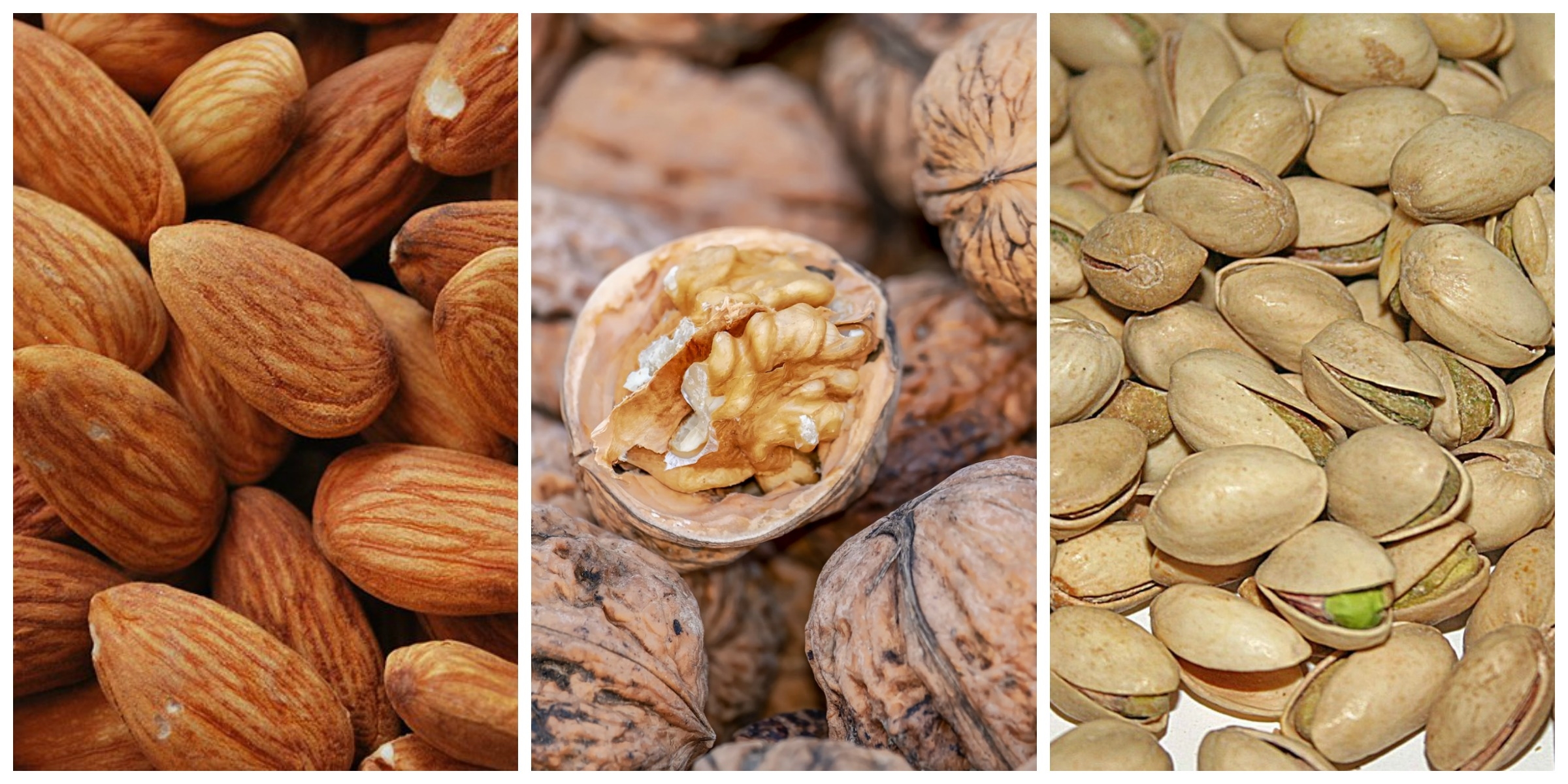

    In the Food Manufacturing space, the evolution toward healthful indulgence has rapidly advanced since the onset of COVID-19 as more consumers seek products that are indulgent, but made with whole ingredients. To take advantage of the banana bread trend, we recently published an article called Classic Pairing of Bananas, Walnuts Thrives Through Evolution in which we highlighted the trend and all of the interesting products being made with walnuts and bananas.

    Although new product launches have slowed for now, we anticipate a wave of innovation to occur later this year, with walnuts playing a key role in many of these products. We especially see potential in the growing number of consumers who are turning to plant-based foods due to nutritional preferences and shortages in the meat supply. Ready and primed to capture food manufacturers who are interested in including walnuts in their future products, this month we published a white paper 5 Reasons Food & Beverage Manufacturers Should Use California Walnuts.

    To put it simply, California walnuts are innovating and evolving to a new norm, while setting the tone for a more impactful food future with sustainability, menu efficiencies, and food safety measures in mind.

  • CA Nut Industry Funds Four New UC Cooperative Extension Research Positions

    CA Nut Industry Funds Four New UC Cooperative Extension Research Positions

    Four staff research associates will join the ranks of UC Cooperative Extension scientists in the coming months to support nut crop advisors conducting critical research in walnut, almond and pistachio production.

    The California Walnut Board, the Almond Board of California and the California Pistachio Research Board together have provided about $425,000 to cover annual salaries, benefits, travel and equipment for the new UC Cooperative Extension staff. Under the terms of the agreement, the new positions will be funded annually for up to three years, pending available funds and success of the program.

    “By supporting these new positions in UC Cooperative Extension, the California Walnut Board, the Almond Board of California and the California Pistachio Research Board show their recognition for the value of applied research conducted by our nut crop advisors,” said UC Agriculture and Natural Resources vice president Glenda Humiston. “We are grateful to these industry organizations for this vote of confidence and the generous funding to generate science-based knowledge to apply on California farms.”

    The new research associates will each devote time supporting two advisors with tree nut assignments:

    • Allan Fulton and Luke Milliron, serving Butte, Glenn and Tehama counties
    • Katherine Jarvis-Shean and Franz Niederholzer, serving Colusa, Sacramento, Solano, Sutter, Yolo counties
    • Mae Culumber and Phoebe Gordon, serving Fresno, Madera and Merced counties
    • Elizabeth Fichtner and an advisor under recruitment, serving Tulare and Kings counties

    The arrangement reflects a change in how UC Cooperative Extension supports the agriculture industries in California with applied research. With less funding from its traditional revenue sources – USDA, the state government and counties – advisors cover more territory than in the past. Over the years, they have also taken on an increasing share of UC’s applied research mission serving the state’s specialty crops industries.

    The new staff research associate positions were crafted to attract highly qualified candidates who will support advisors’ applied research efforts. Their primary focus will be on assisting advisors with planning, execution and gathering data on experimental and demonstration field trials.

    UCCE advisor emeritus Joe Grant, who now serves as production research director of the California Walnut Board, chaired an industry working group that drafted the plan based on advisors’ input about their needs.

    “Advisors are competent and creative people with the skills and knowledge to do research. They need the same support that researchers on campus have,” Grant said.

    The California Pistachio Research Board previously provided funding for a plant pathology researcher and an integrated pest management advisor at the UC Kearney Agricultural Research and Extension Center in Parlier. In addition, the board supported creation of $1 million endowments for a nut genetics researcher and a tree nut soil science and plant-water relations researcher as part of an initiative co-funded by UC President Janet Napolitano.

    “We’ve been concerned for a long time about UC Cooperative Extension’s research capacity and infrastructure issues,” said Bob Klein, manager of the California Pistachio Research Board. “This new initiative will increase efficiency and productivity for farm advisors and also reduce their stress from being overcommitted.”

    Josette Lewis, the Almond Board chief scientific officer, said the organization depends on UCCE farm advisors for unbiased, quality information about almond production.

    “Advisors are a valuable link between UC campuses and growers, not only in doing applied research that helps growers thrive, but in meeting California’s goals of environmental and social sustainability,” Lewis said. “The information they generate is shared with a host of ag industry professionals – pest control advisers, crop consultants and people in the private sector who provide services to growers.”

    Commodity industry funding for UC Cooperative Extension reflects the value the nut crop industries leverage from one of the strongest agricultural research and extension systems in the world, Lewis said.

    The new program is modeled after a pilot project in Colusa County in which the Almond Board provided funding for Niederholzer to hire an intern to support almond research. A young scientist who held the post from 2015-16 was Milliron. In 2017, UC Cooperative Extension named Milliron a sustainable orchard systems advisor for Butte, Glenn and Tehama counties and he will now supervise one of the new staff research associates.

    “We had a chance to keep him in the system and capitalize on what he learned during his internship,” Lewis said.

    There are other tree nut and fruit advisors in need of research help, Grant said. For example, there are concentrations of tree fruit and nut acreage and growers in Kern, San Joaquin and Stanislaus counties.

    “We positioned these four research associates where we heard the need for help was most critical. We can see adding another position or two in the future if funds are available,” Grant said. — By Jeannette E. Warnert, UC Cooperative Extension

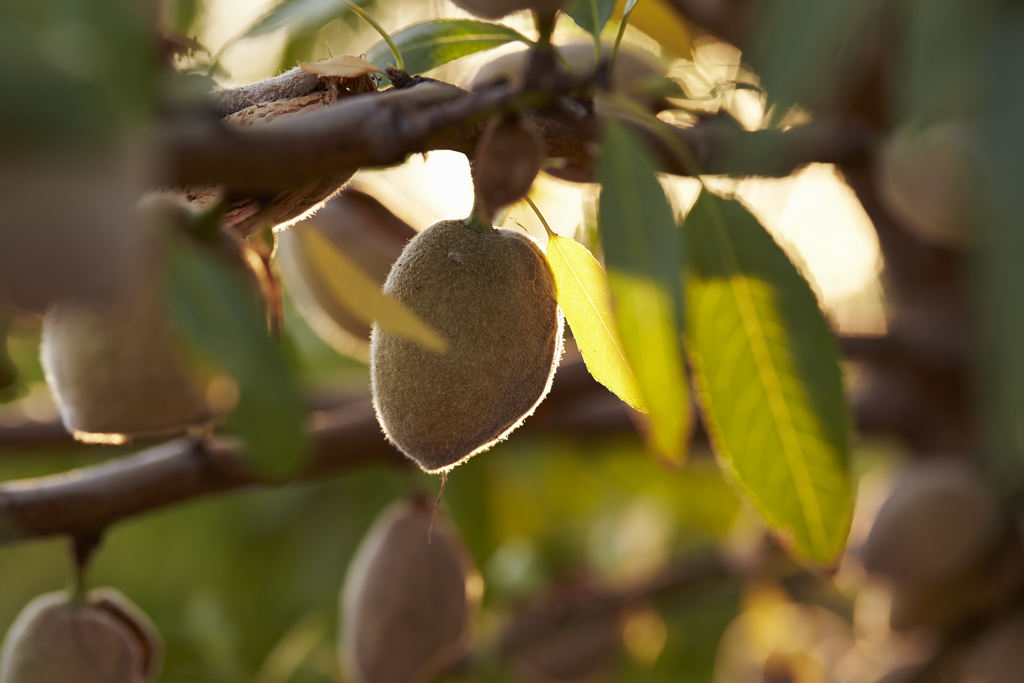
    Pistachios growing at the UC Kearney Agricultural Research and Extension Center.
  • APG Marketing in India Key with Growth of Pistachio Production

    APG Marketing in India Key with Growth of Pistachio Production

    As pistachio growers anticipate tremendous growth in production over the next several years, American Pistachio Growers continue to invest in new markets across the world. Watch this brief interview with Judy Hirigoyen from APG to learn more, and read more about it in Pacific Nut Producer Magazine. Don’t currently receive the magazine? Subscribe for free at: https://malcolmmedia.com/pacific-nut-producer-magazine-subscriptions/

  • Pistachio Importer Offers Insights on how to Better Reach the Indian Market

    Pistachio Importer Offers Insights on how to Better Reach the Indian Market


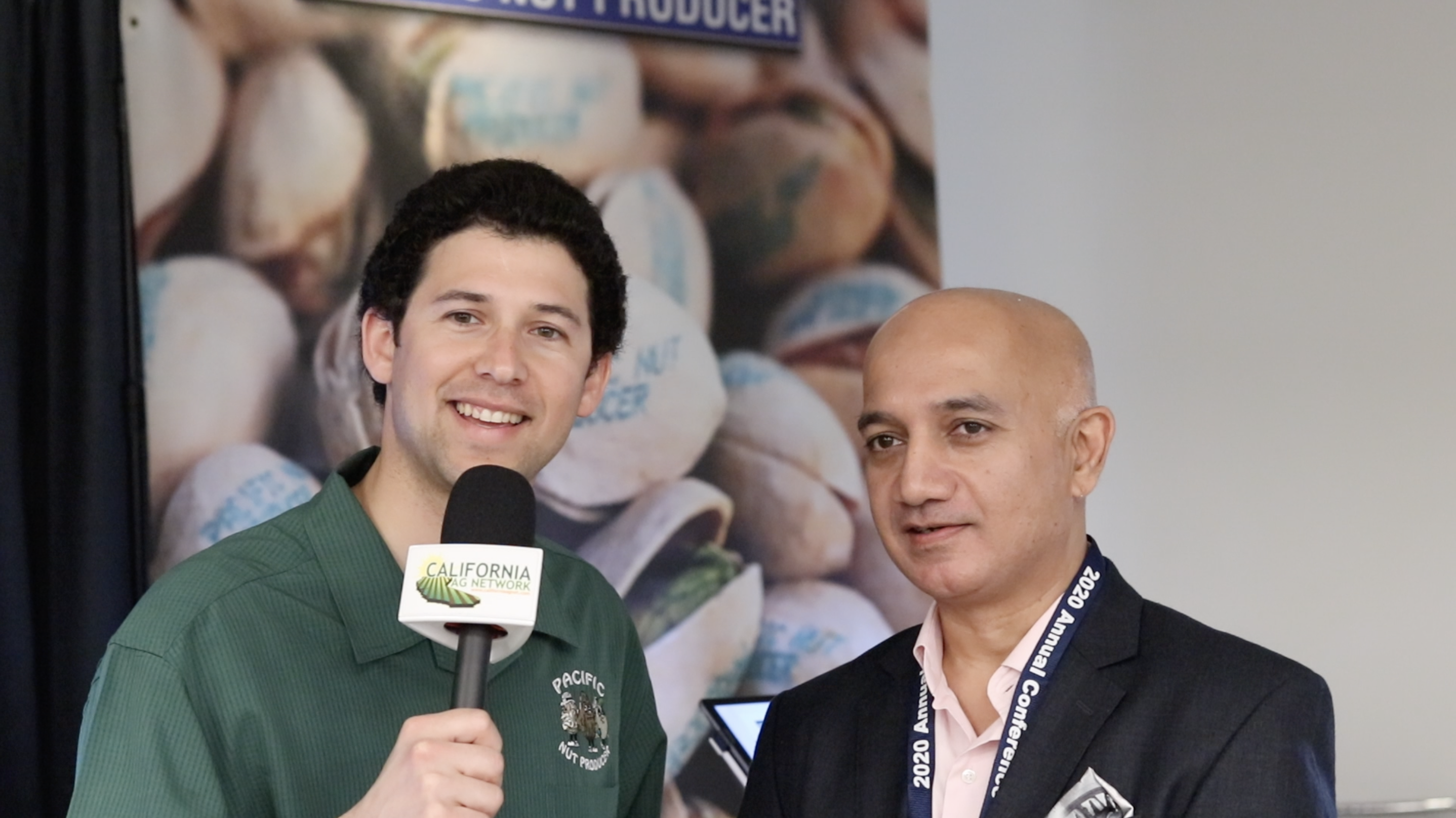
    With special funding from USDA, American Pistachio Growers is in the midst of a new robust marketing campaign in India.  Watch this brief interview with pistachio importer Ritesh Bajaj as he offers his insights on how to market more pistachios in India.

  • USDA Issues First Coronavirus Food Assistance Program Payments

    USDA Issues First Coronavirus Food Assistance Program Payments

    U.S. Secretary of Agriculture Sonny Perdue today announced the USDA Farm Service Agency (FSA) has already approved more than $545 million in payments to producers who have applied for the Coronavirus Food Assistance Program. FSA began taking applications May 26, and the agency has received over 86,000 applications for this important relief program.

    “The coronavirus has hurt America’s farmers, ranchers, and producers, and these payments directed by President Trump will help this critical industry weather the current pandemic so they can continue to plant and harvest a safe, nutritious, and affordable crop for the American people,” said Secretary Perdue. “We have tools and resources available to help producers understand the program and enable them to work with Farm Service Agency staff to complete applications as smoothly and efficiently as possible and get payments into the pockets of our patriotic farmers.”

    In the first six days of the application period, FSA has already made payments to more than 35,000 producers. Out of the gate, the top five states for CFAP payments are Illinois, Kansas, Wisconsin, Nebraska, and South Dakota. USDA has released data on application progress and program payments and will release further updates each Monday at 2:00pm ET. The report can be viewed at farmers.gov/cfap.

    FSA will accept applications through August 28, 2020. Through CFAP, USDA is making available $16 billion in financial assistance to producers of agricultural commodities who have suffered a five-percent-or-greater price decline due to COVID-19 and face additional significant marketing costs as a result of lower demand, surplus production, and disruptions to shipping patterns and the orderly marketing of commodities.

    In order to do this, producers will receive 80 percent of their maximum total payment upon approval of the application. The remaining portion of the payment, not to exceed the payment limit, will be paid at a later date nationwide, as funds remain available.

    Getting Help from FSA

    New customers seeking one-on-one support with the CFAP application process can call 877-508-8364 to speak directly with a USDA employee ready to offer general assistance. This is a recommended first step before a producer engages the team at the FSA county office at their local USDA Service Center.

    Producers can download the CFAP application and other eligibility forms from farmers.gov/cfap. Also, on that webpage, producers can find a payment calculator to help producers identify sales and inventory records needed to apply and calculate potential payments. Producers self-certify their records when applying for CFAP and that documentation is not submitted with the application. However, producers may be asked for their documentation to support the certification of eligible commodities, so producers should retain the information used to complete their application.

    Those who use the online calculator tool will be able to print a pre-filled CFAP application, sign it, and submit it to your local FSA office either electronically or via hand delivery through an office drop box. Please contact your local office to determine the preferred delivery method for your local office. Team members at FSA county offices will be able to answer detailed questions and help producers apply quickly and efficiently through phone and online tools. Find contact information for your local office at farmers.gov/cfap.

    Policy Clarifications

    FSA has been working with stakeholder groups to provide further clarification to producers on the CFAP program. For example, the agency has published a matrix of common marketing contracts that impact eligibility for non-specialty crops and has provided a table that crosswalks common livestock terms to CFAP cattle categories. Updated information can be found in the frequently asked questions section of the CFAP website.

    More Information

    To find the latest information on CFAP, visit farmers.gov/CFAP or call 877-508-8364.

    USDA Service Centers are open for business by phone appointment only, and field work will continue with appropriate social distancing. While program delivery staff will continue to come into the office, they will be working with producers by phone and using online tools whenever possible. All Service Center visitors wishing to conduct business with the FSA, Natural Resources Conservation Service, or any other Service Center agency are required to call their Service Center to schedule a phone appointment. More information can be found at farmers.gov/coronavirus.

  • Almond Board of California 2020 Election Results

    Almond Board of California 2020 Election Results

    The Almond Board of California has released election results for the Board of Directors positions whose terms of office will run from August 1, 2020 through July 31, 2021. The names of the following nominees have been submitted to the U.S. Secretary of Agriculture for selection:

    Independent Grower:
    Member Position One (one-year term): Paul Ewing, Los Banos
    Alternate Position One: Joe Gardiner, Earlimart
    Independent Handler:
    Member Position One (three-year term): Alexi Rodriguez, Caruthers
    Alternate Position One: Ron Fisher, Modesto
    Member Position Three (one-year term): Darren Rigg, Le Grand
    Alternate Position Two: Chad DeRose, McFarland
    Cooperative Grower:
    Member Position One (three-year term): George Goshgarian Jr., Fowler
    Alternate Position One: Christine Gemperle, Ceres
    Cooperative Handler:
    Member Position Two (three-year term): Bill Morecraft, Sacramento
    Alternate Position Two: Alicia Rockwell, Sacramento

    ABOUT THE ALMOND BOARD OF CALIFORNIA
    Almonds from California are a healthy, natural, wholesome and quality food. The Almond Board of California promotes almonds with a research-based approach to responsible farming, production and marketing on behalf of the more than 7,600 almond growers and processors in California, many of whom have third- and fourth-generation family operations. Established in 1950 and based in Modesto, California, the Almond Board of California is a non-profit organization that administers a grower-enacted Federal Marketing Order under the supervision of the United States Department of Agriculture. For more information on the Almond Board of California or almonds, visit Almonds.com or check out California Almonds on Facebook, Twitter, Instagram and the California Almonds blog.

  • Pacific Nut Producer June Issue

    Pacific Nut Producer June Issue

    PNP 620[btn btnlink=”https://malcolmmedia.com/order-a-back-issue/back-issue-pacific-nut-producer-magazine/” btnsize=”full” txtcolor=”#ffffff” color=”#FFF” bgcolor=”#492500″ btnnewt=”1″ nofollow=”1″]Order A Back Issue[/btn]

    [btn btnlink=”http://malcolmmedia.com/pacific-nut-producer-magazine-subscriptions/” btnsize=”full” txtcolor=”#ffffff” bgcolor=”#492500″ btnnewt=”1″ nofollow=”1″]Subscribe Free[/btn]
    [three_fifth_last]

    Contents of the June Issue:

    Jake Arnold Farms Pecans in Las Cruces
    He also will be the 2021 WPGA President

    Leafing Failure in Some Almond Varieties
    Reports are Mainly on Bearing Orchards

    Pecan Grower Panel Share Updates
    New Mexico, Arizona, West Taxas, California

    Orchard Tasks
    Almonds, Hazelnuts, Macadamias, Pecans, Pistachios, Walnuts

    [/three_fifth_last]