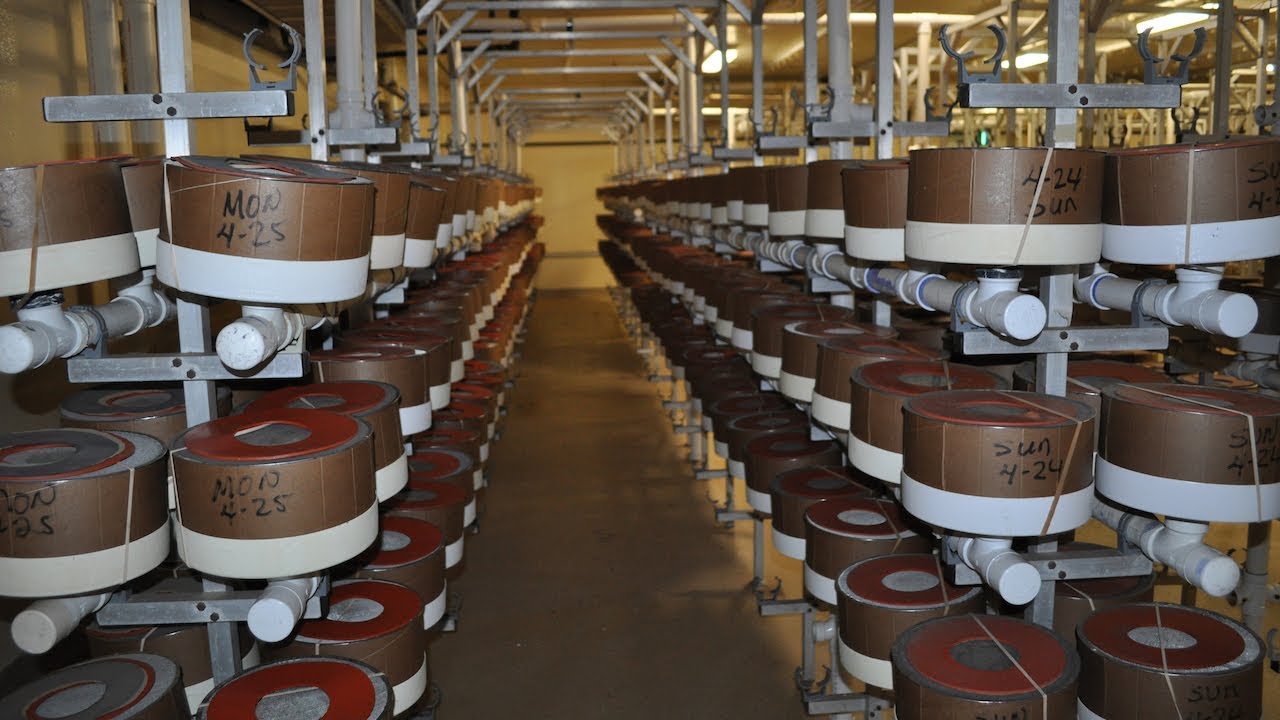
The U.S. House of Representatives Appropriations Committee recently released an appropriations bill that included $8 million for the facility in Phoenix, AZ that is currently being used to rear sterile navel orangeworm (NOW) for aerial release in California. The facility is part of an area-wide pilot program that the pistachio and almond industries have been interested in developing. For 2020, Congress appropriated $6 million to keep the facility open and start the pilot program. This year, APG led an effort to continue and increase that funding, which included a delegation trip back to Washington, D.C. right before COVID-19 forced much of the city to shut down. This additional $2 million will allow the pilot program to not only continue to conduct research on sterile moth releases, but also begin to expand the breadth of the research. With positive momentum in the House, APG will now turn to lobbying efforts in the U.S. Senate.
About the Facility
The Phoenix Sterile Fly Facility was originally commissioned by the cotton industry to raise sterile pink bollworm for area-wide releases in an effort to suppress the pest. The program was even more successful than planned and the cotton industry was recently able to declare pink bollworm eradicated. Now that the facility has excess capacity, pistachio industry leaders have begun breeding sterile NOW for aerial release in California. — By American Pistachio Growers
Category: Industry News
-
$8 Million for Navel Orangeworm Sterile Insect Program
-

Managing Strategic Deficit Irrigation with a Pressure Chamber
As we hit the final stretch of the growing season, effective management of strategic deficit irrigation can make all the difference between a stressful or successful harvest. Maintaining optimal tree stress for your current growing conditions as we approach harvest is critical, as too much stress can negatively impact kernel size and not enough stress can make it difficult to achieve a uniform shake.
With that in mind, growers should look to the pressure chamber tool to understand the actual stress their trees are experiencing. While this tool can be used year-round, it’s especially helpful during this critical time of the growing season.
Why?
Because the pressure chamber is the only tool that quantifiably measures water stress felt by your tress. Knowing your applied water, ground truthing and evapotranspiration rates are important factors to understand for thorough irrigation management, but without the pressure chamber you will get an incomplete picture of what’s really happening in the trees.
Growers who are not familiar with using a pressure chamber may feel like it’s an overwhelming challenge to use it in the field. However ABC, through its online Irrigation Station video series, has removed the guesswork of pressure chamber use for growers with a 3-minute episode demonstrating the basics of its operation. More detailed information on how to use a pressure chamber is also available on page 126 of the Almond Irrigation Improvement Continuum, a comprehensive manual of irrigation and scheduling practices, as well as in ABC’s latest irrigation resource, a one-pager that breaks down each step of how to use a pressure chamber.
Using a pressure chamber will allow growers to effectively implement strategic deficit irrigation via the baseline method. Baseline values for pressure chamber readings have been calculated by the University of California using mathematical models, which have been validated through field experiments in almond orchards.
A baseline value indicates how many “bars” a fully watered almond tree will read on the pressure chamber. One bar is equal to about 1 atmosphere of pressure or 14.7 psi. However, bar readings on the pressure chamber will vary depending on weather conditions such as temperature and air relative humidity. Growers should consult Table 2 on page 136 of the Continuum for a baseline chart of readings under different weather conditions.
It’s important to understand that irrigating to the baseline is not the goal with strategic deficit irrigation; rather, it’s about irrigating at what is called “bars below baseline.” It’s also important to note that the pressure chamber measures in negative bars of tension, so irrigating “below baseline” will mean a higher reading on your pressure chamber gauge.
Growers can watch the Strategic Deficit Irrigation episode of The Irrigation Station for more information about irrigating at bars below baseline using a pressure chamber. —By Almond Board of California -
New Pistachio Market Research Report & Forecast
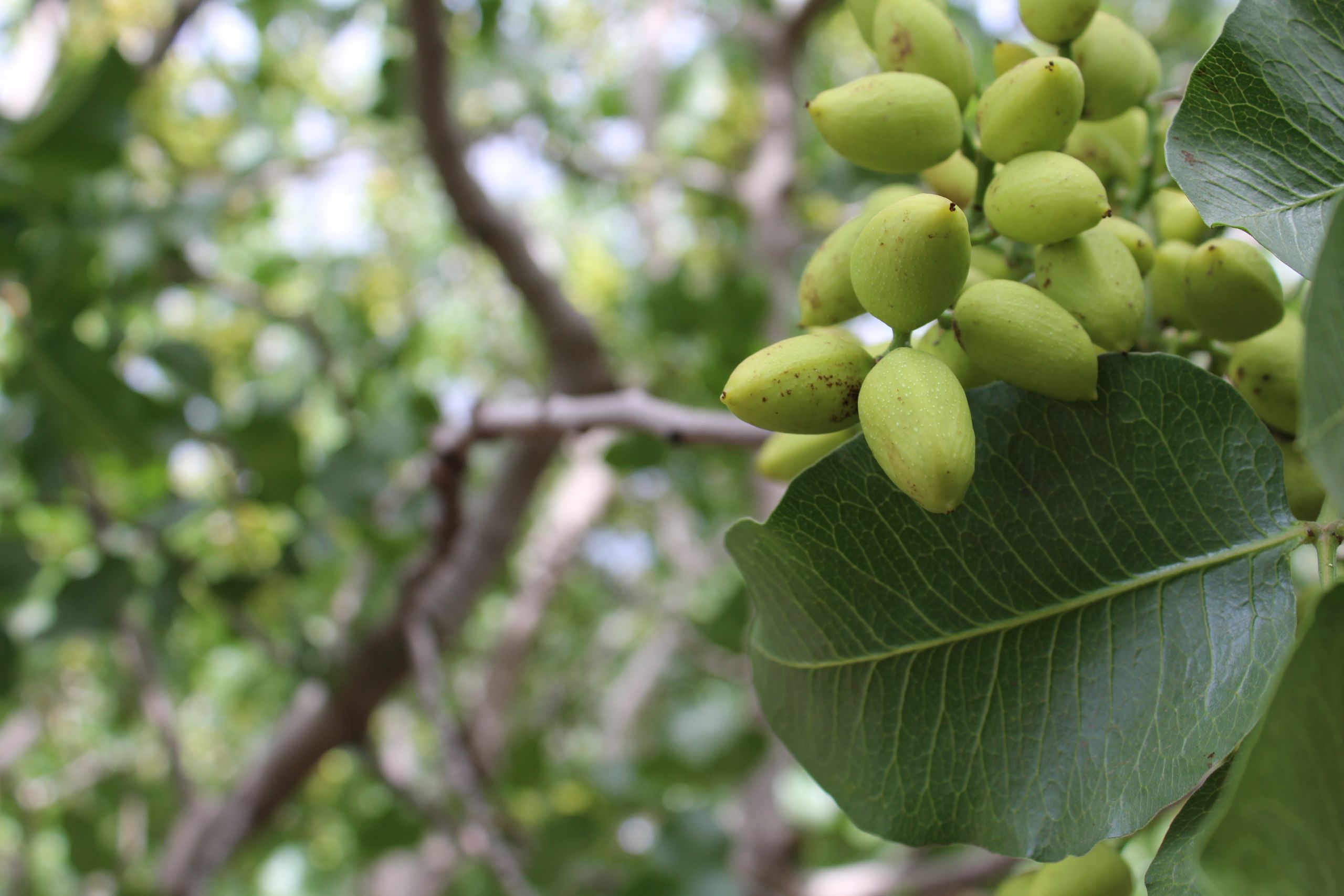
Pistachios consist of antioxidants rich in fiber as they help reduce cholesterol levels, keep the sugar controlled, and reduce the risk of diseases like cancer. Pistachios are mostly consumed among type 2 diabetes patients. According to the International Dried Fruits and Nuts Council, the Global Pistachio Market is esteemed to grow, witnessing an increase of 31% in the global production accounting for 587,506 MT in 2017 and 771,494 MT in 2018. The fertile soil, hot & dry climate, and moderately cold winters offer the ideal growing conditions for the pistachios in North America. Accordingly, the United States, Turkey, and Iran hold 95% of crop production worldwide. Turkey and Greece are the significant pistachio exporters to the United States market despite the considerable production to meet the domestic demand. In contrast, China, Germany, and Spain are the major importers of pistachio from the United States, with Turkey and China being the major exporters and importers, respectively.
Key Market Trends
Progressive Demand For Healthy Snacks
The pistachios have many advantages, including reduced risk of cardiovascular diseases and diabetes, improved digestion system, immune system, and nervousness, which is also helpful in improving body metabolism. One of the major trends witnessed in the global pistachio market is that various food producers, especially in snacks and dessert fields, are shifting their attention towards winding out pistachio-flavored products, in a bid to benefit on flavor. The changing consumer lifestyle, rapid urbanization, high disposable income, are progressing the demand for on the go healthy convenience foods and snacks. Altering food consumption behavior among consumers, improved willingness to spend are the results of rapid urbanization, in turn, is increasing the disposable income among consumers leading to increased spending of the final consumer on such a healthy snacks segment. These products are earning praises of vegan and highly health-conscious consumers. Hence these factors tend to drive the pistachio market globally.
North America is Leading the Market in Terms of Production
According to the International Dried Fruits and Nuts Council, North America is the largest producer of pistachio worldwide and holds 58% in 2018, accounting for 450,794 MT production. The United States was the top exporting country in 2017, accounting for 46% of world exports, up 46% from 2016, and the main markets for United States pistachios were China (52%) and the European Union (31%). Turkey and Greece are the countries that export pistachio to the United States market to support domestic demand. The fertile soil, hot & dry climate, and moderately cold winters offer the ideal growing conditions for the pistachios in North America. The rising demand for natural and low-sugar snack items, changes in consumption patterns, food requirements, and an inclination toward vegetarian products for protein sources in the region are driving the Pistachio market in North America. -
Resources for Employers Amidst COVID-19 Outbreaks at Ag Facilities
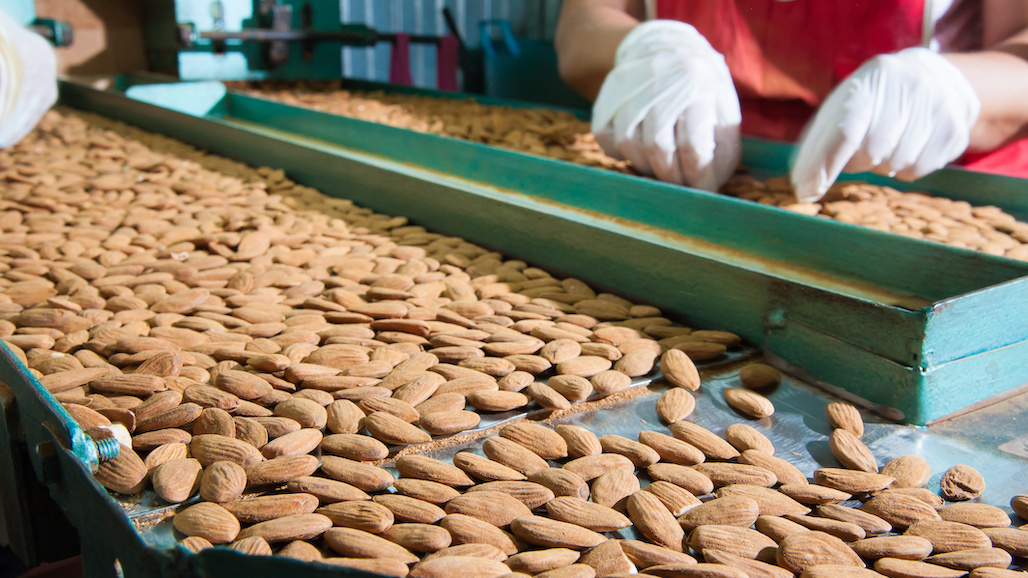
 Almond Alliance of California – There have been multiple COVID-19 outbreaks at agricultural facilities and operations throughout the State. Several of the outbreaks in agricultural areas have been reported in farmworker housing facilities, fields and processing facilities. CalOSHA, Department of Health Services and the Attorney General’s office have been engaged in situations with multiple positive cases. Many of our peer agricultural organizations and individual employers have received letters from the Attorney General’s office reminding about the need to provide guidance to our membership on the health and safety of the agricultural workforce.
 Many grower and employer associations, local farm bureaus, and health and safety compliance businesses have shared resources with their members to help agricultural operations conduct an examination of workplaces to ensure that adequate measures are being undertaken to protect the health and safety of agricultural workers.
Below are resources for almond growers, huller shellers and processors. As these materials are updated, the Almond Alliance will distribute revisions. Please post COVID-19 safety materials in Spanish and English throughout the workplace. Please call the Almond Alliance team if you have any questions or need additional information.
Responding to COVID-19 in the Workplace:
This guidance and checklist are for use by employers experiencing an outbreak of COVID-19 in their workplace. Employers should be proactive and keep in mind that identification of even a single positive case among employees may quickly develop into an outbreak. As outbreak circumstances and work practices vary, employers may need assistance from their local health department (LHD) to plan and coordinate a response to the outbreak that meets the needs of the workplace.
- Industry Guidance: Agriculture and Livestock: Click Here.
- COVID-19 General Checklist for Agriculture and Livestock Employers: Click Here.
COVID-19 Safety Posters and Materials for you to Place in the Workplace in English and Spanish to Reduce the Risk of Employee Exposure in the Workplace:
- CDC Symptoms of Coronavirus (COVID-19) English Poster: Click Here.
- CDC Síntomas del coronavirus (COVID-19) Spanish Poster: Click Here.
- CDC Share facts about COVID-19 English Factsheet: Click Here.
- CDC Comparta la información sobre el COVID-19 Spanish Factsheet: Click Here.
- OSHA Ten Steps All Workplaces Can Take to Reduce Risk of Exposure to Coronavirus English Poster: Click Here.
- OSHA Diez Medidas que Todos los Lugares de Trabajo Pueden Tomar para Prevenir la Exposición al Coronavirus Spanish Poster: Click Here.
Cal/OSHA Guidance and Resources:
- COVID-19 Daily Checklist for Agricultural Employers: English | Spanish
- COVID-19 General Checklist for Agricultural Employers: English | Spanish
- Infection Prevention for Agricultural Employers and Employees: English | Spanish
- COVID-19 Worker Protection Video – Infection Prevention for Agricultural Workers (Video Transcripts: English | Spanish | Mixteco
What to Do if You Have COVID-19 Confirmed Positive or Exposed Workers:
This document recommends a consistent approach in how a company can continue operations in the event an individual has tested positive, given the global COVID-19 pandemic and high transmissibility of this respiratory virus from person to person.
U.S. Food and Drug Administration (FDA): What to Do if You Have COVID-19 Confirmed Positive or Exposed Workers in Your Food Production, Storage, or Distribution Operations Regulated by FDA: Click Here.
Food Industry Recommended Protocols When Employee/Customer Tests Positive for COVID-19:
This summary, derived from Centers for Disease Control and Prevention (CDC) recommendations, outlines key steps that employers and workers can take to help stay open, prevent and slow the spread of COVID-19, and support continuity of essential operations if workers are diagnosed with or exposed to COVID-19, or show symptoms associated with COVID-19: Click Here.
Additional Materials:
- Agricultural Employer Checklist for Creating a COVID-19 Assessment and Control Plan: Click Here.
- Testing Strategy for Coronavirus (COVID‐19) in High‐Density Critical Infrastructure Workplaces after a COVID‐19 Case is Identified: Click Here.
Note: This document is provided for informational purposes only and does not constitute legal advice. Almond Alliance of California does not advise on the application of law to an individual’s or company’s specific circumstances. Although we go to great lengths to make sure our information is accurate and useful, we recommend you consult a lawyer if you want professional assurance that our information, and your interpretation of it, is appropriate to your particular situation.
-
Pistachios Added to Coronavirus Food Assistance Program
Today, U.S. Secretary of Agriculture Sonny Perdue announced an initial list of additional commodities that have been added to the Coronavirus Food Assistance Program (CFAP), and that the U.S. Department of Agriculture (USDA) made other adjustments to the program based on comments received from agricultural producers and organizations and review of market data. Producers will be able to submit applications that include these commodities on Monday, July 13, 2020. USDA’s Farm Service Agency (FSA) is accepting through Aug. 28, 2020, applications for CFAP, which helps offset price declines and additional marketing costs because of the coronavirus pandemic. USDA expects additional eligible commodities to be announced in the coming weeks.
“During this time of national crisis, President Trump and USDA have stood with our farmers, ranchers, and all citizens to make sure they are taken care of,” said Secretary Perdue. “When we announced this program earlier this year, we asked for public input and received a good response. After reviewing the comments received and analyzing our USDA Market News data, we are adding new commodities, as well as making updates to the program for existing eligible commodities. This is an example of government working for the people – we asked for input and we updated the program based on the comments we received.”
USDA collected comments and supporting data for consideration of additional commodities through June 22, 2020.
Changes to CFAP include: Adding the following commodities: alfalfa sprouts, anise, arugula, basil, bean sprouts, beets, blackberries, Brussels sprouts, celeriac (celery root), chives, cilantro, coconuts, collard greens, dandelion greens, greens (others not listed separately), guava, kale greens, lettuce – including Boston, green leaf, Lolla Rossa, oak leaf green, oak leaf red and red leaf – marjoram, mint, mustard, okra, oregano, parsnips, passion fruit, peas (green), pineapple, pistachios, radicchio, rosemary, sage, savory, sorrel, fresh sugarcane, Swiss chard, thyme and turnip top greens.
Expanding for seven currently eligible commodities – apples, blueberries, garlic, potatoes, raspberries, tangerines and taro – CARES Act funding for sales losses because USDA found these commodities had a 5 percent or greater price decline between mid-January and mid-April as a result of the COVID-19 pandemic. Originally, these commodities were only eligible for marketing adjustments.
Determining that peaches and rhubarb no longer qualify for payment under the CARES Act sales loss category.
Correcting payment rates for apples, artichokes, asparagus, blueberries, cantaloupes, cucumbers, garlic, kiwifruit, mushrooms, papaya, peaches, potatoes, raspberries, rhubarb, tangerines and taro.
Additional details can be found in the Federal Register in the Notice of Funding Availability (NOFA) and Final Rule Correction and at www.farmers.gov/cfap.Producers have several options for applying to the CFAP program: Using an online portal, accessible at farmers.gov/cfap, allows producers with secure USDA login credentials—known as eAuthentication—to certify eligible commodities online, digitally sign applications and submit directly to the local USDA Service Center. New commodities will be available in the system on July 13, 2020.
Completing the application form using our CFAP Application Generator and Payment Calculator found at farmers.gov/cfap. This Excel workbook allows customers to input information specific to their operation to determine estimated payments and populate the application form, which can be printed, then signed and submitted to their local USDA Service Center. An updated version with the new commodities will be available on the website on July 13, 2020.
Downloading the AD-3114 application form from farmers.gov/cfap and manually completing the form to submit to the local USDA Service Center by mail, electronically or by hand delivery to an office drop box. In some limited cases, the office may be open for in-person business by appointment. Visit farmers.gov/coronavirus/service-center-status to check the status of your local office.
USDA Service Centers can also work with producers to complete and securely transmit digitally signed applications through two commercially available tools: Box and OneSpan. Producers who are interested in digitally signing their applications should notify their local service centers when calling to discuss the CFAP application process. You can learn more about these solutions at farmers.gov/mydocs.
Getting Help from FSA
New customers seeking one-on-one support with the CFAP application process can call 877-508-8364 to speak directly with a USDA employee ready to offer general assistance. This is a recommended first step before a producer engages the team at the FSA county office at their local USDA Service Center.
All other eligibility forms, such as those related to adjusted gross income and payment information, can be downloaded from farmers.gov/cfap. For existing FSA customers, these documents are likely already on file.
All USDA Service Centers are open for business, including some that are open to visitors to conduct business in person by appointment only. All Service Center visitors wishing to conduct business with FSA, Natural Resources Conservation Service or any other Service Center agency should call ahead and schedule an appointment. Service Centers that are open for appointments will pre-screen visitors based on health concerns or recent travel, and visitors must adhere to social distancing guidelines. Visitors may also be required to wear a face covering during their appointment. Field work will continue with appropriate social distancing. Our program delivery staff will be in the office, and they will be working with our producers in office, by phone and using online tools. More information can be found at farmers.gov/coronavirus.
-
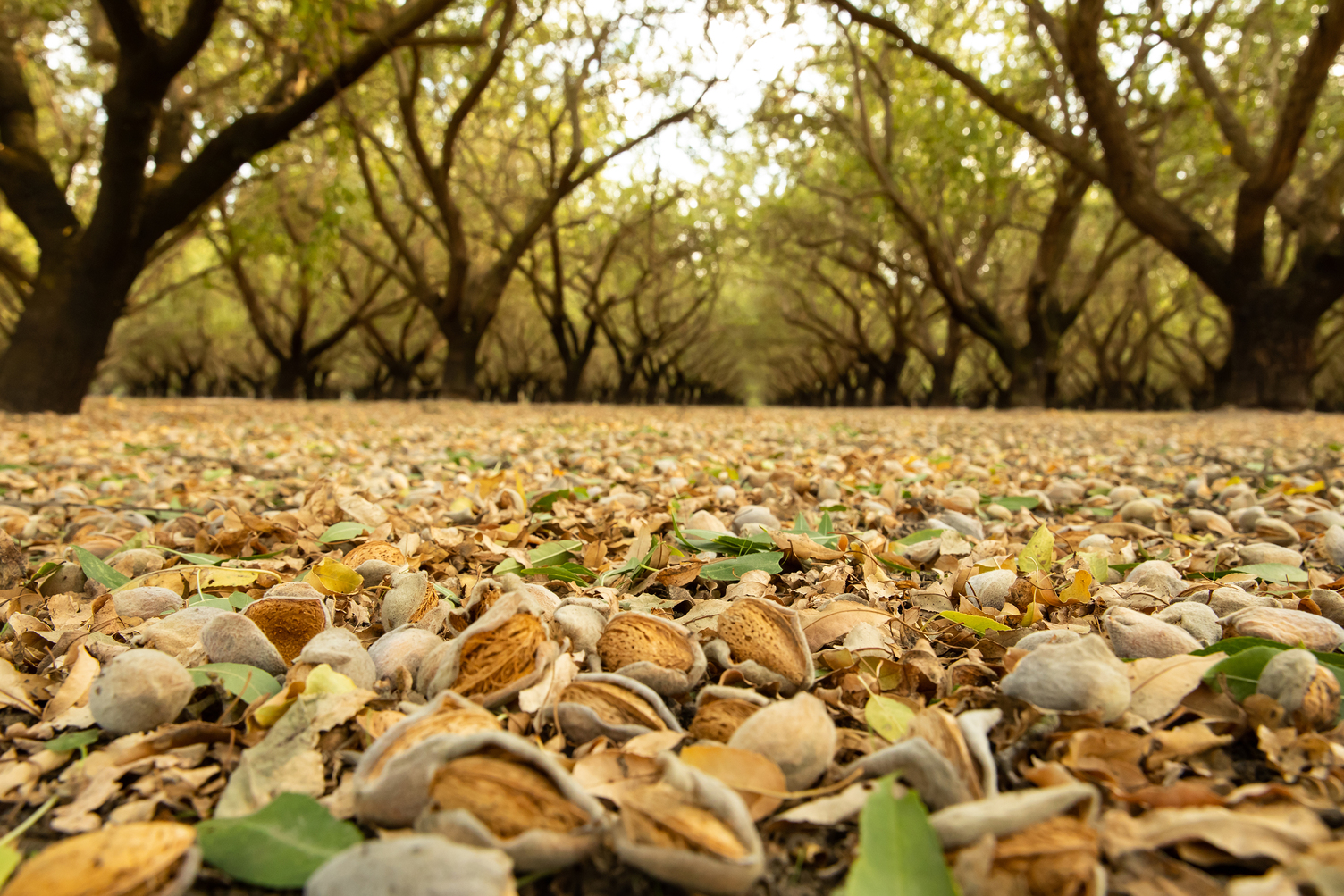
USDA Confirms Record 3 Billion Pound CA Almond Crop Forecast
The California Almond Objective Measurement Report, published today by the United States Department of Agriculture (USDA) National Agricultural Statistics Service (NASS), estimates that the 2020 crop will be 3.00 billion meat pounds, up 18% from the 2019 crop production of 2.55 billion pounds.[1] This estimate is even with the 3.00 billion pounds estimated in the California Almond Subjective Forecast, published in May 2020.
According to the 2020 Objective Report, the average nut set per tree is 5,645, up 21% from the 2019 almond crop. The Nonpareil average nut set is 5,621, up 27% from last year’s set. The average kernel weight for all varieties sampled was 1.51 grams, down 2 percent from the 2019 average weight.
“This year’s crop is proof that California is the perfect place to grow almonds,” said Holly A. King, Kern County almond grower and Chair of the Almond Board of California (ABC) Board of Directors. “Perfect weather during bloom, coupled with the steps almond growers have taken to ensure our orchards provide a healthy environment for honey bees and other pollinators, resulted in the abundant crop we are seeing on the trees up and down the Central Valley.”
Recent disruptions in global trade due to COVID-19, and ongoing trade disputes and negotiations with China and other key markets extending into the year, have caused some short-term challenges with the current crop, but the long-term outlook remains positive.
“As a shelf stable and nutritious food enjoyed by consumers around the world, we’ve weathered these disruptions in pretty good shape,” said Almond Board President and CEO Richard Waycott. “Domestic and export shipments are up year-to-date, and we expect global demand to be stronger than ever as we market this year’s record crop.”
While the Subjective Forecast provides an initial estimate of the 2020/2021 crop, the Objective Report is based on actual almond counts and uses a more statistically rigorous methodology to determine yield. In Dec. 2019, ABC’s Board of Directors approved a modified sampling protocol to further improve the accuracy of USDA-NASS’s reporting. From this year forward, the Objective Report will include measurements from 1,000 target orchards throughout the state (an increase of 150 samples from 2019) and provide nut counts on not one but two branches per tree. The Objective Report will also provide the weight, size and grade of the average almond sample broken down by growing region – no longer growing district – and variety.
USDA-NASS conducts the annual Objective Report, Subjective Forecast and Acreage Report to provide the California almond industry with the data needed to make informed business decisions, and thanks all farm operators, owners and management entities for their time in providing the information necessary to create these reports. These reports are the official industry crop estimates. —Article & Featured Image Courtesy of the Almond Board of California
[1] USDA-NASS. 2020 California Almond Objective Measurement Report. July 2020.
-
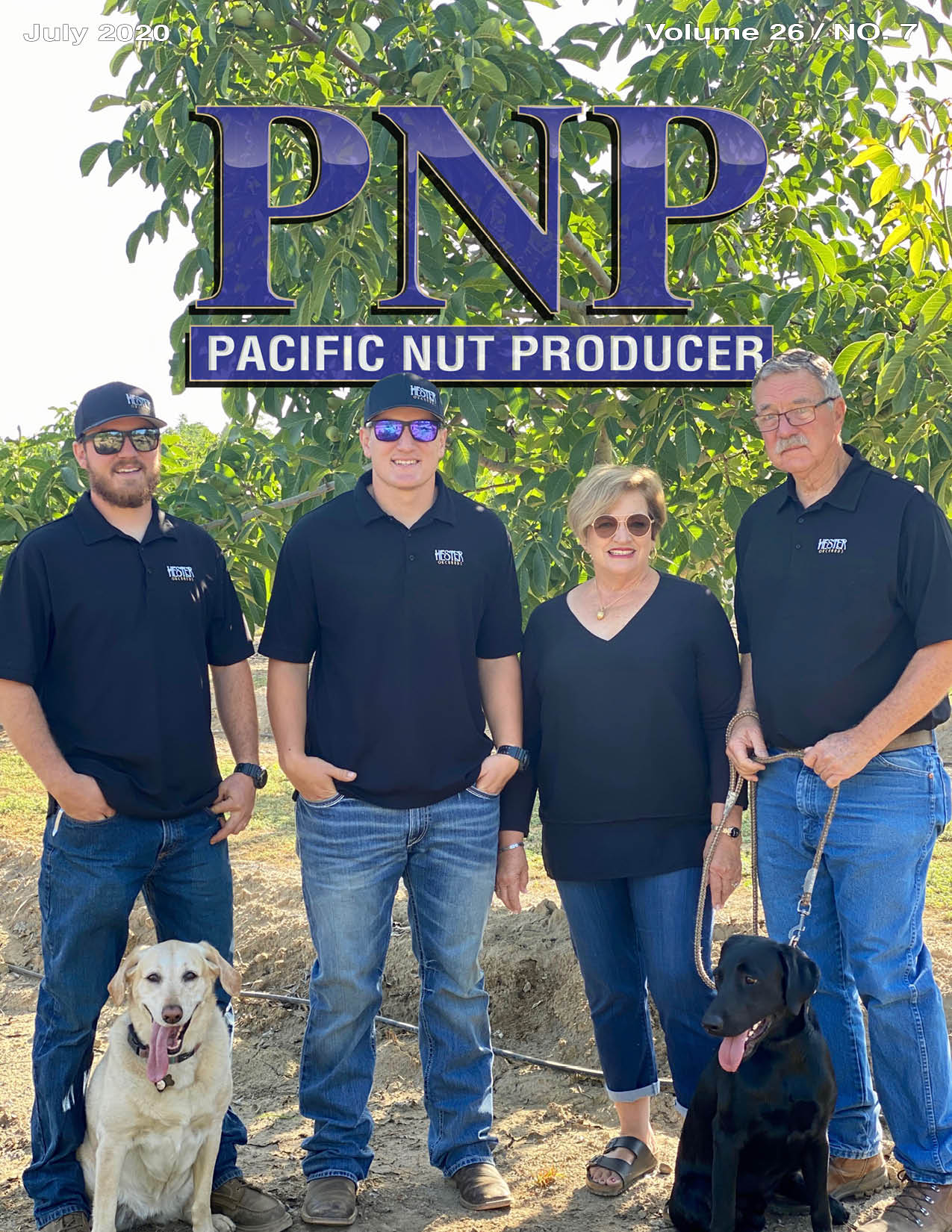
Pacific Nut Producer July Issue
 [btn btnlink=”https://malcolmmedia.com/order-a-back-issue/back-issue-pacific-nut-producer-magazine/” btnsize=”full” txtcolor=”#ffffff” color=”#FFF” bgcolor=”#492500″ btnnewt=”1″ nofollow=”1″]Order A Back Issue[/btn]
[btn btnlink=”http://malcolmmedia.com/pacific-nut-producer-magazine-subscriptions/” btnsize=”full” txtcolor=”#ffffff” bgcolor=”#492500″ btnnewt=”1″ nofollow=”1″]Subscribe Free[/btn]
[three_fifth_last]Contents of the July Issue:
Farming & Managing Walnuts in Tulare CountyGary Hester is Fourth Generation Farmer
Coronavirus Food Assistance Program for GrowersFSA Accepting Applications Through August 28th
Orchard TasksAlmonds, Hazelnuts, Macadamias, Pecans, Pistachios, Walnuts[/three_fifth_last]
-

Natural Health Benefits Bring Sports Team Ambassadors for American Pistachios
 Pistachios are coming to be the snack of choice for America’s professional football teams. Watch this brief interview with Men’s Health Magazine Nutrition Advisor Mike Rousell as he shares why, and read more about it in Pacific Nut Producer Magazine. Don’t currently receive the magazine? Subscribe for free at: https://malcolmmedia.com/pacific-nut-producer-magazine-subscriptions/
 -
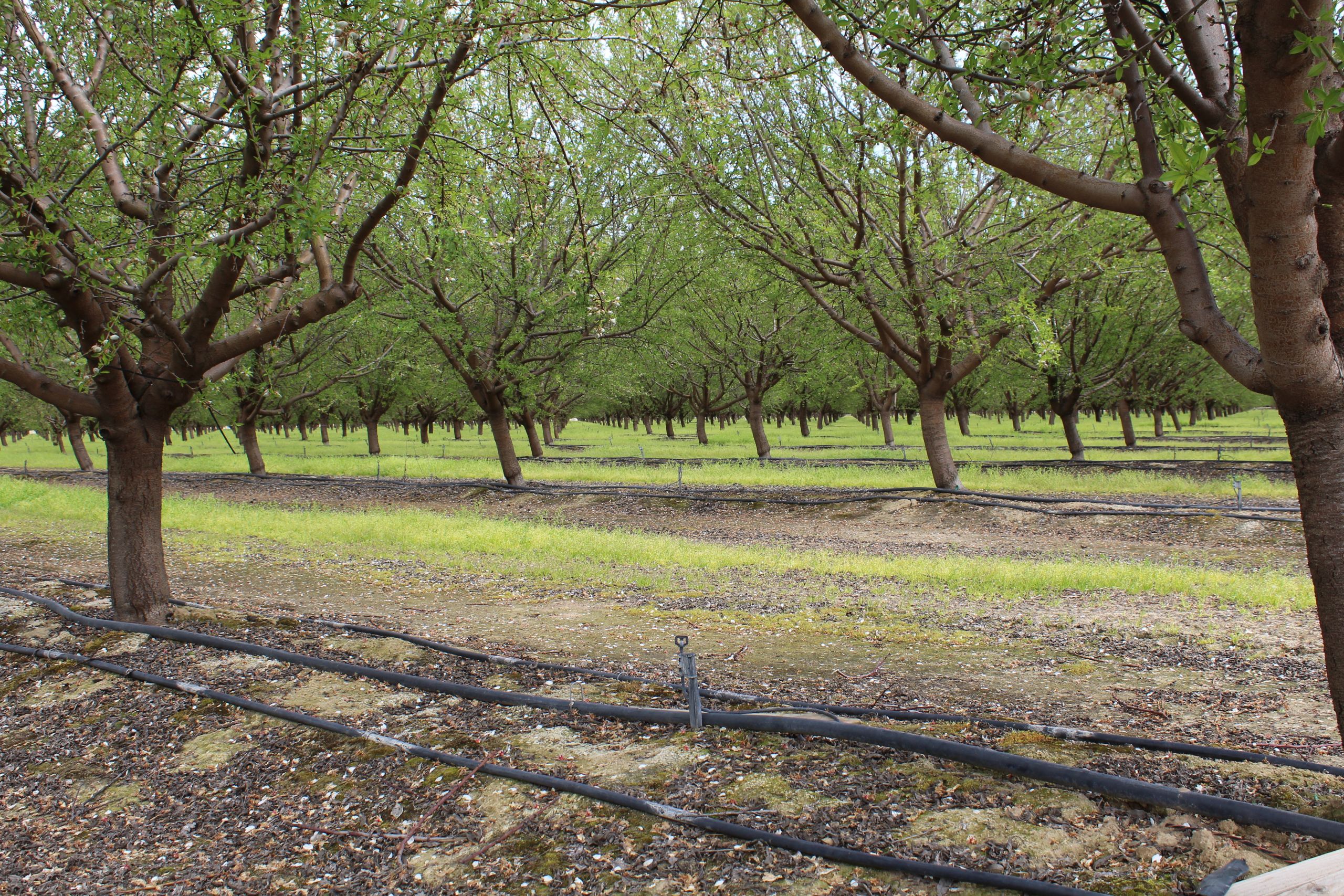
Coronavirus Food Assistance Program Almond Webinar, June 22
In an effort to address almond industry questions about the Coronavirus Food Assistance Program (CFAP) the Almond Alliance, Almond Board of California and Farm Service Agency (FSA) will be hosting a 2nd webinar to respond to the frequently asked questions by the industry. FSA has begin accepting applications and there has been some confusion we would like to address and provide clarity to the pooling issues. FSA will continue to accept applications through August 28, 2020. We are hosting this one hour webinar to provide California almond growers with the information you need to apply for all available assistance so please ask your questions during the webinar.
Click HERE to join the webinar Monday, June 22 at 10:00 AM.
+1 213-262-7443 United States, Los Angeles (Toll) (866) 629-0965 United States (Toll-free) Conference ID: 382 170 011#For more information contact Bunnie Ibrahim P: 209.343.3228 E: bibrahim@almondboard.com
-
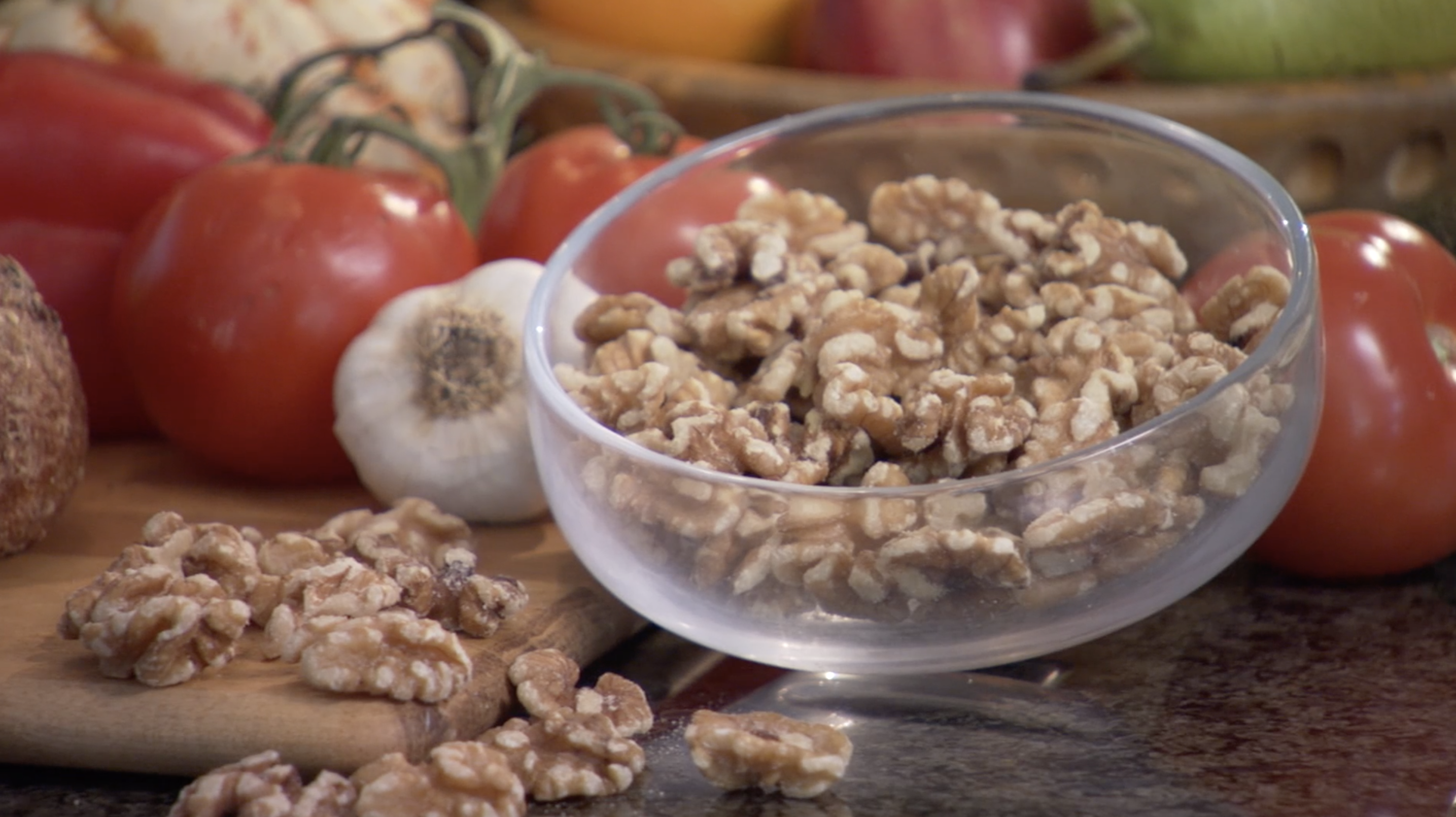
Survey Reveals Increased Snacking Habits in the ‘New Normal’
As Americans across the country have been under shelter-in-place orders, many turned to snacking for comfort. A new survey, conducted in May in partnership with California Walnuts and Kelton Global, explores the snacking behaviors of Americans and how they’ve changed since shelter-in-place mandates were implemented. Previous research from California Walnuts has shown that people who eat walnuts love to eat them as a snack, but the new study reveals larger snacking trends and what might stay.
About one in two Americans (48 percent) confess they are snacking more than before the pandemic began and two in five (40 percent) of those expect to see this behavior continue after the shelter-in-place mandates are lifted. While Americans are mostly torn when it comes to the perfect flavor profile of their snacks, the preference for sweet snacks (57 percent) currently edges out salty (43 percent).
Comfort is the first priority, with 75 percent of respondents noting that they are not trying to eat healthier snacks than they normally do, and only 20 percent remarking that they wish there were more nutritious snacking options available. As a result, close to a third (31 percent) of American snackers acknowledge that their new snacking behaviors have led to weight gain during the pandemic. Research shows that walnuts can be part of a healthy diet that doesn’t lead to unwanted weight gain, which means walnuts are an ideal snack that not only satisfies both sweet and savory cravings, but also delivers on nutrition.
The survey insights indicate that snackers will continue to indulge, suggesting the importance of adding nutrient-rich ingredients to indulgent snacks in order to help maintain a healthy diet. Consumers can easily boost the nutrition of their snacks – whether savory or sweet – by incorporating walnuts into their snacking routine, without feeling like they are missing out. Not only do they pair well with sweet or savory flavors to satisfy any craving, but they also provide nutrients needed to keep you full between meals: 4g protein, 2g fiber and good fats, including 2.5g of essential omega-3 alpha-linolenic acid (ALA) per 1 oz. serving. Walnuts are the only nut that are an excellent source of ALA, which has been associated with benefits for heart health, brain health and inflammation.
Whether Americans are working an essential job, attending back-to-back virtual meetings, setting up online learning for their children or a combination of all, a handful of walnuts is a simple snack that can fuel any activity.
Additional survey results regarding snacking behavior changes include:
- Americans are exploring new options: Two in five (40 percent) American snackers stock up on snacks so they don’t have shop as frequently and about a quarter (23 percent) report that they have tried some new snacks since sheltering in place.
- Snacking is a source of comfort: 33 percent of snacking Americans state they’ve found comfort in their favorite snacks since sheltering in place.To learn more about how walnuts are great for any snacking style, visit the California Walnuts snacking page at www.walnuts.org/snacking.
About the Survey: The study surveyed 1,004 nationally representative Americans age 18+ in the U.S., and was conducted online from May 4 through May 7, 2020. The study has a margin of error of+/- 3.1%. Results of any sample are subject to sampling variation. The magnitude of the variation is measurable and is affected by the number of interviews and the level of the percentages expressing the results.
In this particular study, the chances are 95 in 100 that a survey result does not vary, plus or minus, by more than 3.1 percent, from the result that would be obtained if interviews had been conducted with all personas in the universe represented by the sample. The margin of error for any subgroups will be slightly higher. Kelton Global is a leading global insights firm serving as a partner to more than 100 of the Fortune 500 and thousands of smaller companies and organizations. For more information about Kelton Global please call 1.888.8.KELTON or visit www.keltonglobal.com.
California Walnut Board
The California Walnut Board (CWB) was established in 1948 to represent the walnut growers and handlers of California. The CWB is funded by mandatory assessments of the handlers. The CWB is governed by a Federal Walnut Marketing Order. The CWB promotes usage of walnuts in the United States through publicity and educational programs. The CWB also provides funding for walnut production, food safety and post-harvest research.