
As gathering has not been possible due COVID-19 restrictions, American Pistachio Growers (APG) launched a video series with Pacific Nut Producer in lieu of their summer grower luncheon. Watch Part III of the series featuring APG Vice President of Global Marketing Judy Hirigoyen as she explains how they have shared APG’s message with consumers worldwide over the past six months. Please enjoy the full seven part video series and read Pacific Nut Producer Magazine to get a full picture of what is going on in the American pistachio industry.
Category: Industry News
-
Chairman Brian Watte Shares Value of APG Membership (American Pistachio Growers Summer Series 2/7)
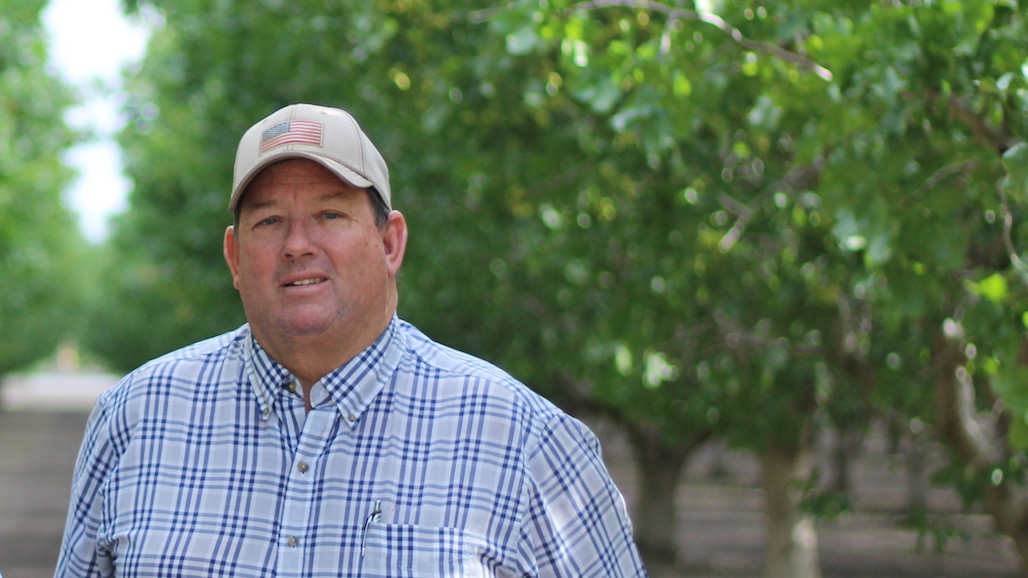
As gathering has not been possible due COVID-19 restrictions, American Pistachio Growers (APG) launched a video series with Pacific Nut Producer in lieu of their summer grower luncheon. Watch Part II of the series featuring APG Chairman Brian Watte as he shares the value of membership in the association. Please enjoy the full seven part video series and read Pacific Nut Producer Magazine to get a full picture of what is going on in the American pistachio industry.
-
Updated US Pistachio Crop Forecast, Prices & Shipments (American Pistachio Growers Summer Series 1/7)
As gathering has not been possible due COVID-19 restrictions, American Pistachio Growers (APG) launched a video series with Pacific Nut Producer in lieu of their summer grower luncheon. Beginning with APG Executive Director Richard Matoian’s pistachio crop and market update, please enjoy this seven part video series and read Pacific Nut Producer Magazine to get a full picture of what is going on in the American pistachio industry.
-
More USDA Walnut Purchases Requested Amidst Pandemic
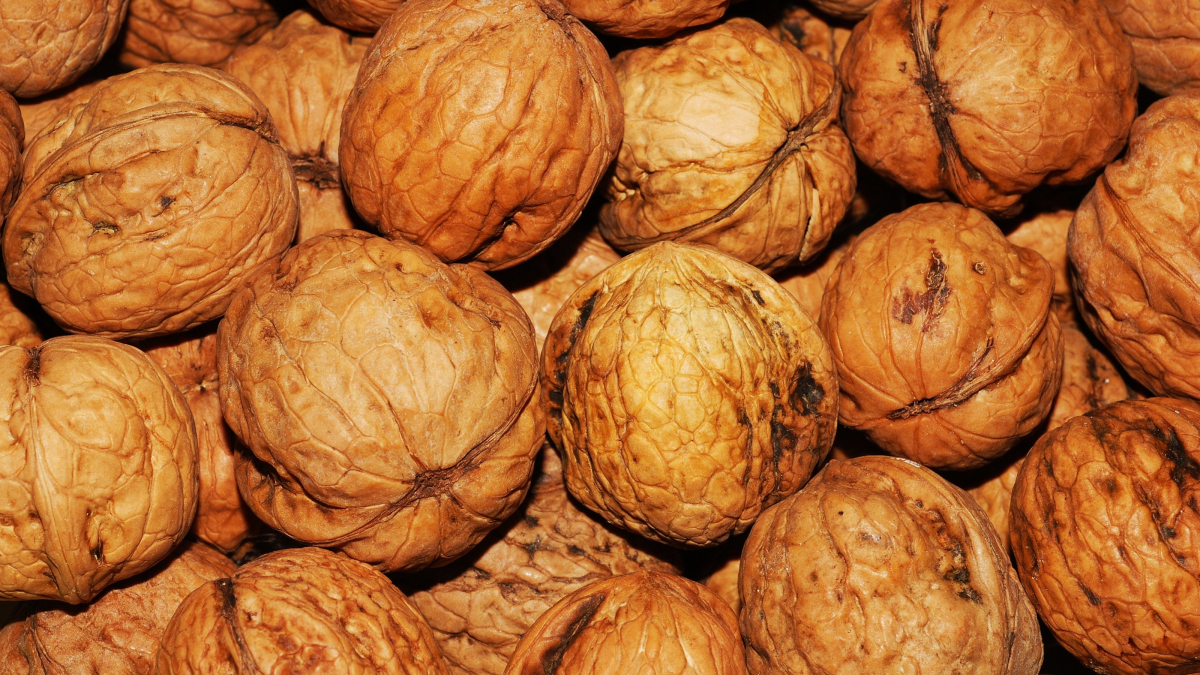
Representative Josh Harder (CA-10) today led a bipartisan letter to United States Department of Agriculture (USDA) Secretary Sonny Perdue, asking him to use his authority to utilize all purchasing authorities to buoy the struggling walnut industry. The walnut industry – based exclusively in California – has seen prices plummet in the last two years to near or below the costs of production. Even prior to the outbreak of the Coronavirus, walnut farmers were harmed by retaliatory tariffs levied by top export partners including China, India, and Turkey. Rep. Harder is joined on the letter by fellow California Reps. Devin Nunes, Jim Costa, TJ Cox, Salud Carbajal, John Garamendi, Jerry McNerney, Jimmy Panetta, and Doug LaMalfa.
“Walnut growers are being pinched on all sides – they’re up against tariffs from other countries, falling demand, and general chaos in food markets,” said Rep. Harder. “We have USDA programs designed for use in emergencies just like this – the Secretary should use them right away to help our walnut farmers.”
“We are incredibly grateful to Congressman Harder and colleagues for recognizing the need to support California’s walnut growers,” said Michelle McNeil Connelly, Executive Director of The California Walnut Board. “We continue to face challenging times and greatly need Section 32 to provide relief. As an essential industry we have continued to do our part and believe the relief funds provided to USDA will provide an excellent source on nutrition for millions of hungry Americans while, in tandem, ensuring the viability of our producers.”

Michelle McNeil Connelly, Executive Director of The California Walnut Board The letter asks Secretary Perdue to use two legal authorities to increase walnut purchases. The first, Section 32 of the Agricultural Adjustments Act allows USDA to support the ag industry by purchasing their products at market rates and then distributing the products to people in need. The letter also asks the Secretary to use his authority under the Food Purchase and Distribution Program, which was created last year to help farmers harmed by trade wars with other countries.
Rep. Harder is a leader in efforts to protect walnut growers. Last year, he led a bipartisan letter with nearly two dozen of his colleagues asking USDA to include tree nuts and other specialty crops in the Market Facilitation Program, another program designed to help farmers harmed by retaliatory tariffs. After the members of Congress made their request, USDA added walnuts and other tree nuts to the program.
The text of the letter is below and an original copy is available here.
Dear Secretary Perdue:
Thank you for your leadership overseeing the U.S. Department of Agriculture (USDA). We write today in support of USDA purchases of California walnuts and encourage utilizing all purchasing authorities, including Section 32 and the Food Purchase and Distribution Program, to provide much-needed support to California’s walnut industry.

Representative Josh Harder (CA-10) The COVID-19 pandemic has come on top of an already difficult time for our 4,500 California walnut producers who have, and continue, to suffer from the effects of retaliatory tariffs in India, Turkey and China. From tariff actions alone, what was a $1.5 billion industry just two years ago, has declined by more than 41 percent to $878.8 million. Producer prices have been near or below the costs of production for the last two years (0.65/cents per pound) and the outlook is bleak. The continued impacts of COVID-19 have resulted in excess inventories, with a record carry-out of nearly 90,000 tons from the current crop compounded by an anticipated record crop in excess of 700,000 tons which will begin harvest in September. The California Walnut Board estimates initial farm gate losses from COVID-19 at nearly $300 million, and as with this pandemic, are evolving and eroding quickly.
Global walnut demand has slowed resulting from port disruptions, distribution challenges, the sharp decline of the food manufacturing and food service sectors, and consumer economic uncertainty. With the trajectory of COVID-19 lasting well into 2021, walnut producers are in need of assistance from any and all programs available to protect the 85,000 full-time jobs attributable to the walnuts industry. Our California’s walnut farmers represent ninety-nine percent of U.S. production of walnuts, were the 5th leading export from the state prior to these challenges. Despite falling to the 13th leading export from the state, the California walnut industry contributes over $6 billion to the state’s economy.
Demand for nutrition programs has grown immensely, with Feeding America reporting that 98 percent of food banks reported an increase in need for food assistance. In California alone, food bank demand has grown by 73 percent, while farmers and ranchers have seen market declines of over 50 percent. Walnuts provide a shelf stable source of protein and essential omega-3 fatty acids, providing nutrition to feed America’s hungry through meal inclusion and snacks, while also aiding our farmers.
We appreciate your previous support for the industry, through purchases and the Market Facilitation Program, and hope your support will continue through this pandemic. We thank you for your continued support during this unpredictable time and urge you to give all due consideration to California’s walnut industry’s purchase request.
-
Incentive Programs Make New Equipment Affordable
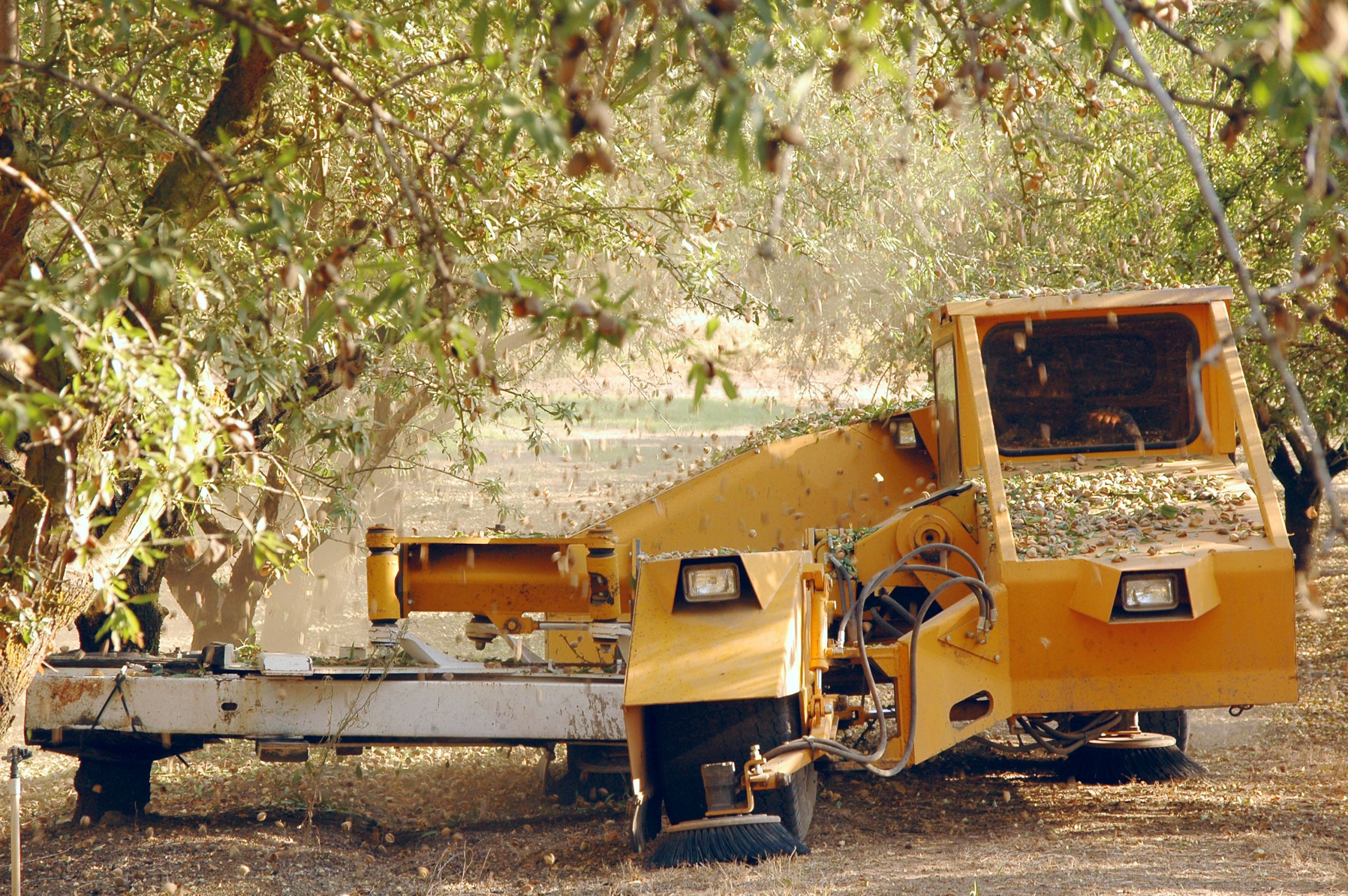
 Almond harvest 2020 is upon us in all its hectic glory. As growers in the southern San Joaquin Valley start shaking this week, equipment that has been largely resting for an entire year will be put to work in furious fashion to safely bring in this year’s crop. And while harvest 2020 is understandably the key focus of this time of year, it’s not too early for growers and their equipment operators and custom harvesters to begin considering what old equipment may need to be upgraded or replaced entirely before the following harvest.
The San Joaquin Valley Air Pollution Control District (air district) and the federal Natural Resources Conservation Service (NRCS) both provide a range of financial incentives that make the cost of replacing not only shakers, sweepers and harvesters, but also tractors, sprayers and irrigation pumps more affordable. Given the high cost of purchasing new equipment and implementing certain new orchard management practices, these incentives can help growers stretch their budgets and get the most machine for their money.
By design, there are also important environmental improvement objectives behind each incentive program – objectives that are consistent with the almond industry’s Almond Orchard 2025 Goals that include reducing harvest dust by 25% and achieving zero waste in orchards by putting everything grown to optimal use by 2025. “I think these programs are important, and increasing grower applications can play a role in helping the industry achieve all four 2025 goals,” said Jesse Roseman, principal analyst for Environmental and Regulatory Affairs at the Almond Board of California (ABC). “Growers who participate in these programs reduce their out-of-pocket costs for new equipment and cutting-edge practices that act as benchmarks in the industry’s goals.”
In a recent ABC California Almond Sustainability Program webinar, officials from the air district and NRCS discussed what machinery and practices their programs cover, how the programs work and how growers can apply.
Covering up to 60% of the cost of a new tractor
Since 2009, the air district has awarded more than $406 million in funding to growers and ranchers in the San Joaquin Valley to promote healthy air quality, according to Aaron Tarango, the district’s grant supervisor. That investment has been matched by more than $466 million in spending by growers to replace 7,550 tractors as well as thousands of pieces of older equipment and pumps. Tarango estimated that noxious emissions have been reduced by 50,819 tons in the past 11 years through district incentives matched by funds from Central Valley farmers.
The air district prioritizes replacing older, lower-tier equipment through their programs. Growers are encouraged to replace tractors and other machinery in tiers 0, 1 or 2 (purchased in or before 2006) with tier 4 equipment, that is, “the latest and greatest technology” available, according to Tarango.
Funds received are based on the horsepower (hp) of the engine being replaced. Here’s how it works: If a tier 0, 1 or 2 piece of equipment is 100hp, the district will help fund the purchase of replacement equipment with up to 25% more hp. Depending on the piece of equipment and the size of its engine, payments will range from $300 to $650 per hp and can cover up to 60% of the cost of a new model.
In 2019, the district piloted the Low Dust Harvester Replacement Program, which will cover 50% of a grower’s cost to replace older harvesting equipment with newer, low-dust models. That year, the air district funded 29 projects worth $1.9 million, Tarango said. The program was so popular that in June 2020 the Environmental Protection Agency set aside another $10.3 million to extend the program into 2021.
Tarango said that money “might not help [growers] with this year’s harvest, but it will be available for subsequent harvests down the road.”
Beyond harvest itself, another air district incentive program – the Alternative to Agricultural Open Burning Incentive Program – offers funds to growers who grind up old orchards, rather than burning their trees, and then incorporate that woody biomass back into the soil (a.k.a., Whole Orchard Recycling). Growers participating in this program are eligible to receive $300-$600 per acre, with a maximum of $60,000 per grower. Incentive recipients are typically paid four-to-six weeks after their completion of Whole Orchard Recycling, and after an invoice has been sent to the air district.1
Tarango strongly encourages growers with older equipment or older orchards to take advantage of the district’s incentive programs.
“We’re still going,” he said. “The money is still there.”
More information is available at www.valleyair.org/grants/ and applications can be submitted at grants@valleyair.org. Growers who would like to speak with Tarango directly may contact him at aaron.tarango@valleyair.org or (559) 230-5873.
NRCS programs have broad reach
Similar to the District, NRCS offers two programs to help growers achieve and maintain their growing goals. The Environmental Quality Incentives Program (EQIP) helps participants cover the cost of planning and installing conservation practices. The Conservation Stewardship Program (CSP) offers additional opportunities for those already meeting a baseline level of stewardship. Projects might include improving irrigation systems, planting a cover crop for bees or soil health, or integrating better pest management systems. Growers can apply at any time of the year for either program.
In addition, growers who have participated in the Market Facilitation Program or in the new Coronavirus Food Assistance Program – both of which are provided via USDA’s Farm Service Agency – have a leg up in filling out NRCS applications as their confidential information is accessible to the NRCS. This means that during the application process, growers have already completed the first step in qualifying for the NRCS incentive program because of the eligibility for other USDA programs.
Ted Strauss is NRCS’s air quality resource conservationist for California. He said the NRCS programs target a range of environmental issues, from air to soil health to water quality.
“Our primary role is conservation planning,” he said. “Participation is totally voluntary and always confidential. We’re not a regulatory body.”
For growers, EQIP funding can be used to help replace a diesel-powered piece of equipment, with incentives based off horsepower and ranging from $325.61 to $507.17 per horsepower. That amount translates to $32,000 for a 100hp tractor or $114,000 for a 200hp tractor, Strauss said. The same rates apply to all self-propelled equipment.
In addition, almond growers who hire out their harvesting each year can collect $39.98 per acre for up to three years if low-dust harvesting equipment is used.
“Some producers have used those funds to purchase their own equipment, which is great because it helps with permanent reduction of emissions,” Strauss said. “So even if you don’t own the equipment currently being replaced, you’re still a good candidate for this program.”
Like the air district, NRCS offers CSP incentive funds to growers who find alternatives to burning old trees, providing $238.36 per acre if the chips are sent to a biomass power plant or $766.94 per acre if the chips are recycled back into the soil, used for animal bedding or applied as mulch on another piece of ag land.
NRCS also provides EQIP incentives ranging from $3,238.13 to $39,734 to replace motors on pumps. Funds are also available to help treat unpaved roads with lignin derivatives, oil or polymer emulsions.
More information on NRCS’s CSP may be found on this handout and growers can submit applications year-round at local USDA service centers. Those looking to speak with Strauss may reach him at ted.strauss@usda.gov or (559) 490-5129. — Article Courtesy of the Almond Board of California -
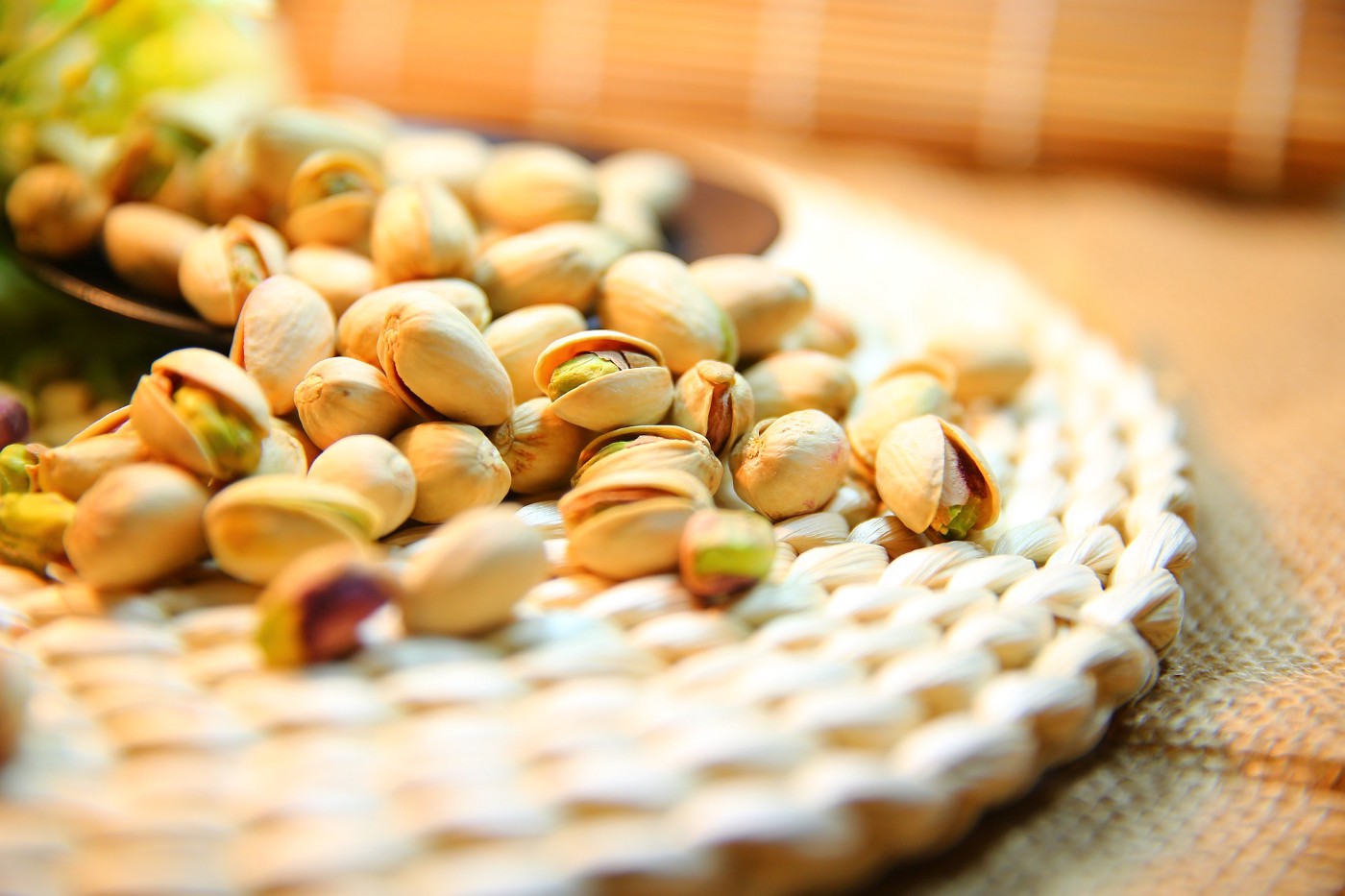
Study Shows Pistachios May Be Helpful in Weight Loss Plan
Nut-loving consumers looking to lose a few pounds can feel better about keeping pistachios at hand as a result of a new study. The study, published in the July 20 issue of Nutrients, shows adding U.S. pistachios to the diet can contribute to weight loss, in the context of a calorie-restricted diet in a behavioral intervention, and may contribute additional health benefits such as lowering blood pressure. While several scientific studies have shown pistachios are helpful in maintaining a healthy weight, or will not cause weight gain, this is the first to examine the role of pistachios as part of a weight loss plan in a real world setting.
Researchers at the University of California, San Diego investigated whether U.S. pistachios could be used as part of a weight loss program in a study with 100 healthy, overweight and obese individuals. All participants received general dietary and behavioral weight loss advice, and instruction on ways to increase their physical activity. Half of the participants included 1.5 ounces of pistachios in their daily diet (Pistachio group) and the other half did not (Control group). Researchers measured the participants’ health information, diet and lab tests for cardiovascular disease risk at the beginning and end of the 4-month study.
According to the researchers, both groups lost about 5 percent of their body weight and both significantly decreased their waist circumference and body mass index (BMI). Waist circumference and BMI are indicators of not only obesity, but whether or not you may be at risk for diseases such as diabetes and heart disease. In addition to these measurements, there were added benefits to the Pistachio group, including lower systolic and diastolic blood pressure, increased fiber intake and lower consumption of sweets than the Control group. The Pistachio group also had higher blood levels of the antioxidant carotenoids of lutein, alpha- and beta-carotene and a healthier ratio of poly- and mono-unsaturated fatty acids to saturated fatty acids.
According to the lead researcher, Cheryl Rock PhD, RD, “this study adds to the body of evidence that U.S. pistachios can be a component of a weight loss diet, can increase intake of key nutrients, and can promote a healthy dietary pattern”.

Studies have shown U.S. pistachios have a unique set of nutrients that have multiple health benefits. In March, it was announced pistachios are a complete protein, containing all 9 of the essential amino acids required to sustain health for those 5 years and older. This was discovered when the protein quality of pistachios was analyzed by the University of Illinois. They have mono- and poly-unsaturated fatty acids which are beneficial for lowering the risk of cardiovascular disease, contain the phytonutrients lutein and zeaxanthin which have protective properties for the eyes from blue light and ultraviolet light, and are a good source of fiber and vitamin B6. For more information and studies, visit AmericanPistachios.org.
-
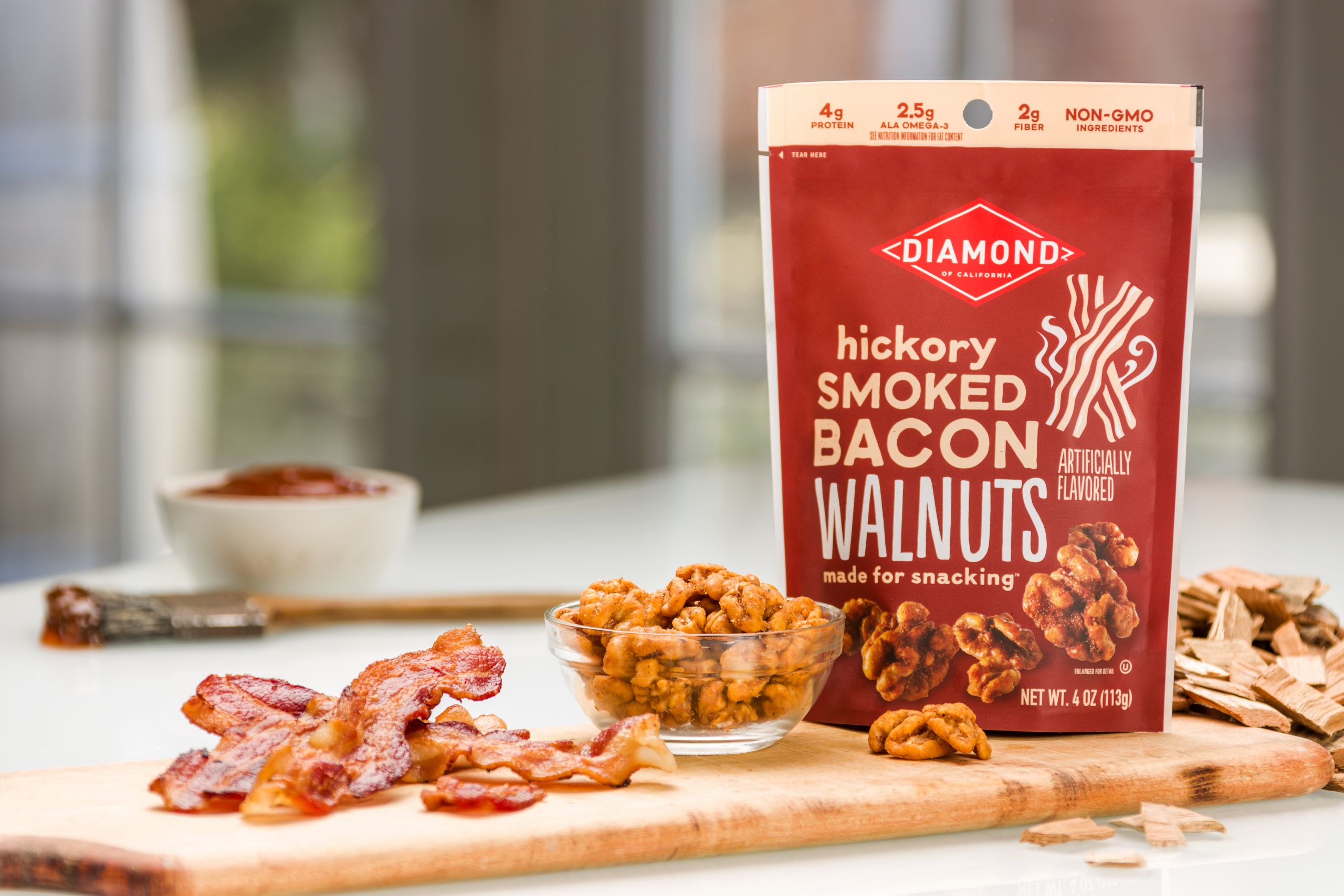
Diamond of California® Debuts Their First-Ever Snack Walnuts Line
 Diamond of California®, the century-old producer of “Made for Homemade” specialty nuts, announces today the launch of its newest innovation, ready-to-eat Snack Walnuts. Available now in-stores nationwide, Diamond of California® Snack Walnuts are a satisfying superfood snack that respects the goodness of walnuts. Each walnut is naturally processed to remove bitterness, roasted, simply seasoned, and packaged in a ready-to-eat resealable pouch, for a nutritious, delicious, and affordable (SRP $3.99/4oz bag) on-the-go snack. The eight “Made for Snacking” walnut flavors were inspired by modern kitchen pantry items and carefully crafted using only real and non-GMO ingredients that limit sugar and sodium and complement the natural flavor profile of walnuts. Available flavors: Hot Honey, Himalayan Pink Salt, Teriyaki & Wasabi, Salted Dark Chocolate, Hickory Smoked Bacon, Chile Lime, Cinnamon Churro, and Sweet Maple (unique to Walmart flavor).
 Diamond of California® has been a trusted provider of specialty nut products for at-home bakers and cooks for the last century, but over the years we have learned that our nuts are also being consumed as snacks on their own,” said Craig Tokusato, CMO of Diamond of California®. “This inspired and challenged us to open our own recipe books and provide better for you ready-to-eat snacks compared to many of today’s alternatives, which often take nutritious nuts but load them up with sodium, processed sugars, and unrecognizable ingredients.”
In an effort to offer a wholesome snack, Diamond of California® decided to rethink snack nuts from the ground up. While leading brands mostly feature almonds, pistachios, and peanuts, Diamond of California® opted for their California-grown walnuts, rich in protein, fiber, antioxidants, and Alpha-Linolenic Acid (ALA) Omega-3. Walnuts have been researched for their potential role in a variety of health outcomes, including cognitive function, heart health, cancer, diabetes, weight, gut health and reproductive health (California Walnut Commission, 2020). With a nutrient-dense base, Diamond of California® then focused on perfecting their production process and flavors. Walnuts are known for their rich and buttery taste but also for their bitter notes, so Diamond of California® pioneered a natural process that eliminates naturally-occurring surface oils and tannins that contribute to the bitterness. After the walnuts are processed, they are roasted or glazed with real kitchen pantry ingredients, using real spices, seasonings, and sugar alternatives like coconut palm sugar. This roasting and glazing step also helps to bring out the nutty flavor notes and enhances the naturally crisp texture of the walnuts. The walnuts are then cooled and packaged in a ready-to-eat resealable bag, to be enjoyed on their own as snacks on a road trip, at work, or for a day at the park, and as ingredients in homemade creations such as salads or charcuterie boards.
Diamond of California® Snack Walnuts are now available nationwide at select locations of major retailers like Walmart, Save Mart, Lucky California, Cub, and Bartell Drug. Kroger, Lidl, Hannaford, Big Y, and HyVee as well as Amazon will begin rolling out in August. More retailers, including Shaw’s will be added going into the holiday season.
To learn more about Snack Walnuts or for more information on Diamond of California® visit their website (https://www.diamondnuts.com) or follow along @DiamondNuts on Instagram, Facebook, and Pinterest.
About Diamond of California®Diamond of California®, the century-old producer of specialty nuts, has worked with walnut growers since 1912, making the company one of the earliest pioneers of the farm-to-table movement. The company packages fresh walnuts, almonds, pecans and other culinary nuts in whole, sliced, diced, and chopped forms. Their most recent innovations, Ready-to-Use Nut Pie Crusts and Ready-to-Eat Snack Walnuts, available in 8 flavors, can be found in the baking and snack aisles respectively. Headquartered in Stockton, California, Diamond of California® is located in the state’s heartland, where most of its orchards lie. Diamond of California® believes that nuts make good food even better. That’s why they’ve offered fresh, high quality and great tasting nuts that are truly made for homemade, for over 100 years.

-
Recurrent Selection with Glufosinate at Low Rates Reduces Italian Ryegrass Resistance
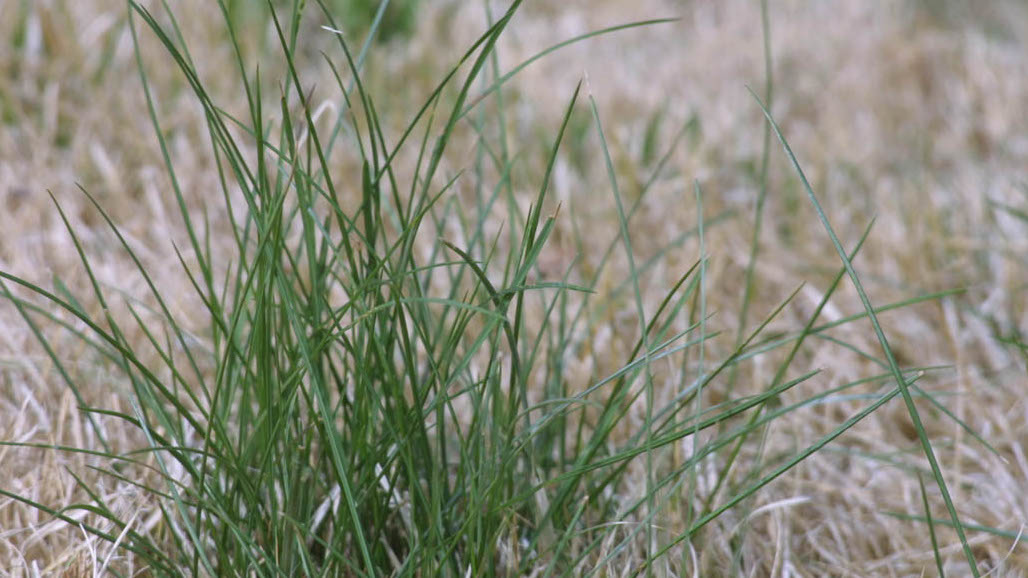
Italian ryegrass is a major weed in orchards, vineyards, field crops, and fallow fields of California (Figure 1). Several different herbicides are used to control ryegrass and had been effective in reducing infestations until resistance evolved in many populations following repeated use of the herbicides. To date, resistance to glyphosate, paraquat, and some ACCase and ALS inhibitors has been confirmed in ryegrass infestations across the agricultural landscape of California. To make matters worse, resistance to multiple postemergence herbicides with different modes of action has been confirmed within the same orchard, vineyard, or field in some areas. Consequently, management of Italian ryegrass in California annual and perennial cropping systems has become a major challenge.

Figure 1. High infestation of Italian ryegrass in a peach orchard (photo credit: Maor Matzrafi). Glufosinate is an alternative non-selective postemergence herbicide that can still be used to control herbicide-susceptible and most herbicide-resistant Italian ryegrass in California as only two populations with resistance to glufosinate have been documented to date. However, the higher cost of glufosinate relative to other herbicides may drive farmers to apply glufosinate at reduced rates as has occurred in other cropping systems, such as the Australian wheat belt, with other herbicides. The lower rates and other drivers such as herbicide applications at non-optimal weed size, inappropriate weather conditions, and insufficient spray coverage may result in sublethal rate selection of ryegrass by glufosinate.
To evaluate the potential for low glufosinate rates to select for reduced susceptibility to the herbicide, and to determine if selected populations are cross-resistant to herbicides with other modes of action as has been observed in a few studies, we conducted a greenhouse study using a herbicide-susceptible parent population originally collected from a vineyard in Sonoma County. Plants were grown in the greenhouse to the 3-4 leaf stage and treated with low glufosinate rates for three generations. For the first round of selection, plants were treated with glufosinate at 1/8X, 1/4X, and 1/2X of the labelled field rate (984 g ai ha-1). Surviving plants were grown to reproductive maturity and allowed to cross-pollinate. Seeds were harvested from all plants, pooled, germinated, and plants grown in the greenhouse for the next round of selection at slightly higher rates (1/2X, 3/4X, and 1X). For the third round of selection, plants were treated at 3/4X, 1X, and 1.25X of the labelled field rate.
Results showed that susceptibility to glufosinate was reduced in offspring in comparison with the susceptible parent population following only three generations of selection (Figure 2). Comparing the susceptible parent population with the offspring from the second and third selection cycle, the percentage of surviving plants increased to values of LD50 (1.31 and 1.16, respectively) and LD90 (1.36 and 1.26, respectively).

Figure 2. Dose-response of the Italian ryegrass susceptible parent population (P0) and three successive generations (P1, P2, P3) of offspring following selection with low glufosinate rates in the greenhouse. Lines are the predicted values for percent survival. Red arrow indicates the labelled field rate (984 g ai h-1). Adapted from Matzrafi et al., 2020 (https://www.biorxiv.org/content/10.1101/2020.07.04.182733v1). When treated with alternative postemergence herbicides (glyphosate, paraquat, or sethoxydim), no plants of either the parental or successive offspring populations survived treatment with 0.75X or higher rates of these herbicides (see Matzrafi et al., 2020 (https://www.biorxiv.org/content/10.1101/2020.07.04.182733v1).
The magnitude of increases in resistance levels over three generations of recurrent low-rate glufosinate selection observed is relatively low compared with higher levels of resistance observed in response to low-rate selection with other herbicides (three-fold and greater). However, under field conditions, even low levels of resistance within weed populations may reduce control. This study shows that repeated selection with glufosinate at low rates can reduce the susceptibility of Italian ryegrass populations to glufosinate, and points to the importance of incorporating a diversity of approaches, both chemical and non-chemical, in the management of ryegrass in annual and perennial cropping systems of California. – By Marie Jasieniuk & Maor Matzrafi, UC Weed Science
-
New Employer Playbook & Standards for Determining when Employees Can Return to Work
Almond Alliance of the California — Today, Governor Newsom announced that the State has issued a new Employer Playbook for a Safe Reopening, which contains guidance regarding all of the following:
- Requirements employers must satisfy to provide safe and clean work environments. This guidance expands on the existing industry specific guidance and checklists, the most current versions of which can be viewed using the following link: https://covid19.ca.gov/industry-guidance/
- What to do if there is a case of COVID-19 in the workplace. Importantly, this section contains the most current guidance to help employers determine when employees should be permitted to return to work after they have been diagnosed with COVID-19 or have been exposed to COVID-19 (pages 13 – 15). Please note that the CDC’s guidance has changed since the last time our office provided our General Guidance materials. In addition to reviewing the standards set forth in the Employer Playbook, you should look at the websites of all Counties in which you operate, as the Counties are permitted to issue varying standards. Employer reporting obligations and employee leave rights (paid and unpaid) are also described in this section. You should document each employee’s COVID-19 circumstance, your response, the employee’s leave rights and standard you used to allow the employee to return to work.
- Worker education topics and enforcement of mask requirements. The guidance summarizes the COVID-19-related issues employees are expected to understand, which establishes the criteria for your training obligations. Links are provided to assist in your training efforts. You should also continue to refer to the industry-specific guidance for your operation. Be sure to keep records of all of your training sessions, including who attended, the topics discussed and all written materials distributed to your employees.The Employer Playbook for a Safe Reopening can be viewed using the following link: https://files.covid19.ca.gov/pdf/employer-playbook-for-safe-reopening–en.pdf. The Employer Playbook contains many links to additional websites, which should also be reviewed as applicable to your operation.As we have explained in previous emails, although the documents issued by the State are described as “Guidance” you should treat the standards described in the documents as Orders and ensure that your operation and employees strictly comply with all applicable requirements. The Labor Commissioner’s Office, CalOSHA, ABC and other agencies are conducting enforcement visits to determine whether businesses are complying with the applicable standards and are issuing citations to those who are not.
In addition to the Employer Playbook, Governor Newsom announced he is working with the Legislature and key stakeholders to expand critical protections for employees, including paid sick leave. The Governor’s announcement can be viewed using the following link: https://www.gov.ca.gov/2020/07/24/governor-newsom-announces-new-supports-for-california-workers/.
Today’s announcements, and the new information contained in the Employer Playbook, is a reminder that the requirements and standards with which employers must comply continue to evolve on a regular basis. Please be sure to always check the relevant websites for the most current information and contact your counsel anytime you have a question about how to respond to a COVID-19 issue in your operation.
If you have any questions regarding this industry alert please contact staff@almondalliance.org.
- Requirements employers must satisfy to provide safe and clean work environments. This guidance expands on the existing industry specific guidance and checklists, the most current versions of which can be viewed using the following link: https://covid19.ca.gov/industry-guidance/
-
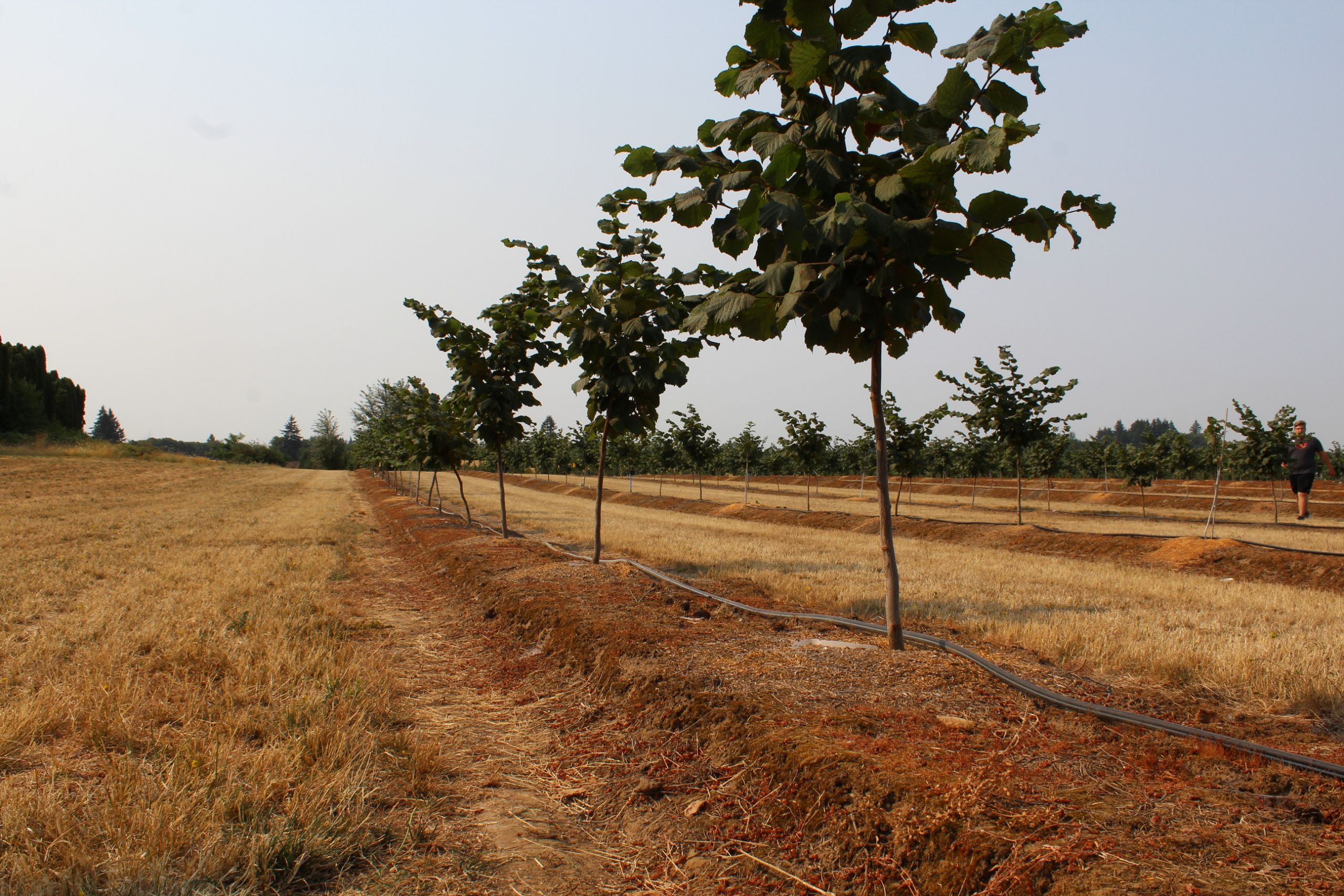
Oregon Department of Ag Approves New Herbicide Use for Young Hazelnut Orchards
The Oregon Department of Agriculture (ODA) has approved SLN No. OR-200011, a Special Local Need registration under FIFRA Section 24(c), to allow use of the Albaugh, LLC product Quinstar® 4L, EPA Reg. No. 42750-169, for control of field bindweed and other weeds in hazelnuts (non-bearing only) grown in Oregon. The label and completed EPA Form 8570-25 for this SLN are enclosed.
Oregon produces more than 99% of the total U.S. hazelnut crop. In a letter of support for this SLN registration, Michelle Armstrong of the Oregon Hazelnut Commission states that there are now more than 89,000 acres of hazelnuts planted in the state. The acreage in production has more than doubled in the last 10-15 years, as new varieties that are resistant to eastern filbert blight (EFB) have become commercially available. As the industry has been rapidly expanding during recent years and older EFB-infected trees are replaced, several thousands of acres of new orchards are being planted each year. It typically takes about four (4) years or more after an orchard is planted before it is bearing a harvestable crop.
According to the Hazelnut Commission and Dr. Marcelo Moretti, Oregon State University (OSU) Extension Weed Management professor, the management of perennial weeds such as field bindweed is one of the most challenging problems faced in orchard crops. If left uncontrolled, field bindweed can quickly overgrow young plants, such as newly planted hazelnut trees. Selective and systemic herbicides are the most effective tools for managing perennial weeds such as bindweed, but hazelnut growers have limited options available. Essentially, their options are limited to 2,4-D and glyphosate products.
Glyphosate use is restricted in hazelnut orchards during the season because of crop injury concerns; spot-spraying is widely practiced, but is time-consuming and not very effective and may only be used to treat weeds away from the trees to avoid crop injury. Efficacy of 2,4-D against bindweed is also limited, and concerns with volatilization and drift may also restrict its use to only short periods during the season. Meanwhile, contact herbicides registered for use on hazelnuts, such as glufosinate, carfentrazone, saflufenacil, and paraquat, provide only transient removal of the treated foliage, with negligible impact on survival of the weed plants.
Albaugh, LLC applied for this SLN registration for use of Quinstar® 4L on hazelnuts to address the growers’ special local need for an effective product for controlling field bindweed and other weeds growing on the orchard floor and in close proximity to the newly planted and young hazelnut trees during the growing season, without crop injury concerns.
Dr. Moretti has been evaluating quinclorac and other herbicides in long-term field trials conducted in several different young/non-bearing orchards and across multiple hazelnut varieties and trees ranging from one to four years old. The results of these studies thus far (two years in) strongly indicate that the young hazelnut trees are very tolerant of quinclorac. No crop injury or negative impacts to the trees has been observed from quinclorac applied at rates up to 1.5 lb. active ingredient per acre. By comparison, Dr. Moretti’s studies in other crops in this growing region demonstrate excellent control of field bindweed at rates of 0.375 lb. a.i. per acre (12.6 fl. oz. Quinstar® 4L per acre), which is the application rate provided by this SLN registration.
No residue tolerances have been established to support food-use applications of quinclorac on hazelnuts (Dr. Moretti currently is pursuing quinclorac/hazelnut [Crop Group 14-12, Tree Nut Group] residue studies with the IR-4 Project). Therefore, use under this SLN registration is limited to non-bearing hazelnuts only.
David L. Priebe
State Registration Specialist Pesticides Program
Oregon Department of Agriculture Phone: (503)986-4656Email: dpriebe@oda.state.or.us