Category: Industry News

  • USDA Section 32 Almond Purchase Announcement

    USDA Section 32 Almond Purchase Announcement

    The Almond Alliance of California, with support from congressional representatives, lead the advocacy efforts to have California almonds included in the United States Department of Agriculture (USDA) Section 32 food purchase program. The approval of up to $40 million of direct purchases to various domestic food nutrition assistance programs will provide much needed relief as the almond industry navigates through the impacts of COVID-19; while also providing a healthy food source to those in need.

    As grower prices continue to drop and there is an anticipated 3-billion-pound crop for 2020 it is clear that the assistance of a USDA commodity purchase came at a critical time.  As we recover from the damages of COVID-19 and market conditions the Almond Alliance will continue to advocate for and identify opportunities for the industry. We appreciate our relationship with USDA and know that the Section 32 purchase program will give more confidence to our buyers and sellers and supply those in need with a nutritious product we are extremely proud of.

    If you have any questions related to this industry alert, please contact the Almond Alliance staff at staff@almondalliance.org. The Section 32 purchase solicitation will be coming soon.

    How to Become a Certified USDA Vendor:

    The Almond Alliance facilitated a webinar in May 2020 for almond industry handler members interested in becoming an approved vendor with USDA, Agricultural Marketing Service, Commodity Procurement Program. Click here, to view the PowerPoint presentation.  Contact information for the AMS new vendor coordinator is below.  We are in the process of scheduling a How to Become a Certified USDA Vendor webinar in mid August and we will provide those details shortly.

    Selling Food to USDA: Click Here.

    Becoming a USDA Foods Vendor: Click Here.

    Contact:  Andrea Lang, New Vendor Coordinator
    AMS Commodity Procurement Program
    Communications and Stakeholder Branch
    Email: NewVendor@usda.gov      
    Phone: 202-720-4237

    Background:
    The Agricultural Marketing Service (AMS) purchases a variety of 100% domestically produced and processed commodity food products, including dairy products, fruit, vegetables, meat, poultry and seafood. AMS issues solicitations and makes purchases for over 200 different USDA Foods on an ongoing basis.

    These purchases support American agriculture by providing an outlet for surplus products and encouraging consumption of domestically-produced foods. The wholesome, high-quality products purchased by USDA—collectively called USDA Foods—are delivered to schools, food banks and households in communities across the country, and are a vital component of our nation’s food safety net.
  • Heat Illness Prevention Education, Training Resources and Publications​​​​​​​

    Heat Illness Prevention Education, Training Resources and Publications​​​​​​​

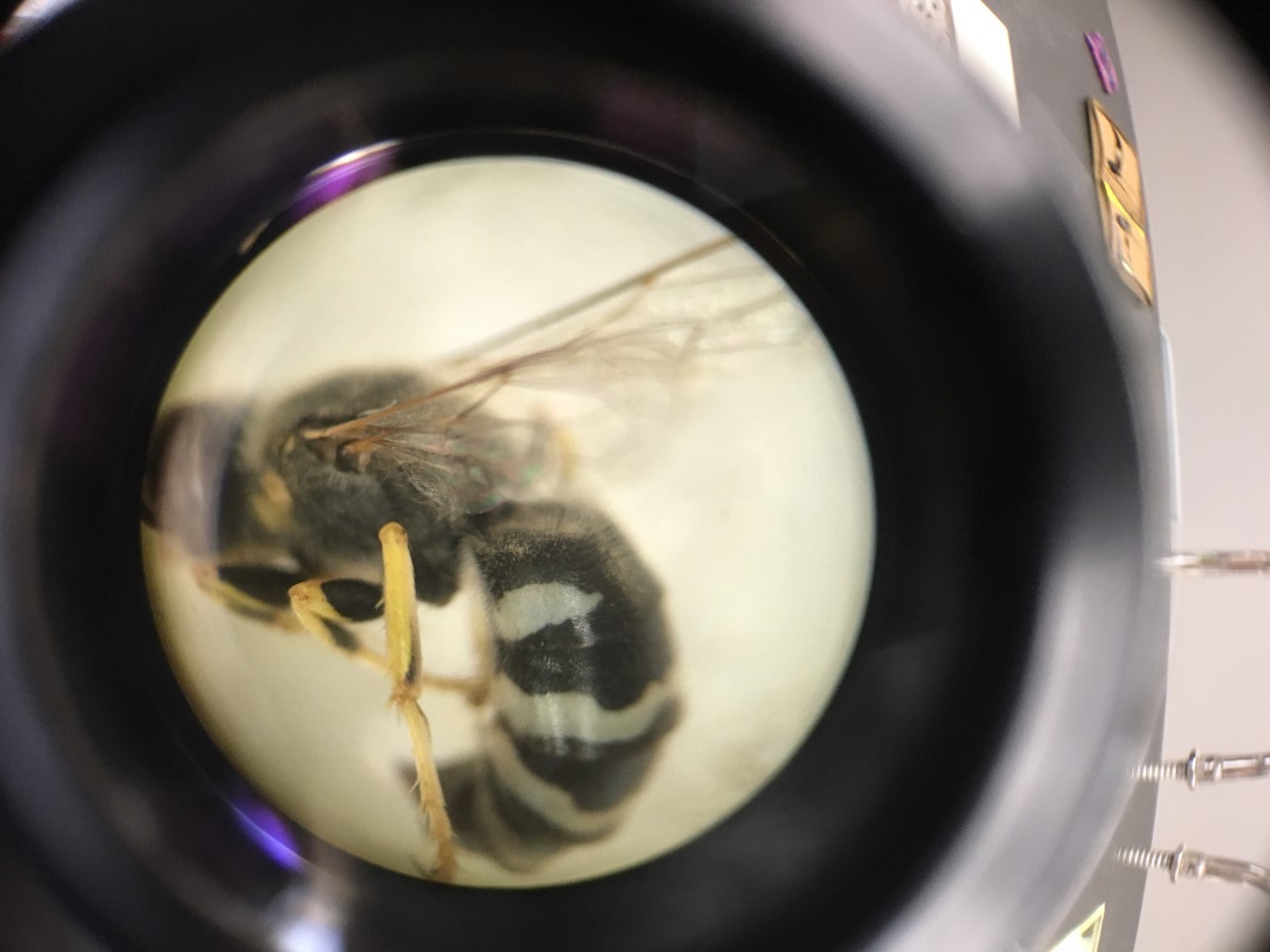
    Almond Alliance of California — Harvest is here and so is the heat!  Heat illness is deadly so prevention education is critical for protecting your employees. Make heat safety part of your overall safety program.

    Some essentials ALL employers should have are:

    • Plan – Develop and implement an effective written heat illness prevention plan that includes emergency response procedures (Almond Alliance provides a template if requested).
    • Training – Train all employees and supervisors on heat illness prevention (Almond Alliance provides pre-season trainings upon request).
    • Water – Provide drinking water that is fresh, pure, suitably cool and free of charge so that each worker can drink at least 1 quart per hour, and encourage workers to do so.
    • Shade – Provide shade when workers request it or when temperatures exceed 80 degrees. Encourage workers to take a cool-down rest in the shade for at least five minutes when they feel the need to do so to protect themselves from overheating. They should not wait until they feel sick to cool down.
    Cal/OSHA’s Heat Illness Prevention protocols include enforcement of heat regulations as well as multilingual outreach and training programs for California’s employers and workers.

    Below are links to heat illness prevention online resources, materials and printable flyers to use in your workplace this season. If you have any questions, please contact staff@almondalliance.org. Keep your employees safe and hydrated!
    For Employers:
    For Workers:
    • Pocket Guide: Protect Yourself from Heat Illness (English/Spanish), Click Here.
    • Heat Safety Fact Sheet (English), Click Here.
    • File a Health & Safety Complaint (English), Click Here.
    • Additional Heat Illness Prevention Resources, Click Here.
    Training and Education:  
    Materials available for order by email at heat@dir.ca.gov to order copies of the below materials at no cost. (99 Calor campaign page) Material is also available for download, including Heat Illness Prevention videos and discussion guides in multiple languages.
    Additional Heat Illness Links: 
    • FedOSHA Quick Card: Protecting Workers from Heat Stress, Click Here.
    • National Weather Service: California Information, Click Here.
    • Centers for Disease Control: Heat Stress, Click Here.
    • Centers for Disease Control: Tips for Preventing Heat Related Illness, Click Here.

    Note: This document is provided for informational purposes only and does not constitute legal advice. Almond Alliance of California does not advise on the application of law to an individual’s or company’s specific circumstances. Although we go to great lengths to make sure our information is accurate and useful, we recommend you consult a lawyer if you want professional assurance that our information, and your interpretation of it, is appropriate to your particular situation.

  • Research Gives Possible Answers to Increase Pollinator Populations on Farms

    Research Gives Possible Answers to Increase Pollinator Populations on Farms

    Many living creatures live in soil. Though their sizes range from microscopic soil microbes to larger animals like gopher turtles, they all call soil their “home.” Included in these ground-dwelling species are bees – vital in the pollination cycle of about 90% of plant life.
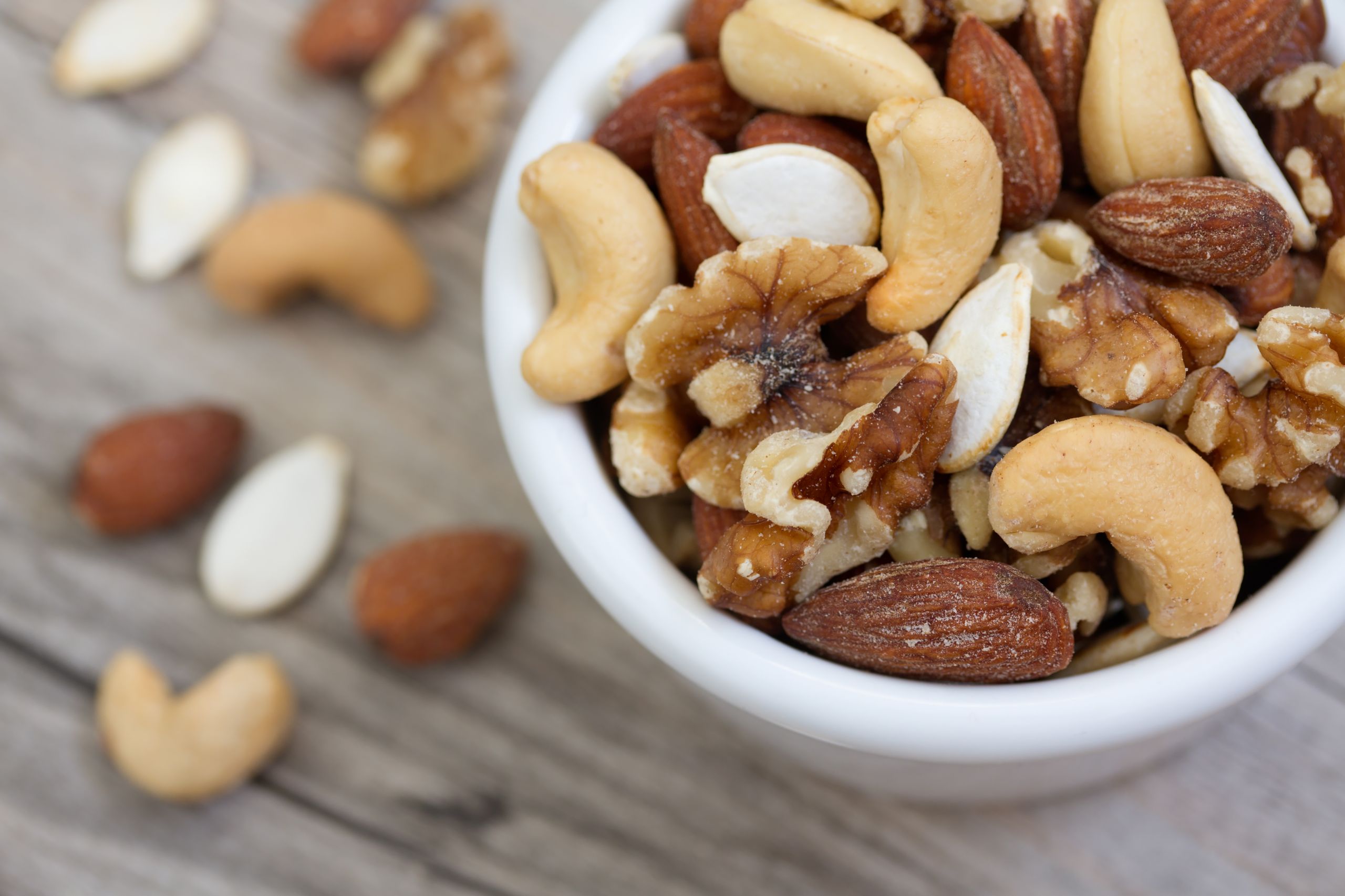
    Rebecca Lybrand and her team at Oregon State University are studying the interaction between the bees and soil in agricultural settings.

    According to the recently-published paper, bees contribute $15 billion to crop value annually. They pollinate about three-quarters of the fruits, vegetables, and nuts within the United States alone. Declines in honeybee colonies are a critical threat to agriculture and the global food supply.

    “Growers who are interested in attracting alternative pollinators, such as wild bees, face a major challenge,” says Lybrand. “There are not many studies about what habitats are best for these wild bees.”

    Pollinators are widely affected by human land use. Creating buildings, parking lots and other “anthropogenic changes” disrupt the natural habitats of animals and plants. Agricultural disturbance also affects bee communities. Interestingly, above-ground bee species are nine times more affected by agricultural intensification than ground-dwelling species.

    In some cases, growers have been able to build “bee beds” in their farm setting. In the 1950s, they started to design moist, salty soil areas to attract ground-nesting bees that helped increase alfalfa yields in Washington state.

    Lybrand’s study looked at physical and chemical properties of soils collected from active bee and sand nest wasp sites in the Willamette Valley of western Oregon. They compared soil properties among seven farm sites to identify similarities and differences.

    The Willamette Valley has wet winters with warm, hot summers. The team first found agricultural sites that contained ground-nesting bees. They collaborated with farmers who observed ground-nesting bee activity around their fields.

    The nests are only identified by rather small holes (only 3-5mm). The team only collected data if they observed bees entering the nest. Nests and holes can remain even after the bees leave. At the study site, they specified the type of bee to the family level (i.e. “bee” versus “genus” and “species”.) But they also collected some bees to bring back to the lab for further identification.

    The data the team collected in the field included soil temperature, pH, and soil texture. They also collected soil samples to bring back to the lab for analysis.

    Findings from the study included that active nesting sites were present in locations with little to no rock cover and low vegetation. Nesting sites were found in areas with low organic matter coverage. The slope of the land didn’t seem to have any influence, nor did a north/south-facing aspect.

    “One of our observations confirmed that active emergence holes remained open throughout the year,” says Lybrand. “They didn’t swell shut during the wetter, cooler seasons – despite having clay in the soils that might cause shrinking and swelling.”

    An interesting finding from the research is that the team found lipids in the soil nest linings. The lipids may provide a type of waterproofing for the nests and their inhabitants.

    “Because the large majority of wild bee species nest in the soil, studies about how to best attract them to farms are important,” says Lybrand. “Soil scientists and entomologists can partner with growers to identify soil habitats that support and attract more of these pollinators to agricultural lands. Improving our understanding of the connections between agriculture and the soils that bees, crops, and living organisms rely on to survive is important. Our research also provided a framework for studying ground-nesting organisms – an area of soil science that is underrepresented.”

    Looking to the future, Lybrand says, “future research should also integrate methods that identify bees and/or wasps to the species level. That would allow for interpretations of the results from an ecological point of view. Another question to follow up on could be the nature and purpose of the lipids found in the soil nest linings, to confirm their actual role.”

    This research was published in Soil Science Society of America Journal. Funding for this project came from an Agricultural Research Foundation grant via Oregon State University.

    American Society of Agronomy, Soil Science Society of America, Crop Science Society of America: Collectively, these Societies represent more than 12,000 individual members around the world. The scientists’ memberships build collaborating partnerships in the agronomy, crops, and soils science fields for the advancement of knowledge.

  • Driving Walnut Consumption Through Snacking

    Driving Walnut Consumption Through Snacking

    California Walnut Board – Over 95% of Americans snack at some point throughout the day. When we saw snacking move into first place for the top usage for walnuts in our Attitude & Usage (A&U) study, we knew the time was right to capitalize on this trend. In May, we kicked off a campaign designed to showcase California walnuts as the ideal snack food.

    The campaign inspires consumers to snack better by focusing on the simplicity of snacking on a handful of walnuts. We aim to create further excitement around the campaign by engaging consumers and reminding them of the unique flavor profile walnuts offer for both sweet and savory snacking options by having them pick their snacking preference, Team Sweet or Team Savory.

    In May, we also began our partnership with former Bachelorette, Ali Manno, to create content that highlights the versatility of walnuts as a snack. Ali shared her favorite sweet and savory walnut recipes in a blog post and on social media. Audience reception of Ali’s posts was overwhelmingly positive, and the inclusion of her daughter in the content amplified her relatability. Many commenters expressed intent to make her walnut spreads and contributed to the #WalnutsSweetOrSavory conversation by sharing their snacking preferences. Coverage of Ali’s snacking story was recently posted on Women’s Health and was syndicated through both Yahoo! and MSN.

    In order to give our snacking campaign a timely hook to help break through the COVID-19-dominated media landscape, we conducted a nationally representative survey to learn more about how Americans’ snacking habits had changed during shelter-in-place restrictions, so we could better understand how walnuts fit in. The survey, conducted in partnership with Kelton Global, revealed that Americans are snacking now more than ever, with 49% snacking more now than before the pandemic began.

    At the same time, many snackers are turning to indulgent snacks as a source of comfort, with 31% saying their new habits have led to recent weight gain. We leveraged these results in our outreach, with walnuts being the perfect snack ingredient that can pair with nearly any flavor, highlighting California Walnuts’ research that has shown walnuts may play an important role in maintaining a healthy weight. We also shipped mailers full of new and innovative walnut-packed snack products to media and health practitioner contacts.

    To capitalize on the increased use of digital media during this time, the campaign continues to be supported with snacking-themed digital ads and social media posts driving consumers to walnuts.org to engage with the campaign landing page, recipes, and blog content. The effort was further amplified via content marketing placements with print and digital partners, such as the Kitchn article “Berry Walnut Trail Mix Is the Afternoon Snack You’ve Been Waiting For” and Men’s Health “Make Walnut Energy Balls for a Snack”. Articles like “Summer Snack Hacks to Make the Long Days Simpler” on our blog rounded out the plan. Social media ads and polls encouraged consumers to join the conversation, resulting in high engagement levels.

    Editorial content from the blog and promotional landing pages have pulled visitors into the site with 70K+ clicks through the end of June, and more than 45K+ Recipe/Collection views.
    With consumers shopping for groceries online at record levels, California Walnuts launched an ecommerce digital advertising program on Kroger, Amazon, Instacart, Albertsons, Safeway and Ahold for the months of July and August. Additionally, traditional retail promotions will bring the campaign to life in September with snacking-themed promotions at Publix, Kroger, and Harris Teeter. Display shippers at 3,000 locations will encourage customers to “Grab a Handful of Nutrition” with California Walnuts.

    Looking ahead, we plan to continue building upon our campaign’s momentum by discovering new ways to reach consumers and share the many reasons California walnuts are not only the ideal snack food, but also the perfect ingredient for sweet and savory snack creations.

  • Progress on Navel Orangeworm Sterile Insect Technique Research

    Progress on Navel Orangeworm Sterile Insect Technique Research

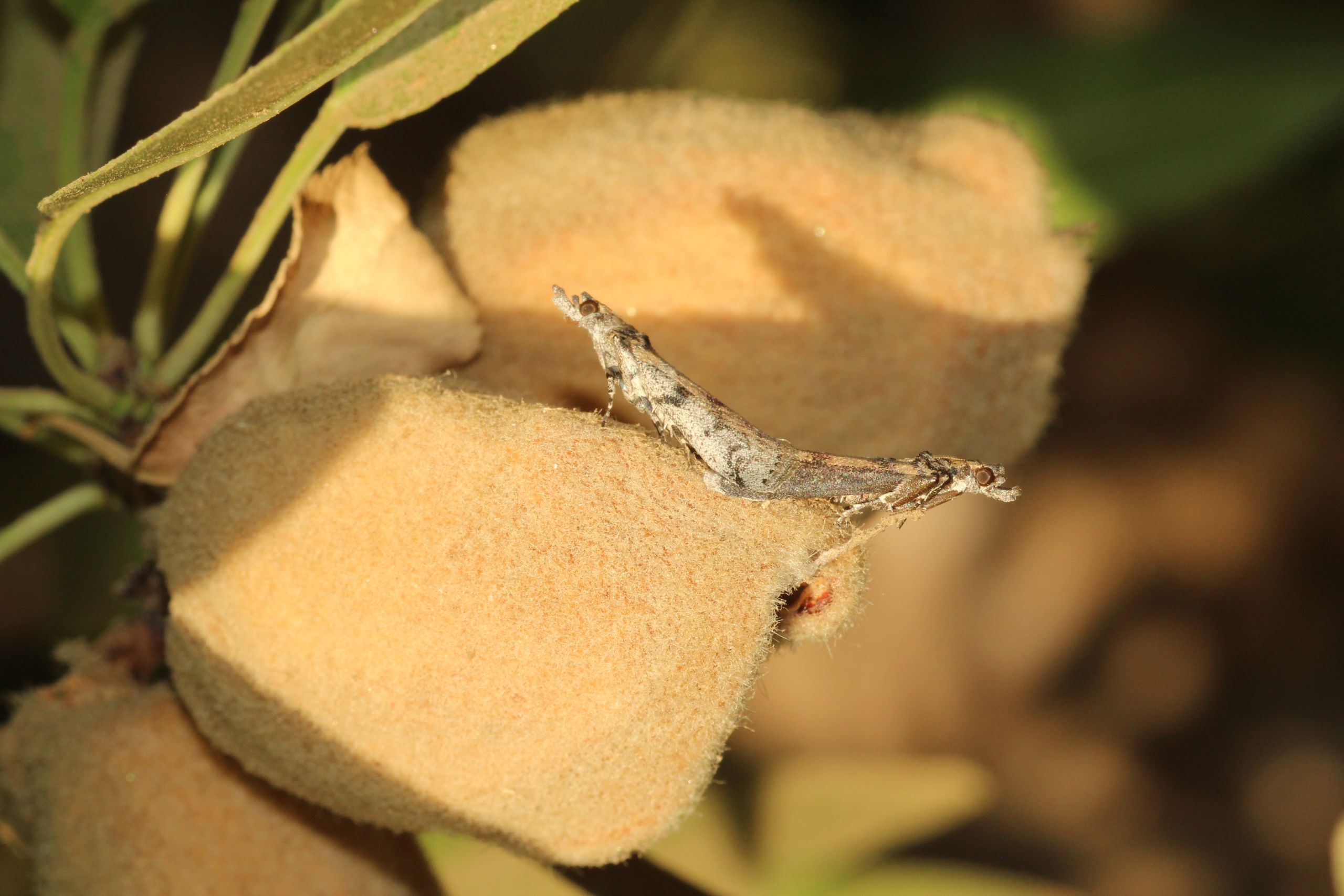
    Most tree nut growers have heard about the sterile insect technique research underway to combat Navel Orangeworm, the number one pest threat to almond and pistachio growers.  But what is the progress on this program and how soon can we expect to see these sterile insects released on a large scale to support California growers?  Watch this brief interview with Houston Wilson from the Kearney Ag Research & Extension Center, UC Cooperative Extension, to learn more.
    Please thank this video’s sponsor Suterra by taking this brief Survey.
  • Pacific Nut Producer August Issue

    [btn btnlink=”https://malcolmmedia.com/order-a-back-issue/back-issue-pacific-nut-producer-magazine/” btnsize=”full” txtcolor=”#ffffff” color=”#FFF” bgcolor=”#492500″ btnnewt=”1″ nofollow=”1″]Order A Back Issue[/btn]


    [btn btnlink=”http://malcolmmedia.com/pacific-nut-producer-magazine-subscriptions/” btnsize=”full” txtcolor=”#ffffff” bgcolor=”#492500″ btnnewt=”1″ nofollow=”1″]Subscribe Free[/btn]
    [three_fifth_last]

    Contents of the August Issue:

    Mariani Nut Company
    They Are the First to Roll Out Walnut Milk

    Pollination Points
    Seeds for Bees Program Offers Free Cover Crop Seed

    Almond Board Updates
    Online Meeting Explores Factors that Define Yield

    Orchard Tasks
    Almonds, Hazelnuts, Pecans, Pistachios, Walnuts

    [/three_fifth_last]

  • APG Progress on Marketing Pistachios in China (American Pistachio Growers Summer Series 7/7)

    APG Progress on Marketing Pistachios in China (American Pistachio Growers Summer Series 7/7)

    As gathering has not been possible due COVID-19 restrictions, American Pistachio Growers (APG) launched a video series with Pacific Nut Producer in lieu of their summer grower luncheon. Watch this final video of the series featuring APG China in-Country Representative Roger Zhang as he shares opportunities and the progress of APG marketing in India. Please enjoy the full seven part video series and read Pacific Nut Producer Magazine to get a full picture of what is going on in the American pistachio industry.

  • US Pistachio’s Place in the European Consumer Market (American Pistachio Growers Summer Series 6/7)

    US Pistachio’s Place in the European Consumer Market (American Pistachio Growers Summer Series 6/7)

    As gathering has not been possible due COVID-19 restrictions, American Pistachio Growers (APG) launched a video series with Pacific Nut Producer in lieu of their summer grower luncheon. Watch Part Six of the series featuring APG European Union in-Country Representative George Smith as he reassures US pistachio’s strong place in European consumer diets, despite COVID-19 disruptions. Please enjoy the full seven part video series and read Pacific Nut Producer Magazine to get a full picture of what is going on in the American pistachio industry.

  • APG Progress on Marketing Pistachios in India (American Pistachio Growers Summer Series 5/7)

    APG Progress on Marketing Pistachios in India (American Pistachio Growers Summer Series 5/7)

    As gathering has not been possible due COVID-19 restrictions, American Pistachio Growers (APG) launched a video series with Pacific Nut Producer in lieu of their summer grower luncheon. Watch Part Five of the series featuring APG India in-Country Representative Sumit Saran as he shares opportunities and the progress of APG marketing in India. Please enjoy the full seven part video series and read Pacific Nut Producer Magazine to get a full picture of what is going on in the American pistachio industry.

  • APG Media Outreach Wins on Pistachio Health Benefits (American Pistachio Growers Summer Series 4/7)

    APG Media Outreach Wins on Pistachio Health Benefits (American Pistachio Growers Summer Series 4/7)

    As gathering has not been possible due COVID-19 restrictions, American Pistachio Growers (APG) launched a video series with Pacific Nut Producer in lieu of their summer grower luncheon. Watch Part Four of the series featuring APG Global Ambassador Dr. Mike Roussell as he shares recent media wins showcasing the health benefits of pistachios. Please enjoy the full seven part video series and read Pacific Nut Producer Magazine to get a full picture of what is going on in the American pistachio industry.