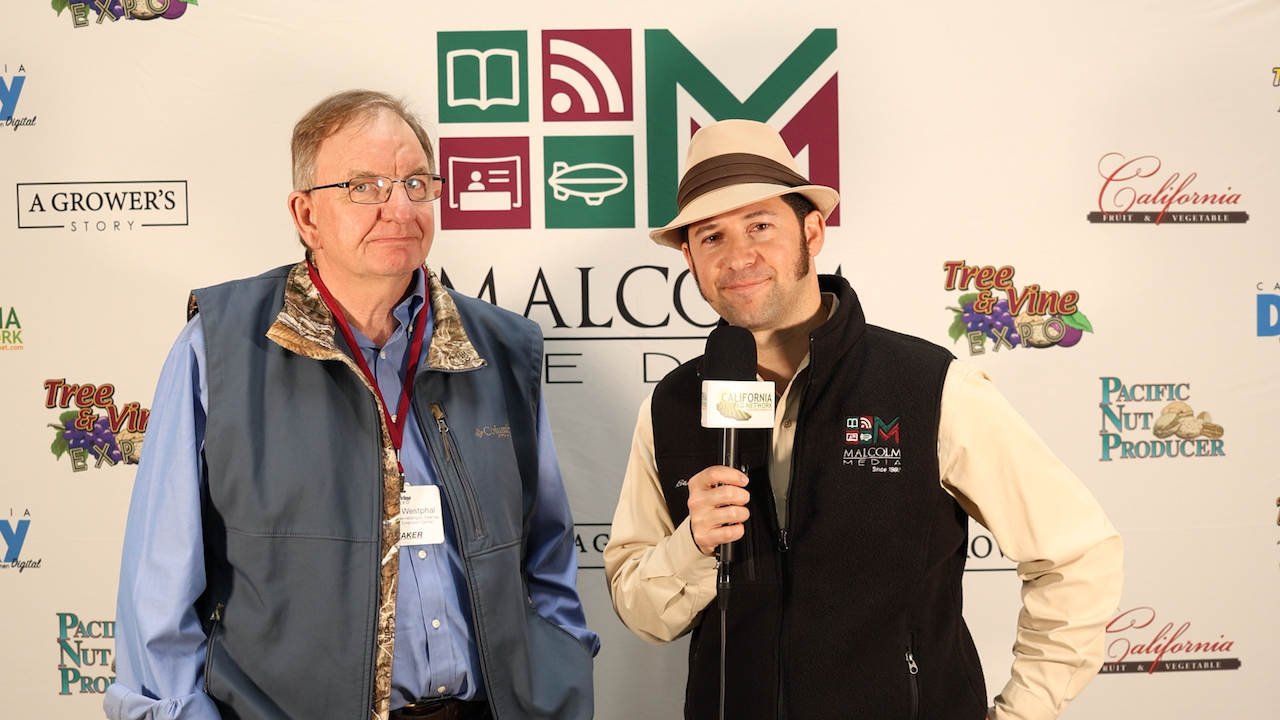
Nematodes can be a headache for growers. Luckily, ways to manage them are being researched and developed. At the Malcolm Media Tree & Vine Expo and in an interview with Matthew Malcolm on California Ag Network, Andreas Westphal with UCCE Riverside discusses nematode management. Watch this quick video and learn more in Pacific Nut Producer Magazine.
Category: Featured Post
-
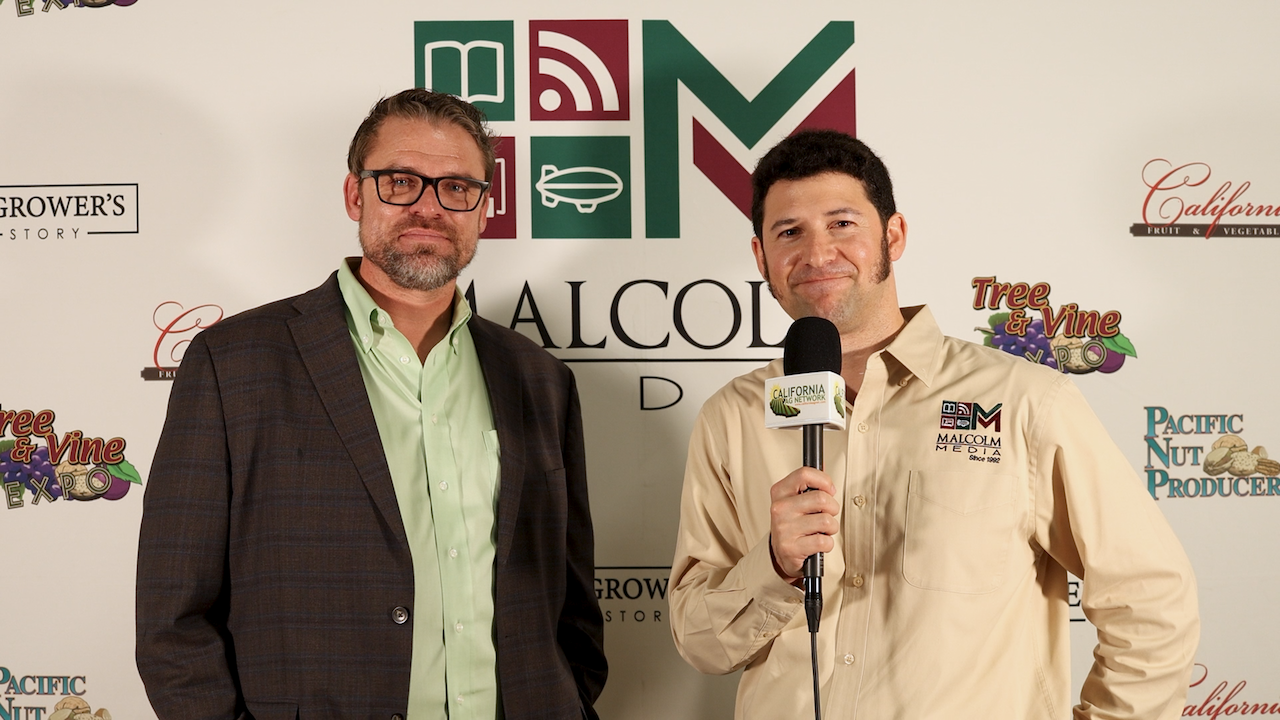
High Demand Means Bright Outlook for Pistachio Industry
Pistachio harvests were slightly smaller than initially anticipated, but still set record numbers. Optimism is also high with rising demand for pistachios. At Malcolm Media’s Grape, Nut & Tree Fruit Expo and in an interview with Matthew Malcolm on California Ag Net, American Pistachio Growers President/CEO Zachary Fraser discusses the state of the pistachio industry. Watch this brief video and learn more in Pacific Nut Producer Magazine.
-
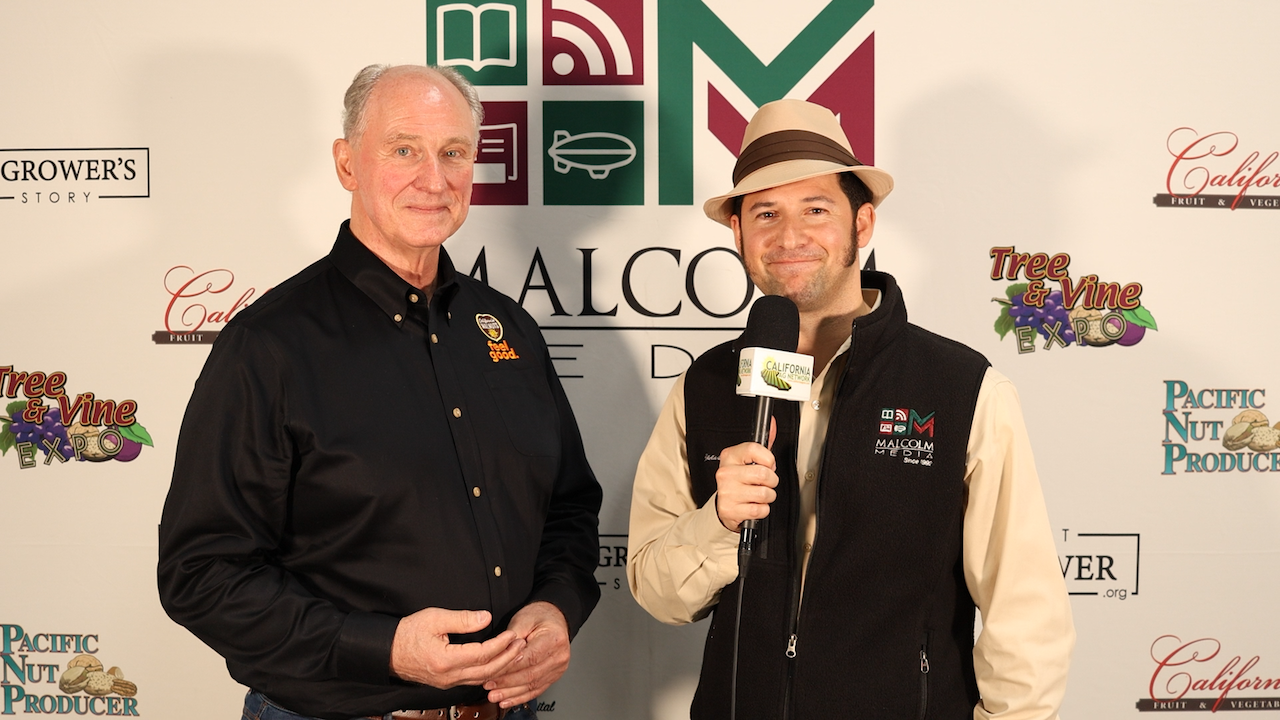
Walnut Industry Growing Momentum with Quality Crop and Record Sales
The walnut industry is building momentum as indicators suggest one of the best crops growers have had in recent history. Committed sales are also at record numbers. At Malcolm Media’s Tree & Vine Expo in Turlock and in an interview with Matthew Malcolm on California Ag Network, California Walnut Board Commission CEO/Executive Director Robert Verloop discusses the state of walnut growers. Watch this quick video and learn more in Pacific Nut Producer Magazine.
-

Hazelnut Farmer Finds Clever Way to Handle Squirrel Trouble
 Squirrels can be a serious headache for nut growers, who often have to come up with their own ways of catching and getting rid of them as rodenticides are not always an option. Oregon hazelnut grower Ken Baker talks to Matthew Malcolm with Pacific Nut Producer about the way he has learned to trap squirrels at his farm. Watch this quick video and learn more in Pacific Nut Producer Magazine.
Please thank this video’s sponsor George Packing Company for their industry support. -
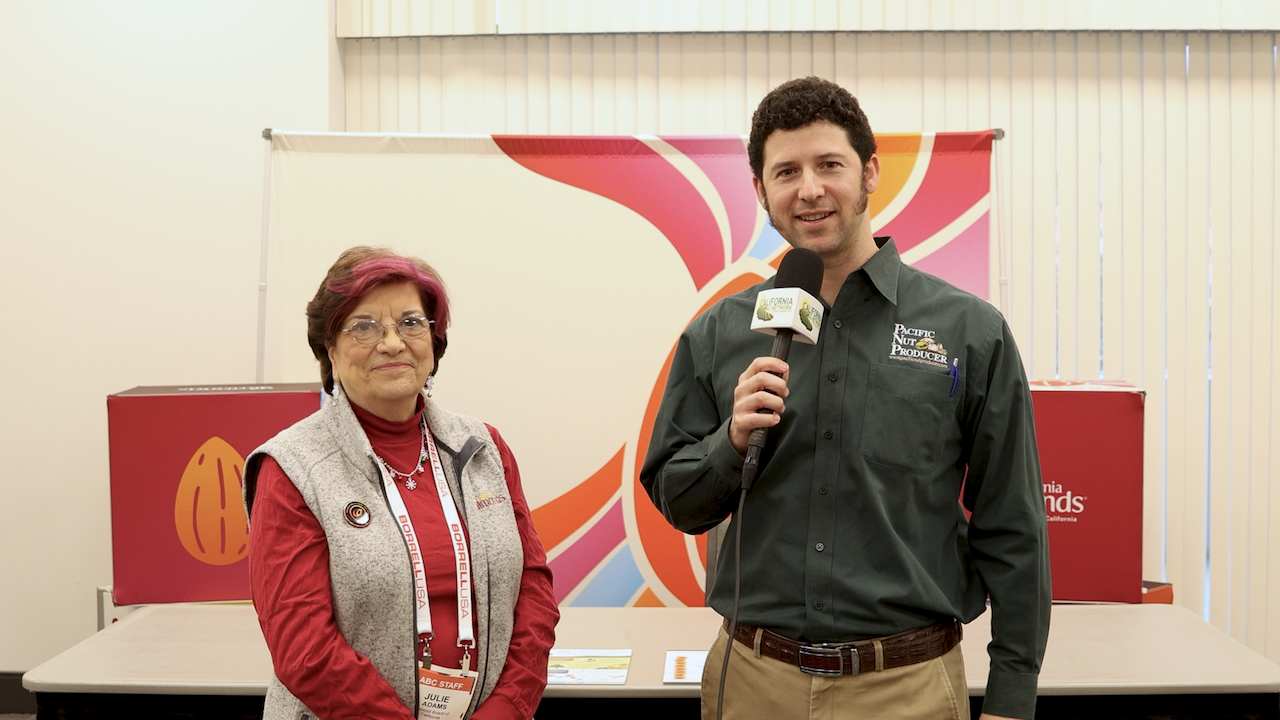
Almond Board of California Gets Major Win in Japan Exports
The Almond Board of California has reached an alignment with the USDA and the Japanese government on a pre-test protocol for aflatoxin in almonds. This will allow for easier shipping of almonds to Japan. Julie Adams from the Almond Board of California speaks about it with Matthew Malcolm on California Ag Network. Watch this quick video and learn more in Pacific Nut Producer Magazine.
-
Secretary Rollins Announces $40M in Section 32 Purchases of Almonds & Pistachios
This week at the 107th American Farm Bureau Federation Convention in Anaheim, CA, U.S. Secretary of Agriculture Brooke L. Rollins announced expanded enrollment for 2026 Dairy Margin Coverage (DMC) program and new Section 32 commodity purchases that will result in more healthy, U.S. grown food in the hands of Americans. Following the convention, Secretary Rollins also met with specialty crop producers at a local strawberry farm to discuss workforce needs and the Trump Administration’s recent wins related to significantly cutting the cost of H-2A labor for California farmers.

Secretary Rollins and former California Ag Secretary A.G. Kawamura at his strawberry farm in Irving, California. “President Trump is making historic investments in the farm safety net and today’s announcement is one more action that supports our dairy producers by managing risk and strengthening markets so they can continue to provide wholesome nutrition for Americans,” said Secretary Brooke Rollins. “The Trump Administration will continue to stand with America’s farmers as the farm economy recovers from years of neglect under the last administration. Our mission to Make America Healthy Again continues after the recent release of the Dietary Guidelines for Americans 2025-2030 announcement, with the upcoming purchase of U.S. grown food that will reach those in need, all while benefitting American farmers facing unfair actions from foreign competitors.”
OBBBA Improves DMC Coverage and Premium Fees
Secretary Rollins announced the enrollment period for the Dairy Margin Coverage (DMC) program for the 2026 coverage year, an important safety net program that provides producers with price support to help offset milk and feed price differences. Starting January 12, 2026, dairy producers can enroll in DMC. The enrollment period ends February 26, 2026. The One Big Beautiful Bill Act (OBBBA), signed by President Donald J. Trump on July 4, 2025, reauthorized DMC for calendar years 2026 through 2031 and provided substantial program improvements, including establishing new production history and increasing Tier 1 coverage.
The OBBBA increased DMC’s Tier 1 coverage level increased from five million pounds to six million pounds. All dairy operations that elect to enroll in DMC for 2026 will establish a new production history. Existing dairy operations that started marketing milk on or before January 1, 2023, will use the higher of milk marketings for the years of 2021, 2022, or 2023. New dairy operations starting after January 1, 2023, will use their first year of monthly milk marketings, even for a partial year. Milk marketing statements or production evidence are required to establish a production history.
Dairy operations also have the option to lock-in coverage levels for six years (2026-2031) with premium fees discounted by 25%.
DMC offers different levels of coverage, including an option that is free to producers, minus a $100 administrative fee. To determine the appropriate level of DMC coverage for a specific dairy operation, producers can use the online dairy decision tool.
For more information visit the DMC webpage or contact your local USDA Service Center.
Agricultural Marketing Service Section 32 Purchases
Secretary Rollins also announced USDA’s intent to purchase up to $80 million in specialty crops from American farmers and producers to distribute to food banks and nutrition assistance programs across the country. These purchases are being made through USDA’s authority under Section 32 of the Agriculture Act of 1935 and will assist producers and communities in need. With this action, the Trump Administration is bolstering American prosperity by supporting American agriculture, rural communities, and those in need of nutrition assistance.
The Agricultural Marketing Service (AMS) continuously purchases a variety of domestically produced and processed agricultural products. These “USDA Foods” are provided to USDA’s Food and Nutrition Service (FNS) nutrition assistance programs, including food banks that operate The Emergency Food Assistance Program (TEFAP), and are a vital component of the nation’s food safety net.
USDA AMS will purchase up to $80 million of the following commodities:
•Almonds: $20M
•Grape juice: $20M
•Pistachios: $20M
•Raisins: $20M
-
Almond Board Guides Industry Recovery with 3rd Largest Shipping Year
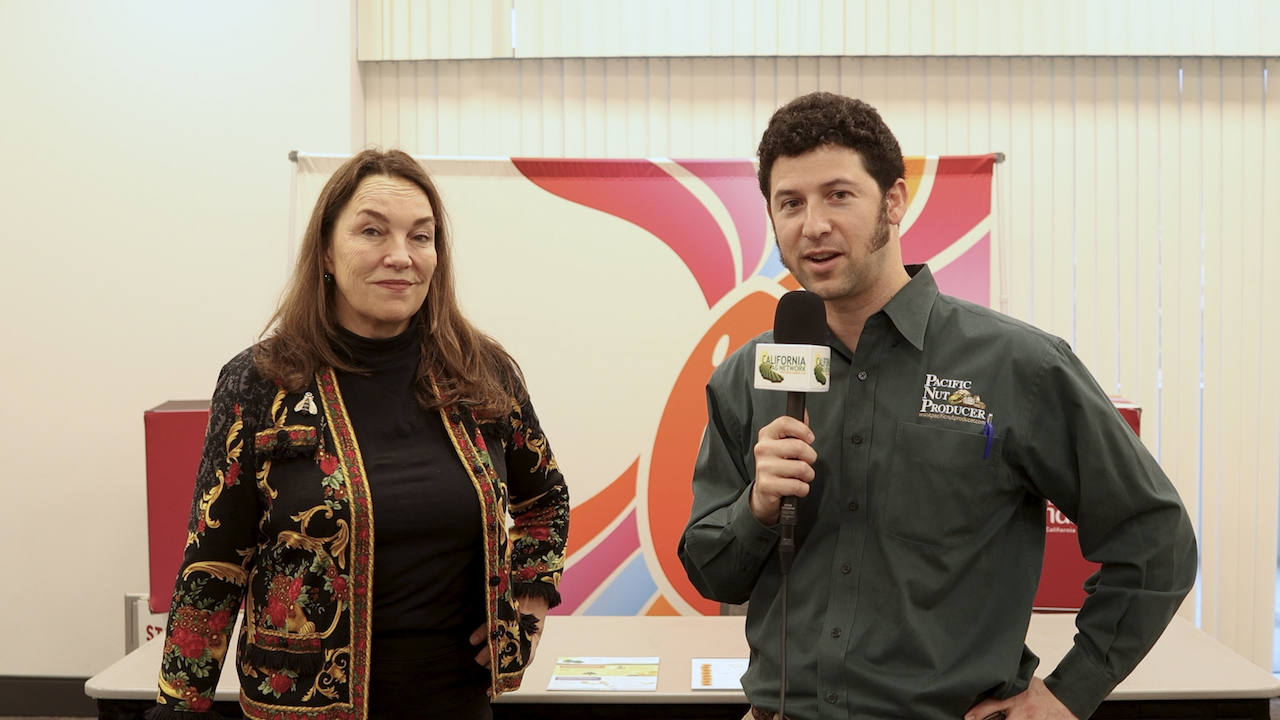
The California almond industry experienced its 3rd highest shipping year ever in conjunction with the Almond Board of California’s 75th anniversary as a Federal Marketing Order. At the Almond Conference in Sacramento, President/CEO Clarice Turner spoke with Matthew Malcolm on California Ag Network to discuss current almond supply and demand dynamics and the Board’s role in creating a healthier future in the California almond industry. Watch this brief video and read more in Pacific Nut Producer Magazine.
-
Five-Year Almond Forecast Bright with Stronger Prices
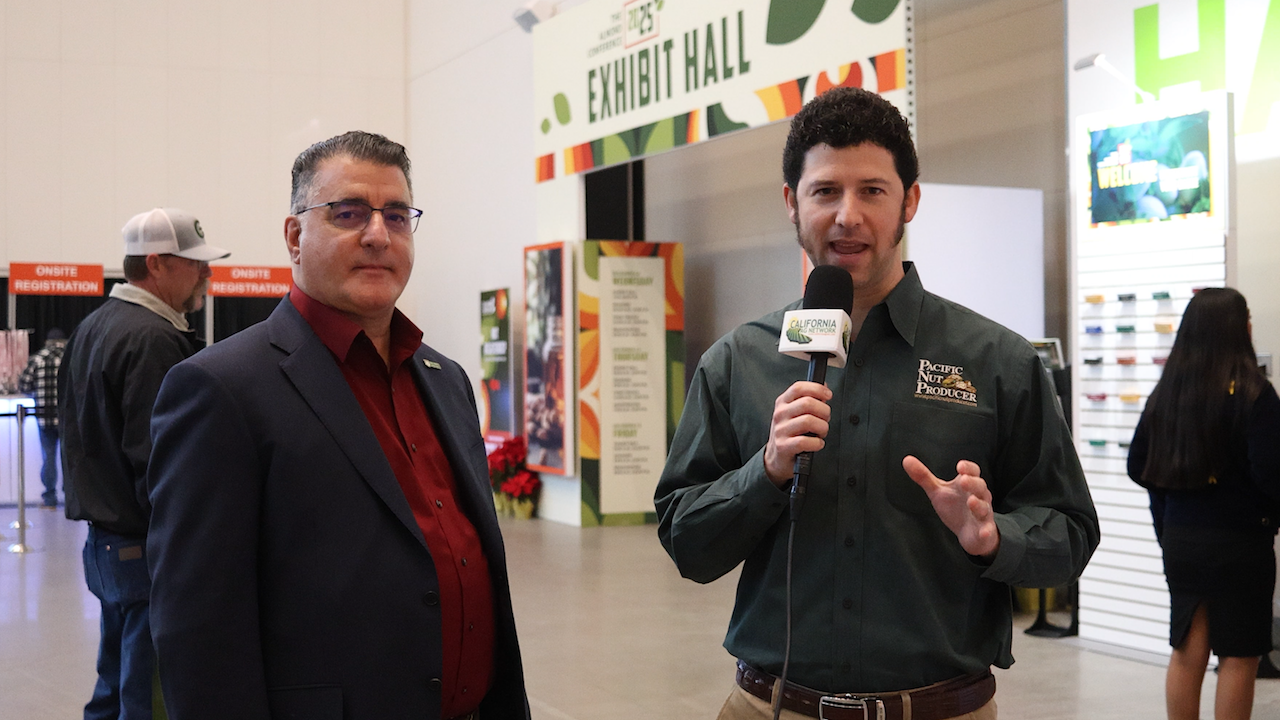
The future looks bright for the California almond industry with the release of a special five-year almond economic forecast. In an interview with Matthew Malcolm on California Ag Network during the Almond Conference in Sacramento, Roland Fumasi from RaboResearch at Rabobank discussed their five-year almond outlook and what growers can expect in the coming seasons. Watch this brief interview and read more about it in Pacific Nut Producer Magazine.
-
California Walnut Commission Applauds Emphasis on Nuts in New Dietary Guidelines for Americans
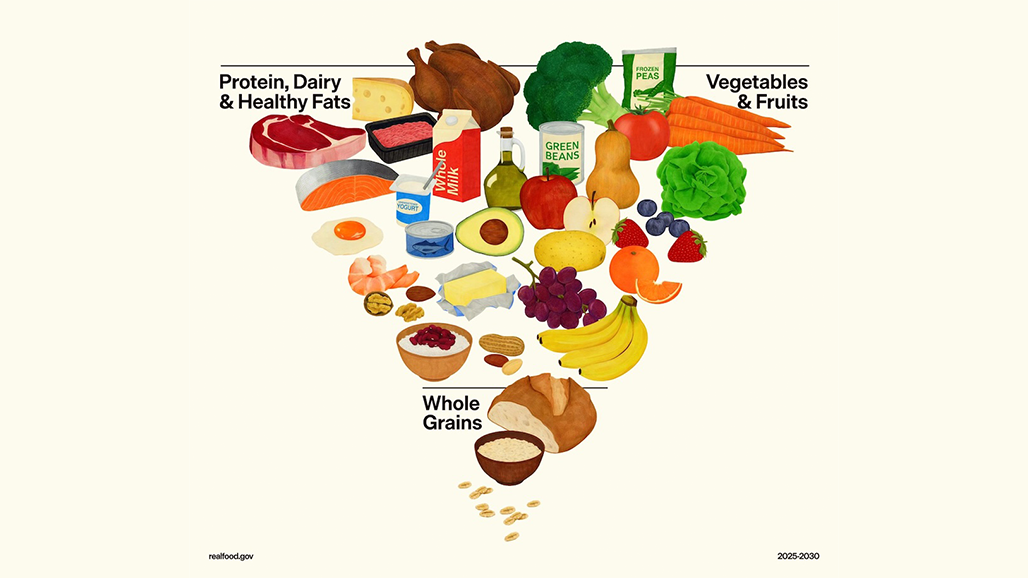
There is good news for walnuts in the newly released 2025-2030 Dietary Guidelines for Americans (DGAs), which emphasize “real”, nutrient-dense foods — including nuts — as the foundation of a healthy diet.
The DGAs recognize nuts as a source of plant-based protein and emphasize consumption of healthy fats found in whole foods across multiple age groups and life-stages, and the accompanying report features walnuts on their list of “rich sources of [omega-3] ALA[1].” In addition, for the first time, walnuts are clearly represented in the new food pyramid.
Further, within a 2,000-calorie diet, the DGAs recommend one ounce of nuts or seeds and two tablespoons of nut or seed butter as part of the three to four daily servings of protein foods. The DGAs also recommend introducing potentially allergenic foods —including nut butters—with other complementary foods to infants at about 6 months.
“This marks an important step in gaining broader recognition that walnuts, as a healthy and real food, should be part of our daily lifestyle,” said Robert Verloop, CEO of the California Walnut Commission (CWC). “It also is a testament to the 30 years of investment in sound, scientific health and nutrition research by the California walnut industry.”
While the new DGAs were under development, the CWC leveraged the over 240 published research studies to submit comments and provide evidence showcasing how walnuts can be included in healthy dietary patterns. The CWC continues to support new research in areas such as gut health, sleep and cognitive function, alongside continued investment in heart and metabolic health.
“Through CWC’s Global Health Research Program, we’re fueling science that speaks to health and wellness, and supporting researchers exploring the topics that truly matter to consumers,” said Rachel Blaine, CWC scientific advisor. “By advancing evidence in these areas, we’re showcasing how walnuts can power overall well-being and inspire people everywhere to make walnuts a delicious part of their daily routine.”
The DGAs also highlight a broader commitment to American agriculture. “We are realigning our food system to support American farmers, ranchers and companies who grow and produce real food,” according to the DGAs.
For more information on the 2025-2030 DGAs, visit realfood.gov. For more information about the California Walnut Commission and its programs, visit walnuts.org.
About the California Walnut Commission
The California Walnut Commission (CWC) represents more than 3,700 California walnut growers and approximately 70 handlers, grown in multi-generational farmers’ family orchards. California walnuts, known for their excellent nutritional value and quality, are shipped around the world all year long, with more than 99% of the walnuts grown in the United States being from California. The CWC, established in 1987, promotes usage of walnuts through domestic and export market development activities as well as supports health research with consuming walnuts.
To explore recipes and learn more about California walnut growers, industry information and health research, visit walnuts.org.
[1] One ounce of walnuts provides 18g of total fat, 2.5g of monounsaturated fat, 13g of polyunsaturated fat, including 2.5g of alpha-linolenic acid (ALA), the plant-based omega-3.
-
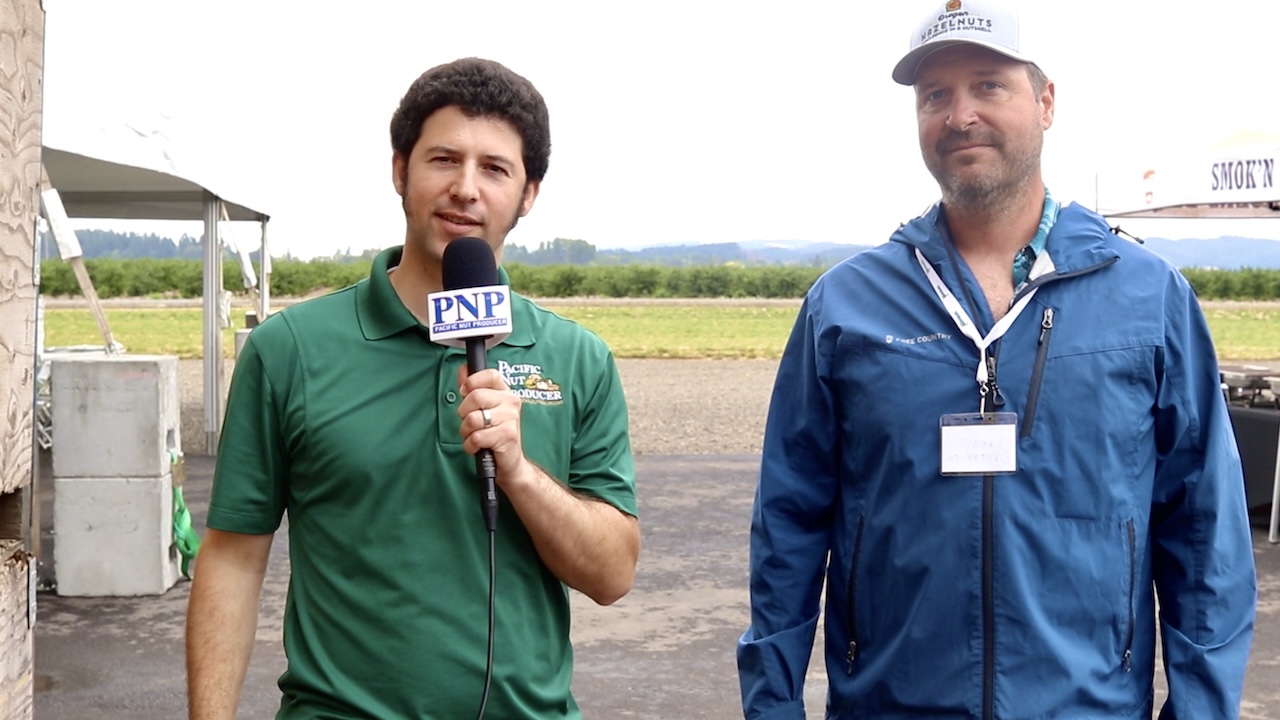
Alternative Uses for Processed Hazelnut Shells that can Benefit Growers
 Oregon hazelnut growers just wrapped up their largest harvest ever. With good weather and decent returns, growers are pretty happy and finally enjoying some much needed rest. Hazelnut processors, on the other hand, are hard at work processing and marketing the product. They are committed to the challenge of handling a record-sized crop, but unfortunately have to figure out what to do with the massive amount of shells/biomass that accompanies it. Processors can pay to have it composted… or, could this bi-product be utilized more profitably? Watch Matthew Malcolm’s brief interview with hazelnut grower and nurseryman Loren Birkemeier to find out.
Please thank this video’s sponsor George Packing Company for their industry support.