Category: Featured Post

  • Preventing Bacterial Blast Damage in 2026

    Preventing Bacterial Blast Damage in 2026

    Though our weather outlook for the next couple of months is leaning toward warmer weather than usual, a cold snap during bloom and leaf-out could cause significant bacterial blast damage. Make a plan now in case of bad weather.

    The Bottom Line:

    • Bacterial blast can be a problem when cold, wet weather coincides with bloom or leaf-out.
    • Copper resistance is common: spraying copper is ineffective for preventing blast.
    • Frost protection is the most economical prevention option and will help prevent damage from both frost and bacterial blast.
    • The antibiotic kasugamycin (Kasumin®) is effective for preventing blast when applied up to 6 days before cold, wet weather. It is available this year under Section 18 exemption (Feb 1- April 15), consult with your PCA regarding rates and timings.

    The Details:

    Pseudomonas syringae can infect all aboveground parts of an almond tree, causing bacterial blast of the leaves and flowers. Pseudomonas is everywhere, so weather conditions are the factor driving this disease. Freezing cold, wet weather favors this disease. Pseudomonas is spread by water hitting the tree. If this occurs during frost, Pseudomonas can enter the tree through cells broken by frost damage. Trees are especially susceptible to frost damage during bloom and leaf-out, when tender new growth is exposed to cold weather.

    Preventing infection by Pseudomonas is the only way to control bacterial blast. Frost protection is the most inexpensive strategy: if the trees are not damaged by frost, Pseudomonas will not have a way in to cause disease. As a second line of defense, kasugamycin (Kasumin®) is effective to prevent bacterial blast when applied no more than 6 days before cold, wet weather. For this spray, complete coverage is crucial: all the tender new growth must be covered in a protective layer of the antibiotic for it to be effective. Any tissue left uncovered will be unprotected. Kasugamycin recently received a Section 18 for use in almond between February 1 and April 15, 2026. If the weather warrants treatment, kasugamycin can be used as a preventative spray up to two times during the temporary use window. Current work by UC researchers shows that copper-resistance is common in Pseudomonasthroughout the state. In some cases, mixing mancozeb with the copper may provide some level of control, but research shows that this mixt ure is not as effective as kasugamycin and can cause phytotoxicity.

    For more information on bacterial blast, check out these articles at www.sacvalleyorchards.com

    Bacterial blast/canker: What do we know?

    Bacterial Blast and Canker

    By Jaime Ott, UC Extension Tehama, Shasta, Glenn and Butte Counties

  • Rising Demand for U.S Pistachios in China

    Rising Demand for U.S Pistachios in China

    Demand for pistachios in China has been steadily increasing, driven by rising consumer awareness of their health benefits and the growing popularity of nuts as a snack. This trend has positioned China as one of the largest pistachio importers globally, with most imports coming from the United States and Iran. U.S. pistachios are particularly favored for their superior quality. Chinese consumers tend to prefer large, uniformly colored pistachios with a high split rate. Packaging and branding strongly influence purchasing decisions. Innovative product offerings, convenient packaging, and ongoing consumer education are key to enabling U.S. pistachios capture a larger share of the market.

    Market Overview

    China’s Growing Tree Nut Consumption

    China’s tree nut consumption has grown by 5 percent annually steadily over the past 5 years. China’s national yearly intake of 8 million metric tons (kernel equivalent) represents 15 percent of the global total according to data from the International Nut and Dried Fruit Council (INC). However, China’s per-capita tree nut consumption in 2023 was only 0.56 kg, which is approximately one-fifth of the 2.6 kg consumed in the United States. By comparison, per capita tree nuts consumption is 2.7 kg in Australia, 1.6 kg in the EU, and 0.98 kg in South Korea.

    While per capita nut consumption in China is comparatively low, changes in dietary patterns are anticipated to boost the country’s nut intake. Consumers in the post-pandemic era are increasingly concerned about food nutrition and function. Tree nuts, which represent a healthy snack option, have recently become immensely popular among middle-class urban consumers. As a result, it is estimated that per capita tree nut consumption could reach 1 kg in 2030, almost double of 2023 consumption.

    The most consumed tree nuts in China are walnuts, almonds, pistachios, macadamia and cashews, mostly as snack foods, baking ingredients and dairy alternatives in coffee shops, with a smaller portion consumed as cooking ingredients. Pistachios have emerged as one of most popular tree nuts for Chinese consumers, with annual demand reaching around 160,000 metric tons in 2024. China was the world’s second-largest purchaser of pistachios in 2024, behind only the EU.

    Supply of Pistachios in the Chinese Market

    China has been a net importer of nuts for more than a decade due to the difficulty of growing popular varieties such as pecan, pistachios, and almonds, combined with the fast-growing tree nuts market. Except for walnuts and hazelnuts, demand for tree nuts exceeds supply in China.

    In 2024, China imported 133,744 metric tons (MT) of pistachios in 2024 from four countries, making it the world’s second largest pistachio importer. United States was the leading supplier with 90,675 MT

    representing 68 percent of China’s total imports. Iran was the second largest exporter, with 40,721 MT accounting for a 31 percent of China’s imports, followed by Australia (2,257 MT) and Turkey (91 MT). In 2024/25, China’s demand for pistachios is expected to remain high. See FAS China Tree Nuts Annual 2025 GAIN report for more details.

    China is almost totally dependent on imports to meet demand. According to CFNA recent report in August 2025, the rate of self-sufficiency of pistachios from domestic production is close to zero percent while estimated consumption is between 90,000-110,000 metric tons. Xinjiang province is the primary domestic source of pistachios in China, accounting for approximately 95 percent of the country’s production. In addition to Xinjiang, pistachios are also grown in Gansu, Shanxi, and Ningxia on a very small scale. CFNA estimates production of pistachios in Xinjiang at 300 metric tons in 2023 and 2024.

    Consumption

    In China, tree nuts are primarily consumed by middle- and upper-class individuals residing in first-tier cities and coastal regions of eastern China. According to a report on China tree nuts market from Kerry Group, 62 percent of consumers are women, while 53 percent are aged 34 and under, corresponding to Generation Z, who prioritize healthier lifestyles and personal happiness, 50 percent of Chinese consumers buy tree nuts at least once a week, spending more than 100 Chinese yuan ($13.86)

    per purchase. Market research data collected during the 2025 Chinese New Year holiday show that tree nut gift boxes (selected by 46.3 percent of respondents) overtook gift boxes of tea (36.4 percent) and baijiu (a Chinese liquor, 34.4 percent) as the most popular gift box category.

    Recent economic headwinds, however, have made Chinese consumers more price sensitive, which has in turn prompted food producers to reduce expenses to remain competitive. As a result, importers have become more cost-conscious when sourcing nuts from overseas suppliers. As the nut sector continues to develop new methods of using nuts, industry insiders are optimistic about the rise in nut consumption in China, especially during the holiday season. The prices of various treenuts including pistachios are rising in second half of 2025 as the 2026 Chinese New Year holiday season approaches.

    Currently, China’s tree nut market is dominated by snack products, with the share of foods made from processed nuts being modest. However, nut butters, nut oils, nut powders, and nut beverages are increasingly integrated into the Chinese diet. Pistachios are one of the most favored tree nut ingredients in baking and catering business, widely recognized by Chinese consumers as a “super food” rich in protein, dietary fiber, antioxidant and low in calories and fat. Consumers are also attracted to the color of pistachios when used in products.

    Following the popularity of Dubai Chocolate, products such as pistachio desserts, candy, coated pistachio kernels, etc. are continually developed and launched. Also, pistachios are increasingly used as bakery and pastry ingredients on bread, cakes, gelato, affogato, brioche, and ricotta toast. In recent USDA food service promotion programs, pistachios were also used in dinner entries such as pistachio-crusted crispy salmon and spicy chicken with fried American pistachios, gaining attention from local chefs and restaurant owners.

    Competition Landscape

    In China’s pistachio market, both international and domestic brands play significant roles. Pistachios from the United States are well known for their roasted and flavored snack pistachios. Chinese snack companies such as Three Squirrels and Be & Cheery specialize in packaged pistachio snacks as part of broader nut assortments. Costco and Tianhong are also important distributors of pistachios in China market. The following companies lead the market based on the processing capacity and sales revenue in the first half of 2025:

    1. Three Squirrels (Headquarters: Wuhu, Anhui Province): Founded in 2012, Three Squirrels is a well-known food brand listed on the Shenzhen Stock Exchange. Their products cover a full range of casual snacks such as nuts and dried fruits.

    2. Be & Cheery (Headquarters: Hangzhou, Zhejiang Province): Established in 2003, they are a well-known food brand for nut sales, acquired by PepsiCo in 2020.

    3. Bestore (Headquarters: Wuhan, Hubei Province): Founded in 2006, they are a listed company on the Shanghai Stock Exchange with over 2000 physical stores.

    4. Cha Cha (Headquarters: Hefei, Anhui Province): Founded in 2001, Cha Cha is a listed company on the Shenzhen Stock Exchange, producing traditional roasted seeds and nuts.

    5. Wolong (Headquarters: Qingdao, Shandong Province): Established in 2012, Wolong mainly produces a variety of dried nuts and dried fruits. Their “Daily Nuts” product launched in 2015 making them a pioneer for this category of mixed nuts products.

    6. Laiyifen (Headquarters: Shanghai): Founded in 2000, Laiyifen is a large domestic retail chain for snack food with nearly 3,000 stores in more than 20 provinces and cities across the country.

    7. Hua Wei Heng (Headquarters: Hangzhou, Zhejiang Province): Founded in 1992, they are a well-known brand in dried fruit and nut snack foods.

    8. Rainbow (Headquarters: Hong Kong, China): Founded in 1958, Guangdong Nanxing Rainbow Nut Products Co., Ltd. specializes in importing, processing, and producing a variety of nut products with a high market share in pistachios and macadamia nuts.

    9. Ganyuan (Headquarters: Pingxiang, Jiangxi Province): Established in 2006 and listed on the Shenzhen Stock Exchange, Ganyuan’s main products include roasted seeds and high-end nuts such as cashews and macadamia nuts.

    10. Yao Sheng Ji (Headquarters: Hangzhou Lin’an, Zhejiang Province): Founded in 1998, they are a grower, processor and roaster of a series of nuts and dried fruits products.

    Key Growth Drivers for Pistachio Consumption

    1. Health & Wellness Trends: Pistachio consumption is experiencing significant growth driven by several key trends. First, the health and wellness movement is a major factor, as pistachios are marketed as a nutrient-dense snack rich in protein, fiber, and antioxidants. This aligns with the increasing health consciousness among China’s middle class and younger generations. Additionally, the demand for “clean-label” and low-sugar snacks has further boosted the popularity of pistachios.

    2. Premiumization: Pistachios are positioned as a premium nut due to their higher price point and imported origins. The introduction of flavored and roasted varieties, such as honey-roasted, spicy, and wasabi, appeals to the adventurous tastes of younger consumers.

    3. Catering Business Innovation: In China, approximately 70 percent of pistachios are distributed through the retail channel for snacking, and 30 percent is distributed to catering business. However, catering business innovation is increasingly playing a crucial role in the rising consumption of pistachios. Popular tea shops like Heytea and Naisnow Tea are incorporating pistachio paste into their milk teas, lattes, and desserts. Similarly, bakery chains and ice cream brands, including Häagen-Dazs, are using pistachio toppings and fillings in their products.

    4. E-commerce Expansion: The expansion of e-commerce platforms such as Tmall, JD.com, and Pinduoduo has increased the accessibility of pistachios, particularly in lower tier cities. This has made it easier for consumers to purchase pistachios online.

    5. Plant-based Diets: Plant-based diets are becoming increasingly popular in China. Post estimates that China’s plant-based food business has expanded at a 14 percent annual rate over the last 5 years, with its value reaching around $10 billion in 2024. Furthermore, the number of enterprises producing plant-based foods and beverages is now over 8,000. As a result, consumption of tree nuts, especially pistachios which are known as a complete protein product, will have positive momentum for long term category growth.

    USDA Cooperators engaged in almonds, pistachios, pecans, cranberries, blueberries, tart cherries, raisins, prunes, walnuts, peanuts, dry pea and lentils regularly send representatives to attend the above two events in coordination with USDA FAS. — By USDA Foreign Ag Services China, Ted Shibata and ATO Shanghai staff
  • Best Practices for Nighttime Applications

    Best Practices for Nighttime Applications

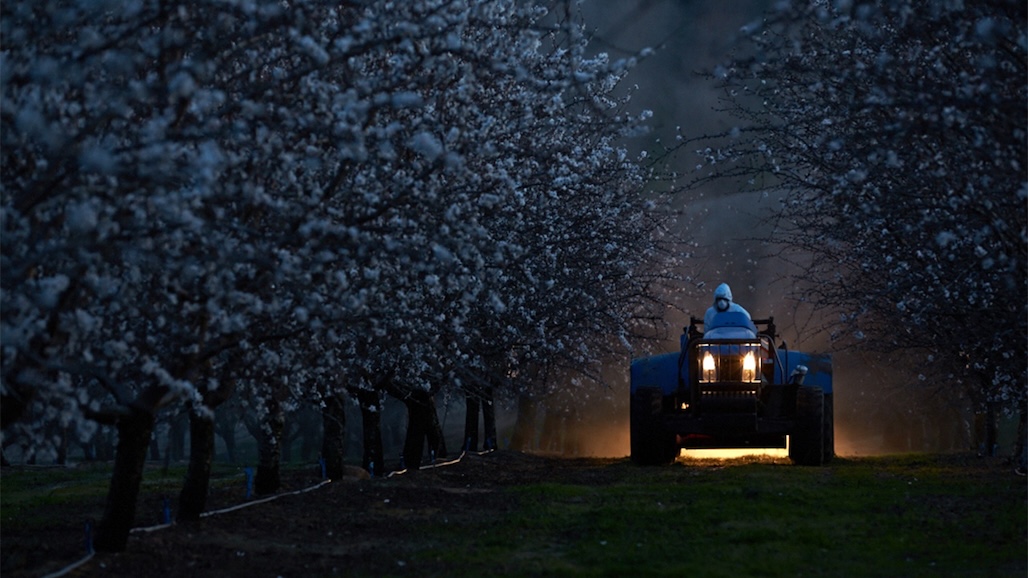
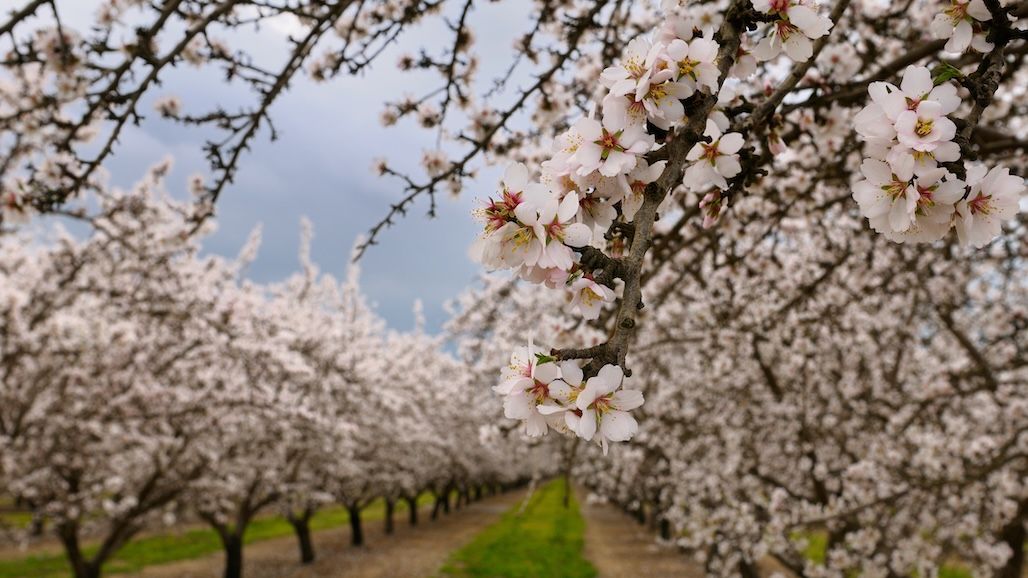
    Honey bee health remains a top priority for almond growers as bloom approaches. According to the Almond Board of California’s Honey Bee Best Management Practices (BMP), one of the most effective ways to reduce bee exposure to crop protection materials is to schedule applications during the evening or nighttime hours, when foraging bees have returned to their hives. The BMPs also emphasize strong communication among growers, beekeepers, PCAs, and applicators to ensure everyone involved knows when applications will occur and can coordinate accordingly.

    Working after dark though can be dangerous. While doing so helps to reduce pollinator exposure to applications, it also requires growers to operate within California’s specific nighttime safety regulations.

    Understanding Nighttime Safety Requirements

    California’s Outdoor Agricultural Operations During Hours of Darkness standards apply to all agricultural work occurring between sunset and sunrise. These regulations require growers to ensure adequate visibility throughout the work environment. Orchard areas, walkways, and paths to restrooms must meet minimum illumination levels measured directly where workers walk or perform tasks.

    Additionally, equipment such as trucks, tractors, and other self-propelled machinery must have headlights and rear lights capable of illuminating at least 50 feet ahead and behind, improving safety for both operators and ground crews. These lighting requirements help reduce the risks posed by diminished nighttime visibility, especially when work involves multiple people and moving equipment.

    Preparing Crews with Pre‑Shift Safety Meetings

    Before each night shift begins, California regulations require supervisors to hold a safety meeting to review important site information. Workers must be informed of the locations of restrooms, drinking water, designated break areas, nearby bodies of water, and high traffic zones. Because nighttime conditions can make familiar surroundings more difficult to navigate, these meetings ensure workers can safely move around the orchard and are aware of any specific hazards.

    Employers are also required to provide and ensure the use of Class 2 high‑visibility garments, helping equipment operators maintain awareness of workers on the ground. Review the Outdoor Agricultural Operations During Hours of Darkness fact sheet for more information and all of the requirements.

    A Unified Approach for Safer, More Effective Operations

    When growers pair honey bee protection guidelines with the required safety measures for nighttime work, the result is a more sustainable and efficient approach to orchard management. Bees remain safely inside their hives during nighttime applications, greatly reducing their exposure to crop protection materials. At the same time, crews can work confidently and safely under proper lighting, with clear preparation and the right equipment.

    As bloom approaches, these practices support the long‑standing commitment of the almond industry to safeguard both pollinators and people. This thoughtful balance ensures that orchards remain not only productive, but also safe and welcoming places for the bees that sustain them. To learn more about protecting pollinators, download the ABC Honey Bee Best Management Practices guide. — Article and image courtesy of Almond Board of California

  • Organic Hazelnuts Get USDA Boost

    Organic Hazelnuts Get USDA Boost

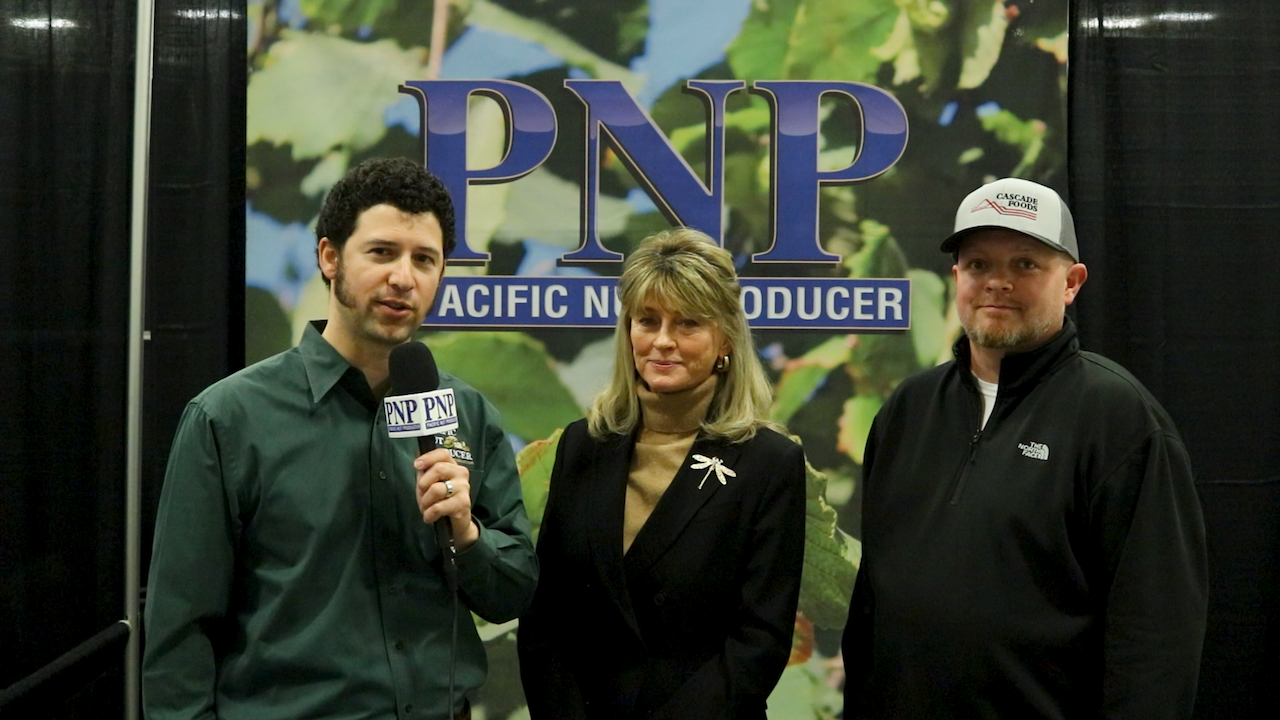
    The USDA allocated funding for the promotion of organic hazelnuts. This has facilitated initiatives in marketing, outreach and even culinary partnerships with master chefs in France. Judy Hirigoyen with the Oregon Organic Hazelnut Collective and Jed White from Cascade Foods LLC spoke to Matthew Malcolm of Pacific Nut Producer to discuss these exciting developments for the Oregon organic hazelnut industry. Watch this quick video and learn more in Pacific Nut Producer Magazine.

    Please thank this video’s sponsor George Packing Company for their industry support.

  • Scientists Offer Breakage Insights with Potential Benefits for Crops

    Scientists Offer Breakage Insights with Potential Benefits for Crops

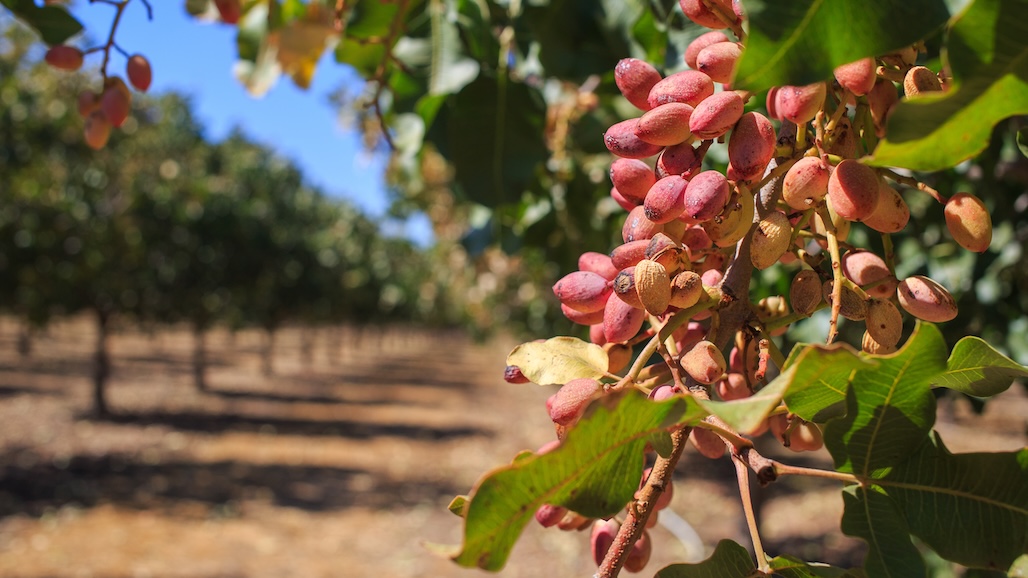
    When pistachio hulls split before the nuts are harvested, insects and fungi can get inside, damaging the nut, costing farmers money and contaminating the nuts. About 4% of the overall crop experiences hull split, but some cultivars can split as much as 40% under certain conditions.

    For the first time, scientists at the University of California, Davis, are seeking solutions for California’s $2-billion-a-year pistachio industry. New research reveals how the hull is built and how cell walls in certain layers break down, along with the genes and corresponding mechanisms that spark and control those changes.

    Pectin, a component of cell walls, makes fruit skin strong in part by keeping cells hitched to each other. In pistachio hulls, the composition of pectin changes as the hull ripens, causing the cells to come unhitched. This leads to cracks and tears in the hull.

    In the Journal of Experimental Botany, recent Ph.D. graduate Shuxiao “Susan” Zhang, a student in the lab of Department of Plant Sciences Professor Georgia Drakakaki, identified genes that control how cell walls change as the fruit ripens, leading to the hull breaking down. The research will help breeders select for traits that will make the hulls less vulnerable to tearing and cracking.

    “This is the first time anyone has studied the pistachio hull at the anatomical and cellular level while also looking at gene expression and physiological data,” Drakakaki said. “Susan really got into the details of how the hull is built with different layers and how the cells in those layers are of different sizes. The layers respond differently to changes in pectin, and that causes the hull to split in different ways.”

    Zhang built on the work of two more scientists in the department and their teams. Grey Monroe, an assistant professor, and Barbara Blanco-Ulate, an associate professor, assembled a reference genome of Pistacia vera ‘Kerman,’ the leading female pistachio cultivar in California. They also defined the stages of the nut’s growth and the characteristics at each stage. Their work was published last year.

    A Model for Fruit Split in a Variety of Crops

    Over three years, the team took samples of pistachio hulls from trees in a commercial orchard near Fresno and at the Wolfskill Experimental Orchard, operated by UC Davis near Winters, Calif. They worked with the most common varieties grown in the state, including Kerman, Golden Hills and Lost Hills. They took samples from trees at different points late in the hulls’ development, stretching over several months.

    Using special imaging tools and techniques, Zhang and her team measured hull thickness and cell size, and they counted hulls that were intact, tattered, cracked or both. They also measured how well cells in the hull were sticking to each other, and in each sample counted the cells that had come unhitched.

    Then, the team pulled out RNA from the samples to learn which genes were being expressed at different stages as the hull develops and breaks down. They found that key genes express differently as that process unfolds.

    Since all hulls were intact at 91 days after flowering, Zhang and team reasoned that fruit ripening may be linked with hull split. So, the team also examined the genes — including those involved in pectin modification — that change the cell wall as the fruit ripens. Researchers discovered that cells in the interior layer of the hull expand, while cells in the exterior layer tend to stay the same size. This, in combination with changes in the cell wall, led to different types of hull breakdown.

    “This is one of the major novelty factors for our paper,” Zhang said. “Loads of people have looked at pectin in all kinds of fruits, but not many people have observed that, depending on which cell layer you’re in, the pectin, cell size and so on will change differently during ripening.”

    The physics of forces operating within the cell layers and humidity also influence degradation of the hull, Zhang found.

    Because pistachio hulls are the fruit of the tree, even though we eat the seed, the research has applications for many non-berry fruit crops, Zhang concluded.

    The California Pistachio Board funded most of this research, with additional support from the United States Department of Agriculture’s National Institute of Food and Agriculture, the James Monroe McDonald Endowment and the University of California Agricultural and Natural Resources. — By Trina Kleist, UC Davis Department of Plant Sciences

  • Oregon Organic Hazelnut Collective Demonstrates Early Market Momentum with USDA Funding

    Oregon Organic Hazelnut Collective Demonstrates Early Market Momentum with USDA Funding

    With a USDA Organic Market Development Grant (OMDG) award totaling less than $200,000, the Oregon Organic Hazelnut Collective (OOHC) has delivered a remarkably productive six-month period of market expansion activity, demonstrating how far strategic, low-budget promotional efforts can go in elevating a specialty crop with strong potential.

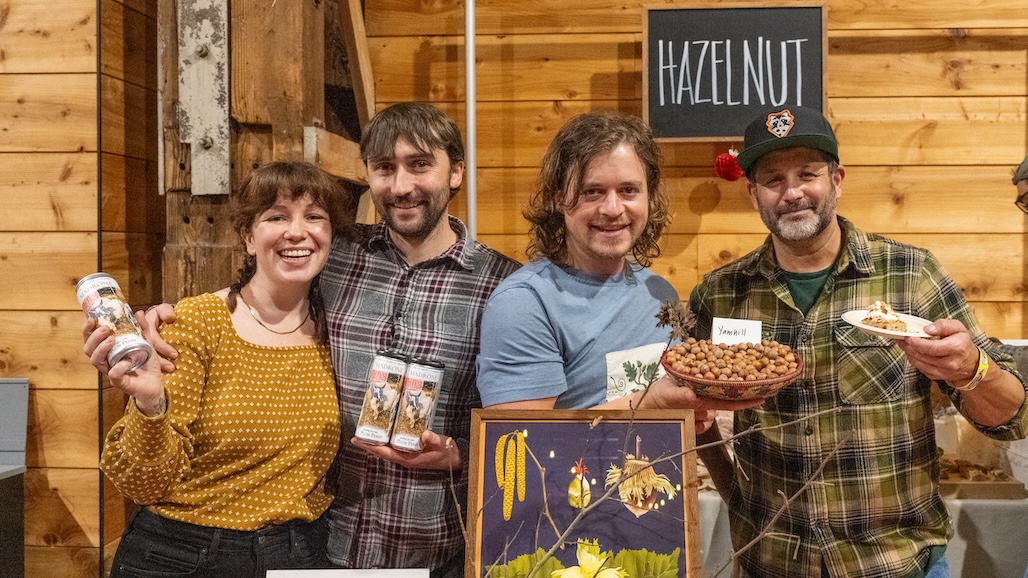
    Consumer sampling supported by a USDA Organic Market Development Grant revealed that many participants were experiencing whole hazelnuts for the first time, beyond familiar uses in coffee creamers or chocolate spreads.

    From June through November 2025, OOHC—working collaboratively with grant partners Oregon Organic Coalition and Hummingbird Wholesale—executed a coordinated campaign designed to increase awareness and stimulate demand for Oregon’s organic hazelnuts among chefs, consumers, trade, and international audiences.

    OOHC introduced Oregon organic hazelnuts to influential professional chefs through a strategic partnership with the Maitres Cuisiniers de France-USA (French Master Chefs-USA).  Several chefs subsequently are reporting adding Oregon organic hazelnuts to their menus—an extremely strong indicator of long-term adoption and momentum for a nut that is familiar in French culinary tradition, but relatively new to most of the United States outside of the Pacific Northwest.

    OOHC participation and sampling at consumer events in Oregon and California provided additional exposure at events drawing more than 175,000 attendees, many of whom reporting that they had never tasted a whole hazelnut before, highlighting the market opportunity for education and product trial beyond coffee creamers, candies, and spreads.

    OOHC’s promotional campaign, branded as OOH!, has quite literally drawn “OOHs” and “AHHs” from consumers tasting natural Oregon organic hazelnuts for the first time. The bright, clean flavor profile continues to surprise newcomers and reinforce the crop’s culinary value.

    OOHC has completed and published comprehensive Supplier Lists for both wholesale and consumer buyers, now accessible at organichazelnuts.org. This addresses a persistent challenge voiced by consumers and manufacturers seeking reliable sources for organic hazelnuts.

    Despite having no paid advertising, the OOHC website https://organichazelnuts.org/  attracted nearly 23,000 unique visitors between June and November 2025. More than half arrived through direct searches, demonstrating rising name recognition and sustained interest in Oregon’s organic crop. Significant traffic also originated from Asia and Europe—two of the world’s strongest tree-nut import regions—reflecting meaningful international curiosity.

    Oregon organic hazelnut grower Sue Chen shares a video tour of her farm with Chef Christian Têtedoie, President of the international Maîtres Cuisiniers de France.

    OOHC’s social media content generated tens of thousands of views across Instagram (OrganicHazelnutGrowers) and Facebook(Oregon Organic Hazelnuts), supported by exceptionally high engagement rates. Independent benchmarks show that the average Instagram engagement rate across all industries is approximately 0.44% per post (RivalIQ¹), while nonprofit organizations average 0.62%². Facebook brand page engagement often falls between 0.06% and 0.20%³. OOHC’s engagement rates, consistently several times higher, demonstrate extraordinary audience resonance. Hootsuite reports OOHC’s Instagram average engagement rate at 17.86% and Facebook at 15.48%.

    “The organization’s new Instagram and Facebook accounts logged nearly 24,000 post views in the first six months,” said Judy Hirigoyen, marketing consultant to the OOHC. “Those are small numbers compared to the big tree nut commodity groups, but the fact that they achieved that with no paid advertising is very encouraging.”

    “In just six months we’ve seen Oregon’s organic hazelnuts earn attention from Michelin-starred chefs, curious consumers, industry professionals, and international markets,” said OOHC Chair Lori Stole. “Achieving this level of traction on such a modest budget shows what is possible through strategic partnerships, strong storytelling, and a product with genuine culinary, nutritional, and environmental value.”

    OOHC will continue its work in 2026, furthering chef engagement, consumer education, and expanding opportunities for Oregon’s organic hazelnut growers.

    Grower Sue Chen showcases Oregon’s organic hazelnuts to French Master Chefs at their annual conference.

    The Oregon Organic Hazelnut Collective promotes the environmental, culinary, and economic value of Oregon-grown organic hazelnuts. Supported in part by the USDA Organic Market Development Program, OOHC works to expand market access, strengthen grower opportunities, and increase consumer awareness of this distinctive Oregon specialty crop.

    ¹ RivalIQ 2024 Social Media Benchmark Report — Industry Instagram engagement average: 0.44%.

    ² RivalIQ 2024 Nonprofit Social Media Benchmark — Nonprofit Instagram engagement average: 0.62%.

    ³ Hootsuite/Meltwater 2024 Global Social Media Benchmarks — Facebook brand engagement norms 0.06%–0.20%.

  • Cautious Optimism Following Incredible Year for Hazelnut Growers

    Cautious Optimism Following Incredible Year for Hazelnut Growers


    Hazelnut growers in Oregon had their biggest crop yet as weather conditions dampened yields in Turkey and Italy. While the global supply was more than anticipated, the outlook remains cautiously optimistic. Hazelnut Growers of Oregon President/CEO Troy Johnson discussed some of the latest developments in the international market and what they’re doing to sell more Oregon hazelnuts with Matthew Malcolm. Watch this quick video and learn more in Pacific Nut Producer Magazine.

    Please thank this video’s sponsor George Packing Company for their industry support.

  • New Hazelnut Industry Director Speaks at Winter Meeting

    New Hazelnut Industry Director Speaks at Winter Meeting

    Christine Roth appeared at her first Nut Growers Society Winter Meeting as the new Executive Director of the Oregon Hazelnut Industry Office. Roth spoke with Matthew Malcolm of Pacific Nut Producer to talk about her role and the exciting things going on in the hazelnut industry. Watch this quick video and learn more in Pacific Nut Producer Magazine.

    Please thank this video’s sponsor George Packing Company for their industry support.

  • Almond Conference Updates Growers on Best Practices for Bees & Pollination

    Almond Conference Updates Growers on Best Practices for Bees & Pollination

    As almond growers prepare for pollinating their orchards — one of the most important tasks for establishing the new crop — here are insights from the Almond Conference to consider.  A “Honey Bees & Pollination” panel was moderated by Josette Lewis of the Almond Board of California (ABC).

    Hives Per Acre for Self-Fertile Cultivars: Elina Niño

    Following a string of bee losses over the past twenty years, 2025 was especially severe, with a 62% loss.  According to Elina Niño, apiculture scientist at UC Davis, the losses are becoming unsustainable.

    Niño pointed out that, in spite of having only 0.6 million of the 2.5-2.7 million colonies in the US, California ranks third in honey production, after North and South Dakota.

    Niño conducted a study of the pollination needs of self-fertile cultivars.  She excluded bees from some trees and for others used one or two hives per acre.  She counted the number of bees per flower per hour and after harvest she measured the kernel mass of 100 nuts per tree.

    The results showed that the number of visits per flower was similar for one hive as for two hives per acre.  Although the trees set more nuts and yielded more weight when one or two hives were present, kernel mass was higher where bees were excluded, presumably due to spreading the trees’ resources over fewer nuts.

    State of the US Commercial Beekeeping Industry: Matt Beekman

    The biological state of the beekeeping industry is precarious, according to Matt Beekman, a beekeeper based in Hughson, California who spends summers in North Dakota.  He presented a biological and financial State of the Beekeeping Industry report.

    Parasites & Pathogens: Varroa Mites & Viruses

    The varroa mite parasite continues to afflict beehives.  Reproducing quickly, the mites vector viruses that then spread from bee to bee in the densely populated hive.  The viruses can also spread in semen.  Area-wide applications of miticide help manage the mites.

    Only one chemical had been approved to suppress varroa mites since 2005.  That chemical, Amitraz, was registered for beehive use in 2013 in California, the last state to do so.  Some softer chemistries are available, but they are temperature dependent.

    California approved two new products in 2025, one oxalic acid-based and the other RNA-based.  They are expensive, though, costing $74 per colony per year.

    Nutrition: Where Have All the Flowers Gone?

    Each hive needs about 50 pounds of pollen and 100 pounds of nectar year.  With fewer acres enrolled in the federal Conservation Reserve Program, pollen and nectar may be scarce.

    Alternatively, almond growers can plant cover crops in the orchards to meet the need.  Seeds for Bees supplies free, appropriate cover crop seeds the first year and a discounted price the second year.  Many growers continue buying the seeds annually after seeing how effective they are.

    Pesticides: No to Organosilicon Adjuvant

    Used to amplify the effectiveness of pesticides, organosilicon surfactants harm bees.  Growers should ask their PCA to use one of the available alternatives instead.

    Beekman said that fungicides need to be sprayed during bloom, but advised using no tank mixes, adjuvants or insecticides during bloom, and applying fungicides in the early evening when bees are not flying.

    Financial Snapshot

    The net profit for beekeepers in 2024 was $11 per hive.  Overtime wages adversely impacted beekeepers, who need workers to do nighttime maintenance and overnight travel.  US honey production is declining due to fewer locations where bees can be placed to collect nectar.  The bees need more access to public land.

    Meanwhile, honey imports are increasing.  Imported honey is sometimes cut with synthetic sugar syrups.  Since honey is one of the few commodities for which the US does not have a standard definition, ambiguity and adulteration occur.

    India is now the largest exporter of honey into the US, with prices of $0.99-1.08/lb.   The US price is $2.69/lb., and the yield is declining.   

    Endangered Pollinator Species: Alexi Rodriguez

    Some insect species have been proposed for endangered species status for the first time, according to Alexi Rodriguez of the Almond Alliance.  One such insect is the monarch butterfly, which has little overlap with agriculture except for coastal sites in winter.

    A 2018 petition proposed adding four bumblebee species.

    Rodriguez said that if growers take reasonable, research-based steps to support pollinators, they will be immune to prosecution if incidental harm occurs.  The steps include using IPM (Integrated Pest Management) and planting pollinator habitat.

    Questions from the Audience

    Q: Is it worth getting mason bees to complement honeybees?

    A: Yes — blue orchard bees (a type of mason bee) — but you have to contract it separately.  They fly in colder temperatures and in rain.

    Q: Was there a bee shortage in 2025?

    A: That was not studied, but growers were saying that they did not get the number of frames they contracted for.  It’s possible that insufficient bees caused the lower yield last year, because everything else was good in 2025.

    Q: What about indoor cold storage of bees in empty warehouses to break the varroa mite cycle?

    A: It did not go well when tried in Kern County.

    Q: Does supplementing the almond orchard with pollen help with pollination?

    A: There is no research on that, but it is unlikely to help based on flower anatomy and the need for insects to get into the blooms to move pollen.

    Q: Does it help to move hives around during pollination?

    A: Yes, but it is a tradeoff economically due to the cost of labor to move the hives.  The most important variable is having morning sun on the hive to warm the bees enough to fly.  The bees will fly over the entire acre once they are warm.

    Q: What is a fair contract between grower and beekeeper?

    A: Eight frames average per hive; four to five frames minimum, 60% coverage.

    Q: Do herbicides impact bees?

    A: There is no research on that, but herbicides are not needed during bloom anyway.

    For more information about preparing for pollination, see Honeybee ABC.  By Nancy Power, PhD, Assistant Editor, Pacific Nut Producer

  • Walnut Alliance of California Provides Advocacy for Growers

    Walnut Alliance of California Provides Advocacy for Growers

    Walnut growers in California have a new voice advocating for them in politics, trade and more. In an interview with Matthew Malcolm on California Ag Network, Chris Zanobini and Donald Norene talk about the work and mission of the Walnut Alliance of California. Watch this quick video and learn more in Pacific Nut Producer Magazine.