Category: Featured Post

  • California Walnut Industry Leader Passes, Legacy Continues

    California Walnut Industry Leader Passes, Legacy Continues

    Dennis Balint died on November 19, 2025. He dedicated nearly three decades to the California Walnut Board and the California Walnut Commission, leading both organizations as executive director and CEO from 1995 to 2016.

    “Dennis’ leadership helped guide a period of significant industry growth and set the foundation for many of the programs we rely on today.

    One of his most lasting contributions was his commitment to building a strong, science-based health and nutrition research program. His vision helped establish California walnuts as a trusted leader in this space and supported the industry in securing the first USDA-qualified health claim for a whole food related to heart health.

    Dennis cared deeply about California walnut growers and consistently focused on what would strengthen the industry for the long term. We are grateful for his service and the legacy he leaves behind.

    Our thoughts are with the Balint family during this difficult time.”

    — Robert Verloop, Executive Director and CEO, California Walnut Board and Commission

  • DPR Seeks Penalties Against Central Valley Aerial Pesticide Applicator for Drift into Almond Orchard

    DPR Seeks Penalties Against Central Valley Aerial Pesticide Applicator for Drift into Almond Orchard

    Today, the California Department of Pesticide Regulation (DPR) announced it is seeking monetary and licensing penalties against a Kingsburg-based aerial pesticide applicator, marking the first use of new administrative pesticide use enforcement authority granted by the Legislature in 2023.

    The accusation, filed by the California Attorney General’s Office on DPR’s behalf, alleges Trinkle Ag Flying, Inc. caused drift damage to a non-target almond orchard and committed multiple worker safety violations.

    “Trinkle Ag Flying has repeatedly violated rules designed to protect people, the environment, and private property,” said DPR Deputy Director of Enforcement Ken Everett. “These are serious violations, and the department will seek serious penalties for unsafe pesticide use to protect all Californians.”

    In the accusation, DPR seeks to revoke or suspend the pest control business license of Trinkle Ag Flying, Inc., as well as the qualified applicator and journeyman pilot licenses of owner Mark R. Trinkle, Jr. With a suspended or revoked license, the company would be unable to apply pesticides for hire. The department is also seeking a $30,000 fine.

    The accusation alleges a pair of violations occurred in 2024. On January 16, DPR alleges Trinkle Ag Flying, Inc. and Mark R. Trinkle, Jr. violated numerous worker-protection requirements during an application at a Hanford farm. According to the accusation, Mark R. Trinkle, Jr. refused to cooperate with an inspector from the Kings County Agricultural Commissioner’s Office and continued the application despite visible worker health and safety violations involving insufficient protective equipment for employees mixing and handling chemicals.

    A month later, on February 13, DPR further alleges that Mark R. Trinkle, Jr., on behalf of Trinkle Ag Flying, Inc., was applying herbicides to a corn field in Visalia when they illegally drifted onto a neighboring almond orchard, causing damages estimated to be over $32,000. The Tulare County Agricultural Commissioner’s Office investigated the incident.

    “DPR is committed to protecting the health and safety of our communities by stopping the unsafe, illegal use of pesticides,” said Everett. “When violations are identified, we take action to prevent harm and ensure accountability.”

    Read the full accusation here.

  • Almond Board of Directors Vote to Discontinue USDA Objective Measurement Report

    Almond Board of Directors Vote to Discontinue USDA Objective Measurement Report

    The Almond Board of California (ABC) Board of Directors has voted to cease funding for the USDA National Agricultural Statistics Service (NASS) Objective Measurement Report, marking a change in California almond crop estimates going forward.

    This decision follows extensive consultation with growers, handlers, and other industry stakeholders, as well as a thorough review by the Almond Forecast Task Force, comprised of industry members, who compiled recommendations for the Almond Quality and Food Safety Services (AQFSS) Committee. After further review and discussion, AQFSS provided their recommendation to the Board of Directors. The Board’s goal is to ensure crop estimates remain factual, unbiased, and responsive to the evolving needs of the industry.

    Since the 1960’s, ABC has contracted with USDA NASS to produce the Objective Measurement Report in July. However, industry feedback has highlighted ongoing challenges in accurately capturing variables such as larger crop sizes, diverse grower practices, and weather events across California’s production regions.

    While funding for the Objective Measurement Report will end, the California Almond Subjective Forecast, published annually in May by NASS, will continue. ABC remains committed to providing accurate and timely information to support the California almond industry and will continue collaborating with USDA and industry partners to refine crop estimation methods.

    For further information, please contact the Almond Board of California.

  • Late Fruit & Tree Nut Nursery Icon Commemorated

    Late Fruit & Tree Nut Nursery Icon Commemorated

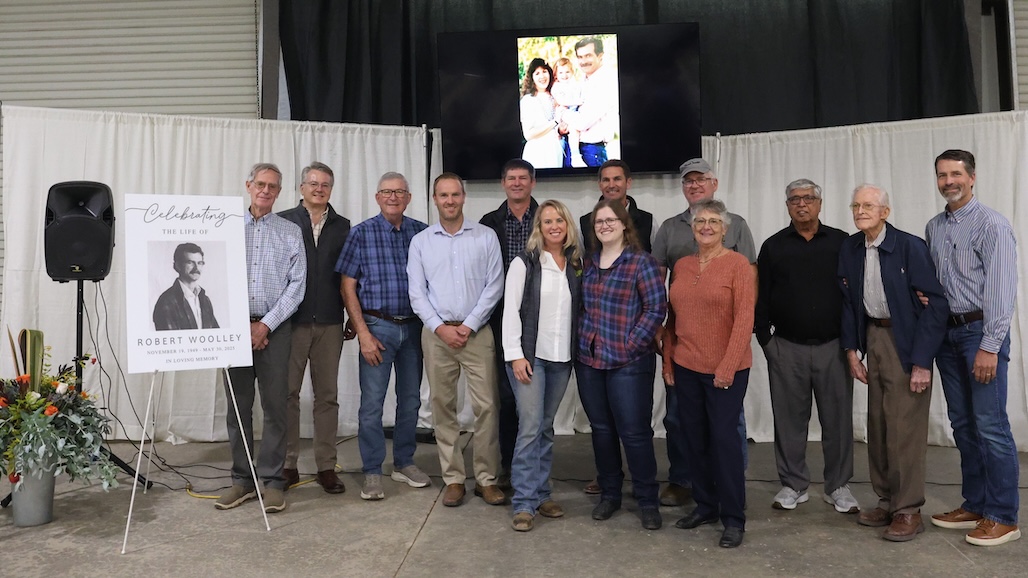
    On November 6, 2025, Dave Wilson Nursery (DWN) hosted about 200 people – from family to friends, co-workers, and people throughout the nursery and farming industry – to celebrate the life of family member and long-time DWN owner, Robert Woolley.  Woolley passed away in May after a long illness.

    Woolley was born in Stockton, CA in 1949.  After graduating from high school in Modesto in 1967, Woolley attended San Francisco State University, where he studied traditional and artistic woodworking.  He later became an expert cabinet maker and award-winning furniture designer.

    Woolley later applied the same diligence and creation of exceptional quality to developing and commercializing nut, fruit and ornamental tree cultivars.  After moving to the Central Valley with his wife, Jane Wynne Woolley, and their daughter Erica in 1980, he joined his father-in-law, John Wynne, in managing DWN in Hickman.  The Nursery had been founded in 1938 by Dave Wilson, Jane’s grandfather.  In 1989, Robert and Jane acquired the company, preserving its identity as a family‑owned enterprise while professionalizing and expanding its operations.  Under their 30+ year leadership, the nursery added the 640‑acre Red Rock Ranch in 1996, incorporated in 1999, and grew to farm more than 1,000 acres and produce over four million trees annually for both commercial orchards and the home‑garden trade.  Robert’s leadership positioned DWN as the nation’s largest producer of fruit, nut, and shade trees.

    Robert’s ownership coincided with some of the most important varietal and rootstock innovations in modern orchard crops.  Continuing John Wynne’s close relationship with Zaiger Genetics, Robert positioned DWN as the private propagator and exclusive U.S. licensor for many of their introductions, including key rootstock advances and the Independence® self‑fertile almond.  He called Independence® “huge” for growers, as it reduced reliance on pollinizer rows and beehives.

    Robert Woolley, prior owner of Dave Wilson Nursery, advanced the tree nursery industry. Most notably, during his tenure he released Independence almond, the first self-fruitful almond cultivar, developed by Zaiger Genetics.

    For decades, Woolley and other team members gathered at Zaiger Genetics every Wednesday during fruit season to taste-test and discuss prospective new varieties.  In cherries, Woolley promoted the use of inter-stem rootstocks to widen the range of “cherry ground,” enabling production on soils previously considered unsuitable.  He often shared this practical knowledge with growers in California and beyond.  Beyond commercial varieties, he supported the preservation and propagation of non‑commercial heirloom apple cultivars.

    Off the farm, Woolley played a central role in advancing clean‑plant and nursery certification programs.  A respected industry statesman, he chaired the California Fruit Tree, Nut Tree and Grapevine Improvement Advisory Board, which advises the California Department of Food & Agriculture on registration and certification of nursery stock and funds research to improve plant health. At UC Davis, he served as one of the co‑chairs of the UCD – Industry Task Force that reshaped the Foundation Plant Materials Service (now Foundation Plant Services).  Nationally, he testified before both the US House Agriculture Subcommittee on Livestock and Horticulture and the US Senate Committee on Agriculture, Nutrition and Forestry, speaking on behalf of the nursery and greenhouse sector about labor, specialty crop competitiveness, and the critical need for a robust National Clean Plant Network. He also worked closely with regulators and researchers on issues such as nematode certification and fumigation alternatives, emphasizing “zero tolerance” standards for nursery stock destined for commercial orchards.

    Colleagues remember Woolley as combining a designer’s eye with a plantsman’s pragmatism—someone equally at home discussing joinery, color and form as he was talking about rootstocks, fumigants, or clean‑plant protocols.  His work took him across California, the Pacific Northwest, Canada, and internationally to Mexico, Spain, Australia, and elsewhere, sharing expertise on tree selection, propagation, and orchard establishment.  His collaborative spirit was evidenced at his Celebration of Life event, where almost every major California tree nursery was represented.

    Through his intelligence and passion, creativity and competence, Woolley advanced the fruit and nut tree industry in California and beyond, enriching the lives of those around him along the way.

    Woolley has reunited with his wife, Jane, who passed away in 2007. Woolley is survived by his daughter Erica, the current owner of DWN.

  • Five Ways to Avoid Expensive Irrigation Repairs & DU Losses

    Five Ways to Avoid Expensive Irrigation Repairs & DU Losses

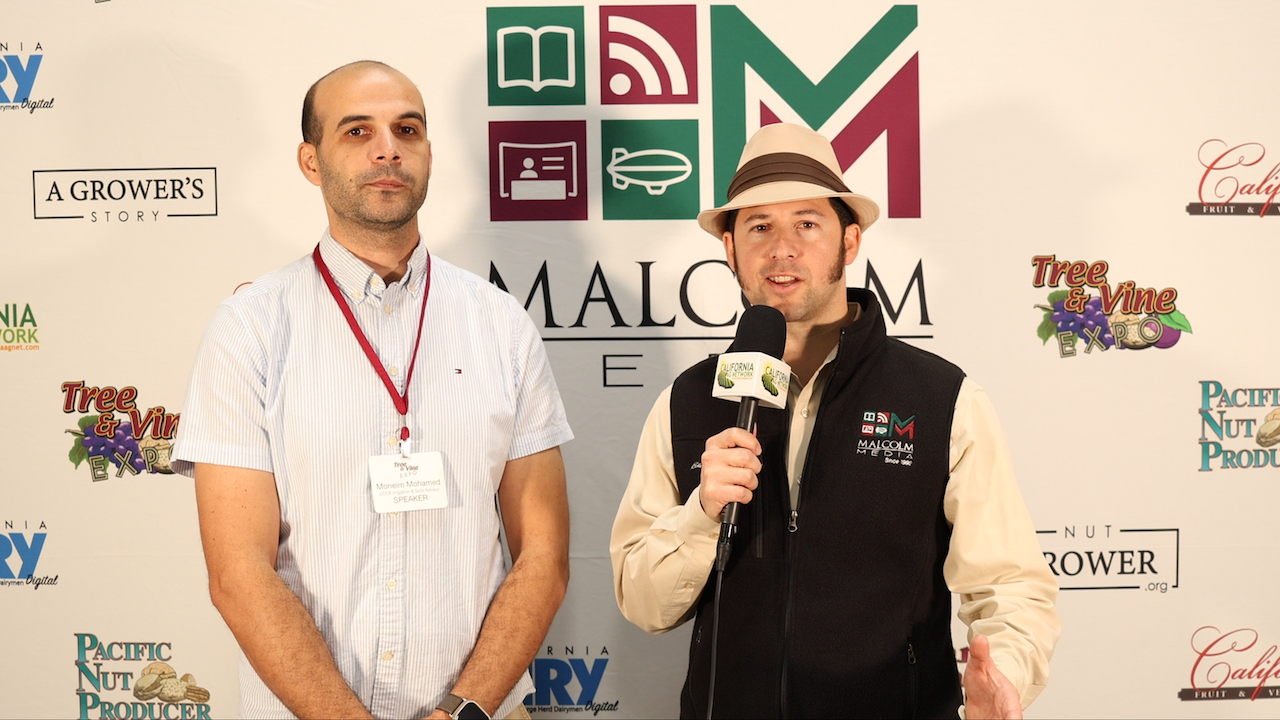
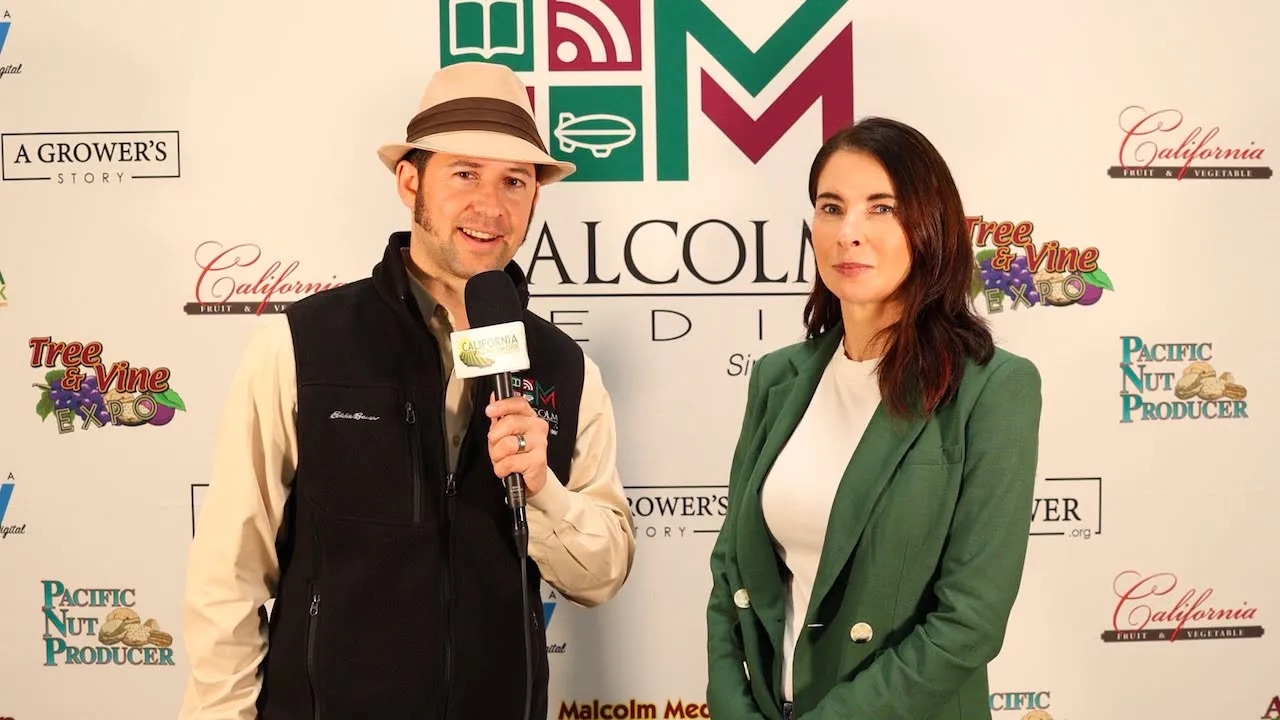
    Irrigation systems today are amazing at getting just the right amount of water where it needs to be to meet a crop’s needs; however, if these systems are not well-maintained, things can go south pretty fast, resulting in distribution uniformity-related losses and expensive repairs. During his presentation at Malcolm Media’s recent Tree & Vine Expo, UC Cooperative Extension Irrigation & Soils Advisor Moneim Mohamed noted that regular and proper irrigation system maintenance can prevent expensive repairs.  Watch his video interview with Matthew Malcolm on California Ag Network for five key tasks for preventative maintenance.

    Please thank this video’s sponsor Simplot Grower Solutions for their industry support.

  • Christine Roth Welcomed as New Oregon Hazelnut Industry Executive

    Christine Roth Welcomed as New Oregon Hazelnut Industry Executive

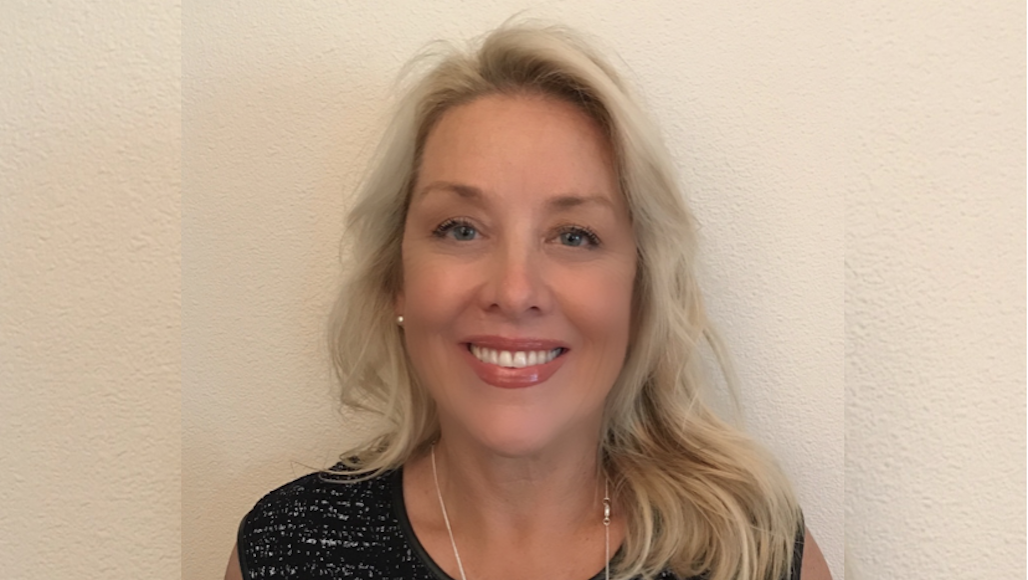
    Oregon Hazelnut Industry Office — The Oregon hazelnut industry is pleased to announce the appointment of Christine Roth as its new Executive Director. In this role, Roth will provide leadership for the Oregon Hazelnut Commission, Hazelnut Marketing Board, Associated Oregon Hazelnut Industries, and the Nut Growers Society.

    Roth brings an accomplished record of leadership across the public and private sectors, with particular focus on agriculture, agribusiness, and higher education. Throughout her career, she has demonstrated a strong respect for the growers and producers who form the foundation of Oregon’s agricultural success.

    Her connection to farming runs deep. Raised in agriculture, Roth developed an early appreciation for the commitment and creativity required of producers. Those formative experiences gave her both empathy for the challenges farmers face and insight into the opportunities that shape agricultural markets.

    Professionally, Roth has built bridges between research, business, and government to strengthen industries and open new opportunities. While at Oregon State University, she advanced corporate and academic partnerships that connected programming and research with industry operations and business organizations. Her work forged collaborations among diverse stakeholders, demonstrating her ability to bring together different perspectives in support of shared goals.

    Additionally, Roth has firsthand experience managing a commodity commission and trade association. She successfully guided one of Oregon’s leading agricultural organizations – Oregon Wine Board and Oregon Wine Growers Association – through a period of growth and heightened visibility. Under her direction, the organization expanded marketing efforts, strengthened government relations, and advanced research programs essential to producers. This experience underscores her ability to manage commissions with discipline while enhancing their market position both domestically and internationally.

    Roth has also built a strong record in business development. She has secured significant funding, created lasting partnerships, and designed strategies that help businesses remain competitive in an evolving marketplace. Her combination of operational skill and strategic vision will be essential as Oregon hazelnuts continue to grow in global recognition while preserving the premium quality that has become their hallmark.

    “Oregon hazelnuts hold a special place in the state’s agricultural landscape,” Roth said. “This industry has grown tremendously while earning a reputation for exceptional quality. The unified office will focus on serving growers and producers by strengthening governance, advancing research and marketing initiatives, and sustaining the momentum that has made Oregon hazelnuts such a success story.”

    Her appointment also signals a continued commitment to collaboration with research and educational institutions, including Oregon State University, which has long been a critical partner in developing innovative solutions for growers. Drawing on her experience in higher education and public service, Roth is well positioned to build stronger partnerships with universities, business leaders, sponsors, and policymakers who support the industry’s future growth.

    As Executive Director, Roth will oversee the combined activities of the four organizations that make up the Oregon Hazelnut Industry. Through her leadership, the office will serve as a reliable hub for growers, producers, processors, and stakeholders, emphasizing clarity, responsiveness, and collaboration as the Oregon hazelnut industry is poised to strengthen its reputation for quality, expand its global markets, and secure long-term success for growers and producers across the state.

  • Blue Diamond Growers Details Actions to Maximize Grower Returns, Honors George Goshgarian Jr

    Blue Diamond Growers Details Actions to Maximize Grower Returns, Honors George Goshgarian Jr

    Blue Diamond Growers, the world’s leading almond cooperative, held its 115th annual meeting on Nov. 19 in Modesto, highlighting a year defined by bold operational decisions and strategic transformation.

    Kai Bockmann, president and CEO, Blue Diamond Growers, shared with growers in attendance that the cooperative navigated a challenging year by responding with urgency and clarity to strengthen long-term competitiveness and grower returns.

    “Our industry is facing real headwinds, from rising input costs and pest-related crop damage to persistent market volatility,” Bockmann said. “But we

    must stay focused on what matters most: maximizing returns for our growers while building a cooperative that will thrive for generations to come. The actions we are taking position us to do exactly that.”

    At the meeting, Blue Diamond’s leadership outlined concrete steps taken to enhance operational efficiency and strengthen the cooperative’s market position across three strategic pillars.

    Transforming Operations to Drive Efficiency

    Earlier this year the cooperative announced plans to close its Sacramento manufacturing plant and consolidate operations to the existing Turlock and Salida facilities. The move will maximize efficiencies while moving the manufacturing facilities even closer to the almond-growing regions that are at the heart of the cooperative. The transition strengthens both efficiency and sustainability while honoring Blue Diamond’s commitment to growers.

    “It comes down to one fundamental thing: build a stronger and more profitable Blue Diamond that provides the best return for our growers’ almonds,” Bockmann said. “We’ve made the tough calls this year with decisions that position us for long-term success.”

    Driving Brand Performance and Innovations

    Despite category softness, Blue Diamond maintained the No. 1 position in both Almondmilk and Snack Almonds. The cooperative executed its first brand refresh in more than two decades, laying critical groundwork for renewed consumer engagement. The year saw the successful launch of new product lines including Almonds and More mixed nuts and almond-fruit produce blends in partnership with Oppy® to help establish a presence and ignite growth in the produce section. Additionally, limited-time flavors – including Cherry Slurpee® and Mike’s Hot Honey® – drove consumer excitement and helped the brand remain top-of-mind in a competitive marketplace.

    Expanding within International Markets

    Blue Diamond continues to expand its international footprint across multiple regions and segments. In Canada, the cooperative grew distribution with major retailers at a pace faster than both category and private-label growth. Strategic beverage partnerships and pipeline opportunities took shape in Japan, while new flavor tests launched across Europe for broader retailer expansion. The cooperative also strengthened its core almond segment leadership with in-shell almonds showing impressive growth in key markets including India, Turkey, and the United Arab Emirates.

    Announcing the 2025 Chairman’s Grower Ambassador of the Year Award

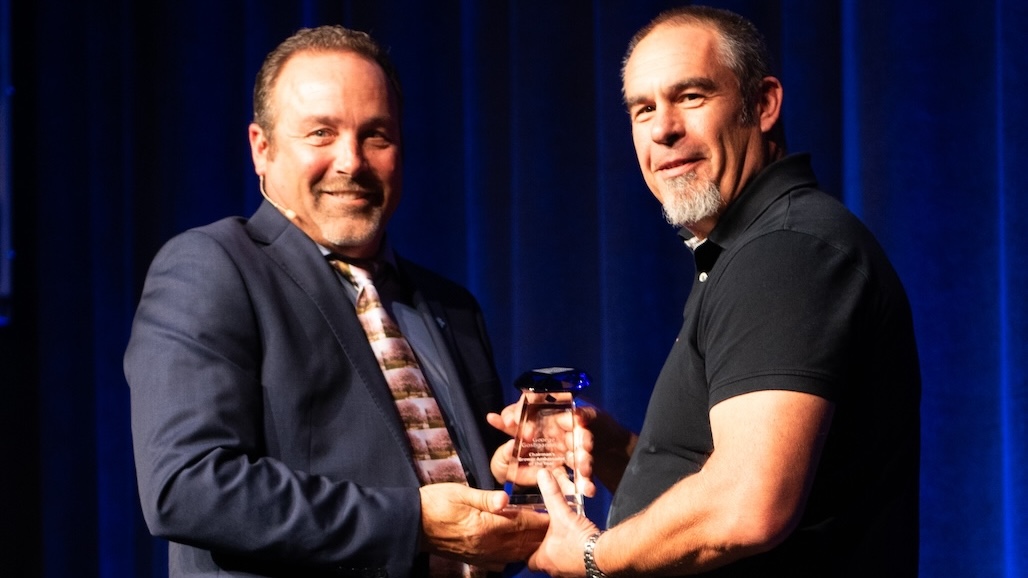
    At the annual meeting, Blue Diamond’s Board Chairman Steve Van Duyn presented the 2025 Chairman’s Grower Ambassador Award to George Goshgarian Jr., a Blue Diamond grower whose family has farmed with the cooperative for nearly 50 years. Goshgarian Jr. is from Fresno and is completing his MBA at Fresno Pacific University School of Business.

    For more than 13 years, Goshgarian Jr. has served in various capacities at the Almond Board of California, including the Environmental Committee, Almond Quality and Food Safety Services Committee, and Strategic Ag Innovation Committee. He also served on the Board of Directors for eight years, including two terms as vice chair. He values being part of a team that creates solutions to challenging industry issues and serves as a voice for farmers.

    “Serving at the Almond Board gives even the smallest farming operation a seat at the table,” Goshgarian Jr. said. “I’ve been very proud to represent Blue Diamond at the Almond Board of California for more than a decade.”

    Bockmann concluded the annual meeting with remarks reflecting the cooperative’s readiness for the years ahead.

    “Our balance sheet is strong, our strategy is clear, and our team is energized to execute,” he said. “The coming year – and beyond – is about translating strategy into results. We do this in service to our growers, and we’re confident in the direction and path forward.”

    About Blue Diamond

    Blue Diamond Growers, a grower-owned cooperative representing approximately 3,000 of California’s almond growers, is the world’s leading almond marketer and processor. Established in 1910, it created the California almond industry and opened world markets for almonds. Blue Diamond is dedicated to delivering the benefits of almonds around the world and does so by providing high-quality almonds, almond ingredients, and branded products. Headquartered in Sacramento, the company employs more than 1,800 people throughout its processing plants, receiving stations and gift shops. To learn more about Blue Diamond Growers, visit www.bluediamond.com and follow the company on Facebook, Instagram, LinkedIn and Twitter.

  • Pecan Harvest Underway, Tight Supply May Bring Higher Prices

    Pecan Harvest Underway, Tight Supply May Bring Higher Prices

    Pecan harvest is underway, just in time for that Thanksgiving pecan pie; however American pecans are breaking out of their shell and being utilized by consumers around the world in more creative ways than ever before. During the State of the Tree Nut Industry presentations at Malcolm Media Ag Expos, Anne Warden, CEO of the American Pecan Council and American Pecan Promotion Board shared insights on the growth potential of American Pecans. After her address, she met with Matthew Malcolm on California Ag Network to elaborate and provide an update on pecan harvest and the market this year. Watch this brief interview and read more about it in the coming issue of Pacific Nut Producer Magazine.

  • Healthy Soil, Stronger Crops: How Live, Native Microalgae is Transforming California Farming

    Healthy Soil, Stronger Crops: How Live, Native Microalgae is Transforming California Farming

    —SPONSORED CONTENT—

    Across California, growers are seeing measurable gains in yield, water efficiency, and soil health, all thanks to live, native microalgae.

    California growers know that every drop of water, every inch of root zone, and every dollar spent matters. With drought, salinity, and floods happening nearly every year, the margin between surviving and thriving often lies beneath the surface, in the soil.

    Healthy soil is alive with organisms that each play a role in supporting crop growth. Some, like earthworms, are easy to see, while others work on the microscopic level. Among these tiny contributors are microalgae, which naturally occur in most soils and help drive key biological processes like root development, soil structure, and water and nutrient availability. When microalgae are thriving, the whole soil system becomes stronger and more productive.

    That’s where MyLand’s Soil as a Service™ comes in. MyLand, a soil health company based in Phoenix, is returning live, native microalgae to the soil through growers’ existing irrigation systems, helping farms rebuild biological activity and unlock the full potential of their land.

    The results, verified by independent third-party data, speak for themselves. In 2024, California farms using MyLand saw:

    • 168% increase in harvested pistachios during an off-bearing year
    • 23% more marketable citrus fruit per acre
    • 4% less soil sodium
    • 32% higher organic carbon
    • 50% drop in tree water stress

    For California nut growers like Justin Wylie and Joe Coelho, MyLand’s Service is helping rewrite what’s possible for long-term soil health and profitability.

    Building resilience in pistachio orchards: Justin Wylie’s story

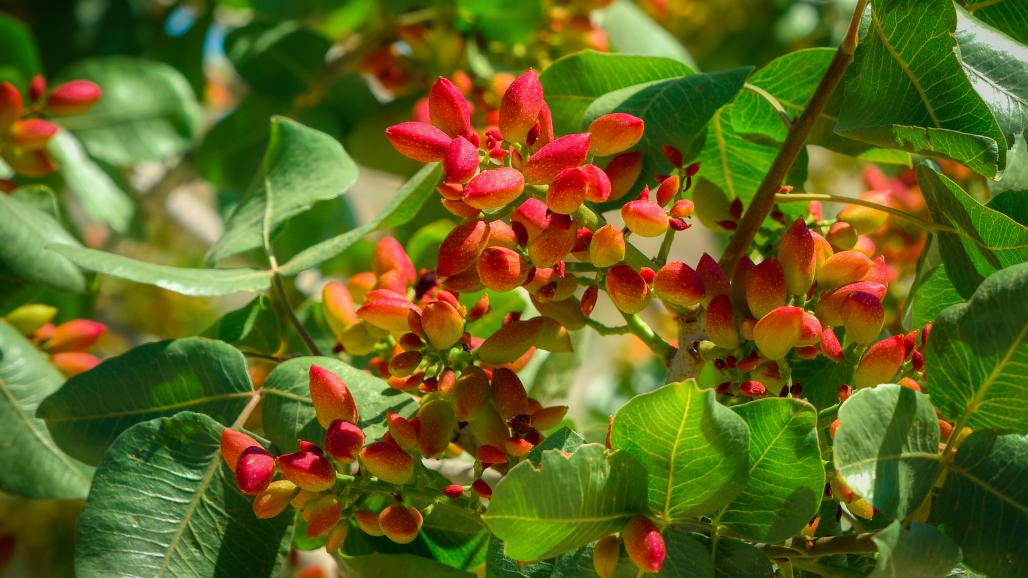
    At Wylie Farms, a fifth-generation pistachio operation in California’s Central Valley, Justin Wylie has spent years watching extreme weather push his soil to its limits. Heavy rains once meant phytophthora, runoff, and erosion, while drought cycles left the ground compacted and trees under stress.

    That trajectory began to change when he adopted regenerative practices, including the integration of live, native microalgae through the MyLand Service. His orchards began to thrive even during intense rain, with stronger ground cover and native grasses helping stabilize sloped terrain and minimize erosion.

    The addition of microalgae quickly became central to his soil health strategy. Supporting the soil with live biology helped jumpstart broader microbial activity, which in turn supported nutrient cycling and improved water dynamics.

    With soil function improving year-over-year, Justin was able to scale back chemical inputs without sacrificing yield or crop quality, thereby sidestepping the typical ‘J curve’ many growers experience when transitioning to regenerative systems.

    Healthier soil has also meant less tree stress and more efficient water use. This change has helped Justin create a foundation of resilience that now carries his orchards through both wet and dry years. His message to fellow growers is practical and encouraging: “Take the smallest amount of acreage that you can stand to lose the crop on, which is, of course, a worst-case scenario. My goal has been to not experience any sort of drop-off in production and quality. And I think we’ve been successful.”

    Now, Justin’s trees are more resilient, his soil is more balanced, and his operation is better positioned for the next generation.

    From skeptic to advocate: Joe Coelho’s journey at Terra Linda Farms

    A few hours south, in Riverdale, California, Joe Coelho was facing familiar challenges at Terra Linda Farms. Saline soils, uneven infiltration, and the constant pressure of water scarcity were daily stressors. After nearly four decades of farming pistachios and almonds, Joe had seen countless improvement options come and go.

    “I’ve seen a lot of solutions over the years,” he said. “But some of the changes I’ve seen with MyLand are very shocking and in a good way. It’s the first time in my career I’ve seen something move this fast.”

    Skeptical at first, Joe decided to try MyLand’s Service on 600 acres. Within two years, the data told a clear story. He cut nitrogen use by 30%, replaced $450 per acre of inputs, and maintained the same yields.

    MyLand’s soil analysis confirmed rapid improvements:

    • +359% organic phosphorus reserves
    • +428% total phosphorus
    • +98% iron availability

    “Part of my problem is just having enough time in the day to do everything,” he said. “Just having MyLand as a one-stop shop for a lot of different solutions is fantastic and saves a lot of headaches at the end of the day.” As a fully managed service provider, MyLand requires no extra effort from growers.

    As Director of Sustainability and Member Outreach for the American Pistachio Growers, Joe now shares his experience with peers facing the same challenges. “It’s not just about yields,” he said. “It’s about reducing complexity, farming more efficiently, and solving multiple problems with one solution.”

    A future rooted in healthy soil

    From Wylie’s pistachio orchards to Coelho’s mixed nut farms, a clear theme is emerging across California agriculture: live, native microalgae do the job. By restoring the living foundation of soil, MyLand’s Service is helping growers achieve measurable results faster than conventional methods alone.

    For California farmers navigating water limits, soil salinity, and rising costs, the path forward is simple: let biology do the work.

    Visit MyLand.ag to learn more.

  • Whole Lotta Shakin’ Going on at Fresno State, Thanks to Pistachio Harvester Partnership with OXBO

    Whole Lotta Shakin’ Going on at Fresno State, Thanks to Pistachio Harvester Partnership with OXBO

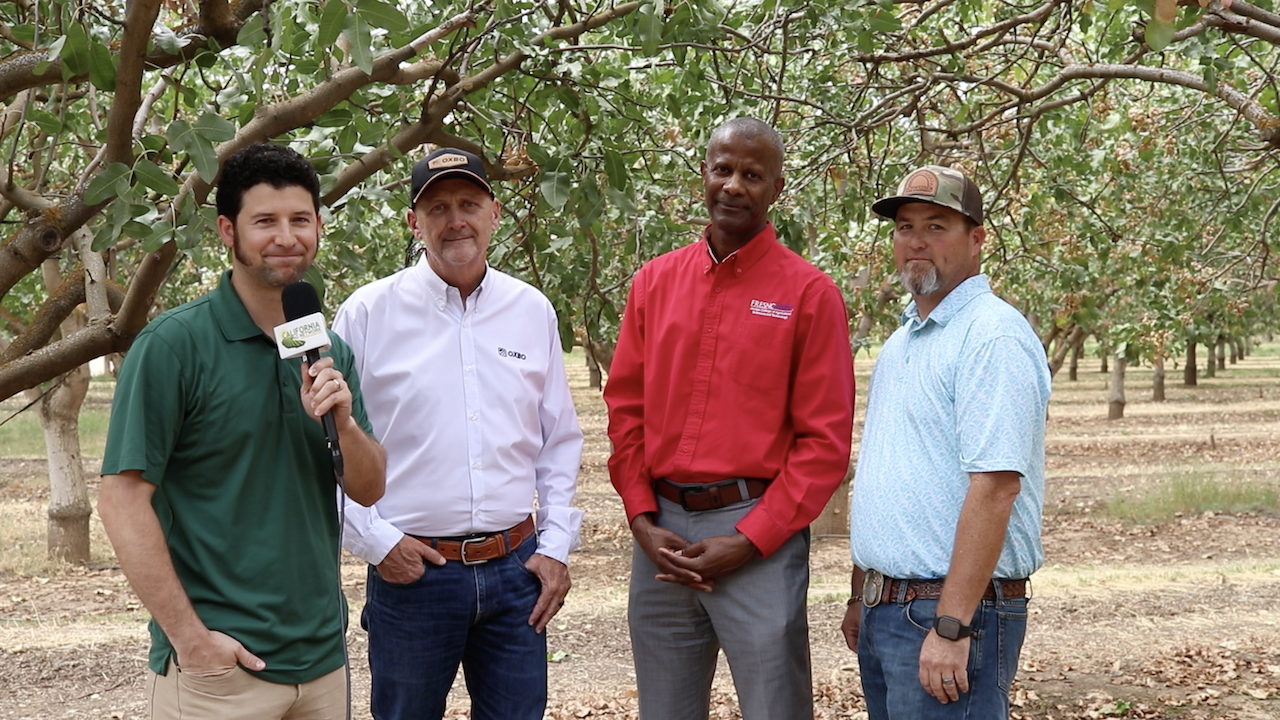
    Thanks to a collaborative partnership with OXBO, Fresno State ag students have hands-on access to state-of-the-art pistachio harvesting equipment. During the thick of pistachio harvest, Pacific Nut Producer Editor Matthew Malcolm met with Ag instructor John Williams, Jordan College of Agriculture Dean Rolston St. Hilaire, and OXBO Fruit Division President Robert Huckaby out in the Fresno State pistachio orchard to explain the collaborative nature of this partnership and how it stands to benefit the future of the pistachio industry. Watch this brief interview and learn more in Pacific Nut Producer Magazine.