
Rich Kreps has just been announced as the new American Pistachio Growers Chairman of the Board. Watch this brief interview to learn more about Rich and what to expect at the 2024 American Pistachio Growers annual conference coming soon to Monterey, including some special keynote speakers. Learn more and register to attend the conference HERE.
Category: Economics
-
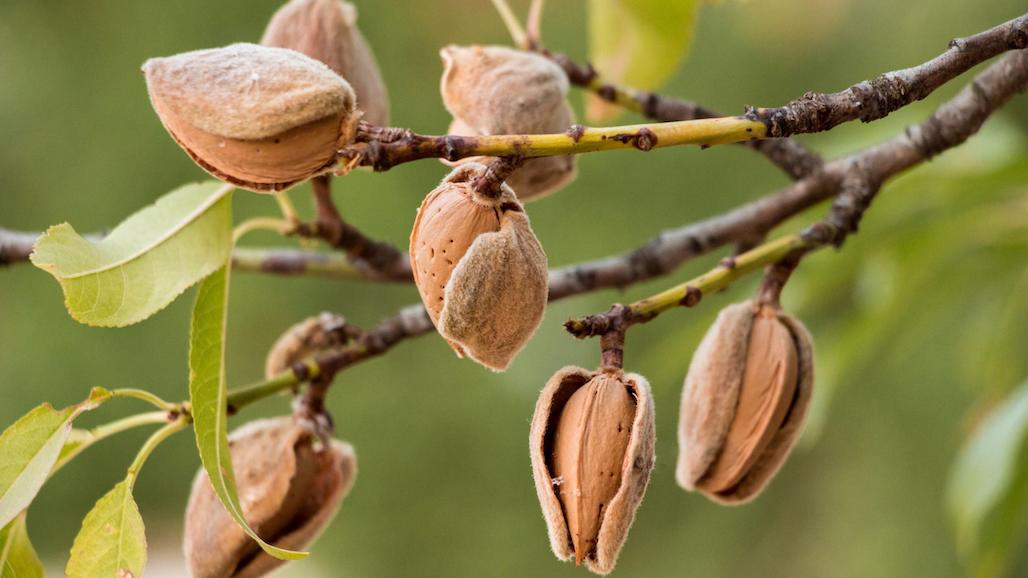
Cracking Open New Markets for California Almonds
USDA Foreign Ag Service — If you committed to eating healthier this new year, chances are you are not alone. New year resolutions focused on living a healthy lifestyle are some of the most common resolutions made throughout the world. Thankfully sticking to that new year resolution in 2024 just got easier for international consumers, thanks to increased exporting opportunities for U.S. almonds to Europe and Asia.
U.S. almonds are a nutrient-rich food, packed with protein, fiber, vitamin E, calcium, copper, magnesium and riboflavin. All commercially produced almonds in the United States are grown in California, which is home to more than 7,000 almond growers and processors.
The popular tree nut, considered a specialty crop in the agricultural industry, is the State’s leading agricultural export. In 2022, U.S. almond exports to the world totaled $4.5 billion. This tree nut is also heavily rooted in many family trees, as almond farming is a “family-driven” agricultural industry in California.
“About 90 percent of almonds are grown by family operations, many of which are multigenerational,” explained Julie Adams, Vice President of Global Technical and Regulatory Affairs for the Almond Board of California, in a recent conversation. “Communities throughout the Central Valley depend on ag in general, and almonds in particular to contribute to their overall economic wellbeing.”
For these family operations in California, overseas markets have become a critical component to their success and bottom line. An astounding two-thirds of California’s almonds are exported. So no matter how you crack it, almond exports are a crucial portion of revenue for California producers, “and keeping strong and diverse market opportunities is essential to long-term profitability,” said Adams. Especially, “in the Central Valley, where many communities have been suffering the economic effects of increasing crop input costs and lower returns.”
This is where USDA’s Foreign Agricultural Service (FAS) comes into play for almond exporters and the Almond Board of California. FAS – with its network of offices and attachés around the world – helps open and expand markets for U.S. agricultural exports. For example, just recently FAS identified fresh market opportunities in Italy and Bulgaria. Through its close partnerships with U.S. cooperators, including the Almond Board of California, and foreign buyers, California almond exports to Italy and Bulgaria in 2024 are expected to grow by millions of dollars.
India is another almond market with exciting growth opportunities. Last year, India removed retaliatory tariffs on U.S. almonds and other products. The impact of removing that trade barrier is already being seen in the export market, and the value of U.S. almond exports to India is expected to reach $1 billion in 2024.
“India is our number one export market,” noted Adams. “It has grown significantly because of our long-term commitment, promotions, and ongoing relationships with customers and consumers. Almonds are unique, in that they are an integral part of India’s history and culture – we’ve leveraged that tradition in our marketing efforts and supported it through investing in nutrition research in India.”
These opportunities for market growth are some of the bright spots that FAS has identified for 2024 as the agency works to advance USDA’s goals for diversifying and enhancing international markets for American farmers, ranchers, agribusinesses, and exporters.
USDA also recognizes that for agribusinesses, especially small businesses, entering the export market can be a tough nut to crack. That is why FAS works closely with state and regional agricultural trade groups to help U.S. agribusiness owners grow their company’s revenue through exporting. One way of doing this is through USDA’s market development programs, like the Foreign Market Development (FMD) program and Market Access Program (MAP). FAS just announced MAP and FMD funding allocations for FY24, which will have an immediate impact on helping expand U.S. exports to markets across the globe.
-

Opportunities for U.S. Ag Products in India (Tree Nuts Included)
USDA Foreign Ag Service — India is the world’s most populous country and boasts one of the fastest growing economies in the world. As Indian households continue to reach higher levels of consumer spending, imported agricultural products are becoming more accessible to a larger number of people. U.S. agricultural exporters wanting to enter India’s market will have numerous opportunities to help meet this growing demand for imported food and agricultural products.

Top agricultural prospects for U.S. exporters include cotton, dairy products, ethanol, fresh fruit, forest products, processed food and beverages, pulses, and tree nuts. Recent policy changes will expand market opportunities for important U.S. products, including newly reduced tariff rates on pecans, and the removal of retaliatory tariffs on almonds, apples, chickpeas, lentils, and walnuts. Reductions to India’s most-favored-nation (MFN) rates for blueberries, cranberries, frozen turkey, and frozen duck are expected in 2024. Looking ahead, India has tremendous potential to be a large consumer of many of the high-quality and diverse agricultural products that the United States has to offer.
Macroeconomic Perspective
India is the most populous country in the world with an estimated population of 1.4 billion in 2023, according to the United Nations, and accounts for 18 percent of the total global population. Since the beginning of the 21st century, India’s population has grown substantially. While it is not the fastest growing country by percentage basis during this period, India has grown by the largest number of people with an increase of 400 million since 2000.
Key to India’s prospects as a destination for U.S. food and agricultural exports are 1) its growing gross domestic product (GDP), 2) consumer spending, and 3) urbanization. Following a period of decline during the COVID-19 pandemic, India’s real GDP recovered in fiscal year (FY) 2021 (October-September), and in FY 2022 it grew at an estimated 6.9 percent – among the highest of any country. At the same time, Indian households have been increasing consumption spending – a trend that is expected to continue. S&P Global forecasts that during the next 5 years, Indian households will become the biggest spenders among the G20 economies, driven by compound annual spending growth averaging 6.6 percent per year (compared to the G20 average of 2.7 percent). Finally, despite slowing slightly in recent years, India’s urban population has continued to grow. In 2022, the World Bank estimated that 508 million Indians (around 36 percent) live in urban areas, up 2 percent from 2021.
India’s population and these macroeconomic factors are important parts of what make India a strong future prospect for U.S. exports. In addition to population growth, a rapidly expanding distribution and retail network are making imported food and other agricultural products more accessible to a higher proportion of people. India has potential to be a large consumer of many of the high-quality and diverse agricultural products that the United States has to offer. This will become increasingly critical as India’s ability to feed its growing population on its own will be challenged by the impact of climate change on its production capabilities. India is already confronting production problems resulting from depleted water reserves, soil degradation, increasingly erratic weather, and labor migrating to urban areas.
Agricultural Trade Overview
Top India Agricultural and Related Product Imports from the World
Million USD, Fiscal Year (Oct-Sep)
Agricultural & related products includes all agricultural products plus forest products, seafood, and biodiesel.
Source: Trade Data Monitor, LLC – BICO HS-6.In FY 2023, India imported $37 billion of agricultural and related products from the world. In the past 5 years, India’s imports have grown substantially, up by $12.5 billion (51 percent) from FY 2019. India is ranked as the eighth largest global importer of agricultural and related products. Proportional to its population, India imports a relatively small value of products. Comparatively, China, a country with a similar population size, imported $262.7 billion during the same period. Currently, India ranks behind much lower population countries like Canada and South Korea in total agricultural and related imports. This relatively low level of imports suggests good opportunities for future growth.
Much of India’s import growth in recent years can be attributed to the growth of vegetable oils, by far India’s top imported agricultural product. Imports of vegetable oil increased by $9 billion, nearly doubling in 5 years, to a total of $18.4 billion in FY 2023. Palm oil, a product that the United States does not produce in substantial quantities, comprises more than half of India’s vegetable oil imports, totaling $9.9 billion in FY 2023. Soybean oil is India’s second most imported oil, totaling $4.8 billion and comprising more than a quarter of vegetable oil imports in FY 2023.The United States has occasionally been a supplier of soybean oil to India when market conditions are favorable, including in FY 2022, but imports face stiff competition from other substitutable oils like palm and sunflower, and from imports from India’s traditional soybean oil suppliers, Argentina and Brazil.
Tree nuts were the second largest category of imported products in FY 2023, reaching $2.8 billion. India’s top imported type of tree nuts were cashews, valued at $1.4 billion, which are generally imported for processing from growing countries like Cote d’Ivoire and Ghana. India is a major producer and exporter of shelled cashews. India’s second most imported type of tree nuts were almonds, a vast majority of which were supplied by the United States, valued at $932 million. These were followed by pistachios, valued at $201 million, and areca nuts (also known as a betel nut, a chewed product consumed in many South and Southeast Asian countries), valued at $156 million.
India is the world’s largest importer of pulses, a category which contains legumes, such as lentils and beans. Pulses are a major source of protein in India, particularly for the country’s large number of vegetarians. India imported $2.6 billion of pulses in FY 2023. Lentils were the top exported pulse, valued at $1.0 billion. Lentil imports increased significantly during the past 5 years, up by $748 million (286 percent) from $262 million in FY 2019. Other major pulse imports included pigeon peas, valued at $792 million, and mung and urad beans, valued at a combined $555 million. India is a large consumer of pulses, and supplements with imported product when domestic production is insufficient. Top suppliers include Burma, Canada, and Australia.
Other major agricultural and related products imported in FY 2023 include forest products ($2.3 billion), industrial alcohols and fatty acids ($832 million), and sugar and sweeteners ($821 million). The European Union is India’s top supplier of forest products, providing mostly planks of pine, spruce, and fir. India also imported a large value of tropical woods and veneers from Malaysia and Indonesia. Industrial alcohols and fatty acids, ingredients used by both the food industry and in the production of cosmetics and detergents, were mostly imported from Indonesia and Malaysia. Nearly 95 percent of India’s imports of sugar and sweeteners were from Brazil in the form of raw cane sugar.
Opportunities for U.S. Exports
Top U.S. Agricultural and Related Product Exports to India; Million USD Fiscal Year (Oct-Sep)

Source: U.S. Census Bureau Trade Data – BICO HS-10
India, despite its rapidly growing economy and population growth, remains a price sensitive market. U.S. export growth, without the further removal of tariffs, will remain constrained. India is negotiating and agreeing to free trade agreements with several U.S. competitors, including Australia and the United Kingdom. Competitors, for example, were able to take advantage of the Section 232 retaliatory tariff restrictions to gain market share; despite many retaliatory tariffs being lifted in 2023, it will be challenging to regain market share for the impacted products.
Opportunities for Bulk, Intermediate, and Agriculture Related Products
In FY 2023, $267 million of bulk products comprised 14 percent, $340 million of intermediate products comprised 28 percent, and $110 million of related products (including forest products, seafood, and biodiesel) comprised 6 percent of total U.S. agricultural and related exports to India. Major exported bulk products, consisting of commodities which have received little or no processing, included cotton ($237 million) and soybeans ($26 million). Major exported intermediate products, consisting of commodities which have received some processing but are generally not ready for final consumption, included ethanol ($148 million), essential oils ($56 million), miscellaneous feeds, meals, and fodders ($29 million), and dextrins, peptones and proteins ($27 million). Major exported agriculture related products included forest products ($81 million), and seafood ($29 million).
Bulk, intermediate, and agriculture related products with high potential for U.S. exporters include pulses, cotton, ethanol, forest products, and seafood.
Pulses, as outlined in the previous section, are one of India’s top imported product groups. The United States is not a top supplier to India, despite being the world’s fourth largest exporter of pulses in FY 2023. Less than $1 million of the United States’ $880 million total pulse exports went to India. This is down significantly from the record year, FY 2014, when the United States exported $174 million of pulses to India. A major constraint in recent years was the imposition of Indian retaliatory tariffs affecting major U.S. pulse products in 2018. Retaliatory tariffs on U.S.-origin chickpeas and lentils were removed in 2023, allowing U.S. pulses to resume competitiveness and paving the way for increased exports to India. Restrictions facing imported yellow peas and lentils have also been eased, exempted from duties through March 2025.
Cotton is another high-potential product for U.S. exporters. India is a major producer, consumer, exporter, and importer of cotton. The United States is India’s top supplier of cotton. India’s large domestic textiles sector relies on imported cotton to meet demand, as domestic supply is not consistently sufficient for all types of cotton. In particular, India is a major consumer and importer of long and extra-long staple cotton. While India was only the seventh largest destination for U.S. cotton in FY 2023, it was the largest destination for U.S. extra-long staple Pima cotton, accounting for $122 million of the total $283 million exported to the world. As India’s textile sector continues to grow, U.S. exports will fill an important role supplying cotton, especially high-quality long and extra-long staple products. However, it is important to note that cotton imports overall face tariffs that significantly limit market access.
Ethanol is imported by India for medical and industrial uses, and the United States has long been the top supplier, most recently capturing 84 percent of the import market in FY 2023. Importing ethanol for fuel blending is prohibited. India is a major producer of ethanol, with a large potable market as well as many industrial uses. In recent years, domestic production supports its ambitious fuel blending mandate. Ethanol is used in manufacturing to produce disinfectants and hand sanitizers (which recently saw a spike in world production and use due to the COVID-19 pandemic), as well as solvents, carriers in foods and cosmetics, commercial deicers, pharmaceuticals, and organic chemicals. Growth in India’s manufacturing of these products will boost import demand, providing growth opportunities for U.S. exporters.
Forest Products and Seafood, which are not included in USDA’s definition of agriculture but are considered related products, are among the top products exported from the United States to India. Nearly half of all U.S. forest product exports in FY 2023 were pine logs, while much of the remainder was pine products such as planks. Demand for forest products is driven by a few large furniture manufacturers and many small-scale handicraft producers. Generally, consumers are very price conscious. India is a growing market for U.S. forest products, reflecting growing demand for building materials, which will likely continue in the coming years. U.S. seafood exports in FY 2023 were led by shrimp, with $17 million exported to India. India is one of the world’s largest exporters of seafood, but also imports a variety of seafood products from many suppliers. Demand for further variety may provide opportunities for U.S. exporters to supply products not produced domestically in India.
Opportunities for Consumer-Oriented Products
In FY 2023, consumer-oriented products comprised around 61 percent of total U.S. agricultural and related product exports to India. Major consumer-oriented products, consisting of products that are generally ready for final consumption, included tree nuts ($1 billion), and dairy products ($39 million).
Consumer-oriented products with high potential for U.S. exporters include tree nuts, fresh fruit, dairy products, and processed food and beverages.
Tree Nuts were the top U.S. product exported to India in FY 2023, accounting for more than half of all agricultural and related product exports. India is a major market for the United States’ top three exported tree nuts: almonds, pistachios, and walnuts. In FY 2023, almond exports reached $834 million, while exports of pistachios reached $145 million, and exports of walnuts reached $24 million. Like pulses, tree nuts were also impacted by retaliatory tariffs imposed by India in 2018. The retaliatory tariffs were removed for almonds and walnuts in fall 2023, allowing for market access and continued growth for the top U.S. products exported to India. Future prospects are also strong for U.S. pecans, which were reclassified and assigned a new reduced tariff in summer 2023.
Fresh Fruit was previously a top U.S. product group exported to India, reaching a record $176 million in FY 2018, but declined in recent years following retaliatory tariffs imposed on U.S. apples in 2018. Apples make up the majority of U.S. fresh fruit exports, comprising 95 percent in FY 2018. Fresh fruit exports in FY 2023 totaled only $3 million. With the removal of retaliatory tariffs in 2023, U.S. apple exports can reestablish their market opportunities, and work toward setting new records in the future. India also recently agreed to reduce MFN tariffs on several products including cranberries and blueberries which should benefit U.S. fresh fruit exporters when implemented in 2024.
Dairy Products are widely consumed in India, and most are supplied by domestic production. Policy restrictions limit the amount and type of dairy products eligible for import. Despite this, India imported a substantial amount from the world in FY 2023, valued at $363 million. Dairy products are also among the top U.S. products exported to India, with exports consisting mostly of milk albumin (such as concentrates of two or more whey proteins) and lactose. These products, used in manufacturing, are often destined for non-food uses such as pharmaceuticals and in the production of dietary supplements. Milk albumin and lactose are India’s top imported dairy products from the world, and imports have grown substantially in recent years. The United States has a relatively small market share in this segment of India’s dairy imports, behind the European Union and New Zealand.
Processed Food and Beverages, including products such as snack foods, sauces and condiments, prepared foods and ingredients, and alcoholic beverages have strong prospects in India. Increased demand for imported processed products often accompanies rising household income levels and urbanization, enabling consumers to shop more frequently at larger grocery stores that are likely to stock imported retail items. Imported retail products may be more expensive than domestically-produced products, but middle- and high-income consumers are likely to pay a premium to experience a greater variety or find specific imported products. In FY 2023, the United States exported $160 million dollars of processed food and beverages to India. Top categories included prepared foods and ingredients ($68 million), alcoholic beverages ($21 million), canned fruit ($9 million), and condiments and sauces ($6 million). U.S. alcoholic beverage exports have grown particularly fast in recent years, more than doubling in the past five years, driven by increased whiskey exports.
Trade Policy
Consistent with Prime Minister Modi’s “Make in India” and “Self-Reliant India” policies, India impedes agricultural trade with high tariffs and non-tariff barriers. India’s applied tariffs on most agricultural and consumer-ready food products range between 30-40 percent, with bound tariffs as high as 150 percent. The Indian Government routinely enacts sanitary and phytosanitary measures and other non-tariff barriers, particularly in the biotechnology space, that are not based on science- or risk-based approaches. Moreover, India intervenes in the market with price-distortive measures that negatively impact farmers and consumers on a global scale. It applies export bans and restrictions on critical food staples, such as wheat and rice, and maintains minimum-support price schemes for those and other crops where subsidized production also significantly contributes to greenhouse gas emissions, poor air quality, and the depletion of natural resources.
The U.S.-India Trade Policy Forum (TPF) is the principal mechanism to advance bilateral trade between the two countries. Through the TPF, India agreed to improved market access for U.S. pork, cherries, and alfalfa hay in 2021 and 2022. However, pork shipments have not taken off, and India has not fulfilled its obligation to import alfalfa hay due to biotech concerns. In 2023, India agreed to reduce its MFN tariff on 10 agricultural products. Following the 2023 TPF ministerial, India reduced its tariffs on pecans from 100 percent to 30 percent. During Prime Minister Modi’s State Visit, the United States and India announced the resolution to six non-agricultural World Trade Organization (WTO) disputes. Part of the resolution included India agreeing to lift its 2019 retaliatory tariffs of 10 to 20 percent on U.S. almonds, apples, chickpeas, lentils, and walnuts, which went into effect in September 2023. On the margins of the 2023 G-20 Leaders’s Summit, the Office of the U.S. Trade Representative announced a resolution to the final outstanding WTO dispute against India’s ban on U.S. poultry and egg imports due to unsubstantiated avian influenza claims. During the Summit, India also agreed to reduce its MFN tariffs on blueberries, cranberries, frozen turkey, and frozen duck destined only for high-end hotels and restaurants. Tariffs are expected to be reduced by March 2024 from 30 percent to a range within 5 to 10 percent, depending on the Harmonized System code.
-
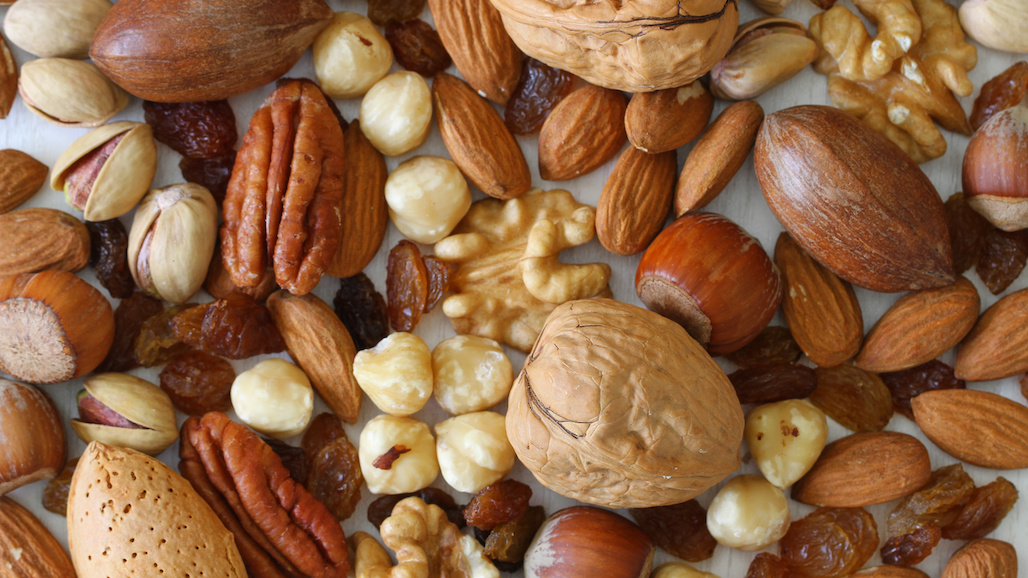
Growing Chinese Market Demand for Nuts and Dried Fruit
USDA Foreign Ag Service — Thanks to consumers’ growing preference for healthy food and earlier successful marketing of nuts and dried fruit products across the country, China’s consumption and demand for nuts and dried fruit has exploded over the past few years. To continue this growth, new product innovations, packaging, and flavor concepts for nuts and dried fruit are needed.
In China, popular nuts and dried fruit include, but are not limited to, almonds, pistachios, pecans, walnuts, macadamia nuts, hazelnuts, dried cranberries, raisins, and dried blueberries. Recently, consumers have sought dried fruit and nuts because of their perceived health benefits, their versatile applications in food manufacturing, and their rich texture and appearance. In China, the “nuts market” segment includes tree nuts and dried fruit.
Statistics from different sources indicate that the nuts industry has grown robustly over the past decade. Along with strong consumption and sales between 2012 and 2022, imports of nuts expanded substantially from $0.5 billion in 2012 to $3.3 billion in 2022, with record imports in 2021 of $3.5 billion.
TREE NUTS & DRIED FRUITS MARKET SNAPSHOT
- The nuts market reached $40 billion in 2022, accounting for about 20 percent of the total snack food market, competing with candy/chocolate and biscuits/pastry for the number one sector.
- The compound annual growth rate for the nuts market was above 10 percent between 2011- 2022, making it a leading manufacturing industry in China.
- The tree nut market size reached $8 billion in 2022, remaining far behind seed nuts at $32 billion.
- Imports of tree nuts reached $3.28 billion in 2022.
 Imports of dried fruit also increased substantially over the past ten years, increasing from an initial $215 million in 2012 to $946 million in 2022, a 340 percent increase.
The Popularization of Daily Nuts
The concept of Daily Nuts originated from a product that was initially launched in 2016 by Wolong, a snack food manufacturer based in Qingdao. Although it is called Daily Nuts, it is a mixture of nuts and dried fruit, such as almonds, pistachios, dried blueberries, and dried cranberries. It is usually in small packs of 15-20 grams, perfect for nutrition supplements and at-work snacks.
Unlike traditional roasted nuts, Daily Nuts target younger and higher-end consumers. Almost all the nuts and dried fruit used in daily nuts are imported to meet consumers’ high-quality expectations. While the raw ingredients are imported, the roasting, processing, and packaging occur domestically.
Due to the strong marketing behind Daily Nuts, focusing on the nutritional benefits and portability of the product, the market exploded. Due to the quick expansion of Daily Nuts across China, Alibaba’s Tmall Research Institute created a new sub-sector called mixed nuts (which includes nuts and dried fruit) in 2017, and daily nuts were regarded as a representative of the sub-sector.
Following the launch of Daily Nuts in 2016, the market size of mixed nuts and dried fruit grew from $1.4 billion in 2016 to $15.8 billion in 2021, a 1,029 percent growth.

Consolidation of the Mixed Nuts Sub-Sector
The booming sub-sector has led to market consolidation. Initially, more than 300 brands began selling daily nuts products in China. Big retailers such as Fresh Hippo, an affiliate of Alibaba, and Bian Li Feng, a nationwide franchised convenience store, even created their own daily nuts style private label products. However, recently smaller processors have begun manufacturing for bigger ones. In 2022, the combined market share of the top five brands, Three Squirrels, Haomusi, Wolong, Chacha, and Bestore, amounted to 38 percent; it is estimated that by 2028, the top five brands will expand their combined market share to 54 percent.

Growing Online Sales
The main category of consumers of mixed nuts and dried fruit are those aged 20 to 45, which directly corresponds to those consumers who most often utilize e-commerce channels. As a result, most of the sales for mixed nuts occur online. In 2022, 47 percent of all snack food sales occurred online. According to CFNA, in the first half of 2023, online sales of food products increased by 8.9 percent year-on-year. Additionally, new online livestreaming retailers, such as Douyin (Tiktok) and Kuaishou, are taking increasing market share from traditional offline retailers.
Applications of Mixed Nuts in Food Manufacturing
Tree nuts and dried fruits are typically used for three purposes: snack food, baking ingredients, and food/beverage ingredients. Although the applications of baking ingredients and food/beverage ingredients have been developing in recent years, the snack food sector has achieved impressive growth.
The snack food sector includes three sub-sectors, namely single nuts, mixed nuts, and flavored nuts. The single nut sub-sector hosts traditional sunflower seeds, peanuts, hazelnuts, and imported tree nuts, which have become increasingly popular over the last two decades. Mixed nuts, as described in the daily nuts section above, are comprised of products with both nuts and dried fruit. Flavored nuts refer to nut products that are typically roasted, shelled, and then flavored to meet consumers’ personal flavor preferences. Typical flavors include but are not limited to salty, spicy, coconut, mustard and others.

Sluggish Economic Recovery
In 2022, strict COVID-19 zero-tolerance regulations impacted China’s economy. According to Tmall statistics, online sales of mixed nuts and dried fruit were nearly zero due to reduced logistics capacity. Offline, traditional sales fared even worse due to the same reduction in logistics capacity and frequent store closures. The economy was expected to rebound after lifting all COVID restrictions, but growth has remained sluggish.
The overall reduction in spending means consumers are reducing purchases of non-essentials such as snack foods. In recent conversations with retail contacts, we learned that local consumers spending on snack food is only around 60 percent of pre-COVID levels. Although online food purchases increased by 8.9 percent in the first half of 2023, this is thought to be due to the increased sales of lower-cost products. The purchases of nuts and dried fruits, which consist of primarily imported raw ingredients and are more expensive, will continue to be impacted by China’s sluggish economic recovery.
Declining Growth of Daily Nuts
In the past few years, tree nuts and dried fruit sales were largely equal to sales of daily nuts products. While Daily Nuts initially led to an explosion in the market, the market is largely saturated. Thus, the market is calling for innovations in the nuts and dried fruit sector to spur growth.

Booming international and domestic supplies
China relies on imports of a range of nuts to meet its strong domestic demand. International supplies impact import volumes considerably. For example, with the production of U.S. almonds reaching a historic high in 2020/2021, the price fell substantially, which in turn led to increased exports to China. Increased international production may continue to lower global tree nut prices, making exports competitive.
However, due to growing domestic supplies, imports of certain nuts and dried fruit are expected to decline. China is the largest producer of walnuts and peanuts globally and has a growing production of macadamia nuts, raisins, and blueberries.
Over the past ten years, growing demand for nuts and dried fruit has pushed domestic production to record highs. According to CFNA, China’s total nut production in 2023 is 44 percent higher than five years ago.
Growing domestic production has also decreased prices for dried fruit. For example, in August 2023, the domestic price for raisins was roughly half that of Chile and a quarter of that of the United States.
Other Promising Products
Aside from products used for mixed or daily nuts, other dried fruit products are seeing market growth. For instance, local consumers perceive dried prunes as a good source of dietary fiber, translating into increased sales.
Additionally, growing consumer health consciousness and the still-to-be-explored versatility of nuts and dried fruit in the food manufacturing sector will likely spur market growth. While the previous high growth rates were not sustainable, mild but steady growth is expected.
New Product Development
With the saturation of the market for daily nuts, food researchers and developers are making every effort to develop a product with the market power of daily nuts. Potential new uses of nuts and dried fruit could include:
- In a beverage
o Example: Six Walnuts bottled drink, a walnut milk beverage, saw high sales upon its launch due to improved taste and brand image. - In the food manufacturing sector
o New processed and value-added products such as sliced, diced, minced nuts, or sugared, pureed, marinated fruit, could be used to meet different food manufacturing requirements or demands.
o China’s expanding food manufacturing industry is calling for more varieties of processed ingredients, offering new market opportunities.
Identifying and capitalizing on these market opportunities will require more collaboration between suppliers and R&D departments of Chinese food manufacturers in testing and educating the market.
In chain coffee and milk tea shops
o Recently, nuts, and dried fruit consumption have increasingly been used for beverages at chain coffee and milk tea shops across China.o This demand comes from two usages: one is a small pack of nuts and dried fruit consumed alongside coffee or milk tea, and the other is used as ingredients for baking and pastries in coffee or milk tea shops.
o Neither of these uses is new, but the demand and consumption have grown substantially in line with the rapid expansion of coffee and milk tea shops.
For more information, please contact ATO Beijing:
USDA Agricultural Trade Office in Beijing U.S. Embassy, Beijing, No. 55 An Jia Lou Road Chaoyang District, Beijing
China, 100600
Tel.: 86-10-8531-3950
Fax: 86-10-8531-3974
Email: atobeijing@usda.gov -

Mitchell Keenan Promoted to Vice President of Keenan Farms
Keenan Farms, Inc. is pleased to announce the promotion of Mitchell Keenan to Vice President of Keenan Farms. In his new capacity, Mitchell’s role will be expanded to overseeing all operations of the company, with particular emphasis on export sales.
Since graduating from Fresno State with a degree in Agricultural Business, Mitchell has worked diligently at Keenan Farms, gaining experience in domestic and export sales, farming operations, processing, and project management including Keenan Farms’ latest plant expansion project.
“I am thrilled to have Mitchell in this leadership role at Keenan Farms,” said Robert Keenan, President of Keenan Farms. “Mitchell has proven himself to be a detailed, thoughtful, and talented manager. His work ethic and contributions to our team have been beneficial to the company, and I look forward to working with Mitchell to expand and position Keenan Farms for growth in our domestic and export markets.”
The company has invested heavily in advanced processing and sorting technology in addition to expanding capacity over the last few years.
“I’m excited to continue my family’s legacy of producing pistachios here in the valley,” said Mitchell. “With our increased capacity and enhanced plant technology, we’re able to serve our customers the best quality pistachios on the market. I’m grateful for my team at Keenan Farms and for this opportunity to take on more responsibility at the company.”
Keenan Farms is a family-owned pistachio processing and farming company based in Kettleman City, California. Since 1972, three generations of Keenans have been producing the highest quality pistachios in the industry. They offer a wide range of pistachio products, including inshell, no-shell, flavored, and bulk pistachios.
More information on the story of Keenan Farms is available at www.keenanfarms.com.
-

Almond Board CEO Clarice Turner Among Top 50 Diverse Candidates to Lead Boards
The Almond Board of California congratulates President and CEO Clarice Turner for being named one of the Top 50 Diverse Board Candidates in America by Equilar and the Nasdaq Center for Board Excellence.
The award was created to provide a definitive roster of “exemplary individuals among the pool of highly qualified diverse candidates who will propel companies and boards into the next era of board leadership,” said David Chun, founder and CEO of Equilar, a national executive intelligence firm.
“I want to give a heartfelt thank you to Equilar and Nasdaq not just for the honor but also for their collaborative dedication to advancing opportunities for underrepresented groups within today’s corporate boardrooms,” said Turner. “The Almond Board of California has long understood that different experiences and viewpoints make our industry and our communities stronger, more inclusive and more vibrant.”
Nominations for the designation came from a number of organizations across the country, a range of Equilar Diversity Network partners and the selection committee, composed of directors on S&P 500 boards, leaders in the board search industry and distinguished figures from the corporate governance sector, Equilar said.
“The Board of Directors is delighted to congratulate Clarice on this outstanding leadership distinction,” said Alexi Rodriguez, chair of ABC’s Board of Directors. “It’s an honor for her to be recognized by major business leaders around the country and it’s a testament to her leadership abilities, which are a great asset to our industry.”
Turner has a long history of serving on corporate and non-profit boards, including the Culinary Institute of America, Delicato Family Wines, the National Restaurant Association, Washington State University School of Business and San Francisco State University Lam School of Business.
About the Almond Board of California
California almonds make life better by what we grow and how we grow. The Almond Board of California promotes natural, wholesome and quality almonds through leadership in strategic market development, innovative research and accelerated adoption of industry best practices on behalf of the more than 7,600 almond farmers and processors in California, most of whom are multi-generational family operations. ABC is a non-profit organization that administers a grower-enacted Federal Marketing Order under the supervision of the U.S. Department of Agriculture. It was established in 1950 and is based in Modesto, CA. For more on California almonds visit Almonds.com.
-

Introducing American Pistachio Growers New VP of Global Marketing
American Pistachio Growers (APG) has a new Vice President of Global Marketing. Watch this brief interview introducing Scott Fryer to the pistachio industry, and come hear from him at their Pistachio Industry Conference, Feb. 26-28th to see what APG is doing to build demand for American grown pistachios.
-

Oregon State University Releases Exciting New Hazelnut Variety, Thompson

Oregon State University has a world renowned hazelnut breeding program, and the newest variety, Thompson, has recently been released. Thompson has some impressing features pacific northwest growers will be interested in. Watch this brief video interview with Shawn Mehlenbacher, head of the OSU hazelnut breeding program to gain the details, and learn more about this new variety at the Nut Growers Society Winter Meeting on Jan. 11 at the Salem Convention Center.
Please thank this video’s sponsor George Packing Company for their industry support.
-

Leadership Transition Planned for Administrative Committee for Pistachios
The Administrative Committee for Pistachios (ACP) is pleased to announce the hiring of Stephen Vasquez as the Executive Director of the ACP starting January 2024. Vasquez will succeed Bob Klein who has served in the lead staff role since June 2007. Klein plans to retire in April 2024 to ensure a smooth transition. Management of the California Pistachio Research Board will also be part of Vasquez’s responsibilities, working closely with scientist focused on improving pistachio production. Vasquez most recently worked for Sun-Maid Growers as their technical viticulturist where he coordinated their research program and worked closely with growers and researchers to improve raisin production. His past experience also includes working for University of California Cooperative Extension as a viticulture farm advisor for 14 years, a research agronomist for an international fertilizer company and a director of agronomy for a large table grape farming company.
“We are excited to have Stephen join ACP and know that his experience will benefit the organization and pistachio growers,” Said Klein. “His experience as a farm advisor and farmer will bring a unique perspective to the ACP, which will help identify gaps in research that growers rely on to be successful in California.”
Vasquez will work with federal, state and local organizations to carry out the mission of the Administrative Committee for Pistachios. He is a lifelong resident of California and resides in Fresno CA with his wife.
Of the retiring Bob Klein, Pacific Nut Producer Editor Matthew Malcolm shared, “It has been a real privilege working with Bob for so many years in his dedicated service to the California pistachio industry. I will miss our great interviews together, but congratulate him on a job well done and wish him the best in retirement.”
ABOUT THE APC: The Administrative Committee for Pistachios (ACP) was established in 2004 by pistachio growers to regulate quality aspects of domestically shipped pistachios, primarily testing for levels of aflatoxin which can occur in tree nuts, peanuts, corn and other commodities. It is authorized to require inspection of domestically shipped pistachios for aflatoxin levels, gather statistics from handlers and report this data, fund research projects that pertain to the processing and handling of pistachios, and to establish food safety regulations. The pistachio marketing order does not perform marketing activities (advertising and consumer education) and does not sell or arrange the purchase of pistachios. The Administrative Committee for Pistachios (ACP) locally administers the federal marketing order for pistachios produced in California, Arizona, and New Mexico. To learn more visit: https://acpistachios.org/.
-

Optimism for California’s 2023 Pecan Crop and State of the Industry

At the Tree & Vine Expo in Turlock held mid-November, Karlene Hanf, President of the California Pecan Growers Association, joined other tree nut commodity leaders in sharing State of the Industry reports. California pecan production and acreage is on the rise. Watch this brief interview with Karlene as she shares her insights on the current State of the California Pecan Industry.
Please thank this video’s sponsor Thunder Creek Equipment for their industry support.