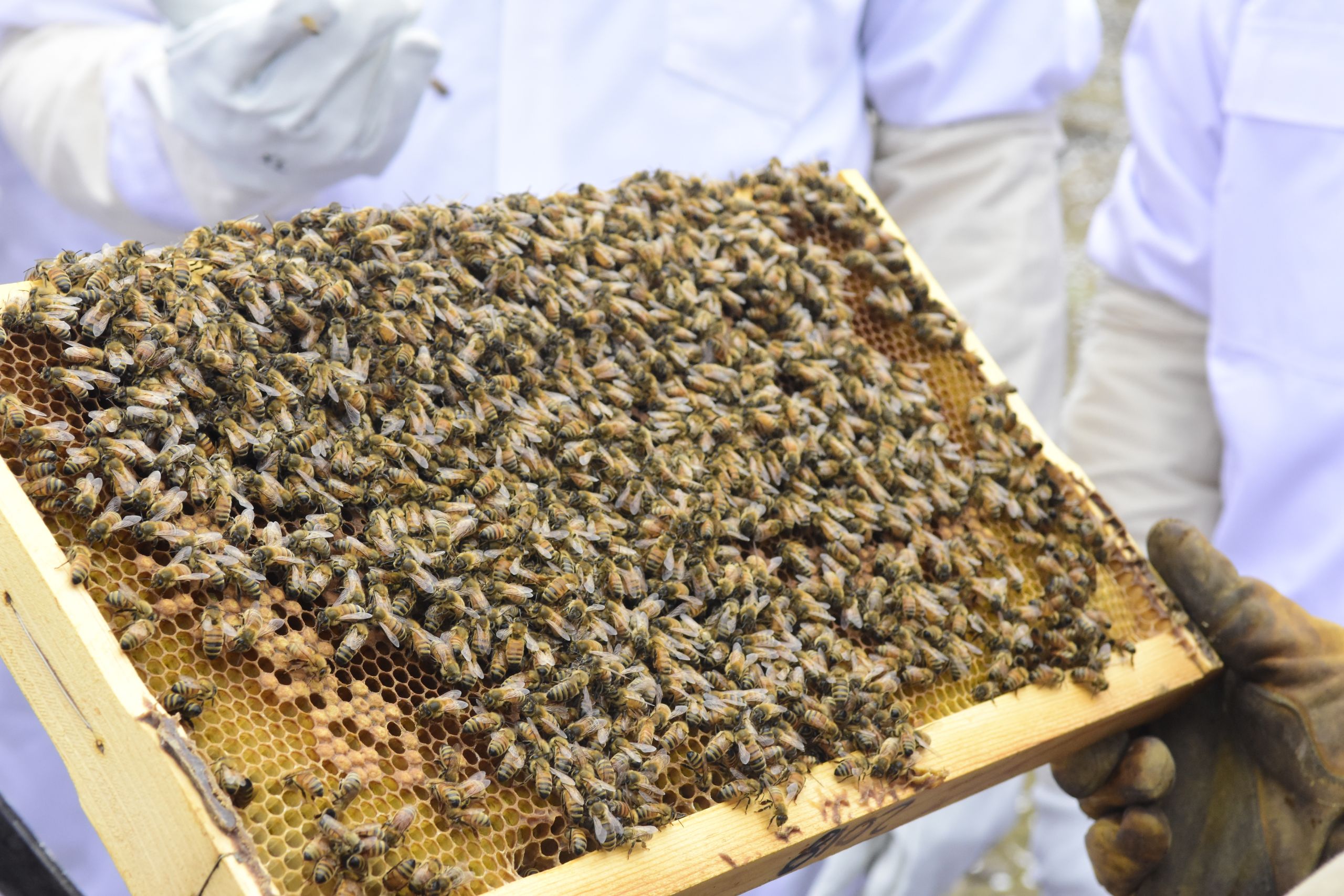
 Pollinator Partnership (P2) is proud to announce enhancements and improvements to its Bee Friendly Farming (BFF) program to better recognize engage and support BFF participants and pollinators everywhere. The new BFF program will have three categories that allow them to engage with all participants at a finer scale while addressing their goals: Bee Friendly Farming Certified, Bee Friendly Farming Partner and Bee Friendly Farming Garden.
 Bee Friendly Farming Certified designation will apply to large-scale commercial farms, ranches, wineries and other land-use businesses that grow food and other resources. This certification will require compliance at registration and every third year to be validated in the seven specific criteria required to qualify. “From habitat to cover crops to best management practices, the Bee Friendly Farming Certified mark will identify farms engaged in science-based Bee Friendly Farming practices,” said BFF Coordinator Miles Dakin. “This enables us to enhance grower and pollinator benefits through greater engagement in nutrition, habitat, biodiversity and other guidelines.”
Bee Friendly Farming Partner includes sponsorship from individuals and companies, as well as apiarists, who do not actively manage their own landscapes but wish to support the BFF program. Multiple tiers of sponsorships are available to provide the resources necessary to build and maintain the BFF program.
The third category of recognition, Bee Friendly Farming Garden, includes smaller landscapes, community gardens and homeowners who voluntarily adhere to the seven criteria of Bee Friendly Farming actions. By separating and reorganizing these distinct members, BFF can better recognize the different contributions by farmers, apiarists, home gardeners, community members and commercial sponsors to support vital pollinators.

“After conversations with long-standing participants, environmental groups, grower associations and sponsors, we saw a clear need to further refine the BFF experience and to add a level of scrutiny and permanence to the certification aspects of Bee Friendly Farming,” said Laurie Davies Adams, President of Pollinator Partnership, parent organization of Bee Friendly Farming. “This new tri-level approach will still recognize existing affiliates as BFF Partners, while taking a great step forward for the dedicated agricultural community that seeks rigorous and validated certification of its adherence to best practices for pollinators. In all instances, BFF will provide excellent guidelines for all levels of BFF practitioners.”
The three categories have slightly different criteria and benefits. Some currently certified historic BFF participants may fall into a different category and will be contacted about the changes.
Visit www.beefriendlyfarming.org for more information on Bee Friendly Farming and to learn how you can participate.
ABOUT POLLINATOR PARTNERSHIP (P2) Established in 1997, the Pollinator Partnership is the largest 501(c) 3 non-profit organization dedicated exclusively to the health, protection, and conservation of all pollinating animals. P2’s actions for pollinators include education, conservation, restoration, policy, and research. P2’s financial support comes through grants, gifts, memberships and donations from any interested party. P2’s policies are science-based, set by its board of directors, and never influenced by any donor. To make a donation or for information on events during Pollinator Week visit www.pollinator.org.
 The Almond Alliance of California, with support from congressional representatives, lead the advocacy efforts to have California almonds included in the United States Department of Agriculture (USDA) Section 32 food purchase program. The approval of up to $40 million of direct purchases to various domestic food nutrition assistance programs will provide much needed relief as the almond industry navigates through the impacts of COVID-19; while also providing a healthy food source to those in need.
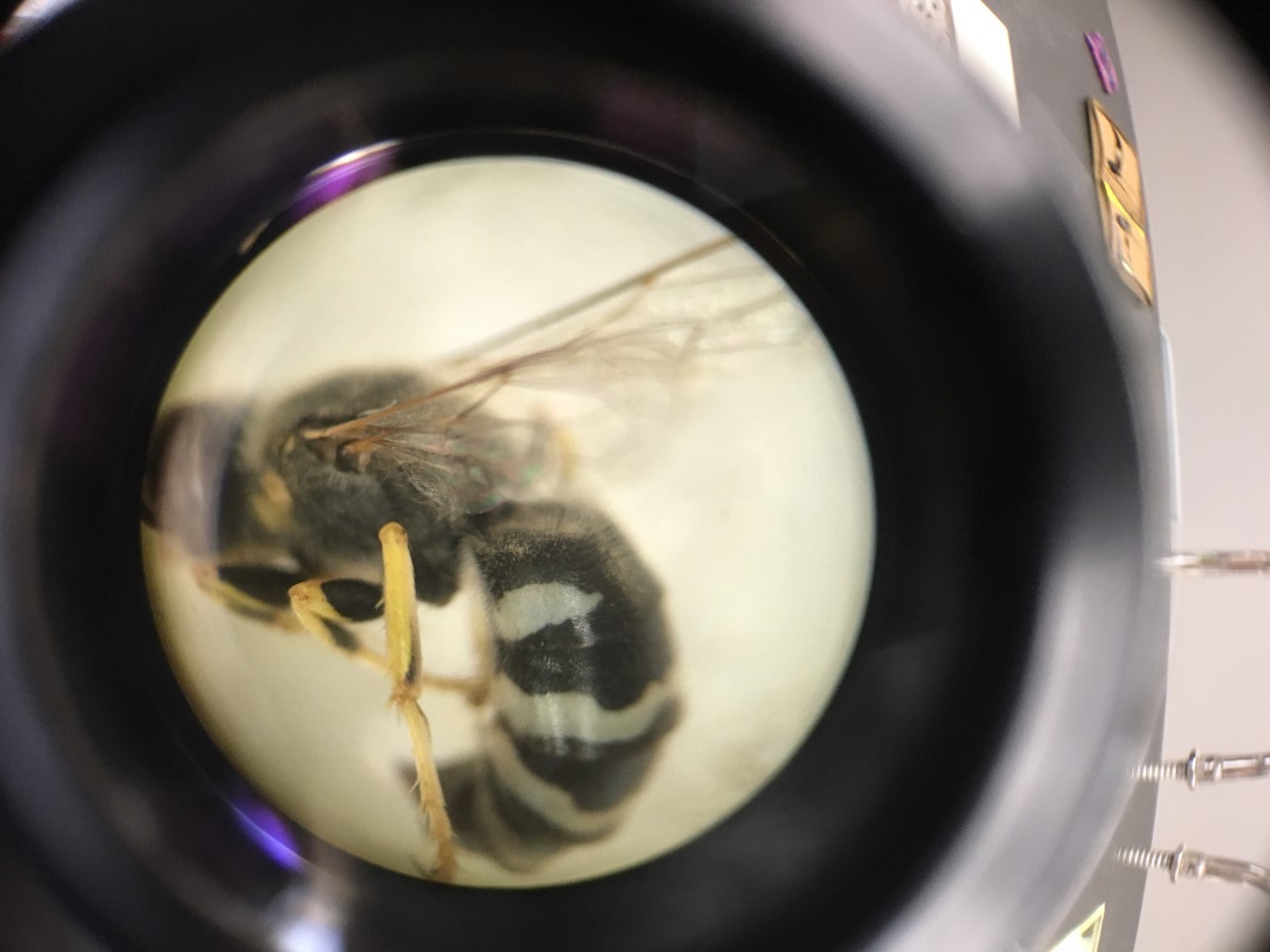
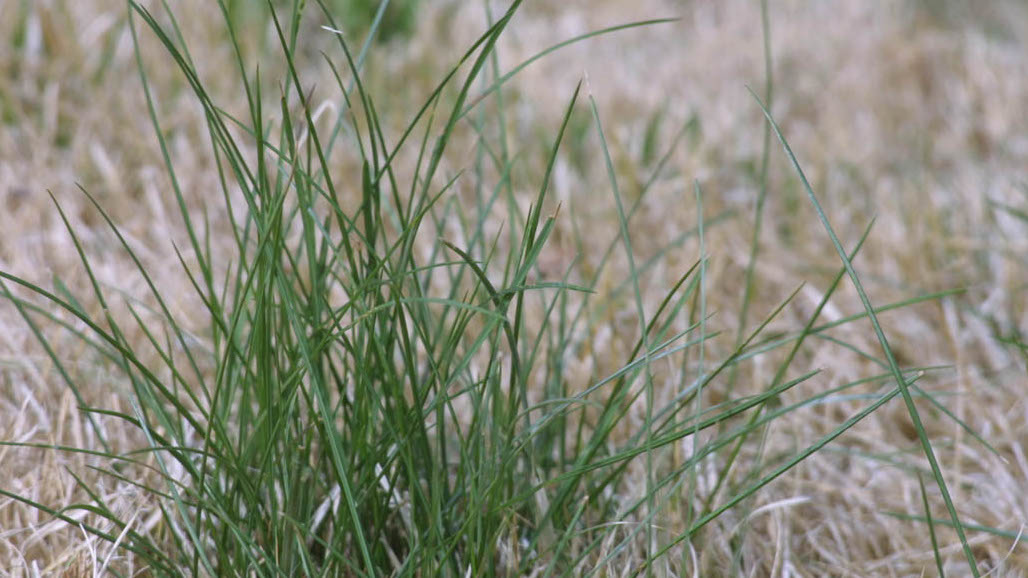
 Many living creatures live in soil. Though their sizes range from microscopic soil microbes to larger animals like gopher turtles, they all call soil their “home.” Included in these ground-dwelling species are bees – vital in the pollination cycle of about 90% of plant life.

 Editorial content from the blog and promotional landing pages have pulled visitors into the site with 70K+ clicks through the end of June, and more than 45K+ Recipe/Collection views.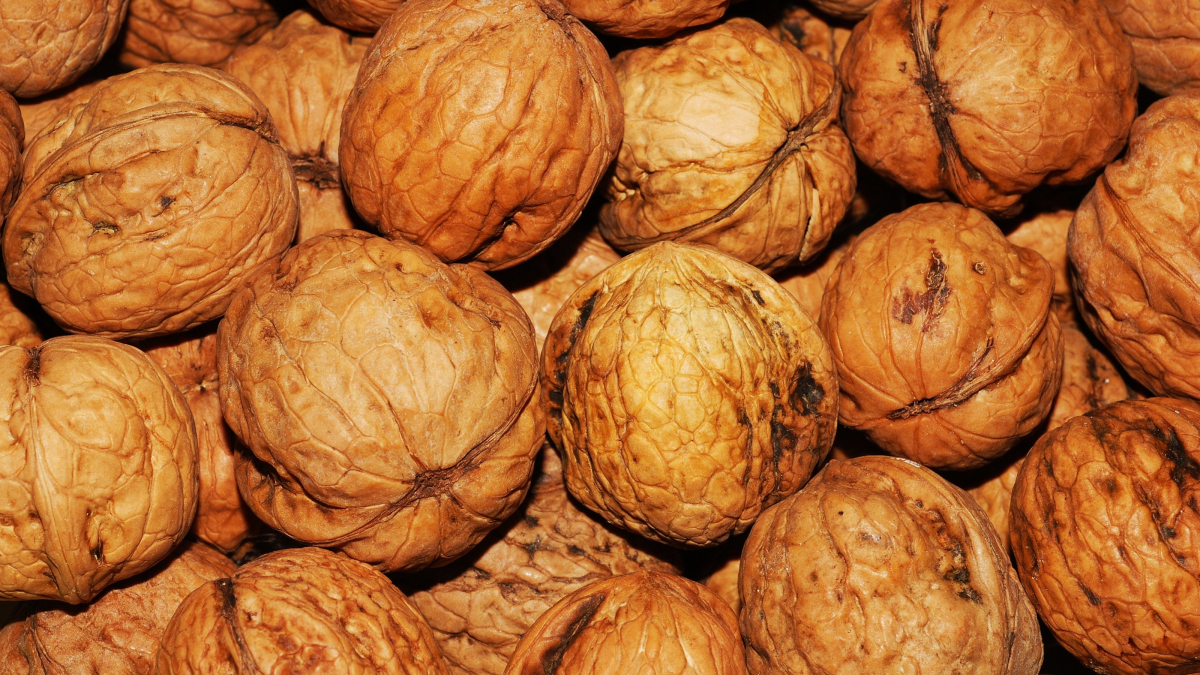


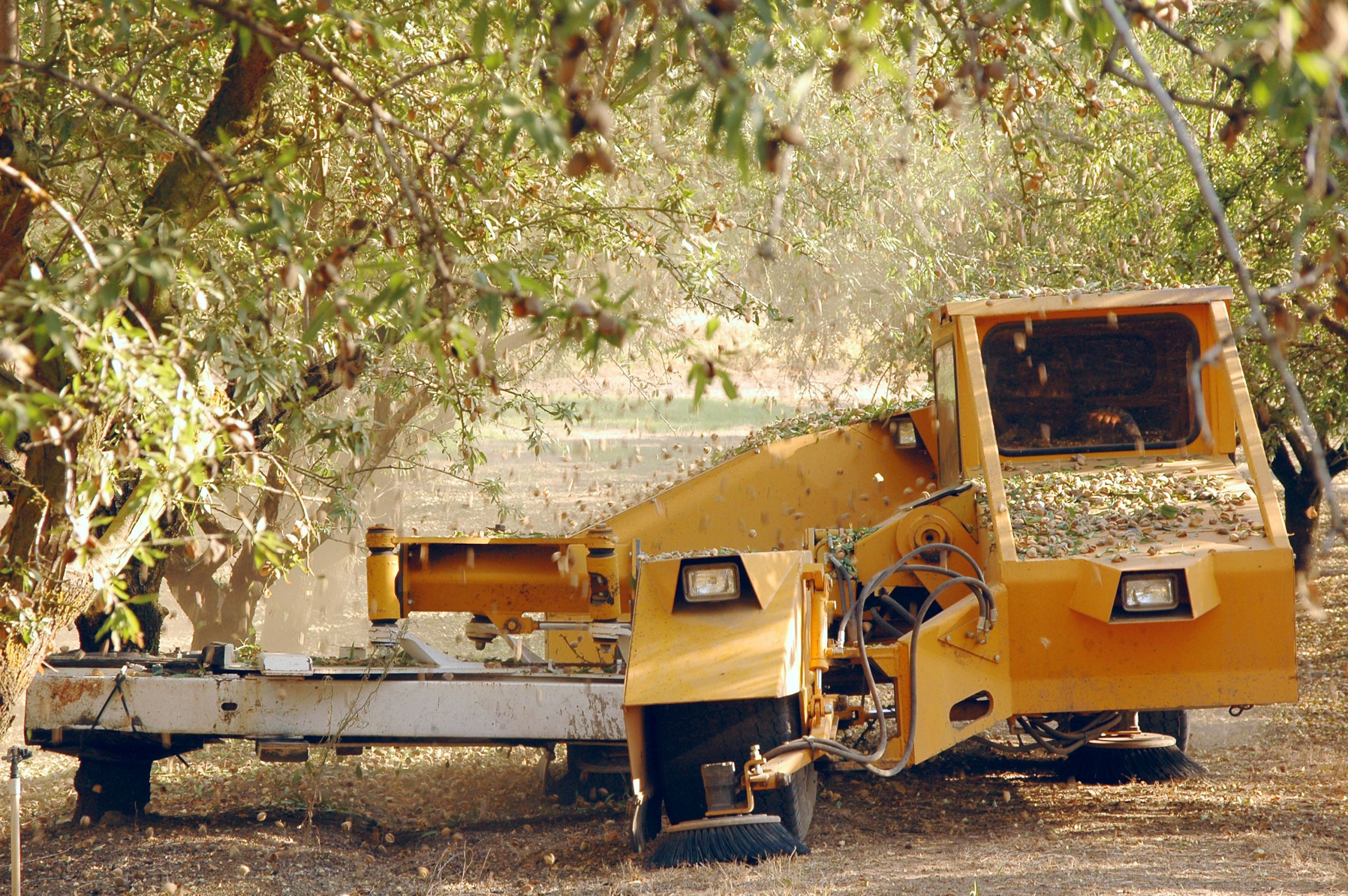
 Almond harvest 2020 is upon us in all its hectic glory. As growers in the southern San Joaquin Valley start shaking this week, equipment that has been largely resting for an entire year will be put to work in furious fashion to safely bring in this year’s crop. And while harvest 2020 is understandably the key focus of this time of year, it’s not too early for growers and their equipment operators and custom harvesters to begin considering what old equipment may need to be upgraded or replaced entirely before the following harvest.
 “I think these programs are important, and increasing grower applications can play a role in helping the industry achieve all four 2025 goals,” said Jesse Roseman, principal analyst for Environmental and Regulatory Affairs at the Almond Board of California (ABC). “Growers who participate in these programs reduce their out-of-pocket costs for new equipment and cutting-edge practices that act as benchmarks in the industry’s goals.”