Category: Non-Video

  • Tracking Almond Irrigation Improvement

    Tracking Almond Irrigation Improvement

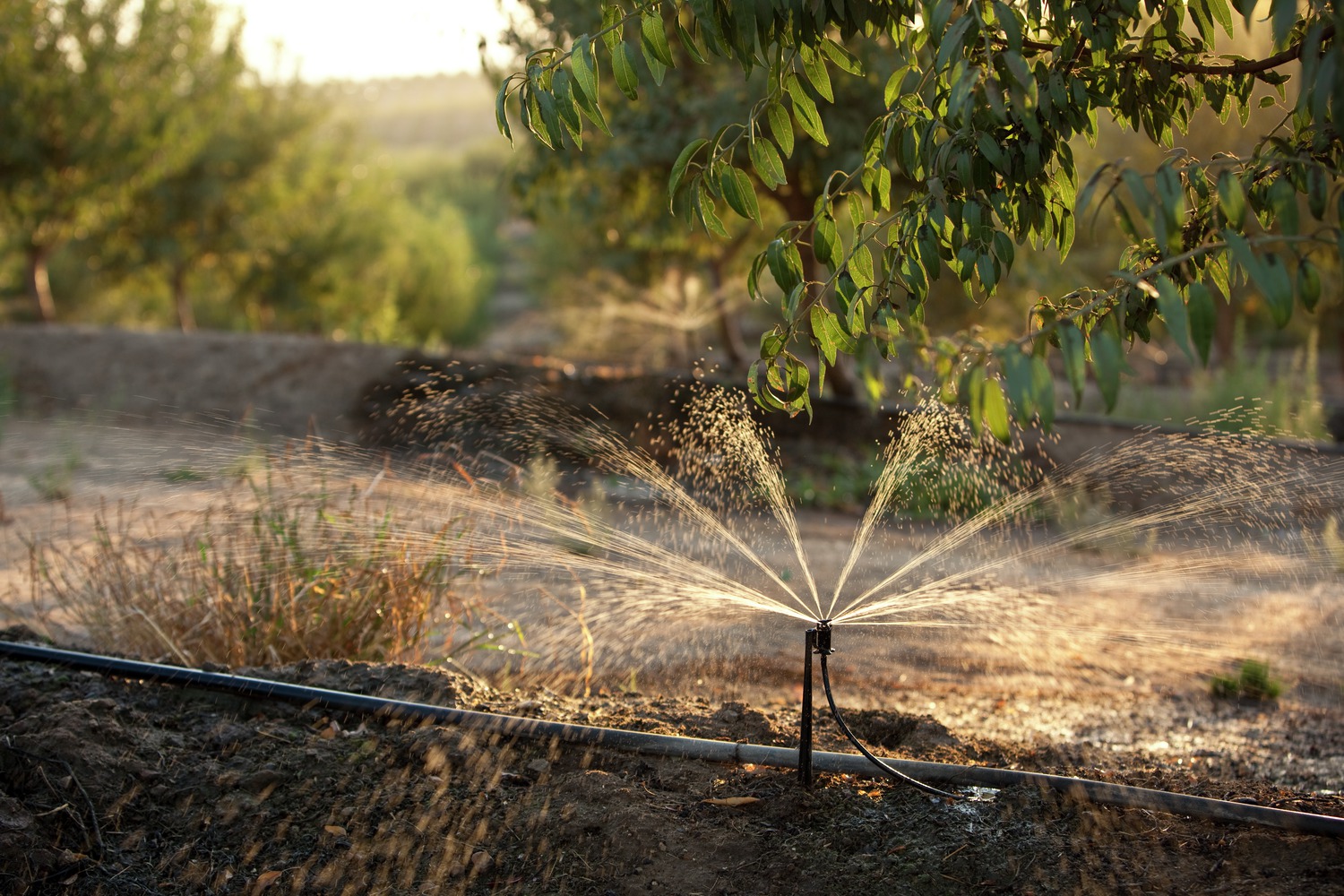
    Almond Board of the California — For almond growers, better understanding your irrigation options and learning small ways to improve your practices has never been easier, thanks to the Almond Board of California’s (ABC’s) new Pathway to Irrigation Improvement guide.

    The guide – which can be downloaded or printed from ABC’s website – aims to help growers track their progress in implementing irrigation best practices, and is something growers can keep in their truck or office and to reference regularly. It is divided into four sections: Irrigation Systems, Water Use, Monitoring Soil and Plant Water Status, and Management. Each section has specific practices associated with it that are rated as Levels 1.0 (fundamental), 2.0 (intermediate) and 3.0 (advanced).

    For instance, under Irrigation Systems, a grower at level 1.0 would regularly record the pressure variation in his or her system and calculate an average application rate while irrigating. A 2.0 grower would employ more sophisticated practices – such as measuring distribution uniformity – to achieve “more crop per drop” of water, and then a 3.0 grower would be even more advanced as he or she would look to employ those efficient practices more regularly.

    Tom Devol, ABC’s senior manager of Field Outreach and Education, noted that all the information in the guide is culled from the 149-page Almond Irrigation Improvement Continuum, created by the Almond Board and the University of California’s Agriculture and Natural Resources team.

    “For this guide, we took the incredibly detailed Irrigation Continuum and restructured it with simplified visual cues,” Devol explained. “This way, when growers approach the Continuum and want to refer to specific sections that will help them reach the next level of efficiency, they can reference this guide to quickly understand where in the Continuum they should look. 

    How to achieve ‘more crop per drop’ 

    To be most efficient in optimizing your irrigation practices, Devol said the first step for any grower is to “know how your irrigation system uses water and evaluate how well your system performs.”

    Next, growers need to focus on understanding water use.

    “How much do your trees need?” Devol asked. “We walk you through three levels to determine that. Then you need to determine second part, which is to understand how much water you’re using.”

    From there, growers are encouraged to gain a stronger grasp of their soil moisture and then learn how to best manage it, which especially helps growers in times when the trees may be experiencing more stress.

    The final element of optimal practices is the execution of learnings and best practices so growers can best set themselves up for success.

    “When you know what you’re doing, you will know how to manage it,” Devol said. “You have to first know your need, how much water your system is putting out and how to measure it, and then you’ll determine how to manage it.”

    Devol and his team work closely with growers up and down the state on irrigation practices. They use the feedback they receive face-to-face as well as information provided by growers who participate in the California Almond Sustainability Program (CASP) to determine the focus of their outreach.

    “For instance, from information pulled in aggregate from the CASP database, I can see where California almond growers (as a whole) are excelling and where an increase in improved practices could be achieved – where I have more work to do,” Devol said.

    As an example, Devol said that about 75% of growers still use visual means to determine tree stress instead of using a pressure chamber, which can provide a more accurate analysis of stem water potential (how much water moves through a leaf).

    “That tells me I need to do more training,” he said, adding that grower understanding of soil physics and plant stress are two of the most challenging and complicated areas with which he deals.

    Recognizing that pressure chambers are expensive tools – costing as much as $4,000 each – Devol and his team have developed what he calls a “lending library.” Growers can “check out” a pressure chamber for a couple of weeks and use it in their orchard before making a commitment to buy one. Growers interested in “checking out” a pressure chamber should email fieldoutreach@almondboard.com for more information.

    Ultimately, the purpose behind this guide and the larger Irrigation Continuum is to give growers useful information they can act on and provide support along their growing journey, striving to help the industry as a whole achieve the Almond Orchard 2025 Goals, one of which is to reduce water use by an additional 20%.

    “We have a really diverse grower population,” Devol explained. “With some practices, it’s hard to get to Level 3.0, and some practices simply don’t work well for certain growers’ orchard systems. We’re therefore just trying meet everyone where they’re at and help them make improvements to ultimately help them ensure a more healthy, productive orchard.”
  • California Walnut Industry Gears Up To Market Record Crop

    California Walnut Industry Gears Up To Market Record Crop

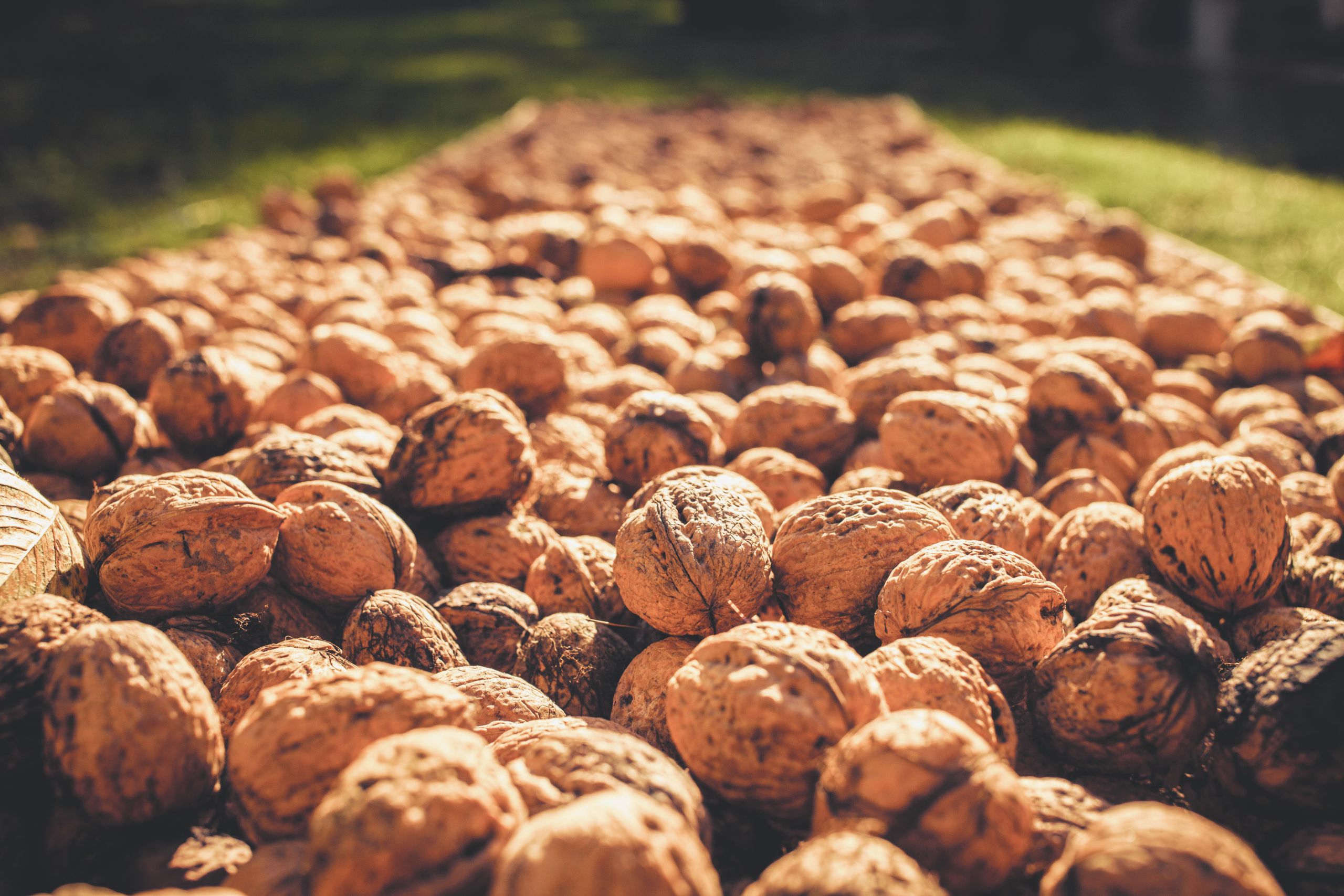
    On August 28, USDA NASS released the Objective Measurement of the 2020 walnut crop at 780,000 short tons, an increase of 19% over the prior year. “The industry has been expecting increases given continued growth in new acreage, more densely planted orchards, and heavier yielding varieties and has planned accordingly,” stated grower Robert Driver, California Walnut Commission (CWC) Chairperson. “Demand creation for future crop utilization has been years in the making, with the industry’s strategic plan focused on growing sales in the U.S. domestic market and internationally.”

    To take advantage of the large crop and continued demand, a tremendous growth opportunity exists in the U.S. market to expand all sectors of the walnut business across retail, food manufacturing/industrial and foodservice. “We have been planning for these larger crops by expanding consumption through all sectors,” said Michelle Connelly, Executive Director/CEO of the California Walnut Board and Commission (CWB/CWC). “Despite what you might think, per capita consumption of walnuts is only 0.6 pounds per year in the U.S., leaving an exceptional opportunity to further develop consumers’ love of walnuts.”

    Efforts are underway to expand grocery retail presence through two national promotional campaigns, which include a program focused on growing the snacking segment. “While walnuts are not often thought of as a snack, our consumers are telling us otherwise with snacking becoming our top consumer use,” said Jennifer Olmstead, Marketing Director, Domestic PR at CWB/CWC. “Our goal is to make walnuts top-of-mind, not only for consumers, but for food manufacturers and foodservice as well. Not only are walnuts a versatile ingredient that can’t be overlooked, they are a powerhouse of nutrition – offering essential ALA omega-3 (2.5 g/oz.) and plant-based protein (4 g/oz.) – with benefits that are critical to consumers who are seeking healthy, clean, nutritious foods now more than ever.”
    The domestic market offers advantages to the industry: proximity, stability and risk prevention from some of the turbulent times that recent tariff issues have created. However, the industry’s export markets remain vital to the industry’s growth strategy, accounting for more than 60% of annual shipment volumes. The industry has continued to adapt to tariff market challenges, while pursuing new markets for walnuts. Export market diversification has been key to this strategy, and continuing to find and develop export markets is essential.

    “We know we can further diversify the segments of business – similar to the U.S. with growth in food manufacturing and foodservice – while propping up our retail channel. Interestingly, COVID-19 has actually helped increase sales in the retail segment. Retailers and consumers increasingly embrace e-commerce, opening new avenues for retail promotion, while also bolstering the importance of neighborhood grocery, in many countries like Spain and India,” said grower Todd Ramos, CWC Market Development Committee Chairperson.

    Core export markets in Europe and Asia remain critical to the industry and, despite their once-perceived mature status, present excellent opportunity. “But we aren’t stopping there,” stated Pamela Graviet, CWC Senior Marketing Director, International. “With expanded programs in the Middle East, the industry has identified untapped potential among markets that traditionally heavily consume nuts and dried fruits. Global population projections predict that 30% of the world’s population by 2050 will be new mouths to feed; therefore, market research will continue to identify opportunity in new and established markets.”

    To encourage handler investment to grow the walnut market through individual marketing activities, the industry pursued credit-back authority through a marketing order. “We know that the development of new walnut applications is critical to our expansion of the walnut market, and handlers are already making investments, but this program is poised to take that to the next level,” stated grower William (Bill) Tos, CWC Executive Committee Chairperson. The program authority, if approved by a vote of the growers, would come into effect this 2020/21 season.

    At a time when consumers globally are seeking healthy foods more than ever, walnuts offer a multitude of benefits further demonstrated by nutrition research. “Thirty years of research has established walnuts’ heart health benefits and more. But as with all things, the evolution of science is changing rapidly, and that change is also driven by what is important to consumers – gut health, sleep quality, mental health and obesity. Our health research program continues to identify how walnuts can play a role in these important consumer public health issues, while offering a simple, convenient way to potentially improve overall health,” stated Jack Mariani, CWB Market Development Committee Chairperson.

    Investment in production research remains foundational to helping growers produce a better crop, protect against disease and improve orchard management practices, ultimately enhancing the sustainability of the industry. Post-harvest research continues to identify potentially exciting means to improve shelf life, best practices to help manufacturers incorporate more walnuts, by-product utilization and food safety.

    “Our objective has been and continues to be to keep demand ahead of supply. The industry’s investment, careful planning and foresight have set the stage for continued success,” Tos went on to say. Walnut production has doubled in the last 15 years, with new acreage reaching 380,000 with an additional 75,000 acres set to come into production. California walnut growers’ investment in the future will allow more consumers worldwide to enjoy the benefits of consuming walnuts.

  • Pacific Nut Producer September Issue

    Pacific Nut Producer September Issue

    PNP920
    PNP920

    [btn btnlink=”https://malcolmmedia.com/order-a-back-issue/back-issue-pacific-nut-producer-magazine/” btnsize=”full” txtcolor=”#ffffff” color=”#FFF” bgcolor=”#492500″ btnnewt=”1″ nofollow=”1″]Order A Back Issue[/btn]

    [btn btnlink=”http://malcolmmedia.com/pacific-nut-producer-magazine-subscriptions/” btnsize=”full” txtcolor=”#ffffff” bgcolor=”#492500″ btnnewt=”1″ nofollow=”1″]Subscribe Free[/btn]
    [three_fifth_last]

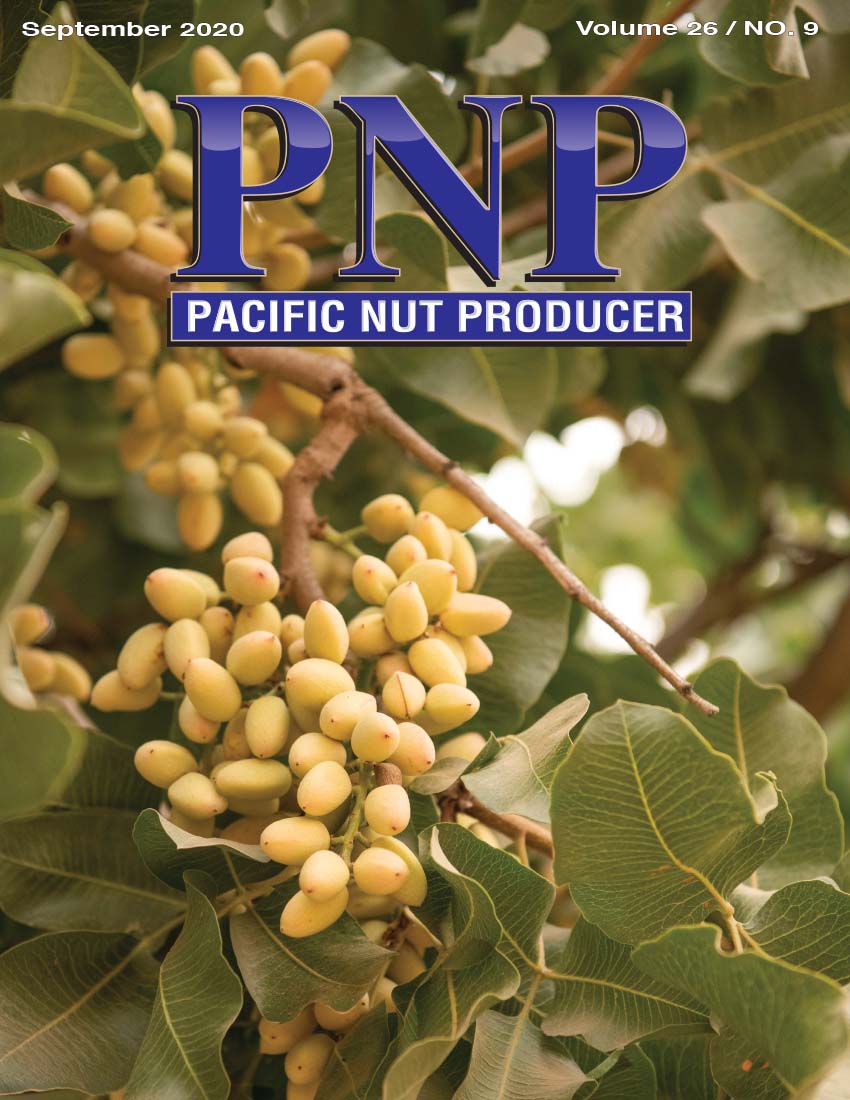
    Contents of the September Issue:

    2020 Pistachios May Fall Short of 1 Billion Pounds
    Shipments Still Strong Compared to Last Year

    Protecting Young Trees from Herbicide Damage
    New Finding: White Latex Painting Doesn’t Help

    Retiring UCCE Tree Nut Farm Advisors
    Kurt Hembree, Allan Fulton, Rachel Elkins

    September Orchard Tasks
    Almonds, Hazelnuts, Pecans, Pistachios, Walnuts

    [/three_fifth_last]

  • Identifying Insect Pest Damage Through Harvest Sampling

    Identifying Insect Pest Damage Through Harvest Sampling

    With almond and walnut harvest underway, it is a good time to review harvest nut sampling strategy and protocols for the best estimation of field loss by common pests. It is a general understanding that the grade sheet from your processers only represents about half of what is  going on in the field. Also, the whole sum percent damage from the grade sheet does not identify which pest is causing the most economic loss. Insect population in orchards builds over time; therefore, knowing the history of damage helps to address potential risks and strategies to next  year’s pest management program.

    1. Harvest Sampling in Almonds

    Taking a minimum of 500-1000 sample nuts from an average-sized orchard, anytime between shaking and sweeping, is recommended. Infestation can vary among different sides of the tree, and between edges and interiors of the orchard. This is especially true for navel orangeworm damage. Use paper bags to collect samples from multiple spots (>10 sampling spots, if possible) within the orchard. Store the sample bags in a cold room or freezer until you  have time to do crack out. Look for damage signs associated with insect species described in the following paragraphs. Major insect pests for the damage evaluation are navel orangeworm (NOW), peach twig borer (PTB), oriental fruit moth (OFM), ants, leaffooted bugs (LFB), and brown marmorated stink bug (BMSB). BMSB is an invasive stink bug species, which is established and causing damage in almond orchards in the northern San Joaquin Valley.

    1.1. Worm Damage (NOW, PTB, OFM). NOW feed in the kernel (nutmeat) and create deep feeding tunnels. Feeding by NOW results in a significant amount of white frass, and webbings on the kernel (Fig. 1a). Since NOW and PTB often infest the same nut, NOW feeding damage often masks the PTB damage. Feeding damage signs by PTB and OFM on the nutmeat are similar (i.e., the presence of the shallow tunnels and surface grooves on the kernels, and no webbings) (Fig 1b & 1c), except OFM leaves a small amount of reddish frass on the hull, which is absent in PTB damaged nuts.

    Fig. 1. Almond kernels (nutmeat) damaged by: a) navel orangeworm, b) peach twig borer, c) Oriental fruit moth

    1.2. Ant Damage. The percentage of almond  damage by ants at harvest depends on the duration the nuts are on the ground after shaking. The longer almonds are left on the ground gives more time for ants to feed on them, results in more damage. Also, more damage is likely in orchards with drip or sprinkler irrigation compared to orchards with flood irrigation. Cover or vegetation in the orchards also favors ant activity. Nuts with tight shells or with narrower (<0.03-inch wide) hull split have less ant damage. Ants can completely hollow out the nutmeats and leave only thin skin (i.e., pellicle). Other signs of ant feeding damage include scraped or peeled pellicle and presence of “sawdust”, with the absence of webbings and frass (Fig 2a).

    1.3. Leaffooted Bug and Brown Marmorated  Stink Bug Damage. Most nuts infested by the leaffooted bug or BMSB, early in the season (mid- March to mid-May), abort and drop. A small percentage of those infested nuts do not drop but end up becoming shriveled and gummy kernels at harvest (Fig  2b).  Both  LFB  and  BMSB  feeding  after  the shell hardening can result in sunken dark spots on kernels (Fig. 2c), although the degree of damage tends to be higher with BMSB feeding than LFB. Late-season feeding (July-August) by BMSB, can cause dark stained kernels (Fig 2d). Varieties with soft shells such as Fritz, Sonora, Aldrich, Livingston, Monterey, and Peerless are more susceptible to bug damage and for a longer period during the season.

    Fig. 2. Almond kernels damaged by: a) ants, b-d) leaffooted bug and brown marmorated stink bug

    2. Harvest Sampling in Walnuts

    It is recommended to take a minimum of 1000 nuts at the harvest and evaluate for the damage caused by navel orangeworm , codling moth, ants, husk fly, and sunburn. It is important to have representative samples (>10 samples with a minimum of 100 nuts/sample) from the orchard for better estimation of the infestation. The damage signs associated with these specific insect pests and sunburn are described as follows:

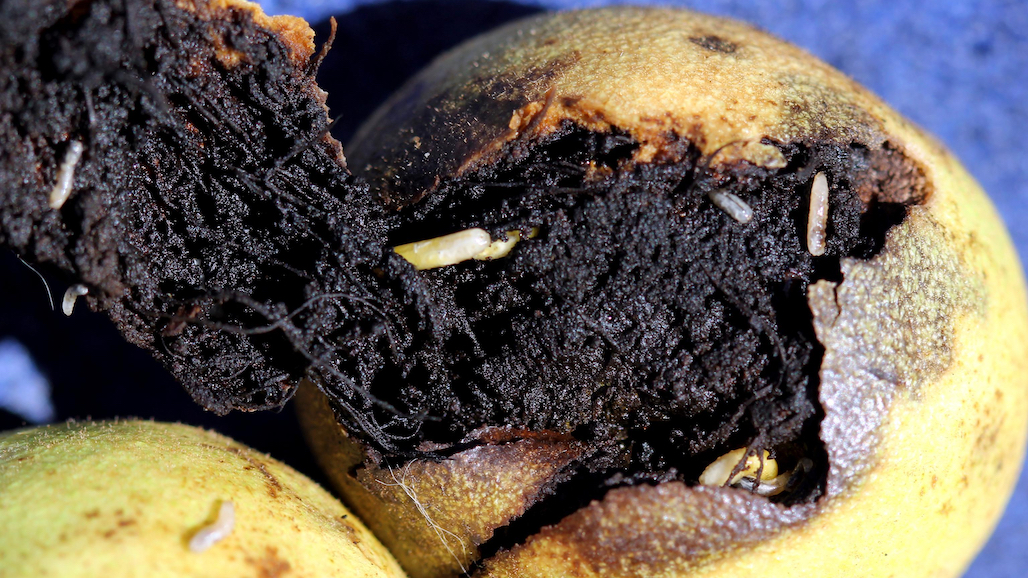
    2.1. Worm Damage (NOW, CM). Navel Orangeworm damage can be identified by the presence of a large amount of frass and webbings (Fig 3a). NOW larvae are present in groups and can bore deeply into the kernel. Heavy infestation may give a nutshell an oily appearance. In contrast to NOW, a single codling moth larva infest the nut, and has a lot cleaner damaged area inside the nut. Frass is evident, but only at the entry  point  on  the  husk;  very  little  webbing present (Fig. 3b). If larva is present, look for crescent-shaped marking just behind the head to confirm navel orangeworm.

    Fig. 3. Walnut damaged by: a) navel orangeworm, b) codling moth

    2.2. Ant Damage. Similar to almonds, nut damage by ants increase as the duration of the harvested nuts on the ground increase. Ants enter the nuts from the soft tissues (i.e., stem end) and/ or through a codling moth injury. Ant damage on nuts is identified by the presence of deep chewing channels with clean kernels (i.e., no frass, no webbings, no deep boring) (Fig 4a).

    Fig. 4. Walnut damaged by: a) ants; b) walnut husk fly; c) sunburn
    Fig. 5. (Left) Brown Apical Necrosis is shown on the left, not to be confused with Walnut Blight, shown on the right, and caused by the bacterial pathogen, Xanthomonas arboricola pv. juglandis (Figure provided by Themis Michailides).

    2.3. Husk Fly Damage. Walnut husk fly larvae (technical term: maggots) feed in groups by boring into the husk. Early season damage results in shriveling and darkening of the kernels, with  the increased potential for mold growth. Late- season infestation causes little kernel damage  (Fig. 4b), although it may stain the shell and make the husk removal process difficult.

    Fig. 6. (Right) Moldy, off color nuts which lead to economic loss due to downgrading (Figure provided by Themis Michailides).
    2.4. Sunburn Damage. Sunburn damage on nuts can be confused with husk fly damage. In the case of sunburn, nutmeat is shriveled and darkened on one side of the nut — no evidence of frass, webbings, or larval presence (Fig. 4c). Husks  from sunburn damaged nuts can be removed from the shell during processing, which is not the case for the nuts damaged by husk fly.
    — Article by Jhalendra Rijal, PhD, UCCE IPM Advisor, Stanislaus, Merced & San Joaquin Counties
  • Protecting Workers from Unhealthy Air Due to Wildfire Smoke

    Protecting Workers from Unhealthy Air Due to Wildfire Smoke

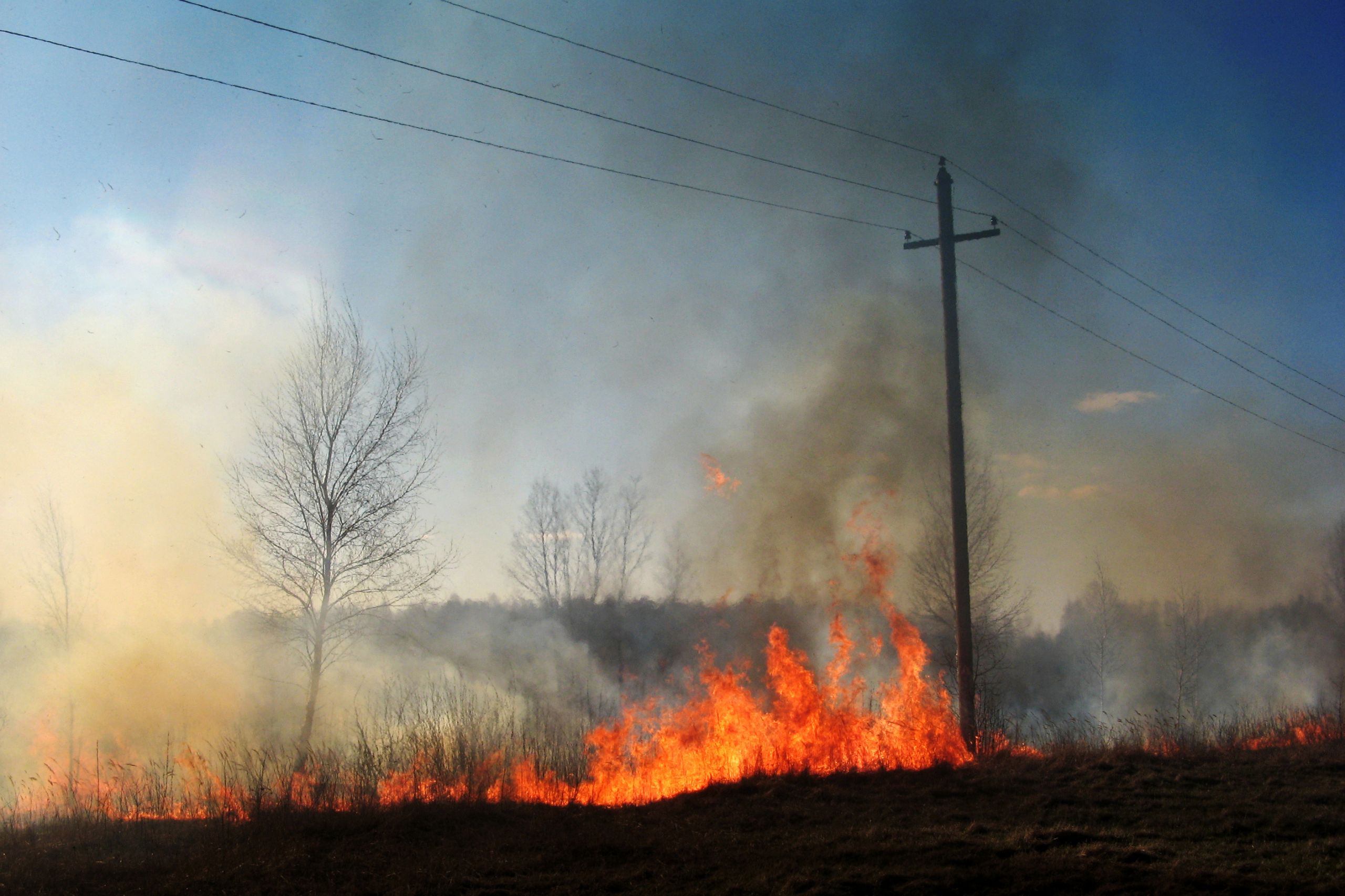
    Cal/OSHA is reminding employers that California’s protection from wildfire smoke standard is still in effect, and they must take steps to protect their workers from harmful exposure to unhealthy air due to wildfire smoke.

    “Employers are obligated to protect their outdoor workers and must evaluate the health hazards posed by wildfire smoke,” said Cal/OSHA Chief Doug Parker. “If employers cannot move operations indoors where air is adequately filtered and they do not have access to respiratory protection, they may need to halt operations until the outdoor air quality improves.”
    Smoke from wildfires contains chemicals, gases and fine particles that can harm health. The greatest hazard comes from breathing fine particles in the air (called PM2.5), which can reduce lung function, worsen asthma or other existing heart and lung conditions, and cause coughing, wheezing and difficulty breathing. These types of respiratory conditions also make the effects of COVID-19 more severe.

    If employers move operations indoors or into enclosed spaces, they should be sure to follow guidelines for prevention of COVID-19 transmission in the workplace.

    When wildfire smoke affects a worksite, employers must monitor the air quality index (AQI) for PM2.5. Employers can monitor the AQI using the following websites:

    If the AQI for PM2.5 is 151 or greater, employers must take the following steps to protect employees:

    • Communication – Inform employees of the AQI for PM2.5 and the protective measures available to them.
    • Training and Instruction – Provide effective training and instruction to all employees on the information contained in section 5141.1 Appendix B.
    • Modifications – Implement modifications to the workplace, if feasible, to reduce exposure. Examples include providing enclosed structures or vehicles for employees to work in, where the air is filtered.
    • Changes – Implement practicable changes to work procedures or schedules. Examples include changing the location where employees work or reducing the amount of time they work outdoors or exposed to unfiltered outdoor air.
    • Respiratory protection – Provide proper respiratory protection equipment, such as disposable respirators, for voluntary use.
      • To filter out fine particles, respirators must be labeled N-95, N-99, N-100, R-95, P-95, P-99, or P-100, and must be labeled as approved by the US National Institute for Occupational Safety and Health (NIOSH).

    “Cal/OSHA is working diligently to identify viable available temporary alternatives that would provide workers with an acceptable alternative to a compliant respirator such as an N-95 mask,” added Chief Parker.

    CalOES and the California Department of Food and Agriculture are working in partnership to provide approximately one million N-95 masks to help protect farmworkers from wildfire smoke. County Agricultural Commissioners in affected counties will distribute the masks.

    If the AQI for PM2.5 exceeds 500, respirator use is required. Employers must ensure employees uses respirators and implement a respiratory protection program as required in California’s respiratory standard. For information or help on developing a respiratory protection program, see Cal/OSHA’s Respiratory Protection Fact Sheet.

    Guidance for employers and workers on working safely in conditions with smoke caused by the wildfires is available on Cal/OSHA’s web page, including information for protecting outdoor workers, details on how to protect indoor workers from outdoor air pollution, and frequently asked questions about N95 masks.

    Information on current wildfires is available from CalFire and the Incident Information System website.

    Cal/OSHA helps protect workers from health and safety hazards on the job in almost every workplace in California. Employers and workers who have questions or need assistance with workplace health and safety programs can call Cal/OSHA’s Consultation Services Branch at 800-963-9424.

    Complaints about workplace safety and health hazards can be filed confidentially with Cal/OSHA district offices. Employees with work-related questions or complaints may contact DIR’s Call Center in English or Spanish at 844-LABOR-DIR (844-522-6734).

  • California Farmland Trust Elects & Appoints New Leadership

    California Farmland Trust Elects & Appoints New Leadership

    With a passion for preserving California’s farmland, California Farmland Trust (CFT) is proud to share the results of those elected to serve our Board of Directors as well as new board member appointments.

    “We’re honored to have such well-known and well-respected individuals serve on the CFT board” shared Charlotte Mitchell, CFT Executive Director. “Our board members each bring professional skills and a passion for agriculture that serve in furthering our mission and protecting farmland.”

    Newly Elected Officers

    Jon Harvey, President

    Jon Harvey retired from Cisco as a Hardware Engineer Manager and is now a ski patroller at Sugar Bowl. A former board member of Brentwood Ag Land Trust (BALT), Harvey joined the CFT board in 2018, following the BALT and Central Valley Farmland Trust merger that formed California Farmland Trust. Harvey became immersed in land conservation at a young age, when he recognized the connections between his appreciation for wildlife, a family history of farming, and his love for fresh food.

    Patrick Johnston, Vice President

    Patrick Johnston lives in Brentwood where his family has farmed since 1923. He is currently a partner in Dwelley Family Farms, growing both conventional and organic fruits and vegetables. He was a board member of the Brentwood Agricultural Land Trust, until its merger with Central Valley Farmland Trust to form CFT.

    Maxwell Norton, Secretary

    Maxwell Norton is a retired Farm Advisor with the UC Cooperative Extension, and a founding member of the Merced County Farmland and Open Space Trust, which later formed the Central Valley Farmland Trust.  He is the Past President of the Merced County Chamber of Commerce, Past President of the California Association of Farm Advisors and Specialists, and Past Chairman of Merced County Economic Development Task Force.

    Ken Oneto, Treasurer

    Ken Oneto resides in Elk Grove where he grows cherries, walnuts, dry beans, tomatoes and wine grapes on the family farm.  He is a graduate of the California Ag Resources Training Program and the Ag Leadership Program.  He was a founding member of the Sacramento Valley Ag Land Conservancy which helped to form the Central Valley Farmland Trust, and currently serves as the President of the Sacramento County Farm Bureau.

    Newly Appointed Board Members

    Ryan Jacobsen

    Ryan Jacobsen resides in Fresno, where he currently serves as the CEO of the Fresno County Farm Bureau. He is the first board member to serve the organization from Fresno County.  Jacobsen currently serves as president of the Fresno Irrigation District Board of Directors, secretary/treasurer of the Kings River Water Association and president-elect of the Rotary Club of Fresno. He is also the host of the television show, Valley’s Gold.

    Theresa Kiehn

    Theresa Kiehn is the Acting President and Chief Executive Officer of AgSafe. Her career also included a tenure with the Great Valley Center, where she supported the formation of the Central Valley Farmland Trust. In addition to her current role, she serves on the Turlock Farmers Market Board of Directors, the Salas Family Foundation, is a member of Modesto Downtown Rotary and is engaged in a variety of capacities with her faith-based community.

    The California Farmland Trust is a California Non-Profit 501(c)(3). Our mission is to help farmers protect the best farmland in the world. To date, we have protected 16,708 acres of farmland on 77 family farms. To learn more visit us: www.cafarmtrust.org

  • EU Regulatory Levels for Aflatoxin in Tree Nuts

    EU Regulatory Levels for Aflatoxin in Tree Nuts

    Tree nut and peanut shipments imported into the European Union have to comply with European Union maximum levels for aflatoxin. This report provides an overview of regulatory aflatoxin levels in the United States and in the European Union, and of the corresponding Codex levels.

    Aflatoxin Levels in a Trade Context

    Samples of U.S. product tested for aflatoxin in EU countries must comply with maximum EU levels which are than the United States levels. Since the 2010 adoption of Commission Regulation (EU) No 165/2010, the EU maximum levels for aflatoxin total in ready-to-eat almonds and pistachios are aligned with the Codex levels. This regulation was based on the 2007 EFSA Scientific Opinion. The EU and the Codex sampling plans for these tree nuts and for peanuts are also aligned per Commission Regulation 178/2010.

    Unlike the United States and Codex, the EU has also established maximum levels for aflatoxin B1 in all nuts in addition to the levels for total aflatoxin. Furthermore, the EU continues to apply very strict maximum levels for aflatoxin in peanuts.

    Earlier this year, the 2020 EFSA Scientific Opinion on the risks for public health related to the presence of aflatoxins in food updated the 2007 EFSA Scientific Opinion, leading to ongoing EU discussions on the potential need for revision of EU aflatoxin levels. Importantly, the 2020 EFSA opinion also gives the European Union a basis for defining their position in the ongoing Codex discussions on aflatoxin in peanuts.

    Regulatory Levels at Different Stages of Processing

    Regulatory levels exist for product intended for direct human consumption, also referred as ready to eat (RTE) product, as well as for product intended for further processing. These limits are higher for product for further processing, recognizing that aflatoxin levels can be brought down by sorting and physical treatment.

    When goods are released on the EU market they must comply with regulatory levels for direct human consumption/ready to eat (RTE) product. Shipments of U.S. product to the EU are commonly declared at the borders for direct release on the European market, and thus the regulatory levels for RTE product have to be met.

    The EU will only enforce the higher limits for product for further processing if the U.S. goods are appropriately labeled. The product label as well as the documents have to explicitly state that “product shall be subjected to sorting or other physical treatment to reduce aflatoxin contamination before human consumption or use as an ingredient in foodstuffs”. This label clearly distinguishes these goods from RTE products upon arrival in the EU. Foods imported under the for further processing provisions will likely be subject to aflatoxin testing or other verification by Member State import authorities after processing to ensure they comply with EU requirements.

    Regulatory Levels for Feed

    Peanuts and peanuts products are also often exported as bird feed. In addition to the regulatory levels for food, the EU also has a maximum levels of 20 ppb B1 in place for most feed materials with some exception for which stricter levels apply (Directive 2002/32/EC). FDA has action levels in place for aflatoxin in peanuts and peanut products (Guidance for Industry: Action Levels for Poisonous or Deleterious Substances in Human Food and Animal Feed) ranging from 20 to 300 ppb depending on its use in different animal categories. 

  • Hazelnut Marketing Board Projects Record Crop in Oregon

    Hazelnut Marketing Board Projects Record Crop in Oregon

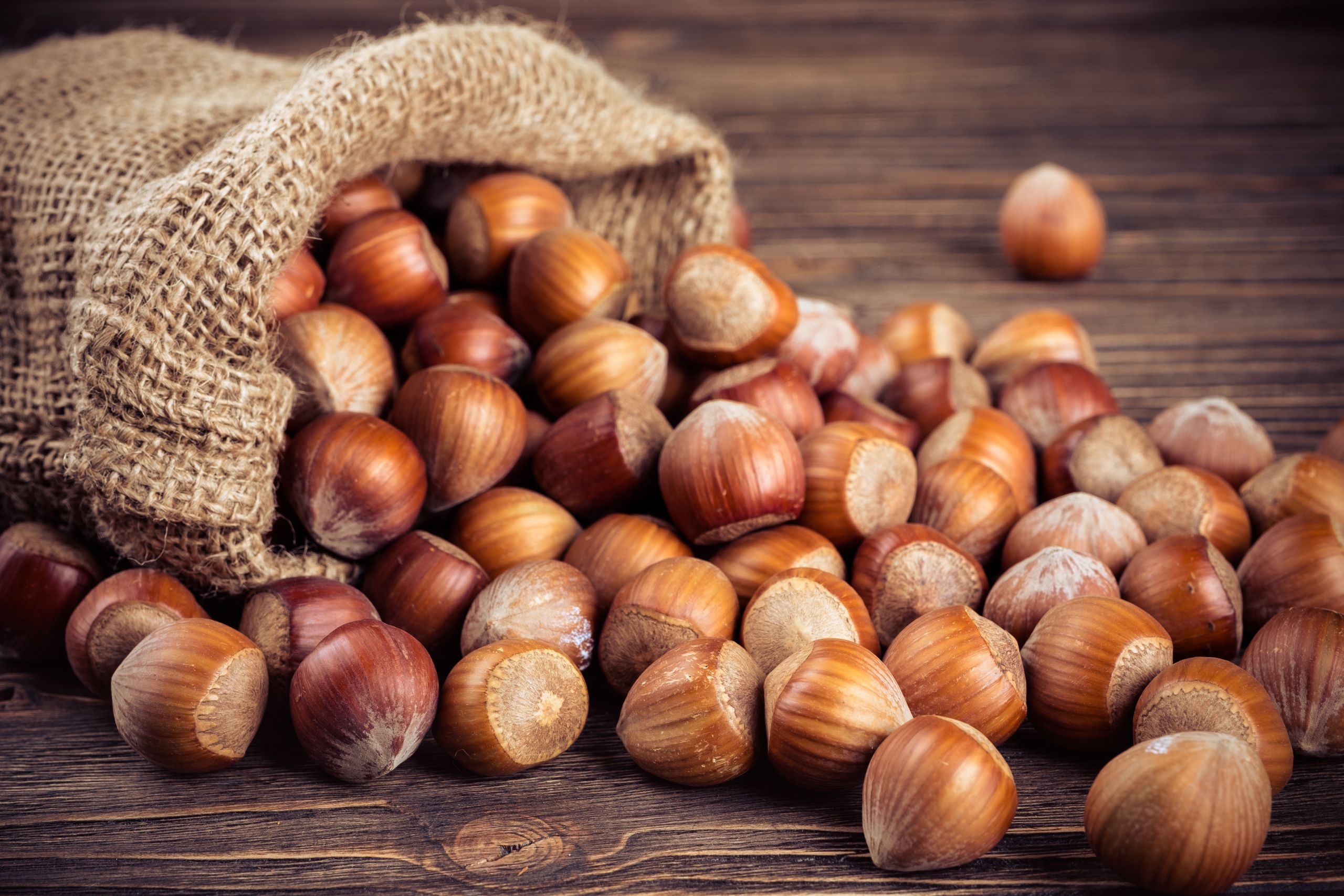
    The Hazelnut Marketing Board has concluded its annual Subjective Yield Survey, and the numbers look promising for the 2020 harvest. According to the survey, the harvest projects to be approximately 59,000 tons, which would be a record yield for Oregon’s hazelnut growers.

    The Hazelnut Marketing Board stresses that the Subjective Yield Survey is only a guesstimate and not an exact science. The results of the annual survey should be viewed as an approximation, not a guarantee.

    The Subjective Yield Survey was distributed in mid-July to hazelnut farmers. The survey called on growers to provide a projection on what the expected yield will be based on how hazelnut trees were faring at the time of the survey. Approximately 800 survey cards were sent to nut growers, and 204 were returned and qualified for the survey.

    The following were the cumulative results for the 2020 projections:

    • 0-4 Year Old Trees: 5,339 acres, 1,363,398 pounds, 255 lbs/acre
    • 5-10 Year Old Trees: 7,773 acres, 12,389,315 pounds, 1,593 lbs/acre
    • 11+ Year Old Trees: 6,319 acres, 16,552,518 pounds, 2,619 lbs/acre

    The collected data was then cross-referenced with field mapping statistics from Pacific Ag Survey, per their December 2018 report. When extrapolated out, the projected crop size is 118,081,170 pounds or 59,040.585 tons. The following table details these calculations:

    Any questions regarding the Subjective Yield Survey may be directed to the Hazelnut Industry Office at 503-582-8420.

  • Pistachios Now Included in CFAP Direct Grower Payments

    Pistachios Now Included in CFAP Direct Grower Payments

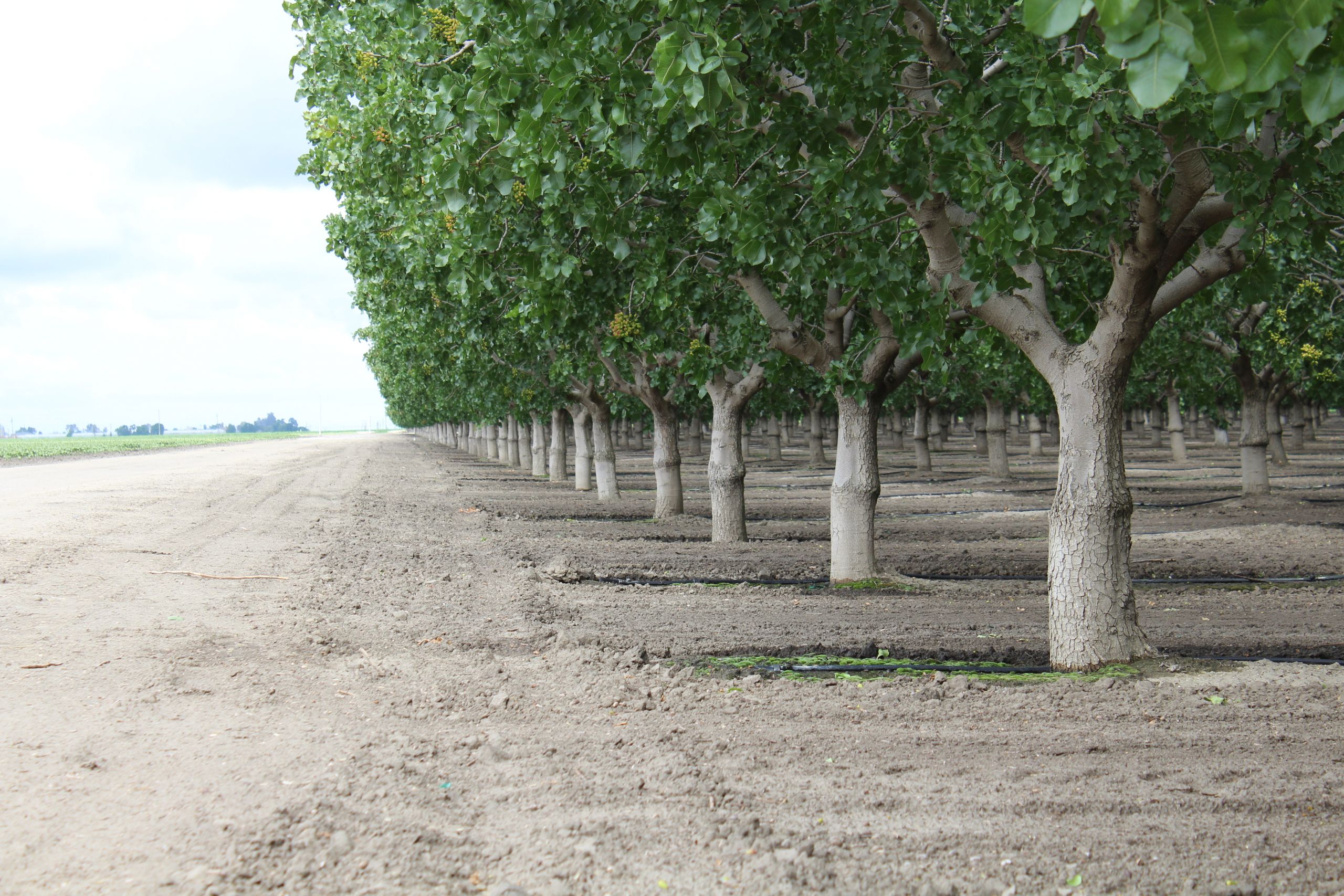
    American Pistachio Growers (APG) today announced to its members that the United States Department of Agriculture (USDA) has now included pistachios in the Coronavirus Food Assistance Program (CFAP). The official notice, which is expected to be published in the Federal Register on or about August 14, 2020, states that pistachios are among 20 additional agricultural crops in the U.S. that will receive direct payments under CFAP Category 1 due to commodities experiencing a 5 percent or greater price decline between January 15, 2020 and April 15, 2020 as a result of the COVID-19 pandemic.

    In addition to making pistachios eligible for direct payments under Category 1, USDA has also increased the payment rate under CFAP Category 2, which is for sales losses for pistachios due to product that spoiled in the marketing channel, or due to the loss of the marketing channel. Increased payments under Category 2 apply to product that was actually shipped from the point of origin.

    “As a grower, we know and feel the effects directly when prices decline. This program provides the support needed by farmers during this difficult time we are all currently experiencing,” said Brian Watte, Chair of APG’s Board of Directors. “

    American Pistachio Growers Chairman Brian Watte with his son Matthew Watte in their pistachio orchard

    Pistachios were not initially included in the CFAP direct grower payment program, but through the concerted efforts of APG’s Washington, D.C. lobbying firm and numerous conference calls placed by APG representatives to officials within USDA to provide them with accurate sales data, pistachios are now included in the Category 1 list.

    “We’re pleased that USDA took the effort to review all sales data on pistachios, particularly exports which have seen declines as a result of the Coronavirus pandemic experienced on a global basis,” said APG President Richard Matoian. 

    Pistachio growers can access the necessary forms at www.farmers.gov/CFAP. Matoian explained that growers will be working through their local Farm Service Agency office to submit the forms for direct payment. Growers are advised to call (877) 508-8364 to begin the application process. For growers who applied for and were paid for CFAP prior to Category 1 eligibility being granted should not submit a new application, but rather should contact their FSA office to amend the application. Importantly, USDA has announced that the application deadline has been extended to September 11, 2020

  • Hazelnuts to Receive USDA Coronavirus Aid, Added Coverage for Pistachios & Walnuts

    Hazelnuts to Receive USDA Coronavirus Aid, Added Coverage for Pistachios & Walnuts

    U.S. Secretary of Agriculture Sonny Perdue announced today that additional commodities are covered by the Coronavirus Food Assistance Program (CFAP) in response to public comments and data. Additionally, the U.S. Department of Agriculture (USDA) is extending the deadline to apply for the program to September 11th, and producers with approved applications will receive their final payment. After reviewing over 1,700 responses, even more farmers and ranchers will have the opportunity for assistance to help keep operations afloat during these tough times

    “President Trump is standing with America’s farmers and ranchers to ensure they get through this pandemic and continue to produce enough food and fiber to feed America and the world. That is why he authorized this $16 billion of direct support in the CFAP program and today we are pleased to add additional commodities eligible to receive much needed assistance,” said Secretary Perdue. “CFAP is just one of the many ways USDA is helping producers weather the impacts of the pandemic. From deferring payments on loans to adding flexibilities to crop insurance and reporting deadlines, USDA has been leveraging many tools to help producers.”

    Background:

    USDA collected comments and supporting data for consideration of additional commodities through June 22, 2020. The following additional commodities are now eligible for CFAP:

    • Specialty Crops – aloe leaves, bananas, batatas, bok choy, carambola (star fruit), cherimoya, chervil (french parsley), citron, curry leaves, daikon, dates, dill, donqua (winter melon), dragon fruit (red pitaya), endive, escarole, filberts, frisee, horseradish, kohlrabi, kumquats, leeks, mamey sapote, maple sap (for maple syrup), mesculin mix, microgreens, nectarines, parsley, persimmons, plantains, pomegranates, pummelos, pumpkins, rutabagas, shallots, tangelos, turnips/celeriac, turmeric, upland/winter cress, water cress, yautia/malanga, and yuca/cassava.
    • Non-Specialty Crops and Livestock – liquid eggs, frozen eggs and all sheep. Only lambs and yearlings (sheep less than two years old) were previously eligible.
    • Aquaculture – catfish, crawfish, largemouth bass and carp sold live as foodfish, hybrid striped bass, red drum, salmon, sturgeon, tilapia, trout, ornamental/tropical fish, and recreational sportfish.
    • Nursery Crops and Flowers – nursery crops and cut flowers.

    Other changes to CFAP include:

    • Seven commodities – onions (green), pistachios, peppermint, spearmint, walnuts and watermelons – are now eligible for Coronavirus Aid, Relief, and Economic Stability (CARES) Act funding for sales losses. Originally, these commodities were only eligible for payments on marketing adjustments.
    • Correcting payment rates for onions (green), pistachios, peppermint, spearmint, walnuts, and watermelons.

    Additional details can be found in the Federal Register in the Notice of Funding Availability and Final Rule Correction and at www.farmers.gov/cfap.

    Producers Who Have Applied:

    To ensure availability of funding, producers with approved applications initially received 80 percent of their payments. The Farm Service Agency (FSA) will automatically issue the remaining 20 percent of the calculated payment to eligible producers. Going forward, producers who apply for CFAP will receive 100 percent of their total payment, not to exceed the payment limit, when their applications are approved.

    Applying for CFAP:

    Producers, especially those who have not worked with FSA previously, are recommended to call 877-508-8364 to begin the application process. An FSA staff member can help producers start their application during the phone call.

    On farmers.gov/cfap, producers can:

    • Download the AD-3114 application form and manually complete the form to submit to their local USDA Service Center by mail, electronically or by hand delivery to their local office or office drop box.
    • Complete the application form using the CFAP Application Generator and Payment Calculator. This Excel workbook allows customers to input information specific to their operation to determine estimated payments and populate the application form, which can be printed, then signed and submitted to their local USDA Service Center.
    • If producers have login credentials known as eAuthentication, they can use the online CFAP Application Portal to certify eligible commodities online, digitally sign applications and submit directly to the local USDA Service Center.

    All other eligibility forms, such as those related to adjusted gross income and payment information, can be downloaded from farmers.gov/cfap. For existing FSA customers, these documents are likely already on file.

    All USDA Service Centers are open for business, including some that are open to visitors to conduct business in person by appointment only. All Service Center visitors wishing to conduct business with FSA, Natural Resources Conservation Service or any other Service Center agency should call ahead and schedule an appointment. Service Centers that are open for appointments will pre-screen visitors based on health concerns or recent travel, and visitors must adhere to social distancing guidelines. Visitors are also required to wear a face covering during their appointment. Our program delivery staff will be in the office, and they will be working with our producers in the office, by phone and using online tools. More information can be found at farmers.gov/coronavirus.