Category: Non-Video

  • State of the Almond Industry Emphasizes Tough Times with Turnaround in Sight

    State of the Almond Industry Emphasizes Tough Times with Turnaround in Sight

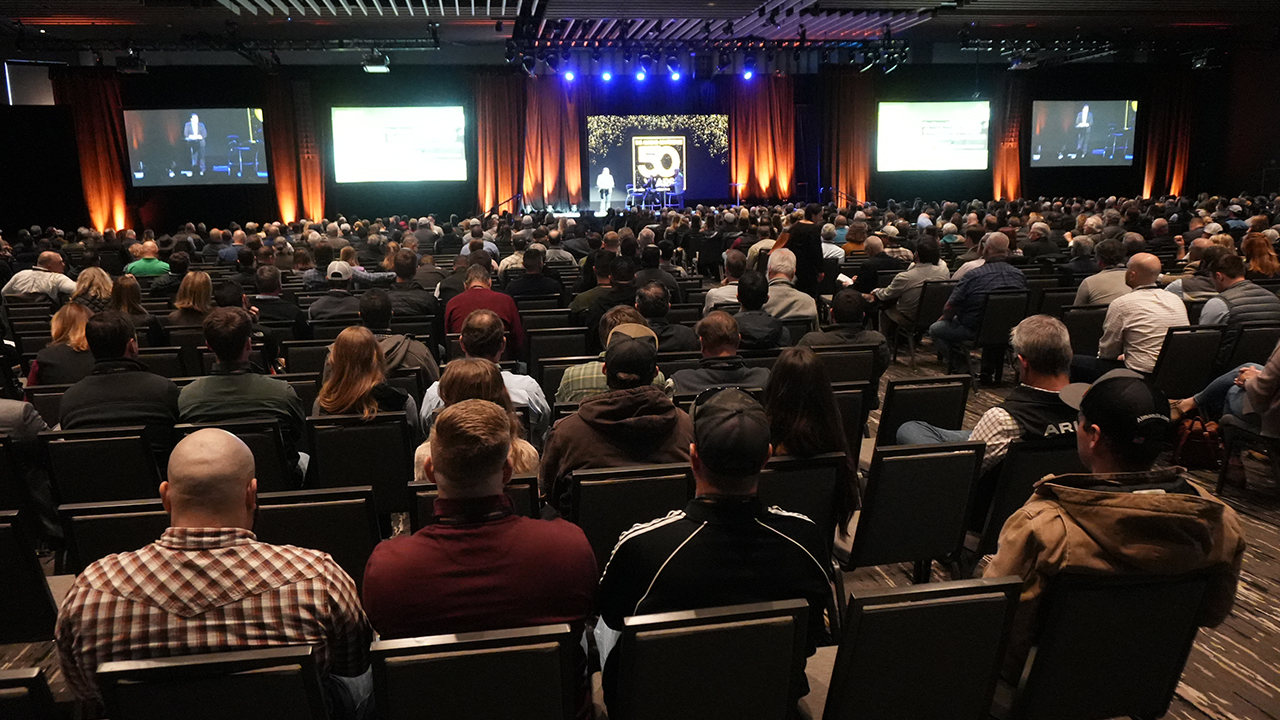
    After undoubtedly one of the most difficult years almond growers have faced in decades, Almond Board of California (ABC) president and CEO, Richard Waycott, and Board of Directors chair, Alexi Rodriguez, discussed the reality of current industry challenges, while offering hope and a plan of action during the State of the Almond Industry presentation at the 50th annual Almond Conference.

    Between water scarcity, high product carry-in, logistical and supply chain issues, and rising interest rates, the almond community’s resiliency was certainly tested over the past 12 months, and “the combination has created this perfect storm that’s really had a profound impact on our industry,” Rodriguez said.

    To provide an overview of current supply and demand trends, David Magaña, senior analyst at RaboResearch Food and Agribusiness, reiterated that almonds are becoming an increasingly popular product among consumers. While this development is certainly welcomed, inflation is also the highest in four decades, pinching the pockets of consumers, driving up production costs for growers and increasing costs throughout the supply chain.

    Reassuringly, experts predict demand-driven inflation will subside within the next two years, and because container shortages have diminished, transportation logistics are improving, Magaña explained.

    Almond Acreage and Production Down

    It’s no secret that production numbers for the current harvest year are estimated to decrease and acreage numbers have decreased for the first time in more than a quarter of a century. However, Bryce Spycher, ABC senior manager of marketing order services stated that as a whole, we continue to see massive increases by the millions about every nine years.

    So, where are all these pounds going? Spycher explained that 70% of all production is exported to more than 100 different countries, while 30% is consumed domestically. In recent years, there’s been a spike in domestic consumption, he said, particularly in mechanically-altered almonds – sliced, diced, blanched or otherwise not in-shell.

    Partnering to Combat Issues

    The Almond Board is fortunate to have a unique partnership with the Almond Alliance of California, which advocates on behalf of the industry in public policy arenas. Under the leadership of president and CEO Aubrey Bettencourt, the Alliance’s commitment to supply chain issues has leveraged relationships with five major carriers in negotiating how product can move faster and more efficiently across all ports.

    Almond Alliance CEO Aubrey Bettencourt and ABC Chair Alexi Rodriguez discuss the efforts to address challenges facing the industry.

    Additionally, the Alliance has partnered with Western United Dairies and the California Department of Water Resources to roll out LandFlex, a drought relief program providing farmers with compliance resources related to the Sustainable Groundwater Management Act (SGMA).

    “We are not done as an industry, and we have a lot of room to grow,” Bettencourt said. “It’s a tough time but let me tell you, don’t confuse vision and direction to turn obstacles into opportunity and that’s what we’re going to do.”

    Strategizing to Meet Challenges

    With a changing industry comes a changing strategy, particularly in exploring untapped audiences. To be proactive, Rodriguez explained the newest cross-functional project in the works. Titled “Thea,” this tool will help predict, plan and strategize ABC’s foundation of activities over the next 10-15 years.

    Waycott also introduced how the team at ABC shifted its focus to promote almonds in unconventional outlets including March MadnessMarvel Studios, Sanremo Music Festival, Tmall – a Chinese e-commerce website – the well-known gaming platform called Twitch, and they’ve even explored efforts within the Metaverse.

    Other marketing campaigns designed to focus on the health and beauty benefits of almonds continue to be successful in India and Asia – two of ABC’s most profitable regions. The Almond Board has also made it a priority to tell all aspects of the industry’s story, with touchpoints in carbon, water and zero waste. In doing so, they’ve partnered with media outlets including the New York TimesAtlantic MagazineMen’s Health and Women’s Healthto drive these messages to new audiences.

    When it comes to developing relationships with the U.S. government and importers, it is not a “one size fits all” situation, as each importer has an individual set of technical, sustainable, and environmental expectations, explained Julie Adams, ABC vice president of technical and regulatory affairs, and Jonathan Hoff, chair of the Technical and Regulatory Affairs committee. As a result, Adams discussed the retooling of the California Almond Stewardship Platform, an integration of research, education and self-assessment resources to help growers and handlers address consumer demands.

    ABC’s Vice President of Technical and Regulatory Affairs Julie Adams, and Chair of the Technical and Regulatory Affairs Committee Jonathan Hoff discuss the regulatory work going on behind the scenes in the almond industry.

    Much of this information would not be possible without the investment ABC has made and continues to make in data collection. Funding continues to research leaf-footed bugs, navel orangeworm control, rootstock selection, groundwater recharge, pesticide application, and whole orchard recycling, said ABC chief scientific officer, Josette Lewis, and Devin Clarke, chair of the Strategic Ag Innovation committee.

    The team at ABC also concepted new ways to be smart water users and utilize all four viable products coming from the orchard: the nut, shell, hull and woody biomass. From nutritional bars to coffee made from hulls, Lewis reiterated, “it isn’t just one gallon per nut; look at all the things you get with a handful of almonds.”

    While hardships still loom over the industry, a silver lining lies in the struggle of it all – the opportunity to learn, grow and innovate from these experiences.

    “While it’s going take a little bit of time, I’m confident that the work we’re currently engaged in will help aid the industry as we move through these difficult times,” Rodriguez concluded. — By the Almond Board of California
  • Groundwater Sustainably and Protection of Vulnerable Domestic Wells

    Groundwater Sustainably and Protection of Vulnerable Domestic Wells

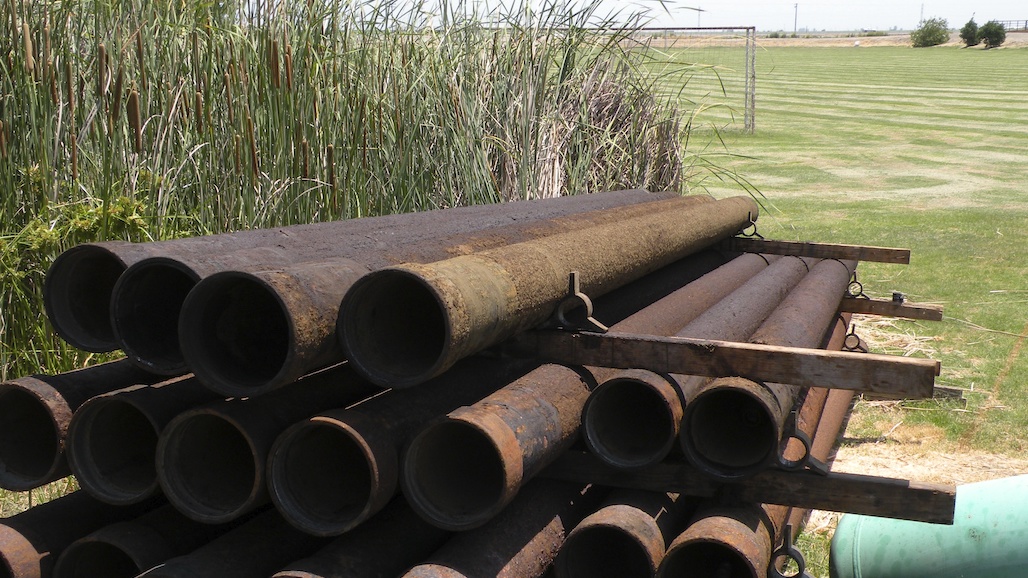
    The California Department of Water Resources, Western United Dairies Foundation, Almond Alliance, Self-Help Enterprises, and the Community Alliance with Family Farmers have introduced LandFlex. This solutions-based program assists vulnerable communities in solving the groundwater crisis related to the drought by protecting domestic wells through preventative fallowing, relieving supply pressures, and providing water supply certainty to critically over-drafted basins.

    “Farmers, underrepresented communities and Groundwater Sustainability Agencies share a common interest in the immediate ending of groundwater overdraft on lands near vulnerable drinking water wells,” said Anja Raudabaugh, Chief Executive Officer of Western United Dairies. “The LandFlex program is a pilot program providing farmers the flexibility to manage their land through the drought and to provide water security for rural communities.”

    The LandFlex program reduces groundwater demand by contracting with farmers to rotationally and temporarily fallow ground in areas deeply dependent on groundwater for domestic well supplies. The price paid per acre-foot of water savings is prioritized based on the enrolled lands’ proximity to domestic wells coupled with the lands’ existing subsidence levels. A crop’s evapotranspiration will be based on local average GSA data.

    “LandFlex provides during a fallowing and drought crisis to conserve and leave water in the ground to stabilize aquifers and allow our farmers to stay in operation and have operating capital on a voluntary and annual basis while supporting our communities and ensuring a secure food supply for next year,” said Aubrey Bettencourt, Chief Executive Officer of the Almond Alliance.

    Grant awards will be prioritized on lands experiencing the most severe subsidence due to groundwater depletion and on areas closest to domestic wells that have recently gone dry.

    For more information on LandFlex, and to sign up for program updates, visit: https://landflex.org

  • Fresno Chamber of Commerce Announces Ag Leader Award Winners

    Fresno Chamber of Commerce Announces Ag Leader Award Winners

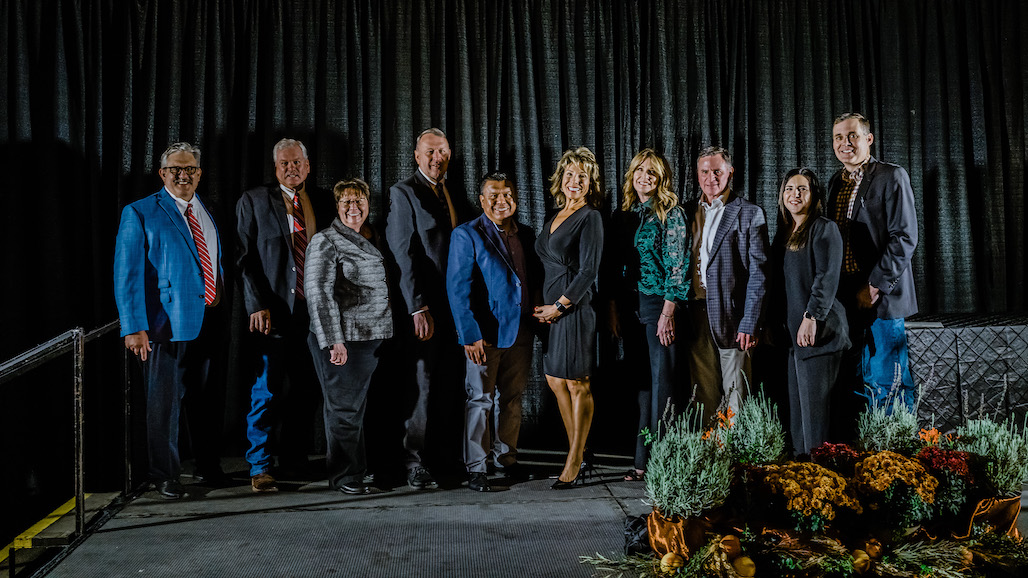
    The Fresno Chamber of Commerce, in partnership with the Fresno County Farm Bureau, is proud to announce the winners of the 2022 Ag Awards, a long-standing tradition that honors and celebrates our region’s agricultural industry leaders. The honorees were recognized at the Ag Awards Celebration on November 3rd at PR Farms.

    The 2022 Ag Awards Honorees include:

    • Moss Adams Agribusiness of the Year Award – Triple Delight Blueberries

    • Agriculturalist of the Year Award – Russel Efird, Owner & President, Double E Farms Inc.; Vice President, Efird Ag Enterprises Inc.

    • AGvocate of the Year Award – Christine Torosian-Klistoff, Teacher Fairmont Elementary School, Sanger, CA

    • Agricultural Employee of the Year – Jose Erevia, Director of Safety, Workers Compensation & Regulatory Compliance, Prima Wawona

    • Lifetime of Service Award for Significant Contributions to Fresno County Agriculture

      Margaret Mims, Fresno County Sheriff, and Dr. Dennis Nef, Dean and Professor Emeritus, Jordan College of Agricultural Sciences & Technology and Department of Agricultural Business, California State University, Fresno

      The Moss Adams Agribusiness of the Year Award is presented to Triple Delight Blueberries; a notable leader in the Valley’s ag industry who has established market outlets for valley berries with various wholesale buyers as well as corporate kitchens, specialty grocers and various restaurants. “Triple Delight Blueberries is the absolute perfect business to receive the Moss Adams Agribusiness of the Year Award,” stated Janell Attebery, Partner, Moss Adams. “Moss Adams is proud to partner with the Fresno Chamber of Commerce in awarding Triple Delight Blueberries this year’s award because of their dedication to build their business since 1997, while simultaneously building their industry. They are true examples of pillars of the Central Valley ag community.”

      The recipient of the 2022 Agriculturalist of the Year Award is Russel Efird from Double E Farms Inc. Efird is known amongst his peers to be a mentor and teacher, spending much of his personal time educating members of the community and elected officials about agriculture. Today, Russel and his son, Matthew, farm 1,500 acres of almonds, walnuts, raisins, and wine grapes in the Caruthers, Riverdale and Raisin City areas.

    Returning this year after a 2021 debut is the AGvocate of the Year Award. This year’s AGvocate of the Year is Christine Torosian-Klistoff, teacher to K-8 students at Fairmont Elementary School in Sanger, CA. Torosian-Klistoff has lead the team within Sanger Unified to develop plans on a 2-acre parcel adjacent to the school to build a state of the art, one of a kind Ag/STEM Educational center, which includes a comprehensive K-8 agriculturally based curriculum and adheres to state-mandated NGSS science standards.

    The Agricultural Employee of the Year will be given to Jose Erevia from Prima Wawona. Erevia’s experience working in the various departments and his noticeable work ethic has enabled him to find solutions and improve areas within the department of regulatory compliance & environmental health & safety.

    “Each of the awards presented represent an integral facet of Fresno’s agricultural community,” Fresno County Farm Bureau CEO Ryan Jacobsen said. “With the addition in 2021 of the AGvocate and Agricultural Employee of the Year Awards, the Ag Awards Celebration now recognizes an additional set of people who are key to the success of the local industry and the Central Valley itself. Because of these amazing leaders, Fresno County is the agricultural capital of the nation.”

    The Lifetime of Service Award for Significant Contributions to Fresno County Agriculture went to Sheriff Margaret Mims and Dr. Dennis Nef. Sheriff Mims began her career in 1983 as the first female police officer in Kerman and continued her career to attain the rank of Lieutenant, Captain, Assistant Sheriff, and elected Sheriff in 2006. Showing her dedication to the agriculture industry, she was awarded the Common Threads Award for the California Agricultural Leadership Foundation in 2018.

    For the last 39 years and counting, Dr. Nef has impacted countless students and graduates along with faculty, staff and administrators at Fresno State as well as agriculturalists throughout the Central Valley and beyond. As Dean, the University Agricultural Laboratory became a focus and priority. This 1,000 acre laboratory is home to research, teaching and learning for the nearly 2,000 students studying agriculture at Fresno State. From 2003 to 2019, he served as vice provost, interim provost and associate dean of undergraduate studies, and most recently appointed to lead the Jordan College.

  • Blue Diamond Growers Annual Meeting Highlights Record Profitability

    Blue Diamond Growers Annual Meeting Highlights Record Profitability

    At the 112th Blue Diamond Growers Annual Meeting held mid-November in Modesto, CA, Blue Diamond Growers President and CEO, Mark Jansen, highlighted the accomplishments of the past year, while recognizing remarkable headwinds the cooperative tackled through creative solutions, strategic partnerships, and world-class innovation.

    “Although 2022 was marked by supply chain disruptions, the ongoing COVID-19 impact, and a continuing drought, we still fulfilled our mission and provided considerable competitive advantage with our grower returns,” said Jansen. “It could not have happened without the dedication of our 3,000 grower-owners or the 1,800 hard-working Blue Diamond team members.”

    Jansen further reported that despite the many challenges of the year, Blue Diamond was able to increase payments by an average of $.20 a pound and deliver a record competitive advantage in grower returns.

    In an additional highlight, he shared that to counter global transportation disruptions, the Blue Diamond Supply Chain Team worked with the Almond Alliance, California Department of Food and Agriculture, and the California Governor’s Office of Business Development to build a new multi-port export strategy. This included implementing a pop-up yard at the Port of Oakland to stage products closer to the port to reduce wait times at congested terminals. In addition, the Supply Chain Team partnered on the launch of the first inland direct-rail port from Fresno to the Port of Los Angeles. Based on these learnings, the team spearheaded the Almond Express train to carry containers from Oakland to Los AngelesLong Beach and Norfolk, Virginia. The containers were then offloaded onto terminal docks for guaranteed export to Asia, the Middle East and India.

    “Navigating the global supply chain issues and devising creative solutions – while working alongside our partners – is just one way we remained true to our vision of delivering the benefits of almonds to the world,” said Jansen.

    At the meeting, it was shared that during fiscal year 2022 Blue Diamond was able to:

    • Deliver its share of the California almond industry’s second largest crop of 2.8 billion meat pounds; closely following the record 3.1-billion-pound crop of 2020
    • Develop new value-added uses for almonds through ongoing new product development via the Almond Innovation Center (AIC). As a result, AIC delivered $90 million in innovation revenue and 18.9 million pounds of innovation volume for Blue Diamond.
    • Launch several new Blue Diamond branded consumer products including Extra Creamy Almond Breeze®, Almond & Oat Almond Breeze® (international markets) and new Snack Almonds (Chilé ‘n Lime, Probiotics, Elote, Korean BBQ, and Mash Ups)
    • Sell 83 million pounds of almonds as part of Blue Diamond’s Snack Almond line alone, while remaining the No. 1 almondmilk in the plant-based milk category
    • Achieve 17% volume growth compared to the previous year for Almond Breeze® products in more than 70 countries – via a global network of licensee partners
    • Increase Global Ingredient sales from new customer applications of almond butter, almond flour, and almond protein powder
    • Open new markets in UgandaGhanaKenyaBolivia and Argentina, while driving 33% volume growth in Asia

    “Blue Diamond has experienced substantial growth in recent years through thoughtful, smart decisions and actions,” said Dan Cummings, Chairman of the Board, Blue Diamond Growers. “With our focus on innovation, deeply established partnerships, and steadfast commitment to going above and beyond to deliver on consumer and retail demands, I expect this progress to continue well into the future.”

    Blue Diamond Announces Continuing Board Members

    In addition to sharing highlights from the past year, Blue Diamond also announced its continuing board members, including:

    • Dan Cummings, Chairman, District 1, Chico
    • John Monroe, District 2, Arbuckle
    • Dale Van Groningen, District 3, Ripon
    • George A. te Velde, District 4, Ripon/Escalon
    • Steve Van Duyn, Vice Chairman, District 5, Modesto/Ripon
    • Nick Blom, District 6, Turlock
    • Dan Mendenhall, District 7, Winton
    • Matthew Efird, District 8, Fresno
    • Kent Stenderup, District 9, Arvin
    • Joe Huston Director-at-Large, Monterey
    • Kristin Daley Director-at-Large, San Francisco
    Blue Diamond Annual and Sustainability Reports Now Available

    In conjunction with the Annual Meeting, Blue Diamond Growers is also releasing its “Partnering for a Sustainable Future” Annual Report and inaugural “Growing a Better Tomorrow” Sustainability Report. Both reports are available on the Blue Diamond website at www.bluediamond.com.

    About Blue Diamond

    Blue Diamond Growers, a grower-owned cooperative representing approximately 3,000 of California’s almond growers, is the world’s leading almond marketer and processor. Established in 1910, it created the California almond industry and opened world markets for almonds. Blue Diamond is dedicated to delivering the benefits of almonds around the world and does so by providing high-quality almonds, almond ingredients, and branded products. Headquartered in Sacramento, the company employs more than 1,800 people throughout its processing plants, receiving stations and gift shops.

  • Almond Board of California Search Committee Preparing for 2023 CEO Transition

    Almond Board of California Search Committee Preparing for 2023 CEO Transition

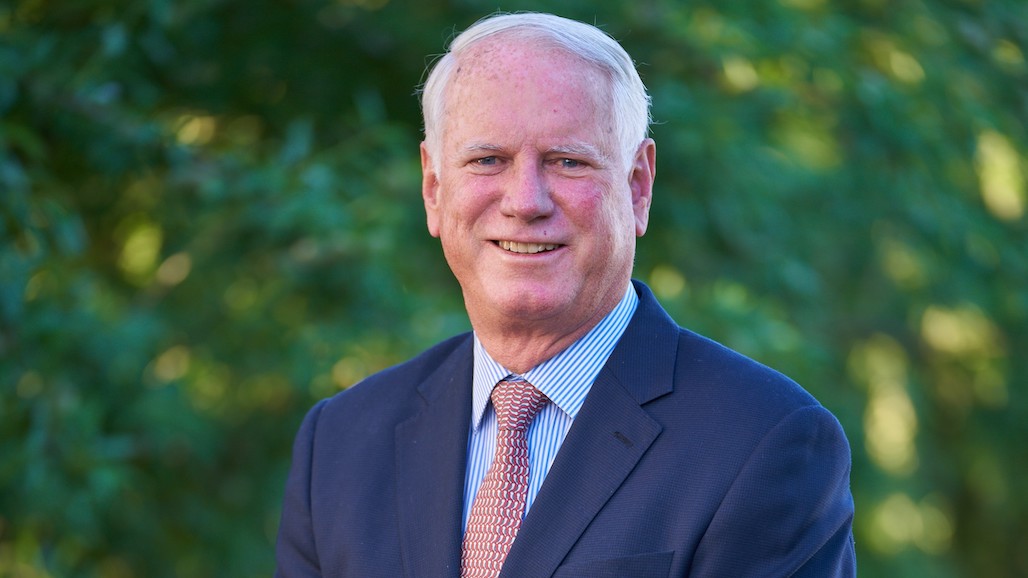
    Almond Board of California President and CEO Richard Waycott has informed the board of directors that after 21 years he plans to step away from his Almond Board responsibilities at the end of 2023 to pursue other interests.

    A search committee for the Almond Board of California (ABC) has begun the process to ensure a smooth transition. The committee is being led by ABC Board of Directors Chair Alexi Rodriguez and will be conducting a nationwide search to find a CEO successor.

    “On behalf of the board of directors, we are thankful for Richard and his many years of service to the industry. He has been part of a period of tremendous growth,” Rodriguez said. “Richard set the end of 2023 as the right time to step away from ABC and we believe this timeline will allow for a seamless transition.

    “He will be available as appropriate during the search and transition process, and I’m confident that with the knowledge and support of our board of directors and search committee members, we will find the right candidate for the organization,” Rodriguez said

    Richard Waycott providing the State of the Almond Industry Address at the Grape, Nut & Tree Fruit Expo in Fresno this Year (Photo by Matthew Malcolm)

    Waycott joined ABC as president and CEO in 2002, bringing strategic leadership experience to the global development of the California almond industry.

    “I’m honored and humbled to have served our hard-working, forward-thinking, down-to-earth almond industry for two decades,” Waycott said. “This will be an outstanding opportunity and a privilege for the next president and CEO, and I look forward to supporting our board, growers and ABC work family in the next year and throughout this transition.”

    During Waycott’s tenure heading up ABC, the almond industry has grown from 545,000 acres and production of 1.09 billion pounds to 1.62 million acres with production topping 3 billion pounds. The farmgate value of the crop grew from $1.2 billion in 2002 to more than $5 billion in 2021, the last year fully measured.

    Before coming to ABC, Waycott worked more than 20 years in the food manufacturing and agribusiness industries, mostly in Latin America, with extensive experience in consumer products and business-to-business grains and oilseeds markets. — By the Almond Board of California

  • Attention Oregon Hazelnut Growers: 2022 Ag Census Now Underway

    Attention Oregon Hazelnut Growers: 2022 Ag Census Now Underway

    Last week the U.S. Department of Agriculture (USDA) mailed an invitation to all known agriculture producers across Oregon and the nation to respond online to the 2022 Census of Agriculture at agcounts.usda.gov. By completing the survey, Oregon producers can tell their story and help generate opportunities that better serve current and future generations of farmers.

    The 2022 Census of Agriculture will be mailed in phases, with paper questionnaires following in December. Producers need only respond once, whether securely online or by mail. The online option offers timesaving features ideal for busy producers. All responses are due Feb. 6, 2023. Farm operations of all sizes, urban and rural, which produced and sold, or normally would have sold, $1,000 or more of agricultural products in 2022, are included in the ag census.

    Conducted every five years by USDA’s National Agricultural Statistics Service (NASS), the Census of Agriculture helps provide a complete picture of American agriculture. It highlights land use and ownership, producer characteristics, production practices, income and expenditures, among other topics. For 2022, new questions about the use of precision agriculture, hemp production, hair sheep, and updates to internet access questions are included. 

    “The Census of Agriculture is so important because it provides the only source of uniform, comprehensive, and impartial agriculture data for every state and county in the nation. Through the ag census, producers can show the value and importance of Oregon and U.S. agriculture and influence decisions that will shape the future of their industries,” says Dave Losh, Oregon State Statistician. 

    Responding to the Census of Agriculture is required by law under Title 7 USC 2204(g) Public Law 105- 113. The same law requires NASS to keep all information confidential, to use the data only for statistical purposes, and only publish in aggregate form to prevent disclosing the identity of any individual producer or farm operation. NASS will release the results of the ag census in early 2024.

    To learn more about the Census of Agriculture, visit nass.usda.gov/AgCensus. Follow @usda_nass on Twitter for the latest information. 

  • Invasive Stink Bug Habitat Could Expand with Climate Change

    Invasive Stink Bug Habitat Could Expand with Climate Change

    A foul-smelling, voracious, wide-spread pest of fresh fruits and tree nuts could become even more ubiquitous with climate change.

    A recent modelling study found that changing weather could increase suitable habitat for the brown marmorated stink bug in the United States by 70%. The study, published in Pest Management Science, draws on data from a three-year stink bug monitoring effort in 17 states as well as several potential climate scenarios. However, whether the insects will thrive in new places depends on the conditions of each area and potential mitigation measures.

    “Every system will change with climate change, so the fact that you can grow garbanzo beans, lentils or wheat without these pests now, doesn’t mean that you will not have them in a few years,” said study lead author Javier Gutierrez Illan, a Washington State University entomologist. “There are mitigating things that we can do, but it is wise to prepare for change.”

    The study found that overall, there is likely to be a northward shift in stink bug-friendly conditions. Regions that may be particularly affected include the Mid-Atlantic, areas surrounding the Great Lakes, and the valleys of the West Coast, such as the Sacramento Valley in California and the Treasure Valley in Idaho.

    The brown marmorated stink bug is a generalist herbivore — it is known to feast on nearly 170 different plants including crops and ornamental plants. Originating in Asia, this type of stink bug first appeared in the U.S. about 20 years ago and has since spread coast to coast. It’s been detected in 46 states and considered a pest in 15 of them.

    Brown marmorated stink bug on a blackberry plant. Photo by Gheorhge on iStock

    Homeowners may recognize brown marmorated stink bugs because they like to overwinter indoors. In fact, the study found that proximity to populated areas appeared to help the insects get established in new places, but once there, they did not need to be near people to proliferate. Other factors like availability of water mattered more for their abundance.

    People are likely inadvertently transporting stink bugs in vehicles or farm equipment to areas that would otherwise be hard for them to reach by flying alone, said Gutierrez Illan.

    Stink bugs dislike cold winters, but the rising temperatures brought by climate change are not necessarily a good thing if the land becomes too dry. They need water, so the researchers said that changing patterns of precipitation will likely influence where the stink bugs will thrive.

    In some states including Washington, officials and researchers are employing a parasitoid insect, called the samurai wasp, to control stink bugs. The wasps lay their own eggs inside stink bug eggs. This not only destroys the affected eggs, but when the wasp larvae hatch, they eat other developing stink bugs. Measures like these might help prevent or minimize stink bug spread into new areas, Gutierrez Illan said.

    For Washington growers, the researcher recommended using WSU’s DAS, or Decision Aid System, a web-based tool which provides information to help prepare for changes to their agricultural systems, including the possible appearance of these pests.

    Gutierrez Illan also advised growers to familiarize themselves with the brown marmorated stink bug through sites like stopbsmb.org, even if they have never had the pest in their fields.

    “Most growers learn from their parents or from the previous generation, but the information that they had is probably no longer as useful because the climate is changing, so they need these types of tools,” Gutierrez Illan said.  — 

  • CA Walnut Board Federal Marketing Order Amendatory Referendum Takes Next Steps

    CA Walnut Board Federal Marketing Order Amendatory Referendum Takes Next Steps

    In August 2021, the California walnut industry initiated a process to modernize the (California Walnut Board) Federal Marketing Order rules governing grades, standards, inspections, and certifications.

    In April 2022, USDA conducted an open hearing in order to collect input from the CWB, growers, handlers, and public at large. Since the hearing, USDA conducted a thorough evaluation of the requested amendments and published the proposed rule on October 25, 2022, in the Federal Register.

    A 30-day comment period is provided to allow interested persons to respond to this proposal. All written exceptions received within the comment period will be considered, and a producer referendum will be conducted before any of these proposals are implemented.

    Summary from the Federal Register:

    This recommended decision proposes amendments to Marketing Order No. 984 (Order), which regulates the handling of walnuts grown in California. The proposed amendments are based on the record of a public hearing held via videoconference technology on April 19 and 20, 2022. The California Walnut Board (Board), which locally administers the Order, recommended proposed amendments that would eliminate mandatory inspection and certification of inshell and shelled walnuts, and of shelled walnuts for processing; create a new mechanism for determining and collecting handler assessments; add authority to charge interest for late payments; establish an assessment rate of $0.0125 per inshell pound of walnuts; expand the definition of “to handle” to include “receive”; and remove volume control authority. In addition, the Agricultural Marketing Service (AMS) proposed to make any such changes to the Order as may be necessary to conform to any amendment that may result from the hearing.

    About the California Walnut Board

    The California Walnut Board (CWB) was established in 1948 to represent the walnut growers and handlers of California.The CWB is funded by mandatory assessments of the handlers. The CWB is governed by a Federal Walnut Marketing Order. The CWB promotes usage of walnuts in the United States through publicity and educational programs. The CWB also provides funding for walnut production, food safety and post-harvest research.

  • Almond Alliance Welcomes Sara Arsenault, New Vice President

    Almond Alliance Welcomes Sara Arsenault, New Vice President

    The Almond Alliance is pleased to announce and welcome Sara Arsenault as its new Vice President. In her new position, Arsenault will oversee state and federal advocacy, including the upcoming Farm Bill, promoting the Almond industry and community’s policy priorities to keep our farmers farming, promote food and consumer safety and international trade, as well as assist in political action, membership services, and association development.

    “We’re excited to welcome Sara aboard,” said Aubrey Bettencourt, President and CEO of the Almond Alliance. “Her California roots and nationwide experience are a perfect fit for the Almond community, and her focused, enthusiastic, and committed approach is a perfect fit for the Alliance. Sara will be an excellent addition to the team as the Alliance continues to expand and lead as the voice for almonds in Sacramento, Washington D.C., and beyond.”

    Before joining the Almond Alliance, Arsenault led the federal policy division for the California Farm Bureau (CAFB), where she managed the federal policy team and developed the organization’s federal legislative and regulatory strategies.

    Before her time at CAFB, Sara spent nearly five years in Washington, D.C., most recently working for the National Association of State Departments of Agriculture (NASDA), where she represented the Commissioners, Directors, and Secretaries of Agriculture from all 50 states and four U.S. territories at the federal level. Previously, she spent time working on Capitol Hill and in the private sector, where she led client implementations for a property management software company, Yardi, Inc., on their e-commerce platform.

    Sara is a native of Northern California and began her academic career at Modesto Junior College. She went on to obtain her Bachelor of Science degree in animal science and meat science and technology at Texas A&M University.

    About the Almond Alliance

    Almond Alliance is the leading authority in state and national policy, championing American almond farmers, industry, and community for the continued global growth, innovation, and success of American almonds and agriculture. As the voice of almonds, the Alliance represents the fourth-largest commodity in the United States and the third-largest American export.

    Established in 1980, the Almond Alliance is a non-profit trade association with a local and international network of almond processors, hullers/shellers, growers, and allied businesses. The Alliance is dedicated to providing resources and solutions for our members, ensuring industry success and growth opportunities.  Learn more at almondalliance.org.

  • Almond Alliance Names New Director Of Membership And Events

    The Almond Alliance has named Annie Romero the Director of Membership and Events. She will be responsible for developing strategy and overseeing the implementation of all member programming and services. Romero will also oversee the planning and production of the Almond Alliance’s Annual Convention, as well as various membership events throughout the year.

    “Annie Romero’s combination of knowledge, experience, and sincere appreciation and respect for the Almond industry and community is absolutely remarkable and essential for this new role,” said Aubrey Bettencourt, Almond Alliance President and CEO. “Most recently, Annie coordinated the successful 2022 Shakin’ It Up Almond Alliance Convention and redesigned and rebranded the Alliance’s multifaceted membership program to better represent and allow access to the almond community and allies. We are very excited to have Annie take on this new role and opportunity for the organization as she works to ensure the Alliance keeps its promises to its members every day.”

    Romero joined the Almond Alliance in 2016 and previously oversaw marketing and communications. She has a baccalaureate degree in social science from California State University, Stanislaus.

    Romero was raised in Turlock, CA, where she resides today with her husband and daughter.

    About the Almond Alliance

    Almond Alliance is the leading authority in state and national policy, championing American almond farmers, industry, and community for the continued global growth, innovation, and success of American almonds and agriculture. As the voice of almonds, the Alliance represents the fourth-largest commodity in the United States and the third-largest American export. Established in 1980, the Almond Alliance is a non-profit trade association with a local and international network of almond processors, hullers/shellers, growers, and allied businesses. The Alliance is dedicated to providing resources and solutions for our members, ensuring industry success and growth opportunities. Learn more at almondalliance.org