Category: Non-Video

  • Almond Industry Golf Tournament to Benefit California FFA

    Almond Industry Golf Tournament to Benefit California FFA

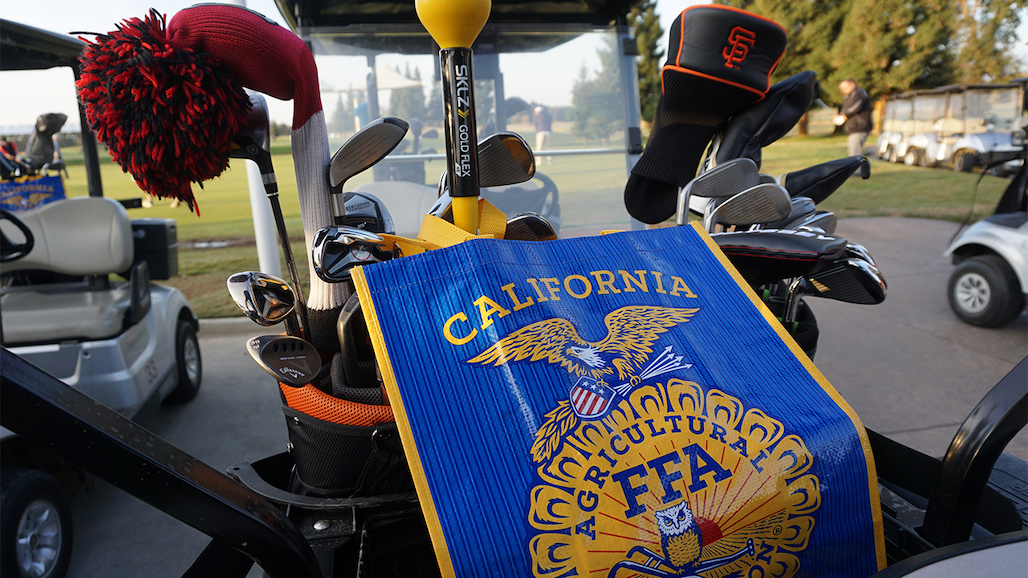
    Almond Board of California — Almond industry members who enjoy golf are invited to tee it up again this year as part of an effort to support students who intend to pursue careers in agriculture. The Almond Board of California’s Almond Leadership Program (ALP) Class of 2023 will host its fifth annual golf tournament May 4 at Dragonfly Golf Course in Madera.

    Money raised from the event will be donated to the California FFA Foundation and awarded in the form of scholarships to FFA members, a cause hits home with tournament co-chair Darryl Hadlich. “Being an FFA alumni and an American FFA Degree recipient, it means everything to me to be able to help this organization,” he said.

    The cost is $700 per foursome. That includes golf fees and cart as well as breakfast and lunch. There will be prizes for best score in the scramble format, long drive and closest to the pin. Registration and breakfast will begin at 6:30 a.m. with a shotgun start at 8 a.m. There are also sponsorship opportunities ranging from $250 to $2,350 that include a foursome as well as advertising as part of event promotions.

    “This event is important because the students who benefit from the scholarships are important,” said Rebecca Bailey, specialist in industry relations for the Almond Board. “These current ag students are the future leaders of the California ag industry and within their local communities. College is expensive, so being able to support students as they pursue higher education will help to ease financial and stress-related burdens.”

    The goal of the event is to raise $15,000 from the tournament, which is one of two major fundraising efforts organized each year by the members of the Almond Leadership Program. The second is a silent auction conducted during the annual Almond Conference in December.

    “I was once one of those kids wearing that blue corduroy jacket and I fully understand what this money can do to help the organization’s education efforts,” Hadlich added. “It’ll be a great day full of food, sunshine and golf; all while supporting the future of the agriculture industry. What more can you ask for?”

    The leadership program seeks to engage members of the almond community in creating a culture of lifelong leadership development, networking, education and service.

    To see a flyer with information about the tournament, click here. To register, please fill out this entry form. Questions should be sent to event co-chairs Darryl Hadlich at dhadlich@wiseconn.com or Vance Millwee at vance@treehousealmonds.com.

  • Eating Almonds Before Meals May Help People with Prediabetes

    Eating Almonds Before Meals May Help People with Prediabetes

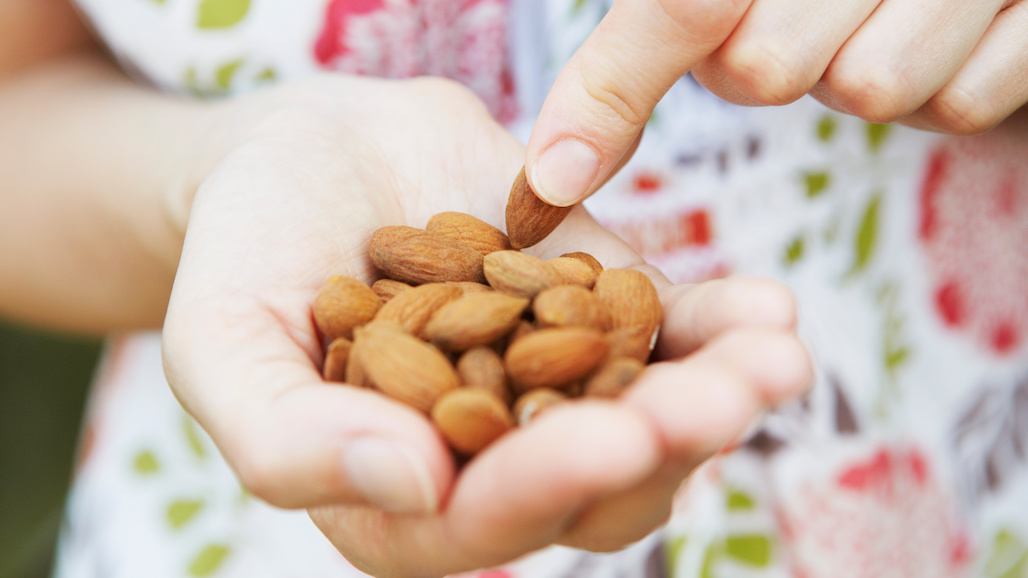
    Two new research studies with almonds, one conducted over three days and the other over three months, demonstrated benefits to blood sugar control for Asian Indians with prediabetes and overweight/obesity – and the three-month almond intervention broke new ground, reversing prediabetes, or glucose intolerance, to normal blood sugar levels in nearly one quarter (23.3%) of the people studied.

    In both studies, 60 people ate 20 g (0.7 oz) of almonds, around a small handful, 30 minutes before breakfast, lunch, and dinner throughout the study durations. Researchers expressed their enthusiasm for these almond studies and the first-of-its-kind statistically significant reduction in measures of prediabetes by calling the reversal of prediabetes through diet “the holy grail of medicine.” Better glucose control over time through dietary strategies like including almonds could help stave off diabetes progression. Nearly 70% of individuals with prediabetes will develop diabetes within their lifetime.Both studies were randomized controlled trials funded by the Almond Board of California. The researchers hypothesized that the almond snack before major meals, known as “preloading,” would reduce glucose and insulin fluctuations after meals and reduce overall hyperglycemia compared to the control diet. The findings complement the breadth of research on different populations on how almonds support healthy blood sugar as part of a balanced diet.

    “Results from our studies indicate almonds might be a key differentiator in helping regulate blood glucose levels as part of a dietary strategy. These results showcase that the simple addition of a small portion of almonds before each meal can quickly and drastically improve glycemic control in Asian Indians in India with prediabetes in just three days. Eating 20 g of almonds 30 minutes before an oral glucose load showed a significant decrease in blood sugar and hormones. Almonds’ nutritional makeup of fiber, monounsaturated fats, zinc, and magnesium work together to help provide better glycemic control and reduce hunger,” said lead author Dr. Anoop Misra, Professor and Chairman, Fortis-C-DOC Centre of Excellence for Diabetes, Metabolic Diseases, and Endocrinology (New Delhi). “Our outcomes provide a promising dietary strategy for reducing prediabetes progression and returning people to normal glucose regulation.”

    His collaborators agree. “In view of the increasing prevalence of diabetes, dietary strategies like consuming almonds 30 minutes before major meals offers a good option to decrease the spike in blood glucose levels after meals,” said Dr. Seema Gulati, head, Nutrition Research Group, National Diabetes, Obesity, and Cholesterol Foundation.

    The longer-term study:

    This three-month longer-term study was with overweight or obese Asian Indian adults who had prediabetes. Participants were randomized into either the almond treatment group or into the control group, and both were provided with diet and exercise counseling as well as home-use glucometers to measure their glucose levels, which were recorded in diaries along with dietary intake and exercise.

    Study measures comprised a variety of anthropometrics: body weight; circumferences of waists, hips, and arms; skinfolds of customary locations of the body; and body fat estimates. Biochemical measures included insulin, blood sugar, hemoglobin A1c, C-peptide, glucagon, proinsulin, high sensitivity C-reactive protein, tumor necrosis factor alpha, and lipids.

    Eating 20 g (0.7 oz) almonds ahead of breakfast, lunch, and dinner, for three months resulted in first-of-its kind statistically significant reductions for the treatment group in body weight, body mass index, waist circumference, skinfold tests for shoulder and hip areas, as well as improved handgrip strength. Similarly, reductions were seen for fasting glucose, postprandial insulin, hemoglobin A1c, proinsulin, total cholesterol, LDL-cholesterol, and very low-density lipoprotein. Importantly, no changes occurred with beneficial HDL-cholesterol, meaning this cardioprotective lipid was maintained despite other observed biochemical alterations.

    These substantial metabolic improvements led to nearly one-fourth (23.3%) of the prediabetes study participants returning to normal blood glucose regulation. These findings are meaningful for global public health given the prevalence of diabetes, the troubling rates of progression from prediabetes to diabetes, and are specifically relevant to Asian Indians in India who are disproportionately impacted because of their greater tendency to progress from prediabetes to diabetes.

    Researchers think the nutrients in almonds may play a role in the observed health benefits from this study. “The natural combination of monounsaturated fatty acids and soluble fiber could be responsible for the positive metabolic outcomes,” Dr. Misra said. “Almonds may slow stomach emptying, which could help people ingest less food and fewer calories to promote weight management, which is important in helping reverse the course of prediabetes back to normal blood sugar regulation.”

    While the results are extremely promising, the researchers noted some limitations, including the relatively small sample size and limited period of intervention. They also noted that the study included Asian Indians who had well-controlled prediabetes, and the researchers cannot extrapolate the same impact of a premeal load of almonds in participants with type 2 diabetes. Including participants with poorly controlled metabolic states as well as those with diabetes could be useful.

    The short-term study:  

    • Part 1: One Day Oral Glucose Tolerance Testing (OGTT): Participants were first divided into two groups of 30. The first group consumed a 20 g (0.7 oz) portion of almonds. The second group received no almonds and both groups were given an OGTT.
    • Part 2: Three-Day Blood Glucose Monitoring: Using a continuous glucose monitoring system (CGMS), researchers compared the glycemic effects of preloading three meals a day (breakfast, lunch, dinner) with 20 g (0.7 oz) of almonds for three consecutive days in 60 participants, with the participants who received no preloading of almonds.

    Upon conclusion of the short-term study, researchers found that indicators for hyperglycemia, such as blood glucose, serum insulin, glucagon, and C-peptide (only OGTT results) were lower for the almond group versus the control group. There was an 18.05% decrease in PPBG levels, indicating improved regulation of glycemic responses among the almond consumers.

    Results from the continual glucose monitoring system showed statistically significant improvement in glucose variability over the first 24 hours in the almond group, indicating appropriate glucose control. Specifically, PPHG levels were lowered by 10.07% in the almond group compared to control. Additionally, treatment with premeal almond loading significantly improved several indicators that reflect daily glycemic control compared to the control group: lower mean 24-hour blood glucose concentration, less time spent above an elevated blood glucose level of 140 mg/dL, lower peak 24-hour glucose levels, decreased post-prandial blood glucose levels, lower minimum glucose levels at night, and lower overall hyperglycemia.

    Limitations of the short-term study include a limited period of intervention with a smaller sample size comprising people with prediabetes. Also, nutritional intervention studies can trigger behavioral changes in both groups as the participants are made aware of their risk during the recruitment process and were given dietary instruction prior to the study. Further research is needed to investigate the effects of almond preloading consumption on the same measures in different ethnicities and in individuals with diabetes and normal body weights to be able to provide broader recommendations.

    In summary, with both studies, Dr. Misra and colleagues found that study participants who ate 20g (0.7oz) of almonds 30 minutes before a meal showed significant improvements in glycemic control compared to not eating almonds before meals over three months. Almonds can be part of a nutritious dietary solution offering good potential for the reversal of prediabetes to normal glucose regulation in some Asian Indians and therefore potentially prevent or delay the development of diabetes in people with prediabetes.

    A one-ounce (28 g) serving of almonds provides 4 g (14% DV) fiber and 15 essential nutrients, including: 77 mg (20% DV) magnesium, 210 mg (4% DV) potassium, and 7.27 mg (50% DV) vitamin E, making them a perfect nutrient-rich snack for those with impaired glucose tolerance or type 2 diabetes.  — Article by the Almond Board of California
  • Diamond Foods Debuts the Reimagined Harmony®, 50-Year-Old Santa Cruz Trail Mix Brand

    Diamond Foods Debuts the Reimagined Harmony®, 50-Year-Old Santa Cruz Trail Mix Brand

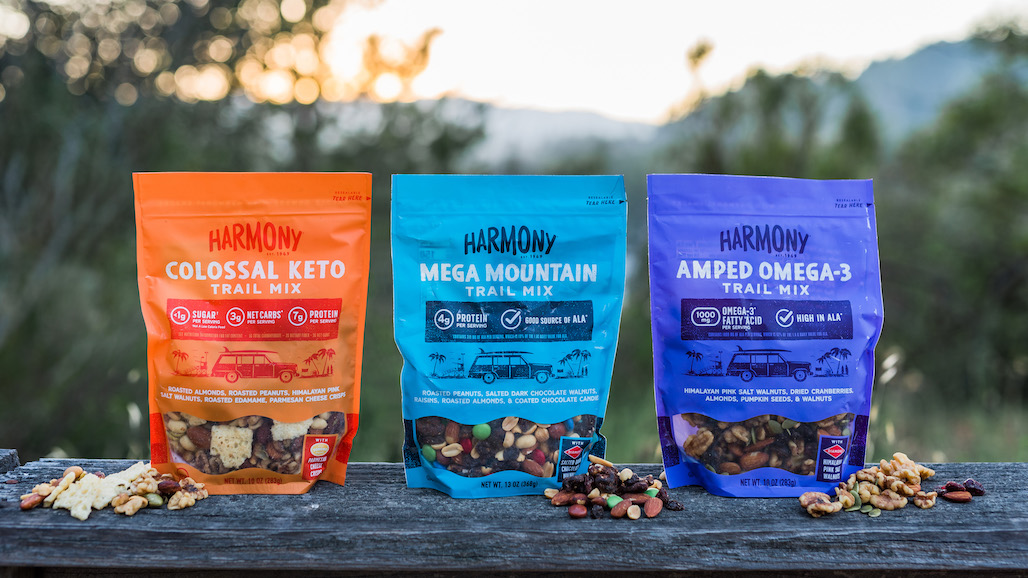
    Diamond Foods, packaged goods parent company for brands like Diamond of California®, announces today the relaunch of Harmony®, a 50-year-old Santa Cruz trail mix brand founded by two surfers who made a delicious portable snack of nuts and dried fruit so they never missed the next big wave. The brand is back and better than ever with a fresh look and two new tasty and nutritious trail mix varieties, Amped Omega-3 and Colossal Keto, both of which will debut at Natural Products Expo West in Anaheim, California from March 9-11 (Hall A, #877).

    In an effort to relaunch Harmony® and stay true to its original mission of “fueling your next adventure”, Diamond Foods opted to revamp the brand’s look and trail mix varieties using some of California’s best ingredients, including Diamond of California® Snack Walnuts and Sonoma Creamery® Parmesan Cheese Crisps. The two new trail mix varieties, Amped Omega-3 and Colossal Keto, were inspired by Harmony’s original recipe, Mega Mountain, and developed to highlight the nutritional qualities of tree nuts while also accommodating modern eating habits like the ketogenic diet.

    “We are thrilled to be reimagining Harmony®, a local Northern California brand that was ahead of its time 50 plus years ago,” says Brian Huff, President of Diamond Foods. Doug Kozlow, Senior Marketing Manager for Harmony® and Diamond of California® adds, “Today, trail mixes are a staple for both everyday and epic adventures as they are a great source of plant-based protein and better-for-you fats. By bringing back the brand that started it all, we are excited to provide people with trail mix options that integrate into their active lifestyles.”

    Harmony® Trail Mixes:

    • NEW Amped Omega-3 (SRP:$6.99/10oz): A functional blend of Alpha-Linolenic Acid (ALA) Omega-3 superfoods like Diamond of California® Himalayan Pink Salt Walnuts, almonds, pumpkin seeds, raw walnuts, and dried cranberries. Each serving contains 1000 mg of ALA Omega-3 (62% of the recommended daily value).
    • NEW Colossal Keto (SRP:$6.99/10oz): A keto-friendly blend of good fats and low carbs with Diamond of California® Himalayan Pink Salt Walnuts, Sonoma Creamery® Parmesan Cheese Crisps, roasted edamame, roasted almonds, and roasted peanuts. Each serving contains 3g of net carbs, 7g of protein per serving, <1g of sugar, and 0g of added sugar. 
    • Mega Mountain (SRP:$6.99/13oz): Harmony’s original recipe, a classic sweet and savory trail mix blend reimagined with Diamond of California® Salted Dark Chocolate Walnuts, roasted peanuts, raisins, roasted almonds, and coated chocolate candies. Each serving contains 4g of plant-based protein and is a good source of ALA Omega-3.Harmony’s three trail mixes are now available online and are rolling out to stores nationwide, including Save Mart, Lucky, Shop Rite, and retail banners of Associated Wholesale Grocers. To learn more about Harmony® visit their website, follow along @harmony_snacks on Instagram, and visit Diamond Foods booth at Expo West (Hall A, #877)

      About Harmony®:

      It all began in 1969. Two surfing buddies in Santa Cruz, California were hungry, but didn’t want to miss the next big wave. So, they made a delicious portable snack that included nuts & dried fruit, creating the original Harmony® trail mix. Soon after, local friends and family were asking for the surfers’ snacks and the Harmony® brand was born. Today, Harmony’s tradition of tasty and nutritious snacks is still carried out in California, home to some of the world’s finest walnuts and almonds, to ensure that every Harmony® snack is crafted with the right blend of high-quality ingredients to fuel your next adventure!

  • Growing Matters Launches Fifth Annual BeSure! Stewardship Campaign to Help Protect Pollinators During Planting Season

    Growing Matters Launches Fifth Annual BeSure! Stewardship Campaign to Help Protect Pollinators During Planting Season

    Now in its fifth year, the agriculture industry collaboration led by Growing Matters kicked off its annual BeSure! stewardship awareness campaign to promote best stewardship practices when using neonicotinoid products on farms and urban landscapes. Using a wide range of media channels, the BeSure! campaign reminds growers, crop protection applicators, urban landscape applicators, agricultural supply retailers and others to follow label directions and responsible stewardship measures for neonicotinoid products to minimize any potential impact on pollinators and other wildlife.

    Since its inception in 2019, the BeSure! campaign is estimated to have reached millions of growers and applicators by providing them with access to multiple informational resources to help use crop treatments and plant protection treatments responsibly and avoid exposure to pollinators and wildlife.

    “These past five years of the BeSure! campaign have been a testament to the longstanding, collaborative commitment by the industry to communicate about the importance of care and safety when using treated seed,” said Bethany Shively, Vice President of Strategic Communications at the American Seed Trade Association (ASTA). “When it comes to stewardship, we all have a role to play. We’re proud to partner with BeSure! to extend the reach of our mutual efforts around stewardship – to everyone who treats, handles or plants treated seed.”

    In addition to ASTA, the campaign has been endorsed by the National Pesticide Safety Education Center (NPSEC), National Corn Growers Association, CropLife America, the Agricultural Retailers Association and the American Soybean Association (ASA), among others.

    The food industry depends on crop protection products to meet consumer needs. Along with Brazil, India, and China, the United States ranks as one of the top countries for food production in the world and is also the world’s top food exporter. Neonicotinoids and other crop protection products ensure that growers can continue to grow the U.S. food supply at a sustainable rate, while minimizing risk to surrounding wildlife.

    “Seed treatments, including neonicotinoid products, are an indispensable part of a grower’s toolbox. This vital application type can reduce the amount of pesticide being used and allow the product to be applied in a more environmentally sensitive manner, all while ensuring crops are protected when they are most susceptible to pests,” said Daryl Cates, ASA President and soybean farmer from Illinois. “The BeSure! stewardship program helps increase grower and applicator awareness so they are incorporating seed treatments into their practices safely, responsibly, and yet effectively. The American Soybean Association values its partnership with the Growing Matters coalition through the BeSure! program to achieve these important protections for our wildlife and natural resources.”

    In addition to corn and soybean crops, the BeSure! campaign also includes fruits, nuts, vegetables, turf, trees and ornamental plants that are protected with neonicotinoid products.

    Citrus growers, for example, use crop protection products to combat a deadly disease known as citrus greening. First detected in 2005, citrus greening is the single most serious threat to citrus farming and has shrunk Florida’s citrus production by 80%. Used safely and properly, neonicotinoids can help combat citrus greening by controlling its insect vectors – an ever-crucial tool as citrus demand in the U.S. continues to grow.

    “Honey bees, other wildlife, and all segments of the Florida orange blossom honey industry rely heavily on blossoming citrus trees, and the BeSure! campaign reminds us that we all have a responsibility to protect the biodiversity of our planet through proper stewardship practices,” said Mike Aerts, Vice President of Science and Regulatory Affairs at the Florida Fruit & Vegetable Association.

    Growers, applicators and others can go to GrowingMatters.org/BeSure for up-to-date stewardship tips and information. The BeSure! site also includes ASTA’s Guide to Seed Treatment Stewardship, including videos and brochures to show how treated seeds can be used in a way that avoids exposure to pollinators and other wildlife. The site contains a host of links to explain how neonicotinoids applications can be used responsibly, including the comprehensiveInsect Pollinators and Pesticide Product Stewardship Guide. Two downloadable fact sheets with five quick tips to guide best stewardship practices during planting season – one for growers and one for applicators – are also available.

    Over the coming weeks, the campaign will share relevant updates and best stewardship tips via social media content (search using hashtag #BeSure), radio programming, outreach via industry trade groups, and a variety of digital content. For more information, please visit: GrowingMatters.org/BeSure.

    About Growing Matters

    Agriculture and horticulture are key to nourishing families and communities. Feeding a growing population, enhancing the beauty of our surroundings and a sustained commitment to environmental protection are fundamental needs that matter. Crop protection products, both natural and synthetic, are important tools that protect plants from tough and invasive pests that can devastate crops and urban landscapes. Growing Matters is funded by a consortium of companies committed to open and healthy scientific discourse on stewardship, benefits and alternatives to neonicotinoid insecticides in North America. Consortium members include Bayer, Syngenta, Valent U.S.A., BASF, and Mitsui Chemicals Agro, Inc. The BeSure! campaign is also supported by Gowan Company and PBI Gordon Corporation. Go to www.GrowingMatters.org for information, reports, videos and infographics on the benefits of neonicotinoid insecticides.

    About American Seed Trade Association (ASTA)

    Founded in 1883, the American Seed Trade Association (ASTA) represents over 700 companies involved in seed production, plant breeding and related industries in North America. ASTA is the leading voice of action in all matters concerning the development, marketing and movement of seed, associated products and services throughout the world. The association’s broad membership offers varieties from alfalfa to zucchini and all production types including conventional, organic and biotech. ASTA promotes the development of better seed to produce better crops for a better quality of life. Go to www.betterseed.org.

    About The American Soybean Association

    The American Soybean Association represents U.S. soybean farmers on domestic and international policy issues important to the soybean industry. ASA has 26 affiliated state associations representing 30 soybean-producing states and more than 500,000 soybean farmers. Find more information at soygrowers.com.

    About the Florida Fruit & Vegetable Association

    The Florida Fruit & Vegetable Association (FFVA) acts as a strong voice for Florida farmers who grow nutritious fruits and vegetables to feed our country. FFVA is the state’s leading full-service specialty crop organization, serving Florida’s grower-shipper community since 1943. We represent a broad range of crops, including vegetables, citrus, tropical fruit, berries, sod, sugar cane, tree crops and more. Our mission is to enhance the business and competitive environment for producing and marketing fruits, vegetables and other crops.

  • USDA Seeks Nominees for American Pecan Promotion Board

    USDA Seeks Nominees for American Pecan Promotion Board

    The U.S. Department of Agriculture (USDA) is seeking nominees for the American Pecan Promotion Board. Nominees are needed to fill six seats for members whose terms end on Sep. 30, 2023, and one vacant seat with a term that ends on Sep. 30, 2024.

    The American Pecan Promotion Board is seeking nominees for the following seats:

    • Four producer seats representing the Western Region
    • Two importer seats
    • One vacant producer seat representing the Central Region

    Members appointed to the producer and importer seats will serve three-year terms. The member appointed to the vacant seat will serve a one-year term.

    The Western Region consists of Arizona, California, New Mexico, Alaska, Hawaii, plus any states in the U.S. whose land mass is in the Mountain or Pacific Time zones, plus any U.S. territories in the Pacific Ocean. The Central Region consists of Arkansas, Kansas, Louisiana, Mississippi, Missouri, Oklahoma, Texas, plus any U.S. state with the majority of its land mass is in the Central Time Zone.

    The board is made up of 17 industry members including ten producers and seven importers.

    To serve on the board, producers and importers must have produced or imported more than 50,000 pounds of inshell pecans (25,000 pounds of shelled pecans), on average, for four fiscal periods. Producers who produce pecans in more than one region may seek nomination only in the region in which they produce the majority of their pecans.

    More information about the board is available on the Agricultural Marketing Service’s (AMS) American Pecan Promotion Board webpage or on the board’s website at www.eatpecans.com. You may also contact the American Pecan Promotion Board at industry@eatpecans.com or by phone at (817) 985-3034, or USDA Marketing Specialist Alex Caryl at Alexandra.Caryl@usda.gov or by phone at (202) 253-4768.

    AMS policy is that diversity of the boards, councils and committees it oversees should reflect the diversity of its industries in terms of the experience of members, methods of production and distribution, marketing strategies, and other distinguishing factors, including but not limited to individuals from historically underserved communities, that will bring different perspectives and ideas to the table.  Throughout the full nomination process, the industry must conduct extensive outreach, paying particular attention to reaching underserved communities, and consider the diversity of the population served and the knowledge, skills and abilities of the members to serve a diverse population.

    Since 1966, Congress has authorized industry-funded research and promotion boards to provide a framework for agricultural industries to pool resources and combine efforts to develop new markets, strengthen existing markets and conduct important research and promotion activities. The Agricultural Marketing Service (AMS) provides oversight to 22 boards. The oversight ensures fiscal accountability and program integrity, and is paid for by industry assessments.

  • Wonderful® Pistachios Calls Upon the Universe, a World Champion Eater, and TikTok Creators to “Get Crackin’”

    Wonderful® Pistachios Calls Upon the Universe, a World Champion Eater, and TikTok Creators to “Get Crackin’”

    The iconic “Get Crackin’” campaign that helped Wonderful® Pistachios become a household name is back! America’s #1 Nut®, Wonderful Pistachios, will feature nostalgic talent alongside some of the latest trends to relaunch Get Crackin’ and celebrate the unique ways people enjoy cracking open and eating pistachios. The campaign brings irreverent humor in a new series of commercials, will set world records at the “Wonderful Pistachios Get Crackin’ Eating Championship” and encourages TikTok users to #GetCrackin.

    Live now, Get Crackin’ showcases how nursery rhyme legend Humpty Dumpty “does it with a great fall,” how the Universe “does it with a big bang,” and how the world’s number-one-ranked competitive eater Joey Chestnut “does it like a champ.” Additional spots rolling out over the next few months include everyone’s favorite ghost-chomping arcade icon PAC-MAN™, and Spot®, an agile mobile robot with a decidedly doggy name from Boston Dynamics. The campaign will live across cable outlets, digital streaming platforms, and on social media.

    “Get Crackin’ succeeded because it cracked social media before we had social media. We’re excited to bring that forward-thinking perspective to the platforms that drive culture today,” said Michael Perdigao, President, The Wonderful Agency. “True to the spirit of the initial campaign, Get Crackin’ 2.0 will be in conversation with culture at the moment that it’s happening—identifying, partnering, and launching both our unique brand and the unique talent that’s drawn us forward.”

    The Get Crackin’ ad campaigns have become a barometer for social media and internet trends over the past decade. Former Get Crackin’ castmates have included award winning host and executive producer of Comedy Central’s “The Colbert Report,” Stephen Colbert, “The Jersey Shore’s” Snooki, Snoop Dogg, and internet sensations PSY, Honey Badger and Keyboard Cat among others.

    Wonderful Pistachios Get Crackin’ Eating Championship at Pacific Park on the Santa Monica Pier

    Wonderful Pistachios will also Get Crackin’ with a new world record. Wonderful Pistachios has teamed up with Major League Eating to host the “Wonderful Pistachios Get Crackin’ Eating Championship” on World Pistachio Day, February 26, 2023. World champion competitive eater Joey Chestnut and other top-ranked Major League Eating athletes including Geoffrey Esper, Miki Sudo, and Nick Wehry will vie for a world record for pistachio-cracking and -eating at the inaugural event taking place at 10:00 a.m. PST at Pacific Park on the Santa Monica Pier.

    Competitors will have eight minutes to crack open and eat as many Wonderful Pistachios as possible in a battle for the championship title and $10,000 in cash prizes.

    The event is free and open to the public. For more information on the Wonderful Pistachios Get Crackin’ Eating Championship, please visit https://majorleagueeating.com/contests/946.

    #GetCrackin on TikTok with Wonderful Pistachios 

    Wonderful Pistachios is also extending the campaign to TikTok, partnering with talented creators to show how they uniquely Get Crackin’. Thoren Bradley does it on his first attempt. Daniel and David Hulett do it with a trick shot. And, Elladj Balde does it on a single blade.

    Earlier this month, Shawn Johnson, Alex Wong, and Vanesa Amaro helped launch a Wonderful Pistachios’ #GetCrackin branded hashtag challenge. TikTok users applied a custom branded effect to share fun videos of how they creatively cracked open Wonderful Pistachios. The contest ended on February 20, 2023, and the winner will receive $10,000 and a one-year supply of Wonderful Pistachios.

    How will you Get Crackin’? Visit Wonderful Pistachios at GetCrackin.com, or on Instagram, TikTok and Facebook@WonderfulPistachios to learn more.

  • Shaping the Future of California Walnuts Starts Now

    Shaping the Future of California Walnuts Starts Now

    Robert Verloop

    Op-Ed by Robert Verloop, Executive Director and CEO, California Walnut Board/Commission — The California Walnut Board and Commission are asking for industry involvement through participation in elections and weighing in on the strategic planning process.

    The California walnut industry is facing some of its greatest challenges, from rising costs and a maturing market to global competition, the effects of drought/heatwave and a mounting list of obstacles. But I believe a brighter future is ahead — and it requires the involvement of growers and handlers of all types and sizes to lend their ideas, critical thinking power and time to advance the industry.

    As Executive Director and CEO, I’m committed to creating space for this to happen by fostering a culture of openness, inclusion, collaboration and transparency – and there are lots of ways to get involved. At the top of the list is board service.

    Board and Committee Service Provides Opportunity to Make Your Voice Heard

    Elected board members serve a critical role in guiding our industry, offering their unique knowledge and expertise, representing the interests of growers and handlers in their regions, and providing oversight and governance functions to the California Walnut Board and Commission.

    The nomination and election process for both the board and commission will soon be underway. We are looking for individuals who recognize the importance of board functions and are willing to put their “company” hats aside and think and act for the betterment of the industry overall. We are looking for people to not simply rubber stamp the decisions of the CEO or any one individual, but rather respectfully push themselves, each other and the industry to think big and challenge the status quo in order to advance. This means asking tough questions, engaging in respectful dialogue and not being afraid to move away from activities and practices that are not serving the industry well.

    If you are unable to serve as an elected board member, you may want to consider serving on a committee that aligns with your knowledge and interests. The California Walnut Board and Commission work through broad based committees and working groups, including marketing and market development; production research; health research; issues management; and grades and standards. Serving on these committees and working groups is a tremendous opportunity to learn more about the broader industry issues, including challenges and opportunities, and contribute to the development of the next phase for our industry.

    Getting involved with the board is especially important for young people, who represent the future of California walnuts. Many California walnut farmers are from multi-generational farm families that want to see their agricultural legacies live on – and your sons and daughters hold the ticket. Encourage them to get involved with the industry. Their viewpoints are critically important as the California walnut industry evolves and seeks to build affinity with younger consumers, many whose values, interests and purchasing habits are unique to their generation.

    And while board and committee service is formal and an ongoing way to get involved, it is not the only opportunity for engagement. In fact, the time is ripe (in fact it’s critical) to make your voices heard as part of our strategic planning process.

    Strategic Planning Will Set a New Course

    Recently we initiated a strategic planning process to help guide a new phase for our industry. Strategic planning is about asking ourselves: Where are we now as an industry? Where do we want to be in the future? How will we get there? And how will we know when we have arrived?

    To help answer these questions we are casting our net far and wide for input. We’ve spoken to many growers and handlers individually and will soon be hosting a series of roundtables throughout the state where industry members are invited to a facilitated dialogue designed to solicit input. We encourage you to take part in an electronic survey between now and March 31, 2023 at CaliforniaWalnutSurvey.org. We’re looking for candid and constructive input, and all ideas are welcome. We’ll be listening carefully so that your voice is heard and incorporated in the planning process.

    We’ve assembled a strategic planning task force whose members will roll up their sleeves and listen to all the input we receive before developing the key elements of the strategic plan. The task force has been chosen to represent the diversity of the industry, and consists of industry veterans as well as fresh voices. All task force members have expressed a shared desire for evolution and progressive thinking.

    The work of the task force will be reviewed and ultimately approved by the board and iterations of the plan will be shared during our open board meetings. Ultimately, the plan will be rolled out and socialized with industry who can again weigh in on the plan. Once complete, the plan will guide not only the work of the California Walnut Board and Commission, but also serve as a roadmap for the overall industry.

    Your input and support – whether in the form of board or committee service, part of the strategic planning process or via any other means – has never been more important. The California Walnut Board was created in 1948, and the California Walnut Commission was created in 1987. The world has changed significantly since the formation of these organizations, and we, like the industry, need to advance and adapt to the challenges we face, in order to thrive. While the challenges are numerous, so too are the opportunities and I am confident that by working together we can create great things including growing demand for California walnuts and creating a prosperous future for the industry. Read the full op-ed article from Robert Verloop in the March issue of Pacific Nut Producer Magazine.

    Every two years the California Walnut Board (CWB) and California Walnut Commission (CWC), hold elections for board members to serve on the respective boards, beginning September 1 and seated at the 2023 Fall meeting. While the timing is similar (March – July), the process is slightly different for the two organizations. For a full explanation of the election process, qualifications and definitions please contact Dana Hull at dhull@walnuts.org.

  • American Pistachio Growers Taps Chef Martin Yan As Global Brand Ambassador

    American Pistachio Growers Taps Chef Martin Yan As Global Brand Ambassador

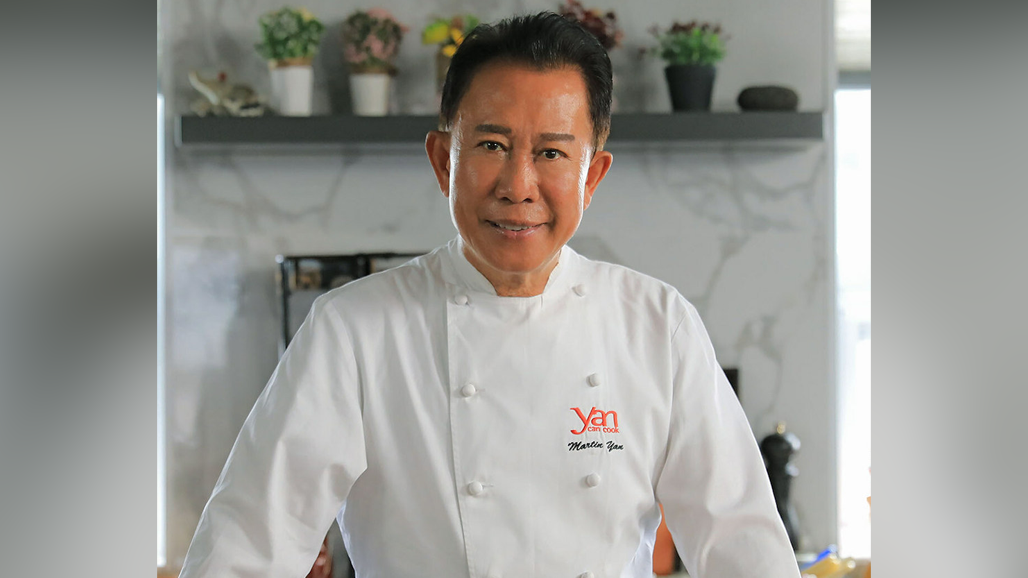
    American Pistachio Growers announced today that world-renowned Chef Martin Yan will join their team as a global brand ambassador. The news comes just ahead of the Pistachio Industry Annual Conference in Carlsbad, California, where Yan is slated to teach more than 1,000 pistachio farmers how to prepare his trademark Kung Pao Chicken with Pistachios themselves.

    With a career spanning over four decades, Chef Yan has traveled around the world, sharing the best of Chinese and American culture, food, and tips for personal enrichment with multiple generations of audiences. Chef Yan brings diverse culinary expertise and award-winning experiences that span several continents. His grand vision is shaped from experiences working on over 3,500 culinary and travel TV shows, 32 cookbooks, and several restaurants in North America and Asia. Today, Chef Yan is one of the most recognizable Chinese American icons in mass media. He is a tireless promoter of many social causes and cross-cultural exchanges between Asia and North America. He has been named culinary ambassador for the cities of Chengdu, Guangzhou, and Shenzhen, China. For his efforts, Chef Yan has been awarded multiple James Beard Awards throughout his career, including the prestigious lifetime achievement award in 2022.

    “Singing the praise of American-grown pistachios comes to me naturally. Their rich taste, texture, nutritional value, and beautiful pistachio-green color make pistachios the perfect ingredient for any global cuisine, and certainly in my Asian dishes,” said Chef Martin Yan. “I’m looking forward to showing all our growers—and food lovers around the world—that they can cook like Yan with American pistachios!”

    “Through our various international media events, Chef Yan has already reached more than 2.5 billion consumers in Asia, demonstrating how pistachios grown in the American West enhance any cuisine’s flavor and nutritional profile.  A beloved Californian and citizen of the world, we are honored to have him represent our product and our hard-working growers,” said Haiying Zhang, Director, Asian Markets for American Pistachio Growers.

    As a global brand Ambassador, Yan will impart knowledge and culinary skills that enhance and expand American pistachios usage to consumers and culinary professionals around the world. He will lead cooking demonstrations, participate in media events, and engage with consumers on social media platforms around the globe.

    About American Pistachio Growers

    American Pistachio Growers is a voluntary non-profit trade association representing pistachio growers, processors and industry partners in California, Arizona, and New Mexico. For more information, visit www.AmericanPistachios.org.

  • Almond Board of California Announces 2023 Elections

    Almond Board of California Announces 2023 Elections

    Elections for the Almond Board of California (ABC) Board of Directors have launched for the 2023-2024 crop year with the call to all candidates to file their petitions or declarations of candidacy by April 1, 2023.

    The industry will choose for one independent grower position and two independent handler positions on the ABC Board of Directors in voting that starts April 21 and ends May 25. Alternate seats for those spots are also open, plus a second grower alternate seat, currently empty, is also up for election.

    To be considered for an independent grower or alternate seat, candidates must be a grower and must submit a petition signed by at least 15 independent almond growers (as verified by ABC). Independent handler and alternate candidates must declare their intention in writing to ABC.

    All details, documents, open positions, the election timeline and deadlines, and frequently asked questions can be found at Almonds.com/Elections. All petitions and declarations must state the position for which the candidate is running and be sent to abcbodelections@almondboard.com or printed and mailed to ABC, 1150 9th St., Suite 1500, Modesto, CA 95354. The deadline for all filings is April 1. Potential candidates who’d like more information can contact ABC at abcbodelections@almondboard.com.

    “The ABC Board of Directors is tremendously important to the success of our industry,” said ABC President and CEO Richard Waycott. “More than 7,600 growers and 100 handlers count on them to guide the work of the Almond Board and to help the industry navigate these complicated times.”

    The ABC board sets policy and recommends budgets in major areas, including marketing, production research, public relations and advertising, nutrition research, statistical reporting, quality control and food safety.

    Getting involved provides an opportunity to help shape the future of the almond industry and to help guide ABC in its mission to promote California almonds to domestic and international audiences through marketing efforts, funding and promoting studies about almonds’ health benefits, and ensuring best-of-class agricultural practices and food safety.

    ABC encourages eligible women, minorities and people with disabilities to consider running for a position on the Board of Directors to reflect the diversity of the industry it serves.

  • Pistachios are The Nut (and Color Trend) of 2023

    Pistachios are The Nut (and Color Trend) of 2023

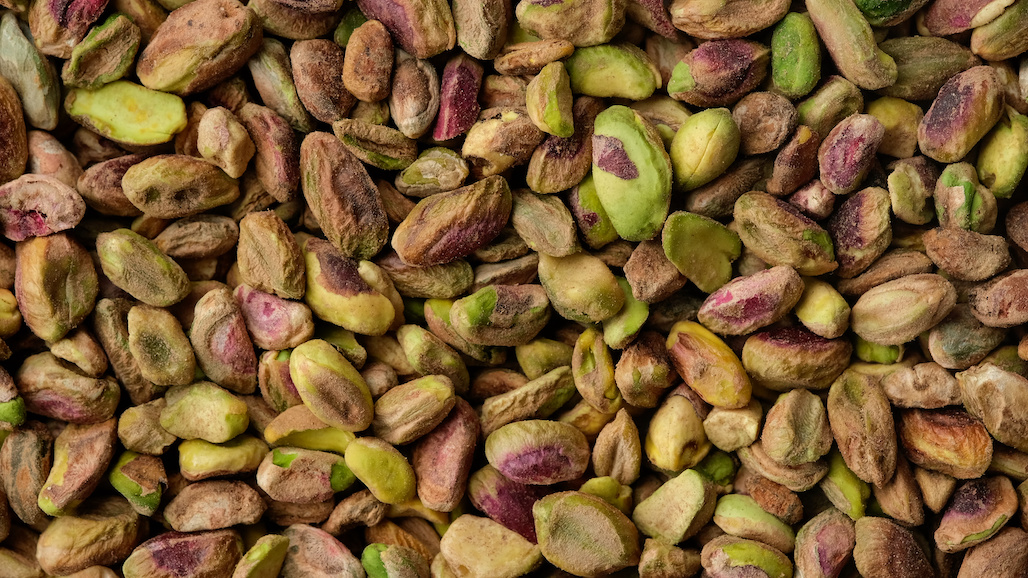
    From lattes to cocktails, fashion and even paint colors, pistachios are having a moment. Food industry leaders like Baum + Whiteman and Lyons Magnus recently predicted pistachios would be the top nut of 2023 in food trend research, and outlets like Forbes and Eat This, Not That! all covered the news. Beyond the taste and nutritional benefits of the nut, trends are extending into the color – and even smell – of pistachios, with the nutty aroma now being used in candles and perfumes.

    Looking back at where the pistachio craze began, the pandemic forced consumers to reevaluate their health and wellbeing; people were forced to consider not only what they ate and how it affected them, but also how it affected the planet. The result was a movement toward plant-based proteins, and as a source of complete protein, pistachios fit the bill. Further, the sustainability of pistachios stands out from other crops; pistachios are a permanent crop that spans generations of farmers and as a high desert plant, are relatively drought tolerant.

    “Pistachios aren’t just the hottest snack, their surging popularity is because of research that shows their unique health benefits,” said Judy Hirigoyen, VP of Global Marketing for American Pistachio Growers trade association. “They’re a complete protein which is the quality of protein usually found in animal proteins. Further, thanks to a recently published study by Cornell University, we now know they’re also very high in antioxidants. In fact, they rival the level of antioxidant capacity you’d find in blueberries, pomegranates and red wine.”

    American Pistachio Growers is the entity that is responsible for consumer education globally, something that’s been easy to do with myriad scientific studies that keep coming from around the world.

    “Shipments of American-grown pistachios to export markets continue to grow in double digits,” said Hirigoyen. “We know the educational efforts are working,” said Hirigoyen, citing an analysis of shipments from the U.S. to key export markets from 2016 through 2021. “In the export markets where we promote the research, shipments grew by 36 percent on average.”

    About American Pistachio Growers

    American Pistachio Growers is a non-profit trade association representing more than 865 members who are pistachio growers, processors and industry partners in California, Arizona and New Mexico. American-grown pistachios are sold under many quality brand names internationally, so look for country of origin on packaging. For more information, visit AmericanPistachios.org.