Category: Non-Video

  • GroPro Hires US National Sales Director

    GroPro Hires US National Sales Director

    – SPONSORED CONTENT –

    GroPro Corp. is an international Biotech bio-fertilizers, bio-stimulants, and bio-pesticides manufacturer that compete head to head in cost and efficacy with the industry’s most effective synthetic chemicals. Headquartered in Burnsville, Minnesota, USA has hired Warren Hragyil as national sales director. Warren is a result-oriented leader with decades of experience in US Agriculture markets, primarily focused on areas of Crop Protection sales, marketing, and operations. He has worked in senior sales and management roles at Simplot, Adama, Aligned Ag Distributors, United Suppliers Inc., etc.

    “We are thrilled to hire a well-connected and experienced professional like Warren to our team here at GroPro,” said James Lamoreaux, CEO of GroPro Corp. “His impressive industry background and strong leadership abilities will help to fulfill our expanding strategy in the US market, working closely with our major distributors & retailers to develop win-win offerings.” In his new role, Warren’s primary responsibilities will be to drive sales for Gro Pro’s products, manage senior client relationships, lead the sales team and successfully implement effective commercial strategies.

    Hiring a National Sales Director was a part of GroPro’s active team expansion plan with two primary objectives, raise brand awareness and increase market penetration with strategic partners – earlier this month GroPro Corp. announced that veteran agriculture industry executive Benito Varela joined the team as the new Chief Operating Officer focusing on US and International expansion and operations. Also, this week GroPro Corp. has named Jeff Runnels as the US National Environmental\DTC Sales Manager.

    GroPro Corp. is a USA-headquartered producer and supplier of bio-pesticide protection products and bio-stimulants. GoPro has a proven track record of delivering proven, high-efficacy, natural materials while allowing growers to augment agrochemical products in the integrated pest management (IPM) approach. For the last 3 years, GroPro has been performing in-depth field trials comparing GroPro materials against conventional and Bio-Based materials in the USA and internationally with outstanding results. Sustainability is firmly rooted in our entire company’s decision process, from early research to product development.

    www.groproag.com

    Innovations Grow Here

  • New Directors at Almond Board of California Begin Terms

    New Directors at Almond Board of California Begin Terms

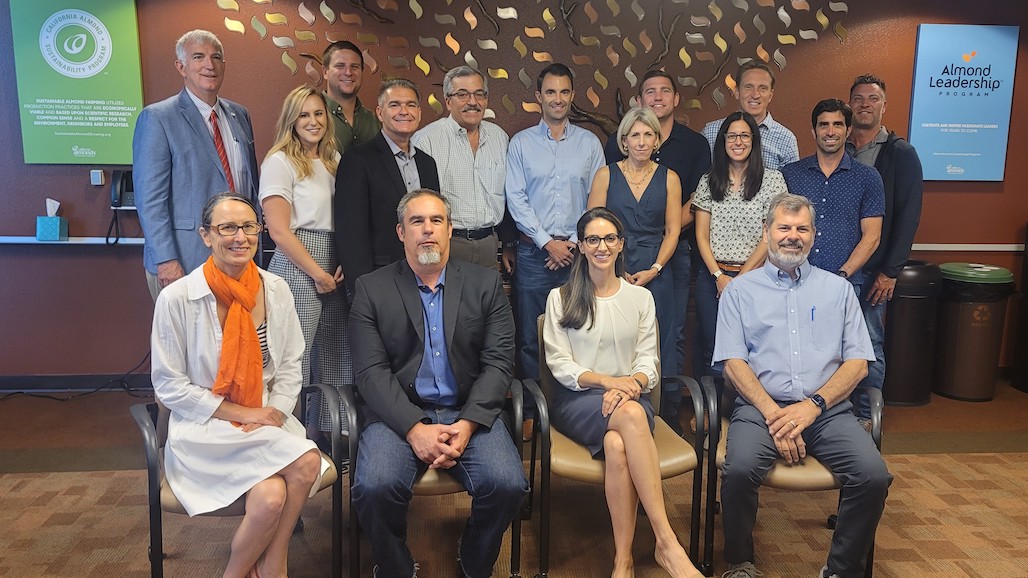
    The new Board of Directors of the Almond Board of California (ABC) took their seats this week with four voting members beginning new terms to help guide ABC’s support of one of California’s most important crops.

    Board members, whose terms officially began Aug. 1, also elected Alexi Rodriguez as chair and re-elected George Goshgarian Jr. as vice chair.

    “Our industry is facing many challenges right now,” said Rodriguez. “I’m looking forward to working with this talented and dedicated board and organization. I believe we have the resources and experience to navigate these complicated times.”

    The 10-member ABC board has five grower members – three representing independent growers and two representing cooperative growers – and five handler members, also with three independent and two co-op representatives. Some members sit in three-year seats, others in one-year positions.

    The grower representatives elected or re-elected in this year’s elections are:

    • Paul Ewing, an independent from RPAC, LLC in Los Banos. He was re-elected to a one-year term.
    • Brandon Rebiero, an independent grower from Gold Leaf Farming in Modesto who previously served as an alternate and was elected to a three-year term.

    The handler representatives were re-elected in both positions this year. They are:

    • Darren Rigg, an independent handler from Minturn Nut Co. in Le Grand. He was re-elected to a one-year term.
    • Mel Machado, a co-op handler with Blue Diamond Growers from Modesto re-elected to a three-year term.

    In addition, the board has three alternates elected or re-elected this year:

    • Katie Staack-Dorsett, an independent grower with Grizzly Nut, LLC from Waterford This is her first term as an alternate.
    • Chad DeRose, an independent handler with Famoso Nut Co., LLC in McFarland, who was re-elected.
    • Mark Jansen, a co-op handler with Blue Diamond Growers from Sacramento who was also re-elected.

    This is the full board:

    VOTING MEMBERS                                                                                      TERM

    Grower #1:            Paul Ewing, RPAC, LLC                                                 1 year

    Grower #2:            Brandon Rebiero, Gold Leaf Farming                            3 years

    Grower #3:            Joe Gardiner, Treehouse California Almonds, LLC       3 years

    Handler #1:           Alexi Rodriguez, Campos Brothers                                3 years

    Handler #2:           Bob Silveira, Vann Family Orchards                              3 years

    Handler #3:           Darren Rigg, Minturn Nut Co. Inc.                                  1 year

    Co-op Grower #1: George Goshgarian Jr., Goshgarian Farming Co.        3 years

    Co-op Grower #2: Christine Gemperle, Gemperle Orchards                      3 years

    Co-op Handler #1: Mel Machado, Blue Diamond Growers                          3 years

    Co-op Handler #2: Alicia Rockwell, Blue Diamond Growers                       3 years

    ALTERNATES

    Grower #1:             Katie Staack-Dorsett, Grizzly Nut, LLC

    Grower #2:             Vacant

    Grower #3:             Chris Bettencourt, Suvik Farms

    Handler #1:            Ron Fisher, Fisher Nut Company

    Handler #2:            Dexter Long, Hilltop Ranch, Inc.

    Handler #3:            Chad DeRose, Famoso Nut Company, LLC

    Co-op Grower #1:  Kelli Evans, Evans Farming

    Co-op Grower #2:  Kent Stenderup, Stenderup Ag Partners

    Co-op Handler #1: Mark Jansen, Blue Diamond Growers

    Co-op Handler #2: Dean LaVallee, Blue Diamond Growers

    The ABC board sets policy and approves budgets in major areas, including production research, public relations and advertising, nutrition research, statistical reporting, quality control and food safety.

    ABC is a Federal Marketing Order dedicated to promoting California almonds to domestic and international audiences through marketing efforts and by funding and promoting studies about almonds’ health benefits, as well as ensuring sustainable agricultural practices and food safety.

    About California Almonds

    California almonds make life better by what we grow and how we grow. The Almond Board of California promotes natural, wholesome and quality almonds through leadership in strategic market development, innovative research, and accelerated adoption of industry best practices on behalf of the more than 7,600 almond farmers and processors in California, most of whom are multi-generational family operations. Established in 1950 and based in Modesto, California, ABC is a non-profit organization that administers a grower-enacted Federal Marketing Order under the supervision of the U.S. Department of Agriculture. For more information on the Almond Board of California or almonds, visit Almonds.com or check out California Almonds on Facebook, Twitter, Pinterest, Instagram and the California Almonds blog.

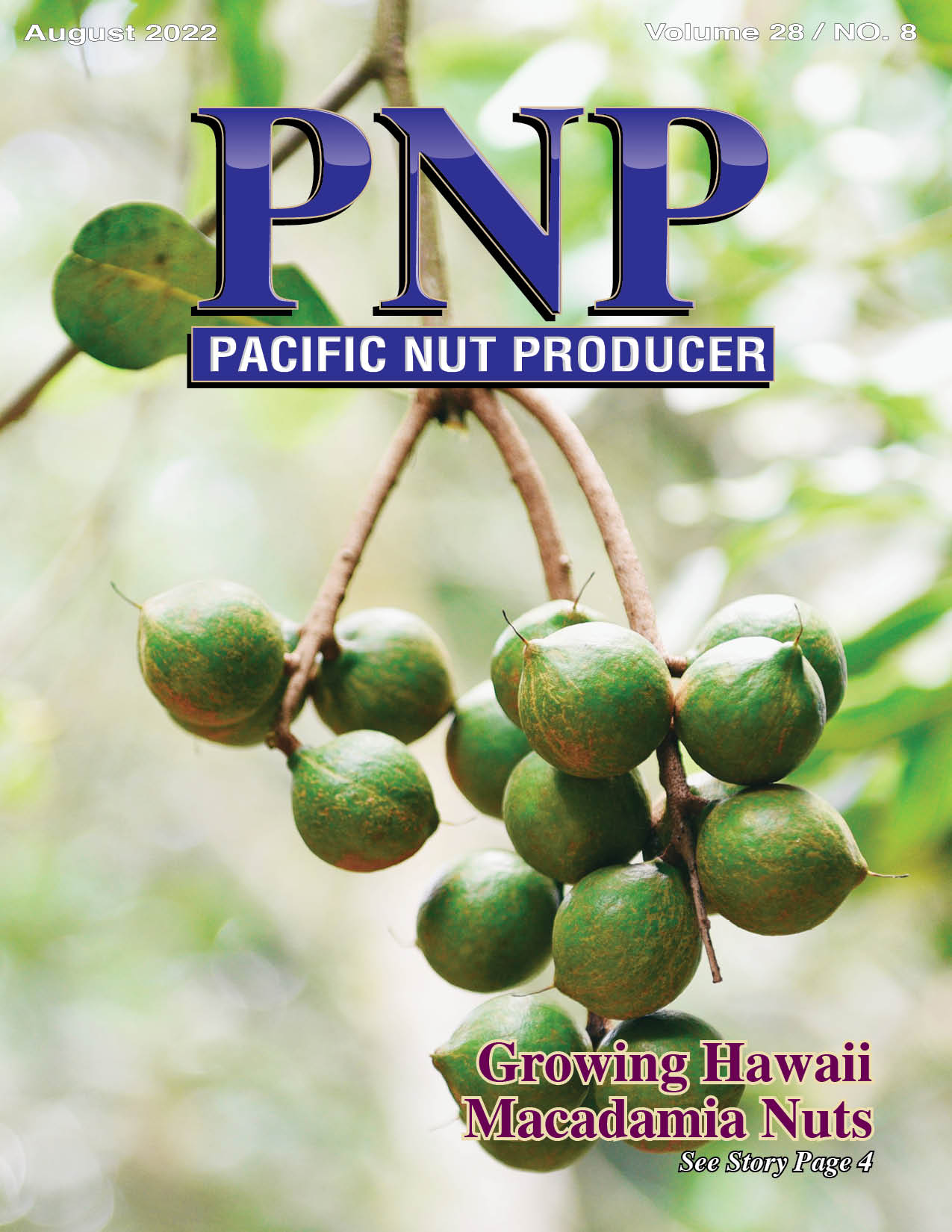
  • Pacific Nut Producer August Issue

    Pacific Nut Producer August Issue

    Pacific Nut Producer August Issue

    [btn btnlink=”https://malcolmmedia.com/order-a-back-issue/back-issue-pacific-nut-producer-magazine/” btnsize=”full” txtcolor=”#ffffff” color=”#FFF” bgcolor=”#492500″ btnnewt=”1″ nofollow=”1″]Order A Back Issue[/btn]

    [btn btnlink=”http://malcolmmedia.com/pacific-nut-producer-magazine-subscriptions/” btnsize=”full” txtcolor=”#ffffff” bgcolor=”#492500″ btnnewt=”1″ nofollow=”1″]Subscribe Free[/btn]
    [three_fifth_last]

    Contents of the August Issue:

    Hawaii Macadamia Orchard Management Practices
    Insights from Agronomist Walter Parada

    Unlimited Potential in India Almond Export Market
    Almond Appeal for Skin Health, Nourished Hair & Weight Management

    When Do you Shake Almonds?
    Troubleshooting Considerations for Harvest this Year

    August Orchard Tasks
    Almonds, Hazelnuts, Pecans, Pistachios

    [/three_fifth_last]

  • GroPro Appoints Benito Varela as Chief Operating Officer

    GroPro Appoints Benito Varela as Chief Operating Officer

    GroPro Corp. announced that veteran agriculture industry executive Benito Varela joined the team as the new Chief Operating Officer on July 1. Varela has almost 30 years of experience in agribusiness, including 25 years at Dow Agrosciences. A driven executive with broad-based expertise in leading effective strategy, Benito has a strong background in biotech as well as international territory management, market and business development and strategic alliances through multiple M&A projects. His outstanding leadership, anchored by his high integrity and personal character form the basis of his long-term professional relationships.

    Mr. Varela has a Bachelor of Science Degree in Agricultural Engineering (University of Florida) and a Master of Science Degree in Professional Business Management (Honors, University of Miami). Varela is also a Certified Mentor for entrepreneurship and small business by The Venture Mentoring Team and Certified Six Sigma Black Belt.

    “Benito’s strong history of achieving large territory growth, managing corporate innovation in biotech for agriculture and leadership skills will help GroPro accelerate its mission to become a leading international agricultural biotech company.” – said James Lamoureaux, CEO of GroPro. ” We believe that his experience, deep understanding of operational excellence, best practices, and partnering for rapid expansion in Latin American agribusiness, and strong industry connections make him an excellent leader to help expand our business.”

    About GroPro Corp:

    GroPro is an international Biotech #BioFertilizer#BioStimulant, and #BioPesticide manufacturer with a headquarters in Austin, Texas (the USA). The company’s target regions are – the USA, the Middle East, Africa, the EU, and Central America. Our products have been competing and beating the bio-industry standards. Numerous field trial results with universities, researchers, and growers confirm our effectiveness. GroPro has also efficiently provided superior efficacy against traditional\chemical inputs, allowing us to offer product lines for all growers.

    Innovations Grow Here

    groproag.com

  • Winter Honey Bees Show Resistance to a Common Insecticide

    Winter Honey Bees Show Resistance to a Common Insecticide

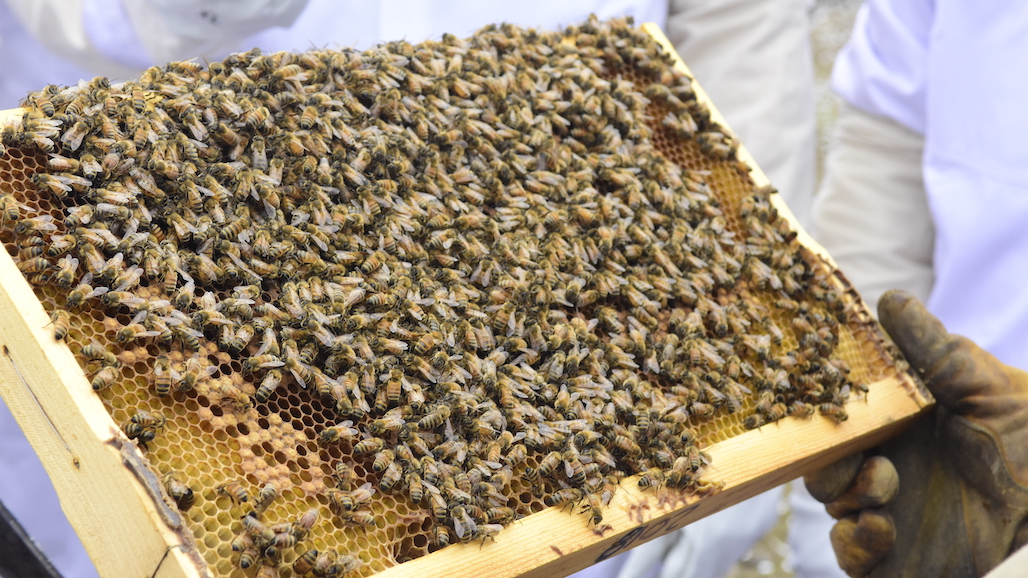
    Winter honey bees, compared to newly emerged summer bees, have a better ability to withstand the harmful effects of a widely-used insecticide in pest management, according to a recent study published in Apidologie.

    Honey bees feed on imidacloprid during a cage experiment. (Photo by Mohamed Alburaki, ARS)

    United States Department of Agriculture (USDA), Agricultural Research Service (ARS) researchers from the Bee Research Laboratory in Beltsville, Maryland, found winter honey bees’ consumption of a nearly lethal, imidacloprid-laced syrup did not affect their survival during the study.

    Imidacloprid is an insecticide made to mimic nicotine and is toxic to insects. This powerful insecticide is widely used in agriculture for pest management control. Honey bees are likely to encounter imidacloprid while foraging in the field or through contaminated hive products.

    “Although imidacloprid toxicity to honey bees is an important concern for beekeepers, our results provide good news,” said Miguel Corona and Mohamed Alburaki, researchers at the ARS Bee Research Laboratory. “Our research shows that winter honey bees have unrecognized physiological mechanisms to counteract the effects of insecticides.”

    The study assessed differences in diet behaviors for summer and winter honey bees in a controlled laboratory setting. Researchers provided sublethal doses of the imidacloprid-laced syrup to bees as necessary. Winter bees showed a preference to consuming imidacloprid-laced syrup over untreated sugar syrup while summer honey bees made the safe choice and avoided consuming the laced syrup each time.

    According to Corona, it is important to study the differences of summer and winter honey bees’ diets.  Honey bee colonies survive extreme seasonal differences in temperature and forage by producing two seasonal phenotypes of workers: summer and winter bees. These seasonal phenotypes differ significantly in their psychological characteristics as well as their susceptibility to disease and ability to handle poisonous substances.

    “Winter bees and summer bees undergo physiological changes to cope with drastic seasonal changes in temperature and the availability of nutritional resources,” said Corona and Alburaki. “Our results suggest that long-lived winter bees are especially well-adapted to tolerate higher levels of chemical stressors.”

    Corona said that although the study’s results show that winter bees could tolerate more intoxication by imidacloprid, they are still susceptible to higher concentrations of this insecticide in field settings. — By the USDA-ARS

  • Top 5 Things to Consider at Almond Hullsplit

    Top 5 Things to Consider at Almond Hullsplit

    Hullsplit is a time when growers’ various orchard practices – proper irrigation, nutrient management, pest control and orchard monitoring – come together in an effort to maximize almond quality and yield. To assist during this busy season, we’ve pulled together a list of the top five things you should consider before hullsplit.

    1. Measuring Hullsplit Progress

    Proper detection is the first step in effectively managing the potential for myriad pest and rot issues that may occur following hullsplit.


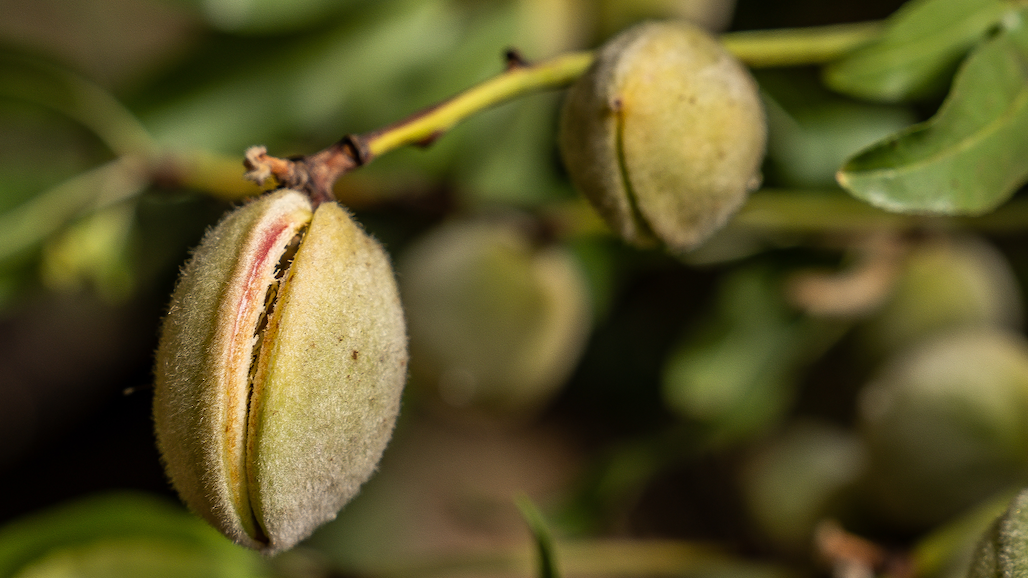
    • Hullsplit typically begins in early July, starting in the early growing regions and spreading to later growing regions accordingly. The splitting of blank nuts (as much as 3–5% of the almonds) will occur about a week ahead of hullsplit and serve as a “heads up” that split will soon occur.

    • Tip: A key to identifying hullsplit is to look for an initial split in the upper and outer portions of the canopy, particularly the southwest quadrant. Once the fruit splits, hullsplit has begun.


    2. Spraying to Target Navel Orangeworm (NOW)

    The most effective time to spray for NOW is during its second flight, which often coincides with the initiation of hullsplit. As a confirmation that flight activity is coincident with the beginning of hullsplit, check to see that eggs are being laid on egg or pheromone traps (note: mating disruption may affect trapping). Then, when spraying, make your application no later than at 1% hullsplit. Find out more about mating disruption for NOW.

    If your orchard experiences high NOW populations, a second insecticide application may be needed two-to-three weeks after the initiation of hullsplit, and a rotating of chemistries is advised to reduce resistance development pressure. As noted in the University of California (UC) Integrated Pest Management (IPM) guidelines, be sure to consider the following before conducting a second application:

    • varieties in the orchard, particularly late harvested varieties

    • anticipated harvest dates

    • pest pressure noted from egg and pheromone traps

    • overwintering mummy load

    • proximity to an external NOW source, such as neighboring pistachio or almond orchards managed by a different entity

    As indicated in the UC IPM guidelines, Intrepid (methoxyfenozide) and Altacor (chlorantraniliprole), are preferred materials for hullsplit sprays. Pyrethriods have been used in the past, but their use should be considered with caution as NOW resistance to these materials has emerged, and pyrethriods are toxic to beneficials. If pyrethroids are used, they should be applied only be once per season. It’s imperative that you also make sure your sprayer(s) are well calibrated to improve spray efficacy and minimize drift.

    3. Manage Hull Rot from Day One

    Almond hulls are susceptible to several hull rot fungi from the beginning of hullsplit until the hulls dry, typically a month-long period of time. This period may vary, however, depending on fertilization and irrigation. Successful hull rot control is based upon effective strategic deficit irrigation and nitrogen management.

    Strategic Deficit Irrigation (SDI) 

    SDI, also known as regulated deficit irrigation or RDI, is the practice of mildly drought-stressing almond trees at hullsplit. By managing SDI, growers can reduce hull rot by 60–90% and experience a more uniform hullsplit and timely harvest. These factors may contribute to less crop damage from weather and late-season NOW flights, leading to less aflatoxin contamination, as well. What’s more, SDI reduces water use for 2-3 weeks without impacting crop productivity.

    The target period of when growers should stress trees is from the start of hullsplit through 90% hullsplit, a period of about three weeks. The most accurate way to practice SDI is to use a pressure chamber to track and maintain slight tree water stress levels, between -14 bars and -18 bars, depending on the weather. Information about the pressure chamber is available on the UC Davis Fruit and Nut Research and Information webpage.

    Growers who do not rely on pressure chambers, particularly those with a history of hull rot and a visual baseline from which plant stress can be observed, may achieve similar results by irrigating at 50% of normal tree demand, using crop evapotranspiration (ETc) calculations during hullsplit.

    The onset of hullsplit will vary according to orchard conditions; stress levels vary with soil type and other factors. In shallow soils where trees may dry quickly, growers should initiate stress when blanks start to split, usually about a week before the onset of hullsplit. On deeper, well-drained soils, it can take up to 20-to-30 days to reach mild-to-moderate stress levels. In this case, growers may want to reference UC Agriculture and Natural Resources Publication 8515 to determine when to initiate water stress.

    Nitrogen Management 

    Almond Board-funded research has found that excessive nitrogen increases incidences of hull rot. It is critical that a proper nitrogen budgeting plan, which is a function of crop load, is in place for the growing season to ensure that only the necessary amount of nitrogen is applied. Growers should also follow their nitrogen budgeting plans throughout the whole season and update their plans as actual yields become more evident. Regular updating will also allow growers to focus their nitrogen applications to the key times of nitrogen demand in almonds: For instance, application(s) during kernel fill should typically occur the during end of May through early June.

    You can find more information on nitrogen budgeting and management at Almonds.com/Nutrients.

    4. If Applying AF36 Prevail, Aim for One-to-Two Weeks Before Hullsplit

    Recently approved for use in almond orchards, the Aspergillus flavus biocontrol agent AF36 Prevail offers a supplementary approach to reducing aflatoxin contamination in the orchard.

    If you plan to apply AF36 Prevail this season, plan to do so around early July and make the application on or close to the berms so that following irrigations can wet the Aspergillus-carrying seed. Learn more about AF36 Prevail and how it should be applied in this article from the Almond Board: “AF36, Biocontrol Agent for Aflatoxins, Now Approved for Almonds.”

    5. Aim for Timely Harvest

    Growers should keep in mind that a third-generation NOW flight poses one of the greatest threats to the orchard around harvest time, so almonds should be harvested as soon as possible. Timely harvest is when there is 95–100% hullsplit at eye level in the canopy and will avoid NOW infestations and subsequent aflatoxin contamination. Early-harvested varieties, such as Nonpareil, are much less likely to attract egg laying once they’re on the ground, reducing the risk to later harvest varieties remaining in the trees.

    Click here to learn more about NOW control and management strategies. More details on SDI and other irrigation best practices may be found in the Almond Board’s Almond Irrigation Improvement Continuum. You can download a free copy of the Continuum at Almonds.com/Irrigation.  — By the Almond Board of California

  • Almonds Prove Indispensable to New Product Innovation

    Almonds Prove Indispensable to New Product Innovation

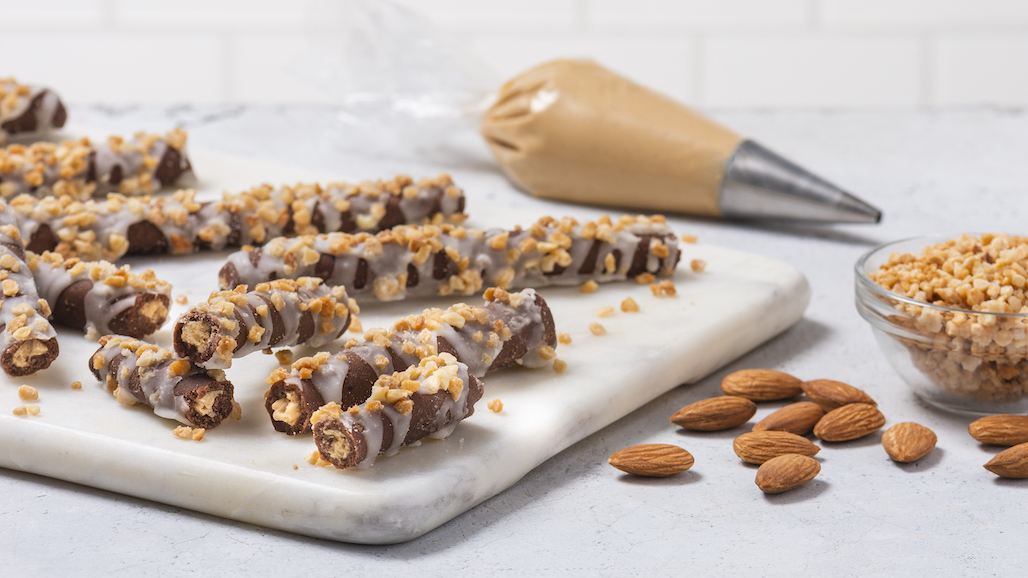
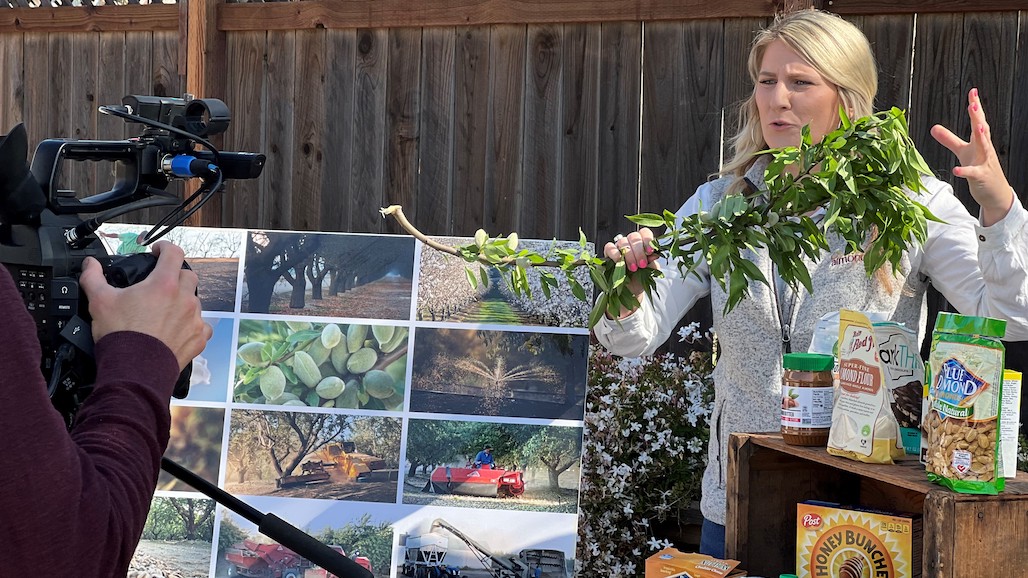
    Almond Board of California — For the sixteenth consecutive year, almonds are the top nut in global new product development according to Global New Products data from Innova Market Insights, having been first recognized as the number one nut globally in 2006. With more forms than any other tree nut, almonds’ versatile taste, texture and health claim benefits align to consumers’ ever-changing tastes, lifestyles and preferences.

    This year’s Global New Products Report revealed that more than 12,000 new almond products were introduced in 2021, making up 40 percent of total nut introductions. Almonds are the number one nut in four of the top six global food introduction categories: bakery, bars, dairy and cereals. Of note, bakery’s growth at 15 percent is highest out of all introductions across global food, nut and almond introductions.

    The report also revealed introductions with almonds led to a higher likelihood of on-pack health claims with over 1 in 5 products with almonds featuring the top health label claim, “gluten-free,” specifically. The remaining four leading health label claims for products with almonds were “no additives/preservatives,” “high source of fiber,” “organic,” and “high source of protein.” Almonds remain the number one nut by a large margin for global introductions with label claims for “plant-based,” “vegan” and “vegetarian,” as plant-based food products continue to dominate consumer desires for health and lifestyle needs. 

    “We’re continually impressed to see manufacturers across the globe innovating with almonds to stay on top of consumer demands, trends and preferences coming out of the pandemic,” said Harbinder Maan, Associate Director, Trade Marketing and Stewardship at the Almond Board of California. “The versatility of almonds as an ingredient is truly unique, and we continue to see new innovations across product categories that really push the envelope.”

    The Global New Products Report also found that almonds are not only the number one nut in North America but also in Europe and Asia-Pacific. Europe is leading almond introductions for all top almond relevant categories except for cereals, where Asia-Pacific is the leading region. Globally, the top six almond relevant categories account for 82 percent of total almond introductions, while these categories account for only 43% of total food introductions.

    Confectionery is the leading category for almond product introductions in Europe and the Middle East & Africa, while bars is the leading category in North America, and bakery is the leading category in Asia-Pacific with a narrow margin over snacks. When it comes to regions where almond product introductions are growing fastest, the Middle East & Africa lead the charge at 15 percent, followed by Latin America at eight percent, and Asia-Pacific at three percent.

    The success of almonds as a key ingredient across product categories can partially be attributed to their texture versatility. The creaminess and contrasting smoothness of almond butter is a natural fit for spreads, which grew globally at 12 percent, whereas sliced or chopped almonds add crunch to a growing desserts and ice cream category. Most notably, to satisfy an increased demand for gluten-free and healthy indulgence options, almond flour is often utilized as a key ingredient in the ready meals and side dish category, particularly in products like frozen pizzas.

    “Coming out of two unprecedented years of pandemic-related change, it’s encouraging to see consumer expectations shifting towards a demand for a healthier lifestyle both in what and how they choose to consume,” said Lu Ann Williams, Global Insights Director at Innova Market Insights. “It’s no surprise that almonds have maintained their spot as number one for 16 years and counting, with the dynamic and various texture, flavor and health label claims they satisfy.”

    Almonds are a nutrient-rich and heart-healthy ingredient. When compared ounce for ounce, almonds are the tree nut highest in vitamin E and riboflavin, and a one-ounce serving of almonds provides six grams of protein, four grams of fiber, 13g of unsaturated fat and only 1g of saturated fat. Scientific evidence suggests, but does not prove, that eating 1.5 ounces of most nuts, such as almonds, as part of a diet low in saturated fat and cholesterol may reduce the risk of heart disease.

    Visit Almonds.com to view an infographic highlighting key data from the report.
     
    References:
    Innova Market Insights, Global New Products Introductions Report, 2021. May 2022.
  • Students Learn About Commodities Grown Almost Exclusively in the Golden State

    Students Learn About Commodities Grown Almost Exclusively in the Golden State

    California’s farmers grow more than 400 commodities each year, making the state the nation’s breadbasket. And for 36 years, the nonprofit California Foundation for Agriculture in the Classroom has been educating students around the state that the nutritious and tasty fruits and vegetables they eat don’t just come from the supermarket.

    During the past school year, Executive Director Judy Culbertson said the focus of the educational program was highlighting the “99% club” – 16 commodities grown almost exclusively in the Golden State.

    “On April 1 we held our second annual California Farm Day virtually, with presenters talking about a different one of the commodities for 10 minutes, providing information, activities, recipes and ‘did you know’ segments,” Culbertson said.

    “Nearly 500 teachers registered, and we sent out a box of goodies for each class, with snacks, resources for students and teachers and the What’s Growin’ On? newspaper. We put the video package on YouTube, and 16,000 kids registered!” She added that 45 counties had at least one school participating this year.

    Mark Littlefield, President and CEO of Farm Credit West, said Farm Credit organizations have given the foundation over $250,000 since 2002 to help educate students in urban and rural areas alike about the importance of agriculture to California.

    “California’s climate makes it ideal for growing a large variety of crops, many of which can’t be grown anywhere else in the U.S.,” Littlefield said. “It’s important to educate Californians about how much of their food is grown here and why agriculture is so vital to the state’s economy. Farm Credit is proud to be a longtime sponsor of the California Foundation for Agriculture in the Classroom, which has done a great job over the years providing that education.”

    Farm Credit West, American AgCredit, CoBank, Colusa-Glenn Farm Credit, Fresno Madera Farm Credit and Yosemite Farm Credit all provide funding. The organizations are part of the nationwide Farm Credit System – the largest provider of credit to U.S. agriculture.

    Besides talking about the 99% club commodities during the two-hour virtual event, there was also a half-page devoted to each commodity in the newspaper – which celebrated its 20th anniversary this school year – that provided information about their history, nutrition, and little-known facts.

    The commodities are almonds, artichokes, celery, clover, figs, garlic, honeydew melons, nectarines, olives, peaches, pistachios, raisins, medium- and short-grain rice and walnuts. Among the fun facts included in the publication are:

    • Celery has many health benefits and that bunches of celery were presented to ancient Greek athletes, much as a bouquet of roses would be today.
    • Almonds, roses, and peaches are distant cousins, members of the rose family.
    • Garlic was used as a first aid compound in World War II to kill bacteria and germs on the battlefield.

    Among the Farm Day video presenters was Ag in the Classroom Foundation President Jamie Johansson, an Oroville olive grower who also is president of the California Farm Bureau.

    “It’s a fruit, right, like a cherry or a peach, but it’s one of the few fruits you can’t pick off the tree and just eat,” he told the students. “The first time I tasted an olive off the tree it was so bitter I wondered what I was doing and how I failed.” He later explained that you have to cure the olives by soaking them in lye or brine to remove the bitter compounds. You can view the entire Farm Day presentation here.

    Culbertson said the response from teachers and students was overwhelmingly positive.

    “One teacher wrote back to say, ‘It really gave our students a better understanding of the impact that California’s agriculture has on our state, country, and the world.’ Another wrote, ‘They learned so much about their home state and came back from the weekend telling me what they taught their parents about California agriculture. Thank you so much,’” Culbertson said.

    This year, Ag in the Classroom began working with the Fresno Unified School District to promote the commodities grown in the heart of California’s farm belt. The district received a $500,000 grant from the U.S. Department of Agriculture and the California Department of Food and Agriculture to provide locally grown fruits and vegetables to the school lunch program and to provide education about the importance of agriculture.

    “We are providing the education side of the nutrition grant,” Culbertson said. “We produced classroom materials including a monthly Fresno Farms to You newsletter, along with posters for each school’s cafeteria. Both feature information about what’s in season in the Fresno area that month.

    “There are 70,000 kids in Fresno Unified, and everybody goes through the cafeteria and learns about the commodities. We’re going through evaluation now, but it’s a two-year grant, and we’re planning to do it again next year.”

    The poster for October, for example, featured table grapes, informing students that eating them benefits the heart, brain, and skin. And each month’s poster includes a joke about that month’s commodity, which she said she hopes helps capture their attention. For October, it was, “What happened when the grape was promoted? It got a raisin pay.”

    Keith Hesterberg, president and CEO of Fresno Madera Farm Credit, said he was especially pleased that California Foundation for Agriculture in the Classroom was able to help promote agriculture in his community.

    “The Fresno area has grown tremendously in recent years, and many people moving here from other parts of the state don’t have the same understanding about the importance of agriculture as people who grew up here. This program is a great way of giving students information as well as a taste of how delicious locally grown fruits and vegetables are,” he said.

    About Farm Credit:
    American AgCredit, CoBank, Colusa Glenn Farm Credit, Farm Credit West, Fresno Madera Farm Credit, and Yosemite Farm Credit are cooperatively owned lending institutions providing agriculture and rural communities with a dependable source of credit. For more than 100 years, the Farm Credit System has specialized in financing farmers, ranchers, farmer-owned cooperatives, rural utilities and agribusinesses. Farm Credit offers a broad range of loan products and financial services, including long-term real estate loans, operating lines of credit, equipment and facility loans, cash management and appraisal and leasing services…everything a “growing” business needs. For more information, visit www.farmcreditalliance.com

    About the Foundation for Agriculture in the Classroom:
    The California Foundation for Agriculture in the Classroom is a nonprofit organization dedicated to educating youth throughout California about the importance of agriculture in their daily lives. We do this through:

    • Developing materials that are accurate, teacher-tested and scientifically sound to enhance the educational experience of K-12 students.
    • Providing programs, inspiration and training opportunities for educators.
    • Partnering with like-minded organizations to create awareness about the significance of agriculture in our everyday lives.
    • Recognizing teachers and students for their achievements in agricultural literacy.
    • Supporting the pursuit of agricultural careers and continuing education.

    Our mission is to increase awareness and understanding of agriculture among California’s educators and students. Our vision is an appreciation of agriculture by all. Learn more at https://learnaboutag.org.

  • Fun Facts About Bees & Almonds

    Fun Facts About Bees & Almonds

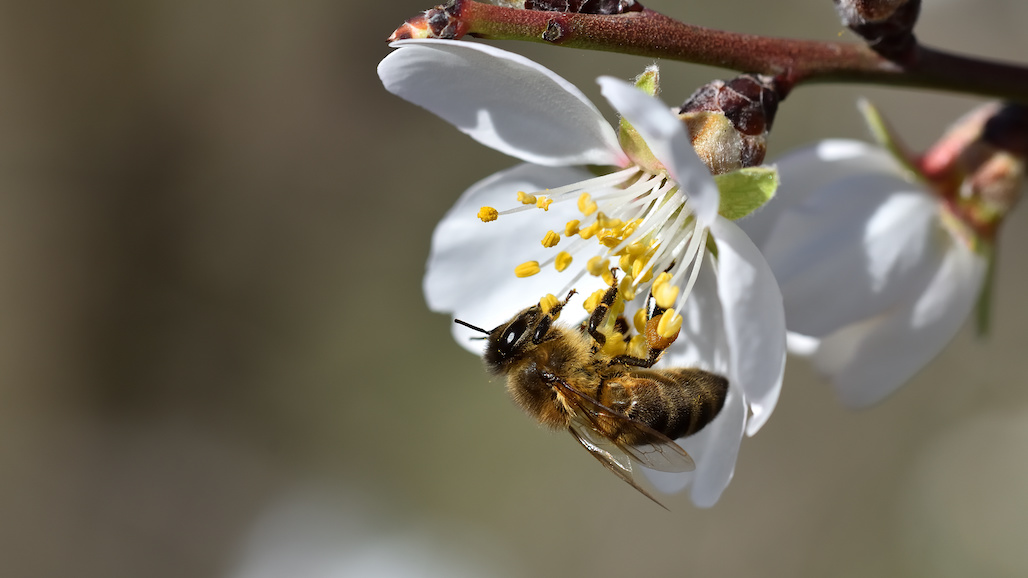
    Almond Board of California — Honey bees and almonds form a partnership designed by nature. They both evolved in the same Mediterranean region and help each other prosper.

    Pollinators are responsible for one out of every three bites of food we consume, beyond just almonds.

    Just like almonds are a nutritious snack for us, almond pollen is very nutritious for honey bees, providing all 10 of the essential amino acids their diets require.

    When almond trees bloom, bees get their first nutritious food source of the year as they pollinate almond orchards. Bee hives regularly grow in strength and size during almond bloom and consistently leave stronger than when they arrived.

    Research by the U.S. Department of Agriculture released in June 2021 found that amygdalin – a naturally occurring compound in the nectar and pollen of almond trees – can reduce honey bee viruses and gut parasites, which are some of the leading threats to bee health and colonies.

    Every almond you eat comes from a flower once pollinated by a bee.

    California’s almond bloom is the largest pollination event annually in the world, with beekeepers from most US states supplying nearly a million beehives (close to half the beehives in America) for this event.

    Each almond flower is receptive to pollen for one to three days.

    Almond trees produce roughly 20,000 blossoms, depending on size and variety.

    Bees have furry little bodies and legs – honey bees have almost 3 million tiny hairs on their bodies – so pollen sticks to them like lint on a black sweater. They carry the pollen back to their hive, but some drops off onto other flowers or blows to almond blossoms in the breeze.

    Bees can often strip an almond orchard of pollen by midafternoon on many days, collecting all the pollen available then moving to neighboring flowers and landscape before returning to the hive before night. Then, orchards produce a new pollen crop every day, so the cycle continues until the orchard finishes flowering.

    Some orchards have more than 6 million flowers per acre during bloom. Thanks to ideal Central Valley weather, supportive bee work and good orchard management, often 25%-30% of those flowers become the almonds that you eat.

    Bloom lasts about 2-3 weeks per variety, and because most orchards have more than one variety, an average bloom lasts about six weeks through a whole orchard.

    Honey bees are major pollinators on which we depend, but native pollinators, including butterflies and other bee species and insects are also essential.

    The California almond community has funded over 100 research projects supporting honey bees, more than any other crop group.

    The California almond community works hard in the orchard to support honey bee health during bloom and beyond.

    The almond community’s five-point Pollinator Protection Plan outlines steps farmers are taking in their orchards to keep bees safe during bloom as well as how they’re supporting honey bee health all year round.

    The Almond Board of California established Honey Bee Best Management Practices (BMPs) for California almond growers using research insights and in partnership with universities, government agencies, nonprofits and other institutions. The Bee BMPs provide key recommendations to help keep orchards orchard a safe place for honey bees, protect the developing crop, and give hives the opportunity to grow.

  • Wonderful Pistachios No Shells Wins Good Housekeeping 2022 Healthy Snack Award

    Wonderful Pistachios No Shells Wins Good Housekeeping 2022 Healthy Snack Award

    Wonderful Pistachios No Shells is thrilled to announce the latest awards received for two of its No Shells flavors, BBQ and Chili Roasted. Both No Shells flavors have both been selected as a Good Housekeeping 2022 Healthy Snack Awards winner. As the highest protein snack nut, Wonderful Pistachios contain six grams of protein per serving and are a healthy way to fuel, with zero guilt.

    • Wonderful Pistachios No Shells BBQ – Savor the taste of summer all year long with Wonderful Pistachios No Shells BBQ. Exploding with hickory-smoked flavor and dashed with garlic, paprika, and salt, Wonderful Pistachios No Shells BBQ are an irresistible mix of sweet and smoky.
    • Wonderful Pistachios No Shells Chili Roasted – Turn up the heat with Wonderful Pistachios No Shells Chili Roasted. Wonderful Pistachios No Shells Chili Roasted are bursting with the big, bold flavors of red pepper, garlic, and vinegar to tingle your tongue and keep you craving more.

    The Good Housekeeping 2022 Healthy Snack Awards highlights innovative snacks in the food space that meet the publication’s nutritional criteria (including caps on per-serving calories, sugar, and sodium). Good Housekeeping’s in-house registered dietitian and team of nutrition experts in the Good Housekeeping Institute’s Nutrition Lab rigorously analyzed ingredient lists, Nutrition Facts labels, packaging claims and flavor profiles of hundreds of snacks to find the best of the best. Consumer testers also weighed in on taste and provided additional real-life analysis.

    Wonderful Pistachios No Shells are available nationwide in-stores, as well as online. For delicious recipe inspiration, visit our website.