Category: Industry News

  • Almond Board Fueling Farm of the Future with $5.9 Million Research Investment

    Almond Board Fueling Farm of the Future with $5.9 Million Research Investment

    The Almond Board of California (ABC) today announced an investment of $5.9 million dollars in 85 independent research projects exploring next-generation farming practices. With this commitment, the California almond community has invested $89 million in research since 1973 to build a foundation of knowledge on responsible farming practices, food quality and safety and almonds’ impact on human health.

    A tangible example of the almond community’s commitment to continuous improvement, the Almond Orchard 2025 Goals, launched in January 2019, will leverage this research as farmers strive to meet measurable objectives with the goal of growing almonds in better, safer and healthier ways. The Almond Orchard 2025 Goals Roadmapreleased todayoutlines the almond community’s sustainability journey in four goal areas, as well as the metrics that the industry’s progress will be measured against.

    “The California almond community takes a long-term view of success based on respect for the land and local communities. Earlier this year, the California almond community set four ambitious goals aligning with our vision to make life better by what we grow and how we grow,” says Holly King, chair of the Almond Board of California. “The Almond Orchard 2025 Goals build on decades of progress, fueled by research. Fulfilling these commitments will require hard work, dedication and resources, including funding independent research to test new technologies and sharing the results as these approaches are proven.”


    Further Reducing the Water Used to Grow Almonds  

    Of this year’s projects, ten focus on water with an investment of $678,000. Since 1982, California almond farmers have committed $8.1 million dollars to 221 different water research projects spanning irrigation efficiency, groundwater recharge and water quality. Together this investment has helped reduce the amount of water needed to grow each pound of almonds by 33 percent over the past 20 years.[1] By 2025, the California almond community commits to reducing the amount of water used to grow a pound of almonds by an additional 20 percent.

    Progress towards this goal is being measured against almond farmers’ annual irrigation water applied per unit of crop yield. While 77 percent of almond farms utilize efficient microirrigation,[2] nearly double the 42 percent average for California farms, further improvements are underway. ABC is working with farmers to support their progress up the Almond Irrigation Improvement Continuum, a roadmap created by irrigation experts that outlines key irrigation management practices and how to achieve increasing levels of precision in each area.

     Achieving Zero Waste by Using Everything the Orchard Grows

    Almonds grow in a shell, protected by a hull, on a tree, and the California almond community ensures that each of these coproducts is put to beneficial use. Since 1977, ABC has funded 79 research projects totaling $3.5 million exploring the best ways to utilize these materials, establishing traditional uses such as dairy feed, livestock bedding, and electricity generation. Thirteen new studies have been funded this year with a commitment of $607,000 dollars to determine how almond coproducts may address needs in other sectors, with promising leads in strengthening recycled plastics, creating biofuel and more. By 2025, the California almond community commits to achieving zero waste in orchards by putting everything grown to optimal use.

    Given that almond coproducts are widely utilized already, progress toward this goal focuses on reducing the industry’s environmental footprint and adding value – economically and environmentally – via three key measures. These include: 1) significant increases in recycling trees into the soil when an orchard is removed, using the trees’ woody biomass to build healthier soils and address climate change via increased carbon sequestration, 2) diversifying applications for hulls and shells beyond current uses in the California dairy industry and 3) the effective elimination of open burning as a means to dispose of woody biomass.

    Additional Opportunities for Innovation

    In addition to water sustainability and coproduct utilization, investing in research has also resulted in significant advancements in the areas of nutrient management, air quality and honey bee health. For example, farmers work closely with beekeepers and follow research-based best practices to ensure the safety of honey bees, essential to pollinating almonds. ABC has funded more research related to honey bee health than any other crop group,[3] with 125 projects funded to date. This year, California almond farmers have added to that investment with five new research projects totaling $336,000.

    “I often think of us as surfers,” said ABC chair, Holly King. “Surfers are strategic about where to catch a wave, and we’ve done that over the years with our research investments, catching the wave that will bring the greatest return. Today’s investment will not only help farmers grow almonds more efficiently, but also ensures we’re solidly riding the wave to a more sustainable farm of the future.”

    ABC research projects are funded through an assessment placed on each pound of almonds grown in California. After review by third-party research advisors and workgroups focused on distinct almond farming topics, projects are selected by a committee of almond farmers and processors based on strategic alignment to industry needs and anticipated impact of the research.

    For more information about ABC’s 46 years of almond farming and environmental research, and to explore how this research supports the California almond community in growing the farm of the future, visit Almonds.com/GrowingGood.

     About the Almond Board of California

    California almonds make life better by what we grow and how we grow. The Almond Board of California promotes natural, wholesome and quality almonds through leadership in strategic market development, innovative research, and accelerated adoption of industry best practices on behalf of the more than 7,600 almond farmers and processors in California, most of whom are multi-generational family operations. Established in 1950 and based in Modesto, California, the Almond Board of California is a non-profit organization that administers a grower-enacted Federal Marketing Order under the supervision of the United States Department of Agriculture. For more information on the Almond Board of California or almonds, visit Almonds.com or check out California Almonds on FacebookTwitterPinterestInstagramand the California Almonds blog.
  • Five Ways USDA Farm Service Agency Can Support Farmers Impacted by Wildfires

    Five Ways USDA Farm Service Agency Can Support Farmers Impacted by Wildfires

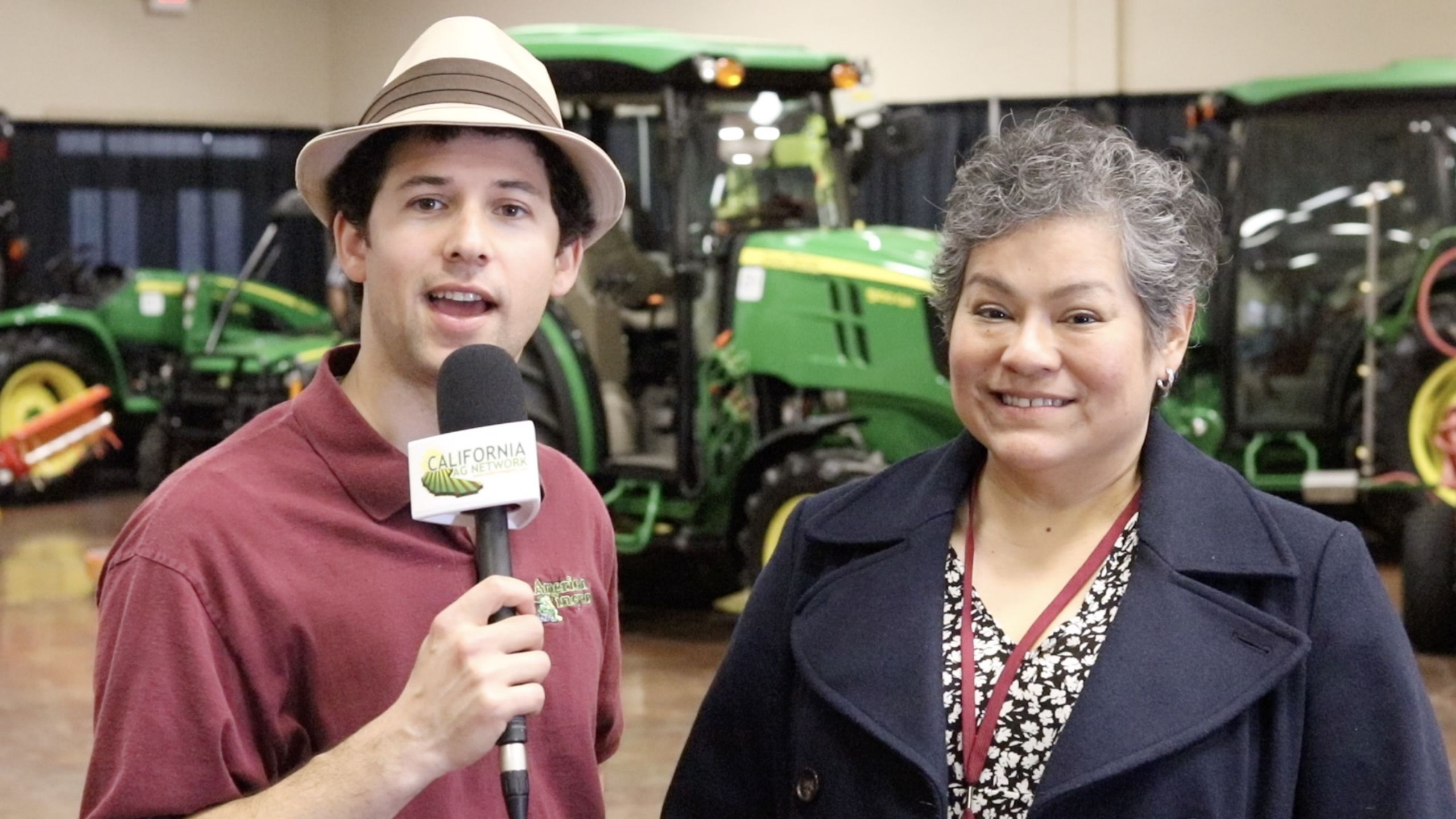
    Whether you’ve experienced wildfire damage on the farm or other disasters, disease outbreaks on your trees and vines — the USDA-Farm Service Agency has a program to support you. Watch this brief interview with Farm Service Agency California representative Lisa Velasquez as she explains some of these programs to get involved in.

    Please thank our sponsor Duarte Nursery for their industry support and see them at their booth at Unified Wine & Grape Symposium in Sacramento, February 4-6 (Booth P1842).

  • How Far $3.6 Million Ag Trade Promotion Funding Goes To Boost California Walnuts

    How Far $3.6 Million Ag Trade Promotion Funding Goes To Boost California Walnuts

    In addition to the normal domestic and international trade promotions funded through the California Walnut Board and Commission, the industry received an additional $3.6 million from the government through the ATP program.  Watch this brief interview with Claire Lee to see how this funding is being used to boost California walnut sales and how growers can receive additional funding through the trade mitigation program.

    Please thank our sponsor Duarte Nursery for their industry support and see them at their booth at the California Almond Conference in Sacramento, December 10-12.

  • Improving Chill Accumulation to Boost Pistachio Yields

    Improving Chill Accumulation to Boost Pistachio Yields

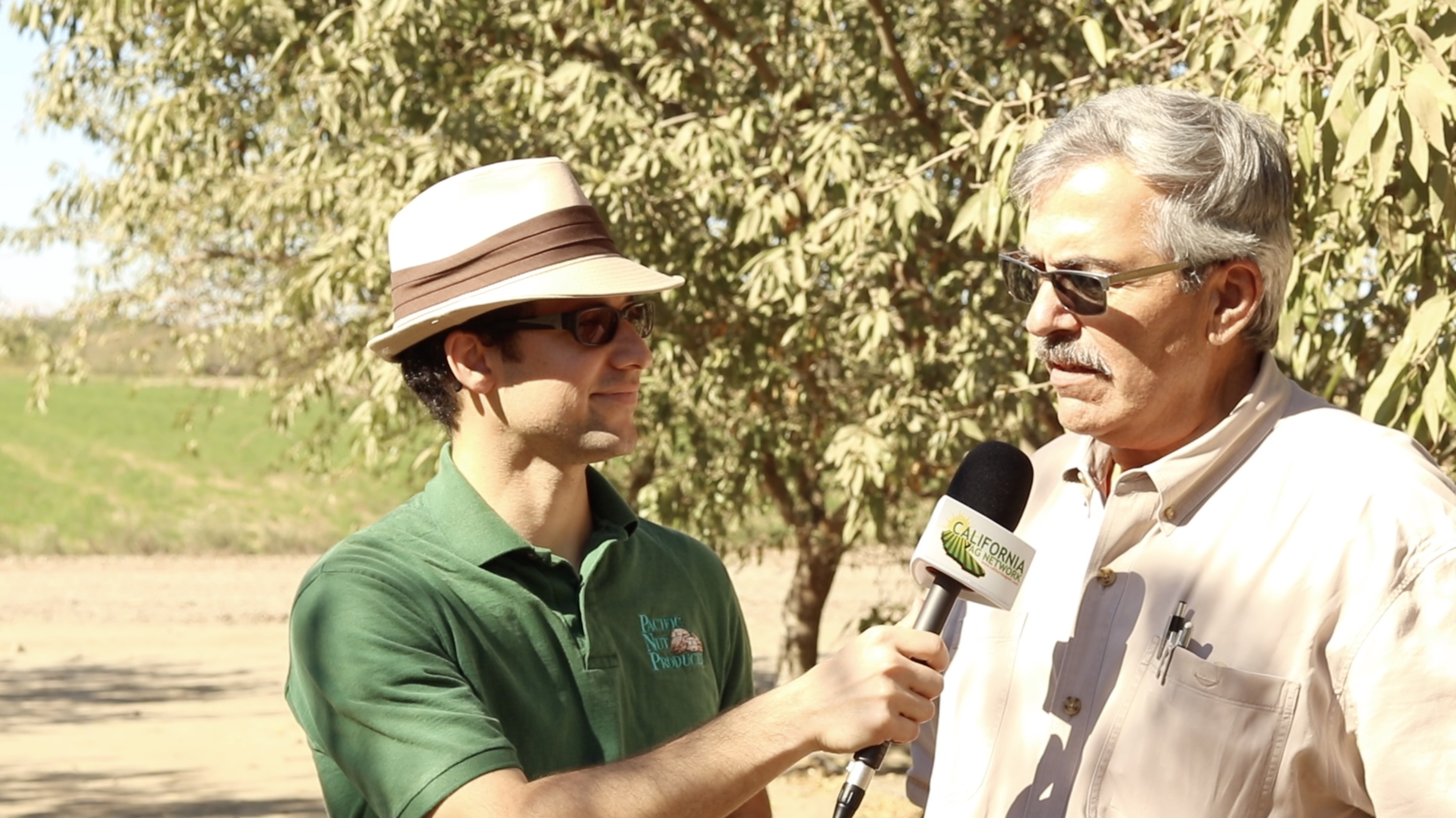
    Hoping to have a good winter, but concerned about chill accumulation in your pistachio orchard? Although you can’t control the weather, there are some things you can do to enhance chill accumulation in your orchard. Watch this brief interview with Gurreet Brar, pistachio plant physiologist at Fresno State, as he shares some insights based on his grower presentation at Malcolm Media’s annual Grape, Nut & Tree Fruit Expo.  Read more about in Pacific Nut Producer Magazine.

    Please thank our sponsor Duarte Nursery for their industry support and see them at their booth at the California Almond Conference in Sacramento, December 10-12.

  • The Truth Behind Fluctuating Walnut Prices & What Growers Need to Know

    The Truth Behind Fluctuating Walnut Prices & What Growers Need to Know

    In a special State of the Walnut Industry panel discussion at Malcolm Media’s annual Grape, Nut & Tree Fruit Expo in Fresno, Mike Poindexter, CEO of Poindexter Nut Company pointed out to growers that the trade war isn’t responsible for the decline in walnut prices in recent years, but the perception of its impact on the walnut industry might be.  Providing a global outlook of supply and demand trends, Poindexter shared his insights on the market as well as his optimism for the future.  Watch this brief interview and read more about in Pacific Nut Producer Magazine.

    Please thank our sponsor Duarte Nursery for their industry support and see them at their booth at the California Almond Conference in Sacramento, December 10-12.

  • Economic & Pest Damage Year in Review for California Pistachios

    Economic & Pest Damage Year in Review for California Pistachios


    What kinds of damage/losses did California pistachio growers incur this year? How was Navel Orangeworm, the industry’s most formidable pest? How about the international trade war? Can pistachios growers still get trade mitigation funding? Watch this brief video with American Pistachio Growers’ Executive Director Richard Matoian and read more about in Pacific Nut Producer Magazine.

    Please thank our sponsor Duarte Nursery for their industry support and see them at their booth at the California Almond Conference in Sacramento, December 10-12.

  • Pistachio Supply & Demand Trends with Richard Matoian — Record Shipments

    Pistachio Supply & Demand Trends with Richard Matoian — Record Shipments


    At Malcolm Media’s annual Grape, Nut & Tree Fruit Expo, Richard Matoian reported record high shipments of American pistachios in his State of the Pistachio industry address, despite the ongoing international trade dispute. Although this year is an “off-year” for the California pistachio industry, growers still managed to deliver large yields this season.  Watch this brief video with the Executive Director at American Pistachio Growers and read more about in Pacific Nut Producer Magazine.

    Please thank our sponsor Duarte Nursery for their industry support and see them at their booth at the California Almond Conference in Sacramento, December 10-12.

  • Farm Bureau Thanksgiving Survey Shows Average Cost of Holiday Meal Up One Cent From Last Year

    Farm Bureau Thanksgiving Survey Shows Average Cost of Holiday Meal Up One Cent From Last Year

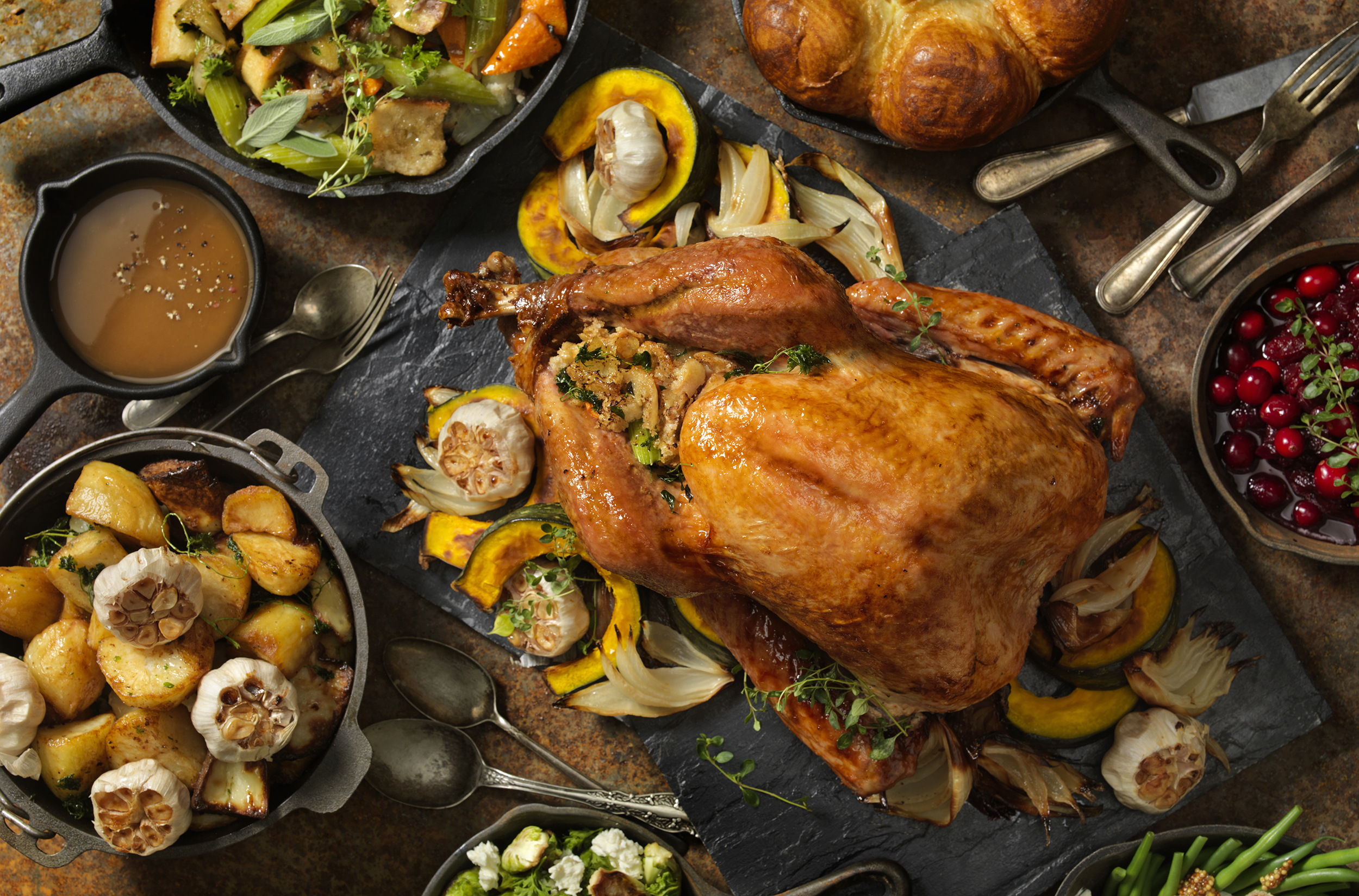
    The American Farm Bureau Federation’s 34th annual survey of classic items found on the Thanksgiving Day dinner table indicates the average cost of this year’s feast for 10 is $48.91, or less than $5.00 per person. This is a 1-cent increase from last year’s average of $48.90.

    The centerpiece on most Thanksgiving tables – the turkey – costs slightly less than last year, at $20.80 for a 16-pound bird. That’s roughly $1.30 per pound, down 4% from last year. The survey results show that retail turkey prices are the lowest since 2010.

    The shopping list for Farm Bureau’s informal survey includes turkey, stuffing, sweet potatoes, rolls with butter, peas, cranberries, a veggie tray, pumpkin pie with whipped cream, and coffee and milk, all in quantities sufficient to serve a family of 10 with plenty for leftovers.

    Although the overall average cost of the meal was about the same this year, there were some price changes for individual items. In addition to turkey, foods that showed slight price declines include cubed bread stuffing and canned pumpkin pie mix. Foods showing modest increases this year included dinner rolls, sweet potatoes and milk. After adjusting for inflation, the cost of this year’s Thanksgiving dinner is $19.13, down slightly from last year.

    Despite the growing popularity of prepared foods, the vast majority of Americans, 92%, celebrate Thanksgiving at home or at a family member’s home and most cook their entire meal at home, according to the survey.

    More than 250 volunteer shoppers checked prices at grocery stores in 38 states for this year’s survey. Farm Bureau volunteer shoppers are asked to look for the best possible prices, without taking advantage of special promotional coupons or purchase deals.

    The AFBF Thanksgiving dinner survey was first conducted in 1986. The informal survey provides a record of comparative holiday meal costs over the years. Farm Bureau’s classic survey menu has remained unchanged since 1986 to allow for consistent price comparisons.

    By The American Farm Bureau Federation

  • California Almond Harvest Update with Blue Diamond Growers

    California Almond Harvest Update with Blue Diamond Growers

    California almond harvest is almost complete for the 2019 crop. Growers have enjoyed a nice harvest season with minimal pest damage, but what can we expect this year as far as crop size and quality?  Watch this brief interview with Blue Diamond Growers’ Mel Machado, and don’t miss the annual State of the Almond Industry address at the Tree & Vine Expo in Turlock on Nov. 12th and the Grape, Nut & Tree Fruit Expo in Fresno on Nov. 19th.

    Please thank our sponsor Duarte Nursery for their industry support by visiting them at their booth at the following November Events: Tree & Vine Expo, the Grape, Nut & Tree Fruit Expo & Blue Diamond Growers Annual Membership Meeting.

  • Finding Truth & What to Do Amidst the Controversy Over Crop Protection Materials “Pesticides”

    Finding Truth & What to Do Amidst the Controversy Over Crop Protection Materials “Pesticides”

    Agriculture and the science of crop protection materials is too often misunderstood by the public and is under constant attack by extremists in the political arena. As legislation and jurisdiction begins to more commonly ignore sound science in their decision-making, farmers are rightfully concerned about the future of agriculture and what may or may not be in their power to make a difference in protecting their freedom to utilize these valuable tools.  Watch this brief interview with Jay Vroom, former CEO of CropLife America as he shares some insights.

    Please thank our sponsor Duarte Nursery for their industry support by visiting them at their booth at Malcolm Media’s Annual Grape Grower Expos next month.