Category: Industry News

  • China Ramps Up Walnut, Macadamia & Pecan Production (Struggles with Almonds & Pistachios)

    China Ramps Up Walnut, Macadamia & Pecan Production (Struggles with Almonds & Pistachios)

    China’s in-shell walnut production is forecast at 1.02 MMT in 2020/21, an increase of 2 percent from the previous year, supported by a good harvest in the country’s top two producing provinces. Walnut imports will continue to decline as a result of increased local production. Almond and pistachio imports from the United States are expected to rebound due to improved supplies and the implementation of a tariff exclusion process.

    Production

    Walnuts

    China’s walnut production (in-shell basis) is forecast at 1.02 million metric tons (MMT) in marketing year (MY) 2020/21 (September-August), an increase of 2 percent from the previous year. This is driven by a bumper harvest in Xinjiang and Yunnan, the country’s two leading walnut-producing provinces due to favorable growing conditions. Walnut quality is also expected to improve, according to walnut dealers in Yunnan. Although northern walnut-producing areas, including Shanxi, Shaanxi, Hebei, and Gansu provinces, encountered severe frost damage during the blossom period, FAS China forecasts the crop losses are offset by production gains in Xinjiang and Yunnan. Furthermore, weather anomalies have led to smaller walnut sizes in these northern provinces. With more plantings entering the bearing stage, the country’s walnut production is forecast to continue increasing for years to come.

    In recent years, walnut planting area expanded driven by high walnut prices and government support programs in mountainous and hilly areas. In MY 2019/20 planting area declined as walnut prices declined. In MY 2020/21 industry sources indicated certain areas with walnut production will not be harvested due to low walnut prices and a lack of consumer demand for particular varieties. In Yunnan province, where most harvesting is done by hand, the walnut industry faces ongoing challenges due to increasing labor costs and aging farmers.

    In Xinjiang, however, walnut orchards sit on plains that make the management and harvest much easier. With the rapid expansion of acreage as well as the development of a specialized market and processing facilities, Xinjiang has quickly become the symbol of China’s future walnut industry. Currently, Xinjiang not only produces more than half of the country’s walnuts, but its walnuts are known for their large size and high conversion ratio. Industry sources indicate that Xinjiang walnut varieties have a much higher kernel content than their counterparts in other walnut-producing countries. However, very few local walnut varieties compete with popular global varieties such as Chandler from the United States and Chile that feature lighter kennel color and less bitter taste.

    Chinese walnut production was not affected much by the COVID-19 outbreak that interrupted farming activities and road transportation for other agricultural products. Specifically, the MY2020/21 walnut harvest began in early September after C-19 restrictions had been lifted and those walnuts grown in mountainous regions do not require ongoing care prior to harvest

    Almonds

    According to industry sources, China’s shelled almond production is forecast at 45,000 MT in MY2020/21 (August-July), unchanged from the previous year due to normal growing conditions. Shache county in southern Xinjiang produces more than 95 percent of the country’s almonds.

    Almond acreage has stabilized at around 63,000 hectares from the rapid expansion over the past few years, which was encouraged by the local government. However, almond yield has been low in the absence of proper crop management and agricultural inputs. In addition, Xinjiang almonds cannot compete with popular varieties such as Nonpareil. Therefore, almonds produced in Shache are exclusively sold within Xinjiang.

    Pistachios

    According to an industry report, China’s pistachio production (in-shell basis) is forecast at around 500 MT in MY2020/21 (September-August). According to industry sources, not many pistachio plantings are bearing fruit and yield remains low due to a lack of proper farming technology. Most pistachios are planted in southern Xinjiang for experimental purposes by private companies. It will take some time before suitable locations and varieties are identified for the Chinese pistachio industry.

    Other nuts – Macadamia, Hazelnut, and Pecan

    According to data released by the International Nut and Dried Fruit Council (INC), China’s Macadamia nut production (in-shell basis) is forecast at 30,400 MT in MY 2020/21 (September-August). INC forecasts the country’s shelled macadamia nut production at 5,000 MT in MY 2020/21. China’s macadamia nut industry is developing quickly. Industry reports indicate that planted area, currently estimated at 240,000 hectares, is projected to reach 300,000 hectares by 2030. Macadamia nuts are planted primarily in mountainous areas of Yunnan province and on the plains of Guangxi. Guangdong is reportedly increasing the size of their macadamia nut plantations.

    Hazelnut production (in-shell basis) is forecast at 40,000 MT in MY 2020/21 (September-August), including 10,000 MT of hybrid varieties (similar to European varieties) and 30,000 MT of wild varieties (much smaller in size), according to an industry report. The planted area of commercially cultivated hazelnuts (hybrid varieties) is estimated at 80,000 hectares, mainly located in Liaoning, Heilongjiang, Jilin, and Shandong provinces. The area of wild hazelnut species is estimated at 75,000 hectares, spreading in mountainous and hilly areas across northeast China (Heilongjiang, Jilin and Liaoning) and north China (Shandong, Inner Mongolia, Hebei, and Shanxi).

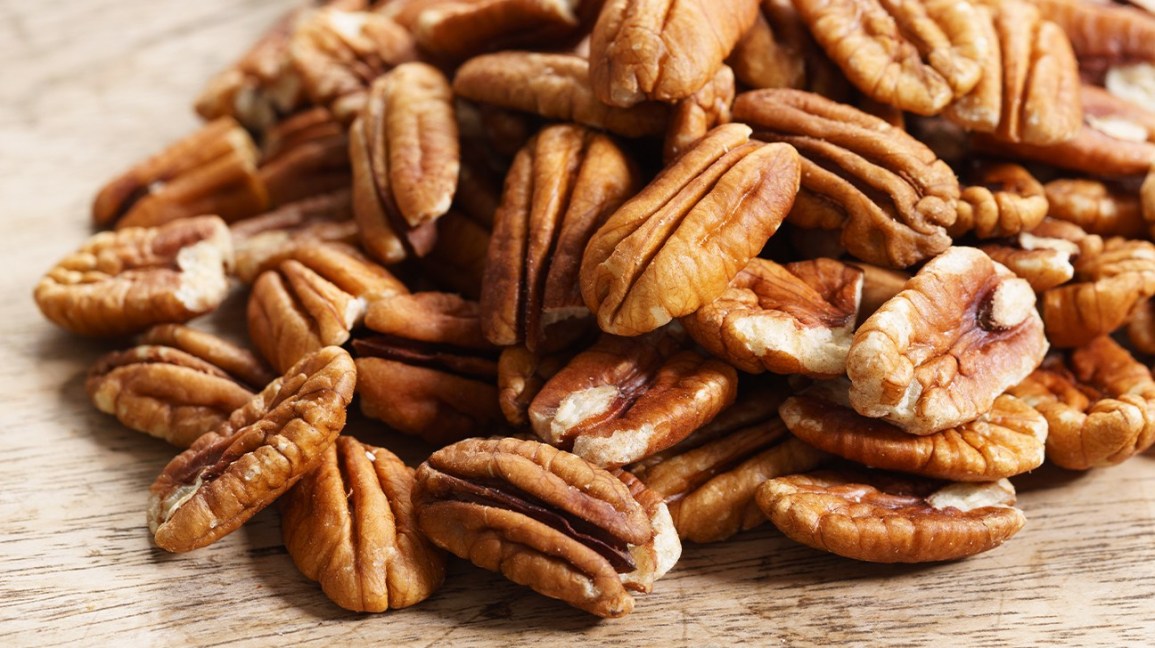
    Pecan production (in-shell basis) is forecast at 1,000 MT in MY 2020/21 (September-August), doubled from the previous year on increased bearing, according to an academic report. The country’s pecan acreage, which is currently estimated at nearly 67,000 hectares, has expanded quickly in the past few years in Yunnan, Anhui, and Jiangsu provinces. Pecan plantations are also spreading into other provinces including Shandong, Zhejiang, Jiangxi, Hunan, and Guangxi, according to the report. Most pecan orchards have not entered the stage of bearing. It is too early to predict whether China will become a major pecan producer. 

    Prices

    As the new marketing year has just begun, farm gate prices for in-shell walnuts are quoted at RMB 13.5 ($1.98) per kilo in Yunnan, the second largest walnut producing province, down more than 20 percent from the same period of last year, according to Yunnan walnut traders. China’s walnut prices have gone down in recent years as production keeps increasing. The outbreak of Covid-19 in early 2020 has put additional downward pressure on walnut prices due to slow movement of stocks following the closure of wholesale/wet markets and processing facilities.

    Consumption

    Tree nut consumption has continued increasing in tandem with rising incomes and a growing health consciousness among Chinese consumers. Per capita disposable income increased by 8.9 percent in 2019, according to the National Bureau of Statistics. Tree nuts, known for their nutritional benefits, are consumed on more occasions such as during travel, at tea breaks, and as meal replacements. However, the outbreak of Covid-19 in January 2020 seriously affected offline tree nut sales following suspension of processing facility operations, closure of retail outlets, and missing of social activities, including travel, gatherings, and gifting giving.

    As the pandemic situation has improved in China, tree nut consumption is expected to recover. A national health survey reports that the pandemic has enhanced the importance of a healthy diet in people’s lifestyle. Consumer research indicates that young professionals, a target audience for the product, view tree nuts as healthy and nutritious. Meanwhile, many nut manufacturers have stepped up their marketing efforts. New products such as cereals, probiotics, and cookies have emerged on the market and manufacturers have developed nut products with new flavors such as herb and green tea. As a result of these marketing efforts, tree nut consumption will likely expand.

    Trade

    Import

    China’s tree nut imports declined in the first half of 2020 due to the Covid-19 outbreak across the country that led to reduced buying interests and a disruption in logistics. The tree nut prices on the world market also fell significantly due to weak demand. Tree nut imports are expected to pick up in MY 2020/21 as economic and social activities resume in China.

    China’s pistachio imports are likely to increase in MY 2020/21 (September-August) on anticipation of greater available supplies from the United States and the tariff exclusion process put in place since March 2020 (see Policy). If so, the United States could regain the seat of being China’s largest pistachio supplier as sources expect the crop from Iran to drop by 15 percent this year.

    Similar to the pistachio situation, China’s almond imports from the United States are expected to rebound in MY 2020/21 (August-July) in anticipation of a bumper harvest, record low U.S. almond prices, the implementation of a tariff exclusion process and an improved pandemic situation in China.

    Walnut imports will continue to decline in MY 2020/21 (September-August) on increased local production. The United States remains the largest walnut supplier to China even though the volume has been declining since 2012 when local production started to boom. The retaliatory tariffs effective since April 2018 have made U.S. walnuts even less competitive. The market share of Chilean walnuts is quickly catching up, taking advantage of a bilateral Free Trade Agreement.

    Export

    China’s walnut exports are forecast to continue increasing moderately in MY 2020/21 (September- August) given much lower local prices. Although some buyers have reportedly postponed their purchase orders in the wake of the Covid-19 outbreaks, demand is expected to gradually recover, according to Chinese walnut processors. China has quickly become a major walnut supplier on the world market since its production jumped sharply in MY 2017/18. China exported more than 122,000 MT of walnuts (in-shell basis) in 2019, an increase of more than 240 percent on a yearly basis, according to China Customs data. The country exports mainly in-shell walnuts to Kyrgyzstan, Turkey, and Pakistan. Shelled walnuts are shipped to Kyrgyzstan, Russia, and Japan.

    The export volume of Chinese macadamia nuts is on the rise. China’s exports of macadamia nuts have shown a consistent upward trend with MY 2020/21 forecast to reach 4,000 MT (in-shell basis). Australia remains the single largest buyer of Chinese shelled macadamia nuts, while the United States has outpaced Japan typically the second largest buyer, of in-shell macadamia purchases.

    Policy

    China’s State Council Tariff Commission (SCTC) announced a reduction in the retaliatory Section 301 tariffs on U.S. agricultural products as of February 14, 2020 (see GAIN report CH2020-0016). As a result, the import tariff collected on U.S. tree nuts would be lower (see table below for details). In addition, the SCTC launched a tariff exclusion process on March 2, 2020 where importers could apply for tariff exclusions on specific consignments from the United States. If an exclusion application is successfully approved, the Section 301 tariffs imposed on U.S. products, including certain tree nuts, would be exempted for a year from the date of approval (refer to GAIN report CH2020-0017).

    Marketing

    Tree nuts defy the economic downturn in 2020

    The China Native Foodstuffs Association in its 2019 China Tree Nut Industry Report estimated that the consumption of snack foods will reach RMB 1.2 trillion (U.S. $177 billion) by the end of 2020. Tree nut consumption accounts for 15 percent of the snack food category. Tree nuts are the fastest growing snack in China compared to traditional snack foods. Tree nuts are regarded as a heathy option as more customers seek to reduce their starch and sugar intake. Sources indicate that tree nuts are likely to gain market share from snacking alternatives including puffed or extruded foods, confectionary items, and preserved snack foods.

    The Covid-19 outbreaks effected retail sales of tree nut products, however e-commerce platforms showed strong demand for tree nut purchases. For example, one of China’s largest tree nut processors and retailers, which operates a large online presence reported 16.4 percent year over year revenue growth during this period.

     Competition

    In the past 30 years, the tree nut marketing industry in China has transformed from regional brands and regional trade, to fierce national competition in online and offline formats. South China remains an important distribution point for primarily imported tree nuts, while large snack food companies have developed in East China. The five largest national tree nut snack brands include: Be & Cheery (Zhejiang Province), Three Squirrels and QiaQia Foods (Anhui Province), Bestore (Hubei Province), and Wolons (Shandong Province).

    National tree nut snack brands in China compete in their product mix and distribution channels. E- commerce accounts for an overwhelming percentage of sales for the top Chinese tree nut companies. Tree nuts are either sold as sole product lines or incorporated in dried fruit or candy packaged product lines.

    Consumers

    According to industry research, 26 – 35-year-olds make up around 56 percent of tree nut consumers. This group has high disposable income, interest in diverse foods, and a high repurchase rate.

    While most popular in first and second tier cities, tree nut sales have grown in third and fourth tier cities as consumers increasingly adopted, and companies expanded, e-commerce sales platforms amid the Covid-19 outbreak. The use of e-commerce platforms in these third and fourth tier city markets increased about 21 percent since 2018. The same demographic of tree nut consumers is also most likely to use e-commerce, and, those in third and fourth tier cities tend to spend more than the average Chinese consumer, providing expanded opportunities for tree nuts.

    Innovation

    Food offerings in China thrive on variety. Research and development in the tree nut industry follows two major trends: variety of flavorings on the same tree nut and optimizing nutrition and storage. Nut companies are increasingly identifying market segments and producing products tailored to that segment. For instance, nuts or nut mixes specially packaged or mixed nuts for breakfast, the gym, or the office and to fulfill consumer needs for pregnant women, people on diets, and office workers.

    Bakery consumption booms

    Imported tree nuts are also used in the Chinese baking industry which has grown by double digits in recent years. The bakery sector in China commonly uses U.S. almonds, walnuts, pecans and pistachios as ingredients in bakery chain breads, cookies, cakes and pastries. The mid-Autumn Festival (October 1-8 in 2020) is peak season for sales of moon cakes; in 2019 moon cake sales reached 19.6 billion RMB (U.S. $2.8 billion). These dense, filled pastries have seen filling innovations in recent years, and tree nuts are a trendy alternative. U.S. tree nut producers could consider research and development cooperation with moon cake producers to expand this seasonal trend in China. — By Alexandra Baych, USDA Foreign Agricultural Service
  • Four Things All Pistachio Growers Should Know This Harvest

    Four Things All Pistachio Growers Should Know This Harvest


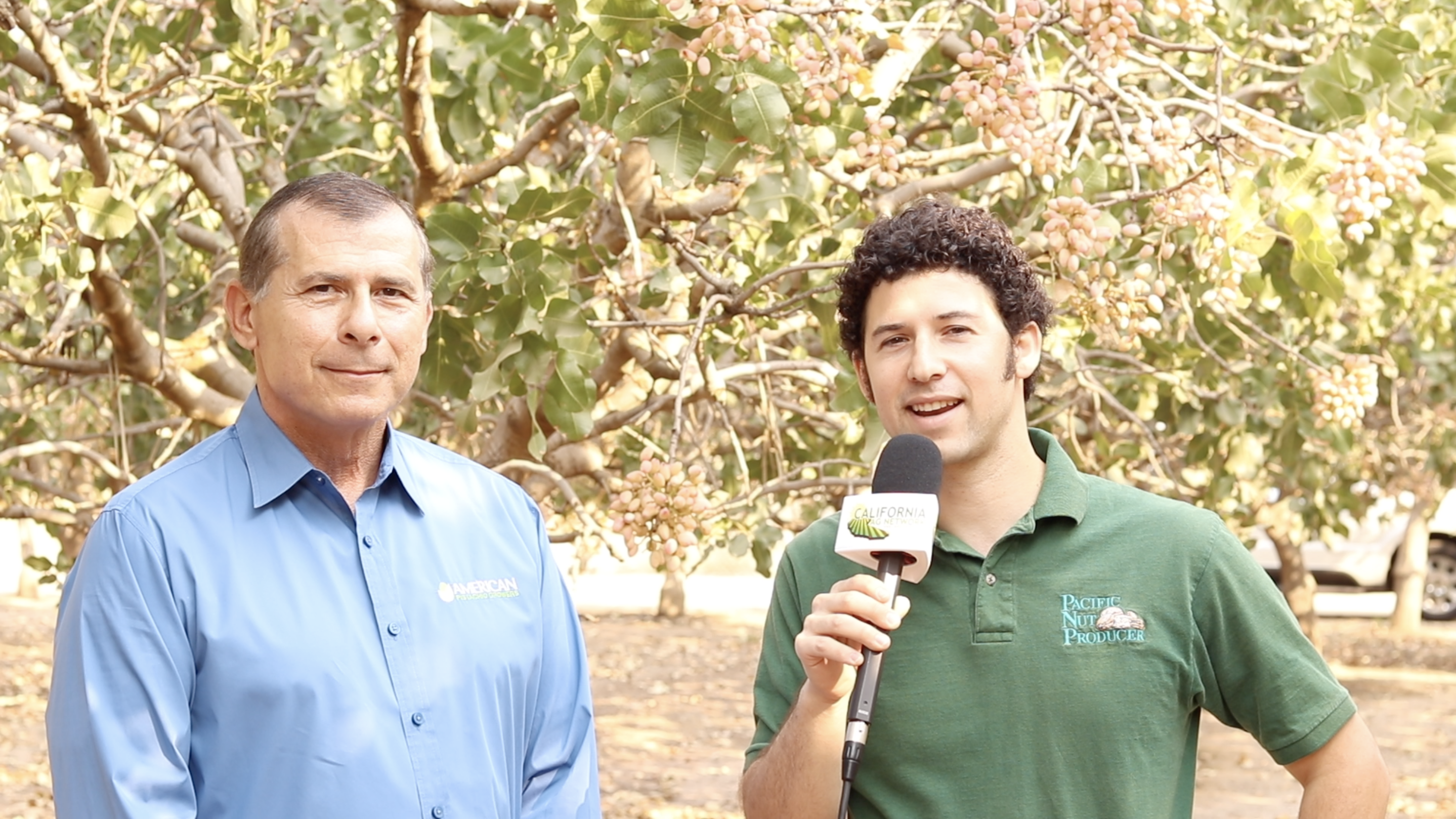
    Are American Pistachio Growers really going to reach their record billion pound crop this year? How have the wildfires impacted the crop/harvest season? What kind of pest pressure levels are growers experiencing this year? What should pistachio growers know about Round II of the Coronavirus Food Assistance Program.  Watch this brief interview with Richard Matoian from American Pistachio Growers to find out and don’t miss his annual State of the Pistachio industry address at the virtual Grape, Nut & Tree Fruit Expo on November 12th.
    Please thank this video’s sponsor Suterra for their industry support.
  • Suterra® Introduces New Puffer® Device – Most Durable Puffer® Yet

    Suterra® Introduces New Puffer® Device – Most Durable Puffer® Yet

    – SPONSORED CONTENT –

    Suterra is the global leader in sustainable pest control. Headquartered in Bend, OR they have the only dedicated pheromone manufacturing facility in the world. Fully integrated, they handle everything from early stage research and formulation to product design and manufacturing. This means Suterra® is able to deliver quality products growers can trust, with consistent chemistry and reliable hardware.

    Purpose-built for agriculture, the new Puffer® delivers precise applications of Suterra’s trusted formulations. The patented new design is the most reliable and easiest to use aerosol device available today.

    Easier to deploy – lighter weight and engineered to make placing the device correctly even simpler.

    Drop-resistant – built with real work applications in mind.

    Single button operation – easy to use with no user programming required.

    Air-tight seal keeps out water and debris – manufactured to withstand challenges of harsh agricultural climates.


    The new device is available in California for Navel Orangeworm, Codling Moth Puffer® products.

    For more information on the new Puffer device or any of Suterra’s other product offerings, please visit their website at www.suterra.com or contact a local Suterra® representative.

  • A Proactive Approach to Orchard Planting

    A Proactive Approach to Orchard Planting

    – SPONSORED CONTENT –

    California’s orchards are a vital part of the local economy, providing over half of the fruits and nuts we consume daily. The caretakers of these orchards work tirelessly to provide us with healthy, nutritious foods. Tree nut growers play a dual role in the health and safety of the communities in which they live, work and play – providing food and promoting safety.

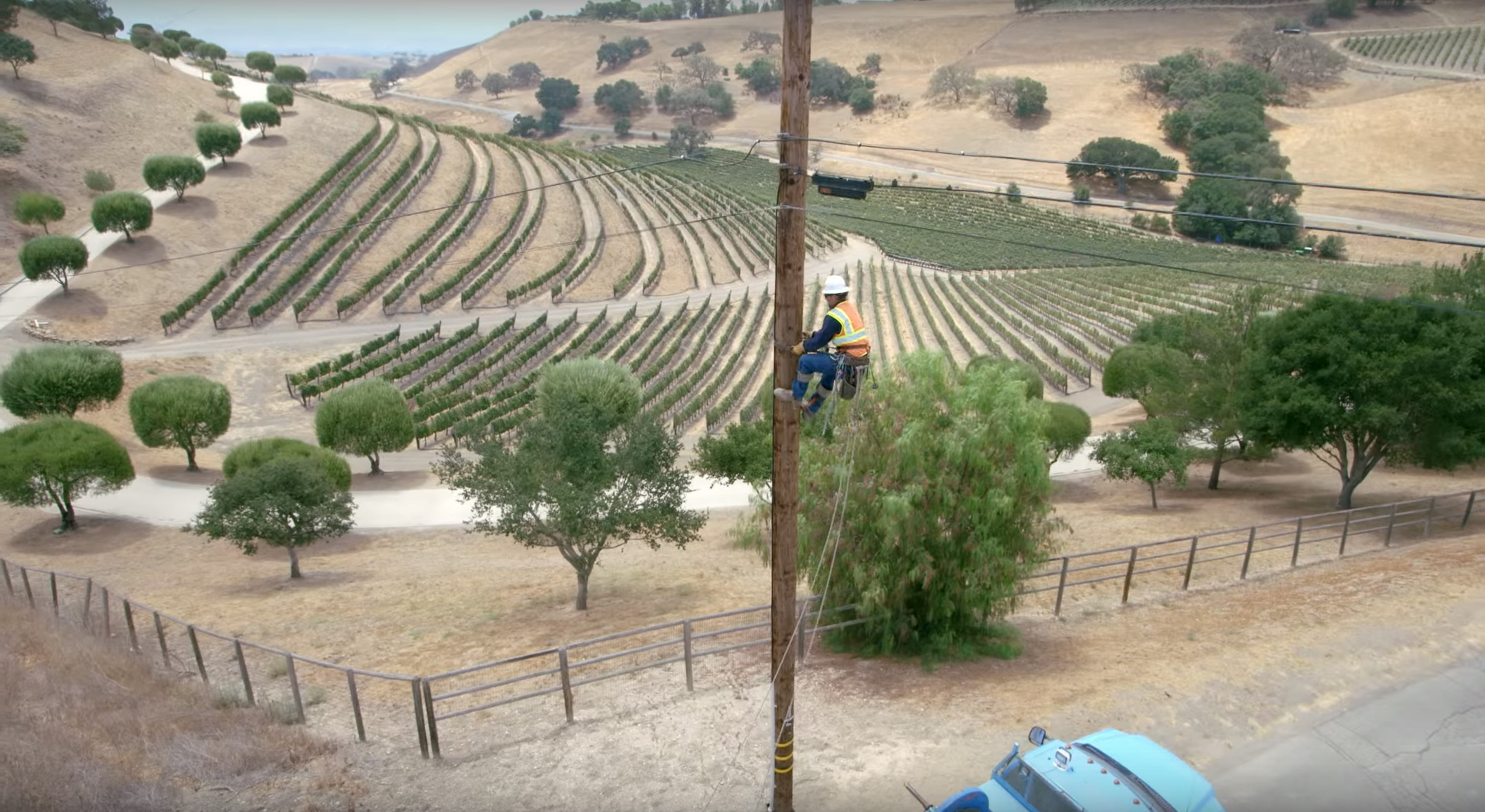
    By planting new orchard trees that are compatible with power lines, growers can ensure safe and reliable power for the 16 million Northern and Central California residents who depend on it.

    Planting a new orchard is an important investment – one that growers consider carefully, after thorough thought and planning. Sometimes, planning new plantings around power lines is a missed step in the orchard planning process.

    Pacific Gas & Electric (PG&E) works with growers to plan before they plant, identifying power line-friendly planting locations early in the orchard planning process to help growers maximize their investment. Together, tree nut growers and PG&E can reach safe solutions that help meet growers’ needs while protecting electric system reliability and making sure California communities remain safe.

    In addition to keeping communities safe, taking a proactive approach to orchard planning helps growers avoid spending needlessly on land in incompatible areas; installing irrigation systems in right of way areas and planting trees that will ultimately require removal.

    Plan Before You Plant resources are available for growers to learn more about the importance of maintaining safe distances from transmission lines. Reach out early in your orchard planning process to schedule a visit to your orchard to have an expert identify power line friendly planting locations near transmission lines.

    For more information, visit www.pge.com/planbeforeplanting or call 1-800-743-5000.

  • Report Provides Data on New Almond Varieties

    Report Provides Data on New Almond Varieties

    Almond Board of California—Innovation always has been part of the almond industry. That includes exciting research about new almond varieties intended to meet the changing needs of consumers, end buyers and fast-growing export markets.

    There are about 70 different varieties of almonds grown around the world. California orchards produce about 30 varieties, though 13 of them – with Nonpareil dominating – account for 98% of what is regularly grown. While other countries may grow multiple other varieties, when it comes to total production California remains on top, producing more than 80% of the world’s almonds and supplying millions of pounds annually to more than 90 export markets.

    Still, California growers and handlers must continue to adapt to provide almonds that satisfy shifting consumer appetites, end-buyer demands and other market forces. What a confectionery business or chocolatier wants in an almond can vary greatly from what someone snacking in India or China wants, which can differ largely from what a company producing almond milk in the U.S. wants.

    The diverse uses for almonds and ever-changing preferences continue to influence demand for specific kernel characteristics such as flavor, appearance, shape, texture and color. Similarly, to continue improving not only what we grow but how we grow, the industry is looking into almond varieties that check horticultural boxes, including the ability to produce more pounds per light intercepted and self-compatibility.

    Recognizing the need to constantly innovate and maintain high demand for California almonds, the Almond Board of California (ABC) began funding almond variety development research in the early 1970s and expanded that effort in the late 1980s to include rootstock breeding. Over the past 20 years, this research has delivered five new University of California (UC) varieties – Padre, Sonora, Kester, Winters and Sweetheart – and supported testing of most commercial varieties and rootstocks for overall performance, resistance to pests, diseases and abiotic stresses. The research has kept California on the cutting edge of almond production globally.

    Now, for the first time, decades of data and results from ABC’s first-ever Crack Out Day (an event held last November at which industry members tasted and compared more than 60 almond varieties from around the globe) have been pulled together in a comprehensive breeding report. For growers looking to replant their orchards as well as nurseries and private breeders, the report offers critical information about the performance and potential promise of different almond varieties.

    “The California almond industry is always looking for better and more sustainable almond varieties,” said Sebastian Saa, ABC’s associate director of Agricultural Research. “We’re convinced that through research and innovation, we’ll find varieties that produce not only more pounds of almonds, but also higher quality with reduced management costs and horticultural inputs in terms of water use, pest management and more. As technology and experience advance, it will allow us to discover better, more efficient varieties.”

    Saa listed the following as some of the key takeaways and learnings provided by the report:

    • The growing number of self-compatible varieties being developed globally.
    • Spanish varieties are mostly hard shell, but some new selections are soft shell and should be evaluated in California.
    •  Spanish breeding programs have mastered late-bloom varieties and self-compatibility traits.
    • The Australian breeding program has some varieties that scored very high during Crack-Out Day and should be evaluated in California.
    • Several varieties created by the U.S. Department of Agriculture and UC breeding programs are performing quite well in ongoing trials in California.

    ‘Diversification is key’

    Breeding is an art of balancing improvements while accepting some trade-offs. To define this balance, experts must consider the various segments of the almond industry, starting with the growers, moving to the hullers and shellers, handlers, food companies and then, ultimately, the consumer. As Saa said, “Diversification is key.”

    “Different uses and different needs demand different varieties,” he explained. “When you think about an almond variety for snacking, for example, you think about crunch and strong flavor. But when you think about a variety for almond milk, you’re probably thinking about milder flavors. And if you’re looking for a variety to cover in chocolate, you’re looking for a short but round kernel shape.”

    Nonpareil and other soft-shell varieties dominate the snack segment because of their shape, smooth surface and light blonde color. Mission varieties like Marcona, Butte, Padre and Fritz typically are used for natural roasted and bulk purposes, as well as in candy and chocolate applications. And California varieties like Carmel, Monterey and Wood Colony often are roasted, salted and flavored. They also are good for slicing and slivering.

    Key varietal differences covered in the report include a summary of how many popular almonds grown in California are auto-incompatible, meaning they require cross-pollination between different varieties, and yet how some of the new varieties are self-compatible, requiring no cross-pollination. Another horticultural distinction covered in the report is crack-out percentage and double percentage. California varieties and some Australian varieties have a high crack-out percentage (kernel-to-shell ratio). In addition, the report discusses different varieties’ tendency to produce kernel “doubles,” and finally, maturity rate and its impact on harvest timing is also mentioned. Armed with this knowledge, said Saa, growers can be more flexible and have more operational diversification.

    “If you have only one variety that you need to harvest within a narrow window, you put a lot of demand on your resources at one critical point in time. However, when you have multiple varieties that you can harvest sequentially, you can leverage your equipment and maximize your resources,” Saa said. 


    Looking ahead to the future of breeding

    Creating new almond varieties is a slow and complex process. It can take as long as 15 years to develop a new breed and then another 10 to 15 years to truly test it.

    “Once you develop a variety, you need to see how it performs under differing weather and environmental conditions — and there’s only one harvest per year,” Saa said. “So in order to be confident in a new variety, we need to test during multiple harvests across the valley. Today, we’re trying to do that more efficiently than ever before.”

    To provide a mechanism to evaluate new varieties across the diverse almond-growing regions in the state, the Almond Board began funding long-term and multi-locational Regional Varietal Trials (RVTs) almost 50 years ago. The first trial ran from 1974-1981 and the second from 1993-2006.

    The current RVT – involving orchards in Butte, Stanislaus and Madera counties, all planted with 30 identical varieties – began in 2014. Saa expects the study to last until 2025. ABC coordinates with the UC’s research system on the RVT, and the UC provides important contributions from the leading plant nurseries and private breeders in the state.

    Saa said some important characteristics that researchers will evaluate in RVTs moving forward include:

    • a bloom period that begins no earlier than Nonpareil,
    • self-compatibility,
    • crack-out percentage equal to or more than 40%,
    • percentage of kernel “doubles” equal to or less than 10%, and 
    • increased yield potential.

    Growers interested in ABC’s RVT are encouraged to check out UC Davis’ Fruit & Nut Research & Information Center, as updated information from the ongoing RVT is expected to be published on the center’s website in early 2021.

  • Pistachio Market Research Report & Global Forecast to 2025

    Pistachio Market Research Report & Global Forecast to 2025

    The Global Pistachio Market is expected to grow from USD 3,776.49 Million in 2019 to USD 4,568.00 Million by the end of 2025 at a Compound Annual Growth Rate (CAGR) of 3.22%.  A new pistachio market research report is available for order, with insights from companies such as Meridian Growers LLC, Setton Pistachio of Terra Bella Inc., and Wonderful Pistachios and Almond Company LLC.

    Market Segmentation & Coverage:

    This research report categorizes the Pistachio to forecast the revenues and analyze the trends in each of the following sub-markets:

    On the basis of Product, the Pistachio Market is examined across In-shelled and Shelled.

    On the basis of Ditsribution, the Pistachio Market is examined across Convenience Stores, Modern Trade, and Online Sales.

    On the basis of End User, the Pistachio Market is examined across Bakery & Confectionery, Breakfast Cereals, Dairy Products, Flavored Drink, and Snacks.

    On the basis of Geography, the Pistachio Market is examined across Americas, Asia-Pacific, and Europe, Middle East & Africa. The Americas region is examined across Argentina, Brazil, Canada, Mexico, and United States. The Asia-Pacific region is examined across Australia, China, India, Indonesia, Japan, Malaysia, Philippines, South Korea, and Thailand. The Europe, Middle East & Africa region is examined across France, Germany, Italy, Netherlands, Qatar, Russia, Saudi Arabia, South Africa, Spain, United Arab Emirates, and United Kingdom.

    Company Usability Profiles:

    The report deeply explores the recent significant developments by the leading vendors and innovation profiles in the Global Pistachio Market including Bates Nut Farm, Germack Pistachio Company, Houston Pecan Company, Meridian Growers LLC, Rasha Pistachio Co., Setton Pistachio of Terra Bella, Inc., Sierra Nut House, The Pistachio Co Food Trading LLC, Whistler Foods, and Wonderful Pistachios & Almond Company LLC.

    FPNV Positioning Matrix:

    The FPNV Positioning Matrix evaluates and categorizes the vendors in the Pistachio Market on the basis of Business Strategy (Business Growth, Industry Coverage, Financial Viability, and Channel Support) and Product Satisfaction (Value for Money, Ease of Use, Product Features, and Customer Support) that aids businesses in better decision making and understanding the competitive landscape.

    Competitive Strategic Window:

    The Competitive Strategic Window analyses the competitive landscape in terms of markets, applications, and geographies. The Competitive Strategic Window helps the vendor define an alignment or fit between their capabilities and opportunities for future growth prospects. During a forecast period, it defines the optimal or favorable fit for the vendors to adopt successive merger and acquisition strategies, geography expansion, research & development, and new product introduction strategies to execute further business expansion and growth.

    Cumulative Impact of COVID-19:

    COVID-19 is an incomparable global public health emergency that has affected almost every industry, so for and, the long-term effects projected to impact the industry growth during the forecast period. Our ongoing research amplifies our research framework to ensure the inclusion of underlaying COVID-19 issues and potential paths forward. The report is delivering insights on COVID-19 considering the changes in consumer behavior and demand, purchasing patterns, re-routing of the supply chain, dynamics of current market forces, and the significant interventions of governments. The updated study provides insights, analysis, estimations, and forecast, considering the COVID-19 impact on the market.

    The report provides insights on the following pointers:

    1. Market Penetration: Provides comprehensive information offered by the key players
    2. Market Development: Provides in-depth information about lucrative emerging markets and analyzes the markets
    3. Market Diversification: Provides detailed information about new product launches, untapped geographies, recent developments, and investments
    4. Competitive Assessment & Intelligence: Provides an exhaustive assessment of market shares, strategies, products, and manufacturing capabilities of the leading players
    5. Product Development & Innovation: Provides intelligent insights on future technologies, R&D activities, and new product developments

    The report answers questions such as:

    1. What is the market size and forecast of the Global Pistachio Market?
    2. What are the inhibiting factors and impact of COVID-19 shaping the Global Pistachio Market during the forecast period?
    3. Which are the products/segments/applications/areas to invest in over the forecast period in the Global Pistachio Market?
    4. What is the competitive strategic window for opportunities in the Global Pistachio Market?
    5. What are the technology trends and regulatory frameworks in the Global Pistachio Market?
    6. What are the modes and strategic moves considered suitable for entering the Global Pistachio Market?

     
    Order the detailed report HERE.
  • Opportunities for US Pecans in Taiwan Snacking Industry

    Opportunities for US Pecans in Taiwan Snacking Industry

    Taiwan pecan imports rose by 74 percent (by volume) in 2019, making Taiwan the second largest Asian market for U.S. shelled pecan exports. Though the number is still small, the Taipei ATO believes there is strong room for pecans to expand in the market, particularly led by the snacking sector.

    Taiwan imports of U.S. tree nuts reached a record high in 2019, amounting to 10,908 metric tons (MT) valued at US$79 million. Across all types of tree nuts, almonds and walnuts consistently account for the majority, holding 47 percent and 35 percent, respectively. Trailing these categories are pistachios (14 percent) and pecans (4 percent), both of which show robust growth from a relatively small base.

    Worthy of attention is the pecan growth, rising by 74 percent to 403 tons, making Taiwan the second largest Asian market for U.S. shelled pecan exports. Though the number is still small, the Taipei ATO believes there is strong room for pecans to expand in the market.

    Taiwan Imports of U.S. Pecans (Unit: ton, US$) 

    According to the trade, the sharp growth in pecan exports is credited to its more competitive pricing in 2019 and the strong demand from the snack manufacturers, coupled with diverted shipments caused by Chinese’s sudden tariff increase. Note that 80 percent of tree nuts in Taiwan are used in food processing, such as roasted tree nut snacks or tree nut powder drinks for breakfast meals. Pecans is no exception to this rule of thumb. Unlike other market’s versatile uses of pecans in the bakery sector, Taiwan bakers tend to use pecans for decoration purposes only. The high pricing pushes bakers away from using pecans, while walnuts are instead substituted. In terms of product specifications, either food processing or bakery sector demand for “halves,” as they consider “whole kernel” appearance is a way to differentiate pecans from walnuts. The most commonly imported pecan format are shelled fancy mammoth and shelled junior mammoth.

    The future demand growth for pecans relies on a long-term coherent education program targeting users and consumers. Although more and more consumers consider pecans as a health food full of good fats and fiber, they are not familiar with its distinctive flavors and uses in cooking. Even in Chinese, the different translations between walnuts and pecans are often unclear or inconsistent. Consistent widespread sampling and education can convey product uniqueness and bridge the pricing barrier.  By Katherine Lee, USDA Foreign Agricultural Service
  • US Tree Nuts Dominate EU Market, Consumer Demand Surges

    US Tree Nuts Dominate EU Market, Consumer Demand Surges

    In 2019, U.S. shipments of tree nuts to the EU-28 (EU-27+UK) reached $3.1 billion. The United States continues to be the largest supplier of tree nuts to Europe. While EU investment and production of tree nuts continue to increase, production is still far from meeting domestic demand. Confinement measures during the height of the COVID-19 pandemic changed EU consumer habits. As consumers spent more time at home, demand for tree nuts, as a healthy snack option and as a home baking ingredient, grew compared to previous years. The evolution of consumer demand in the fall, the annual peak for tree nut consumption, will determine the extent to which this new consumption level will remain in the long term. 

    Executive Summary

    The EU Market: A Key Trading Partner for U.S. Tree Nuts

    The European Union-28 (EU-27+UK) is the largest export market for U.S. tree nuts absorbing 34 percent of total U.S. tree nuts exports in 2019. East Asia followed importing 23 percent while the Middle East imported 13 percent.

    In 2019, U.S. shipments of tree nuts to the EU-28 reached $3.1 billion. Sales of U.S. almonds (both in- shell and shelled) totaled close to $1.8 billion, followed by pistachios with $609 million and walnuts with almost $328 million. Within the EU, the most significant importers of U.S. tree nuts (in order of importance) are Spain, Germany, and the Netherlands, accounting for 64 percent of total imports.

    The United States continues to be the largest supplier of tree nuts to Europe, with 41 percent of the market share (in value) in 2019. Turkey ranks second with a market share of 20 percent, followed by Vietnam, Chile, and China. Almonds continue to be the main imported tree nut with almost 24 percent of the total EU tree nuts imports. These numbers prove the importance of the United States as an agricultural trading partner to the EU.

    The Food Processing and the Snack Industry Remain the Most Significant Buyers

    The growing popularity of healthier snacking and eating habits among European consumers continues to encourage consumption of nuts, both tree nuts and ground nuts. The fight against cardiovascular diseases, the desire for general health and wellbeing, along with the publication of scientific studies highlighting the benefits of nut consumption, are likely to continue fueling demand for these products.

    In addition, the European food processing and snack industry are the largest users of tree nuts both as an ingredient (for traditional sweets and pastries), and for re-processing and re-export to third countries. Almonds are mainly used as an ingredient for the manufacturing of marzipan, nougat, turron (a Spanish traditional Christmas confection), and many other pastries and sweets. European food manufacturers also use walnuts and pistachio nuts as an ingredient for manufacturing ice cream and confectionaryproducts.

    The snacking industry is channeling its efforts to offer consumers new products and new ways to consume nuts. Thus, due to the mature nature of the European market, EU manufacturers are focusing their strategies on launching new value-added innovative products rather than focusing on volume sales. They continue to emphasize the health benefits of tree nuts, both through advertising campaigns and in packaging.

    Confinement measures in response to the COVID-19 pandemic slightly changed EU consumer habits. As consumers spent more time at home, traditional consumers increased their demand for tree nuts, as a healthy snack option but also as a home baking ingredient. In addition, a wave of new consumers also fueled the growth in household tree nut demand. With the end of confinement measures, it is reasonable to assume that some of these new consumers will continue purchasing tree nuts. The evolution of demand in the fall, the traditional annual peak for tree nut consumption, will also determine the extent to which this new consumption level will remain in the long term.

    Expanding business in the EU market

    Since the EU remains a key export market for U.S. tree nuts, exporters continue to explore ways to expand their overseas business. Trade shows are an excellent opportunity to get to know the market and to meet potential importers. Some of Europe’s leading trade shows are:

    USDA-Endorsed Trade Shows

    Anuga October 9-13, 2021 Cologne, Germany
    Trade fair for the international food industry. In 2019, 7,500 exhibitors from 167 countries and 170,000 visitors determined the success of this show.

    SIAL October 15-19, 2022 Paris, France
    One of the largest and most important international marketplace for foodservice professionals, with 7,200 exhibitors and 160,000 visitors.

    Fruit Logistica February 3-5, 2021 Berlin, Germany
    Europe’s main international fresh produce trade show with more than 3,000 exhibitors and 78,000 visitors.

    Biofach February 17-20, 2021 Nuremberg, Germany
    World’s leading trade fair for organic food covering food, drinks and non-food products, with 3,218 exhibitors and 50,000 trade visitors from 134 countries participating in the previous edition.

    Other Relevant (Non-Endorsed) Trade Shows

    Food Ingredients Health Ingredients PLMA
    Alimentaria Snackex

    December 1-3, 2020 December 1-3, 2020 December 2-3, 2020 May 17-20, 2021 June 16-17, 2021

    Frankfurt, Germany Frankfurt, Germany Amsterdam, Netherlands Barcelona, Spain Hamburg, Germany

    New-to-market exporters interested in getting a better understanding of EU food regulations and market opportunities are encouraged to reference the EU-28 Food and Agricultural Import Regulations and Standards (FAIRS) reports and Exporter Guides produced by various EU FAS Offices.

    U.S. Cooperators Active in the EU Market

    Trade associations like the Almond Board of California, American Pistachio Growers and the California Walnut Commission continue to develop strategies for the EU market. These trade associations, in cooperation with FAS offices, work actively to further develop the market for U.S. tree nuts. 

    Almonds, Shelled Basis

    Production

    The European Union is one of the world’s leading producers and consumers of almonds. Furthermore, the EU is the single largest export market for California almonds with Spain as the leading European importer. Every year, California almond production is exported to more than 100 countries worldwide, and the EU-28 represents almons 40 percent of all California’s almond exports.

    Spanish almond production continues its upward trend. Currently, high almond prices are increasing the number of hectares dedicated to almond planting as an alternative to less profitable crops. In recent seasons, new almond varieties, more modern irrigation techniques, and good prices have made the almond crop more profitable for investors and improved industry expectations.

    For MY 2020/21, the latest official forecast published by the Ministry of Agriculture, Fisheries and Food (MAPA) estimates a production of 108,303 MT (shelled basis). This preliminary figure denotes an increase close to 8 percent compared to previous year’s crop due to favorable weather conditions during the flowering, lack of significant frosts and above average levels of rain in the winter and the beginning of the spring, in addition to the new production areas with integrated irrigation systems.

    Italy is the second largest EU-28 almond producer after Spain. Sicily and Puglia are the main almond- producing areas, collectively accounting for approximately 88 percent of total supply. Tuono, Pizzuta d’Avola, Fascionello, Filippo Ceo, Fragiulio Grande, Genco, Falsa Barese, Ferragnés are the leading varieties grown in the country. Italy’s marketing year (MY) 2020/21 almond production is forecast to significantly drop from the previous season as reduced volumes in Puglia (due to heavy frosts occurred at the end of March) were not compensated by increased quantities in Sicily. Quality is expected to be excellent in Puglia and good in Sicily.

    Table 1. Major EU Almond Producers by Volume in MT (Shelled Basis)

    Consumption

    Nuts consumption continue to grow, since they are considered a great alternative to healthy snacking. Due to the increasing awareness of healthy lifestyles, nuts are becoming increasingly popular all- around Europe. Nutritionists have included nuts in diets for weight control or the recommended consumption for pregnant women are just examples of benefits, supported scientific studies, which continue to encourage the consumption of nuts, both as snack and as ingredient.

    In addition, almonds represent an important component of the Mediterranean diet. In-shell almonds are mainly sold for fresh consumption. Shelled almonds are milled and generally used as a raw material for confectionary and bakery food companies. New eating habits are also affecting the demand for nuts. The increasing number of plant-based diets is also helping to drive demand for nuts, as consumers look for alternative forms of protein to meat and fish.

    Tree nuts imports are indispensable for EU consumers. Traditionally, consumers prefer locally grown products mainly due to consumer loyalty and habits, but in the EU, consumption of nuts is higher than production; this has caused an increase in both domestic production and in imports of nuts.

    Trade

    Imports

    In MY 2018/19, the United States was the main almond supplier for European importers. U.S. almonds face competition from Australia and locally grown almonds, mainly from Spain.

    By volume, the main EU destinations for U.S. almonds were Spain, Germany, and the Netherlands. Many countries import large quantities of almonds destined both for domestic consumption and re- export markets, as well as for the food and snack industry.

    Table 2. EU-28 Imports of Almonds by Origin in MT (Shelled Basis) 

    Exports

    The top destinations for EU-28 almonds in MY 2018/19 were the United States, the autonomous city of Ceuta and Switzerland. The largest EU almond exporter is Spain with Spanish exports destined mainly for other EU Member States.

    Table 3. EU-28 Exports of Almonds by Destination in MT (Shelled Basis)

    Walnuts, In-shell Basis

    Production

    The two main producing areas in France are:

    -Aquitaine in the South West (including “noix du Perigord” AOC)

    -Rhone-Alpes in the East (including “noix de Grenoble” AOC)

    In 2019, French walnut production decreased especially in the Grenoble area (with a drop of 35 percent). The sharp drop was the combined result of drought conditions in the summer, strong winds that caused fruits to fall prior to harvest, and heavy snow falls that broke many nut-bearing trees right before harvest. In the South West, the crop was slightly better than average. In 2020, total French production is expected to increase compared to last year. In South Eastern France (Rhone-Alpes), 2020 production is expected to increase slightly after the losses in 2019. In the South West, production is expected to be below average because of the drought and hot temperatures during the summer.

    Meanwhile, Romania’s estimated production for 2020 is lower that the last two years due to unfavorable rainfall.

    In Spain, the main walnut growing regions are Andalucia, Extremadura, Castilla-La Mancha, and the Valencia region. As of the date of this report, the Spanish Ministry of Agriculture, Fisheries and Food (MAPA) has not yet published the official walnut production data for MY2020/21. If weather conditions remain favorable, Post expects a slightly higher production of 15,500 MT for the current MY. Read the rest of the USDA Foreign Agricultural Service Report HERE.
  • Growers who Contact PG&E Before Planting can Prevent Loss of Trees – and Lives

    Growers who Contact PG&E Before Planting can Prevent Loss of Trees – and Lives

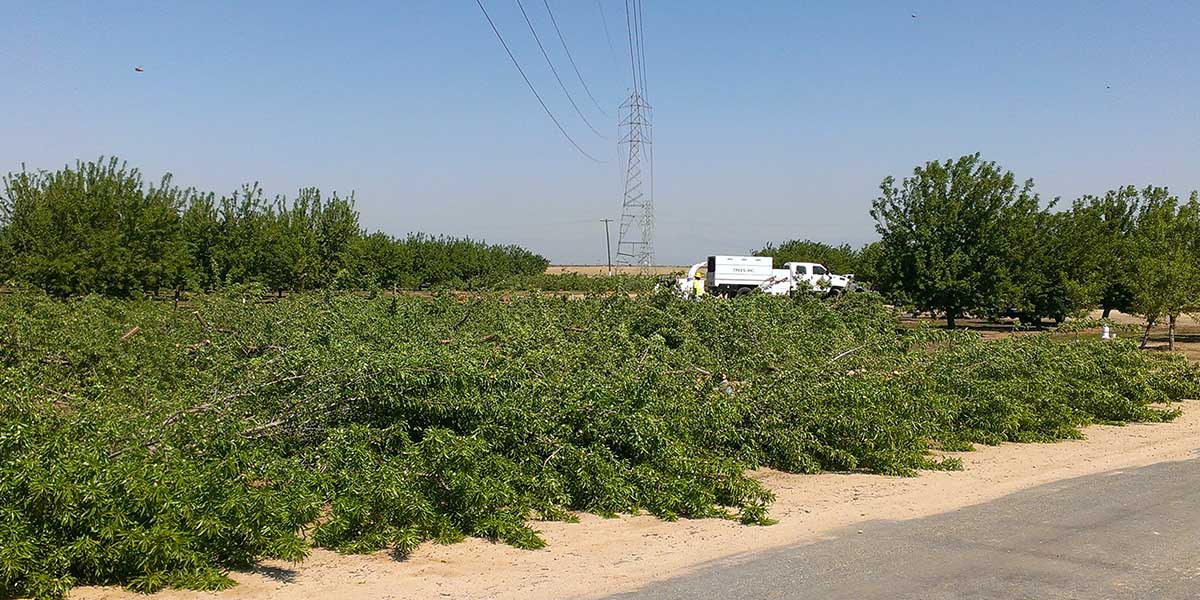
    When orchard trees meet power lines, disaster can result. Whether it’s a power outage affecting millions or the accidental death of a line worker, such scenarios can have devastating and far-reaching consequences:

    Ø  In 2003, sagging power lines contacted untrimmed walnut trees in Ohio and caused a massive cascading outage – costing millions and leaving entire cities without power throughout parts of the Northeastern and Midwestern United States, and the Canadian province of Ontario. The incident left millions without power – and came at a great cost to state coffers.

    Ø  In Fresno several years ago, a grower used a boom lift to prune his orchard. When wires from the power line became entangled in the lift, he was electrocuted.

    Ø  In another California orchard, a fast-growing nut tree grounded to a high-voltage power line, causing widespread chaos and power loss throughout the region.

    Unfortunately, these events are far too common. The good news? When Pacific Gas and Electric Company (PG&E) and growers work together, we can prevent these losses and tragedies.

    Growers need only contact PG&E at 1-800743-5000 or at planbeforeplanting@pge.com early in their planning phase – before they plant new trees. One call or email is all it takes to eliminate the risk of tree removal and gain some valuable peace of mind.

    PG&E also offers a Mature Orchard Incentive Program for Transmission Lines, which encourages orchard growers to remove nut-bearing trees under transmission lines. Growers can use the incentive to replant crops that are compatible with electric transmission lines or reinvest the funds according to their needs. 

    Public Safety, our Priority

    As a utility provider, our most important responsibility is to ensure public safety and provide a reliable supply of electricity. To meet those obligations and state and federal regulations, we must maintain safety clearances between trees and other vegetation and our high-voltage power lines.

    The electrical charge carried by high-voltage lines is many times more powerful than the current that flows through standard power lines. Naturally, the potential for life-threatening injuries is commensurate with that power.

    For those reasons, we take great care to regularly inspect our transmission lines for potential hazards, using ground patrols as well as aerial remote sensing.

    Each year, PG&E is required to inspect all electric transmission and distribution lines across our 70,000-square mile service area. Our inspections are audited, and we will be fined if we fail to comply with required standards for vegetation clearance.

    Multiple Risks at Play
    Electricity from power lines finds its way to the ground using nearby objects. Like lightning, it can jump to a building, a person or a tall tree. Electrical storms and lightning strikes can also lead to a voltage surge, which may create an electrical arc that travels to nearby objects like trees, vegetation and people.

    When trees or vegetation are located near high-voltage power lines, they pose serious fire and electrical hazards. Anyone on the ground is at risk – whether they are in contact with the power line or just standing near the tree.

    And when a tree trimmer or a child climbs or shakes that tree – or when the tree contacts a power line – the risk to lives and property is multiplied, often with tragic consequences.

    Reasons for Generous Clearance
    We understand that growers need to plant every possible acre, and that some consider our clearance requirements excessive. But our requirements are based on many decades of field experience – and the fact that a variety of conditions can create dramatic material changes in towers and power lines.

    High-voltage power lines also require more clearance than other power lines because of their current strength and potential hazards. In addition, clearance requirements must account for the real possibility of line sag, which depends on weather, line design and electrical load.

    Metal transmission conductors can expand in hot conditions, sometimes causing wires to sag. Wind and ice storms can also wreak havoc, loosening normally taut wires and causing branches or trees to fall into electrical lines.

    During hot weather, power lines carrying heavy electrical loads can become heated, causing them to stretch out. These elongated lines can sag near the ground or near trees and other objects.

    As a result, what appears to be generous clearance in winter months may not be enough in the heat of summer.

    Tree Growth Exceeds Expectations
    Our mantra – “plan before you plant” – is not a new message. Yet it isn’t accepted by some growers, despite its potential to benefit their operation and their community.

    Some growers question whether their young trees could ever interfere with power lines that soar 40 or 50 feet – especially when tree purveyors provide assurance that their stock will top out at 20 or 25 feet.

    But plantings routinely exceed their expected growth rate and height. We’ve experienced trees that have grown 12 feet in a single growing season.

    Other growers fail to notify PG&E because they misunderstand the nature of our easement on their property. They may believe the electric easement right-of-way for vegetation applies only to our wires in the air, when it actually extends across a grower’s physical property.

    It’s also human nature to hope for the best – or to think “it can’t happen to me.” In fact, one of the state’s largest nut producers learned through trial and error that power lines and orchard trees don’t mix. Today, he contacts us regularly before planting.

    Every orchard is vital to the economic health of our state. By working together, we can prevent injuries and power outages, and preserve more trees.

    Contact PG&E at 1-800-743-5000 or at planbeforeplanting@pge.com so we can identify power-line friendly planting locations that avoid transmission lines. We’ll be out to your orchard within days, at no cost to you. — By John Bolling, Orchard Vegetation Program Manager, PG&E

  • Coronavirus Food Assistance Program Round II Begins Sept. 21 (What’s Included)

    Coronavirus Food Assistance Program Round II Begins Sept. 21 (What’s Included)

    President Donald J. Trump and U.S. Secretary of Agriculture Sonny Perdue today announced up to an additional $14 billion for agricultural producers who continue to face market disruptions and associated costs because of COVID-19. Signup for the Coronavirus Food Assistance Program (CFAP 2) will begin September 21 and run through December 11, 2020.

    “America’s agriculture communities are resilient, but still face many challenges due to the COVID-19 pandemic. President Trump is once again demonstrating his commitment to ensure America’s farmers and ranchers remain in business to produce the food, fuel, and fiber America needs to thrive,” said Secretary Perdue. “We listened to feedback received from farmers, ranchers and agricultural organizations about the impact of the pandemic on our nations’ farms and ranches, and we developed a program to better meet the needs of those impacted.”

    Background:

    The U.S. Department of Agriculture (USDA) will use funds being made available from the Commodity Credit Corporation (CCC) Charter Act and CARES Act to support row crops, livestock, specialty crops, dairy, aquaculture and many additional commodities. USDA has incorporated improvements in CFAP 2 based from stakeholder engagement and public feedback to better meet the needs of impacted farmers and ranchers.

    Producers can apply for CFAP 2 at USDA’s Farm Service Agency (FSA) county offices. This program provides financial assistance that gives producers the ability to absorb increased marketing costs associated with the COVID-19 pandemic. Producers will be compensated for ongoing market disruptions and assisted with the associated marketing costs.

    CFAP 2 payments will be made for three categories of commodities – Price Trigger Commodities, Flat-rate Crops and Sales Commodities.

    Price Trigger Commodities

    Price trigger commodities are major commodities that meet a minimum 5-percent price decline over a specified period of time. Eligible price trigger crops include barley, corn, sorghum, soybeans, sunflowers, upland cotton, and all classes of wheat. Payments will be based on 2020 planted acres of the crop, excluding prevented planting and experimental acres. Payments for price trigger crops will be the greater of: 1) the eligible acres multiplied by a payment rate of $15 per acre; or 2) the eligible acres multiplied by a nationwide crop marketing percentage, multiplied by a crop-specific payment rate, and then by the producer’s weighted 2020 Actual Production History (APH) approved yield. If the APH is not available, 85 percent of the 2019 Agriculture Risk Coverage-County Option (ARC-CO) benchmark yield for that crop will be used.

    For broilers and eggs, payments will be based on 75 percent of the producers’ 2019 production.

    Dairy (cow’s milk) payments will be based on actual milk production from April 1 to Aug. 31, 2020. The milk production for Sept. 1, 2020, to Dec. 31, 2020, will be estimated by FSA.

    Eligible beef cattle, hogs and pigs, and lambs and sheep payments will be based on the maximum owned inventory of eligible livestock, excluding breeding stock, on a date selected by the producer, between Apr. 16, 2020, and Aug. 31, 2020.

    Flat-rate Crops

    Crops that either do not meet the 5-percent price decline trigger or do not have data available to calculate a price change will have payments calculated based on eligible 2020 acres multiplied by $15 per acre. These crops include alfalfa, extra long staple (ELS) cotton, oats, peanuts, rice, hemp, millet, mustard, safflower, sesame, triticale, rapeseed, and several others.

    Sales Commodities

    Sales commodities include specialty crops; aquaculture; nursery crops and floriculture; other commodities not included in the price trigger and flat-rate categories, including tobacco; goat milk; mink (including pelts); mohair; wool; and other livestock (excluding breeding stock) not included under the price trigger category that were grown for food, fiber, fur, or feathers. Payment calculations will use a sales-based approach, where producers are paid based on five payment gradations associated with their 2019 sales.

    Additional commodities are eligible in CFAP 2 that weren’t eligible in the first iteration of the program. If your agricultural operation has been impacted by the pandemic since April 2020, we encourage you to apply for CFAP 2. A complete list of eligible commodities, payment rates and calculations can be found on farmers.gov/cfap.

    Eligibility

    There is a payment limitation of $250,000 per person or entity for all commodities combined. Applicants who are corporations, limited liability companies, limited partnerships may qualify for additional payment limits when members actively provide personal labor or personal management for the farming operation. In addition, this special payment limitation provision has been expanded to include trusts and estates for both CFAP 1 and 2.

    Producers will also have to certify they meet the Adjusted Gross Income limitation of $900,000 unless at least 75 percent or more of their income is derived from farming, ranching or forestry-related activities. Producers must also be in compliance with Highly Erodible Land and Wetland Conservation provisions.

    Applying for Assistance

    Producers can apply for assistance beginning Sept. 21, 2020. Applications will be accepted through Dec. 11, 2020.

    Additional information and application forms can be found at farmers.gov/cfap. Documentation to support the producer’s application and certification may be requested. All other eligibility forms, such as those related to adjusted gross income and payment information, can be downloaded from farmers.gov/cfap/apply. For existing FSA customers, including those who participated in CFAP 1, many documents are likely already on file. Producers should check with FSA county office to see if any of the forms need to be updated.

    Customers seeking one-on-one support with the CFAP 2 application process can call 877-508-8364 to speak directly with a USDA employee ready to offer assistance. This is a recommended first step before a producer engages with the team at the FSA county office.

    All USDA Service Centers are open for business, including some that are open to visitors to conduct business in person by appointment only. All Service Center visitors wishing to conduct business with FSA, Natural Resources Conservation Service or any other Service Center agency should call ahead and schedule an appointment. Service Centers that are open for appointments will pre-screen visitors based on health concerns or recent travel, and visitors must adhere to social distancing guidelines. Visitors are also required to wear a face covering during their appointment. Our program delivery staff will be in the office, and they will be working with our producers in the office, by phone and using online tools. More information can be found at farmers.gov/coronavirus.