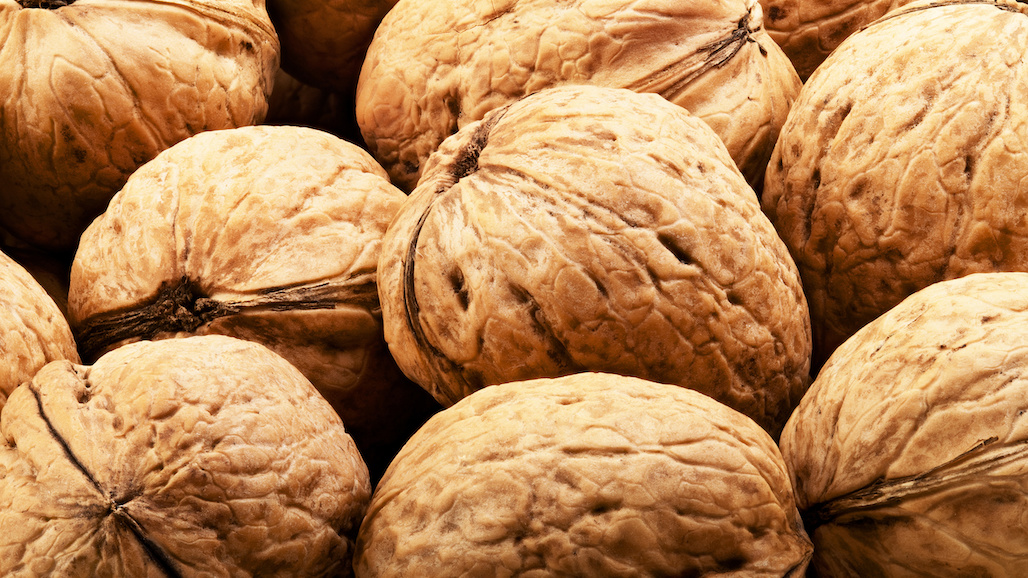
The California Walnut Board (CWB) is pursuing credit-back authority. The USDA recently published the Secretary’s decision in this regard and has ordered a referendum vote of the growers. This authority will allow for handlers to receive a credit-back for eligible marketing expenditures of 70 cents for every dollar in spend. This important authority is one of the ways the CWB is modernizing the Order to make it work harder for industry, using every possible tool available to spur new investment in new product development/marketing initiatives to continue growing walnut consumption.
Category: Industry News
-
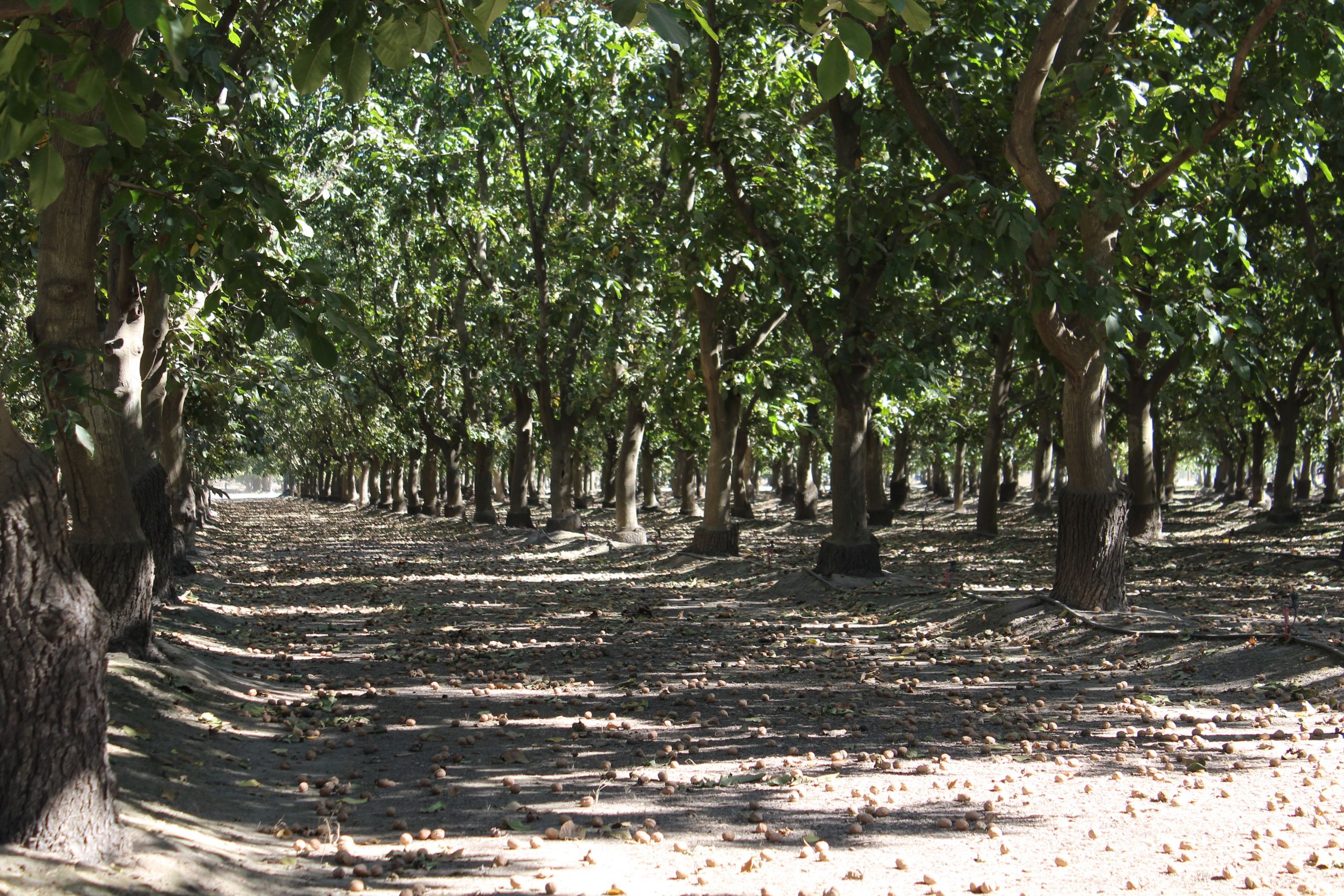
Walnut Replanting Considerations in a Lean Price Year
When prices are lean walnut farming is tough business. Farm advisors are not economists or financial advisors. However, farm advisors can be useful in providing best practices for economically sustainable production. Two key economic decisions growers face are when to replant individual trees and when to remove and replant entire orchards.
Learn from Dying Trees to Improve Management of the Whole Orchard:
Former Advisor Carolyn DeBuse, and Emeritus Advisor Bill Krueger wrote about the need to pause before replanting, by asking why the tree died in the first place. Saturated soils and soil borne pathogens are common culprits for tree loss. It is important to carefully evaluate recently declining trees, particularly evaluating their root systems for a possible cause. Your pest control advisor or local farm advisor can help with this diagnosis. Can changes be made to reduce the chance of additional trees declining and increase the chance of success for replanted trees? For Phytophthora and nematodes, these changes are often genetic (i.e. replant rootstock selection) but may also include a chemical approach. However, the needed action is just as often cultural, whether it is adjusting irrigation set time to prevent ponding or installing stream-splitters to keep water off trunks.
Water logging is a common cause of walnut tree decline: sacvalleyorchards.com/blog/walnuts- blog/yellowing-collapsing-walnut-trees-pt-1-water-logging. The Howard variety appears particularly sensitive to saturated soils: sacvalleyorchards.com/blog/walnuts-blog/yellowing-collapsing-walnut-trees- pt-2-yellowing-howard-problem. In addition to tracking saturated conditions with soil moisture monitoring, a key practice to not over-watering is irrigating only when demanded by the trees, as indicated through regular pressure chamber use. Learn more at: sacvalleyorchards.com/manuals/stem-water- potential.
Tree Replanting Decisions:
When a tree dies and is removed, there is always a question of whether to replant in that spot. The decision of whether to replant an individual tree is a gamble that the replant will become established and produce enough to offset its associated costs by the end of the orchard’s life. A decision that is an automatic “yes” early in the orchard’s life becomes more complicated as the orchard ages.
The shading from surrounding trees, and the ensuing low probability of successful vigorous growth weighs against the desire to replant and establish lost production. DeBuse and Krueger noted that if the orchard floor has over 75% shade at midday, the chance of a successful replant is slim. However, UC Davis Walnut Specialist Bruce Lampinen believes that a successful replant is dubious in orchards with over 60% shading. If the decision to replant has been automatic for you, pause to consider the cost of an unsuccessful replant and first evaluate how much light is available to the new tree.
After weighing the success of the replant and evaluating why the original tree died, if you do replant, follow the best practices to help nurture this investment. Root removal, possible spot fumigation, nursery product selection, and correct planting are the key steps. Of these, nursery product selection is a particularly critical step, if possible, tailor the choice of rootstock to the main source of tree loss (see rootstock table below). As part of nursery selection, choosing a bareroot over a potted tree is typically ideal because you are starting with a tree that is larger and easier to manage. Once the replant is in place, the tree stands little success without paying extra attention to the need to modify irrigation and fertilization. You can learn more in the excellent guide by DeBuse and Krueger at: sacvalleyorchards.com/walnuts/orchard-development/replanting-individual-trees.
Orchard Replanting Decisions:
In addition to a lack of available light, general orchard decline is a second major reason to rethink replanting individual trees. General orchard decline in old age, frequently the result of weak trees facing an onslaught of multiple pests and diseases (figure 1), means replants make little sense because of the short window remaining in the orchard’s life. Instead, the orchard should continue to be farmed without replants until it is no longer economically feasible to do so.

Figure 1. An orchard facing general decline, with a high rate of tree loss. Extensive crown gall, trunk cankers, and high nematode counts all present in this orchard.
Amidst lean prices, if this is the year that you slate an orchard for removal, there are several steps you should consider before removal. A critical initial step, just as with replanting individual missing trees, is to ask why the orchard is in decline, and if those problems may follow you into the next planting. In addition to assessing the risk of the replant problem, and the persistence of crown gall, a nematode sample taken while the current trees are still in the ground is a great start. You can learn more about nematode sampling at: growingthevalleypodcast.com/podcastfeed/2019/10/22/nem-sampling and result interpretation and the next steps for replanting amidst high lesion nematode counts at: sacvalleyorchards.com/walnuts/orchard- development/replanting-into-nematode-infested-soils.
Building upon this initial diagnosis step, consider the following steps:
-
Assess potential carry-over problems before harvest.
-
Kill the roots of the old orchard. The established best practice for this is cutting down trees above ground during October and within 5 minutes painting the stump with Garlon3A, or a mixture of 1:3 mixture of Garlon3A and MorAct.
-
Wait a full growing season before replanting walnuts. This is the step where there are a range of management choices, such as the decision to fumigate, the use of a spring-summer crop to dry down deep soil moisture, or even exploration of a new technique like anaerobic soil disinfestation.
This is also the step, where you could consider whole orchard recycling (WOR), whereby the previous trees are chipped and incorporated back into the soil. In almonds, this has been successful both for the performance of the subsequent planting and for soil health. Problems and success with WOR in walnut have yet to be demonstrated, with only a single pilot demonstration of young second generation WOR trees to- date. Until we have data on the persistence of crown gall and lesion nematode in roots of a recycled orchard, this practice is not advised for orchards with heavy cases of these afflictions. You can learn more about WOR at orchardrecycling.ucdavis.edu. WOR is an expensive practice, however the practice is now recognized for potential financial support through the CDFA’s Healthy Soils Program: cdfa.ca.gov/oefi/healthysoils.
-
Fumigate, if necessary. The choice of whether to fumigate is centered around the concerns of root lesion nematodes, the replant problem, and to a lesser extent crown gall when replanting walnut orchards. Specifically, if lesion nematode is present in the old orchard, nematicide (e.g. Telone) fumigation, in addition to all the other steps may be necessary to have a successful replant to walnut. Fumigation is expensive, however the carryover problems from the previous orchard can prove far more costly. Cost savings with fumigation can be achieved by opting for strip fumigation specifically mapped for the tree rows, instead of broadcast fumigation. Adequate fumigant distribution can be problematic especially on clay-type soils. To ensure a successful fumigation, it is critical to dry down the soil to 12% moisture for optimal fumigant efficacy.
-
Replant on an appropriate rootstock. Consider the potential benefits of clonal Paradox rootstocks, particularly against nematodes (VX211) and Phytophthora (RX1). See detailed rootstock traits in the table below.
Find more about orchard removal and replant steps at: sacvalleyorchards.com/walnuts/diseases/considerations-for- replanting-walnut-orchards. Finally, if you are removing and planting a new walnut orchard, a key document to have on hand when financially planning is the Sacramento Valley UC Walnut Cost Study, which can be found at: coststudies.ucdavis.edu/en/current/commodity/walnuts.
Article By:
-Luke Milliron, UCCE Orchards Advisor Butte, Glenn & Tehama Counties
-Katherine Jarvis-Shean, Orchards Advisor Yolo, Solano & Sacramento Counties


-
-
-
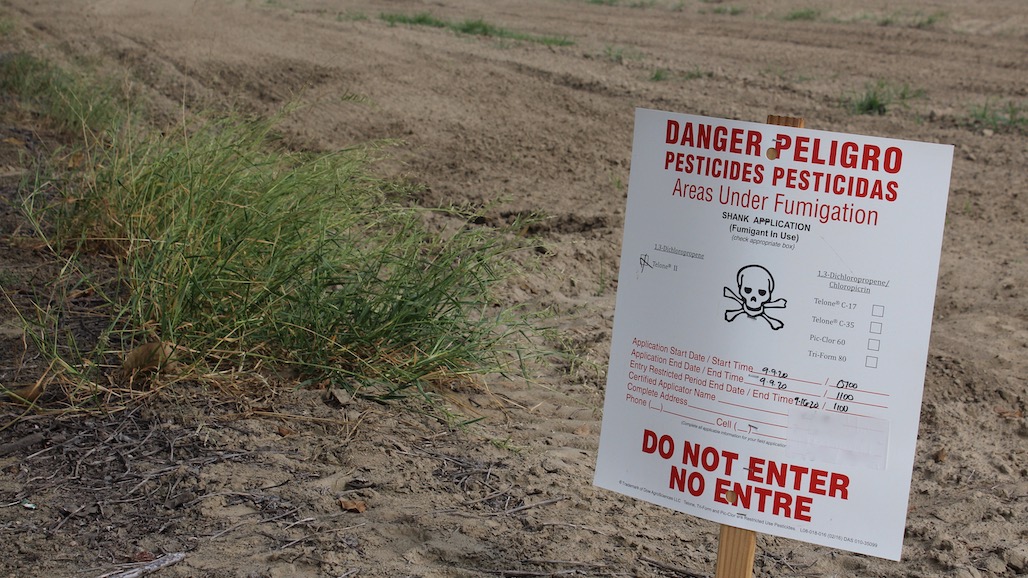
Help Needed: Identifying Telone Application Sites this Fall/Late Winter
 The Almond Alliance has been meeting with Department of Pesticide Regulation (DPR) on their initiated 1,3-D pilot programs in three areas of the state: Shafter, Kern County; Parlier, Fresno County; Delhi, Merced County. The objective of the pilot programs is to evaluate growers and applicators with alternative methods of achieving emission reductions of 1,3-D comparable to tarping. DPR put forth 13 proposed mitigation measures including buffer zones, TIF tarping, soil moisture depth, water seals, amended injection depths and more.
The Almond Alliance has been engaged in numerous discussions with DPR on this issue and has mobilized our membership to provide feedback and have detailed discussions on why several of the proposed options are not procedurally and economically feasible. We have been clear that our industry needs this fumigant for treatment of nematodes during the replanting of almond trees.
In August of this year, the Almond Alliance submitted a detailed letter to DPR summarizing the almond industry’s concern about the proposed pilot options and why several should not be considered at all. To review letter, CLICK HERE.
DPR has asked that we identify 2 to 3 orchards to evaluate during replanting this fall/spring and will be applying Telone as a soil fumigant. Would you be willing to have your site be a part of an assessment of some fumigant off-gassing reduction measures that DPR would like to assess? If yes, or even if you think your site might not meet the DPR criteria, you should speak with the Almond Alliance and DPR. An ideal orchard is one with no other surrounding orchards, specifically upwind/downwind as DPR needs to have space for the equipment to measure what is emitted into the air.
While some wanted DPR to move to additional regulation of Telone right away based on the air monitoring data, DPR decided to do some “pilot studies”, partially buying a bit of time. In the process, DPR realized that they needed additional field monitoring data on the off gassing of Telone under different conditions to improve their models, as well to assess the off-gassing if some new mitigation measures were employed. Thus, the hunt for appropriate sites with good grower cooperators. However, if additional sites with growers willing to cooperate cannot be found, DPR will move forward regulating based on the limited data they already have. That will lead to a significant increase in locations where Telone cannot be used and/or only with the use expensive TIF tarps.
The proposed emissions mitigation measures include:
- Getting soil moisture in the top 6-9 inches to 70% water holding capacity as a water seal.
- Injection the fumigant at 24-28 inches rather than at 18 inches.
- Mixture of one of the above and strip TIF tarps.
If your site meets the desired conditions – particularly no orchard immediately adjacent to the location and you are willing, we are asking that you discuss the possibility with your soil fumigant applicator company and contact Elaine Trevino at 209-300-7140.
-
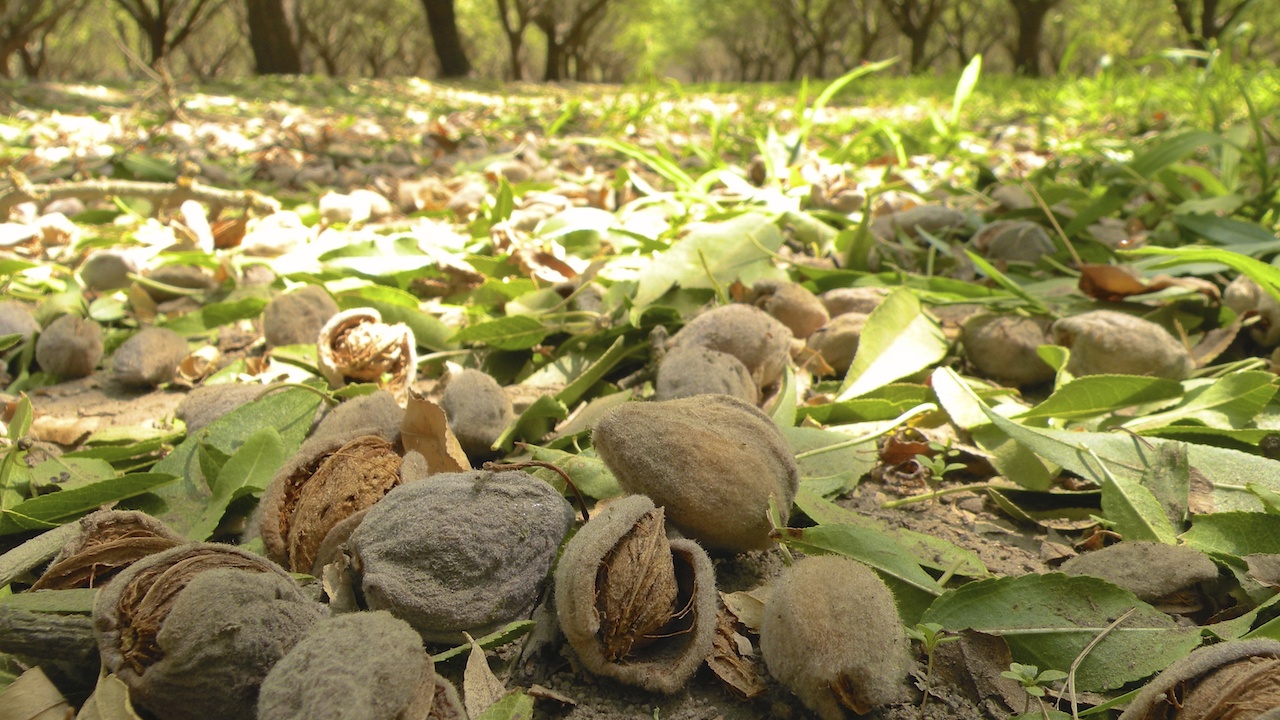
Protecting your Almonds from Ant Damage
 Almonds sat on the ground to dry a little longer this season due to the abnormal drop in temperatures and increase in humidity at harvest. This provided a longer window of opportunity for ants to feast on the valuable product. Regardless of what the future brings, there will always be ants in the orchard and now would be a good time to freshen up your knowledge on how to manage them in the orchard. Watch this interview with UC IPM Advisor Kris Tollerup and don’t miss his upcoming ant management presentation at the annual Tree & Vine Expo on November 10th.Please thank this video’s sponsor Suterra for their industry support.
 -
How to Design a New Pistachio Orchard
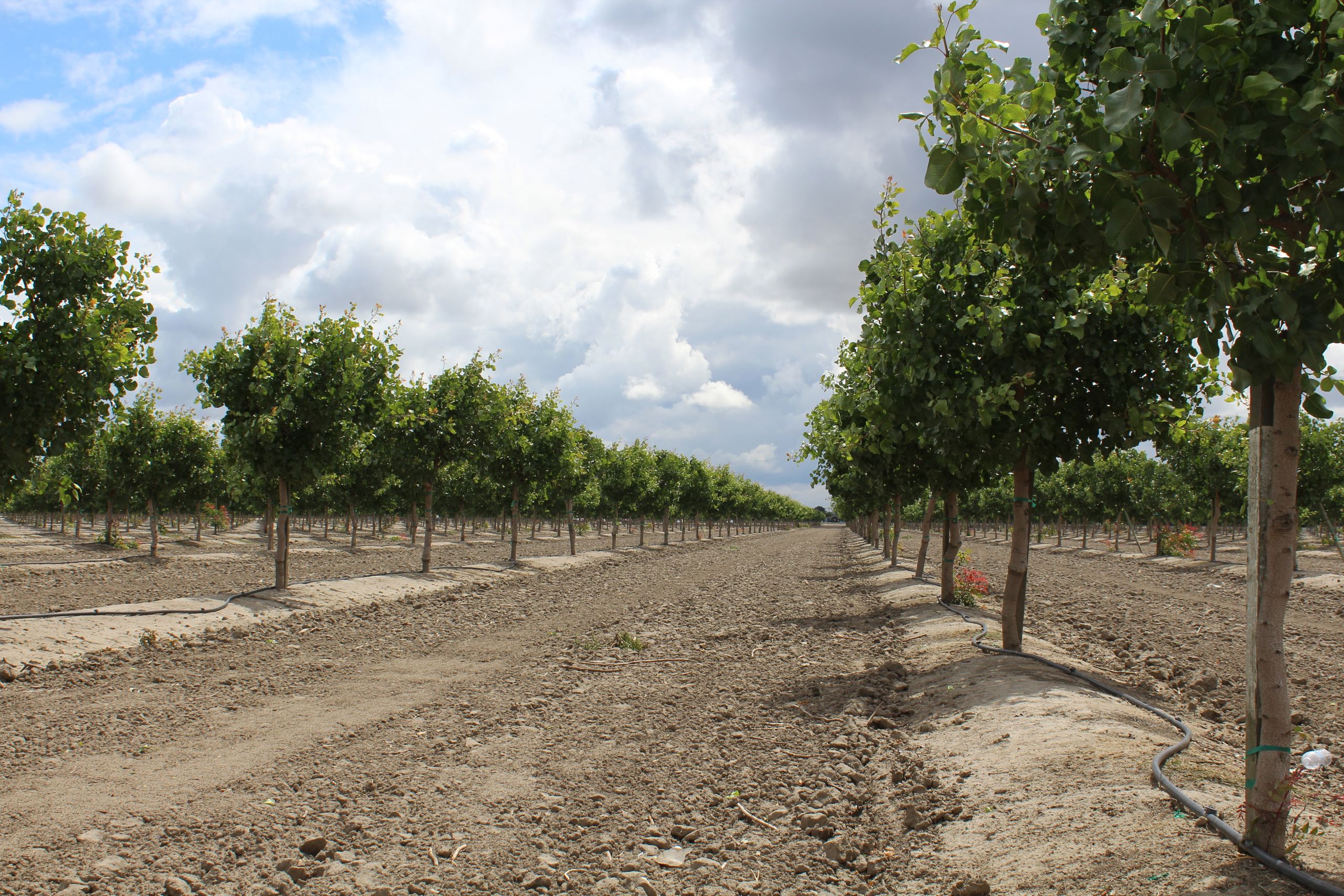
Considering planting a new pistachio orchard? What is the ideal row/tree spacing? How many male pollenizer trees will you need? Should you plant on berms or not? These are just a few of the questions addressed by UC Cooperative Extension Farm Advisor Craig Kallsen in this video. Watch his brief interview and read more about growing pistachios in Pacific Nut Producer Magazine. Don’t currently receive it? Subscribe for FREE today at PacificNutProducer.com.Please thank this video’s sponsor Suterra for their industry support. -

Driving Market Demand for Walnuts During COVID-19
 California Walnut Board — As we enter the seventh month of lockdowns and shelter-in-place, many people wonder what the impact of this pandemic will be on the walnut industry and consumer spending. Together, as your partners, we have been monitoring and evaluating the COVID-19 media landscape and consumer sentiment and have adapted plans and messaging as necessary across all of our audiences and platforms, ensuring our messaging continues to resonate with our consumers and drive market demand for walnuts.
During COVID-19, the California Walnut Board (CWB)/California Walnut Commission (CWC) have been working collectively to promote the health benefits of walnuts to U.S. consumers and around the world. One example includes tapping into the pandemic trend of “at-home baking” and showcasing the many benefits of walnuts. Another example includes expanding our retail efforts with an e-commerce campaign as well as a targeted snacking campaign in the U.S., which will drive awareness and encourage purchase. There remains incredible growth opportunity in the U.S. market, particularly in retail, to drive demand. We will continue to find new ways to reach our consumer in the U.S. and around the world.
Capitalizing on Current Trends
It is the CWB/CWC’s goal to ultimately make walnuts the desired and preferred choice for consumers and the ingredient of choice for food manufacturers and food service operators – used in cooking, baking and snacking. Having a steady drumbeat of media coverage on walnuts is key to keeping walnuts top of mind with the consumer, which drives them to purchase at retail food outlets.
Cooking and baking at home is trending and has been for months, as many people worldwide continue to shelter in place. In the U.S., we pivoted our media outreach to focus on baking, especially banana bread and cookie recipes. Total U.S. media coverage was up 85% year-over-year for the March through May timeframe and was viewed by consumers 3.1 billion times, leading them to in-store/online purchase. Interest in baking and cooking drove recipe coverage for April/May to exceed holiday coverage, demonstrating record interest in using walnuts.
In India, a large percentage of the middle class has hired help to cook their meals, and during COVID, many left the major cities to return to their villages. For some, this was the first time that they have had to prepare meals for themselves, and recipes and instructional videos from celebrities, chefs and prominent influencers have become a lifeline. With our versatility across all parts of Indian cuisine, as well as international recipes, we reached out to the media, promoting walnuts as a healthy staple to have in every home. Each month, these efforts have reached hundreds of millions. For example, during just the month of May, our recipes alone reached over 237 million consumers.
Health and wellness are top of mind now more than ever with consumers who are looking for foods that will contribute to a healthy lifestyle. Our ongoing messaging around the scientific health research continues to solidify walnuts as a key food to have at home year-round. In Spain, during the height of lockdown, we shared with consumers how to keep a healthy lifestyle with walnut recipes and nutritional and exercise tips through videos, influencers and press activities reaching 26% of the Spanish population.
These are just a few examples of how we capitalized on timely and media-worthy opportunities to drive media coverage and encourage purchase.
You may be wondering how media coverage impacts you as a grower/handler. The more visibility we have with press and consumers, the more likely they are to purchase, driving retail and industry demand.
Snacking Drives Consumption
To drive meaningful ways for the media to cover California walnuts, the CWB commissioned a consumer survey to assess changes in snacking habits in light of COVID-19. The survey revealed that, not surprisingly, consumers are snacking now during COVID more than ever. They are also nearly split on preference for sweet versus savory snacks. Providing these types of timely and relevant hooks is key when pitching media outlets to grab their attention and make sure they write about walnuts.
Typically, consumers are more likely to try products recommended by a celebrity or influencer than by the brand. One example of using a key influencer (with celebrity status) is with Ali Fedotowsky-Manno, of The Bachelorette and E! television fame. We partnered with Ali to promote her favorite walnut snack ideas, encourage trial and drive market demand.

Online Shopping
As the pandemic continues, consumers’ cooking and shopping habits have changed. Consumers are looking for simple recipes using ingredients they already have in their refrigerator/pantry. As part of their changing habits they are also more open to learning new ways to do things, which include shopping online. To piggyback on this trend of online shopping, the CWB/CWC created shoppable engagements. A shoppable engagement allows a customer to add recipe ingredients directly to their online shopping cart – leading to purchase. In the U.S., sponsored recipes with walnuts as an ingredient increased 38%, while California Walnuts recipes and blog articles promoted through digital media resulted in a 200% increase in clicks versus the same period a year ago, showing that our marketing efforts are leading to purchase.
In the U.S. we also conducted a retail e-commerce test program that launched in July on Kroger, Amazon, Instacart, Albertsons Safeway and Ahold banners. The online program drove mass awareness and ensured California walnuts stayed top of mind while consumers were actively grocery shopping online. A dedicated California Walnuts product page created an easy way to encourage purchase, and at the end of August, this program had delivered $490,687 in attributed sales with over 67,000 units sold. Instacart has had the strongest performance with 13.8x return on advertising spend; 2-4x is the typical benchmark for the platform.
In Korea, we ran an online promotion for one week at the end of April with an e-commerce site called “we make price” that is popular for its daily delivery service. We created a landing page with over 40 different sizes and packaging of California walnut products and promoted the landing page through the we-make-price mobile app. Our ad reached 3.6 million consumers, and with this promotion, we saw a 2,340% sales increase year-over-year. With e-commerce promotions, not only do we have the opportunity to drive sales, but we can also create awareness with consumers who are actively in the purchase mode.
As COVID-19 continues to unfold in the coming months, the CWB/CWC continue working to protect, develop and grow the California walnut industry. There remains an incredible growth opportunity in the U.S. and around the world to drive market demand.
For the latest news and developments, please visit walnuts.org.
-
Almond Board Mummy Shake Video Contest
Halloween will come and go, but mummy nuts are here to stay… unless you shake them away!
To help remind growers to break the link between mummy nuts and overwintering navel orangeworm (NOW), the Almond Board of California (ABC) created a parody song that’s sure to be an “orchard smash,” just in time for the most spooky holiday of the year. It’s The Mummy Shake — listen now (lyrics here) and submit a video of your family dancing along to this “orchard smash” for a chance to win a $500 Amazon gift card!
How to Enter: Video Specifications
- Create a video with family dancing – and, if desired, singing – to The Mummy Shake. You can film this video anywhere, though an orchard backdrop is encouraged.
- Entry videos must be at least 30 seconds in length (approximately a verse and a chorus) and up to the duration of the full song.
- Entries will be judged based on enthusiasm, creativity and composition.
How to Upload Your Video- You have TWO OPTIONS when submitting your video:
- Get Up and Dance: Don’t worry about singing; just get out in the orchard and show us your moves and/or lip-sync the lyrics. We’ll add the audio to your video!
- Sing-Along Style: Get out in the orchard, play the Mummy Shake video and sing along with the lyrics!
- Submit your entry in one of two ways:
- Upload the video in .MP4 or .MOV format to this ABC webform.
- MAKE SURE TO INCLUDE THE CONTESTANT’S NAME AND EMAIL ADDRESS IN THE FILE NAME
- Post the video on the Almond Board of California Facebook page
- DON’T FORGET to include the hashtag #MummyShake in your post to ensure your video is considered for the $500 Amazon gift card!
- Upload the video in .MP4 or .MOV format to this ABC webform.
Read on below for complete contest eligibility guidelines.
Mummy Shake Video Contest – OFFICIAL RULESNO PURCHASE NECESSARY TO ENTER OR WIN. MAKING A PURCHASE OR CONTRIBUTION WILL NOT IMPROVE CHANCE OF WINNING. VOID WHERE PROHIBITED.
1. Preliminary Information and Contest Period: The Mummy Shake Video Contest (Campaign) is open for entries starting October 26, 2020 at 12:01AM Daylight Pacific Time (PT). All entries must be submitted by the contest deadline: 11:59PM PT on November 20, 2020 (Contest deadline). Campaign is subject to all applicable federal, state and local laws. This Campaign is sponsored by the Almond Board of California (Sponsor), 1150 9th St. #1500, Modesto, CA 95354.
2. Agreement to Rules: By participating, the Contestant agrees to be fully and unconditionally bound by these Rules and decision of Sponsor, which shall be final and binding. Contestant represents and warrants that they meet the eligibility requirements. In addition, Contestant agrees to accept the decisions of Sponsor as final and binding as it relates to the content of this Campaign.
3. Eligibility: Contestant may enter to win if he or she is a legal resident of the state of California, age 18 or older at the time of entry, and is a member of the California almond industry, which includes growers, handlers, hullers/shellers and allied industry members. Contestant’s submission may include family member and/or friend of a Contestant provided that such family member or friend consents to being featured in the submission. If Contestant chooses to feature his or her children under the age of 18 in his/her submission, Contestant grants Sponsor permission to display, broadcast and/or share video for promotional purposes of this Campaign or future Campaigns. Employees, officers, directors, agents, representatives and their immediate families (parents, children, siblings, spouse and each of their respective spouses, regardless of where they live) or members of the households of the Almond Board of California/Sponsor, their parent companies, subsidiaries, agencies and anyone connected with the production and distribution of this Campaign may submit an entry for use by Sponsor solely to promote the Campaign, but are not eligible to win or be awarded a prize.
4. How to Enter: To enter, Contestants must create a video featuring themselves and/or family or friends dancing to the Almond Board of California’s “Mummy Shake” song, in an almond orchard or another setting of their choosing. Entry videos must be at least 30 seconds in length (approximately one verse and one chorus) and up to the duration of the full song. Entries will be judged based on enthusiasm, creativity, and composition. Judges will be comprised of employees of the Almond Board of California. Submit your video entry in one of two ways:
- Upload the video in .MP4 or .MOV format to this ABC webform.
- MAKE SURE TO INCLUDE THE CONTESTANT’S NAME AND EMAIL ADDRESS IN THE FILE NAME.
- Post video on Sponsor’s Almond Board of California Facebook page: http://facebook.com/AlmondBoardofCalifornia/
- DON’T FORGET to include the hashtag #MummyShake in your post to ensure your video is considered for the $500 Amazon gift card!
- Email industry@almondboard.com with questions
Multiple entries per person or household will be accepted and judged, but only one (1) prize will be awarded per person or household. Entries that are incomplete or that contain errors, copyrighted images or inappropriate/derogatory/defamatory images or language, dogs in the orchard, guns/firearms, nudity, violence or profanity will be automatically disqualified in Sponsor’s sole discretion. Sponsor is not responsible for lost, late, misdirected, altered or destroyed entries. The odds of winning depend on the number of eligible entries received and/or the number of contestants participating in the contest. If Contestant uses fraudulent methods or otherwise attempts to circumvent the rules, the submission may be removed from eligibility at the sole discretion of Sponsor. The Contestant may be asked to provide all appropriate clearances, permissions and releases for the submission.
All entries become the property of Sponsor and will not be returned. Proof of sending will not be deemed proof of receipt by Sponsor. Sponsor reserves the right to edit or summarize the submission or any written description or picture prior to posting to Sponsor’s website and/or social media channels.
5. Prize: The Winner of the Campaign (“Winner”) will receive a Grand Prize consisting of a $500 Amazon gift card.
The prize will be sent to Winner’s provided email address within two (2) weeks of notification. Any applicable Federal, State or Local taxes are solely the responsibility of the winner and paying any expenses associated with any prize which are not expressly included as part of the prize. Prizes are not transferable. Sponsor reserves the right to substitute a prize package with another prize of equal or greater value if advertised prize or any component thereof is not available.
6. Winner Selection and Notification: Winner will be selected under the supervision of the Sponsor. Winner will be notified by email or by direct message on Facebook within five Sponsor business (5) days following selection of Winner. Sponsor shall have no liability for Winner’s failure to receive notices due to spam, junk email, or other security settings or for Winner’s provision of incorrect or otherwise non-functioning contact information. If Winner cannot be contacted, is ineligible, fails to claim the prize within seven (7) Sponsor business days from the time award notification was sent, or fails to timely return a completed and executed declaration and release as required, the prize may be forfeited, and an alternate Winner selected. Receipt by Winner of the prize offered in this Campaign is conditioned upon compliance with any and all federal, state, and local laws and regulations. Any violation of these official rules by winner (at Sponsor’s sole discretion) will result in Winner’s disqualification as Winner of the Campaign, and all privileges as Winner will be immediately terminated.
7. Rights Granted by Contestant: By entering this Campaign, Contestant understands and agrees that Sponsor, anyone acting on behalf of Sponsor, and Sponsor’s licensees, successors, and assigns, shall have the right, where permitted by law, to print, publish, broadcast, distribute, and use in any media now known or hereafter developed, in perpetuity and throughout the World, without limitation, Contestant’s entry, name, portrait, picture, voice, likeness, image, statements about the Campaign, and biographical information for news, publicity, information, trade, advertising, public relations, and promotional purposes, without any further compensation, notice, review, or consent. By entering this Campaign, Contestant represents and warrants that entry is an original work of authorship and does not violate any third party’s proprietary or intellectual property rights or right of publicity. If entry infringes upon the right of any third party including, without limitation, any intellectual property right or right of publicity, Contestant will be disqualified at the sole discretion of Sponsor. If the content of the entry is claimed to constitute infringement of any proprietary or intellectual proprietary rights or right of publicity of any third party, Contestant shall, at his or her sole expense, defend or settle against such claims. Contestant shall indemnify, defend, and hold harmless Sponsor from and against any suit, proceeding, claims, liability, loss, damage, costs or expense (including attorneys’ fees), which Sponsor may incur, suffer, or be required to pay arising out of such infringement or suspected infringement of any third party’s right.
8. Terms & Conditions: Sponsor reserves the right, in its sole discretion, to cancel, terminate, modify or suspend the Campaign should virus, bug, non-authorized human intervention, fraud, or other cause beyond Sponsor’s control corrupt or affect the administration, security, fairness, or proper conduct of the Campaign. In such case, Sponsor may select the Winner from all eligible entries received prior to and/or after (if appropriate) the action taken by Sponsor. Sponsor reserves the right, in its sole discretion, to disqualify any individual who tampers or attempts to tamper with the entry process or the operation of the Campaign or website or violates these Terms & Conditions. Sponsor has the right, in its sole discretion, to maintain the integrity of the Campaign, to void entries for any reason. Any attempt by a Contestant to deliberately damage any website or undermine the legitimate operation of the Campaign may be a violation of criminal and civil laws. Should such attempt be made, Sponsor reserves the right to seek damages to the fullest extent permitted by law.
9. Limitation of Liability: By entering, Contestant agrees to release and hold harmless Sponsor and its subsidiaries, affiliates, advertising and promotion agencies, partners, representatives, agents, successors, assigns, employees, officers, and directors from any liability, illness, injury, death, loss, litigation, claim, or damage that may occur, directly or indirectly, whether caused by negligence or not, from: (i) such Contestant’s participation in the Campaign and/or his/her acceptance, possession, use, or misuse of any prize or any portion thereof; (ii) technical failures of any kind, including but not limited to the malfunction of any computer, cable, network, hardware, or software, or other mechanical equipment; (iii) the unavailability or inaccessibility of any transmissions, telephone, or Internet service; (iv) unauthorized human intervention in any part of the entry process or the Promotion; (v) electronic or human error in the administration of the Promotion or the processing of entries.
10. Disputes: This Campaign is governed by the laws of the United States of America and California, without respect to conflict of law doctrines. As a condition of participating in this Campaign, participant agrees that any and all disputes that cannot be resolved between the parties and causes of action arising out of or connected with this Campaign, shall be resolved individually, without resort to any form of class action, exclusively before a court located in California having jurisdiction. Further, in any such dispute, under no circumstances shall participant be permitted to obtain awards for, and hereby waives all rights to, punitive, incidental, or consequential damages, including reasonable attorney’s fees, other than participant’s actual out-of-pocket expenses (i.e. costs associated with entering this Campaign). Participant further waives all rights to have damages multiplied or increased.
11. Privacy Policy: Information submitted with an entry is subject to the Privacy Policy stated on the Sponsor’s website. To read the Privacy Policy, click here.
- Create a video with family dancing – and, if desired, singing – to The Mummy Shake. You can film this video anywhere, though an orchard backdrop is encouraged.
-
Main Fungal Canker Diseases Affecting California Almonds
In California, fungal canker diseases have long been known to affect almond trees. However, they have become an increasing concern to growers in recent years as they are affecting a greater extent of young trees, eventually resulting in significant tree losses. Canker diseases can also become prevalent in mature orchards, impacting yield, the lifespan of trees, production costs and overall profitability of almond orchards. Ultimately, trunk and scaffold canker diseases constitute a major cause of tree death and branch dieback in California almond orchards.

As the University of California (UC) Assistant Cooperative Extension Specialist in Plant Pathology for fruit and nut crops when I receive calls from farm advisors, almond growers and Pest Control Advisers (PCAs) the questions they most frequently have are in relation to canker diseases, asking how can it be diagnosed, and how can it be treated.
Symptoms on affected trees are very conspicuous and often alarming to growers. Moreover, field diagnosis of canker diseases is difficult as symptom delineation among the various canker diseases is not clear. Hence, laboratory tests are usually required to obtain accurate disease diagnosis, which is essential to the implementation of appropriate management strategies.
With support from the Almond Board of California (ABC) and with the help of farm advisors, my laboratory conducted statewide surveys to characterize canker diseases in almond orchards and to get a thorough understanding of the main diseases and pathogens present. This work has provided molecular tools and a database for the accurate identification of fungi commonly isolated from almond cankers.
This article will provide an overview of the main canker diseases that impact almond trees and how they can be recognized. But first, let’s review some general concepts about canker diseases.
What is a canker?
A canker in woody plants generally refers to a lesion produced in the bark of a plant’s stem, twig, or branch, often resulting in a dead area that can block water and nutrient transport to portions of the tree, thus causing parts of the plant to die back. Most cankers are caused by fungi, which invade bark tissue and the current season’s wood. However, some fungi colonize in both bark and internal wood tissue, causing canker rot or wood cankers that persist for years.
Wood cankers typically consist of brown-to-dark brown discoloration of xylem tissues and may vary in shape from wedge-shaped to round, or irregular.
What are the main infection pathways and disease cycles of canker diseases?
In orchard systems, cankers usually originate around wounds such as pruning wounds, mechanical injuries, sunscald and sunburn lesions, as well as wounds caused by insect borers. In almonds, canker pathogens infect trees mainly through pruning wounds made for primary and secondary scaffold selection to provide the general structure of trees. Cracks in the tree crotch or on the trunk as well as shaker injuries provide other entry points for canker-causing pathogens in almonds. Canker diseases may go unnoticed during the early stages of infection, though symptoms become more visible as the trees age.
Most fungal canker pathogens produce fruiting bodies on dead wood of infected host plants. The spores produced by these fruiting bodies serve as inoculum for new infections, mostly during wet weather. The vegetation present in the vicinity of orchards, particularly trees in riparian areas or neighboring orchards of susceptible crops, may serve as inoculum sources for fungal canker pathogens affecting almonds. Once a canker disease has been established in an orchard, infected almond trees can provide additional inoculum for further infection.
Does stress play a role in the exacerbation of canker disease?
Recent outbreaks of canker diseases in perennial crops have been attributed in part to drastic changes in production practices, climate change and increased plant stress, the continuing adaptation of pathogens to new environments, and, most importantly, the global movement of plant material. Ultimately, though, trees suffering environmental stresses are more susceptible to canker diseases.
Microorganisms that usually do not cause disease in non-stressed hosts may become opportunistic pathogens of stressed plants. Increases in canker diseases are common during extended periods of drought or following sudden temperature fluctuations. Drought stress can also impair the plant’s ability to defend against fungal invasion. Conversely, excessive watering can kill roots and predispose plants to canker pathogens.
What are the main canker diseases in California almonds, and what are their symptoms?
Ceratocystis cankerCeratocystis canker, caused by the fungal pathogen Ceratocystis destructans (formerly known as Ceratocystis fimbriata), is one of the most prevalent canker diseases in California almonds – it occurs statewide in all almond producing counties. While this disease is generally associated with shaker damage and bark injuries on trunks during harvest, C. destructans is also capable of infecting branches from fresh pruning wounds and if left untreated can kill branches, scaffolds and entire trees. Ceratocystis is spread by several species of sap-feeding beetles and fruit flies.
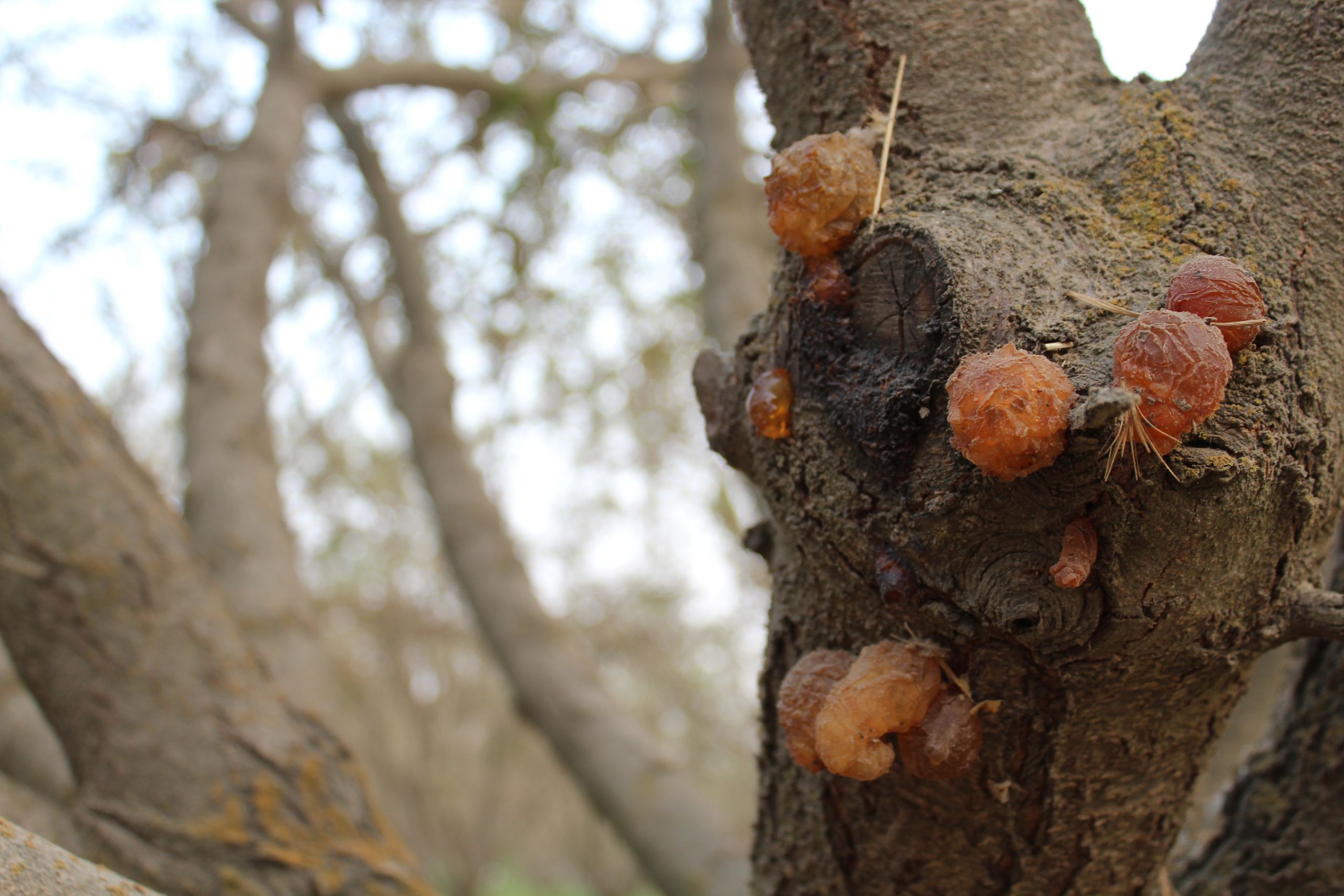
Ceratocystis canker starts as water-soaked injuries that are darker than the surrounding healthy tissue. Symptoms of established infections include amber-colored gumballs that are produced around the margin of the canker, where the fungus is most active. The cankers are perennial, persist over several years, and are most active during the growing season. Young trees infected with Ceratocystis canker may die rapidly while infections in older trees usually progress slowly.
Band canker and other Botryosphaeriaceae cankersAlthough band canker was first reported years ago as a disease in almonds, it’s appearance had been very sporadic up until the last decade, when this disease was suddenly being reported in large numbers of commercial orchards and causing severe damage.

Band canker Band canker produces unique symptoms that include oozing amber sap that forms in a ring around the circumference of the tree. Young, vigorous varieties that grow quickly from aggressive nitrogen and water inputs are especially prone to band canker. Solid sprinkler irrigation or micro-sprinklers that wet the tree trunk can create conditions favorable for infection.
Band canker is often an annual disease that occurs when trees are in their second-to-fifth leaf and usually does not necessarily reappear the following year. However, an increasing number of cases have been reported lately where cankers are being re-activated in following year. Tree death due to band canker has become more common as multiple bands can develop as the canker continues to grow from one growing season to the next.
Botryosphaeriaceae cankers are characterized also by gumming around pruning wounds made near the trunk or in main scaffold branches. Band canker and Botryosphaeriaceae cankers are particularly common in young almond orchards in the northern San Joaquin Valley and well as in the Sacramento Valley.
Infections by Botryosphaeriaceae fungi are usually associated with growth cracks or pruning wounds on the trunk and main scaffold branches. Studies have revealed there are at least 12 different Botryosphaeriaceae species in almonds, each with various levels of virulence. Among them, Neofusicoccum species, including N. parvum and N. mediterraneum, are the most common in California. Neoscytalidium dimidiatum also occurs frequently in cankers developing around pruning wounds on the trunk. This pathogen also can cause shoot blight and fruit rot in almonds.
Eutypa diebackEutypa dieback in almonds occurs sporadically in the Sacramento Valley and in the northern San Joachim Valley. Eutypa dieback is caused by the fungus Eutypa lata and is a common disease in apricots, sweet cherries and grapevines. Eutypa dieback in almonds is usually found in young trees.
Cankers mostly originate from pruning wounds on limbs or trunks as well as from cracks formed at the junction of scaffold branches and the trunk, extending downward toward the graft union or upwards into one or more scaffold branches. Amber-colored gum turning dark brown to reddish brown normally exudes around the cracks. Irregular-shaped to wedge-shaped, brown-colored cankers are observed from cross sections of limbs and trunks.
Limb dieback may occur several months or years after infection. The fungal fruiting bodies, i.e. the perithecia of E. lata. are rare in almond orchards, suggesting sources of inoculum for this disease most likely originate from surrounding susceptible hosts including apricot and grapevine as well as natural host plants in riparian areas such as willows.
Cytospora cankersCytospora species have been isolated sporadically in almond orchards in California, Cytospora canker is generally associated with pruning wounds in the branches of third-leaf trees or older. At least five species of Cytospora have been associated with cankers in California almonds. Symptoms of Cytospora canker include longitudinal cankers in branches and scaffolds often associated with pruning wounds, vascular discoloration of the wood and moderate gumming.

Florent Trouillas, UC Davis Plant Pathologist Cytospora species have been traditionally thought to be secondary to sunburn and other stresses or injury in stone fruits. However, their prevalence in cankers together with pathogenicity studies suggest that this group of fungi constitutes virulent pathogens. Overall, Cytospora pathogens are of increasing concern in recent years in many fruit and nut crops in California.— By Florent P. Trouillas (Through the Almond Board of California), Assistant Cooperative Extension Specialist in the Department of Plant Pathology at the University of California, Davis
Stay tuned for a follow-up article from Trouillas on how growers can manage different types of canker diseases in their orchards. Growers are also encouraged to check out the Univeristy of California IPM website for more information on various types of canker diseases. -
Japan Grants Market Access for All Varieties of US In-Shell Walnuts
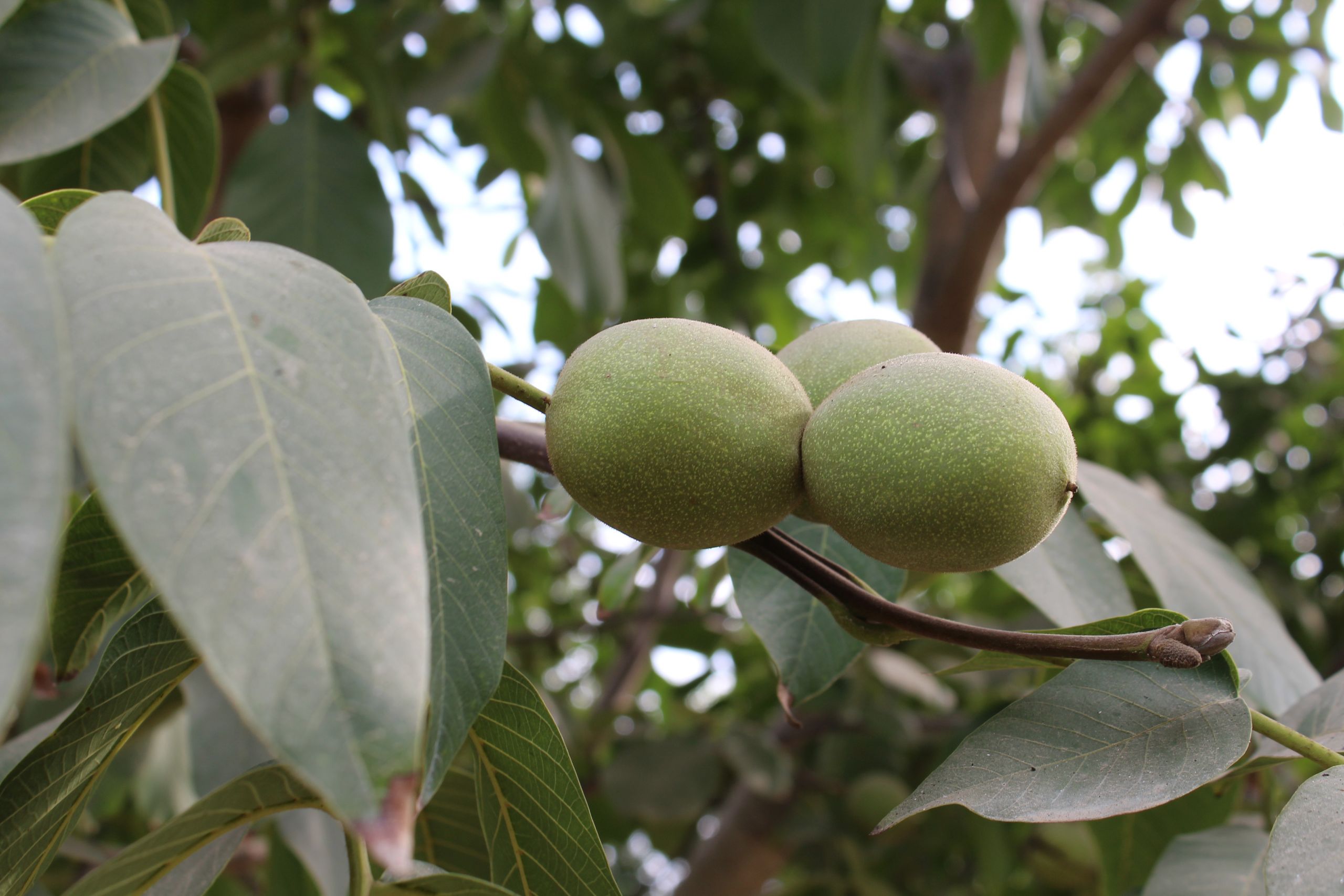
As of September 16, 2020, Japan allows imports of all varieties of U.S. in-shell walnuts to Japan. Back in 1986, the Ministry of Agriculture, Forestry and Fisheries (MAFF) granted market access to Hartley, Payne and Franquette varieties of U.S. in-shell walnuts. Since then, the United States had requested that Japan expand market access to all U.S. walnut varieties.
On September 16, 2020, Japan revised the Ordinance for the Enforcement of the Plant Protection Act with immediate effect. This revision allows exports of all varieties of U.S. in-shell walnuts to Japan.
Due to Japan’s phytosanitary concern about codling moth in the United States, U.S. in-shell walnut exports to Japan must be fumigated. Furthermore, a phytosanitary certificate issued by APHIS is required to import fresh and frozen in-shell walnuts to Japan. For detailed import requirements for in- shell walnut, please consult MAFF’s Standards and Regulations; for U.S. walnuts (available in Japanese only). — By Tomohiro Kurai, USDA Foreign Agricultural Service
-
The Relationship Between Almond Tree Performance and Microbial Activity in Soil
– SPONSORED CONTENT –
By: Dr. Karl Wyant
Although soil microbes, including bacteria and fungi, are microscopically small, they can have an enormous impact on the performance of almond crops. According to a recent study, soil microbial communities associated with tree crops are critical for their long-term growth and development, particularly under challenging soil conditions (Mercado-Blanco et al., 2018). Soil microbial communities are known to contribute to increased aboveground plant productivity, improve the availability of soil nutrients and water, and can help mitigate abiotic stressors and toxic compounds (Mercado-Blanco et al., 2018) for the associated crop (Weil and Brady 2017). In a case study conducted by Heliae® Agriculture, we analyzed the importance of microbial activity in almond tree soil.
The PhycoTerra® product line of conventional and organic microalgae technology is a proven way to increase soil microbial activity that can have an immediate impact on your almond tree growth and yield. This idea, as eloquently expressed by Mercado-Blanco et al., (2018), is that the belowground microbiome can be harnessed to improve the growth and development of permanent tree crops worldwide. Let’s now turn our attention to two case studies showcasing the use of PhycoTerra® and PhycoTerra® Organic on improving almond growth and yield. The key connection here is that the PhycoTerra® product line had a direct, positive impact on soil microbial abundance and diversity, which lead to an improvement in crop performance (Mercado-Blanco et al., 2018).
We were challenged to help optimize the establishment and growth of third leaf almonds near Bakersfield, CA and chose PhycoTerra® Organic to help drive optimal improvement in the soil microbiome. Using a planned, program approach, we applied 3 gallons/acre total of product in small doses at key timings, starting with petal drop. Since yield information was not available on the young trees, we used growth in trunk diameter as a proxy for crop response against a grower standard.
Blocks on the PhycoTerra® Organic program showed a 30% average increase in trunk diameter compared to their respective control blocks of the same size. We are moving into Year 2 of the trial and should start to see yield impacts shortly.
We were asked to help a grower gain additional value from a 19-year-old almond field, close to the end of its useful productive capacity. With that in mind, we felt revitalizing the soil microbiome, using PhycoTerra®, was key due to the relationship between tree crop production and belowground bacteria and fungi populations (Mercado-Blanco et al. 2018). We applied a total of four gallons/acre to the field at key timings using a planned, program approach.
Application of PhycoTerra®, with the intent to increase microbial activity the soil, improved yield and value for both Nonpareil and Carmel almond varieties in an older orchard, compared to the grower standard. Additionally, the grower observed less lower limb die-off on the PhycoTerra® side and we believe this played a role in the improved yield. Nut size also increased, using PhycoTerra®, jumping from 25/27 to 23/25, for both varieties.
Our research about the importance of soil microbial activity in soil at Heliae® Agriculture has led to the creation of a quality microalgae product for a variety of sustainable soil solutions that can have an immediate impact on your soil microbiome and the performance of your almond trees. To learn more about our Soil Microbe Food, PhycoTerra®, and how it can improve the soil on your farm, click here.
References
• Mercado-Blanco et al. 2018 – https://www.frontiersin.org/articles/10.3389/fmicb.2018.01006/full
• Weil and Brady 2017 – https://www.pearson.com/us/higher-education/program/Weil-Nature-and-Properties-of-Soils-The-15th-Edition/PGM219427.html