Category: Industry News

  • Fresno Ranked #1 Ag County in the Nation, Led by Almonds

    Fresno Ranked #1 Ag County in the Nation, Led by Almonds

    The Fresno County Department of Agriculture’s 2019 Crop and Livestock Report was presented to the Board of Supervisors today. For the second year in a row, Fresno County is the number one agricultural county in the nation.

    “Fresno County’s 2019 Crop and Livestock Report once again showcased how this region is the food capital of the world,” said FCFB CEO Ryan Jacobsen. “A significant amount of the nation’s plate originates right here in our backyard with over a third of the country’s vegetables and two-thirds of the country’s fruits and nuts grown in California, a great majority of those here in the San Joaquin Valley. In total, California holds seven of the nation’s top 10 agricultural counties, including Fresno, Kern, Tulare, Monterey, Stanislaus, Merced, and San Joaquin.”

    Overall, the 2019 agricultural production value in Fresno County totaled $7.717 billion. While the total crop production decreased 2.31 percent, Fresno County was just able to hang on to the number one spot.

    “This report is prepared in accordance with California Food and Agriculture Code and summarizes the acreage, production, and value of agricultural commodities produced in Fresno County,” said County of Fresno Agricultural Commissioner/Sealer of Weights and Measures Melissa Cregan. “The figures contained herein represent gross returns to the producers and does not reflect actual net profit.”

    Included in the 2019 report are over 300 different commodities, 78 of which have a gross value in excess of $1 million.

    “Although individual commodities may experience difficulties from year-to-year, Fresno County continues to supply the highest quality of food and fiber nationwide and abroad to more than 89 countries around the world,” said Cregan.

    Fresno County Department of Agriculture issued 17,796 phytosanitary certificates for 63 commodities destined for 89 countries around the globe in 2019. In addition, inspectors walked and certified 1,406 acres of alfalfa, lettuce, radish and onion grown for seed export.

    “During this week of gratitude and thanks typically celebrated around the dining table, we should all be appreciative to the men and women whose jobs depend on agriculture,” continued Jacobsen.

    Too often, the Crop and Livestock Report gets summarized down to just a single overall number, but it yields a significant amount of information, such as, the ability to examine changes and trends in crop acreage and yields. Amounts in the report reflect the gross income values only and does not reflect net return to producers.

    “The Crop Report is more than numbers,” said Jacobsen. “It provides the opportunity to salute local agriculture and focus on the food and fiber, jobs and economic benefits our farms provide. No matter how small or big the farm operation is, they all provide essential benefits to our community, nation and world.”

    One significant component of the report is the review of the county’s “Top 10 Crops,” which showcased the diversity of products grown here. In 2019, these crops accounted for just shy of three-fourths of the report’s value.

    This year’s Crop Report was a salute to our “superheroes” in the agricultural community, including the work done by the County of Fresno Department of Agriculture in partnership with the California Department of Food and Agriculture in protecting the agricultural industry from invasive species and pests.

    For a copy of the full crop report, click here.

    Source: Fresno County Department of Agriculture’s 2018 and 2019 Crop and Livestock Reports

    Frequently asked questions about the Crop Report:

    What is the Crop Report?

    The Crop Report is a state mandate that reflects the county’s gross value of agricultural production, separating the information by commodity group for a calendar year. Information is gathered through the use of a crop report survey from a random sample of growers, ranchers, processors, packers and many other sources.

    Due to its diversity, California is the only state that produces annual county crop reports, which are more precise and unique than other government and industry reports. The report is also the only source of specialty crop and general county data.

    Who uses the Crop Report?

    The information provided in the Crop Report helps groups, such as ranchers and growers, agricultural suppliers, agricultural lenders, agricultural research and education agencies, agricultural regulatory agencies, transportation agencies, farm labor offices and health and disease programs, plan for the upcoming year in regards to harvesting, processing, pricing, transportation and credit.

    Lenders use the Crop Report extensively to be informed of cropping trends and potential capital needs for different crops. In addition, research and education agencies use the Crop Report as a historical baseline of what is being grown. It provides valuable information in policy alternative decision making. Finally, the USDA Farm Service Agency (FSA) uses the Crop Report. During disaster relief, the FSA pays growers based on a weighted average of the crop report data for the impacted crop.

    How does it benefit Fresno County?

    Every year, there is a gap between when Fresno County fiscal year begins and ends, and when the funds from property taxes are received. Since the county cannot operate without funds, it applies for a tax and revenue anticipation note (TRAN), which is a short-term loan. The county needs this loan prior to July 1 to ensure that all county services will continue for residents.

    When Fresno County officials apply for the Standard & Poor’s Bond Rating, they present a financial package, which includes the county’s risk management strategies, current budget for the year and a forecast for the upcoming year. This portfolio highlights resources that are unique to the area and includes a page focusing on Fresno County’s record agricultural production and trends of the previous 10 years.

    Fresno County Farm Bureau is the county’s largest agricultural advocacy and educational organization, representing members on water, labor, air quality, land use, and major agricultural related issues. Fresno County produces more than 300 commercial crops annually, totaling $7.717 billion in gross production value in 2019. For Fresno County agricultural information, visit www.fcfb.org.

  • CA Court Rules Insects Not Protected by Endangered Species Act

    CA Court Rules Insects Not Protected by Endangered Species Act

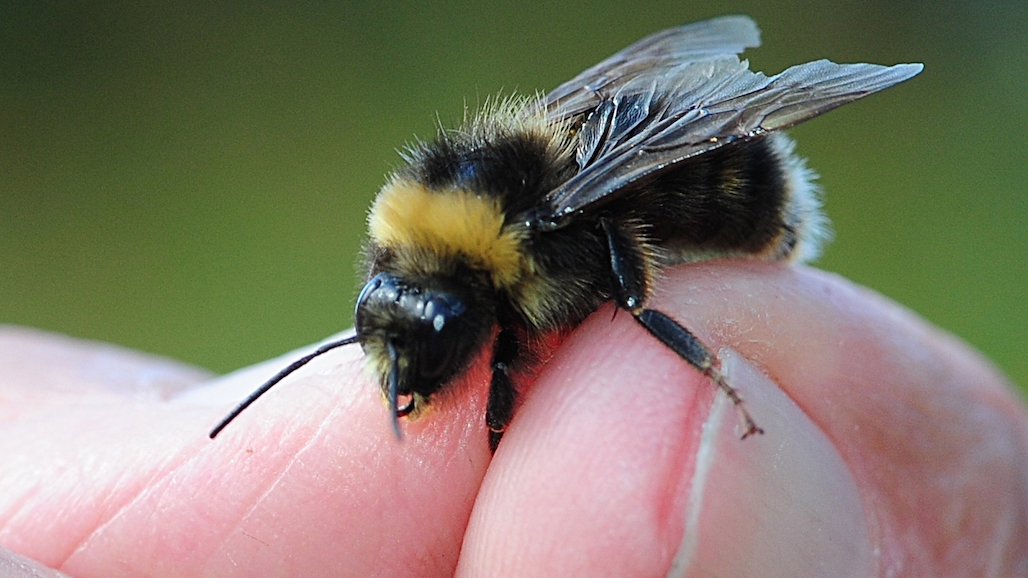
    The California Superior Court in Sacramento has ruled the California Endangered Species Act (CESA) does not cover insects and that bees cannot be classified as fish. The Court issued its final ruling on Nov. 19, 2020.

    The Almond Alliance of California, in collaboration with seven other agricultural groups, filed suit with California Fish and Game Commission in response to a vote to grant candidacy status to four subspecies of bumble bees under the California Endangered Species Act (CESA).

    The California almond industry recognizes that pollinators are integral to many natural habitats and are crucial for the production success of our industry.  The Almond Alliance of California is pleased with the ruling and reiterates that the California almond industry continues to be committed to protecting the health and well-being of bees.

    Ruling in Almond Alliance of California v. California Fish and Game Commission, Judge James P. Arguelles agreed with a group of petitioners including the Almond Alliance of California. The petitioners argued that the California Fish and Game Commission (the Commission) was not authorized by the CESA to give four species of bumble bees candidate-species status because the California Legislature was clear in the CESA that insects were not protected.

    The Commission and the California Department of Fish and Wildlife unsuccessfully argued that bees and other insects and invertebrates are covered under the CESA because “invertebrates” are included within the definition of “fish” in Section 45 of the Fish and Game Code (FGC).

    The case follows a 2018 petition from the Xerces Society for Invertebrate Conservation, Defenders of Wildlife, and the Center for Food Safety to the Commission to add the four bumble bee species to the list of endangered species under the CESA. The four species of bumble bee were the Crotch, Franklin’s, Suckley cuckoo, and Western bumble bee. The bumble bees became candidate species, meaning “a native species or subspecies of a bird, mammal, fish, amphibian, reptile or plant that the Commission has formally noticed as being under review”, when the Commission accepted the petition in June 2019. The court’s Thursday ruling set aside the Commission’s decision.

    The Almond Alliance in conjunction with our trade organization partners argued that this consideration is not justified based on the following facts:

      • Presently, no insects are listed as threatened or endangered under CESA.
      • Both the California Office of Administrative Law and the California Office of the Attorney General have previously taken the position that insects cannot be listed under CESA.
      • CESA defines candidate, threatened, and endangered species as “native species or subspecies of a bird, mammal, fish, amphibian, reptile, or plant.” The list does not include insects.

    If listed under the California Endangered Species Act (CESA), the bees would have been the first insects added. Pesticide restrictions, grazing rules, and other habitat protections could then be imposed.  While the bees are “candidates” for listing, they have the same protections as species listed as threatened or endangered.  This means prohibitions on killing them, which the Department of Fish and Wildlife routinely interprets to extend to harm to the bees or their habitat.  That could lead to uncertainty if bumble bees are present on fields or in other areas where agriculture is happening. This type of ambiguity would be disruptive to the almond industry.  For example, ripping or other soil movement could be claimed to disturb potential nesting sites.  The petitioners specifically list honey bees as a threat to the bumble bees, thus a listing could regulate placement of or reduce the number of honey bee hives.  Listing bumble bees as threatened or endangered is setting the stage for how other insect pollinators will be defined, regulated, and protected.The Almond Alliance thanks Nossaman, LLP for effectively representing the coalition and appreciates those in our industry who contributed to the legal fund to support this effort.

  • Autonomous Robot to Sample Leaves and Measure Water Potential

    Autonomous Robot to Sample Leaves and Measure Water Potential

    Every backyard gardener knows how hard it can be to tell when to water the plants. Multiply that by tens or hundreds of acres and it’s easy to see the challenges growers face keeping their crops healthy while managing water resources wisely.

    To determine water needs accurately, growers hand-pluck individual leaves from plants, put them in pressure chambers, and apply air pressure to see when water begins to leak from the leaf stems. That kind of testing is time consuming and means growers can only reach so many areas of a field each day and cannot test as frequently as needed to accurately determine optimal irrigation scheduling patterns.

    A group of researchers from UC Riverside and UC Merced have received a grant for more than $1 million from the U.S. Department of Agriculture through the National Science Foundation’s National Robotics Initiative to address these challenges. From UC Riverside are Assistant Professor Konstantinos Karydis and Professor Amit K. Roy-Chowdhury, both from the Department of Electrical and Computer Engineering. UC Merced, which leads the effort, is represented by Stefano Carpin, professor of computer science; and Joshua Viers, professor of environmental engineering.

    UC Riverside Assistant Professor Konstantinos Karydis

    As part of the project, the group is developing a robotic pressure chamber that can autonomously sample leaves and immediately test them on site to provide the freshest data. The system will work to gather data even in large fields, and over a period of time, rather than just providing a snapshot.

    Frequently updated data can help growers better plan irrigation schedules to conserve water, optimize the time and effort spent by crop specialists tasked with determining and analyzing lead water potential, and help decrease some of the costs in the food-production chain.

    UC Riverside Professor Amit K. Roy-Chowdhury

    Current measuring techniques involve collecting leaf samples and transporting them to an off-site location, where testers can use very accurate, expensive pressure chambers; or sampling and analyzing leaf samples in the field using hand-held pressure chambers.

    “In the first category, leaf samples can get mixed up, making it impossible to track them back to the specific areas of the field they came from, Karydis said. “In addition, the properties of the leaf might vary given the time elapsed between being sampled and being analyzed, which in turn may yield misleading results.”

    Hand-held instruments in the field can be less accurate, but testing can be done multiple times with different leaves from the same plants. This method is time- and labor-intensive, and must be undertaken by specially trained personnel.

    Carpin has already worked with colleagues at UC Davis and UC Berkeley to create the Robot-Assisted Precision Irrigation Delivery, or RAPID, system, which travels along rows of crops adjusting irrigation flows according to sensor data that tells the robot precisely what’s needed for each plant.

    The project will use the same mobile base robot as in RAPID but equip it with a custom-made robotic leaf sampler and pressure chamber being designed by the researchers at UC Riverside, and pair it with drones that can survey the fields and direct the robot to areas of interest.

    “Using this process, growers could survey plants all day long, even in large fields,” Carpin said.

    The four-year project will support graduate students as well as summer research opportunities for undergraduates. The project has four phases: development of the chamber; developing machine vision so the robot can “see” the water coming from the leaf stems; coordinating multiple robots — in the air and on the ground; and evaluation.

    The researchers plan to have the first set of automated pressure chamber prototypes fabricated by spring 2021, and to evaluate their performance and refine designs in controlled settings over spring and summer 2021. They expect to have a completed setup by winter 2022, so they can begin controlled field testing.

    “We have to be quick about it because if we miss a peak growing season, we have to wait another nine months for the next one,” Carpin said. “We’d like to be able to start testing next summer and test every summer, and we need to be able to maximize the tests.”

    When all of the components have been designed, the designs and code will be made open source, and all the data collected during the project will be made available to the scientific community, the researchers wrote in their proposal.

    The project came about after Carpin and Viers, director of the Center for Information Technology Research in the Interest of Society, or CITRIS, at UC Merced, had been talking with area farmers about the challenges of growing almonds and grapes. Karydis and Roy-Chowdhury had been hearing the same challenges from citrus and avocado growers in the Riverside area, so the four partnered up.

    “California agriculture presents a challenge in terms of scalability,” Carpin said. “But this an exciting collaboration because we’ll get to develop a system that will work on different kinds of crops.” — By Holly Ober, UC Riverside

  • Grower Survey to Address Future Innovations in Weed Management

    Grower Survey to Address Future Innovations in Weed Management

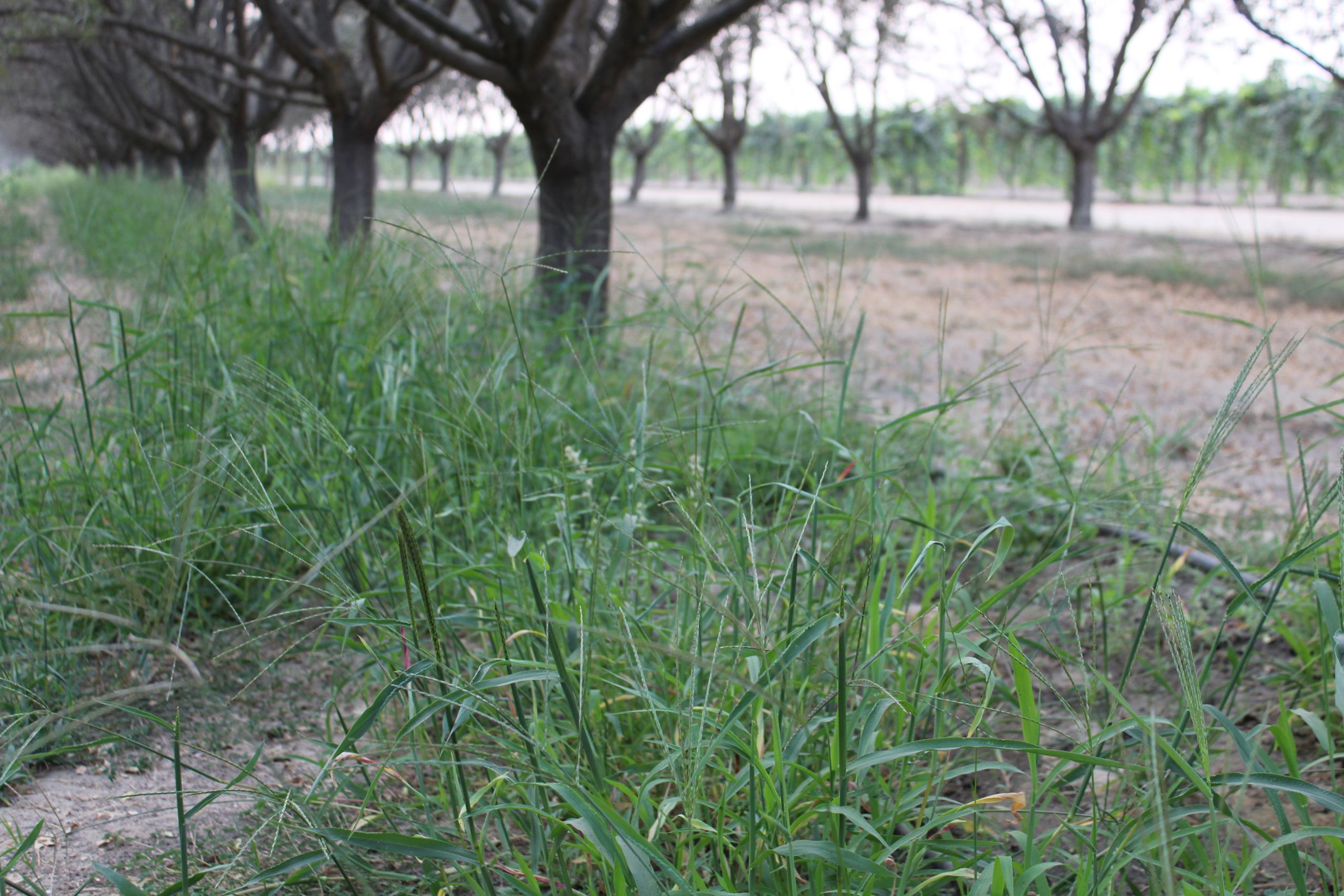
    Weeds can be a significant problem in berries, tree fruits, tree nuts, and vine crops (e.g. grapes, hops, etc.) especially after transplanting and during flowering and fruit and nut set. Herbicides are a primary tool for managing weeds, even though the evolution of herbicide resistance has limited the utility of many products and off-target movement can sometimes result in damage to trunks, shoots, leaves and flowers. Many growers are transitioning to organic systems to address changes in consumer preferences or satisfy the requirements set in place to enter export markets.

    Perennial cropping systems are exploring technologies such as automated harvesters and pruners, to reduce labor demands, and canopy sensing sprayers, to minimize the amounts of crop protection chemicals applied to shrubs, trees, and vines. Novel weed control tools that eliminate or reduce the need for herbicides are actively being developed for and marketed in the agriculture and horticulture industries. These new technologies could begin to play and increasingly large role in future crop production, particularly in high-value specialty crops that 1) have limited herbicide options, 2) are sensitive to herbicide injury, and 3) are heavily reliant on a labor market that is simultaneously growing more scarce and more expensive.

    A team of weed scientists from UC Davis, Oregon State University, and Cornell are asking berry, tree fruit, tree nut, and vine crop growers to take 5 to 10 minutes and answer this short and anonymous survey (link below) about your current weed management practices and your interest in novel technologies, like vision-guided sprayers and cultivators, and electric, steam, and pressurized water weeders. This will help us plan research and extension projects that will address stakeholder concerns regarding the future of weed management.

    There’s always a chance that we forgot to include some amazing tools that are emerging on the horizon; please feel free to e-mail Lynn Sosnoskie at lms438@cornell.edu and let her know what you think the future of weed control will look like.

    Thanks for your time. We appreciate your support of weed science research.

    Survey link: https://cornell.ca1.qualtrics.com/jfe/form/SV_bEpfAijoP7puQDP

  • How to Maximize Groundwater Recharge, Addressed at Upcoming Almond Conference

    How to Maximize Groundwater Recharge, Addressed at Upcoming Almond Conference

    Almond Board of California — Ensuring there is enough water from surface and underground supplies to meet all the state’s demands is a complicated and often controversial task. As author Mark Twain famously said, “Whiskey is for drinking. Water is for fighting.”

    Groundwater usage and potential recharge opportunities are huge points of discussion in the California agricultural industry, particularly in the San Joaquin Valley. Approximately 2 million acre-feet more groundwater is pumped in this valley each year than is replenished to provide drinking water for people and nourishment for an enormous variety of annual and perennial crops, including almond trees.

    In 2014, the state passed the Sustainable Groundwater Management Act (SGMA), setting deadlines for sustainability in many almond-growing regions by 2040. The act mandated the formation of Groundwater Sustainability Agencies (GSAs) to oversee management and recharge efforts in specific local groundwater basins.


    Recharge is one of the primary methods to replenish groundwater basins on the supply side of the equation, which is why it again will be the focus of a session at The Almond Conference. This session will be held on Tuesday, Dec. 8 at 10 a.m. PT. 

    The session will feature three experts on water issues in California:

    • Stacey Sullivan, policy director for Sustainable Conservation. Sullivan will discuss state water policies that affect recharge, such as water rights.
    • Scott Hamilton, a consultant for San Joaquin Valley Water BlueprintHamilton will discuss infrastructure and conveyance as part of recharge efforts, including the availability of canals and pipelines to move water as well as who is responsible to pay for said infrastructure.
    • Laura Ramos, program manager at the California Water Institute at California State University, Fresno. Ramos will focus on how recharge efforts – including those undertaken by the ag industry – can improve drinking water supplies, particularly for those in more disadvantaged areas of the San Joaquin Valley.

    Session explores options for recharge

    Recharge is a serious topic for almond growers, many of whom rely on pumping to augment whatever surface water allocations they receive each year.

    According to the Public Policy Institute of California’s Water Policy Center, intentional groundwater recharge efforts could fill about 25% of the gap between current supply and demand for groundwater in the San Joaquin Valley, putting up to 500,000 acre-feet of water back into aquifers each year. Without mitigation, the San Joaquin Valley Blueprint estimates as many as 1 million acres in ag production today could be fallowed in years to come.

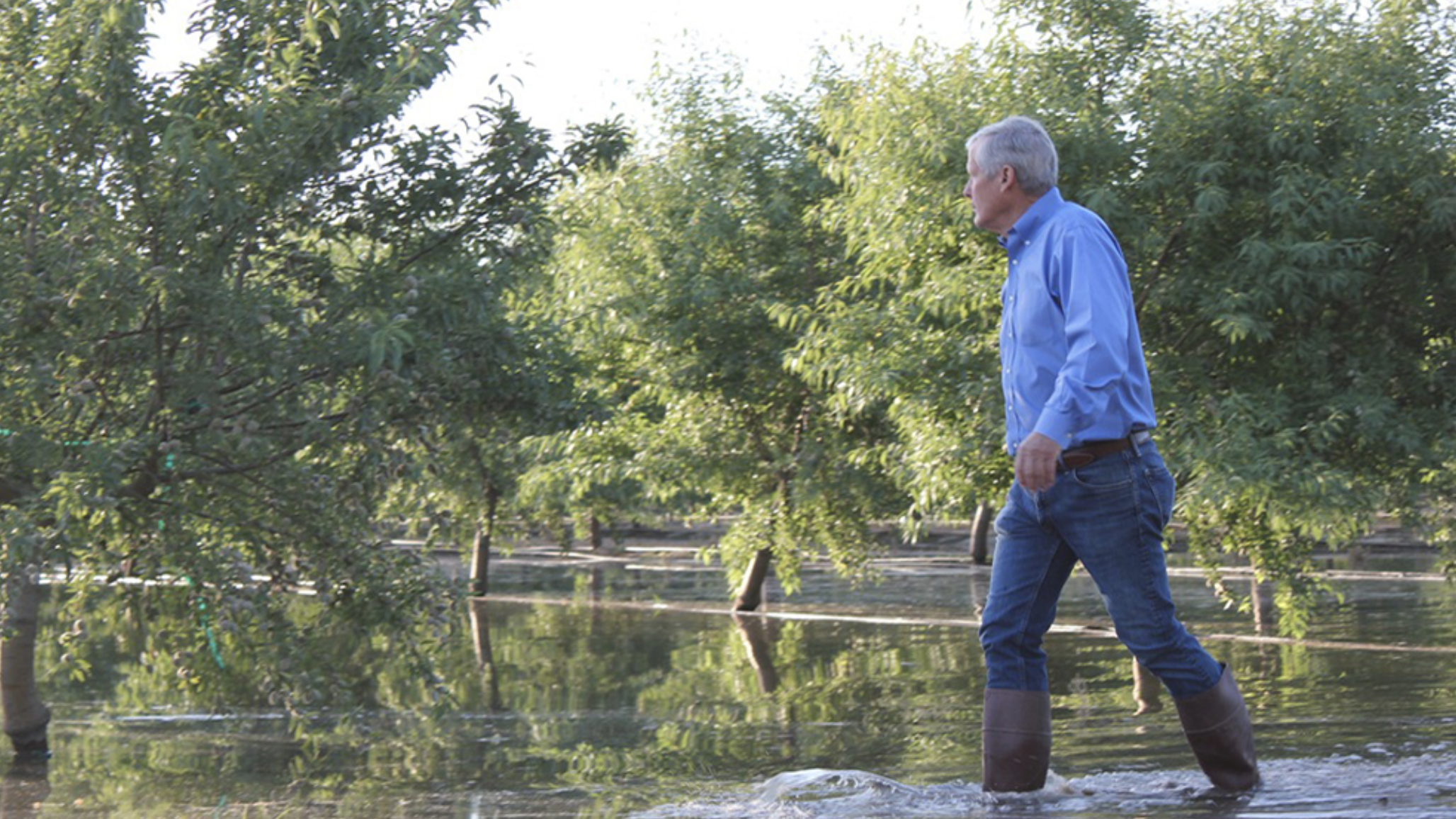
    There are several options for growers who want to try groundwater recharge. The simplest method involves using existing flood irrigation systems in the dormant season, when there is excess available water that can percolate down and replenish the aquifer. If a flood irrigation system isn’t available, the soil doesn’t drain well, or other obstacles stand in the way, growers can consider: 

    • installing a groundwater recharge pond on their property outside the orchard,
    • fallowing an area within in the orchard that is best suited for recharge in order to develop a pond (sandy areas are optimal), or 
    • working with a GSA to develop recharge projects elsewhere in one’s basin.

    Jesse Roseman, principal analyst for Environmental and Regulatory Affairs at the Almond Board of California (ABC), will moderate the session. His hope is that the discussion spurs growers to “think through the factors involved in recharge to better understand if this practice is right for their orchards.”

    Though many of SGMA’s potential restrictions on groundwater pumping won’t take effect for many years, the possibility of consecutive years of below-average rainfall and snowfall years always threatens growers’ access to surface water – and puts pressure on aquifers.

    “Some counties have already tightened up on approving new wells,” Roseman said. “If we have below-average rainfall again this year, reservoirs will be drawn down, impacting surface water allocations.”


    Groundwater guide supports grower decisions

    Beyond the session on recharge, the Almond Board of California (ABC) and Sustainable Conservation are collaborating on a Groundwater Recharge Guide that will be published in early 2021 and distributed via an Industry Roadshow. As part of this roadshow, ABC’s Field Outreach and Education team, along with other staff, will travel throughout the growing region of the Central Valley to meet with industry members and distribute content that would have typically been provided at an in-person Almond Conference. Stops along the roadshow will include locations in your area, including coffee shops, Farm Bureau offices and other places that people can safely gather during the pandemic.

    “The document will give growers a starting point to learn about recharge and how it might not only fit into their farming operation, but also help achieve basinwide sustainability,” Roseman said. “Recharge won’t be an option on every farm or even in every basin, but we want to provide guidance based on research, informing growers on what questions to ask before they try it out.”

    Mark your calendar for Tuesday, Dec. 8 at 10 a.m. to attend the session on groundwater recharge, and check out The Almond Conference 2020 webpage for the event’s complete agenda. As a reminder, The Almond Conference 2020 will be held completely virtually.

  • Modifying Marketing Orders to Face New Challenges

    Modifying Marketing Orders to Face New Challenges

    Growers’ strategies to enhance the economic sustainability of their farms are constantly evolving to address changing markets and production conditions. State or federal marketing orders enable farmers, farmer-organizations, and, in some cases, handlers to act collectively to further their mutual economic interests without violating anti-trust law. In order for marketing orders to be relevant with changing agricultural conditions, they must periodically have modifications made to their rules and regulations. Changing the scope of a marketing order’s regulations involves undertaking a thorough rule-making process, which generally takes significant lead time before approval and implementation of changes. In this article, we examine recent efforts by the California Walnut Board to update its order in three key dimensions.

    A marketing order is formed when a majority (usually two-thirds) of growers accounting for a majority of production vote in favor of it, although specific rules vary. Once formed, participation is mandatory for all producers and first handlers of the given crop in the relevant geographic area. (A first handler takes the commodity from the farmgate and introduces it into the marketing chain.) A per-unit assessment on sales funds the marketing order’s activities. Federal marketing orders can engage in activities in the following categories: promotion and advertising, research and development, quality regulation, pack and container requirements, marketing information, quantity regulation, and import regulation. They cannot use funds for political lobbying.

    While activities in all of these categories can be included in a marketing order, the specific activities permitted for a specific marketing order are defined in federal or state regulation when it is formed. Changing these activities requires completing a federal rule-making process. One federal marketing order,the California Walnut Board (CWB), has recently initiated processes for three changes in its activities, each within a different category. We examine these proposed changes and distill lessons for other orders that may consider updating their regulations.

    The CWB is proposing to implement a “credit-back” program within the portion of its order dealing with advertising and promotion. It requires review through a formal rule-making process and a grower referendum. The other two proposed changes require review through a relatively streamlined informal rule-making process. One proposes suspending an existing volume control authority, which has not been exercised in decades (quantity regulation).

    The other proposes expanding the information collected from handlers (marketing information). The proposed credit-back program is intended to incentivize handlers to engage in advertising and promotion activities by refunding them a portion of the money they spend, which effectively lowers the marginal cost of these activities. If handlers perceive a marginal benefit to additional expenditures and set marginal benefit equal to the marginal cost as predicted by economic theory, then they will increase spending. The program would refund handlers up to 70% of their spending on eligible advertising and promotion expenditures, subject to a handler-specific maximum.

    The maximum amount available to a handler is the same share of the credit- back program budget as its share of total walnut acquisitions in the previous year. Thus, a handler who had 10% of total acquisitions would be eligible to be reimbursed for eligible expenditures totaling up to 10% of the total funds budgeted for the credit- back program. If the program budget were $1 million, the handler would be eligible for $100,000 in reimbursement. At the proposed maximum 70% reimbursement rate, the handler would need to spend $142,857 in eligible expenditures to receive the entire reimbursement.

    The proposed credit-back program would require handlers to include ‘California Walnuts’ on the primary face label and include the handler’s name or brand on the package. This requirement could aid in differentiating California walnuts from walnuts produced elsewhere, potentially leading to higher prices for California producers. Handlers participating in the credit-back program will have a decrease in net assessment costs because a portion of their marketing expenses will be credited back. Costs will be unchanged for handlers who do not participate. Handlers can choose whether to participate, and will only do so if they perceive a positive net benefit from the program.

    The credit-back program intends to expand total advertising and promotion expenditures for California walnuts, thereby enhancing demand and market price. Its effectiveness will depend on the extent to which handlers increase their expenditures beyond those they already make.

    Advertising & Promotion: Credit-back Program
    Advertising is predicted by economic theory to increase demand for the advertised product by “shifting” it outward, increasing the price for any quantity sold, and increasing the quantity sold at any given price. Empirical analyses of commodity advertising and promotion for specific marketing order programs, including many in California, have found these programs to be highly effective in expanding demand. If the credit-back program prompts an increase in total advertising and other demand-enhancing expenditures, including those by handlers and by the Board, economic theory predicts that gross revenues accruing jointly to growers and handlers will increase.

    There are multiple ways in which additional advertising and promotion expenditures could increase demand. First, current walnut consumers could purchase more walnuts. Second, new consumers could choose to purchase walnuts. Finally, handlers could create or expand additional sales channels due to the development and sale of value-added products, potentially increasing net returns above those obtained by commodity sales.

    Figure 1 illustrates the effects of an increase in demand on price when supply (S1) is fixed at quantity Q1. The fixed supply approximates the situation within a single marketing year when the crop has limited or no storability across years. Demand curve D1 represents the quantity buyers will purchase as a function of price, where Q1 is sold at the price P1. D2 represents an increase in the demand curve due to advertising, which increases the price for Q1 to P2. Thus, an increase in demand due to increased total advertising and promotion expenditures from a credit-back program would increase the observed market price when the quantity supplied is fixed.

    Figure 1 holds the supply curve constant. However, the production of most crops tends to increase over time due to technological innovations, and growers may respond to changes in the relative profitability of different crops by changing their acreage allocations. All else equal, an increase in supply, regardless of its nature, will reduce price. This behavior is represented in Figure 2 by the annual quantity harvested increasing year-on- year from Q1 to Q2. As in the previous figure, the initial market price P1 is where the initial demand curve D1 intersects with the initial supply.

    The second demand curve D2 again represents the effect of advertising on price. The new market price P3 is at the intersection of the increased demand curve (D2) and the increased supply curve (S2). In this example, due to the increase in quantity, price declines to P3; the negative effect of the increase in supply on price outweighed the positive effect of advertising.

    Depending on the nature of the shifts in supply and demand, the observed price may decline, increase, or stay the same. However, the observed price will always be higher than the price would have been if demand did not increase. In other words, observing a price increase is not a requirement for demonstrating that advertising is effective.

    Figure 2 illustrates this point. The price determined by the interaction of the initial demand curve and the second supply curve is lower than the price when advertising shifts out demand as well. All else equal, an increase in demand due to advertising and promotion would increase the market price. However, the substantial increase in production can more than offset any such effect, so that a net price decrease is observed. In that case, while the price is lower (P3) than the initial price (P1) due to the increase in supply, it would have been even lower (P4) had there not been an advertising-induced demand increase.

    Table 1 quantifies potential benefits of a credit-back program for the specific case of the California walnut industry. Earlier work by one of the authors estimated that each dollar invested in advertising and promotion of California walnuts generated $19.75 in total revenue and $15.67 in net returns on average. Assuming a $0.04 assessment rate per hundredweight and total production of 625 million cwt., the CWB’s total annual budget is approximately $25 million. If the credit-back program budget is assigned 10% of assessments, then it would have $2.5 million to allocate each year.

    The success of the credit-back program will depend on the extent to which it increases total expenditures on advertising, promotion, and other demand-enhancing expenditures, including those by handlers and the CWB, all else equal. If handlers do not increase their expenditures, then there will be no positive impact on price, although handlers’ net returns would increase due to the partial reimbursement of their current costs.

    At the other end of the spectrum, if all handlers requested their maximum amount of credit-back and used all of the funds to match new expenditures rather than substituting for any existing ones, then they would invest an additional $3.25 million in advertising and promotion: 70% of these expenditures would be credited back, totaling the $2.5 million in the program budget. The remaining 30% would be a $1.07 million increase in total advertising and promotion expenditures, paid by handlers. Multiplying the estimated returns per dollar by the additional expenditures by handlers, the program would generate roughly $21.2 million in additional total revenues and roughly $16.8 million in additional net returns.

    Volume Control: Suspending the Reserve Authority
    One of the CWB’s authorized activities is the annual creation of a reserve based on market conditions that assigns “free” (eligible for sale domestically), export, and reserve percentages to production volumes. It has not exercised this authority in over thirty years, due to a strategic decision in the 1980s to focus on enhancing demand rather than regulating supply.

    The CWB is seeking to suspend this authority through the USDA’s informal rule-making process. Suspending the authority would eliminate the need for a committee to evaluate the desirability of establishing a reserve when market conditions have made the concept of a reserve effectively obsolete.

    Marketing Information: Expanding the Scope of Reporting
    Currently, the CWB is authorized to collect information regarding walnut shipments from handlers. While assessment income is based on shipments, shipment data does not provide a complete picture of walnut volume availability. The CWB is currently seeking the authority to expand permitted reporting to include volumes that have purchase commitments but have not been shipped. This proposed change enables the information collected by the CWB to better reflect the conditions of modern agricultural markets in which an increasing share of purchases are committed to prior to shipment. Knowing the volume that already has a purchase commitment in addition to knowing the volume that has been shipped will provide handlers with a more complete picture of market conditions when negotiating sales.

    Modernizing Marketing Orders for Other Commodities
    As markets continue to evolve, marketing orders will continue to adapt to meet market conditions. Adaptations will include modifying traditional functions—as the CWB is proposing for information collection— and introducing and expanding new ones. The California Rice Commission, for example, has increased its focus on environmental quality and regulatory compliance and reduced its direct marketing-related activities since it was founded in 1999 as a replacement for earlier industry organizations. (It remains involved in marketing through its membership in the U.S. Rice Producers Association.) Increasing regulation of agriculture may make moving in the same direction more attractive for other marketing orders as well.

    While production research has long been a traditional marketing order function, over time, funding health research has emerged as a priority for many commodities. As consumers’ interest in designing a diet to meet their individual health needs continues to increase, health research is likely to continue to be a growth area for enhancing consumer demand for individual commodities. However, funding health research must be included as one of a marketing order’s approved activities. If it is not, the marketing order must be amended to include it. These types of successful adaptations by marketing orders will enable them to continue to meet the original objective of enhancing the economic sustainability and stability of U.S. agriculture. — By Rachael E. Goodhue & Harry M. Kaiser, Giannini Foundation of Agricultural Economics, University of California

    Authors’ Bios
    Rachael Goodhue is Professor and Chair in the Department of Agricultural and Resource Economics at UC Davis. She is the Public Member and Chair of the California Walnut Board. Harry Kaiser is Gellert Family Professor and Associate Dean for Academic Affairs in the Charles H. Dyson School of Applied Economics and Management at Cornell University.

    The opinions expressed in this article are the authors’ own and not those of the California Walnut Board or
    the United States Department of Agriculture.
  • Almond Alliance of California Applauds Defeat of Prop. 15

    Almond Alliance of California Applauds Defeat of Prop. 15

    The Almond Alliance of California today hailed the defeat of Prop. 15 which, if passed, would have been the largest property tax increase in California’s history.  The latest results from the Secretary of State’s office shows Prop. 15 losing by a margin of 52-48 %.
    The Almond Alliance mobilized a grassroots campaign focused on educational materials, letters and provided support to a broader coalition of industry partners. Almond Alliance Chairman Mike Curry said, “This is a tremendous victory for California agriculture and the California almond community. This measure would have devastated family-owned farms and businesses and jeopardized our locally grown food supply.”
    The victory demonstrated the power of agricultural groups partnering with like-minded organizations to achieve success at the ballot box, said Curry. “We worked closely with a coalition of agricultural organizations to inform our members about this issue and provide the resources needed to educate voters about the danger of Prop. 15 to the agricultural community,” he explained.

    The statewide No on Prop 15 campaign included organizations, such as: Agricultural Council of California, Western Growers, California Farm Bureau Federation, California Business Roundtable, California Chamber of Commerce, California State Conference of the NAACP, California Black Chamber of Commerce, California Asian Pacific Chamber of Commerce, Latin American and Caribbean Business Chamber of Commerce, California Business Properties Association, California Taxpayers Association and hundreds of other entities.
    “Our members deserve credit for stepping up to the plate quickly when we put out a call for help,” said Curry. “Their efforts were key to building this coalition and defeating this measure which would have unfairly burdened our community.”

    About the Almond Alliance of California
    The Almond Alliance of California (AAC) is a trusted non-profit organization dedicated to advocating on behalf of the California almond community. California almonds generate more than $21 billion in economic revenue and directly contribute more than $11 billion to the state’s total economy. California’s top agricultural export, almonds create approximately 104,000 jobs statewide, over 97,000 in the Central Valley, which suffers from chronic unemployment. The AAC is dedicated to educating state legislators, policy makers and regulatory officials about the California almond community. As a membership-based organization, our members include almond processors, hullers/shellers, growers and allied businesses. Through workshops, newsletters, conferences, social media and personal meetings, AAC works to raise awareness, knowledge and provide a better understanding about the scope, size, value and sustainability of the California almond community. 

    For more information on the Almond Alliance, visit https://almondalliance.org/ or check out the Almond Alliance on Facebook, Twitter and Instagram.
  • Reaching Stressed Consumers with Almonds, Message of Mindfulness

    Reaching Stressed Consumers with Almonds, Message of Mindfulness

    The Almond Board of California (ABC) U.S. marketing team continues to find ways to appeal to consumers through relevant and timely social media that keeps almonds top of mind.

    Although the coronavirus pandemic and 2020 election have made it more difficult to cut through a congested media environment, social media remains an escape for people looking to get away from those two factors. Leveraging the insight that consumers nationwide are facing higher stress levels, which may only be intensified by the upcoming holiday season, the U.S. marketing team decided to focus its social media strategy on mindfulness and wellness. In its social media posts, the team featured motivational phrases promoting almonds, including “a self-care snack that keeps you feeling you #almonds” and “feel good breaks pair well with feel good snacks #almonds.” This campaign seeks to capitalize on how almonds can still be part of consumers’ everyday lives, even though their days may not be as routine as usual.

    This effort also takes into consideration the fact that it can be hard to focus and stay energized when working from home, as many consumers are now forced to multi-task around the clock, jumping from their role of parent to teacher to employee. The ongoing demands of working from home allows ABC to highlight the benefits of sustaining one’s energy with a healthy snack of almonds. Social posts with captions such as “Week full of meetings? Week full of snacking on focus fueling #almonds” and “Al-monds all day. Your stay-on-task snack #almonds” are accompanied by an image of a handful of almonds over calendars and planners, connecting the nutritous snack of almonds to the realities of consumers’ busy lives.

    The Almond Board has also infused its social media strategy with humor as it continues to run its light-hearted “Garage Sale” advertisements that showcase the power of eating a handful of almonds and gaining six grams of energy-packed protein to power through the day. This “Garage Sale” paid social placement will be featured on Facebook, Instagram and Twitter through the end of November.

    Beyond those tactics, ABC has also partnered with holistic health coach Koya Webb for the last quarter of 2020 to bring even greater attention to how a simple daily almond snack can bring mindfulness back into day. Webb is publishing a series of posts featuring almonds on her Instagram page through the end of December – check out her first post here! ABC also arranged 19 television media interviews for Webb that took place at the end of October, and is looking to secure more earned media opportunities in the coming weeks.

    Taking a three-prong social media approach, from ABC’s own consumer-facing social media accounts as well as advertisements and third-party endorsement, has served up a recipe for success in, generating positive almond awareness through social media. Be sure to follow us on Facebook or Instagram at @California Almonds or on Twitter at @almonds to see the latest posts from your ABC team. — Article Courtesy of the Almond Board of California

  • Port of Oakland Update on Container Availability and Shipping Line Disruption

    Port of Oakland Update on Container Availability and Shipping Line Disruption

    The Almond Alliance hosted a zoom call with the Port of Oakland this morning to discuss issues with shipping lines and container availability at the Port of Oakland.  Through October 2020, Oakland sent out 18% fewer empty containers compared to the same time period in 2019.  Empty container exports dropped 30% between September 2020 and October 2020 (41,440 TEU vs 29,000 TEU respectively).  As you know most container shipping lines are foreign owned and are urging importers to return empty containers as quickly as possible, since it is having impacts throughout the supply chain. Ships are coming in late and berthing late and are cancelling many bookings. A significant number of chassis are being used to store full import containers, resulting in increased dwell times. The return of empty containers to free up chassis and improve operational velocity in terminals and storage yards is needed to help improve the situation.

    While efforts of many trade  associations (including Agriculture Transportation Coalition) are reaching out to the Administration and congressional representatives to request assistance, the goal of the Almond Alliance is to contact all of the carriers and get their message on what is happening with their containers and let them know the position and concerns of the almond industry.

    We requested that the Port of Oakland provide and recommendations to our membership to help them get through this situation. Below are some recommendations for consideration.  The Almond Alliance continues to work on this issue and will keep you updated.

    Recommendations to address this issue temporarily until the larger situation is handled:

    • Talk to your carriers and ask them if their book of business has changed.
    • Talk to your carriers and request that they take more export cargo. 
    • Based on your carriers’ book of business, you may need to spread the risk and consider working with other carriers. If your carrier does not have imports coming in, that is something you should consider in your decision in the next 3 months. 
    • Look at the terms of the conditions of your contract with your carrier. Certain contracts you can change your terms of conditions and temporarily give them up so carriers have incentive to work you.  We need to find ways to put pressure on carriers. 
    • Be flexible with equipment – better off shipping something than nothing and lose the sale. 

    Important note:

    Hapag Lloyd informed the Port of Oakland that in addition to the current delays of vessels employed in the AL5 service and the various recovery measures such as port omissions, speed-up, and rotation changes we unfortunately did not succeed to bring the service back on schedule since new delays have jeopardized those efforts.

    Ongoing adverse weather on the Atlantic is preventing us to do the necessary speed-up and even forces us to reduce the speed for safety reasons. In addition, port congestions caused by weather related port closures and labor shortages have caused additional delays.

    In order to recover the AL5 schedule and bring vessels back into the proforma long term schedule position, H/L has proactively decided to let all vessels slide by one week as per week 48 MV “NYK Rumina” 053W. All vessels sailing until then will remain in their delayed position with some slight schedule adjustments.

    For any questions, please email Elaine Trevino at etrevino@almondalliance.org.

  • Honoring Veterans Every Day at Farmer Veteran Coalition

    Honoring Veterans Every Day at Farmer Veteran Coalition

    Many veterans return home feeling lost, without purpose. They seek that “new mission” they grew so accustomed to during their time in the military. An agricultural non-profit is helping with just that.

    When Michael O’Gorman founded Farmer Veteran Coalition (FVC) in the back of his pick-up truck in 2008, he thought he could help our soldiers have meaningful careers and find healing on our nation’s farms.

    At that time no one was connecting veterans with the farming community. Today there are more than 250 organizations supporting this military-to-agriculture movement.

    Simply put, FVC helps veterans pursue careers in agriculture. For these men and women, farming has become their new mission. FVC recognizes that agriculture additionally offers purpose, opportunity, and physical and psychological benefits.

    This is the difference maker for many veterans in their civilian re-integration.

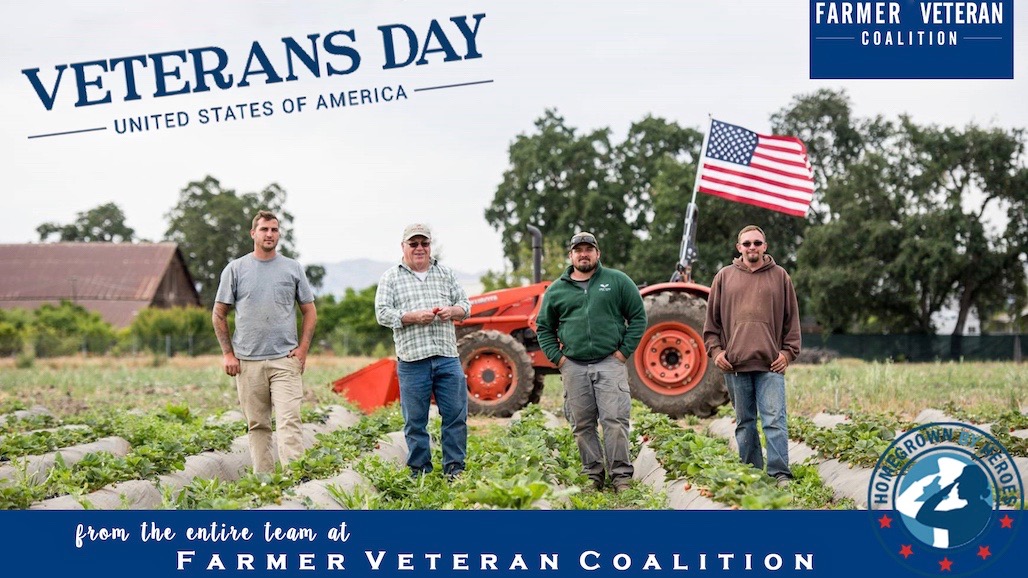
    With Veterans Day upon us, the team of Farmer Veteran Coalition is reflecting on the thousands of farmer veterans they have supported in pursuit of new agricultural endeavors, including those highlighted here.

    This year, after a decade of leading the charge, O’Gorman passed the pitchfork to newly appointed executive director Jeanette Lombardo. Raised by an Air Force veteran father, Lombardo grew up in Erie, Pennsylvania, on a family dairy farm. She spent decades in agricultural banking and now is eager to carry forward the single best way that FVC assists veterans – through their Fellowship Fund.

    A small grant program, the Fellowship Fund purchases farm equipment the member has identified as crucial to their operation. The program has funded $3 million in equipment to over 600 veterans.

    Alex Jauregui – Fury Bees (Photo by Susanna Frohman)

    Veterans like Alex Jauregui. A double-amputee, Alex lost both legs when he stepped on an IED in Afghanistan during his fourth deployment. Now he finds new purpose in his Fury Bees operation in Northern California. “Farming makes me feel enabled,” shares the former Staff Sergeant. “I never would have imagined beekeeping but it’s been very therapeutic.” FVC teamed up with Work Vessels for Veterans and Semper Fi Fund to purchase a Hummerbee forklift, which significantly reduces the physical impact on Alex’s body.

    Twin Sister Veterans Ladonna Avakian & Heather Paterson, now Oregon cherry and hazelnut growers

    Veterans like Ladonna Avakian & Heather Paterson. Twin sisters, both women served in the Air Force. Both returned home to Oregon with service-related disabilities. They were awarded a grant to fund an air sprayer for their Hollyaire orchard where they primarily farm sour cherries, hazelnuts, and holly under the Homegrown By Heroes label. “It’s small grants like this one that make us feel valued and supported,” Heather reflects. “Farming is all about community, and FVC really is its own community. To be physically active, outside, working with my twin, and having our family out there – it’s really an American dream.”

    Ben Misko, a Marine who suffered a brain injury during combat, has found healing in his Restless Roots farm. He grows vegetables and cut flowers in Central Pennsylvania. “Having a brain injury can be very frustrating at times, but animals provide a reprieve for me. Farming keeps me sound in my mind, and the animal and plant care keeps me on schedule,” shares the former Motor Vehicle Operator. “I asked for this equipment so I can provide for more animals without additional financial burden.”

    Michael Trost, who served a decades-long Army career, suffered gunshot wounds that resulted in the amputation of his right leg and the reconstruction of his hand using his toes. After 30 surgeries and two years of hospitalization, he turned to hop growing in Tennessee. “Starting this farm has given me a new mission, purpose and direction in my life. I feel more alive than I have been,” expressed Michael, explaining that the farm is a major part of his post-service recovery. “FVC believed in me and awarded me funds to install fencing around my hopyard. Now we are using the farm to help other wounded veterans. We were made to become farmers. We love to be a part of something bigger than ourselves.”

    Lovay Wallace-Singleton, the president of FVC’s North Carolina chapter, served 20 years in the Navy before founding Veterans Employment Base Camp and Organic Garden. VEBCOG provides temporary employment for post-war veterans transitioning back to civilian life, teaching urban farming skills. A Fellowship Fund grant helped Lovay repair her farm’s hoophouse after hurricane Florence struck and flooded her property.

    And 
    James Webb, whose career as an Army Ranger ended when he was hit by a drunk driver while riding his motorcycle near Fort Benning. “After my accident and getting medically retired, I lost the career I wanted and worked hard for, and lost the brotherhood unlike anything I had ever known,” lamented the veteran who comes from a long line of military service. “Once I realized I could use horses to work cattle – my whole world changed.” He now operates Conway Cattle Company in the Blue Ridge Mountains of Virginia, and last year spoke at FVC’s national conference in Austin on the panel ‘Rangers on the Range’, featuring five former Army rangers all now ranching cattle.

    When FVC was first established, the plan was simple: find a way to help these veterans, and then tell their story. For Michael O’Gorman, getting to work with the men and women of FVC on their own individual journeys to becoming farmers has made it the most rewarding thing he has done. “I’m really proud of the organization that I started and watched grow,” shared the founder. “But we’re still a fairly young organization and are dedicated to helping the farmer veterans out there.”


    For as many veterans as FVC has helped, there are still more in need of support.

    And the stakes are high, as Marvin Frink – who started Briarwood Cattle Farm in North Carolina to cope with post-service PTSD – shows us. “I am just so thankful for [Michael O’Gorman] and the hard work he’s done for us. I can openly say it – [Michael] saved my life and I’m very thankful for him. He came to me when I was in a very bad, very dark place, and he pulled me out of it.”

    More About Farmer Veteran Coalition (FVC)

    Farmer Veteran Coalition (FVC) is the nation’s largest nonprofit organization assisting veterans and active duty members of the U.S. Armed Forces to embark on careers in agriculture. With the mission of mobilizing veterans to feed America, it provides education, resources and small grants to help veterans launch their own farming operation or find employment in related agricultural professions. Established in 2008, Farmer Veteran Coalition serves more than 20,000 veteran members from all 50 states and U.S. territories while developing a new generation of farmers and food leaders.  Its in-house programs include the Farmer Veteran Fellowship Fund small grant program, the nationally recognized Homegrown By Heroes label for veteran-grown products, and the national Stakeholders Conference. It leverages its network of nearly 15 state chapters to facilitate peer collaboration and mentorship. FVC has been successful in getting millions of dollars of USDA funds appropriated for farmer veteran and the groups that support them.  They have built an extended community of organizations that look to them for leadership and guidance as the pioneer in this military-to-agriculture movement.

    Learn more at: 
    www.farmvetco.org or follow along on Facebook at @FarmerVeteranCoalition, on Instagram at @FarmerVeteranCoalition and on Twitter at @FarmVetCo.  For more details on the Nov. 18-19 virtual conference or to register visit: http://conference.farmvetco.org