Category: Industry News

  • Students Learn About Commodities Grown Almost Exclusively in the Golden State

    Students Learn About Commodities Grown Almost Exclusively in the Golden State

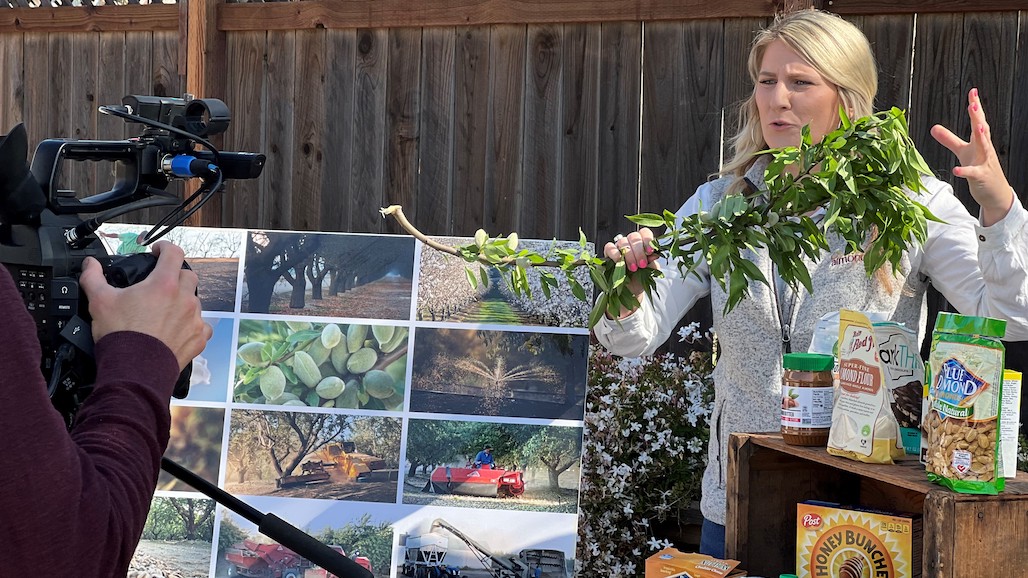
    California’s farmers grow more than 400 commodities each year, making the state the nation’s breadbasket. And for 36 years, the nonprofit California Foundation for Agriculture in the Classroom has been educating students around the state that the nutritious and tasty fruits and vegetables they eat don’t just come from the supermarket.

    During the past school year, Executive Director Judy Culbertson said the focus of the educational program was highlighting the “99% club” – 16 commodities grown almost exclusively in the Golden State.

    “On April 1 we held our second annual California Farm Day virtually, with presenters talking about a different one of the commodities for 10 minutes, providing information, activities, recipes and ‘did you know’ segments,” Culbertson said.

    “Nearly 500 teachers registered, and we sent out a box of goodies for each class, with snacks, resources for students and teachers and the What’s Growin’ On? newspaper. We put the video package on YouTube, and 16,000 kids registered!” She added that 45 counties had at least one school participating this year.

    Mark Littlefield, President and CEO of Farm Credit West, said Farm Credit organizations have given the foundation over $250,000 since 2002 to help educate students in urban and rural areas alike about the importance of agriculture to California.

    “California’s climate makes it ideal for growing a large variety of crops, many of which can’t be grown anywhere else in the U.S.,” Littlefield said. “It’s important to educate Californians about how much of their food is grown here and why agriculture is so vital to the state’s economy. Farm Credit is proud to be a longtime sponsor of the California Foundation for Agriculture in the Classroom, which has done a great job over the years providing that education.”

    Farm Credit West, American AgCredit, CoBank, Colusa-Glenn Farm Credit, Fresno Madera Farm Credit and Yosemite Farm Credit all provide funding. The organizations are part of the nationwide Farm Credit System – the largest provider of credit to U.S. agriculture.

    Besides talking about the 99% club commodities during the two-hour virtual event, there was also a half-page devoted to each commodity in the newspaper – which celebrated its 20th anniversary this school year – that provided information about their history, nutrition, and little-known facts.

    The commodities are almonds, artichokes, celery, clover, figs, garlic, honeydew melons, nectarines, olives, peaches, pistachios, raisins, medium- and short-grain rice and walnuts. Among the fun facts included in the publication are:

    • Celery has many health benefits and that bunches of celery were presented to ancient Greek athletes, much as a bouquet of roses would be today.
    • Almonds, roses, and peaches are distant cousins, members of the rose family.
    • Garlic was used as a first aid compound in World War II to kill bacteria and germs on the battlefield.

    Among the Farm Day video presenters was Ag in the Classroom Foundation President Jamie Johansson, an Oroville olive grower who also is president of the California Farm Bureau.

    “It’s a fruit, right, like a cherry or a peach, but it’s one of the few fruits you can’t pick off the tree and just eat,” he told the students. “The first time I tasted an olive off the tree it was so bitter I wondered what I was doing and how I failed.” He later explained that you have to cure the olives by soaking them in lye or brine to remove the bitter compounds. You can view the entire Farm Day presentation here.

    Culbertson said the response from teachers and students was overwhelmingly positive.

    “One teacher wrote back to say, ‘It really gave our students a better understanding of the impact that California’s agriculture has on our state, country, and the world.’ Another wrote, ‘They learned so much about their home state and came back from the weekend telling me what they taught their parents about California agriculture. Thank you so much,’” Culbertson said.

    This year, Ag in the Classroom began working with the Fresno Unified School District to promote the commodities grown in the heart of California’s farm belt. The district received a $500,000 grant from the U.S. Department of Agriculture and the California Department of Food and Agriculture to provide locally grown fruits and vegetables to the school lunch program and to provide education about the importance of agriculture.

    “We are providing the education side of the nutrition grant,” Culbertson said. “We produced classroom materials including a monthly Fresno Farms to You newsletter, along with posters for each school’s cafeteria. Both feature information about what’s in season in the Fresno area that month.

    “There are 70,000 kids in Fresno Unified, and everybody goes through the cafeteria and learns about the commodities. We’re going through evaluation now, but it’s a two-year grant, and we’re planning to do it again next year.”

    The poster for October, for example, featured table grapes, informing students that eating them benefits the heart, brain, and skin. And each month’s poster includes a joke about that month’s commodity, which she said she hopes helps capture their attention. For October, it was, “What happened when the grape was promoted? It got a raisin pay.”

    Keith Hesterberg, president and CEO of Fresno Madera Farm Credit, said he was especially pleased that California Foundation for Agriculture in the Classroom was able to help promote agriculture in his community.

    “The Fresno area has grown tremendously in recent years, and many people moving here from other parts of the state don’t have the same understanding about the importance of agriculture as people who grew up here. This program is a great way of giving students information as well as a taste of how delicious locally grown fruits and vegetables are,” he said.

    About Farm Credit:
    American AgCredit, CoBank, Colusa Glenn Farm Credit, Farm Credit West, Fresno Madera Farm Credit, and Yosemite Farm Credit are cooperatively owned lending institutions providing agriculture and rural communities with a dependable source of credit. For more than 100 years, the Farm Credit System has specialized in financing farmers, ranchers, farmer-owned cooperatives, rural utilities and agribusinesses. Farm Credit offers a broad range of loan products and financial services, including long-term real estate loans, operating lines of credit, equipment and facility loans, cash management and appraisal and leasing services…everything a “growing” business needs. For more information, visit www.farmcreditalliance.com

    About the Foundation for Agriculture in the Classroom:
    The California Foundation for Agriculture in the Classroom is a nonprofit organization dedicated to educating youth throughout California about the importance of agriculture in their daily lives. We do this through:

    • Developing materials that are accurate, teacher-tested and scientifically sound to enhance the educational experience of K-12 students.
    • Providing programs, inspiration and training opportunities for educators.
    • Partnering with like-minded organizations to create awareness about the significance of agriculture in our everyday lives.
    • Recognizing teachers and students for their achievements in agricultural literacy.
    • Supporting the pursuit of agricultural careers and continuing education.

    Our mission is to increase awareness and understanding of agriculture among California’s educators and students. Our vision is an appreciation of agriculture by all. Learn more at https://learnaboutag.org.
  • Fun Facts About Bees & Almonds

    Fun Facts About Bees & Almonds

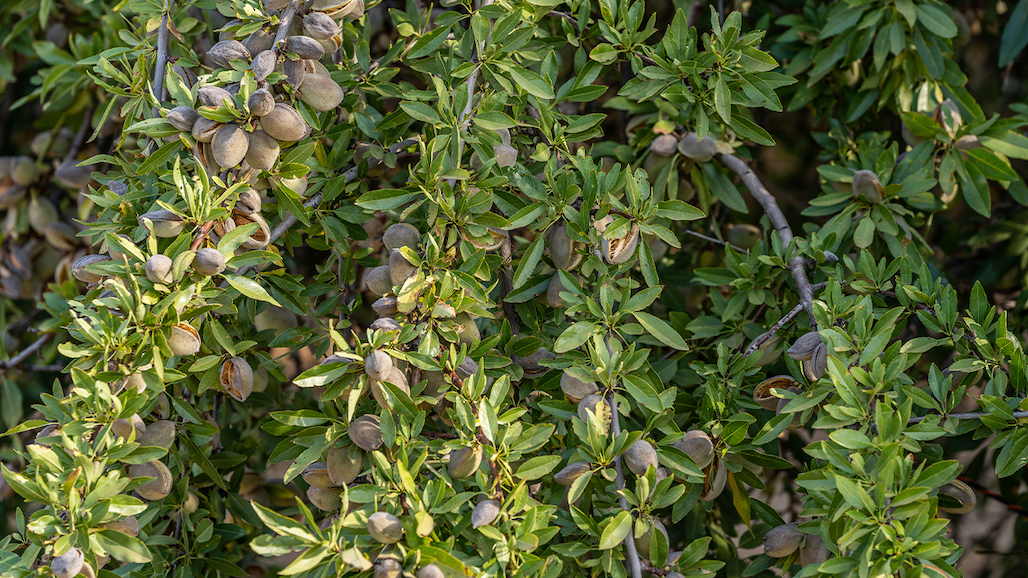
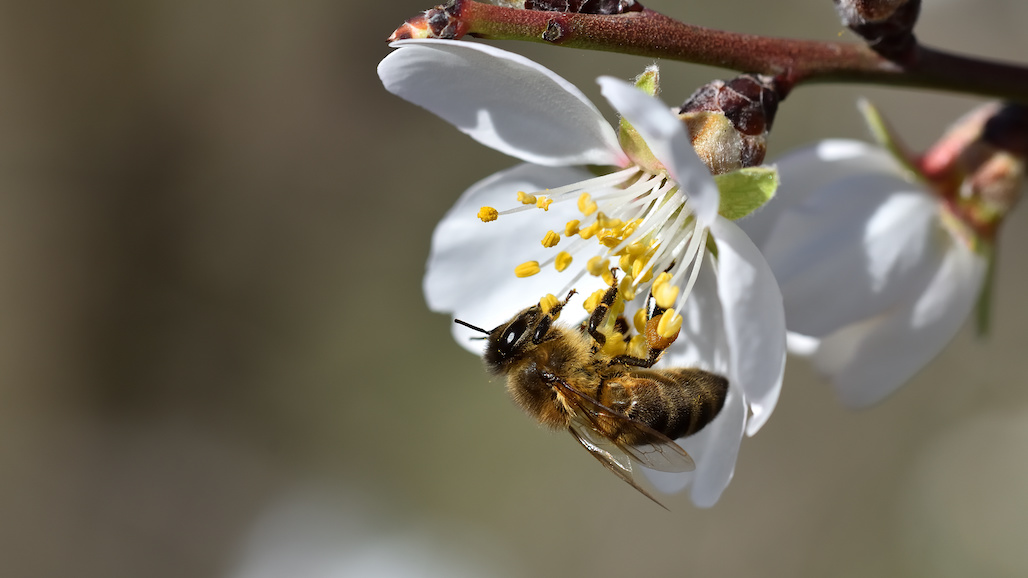
    Almond Board of California — Honey bees and almonds form a partnership designed by nature. They both evolved in the same Mediterranean region and help each other prosper.

    Pollinators are responsible for one out of every three bites of food we consume, beyond just almonds.

    Just like almonds are a nutritious snack for us, almond pollen is very nutritious for honey bees, providing all 10 of the essential amino acids their diets require.

    When almond trees bloom, bees get their first nutritious food source of the year as they pollinate almond orchards. Bee hives regularly grow in strength and size during almond bloom and consistently leave stronger than when they arrived.

    Research by the U.S. Department of Agriculture released in June 2021 found that amygdalin – a naturally occurring compound in the nectar and pollen of almond trees – can reduce honey bee viruses and gut parasites, which are some of the leading threats to bee health and colonies.

    Every almond you eat comes from a flower once pollinated by a bee.

    California’s almond bloom is the largest pollination event annually in the world, with beekeepers from most US states supplying nearly a million beehives (close to half the beehives in America) for this event.

    Each almond flower is receptive to pollen for one to three days.

    Almond trees produce roughly 20,000 blossoms, depending on size and variety.

    Bees have furry little bodies and legs – honey bees have almost 3 million tiny hairs on their bodies – so pollen sticks to them like lint on a black sweater. They carry the pollen back to their hive, but some drops off onto other flowers or blows to almond blossoms in the breeze.

    Bees can often strip an almond orchard of pollen by midafternoon on many days, collecting all the pollen available then moving to neighboring flowers and landscape before returning to the hive before night. Then, orchards produce a new pollen crop every day, so the cycle continues until the orchard finishes flowering.

    Some orchards have more than 6 million flowers per acre during bloom. Thanks to ideal Central Valley weather, supportive bee work and good orchard management, often 25%-30% of those flowers become the almonds that you eat.

    Bloom lasts about 2-3 weeks per variety, and because most orchards have more than one variety, an average bloom lasts about six weeks through a whole orchard.

    Honey bees are major pollinators on which we depend, but native pollinators, including butterflies and other bee species and insects are also essential.

    The California almond community has funded over 100 research projects supporting honey bees, more than any other crop group.

    The California almond community works hard in the orchard to support honey bee health during bloom and beyond.

    The almond community’s five-point Pollinator Protection Plan outlines steps farmers are taking in their orchards to keep bees safe during bloom as well as how they’re supporting honey bee health all year round.

    The Almond Board of California established Honey Bee Best Management Practices (BMPs) for California almond growers using research insights and in partnership with universities, government agencies, nonprofits and other institutions. The Bee BMPs provide key recommendations to help keep orchards orchard a safe place for honey bees, protect the developing crop, and give hives the opportunity to grow.

  • Wonderful Pistachios No Shells Wins Good Housekeeping 2022 Healthy Snack Award

    Wonderful Pistachios No Shells Wins Good Housekeeping 2022 Healthy Snack Award

    Wonderful Pistachios No Shells is thrilled to announce the latest awards received for two of its No Shells flavors, BBQ and Chili Roasted. Both No Shells flavors have both been selected as a Good Housekeeping 2022 Healthy Snack Awards winner. As the highest protein snack nut, Wonderful Pistachios contain six grams of protein per serving and are a healthy way to fuel, with zero guilt.

    • Wonderful Pistachios No Shells BBQ – Savor the taste of summer all year long with Wonderful Pistachios No Shells BBQ. Exploding with hickory-smoked flavor and dashed with garlic, paprika, and salt, Wonderful Pistachios No Shells BBQ are an irresistible mix of sweet and smoky.
    • Wonderful Pistachios No Shells Chili Roasted – Turn up the heat with Wonderful Pistachios No Shells Chili Roasted. Wonderful Pistachios No Shells Chili Roasted are bursting with the big, bold flavors of red pepper, garlic, and vinegar to tingle your tongue and keep you craving more.

    The Good Housekeeping 2022 Healthy Snack Awards highlights innovative snacks in the food space that meet the publication’s nutritional criteria (including caps on per-serving calories, sugar, and sodium). Good Housekeeping’s in-house registered dietitian and team of nutrition experts in the Good Housekeeping Institute’s Nutrition Lab rigorously analyzed ingredient lists, Nutrition Facts labels, packaging claims and flavor profiles of hundreds of snacks to find the best of the best. Consumer testers also weighed in on taste and provided additional real-life analysis.

    Wonderful Pistachios No Shells are available nationwide in-stores, as well as online. For delicious recipe inspiration, visit our website.

  • NASS Updates Almond Forecast, Smaller 2022 Crop

    NASS Updates Almond Forecast, Smaller 2022 Crop

    The 2022 California Almond Objective Measurement Report published by the U.S. Department of Agriculture’s National Agricultural Statistics Service (NASS) estimates that the crop harvested in 2022 will come in at 2.6 billion meat pounds, 11 percent below last year’s 2.9 billion pounds.

    The estimate is down 7 percent from NASS’s subjective forecast in May and comes in a complicated year. Some growers were impacted by frost in spring while the entire almond industry, and all California farmers, have been navigating a difficult water year and continued logistical issues impacting the ability to ship almonds to meet consumer demand around the world.

    “Growers have been working hard in the face of challenging circumstances and it demonstrates their dedication to improving stewardship practices and meeting the demands of consumers,” said Brian Wahlbrink, chair of the Almond Board of California (ABC) Board of Directors.

    The forecast for the average nut set per tree is 4,082, 12 percent down from 2021. The Nonpareil average nut set of 3,966 is also 12 percent lower than last year. The average kernel weight for all varieties sampled was 1.47 grams, up less than 1 percent from the 2021 average weight. The Nonpareil average kernel weight was 1.55 grams, up slightly from last year.

    “Despite the shipping and logistical logjams, recent shipment numbers have set monthly records, which demonstrates the demand for California almonds continues to increase in the U.S. and around the world,” said Almond Board President and CEO Richard Waycott. “Almond growers are putting what resources they can afford this year into producing their crop, and their efforts show. Although there was a drop from last year, the forecast reflects the efforts of growers to meet global demand and ensure a steady supply of high quality California almonds.”

    ABC’s April and May 2022 Position Reports showed that almond exports set records for both months, even while facing shipping and logistical obstacles, and total almond shipments in May also set a record.
     
    NASS conducts the annual Subjective Forecast, Objective Report and Acreage Report to provide the California almond industry with the data needed to make informed business decisions. Of the crop estimates, the 2022 California Almond Objective Report is considered the more accurate and is based on actual almond counts using a statistically rigorous methodology. — by the Almond Board of California

  • New Hazelnut Receiving Station Paves Way for Bulk Handling

    New Hazelnut Receiving Station Paves Way for Bulk Handling

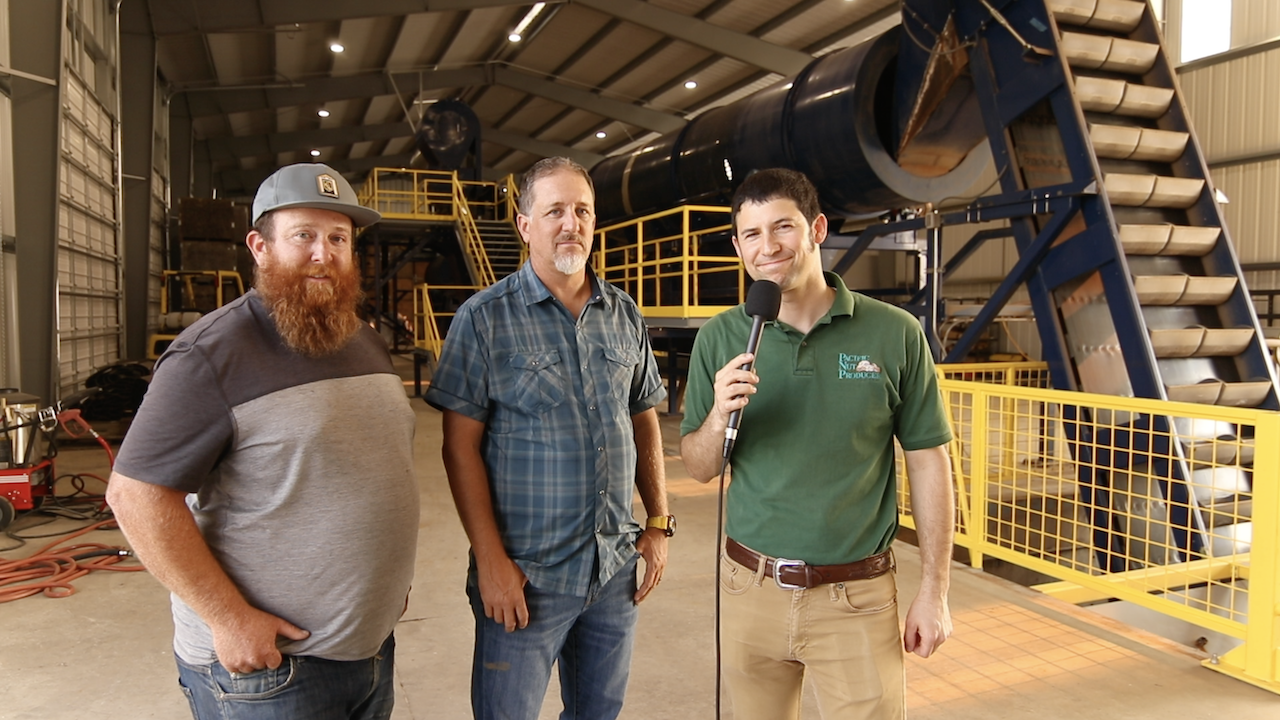
    The Nut Growers Society is holding their Summer Hazelnut Tour this year at K&D System’s new receiving station in Albany, OR.  Watch this brief video with the Kropf brothers to get a sneak preview of what attendees will get to see at their new state-of-the-art bulk handling receiving station. Be sure to attend the Summer Tour this year and read more about the Kropf family in the July issue of Pacific Nut Producer Magazine. Don’t currently receive the monthly publication? Subscribe for free at: https://malcolmmedia.com/subscribe/
    Please thank this video’s sponsor George Packing Company for their industry support.
  • Progress on Prop 1 Funded California Water Projects

    Progress on Prop 1 Funded California Water Projects

    California is in the midst of a serious drought, which is taking a major toll on our local agricultural industries. The Water Quality, Supply & Infrastructure Improvement Act (Prop 1) passed back in 2014, yet no construction of any of the funded projects has commenced.  Watch this brief interview with Emily Rooney from the Ag Council of California as she shares a progress report on these projects and how they will help address California’s water crisis.
    Please thank this video’s sponsor Suterra for their industry support.
  • Pistachio Grower Bullish about Market Amidst Record Production

    Pistachio Grower Bullish about Market Amidst Record Production

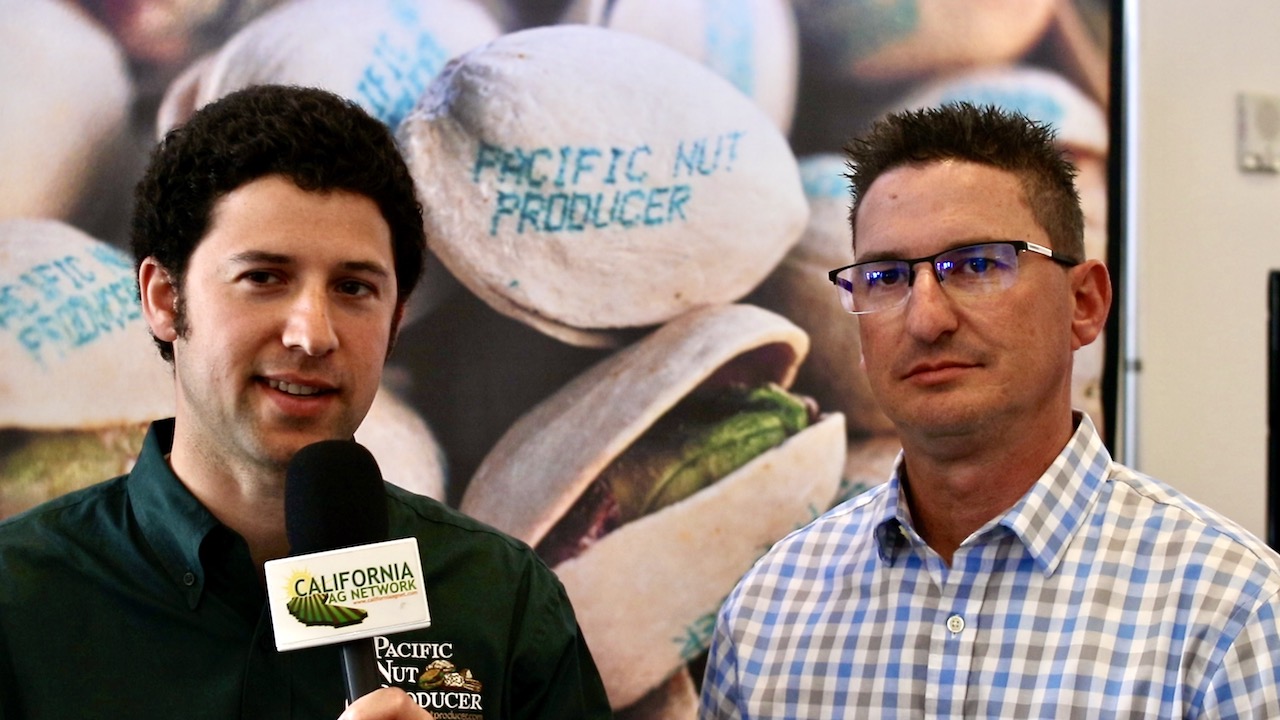
    Despite water, trade, labor, inflation and pest challenges impacting the western pistachio industry, Madera grower Justin Wylie is bullish about the future of the industry. Watch this brief video with Wylie sharing his thoughts as growers venture through another potentially record-breaking year of production. Read more in Pacific Nut Producer Magazine.
    Please thank this video’s sponsor Suterra for their industry support.
  • Tree Nut Grower Invests in Groundwater Recharge

    Tree Nut Grower Invests in Groundwater Recharge

    While much is expected of the state in resolving California’s water crisis, farmers are trying to do their part as well in conserving water for the future. Watch this brief interview with Tipton pistachio grower Dominic Pitigliano as he talks about his family’s groundwater recharge project. Read more in Pacific Nut Producer Magazine.
    Please thank this video’s sponsor Suterra for their industry support.
  • European Consumer Trends for American Pistachios

    European Consumer Trends for American Pistachios

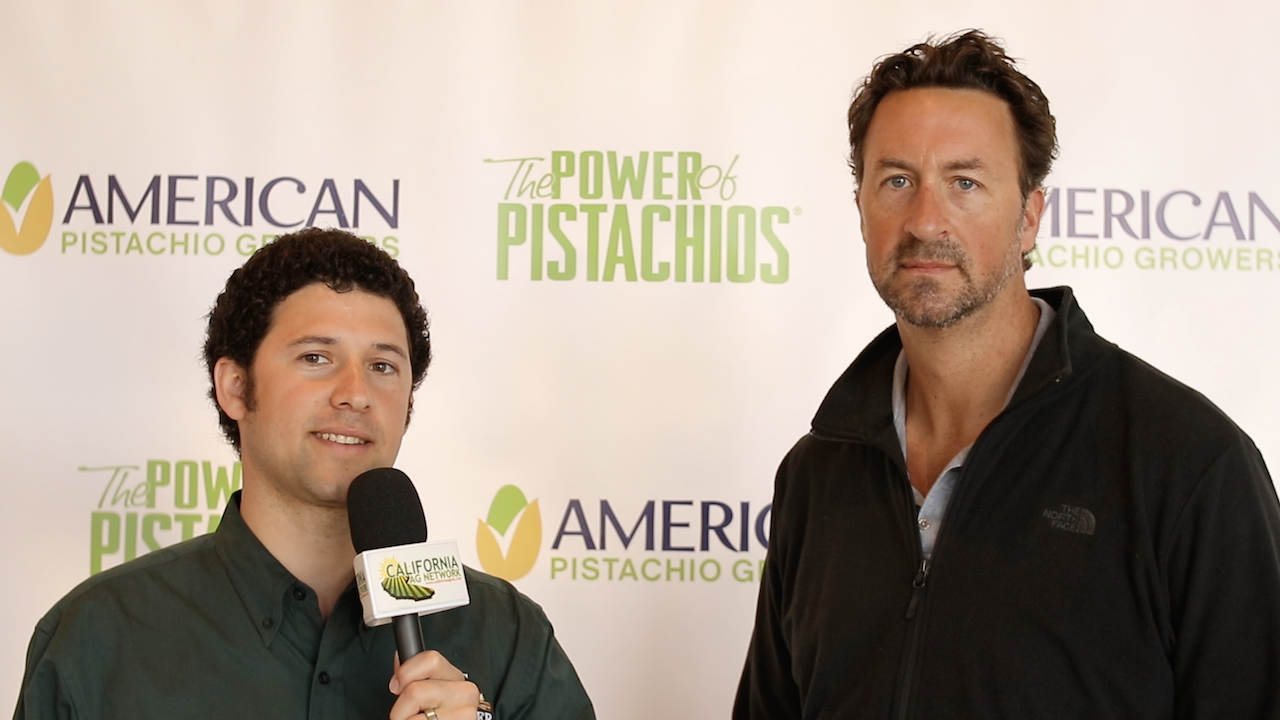
    Among the top export markets for U.S. pistachios, consumers in the European Union are incorporated pistachios into their diets in many new ways.  Watch this brief interview with American Pistachio Growers’ in-country trade representative George Smith as he explains. Read more in Pacific Nut Producer Magazine.
    Please thank this video’s sponsor Suterra for their industry support.
  • What is the Gumming on My Almond Trees, What to Know about Almond Canker Diseases

    What is the Gumming on My Almond Trees, What to Know about Almond Canker Diseases

    It’s not uncommon to find gumming on the trunks and scaffolds of some almond trees when walking through an orchard.  While it can be very concerning for the health of the tree, determining whether or not a canker disease is causing it is not so simple.  Watch this brief interview with UC Davis Plant Pathologist Florent Trouillas as he explains what growers should know about canker diseases and some novel treatment methods.
    Please thank this video’s sponsor Suterra for their industry support.