Category: Industry News

  • New Report on Intersection of SGMA and Cover Crop Water Use in California’s Central Valley

    New Report on Intersection of SGMA and Cover Crop Water Use in California’s Central Valley

    A multi-disciplinary authorship group of over 30 individuals has published a report comprised of literature review, policy analysis, and recommendations pertaining to the water impacts of cover crop practices in California’s Central Valley under the Sustainable Groundwater Management Act (SGMA).

    The report, entitled “Cover Cropping in the SGMA Era,” is the product of a convening process jointly developed by the California Association of Resource Conservation Districts (CARCD), California Department of Food and Agriculture (CDFA), Natural Resources Conservation Service of California (NRCS-CA), and University of California Agriculture and Natural Resources (UC ANR) and assembled by Sustainable Conservation.

    Cover Crops and their Potential

    Cover crops are non-income generating crops that are used to protect and improve the soil between regular annual crop production (such as tomatoes), or between rows of perennial tree and vine crops. The benefits of cover cropping include improved pollinator habitat, infiltration, water storage, carbon capture, and soil health, as well as decreased runoff and erosion – all vital factors in California’s changing agricultural context. These potential benefits are especially salient in the San Joaquin Valley (SJV), where groundwater challenges are more acute. Thus, this report evaluates the water implications of cover cropping practices to lay the groundwork for their adoption in the context of SGMA.

    Report Findings and Recommendations

    To understand the potential of cover cropping under SGMA, the report’s authors came together to answer the following questions:

    1. What are the impacts of cover crops on water cycles (both benefits and use) for California farms?
    2. How does SGMA management account for cover cropping and is it capturing cover crop benefits alongside their water use?
    3. How can we ensure that this practice remains available to growers where and when it makes sense?

    This report synthesizes the learnings from the collaborative initiative including 100+ multidisciplinary experts, a policy analysis, interviews with Groundwater Sustainability Agency (GSA) staff and consultants, and the expertise contributed by its 30+ authors. In light of these findings, the report advances a series of recommendations aimed at bridging critical knowledge gaps, enhancing the integration of cover crops into policies and incentive programs, and bolstering data infrastructure and other mechanisms to support sustainable groundwater management initiatives. One vital throughline is the need for additional guidance from the state to support local GSAs in facing the complex challenges of developing and implementing groundwater management strategies for their local watersheds. These measures aim to maximize the water benefits of cover crops within SGMA frameworks and promote sustainable water management practices crucial for the region’s agricultural resilience and environmental health.

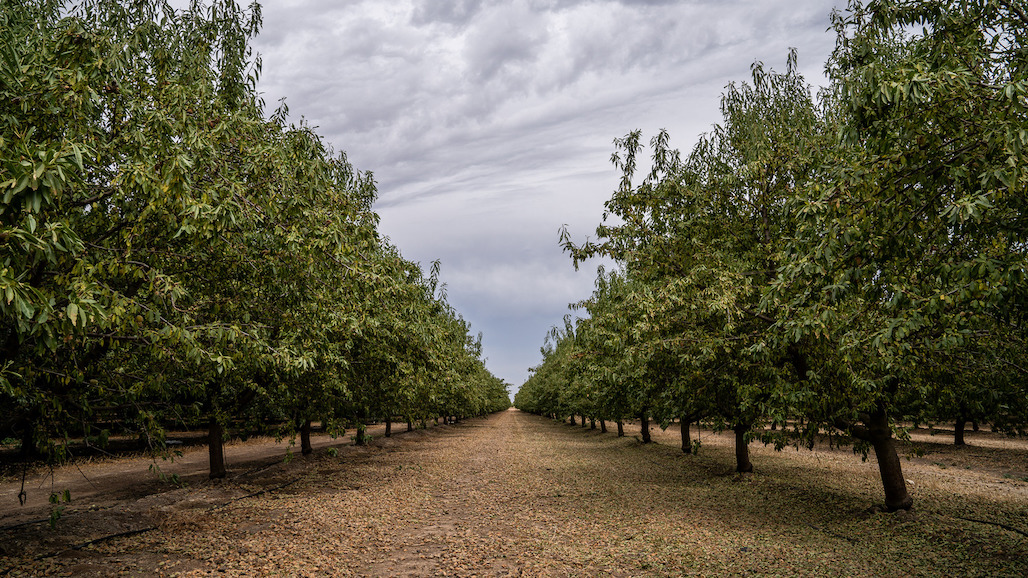
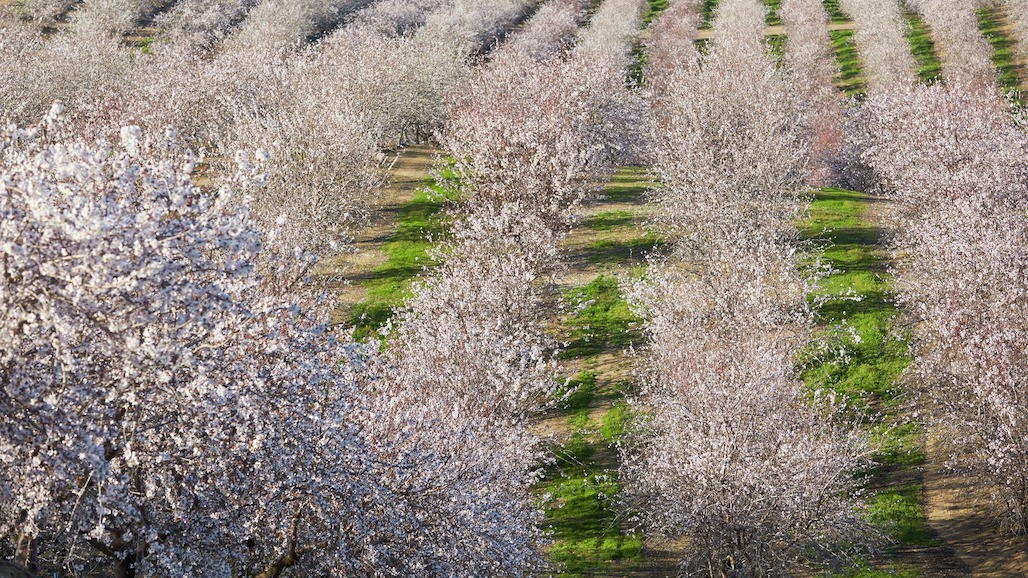
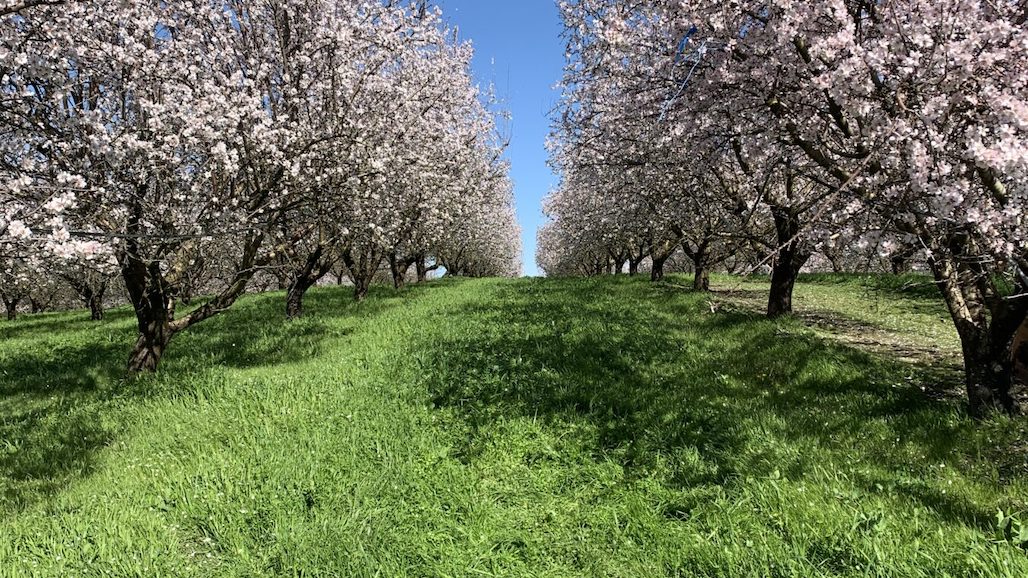
    Side-by-side of Donny Hick’s almond orchard without (left) and with (right) cover crops after a big rain event

    Testimonials

    “Cover crops are one of the most popular practices we see farmers employ through our Healthy Soils Program,” said Karen Ross, Secretary of the CDFA. “Cover crops supply a host of benefits, such as helping to protect against soil erosion, improving soil health, crowding out weeds, controlling pests and diseases, and increasing biodiversity; and they can bring increased profitability as the number of other inputs are reduced. They also provide water benefits such as improved infiltration and reduced runoff. Yes, cover crops require a nominal amount of water to establish – and sometimes rainwater is sufficient — but the myriad co-benefits are worth it.”

    “This report is unique because the University collaborated closely with state agencies and private sector partners to ensure that the different perspectives provided both the best science available as well as viable policy options,” said Glenda Humiston, University of California Vice President for Agriculture and Natural Resources (UC ANR). “By taking a comprehensive view, we can advance recommendations for cover crop policy that help us meet multiple goals, manage our natural resources more effectively, and avoid unintended consequences.”

    “Cover crops are a valuable soil health practice that can help ensure the resilience of California farms to climate extremes,” said Sarah Light, UC Cooperative Extension Agronomy Farm Advisor. “As we balance the complexities of water and soil management, it is important to understand the role that cover crops play in an annual water budget so that they are not disincentivized in certain parts of the state. UC ANR expert participants provided science-based information during the convening sessions and co-authored the white paper. This paper can provide guidance to GSAs and policy makers who are charged with implementing SGMA in their regions.”
    View the Executive Summary

    View the Full Report

  • Initial Almond Crop Forecast Up 21 Percent from Last Year

    Initial Almond Crop Forecast Up 21 Percent from Last Year

    The 2024 California Almond Forecast published Friday by the U.S. Department of Agriculture’s National Agricultural Statistics Service (USDA-NASS) estimates that the crop harvested in 2024 will come in at 3 billion pounds, 21 percent above last year’s 2.47 billion pounds.

    Forecasted yield is 2,170 pounds per acre, up 380 pounds from the 2023 harvest.

    “This larger crop estimate is what the industry expected after a productive bloom this spring, but it is also a testament to the hard work done by almond farmers throughout California during difficult times,” said Clarice Turner, president and CEO of the Almond Board of California. “Demand for California almonds around the globe continues to grow and our almond farmers constantly deliver on producing high quality California almonds to meet that demand.”

    The report said, “The 2024 almond crop experienced fluctuating, but mostly favorable weather for the first half of the growing season. The bloom began the second week in February for the early varieties. There were a handful of storms that brought rain, wind, and hail to some areas, but overall mild temperatures and excellent weather from the end of February into early March helped boost pollination. Bee hours were reported to be significantly higher than last year … There was minimal to no threat of frost damage and water allocation is not an issue for the second year in a row.

    This Subjective Forecast is the first of two production reports from USDA-NASS for the coming crop year. It is an estimate based on opinions from a survey conducted from April 19 to May 5 of 500 randomly selected California almond growers. The sample of growers, which changes every year, is spread across regions and different sized operations, and they had the option to report their data by mail, online or phone.

    On July 10, USDA-NASS will release its second production estimate, the 2024 California Almond Objective Report, which will be based on actual almond counts in approximately 1,000 orchards using a more statistically rigorous methodology to determine yield. If the 3.0 billion pounds holds, it would be the second largest crop on record.

    This Subjective Forecast comes two weeks after Land IQ’s 2024 Standing Acreage Initial Estimate found that bearing almond acreage in California has decreased about 600 acres from the previous year to 1.373 million acres.

    USDA-NASS conducts the annual Subjective Forecast and Objective Report to provide the California almond industry with the data needed to make informed business decisions. These reports are the official industry crop estimates.

  • Steve Koretoff & Flory Industries Named Almond Alliance Members of the Year

    Steve Koretoff & Flory Industries Named Almond Alliance Members of the Year

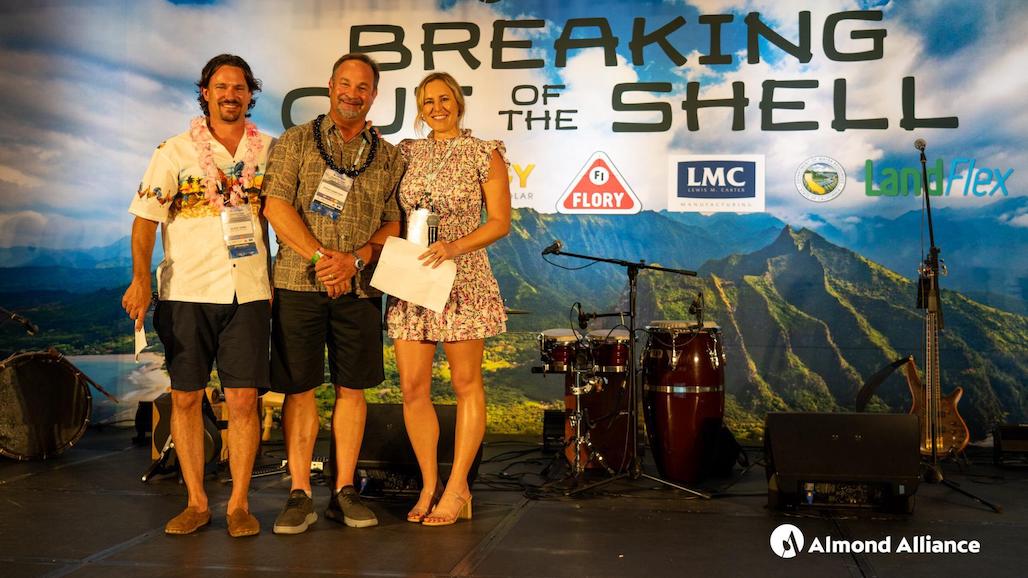
    At its annual convention held this year in Lihue, Hawaii, the Almond Alliance recognized an exceptional business (Flory Industries) and individual (Steve Koretoff) as its 2023/2024 Members of the Year.

    Flory Industries has been an integral part of Central California agriculture since 1936 and has been selected as the Associate Member of the Year. Flory Industries’ expertise and support of almond industry advocacy have reinforced the company’s position as an essential contributor to the industry’s growth and success.

    “Flory Industries’ deep roots in Central California agriculture and their commitment to innovation have made them a vital partner in the almond industry,” said Aubrey Bettencourt, outgoing President and CEO of the Almond Alliance. “Their increased activity within the Almond Alliance has amplified advocacy efforts and strengthened the industry’s voice.”

    Flory Industries was awarded Associate Member of the Year at the 2024. Left to Right: Blake Vann, Chairman of the Almond Alliance; Jason Flory, CEO of Flory Industries; Todd Wille, COO of Flory Industries; and Katie Staack, Vice Chair of the Almond Alliance.

    In recognition of his contributions to the almond industry and the Alliance, Steve Koretoff was awarded the Member of the Year. Grower, processor, and handler Koretoff marks the second generation at Purity Organics and has completed his second term as Secretary of the Almond Alliance. Through his dedication and strong moral character, he has contributed calm wisdom to the leadership of the Executive Committee, the Board of Directors, the Grower Committee, and the greater almond community.

    “Steve embodies the essence of excellence in our almond community,” Bettencourt said. “His unwavering commitment to the industry and remarkable leadership as Secretary of the Almond Alliance has not only earned him this prestigious honor but has also left an indelible mark on our collective journey.”

    About the Almond Alliance
    Almond Alliance is the leading authority in state and national policy, championing American almond farmers, industry, and community for the continued global growth, innovation, and success of American almonds and agriculture. As the voice of almonds, the Alliance represents the fourth-largest commodity in the United States and the third-largest American export.

    Established in 1980, the Almond Alliance is a non-profit trade association with a local and international network of almond processors, hullers/shellers, growers, and allied businesses. The Alliance is dedicated to providing resources and solutions for our members, ensuring industry success and growth opportunities. Learn more at almondalliance.org.

  • California Walnut Industry Supports USDA’s Expansion of Food Offerings to Include Walnut-Based Products

    California Walnut Industry Supports USDA’s Expansion of Food Offerings to Include Walnut-Based Products

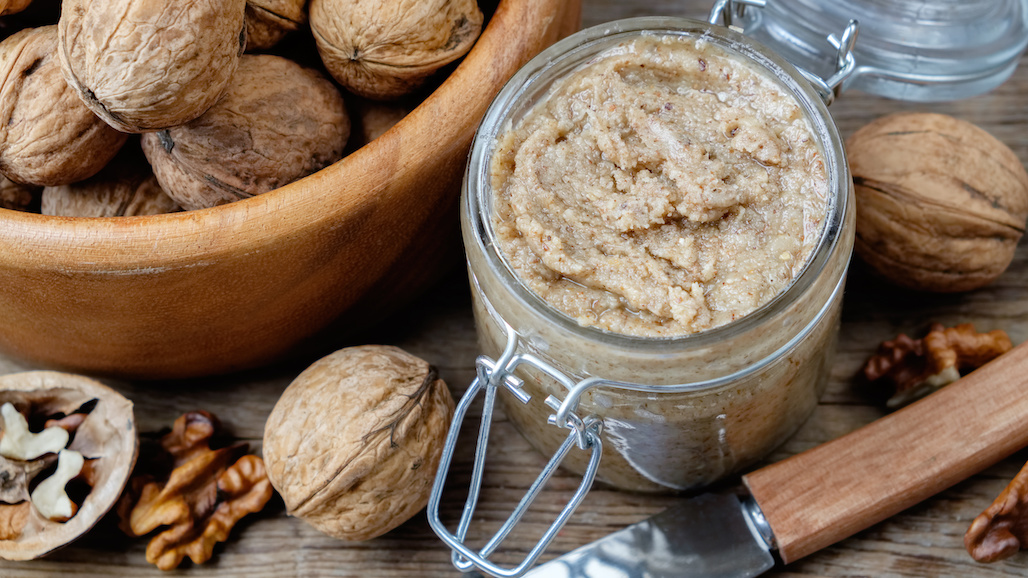
    The California Walnut Commission (CWC) supports the recent announcements by the US Department of Agriculture (USDA) for the authorization of nuts and seeds to comprise the full meat/meat alternative component of meals in the Food and Nutrition Service (FNS) Child Nutrition Programs. This follows the recent notice of the addition of nut and seed butters, such as walnut butter, as alternatives to peanut butter and eggs in the Special Supplemental Nutrition Program for Women, Infants, and Children (WIC).

    The CWC believes these changes align more closely with U.S. Dietary Guidelines for Americans and better promote nutrition security. Walnuts are an important component of a healthy diet for Americans and allow for broader access to food choices and nutrition.

    This is an important strategic step forward in providing increased access to California walnuts to both underserved and school-aged populations. Robert Verloop, CEO for the CWC stated, “California walnuts are a great tasting, nutrient-dense food which fits with USDA recommendations and provide a wide-range of nutritional benefits, including essential omega-3 alpha linolenic acid (ALA).  We are excited for the addition for walnuts and walnut butter to be available for consumers looking for more plant-based options, vegetarian diets and other food preferences.” CWC provided comments to USDA in February 2023 on food products available in the WIC food packages and in March 2023 on the revisions to the Child Nutrition Programs, for the allowance of nuts to be 100% of the meat/meat alternative component of meals.

    The California walnut industry applauds USDA for the FNS Child Nutrition and WIC program revisions and looks forward to supporting these food assistance efforts by providing high quality, nutritious and safe walnuts and walnut products for schools and the community participating in the WIC program.

    About the California Walnut Boardand Commission

    The California Walnut Commission (CWC) represents more than 4,600 California walnut growers and nearly 75 handlers, grown in multi-generational farmers’ family orchards. More than 99% of the walnuts grown in the United States are from California, which in 2023 accounted for 1.64 billion pounds of walnuts, shipping into more than 50 countries around the world. The CWB also provides funding for walnut production, food safety and post-harvest research. The CWC, established in 1987, is mainly involved in health research and export market development activities. For more industry information, health research and recipe ideas, visit www.walnuts.org.

  • Almond Board of California 2024 Elections Underway

    Almond Board of California 2024 Elections Underway

    Elections are underway, and almond growers have the opportunity to vote for and select two independent grower positions and two independent handler positions on the Almond Board of California Board of Directors. Alternate seats for those spots are also on the ballot. Voting ends May 23.

    Candidates for the independent grower positions:

    Grower Position #1, Member (1-year term):             Grower Position #1, Alternate:

    Paul Ewing, Los Banos (incumbent)                         Katie Staack, Hughson (incumbent)

    Grower Position #3, Member (3-year term):              Grower Position #3, Alternate

    Joe Gardiner, Earlimart (incumbent)                          No declared candidate

    Candidates for the independent handler positions:

    Handler Position #2, Member (3-year term):             Handler Position #2, Alternate:

    Bob Silveira, Williams (incumbent)                            Dexter Long, Ballico (incumbent)

    Justin Morehead, Coalinga (petitioner)

    Handler Position #3, Member (1-year term):             Handler Position #3, Alternate:

    Darren Rigg, Le Grand (incumbent)                           Chad DeRose, McFarland (incumbent)

    Ballots and instructions have been mailed to all independent growers and handlers whose names are on file with ABC. Ballots must be received by ABC by May 23. Any independent grower or handler who does not receive a ballot can contact Toni Arellano at tarellano@almondboard.com.

    “Every vote is important, and it’s equally important to have as much of the industry as possible represented in the voting,” said ABC President and CEO Clarice Turner. “The Board of Directors represents more than 7,600 growers and 100 handlers. They guide the work of the Almond Board to help the industry build a positive future in these complicated times.”

    All details, documents, open positions, timelines and frequently asked questions can be found at Almonds.com/Elections.

    The ABC board is made up of five handler and five grower representatives. It sets policy and recommends budgets in major areas, including marketing, production research, advertising, public relations, nutrition research, statistical reporting, quality control and food safety.

    Results will be announced June 1 and the new board will start its term Aug. 1.

  • California Bearing Almond Acreage Drops for the First Time in Decades

    California Bearing Almond Acreage Drops for the First Time in Decades

    California’s bearing almond acreage decreased slightly over the past year, according to a new report from Land IQ to the Almond Board of California (ABC). It is the first time since at least 1995 that the total of bearing acres has not grown.

    Land IQ’s 2024 Standing Acreage Initial Estimate issued recently looked at bearing acreage – orchards planted before 2022 and that have matured enough to produce a crop for the coming 2024 harvest. It estimated that bearing almond orchards at harvest will cover 1.373 million acres across California, a decrease of about 600 acres.

    In addition, Land IQ estimates that approximately 71,000 acres of orchards will be removed by the end of the crop year, adding to the 83,000 acres removed in the 2023-24 crop year, according to Land IQ’s estimate issued in November last year.

    While the bearing acreage drop may be small – far less than 1 percent – it marks the first time since at least 1995 that bearing acreage has not increased, according to numbers issued previously by the USDA-National Agricultural Statistics Service (USDA-NASS), and with the orchard removals continues a trend over recent years of decreasing almond acreage in California.

    “The decrease in bearing acreage and continued orchard removals, coupled with drops in overall acreage and non-bearing acreage the last two years, signal a probable trend toward lower overall California almond acreage,” said Clarice Turner, ABC president and CEO. “We continue to see strong shipments this year, so we know global demand for California almonds continues to grow. There is no doubt that almonds will continue to have a very significant role in California and global agriculture and food industries for the foreseeable future.”

    The Land IQ report is a snapshot of the coming 2024 harvest but does not offer an estimate on the actual almond yield this 2024-25 crop year. A fuller picture of crop size will come with USDA-NASS’ Objective Report in July.

    Land IQ’s estimate covers bearing acreage and removals from Sept. 1, 2023 to Aug. 31, 2024. Note that the almond crop year runs Aug. 1-July 31, so this estimate looks at the harvest for the 2024-25 crop year.

    Land IQ will issue a final acreage report on the 2024-25 crop year in November that will include total acreage along with bearing and non-bearing acres. Their report in November 2023 found that California’s total almond acreage had dropped two years in a row to 1.56 million acres.

    Land IQ’s Initial Estimate and its Final Acreage Estimate in November are commissioned by ABC to provide statistical transparency and a robust picture of California almonds to industry stakeholders around the world. In 2018, ABC first commissioned Land IQ, a Sacramento-based agricultural and environmental scientific research and consulting firm, to develop a comprehensive, living map of California almonds, with the first report issues in 2019. The map is the result of more than a decade of research.

    About the Almond Board of California

    California almonds make life better by what we grow and how we grow. The Almond Board of California promotes natural, wholesome and quality almonds through leadership in strategic market development, innovative research, and accelerated adoption of industry best practices on behalf of the more than 7,600 almond farmers and processors in California, most of whom are multi-generational family operations. ABC is a non-profit organization that administers a grower-enacted Federal Marketing Order under the supervision of the USDA. It was established in 1950 and is based in Modesto, CA. For more information on the Almond Board or California almonds, visit Almonds.com.

  • Almond Prices Expected to Rise in 2024, Setting Stage for a Positive 5-Year Forecast

    Almond Prices Expected to Rise in 2024, Setting Stage for a Positive 5-Year Forecast

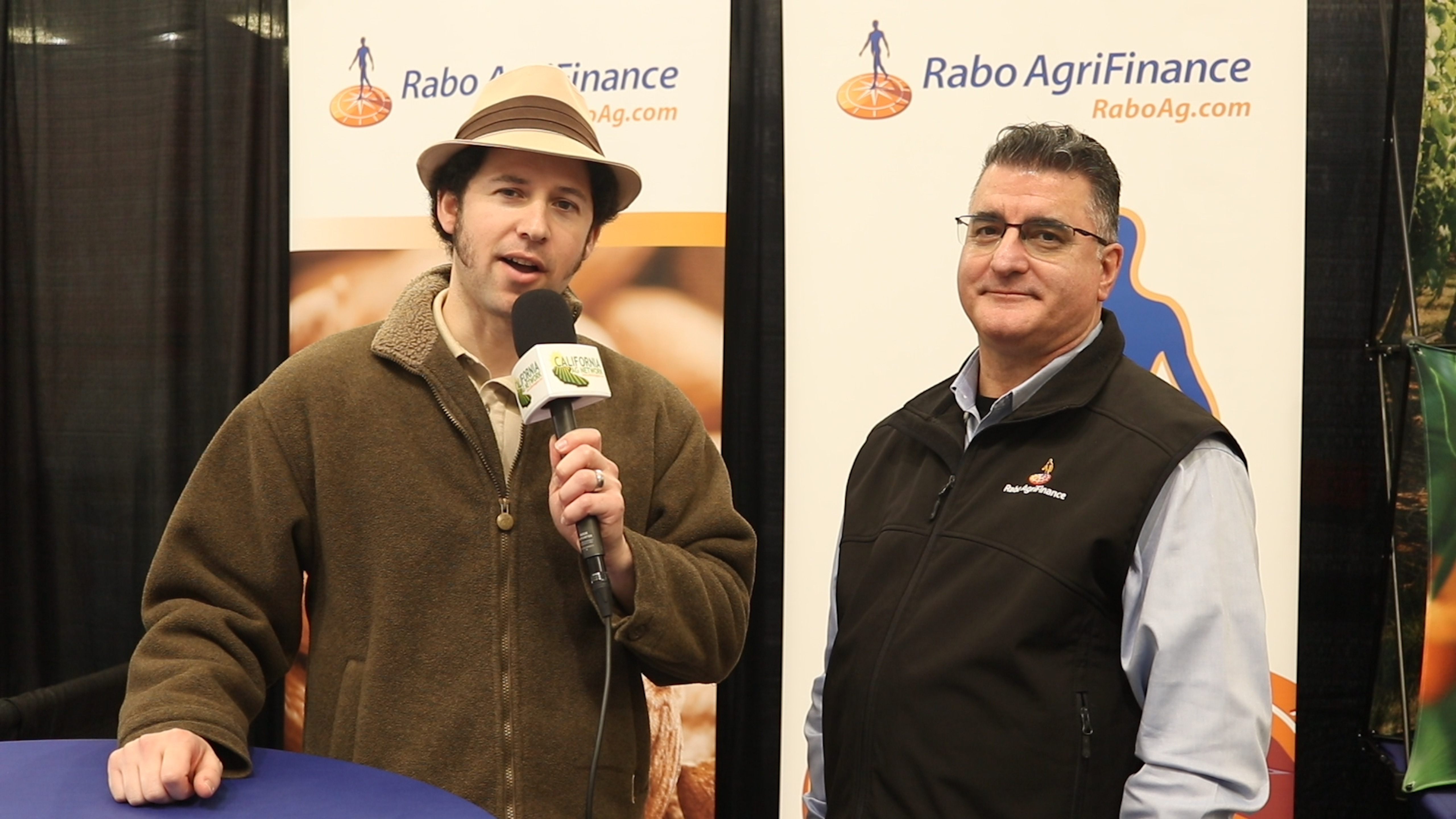
    The next five years appear to be much brighter for the California almond industry than the last couple years of depressed market conditions, according to a recent RaboResearch Food & Agribusiness report.  Prices are expected to rise this season, but how much, and how soon will they climb to profitable levels? Pacific Nut Producer Editor Matthew Malcolm spoke with Roland Fumasi from Rabobank to find out. Watch this brief interview and learn more in Pacific Nut Producer Magazine.

  • Setton Pistachio Announces Earth Day Scholarship Winners

    Setton Pistachio Announces Earth Day Scholarship Winners

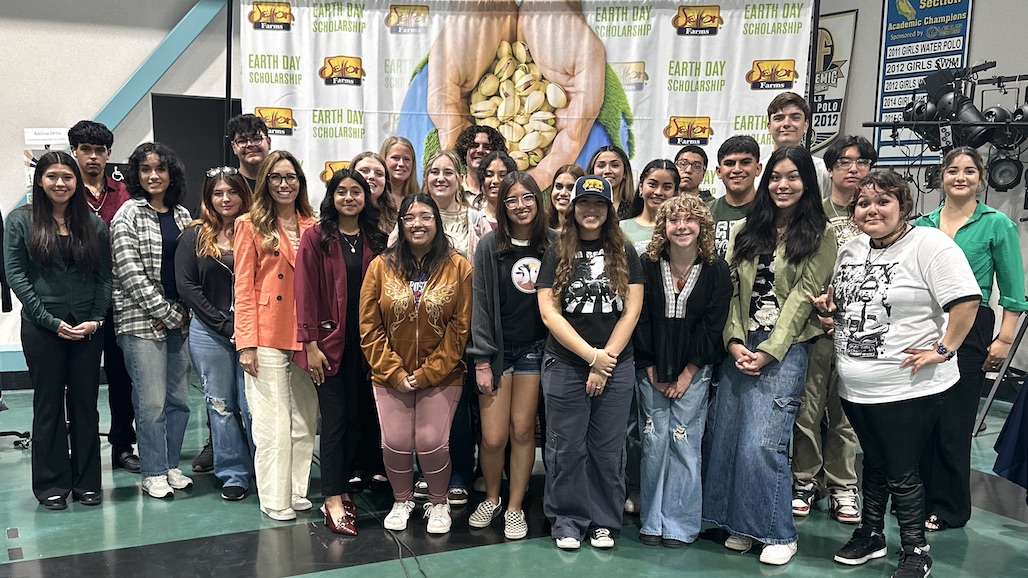
    Setton Pistachio of Terra Bella, Inc., the nation’s second-largest pistachio grower and processor, is proud to announce the recipients of the second annual Setton Earth Day scholarship contest. This initiative was created as part of the Setton family’s ongoing commitment to helping students reach their educational goals and spreading awareness about the importance of sustainability. For more information, visit www.settonfarms.com.

    Setton Farms partnered with Porterville High School, Monache High School, and Harmony Magnet Academy in Porterville, California, to award scholarships to exemplary seniors. This year, Setton expanded its reach from one institution to three, awarding $5,000 to the first-place winner; $2,500 to the second-place winner; $1,000 each to three third-place winners; and $500 each to five honorable mentions. Additionally, all other students received a participation award of $250.

    “Our goal is to support students in pursuing their college education, and we’re grateful to the schools and students that participated this year,” said Setton Farms COO Mia Cohen. “We were happily overwhelmed by the extraordinary creativity and originality of the projects submitted by the students, depicting sustainability.”

    Students were asked to create a painting, sculpture, video, clothing piece, etc., focusing on sustainability in California’s Central Valley, and were required to use pistachio kernels or shells provided by Setton as part of their entry.

    1st place winner Ryan Shearer

    The 2024 recipients are: first place, Ryan Shearer (Harmony); second place, Robert Ikeda (Harmony); third places, Tiana Contreras (Harmony), Gloribel Mendoza (Porterville H. S.), and Cambria Arias (Harmony); and honorable mentions, Chloe Medina (Harmony), Anali Alcantar (Harmony), Dulce Elena Soto Sanchez (Monache H.S.), Josue Robledo (Harmony), and Neveah Sanchez (Porterville H.S.).

    “I would like to extend our deepest gratitude to Setton Farms for their generous support of our students’ college aspirations through this scholarship program,” said Porterville High School Principal Jose A. Valdez. “Setton’s commitment to education is helping our students fulfill their lifelong dreams of higher education. We truly appreciate their generosity and look forward to continuing our partnership to foster the future leaders of our community.”

    “We are grateful for the spirited and generous support from Setton Farms for the Earth Day scholarship program,” said Harmony Magnet Academy Principal Jeff Brown. “Their leadership has set a cornerstone that success truly begins with education, while their commitment to students’ success creates opportunities and changes lives.”

    “Our students are very fortunate to have been invited to apply for Setton Farms scholarship,” said Monache High School Principal Dr. Eric Barba. “Setton truly knows how to set the bar to encourage our students to be 21st century learners and future participants in our global market, all while keeping global sustainability at the forefront.”

    Submissions were judged on originality, creativity, and how well they incorporated the topic of sustainability and Setton Farms branding into their project. The judging panel was comprised of Setton employees, school representatives, and local leaders. Winners were honored at an awards luncheon at Harmony Magnet Academy on Wednesday, April 18.

    Setton Farms launched its College Education Scholarship Program in 2016 and has awarded over 60 scholarships to employees, local community members, and students worth over $130,000. For more information on available programs and Setton’s ongoing mission, please contact Maria Medrano at (559) 535-6050.

    Setton Farms, the second largest pistachio grower-processor in the United States, is a family-owned and operated brand located in the heart of Central Valley, California since 1986. Highly regarded as “America’s Best Tasting Pistachios,” and widely recognized for its superior quality and tradition of excellence, Setton Farms grows, harvests, processes and manufactures pistachios using renewable energy, eco-friendly practices, and proprietary techniques. Setton Pistachio of Terra Bella, Inc. offers an established line of premium in-shell and kernel pistachio products that are non-GMO project verified, certified gluten-free, organic and kosher, while a select variety features the AHA heart-check mark. Setton provides pistachios to more than 60 foreign markets worldwide and distributes to wholesalers and retailers throughout the United States. For more information, visit settonfarms.com and follow on InstagramFacebookTikTok and X.

  • Helping Consumers See There’s More to Pecans than Meets the Pie

    Helping Consumers See There’s More to Pecans than Meets the Pie

    The American Pecan Promotion Board (APPB) has selected Signal Theory as its agency partner for a consumer retail and communications campaign to drive demand and consumption of pecans not just during the holidays, but year-round. The announcement comes just in time for National Pecan Month, an industry-wide celebration held each April to showcase the versatility and nutritional benefits of American pecans.

    Overseen by the USDA, the American Pecan Promotion Board is an agricultural commodity organization consisting of pecan producers and importers. APPB was founded in 2021 to drive demand for pecans in new and existing markets through scientific research, promotional efforts and innovative new uses for pecans.

    “Pecans are well-known for their role in our favorite holiday pies and sweets, but on their own, they’re a nutrient-dense powerhouse with fiber and protein,” said Anne Warden, CEO of APPB. “We’re excited to leverage Signal Theory’s experience in agriculture and food marketing to show consumers pecans not only deliver on flavor, but on nutrition too.”

    Signal Theory, an agency grounded in behavioral science, has successfully worked with brands that span agricultural production to the dining table, including Dairy Farmers of America, National Pork Board, Midwest Dairy Association, Certified Angus Beef and the North American Meat Institute to build stronger connections between commodity organizations and consumers.

    “Food fuels our lives – we wake up thinking about it, socialize around it, feed our thinking with it, and often, say goodnight with a bedtime snack,” said John January, co-CEO of Signal Theory. “We want to make pecans part of people’s everyday grocery carts.”

    Signal Theory will collaborate with APPB to design an integrated creative campaign and launch a strategy to drive awareness and retail sales among consumers while also engaging the tree nut industry advocates.

    About Signal Theory

    Signal Theory is a branding and design firm that creates joy, comfort and meaning through human insights for brands in the food value chain and pet sectors. With Midwestern roots, the firm has clients across the globe including SONIC®, America’s Drive-In; Chili’s® Grill & Bar; John Deere; BOSE; Certified Angus Beef; American Pecan Promotion Board; and International® Truck. Named by Ad Age as an Agency of the Year and Best Places to Work, the firm can be found on Facebook, LinkedIn and Instagram.

  • Christine Lott Joins California Walnut Board & Commission as Director of Communications

    Christine Lott Joins California Walnut Board & Commission as Director of Communications

    The California Walnut Board & Commission is pleased to announce Christine Lott as their new Director of Integrated Communications.  Christine comes to the Board & Commission with extensive communications and product marketing experience having worked for thirteen years at Blue Diamond Growers as the senior global brand manager.  She led the marketing department for the international consumer division, which encompasses all branded products available in retail stores under the Blue Diamond brand in Europe, Asia, and Latin America. This division included milks (Almond Breeze), snack nuts, and various other nut-based products. In this role Christine, developed and implemented marketing programs, digital and social media, public relations programs.

    Most recently Christine worked in new business development for Safe Food Alliance (SFA).  Previously, Christine worked for the California pear industry, the California Cherry Board and Stemilt World Famous Fruits. She coordinated the marketing and promotion activities which included advertising, public relations, industry communications, event coordination and sales promotion, category management, ad planning, merchandising and promotion tactics targeting major retail grocery chains throughout the US and Canada to build partner relationships and generate incremental sales.

    She has a consumer-focused mindset which aligns with the Board & Commission’s efforts in retail category management and volume growth through sales activation, one of their strategic initiatives.  In addition, Christine’s hands on experience in new product launches of fresh and manufactured foods will be an asset as the Board & Commission expands another strategic initiative in product innovation for the food manufacturing/ingredient and foodservice channels.

    Christine has a great appreciation and respect for the complexities in agriculture and for family farms, having been raised on a California dairy farm. “Combined with her 20 years of extensive food marketing and communications experience and work on behalf of growers throughout her career, Christine, has the background, experience, and knowledge to help shape and deliver our integrated consumer, industry, and product communications platform,” shared Robert Verloop, President/CEO of the California Walnut Board & Commission.  “Please join me in welcoming Christine to our industry and the California Walnut Board & Commission.”

    Christine will work in the Folsom office and can be reached at 916-932-7070 or clott@walnuts.org.