Category: Industry News

  • Benefits of Native Cover Crops in Hazelnut Orchards

    Benefits of Native Cover Crops in Hazelnut Orchards

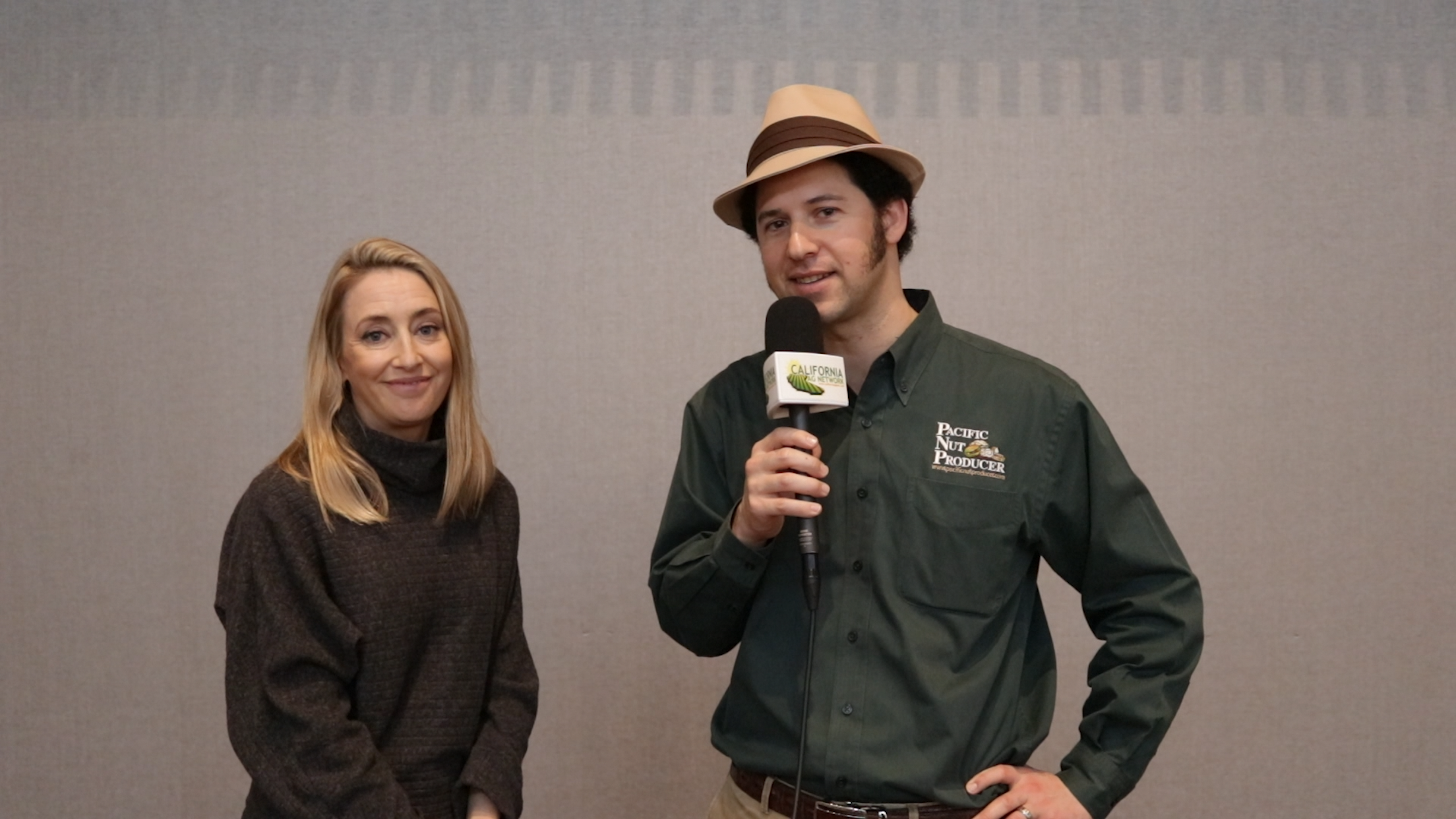
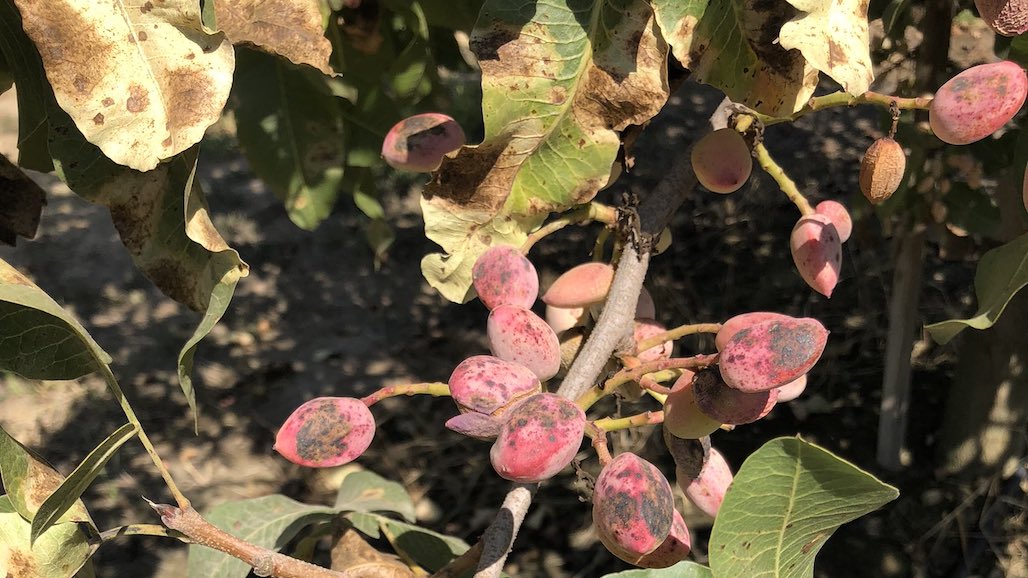
    Cover cropping down the middle of orchard rows is not a new practice for growers in the West, especially for Oregon hazelnut growers that have been finding creative ways to profit from harvesting temporary crops, while waiting for their trees to come into production. At a recent Nut Growers Society meeting, Pacific Nut Producer Editor Matthew Malcolm met with Marissa Lane-Massee, hazelnut grower and Master’s Student at the University of Oregon, who shared some interesting insights on the longterm benefits of cover-cropping Oregon hazelnut orchards with certain native plant combinations. Watch this brief interview and read more in Pacific Nut Producer Magazine.

    Please thank this video’s sponsor George Packing Company for their industry support.

  • USDA Expands Insurance Options for Tree Nut Growers

    USDA Expands Insurance Options for Tree Nut Growers

    The U.S. Department of Agriculture (USDA) is expanding crop insurance options for specialty and organic growers beginning with the 2025 crop year. USDA’s Risk Management Agency (RMA) is expanding coverage options by allowing enterprise units by organic farming practice, adding enterprise unit eligibility for several crops, and making additional policy updates. This is the first of several announcements this summer, which will include the expansion of the shellfish policy in the Northeast and new coverage for grape growers in the West and beyond. These expansions and other improvements build on other recent RMA efforts to better serve specialty crop producers and reach a broader group of producers.

    “The Risk Management Agency is excited to expand coverage options for specialty and organic growers including the availability of enterprise and optional units for many producers,” said RMA Administrator Marcia Bunger. “Expanding our coverage options gives producers more opportunities to manage their risks. We will continue to build on our work through future announcements later this summer.”

    The following changes will be made beginning with the 2025 crop year 

    • Enterprise and Optional Units:
      • Expand Enterprise Units (EU) to almonds, apples, avocado (California), citrus (Arizona, California, and Texas), figs, macadamia nuts, pears, prunes, and walnuts.
      • Allow non-contiguous parcels of land that qualify for Optional Units (OU) to also qualify for EU.
      • Allow EUs by organic farming practice for alfalfa seed, almonds, apples, avocado (California), cabbage, canola, citrus (Arizona, California and Texas), coarse grains, cotton, ELS cotton, dry beans, dry peas, figs, fresh market tomatoes, forage production, grass seed, macadamia nuts, millet, mint, mustard, pears, potatoes (northern, central, and southern), processing tomatoes, prunes, safflower, small grains, sunflower seed, and walnuts. 
      • Expand OUs by organic practice to all remaining crops where OUs are available, and the organic practice is insurable.
    • Walnut Quality Adjustment: Allow sunburned damaged walnuts to be eligible for indemnity payments through quality adjustment.
    • Almond Leaf Year: Expand insurance coverage to younger trees by including trees in their fifth leaf year after being set out.

    These revisions come through the Expanding Options for Specialty and Organic Growers Final Rule published today by the Federal Crop Insurance Corporation (FCIC). This Final Rule will update the Common Crop Insurance Policy Basic Provisions, Area Risk Protection Insurance Basic Provisions, and includes changes to individual Crop Provisions. The enterprise unit availability will continue to be rolled out throughout the year with each crop’s contract change date and RMA will continue to evaluate expanding EUs to additional crops.

    Additional changes in the June 30 Final Rule include:

    • New Breaking Acreage:
    • Reduce administrative burdens on growers and the delivery system by removing written agreement requirements on new breaking acreage.
    • Reduce coverage penalties on perennial specialty crop producers and producers of intensively managed crops, such as alfalfa, when they move to row crop production. This allows for a seamless transition without losing crop insurance coverage.
    • Assignment of Indemnity: Provide flexibility for an indemnity payment to be issued via automated clearing house (ACH) or other electronic means when these methods do not allow for multiple payees.
    • Good Farming Practices (GFP): Streamline and shorten the FCIC GFP reconsideration process by closing the administrative file following FCIC’s initial GFP determination.
    • Double Cropping and Annual Forage: Clarify a producer must prove insurance history for the annual forage crop and meet the current double cropping requirements to receive a full prevented planting payment.

    RMA continues to explore ways to improve risk management tools for specialty crop producers and will be announcing additional program enhancements later this summer. Some of those improvements include:  

      Piloting the Fire Insurance Protection – Smoke Index (FIP-SI) crop insurance program for grapes in California for the 2025 crop year. The pilot program is an index-based endorsement to the Actual Production History (APH) Grape policy that provides additional protection against smoke damage and covers the liability between the APH policy’s coverage level and 95%.

      Expanding the Enhanced Coverage Option (ECO) to walnuts and citrus crops and increasing premium support to be consistent with the Supplemental Coverage Option.

      Expanding the Grapevine insurance program to an additional 29 counties in California. Grapevine insurance offers protection against vine losses in the event of several named perils.

      Releasing new Organic Practice Guidelines to producers for the 2025 crop year. These guidelines are to help producers report planted or perennial acreage insured under a certified organic or transitional practice.

    More Information

    This announcement further advances USDA’s recently announced Specialty Crops Competitiveness Initiative, a Department-wide effort to increase the competitiveness of specialty crops products in foreign markets, enhance domestic marketing, and improve production and processing practices.

    Crop insurance is sold and delivered solely through private crop insurance agents. A list of crop insurance agents is available at all USDA Service Centers and online at the RMA Agent Locator. Learn more about crop insurance and the modern farm safety net at rma.usda.gov or by contacting your RMA Regional Office.

  • Western United Dairies and Almond Alliance Help Secure Placement of Safe Drinking Water, Wildfire Prevention, Drought Preparedness, and Clean Air Bond Act on Ballot

    Western United Dairies and Almond Alliance Help Secure Placement of Safe Drinking Water, Wildfire Prevention, Drought Preparedness, and Clean Air Bond Act on Ballot

    This week, Legislature passed SB 867 (Allen) the Safe Drinking Water, Wildfire Prevention, Drought Preparedness, and Clean Air Bond Act of 2024, that will be placed before voters on the November General Election ballot. The bond would authorize $10 billion in general obligation bonds to finance projects for drought, flood, and water resilience; wildfire and forest resilience; biodiversity and nature-based climate solutions; and climate-smart, sustainable, and resilient farms, ranches, and working lands, among other priorities.

    The bond will provide significant investments for dairy farmers and almond growers to increase groundwater quality and supply in critical areas of the state. The bond would allocate $386,250,000 for the Department of Water Resources (DWR) for projects related to groundwater banking, groundwater recharge, and instream flow projects that support the conjunctive use of groundwater and surface water supplies.

    The two organizations have collaborated with the California Department of Water Resources (DWR) on a number of high-priority initiatives to promote improving water resiliency and management. Among these initiatives is LandFlex, a program designed as a tool for real-time flood control, protection of communities and properties, and developing long-term groundwater recharge capability. DWR has steadfastly supported the implementation of LandFlex, and with the passage of the bond, LandFlex will be prioritized within a larger water suite of programs that will assist in improving water quality and supply for agricultural regions of the state. LandFlex also accelerates compliance with the Sustainable Groundwater Management Act (SGMA), allowing farmers to explore innovative farming methods that align with our long-term sustainability goals.

    “Placing the Climate Bond on the ballot will allow voters to determine key investments to improve water availability for dairy farmers,” said Frank Mendonsa, President of Western United Dairies. “Our partnership with DWR has been instrumental in advancing projects that support water conservation and provide long-term certainty in sustainable agriculture. LandFlex is a prime example of how we can achieve these goals, and we are optimistic about its future with resources included in the Safe Drinking Water, Wildfire Prevention, Drought Preparedness, and Clean Air Bond Act of 2024.”

    “We are excited about the Legislature passing and the acting Governor signing the Climate Bond legislation,” said Blake Vann, chairman of the Almond Alliance. “Our collaborative efforts with DWR on initiatives like LandFlex demonstrate our commitment to innovative solutions that benefit both the environment and our agricultural communities. We look forward to voters approving the bond in November and allowing LandFlex to be a long-term water resiliency program.”

    The organizations would like to recognize and thank Assemblywoman, and Chair of the Agriculture Committee, Esmeralda Soria (D-Fresno) and Senator Anna Caballero (D-Merced) for championing the inclusion of funding for DWR and LandFlex programs. We would also like to extend our sincere appreciation to Pro Tem Mike McGuire (D-Santa Rosa) and Speaker Robert Rivas (D-Salinas) and their staff for working with AA & WUD on the inclusion of key funding priorities for dairy farmers and almond growers. Of course, without the support of Governor Newsom and key members of his administration, this bond and core funding for water programs would not be possible.

    The Almond Alliance and Western United Dairies remain committed to leading the way in establishing long-term water policies to promote sustainable agricultural practices and look forward to continued collaboration with the Governor’s Administration, DWR, and Legislative Champions to ensure passage of the bond in November and implementation of these vital initiatives for dairy farmers and almond growers.

  • Pecan Industry Votes to Continue Research and Promotion Program

    Pecan Industry Votes to Continue Research and Promotion Program

    The U.S. Department of Agriculture (USDA) announced that pecan producers and importers voted to continue the American Pecan Promotion Board’s research and promotion program.

    In the referendum held May 10 through June 10, 2024, 74.89% of pecan producers and importers voted in favor of continuing the program. This meets the requirement that the majority of those voting were in favor of the program continuing.

    The Pecan Promotion, Research, and Information Order, which established the American Pecan Promotion program, requires USDA to conduct an initial referendum no later than three years after assessments are first collected. Subsequent continuance referendum will be conducted every seven years or at the request of 10% or more of all eligible pecan producers and importers.

    More information about the program is on the Agricultural Marketing Service (AMS) American Pecan Promotion Board webpage and on the American Pecan Promotion Board website.

    The pecan research and promotion program is authorized under the Commodity Promotion, Research and Information Act of 1996. The program was developed to strengthen the position of pecans in the marketplace, maintain and expand markets for pecans and develop new uses for pecans within the United States.

    Since 1966, Congress has authorized the development of industry-funded research and promotion boards to provide a framework for agricultural industries to pool their resources and combine efforts to develop new markets, strengthen existing markets and conduct important research and promotion activities. AMS provides oversight of 22 boards, paid for by industry assessments, which helps ensure fiscal accountability and program integrity.

  • Veteran Sports Marketing Leader Zachary Fraser to Lead American Pistachio Growers

    Veteran Sports Marketing Leader Zachary Fraser to Lead American Pistachio Growers

    American Pistachio Growers, the non-profit association responsible for driving global awareness of the quality, nutrition, and brand power of American-grown pistachios, has hired sports-marketing leader Zachary Fraser as the organization’s new President & CEO. Fraser joins APG after four years with LEARFIELD, the influential media and technology company behind many of collegiate sports most influential brands, where he led the company’s Fresno State athletics (lower case) property.

    “On behalf of the Board of Directors, we are very excited to welcome Zachary as the new president of American Pistachio Growers,” said APG Board Chair Richard Kreps. “We feel his successful track record as a leader in multiple industries coupled with his passion were just what APG needs at this time. After several years of working with Fraser in his capacity with his previous employer at our annual conference, we are very excited to have him lead our exceptional team in our time of significant growth in the pistachio industry.”

    Fraser enjoyed success at the helm of Fresno State’s LEARFIELD team. As the company responsible for managing traditional and digital media rights, broadcast platforms, and media/sponsorship sales for the Fresno State Bulldogs, his team was recognized for multiple achievements across the entire landscape of collegiate sports-media. Fraser was instrumental in helping Bulldog sports properties win “Property of the Year” among peer athletic departments, following the 2022-23 varsity season. That same year, Fraser was recognized as the “Chairman’s Club” overall winner, among peer vice-presidents and general managers.

    Prior to arriving in California’s Central Valley, Zachary was the founding general manager and managing partner at Pacific Baseball Ventures (PBV). PBV is an investment group which owns and operates summer collegiate baseball teams in Walla Walla, WA (Walla Walla Sweets), and Yakima Valley, WA (Yakima Valley Pippins). Under his stewardship, more than 30 players who were scouted and signed by PBV went on to play Major League Baseball–including Jarren Duran (Boston Red Sox), and Cody Poteet (New York Yankees).

    While working amid the fertile valleys of Southeastern Washington, Fraser gained a significant appreciation for the region’s agricultural marketing initiatives. He also gained valuable non-profit operations and leadership experience, serving as board chair of Visit Walla Walla, as well as leadership positions on the boards of numerous other non-profits.

    “I am humbled and excited to join such a talented and dedicated group of remarkable professionals, who are passionate about serving our 800-plus grower members in California, Arizona, New Mexico and Texas,” said Fraser. “I wake up every morning excited and grateful to meet with, and learn from, growers, processors, vendors, suppliers and consumers of the best nut in the world. How lucky am I that I get to work alongside some of the best people in the industry to educate and market a product that I am already a huge fan of? Let’s get every consumer eating the most nutrient-dense, protein-packed nut in the world – American-grown pistachios.”

    Fraser looks forward to meeting APG members and the greater pistachio community on July 26th at APG’s annual member luncheon in Visalia. Pacific Nut Producer Magazine Editor Matthew Malcolm recently had the opportunity to meet with him, so stay tuned for a video introduction with Zachary to be released shortly.

    Fraser is fluent in English and French. He and his wife JoLynn have three children, including a son who lives in Ghana, West Africa.

    American Pistachio Growers is the non-profit trade association representing more than 865 growers and member processors in California, Arizona, New Mexico and Texas.

  • California Tree Nut Sector Well Positioned for Growth in Algerian Market

    California Tree Nut Sector Well Positioned for Growth in Algerian Market

    USDA Foreign Ag Service — The exporter guide provides an economic and market overview, as well as demographic trends and practical tips for U.S. exporters on Algeria. The report provides an overview of the three market sectors – food retail, food service, and food processing in Algeria. Overall, of the total U.S. agricultural exports to Algeria, consumer-oriented products represent 15 percent of the total U.S. exports in 2023. Tree Nuts currently have the best prospects for U.S. consumer-oriented products exported to Algeria.

    Executive Summary: Algeria is a middle-income country and in 2022, its GDP reached almost $200 billion, positioning it as one of the largest economies on the African continent. Encompassing an area of 2,381,741 sq. km, Algeria is also the largest country in Africa by landmass. Algeria’s state-dominated economy is heavily dependent on oil and gas revenues, which historically have provided over 90 percent of export earnings and nearly 40 percent of state revenues. The agriculture sector is one of the priority sectors for the government in its efforts to diversify the economy and attract foreign and domestic investment outside the energy sector. The agriculture sector contributes on average 12percent of Algeria’s GDP and employs 20 percent of the population in rural areas. Algeria’s imports of agricultural commodities and food represented 25.29 percent ($9.9 billion) of total imports ($39.21 billion) in 2023.

    Food Retail Industry: Algeria’s food retail sector is estimated at $37.5 billion and is highly fragmented. Consumers shop for bulk, packaged and high value products, both local and imported, in small, privately owned supermarkets called “superettes”. Algeria’s largest private-sector conglomerate Cevital, operates 23 grocery stores under the brand name UNO. International retail chain Carrefour is also present.

    Food Processing Industry: The government divested itself from agricultural production and processing allowing the private sector to take the lead. The private sector is comprised of wheat and feed millers, dairy processors, vegetable oil refiners, sugar refiners, beverage producers as well as canners, and a pastry industry. The distribution and HRI sectors are growing however need further development.

    Food Service Industry: Revenue in the food market amounts to $17.4 bn in 2024. The market is expected to grow annually by almost 10 percent (CAGR 2024-2028). The largest segment is the Confectionery & Snacks with a market volume of US$2.8 bn in 2024. In the Food market, 0.9 percent of total revenue will be generated through online sales by 2024. In the food market, volume is expected to amount to 5.75 bn kg by 2028. The food market is expected to show a volume growth of two percent in 2025. The average volume per person in the food market is expected to amount to 115 kg in 2024.

    Section I: Market Overview

    Algeria is a middle-income country whose state-dominated economy is heavily dependent on oil and gas revenues, which historically have provided over 90 percent of export earnings and nearly 40 percent of state revenues. These revenues have funded a generous social safety net through food, fuel, housing, health, and education subsidies. The World Bank estimates that Algeria’s GDP grew 4.1 percent in 2023, though inflation reached over 9.3 percent. In 2024, the World Bank expects GDP growth to slow due to stagnant oil and agricultural output, before rebounding in 2025. The IMF estimates the national economy at around $200 billion.

    The government’s economic development plan centers on diversification away from the energy sector, with a particular focus on agriculture. Algeria leans on protectionist trade policies to encourage development of local industries and to control the current account deficit. The import substitution policies are often announced without warning, and tend to generate regulatory uncertainty, supply shortages, increased prices, and a limited selection for consumer goods. Nevertheless, food imports have been trending up sparked by growing consumer demand.

    Food accounts for just over 40 percent of Algerian household spending, and mainly concerns relatively unprocessed basic products. The government subsidies staples such as sugar, soybean oil, bread, semolina and pasteurized milk which encourages high consumption of these products. In Algeria, generally, the price determines the consumption. Purchases are often made from small retailers even though supermarkets and shopping centers are growing. Since the Covid-19 pandemic and the war in Ukraine, inflation and price increases have negatively impacted consumer confidence.

    Online commerce and restaurant take out is growing, especially since the Covid-19 pandemic, and consumers are increasingly attracted by easier and faster ways of buying. However, online payments are extremely limited; most consumers place the order online or via phone and pay in cash to the delivery driver. More than half of the population has internet and is active on social networks. However, purchasing decisions on networks are not as developed as in Europe or the United States. The Algerian diet is based on a Mediterranean model. Algerians are big consumers of cereals (durum wheat, semolina, bread, couscous, etc.), pulses (lentils, beans and chickpeas), fruit and vegetables, olive oil, with little meat, as well as products derived from milk, eggs, fish. Algerians have traditionally eaten lamb and poultry. In the south, camel meat is also consumed.

    While Algeria’s society remains dominated by traditional family institution, socioeconomic changes are driving noticeable shifts in consumers’ consumption preferences and the food retail landscape. The population has quadrupled in 60 years, reaching over 45 million inhabitants in 2023. As of 2022, Algeria’s urban population was estimated to be over 70 percent of the total population. Overall, the participation of Algerian women in the workforce is gradually increasing, driven by improvements in education, changes in societal attitudes, and supportive government policies. In the urban centers, the younger generation is increasingly following global trends seeking out fast food, chawarma, and snacks as well as sweetened drinks. In April 2024, a Lebanese group AZADEA opened the first KFC restaurant in the capital. Pizza Hut, Subway, Coca Cola, PepsiCo, Nestle, and Heineken are all present in Algeria.

    Advantages and Challenges

    Potential exists for U.S. exporters to obtain a share of the Algerian market and participate in its further development.

    Section II: Exporter Business Tips

    General Consumer Tastes and Trends: Algeria has one of North Africa’s highest per-capita expenditures on food thanks to relatively high disposable incomes and consumers’ strong preference for convenient, quality, and premium food and beverages. Algerian households devote more than 40 percent of their annual expenditure to food needs. Consumer tastes and preferences are changing, especially in the cities where young homemakers tend to be more active, and the number of working women has increased. As a result, consumers are turning to ready-to-eat or semi-processed products. Although some people are attracted by the organic and healthy diets, dietary habits are changing to a diet richer in animal fat and sugar.

    Market Research: For the most part U.S. exporters are not familiar with the Algerian market and its regulations, and the same is true for Algerian importers seeking U.S. products. U.S. exporters should inquire about all the regulations and the Algerian market structure before starting business or shipping goods. They can identify a potential importer, distributor or a consultant who is aware of the business culture and the market structure, who knows the food and retail sectors’ players and can execute all the necessary steps and resolve any issues on the ground on behalf of the U.S. company.

    Market Structure: The structure of the market is detailed in section IV below. Overall, the food retail and distribution sector are developing. Supermarket industry is growing, albeit slowly. Local food manufacturing industry is fundamentally dependent on imports of ingredients and raw materials. Most of these sectors are exclusively controlled by private businesses. Most of the supermarkets, hotels and food retail stores do not import directly, but purchase from local wholesalers and importers. Large food processors import their own ingredients. Most importers are in large cities and import through the ports of Algiers, Oran, Bejaia, Mostaganem and Jijel. They import both bulk and packaged products. The products are distributed to wholesalers and then sold in small stores, supermarkets, and wet markets. Algeria uses the metric system. French and Arabic are the predominant business language.

    Section III: Import Food Standards, Regulations and Procedures

    Import food standards and regulations as well as import procedures can be found in the FAS Food and Agricultural Import Regulation and Standards Reports.

    Fairs Annual Country Report

    Fairs Export Certificate Report

    Section IV: Market Sector Structure and Trends

    Food Retail and Distribution: Private businesses control retail trade almost exclusively. Since the economy was liberalized in the 90s, consumers became accustomed to seeing imported products and semi-processed products sold in grocery stores and small private supermarkets. Consumers shop for bulk, packaged and high value products, both local and imported, in small supermarkets called “superettes”. Private wholesalers are increasingly active in the food sector. The private sector is also trying to expand distribution channels, as well as the hotel restaurant institutional (HRI) sector.

    Overall, the supermarket industry is still in its infancy. The Ministry of Commerce has also invested in the construction of smaller, urban retail spaces that meet industry standards to strengthen the regulation of the retail network to ensure price stability, especially for food staples. According to the 2016 data available by the Algerian Register of Commerce, there were 1,415 retail markets in the country, 38 Hypermarkets, 1,919 superettes and 232 supermarkets. Only three large private supermarket chains (UNO, ARDIS, FAMILY SHOP) exist in the capital and four other main cities of the country. The French chain Carrefour is also present in Algeria.

    The Algerian food sector could also develop much more quickly if modern distribution was itself sufficiently developed. While large and medium-sized firms are modernizing, many small firms do not master processes, traceability, filling and packing, international standards or banking and tax procedures. Food industry firms must sometimes manage their own distribution networks themselves and provide assistance to their wholesalers to enable them to acquire their equipment.

    Food Processing: The government has committed to divesting itself from agricultural production and processing. Private processors continue to grow, and many are offering products at lower prices by importing raw materials and processing them locally. The private sector is active in wheat and feed milling, dairy processing, vegetable oil refining, sugar refining, beverage production, canning, and the biscuit industry as well as soybean crushing plants.

    The local food manufacturing industry is fundamentally dependent on imports of ingredients and raw materials. In addition, population increase, growing demand for convenient processed foods, as well as improved production capacities favor the expansion of the food processing industry. These conditions support demand for ingredients and create opportunities for increased U.S. exports into Algeria.

    Milling and Dairy industries: Wheat is the major staple food followed by dairy. Several mills and dairy plants are operating in different regions of the country with varying capacities. These enterprises are increasingly interested in U.S. products and expertise.

    HRI sector: This sector is growing however still needs further expansion. The opening of five-star international hotel chains as well as local four-star and three-star hotel chains increases demand for inputs and ingredients. Domestic fast food and new restaurants chains are growing as well.

    Beverage, Canning, Snack and Biscuit industries: The local food processing industry is improving and upgrading. They are aware of the need for consistent quality and regular supply of higher quality inputs. This sector represents a good prospect for U.S, suppliers of ingredients. This is an opportunity for U.S. expertise and food ingredients exports. The food industry and ingredient show “Djazagro ” newsletter indicated that the food market revenues in Algeria amounted EUR 10.8 billion in 2022. The largest market segment is confectionery and snacks, with a market volume of EUR 2.4 billion in 2022.

    In the food market, 1.8 percent of total revenue will be generated by online sales by 2022. In the Food market, 0.9 percent of total revenue will be generated through online sales by 2024.The Food market volume is expected to amount 5.75bn kg by 2028 and the volume growth is expected to reach 2.0 percent in 2025. The average volume per person in the food market is expected to amount to 114.70kg in 2024.

    The newsletter reported that the revenue of the soft drinks market amounted EUR 1.9 billion in 2022. The largest market segment is carbonated soft drinks with a market volume of EUR 1.4 billion in 2022. The revenue of the hot beverages market amounted EUR 2.6 billion in 2022. The market is expected to grow at a compound annual growth rate (CAGR) of 0.61% per annum (2022-2025). The largest market segment is coffee, with a market volume of EUR 2.2 billion.

    More information on the food, retail, distribution and beverage market trends can be found at this year’s edition of Djazagro Show newsletter.

    Section V: Agricultural and Food Imports

    Agricultural and Food Import Statistics

    Unfortunately, the Algerian Customs website has not published any trade figures since 2020. The sole import figures available are from 2020. Algerian imports of agricultural commodities and food represented about 23.52 percent ($8.09 billion) of total imports ($34.39 billion) in 2020. Wheat and dairy are the top food imports. Algeria is one of the world’s largest importers of wheat and dairy products. The other products were represented by (sugar and confectionary, coffee and spices, food preparations, food industry residues, edible fruits, legumes, roots and bulbs, live animals and tobacco and processed tobacco.

    Data from the Trade Data Monitor (TDM) shows that Algeria’s total imports of consumer-oriented the last five years has remained fairly stagnant. However, staple food (wheat and dairy products) remains dominant compared to consumer-oriented products.

    Trade Data Monitor (TDM) chart below shows the top exporting countries of consumer oriented agricultural products to Algeria. EU countries remain the main supplier of finished food products to Algeria. The U.S. is at a geographical disadvantage, due to Algeria’s proximity to Europe. Additionally, there are no direct shipping lines from the U.S., making transit through Europe necessary. Moreover, the EU-Algerian Association Agreement provides preferential access to some commodities making relatively high cost for U.S. food and agricultural products compared to imports from other countries.

    Best High-Value, Consumer-Oriented Product Prospects

    Most of the U.S. agricultural exports to Algeria are bulk and intermediate commodities. Consumer oriented products represent only 15 percent of the total U.S. exports to Algeria in 2023. In calendar year (CY) 2023, the main U.S. agricultural exports to Algeria were wheat, soybeans, tree nuts, soybean meal, planting seeds, feed & fodders, forest products, dairy products, pulses, as well as live animals (turkey day-old chicks and hatching eggs).

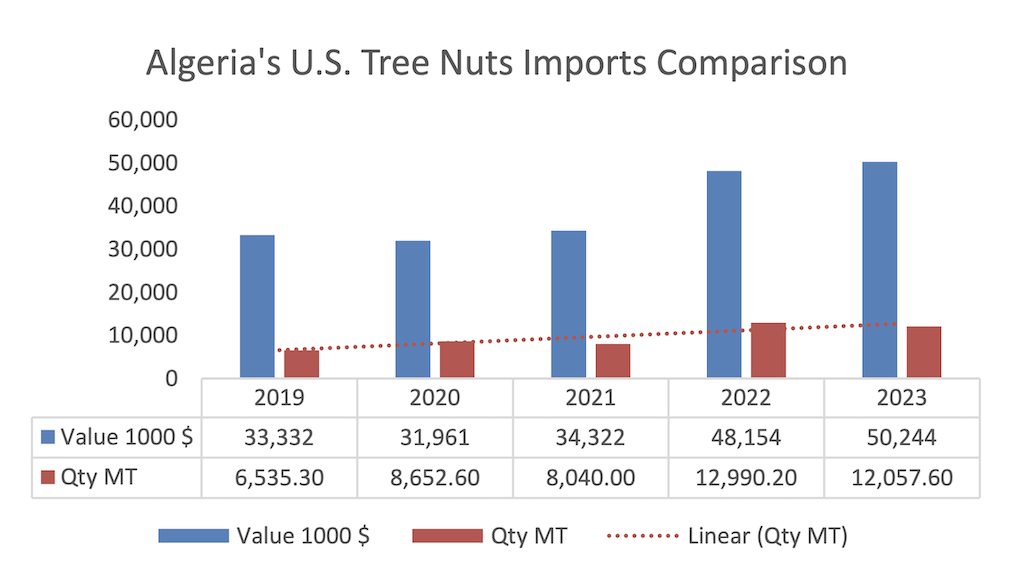
    As shown in the chart below, the best prospects for U.S. consumer-oriented products are tree nuts at the top of the list showing an upward trend.

    Tree nuts: Demand for tree nuts remains high, especially since additional import tariffs (DAPs) on tree nuts and dried fruits was removed since 2019. Imports are not hampered even by price increase as shown in the chart below. The figures below indicate that despite the increase of prices over the years, volumes increased.

    The United States remains the leading exporter of tree nuts to Algeria. (See U.S. Exports chart below). For more information, please review the FAS Tree Nuts Report.
  • Almond Board of California 2024 Election Results

    Almond Board of California 2024 Election Results

    The Almond Board of California have announced the Board of Directors election results and the names of the following nominees have been submitted to the U.S. Secretary of Agriculture for selection to terms of office beginning Aug. 1, 2024:

    Grower Position #1, Member:                                 Grower Position #1, Alternate:

           1-year term

    Paul Ewing, Los Banos                                              Katie Staack, Hughson

    Grower Position #3, Member:                                 Grower Position #3, Alternate:

           3-year term

    Joe Gardiner, Earlimart                                              Garrett Bloemhof, Shafter

    Handler Position #2, Member:                                 Handler Position #2, Alternate:

          3-year term

    Bob Silveira, Williams                                                 Justin Morehead, Coalinga

    Handler Position #3, Member:                                 Handler Position #3, Alternate:

          1-year term

    Darren Rigg, Le Grand                                               Chad DeRose, McFarland

    Co-op Grower Position #1, Member:                      Co-op Grower Position #1, Alternate:

          3-year term

    Christine Gemperle, Ceres                                         Lucas Van Duyn, Ripon

    The ABC board is made up of five handler and five grower representatives. It sets policy and recommends budgets in major areas, including marketing, production research, advertising, public relations, nutrition research, statistical reporting, quality control and food safety.

    About the Almond Board of California
    California almonds make life better by what we grow and how we grow. The Almond Board of California promotes natural, wholesome and quality almonds through leadership in strategic market development, innovative research, and accelerated adoption of industry best practices on behalf of the more than 7,600 almond farmers and processors in California, most of whom are multi-generational family operations. ABC is a non-profit organization that administers a grower-enacted Federal Marketing Order under the supervision of the USDA. It was established in 1950 and is based in Modesto, CA. For more information on the Almond Board or California almonds, visit Almonds.com.

  • The California Almond Industry’s #1 Export Market Experiences Exponential Growth

    The California Almond Industry’s #1 Export Market Experiences Exponential Growth

    While China used to be the #1 export destination for California almonds, India has quickly risen to the top with tremendous opportunities for growth. Pacific Nut Producer Editor Matthew Malcolm met with Emily Fleischmann and in-country representative Sudarshan Mazumdar from the Almond Board of California to discuss recent marketing successes and the industry’s continued investment in India. Watch this brief interview and read more about it in Pacific Nut Producer Magazine.

  • PRIME Almond Board Investments Score Worldwide Consumer Attention

    PRIME Almond Board Investments Score Worldwide Consumer Attention

    The California almond industry scored big with its recent investment and partnership with Coach Prime highlighting the nutritional benefits of almonds.  Pacific Nut Producer Editor Matthew Malcolm met with Laura Morin from the Almond Board of California to discuss some of the incredible results of this partnership, as well as other strategic partnerships around the world, engaging consumers like never before. Watch this brief interview and read more about it in Pacific Nut Producer Magazine.

  • Alternaria Management in Pistachio (As Summarized in Pacific Nut Producer Magazine June Orchard Tasks)

    Alternaria Management in Pistachio (As Summarized in Pacific Nut Producer Magazine June Orchard Tasks)

    By the time you will read this article, pistachio nuts have almost completed 80% of the final size and their ovary is still small getting ready to start increasing its size to completion by the end of July. June is considered still too early to start seen early-split (ES) nuts. These will start showing in the second part of July and will continue developing even close to harvest.

    June is the month when management of Alternaria late blight disease typically begins. However, before getting into the management of the disease let us understand, how, when, and why this disease develops in a pistachio orchard. There is a span of 2 months window (June and July) for the critical sprays that can control Alternaria late blight disease of pistachio. Alternaria late blight, as the name indicates, is caused by Alternaria species, the most common being Alternaria alternata. This species is ubiquitous in nature and can grow as pathogen in live tissues (leaves and fruit) and as secondary in orchard debris. In pistachio, the disease causes necrotic lesions in the surface of leaves where the pathogen produces abundant windborne spores  under high humidity conditions in the orchard. A diagnostic feature of the Alternaria leaf lesions is the blackening of fingers after rubbing the sporulating lesions. Fruit also can be infected by Alternaria, especially those of late, second, or third harvests. In addition, if a rain occurs in late season, more disease will develop. That was the case during the tropical storm Hilary that occurred in the first half of August, resulting in severe outbreak of Alternaria late blight in pistachio orchards, even in areas historically characterized as “disease-free” under normal weather conditions in California (i.e., Westside). The fruit infection (decay) was so severe (Figure 1) that a grower admitted or reported?  a 25% loss of his crop, although he had harvested twice this orchard. In addition to Alternaria blight, in the Terra Bella area where some orchards used to have some Botryosphaeria panicle and shoot blight, the disease developed in very high levels after the storm.

    Figure 1. Main Alternaria late blight symptoms on pistachio: rot lesions on fruit (following the August 2023 Tropical Storm Hilary), necrotic lesions on leaves , and a closeup of large and small black Alternaria lesions.

    A Brief Summary on Disease Development

    Although less frequent, Alternaria spp., like Botryosphaeria spp. can cause latent infection in the spring when rains wet the fruit and leaves and spores germinate to establish infections without any expression of symptoms. As leaves mature and start senescing, latent infections will be activated first producing very large necrotic brown lesions that will be covered with black spores. Wind mainly and rain spreads the spores causing a plethora of smaller lesions. The development of large and multiple small lesions per leaf results in defoliation of leaflets or entire leaves. Rain is not necessary for Alternaria to develop. High relative humidity in the orchard is sufficient for causing latent infection and expression of symptoms. Although Alternaria late blight develops symptoms initially on the leaves, fruit can also decay from Alternaria infection of the hulls, but by the first harvest, not much disease will have developed.

    Susceptibility to Disease

    If you have Golden Hills expect to have earlier and more severe symptoms than symptoms on Kerman. In an experimental field at the Kearney Agric. Research and Extension Center 3.5 acres of pistachios are planted in a design of 2 rows each Kerman alternating with 2 rows of Golden Hills. After infection and symptom development severe defoliation occurred in the Golden Hills rather in Kerman trees (Figure 2). We do not know the basis for the higher susceptibility of Golden Hills to Alternaria late blight, perhaps leaves mature earlier as does the fruit in this variety and thus the disease shows up much earlier and defoliates the trees excessively.

    Figure 2. Alternaria late blight symptoms (leaf lesions and defoliation) of Kerman (left) and Golden Hills (right) trees photographed at the same time (15 September 2023) in an Experimental pistachio orchard at the Kearney Agric. Research and Extension Center in Parlier, California.

    Weather Conditions Favoring Disease  

    As mentioned above high relative humidity favors Alternaria late blight disease and that is why under normal dry conditions in the summer the disease develops in certain areas with micro-climatic conditions. For instance, in certain locations where mature orchards may have overlapping tree canopies, ventilation in the orchard is reduced and the relative humidity is high, regardless of the orchard irrigation (drip or micro-sprinkler irrigation). A good recommendation then for new plantings is to plant the rows of trees N to S orientation so that when trees develop their full canopy, the N to S prevailing wind will move easier and faster throughout the orchard than when the rows of trees are planted East to West. In mature orchards, a wise recommendation will be to do hedging of the trees to open a ventilation path between the tree rows of the orchard. A late rain that will provide excess water on mature leaves and nuts will be detrimental, causing severe Alternaria late blight. Severe Alternaria late blight on nuts will result in not harvestable nuts, and in fact, those harvested will have severe brown staining of the shell, thus significantly reducing the nut quality.

    Fruit Load & Alternaria Late Blight

    In previous research, we showed that Alternaria lesions develop first in leaves of shoots that bear fruit; in the contrary, Alternaria lesions developed much later in leaves of shoots not bearing any fruit. Several years ago, we quantified the Alternaria disease as relates to the fruit load of shoots in an orchard in Kings County and found out that by mid-August, 45% of the leaves in shoots with fruit had Alternaria lesions, while at the same time only 11% of the leaves had Alternaria lesions in shoot not bearing any fruit. Also, in “on” production years, shoots heavily loaded with fruit start resulting in some yellowing of leaves, due to the high nutrient demand of the sink (fruit load). Thus, those stressed leaves are more susceptible to be infected by A. alternata. Therefore, it is expected to have more severe Alternaria late blight disease in “on” production years than in “off” production years. We suggest keeping the pistachio’s nutrients in optimal levels throughout the growing season.

    Management of Alternaria Late Blight of Pistachio  

    Efficacy trials over multiple years provided results that helped the registration of many fungicides for the control of Alternaria late blight. These fungicides belong in five FRAC groups, 3, 7, 9, 11, and 19. In addition, pre-mixture fungicides that contain combinations of these FRAC groups showed excellent efficacy against Alternaria blight (see fungicide efficacy tables at https://ipm.ucanr.edu/legacy_assets/pdf/pmg/fungicideefficacytiming.pdf).  One of the fungicides (Viathon) is a mixture of tebuconazole (FRAC 3) and phosphonate (P07, 33).

    Figure 3. Frequency of mutants (mutation G143A) conferring resistance of Alternaria alternata causing Alternaria late blight of pistachio to strobilurin fungicides (QoI, FRAC 11) in leaf samples collected from 20 orchards in San Joaquin and Sacramento Valleys in California.
    Figure 4. Frequency of mutants (all mutations) conferring resistance of Alternaria alternata causing Alternaria late blight of pistachio to dehydrogenase inhibitor fungicides (SDHI, FRAC 7) in leaf samples collected from 20 orchards in San Joaquin and northern Sacramento Valleys in California.

    The discovery of new effective fungicides that belong to the FRAC groups mentioned above, usually leads to excellent disease control  (rating 5) in the first 2-3 years. However, because most of these compounds are site specific and the resistance risk is high, eventually in subsequent years they become less efficacious in controlling Alternaria late blight. Despite the application of fungicides to control this disease, the frequency of Alternaria late blight samples brought to our lab by pest control advisors has increased exponentially in the last several years. This situation made us hypothesize that perhaps the resistance to the major fungicide FRAC groups might have become widespread. To find out if this contention was true, an extensive survey was initiated to determine what is going on. Samples of leaves (i.e. with lesions of Alternaria) (Figure 1) were collected from each of 20 orchards surveyed in southern and central San Joaquin Valley and the northern Sacramento Valley, brought to the laboratory and processed using the molecular qPCR procedure. Briefly, in this procedure lesions from each sample are blended, the DNA of Alternaria alternata is extracted, and by using specific primers, we can quantify the specific mutation(s) that confer resistance to the major groups of fungicides. For instance, the samples initially were processed to determine the levels of resistance to FRAC 11 fungicides, frequently used in pistachio orchards to control Alternaria late blight. Indeed, high resistance levels to strobilurins were detected mainly in the eastern side of south and central San Joaquin Valley and northern Sacramento Valley, while no or low levels of resistance were detected in orchards of the west side of the southern and central San Joaquin Valley (Figure 3). Similarly, when tests were done to determine the resistance levels to SDHI fungicides in diseased leaves from the 20 surveyed orchards, again high levels of resistance were detected (Figure 4). Interestingly, and very similarly to the resistance levels observed for stobilurin fungicides, the resistance levels to SDHI fungicides were lower in orchards of the west side of southern and central San Joaquin Valley (Figure 5). An explanation for these low resistance levels could be that usually growers in the Westside do not spray for Alternaria, since Alternaria late blight disease does not develop there (dry and windy, and “disease free” region!)

    Figure 5. Frequency of mutants due to specific mutations conferring resistance of Alternaria alternata causing Alternaria late blight of pistachio to dehydrogenase inhibitor fungicides (SDHI, FRAC 7) in leaf samples collected from 20 orchards in San Joaquin and northern Sacramento Valleys in California. (Mutants with the H134R mutation are the dominant in all the fields, except, orchards #16, #17, and #18.) Interestingly, these orchards are located in the West Site/which is considered “disease-free” area.
    Figure 6. Fungicide efficacy trial in 2023 against Alternaria late blight of pistachio in an experimental pistachio orchard at the Kearney Agric. Research and Extension Center.

    Alternaria late blight is very difficult disease to control because the pathogen is very prone to resistance selection to fungicides. In fact, because a major portion of Alternaria alternata population is resistant to two major FRAC groups of fungicides, a grower, a pest control adviser, or a consultant needs to be careful with the fungicide program to follow in order to achieve the maximum degree of disease control. Alternations of FRAC groups and pre-mixed fungicides can be used, along with at least one triazole (FRAC 3) in the program.  In our 2023 fungicide efficacy trial experiment, we showed that the triazoles Cevya (i.e. mefentrifluconazole; registered) and the premixed Milbelya (i.e. mefentrifluconazole+ fluxapyroxad, FRAC 3/7; not registered yet), Luna Experience (i.e. tebuconazole+fluopyram, FRAC 3/7; registered) along with Miravis Prime (i.e. pydiflumetofen+fludioxonil, FRAC 7/12; registered) resulted in the least severe disease in an experimental orchard at Kearney Ag Research & Extension Center (Figure 6). This orchard has suffered from severe Alternaria late blight disease yearly.

    Timing of fungicide Treatments

    A grower or pest control advisor has three options regarding the timing of fungicide sprays for the control of Alternaria late blight.  The first option is to apply one spray as an insurance coverage of the orchard. This should be done in the first week of July (Remember Independence Day!). Certainly, the decision of using one spray is based on historical data about Alternaria late blight disease.  The second option would be 2 to 3 summer sprays. Sprays start beginning of June and end close to the end of July: 1st spray in early-June, 2nd spray in late June/early- July (best timing); and if high humidity is built up in the orchard due to the location and type of irrigation, then one more spray should be applied in mid- to late July. If any of these timings coincide with the timing of a NOW spray, you can combine these sprays in one, and thus save costs of tree spraying.  Please do not spray in August and afterwards; instead of reducing the disease, you may create conditions to increase the blight.

    The third option would be the use of a Disease Severity Value (DSV) model. For this there is a need to monitor leaf wetness and temperature in the orchard because combinations of those conditions determine when it is time for infections to occur, and therefore to spray.  However, because not every grower has a weather station in the orchards and because this is more complicated to explain, in order to avoid confusion at this point, I will leave this discussion for a future issue of Pacific Nut Producer.

    In summary, Alternaria late blight has become a major disease of pistachio in the last two decades, and it is a very difficult disease to control because the pathogen causing this disease, Alternaria alternata, is easily prone to fungicide resistance selection. The resistance levels were quantified in 2023 and found to be high and widespread among the main pistachio growing regions.  Therefore, major caution is required when one decides on the fungicide program to control this disease. In addition, using an integrated control approach (cultural practices +chemical applications) will be the best option in controlling Alternaria late blight of pistachio. — By Themis J. Michailides, Boris X. Camiletti*, and Victor Gabri