Category: Industry News

  • Honey Bees at Risk for Colony Collapse from Longer, Warmer Fall Seasons

    Honey Bees at Risk for Colony Collapse from Longer, Warmer Fall Seasons

    The famous work ethic of honey bees might spell disaster for these busy crop pollinators as the climate warms, new research indicates.

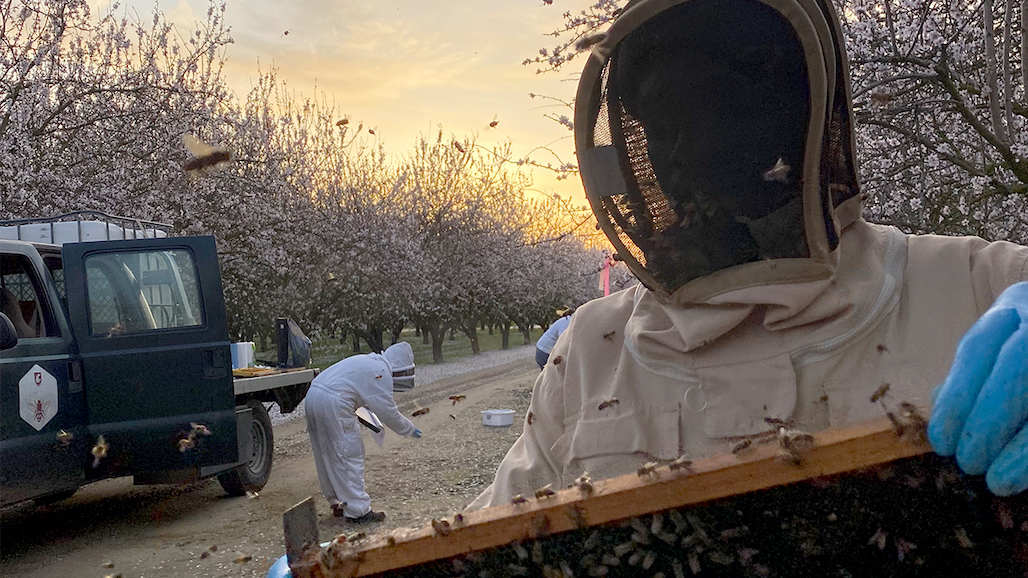
    Flying shortens the lives of bees, and worker honey bees will fly to find flowers whenever the weather is right, regardless of how much honey is already in the hive. Using climate and bee population models, researchers found that increasingly long autumns with good flying weather for bees raises the likelihood of colony collapse in the spring.

    The study, published in the journal Scientific Reports, focused on the Pacific Northwest but holds implications for hives across the U.S. The researchers also modeled a promising mitigation: putting colonies into indoor cold storage, so honey bees will cluster in their hive before too many workers wear out.

    “This is a case where a small amount of warming, even in the near future, will make a big impact on honey bees,” said lead author Kirti Rajagopalan, a Washington State University climate researcher. “It’s not like this is something that can be expected 80 years from now. It is a more immediate impact that needs to be planned for.”

    For this study, researchers ran simulations through a honey bee population dynamics model using climate projections for 2050 and the end of the century at 2100. They found that honey bee colonies that spend the winter outside in many areas of the Pacific Northwest would likely experience spring colony collapses in both the near- and long-term scenarios. This also occurred under a simulation where climate change continued as it is progressing now and one where greenhouse gas emissions were reduced in the near future.

    Worker honey bees will forage for food whenever temperatures rise above about 50 degrees Fahrenheit. When it gets colder, they cluster in the hive, huddling with other bees, eating honey reserves and shivering, which helps keep the bees warm. In the spring, the adult worker bees start flying again. That means they also start dying. If too many older worker bees die before their replacements emerge ready to forage, the whole colony can collapse. Scientists have estimated this happens when there are fewer than 5,000 to 9,000 adult bees in the hive.

    This study found that colonies wintering outside in colder areas like Omak in the far north of Washington state might still do all right under climate change. But for honey bee colonies in many other places, like Richland, Washington near the border of Oregon, staying outside in the winter would mean the spring hive population would plummet to fewer than 9,000 adults by 2050 and less than 5,000 by the end of the century.

    The authors note that the simulations just looked at seasonal factors like temperature, wind and the amount of daylight, making them fairly conservative models.

    “Our simulations are showing that even if there is no nutritional stress, no pathogens, no pesticides — just the conditions in fall and winter are enough to compromise the age structure of a colony. So when the hive comes out of winter, the bees are dying faster than they’re being born,” said co-author Gloria DeGrandi-Hoffman, a research leader at the U.S. Department of Agriculture’s Carl Hayden Bee Research Center.

    The researchers also simulated a potential mitigation, placing honey bee hive boxes in cold storage so the bees start to cluster earlier and save workers. For instance, in the Richland scenarios, by the end of the century, having bees in cold storage from October to April would boost the spring hive population to over 15,000 compared to around 5,000 to 8,000 if they were kept outside.

    A relatively new practice, cold storage is gaining popularity among commercial beekeepers to help manage bee health and for the logistics involved in moving hives to California to pollinate almond trees in February, an event that draws more than two million hives from across the country.

    “A lot of beekeepers are already practicing this management technique of storing bees indoors because it has a lot of immediate potential to help in a number of ways,” said co-author Brandon Hopkins, a WSU entomologist. “These findings demonstrate that there are additional benefits to this practice for the survival of colonies in a changing climate.” This research received support from the Washington Department of Agriculture’s Specialty Crop Block Grant. — 

  • Plant-Based Dairy Substitutes Demand Surges as Lactose Intolerance Rises in India

    Plant-Based Dairy Substitutes Demand Surges as Lactose Intolerance Rises in India

    Amidst growing concerns over lactose intolerance and dairy allergies, India is witnessing a surge in demand for plant-based dairy substitutes. Despite challenges like low consumer awareness and higher costs, the country’s affluent middle class and environmentally conscious younger demographics are driving the adoption of plant-based food and beverages. This trend is poised to propel the Indian market for milk alternatives by a value compound annual growth rate (CAGR) of 6-8% over 2023-27*, according to GlobalData, a leading data and analytics company.

    Mani Bhushan Shukla, Consumer Analyst at GlobalData, comments: “Plant-based dairy alternatives are making their way into the market, influenced by global health and ethical consumer trends. Over the years, it has been revealed through multiple research studies that nearly 60% of the Indian population suffers from lactose intolerance or dairy allergies. Nonetheless, a large proportion of these consumers remain unaware of their medical condition and continue to consume dairy products without seeking any medical intervention.”

    Francis Gabriel Godad, Consumer Business Development Manager at GlobalData India, notes: “Since the onset of the COVID-19 pandemic, there has been a notable emphasis on health, leading to a significant rise in the popularity of vegetarian, vegan, and flexitarian diets. Furthermore, the escalating concerns regarding milk adulteration and the widespread use of antibiotics in cattle farms have resulted in a heightened demand for dairy-free alternatives. Additionally, consumers who prioritize eco-friendliness opt for non-dairy milk options such as coconut, almond, and cashew milk, as these products are produced ethically and have a lower carbon footprint.”

    This aligns with GlobalData’s Q4 2023 consumer survey finding that 79% of Indian consumers find “plant-based” product attribute as either essential or nice-to-have when making purchasing decisions**.”

    Shukla adds: “Younger consumers find plant-based products more appealing than older consumers, likely due to greater access to information (particularly with higher online use) regarding the health as well as environmental benefits of consuming plant-based alternatives.”

    Godad concludes: “By focusing on pricing, flavor, and texture of dairy alternatives, manufacturers can successfully target Millennials and Gen Z cohorts and gain widespread acceptance. These consumer segments are more likely to be enticed by such offerings. Moreover, manufacturers can compete more effectively if they offer customized options that are tailored to specific consumer needs. Considering the high prevalence of lactose-intolerance among Indians, dairy-alternatives has the potential to revolutionize the plant-based dairy substitutes market.”

    *GlobalData Consumer Intelligence Center – Market Analyzers, accessed in March 2024

    **GlobalData Q4 2023 Consumer Survey­ – India, published in December 2023, with 564 respondents

    About GlobalData

    4,000 of the world’s largest companies, including over 70% of FTSE 100 and 60% of Fortune 100 companies, make more timely and better business decisions thanks to GlobalData’s unique data, expert analysis, and innovative solutions, all in one platform. GlobalData’s mission is to help our clients decode the future to be more successful and innovative across a range of industries, including the healthcare, consumer, retail, financial, technology, and professional services sectors.

  • Buzzing Spring Pollinator Plays Significant Role in Almond Industry

    Buzzing Spring Pollinator Plays Significant Role in Almond Industry

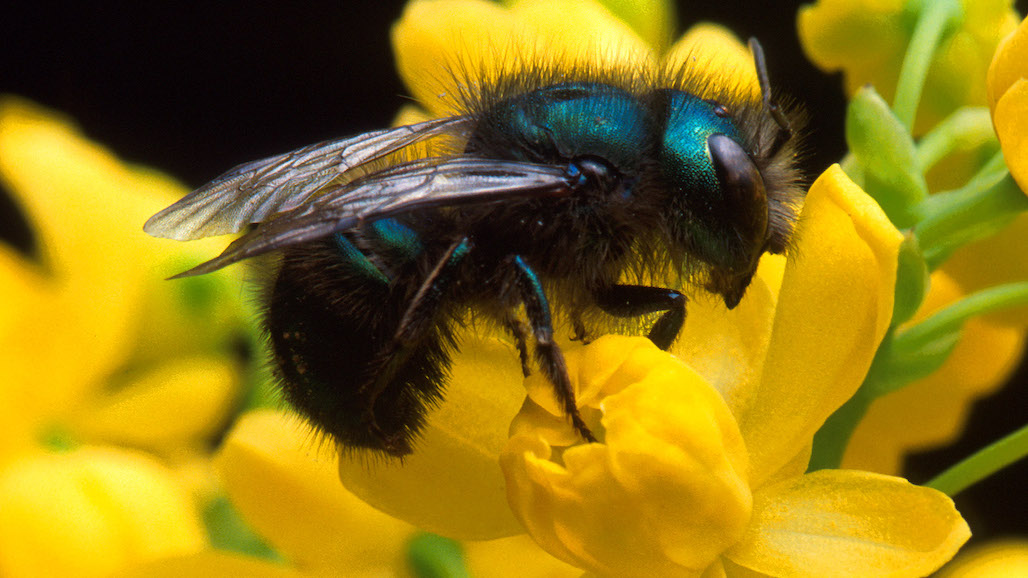
    The USDA’s Agricultural Research Service (ARS), in collaboration with the Ecological Forestry Applications Research Centre in Spain and North Dakota State University, conducted a comparison of the physiological and molecular processes involved in the summer and winter dormancy of Osmia lignaria, also known as blue orchard bee or orchard mason bee.

    This analysis of gene expression is believed to be the first to compare the dormancy periods of this species in their natural habitat, and more importantly, it led to sequencing the first draft genome of this important pollinator for the almond industry.

    According to the U.S. Forest Service, North America has 140 species of OsmiaOsmia lignaria, a solitary bee, follows a one-year lifecycle that includes two periods of dormancy. During summer, the bee develops to the prepupal stage (the stage of larva after its final molt), pauses, then finishes to developing to the adult stage before winter. Adult bees slow their metabolic activity while overwintering [second dormancy]. When spring arrives, adult bees emerge from dormancy and become highly active in pollination. Although this species does not produce honey, it is very effective in pollinating almond trees due to cross-pollination among different varieties, which leads to higher crop yields.

    “This species inhabits a wide latitudinal range in North America, with populations in the north having different developmental rates and lengths of dormancy periods than those in southern populations,” said Alex Torson, a computational biologist with ARS’ Insect Genetics and Biochemistry Research in Fargo, North Dakota.

    “In the future, we can use the genome presented in this study to start comparing the genomes of individuals from these different geographic populations. If these differences in development and dormancy can be traced to their genetics, then we could develop managed populations from different geographic locations, and time the characteristics of those populations with peak floral blooms for different types of crops.”

    By aligning their emergence with the timing of crops, it would allow for better management and pollination, as this bee species emerges in the spring and is a significant pollinator of almond trees due to how it pollinates.

    Understanding how this lifecycle occurs has become increasingly important due to changes in environmental conditions. A better understanding of the evolutionary relationships among populations of this species will be critical for developing managed populations we can use for pollination services.

    The study is available in Insect Biochemistry and Molecular Biology.

    The Agricultural Research Service is the U.S. Department of Agriculture’s chief scientific in-house research agency. Daily, ARS focuses on solutions to agricultural problems affecting America. Each dollar invested in U.S. agricultural research results in $20 of economic impact.

  • New Root Borer Pest Invades Oregon Hazelnut Orchards

    New Root Borer Pest Invades Oregon Hazelnut Orchards

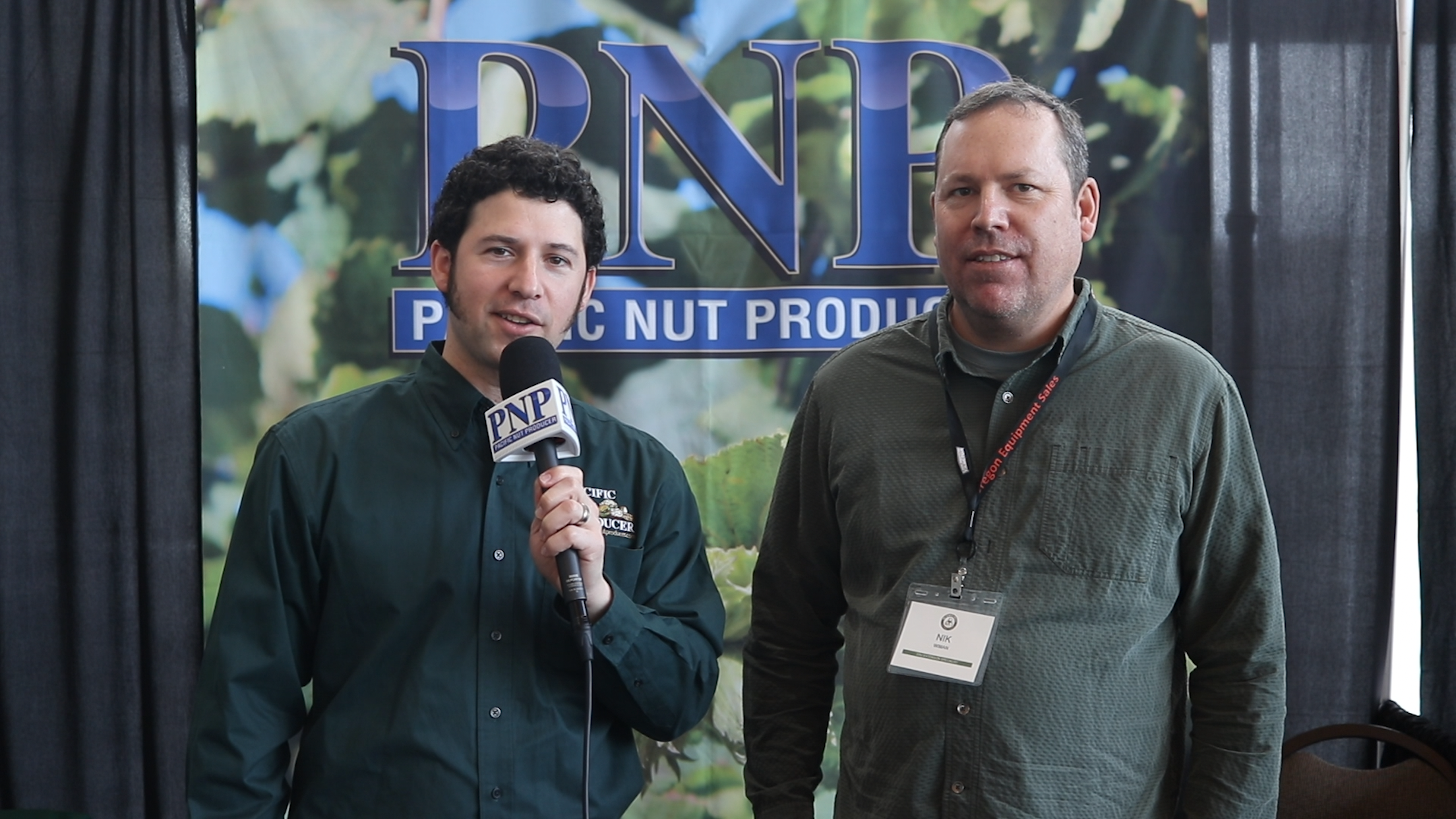
    As if growers didn’t have enough to worry about already, a certain root borer grub (when in large numbers) is beginning to wreak havoc below the surface of Oregon hazelnut orchards. At a recent Nut Growers Society meeting, Pacific Nut Producer Editor Matthew Malcolm met with Nik Wiman, Orchard Crops Extension Specialist at Oregon State University, to discuss the impact of the prionus californicus root borer and what growers can do about it. Watch this brief interview and read more in Pacific Nut Producer Magazine.

    Please thank this video’s sponsor George Packing Company for their industry support.

  • Nutrition is Key to Growing the Pecan Industry

    Nutrition is Key to Growing the Pecan Industry

    – SPONSORED CONTENT –

    APPB & APC Introduce Unified Strategy

    In a move that marks a significant shift in the pecan industry’s approach to marketing, the American Pecan Council (APC) and the American Pecan Promotion Board (APPB) are working together to create a global marketing strategy that’s set to reimagine the pecan’s place in the market and in consumers’ hearts. The Unified Pecan Promotion Plan (UPPP), as this strategy has been aptly named, pivots on four strategic initiatives:

    • Higher Value through Nutrition
    • Expanded Demand Through New Occasions
    • Industry Readiness Through Services Strategy
    • Incremental Volume Through Exports

    According to Anne Warden, CEO, APC and APPB, The UPPP is a blueprint designed to bring pecan industry partners together. “We want to align the entire supply chain – from grower to seller to customer – under a single vision and mission.”

    Spotlight on “Higher Value Through Nutrition”

    While all four strategic initiatives are key to industry-wide growth, the story of pecans as a nutritional powerhouse creates a tremendous untapped marketing opportunity. “Higher Value Through Nutrition” seeks to uplift the pecan’s profile from a tasty snack to a nutritional powerhouse.

    Despite their delicious taste, most consumers are not aware that pecans are also highly nutritious. The UPPP aims to tackle this by shifting the consumer perception to view pecans as an essential, nutritious food, thereby increasing demand and value. This comes on the heels of a survey indicating a strong consumer inclination towards foods that reduce heart disease risk and support cognitive health—areas where pecans naturally excel.

    How exactly does the Unified Pecan Promotion Plan intend to change these perceptions? By focusing on digital content, third-party validators, and nutrition research.

    Educating Consumers with Digital Media

    Instead of the traditional scattergun approach to marketing, the pecan industry is sharpening its aim. Leveraging consumer perception and buying behavior data, the UPPP is gearing up to make pecans a staple in digital shopping carts. Expect to see more targeted, persuasive content online, where most buying decisions are now made.

    Activating Third-Party Validators

    The UPPP recognizes the enormous influence of fitness and lifestyle influencers and plans to collaborate with these key figures to propagate the nutritional messaging of pecans. By partnering with popular health platforms and cultural content creators, the industry intends to integrate pecans into the narrative of a healthy lifestyle.

    Nutrition Research & Industry-wide Messaging Clarity

    Harnessing a wealth of existing research and generating new data will be pivotal to strengthening pecans’ health claims. By syncing the messaging across the entire supply chain, the UPPP is looking to create a clear, consistent and powerful chorus singing the nutritional praises of pecans.

    Just the beginning

    These initiatives, though ambitious, are only the starting line. The APC and APPB are preparing to launch promotions that position pecans uniquely in the nut market. This will not only distinguish them for their natural nutrition and superior taste but also establish a strong foundation for long-term strategic partnerships.

    As the UPPP unfolds, the goal is to create a future where pecans are not just another nut in the bowl, but a prized ingredient in the health-conscious consumer’s diet. For pecan growers, this could mean a significant uplift in the value of their crops, aligning with evolving consumer trends that prioritize health and wellness.

    The APC and APPB are setting the stage for a pecan renaissance, one that promises to elevate America’s only native nut to new heights of consumer awareness and appreciation. Through the work of the UPPP and its focus on nutrition, the pecan industry is ready to crack the market wide open, so to speak.

  • UK Suspends Tariffs on All Raw Almonds Beginning April 11

    UK Suspends Tariffs on All Raw Almonds Beginning April 11

    Almond Board of California — The United Kingdom’s government announced it would suspend tariffs for at least two years on raw kernel and inshell almonds from all origins – including the U.S. – beginning April 11, 2024.

    The Almond Board of California has been working for many years with the UK’s Nut and Dried Fruit Trade Association (NDFTA), the group that represents the UK processors buying California almonds. This past year, ABC provided factual information and trade data to NDFTA, which they used to officially apply to have tariffs suspended on imported almonds.

    “We are grateful for our long-time partnership with the UK’s Nut and Dried Fruit Trade Association and appreciate the UK government’s approval of the application to suspend tariffs on almonds,” said Julie Adams, ABC’s vice president for global technical and regulatory affairs. “This will certainly benefit UK consumers with increased availability of healthy almond products.”

    The tariffs – 4% on inshell almonds and 2% on raw kernels – have been in place since the UK left the European Union in 2021.

    UK trade officials on March 18 issued a list of commodities, including almonds, that will have tariffs suspended until June 30, 2026. UK officials said there is a possibility they will reassess before that date, possibly to extend the suspension or make a permanent change.

    Estimates put the costs of the soon-to-be-suspended tariffs to UK importers at about $4 million a year. The suspension will allow UK importers to offer a more competitive price on raw California almonds to UK processors, and ultimately to consumers.

    UK duties of 8-10% still remain on roasted almonds (which includes flavored almonds), 8% on marzipan and almond flour, and 20% on almond paste.

    “We plan to work with NDFTA to assess further tariff suspensions in the UK, and with other partners overseas to identify opportunities for additional tariff suspension requests to lower costs for importers and processors and boost demand for California almonds,” said Keith Schneller, ABC’s senior advisor on trade policy.

    About the Almond Board of California

    California almonds make life better by what we grow and how we grow. The Almond Board of California promotes natural, wholesome and quality almonds through leadership in strategic market development, innovative research and accelerated adoption of industry best practices on behalf of the more than 7,600 almond farmers and processors in California, most of whom are multi-generational family operations. ABC is a non-profit organization that administers a grower-enacted Federal Marketing Order under the supervision of the USDA. It was established in 1950 and is based in Modesto, CA. For more information on the Almond Board or California almonds, visit Almonds.com.

  • USDA Completes Laboratory Modernization to Advance Pecan Breeding and Research

    USDA Completes Laboratory Modernization to Advance Pecan Breeding and Research

    The Pecan Breeding and Genetics Program of the U.S. Department of Agriculture’s Agricultural Research Service (USDA-ARS) recently completed a 2.5 million dollars laboratory modernization to accelerate pecan breeding through innovations in genetics and plant disease research. A ribbon-cutting ceremony was held on March 26 to commemorate the completion of the project.

    Pecan trees represent North America’s native nut tree and a multimillion-dollar crop. These trees have been cultivated commercially for less than 150 years. It takes an average of 28 years from planting a new seedling to releasing a new pecan cultivar with traditional methods of pecan breeding. This is due to the long waiting period for pecan trees to start producing nuts, which takes up more than half of the time. With the new modernized laboratory, the Pecan Breeding and Genetics Program will now be able to incorporate genetic techniques into pecan breeding to accurately predict mature nut traits on young seedlings, saving up to a decade in the breeding process.

    Breeding new pecan cultivars is a lengthy process with long waiting periods of 7-10 years before a pecan tree can produce nuts and long testing phases to evaluate potential cultivars. It is challenging to support pecan breeding efforts due to their high resource demands and extended timelines, which make it impractical for private or commercial entities and challenging for academic programs.

    The event was hosted by USDA’s ARS and the Texas Pecan Grower’s Association. ARS leaders, State Representatives, scientists, and members of the pecan industry organizations toured the new laboratory with now dedicated research spaces for plant genetics, microscopy, tissue culture, controlled-environment growth chambers, and plant disease research.

    “Today marks the celebration of the opening of a new genetics and pathology laboratory,” said Warren Chatwin, the Lead Scientist at the Pecan Breeding and Genetics Program in Somerville, Texas. “This facility will enable ARS’ researchers here at Somerville to advance pecan breeding and support modern genetics and plant disease research, which hasn’t been possible since this site was established in the 1980s.”

    “This event also highlights the significant impact of our stakeholders, the pecan industry organizations. They have unified their voice through the National Pecan Federation to express the need for increased quality, accuracy, and speed of pecan breeding, genetics, and plant disease research, leading to the establishment of this laboratory space. The success of our research is only possible through partnerships with stakeholders including the Texas Pecan Grower’s Association, which has provided decades of support and significant contributions, most recently through the National Pecan Federation,” added Chatwin.

    In addition, researchers will now be able to do controlled evaluations of promising breeding lines with different regional strains of pecan scab. Pecan scab, caused by the fungal pathogen Venturia effusa, is the most economically significant disease in the pecan industry and has high diversity across the geographic range of cultivated pecans. For the first time, the Pecan Breeding and Genetics Program will now be able to screen pecan scab cultures from all areas of the country in controlled environments to identify new sources of disease resistance and incorporate those unique samples into the breeding program. Researchers will also be able to do controlled evaluations for other significant and emerging pathogens of pecan, including the heavily quarantined international pathogen, Xylella fastidiosa.

    The Pecan Breeding and Genetics program has released 32 pecan cultivars to the industry, with notable releases like ‘Pawnee,’ which moved the commercial harvest window forward to mid-September, ‘Lakota,’ which has high scab resistance, and ‘Wichita,’ a high-yielding cultivar that performs well in the West. USDA-ARS’ most recently released cultivars include ‘Pueblo,’ ‘Seneca,’ and ‘Zuni,’ which were patented in 2022.

    The Agricultural Research Service is the U.S. Department of Agriculture’s chief scientific in-house research agency. Daily, ARS focuses on solutions to agricultural problems affecting America. Each dollar invested in U.S. agricultural research results in $20 of economic impact.

  • American Pistachio Growers Healthy Soils Grant Application Window Closing

    American Pistachio Growers Healthy Soils Grant Application Window Closing

    Time is running out to apply for funding through American Pistachio Growers’ $5 million grant awarded by the California Department of Food & Agriculture to help growers adopt healthy soils practices in the Golden State. You don’t have to be a member of APG to apply.  Watch this brief video as Pacific Nut Producer Editor Matthew Malcolm  and Carlee Branco from CalG.A.P. discuss details of the grant and application process.

    Special Thanks to American Pistachio Growers for sponsoring this video.

  • American Pistachio Growers Interim President Introduced at Annual Conference

    American Pistachio Growers Interim President Introduced at Annual Conference

    At the annual Pistachio Industry Conference held by American Pistachio Growers (APG) in Monterey this year, Pacific Nut Producer Editor Matthew Malcolm met with Joel Nelsen, Interim President of APG, for a video introduction to the industry.  Watch this brief interview as he also discusses his priorities with APG and its direction as the pistachio industry continues to grow.

    Special Thanks to American Pistachio Growers for sponsoring this video.

  • Tyler Zion Promoted to Director of Sales at Meridian Growers

    Tyler Zion Promoted to Director of Sales at Meridian Growers

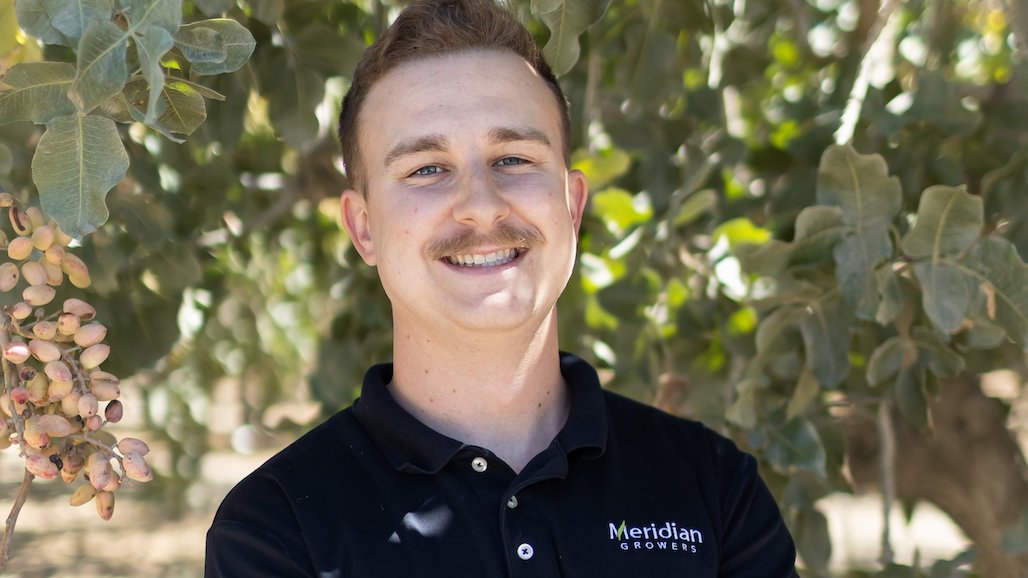
    Meridian Growers has announced the promotion of Tyler Zion to the position of Director of Sales. In this new capacity, Tyler will be responsible for all sales for Meridian Growers.

    Tyler Zion is a recent graduate of American Pistachio Growers LeadOn pistachio leadership program, which, no doubt, has helped prepare him serve Meridian Growers and the pistachio industry at this new capacity. He is pictured here (Right) with his father Jim Zion (Left).

    Tyler Zion was hired in February of 2023 as a sales representative. Since coming on board, he has progressed quickly and proven his ability to adapt and grow in his industry knowledge. Tyler will be overseeing the sales of the almonds, pistachios, and pecans they grow and sell worldwide. Meridian is eager for Tyler to strengthen their market base and continue their mission to be the bridge between growers and users of dried fruits and nuts.

    “I am very excited to take on this new opportunity and continue the established relationships that Meridian has with its customers while continuing to make new connections in markets around the world,” shared Tyler Zion.

    “I am pleased to have Tyler take over the day-to-day sales activity for our company, especially since we are now offering value added products. I fully expect Tyler to be an asset in the years to come that allows us to continue to provide our customers with the high-quality products and services they deserve while enabling us to achieve our goals for growth as a company. At Meridian we have a long-standing policy of promoting from within whenever possible. That way, both our staff and customers benefit from the knowledge and skills acquired over time while ensuring we maintain high quality products,” stated Jim Zion, Managing Director at Meridian.

    Meridian Growers has been in business since 1998 and is a grower, processor, shipper and marketer of California and Arizona almonds, pistachios, and pecans.

    Tyler Zion can be reached at 559-326-9511, or tzion@meridiangrowers.com.