Category: Industry News

  • Central Valley Farmer Responds to Initial 2025 Water Allocation

    Central Valley Farmer Responds to Initial 2025 Water Allocation

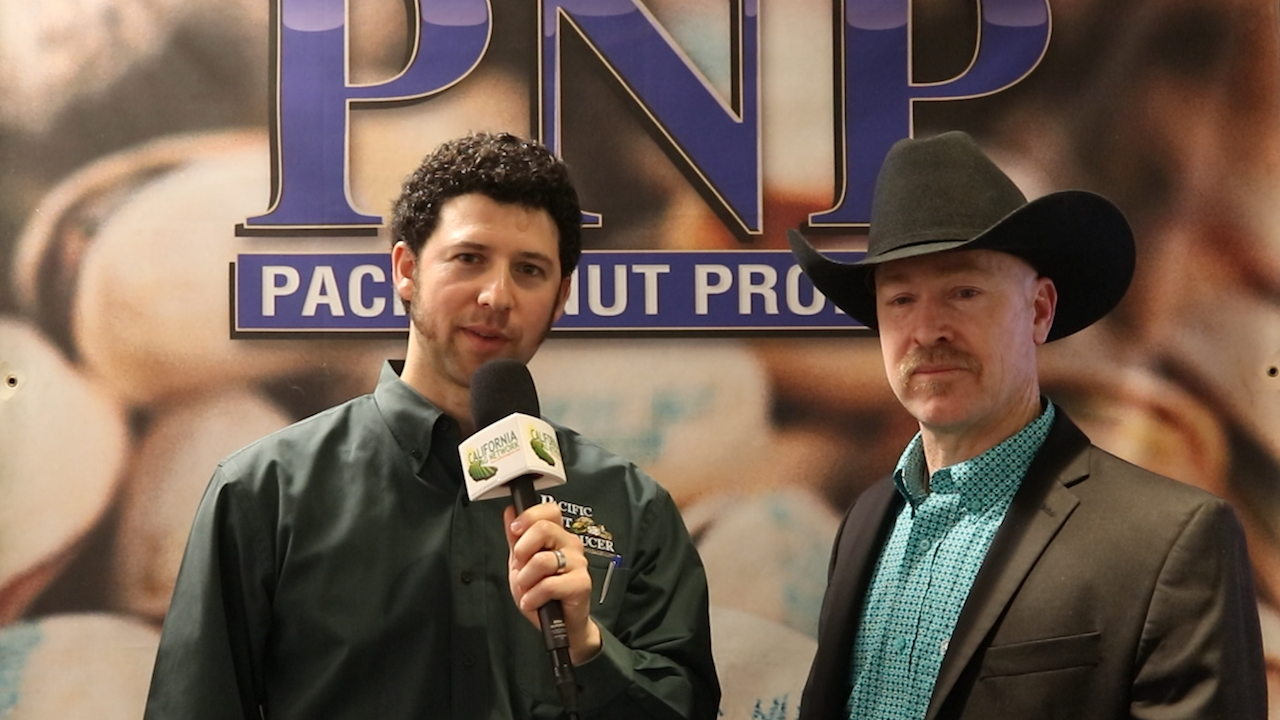
    On February 25, the Central Valley Water Project announced an initial farm water allocation of 35%. This comes as welcome news to farmers that were hampered last year around the same time by an initial allocation of only 15%.  Watch this brief interview with pistachio/carrot grower and Director at Westlands Water District William Bourdeau, as he shares his perspective on the announcement on California Ag Network with Matthew Malcolm.

  • Walnut Growers: Help Tell California Walnuts’ Sustainability Story

    Walnut Growers: Help Tell California Walnuts’ Sustainability Story

    SPONSORED CONTENT

    By: Robert Verloop, Chief Executive Officer, California Walnut Board & Commission

    California walnut farmers know the great care they put into their orchards. From maintaining healthy soils, to conserving water and minimizing waste, California walnut farmers have been acting as sound stewards of the environment for generations, but this story isn’t always shared or understood outside the industry.

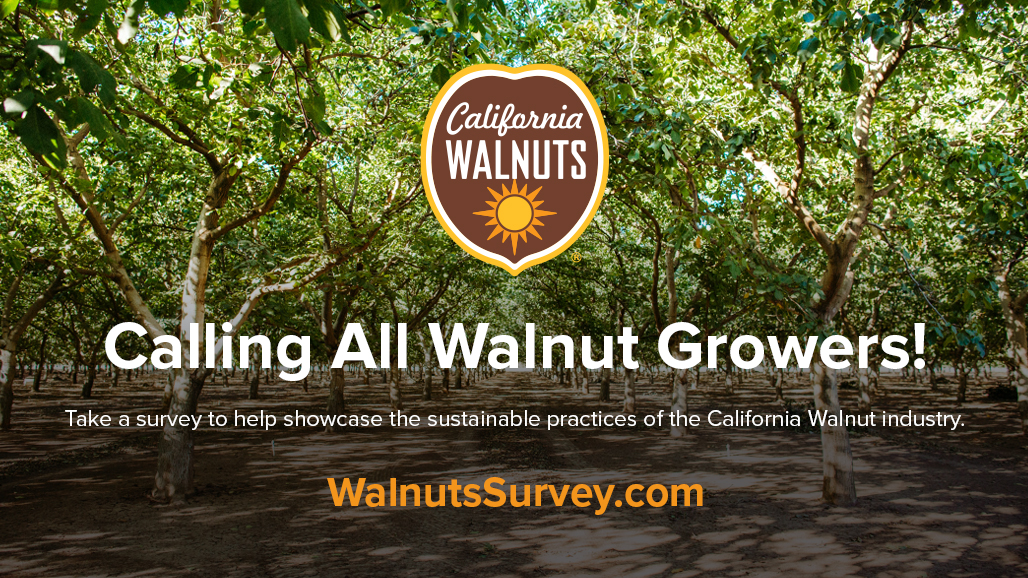
    At the same time, customers, food and ingredient manufactures, and consumers are increasingly interested in the industry’s sustainability efforts. The California Walnut Board & Commission is committed to sharing this story — but we need your help. By participating in a voluntary online survey, you can help highlight the great work being done by walnut growers.

    The survey follows a 2024 effort by the California Walnut Board & Commission’s Sustainability Working Group (SWG), which gathered insights and provided recommendations on the topics, metrics and goals most meaningful to the walnut industry.

    We know that for some, “sustainability” means environmental stewardship. For others, it also includes considerations of impacts on people and communities. For many California walnut farmers, it means the ability to keep the family farm going for generations to come.

    After more than eight months of planning and industry input, the Sustainability Working Group identified four key areas that make up a Sustainability Index, which will demonstrate the industry’s good work. Importantly, the industry’s efforts in the areas outlined in the index will not only showcase the contributions walnut growers make to people and the planet, but also pave the way for a more economically viable industry over the long haul, as sustainability and industry resilience go hand-in-hand.

    In fact, I often hear from walnut growers who are seeing first-hand how the adoption of environmentally friendly growing practices have benefited the quality of their walnuts and health of their trees while improving soil and natural resources. Often, sustainable practices, such as cover cropping, no till, and sustainable pest management can lead to reduced inputs and costs — something critical for growers seeing rising production costs in many areas. And as growers in California continue to see challenges for conventional pesticides through a more stringent regulatory environment and market pressures, the adoption of new tools and techniques will be critical.

    While learning and implementing new practices can be seem daunting, it’s okay to start small. Talk to your neighbors or farm advisor about how growing practices are evolving. Attend grower meetings hosted by the California Walnut Board & Commission and get involved with other industry meetings and events. In the coming years, we’ll be doing more to empower the walnut industry in implementing sustainable practices and gather data to showcase its progress. In addition, grant opportunities through the United States Department of Agriculture (USDA), California Department of Food and Agriculture (CDFA), and others are periodically available to offset costs.

    By continuing environmentally sustainable practices or adopting new ones, our industry can build its sustainability story as a point of differentiation and ensure a more prosperous future for decades ahead.

    California walnut growers are asked to join us in this effort by taking the survey at WalnutSurvey.com. All responses will be aggregated for analysis; individual results will remain confidential and will not be shared publicly.

  • Opportunities for Tree Nuts, Dairy & Wine in Upcoming Peru Agribusiness Trade Mission

    Opportunities for Tree Nuts, Dairy & Wine in Upcoming Peru Agribusiness Trade Mission

    The U.S. Department of Agriculture’s Foreign Agricultural Service is accepting applications for its agribusiness trade mission to Lima, Peru, scheduled for June 9-12, 2025. Current and potential U.S. exporters interested in participating must apply by March 12, 2025.

    “Consumers in Peru are eager to stock their pantries with world-class, high-quality food and farm products, and this mission offers a unique opportunity for U.S. exporters to meet that growing demand,” said Foreign Agricultural Service Administrator Daniel Whitley. “It will also help our agricultural community forge meaningful partnerships and unlock new avenues for growth in South America.”

    Peru is the third-largest market for U.S. agricultural exports in South America. Since the 2009 U.S.-Peru Trade Promotion Agreement, bilateral agricultural trade has risen from $1.46 billion to $5 billion in 2023, a 242.5 percent increase. In 2023, the United States was Peru’s second-largest agricultural supplier with a 13-percent market share.

    Peru and its South American trade partners offer robust logistics, distribution, processing, and cold chain capabilities, creating opportunities for exporters across industry sectors, including:

    • Beef, pork, poultry and related products
    • Dairy products
    • Tree nuts
    • Snack, bakery and confectionery products
    • Wine and distilled spirits
    • Condiments and sauces
    • Dog and cat food
    • Health-conscious foods (low-sodium, low-sugar, low-fat)
    • Ethanol
    • Live animals and feed ingredients
    • Bulk products, including pulses

    During the trade mission, participants will join buyers from Peru, Bolivia, and Ecuador for targeted business-to-business meetings to explore and discuss potential business opportunities in each country. Foreign Agricultural Service staff and regional experts will also provide in-depth market briefings, lead informative site visits, and host networking events.

    For more information or to apply, visit www.fas.usda.gov/topics/trade-missions/peru-june-2025. The application deadline is Wednesday, March 12, 2025.

    The trade mission to Peru is one of several USDA-led export promotion opportunities in 2025, with additional missions planned to Côte d’Ivoire, the Dominican Republic, Mexico, and Taiwan. The agency will announce application details for these missions soon.

  • Walnut Market to Witness Steady Growth, Reaching $11.1 Billion by 2031

    Walnut Market to Witness Steady Growth, Reaching $11.1 Billion by 2031

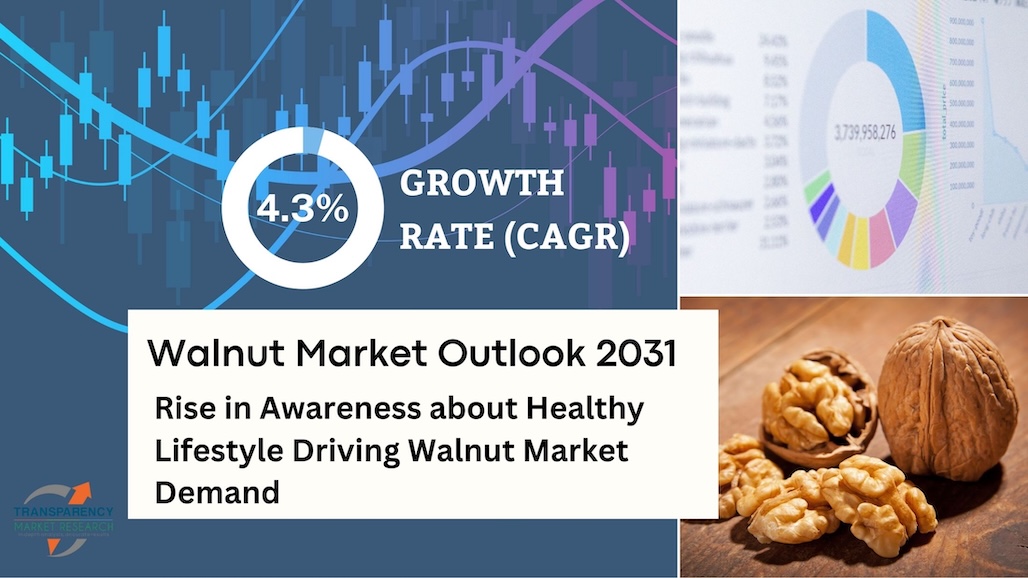
    Summary – The walnut market is growing due to rising consumer demand for nutrient-rich snacks and plant-based ingredients. Key segments include inshell and shelled walnuts, available in raw and processed forms, with black and English walnuts being the primary product types. The market is driven by the increasing preference for organic and conventional walnuts in the food and beverage industry. According to a new report from Transparency Market Research, growth from 2025 to 2031 is fueled by health trends and expanding applications in bakery, dairy, and snack products.The global walnut market was valued at US$7.6 billion in 2022 and is projected to grow at a Compound Annual Growth Rate (CAGR) of 4.3% from 2023 to 2031, reaching US$11.1 billion by 2031. This growth is driven by increasing consumer awareness of walnuts’ health benefits, their rising popularity as a plant-based snack, and innovations in walnut-based products.

    The walnut market has seen significant growth over the past decade, driven by increasing consumer awareness of the health benefits of walnuts, rising demand for plant-based protein sources, and expanding applications in the food, beverage, and cosmetics industries. With a competitive landscape, key manufacturers, distributors, and sellers are innovating to strengthen their positions in the global walnut industry.

    Introduction: A Booming Market for Health-Conscious Consumers

    The Walnut Market is witnessing strong growth driven by rising health awareness, increasing demand for plant-based protein, and the popularity of functional foods. Walnuts are recognized for their rich nutritional profile, including omega-3 fatty acids, antioxidants, and essential vitamins, making them a preferred choice among health-conscious consumers worldwide.

    The growing adoption of organic and premium-quality walnuts, along with the expansion of plant-based diets, is further boosting market demand. Additionally, the cosmetic and pharmaceutical industries are exploring walnut-derived ingredients for their skin-enhancing and medicinal properties.

    Competitive Landscape: Leading Industry Players

    • Olam International – Key supplier of organic and conventional walnuts.
    • Diamond Foods, LLC – Focused on value-added walnut products.
    • Hammons Black Walnuts – Leading in specialty black walnuts segment.
    • Grower-owned Cooperatives – Strengthening global walnut distribution.

    Distributors and Sellers

    The walnut market relies on a well-established distribution network, including direct-to-consumer sales, wholesale distribution, and online platforms. Some key distributors include:

    • Terrasoul Superfoods – A leading supplier of organic walnuts and nut-based products.
    • Nutty Gritties – Specializes in premium walnut snack products across Asia.
    • Treehouse California Almonds – Supplies bulk walnuts and nuts to food service and retail markets.
    • Nutraj – A major online seller of organic and conventional walnuts in India.
    • Kirkland Signature – A popular brand offering bulk walnuts through wholesale channels.

    Recent Key Developments-

    The walnut market has experienced several notable developments in recent years:

    • 2024: The California walnut industry reported a positive turnaround, with improved orchard health due to winter rains and a rebound in prices from the previous year’s crop.
    • 2024: India removed a 20% retaliatory tariff on U.S. walnuts, leading to a remarkable 148% increase in export volumes to the country.
    • 2024: The global walnut market faced challenges due to declining production in key regions, resulting in a heightened reliance on Chinese production to meet demand.

    Overall Industry Insight:

    The walnut industry is evolving with sustainable practices and product innovations. As consumers prioritize health and wellness, walnut-based products are expanding beyond traditional applications into functional foods, dietary supplements, and personal care items. The integration of technology in walnut farming and processing is further enhancing production efficiency and quality.

    Top Market Trends:

    • Growing Demand for Healthy Snacks: Increasing consumer preference for natural, nutrient-rich foods.
    • Organic and Sustainable Walnuts: Rising demand for organic and non-GMO walnuts.
    • Expansion in Food Processing: Growing use in bakery, confectionery, and dairy-free products.
    • E-commerce Growth: Increasing online sales of packaged walnuts and walnut-based products.

    Overall Industry Insight:

    The walnut industry is evolving with sustainable practices and product innovations. As consumers prioritize health and wellness, walnut-based products are expanding beyond traditional applications into functional foods, dietary supplements, and personal care items. The integration of technology in walnut farming and processing is further enhancing production efficiency and quality.

    Have a Query? Our Experts Are Ready to Help! www.transparencymarketresearch.com/sample/sample.php?flag=S&rep_id=35555

    Company Specialization Market Presence Key Strengths
    Diamond Foods Packaged and processed walnuts North America, Europe Strong retail presence, innovation
    Mariani Nut Company Organic and conventional walnuts North America, Asia Vertical integration, sustainability
    Borges International Group Mediterranean-origin walnuts Europe, Global Wide distribution, product diversity
    Royal Saffron Co. High-quality Persian walnuts Middle East, Asia Premium sourcing, strong regional presence
    Poindexter Nut Company Bulk and private label walnut supply North America, Global Advanced processing, supply chain efficiency
    Hammons Black Walnuts Specialty black walnuts, wild-harvested North America Unique product offering, niche market

    Market Segmentation

    By Product Type

    • In-Shell Walnuts – Preferred for fresh consumption and direct exports.
    • Shelled Walnuts – High demand in food processing and retail packaging.
    • Processed Walnuts – Includes flours, oils, and butter for diverse applications.

    By Nature

    • Conventional Walnuts – Widely available at affordable prices.
    • Organic Walnuts – Growing demand for premium and chemical-free options.

    By Application

    • Food & Beverages – Used in snacks, bakery, dairy alternatives, and salads.
    • Cosmetics & Personal Care – Walnut extracts in lotions, oils, and scrubs.
    • Pharmaceuticals – Walnuts known for boosting brain health and immunity.

    By Distribution Channel

    • Supermarkets & Hypermarkets – Dominant retail channel for mass-market sales.
    • Online Retail – Increasing e-commerce penetration for premium and bulk orders.
    • Specialty Stores – Focused on organic and gourmet walnuts.

    By Region

    • North America – Driven by plant-based diet trends and healthy snacking.
    • Europe – Growing preference for organic and sustainably sourced walnuts.
    • Asia-Pacific – High consumption in traditional cuisines and medicinal use.
    • Latin America & MEA – Expansion of walnut farming and export potential.

    Challenges in the Market

    Despite its growth potential, the walnut market faces challenges such as fluctuating raw material prices, climate change impacts on production, and competition from alternative nut varieties like almonds and cashews.

    Why This Report Matters

    • Market Trends & Growth Analysis – Insights into the expanding demand for walnuts.
    • Competitive Landscape – Understand key players and investment opportunities.
    • Health & Nutrition Focus – Discover the latest in functional food applications.
    • Sustainability & Organic Trends – Explore the future of eco-friendly walnut farming.

    Conclusion

    The walnut market is set to witness sustained growth, driven by increasing health awareness, expanding applications in the food and beverage industry, and innovation in processing and distribution. Key manufacturers and distributors are focusing on sustainability, organic certifications, and technological advancements to gain a competitive edge. As global demand for walnuts continues to rise, companies investing in product diversification and efficient supply chains will be well-positioned to succeed in this evolving market.

    For more info and to purchase this research report, visit:  https://www.transparencymarketresearch.com/checkout.php?rep_id=35555&ltype=S

    About Transparency Market Research

    Transparency Market Research, a global market research company registered at Wilmington, Delaware, United States, provides custom research and consulting services. Our exclusive blend of quantitative forecasting and trends analysis provides forward-looking insights for thousands of decision makers. Our experienced team of Analysts, Researchers, and Consultants use proprietary data sources and various tools & techniques to gather and analyses information.

    Our data repository is continuously updated and revised by a team of research experts, so that it always reflects the latest trends and information. With a broad research and analysis capability, Transparency Market Research employs rigorous primary and secondary research techniques in developing distinctive data sets and research material for business reports.
  • Walnut-Rich Breakfast May Help Boost Brain Power, Research Demonstrates

    Walnut-Rich Breakfast May Help Boost Brain Power, Research Demonstrates

    As the California walnut industry continues to drive consumers to the category, new research suggests incorporating walnuts into breakfast may improve brain function throughout the day, showcasing yet another benefit of walnuts.

    The study from the University of Reading in the UK found that healthy young adults who ate 50g of walnuts (a generous handful) mixed into muesli and yogurt demonstrated improved reaction time and memory performance compared to those consuming a calorie-matched breakfast without nuts.1

    “This study helps strengthen the case for walnuts as brain food,” said Professor Claire Williams, who led the research at the University’s Centre for Integrative Neuroscience and Neurodynamics (CINN). “A handful of walnuts with breakfast could give young adults a mental edge when they need to perform at the top of their game.”

    The study, published in Food & Function, involved 32 healthy adults aged 18-30 who consumed both a walnut-rich breakfast and a calorie-matched breakfast on separate occasions.* Participants completed various cognitive tests while their brain activity was monitored in the six hours following each breakfast.

    “This study adds to our growing body of evidence that walnuts may play a valuable role in supporting cognitive function,” said Robert Verloop, CEO for the California Walnut Commission. “Finding cognitive benefits in young adults is particularly significant as we work to increase walnuts’ appeal in this demographic.”

    The researchers suggest that walnuts’ mix of nutrients – including omega-3 alpha linolenic acid (ALA), protein, and plant compounds – may enhance cognitive performance. Walnuts are the only nut to provide an excellent source of omega-3 ALA** (2.5g/oz), which has been researched to support brain health, heart health and more.2 Walnuts also provide 4 grams of plant-based protein along with a variety of other nutrients in just one handful.3

    This is the first study to examine the immediate effects of walnuts on brain function in young adults throughout a single day. The findings build on previous research showing the cognitive impacts of regular walnut consumption.
    Discover recipes, industry insights and the latest health research on California walnuts at walnuts.org.

    References:
    *This research was funded by the California Walnut Commission. The funder made no contribution during the design or implementation of the study, nor in the interpretation of findings or the decision to publish.

    **One ounce of walnuts offers 18 grams of total fat, 2.5 grams of monounsaturated fat, 13 grams of good polyunsaturated fat.

    1. Bell, L., Dodd, G. F., Jeavons, M., Fisher, D. R., Whyte, A. R., Shukitt-Hale, B., & Williams, C. M. (2025). The impact of a walnut-rich breakfast on cognitive performance and brain activity throughout the day in healthy young adults: a crossover intervention trial. Food & Function, DOI: 10.1039/d4fo04832f.
    2. Sala-Vila A, Fleming J, Kris-Etherton P, Ros E. Impact of alpha-linolenic acid, the vegetable omega-3 fatty acid, on cardiovascular disease and cognition [published ahead of print February 16, 2022]. Advances in Nutrition. doi.org/10.1093/advances/nmac016.
    3. U.S. Department of Agriculture, Agricultural Research Service. FoodData Central, 2019. fdc.nal.usda.gov.

    About the California Walnut Commission
    The California Walnut Commission (CWC) represents more than 3.700 California walnut growers and approximately 70 handlers, grown in multi-generational farmers’ family orchards. California walnuts, known for their excellent nutritional value and quality, are shipped around the world all year long, with more than 99% of the walnuts grown in the United States being from California. The CWC, established in 1987, promotes usage of walnuts through domestic and export market development activities as well as supports health research with consuming walnuts. To explore recipes and learn more about California walnut growers, industry information and health research, visit walnuts.org.

  • California Walnut Board Opens Nominations for Board Positions

    California Walnut Board Opens Nominations for Board Positions


    The California Walnut Board will begin accepting nominations for its governing board, calling on both established growers and handlers, and next-generation farmers to help guide the industry’s strategic transformation.

    Members and alternates will be elected for the next two-year term beginning on September 1, 2025 and ending on August 31, 2027. Walnut growers are eligible to petition the California Walnut Board to have the name of their candidate included on the 2025 nomination ballot.

    Nomination petitions are being sent to growers this month, allowing growers to propose candidates for the upcoming election. In mid-April, ballots listing the eligible candidates for grower positions will be mailed to all walnut growers in California. Growers will vote for two members and two alternates to represent their district as well as one member and one alternate for the statewide position. The nominees who receive the most votes will be presented to the Secretary of Agriculture for appointment consideration.

    “Two years ago, the industry created a strategic plan designed to move the industry forward, and while we’ve made significant strides, there is more work to be done,” said Robert Verloop, executive director of the California Walnut Board. “We’re seeking leaders who can think beyond their individual operations to collaborate with us for industry success.”

    While all growers and handlers are encouraged to get involved, engaging younger industry members is increasingly important.

    “We’re looking to attract the next generation of industry leadership ready to roll up their sleeves to positively shape the future,” said Verloop. “Their fresh perspectives and energy can help shape the future and drive positive change as multi-generational family farms evolve.”

    Elected board members play a critical role in guiding the industry, offering their unique knowledge and expertise, representing the interests of farmers in their regions and statewide, and providing oversight and governance functions. Importantly, board members will also help drive the industry’s strategic plan developed in 2023, for growers and by growers. The plan outlines an ambitious vision of making California Walnuts craved around the globe and focuses on six priorities, including product quality; global sales and marketing; innovation; sustainability; goal-oriented research; and revitalizing the board and commission.

    Industry members unable to commit to board service can still contribute through committees focused on marketing, production and post-harvest research, issues management and grades and standards.

    For more information, contact Suzanne Wuehler at the California Walnut Board office at (916) 932-7070 or swuehler@walnuts.org.

    About the California Walnut Board
    The California Walnut Board (CWB) represents more than 3,700 California walnut growers and approximately 70 handlers, grown in multi-generational farmers’ family orchards. California walnuts, known for their excellent nutritional value and quality, are shipped around the world all year long, with more than 99% of the walnuts grown in the United States being from California. The CWB, established in 1948, promotes usage of walnuts in the United States through publicity and educational programs. The CWB also provides funding for walnut production, food safety and post-harvest research.

    To explore recipes and learn more about California walnut growers, industry information and health research, visit walnuts.org.

  • PKN Launches its Zero Pecan Milk

    PKN Launches its Zero Pecan Milk

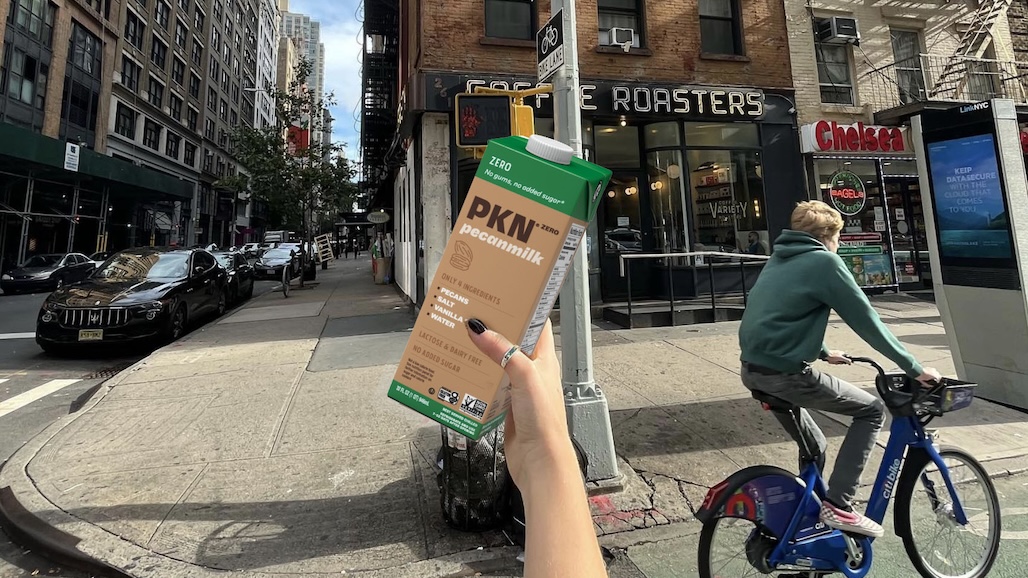
    PKN, a leading innovator in plant-based beverages and the first company to bring pecan milk to market, announced that it has officially launched PKN Zero. The new PKN Zero offers a simple, delicious, nutritious non-dairy milk with a subtle taste of roasted pecans, reminiscent of pecan pie, with a buttery texture without gums, added sugar, or other additives.

    “Many of our early customers asked for a pecan milk option that brings out the pecan taste and nutrition made with simple ingredients. Research shows that in 2024, more than 25 percent of consumers who choose to buy plant-based milks prefer simple ingredients they understand and can pronounce,” said Laura Shenkar, CEO, founder and inventor of PKN. “Over the past year, we developed new roasting techniques to further bring out the innate, beloved flavor of pecans. We are proud to highlight our new roasting techniques in PKN Zero.  It is a perfect pairing for the morning cereal bowl, an ideal addition to coffee and healthy smoothie, or even a delicious option for that glass of milk before bed.”

    Made from upcycled pecans, PKN Zero pecan milk has only four simple ingredients: Filtered water, pecan butter, vanilla extract, and sea salt. With a satisfying, buttery taste to rival cow’s milk, the new PKN Zero supports brain-health and heart-health with the highest levels of flavonoids and the highest ratio of anti-oxidants of any tree nut. Pecans also provide a healthy dose of ALA Omega-3 fatty acids, which in turn have a favorable impact on total cholesterol, LDL cholesterol, HDL cholesterol, and triglycerides, and reduce insulin resistance and inflammation. Rich in polyphenols, manganese, mono- and poly-unsaturated fats, monounsaturated fat, and fiber, pecans are naturally low in sugar and sodium, and as a result, all PKN pecan milks – including the PKN Zero – are keto-friendly, gluten-free, vegan, non-GMO, dairy-free, and kosher.

    As concerns about water scarcity gain attention, the pecan nut stands out with the water resiliency of the only commercial tree nut native to America. PKN’s pecan milk products are dedicated to supporting efficient use of water and also eliminating food waste by upcycling imperfect pecan pieces, water-efficient manufacturing, and shelf-stable packaging. By generating a new source of revenue for pecan growers through the imperfect pieces, PKN is supporting growers’ transition to regenerative, organic farming.

    All PKN products, including PKN Zero, are now available on PKN’s website and on shelves at select premium grocers nationwide. For more information on PKN’s line of next-generation sustainable non-dairy milks, please visit: https://pknpecanmilk.com/pages/our-story.

  • Almond Board of California Calls for 2025 Board of Directors Candidates

    Almond Board of California Calls for 2025 Board of Directors Candidates

    The 2025 election cycle for the Almond Board of California (ABC) Board of Directors launches on Friday, Feb. 7 with the call to all potential candidates to file their intent to run by April 1, 2025.

    A one-year and a three-year seat are open to represent independent growers in the 2025-26 crop year, and a one-year and a three-year seat are also open to represent independent handlers. Alternate seats for those positions are open, as well. Voting starts April 21 and ends May 22.

    To qualify for an independent grower or alternate seat, candidates must be a current grower and must submit a petition signed by at least 15 independent almond growers, which ABC will verify. Independent handler and alternate candidates must declare their intention in writing to ABC.

    All details, documents, open positions, the election timeline and deadlines, and frequently asked questions can be found at Almonds.com/Elections.

    All petitions and declarations must state the position for which the candidate is running and be sent to abcbodelections@almondboard.com or printed and mailed to ABC, 1150 Ninth St., Suite 1500, Modesto, CA 95354. The deadline for all filings is April 1. Potential candidates who’d like more information can contact ABC at abcbodelections@almondboard.com.

    “The ABC Board of Directors plays a crucial role in the success of our industry,” said ABC President and CEO Clarice Turner. “More than 7,600 growers and 100 handlers count on Board leadership to guide the work of the Almond Board. It’s crucial to have dedicated people from across the industry to help navigate these complicated times and work toward a positive, prosperous future.”

    The ABC board sets policy and recommends budgets in major areas, including marketing, production research, public relations and advertising, nutrition research, statistical reporting, quality control and food safety.

    Serving on the Board provides an opportunity to help shape the future of the almond industry and to help guide ABC in its mission to promote California almonds to domestic and international audiences through marketing efforts, funding and promoting studies about almonds’ health benefits, and ensuring best-of-class agricultural practices and food safety.

    ABC encourages eligible women, minorities and people with disabilities to consider running for a position on the Board of Directors to reflect the diversity of the industry it serves.

  • American Pistachio Growers Welcomes Five New Board Members

    American Pistachio Growers Welcomes Five New Board Members

    American Pistachio Growers (APG) welcomes five new board members for 2025. Three new board members were announced at the January board meeting following the tabulation of written ballots in accordance with the written ballot procedures in the APG bylaws. Two other members have been appointed to fill vacancies on the APG board for the coming year.

    The three newly elected board members are Mojgan Amin of Yazd, LP, Brian Ezell of Setton Pistachio of Terra Bella Inc., Rebecca Kaser of Avellar-Moore Farms, and Michael Woolf of Mike Woolf Farming Company.

    Two board members were appointed by the approved board process to finish terms of vacated seats. Doenitz Lopez of Ingleby Eriksson, LLC was appointed at the November 2024 board of directors meeting, and Adam Kusmak of Tularosa Pistachio Groves (New Mexico) was appointed during the January 2025 board meeting. They will serve the remaining terms of their respective seats.

    “My team and I are excited to welcome the new board members to American Pistachio Growers,” said Zachary Fraser, President and CEO of American Pistachio Growers. “We look forward to working together to bring the next phase of American Pistachio Growers to new heights and involvement in terms of grower outreach, government affairs and marketing success.”

    Reelected to serve second terms on the APG board were William Bourdeau of Bourdeau Farms, LLC and Paul Huckabay of Keenan Farming Company. At the January 2025 board meeting, APG Board Chair Rich Kreps acknowledged the contributions of five outgoing board members — Ali Amin, Raj Kahlon, Asha Munger, Gary Smith and Jim Zion.

    “These members have served APG’s membership with honor and distinction,” said Kreps. “We are gratified for their volunteer leadership and for helping to guide our organization during their terms of service.”

    American Pistachio Growers is the non-profit trade association responsible for driving global awareness of the quality, nutrition, and brand power of American-grown pistachios. APG represents more than 800 growers and member processors in California, Arizona, New Mexico and Texas.

  • Almond Board Announces Exceptional 2025 Almond Leadership Class

    Almond Board Announces Exceptional 2025 Almond Leadership Class

    The Almond Board of California is proud to announce the Almond Leadership Program class of 2025, a group of 18 exceptional professionals expected to help lead the industry into the future.

    Bayer Crop Science has sponsored the Almond Leadership Program (ALP) for a number of years and is again the sponsor of this 2025 class of next-generation leaders who were chosen from more than 40 highly qualified applicants. They come from diverse backgrounds across the full range of the industry and include growers and processors, sales representatives, agronomists, pest control advisors, supply chain analysts, ag realtors and more.

    ALP began in 2009 and has graduated 244 industry members. Dozens now serve on ABC workgroups, committees and even the Board of Directors.

    “This 2025 class is outstanding. They are bright, accomplished and they care about our industry,” said Rebecca Bailey, the ABC senior specialist who oversees ALP. “This program helps great people become great leaders and our industry continues to see the huge benefits from 16 years of this program. We are certain these 18 people will continue to be great assets and advocates for the almond industry.”

    Members of this 16th class – while still working at their jobs – will be immersed in every aspect of the industry, including ABC activities in global marketing, production, nutrition research, food safety and more. They’ll sharpen their communication skills and build lasting relationships with industry leaders, ABC staff and each other.

    “The Almond Leadership Program brings together passionate people from all parts of the industry to learn, collaborate and grow,” said Katie Driver, a class member and technical service manager with UPL. “Through this experience, I hope to gain a deeper understanding of the almond industry so that I can better support the growers, who make it all happen.”

    Class members are guided by volunteer mentors – many of them ALP graduates – who will help them develop the skills, knowledge and perspective to improve their industry and their communities.

    “Being a mentor gives me the chance to pass along not just what I’ve learned in the last 25 years as a farmer and a conservation biologist but the new challenges we face every year,” said mentor Christine Gemperle, a grower and member of ABC’s Board of Directors. “I believe this next generation of industry leaders has the ability to take that knowledge and grow an even better future for California almonds.”

    The leadership program will also offer class members thorough looks at the impacts on the industry of social, economic, environmental and regulatory issues. In addition,

    participants will take on a yearlong, self-directed project focused on improving the California almond industry. Some past projects have led to important breakthroughs for the industry.

    Leadership class members kicked off their training with a two-day orientation at the ABC offices in Modesto, which included one-on-one talks with their mentors and hearing from ABC CEO Clarice Turner.

    Once again, class members will raise money for California FFA, pledging to raise more than $25,000 in scholarships for high school students interested in pursuing agriculture in college. Through the years, ALP has raised more than $320,000 for FFA.

    The 2025 Almond Leadership class members are:

    • Arik Bains of Turlock, a pest control advisor with Wilbur Ellis.
    • Cristal Da Silveria of Modesto, a plant and food safety supervisor with Grizzly Nut.
    • Katie Driver of Woodland, a technical service manager with UPL.
    • Raquel Gomez of Atwater, a technical agronomist with Brandt.
    • Zach Harcksen of Ballico, a pest control advisor with Mid Valley Agricultural Services.
    • Evan Koftinow of Los Banos, an operations manager with RPAC.
    • Laine LaGrande of Colusa, a product and system specialist of high value crops with John Deere.
    • Brenden Lusk of Modesto, an ag realtor with Real Broker.
    • Joseph McManus of Shafter, a farm manager with Wilson Ag.
    • Luis Mendoza of Denair, a sales representative with Syngenta.
    • Rajan Nagra of Yuba City, a sales representative with Flory Industries/COE Orchard Equipment.
    • Crystal Nay of Manteca, the managing editor of Modern Ag Media.
    • Ricky Robledo of Colusa, a sales manager with TRECE Inc.
    • Kiki Sandrini of Bakersfield, a regional sales manager with Chandler Automation.
    • Ranvir Tung of Selma, the general manager of Tung Corporation.
    • Elizabeth Vander Weide of Sacramento, a supply chain analyst for Blue Diamond Growers.
    • Jake Wiley of Chico, a sales manager with ProFarm Group.
    • Bobbie Williams of Tracy, a clinical dietitian and almond grower with Sutter Memorial Medical Center in Modesto and WMD Farms.