Category: Industry News

  • Almond Orchards Prevail in Battle with Phytophthora

    Almond Orchards Prevail in Battle with Phytophthora

    SPONSORED CONTENT

    Losing crops is a reality of farming, especially when you’re battling weather, new pests and emerging diseases. Seeing a few acres of your life’s work perish is tough, but the threat of losing your entire operation is a different type of sting. One California almond grower shares how soil health improvements made his orchards vulnerable to disease and how he was able to bring them back from the brink of total devastation.

    Trees Lost to Unusually Wet Weather Worsened by Soil Prep

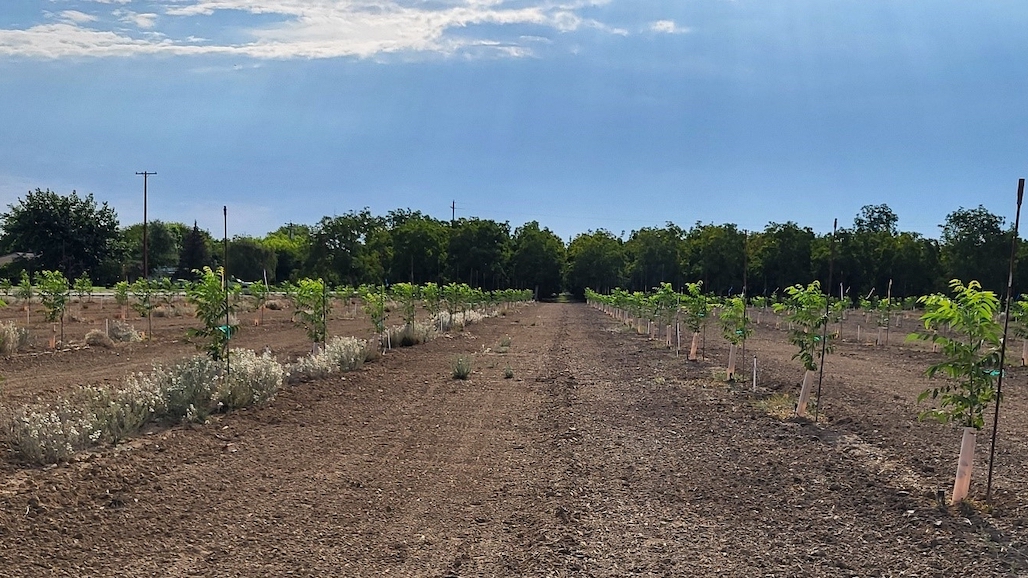
    Whole orchard recycling is a process to reincorporate an outgoing orchard in preparation for planting a new one. Mature trees are felled and ground into woodchips, which are then spread and incorporated into the soil. The University of California found that this process can help improve water retention. The issue for John Fassler, a California pest advisor who went through whole orchard recycling, was that the moist soil and greater-than-normal rainfall turned his orchards into the perfect breeding ground for oomycete pathogens like Phytophthora.

    Fassler has consulted at Braden Farms where they used whole orchard recycling as a way to prepare for planting a new orchard. “This is a fairly new process, which means we’re learning as we go,” he says. “Some issues we’ve seen have been a rise in fungal diseases, such as Phytophthora and other replant diseases.”

    Mother Nature hasn’t helped the fungal disease risk, especially at the beginning of the 2023 growing season. California experienced greater than average annual precipitation in 2023, breaking numerous records and ending three years of persistent drought, according to the California Nevada River Forecast Center.

    “We’ve had significant rainfall in California the last two years, so this has really intensified the battle with Phytophthora in some spots,” says Ashley Bandoni, Syngenta sales representative and California almond grower.

    Fassler experienced devastation due to those heavy rains. One of his orchards was completely submerged, worsening the orchard’s Phytophthora issues.

    “We lost about 500 trees on this block due to Phytophthora and replant disease,” says Fassler. “Phytophthora is becoming more and more of an issue in these wetter years.”

    Watch Video

    Phytophthora Overtakes Young Almond Trees

    Many California growers and crop consultants have been battling fungal disease challenges.

    Ethan Nicol, an independent pest control advisor and crop consultant for Balanced Agronomics, helped one of his customers manage extreme Phytophthora in a young almond orchard.

    Planted in the fall of 2021, Nicol began seeing early symptoms of Phytophthora infections the following spring. Young trees like the ones in the orchard Nicol manages tend to be more susceptible to disease because their root systems and crown areas are smaller compared to those of mature trees, according to the University of California Department of Agriculture.

    “In that first 2022 season, we observed maybe 30 percent of the orchard was infected,” says Nicol. “By mid-August, we had really grown to realize the significance of the issue.”

    Watch Video

    Coming Back from Orchard Devastation

    For both Nicol and Fassler, almond yield potential was on the line and devastation was just over the horizon. They both had a tough decision to make.

    “As far as doing our research going into it, usually we have the Syngenta reps come in to help us decide if the product will be a good fit for us,” says Fassler. “We also ask about how the product differentiates itself from what we’ve already been doing.”

    After discussions with their local Syngenta experts, Fassler and Nicol decided to apply Orondis® fungicide to help save their orchards. Fassler says his flooded orchard plot turned around.

    “My experience with Orondis changed up our program,” says Fassler. “We’ve been able to work it into our program really well and we didn’t lose one tree this year.”

    Nicol’s experience with Orondis was also nothing short of extraordinary. Before application, Nicol was working with the grower to continuously remove and replant dead trees. They lost roughly 600 almond trees — six ranches — to Phytophthora. Once Orondis was applied in 2023, Nicol observed a noticeable decline in newly infected trees.

    “We were confident in the success that we were seeing by the replants taking and growing strongly, and the existing trees continuing to grow and not develop signs of Phytophthora,” says Nicol. “Going into 2024, just as a precaution and to help protect this investment, we made an additional Orondis application. There’s been almost no sign of infected trees this season.”

    Growers Also Need Care

    If Fassler and Nicol didn’t have the guidance and support of their Syngenta representatives, their almond orchards might have been lost.

    “I’ve worked with Syngenta for probably about the last 20 years, and through the years we’ve had many different experiences,” says Fassler. “Syngenta has always been there to help us through and guide us through what needed to be done.”

    Learn more HERE.

  • Introducing the New Horticulture Department Head at Oregon State University

    Introducing the New Horticulture Department Head at Oregon State University

    Oregon State University has done an amazing job not only training the next generation of innovators in the Pacific Northwest agricultural industries, but also plays a leading role in extension research that has particularly made a big difference for viticulturists and hazelnut growers. Here to coordinate future agricultural education and extension research is Patricia Stock, the new Horticulture Department Head at Oregon State University. Learn more about Patricia in her interview with Laura Malcolm here and read more about Oregon State University’s world-renowned agricultural education, research and extension in American Vineyard and Pacific Nut Producer Magazines.

    Please thank this video’s sponsor George Packing Company for their industry support.

  • New Hazelnut Varieties Found More Susceptible to This Pest

    New Hazelnut Varieties Found More Susceptible to This Pest

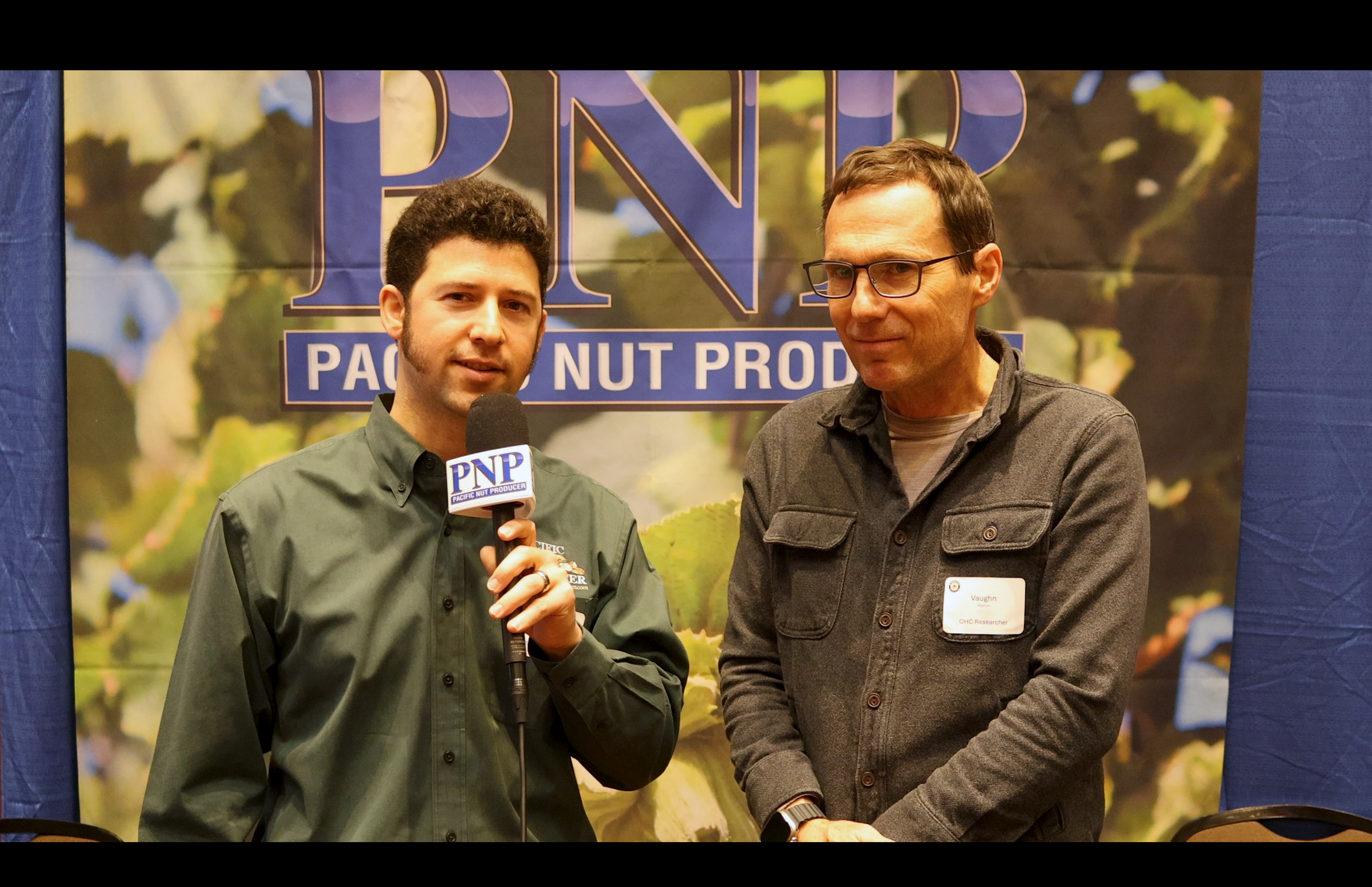
    While the hazelnut breeding program at Oregon State University has done a phenomenal job developing new tasty hazelnut varieties with disease resistance and other favorable characteristics that has made growing the crop easier in the Pacific Northwest, these varieties may have some setbacks as well.  It seems that not only growers and consumers are enjoying these new varieties, but an invasive pest known as brown marmorated stink bug has also taken a particular fondness of these new varieties. Watch this video interview with Oregon State University Entomologist Vaughn Walton as he discusses the issue with Matthew Malcolm at the Nut Growers Society Winter Meeting. Read more about it in Pacific Nut Producer Magazine. Don’t currently receive the magazine? Subscribe for free at: https://malcolmmedia.com/subscribe/

    Please thank this video’s sponsor George Packing Company for their industry support.

  • Hazelnut Farmer Sues Federal Gov’t Over Credibility of Organic Claimed Foreign Imports

    Hazelnut Farmer Sues Federal Gov’t Over Credibility of Organic Claimed Foreign Imports

    Organic farmers in the US undergo some of the most strict regulations and certification procedures in the world in order to obtain the consumer-trusted “USDA Organic” logo on their harvested crops, naturally commanding a premium price; however, when imported foreign products hit the US market and secure “USDA Organic” status, can consumers trust that those products came from farms that met the same criteria as required by US organic farms?  Bruce Kaser, an organic hazelnut grower in Oregon would beg to differ and is suing the federal government over what he claims not only comprises the integrity of the entire organic sector, but is also financially damaging to the American farmer. Watch this brief interview as Pacific Nut Producer Editor Matthew Malcolm meets with Bruce to discuss the details.

    Please thank this video’s sponsor George Packing Company for their industry support.

  • In-Season Orchard Hedging to Cut Labor Costs & Maintain Double-Density Hazelnut Planting

    In-Season Orchard Hedging to Cut Labor Costs & Maintain Double-Density Hazelnut Planting

    Ag labor and other input costs continue rising, while the returns growers are getting for their crops just aren’t keeping up. Pacific Nut Producer Editor Matthew Malcolm met with Oregon hazelnut grower Jimmy Lee to discuss how he’s combatting the rising costs with new innovative farming practices and maintaining his double-density planted orchard. Watch this brief interview and read more about Jimmy in the January issue of Pacific Nut Producer Magazine.

    Please thank this video’s sponsor George Packing Company for their industry support.

  • Alicia Rockwell Elected New Almond Board of California Chair

    Alicia Rockwell Elected New Almond Board of California Chair

    The Almond Board of California (ABC) Board of Directors elected Alicia Rockwell to be the new chair of the Board. Rockwell will take over the role on Jan. 1 from Alexi Rodriguez, who will begin a new role of her own on Jan. 1 as CEO of the Almond Alliance.

    Rockwell is the Chief Government and Public Affairs Officer for Blue Diamond Growers. Brandon Rebiero, a co-founder of Gold Leaf Farming, was elected the Board’s vice chair.

    “I’m honored to have the trust of my fellow board members,” said Rockwell. “The board is a strong group of experienced and impressive individuals who care deeply about our industry. Together, we will continue to address industry challenges and build a prosperous future for the California almond industry.”

    The ABC Board sets policy and approves budgets in major areas, including global market development, production research, public relations and advertising, nutrition research, statistical reporting, quality control and food safety.

    ABC is a Federal Marketing Order dedicated to promoting California almonds to domestic and international audiences through marketing efforts and by funding, ensuring food safety and promoting studies about almonds’ health benefits and state of the art agricultural practices to aid growers and to further the industry’s efforts in environmental stewardship.

  • CA Walnut Commission Awarded $7 Million in 2nd Round of USDA’s Regional Ag Promotion Program

    CA Walnut Commission Awarded $7 Million in 2nd Round of USDA’s Regional Ag Promotion Program

    The California Walnut Commission, representing more than 4,600 California walnut growers, mostly multi-generational family farms, and approximately 70 handlers, is pleased to announce it has been awarded $7 million in funding as part of the Regional Agricultural Program’s (RAPP) second round of grants to expand distribution and sales of California Walnuts in international markets.

    The CWC thanks Agriculture Secretary Tom Vilsack, the U.S. Department of Agriculture, and the Foreign Agricultural Service for enacting the Regional Agricultural Promotion Program and awarding a second round of funding to help support the expansion of California Walnuts and other US commodity exports into emerging markets. This additional funding will allow the industry to expand programs into new markets, as well as boost activities in existing strategic export markets currently funded through the Market Access Program (MAP), with the goal of increasing distribution and driving sales of high-quality California walnuts globally.

    “Funding from the Market Access Program has been essential to our success over the years, and the additional funding from the RAPP program will provide more resources to drive new distribution and grow sales for California walnuts in even more new and exciting ways” said Robert Verloop, CEO for California Walnut Commission. “We’re eager for the opportunity of RAPP to further expand sales of and market access for California walnuts.”

    About the California Walnut Commission

    The California Walnut Commission (CWC) represents more than 4,600 California walnut growers and approximately 70 handlers, grown in multi-generational farmers’ family orchards. California walnuts, known for their excellent nutritional value and quality, are shipped around the world all year long, with more than 99% of the walnuts grown in the United States being from California. The CWC, established in 1987, promotes usage of walnuts through domestic and export market development activities as well as supports health research with consuming walnuts.

    To explore recipes and learn more about California walnut growers, industry information and health research, visit walnuts.org.

  • American Pistachio Growers Receives Federal Funding to Fuel Global Market Growth

    American Pistachio Growers Receives Federal Funding to Fuel Global Market Growth

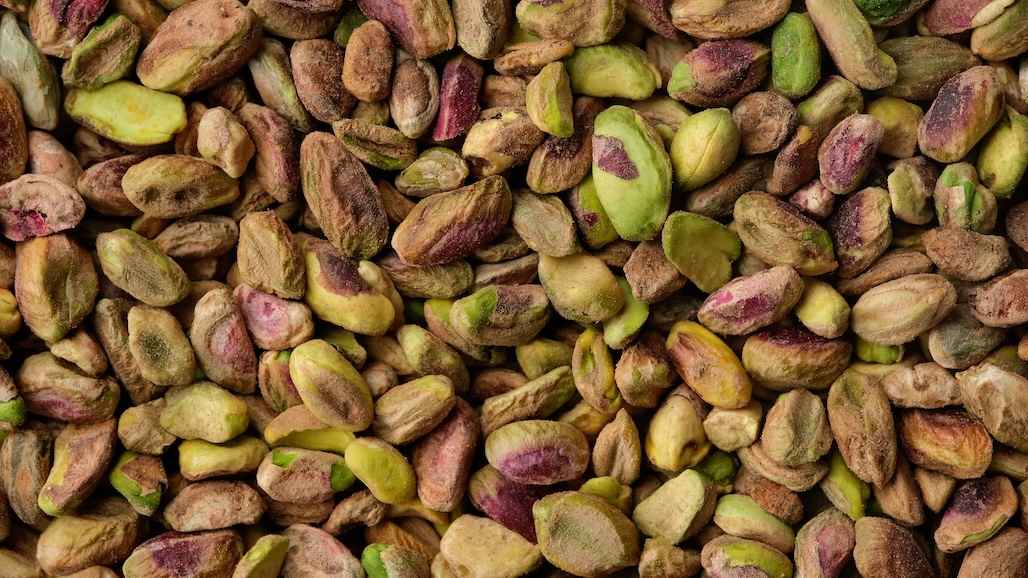
    The U.S. Department of Agriculture’s Foreign Agricultural Service announced recently that funds were available via the Regional Agricultural Promotions Program (RAPP) to drive exports of U.S. commodities.  American Pistachio Growers is the recipient of $3.25 million dollars of federal grant funds to drive demand of pistachios worldwide.

    “American Pistachio Growers is very grateful for these funds, “said Scott Fryer, Vice President of Global Marketing. “This will go a long way in our efforts to drive demand in key countries, and drive growth for the pistachio industry. We are also thankful to our growers. Because of their contributions to our organization, we can seek and apply for these grants, turning their investment into more efforts to drive demand.”

    These funds, along with other federal marketing grant funds, now mark over $8 million dollars in marketing grants over the past year.  Funds for the Regional Agricultural Promotion Program can be spent over a multi-year period, at the discretion of the recipient.

    American Pistachio Growers is the non-profit trade association representing more than 865 growers and member processors in California, Arizona, New Mexico and Texas.

  • Walnuts Deemed “Healthy” By the U.S. Food & Drug Administration

    Walnuts Deemed “Healthy” By the U.S. Food & Drug Administration

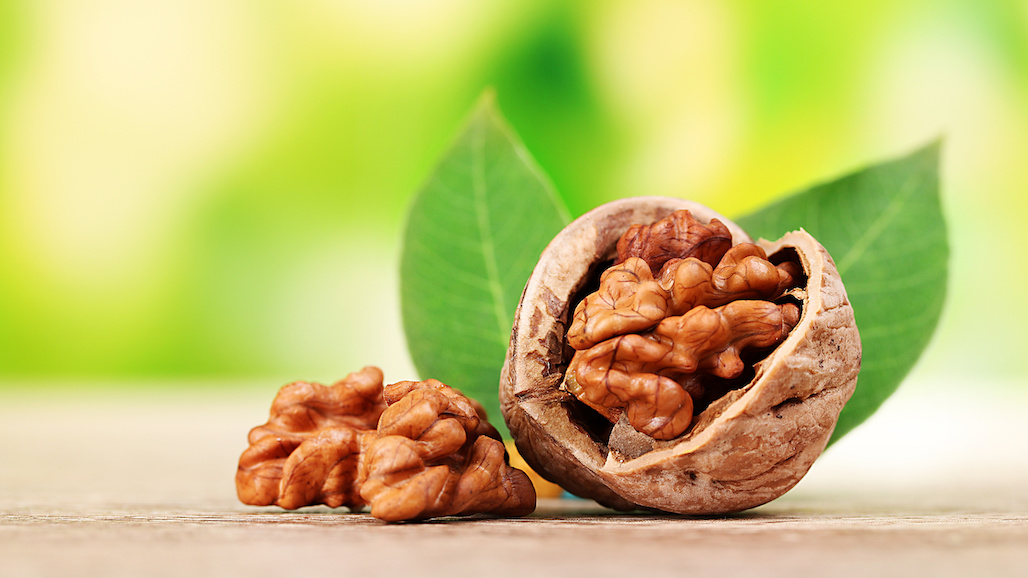
    Walnuts meet the updated definition for a “healthy” food based on the important role they play in recommended dietary patterns, according to the much-anticipated announcement from the U.S. Food and Drug Administration (FDA) detailing a new definition for foods that can be identified or labeled as “healthy.”1

    This announcement, originally previewed in 2022 on the heels of the historic White House Conference on Hunger, Nutrition and Health, is a significant step toward ensuring food labeling is consistent with the most up-to-date nutrition scientific evidence and Dietary Guidelines for Americans (DGA) recommendations to support individuals and families in building healthy eating patterns.

    “The inclusion of walnuts in the new “healthy” definition affirms consumers’ belief that walnuts are a healthy food.* It also aligns with decades of nutrition research reinforcing the important contributions walnuts can make in a healthy lifestyle,” shared Robert Verloop, chief executive officer for the California Walnut Commission.

    “It’s simple. Just adding walnuts to Americans’ daily diet can potentially have wide-ranging positive impacts.”

    The 2020-2025 DGA encourage consumers to choose foods that are nutrient-dense, such as nuts, including walnuts. However, close to two-thirds of Americans do not meet the recommended intake for nuts and seeds.2,3

    Encouraging walnuts as a substitution for food choices higher in saturated fat can help support recommendations to replace intake of saturated with unsaturated fats, as strongly advised by the recently-released 2025 Dietary Guidelines Advisory Committee Scientific Report.4 The total fat in walnuts (18g) is mostly comprised of polyunsaturated fats (13g/oz), including omega-3 ALA (2.5g/oz), an essential fatty acid with potential to support heart health and cognition.5-7 Walnuts are the only tree nut to provide an excellent source of omega-3 ALA.8 

    “In my 20 plus years of practicing nutrition at a major medical institution, I have seen trends go in and out for what the public considers healthy. But what has always been foundational is the role plant-based foods like walnuts play in supporting health. Walnuts are one nut I find consistently meets the variable needs of patients in my practice,” states Kristin Kirkpatrick, MS, RDN and author. “In practice, I focus on evidence-based approaches to reducing chronic disease risk, weight management, and improvements in metabolic health.”

    Walnuts qualifying as a “healthy” food is just one major milestone in a series of similar recognitions. A recent ruling, earlier in 2024, by the USDA’s Food and Nutrition Service (FNS), ‘Child Nutrition Programs: Meal Patterns Consistent With the 2020-2025 Dietary Guidelines for Americans,’ will make it easier for schools to serve plant-protein rich meals and snacks that include walnuts. Using ingredients like walnuts can help reformulate meal favorites to be healthier, while also supporting vegetarian diets and other food preferences.  Additionally, for the first time, states are now allowed to include walnut butter as part of the latest WIC program (Special Supplemental Nutrition Program for Women, Infants, and Children)package updates. 

    These new inclusions and acknowledgements of the role of walnuts in healthy dietary patterns are due, in part, to the more than 30 years of evidence-based global health and nutrition research funded by the California Walnut Commission. This growing body of research has uncovered many potential benefits of consuming walnuts within healthy dietary patterns across various ages and life stages to maximize health and well-being, including promising research into heart health, cognition, cancer, gut health, body weight, and reproductive health.

    Walnuts are extremely versatile and convenient, adding nutrition to dishes at every meal, as well as simple snacks. For more information about the nutritional benefits of California walnuts, along with delicious recipe inspiration, please visit walnuts.org.

    About the California Walnut Commission 

    The California Walnut Commission (CWC) represents more than 4,600 California walnut growers and approximately 70 handlers, grown in multi-generational farmers’ family orchards. California walnuts, known for their excellent nutritional value and quality, are shipped around the world all year long, with more than 99% of the walnuts grown in the United States being from California. The CWC, established in 1987, promotes usage of walnuts through domestic and export market development activities as well as supports health research with consuming walnuts.

    To explore recipes and learn more about California walnut growers, industry information and health research, visitwalnuts.org.

    * California Walnut Board 2021 Consumer A&U

    References

    1. Public Inspection: Food Labeling: Nutrient Content Claims; Definition of Term ‘Healthy.’” Federal Register, 2024, www.federalregister.gov/public-inspection/2024-29957/food-labeling-nutrient-content-claims-definition-of-term-healthy. Accessed 20 Dec. 2024.
    2. U.S. Department of Agriculture and U.S. Department of Health and Human Services. Dietary Guidelines for Americans, 2020-2025. 9th Edition. December 2020. Available at DietaryGuidelines.gov.
    3. Analysis of What We Eat in America, NHANES 2013-2016, ages 1 and older, 2 days dietary intake data, weighted. Recommended Intake Ranges: Healthy U.S.-Style Dietary Patterns.
    4. 2025 Dietary Guidelines Advisory Committee. 2024. Scientific Report of the 2025 Dietary Guidelines Advisory Committee: Advisory Report to the Secretary of Health and Human Services and Secretary of Agriculture. U.S. Department of Health and Human Services.
    5. Sala-Vila A, Fleming J, Kris-Etherton P, Ros E. Impact of alpha-linolenic acid, the vegetable omega-3 fatty acid, on cardiovascular disease and cognition [published ahead of print February 16, 2022]. Advances in Nutrition. doi.org/10.1093/advances/nmac016.
    6. Naghshi S, Aune D, Beyene J, et al. Dietary intake and biomarkers of alpha linolenic acid and risk of all cause, cardiovascular, and cancer mortality: Systematic review and dose-response meta-analysis of cohort studies. BMJ. 2021;375:n2213. doi:10.1136/bmj.n2213.
    7. Barceló-Coblijn G, Murphy EJ. Alpha-linolenic acid and its conversion to longer chain n3 fatty acids: Benefits for human health and a role in maintaining tissue n-3 fatty acid levels. Prog Lipid Res. 2009;48(6):355-74. Doi.org/10.1016/j.plipres.2009.07.002.
    8. U.S. Department of Agriculture, Agricultural Research Service. FoodData Central, 2019. Fdc.nal.usda.gov.
  • Can Whole Orchard Recycling Suppress Weed Establishment in New Orchards?

    Can Whole Orchard Recycling Suppress Weed Establishment in New Orchards?

    Recent research has shown many potential benefits of utilizing whole orchard recycling (WOR) when removing an orchard. Instead of burning the wood produced in orchard removal, WOR involves chipping the wood from pulled trees and redistributing it back into the field using a chip or amendment spreader. This management technique has been mostly used in walnut orchards being followed by new walnut orchards. The conservation of the carbon in the wood benefits the soil by increasing nutrients available for the next crop, improving the soil’s water holding capacity and and enhancing microbial activity. After a recent evaluation of weed populations in a WOR trial in Yuba County, it appears that weed suppression in the first few years after orchard establishment at a WOR site may be yet another benefit to this practice.

    A WOR trial in Yuba County, led by UCCE Yuba-Sutter Farm Advisor Clarissa Reyes, was initiated by removing and chipping a mature walnut orchard at removal in late fall of 2023. The chips were spread at 60 tons/acre in winter 2023 in a grid design to allow comparison of orchard performance between areas with chips and areas without chips (control). RX1 rootstock trees were planted in April of 2024 and budded to Wolfskill walnuts in September 2024. In the first three months after orchard establishment, weed suppression was observed in the plots that had been covered in wood chips. Weed populations were surveyed in each plot in the orchard in August 2024.

    A representative three foot by twenty foot strip within the rows between two trees was evaluated for each plot within the trial. The percent of soil covered by weeds was estimated, and the dominant weed species were recorded. The plots treated with wood chips averaged 14% weed cover, while the control plots with no wood chips averaged 58% weed cover. This difference was significant and very visually apparent.

    In addition to difference in coverage of weeds, different species were observed in the chipped versus control plots. Almost all plots, regardless of treatment, had common knotweed (Polygonum arenastrum) and littleseed canarygrass (Phalaris minor). Control plots also had established populations of crabgrasses (Digitaria spp.), hairy fleabane (Conyza bonariensis) and fringed willowherb (Epilobium ciliatum). It is interesting that hairy fleabane, a particularly difficult weed to manage with known herbicide resistance, was suppressed in plots with chips. The possible mechanism of suppression for this particular weed could be physical, in that the seeds cannot germinate or seedlings are unable to break through the thick layer of mulched wood chips. Hairy fleabane has also been shown to be susceptible to allelopathy from juglone, produced by walnuts. There is no specific evidence indicating that the juglone in the soil from the wood chips is the control mechanism, but it may be worth evaluating in future trials.

    We expect that over time, the weed suppression will decrease and eventually there will be no difference between the chipped plots and the controls. However, reduced weed pressure in the critical first few years after orchard establishment may prove to be a valuable benefit to WOR. Annual weed surveys will continue in coming years of the Yuba County WOR trial. — By Becky Wheeler-Dykes, UCCE Glenn Orchard Systems & Weed Ecology Farm Advisor