Category: Industry News

  • Tank-Mix Compatibility, Flexibility with New Active for Tree Nuts

    Tank-Mix Compatibility, Flexibility with New Active for Tree Nuts

    Stop Tough Broadleaves from Cluttering Orchard Floors with Rinskor® active

    Sponsored Content

    California tree crop producers can now choose Hulk® CA herbicide, featuring a new active ingredient for the tree crop market, to strengthen their herbicide resistance management efforts. Producers also get reliable control of challenging broadleaf weeds to maintain cleaner orchard floors.

    With systemic activity that translocates to key weed-growing points for thorough knockdown, Hulk CA herbicide prevents regrowth of treated weeds and can be integrated into most weed management programs. It is also tank-mix compatible with other herbicides and complements a preemergence or burndown program in the fall or spring.

    “We aren’t the only ones excited about Hulk CA herbicide. The tree nut producers we spoke to clearly understand the importance of adding a new active ingredient to their weed control arsenal,” said Daniel Abruzzini, coastal district market development specialist with Corteva Agriscience. “Hulk CA herbicide brings excellent efficacy for reliable control of tough Conyza broadleaf weeds such as hairy fleabane and horseweed.”

    Hulk® CA herbicide with Rinskor® active can be applied when the crop is dormant or nondormant, extending the window of application flexibility. This allows Hulk CA herbicide to be added to weed control programs and used year-round.

    “Hulk CA herbicide features an active ingredient different from glyphosate, glufosinate and PPO inhibitors, which are frequently used in tree crop production,” Abruzzini said. “It also has a favorable environmental profile. The U.S. Environmental Protection Agency has classified Rinskor active as a reduced-risk herbicide.”

    Cleaner orchard floors allow growers to more easily operate irrigation and fertilizer equipment and maximize harvest efficiency. Put Hulk CA herbicide with Rinskor active in your tree nut program, control troublesome broadleaf weeds and share in the success other California orchard managers are having with Hulk CA herbicide.

    For more information, visit Corteva.us/HulkCA or contact your local Corteva Agriscience representative.

    ™ ® Trademarks of Corteva Agriscience and its affiliated companies. Hulk® CA is only registered for sale or use in California. Contact your state pesticide regulatory agency to determine if a product is registered for sale or use in your state. Rinskor® is a registered active ingredient. Always read and follow label directions. ©2025 Corteva.  032861  BR (10/25)  CAAG5HULK055

  • Getting American Pistachios Exempt from Mexico’s “Unhealthy” Snack Tax

    Getting American Pistachios Exempt from Mexico’s “Unhealthy” Snack Tax

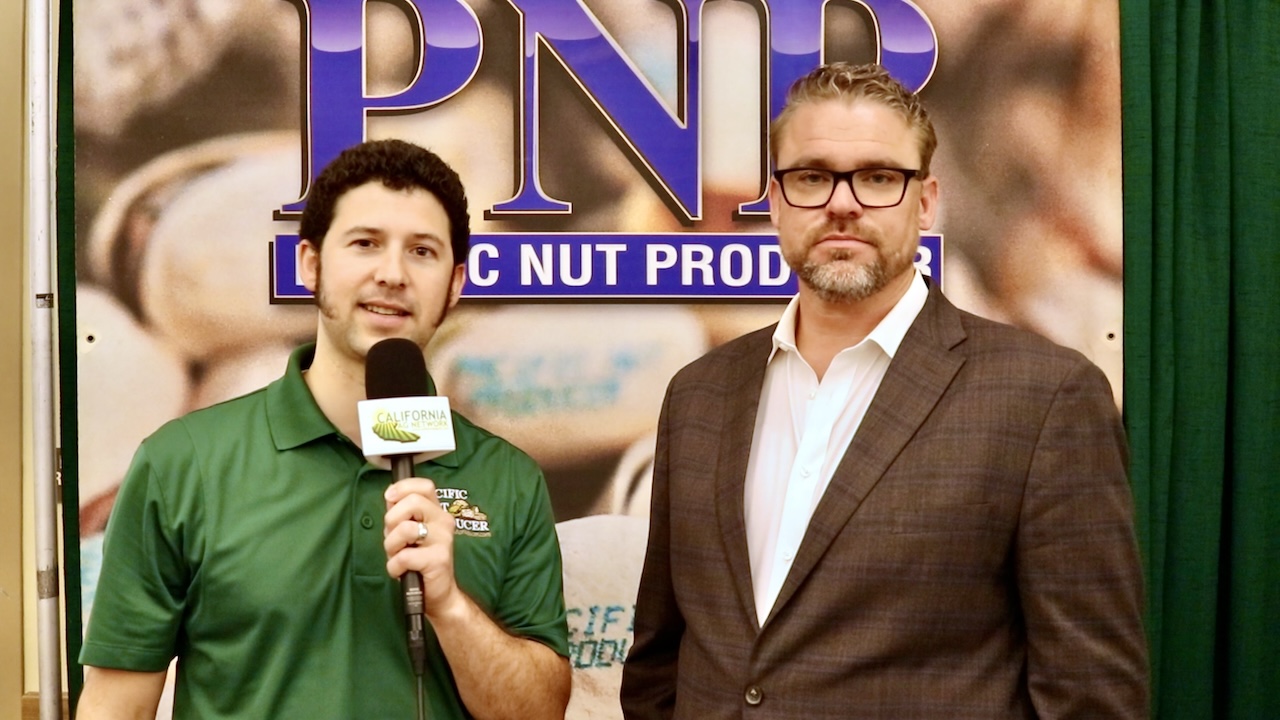
    As American Pistachio Growers eyes Mexico for increased export growth potential, they have been sharing the results of health studies on the benefits of pistachios with consumers there.  Currently the government of Mexico taxes its citizens on foods it deems unhealthy with a snack tax, and unfortunately, pistachios are on that list! Zachary Fraser from American Pistachio Growers met with Matthew Malcolm on California Ag Network during their Pistachio Insights Day to share the details of this issue and how they are working with the Mexican government to change that. Watch this brief interview and learn more in Pacific Nut Producer Magazine.

  • Widespread Rat Infestation in Orchards & Vineyards, CAPCA on Tools & Resources Moving Ahead

    Widespread Rat Infestation in Orchards & Vineyards, CAPCA on Tools & Resources Moving Ahead

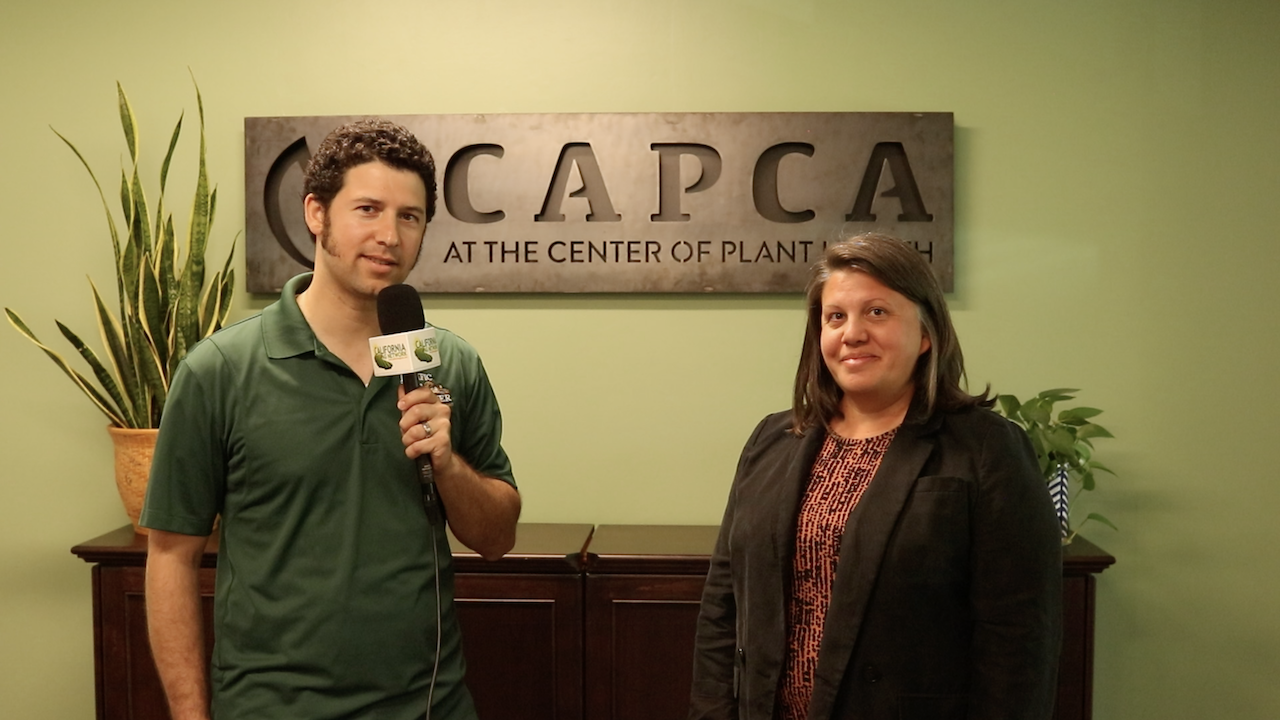
    As if California growers and PCAs didn’t have enough on their plates with rising input costs compounded by the most restrictive laws & regulations in the nation, they’ve been further challenged with an unusual pest problem this year — rats! An  increasing number of abandoned orchards and vineyards due to poor economic circumstances has caused a feeding frenzy for some uninvited rodent guests, whose numbers have been multiplying at unprecedented levels. Ruthann Anderson, President/CEO of the California Association of Pest Control Advisers (CAPCA), met with Matthew Malcolm on California Ag Network to explain this issue and what they are doing to help provide the tools and resources growers and PCAs to combat this emergency situation, beginning with an anonymous survey they can fill out HERE. Watch this brief video to learn more.

  • Texas pecans Near Harvest in Challenging Season

    Texas pecans Near Harvest in Challenging Season

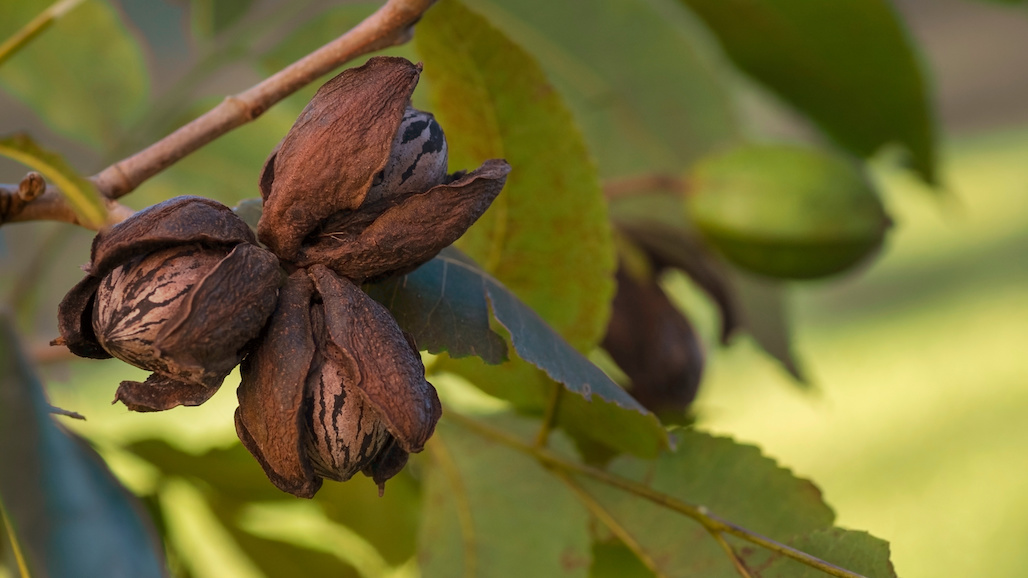
    Texas pecan growers are preparing for the 2025 harvest season with a crop outlook that reflects the state’s diversity in weather and geography, according to a Texas A&M AgriLife Extension Service expert.

    Photo Caption: Pecan harvest is about to begin in parts of the state and will continue into winter. (Laura McKenzie/Texas A&M AgriLife)

    Monte Nesbitt, Ph.D., AgriLife Extension pecan specialist and assistant professor in the Texas A&M Department of Horticultural Sciences, Bryan-College Station, forecast the state’s crop at 32 million pounds, a number that falls near the middle of Texas’ recent production history.

    Texas’ all-time high pecan production was 91 million pounds in 1979, while the record low – 5 million pounds – occurred in 1951.

    “This year would be considered average — maybe mediocre,” Nesbitt said. “Some regions are looking at decent yields, but weather conditions created challenges for others, and crop losses are expected.”

    Weather drives regional differences

    Harvest is about to get underway, but Nesbitt said conditions throughout the growing season created clear contrasts around Texas. He said nut quality remains in question. Cooler, wetter weather around the state helped trees recover from years of drought and triple-digit temperatures, but it also created higher pressure from pecan scab, a fungal disease that can cause fruit loss and reduce nut quality.

    In East Texas, abundant rainfall and more moderate summer temperatures helped tree health but fueled pecan scab. He said pecan yield and quality losses to the disease could be significant in the region, especially for backyard and smaller commercial producers.

    “Even with best management practices, including fungicide applications, we’ve seen crop injury that would suggest the possibility of quality losses for East Texas,” he said. “Scab is the No. 1 biological threat to pecans, and it was back in full force this year.”

    Central Texas pecan trees in some areas encountered spring frost, but the region overall saw better rainfall and a departure from prolonged drought of the previous three years. Many orchards were in an “off year” of their natural alternate bearing cycle and scab was similarly more of a problem in Central Texas than usual. July flooding in some areas also caused tree damage and crop losses.

    In West Texas, the pecan crop potential was lowered in some orchards by an early spring frost and then hail in late spring, but otherwise the growing conditions have been normal and conducive to good production.

    Market challenges persist

    Even as growers look toward the upcoming harvest, market prices remain a pressing concern for producers, Nesbitt said. Wholesale pecan prices have lingered below $2 per pound in recent years, creating financial strain for many producers.

    “There’s frustration across the industry,” Nesbitt said. “Growers don’t understand why prices are so low. It shouldn’t be from oversupply since domestic production has not been really high. It’s generally thought to be a mix of global trade factors and a reduction in the number of shellers.”

    Retail and direct-to-consumer sales remain strong, with increased consumer awareness of expanded ways to cook with pecans beyond traditional holiday baking. Promotion at state, national and local levels are helping boost that awareness, Nesbitt said, but the wholesale outlook remains uncertain.

    “There’s optimism that new markets, like India, could help,” he said. “But right now, the perception among many growers is that current wholesale prices are not sustainable.”

    Long-term perspective for Texas pecans

    Despite market and weather-related pressures, Nesbitt said Texas pecan producers are hoping better days are ahead. The state’s size and regional diversity mean productivity often shifts year by year, creating statewide consistency overall despite localized highs and lows.

    As growers and pecan industry organizations mobilize to raise the nut’s profile with consumers, researchers like Nesbitt continue to work on solutions for pecan scab and other pest and disease issues that increase costs and hamper production.

    “The good news is that scab-resistant varieties exist,” Nesbitt said. “We’re working to identify and develop trees that can hold up and produce good pecans with fewer inputs. That’s the future for growers and homeowners alike.”

  • Northern CA Almond Growers Among Organic Trade Association Honorees at Organic Week 2025

    Northern CA Almond Growers Among Organic Trade Association Honorees at Organic Week 2025

    The Organic Trade Association (OTA) honored eight individuals for their longstanding commitment to advancing the organic movement during last night’s annual leadership awards event. Held at OTA’s annual Organic Week conference, the award ceremony recognized leaders for driving and sustaining the growth of the organic industry on farms and in their communities, while prioritizing the benefits to people and the planet.

    The distinguished 2025 Organic Leadership Award Honorees are:

    • Organic Champion: The Honorable Russell Redding, Pennsylvania Secretary of Agriculture
    • Organic Lifetime Achievement: Albert Straus, Straus Family Creamery; and David Lively, Organically Grown Company
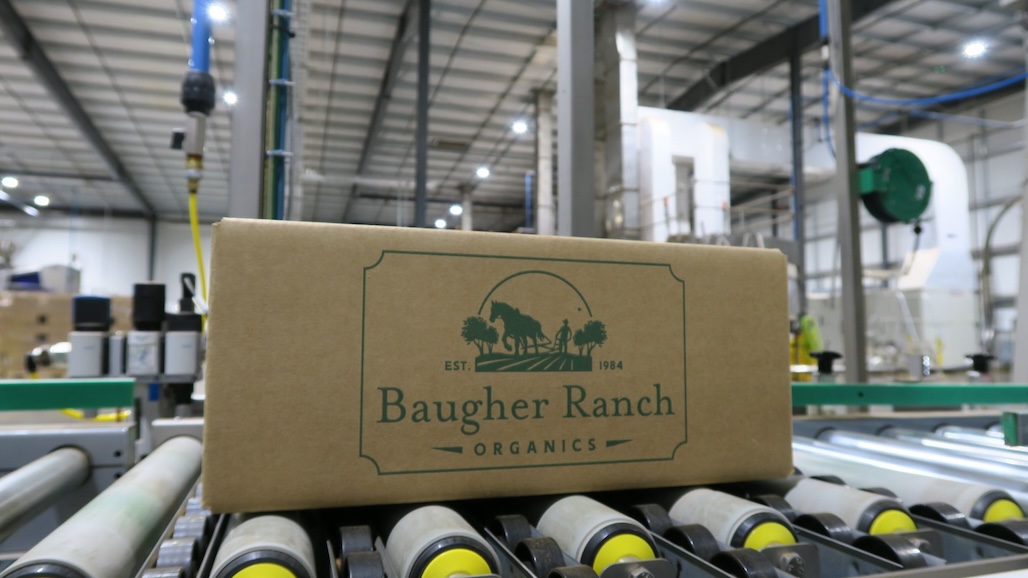
    • Organic Farmers of the Year: Chris and Marcie Baugher, Baugher Ranch Organics
    • Organic Environmental Leadership: Charlotte Vallaeys, Principal, Vallaeys Consulting LLC
    • Organic Trailblazer: Nicole Atchison, CEO, PURIS
    • Organic Social Impact: Tony Bedard, CEO, Frontier Co-op

    “This esteemed list is a testament to the inspirational leadership and innovation abundant in the organic industry, and we are extremely grateful for the unwavering passion and commitment of these award recipients,” said Matthew Dillon, Co-CEO of Organic Trade Association. “We are proud to celebrate their significant achievements and look forward to their future contributions to drive the organic movement.”

    The Honorable Russell ReddingOrganic Champion Award 

    The Organic Champion Award recognizes and honors individuals in government who have demonstrated exceptional commitment to advancing organic agriculture and trade. This year’s recipient is Russell Reading, Pennsylvania’s Secretary of Agriculture, recognized for his decades of service to farmers and his leadership in strengthening organic agriculture both regionally and nationally. A lifelong public servant and Pennsylvania native, Redding’s deep connection to agriculture began on his family’s dairy farm and continues through his crop farm to this day. He has dedicated his career to supporting farmers, expanding market opportunities, preserving farmland, promoting conservation, and building a more resilient, diverse agricultural economy and community.

    Under Governor Josh Shapiro’s leadership, Redding led the creation of the PA Preferred Organic brand and the Organic Center of Excellence and has championed public-private partnerships to grow the organic sector across the Commonwealth. His legacy reflects a deep commitment to innovation, sustainability, and ensuring a strong future for all of agriculture in Pennsylvania and beyond.

    Albert StrausOrganic Lifetime Achievement Award

    The Lifetime Achievement award recognizes trade association members who have dedicated their careers to the furtherance of organic agriculture and trade by providing a broad vision, successful solutions, and the labor and leadership required to bring the mission into reality. Albert Straus and David Lively are examples of just those qualities.

    A second-generation farmer, Albert is a pioneering force in sustainable organic dairy farming. Having spent more than three decades producing award-winning organic dairy products, Albert has helped transform the food system through ecological practices, farm viability, community preservation, and climate innovation. In 1994, he transitioned his family’s Straus Dairy Farm to become the first certified organic dairy west of the Mississippi and founded Straus Family Creamery, the nation’s first 100% certified organic creamery.

    On the farm, he was among the first in California to install a methane digester and the first to develop a carbon farm plan on a U.S. dairy. Today, Straus Dairy Farm is advancing a carbon-neutral organic dairy farming model, aiming for net-neutral emissions across all 13 of Straus Family Creamery’s supplying farms by 2030. Named one of Fast Company’s Most Creative People in Business, Albert continues to lead with a visionary, farmer-first approach to building a regenerative food and agriculture system.

    “I am truly honored to receive this award. My lifelong mission is to create a replicable organic dairy farming model that sustains family farms, fosters the next generation of farmers, and revitalizes rural communities — all made possible by producing high-quality, delicious organic products that nourish people and positively impact our planet.”

    David LivelyOrganic Lifetime Achievement Award

    David Lively became involved in organic agriculture in 1979, after being convinced that the best place to effect social change was in the dirt, at the farm level. With this in mind, he first became a partner with his brother, Tom, in Thistle-Brook, a joint venture on a third-generation farm where they and partners grew as many as 20 acres of mixed vegetables, the largest fresh-market organic farm in Oregon at that time.

    During the same time, David participated in the restructuring of Organically Grown (OGC), as the non-profit morphed into a for-profit agricultural marketing cooperative. In 1984, he became an employee of OGC, and in the 41 years since, he has held numerous roles, currently serving the organization as Pioneer Emeritus.

    During his career, David has led and supported numerous industry organizations, including the creation of the Sustainable Food Trade Association, the Organic Produce Wholesalers Coalition, and the Organicology Conference. He has served on the boards of the Center for Applied Agricultural Research, OGC, Oregon Tilth, the Sustainable Food Trade Association, Organic Seed Alliance, Oregon Organic Coalition, and the Organic Trade Association.

    In David’s words, “WOW. This recognition is an amazing validation of the time and effort spent thinking about and performing the work that builds our movement and trade.  Our community continues to serve as a wonderful and rewarding place to have put one’s visions of spirit and wholeness into play.”

    Chris and Marcie BaugherOrganic Farmers of the Year 

    The Organic Farmer of the Year Leadership Award honors individuals who have significantly contributed to supporting and advancing organic agriculture and trade at the farm level. For more than 40 years, Chris and Marcie Baugher, proprietors behind Baugher Ranch Organics in Northern California, have been leaders in organic farming, processing, and advocacy, significantly contributing to the evolution and growth of the organic almond industry. Pioneers in transitioning to organic farming in 1984, the Baugher’s built a legacy of resilience and commitment to ethical farming practices and have become a beacon of organic excellence.

    Charlotte VallaeysOrganic Environmental Leadership Award

    The Organic Environmental Leadership Award recognizes an individual who has demonstrated exemplary effort in advancing organic solutions to mitigate climate change.  This year’s recipient is Charlotte Vallaeys, a longtime organic advocate and consultant who previously served as Organic Expert at General Mills, where she led the sustainability strategy and initiatives for their organic brands. This included integrating perennial grains and diverse crops with climate benefits into General Mills’ organic product lines, as well as communicating the environmental benefits of organic. Charlotte is a prominent, passionate, dedicated, and science-driven voice for organic agriculture. In addition to her consulting work, she serves as a board member for Organic Voices and the Organic Farming Research Foundation.

    Nicole AtchisonOrganic Trailblazer 

    The Organic Trailblazer Award honors trade association members who have dedicated their careers to advancing organic agriculture and trade by providing vision, innovative creations and solutions, and the work and leadership that make dreams a reality. This year’s winner, Nicole Atchison, CEO of PURIS, is recognized for her tireless dedication to continuous improvement of the organic industry through her efforts to combat organic fraud. In addition to working with lawmakers on Capitol Hill and now actively collaborating with the National Organic Program (NOP), Nicole is directly contributing to the development and implementation of more effective tools, activities, and practices designed to safeguard organic integrity.

    Tony Bedard Organic Social Impact Award  

    The Social Impact Leadership Award honors individuals who serve as a source of inspiration and stability for customers and the organic community. This year’s recipient is Tony Bedard, CEO of Frontier Co-op, a member-owned natural and organic cooperative founded in 1976 with a mission to advance environmental and social responsibility for the benefit of both producers and consumers.

    For more than 30 years, Tony has guided Frontier Co-op by its north star: “Doing Good, Works.” Under his leadership, the Co-op has empowered employees through innovative programs that address barriers to economic success and invested in long-term resilience for smallholder farmers. By reinvesting profits to support producers and causes aligned with its values, Frontier Co-op—under Tony’s steadfast direction—has demonstrated how a simple promise can create profound impact for people and the planet.

    About the Organic Trade Association The Organic Trade Association (OTA) is the membership-based business association for organic agriculture and products in North America. OTA is the leading voice for the organic trade in the United States, representing organic businesses and producers across the nation. Its members include growers, shippers, processors, certifiers, farmers’ associations, distributors, importers, exporters, consultants, brands, retailers and others. OTA’s mission is to promote and protect ORGANIC with a unifying voice that serves and engages its diverse members from farm to marketplace.
     

  • California Walnut Commission Announces New Board Members

    California Walnut Commission Announces New Board Members

    The California Walnut Commission is announcing its newly elected commission board members who will serve two-year terms beginning Sept. 1, 2025, and ending Aug. 31, 2027. The commission’s board consists of eight producer members and four handler members, as well as alternates for each seat. For this upcoming term, seven new individuals will be joining the board as noted below.

    DISTRICT 1

    Producer Member: Jay Colombini, Linden

    Producer Alternate: Jack Vickery, Winters

    Producer Member: Ashley DeValentine McKenzie, Rio Oso

    Producer Alternate: Donald Norene, Rio Oso

    Producer Member: R. Davin Norene, Woodland

    Producer Alternate: Henry Gilbert, Wheatland (New)

    Producer Member: Kali Dittrich, Clements (New)

    Producer Alternate: John Heier, Live Oak (New)

    DISTRICT 2

    Producer Member: Darrell Cordova, Denair

    Producer Alternate: Gordon Heinrich, Modesto

    Producer Member: Andrew Souza, Crows Landing (New)

    Producer Alternate: Gurjant Khosa, Fowler

    Producer Member: Neil Jolliff, Modesto (New)

    Producer Alternate: Open

    Producer Member: Everett Souza Jr, Crows Landing (New)

    Producer Alternate: Open

    HANDLERS

    Handler Member: Brian Dunning, Olivehurst

    Handler Alternate: Jeffrey Sleeper, Orland

    Handler Member: Jack Mariani, Winters

    Handler Alternate: William Carriere, Glen

    Handler Member: Charles R. Crain Jr., Los Molinos

    Handler Alternate: William Crain, Los Molinos

    Handler Member: Christopher Cromwell, Stockton (New)

    Handler Alternate: Matt Langford, Stockton

    “Our new commission board members represent the next generation of leadership for California Walnuts,” said Robert Verloop,Executive Director and CEO of the California Walnut Commission. “Their expertise, vision, and dedication will be key as we work to grow global demand, support innovation and ultimately drive grower prosperity.”

    Commission board members will help advance the strategic priorities outlined in the industry’s strategic plan. These include delivering the best quality California walnuts; international trade and consumer marketing, supporting global retail and foodservice sales; fostering walnut innovation; defining sustainability as a point of differentiation; and conducting nutrition and health research and more.

    About the California Walnut Commission

    The California Walnut Commission (CWC) represents more than 3,700 California walnut growers and approximately 70 handlers, grown in multi-generational farmers’ family orchards. California walnuts, known for their excellent nutritional value and quality, are shipped around the world all year long, with more than 99% of the walnuts grown in the United States being from California. The CWC, established in 1987, promotes the usage of walnuts through domestic and export market development activities as well as supports health research associated with consuming walnuts.

    To explore recipes and learn more about California walnut growers, industry information and health research, visit walnuts.org.

  • Shield Your Yield with Spectra™

    Shield Your Yield with Spectra™

    SPONSORED CONTENT

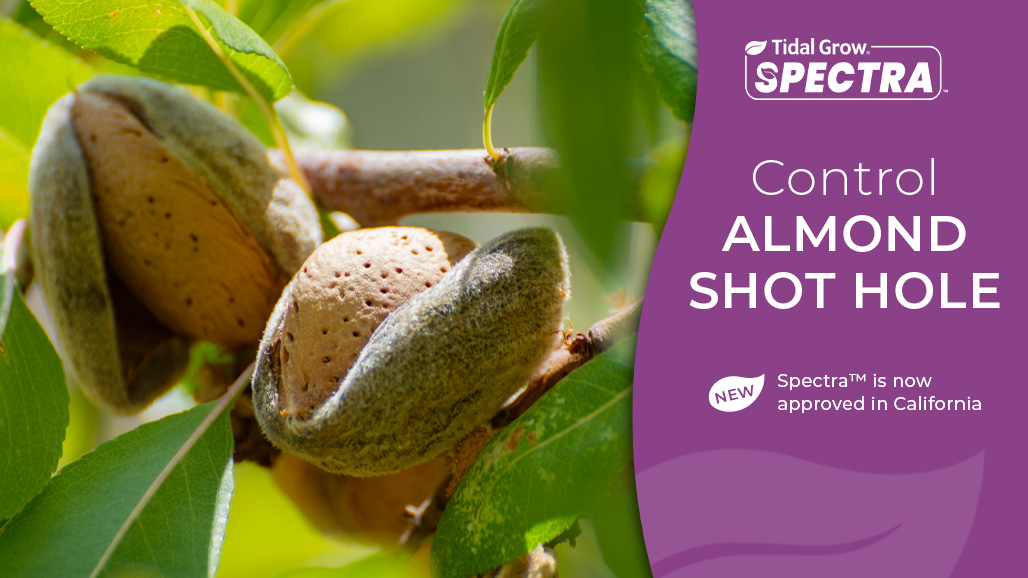
    Shield your yield with Tidal Grow® Spectra™, a bioactive fungicide, bactericide, and nematicide that’s now approved for California growers. Spectra™ fights pests and pathogens directly, enhances natural crop defenses, and fortifies against abiotic stressors. It also boosts nutrient uptake, root function, growth, and yield while working synergistically with other active ingredients.

    Growers are effectively fighting California crop threats like Almond Blossom Blight, Shot Hole, and Powdery Mildew with Spectra™. In fact, in a 2023 almond trial, Spectra™ provided a 15% reduction of Shot Hole over Grower Standard while also helping offset its cost by enabling reduced use of the Grower Standard fungicide.

    Protect your crops and shield your yield with Spectra™. Click the button below to learn more.

  • California Orchards Blossom with NRCS Help Managing Pests

    California Orchards Blossom with NRCS Help Managing Pests

    California’s Central Valley is a land of agricultural abundance, known for its incredible diversity of crops including fruits, vegetables and nuts. It produces approximately 25% of the nation’s food.

    But with plenty can come pests – in as many varieties and types as the crops grown in the region. Area farmers have worked with USDA’s Natural Resources Conservation Service (NRCS) to implement integrated pest management into their orchard operations with marked results.

    Sandra and Mike Smith of Smith Family Farm in Fresno, California, showed NRCS Chief Aubrey Bettencourt the benefits of the practices that they have incorporated with NRCS assistance as they toured their 36-acre almond orchard.

    Established in 1903, the farm is on the cusp of welcoming its fifth generation of farmers. By adapting their operations to increase conservation and sustainability practices, the Smiths hope to pass on a rich legacy to their young granddaughters.

    The Smiths highlighted the impact that integrated pest management practices – notably hormone disruptors – have had in their fight to combat navel orangeworms in their almond orchards.

    “We were at 17.1% loss of our almond crop two years ago because of the infestation of navel orangeworms,” Mike Smith told Chief Bettencourt. “Once we implemented the mating disrupters, we were able to bring our almond reject numbers down to 1.1%.”

    Navel orangeworms burrow into almond nuts to feed on the kernel, damaging the nut and impacting producers’ overall yield and harvest quality. Deploying pheromone-based mating disruption tools can reduce navel orangeworm populations by hindering male moths’ ability to locate females.

    The Smiths have also leaned on NRCS technical assistance to implement other conservation techniques to increase the health of their orchard. The family now prioritizes composting and increasing organic matter, guided by the knowledge gained through NRCS collaboration.

    Further north, Chinchiolo Farming Co., Inc., a family-run business located in Lodi, California, is managing orchards of a different kind while embracing similar production practices.

    Producer James Patrick Chinchiolo has worked to uphold a century-old farming legacy, started by great grandfather Italian immigrant James Joseph Chinchiolo. Chinchiolo has worked with NRCS to incorporate a number of conservation practices including cover crops, tractor replacements, orchard removal and soil incorporation.

    Like the Smiths, Chinchiolo has dealt with pest issues, incorporating a Biologically Integrated Orchard Systems (BIOS) approach in managing his orchards. The BIOS system aligns with NRCS principles, embracing the implementation of conservation practices like cover cropping, beneficial insect habitat, and compost application to keep pests at bay.

    “We aim to foster a more ecologically balanced environment within our orchards,” Chinchiolo said during his discussion with Chief Bettencourt. “We are focusing on minimizing our inputs and creating more habitat for beneficial insects to flourish to help control unwanted pests.”

    Conservation practices like cover cropping and compost application not only help pollinators flourish – a crucial part of growing beautiful cherries – they also protect the trees’ overall health, improving soil structure and water retention.

    After last summer’s heat impacted this year’s cherry crop, Chinchiolo is working to take additional measures to make his trees more heat resistant in preparation for next season.

    “Growing cherries is never predictable. But it’s always beautiful.” Chinchiolo said.

    Helping People Help the Land

    During her visit, Chief Bettencourt emphasized that the agency’s primary focus is to give producers the tools that they need to be the best producers that they can be – increasing their yield while stewarding the nation’s natural resources.

    “Producers are the solution, and we want to empower them by getting our highly skilled staff out in the field to provide technical support. We want to streamline our programs to work better and faster for producers,” she said.

    NRCS helps farmers, ranchers and forest landowners make critical investments in their operations and local communities by helping them implement proven practices to ensure all of America’s farms, ranches and private lands are economically viable and thriving.

    If you are interested learning how these programs can help you achieve your operational and land management goals, find your local USDA Service Center and get started today.

    Follow the Chief through our blog series as she meets with producers across the country to learn how NRCS has helped their operations. — By Debra Denhart, Public Affairs Specialist, USDA

  • Fresh Vintage Farms Launches Refined Almond Oil for Clean, High-Heat Cooking

    Fresh Vintage Farms Launches Refined Almond Oil for Clean, High-Heat Cooking

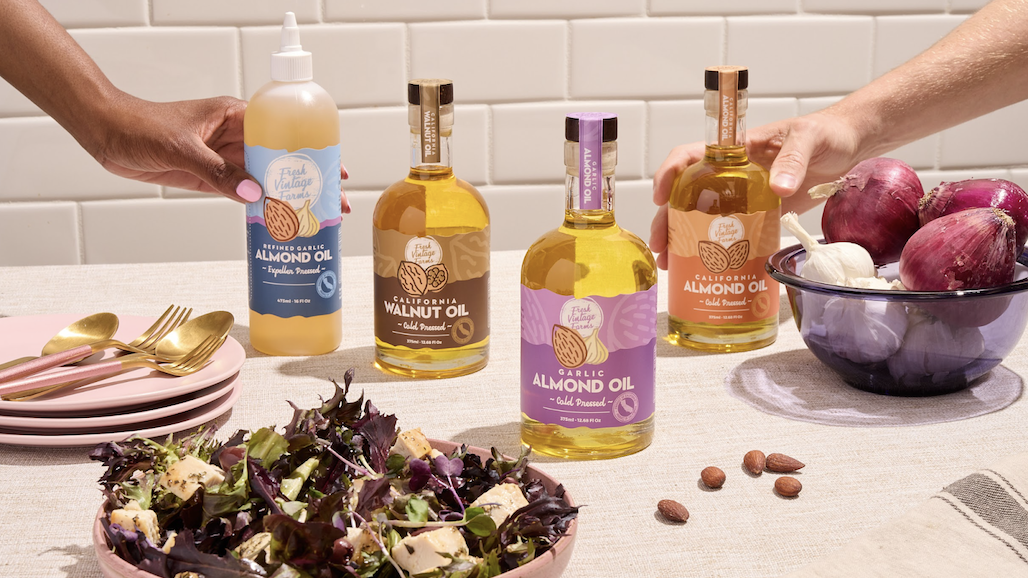
    Fresh Vintage Farms, the California-based family brand known for its clean-label, cold-pressed nut oils, has just introduced its newest product: Refined Almond Oil & Garlic Almond Oil. Made exclusively from California-grown almonds, this small-batch oil is designed for home cooks and chefs who want a healthier, neutral-flavored option that performs well in the kitchen. With its ultra-light texture and high smoke point, the new refined almond oil is perfect for sautéing, roasting, and baking, all without overpowering other ingredients.

    Unlike most industrial seed oils or mass-produced refined oils, Fresh Vintage Farms’ refined almond oil is crafted through a minimal-ingredient heat and filtration process, preserving heart-healthy monounsaturated fats and naturally occurring vitamin E. The result is an oil that’s clean in both taste and label, offering a plant-based, non-GMO alternative that holds up to high temperatures while supporting a healthier cooking routine. Free from chemical solvents and artificial additives, it gives consumers a refined oil option they can feel good about.

    This launch marks another milestone for founder Tommy Tickenoff, a third-generation almond farmer from California’s Central Valley who continues to prioritize transparency, local sourcing, and sustainability. As one of the only small-batch producers of refined almond oil in the U.S., Tickenoff brings a rare level of traceability and care to every bottle. From the orchard to the kitchen, Fresh Vintage Farms is committed to delivering oils that meet both culinary and nutritional standards.

    The clarified refined almond oil joins the brand’s existing lineup, which includes their popular Pure Cold‑Pressed Almond Oil, Pure Cold‑Pressed Walnut Oil, and Garlic‑Infused Almond Oil. All products are non-GMO, chemical-free, and packaged sustainably in recyclable glass bottles with cork caps.

    Fresh Vintage Farms’ clarified almond oil is now available online at freshvintagefarms.com, with special wholesale pricing available for retailers and chefs.

    About Fresh Vintage Farms

    Fresh Vintage Farms is a family-owned brand based in California’s Central Valley, offering premium, cold-pressed Almond and Walnut Oils made from California-grown nuts, many from their own farm. Founded by Tommy and Tara Tickenoff, Fresh Vintage Farms produces oils that are not only pure and nutrient-rich but also eco-friendly, using imperfect nuts to reduce waste. Their commitment to quality and sustainability shines through in every bottle, providing a healthier, cleaner alternative to traditional oils. Focusing on family values and community, Fresh Vintage Farms aims to make healthy oils accessible to everyone without compromising taste or quality.

  • Almonds Are Key to Achieving Coach PRIME’s Renewed Health Goals

    Almonds Are Key to Achieving Coach PRIME’s Renewed Health Goals

    Deion “Coach PRIME” Sanders is back for another college football season, persevering after challenges with his health. As he gears up for the hustle and grind, his commitment to personal health is stronger than ever, with a mission to motivate others to live a healthy life, part of which includes eating better-for-you snacks like almonds. Packed with nutrients, almonds are more than just a snack; they are a cornerstone of the healthy lifestyle Coach PRIME is championing.

    Whether Coach PRIME is leading his team and family toward success or motivating others to make the right decisions, he is deeply committed to living with purpose, and that includes how he takes care of his body. Backed by research, daily almond snacking supports his intentional approach to health. Almonds are his go-to snack in the locker room, his office and even on the sidelines, making them a meaningful partner in his everyday routine.

    “I take my health seriously—now more than ever—and others gotta do the same to be their best and stay prime,” said Sanders. “Almonds aren’t just a snack, they’re part of the process, and I’m committed to the process. Take your health seriously, be consistent, and eat your dern almonds every day. Don’t wait another second to focus on what your body needs.”

    Snacking can be a healthy habit when done right, and Coach PRIME is calling on everyone to start today by making smarter snack choices that fuel the body and promote overall health. Almonds are a powerhouse snack, delivering steady energy and satiety through a natural blend of 6g of protein, 4g of fiber, 50% DV of vitamin E, 20% DV of magnesium, 13g of “good” unsaturated fats and only 1g of saturated fat in one serving (23 almonds). From aiding heart and metabolic health to gut support and beyond, almonds play a valuable role in healthy living. Plus, almonds’ versatility makes them a smart choice for anyone looking for simple, consistent nutrition.

    Tune in for more from Coach PRIME and California Almonds with ads airing on national and cable TV networks like CBS Sports and ESPN. Visit almonds.com and follow California Almonds on Facebook, Instagram and Twitter to see how almonds are a key part in Coach’s renewed health journey.

    About California Almonds 

    California Almonds make life better by what we grow and how we grow. The Almond Board of California promotes natural, wholesome and quality almonds through leadership in strategic market development, innovative research, and accelerated adoption of industry best practices on behalf of the more than 7,600 almond farmers and processors in California, most of whom are multi-generational family operations. Established in 1950 and based in Modesto, California, the Almond Board of California is a non-profit organization that administers a grower-enacted Federal Marketing Order under the supervision of the United States Department of Agriculture.