Category: Industry News

  • Opportunities for CA Tree Nuts & Dairy in Upcoming Trade Mission to Mexico

    Opportunities for CA Tree Nuts & Dairy in Upcoming Trade Mission to Mexico

    The U.S. Department of Agriculture’s Foreign Agricultural Service (FAS) is now accepting applications for its upcoming agribusiness trade mission to Mexico City, Mexico, scheduled for November 3–6. U.S. exporters interested in exploring trade opportunities in Mexico’s dynamic agricultural market must apply by Thursday, July 31.

    “Strengthening export opportunities for American farmers, ranchers, and agribusinesses is a top priority of USDA,” said Deputy Under Secretary for Trade and Foreign Agricultural Affairs Michelle Bekkering. “This trade mission will connect U.S. producers with key buyers in Mexico, expanding economic opportunities, supporting rural prosperity, and keeping American agricultural products globally competitive.”

    Mexico was the largest export market for U.S. agricultural products in 2024, with sales totaling more than $30 billion, supporting approximately 190,000 U.S. jobs. Agricultural trade between the United States and Mexico under the United States-Mexico-Canada Agreement (USMCA) reached nearly $79 billion in 2024 and has shown consistent growth over the last decade.

    To ensure the protection of U.S. livestock herds, in June, Secretary Rollins launched a Bold Plan to combat New World Screwworm (PDF, 434 KB) by protecting our border at all costs, increasing eradication efforts in Mexico, and increasing readiness. USDA also announced the groundbreaking of a sterile fly dispersal facility in South Texas. This facility will provide a critical contingency capability to disperse sterile flies should a NWS detection be made in the southern United States.

    Growing U.S. exports to Mexico are supported by factors such as rising disposable income among Mexico’s upper middle class, familiarity with U.S. products and food trends, and strong demand for high-quality agricultural goods.

    Consumer-oriented products represent the largest share of U.S. agricultural exports to Mexico and have increased by more than 75 percent between 2020 and 2024. USDA anticipates strong export opportunities across several product sectors, including:

    •Beef, poultry, and related products

    •Dairy products

    •Seafood

    •Tree nuts

    •Pet food

    •Baking and food processing ingredients

    Additional opportunities exist for U.S. products such as animal feed, rice, pulses, seed potatoes, and livestock genetics.

    During the trade mission, U.S. agribusiness representatives will connect directly with buyers from Mexico City and surrounding regions through business-to-business meetings, market briefings, site visits, and networking events led by FAS staff and regional experts.

    For more information or to apply, see the Mexico Agribusiness Trade Mission webpage. The application deadline is Thursday, July 31, 2025.

    The Mexico trade mission is part of USDA’s broader 2025 export promotion strategy. Recent trade missions to Thailand, Guatemala, Hong Kong, and Peru have delivered measurable success for U.S. exporters. Applications are now closed for the trade mission to Taiwan. To learn more about FAS agribusiness trade missions, visit https://www.fas.usda.gov/topics/trade-missions.

  • NFL MVP and Pistachio Farmer Josh Allen Teams with Wonderful Pistachios as the Brand’s New Spokesman

    NFL MVP and Pistachio Farmer Josh Allen Teams with Wonderful Pistachios as the Brand’s New Spokesman

    Wonderful® Pistachios has announced a major partnership with Buffalo Bills star quarterback and pistachio farmer Josh Allen, uniting the NFL’s reigning Most Valuable Player with America’s #1 Nut brand. A native of California’s Central Valley, where Wonderful Pistachios are grown and processed, Allen is part of a fourth-generation farming family whose crops include pistachios, and Wonderful Pistachios is the world’s largest pistachios producer and brand.

    As part of the partnership, Allen will be featured in a national advertising campaign, set to launch this fall at the start of the upcoming football season. The details of the campaign will not be unveiled until its debut but will include comedic television commercials that will roll out across TV, digital and social media platforms. The commercials will showcase the quarterback’s iconic presence and promote Wonderful Pistachios as a powerhouse snack for athletes, football fans, and families alike.

    Beyond the spotlight, the collaboration also brings together the brand and Allen’s shared commitment to giving back to the Central Valley community that raised Allen and where the majority of the world’s pistachios are grown. Wonderful Pistachios and Allen are establishing a college scholarship fund for high school students in California’s Central Valley, supporting local youth in their pursuit of higher education and continued success, which will be unveiled this fall.

    “Agriculture has always been part of my life on our family farm, and pistachios have been a smart, protein-forward snack to fuel my training,” said Allen. “Partnering with Wonderful Pistachios feels like coming full circle. We’re both built on strong roots, and I’m excited to help spotlight a product that’s as real and hardworking as the people in California’s Central Valley.”

    A fourth-generation farmer who grew up in Firebaugh, CA, Allen knows firsthand the value of hard work and the role pistachios play in healthy, active lifestyles. Allen’s family farm grows pistachios that supply Wonderful Pistachios, making this partnership a natural fit rooted in shared values, local pride, and a commitment to wellness.

    “This partnership marks a homegrown alliance that starts where both our stories began, in the Central Valley of California, which grows 95% of the pistachios in America,” said Andy Anzaldo, who leads grower relations at Wonderful Pistachios and is chief operating officer of corporate social responsibility for its parent company, The Wonderful Company. “Josh’s authenticity, work ethic, and deep ties to pistachio farming make him a true ambassador for our brand. Together, we’re investing in the future of the region we both proudly call home.”

    “We’re thrilled to welcome Josh Allen to the Wonderful Pistachios family, and work together to inspire healthier snacking,” shared Michael Perdigao, president of The Wonderful Agency. “One in three people who snack on Wonderful Pistachios do so while watching sports, with football being the most popular, making this partnership a real touchdown.”

    For more information about Wonderful Pistachios, visit wonderfulpistachios.com, or Get Crackin’ with @wonderfulpistachios on Instagram, TikTok and Facebook.

  • Revised Forecast Reveals Larger California Almond Crop

    Revised Forecast Reveals Larger California Almond Crop

    The 2025 California Almond Objective Measurement Report published Thursday by the U.S. Department of Agriculture’s National Agricultural Statistics Service (USDA-NASS) estimates that the crop harvested in 2025 will come in at 3.0 billion meat pounds.

    The Objective Estimate is up 7 percent from USDA-NASS’s Subjective Forecast in May and 10 percent higher than last year’s crop of 2.73 billion meat pounds.

    “The Objective Measurement reflects the hard work by California almond growers during uncertain times,” said Clarice Turner, president and CEO of the Almond Board of California. “While shipping has remained consistently strong, we know uncertainty remains surrounding future trade policies. We continue to engage with trade partners and stakeholders to encourage constructive solutions that support fair and stable trade so California almonds can continue to be enjoyed by consumers around the world.”

    The 2024 harvest yielded 2.73 billion pounds, 2.5% below the 2024 Objective Report estimate, reflecting the difficulty of precisely forecasting crop size given the current fluctuations in weather and economic factors.

    The report shared the 2025 almond crop experienced variable weather during bloom, which began in early February and peaked in the middle of the month. Storms brought rain, wind and hail, which hindered bee hours and blossom growth. Conditions improved in early March with warm temperatures accelerating the crop’s progress through the end of bloom. Mild temperatures and timely rain in spring supported nut growth and continued through early summer, lessening heat stress in orchards. Lower than normal pest and disease pressure have been reported. Harvest is expected to begin on time.

    “While this year’s Objective Measurement estimate is higher than the industry expected, shipments remain strong. We are focused on innovation—expanding almond applications, reaching consumers through new channels, and opening markets around the world,” added Turner. “The Almond Board is actively driving initiatives to stimulate demand around the world.”

    USDA-NASS’ forecasted yield is 2,160 pounds per acre, up from 1,980 in 2024. The forecast for the average nut set per tree is 4,364, an increase of 7 percent compared to 2024. The Nonpareil average nut set of 4,526 is 9 percent higher than last year. The average kernel weight for all varieties sampled was 1.60 grams, down 0.6 percent from the 2024 average weight. The Nonpareil average kernel weight was 1.60 grams, down 2 percent from the 2024 average weight.

    The 2025 Objective Report is based on actual almond counts using a statistically rigorous methodology. The survey was conducted from May 24 to June 28 and 1,892 trees were sampled in 946 orchards. USDA-NASS conducts the annual Objective Report, Subjective Forecast and Nursery Survey to provide the California almond industry with the data needed to make informed business decisions.

  • Enhanced Almond Nutrition with DPG Foliar Sprays and Potassium Plus

    Enhanced Almond Nutrition with DPG Foliar Sprays and Potassium Plus

    SPONSORED CONTENT

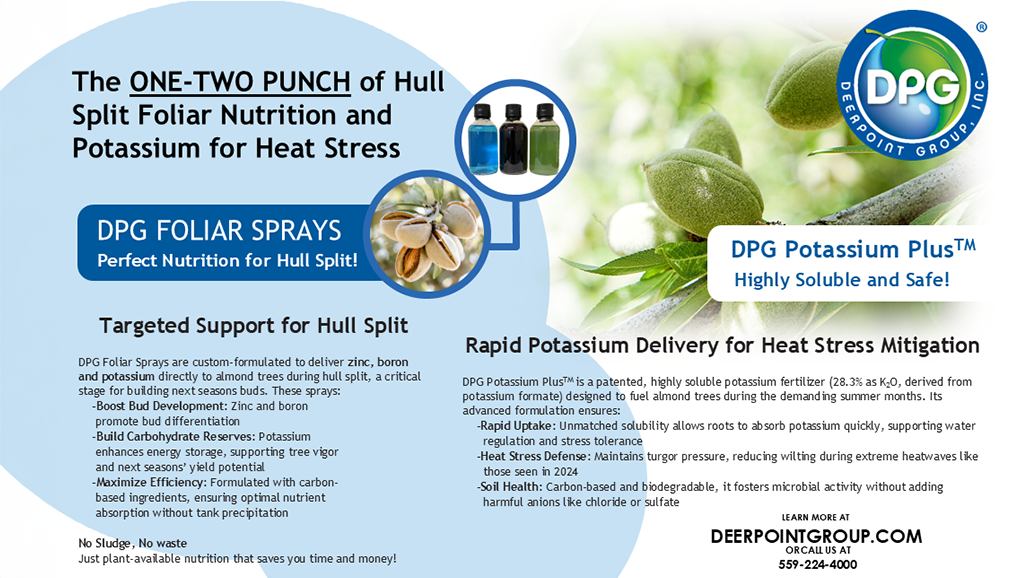
    DPG Foliar Sprays are expertly crafted to provide almond trees with essential nutrients during the critical hull split stage, a pivotal time for establishing robust bud development for the following season. These sprays deliver a precise blend of zinc, boron, and potassium, which work synergistically to enhance bud differentiation and strengthen tree vigor. The inclusion of carbon-based ingredients ensures superior nutrient absorption without the risk of tank precipitation, offering growers a sludge-free, highly efficient solution. By directly targeting the nutritional needs of almond trees, DPG Foliar Sprays maximize resource use, saving both time and money while promoting healthier trees and improved yield potential for the next season.

    DPG Potassium Plus™, a patented potassium fertilizer containing 28.3% K₂O derived from potassium formate, is designed to meet the intense demands of almond trees during the challenging summer months. Its advanced formulation provides unmatched solubility, allowing for rapid potassium uptake by roots, which is crucial for maintaining water regulation and bolstering stress tolerance. This is particularly vital during extreme heatwaves, like those experienced in 2024, as it helps maintain turgor pressure and reduces wilting, ensuring trees remain resilient under high temperatures. By supporting carbohydrate reserve accumulation, DPG Potassium Plus™ enhances energy storage, further contributing to sustained tree health and productivity.

    Beyond immediate nutritional benefits, DPG Foliar Sprays and Potassium Plus™ prioritize long-term soil health and sustainability. Their carbon-based, biodegradable formulations foster beneficial microbial activity in the soil without introducing harmful anions such as chloride or sulfate. This eco-conscious approach not only supports almond tree performance but also contributes to a healthier soil ecosystem, aligning with sustainable agricultural practices. For growers seeking reliable, efficient, and environmentally friendly solutions, DPG’s products deliver unmatched performance. Learn more at Deerpointgroup.com or contact The Deerpoint Group at 559-224-4000 for additional information on optimizing almond orchard nutrition.

  • This Conservation District Now Offers Free Pest Solutions for Hazelnut Growers

    This Conservation District Now Offers Free Pest Solutions for Hazelnut Growers

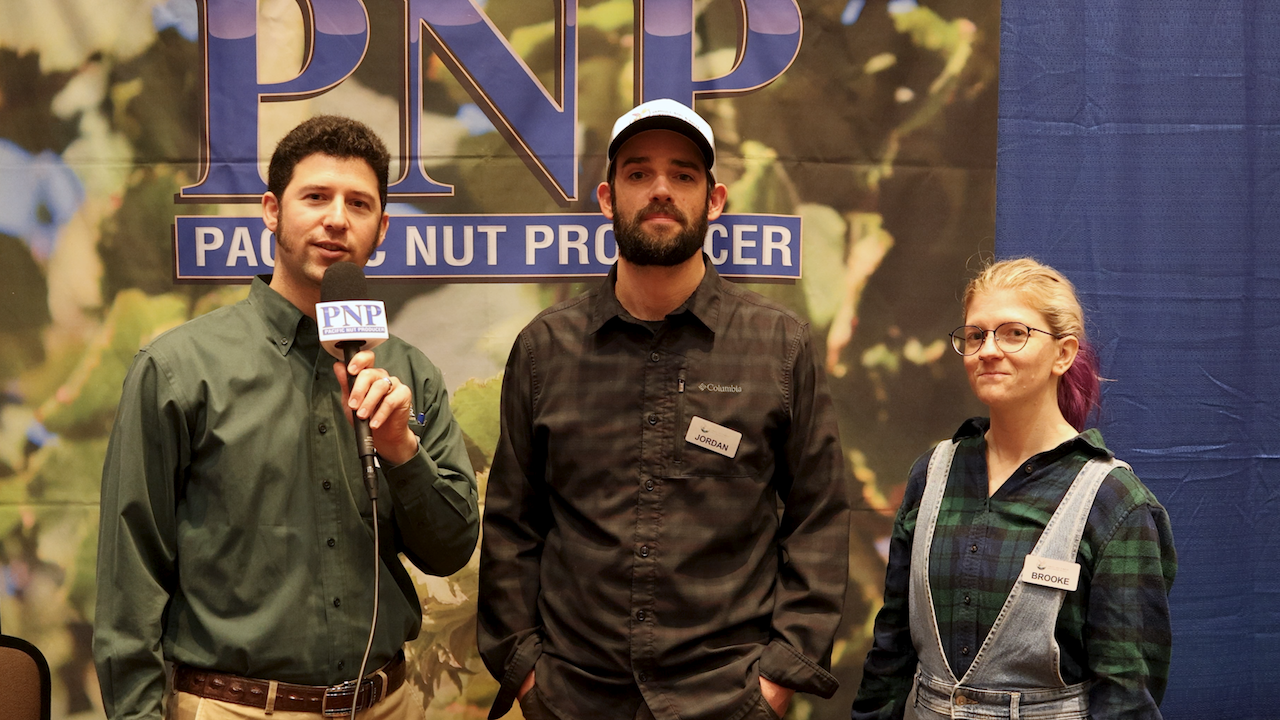
    Having trouble with filbertworm or brown marmorated stinkbug in your hazelnut orchard? The Yamhill Soil & Water Conservation District recently received IPM grant funding to provide free tools and resources to help hazelnut growers fight off these pests with a biological or mating disruption approach. Pacific Nut Producer Editor Matthew Malcolm met with Jordan Anderson and Brooke Karasch from the District to talk about the new funding and other services they provide to growers. Watch this brief interview to learn more and see what you may qualify for.

    Please thank this video’s sponsor George Packing Company for their industry support.

  • Novel Sustainable Farming Practices that Pay Off for Hazelnut Growers

    Novel Sustainable Farming Practices that Pay Off for Hazelnut Growers

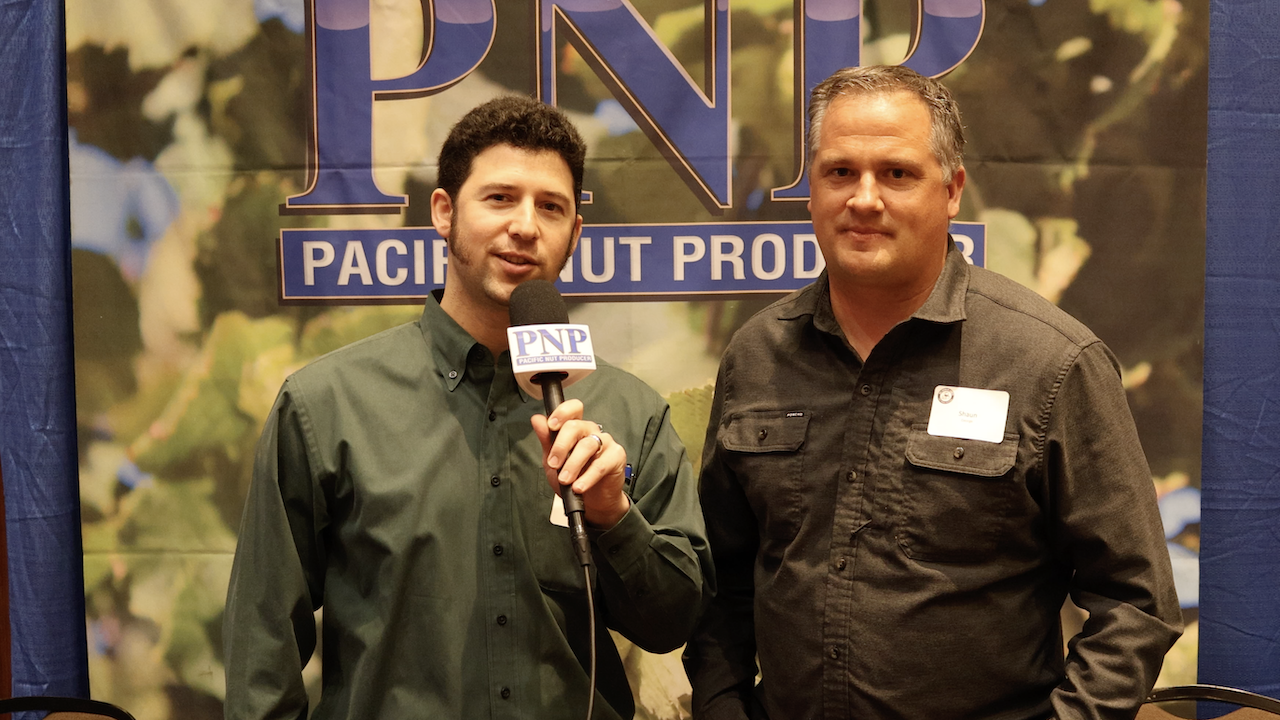
    Consumer perception of sustainable farming doesn’t always match the grower’s definition, especially when it comes to affordability. In order to bridge the gap to build and convey the right kind of sustainability narrative the rising generation of consumers will support, George Packing Company has been experimenting with some novel practices in their hazelnut orchards to determine best sustainability practices that will actually save growers money in the long run. Pacific Nut Producer Editor Matthew Malcolm met with Shaun George to share some of these practices and how they’ve panned out.  Watch his brief interview and stay current on hazelnut industry news by reading your monthly issue of Pacific Nut Producer Magazine. Don’t currently receive the magazine? Subscribe for free at: https://malcolmmedia.com/subscribe/

    Please thank this video’s sponsor George Packing Company for their industry support.

  • Diamond of California® Expands Snack Nut Line with New Snack Pecans

    Diamond of California® Expands Snack Nut Line with New Snack Pecans

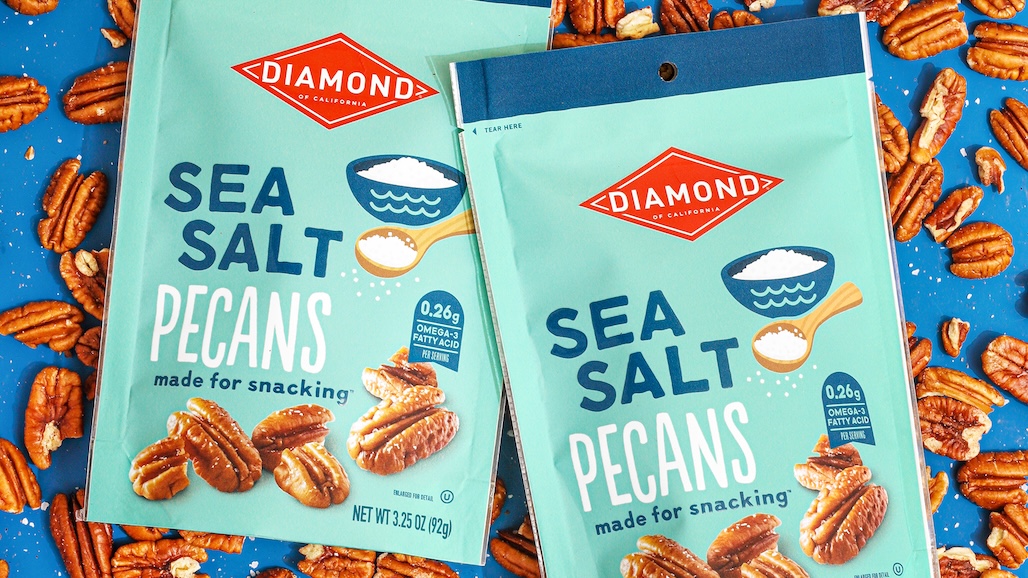
    Diamond of California® has announced the launch of Snack Pecans, marking the century-old specialty nut producer’s first-ever exclusively pecan snack offering. The expansion of Diamond’s Snack Nut line features two premier flavors—Sea Salt and Pecan Pie—available now online and on Amazon, with a nationwide in-store rollout planned for this summer.

    “While pecans have long been associated with the holiday season, their distinctive crunch, naturally buttery taste, and nutritional benefits make them an ideal choice for everyday snacking,” said Rachel Ercole, Director of Marketing at Diamond of California®. “The launch of our first dedicated pecan snack line represents a significant milestone for the brand, especially as pecans are driving growth in the flavored snack nuts category, with a large majority of consumers loving their rich, versatile taste that naturally pairs well with both sweet and savory applications.”

    Diamond of California® Snack Pecans Flavors:

    Sea Salt Snack Pecans: Diamond of California®’s new Sea Salt Snack Pecans are masterfully roasted and tossed with sea salt to enhance their natural buttery flavor. This isn’t just another salted nut; it’s a thoughtfully crafted snack that breaks pecans out of their traditional holiday confines. The simple addition of sea salt transforms these pecans into an elevated snacking experience that’s accessible, nutrient-dense, and delicious. (SRP: $3.99/3.25oz bag)

    Pecan Pie Snack Pecans: A dessert classic in snack form. Diamond of California®’s new Pecan Pie Pecans are freshly shelled, roasted, and lightly glazed to perfection. Plus, with the nutritional benefits of pecans these Pecan Pie Pecans make for a deliciously sweet and buttery snack you can feel good about. This flavor was inspired by the brand’s beloved “Favorite Pecan Pie” recipe.(SRP: $3.99/3.25oz bag)

    Diamond of California® Snack Pecans are available online via shop.diamondnuts.com and on Amazon, with a nationwide in-store rollout planned for this summer. To learn more about Snack Pecans and for more information on Diamond of California® visit their website or follow along @DiamondNuts on Instagram and Facebook.

    About Diamond of California®

    Diamond of California®, the century-old producer of specialty nuts, has worked with walnut growers since 1912, making the company one of the earliest pioneers of the farm-to-table movement. The company packages fresh walnuts, almonds, pecans and other culinary nuts in whole, sliced, diced, and chopped forms. Their most recent innovations, Ready-to-Use Nut Pie Crusts and Ready-to-Eat Snack Walnuts & Pecans, can be found in the baking and snack aisles respectively. Headquartered in Stockton, California, Diamond of California® is located in the state’s heartland, where most of its orchards lie. Diamond of California® believes that nuts make good food even better. That’s why they’ve offered fresh, high quality and great tasting nuts that are truly made for homemade, for over 100 years.

  • California Walnut Board & Commission Target Young Shoppers with New ‘Feel Good’ Campaign

    California Walnut Board & Commission Target Young Shoppers with New ‘Feel Good’ Campaign

    California walnuts are shedding their traditional image and emerging as a must-have ingredient for health-conscious young consumers. The California Walnut Board & Commission has launched its bold new “Feel Good” campaign – an integrated marketing effort designed to drive consumer demand and reposition walnuts as a vibrant, versatile offering within the fresh produce space.

    Grounded in extensive consumer research, the campaign introduces a modern, energetic look and feel designed to connect with millennials and Gen Z audiences, demographics that increasingly shape food trends and purchasing behaviors. At its core, “California Walnuts. Feel Good.” reintroduces walnuts as a fresh, versatile produce item that supports feel-good eating moments across consumers’ lifestyles.

    “This isn’t just a new marketing campaign – it’s a complete repositioning of California walnuts for a new generation of consumers who prioritize nutrition and versatility in their food choices,” said Christine Lott, director of integrated communications for the California Walnut Board & Commission. “By reaching younger consumers, we’re building future generations of walnut consumers and supporting California farmers for decades to come.”

    The cornerstone of the campaign is relationships with social media influencers. With 77% of Gen Z and 50% of millennials following social media personalities who strongly shape their purchasing decisions, according to KS&R Entercom Landscape Tracker, this strategy is intended to reach consumers where they spend their time: social media. As part of the campaign, the California Walnut Board & Commission is partnering with more than 20 cooking, wellness, lifestyle and hosting influencers who collectively reach millions of potential consumers.

    The California Walnut Board & Commission will also showcase trend-driven, authentic content designed to resonate with younger consumers. Paid media efforts will extend the campaign’s reach across social platforms, streaming services and online video – channels where these shoppers spend their time.

    Beyond digital, the campaign includes experiential marketing with sampling at wellness events nationwide, allowing potential consumers to taste and experience the convenience and versatility of California walnuts in environments that reflect their values and lifestyles.

    Discover recipes, industry insights and the latest on California walnuts at walnuts.org.

    About the California Walnut Board and Commission

    The California Walnut Board (CWB) and California Walnut Commission (CWC) represent more than 3,700 California walnut growers and approximately 70 handlers, grown in multi-generational farmers’ family orchards. California walnuts, known for their excellent nutritional value and quality, are shipped around the world all year long, with more than 99% of the walnuts grown in the United States being from California.

    The CWB, established in 1948, promotes usage of walnuts in the United States through publicity and educational programs. The CWB also provides funding for walnut production, food safety and post-harvest research. The CWC, established in 1987, is involved in health research with consuming walnuts as well as domestic and export market development activities.

    To explore recipes and learn more about California walnut growers, industry information and health research, visit walnuts.org.

  • Variety and Neighboring Crops are Predictors of Leaffooted Bug Risk in Almond

    Variety and Neighboring Crops are Predictors of Leaffooted Bug Risk in Almond

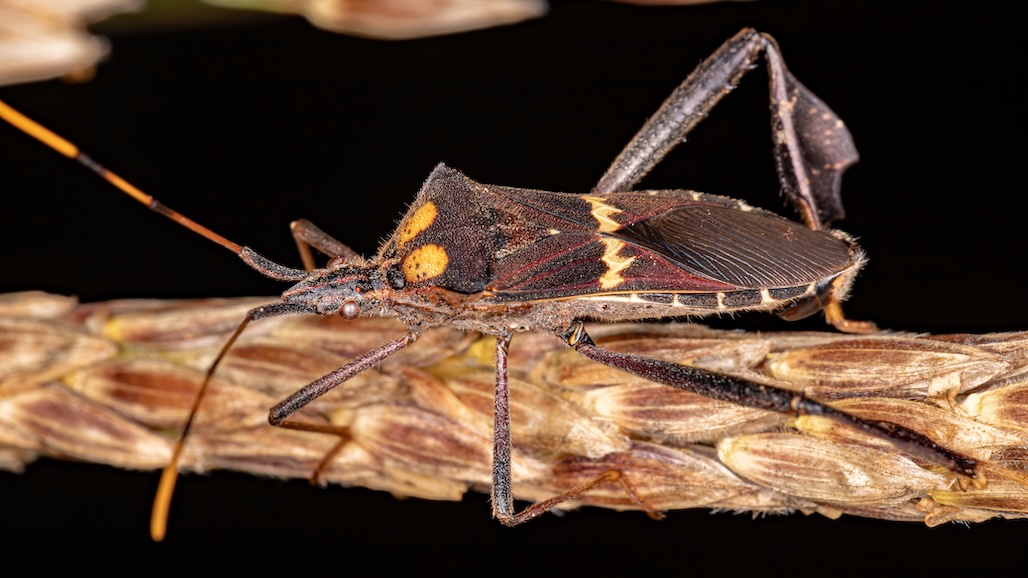
    Leaffooted bug is a sporadic pest in almond, but damage can be significant in years when pest pressure is high. The pest may evade early detection by growers and PCAs because it overwinters as adults in vegetation outside of the orchard and tends to colonize the upper tree canopy, rendering it generally out of sight. As a result, pest pressure is often realized after damage has occurred. The damage may vary considerably between almond varieties, adding yet another challenge for diagnosis.

    In Tulare County, heavy leaffooted bug damage was observed in May 2025 in almond orchards surrounded by citrus.  Adult leaffooted bugs (Figure 1A) overwintered in the citrus and then entered the neighboring almond orchards in March and April. By early May, symptoms of infestation included extensive nut drop (Figure 2A) and gummosis on the nuts (Figure 2B). Although the adults were not observed in the orchard, the pest was identified based on the observation of the characteristic egg strands of leaffooted bug (Figure 1B). In orchards with Nonpariel and Aldrich, both varieties were affected; however, the nut drop was more extensive in Aldrich than Nonpareil (Figure 2A).

    The full impact of the pest may not be realized until harvest because the quality of affected nuts remaining on the tree may also be compromised, thus reducing crop value. Nuts that are stung in late April to early July can be severely shriveled, have sunken lesions, or a brown spot depending on how developed the kernel was prior to feeding (Fig. 3, row 2-5).  These nuts stay in the tree, are harvested, and can significantly increase the percentage of nuts classified as inedible during nut quality assessments.  When examining a library sample of damaged kernels at harvest, nuts damaged by leaffooted bug fall into the same category as stink bug damage, as kernels damaged by these two pests are indistinguishable.

    In 2007, UCCE Kern County Farm Advisors David Haviland and Mario Viveros had the opportunity to evaluate the relative susceptibility of 15 almond varieties to leaffooted bug damage. That year, leaffooted bug invaded a Kern County variety trial research block that included 15 varieties planted in replicated, randomized blocks. This unique situation allowed for unbiased evaluation of the performance of varieties under equivalent pest pressure. Results indicated that the average number of aborted nuts per tree ranged from 0 to 33% of the total crop. Additionally, at harvest, the estimated rejects from leaffooted bug damage ranged from 0 to 30% of the harvested yield. Researchers also noted that crop loss varied by variety, with Fritz exhibiting the highest crop loss at 63%, followed by Sonora, Aldrich, Livingston, Monterey and Carmel.  The other varieties in the block had 3% or less total damage from the pest.

    The underlying basis for the differential susceptibility of almond varieties to leaffooted bug is unknown. Damage does not appear to be related to harvest date or shell hardness at harvest. Other factors such as plant volatiles, hull thickness, or shell hardness in April and May when the bugs are present may play a role in varietal susceptibility. Haviland and Viveros also noted that varietal susceptibility is somewhat relative, explaining that Wood Colony exhibited low susceptibility to leaffooted bug in the research plot, but significant damage was reported on Wood Colony in commercial orchards when combined with less susceptible varieties (ie. Nonpariel and Carmel).  These observations indicate that leaffooted bug prefers certain varieties, but in the absence of a preferred variety, the pest will remain in the orchard and feed on the most preferable variety of the less-preferred varieties present in the orchard.

    The 2025 observations in Tulare County, taken in consideration with the 2007 data from the UCCE variety trial suggest that the best way to monitor leaffooted bug is to focus attention on the most susceptible variety in the field. Gummosis and nut drop in the most susceptible variety will serve as an indicator of pest pressure in a given orchard. Growers with Fritz, Sonora, Aldrich, and Livingston should be extra vigilant in monitoring pest pressure.  Haviland and Viveros note that orchards composed of relatively unsusceptible varieties will have characteristically lower risk of leaffooted bug damage. Additionally, growers and PCAs should consider pest pressure from surrounding orchards and landscape plants that may serve as overwintering sites for the adults, thus contributing to the cryptic nature of the pest.

    Management programs for leaffooted bug consist of monitoring for the pest and spraying primarily with pyrethroids, when needed. Pest management guidelines for leaffooted bug and other pests can be found at www.ipm.ucanr.edu and reports of Almond Board of California-sponsored research can be found at https://www.almonds.com/research-database. — By Elizabeth Fichtner, UCCE Farm Advisor, Tulare County, and David Haviland, UCCE Entomology Advisor, Kern County

    Figure 2. Aborted nuts were prevalent on Aldrich, but the neighboring Nonpareil exhibited minimal damage (A). Gummosis and egg strands on aborted nuts indicated leaffooted bug damage (B).

    Figure 3. Leaffooted bug predation affects the quality of nuts remaining on the tree. Unaffected nuts are represented in row 1; affected nuts of varying quality are represented in rows 2-5.

    Figure 1. Leaffooted bug adults (A) are difficult to scout. Pest pressure is evident by the gummosis at feeding sites and the deposition of eggs in strands (B). Alternate hosts may harbor overwintering populations of leaffooted bug (C and D). Photos A, C, and D: W. Bentley.
    Figure 2. Aborted nuts were prevalent on Aldrich, but the neighboring Nonpareil exhibited minimal damage (A). Gummosis and egg strands on aborted nuts indicated leaffooted bug damage (B).
    Figure 3. Leaffooted bug predation affects the quality of nuts remaining on the tree. Unaffected nuts are represented in row 1; affected nuts of varying quality are represented in rows 2-5.
  • Almond Board Announces 2025 Election Results

    Almond Board Announces 2025 Election Results

    The Almond Board of California (ABC) has announced the Board of Directors election results, and the names of the following nominees have been submitted to the U.S. Secretary of Agriculture for selection to terms of office beginning Aug. 1, 2025:

    Grower Position #1, Member:
    1-year term
    Paul Ewing, Atwater

    Grower Position #1, Alternate:
    Tobin Barth, Esparto

    Grower Position #2, Member:
    3-year term
    Brandon Rebiero, Modesto

    Grower Position #2, Alternate:
    Brad Klump, Escalon

    Handler Position #1, Member:
    3-year term (only one year of term remaining)
    Chad DeRose, McFarland

    Handler Position #3, Member:
    1-year term
    Darren Rigg, Le Grand

    Handler Position #3, Alternate:  
    Dinesh Bajaj, Orland

    Co-op Handler Position #1, Member:
    3-year term
    Laura Gerhard, Sacramento

    Co-op Handler Position #1, Alternate:
    Mel Machado, Modesto

    The Independent Handler Position #1 is normally a 3-year seat but was vacated part way through the term. The elected candidate for the member seat will only serve the remaining one year of the term. This position will be up for election again in 2026. The alternate position was not up for election.

    The ABC board is made up of five handler and five grower representatives, each with an alternate. It sets policy and recommends budgets in major areas, including marketing, production research, advertising, public relations, nutrition research, statistical reporting, quality control and food safety.