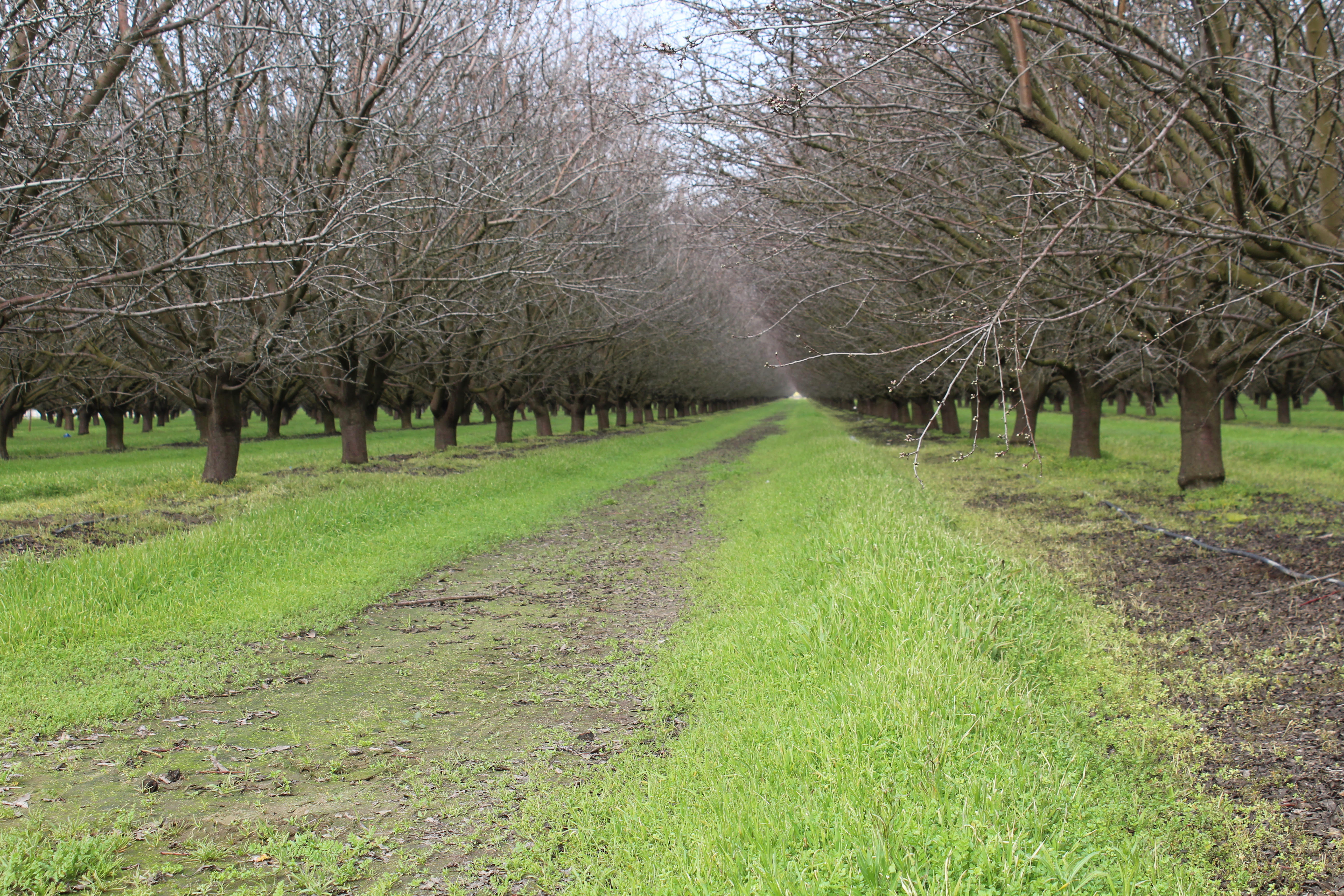
The California State Water Resources Control Board is getting ready to crack down on farmers for their increased use of groundwater unless their local Groundwater Sustainability Agencies can come up with a sustainable plan that will not overdraft local groundwater resources. Watch this brief interview with Taryn Ravazzini from the California Department of Water Resources as she shares a progress report of this local GSAs at work.
Category: Industry News
-

US Pistachio Shipments Remain Strong Despite Increased Tariffs
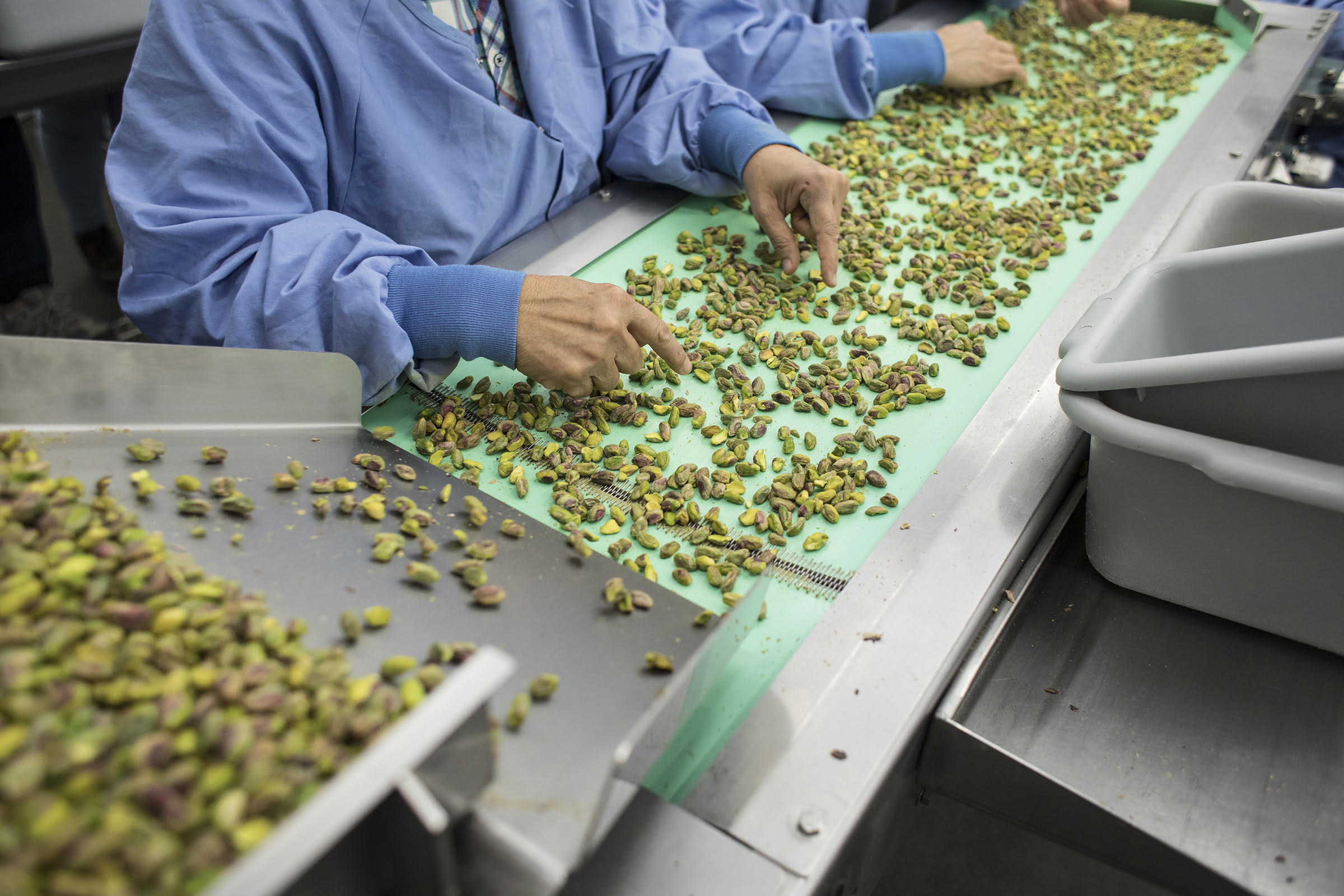
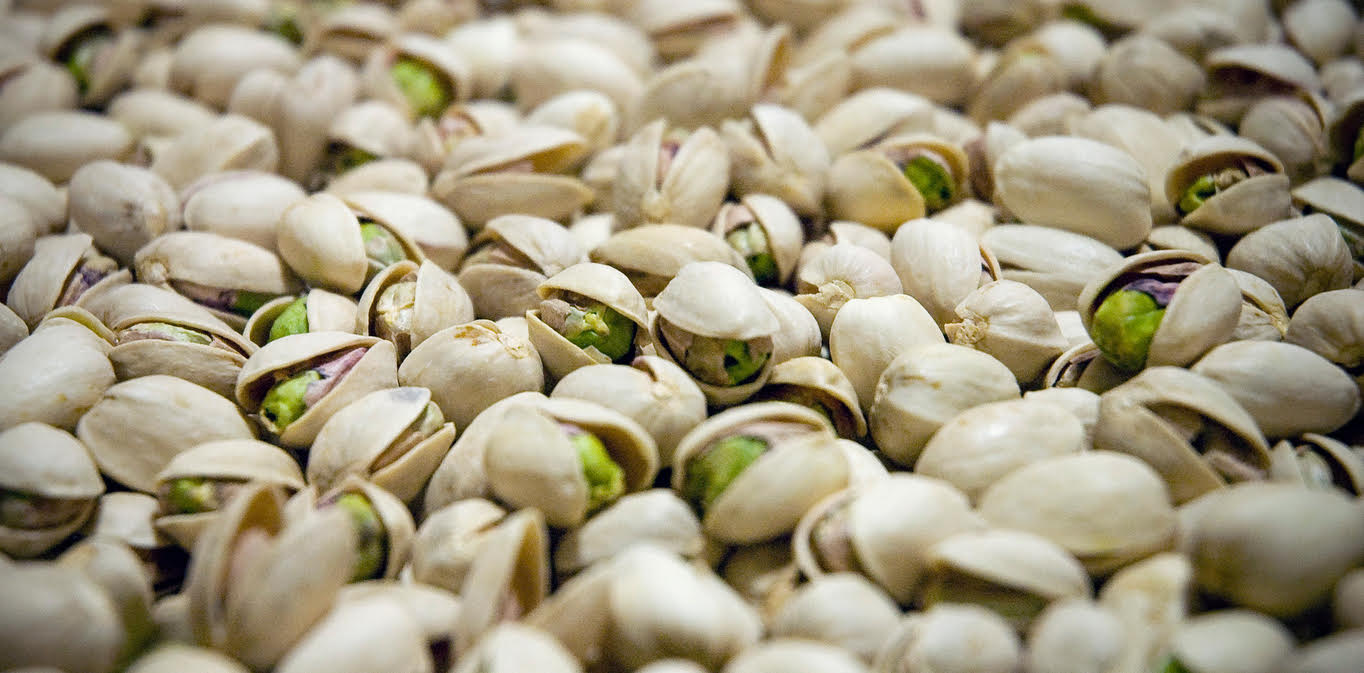
Despite the recent increased tariffs slapped onto US pistachios in the midst of an international trade war, consumers worldwide just can’t get enough of them. Watch this brief interview with Richard Matoian from American Pistachio Growers and read more about it in Pacific Nut Producer Magazine.
Please thank our sponsor Duarte Nursery and attend one of their upcoming Bennett Hickman Almond Field Days in Pixley or Modesto.
-

New Studies Show Soil Health Practices Increase Farm Profitability
Today, American Farmland Trust(AFT), the organization behind the national movement No Farms No Food®,is releasing four case studies that show that healthier soil on farmland brings economic benefits to farmers and environmental benefits to society. These case studies were developed in partnership with USDA’s Natural Resources Conservation Service (NRCS).
AFT Water Initiative Director Dr. Michelle Perez, the lead researcher on the project, is unveiling the case studies at the Soil and Water Conservation Society annual conference today. The case studies were developed as part of a 2018 NRCS Conservation Innovation Grant (CIG) project, “Accelerating Soil Health Adoption by Quantifying Economic and Environmental Outcomes and Overcoming Barriers on Rented Lands,”and feature farms in California, Illinois, Ohio and New York.
“Increasingly, we understand that better soil health – and specific practices aimed at building soil organic matter, fostering microbial life in the soil, reducing nutrient loss, and protecting soil from erosion – lead to higher net income for farming operations. These case studies contribute to the growing body of quantitative evidence that improving soil health increases farmer profitability,” said Dr. Perez.
The two-page case studies focus on corn-soybean production in Illinois and Ohio, almond production in California and a diversified rotation (sweet corn, alfalfa, corn for silage or grain) in New York. The four farmers featured implemented soil health practices like no-till or strip-till, nutrient management, cover crops, compost, and mulching.
“When it comes to conservation, producers have to make decisions based on what makes the most sense for their operations,” said NRCS Chief Matthew Lohr. “These case studies provide information on the economic benefits of using soil health management systems, demonstrating the value of adopting these systems.”
With soil health management, producers can increase their yield, decrease their risk and input costs, and improve their profits, all while conserving our nation’s resources for the public at large, on their farms, in their watersheds, and beyond. Soil health management systems are good for farmers and for the public.
“Increased implementation of soil health is critical to AFT’s holistic approach to saving the land that sustains us. Ensuring a sustainable future for this planet and our society requires we value the land, the practices on the land and the people who steward that land. AFT’s case studies showcase farmers who took the risk and are now enjoying the benefits of implementing practices that will support food production for a growing population while improving our environment and sequestering carbon. Farmers across the country can now embrace these practices and, with the help of staffers from AFT and our partner NRCS, put them into practice with greater confidence and profitability,” says John Piotti, AFT president and CEO.
Highlights from the case studies include:
- All four of the farmers profiled saw improved yields ranging from 2% to 22% that they attributed, in part, to their soil health practices. The average return on investment was 176% for the four farms in the study and ranged from 35% to 343%. The study accounted for other factors at play in increased yield such as improved seed varieties and increased seeding rates.
- All four farmers saw improved water quality outcomes, both by witnessing reduced soil and water runoff and as estimated by USDA’s Nutrient Tracking Tool (NTT). NTT estimated that nitrogen reductions ranged from 40% to 98%, phosphorus reductions ranged from 74% to 92%; and sediment reductions ranged from 76% to 96% from specific fields in each farm.
- All four farmers saw improved climate outcomes, as estimated by USDA’s COMET-Farm Tool. The tool estimated that total greenhouse gas emission reductions from specific fields in each farm ranged from 16% to 560%, corresponding to taking three-fourths of a car to 17 cars off the road.
All four farmers have been implementing different soil health practices over different time frames and a variety of cropping systems. With these case studies and the ones that will be released in the fall, AFT is building a diverse library of on-farm examples of soil health investments that have led to economic gain.
We hope that farmers who have been considering adding soil health practices to their operation will be able to use these case studies to approach their existing landowners, from whom they rent their land, to discuss sharing the risks and rewards of the soil health investments. We think farmers may be able to use the case studies with a new landlord to add new fields. Should that materialize, we hope farmers will also share the case studies with their bankers to secure additional financing for the farm expansion.
Farmers across the country can reach out to their local NRCS and Soil and Water Conservation District staff to help them implement soil health practices on their farm. In the watersheds featured in the four case studies, farmers can reach out to both the local NRCS and SWCD staff as well as the four AFT authors of the case studies.
We hope our conservation partners at NRCS, SWCD and Extension, plus our partners in the private sector, crop consultants, cover crop seed dealers, and strip-till equipment providers, use these case studies with their customers to help answer questions about the costs and benefits of adopting soil health practices.
AFT’s first four case studies can be foundon AFT’s “Accelerating Soil Health” webpage.
American Farmland Trust is the only national organization that takes a holistic approach to agriculture, focusing on the land itself, the agricultural practices used on that land, and the farmers and ranchers who do the work. AFT launched the conservation agriculture movement and continues to raise public awareness through our No Farms, No Foodmessage. Since our founding in 1980, AFT has helped permanently protect over 6.5 million acres of agricultural lands, advanced environmentally-sound farming practices on millions of additional acres and supported thousands of farm families.
USDA’s Natural Resources Conservation Service (NRCS) mission is “Helping People Help the Land.” NRCS helps America’s farmers, ranchers and forest landowners conserve the nation’s soil, water, air and other natural resources. All programs are voluntary and offer science-based solutions that benefit both the landowner and the environment.

-

Turlock Irrigation District Pursues Settlement Agreement with State Water Board
As farmers well know, the actions of California Water Resources Control Board don’t often reflect the best interests of the farming community, and the recent Bay Delta Plan they are proposing is going to have a devastating impact if enacted. Watch this brief interview with Michael Frantz from the Turlock Irrigation District as he shares what farmers can do about this in the form of a settlement agreement.
Please thank our sponsor Duarte Nursery and attend one of their upcoming Bennett Hickman Almond Field Days in Pixley or Modesto.
-

Economic Study Bolsters Value Of Generic Marketing Efforts By Pistachio Industry
American Pistachio Growers’ (APG) efforts to reduce or eliminate trade barriers in several key overseas markets have been a
significant boon to pistachio exports and to growers’ bottom-line. A new study, “An Analysis of the Effects of the American Pistachio Growers’ Program to Reduce/Eliminate Tariffs on U.S. Pistachios,” has quantified, for the first time, the direct benefit to the U.S. pistachio industry from APG’s strategic program to vanquish trade barriers.The analysis from Dr. Dennis H. Tootelian, an emeritus Professor of Marketing, sought to determine what shipments of U.S. pistachios would have been if tariffs had not been lowered or eliminated in Israel, Mexico, China and Hong Kong, and the European Union which are the export markets prioritized for focus by APG. Many of his analyses centered on the period from 2009 through 2017 — the period in which tariffs were reduced in all five geographic areas.
Tootelian’s study showed that actual shipments of U.S. pistachios after the tariffs were reduced or eliminated for each export market were more than 2.3 billion pounds greater than what would have been expected had the tariffs remained in place. Equated in economic terms, the boost in export volume after the trade barriers had been removed amounted to nearly $3 billion greater value than what would have been expected had the tariffs remained in effect.
While Tootelian did not have any prior expectations of what his study would show, he was surprised by the findings.
“To see this kind of an increase in shipments on a before and after basis with the tariffs did surprise me. I did not expect this kind of result in the marketplace. These are not small numbers,” Tootelian said. “What the data tell me is that there is latent demand for U.S. pistachios and once the tariffs come down, foreign markets want to buy them.”
Tootelian said the projected economic boon to U.S. growers is even more profound if the fluctuations in prices in China and Hong Kong were eliminated from the analysis.
“If you take the price fluctuations in China and Hong Kong out, the increase in value of pistachio shipments amounts to nearly $355 million more dollars per year — nearly $4.5 billion in total from the time when tariffs were in effect to after they were reduced or eliminated,” said Tootelian.
Data from the analysis estimated that more than 1.7 billion pounds of U.S. pistachios in total, or an average of more than 192 million pounds annually, may have gone into storage if they were not diverted to other markets. While the effect of the projected added supply on the world market is unknown in terms of lower prices, Tootelian said that it would surely have had a detrimental impact on U.S. growers.
“It is unknown what that would have done to the price,” he said. “In order to divert from storage and into other markets, prices probably would have had to come down considerably and whether they would have been able to market that much supply is an unknown.”
Underlying Tootelian’s analysis is the fact that price is not the sole determinant of the volume of U.S. pistachio exports. He said when tariffs are lowered or eliminated, traditional economics would dictate that increased shipments would lead to lower prices, but his data show demand for U.S. pistachios in some key markets remained high in the post-tariff era. Several factors, he said, appear to be in play.
“One is the reputation of U.S. pistachios, which carries a very positive market image with consumers and importers. Second, it could be the quality of the product is better or more consistent, or both, for what consumers can buy from other countries,” said Tootelian. “And third, there are a lot of reputable health studies that show nuts are healthy and nutritious. APG has invested considerable resources raising consumer awareness of the healthful attributes of pistachios, and consumers appear to be willing to pay a higher price. That is pretty clear from the data.”
APG has aggressively worked in the halls of Congress, with U.S. trade officials and with foreign governmental bodies to alleviate burdensome trade barriers and create a more open market for U.S-grown pistachios.
“Quantifying the value of APG’s efforts to growers has been difficult up to now, but this new study gives us some tangible answers to the importance of the work we are doing on behalf of the U.S. pistachio industry,” said Richard Matoian, APG’s executive director. “Frankly, we were quite surprised at the magnitude of these numbers. It’s our strong belief that whenever and wherever trade barriers exist to the free flow of American-grown pistachios around the world, we will confront them vigorously.”
In a postscript to his analysis, Tootelian added, “If I were a grower, I would be encouraging APG to be doing this more in other markets because the greater the demand there is for the product, the less goes into storage and that helps boost the price.”
-

California Walnut Board 2019 Production Research Priorities
Walnut production research goes back over five decades. Each year, the California Walnut Board’s Production Research Committee recommends projects for funding based on industry’s short and long term needs. This year, the CWB members approved a total of 23 projects totaling $1.69 M for the 2019-2020 crop year.
Production research continues to be fundamental to addressing production challenges in the areas of orchard management, entomology, breeding and genomics as well as plant pathology and nematology. The Production Research Committee sees the slate of projects it approves each year as an ongoing mix of short and long-range approaches: Short-range approaches, which typically consist of one or more sequential multi-year (2-3) projects by the same team of researchers, are designed to craft management solutions for problems in today’s orchards. Longer-range approaches–which almost always means plant breeding–are used to craft solutions for tomorrow’s orchards. Historically, new varieties with better productivity and quality were developed through a time-consuming process of selection and testing of hundreds to thousands of seedlings resulting from intentional crosses of chosen male and female parent trees. Increasingly, new DNA-based techniques are being deployed to accelerate the pace of this traditional process for creating new varieties. And these techniques are now also being used to speed the development of new rootstocks. It is important to emphasize that the new varieties and rootstocks that come out of these efforts will still be the result of traditional crossing of selected parents and evaluation of selection of seedlings, just augmented and made more efficient by understanding the genetics behind desirable traits.
The scope of the breeding effort has also expanded: from finding productive high-quality productive new varieties that efficiently span the harvest timing window, to developing varieties and rootstocks that address orchard pest and disease problems–especially those that have eluded attempts to find sustainable solutions derived from shorter term research approaches. Thus, breeding efforts now focus on reducing tree susceptibility to walnut blight, husk fly, nematode and water stress as well as the traditional goals of productivity, nut quality, and harvest timing.
The Production Research Committee puts a high priority on striking an appropriate balance between short- and long-term research aimed at industry research needs. This balance fluctuates slightly from year to year and currently stands at a roughly 50-50 balance of short- and long-term efforts (Figure 1). Compared to other commodities, this is a large investment in the future of the California walnut industry. But our industry has always been forward looking: Most of today’s orchards, for example, are planted to varieties (and farmed using methods) developed through past industry investments in research and innovation.
The following are just a few examples of current research:
Breeding & Genomics:
- Continued efforts to fill the harvest window with a sequence of productive, high quality, and pest resistant varieties, with a current emphasis on the Serr through Tulare timeframe
- A first batch of Phytpohtopra, crown gall, and/or nematode resistant rootstocks have been advanced to ‘elite’ status and are now planted in small scale field trials around the state. Current rootstock improvements efforts are focused on moving additional candidates–some of which have resistance multiple diseases–through the disease screening process–and into the field trials.
Diseases and Nematodes:
- Continued efforts to find alternatives to–or better ways to use–copper+mancozeb to control blight
- Replacing methyl bromide by field testing of new experimental and recently registered pre- and post-plant nematicides for control of lesion and root knot nematodes
- A search for genetic and/or new molecular biology tools that will expedite the development of blackline resistant varieties or rootstocks
Entomology
- Continued efforts to understand aspects of navel orangeworm biology, movement, and monitoring that will make current control efforts more effective
Orchard & Canopy Management
- Continued refinement and validation of no- and reduced-pruning approaches in developing orchards
- Support of ongoing pre- and post-emergence herbicide performance and safety evaluations in young and mature walnut orchards
- An effort to improve irrigation scheduling and water application efficiency by integrating real-time estimates of orchard canopy water use (evapotranspiration, ETc) with plant other irrigation scheduling tools
- Validation across multiple sites of the water-saving and tree health promoting potential of using pressure chamber monitoring of tree water status to delay the start of spring irrigations
Other
In addition to the above, CWB also provides a small amount of funding each year to UC Farm Advisors in support of local applied research trials they conduct and their efforts to extend knowledge and use of the results of those trials among growers.
Figure 1. Twenty-three 2019 approved production research projects, totaling roughly $1.69M, divided by subject area.

-

Blue Diamond Growers Break Ground & Prepare for Record Almond Production
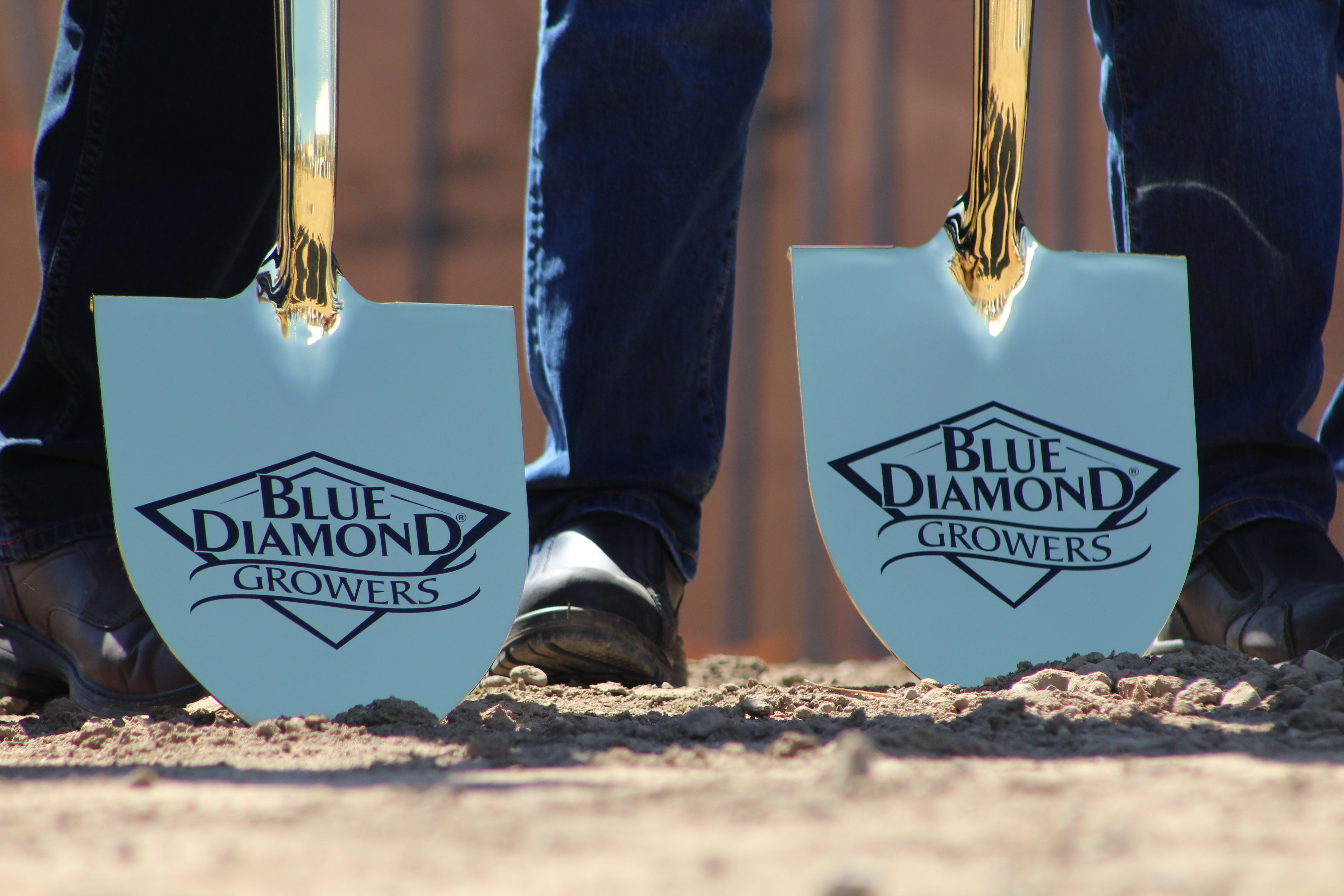
As almond acreage and production continues to soar in California, almond processors and handlers are strengthening and increase their capacity to be able to take in the record crops to come. Blue Diamond Growers recently announced the construction of their largest almond storage facility yet. Watch this brief interview with Blue Diamond CEO Mark Jansen as he shares more details at the site of their construction and read more about it in Pacific Nut Producer Magazine.
Please thank our sponsor Duarte Nursery and attend one of their upcoming Bennett Hickman Almond Field Days in Pixley or Modesto.
-

Creating A Safe, Clean Home For Stockpiled Almonds
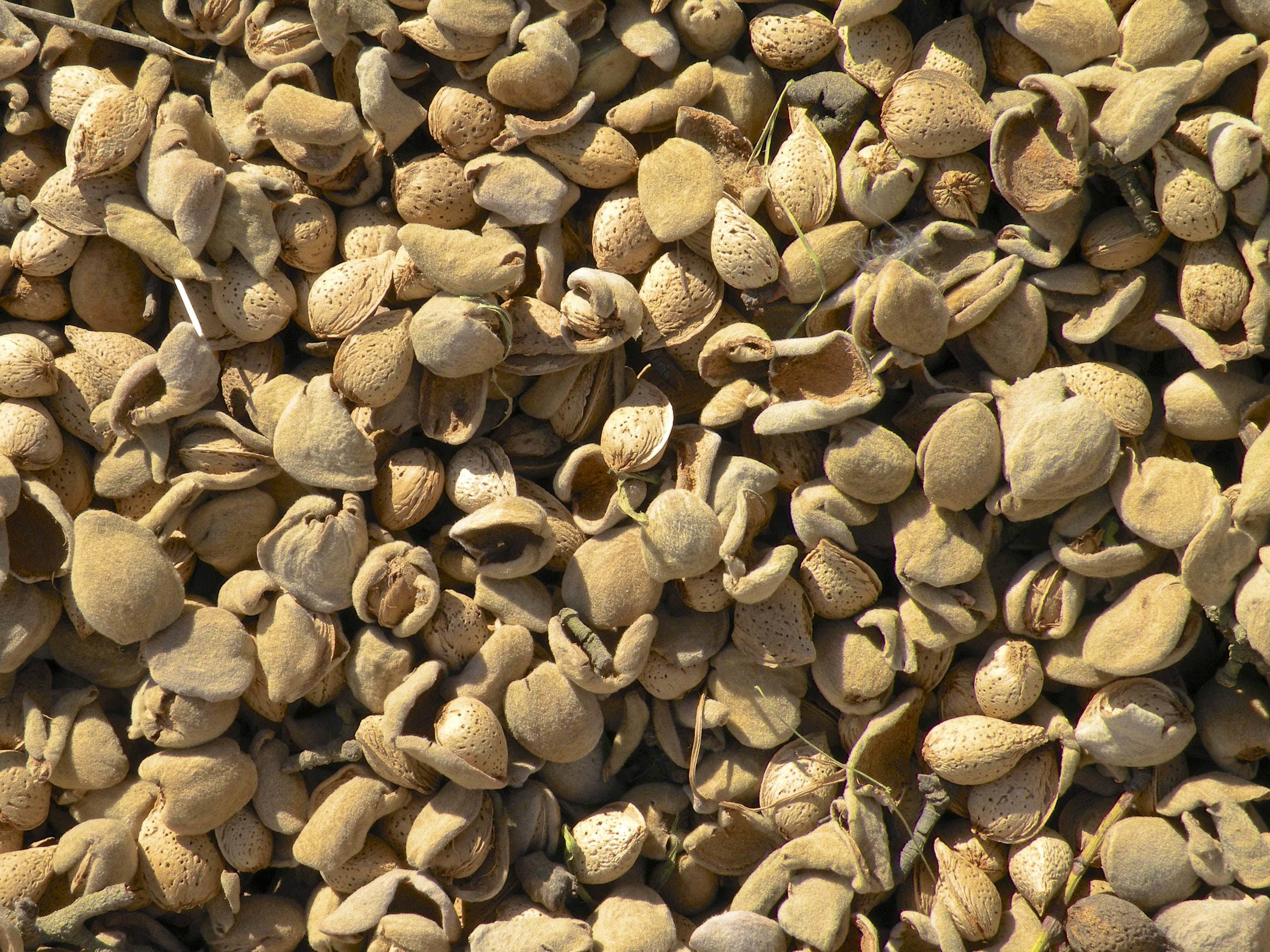
Once harvest kicks off, stockpiles of in-hull almonds become a favorite spot for Aspergillus mold as the moisture in almonds, combined with larger swings in air temperature from day to evening, result in elevated moisture levels and create a hospitable environment for the damaging mold to thrive.
Aspergillus mold produces aflatoxin that causes significant food safety concerns that can put export shipments at risk as there are stringent maximum limits for aflatoxin contamination in key markets. High moisture levels in stockpiles can also lead to black mold on hulls and concealed damage of kernels – a condition in which nuts develop off-colAspergillus moldor and off-flavors after roasting.
Proper moisture control before stockpiling, and regular monitoring and adjusting of moisture levels in stockpiled almonds can help to limit the amount of moisture build-up and prevent these issues. Prior to stockpiling, field samples should be taken either before sweeping or in the windrow. Because there can be great variability in the moisture levels of crop that is drying on the ground, growers should sample from areas where the moisture content is likely highest. The highest moisture levels prior to sweeping can typically be found in almonds on the north side of the canopy next to the trunk. For windrows, moisture levels are higher in the bottom layer of almonds. Moisture content for almonds should be below 6% for the in-shell kernel, less than 9% for the total fruit (in-hull almond) and less than 12% moisture content for hulls. If moisture exceeds these recommended levels, growers should hold off on stockpiling and take the crop to a dry area where the nuts can be turned and spread to reduce moisture. Machine drying is also an option.

Once almonds are ready for stockpiling, the orientation and shape of the stockpile plays an important role in moisture management. Stockpiles should be placed on a firm surface in an area that encourages optimal drainage – either with a raised or sloped bottom. Creating drainage channels can further prevent water or rain from affecting stockpiles. Since condensation and mold growth are typically worse on the north end of a pile, it’s recommended to position the long side of the stockpile on a north-south axis to minimize that effect. Finally, one should ensure that each stockpile has an even, flat top to reduce the number of areas where condensation can build up on the underside of the tarp.
With stockpiles in place, hullers/shellers should implement proper management practices to keep moisture in check. While covering stockpiles with tarps is important, tarp selection is just as important to keep humidity minimized. White-on-black tarps work best as they minimize temperature fluctuations. Clear tarps allow the greatest temperature fluctuations, but are fine to use on dry, in-hull almonds that are below the moisture threshold. And white tarps fall somewhere in the middle in terms of their ability to minimize temperature fluctuations. When ongoing moisture monitoring indicates that moisture levels are too high, hullers/shellers should open up the tarps during the day to allow moisture to escape and cover again at night.Additionally, it’s important to manage trash, dust and other potential contaminants, particularly pests like insects and rodents who can spread bacteria such as Salmonella and E. coli. When disease-carrying pests are found they should be treated, as needed, keeping detailed records if fumigants are used.
The Almond Board of California (ABC) is committed to continued research into best practices around almond storage and processing. You can learn more about stockpile management in ABC’s “Stockpile Management Best Practices” guide. This resource provides valuable information on creating and managing stockpiles in ways that help our industry deliver a safe, high-quality product to the U.S. and around the world.
-

Successful Hullsplit Requires Thoughtful Irrigation, Nutrient Management
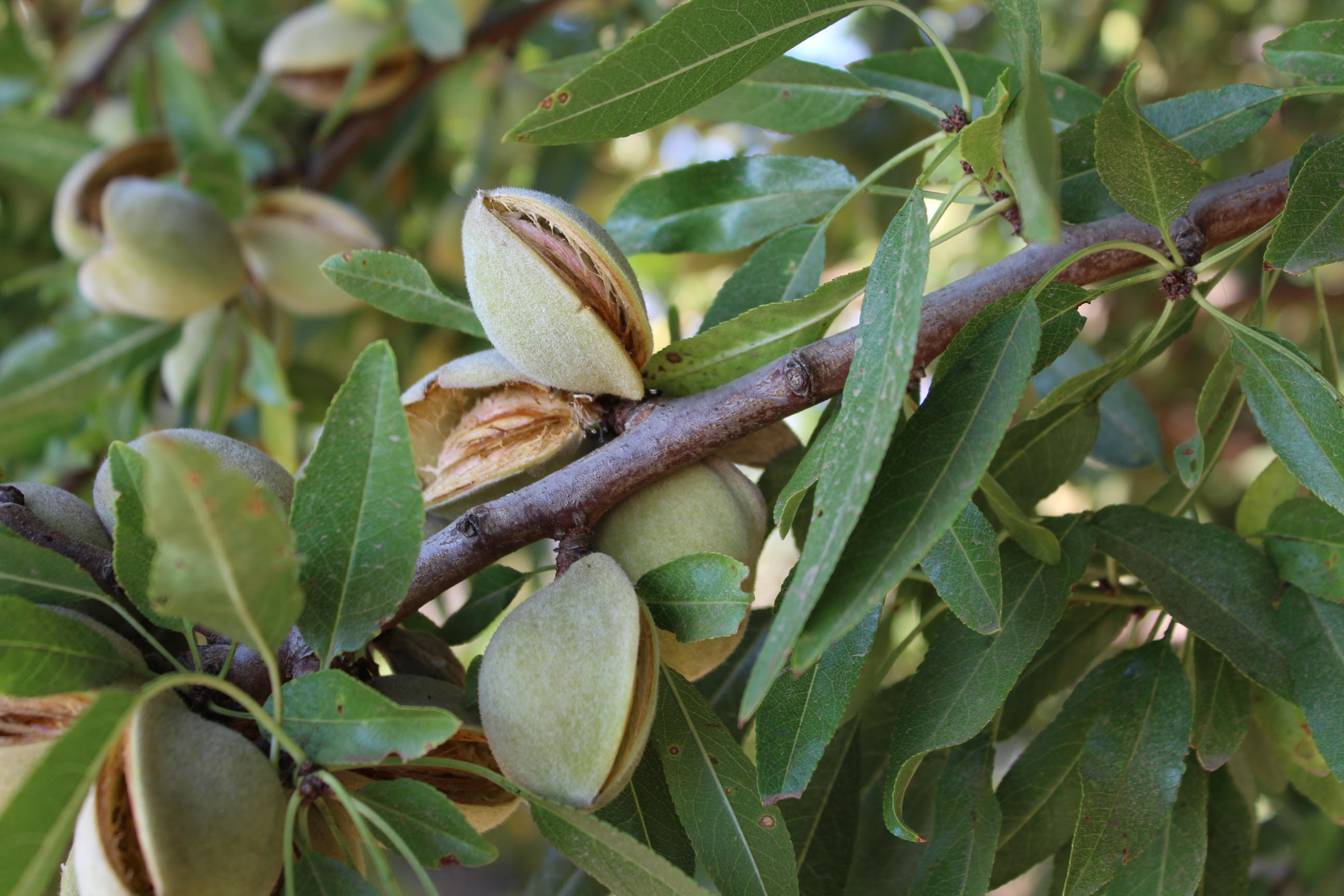
While the onset of hullsplit signals that harvest season is near, it also marks the start of an unwelcomed orchard guest: hull rot. Almond hulls are susceptible to hull rot fungi from the beginning of hullsplit until the hulls dry, which is typically a month long, though the period may vary depending on fertilization and irrigation. Successful hull rot control is based upon effective strategic deficit irrigation and nitrogen management.
Strategic Deficit Irrigation
Strategic Deficit Irrigation (SDI) is the practice of stressing almond trees at specific crop stages to reduce water use without impacting crop productivity. By managing SDI, growers can reduce hull rot by 60–90% and experience a more uniform hullsplit and earlier harvest. These factors may contribute to less crop damage from weather, late-season NOW flights and aflatoxin contamination.
The target period for stressing trees is from the start of hullsplit through 90% hullsplit, a period of about two weeks. The most accurate way to implement SDI is to use a pressure chamber to track and maintain slight tree water stress levels, between -14 bars and -18 bars, depending on the weather. Watch a short video from the Almond Board of California (ABC) about how to use a pressure chamber here.
Growers who do not rely on pressure chambers, particularly those with a history of hull rot and a visual baseline from which plant stress can be observed, may achieve similar results by irrigating at 50% of normal tree demand, using crop evapotranspiration (ETc) calculations during hullsplit. More information about this strategy is available at the UC Almond Doctor’s website.
Hullsplit typically occurs at the beginning of July in the early growing seasons and spreads to later growing seasons accordingly. However, onset of hullsplit can vary according to orchard conditions, with stress levels varying based on soil type and other factors. In shallow soils where trees may dry quickly, growers should initiate stress when blanks start to split, usually about a week before the onset of hullsplit. On deeper, well-drained soils, it can take up to 20-to-30 days to reach mild-to-moderate stress levels. In this case, growers may want to use the UC Almond Hull Split Prediction Modelto determine when to initiate water stress. More information about the fundamentals of strategic deficit irrigation are explained in this short ABC video here.
Nitrogen Management
Almond Board-funded research has found that excessive nitrogen increases incidences of hull rot. It is critical that a proper nitrogen budgeting plan is in place for the growing season to ensure that only the necessary amount of nitrogen is applied. It is important to follow the nitrogen budgeting plan throughout the growing season, which is a function of crop load.