Category: Industry News

  • Want a Strong Start to the Crop Year? You Need To Mummy Shake

    Want a Strong Start to the Crop Year? You Need To Mummy Shake

    Even though growers are just completing this year’s harvest, it’s never too early to start thinking about winter sanitation.

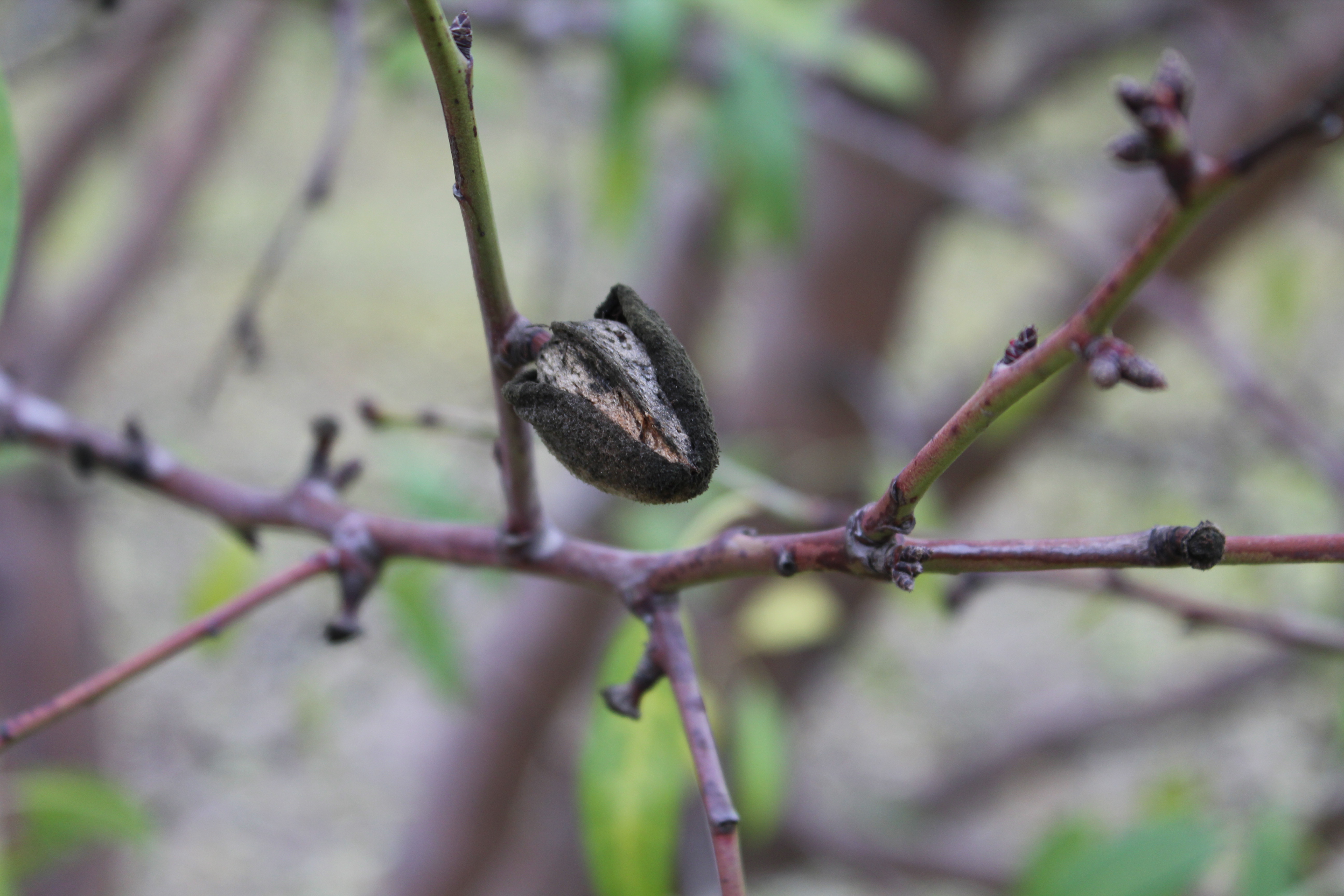
    Winter is the time to remove and destroy mummy nuts that harbor navel orangeworm (NOW) larvae, which can hatch in the spring and wreak havoc in the orchard. By removing the nuts, growers are eliminating both a shelter and food source for these overwintering pests. This practice falls in line with the strategic and effective Integrated Pest Management (IPM) program for NOW, one that includes different tactics depending on the time of the year.

    “Winter sanitation is the core of IPM programs,” said David Haviland, a UCCE farm advisor in Kern County who specialist in entomology and pest management.

    Here are some quick tips growers should keep in mind when preparing to remove mummy nuts from their orchards, a.k.a. “mummy shake”:

    • Mummy nuts become most obvious after trees have shed their leaves, and growers should look to knock all the mummies off the trees no later than Jan. 15.
    • A good time for winter sanitation is when dew has formed or after it’s rained because mummy nuts will have absorbed some moisture, making them heavier and more likely to fall. In addition, a wet orchard floor helps to increase NOW mortality rates.
    • Growers can remove mummy nuts by bringing the shaker through their orchards or hiring crews to knock mummies to the ground using long poles.
      • To note: Both hard- and soft-shell varieties can harbor overwintering NOW, so growers must be sure to remove mummies in both types.
    • Growers should aim to have fewer than two mummers per tree before bud swell (around Feb. 1). However, growers in the San Joaquin Valley should aim for less than one mummy per tree.
    • Once on the ground, mummy nuts should be swept into windrows and destroyed, either with a flail mower or by disking them into the soil, by March. 15.

    Removing mummy nuts and reducing NOW levels using environmentally friendly techniques is key to helping the California almond industry achieve its Almond Orchard 2025 Goals, one of which is to increase adoption of environmentally friendly pest management tools by 25% by 2025.

    Josette Lewis, the Almond Board’s director of Agricultural Affairs, said growers must realize that in the end the cost of efficient winter sanitation pays for itself.

    “It is important to recognize that the return on investment comes from both a higher yield after shelling and a higher price premium at the handler,” Lewis said. “In other words, without good winter sanitation, yield loss occurs due to rejection of mummy nuts from the previous year and heavily NOW-damaged nuts from the current season.”

    To help remind growers to break the link between mummy nuts and NOW, the Almond Board of California created a parody song that’s sure to be an “orchard smash.” It’s “The Mummy Shake” — and if you and your family dance and sing along, you’ll be in the running to receive tickets to a luncheon at The Almond Conference 2019 in Sacramento in addition to either tickets to Disneyland or a $500 Amazon gift card! Visit Almonds.com/NOW to learn more.

    Courtesy of the Almond Board of California
  • Seeds For Bees Deadline Approaching

    Seeds For Bees Deadline Approaching

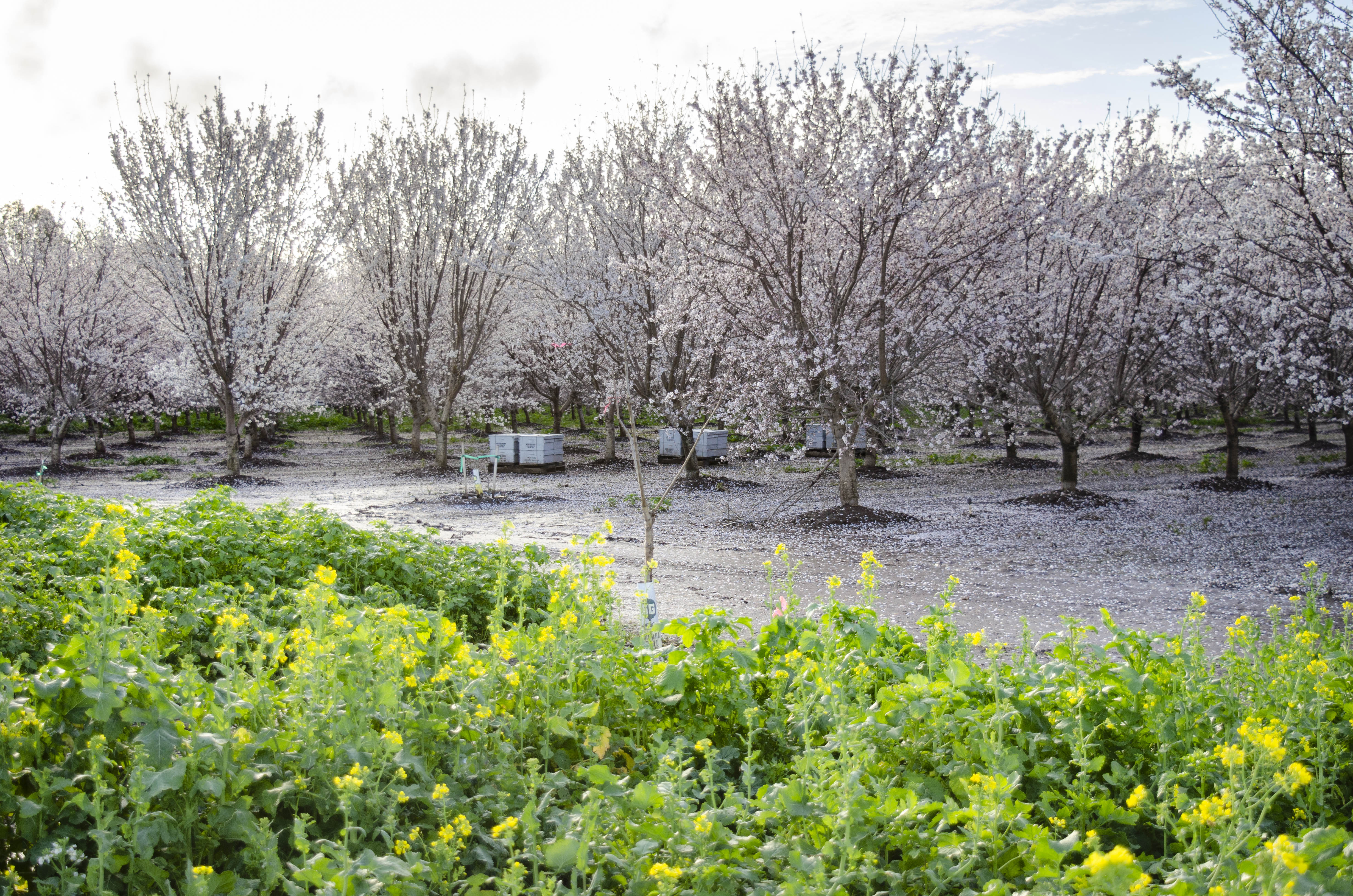
    Growers who would like to participate in the Seeds for Bees program have until Nov. 22, 2019 to submit their applications. Seeds for Bees is organized by Project Apis m. (PAm.), one of the nation’s leading honey bee research organizations. The program encourages the planting of bee forage as part of riparian areas or cover crops in and around California orchards, farms and vineyards to increase and provide variance in forage available to pollinators.

    Why is forage important?

    Planting additional forage is good for bees and good for pollination. Research funded by the Almond Board of California (ABC) shows that supplementary forage does not compete with almond blossoms for pollination and improves bee health, allowing for more robust hives. As the California Fish and Game Commission considers listing native bees under the state’s Endangered Species Act, being a good partner to all bees is in agriculture’s best interest.

    In addition to providing food and habitat for bees, Almond Board-funded research shows cover crops also provide other benefits to an orchard by:

    • Adding organic matter to soil
    • Increasing water infiltration and water-holding capacity
    • Reducing erosion
    • Providing a natural weed control
    • Suppressing parasitic nematodes
    • Driving carbon back into the soil

    During the 2018-19 Seeds for Bees program, PAm. reported that 149 California almond growers planted 8,005 acres of cover crops in and around their orchards, representing 27 counties throughout California.

    “We’re trying to expose this program to more and more growers,” said Billy Synk, director of Pollination Programs at Project Apis m. “We believe there’s more opportunity for cover crops to be utilized, and while we don’t think cover crops are appropriate on every inch of every orchard, they have worked from Bakersfield to Chico. We want to provide the information to help growers make the right decision.”

    The Almond Board joins Project Apis m. in its efforts to preserve honey bee health. Last year, the Almond Board updated its Honey Bee Best Management Practices, originally produced in 2014, which provide simple, practical steps that almond growers, together with beekeepers and other pollination stakeholders, can take to protect and promote bee health in and around their orchards, and in their surrounding community. These management practices also include information about the benefits of cover crops where orchard conditions are favorable (see pages 16-17).

    “Overall, the indication is that planting additional forage for bees helps pollination,” said Josette Lewis, director of Agricultural Affairs for the Almond Board. “Investing in bee health makes sense in the short term by improving pollination, and in the long term it promotes hive health after the bees leave our orchards. Healthy hives will also help bring down the cost of pollination services in the future.”

    To participate in Seeds for Bees, growers can apply to receive seed mixes specifically designed to “bloom at critical times of the year when natural forage is scarce but managed and native bees are active,” according to Project Apis m. There are five different seeds mixes to choose from, each one best suited for specific soil types, climate and nearby crops.

    Synk said cover crops should be planted in October and early November in order to help bees during the critical bloom in February. He encourages growers to check out the PAm. website for more information on Seeds for Bees and opportunities to learn more about the value of cover crops, including dates and times for in-orchard cover crop demonstrations being held next spring.

    Courtesy of the Almond Board of California 

     

  • California Walnuts Social Media Engaging New Audiences

    California Walnuts Social Media Engaging New Audiences

    Last September, the California Walnut Commission launched a new social media strategy, and over the past year, all metrics have soared. The result of all of these strategic changes, including more storytelling, the introduction of the blog, use of recipe collections, and new social ad formats, is that clicks to the website from social media reached 154,789, up from 20,726 the previous year. The primary purpose of the new approach was to increase engagement with consumers across social media sites (Facebook, Instagram, Twitter, Pinterest, and LinkedIn) where California walnuts is active and as a result, increase the number of visitors to walnuts.orgwho hope to learn more, and it worked.

    A key component of accomplishing these goals was a brand new point of view with an encouraging, unified voice. Content continues to focus on walnuts in the kitchen but also takes walnuts beyond the kitchen, weaving them into many aspects of today’s consumers’ lifestyles. For example, showing consumers how to live a more healthful and balanced lifestyle by incorporating walnuts was a focus this year. Back-to-the-roots “orchard origins” content helped connect consumers to the broader community of California walnuts, and the story of ‘orchard to table’.

    This larger range of content themes has allowed California Walnuts to reach new audiences, including men, millennials, health enthusiasts, and more.

    In fact, since the launch of the new social media strategy, the California Walnuts social media community has grown nearly 16% — which means over 30,235 people have liked or followed California Walnuts on social media. Instagram was up 90%. It’s not just followers, though. The number of people seeing our content across all social media channels are up 140% comparing year over year, with 67 million total impressions delivered.

    A critical metric in social media is engagement, which is the public’s way of letting you know if the content is resonating. These engagements could be likes, shares, comments or saves. These active engagements are up 336% over the previous time period. Some of the most-liked content has been from the monthly #MeatlessMonday series, which celebrates plant-based meals and Power Pairings, where walnuts are showcased with a seasonal ingredient along with a link to a recipe collection on walnuts.org.


  • 2019 Market Facilitation Program Workshops

    2019 Market Facilitation Program Workshops

    USDA’s Market Facilitation Program (MFP) is continuing for the second year, providing almond growers with an opportunity to apply for direct payments to help alleviate the damage resulting from the global trade situation. Unlike the 2018 program when payments were based on delivered pounds, the 2019 MFP program is based on bearing acreage. To learn more about the changes to the 2019 program, and how you can also apply for 2018 payments, the Almond Alliance of California and Almond Board of California are co-hosting workshops with local USDA Farm Service Agency offices.  Pacific Nut Producer Magazine will also be hosting workshops at our annual Tree & Vine Expo at the Stanislaus County Fairgrounds on November 12th and the Grape, Nut & Tree Fruit Expo at the Big Fresno Fairgrounds on November 19th, featuring Chris Keeler, California District Director with the USDA Farm Service Agency.

    Come learn about the program and how you can apply!

    For more information contact Toni Arellano tarellano@almondboard.com regarding Almond Board workshops or Matthew Malcolm at matthew@malcolmmedia.com regarding the Ag Expo workshops.

  • Often Overlooked Legal Employee Reimbursement Requirements (Farm Liability Series Part 3 of 3)

    Often Overlooked Legal Employee Reimbursement Requirements (Farm Liability Series Part 3 of 3)

    Farmers are some of the best people on the planet.  They work hard and do their very best to keep food on the table in homes all over the world.  Like anyone though, sometimes they make mistakes too and can overlook some of the ever-changing laws and requirements for their farm employees, and end up in court over violations that could have been prevented.  To keep farmers out of the court room, we have put together a series of three videos with simple tips and employee requirements featuring Ag Attorney Stacy Henderson, as shared in her presentation earlier this year at the annual Convention of the Almond Alliance of California.  Watch these brief videos to help reduce liabilities on the farm and read more in Pacific Nut Producer Magazine.


    Please thank our sponsor Duarte Nursery for their industry support by visiting them at their booth at the following November Events: Tree & Vine Expo, the Grape, Nut & Tree Fruit Expo & Blue Diamond Growers Annual Membership Meeting.

  • Black Soldier Fly to Support Almond Industry

    Black Soldier Fly to Support Almond Industry

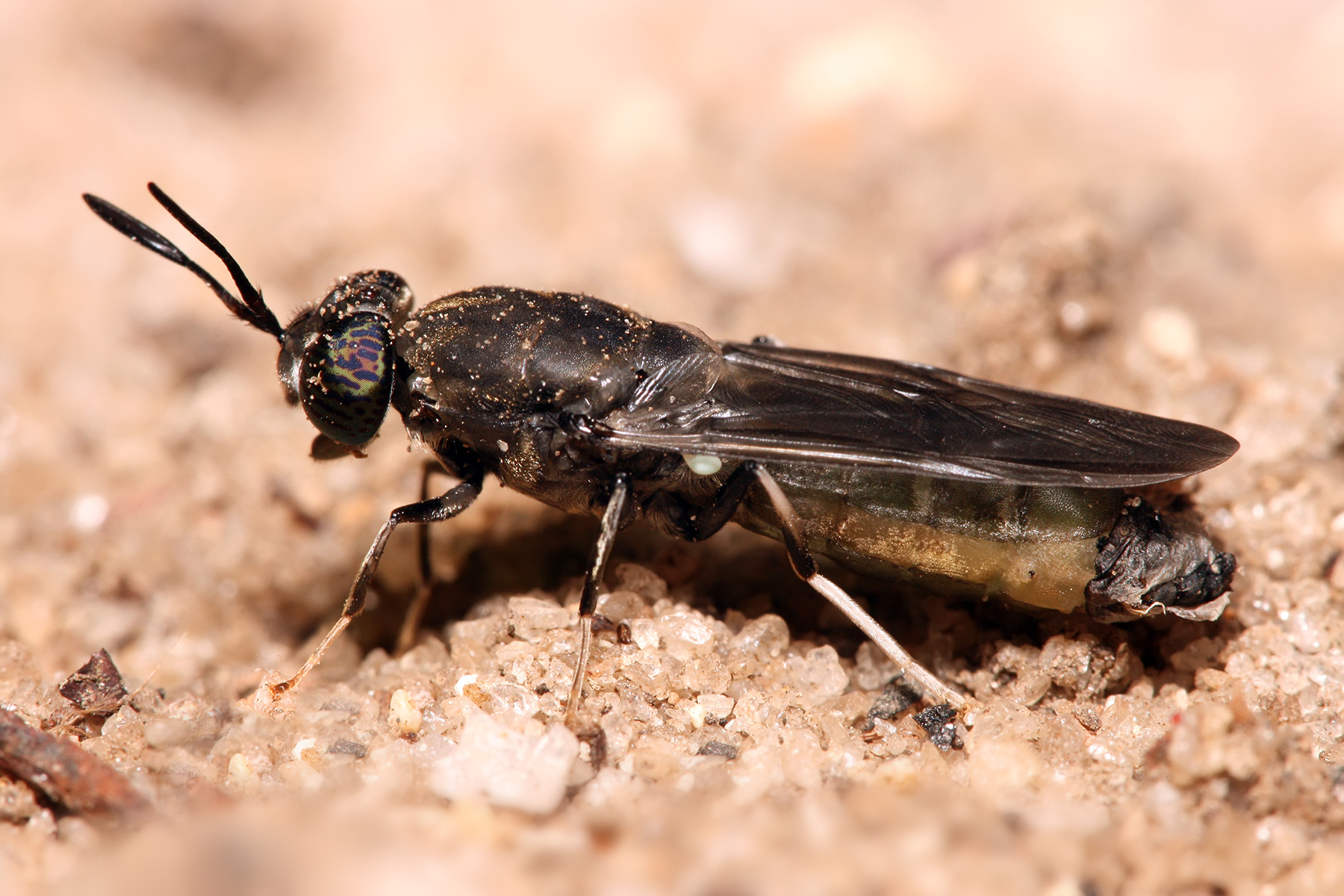
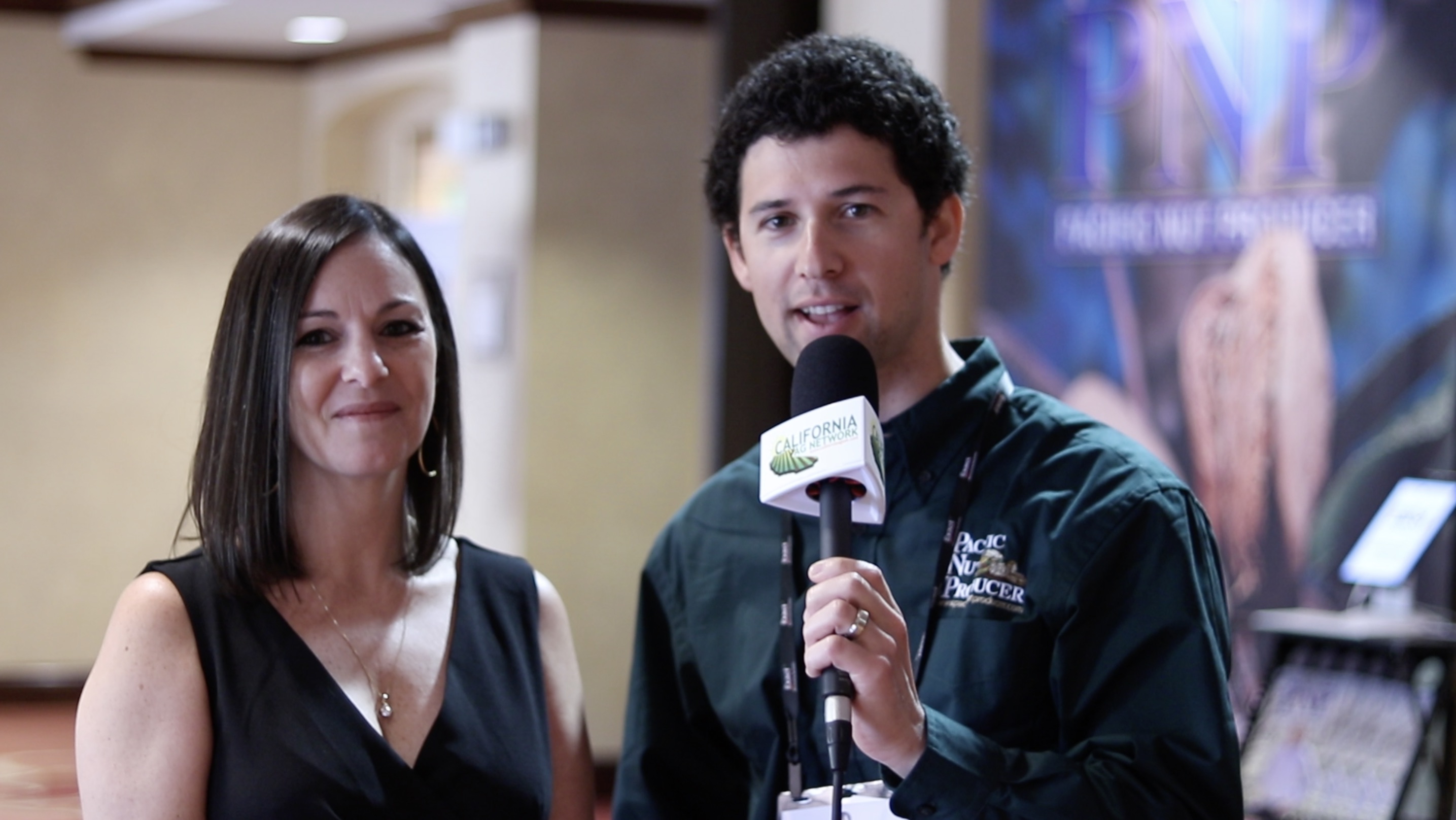
    With a growing almond industry and an increasing supply of coproducts, such as hulls and shells, researchers are searching for new and resourceful ways of utilizing the extra material as an asset.  Breaking these coproducts down to a form that may be utilized back in the soil or as a feed supplement has been a challenge in the past; but this may all change with the introduction of a new helpful fly on the block.  Watch this brief interview with Eric Tilton from Hermetia Pro Inc. regarding this Black Soldier Fly, and read more about it in Pacific Nut Producer Magazine.


    Please thank our sponsor Duarte Nursery for their industry support by visiting them at their booth at the following November Events: Tree & Vine Expo, the Grape, Nut & Tree Fruit Expo & Blue Diamond Growers Annual Membership Meeting.

  • Legal Care for Injured Farm Employees (Farm Liability Series Part 2 of 3)

    Legal Care for Injured Farm Employees (Farm Liability Series Part 2 of 3)


    Farmers are some of the best people on the planet.  They work hard and do their very best to keep food on the table in homes all over the world.  Like anyone though, sometimes they make mistakes too and can overlook some of the ever-changing laws and requirements for their farm employees, and end up in court over violations that could have been prevented.  To keep farmers out of the court room, we have put together a series of three videos with simple tips and employee requirements featuring Ag Attorney Stacy Henderson, as shared in her presentation earlier this year at the annual Convention of the Almond Alliance of California.  Watch these brief videos to help reduce liabilities on the farm and read more in Pacific Nut Producer Magazine.


    Please thank our sponsor Duarte Nursery for their industry support by visiting them at their booth at the following November Events: Tree & Vine Expo, the Grape, Nut & Tree Fruit Expo & Blue Diamond Growers Annual Membership Meeting.

  • Supporting Candidates that Support the Almond Industry

    Supporting Candidates that Support the Almond Industry

    Dear Industry Partner:

    Agriculture, water, trade and pest management policy decisions directly impacting the California almond industry are decided every day in Sacramento and Washington, D.C. Our industry continues to be in the national spotlight as elected officials debate issues regarding retaliatory tariffs, water, pest management and labor. In this unprecedented political climate, it is essential that the almond industry advocate for our legislative and regulatory priorities. We have worked hard to successfully build the Almond PAC to support candidates who value the almond industry and take the time to understand it.

    I am writing to you today asking you to join hundreds of your colleagues statewide who actively participate in the Almond PAC. By contributing to the Almond PAC, you help support candidates who care about agriculture and are concerned about the future of the California almond industry.

    There are numerous policy and legislative decisions that negatively impact California agriculture. The Almond PAC raises donations to support champions who continue speaking out about these issues and how they negatively impact the California almond industry. We must educate and fight back!

    Contributions must be made by check and made payable to California Almond Industry PAC. Please be advised a remittance form (Click Here) must be completed in its entirety and accompany each contribution. Political contributions are not tax deductible.

    Thank you in advance for your support. If you have any questions pertaining to the Almond Industry PAC, please contact Annie Romero at (209) 300-7140 or aromero@almondalliance.org. For more information about the Almond PAC, Click Here, or visit our website at www.almondalliance.org. Thank you for your consideration and support and may you have a bountiful harvest season.

    Sincerely,

    Elaine Trevino

    California Almond Industry Political Action Committee

  • Employee Meal & Rest Period Violation Prevention (Farm Liability Series Part 1 of 3)

    Employee Meal & Rest Period Violation Prevention (Farm Liability Series Part 1 of 3)


    Farmers are some of the best people on the planet.  They work hard and do their very best to keep food on the table in homes all over the world.  Like anyone though, sometimes they make mistakes too and can overlook some of the ever-changing laws and requirements for their farm employees, and end up in court over violations that could have been prevented.  To keep farmers out of the court room, we have put together a series of three videos with simple tips and employee requirements featuring Ag Attorney Stacy Henderson, as shared in her presentation earlier this year at the annual Convention of the Almond Alliance of California.  Watch these brief videos to help reduce liabilities on the farm and read more in Pacific Nut Producer Magazine.


    Please thank our sponsor Duarte Nursery for their industry support by visiting them at their booth at the following November Events: Tree & Vine Expo, the Grape, Nut & Tree Fruit Expo & Blue Diamond Growers Annual Membership Meeting.

  • Be Sure to Manage these Insect pests in Young Pistachio Orchards

    Be Sure to Manage these Insect pests in Young Pistachio Orchards

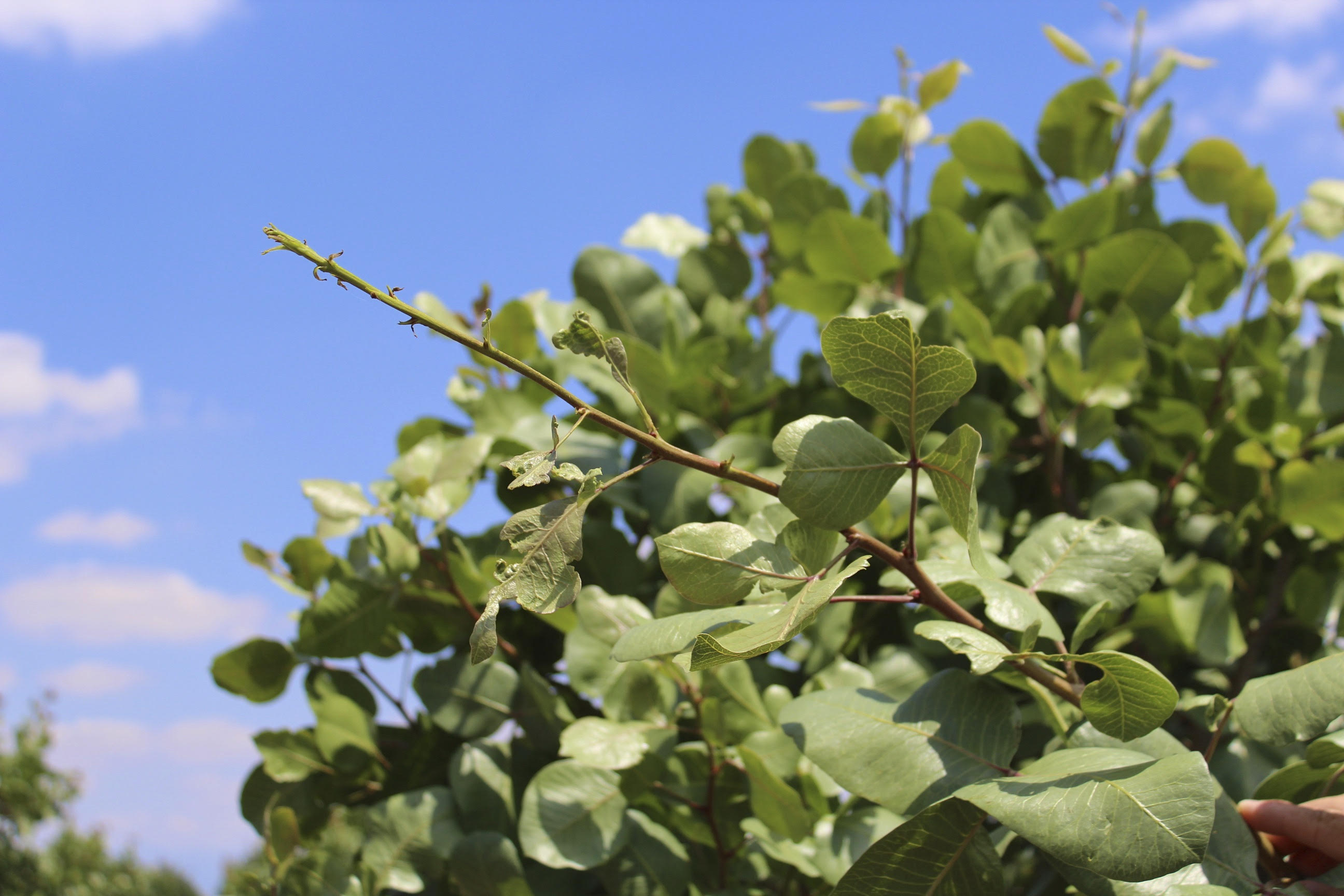
    Growers likely have heard a lot about the damage leaf footed bugs and navel orange worm can cause to their pistachio crop, but what about integrated pest management practices in the early nonbearing years of an orchard?  When there’s no crop, growers may overlook the impact that some insect pests can have their young trees that are in their critical years of establishment.  These pests should not be ignored; but what are these pests, and how does a grower go about managing them?  Watch this brief interview with Entomology Farm Advisor from the UC Cooperative Extension David Haviland as he explains and read more about it in Pacific Nut Producer Magazine.


    Please thank our sponsor Duarte Nursery for their industry support by visiting them at their booth at the following November Events: Tree & Vine Expo, the Grape, Nut & Tree Fruit Expo & Blue Diamond Growers Annual Membership Meeting.