Category: Industry News

  • Irrigating Pistachios in Marginal Saline Soils

    Irrigating Pistachios in Marginal Saline Soils

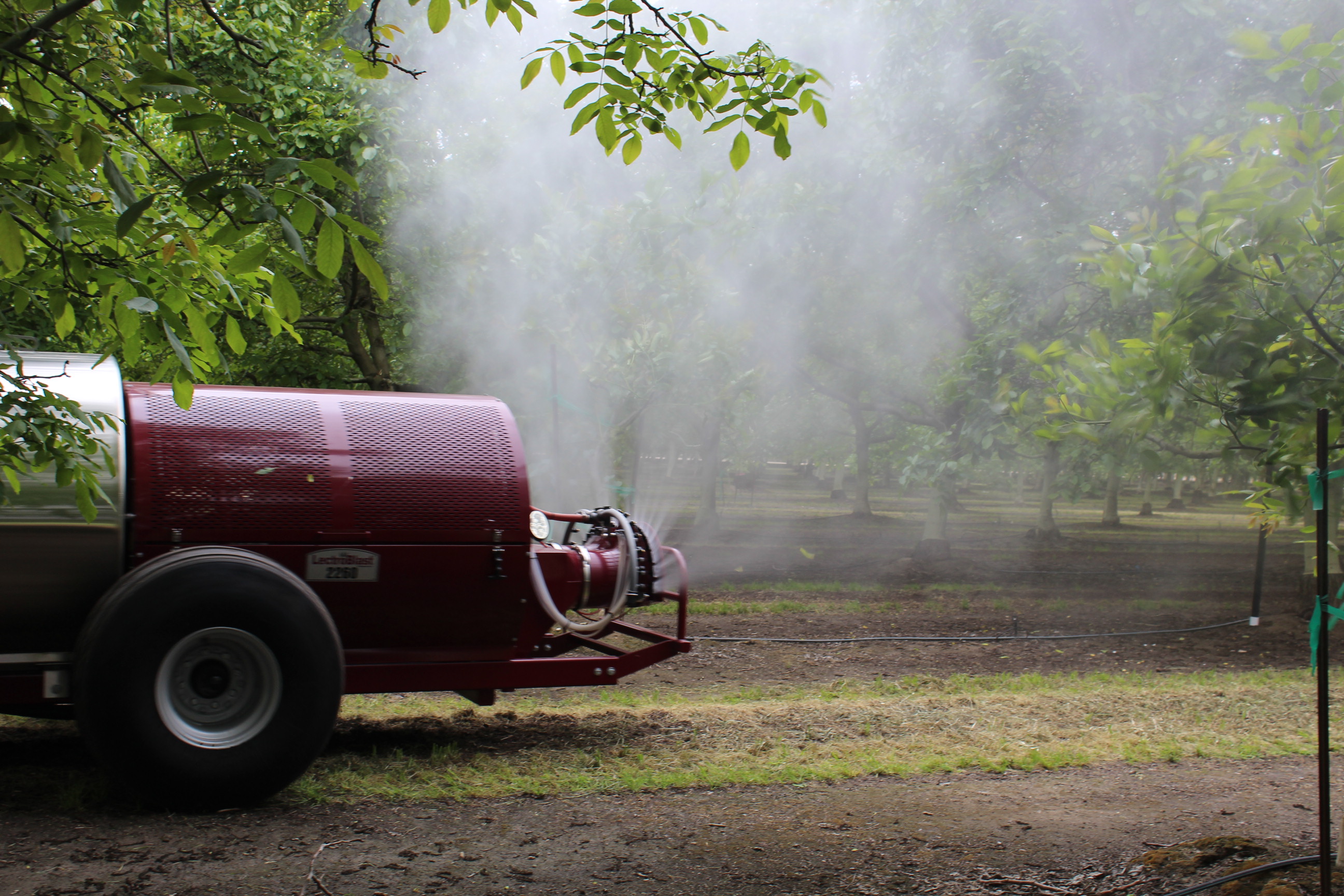
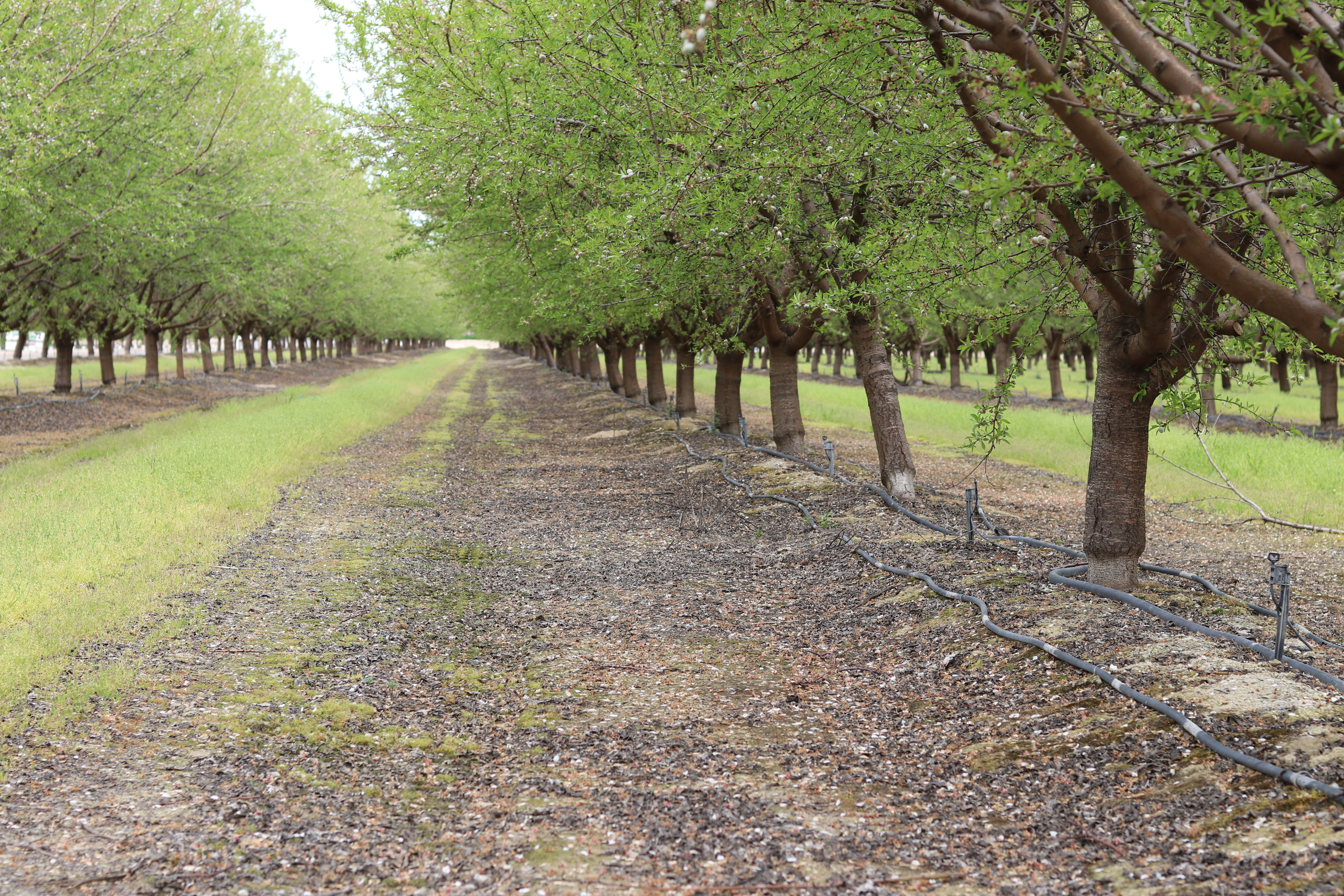
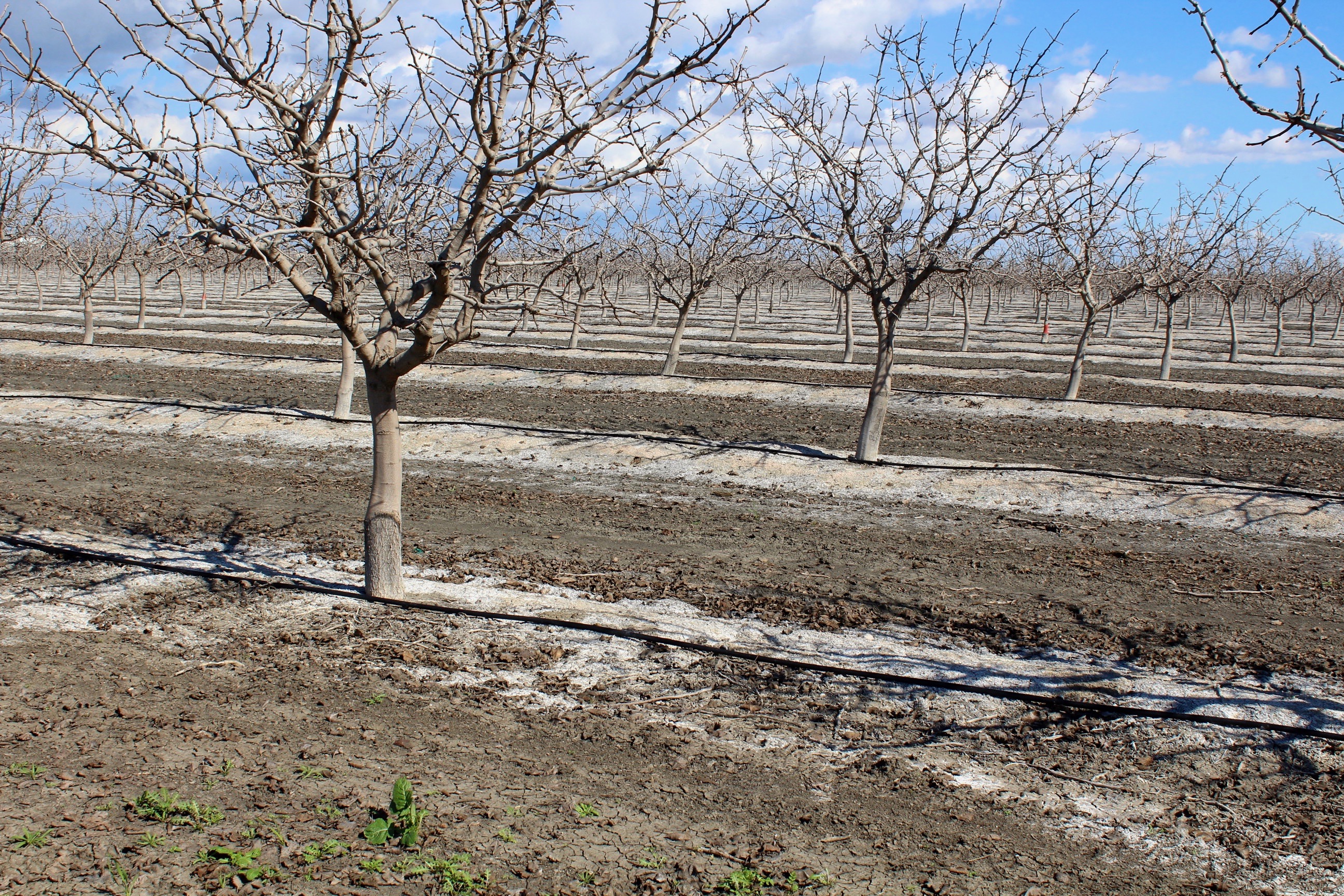
    With record acreage of pistachios being planted in the San Joaquin Valley, some of these orchards are being planted in areas where pistachios have never grown before.  They are being planted in marginal soils with saline or sodic issues; and although pistachios have greater tolerance for these kinds of soils than almonds, they are are not invincible.  Where do you draw the line and how do you irrigate properly to mitigate these issues?  Watch this brief interview with Daniele Zaccaria from UC Davis as he shares some great insights, and read more about it in Pacific Nut Producer Magazine.


    Please thank our sponsor Duarte Nursery for their industry support by visiting them at their booth at the following November Events: Tree & Vine Expo, the Grape, Nut & Tree Fruit Expo & Blue Diamond Growers Annual Membership Meeting.

  • BASF Corrects Misconceptions about Ag & Engages in Community Education

    BASF Corrects Misconceptions about Ag & Engages in Community Education

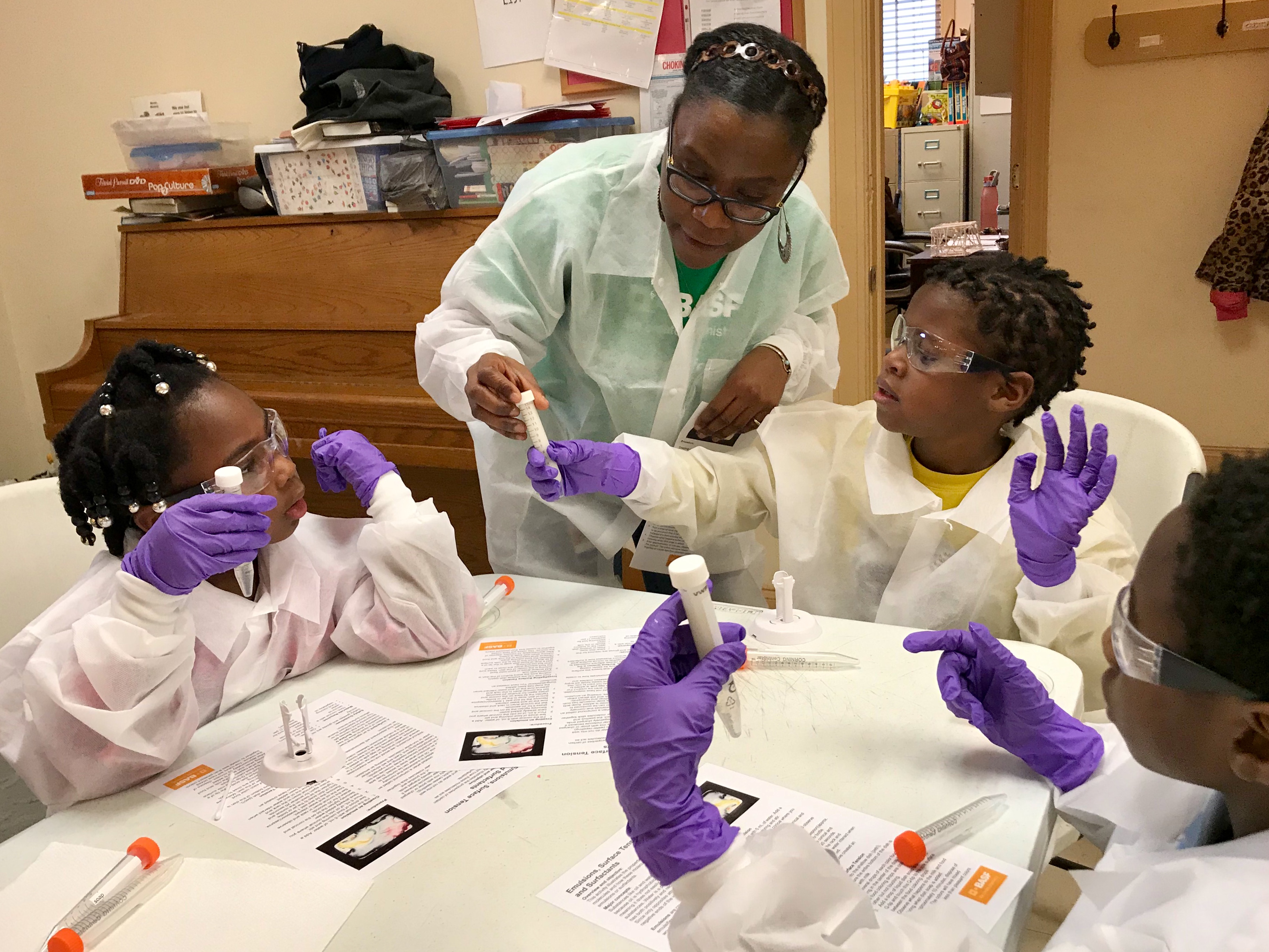
    In today’s fast paced urban society, there is a serious disconnect between consumers and the source of their food.  There is so much public misinformation and misconceptions about agriculture, that it has become more critical for farmers to reach out side of their comfort zone and communities to share the truth about what they do out in the field.  International Ag chemical Corporation, BASF has joined farmers with efforts of their own in educating the public about agriculture, as shared in this brief video with BASF representative Paul Rea.


    Please thank our sponsor Duarte Nursery for their industry support by visiting them at their booth at Malcolm Media’s Annual Agricultural Expos next month.

  • First Genome of Spotted Lanternfly Built from a Single Insect

    First Genome of Spotted Lanternfly Built from a Single Insect

    Agricultural Research Service (ARS) scientists, in cooperation with Pacific Biosciences and Penn State University, have published the first genome of the invasive Spotted Lanternfly (SLF) in the journal Gigascience and they did it from a single caught-in-the-wild specimen.

    Not only is it the first published genome for this pest, but no closely related species has had its genome sequenced, making the data even more important, according to entomologist Scott M. Geib with the ARS Daniel K Inouye U.S. Pacific Basin Agricultural Research Center.

    SLF, a native of China, Bangladesh and Vietnam, was first found in Pennsylvania in 2014 and has now spread to Virginia, Maryland and New York. This invasive pest has a taste for almonds, apples, apricots, grapes, peaches, blueberries and hops as well as hardwoods such as oak, walnut, and poplar. Various estimates put the potential economic damage in the billions of dollars, if the SLF becomes widely established in the United States.

    “Having the genome for this pest opens the door to a better understanding of its biology and behavior, and makes coming up with potential control methods much more likely to happen, such as developing a lure for a trap through understanding the insect’s olfactory genes, or exploring avenues such as gene editing or RNAi,” said Geib.

    While having the SLF genome is critical for the management and control of this invasive pest, the approach taken to obtain the genetic data is an achievement of remarkable note as well. For the first time, all of the DNA required to generate a whole genome sequence was taken from a single insect picked from a tree in the wild in Reading, Pennsylvania, across the street from the Reading Pagoda on Mt. Penn.

    One hurdle for deciphering this species’ genome is its relatively large genome size, at about 2.2 billion base pairs. Typically, with previous sequencing systems, many sequencing runs would have been needed to do the complete job, with each run using up the available DNA for the organism being sequenced.

    So often to have sufficient DNA for a complete genome sequence, many organisms would need to be pooled, introducing more opportunities for errors to be generated. To avoid such potential for errors, the subjects—especially insects—often have to be raised in colonies and inbred.

    “In cooperation with Pacific Biosciences and using their new sequencing platform—the PacBio Sequel II—that produces 10 times the data from a single sequencing run, we were able to generate sufficient coverage from just a single specimen. This allows for a very fast turn-around of data and assemblies as well as lowers cost, in this case under $2,000 in consumable supplies, not including the purchase price of the sequencing instrument of course,” explained Geib.

    For genome completeness, and since there aren’t many related genomes to compare that of the SLF to, the team checked a set of “core genes” that should be present exactly one time in all insects and verified how many of these were found in this genome project. In this case, they found about 97 percent of these single copy core genes, with a very low rate of duplication.

    “Sequencing such a large insect genome quickly and showing there is no need to pull the insect into a colony raises the feasibility that we can complete the Ag100Pest Project,” Geib said. The ARS Ag100Pest initiative is focused on deciphering the genomes of 100 insect species that are most destructive to crops and livestock and that are projected to have profound bioeconomic impacts to agriculture and the environment. “Now, with this system, doing 100 or even 1,000 genomes is not unrealistic,” he added.

    The ability to get a complete genome from a small amount of DNA also makes it practical to consider sequencing the genomes of physically tiny insects without having to catch or raise a large number of any one species. That expands the list of insects that may be genetically sequenced.

    By Kim Kaplan, USDA-ARS

    The Agricultural Research Service is the U.S. Department of Agriculture’s chief scientific in-house research agency. Daily, ARS focuses on solutions to agricultural problems affecting America. Each dollar invested in agricultural research results in $20 of economic impact.
  • EU Once Again Largest Importer of California Tree Nuts: USDA-FAS Report

    EU Once Again Largest Importer of California Tree Nuts: USDA-FAS Report

    Last year, the European Union-28 (EU-28) was once again the largest export market for U.S. tree nuts. In 2018, U.S. shipments of tree nuts to the EU-28 reached $2.8 billion. U.S. almond sales (both in-shell and shelled) totaled $1.6 billion, followed by pistachios with $516 million, and walnuts with almost $344 million. The growing popularity of healthy snacking, higher incomes, and global market dynamics are making the EU nut market more attractive than ever. As of December 14, 2019, a new framework Regulation (EU) 2017/625 will update the implementing regulations setting specifics on the recognition of the Pre-Export Check (PEC) program for almonds, and on the increased control levels for pistachios. Read the Full Annual Report from the USDA Foreign Agricultural Service HERE.

  • Do you have Phytophthora Root Rot or Wet Feet in your Hazelnut Orchard?

    Do you have Phytophthora Root Rot or Wet Feet in your Hazelnut Orchard?


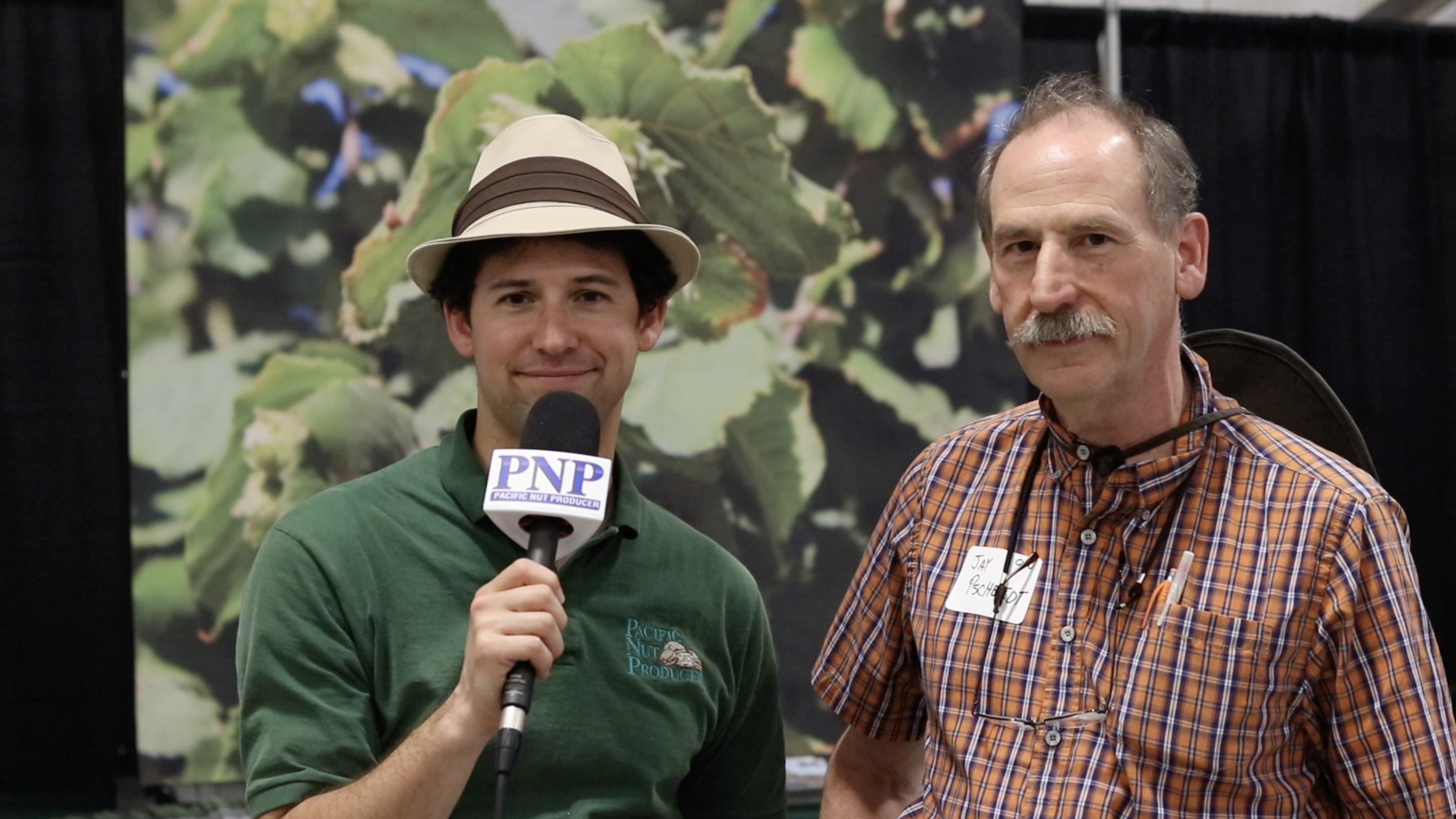
    Oregon growers had a wet spring and experienced flooding in some areas, which led to phytophthora root rot and “Wet Feet” in some trees.  Watch this brief interview with Oregon State University Plant Pathologist Jay Pscheidt as he explains these two conditions and how to treat infected trees.  Read more in Pacific Nut Producer Magazine. Subscribe for FREE at https://malcolmmedia.com/pacific-nut-producer-magazine-subscriptions/.

    Be sure to thank our sponsor Wilbur Ellis and check out how their products can help your hazelnut orchard thrive Here.

  • Clarification of New Farm Water Testing Requirements Under FSMA

    Clarification of New Farm Water Testing Requirements Under FSMA

    For those agricultural commodities that are subject to the new Produce Safety Rule under the Food Safety Modernization Act, water testing will be a key component in this adjustment.  In some cases, these water testing requirements may include more than just what you are irrigating the crop with.  Watch this brief interview with Tom Jones from the Safe Food Alliance as he clarifies these requirements.

    Please thank our sponsor Duarte Nursery for their industry support by visiting them at their booth at the following November Events: Tree & Vine Expo, the Grape, Nut & Tree Fruit Expo & Blue Diamond Growers Annual Membership Meeting.

  • New California Walnuts Advertising Campaign Offers Solutions When “Life Isn’t Always Simple”

    New California Walnuts Advertising Campaign Offers Solutions When “Life Isn’t Always Simple”

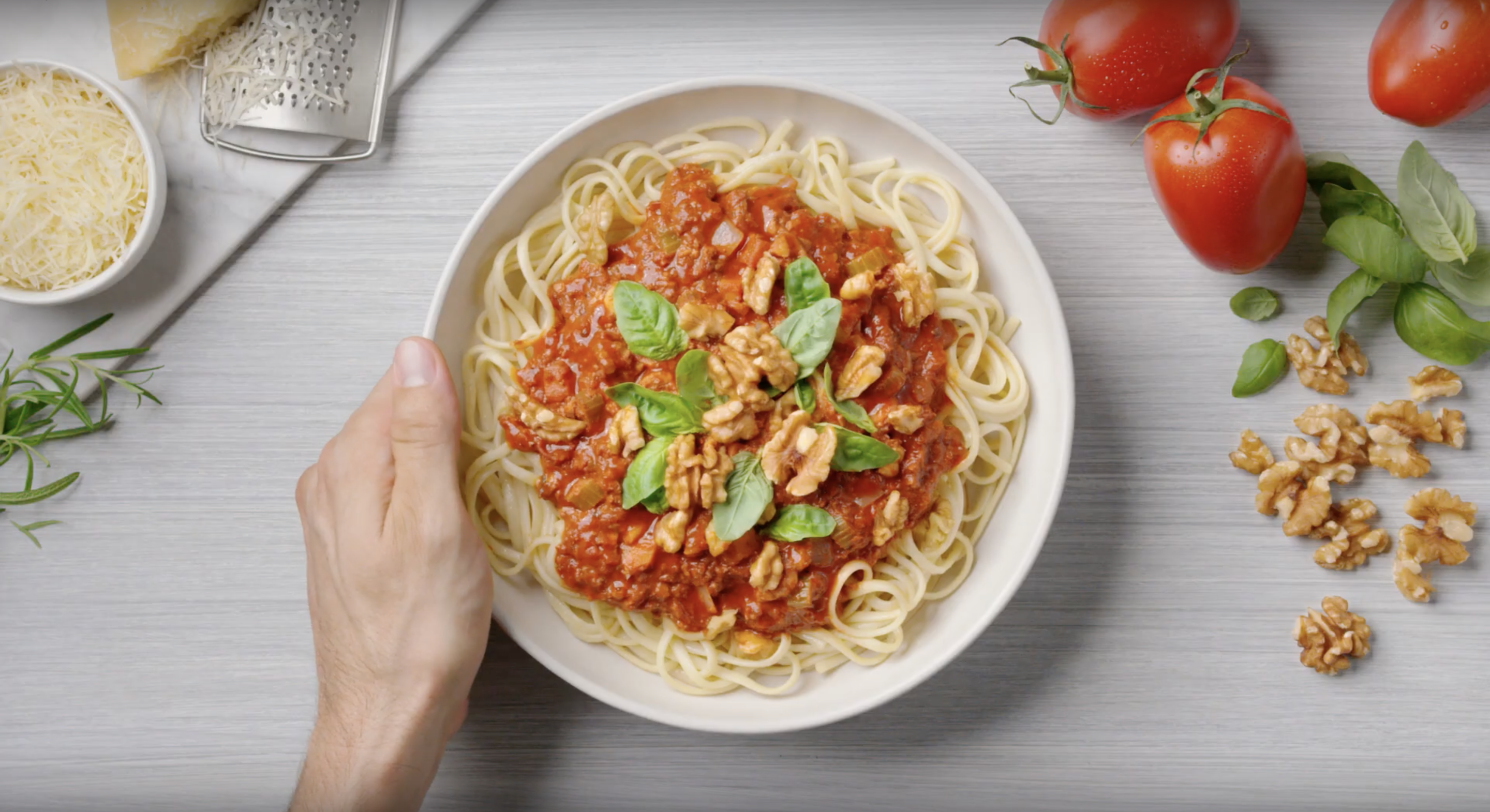
    The California Walnut Board announced today the launch of the “Life Isn’t Always Simple” The California Walnut Board advertising campaign, created to show consumers how walnuts can be an easy way to add nutrition, crunch and variety to any meal and snack. The new campaign, which focuses on the importance of small daily “wins,” like getting an easy and delicious meal on the table, marks a conscious shift to a more lifestyle-focused creative strategy than in years past. In developing the creative, the Board leaned into the emotional connection and role walnuts can play in people’s everyday lives.

    Segmentation research and a series of focus groups uncovered that women aged 25-54, primarily Millennials and Gen Xers, are optimistically embracing the challenges that accompany their full, active and busy lifestyles. Despite describing their days as ‘controlled chaos’, they are enthusiastic about life, laugh off small setbacks, and enjoy small daily victories. Lack of time is their greatest challenge and many are looking for simple solutions to make their days more manageable.

    The integrated campaign will reach 97% of adults over 18 an average of 32 times, garnering 3.7 million impressions across the U.S. The year-long campaign kicks off with national print adssix TV spots as well as digital ads. The TV spots feature relatable examples of how modern life can often be filled with chaotic moments (ever mistake school picture day for pajama day?) then reminds viewers that California walnuts are an easy solution for incorporating nutritious and delicious recipes into everyday routines.

    “In recent years, the California Walnut Board’s advertising was focused on promoting the functionality of walnuts, their versatility and added health benefits as an ingredient,” said Jennifer Williams, Marketing Director, Domestic Advertising at California Walnut Board. “California walnuts are not just in the business of food, but in making an emotional connection with our audiences through cooking, eating, and enjoying. This new campaign is a shift towards appealing to consumers on a more emotional level – portraying walnuts in a relatable way.”

    The media plan to support this new campaign leverages various platforms including print magazines, national TV, editorial integrations, digital and social activations, blog posts, and influencer programs. The entire plan is designed to encourage walnut consumption beyond the traditional holiday season.  This effort will be supported by an unprecedented investment at retail, to remind consumers to add California walnuts to their shopping cart.

    California Walnut Board

    The California Walnut Board was established in 1948 to represent the walnut growers and handlers of California.  The CWB is funded by mandatory assessments of the handlers. The CWB is governed by a Federal Walnut Marketing Order. The CWB promotes usage of walnuts in the United States through publicity and educational programs. The CWB also provides funding for walnut production, food safety and post-harvest research.


  • California Almond Growers Vote to Continue Almond Board of California

    California Almond Growers Vote to Continue Almond Board of California

    The Almond Board of California (ABC) is pleased to announce that California almond growers recently voted to continue their almond federal marketing order program for five more years. The vote, held from August 5-16, 2019, resulted with 95 percent of eligible growers who voted, and 97 percent of the volume represented by those voting in the referendum, favoring continuation of the marketing order.

    The U.S. Department of Agriculture (USDA) is required to conduct a continuance referendum every five years (see USDA release). The last referendum was completed in 2014 and resulted in 91 percent of eligible growers who voted, and 94 percent of the volume represented, favoring continuation of the marketing order.

    The vote represents the California almond industry’s confidence in the Almond Board and the many programs it administers and funds with industry assessment dollars. Those programs include an extensive production and environmental research program coupled with education and outreach that has been funded to help growers continue to meet the challenges facing agriculture. This research was also fundamental to the launching of the Almond Orchard 2025 Goals, which demonstrate the California almond industry’s commitment to continuous improvement in four areas: reduce the amount of water used to grow a pound of almonds by 20%, increase adoption of environmentally friendly pest management tools by 25%, achieve zero waste in orchards by putting everything grown to optimal use and reduce dust during harvest by 50%.

    The 2025 Goals are only one of the innovative programs undertaken by ABC. The Honey Bee Best Management Practices, released in 2014, continue to educate industry members and affiliates on how to best protect and improve honey bee health. ABC has funded more than 120 research projects supporting honey bees since 1995. And, speaking of health, ABC’s commitment to human health and nutrition remains strong and is demonstrated through its over 100 projects funded to investigate almonds in relation to heart health, diabetes and metabolic syndrome, weight management, satiety and gut health, and even skin health and cognition.


    Other key program areas for ABC include domestic and international marketing, the collection and dissemination of industry statistics, and food quality and safety programs. The Almond Board, along with the growers and handlers who fund and support ABC through assessment dollars and by participating in committees and workgroups, has enabled the industry to develop the tools needed to assist growers, to build demand ahead of supply and to achieve the considerable success experienced over the years.

    Industry members with questions about the Almond Board’s programs or how assessment dollars are spent are encouraged to
    attend one of ABC’s many public committee and Board of Directors meetings held throughout the year. A meeting schedule may be found at Almonds.com/Events. Also, all industry and allied industry members are invited to join ABC at The Almond Conference 2019, held this year at Cal Expo in Sacramento on December 10-12. Register today and book your hotel at AlmondConference.com.

    ABC looks forward to continuing to work with and represent California almond growers and handlers!

    Courtesy of the Almond Board of California


  • USDA’s McKinney Leads Mission to Tap Trade Opportunities in Vietnam

    USDA’s McKinney Leads Mission to Tap Trade Opportunities in Vietnam

    When Under Secretary for Trade and Foreign Agricultural Affairs Ted McKinney leads a U.S. Department of Agriculture trade mission to Vietnam Oct. 15-18, he’ll be accompanied by nearly 80 industry and government representatives seeking to expand agricultural exports to one of the fastest-growing regions of the world.

    The mission will be based in Ho Chi Minh City, and will also include buyer delegations from Thailand and Burma (Myanmar).

    “The size of this trade mission delegation speaks to the phenomenal potential that exists for U.S. exporters in Vietnam and surrounding countries,” McKinney said. “Since the United States normalized relations with Vietnam in 1995, our agricultural exports have grown exponentially, reaching a record $4 billion last year. Sales of U.S. food and farm products to Thailand and Burma also set records in 2018, topping $2.1 billion and $126 million, respectively.”

    Joining McKinney are the heads of six state departments of agriculture: Benjamin Thomas of Montana, Jeff Witte of New Mexico, Doug Goehring of North Dakota, Kim Vanneman of South Dakota, Sid Miller of Texas and Doug Miyamoto of Wyoming. Officials from the Georgia, Maine, Minnesota, Tennessee, Virginia, Wisconsin and Washington departments of agriculture will participate as well.

    In addition, representatives from the following companies and organizations will attend:

    1. Agri Export International LLC, Columbia, S.C.
    2. All Berry and Fruits, Portland, Ore.
    3. Almond Board of California, Modesto, Calif.
    4. American Feed Industry Association, Arlington, Va.
    5. Appellations Cellar, Napa, Calif.
    6. Bard Valley Date Growers, Yuma, Ariz.
    7. Blue Diamond Growers, Sacramento, Calif.
    8. Bridgepathway LLC, Jericho, N.Y.
    9. California Blueberry Commission, Clovis, Calif.
    10. California Prune Growers Marketing Association, Yuba City, Calif.
    11. Clark Lumber Company, Red Boiling Springs, Tenn.
    12. Coconut King Miami Beach Inc., Miami Beach, Fla.
    13. Commercial Lynks Inc., Alexandria, Va.
    14. East West International Group, Inc, Moreland, Ohio
    15. Fidelis Forest Management, LLC, Baxter, Tenn.
    16. Food Export Association of the Midwest USA, Chicago, Ill.
    17. Food Export USA – Northeast, Philadelphia, Pa.
    18. Ginseng Board of Wisconsin, Marathon, Wis.
    19. Global Processing Inc., Kanawha, Iowa
    20. Graceland Fruit, Inc., Frankfort, Mich.
    21. Herr Foods Inc, Nottingham, Pa.
    22. Hess Brother’s Fruit Company, Lancaster, Pa.
    23. International Market Brands, Bellevue, Wash.
    24. International Nutrition, Omaha, Neb.
    25. Isa Beefmasters, San Angelo, Texas
    26. MEM Fairway Inc., Irvine, Calif.
    27. Nargo Industries USA Inc., San Ramon, Calif.
    28. Oregon Berry Packing, Inc., Hillsboro, Ore.
    29. Organic Valley, La Farge, Wis.
    30. Pacific Cheese, Co., Hayward, Calif.
    31. PacRim Wine & Spirits, San Rafael, Calif.
    32. Redwood Trading Group, Inc, Novato, Calif.
    33. Thompson Appalachian Hardwoods, Huntland, Tenn.
    34. U.S. Dairy Export Council, Arlington, Va.
    35. U.S. Grains Council, Washington, D.C.
    36. US International Foods LLC, St. Louis, Mo.
    37. U.S. Livestock Genetics Export, Inc., Mount Horeb, Wis.
    38. U.S. Soybean Export Council, Chesterfield, Mo.
    39. U.S. Wine Exports Company, Ltd., Ravenna, Ohio
    40. United Dairy Ingredients Group LLC, Montebello, Calif.
    41. United Natural Foods Inc., Tacoma, Wash.
    42. USA Foods, Oakland, Calif.
    43. Western United States Agricultural Trade Association, Vancouver, Wash.
    44. Wholesome Direct, Inc., Ridgefield, N.J.
    45. World Import/Export Trading Co., Belmont, Calif.

  • AgSafe Salutes Departing President and Launches Candidate Search

    AgSafe Salutes Departing President and Launches Candidate Search

    AgSafe (agsafe.org), a leading provider of health and safety education to the agricultural community, has announced that President & CEO Amy Wolfe will be leaving the organization and that a search for her replacement is underway. Wolfe, who has led the organization for more than a decade, will vacate her position in June 2020.

    “Amy has been a remarkable leader, and both our organization and the employers and workers that we serve owe her a tremendous debt of gratitude for her dedicated service and guidance,” said Don Winn, Board Chairman of AgSafe. “We’ve launched an exhaustive search to find the candidate best qualified to take the reins at AgSafe and continue our mission of providing practical health and safety education to the agricultural community.”

    AgSafe is leveraging many platforms in its search for a new president and CEO, whose responsibilities will include providing strategic direction for the organization, managing the AgSafe leadership team, ensuring regulatory compliance and representing the organization as its lead public spokesperson.

    “My work at AgSafe has been extremely fulfilling and rewarding,” said Wolfe. “It’s not easy to leave but doing so is the right thing for me and my family at this stage of life. And, I’ll move on knowing that this incredible organization is in good hands with an outstanding leadership team who will find an exceptional agriculture industry professional to take on the president/CEO role.”

    AgSafe is seeking candidates with backgrounds that include:

    • Minimum six to eight years of non-profit management and fund development experience, preferably within a comparable business environment
    • Expertise in occupational safety and health, human resources, agricultural business management and/or workforce development
    • Expertise in cultivating and stewarding partnerships and other collaborative business agreements
    • Strong communication skills including written, verbal and listening
    • Proven track record in fund and resource development, including traditional and emerging strategies
    • Minimum of a bachelor’s degree from an accredited university with major course work in business administration/management, public policy and/or a related field
    • Professional certifications, licenses and/or accreditations specific to fund development, agriculture, human resources and/or occupational safety and health desirable

    They must also exhibit leadership competencies that include confidence, organizational awareness, trustworthiness, initiative, optimism, empathy and achievement orientation. Interested parties can apply by sending a cover letter, resume and contact information for five individuals who can speak to their accomplishments and potential for success to:

    Don Winn, Chairman
    AgSafe
    PO Box 1011
    Modesto, CA 95353
    (209) 526-4400 business
    (209) 526-4404 fax

    About AgSafe:

    AgSafe is a membership-based, non-profit organization whose mission is to provide practical health and safety education to the agricultural community. Founded in 1991 and based in Modesto, CA, our organization has trained over 75,000 employers, supervisors and farm workers in the most critical issues impacting worker safety, human resources, pesticide safety and food safety. Visit agsafe.org for more information.