Category: Economics

  • Agricultural Organizations Demonstrate Alternatives to Agricultural Burning

    Agricultural Organizations Demonstrate Alternatives to Agricultural Burning

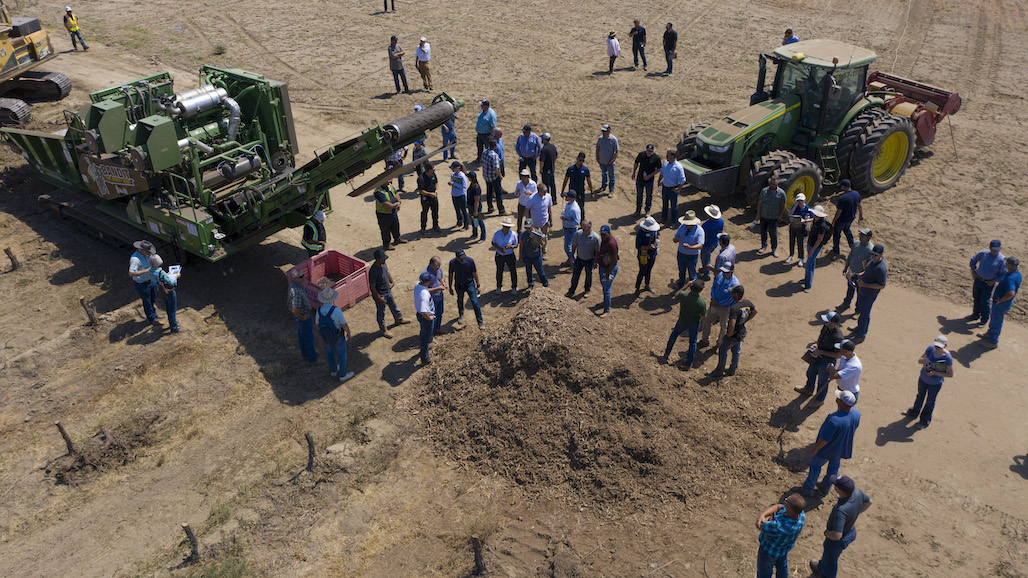
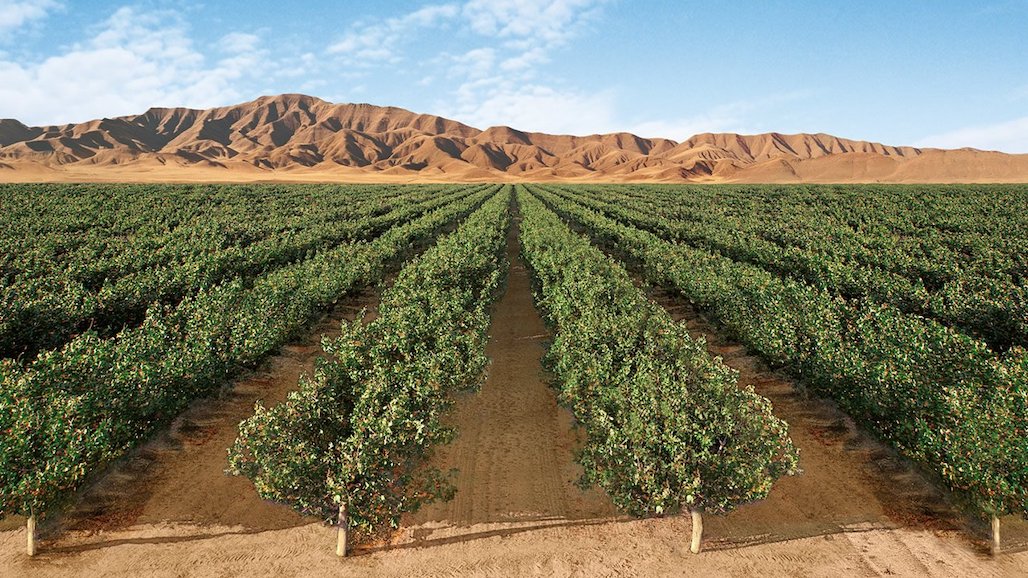
    On June 29, Nisei Farmers League, along with other agricultural organizations, held an in-person demonstration pilot project at a vineyard in Madera County to display alternatives to agricultural burning. The project is looking for cost-effective solutions to orchard and vineyard removals due to most agricultural burning being phased out by December 31, 2024, as passed earlier this year by the California Air Resources Board (CARB).

    Participating in the event were Jared Blumenfeld, Secretary of Cal-EPA; Carlos Suarez, State Conservationist for USDA-NRCS; Richard Corey, Executive Officer for California Air Resources Board; Samir Sheikh, Executive Director and Air Pollution Control Officer for the San Joaquin Air Pollution Control District (SJVAPCD); Dr. Tania Pacheco- Werner, CARB and SJVAPCD board member; Fresno County Supervisor Buddy Mendes, as well as SJVAPCD board member; Madera County Supervisor Tom Wheeler, as well as SJVAPCD board member; and City of Los Banos Mayor Pro Tem Deborah Lewis, as well as SJVAPCD board member.

    Equipment demonstrated included:

    • An air curtain burner built by AirBurners. This machine utilizes a constant stream

      of air on the top of the wood waste to push emissions/smoke back into the fire to

      reburn, which significantly reduces particulate matter.

    • A horizontal grinder, provided by Bandit Industries, that chips wood debris and

      can remove metal, including wire, from the material.

    • A vineyard mulcher, built by Seppi, which drives over the top of the vine and

      mulches it back into the soil.

    • A mobile grinder that would grind trees, brush and vines (material that does not include metal.)

      Other equipment used in the demonstration process included excavators, tree grapple machines, and log and brush loading equipment.

      With some agricultural entities losing the ability to burn by December 31 of this year, finding economical alternatives quickly has become a top priority. Agricultural organizations are working with the SJVAPCD and CARB to locate and distribute funds for these alternative methods. All the demonstrated alternatives are many times more expensive than open burning because of the additional labor and equipment needed.

    Agricultural groups sponsoring the event included: Fresno County Farm Bureau; Allied Grape Growers; California Fresh Fruit Association; California Cotton Ginners and Growers; Western Agricultural Processors Association; and

    Nisei Farmers League. Other participating agricultural groups included: Sun-Maid Growers of California, Madera County Farm Bureau, Tulare County Farm Bureau, Raisin Bargaining Association and Milk Producers Council.

    Equipment being demonstrated was provided by Shawn Sage, Cal-Line Equipment and Bandit Enterprises; Ed Martinez, Mowbray’s Tree Service; John Yergat, JFS Enterprises; and Jordan Harris, Seppi Subsoiler. Special thanks to these companies and their employees.

    Local chippers and grinders participating included: Bill Boos of William Boos and Company; Lionudakis Orchard Removal; and Myron and Ryan Liebelt.

    Special thanks go to Samir Sheikh and his staff at the SJVAPCD for helping with the demonstration, the documentation and acquiring the funding needed to make the alternatives available to growers in the San Joaquin Valley.

    Lastly, a special thanks to Daniel Hartwig and Woolf Farms for providing the vineyard site.

    Nisei Farmers League will continue seeking viable alternative to agricultural burning over the coming months.
  • Almond Board Briefs Congressional Caucus About Pollinator Coalition

    Almond Board Briefs Congressional Caucus About Pollinator Coalition

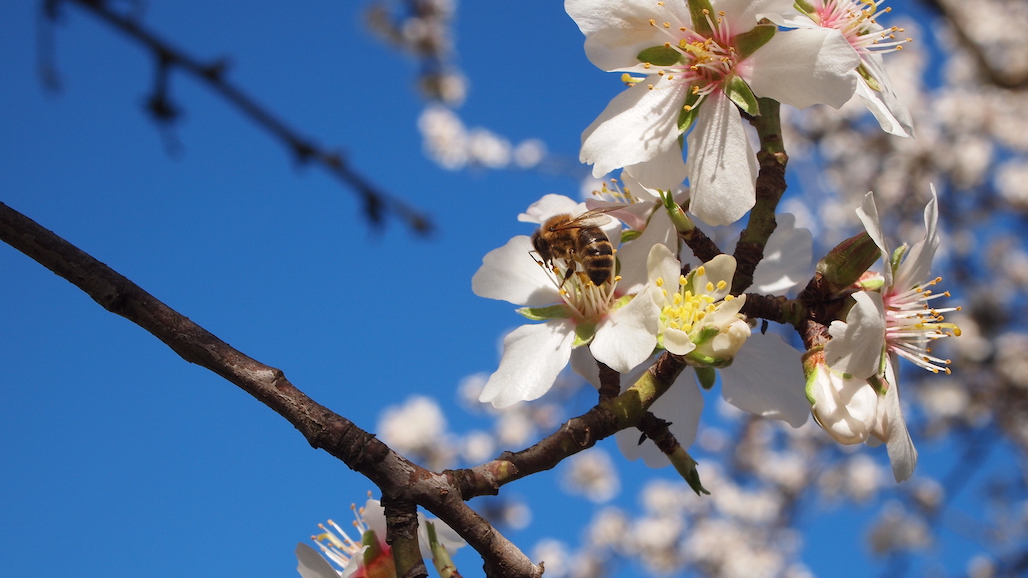
    Almond Board of California Chief Scientific Officer Josette Lewis traveled virtually to Washington D.C. to brief key congressional leaders about the unique California Pollinator Coalition and its value to the health of bees and other pollinators.

    Lewis was one of four speakers, and the only representative from agriculture, at the virtual congressional briefing on the status of pollinators convened by Reps. Rodney Davis (R-IL) and Jimmy Panetta (D-CA) during National Pollinator Week. They are co-chairs of the Congressional Pollinator Protection Caucus.

    “This hearing, and this week, were extremely valuable because they helped raise awareness about the need to protect all pollinators and their habitats,” Lewis said. “For the California almond industry, every week is pollinator week. This is something we work hard at every day.”

    During the briefing, Lewis detailed the steps being taken by the California Pollinator Coalition and why its brand of collaborative conservation is a strong model to both bolster the health of pollinators and to set an example for a range of effective environmental alliances among independent groups.

    The pollinator coalition includes more than 20 California organizations and was spearheaded by the Almond Board of California (ABC) along with the Pollinator Partnership and the state Department of Food and Agriculture. It represents the large majority of agricultural acreage in the state and its goal is to expand pollinator health and habitats on working ag lands.

    “The representatives heard how the coalition represents agriculture putting its best foot forward,” Lewis said. “Given the crucial importance of pollinators to food production and to ecosystems, it’s essential that agriculture be part of the solution. That’s one reason ABC partnered with the Pollinator Partnership to help build this coalition. We know the almond industry and the ag community can continue to help.”

    A key subject the congressional leaders wanted Lewis to address was the value of collaborations like the Pollinator Coalition, how they can be built and how they can help in areas ranging from research to shared incentive programs.

    One incentive example is ABC’s Bee+ Scholarship program, which pays up to $2,000 of the cost of seeds for pollinator-friendly cover crops and has added 15,000 acres of pollinator habitat in almond orchards in its first year. It will also cover the fees to register as a Bee Friendly Farm.

    “The goal is to reduce the risks to growers to try new practices that can benefit pollinators and growers alike. One size does not fit all growers, so this offers a chance to try something new,” Lewis said. “Collaborations are effective because everyone has a stake in healthy ecosystems and healthy food, and together we can help each other take actions and make a difference.” — By the Almond Board of California

  • Wonderful® Pistachios No Shells Sea Salt & Vinegar Named Top Nutritious Nut

    Wonderful® Pistachios No Shells Sea Salt & Vinegar Named Top Nutritious Nut

    Wonderful® Pistachios No Shells is thrilled to announce the latest awards received for one of its newest flavors, Sea Salt & Vinegar. A tart and tangy snack, Wonderful Pistachios No Shells Sea Salt & Vinegar has been selected as a winner in Good Housekeeping’s 2021 Healthy Snack Awards in the Nutritious Nuts & Legumes category, and has won Gold for “Best Savory Snack” in Delicious Living magazine’s 2021 Best Bite Awards for Consumer Choice. The new flavor was also named the “Most Innovate New Product” in the Salty Snacks category at the 2021 Sweets & Snacks Expo.

    Launched in March 2021, Wonderful Pistachios No Shells Sea Salt & Vinegar has just the right amount of sea salt and vinegar for an ideal balance of sour and savory. Wonderful Pistachios No Shells contain 6 grams of plant protein per serving and is one of the highest quality protein snack nuts on the market.

    In addition, Pistachios are known for their protein power, fiber and better-for-you unsaturated fats for a combination that may help keep you feeling fuller longer. All of this makes Wonderful Pistachios a delicious and nutritious snack perfect for on-the-go, road trip adventures, or anytime snacking.

    The Good Housekeeping 2021 Healthy Snack Awards highlight innovative snacks in the food space that meet the publication’s nutritional criteria (including caps on per- serving calories, sugar, and sodium). Good Housekeeping’s in- house registered dietitian and team of nutrition experts in the Good Housekeeping Institute’s Nutrition Lab rigorously analyzed ingredient lists, Nutrition Facts labels, packaging claims and flavor profiles of hundreds of snacks to find the best of the best. Consumer testers also weighed in on taste and provided additional real-life analysis.

    The Delicious Living annual Best Bite Awards recognizes the best food products that prioritize flavor and clean ingredients, with Consumer Choice Awards (voted on by natural health shoppers) and Retailer Choice Awards (voted on by natural health retailers).

    The Sweets & Snacks Expo’s highly coveted Most Innovative New Product Awards recognize companies for their achievements in introducing innovative candy and snack products to the market over the past two years. The submitted products were judged by retail and category thought leaders from leading retailers like Costco, Walgreen’s, and 7-Eleven.

    “Life is better lived with a bit of flavor. Our complete No Shells lineup adds a little zing or spice to snack time, and to the snack aisle, in a nutritious way,” said Adam Cooper, senior vice president of marketing, The Wonderful Company. “With the plant protein of Wonderful Pistachios, consumers can fuel their summer adventures or satisfy at-home cravings with a tasty, healthy snack.”

    This latest recognition adds to the growing list of accolades for Wonderful Pistachios No Shells flavors, which include Good Housekeeping’s 2020 Healthy Snack Awards for No Shells Honey Roasted, Men’s Health Snack Awards for No Shells Chili Roasted, Health Magazine Snack Awards for No Shells Chili Roasted, and 2020 SnackNation Insights Award for “Best Nut or Trail Mix” for No Shells Honey Roasted, amongst others.
    Since launching the new BBQ and Sea Salt & Vinegar No Shells in March 2021, Wonderful Pistachios has seen record weekly growth, further solidifying consumer demand for healthy and high-quality snacks. Wonderful Pistachios No Shells is available at retailers nationwide and online, allowing snackers to make healthy choices every day.

    For more information about Wonderful Pistachios, please visit GetCrackin.com, on Facebook at /WonderfulPistachios, and Instagram at @WonderfulPistachios.

    About Wonderful Pistachios

    Wonderful Pistachios is the world’s largest vertically integrated pistachio processor and marketer. Located in California’s Central Valley, our nuts are Non-GMO Project Verified, providing a smart, healthy choice for consumers around the world. Our nuts can be found in stores nationwide and online under the flagship brand, Wonderful® Pistachios. For more, visit: getcrackin.com, or follow us on Facebook, Instagram, and Twitter.

    Wonderful Pistachios is part of The Wonderful Company, a privately held $5 billion company that also has iconic brands such as Wonderful® Halos®, FIJI® Water, POM Wonderful®, JUSTIN® Wine, and Teleflora®. To learn more about The Wonderful Company, visit www.wonderful.com, or follow us on Facebook, Twitter and Instagram. To view the current Corporate Social Responsibility report, visit www.wonderful.com/csr.

  • Ravens & Crows Wreak Havoc in Orchards, Vineyards & Dairies

    Ravens & Crows Wreak Havoc in Orchards, Vineyards & Dairies

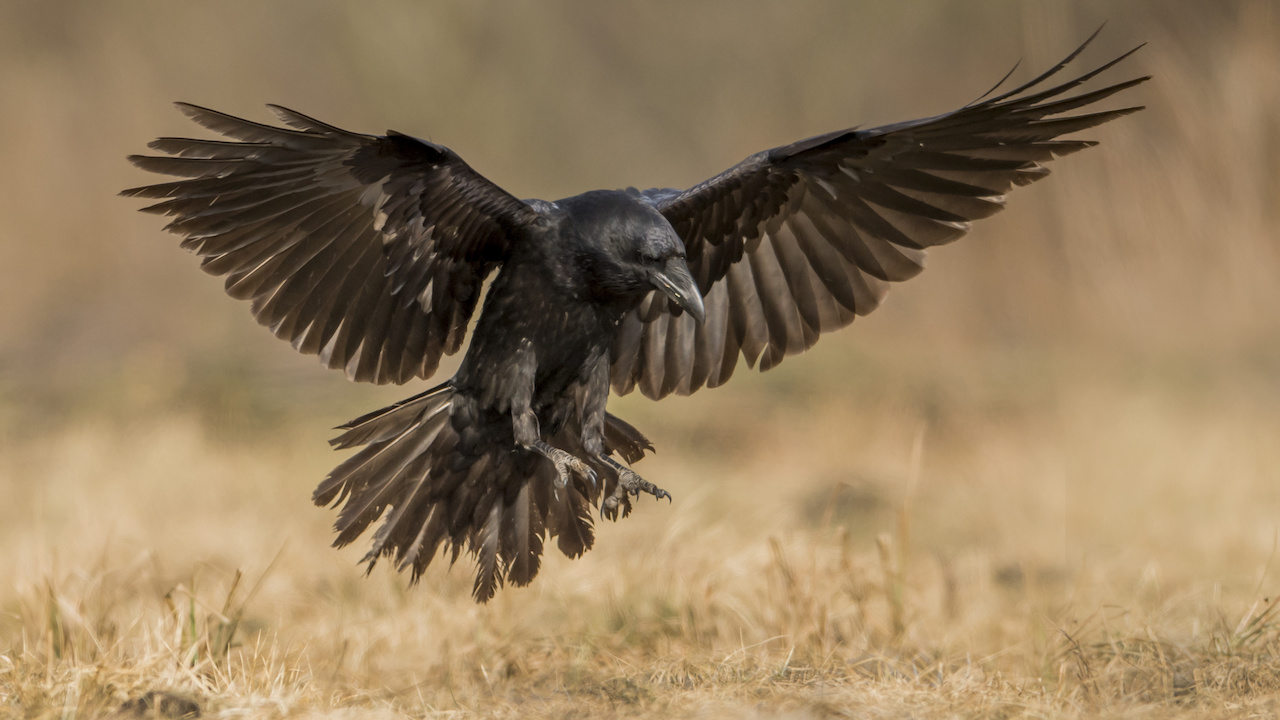
    Do you suspect some big black birds are damaging your irrigation lines, pecking at your newborn calves or eating your developing crop? You may have a problem with crows or ravens. But how do you tell the two apart, and how can you legally control them? Watch this brief interview with Brian Popper from USDA-APHIS Wildlife Services to learn more (special thanks to Hardshell Labs for providing some of the video b-roll footage).

    Please thank this video’s sponsor Suterra for their industry support.

  • Almond International Trade Barriers & the Biden Administration

    Almond International Trade Barriers & the Biden Administration

    What is the current status of the international trade war impact on almonds and what changes can we anticipate in the foreseeable future? Watch this brief video with Julie Adams from the Almond Board of California and read more about it in Pacific Nut Producer Magazine.

    Please thank this video’s sponsor Suterra for their industry support.

  • Aflatoxin in Almonds: How are we Doing?

    Aflatoxin in Almonds: How are we Doing?

    In addition to the temporary effects of port congestion, COVID-19 and international trade wars, aflatoxin inspections and rejections have been a longer term issue and limiting factor for our almond industry exports. Julie Adams provided an update at the recent Almond Alliance Convention on how the industry is doing in keeping aflatoxin levels down to a minimum in their orchard and post harvest practices, as well as current discussions abroad on lowering the costly inspection requirements. Watch this brief video with Julie, and read more about it in Pacific Nut Producer Magazine.

    Please thank this video’s sponsor Suterra for their industry support.

  • A Plea for Farmer Engagement and Government Support of California GSAs

    A Plea for Farmer Engagement and Government Support of California GSAs

    As farmers face drought conditions once again this summer, local Groundwater Sustainability Agencies are still working on the planning and implementation of their Groundwater Sustainability Plans. Watch this brief video with Patricia Poire, Executive Director of the Kern Groundwater Authority, as she shares concerns and needs for both farmer and government support to meet the Sustainable Groundwater Management Act (SGMA) requirements.

    Please thank this video’s sponsor Suterra for their industry support.

  • Thousands Engage with National Walnut Day Campaign in Partnership with See’s Candies

    Thousands Engage with National Walnut Day Campaign in Partnership with See’s Candies

    On National Walnut Day (5/17), the California Walnut Board (CWB) partnered with See’s Candies to collaborate on a multi-channel consumer-focused campaign to promote California Walnuts across the U.S.

    The CWB’s domestic marketing activities are designed to expand California Walnuts use and consumption in existing markets and identify markets for future development. The Board continuously conducts direct outreach to food manufacturers to spur new development with walnuts and to understand how they are using walnuts. The CWB has been in active communications with See’s Candies for some time and this partnership is just one step in furthering that relationship.

    This campaign included social media posts, a new recipe, and a blog post. In collaboration with See’s Candies, some of the key impactful results of the campaign included:

    • The CWB posted a blog featuring See’s Candies walnut products on walnuts.org, which garnered nearly 700 visits.
    • A total of 1.1 million See’s Candies email subscribers received an email with the headline “Happy National Walnut Day” exclusively highlighting their walnut candies.
    • The email was opened by 88,000 recipients, with 33,000 interactions (clicking) with content in the email. (i.e., link, photo) in the email.
    • The CWB and See’s Candies promoted the campaign on their social channels. Total social activations delivered 140,000 total impressions4,500 engagements and 174 clicks linking to the CWB blog.

    “Cross promotions with well-known and respected brands like See’s Candies is just one way the California Walnut Board is connecting with new audiences and building demand for California Walnuts domestically,” said Jennifer Williams CWB & CWC Marketing Director, Domestic Advertising. “The results from our National Walnut Day activation provide proof that the campaign demonstrated the versatility and greatness of walnuts to thousands of consumers.”

  • Flagstone Foods to Source 100% of its Almonds from Bee-Friendly Farms by 2025

    Flagstone Foods to Source 100% of its Almonds from Bee-Friendly Farms by 2025

    As a part of its landmark Healthy Bees, Happy Snackers initiative, Flagstone Foods, a premier private label manufacturer of snack nuts, trail mixes, and other nut-based snacks, announced today its commitment to promoting a more sustainable almond industry by sourcing 100 percent of its almonds from bee-friendly farms by 2025, the first such manufacturer commitment from the private label nut industry. This pledge furthers the company’s longstanding commitment to sustainable and ethical sourcing practices that protect the environment and lift up farmers and farming communities around the world.

    “As North America’s leader in private label snack nuts, few buy as many almonds as we do. We believe this distinction brings with it a responsibility to cultivate a more sustainable almond industry,” says Flagstone Foods’ Chief Executive Officer Robert Scalia. “We aim to work collaboratively with almond growers, processors and bee-friendly organizations through our Healthy Bees, Happy Snackers initiative, all focused on supporting the needs of the honey bee, which ultimately aids the almond industry as a whole.”

    Honey bees, critical to pollinating over one-third of the U.S. food supply and directly responsible for nearly 100 percent of almonds, are disappearing at a high rate. In fact, on average according to Project Apis m., 40 percent of honey bee colonies die each year due to poor nutrition, pesticides, parasites and pathogens. While California produces the vast majority of the world’s almonds on over 1.5 million acres of almond orchards, only a fraction of that acreage is currently verified as bee-friendly. In addition to its sourcing pledge, Flagstone Foods’ Healthy Bees, Happy Snackers program includes verification and certification of bee-friendly farming practices, a commitment to sustainable farming practices more broadly, and charitable contributions to Project Apis m., an organization that funds honey bee research and the expansion of pollinator habitat and forage.

    “Because some of the bee-friendly farming practices are in their infancy in terms of farm adoption, we understand that sourcing bee-friendly almonds may be more difficult than through traditional sourcing practices.  However, sourcing from bee-friendly farms is the right thing to do and we consider it part of our mission to help bring others along in our sustainability journey,” says Flagstone Foods’ SVP Global Procurement Scott Easterwood.

    Flagstone Foods’ Support of Bee-Friendly Farming Practices

    Flagstone Foods is focused on establishing traceable and sustainable sourcing practices with its global supply chain — and in this case, with almond growers. The company is now partnering with select growers and processors such as Pomona Farming, a leader in sustainable and bee-friendly farming practices and one of the largest almond growers in California with approximately 40,000 acres across the Central Valley. Certified through the Pollinator Partnership, Pomona currently dedicates over 3,300 of its acres (more than 8 percent) to providing forage for bees and other pollinators and has planted more than 30 different varieties of bee-friendly plants, with bloom cycles staged throughout the year. Pomona also hosts more than 700 honey-bee hives over the winter at its three Bee Sanctuaries—each boasting warm weather, plentiful water and several hundred contiguous acres of flowers and forage.

    Bee-Friendly Certification and Verification Programs

    Flagstone Foods will use the most current certification and verification programs, including the Pollinator Partnership’s Bee Friendly Farming program, to verify that its almond suppliers are following bee-friendly farming practices including:

    • Providing abundant resources for pollinators by dedicating a minimum of 3 percent of farmland to habitat
    • Mitigating the impacts of pesticides and eliminating the use of high-risk pesticides
    • Providing nesting sites and responsibly managing hives

    These standards are science-based and field-tested, guaranteeing that the actions farmers take on Flagstone Foods’ behalf will directly improve pollinator wellbeing by addressing the four main causes that are negatively impacting bee health — pathogens, parasites (specifically Varroa mites), pesticides and poor nutrition.

    Bee-Friendly Philanthropic Support

    Minnesota-based Flagstone Foods will also support bee health through charitable contributions to Project Apis m. and its Seeds for Bees® program, which provides almond growers with the seeds and skills they need to create habitat and forage for bees while also improving soil health. Seeds for Bees also works with the Pollinator Partnership to help farmers and growers meet the requirements for Bee Friendly Farming certification.

    “We’re proud to be partnering with organizations that share our commitment to restoring healthy bee populations,” says Flagstone Foods’ Senior Vice President Marketing & Innovation Sarah Testa. “Our commitment is an extension of our company’s belief that goodness grows out of appreciation. On behalf of Flagstone Foods, we extend our deep appreciation to beekeepers, our grower partners, and of course to the mighty honey bee.”

    For more information on Flagstone Foods’ bee-friendly commitment, visit flagstonefoods.com.

    About Flagstone Foods

    Minneapolis, Minnesota-based Flagstone Foods is a premier private label manufacturer of snack nuts, culinary nuts, trail mixes and other nut-based snacks servicing the nation’s top retailers in the club, mass, grocery, drug, limited assortment and convenience channels. The company also manufactures ingredients for commercial use, provides contract manufacturing services to branded food companies and offers a wide array of value-added services including consumer insights, global sourcing, commodity advising and product development.

  • CA Farmland Trust & Almond Growers Create Greenbelt, Protect Farmland in San Joaquin County

    CA Farmland Trust & Almond Growers Create Greenbelt, Protect Farmland in San Joaquin County

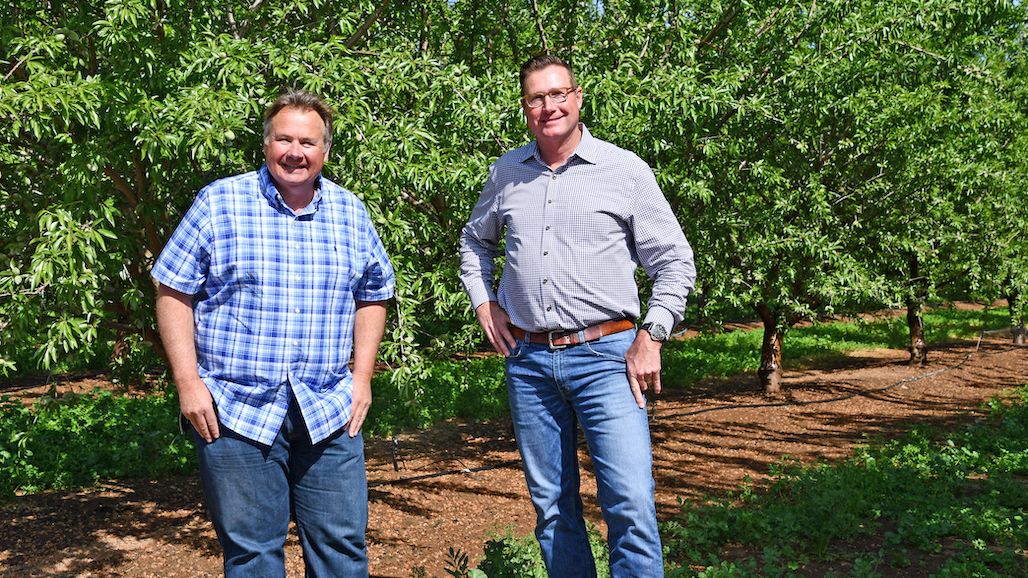
    Following their brother’s stewardship lead, Tom Murphy and Chester Murphy have protected 72 acres of farmland destined to be developed in San Joaquin County. Combined with their brother Bill, the Murphy family now has collectively created a 200-acre greenbelt in the area of Farmington, California, east of Stockton.

    “Highway 4 is a major east-west artery connecting the Bay Area to the Sierra Nevada,” shared Charlotte Mitchell, California Farmland Trust’s (CFT) executive director. “Protecting the important farmland along this artery sends a clear signal to local planners that urbanization along this corridor needs to be thoughtfully planned.”

    Marked by a little red brick house built by their grandfather in the 1930s, the property was initially used for dryland cattle grazing. Once the ground was leveled and pumps were installed, the prime soil was planted with irrigated row crops and currently has a 6-year-old almond orchard.

    “Permanently protecting the Murphys’ farm will not only ensure scenic views along Highway 4 but will encourage ongoing production of a permanent orchard crop that employs low-carbon best management practices,” said Chelsea Molina, CFT conservation director. “In addition, Duck Creek, which flows along the farm’s northern boundary, provides both riparian habitat and a corridor for wildlife.”

    Funds for the conservation easement were made available through the California Strategic Growth Council’s (SGC) Sustainable Agricultural Lands Conservation Program (SALC) in collaboration with the Department of Conservation. SALC is part of California Climate Investments, a statewide program that puts billions of Cap-and-Trade dollars to work reducing greenhouse gas emissions, strengthening the economy, and improving public health and the environment — particularly in disadvantaged communities.

    “Congratulations to the Murphy family and California Farmland Trust for working together to permanently protect these 72 acres in San Joaquin County,” said Jessica Buendia, SGC’s Acting Executive Director. “By expanding its land conservation legacy, the Murphy family is helping to achieve California’s climate goals while ensuring this land will continue to produce fresh, healthy foods as part of the state’s agricultural economy.”

    The Murphys’ property compliments the existing 14 easements and 2,872 acres permanently protected by CFT in San Joaquin County.

    The California Farmland Trust is a California Non-Profit 501(c)(3). Our mission is to help farmers protect the best farmland in the world. To date, we have protected 16,780 acres of farmland on 77 family farms. To learn more visit us: www.cafarmtrust.org.