Category: Economics

  • Pistachio Growers Unite at Industry Annual Conference

    Pistachio Growers Unite at Industry Annual Conference

    The next five years for American pistachio growers presents challenges and great opportunity, prompting a call for unity at the industry’s Annual Pistachio Conference, which kicked off today in Carlsbad, CA. More than 1200 attendeesan industry recordfrom three states participated in the conference, which kicked off with a panel of growers who discussed the next five years, as production ramps up.

    A grower panel underscored three topics on growers’ minds: accelerating production of pistachios between 2022 and 2026; keeping doors open to American pistachios in key export markets like India; and ongoing pest battles. They emphasized that, while the three topics present challenges, the industry’s trade association, American Pistachio Growers (APG), has proven efficacy in addressing each issue and there could be tremendous opportunity over the next five years with a united industry.

    According to data analyzed by Sacramento economist Dennis H. Tootelian, Ph.D., California growers will produce 6.9 billion pounds of pistachios over the next five years, 2.4 billion more than they produced in the previous five-year period from 2017-2021. APG, as the trade association representing the U.S. industry, has kept pace with building consumer demand for the increased volume in recent years in targeted export markets, which he says has helped to support grower pricing in the face of rapid production. Tootelian showed that in countries where APG focused their marketing efforts, exports have grown 36% a year compared to 17% in countries with no APG marketing emphasis.

    Tulare County pistachio grower Dominic Pitigliano

    Tulare County grower Dominic Pitigliano, past Chair of APG and a grower panelist, said, “Ten years ago, APG identified the export markets with the greatest growth potential and our intense focus on those markets has paid off in building consumer demand.”

    The grower panel discussed India as a prime growth market for U.S. pistachios where continued marketing could boost opportunities in the years ahead. India possesses the market conditions necessary for a growth market  rising population, growing per capita income, and increasing consumption of pistachios.

    Tootelian projects that in 2022 consumers in India will consume 272,000 pounds of pistachios per day, and by 2026, they will be buying 410,000 pounds per day.

    APG, which is funded by assessments from growers and government grants, has leveraged those dollars to boost exports and address impediments to trade in the form of tariffs and non- tariff barriers. The grower panel underscored the importance of having APG continue to play a strong role to keep the door open in India.

    “APG packs a onetwo punch in export markets,” said APG Chair, Dennis Woods. “Getting tariffs reduced or eliminated is the first step, followed by marketing programs that enlighten consumers about the health benefits of American pistachios. The strategy works as long as we all work together,” noting the organization has 64 dedicated growers from three states who volunteer on the APG Board and committees.

    American Pistachio Growers Chair, Dennis Woods

    While marketing ever larger crops will command the industry’s attention in coming years, so too will challenges that come from the surge in pistachio orchards in California. The Navel Orangeworm (NOW), the major pest threat to pistachios, has been fought with a plethora of tools  costly inputs, winter sanitation programs, and mating disruption techniques.

    Tootelian estimated that growers will spend $1.8 billion in total NOW management costs in the next five years.

    APG has led the industry effort to use a novel tool in the fight against NOW  a U.S. Department of Agriculture facility in Phoenix that rears sterile Navel Orangeworm moths for aerial distribution over a few thousand acres of pistachios and almonds in Kern County. APG helped to secure $8 million in federal funds for the pilot project, but the USDA has recommended an additional $21 million per year to expand the project. The Phoenix facility was instrumental in rearing sterile pink bollworm moths that led to the successful eradication of the cotton pink bollworm in California in 2018.

    “I know at the very least we can suppress Navel Orangeworm because we had similar success in the cotton industry,” said Ted Sheely, a pistachio and cotton grower who chairs the NOW Action Committee, the industry advisory committee that government requires in such situations. “We need to continue to push hard for the $21 million per year that will be required to keep the Arizona facility going and expand the program to the extent that we need it. Navel Orangeworm is an industry-wide concern, and we need APG to secure the funding to support this program.”

    “APG’s leadership has envisioned the future and how we should position the industry for success,” said APG President Richard Matoian. “As the industry’s trade association, we need every grower to participate in APG in order to fund our ability to make our future plans reality. We’ve done a good job so far, and we’re optimistic about the next five years.”

    About American Pistachio Growers
    American Pistachio Growers is a non-profit trade association representing more than 865 
    growers, member processors, and industry stakeholders in California, Arizona & New Mexico.
  • Almond Board Increases Market Investment in India by 80%

    Almond Board Increases Market Investment in India by 80%

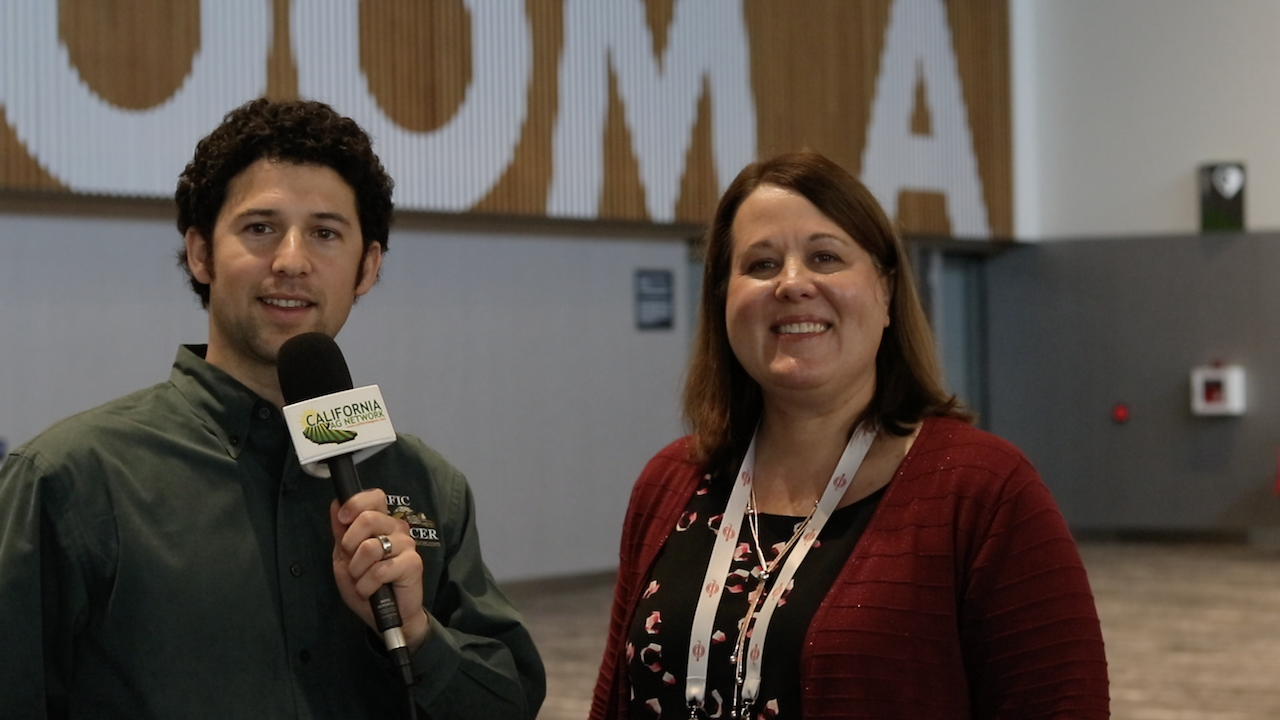
    India has quickly become the number one export market for the California almond industry, and the Almond Board has increased its marketing investment there by 80%.  Watch this brief interview with Emily Fleischmann from the Almond Board of California, as she shares details about their strategic partnerships there and how these funds are being used to drive demand. Read more about it in Pacific Nut Producer Magazine.
    Please thank this video’s sponsor Trece for their industry support.
  • Getting California Almond Hulls into China’s Animal Feed Market

    Getting California Almond Hulls into China’s Animal Feed Market

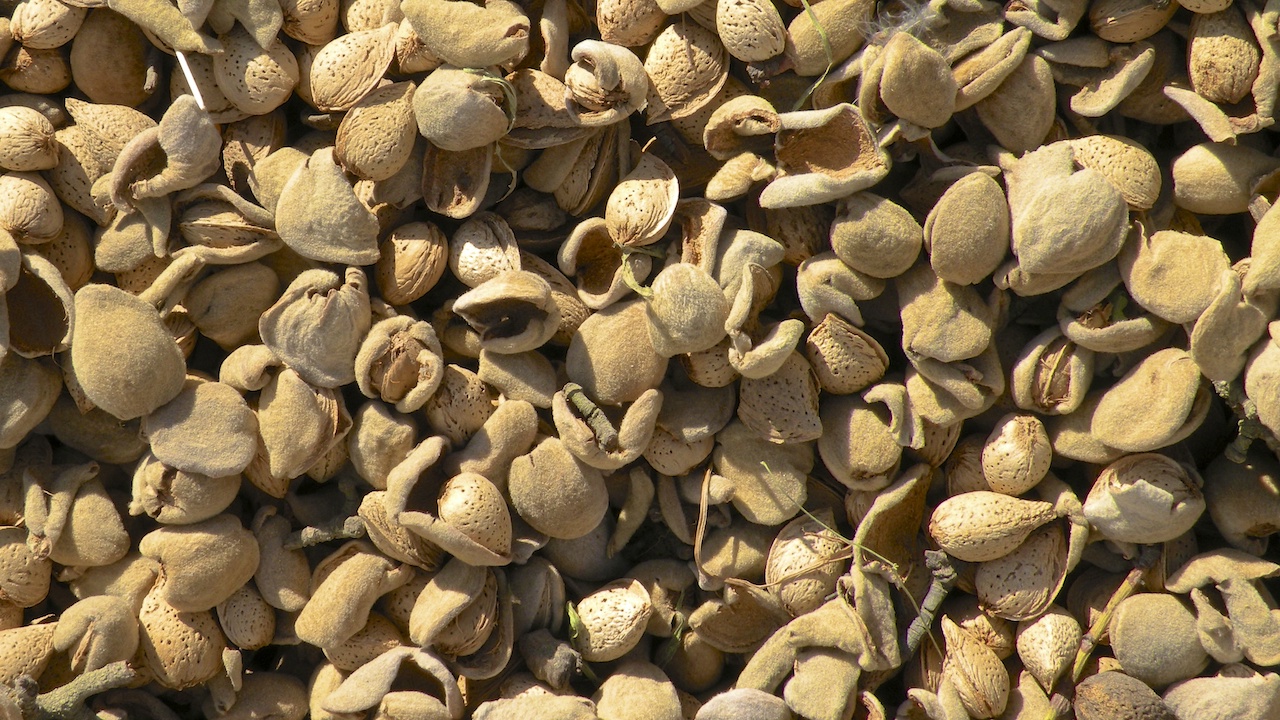
    The trade dispute with China has proved challenging for tree nut exports into China, but the California almond industry has even more to provide the Chinese market — almond hulls.  Almond hulls have long been used on California dairies, but the potential to reach China’s animal feed market brings promising opportunity and value for this byproduct. Watch this brief interview with Keith Schneller, Trade Policy Specialist for the Almond Board of California, as he shares the progress on getting approval to start shipping hulls. Read more about it in Pacific Nut Producer Magazine.
    Please thank this video’s sponsor Trece for their industry support.
  • Pacific Northwest Hazelnut Market Update with Terry Ross

    Pacific Northwest Hazelnut Market Update with Terry Ross

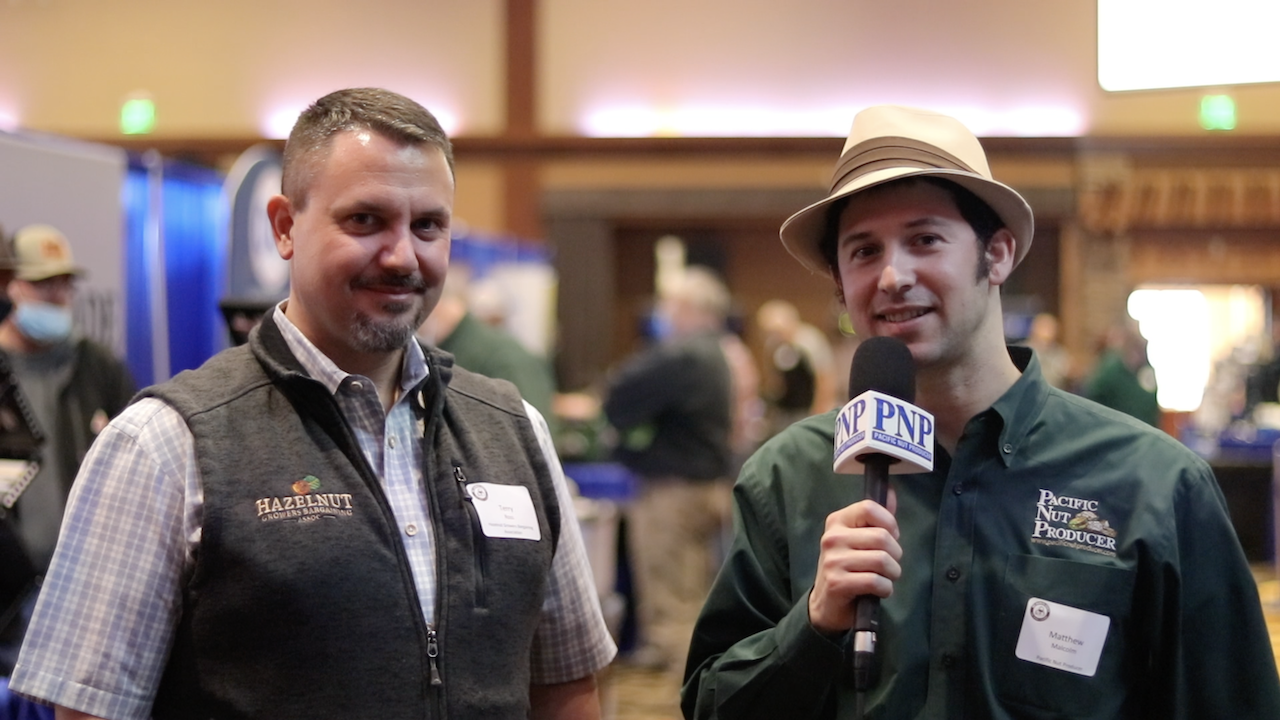
    Watch this brief interview with Terry Ross from the Hazelnut Bargaining Association as he shares some of the dynamics impacting Pacific Northwest hazelnut prices as the industry seeks to grow its share of the world market with their premium crop.  Read more in Pacific Nut Producer Magazine. If you’re not currently receiving the print publication, subscribe for free at: https://malcolmmedia.com/subscribe/
    Please thank this video’s sponsor George Packing Company for their industry support.
  • Characteristics of New Walnut Rootstocks Growers Should Consider

    Characteristics of New Walnut Rootstocks Growers Should Consider

    While walnut growers tend to pay more attention to walnut prices and varieties, rootstock selection can make a big difference in the establishment and longevity of their orchards. Watch this brief interview with UCCE Orchard Systems Advisor Luke Milliron as he shares characteristics and availability of new rootstocks for the walnut industry. Read more about in Pacific Nut Producer Magazine.
    Please thank this video’s sponsor Trece for their industry support.
  • Are Autonomous Self-Driving Tractors Legal in California?

    Are Autonomous Self-Driving Tractors Legal in California?

    As California’s agricultural industries progress towards a more sustainable future with new technologies and innovations, current Cal OSHA regulations (unless changed) may hinder their progress, particularly with regard to autonomous or self-driving tractors.  Watch this brief video with Michael Miiller from the California Association of Winegrape Growers as he explains.
     
    Please thank this video’s sponsor Suterra for their industry support.
  • Tulare County Sheriff Addresses Beehive Theft Concerns

    Tulare County Sheriff Addresses Beehive Theft Concerns

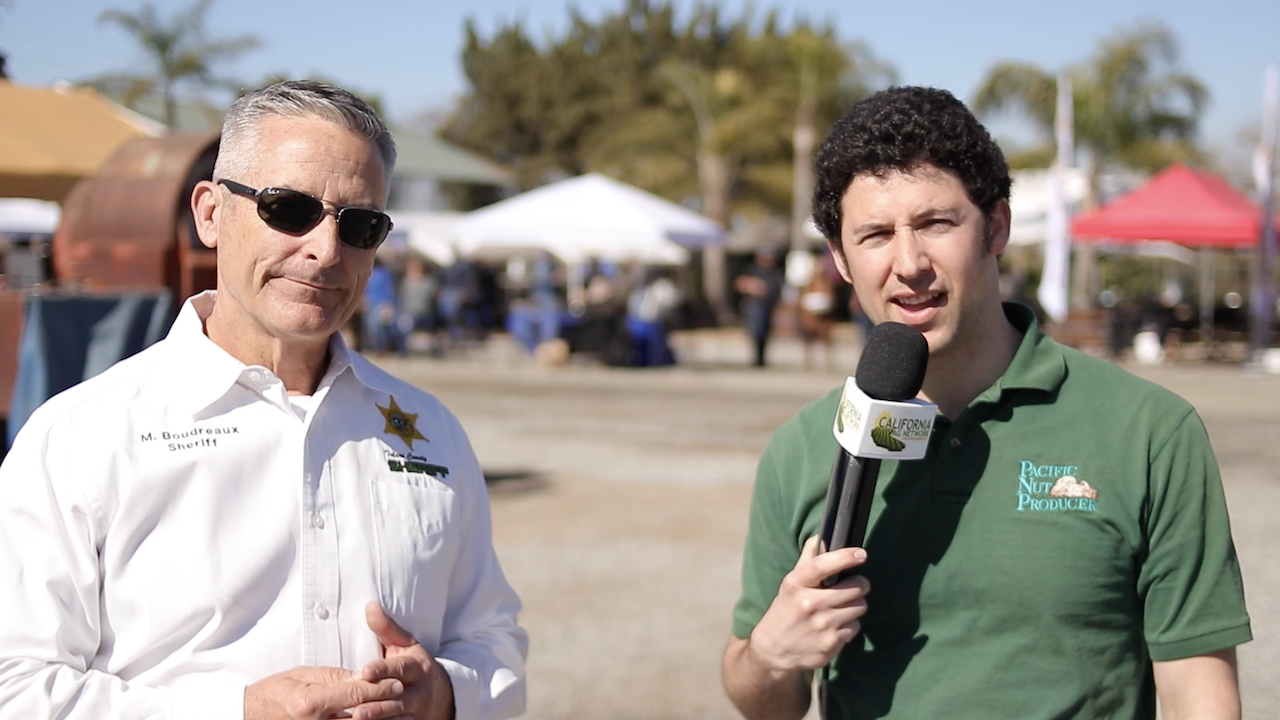
    Beehive theft has been a growing concern for the California almond industry and the threat of getting stung by a bee hasn’t been sufficient in deterring thieves from this valuable commodity that is critical for setting a profitable crop.  Watch this brief interview with Tulare County Sheriff Mike Boudreaux who addresses this issue and read more about in Pacific Nut Producer Magazine.
    Please thank this video’s sponsor Trece for their industry support.
  • New Documentary Explores Origins of Whole Orchard Recycling

    New Documentary Explores Origins of Whole Orchard Recycling

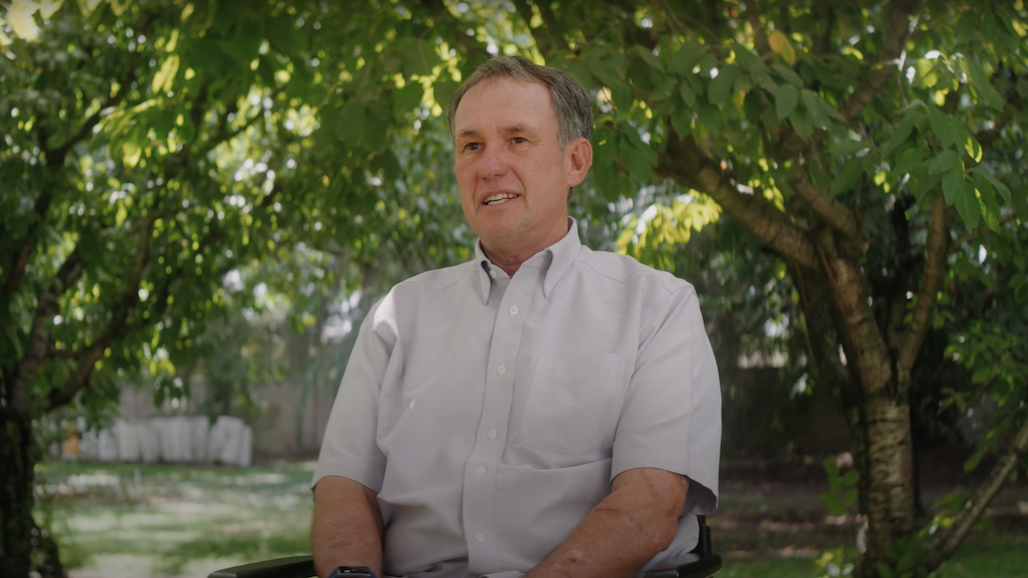
    Brent Holtz, author of Pacific Nut Producer Magazine’s monthly Almond Tasks column, grew up on the farm his grandfather bought in the 1940s, six miles north of Modesto at the time. By the 1970s, the land was on the urban edge of the city, surrounded by houses. Holtz’s family had to farm differently, and they could no longer burn their brush. Holtz was a UC Berkeley plant pathology graduate student in the late ‘80s. “I felt a responsibility to help my family find a solution for ag burning,” he says now.

    One idea was to turn clippings, brush and even whole trees into wood chips and recycle them into the soil. Holtz and his father first tried it with garden clippings, grinding prunings into wood chips and watching the rich mulch help their trees. Holtz expanded to a small scientific trial in his own orchard, then to a full-blown commercial trial recycling almond trees into the soil just before replanting a new orchard.

    “I have to admit, I was nervous,” Holtz says. He funded some of the work from his own pocket. Over 13 years, he and other researchers examined the data. “We saw increased soil organic matter, we saw increased water holding capacity, we saw less water stress, and ultimately – what growers want to know the most – we saw increased yields with Whole Orchard Recycling.”

    The inspiring story of Brent Holtz’s journey to help his family, his industry and his community is the subject of a six-minute documentary produced by the Almond Board of California (ABC) called, “RESILIENCE: The Whole Orchard Recycling Origin Story.”

    It’s available on YouTube and shows how the power of an idea can change and benefit an entire industry and even the planet. Whole Orchard Recycling (WOR) eliminates burning and keeps carbon in the ground, a goal that world leaders established as part of the 2015 United Nations Climate Change Conference agreement.

    The goal of the short film is to inspire even more growers to recycle their orchards when replanting and to reassure them that there is a long, thorough history of research and scientific trials proving both the value and the benefits of WOR for them and their communities.

    Holtz was the principal investigator on the first WOR project – research conducted by UC Cooperative Extension that was initially funded and supported by ABC and later by the California Department of Food and Agriculture. It identified significant advantages of WOR to the soil, crop yields and air quality.

    Thanks to Holtz’s vision and dedication to research, WOR has become a widely-adopted best practice among California almond growers. San Joaquin Air Pollution Control District data shows that since 2018, in the San Joaquin Valley alone, more than 500 growers have recycled 26,000-plus acres and diverted nearly 750,000 tons of wood from being burned.

    Holtz is now the UC Cooperative Extension County Director and Farm Advisor for San Joaquin County. He says he hopes his story and his research will inspire more WOR and show growers how researchers and growers are on the same team with the same goals – to help almond growers produce more sustainable, better yields.

    “My grandfather would be very proud of the solution that came from his farm and his grandson,” Holtz says in the film. “I owe the growers who believed in me and recycled their orchards a great debt and I thank you very much.”

    A Whole Orchard Recycling Grower Guide, a “How To” video featuring Holtz, and much more information can be found at Almonds.com/WOR. — Almond Board of California 

  • Hazelnut Shells Get New Life as Strong, Sustainable Panels

    Hazelnut Shells Get New Life as Strong, Sustainable Panels

    Harvest a hazelnut, and you’re left with a shell.

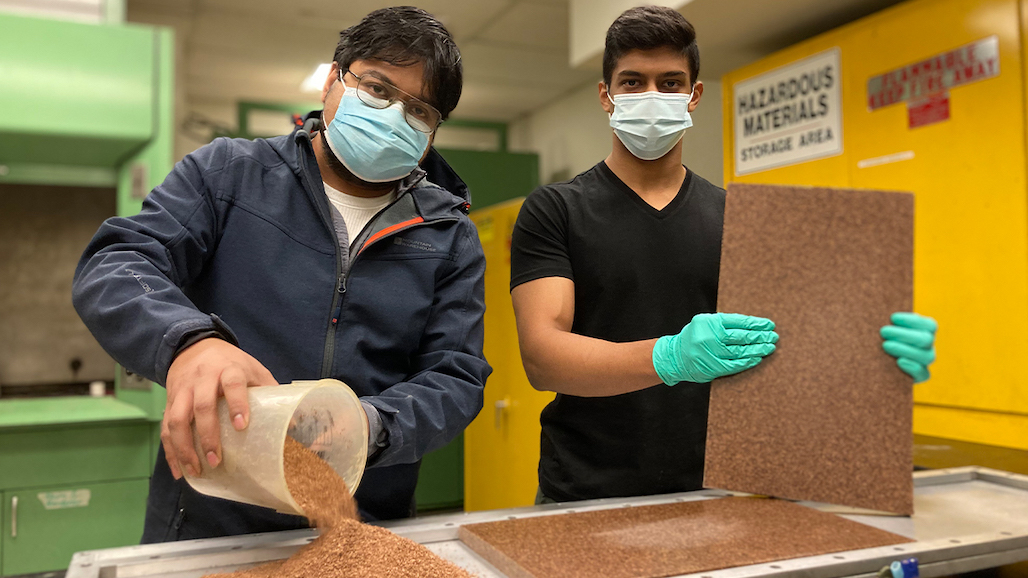
    These hard, thin, slow-decaying husks are typically mulched or discarded, but Washington State University scientist Vikram Yadama has found a new way to upcyle leftover hazelnut shells into durable panels for cabinets, tables, and other products.

    At WSU’s Composite Materials Engineering Center, Yadama and a team of doctoral students turn agricultural waste products, such as shells, fibers, and stubble, into resin-strengthened architectural and decorative panels.

    Part of WSU Extension, Yadama collaborates with manufacturers to share ideas and create new techniques. Funded by the National Institute for Food and Agriculture’s Small Business Innovation Research Program and inspired by a Northwest client seeking help making compressed fiber panels, his latest project explores hazelnut shells as an ideal main ingredient.

    “When you make panels for tables or cabinets, a few things become really important,” Yadama said.

    Panels need to be strong enough to bear a load across a given span. They need to be able to hold screws or fasteners, and to have minimal creep, or bending over time due to weight.

    “The foremost thing is that the look has to be phenomenal,” Yadama said.

    Ingredients determine performance, and Yadama experiments with a range of natural materials, such as hemp and sorghum fibers or wheat stubble. Some materials have long structural fibers called bast. Inside is a pithy, crumbly material called hurd. Structurally, bast and hurd perform differently in a panel.

    Hazelnut shells are naturally sustainable, and offer a promising mix of strength, performance, and beauty, bringing a rich reddish-brown color to Yadama’s prototype panels.

    “Shells, wood, and natural fibers have a lot of carbon in them,” he said. “When you stop them from degrading, you trap the release of carbon. If we can keep material from going to the landfill, and at the same time keep growing more trees, this cycle will help us in the long run.”

    The team is working to maximize the amount natural fiber in the panel while minimizing the amount of resin, and ultimately envision use of a bio-based, carbon-neutral resin.

    “This project is really exciting and intriguing, because it upcycles an industrial waste product, reduces environmental burden, and is industry-oriented and relevant to what’s required in the commercial world,” said Avishek Chanda, postdoctoral researcher in Yadama’s lab.

    “More fibers per panel means they’re more biodegradable, cost-friendly, and valuable with minimal resin usage,” Chanda added. If the team can maintain that standard at the industrial scale and fabricate eight-by-four-foot panels with a high-volume fraction of fiber, “it’s a very big achievement.”

    Aiming to complete the project this winter, Yadama is developing both a product as well as prototype equipment that can be scaled up to the commercial scale. If successful, one day soon consumers may sip hazelnut-flavored coffee at a table or in a chair made from a nutshell.

    “It has been an amazing experience working with our partners on development of these new hazelnut shell panels,” Yadama said. “Clients in the architecture and design industry are excited by the prototypes we’ve shown, and we expect this new material type will be a huge success once it’s ready to manufacture.”

    Gap funding from WSU’s Office of Commercialization provided an initial boost that helped secure federal support for the project.— 

  • Almond Board of California Announces 2022 Elections

    Almond Board of California Announces 2022 Elections

    Elections for the Almond Board of California (ABC) Board of Directors have kicked off for the 2022-2023 crop year with the call to all candidates to file their petitions or declarations of candidacy by April 1, 2022.

    There are two independent grower positions and one independent handler position on the ABC Board of Directors to be decided in voting that starts April 21 and ends May 26. Alternate seats for those spots are also open.

    To be considered for an independent grower or alternate seat, candidates must be a grower and must submit a petition signed by at least 15 independent almond growers (as verified by ABC). Independent handler and alternate candidates must declare their intention in writing to ABC.

    All petitions and declarations must state the position for which the candidate is running and be filed by mail with ABC at 1150 9th St., Suite 1500, Modesto, CA 95354. The deadline for all filings is April 1. Potential candidates who’d like more information can contact Toni Arellano at tarellano@almondboard.com.

    “The ABC Board of Directors is such an important and vital part of our industry,” said ABC president and CEO Richard Waycott. “It guides the work of the Almond Board and is key to overseeing the welfare of the industry and of more than 7,600 growers and 100 handlers.”

    Richard Waycott, CEO, Almond Board of California

    The ABC board sets policy and recommends budgets in major areas, including marketing, production research, public relations and advertising, nutrition research, statistical reporting, quality control and food safety.

    Getting involved provides an opportunity to help shape the future of the almond industry and to help guide ABC in its mission to promote California almonds to domestic and international audiences through marketing efforts, funding and promoting studies about almonds’ health benefits, and ensuring best-of-class agricultural practices and food safety.

    ABC encourages eligible women, minorities and people with disabilities to consider running for a position on the Board of Directors to reflect the diversity of the industry it serves.