Category: Economics
-

Navel Orangeworm Sterile Insect Technique Moving Forward
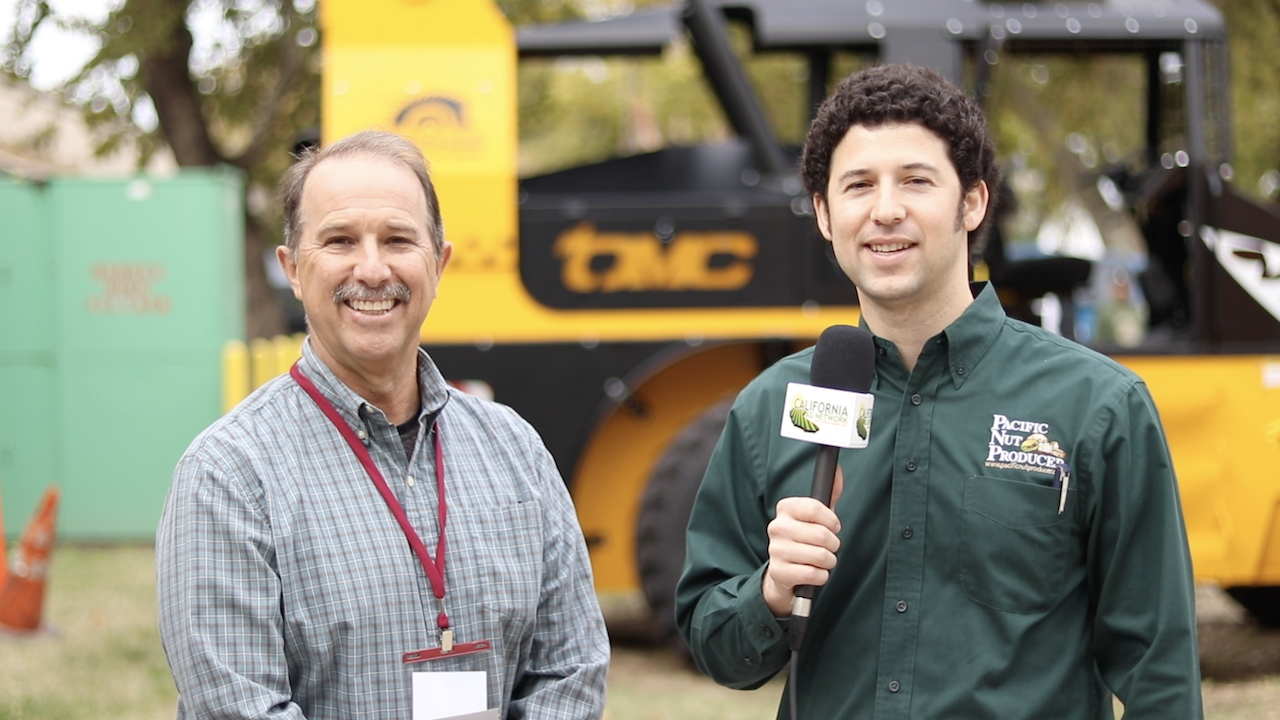
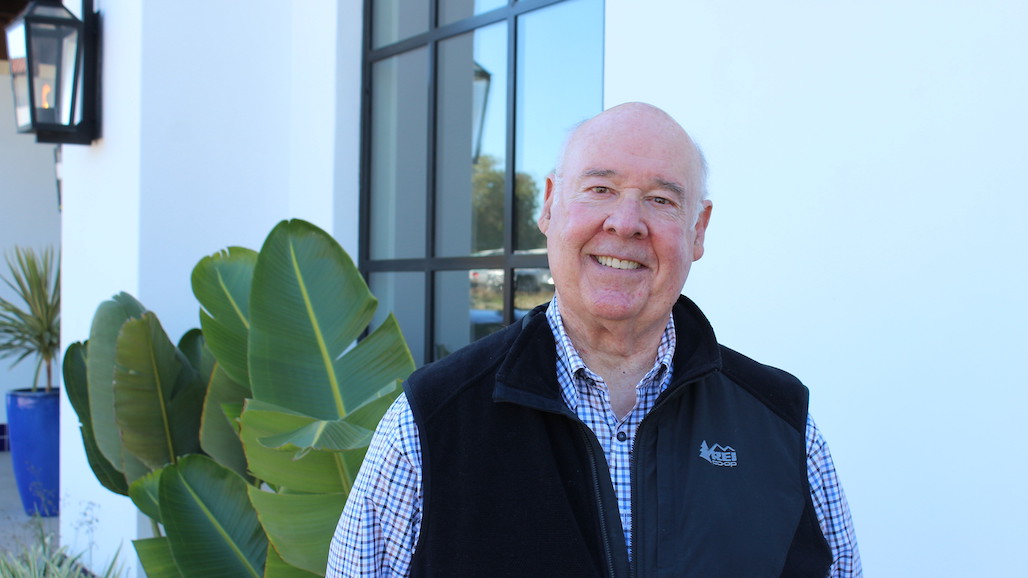
Many tree nut growers are aware of the pistachio industry’s investment and government support of sterile insect technique as another tool to suppress navel orangeworm populations in the orchard, but recognize that the research takes time and money. So how far have we come and does the technique still have promise for combatting the tree nut industry’s number one insect pest? Watch this brief video to find out, featuring Ted Sheely, a cotton and pistachio grower who has been following this program long before it was used for navel orangeworm. Read more in Pacific Nut Producer Magazine.Please thank this video’s sponsor Trece for their industry support. -

Almond Nitrogen Fertilizer Recommendations Following Whole Orchard Recycling
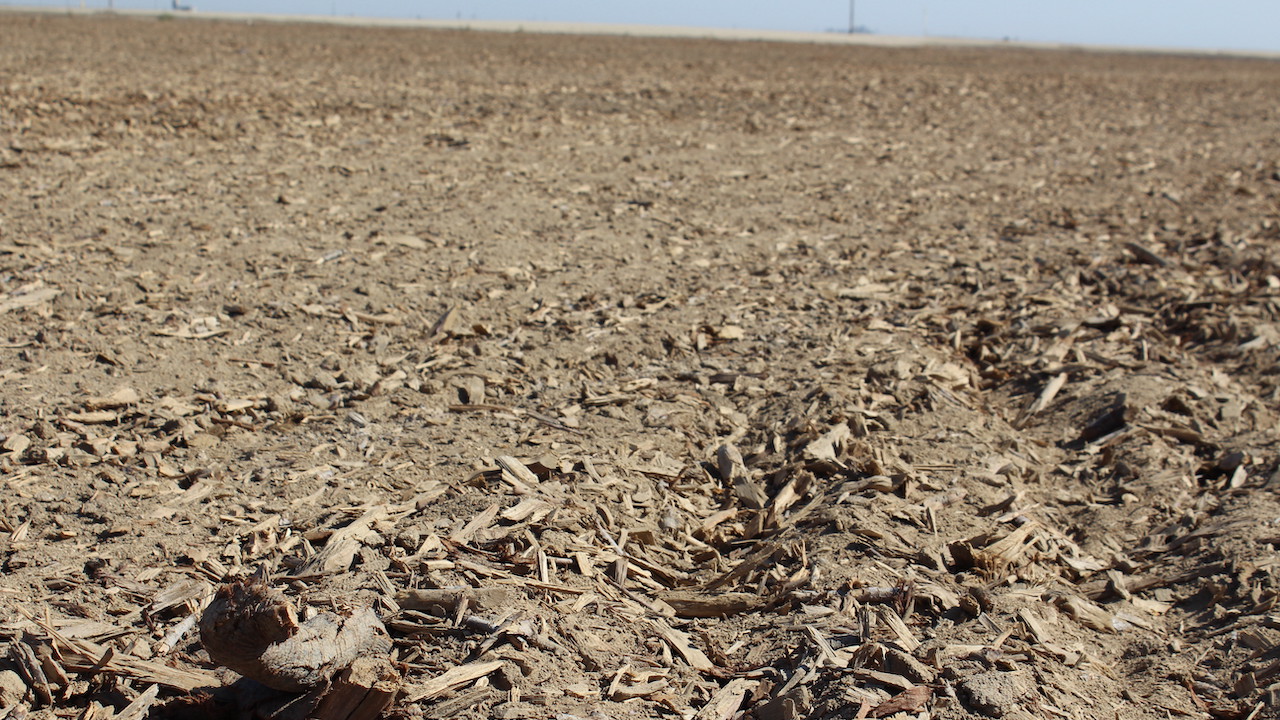
Whole orchard recycling has been a great alternative to the traditional burning of aging almond orchards; however, incorporating the carbon rich wood chips back into the soil presents concerns for nitrogen availability upon replanting. Watch this brief interview with UCCE Farm Advisor Brent Holtz as he shares his nitrogen application recommendations for replanting almonds following orchard recycling based on recent studies, and be sure to read his monthly Almond Tasks column in Pacific Nut Producer Magazine.Please thank this video’s sponsor Trece for their industry support. -

Growers Limited to Insecticides for Control of Walnut Husk Fly
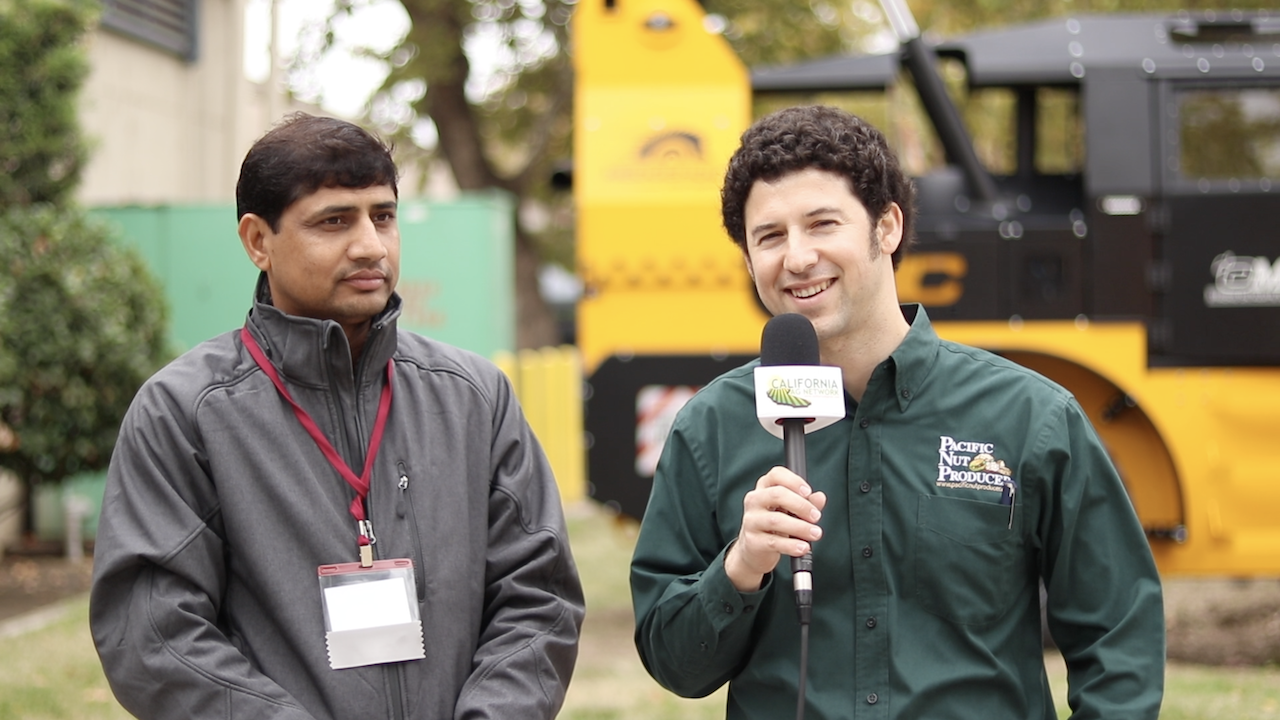
As growers prepare to begin monitoring their orchards for walnut husk fly emergence in June, watch this brief interview with Jhalendra Rijal from the Tree & Vine Expo, as he shares more about the nature of this pest and the limited tools growers have to control it. Read more in-depth information about walnut husk fly control in the May issue of Pacific Nut Producer Magazine.Please thank this video’s sponsor Trece for their industry support. -

National And State Ag Groups Call For Meeting On Export Trade Imbalance
Today, a collaborative of major agriculture associations released the attached letter sent to the United States Secretary of Agriculture, the United States Secretary of Transportation, and the National Economic Council.
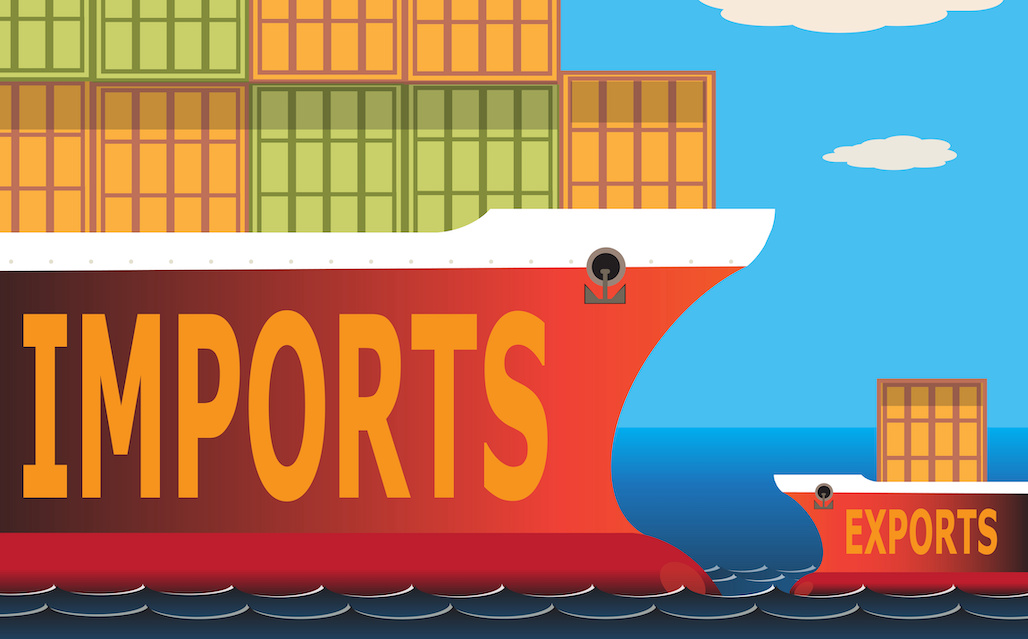
The letter calls for an immediate federal effort to convene a meeting of ocean carrier companies and agricultural exporters to address the tremendous export trade imbalance which is crippling American agriculture and damaging the American economy.
Signers of the letter include leadership of the California Farm Bureau; Western Growers Association; National Milk Producers Federation; U.S. Dairy Export Council; Western United Dairies; the Almond Alliance of California, and the California Walnut Handlers Alliance.
In addition to being sent to national leaders in government, the letter was sent to Governor Gavin Newsom’s office, all members of the California Congressional delegation, and the California Secretaries of Transportation and Agriculture.
The request comes after a series of local, state, and national news stories, including articles in the New York Times, NPR, and the San Francisco Chronicle, detailed the impact that the export trade imbalance is having on agriculture products waiting to be exported to customers overseas. The letter also includes shocking statistics detailing how severe the problem is.
“American almonds, dairy products, fresh produce, and other agricultural communities have been unable to reliably ship sold product to buyers worldwide and can no longer bear the burden of the persistent ocean shipping obstacles. This has included empty container and equipment shortages, broken export contracts and canceled bookings, and inadequate receiving windows by shipping carriers that have gone unaddressed for over a year…These export shipping challenges have been damaging to our community, our industry, and our nation’s position in the global economy, depressing our foreign market opportunities.”View the letter HERE. -

USDA Takes Action to Strengthen Pollinator Research Support
The U.S. Department of Agriculture announced its strengthened commitment to advancing research and programmatic priorities that support pollinator health by soliciting nominations for members to serve on its newly formed USDA National Pollinator Subcommittee.
The subcommittee will be part of the National Agricultural Research, Extension, Education, and Economics (NAREEE) Advisory Board, which provides feedback to the Secretary of Agriculture, USDA’s science agencies and university collaborators on food and agricultural research, education, extension and economics priorities and policies.
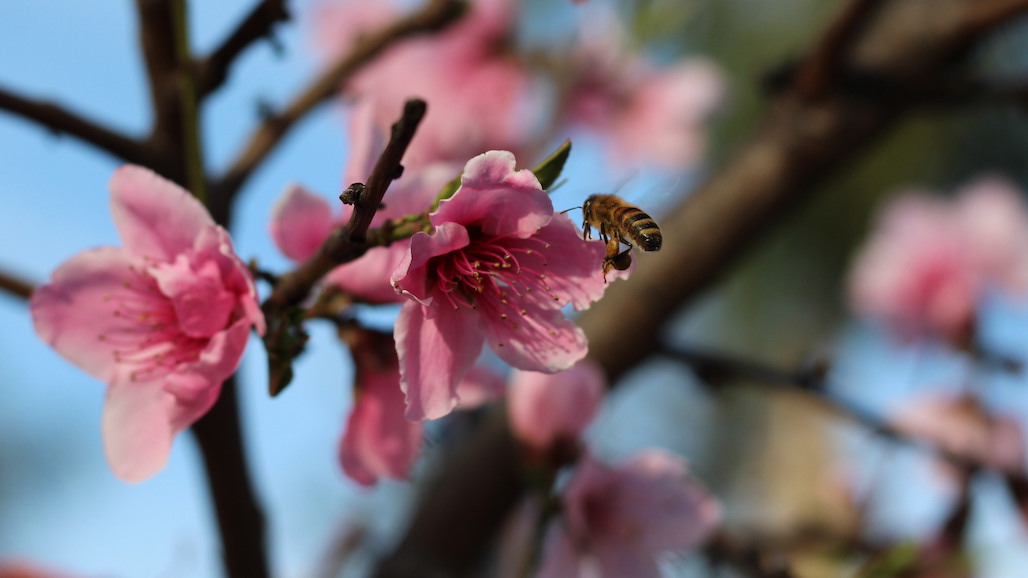
“USDA takes very seriously our duty to protect pollinators so that they can continue to play a critical role in our food production system,” said Agriculture Secretary Tom Vilsack. “Pollinator species help produce more than 100 crops grown in the United States. We are keenly interested in understanding the stressors that impact pollinators, including climate change, pests, pathogens and reduced forage. We strive to ensure our research and data in this area are meeting the needs of bee managers and the farmers that rely on pollinators.”
The NAREEE Advisory Board’s Pollinator Subcommittee will provide input on annual USDA strategic pollinator priorities and goals and will make pollinator health-related recommendations to strengthen USDA pollinator research efforts. USDA is both a major funder and conductor of pollinator research, with research initiatives spanning across five USDA mission areas.
NAREEE Board members play an important advisory role for USDA’s science agencies as they shape and advance the large-scale, collaborative research initiatives needed to address tough challenges that our nation’s farmers, ranchers and consumers face.
USDA is seeking nominations for subcommittee members from individuals with diverse expertise in pollinator health. USDA’s research is organized by five major study areas: Status and Trends (e.g., pollinator inventory and monitoring, economics and social sciences); Pests and Pathogens (both established and emerging); Environmental Stressors (e.g., weather stress, pesticide exposure, migratory and stocking density stress); Forage, Habitat, and Nutrition; and Genetics and Breeding.
USDA expects to appoint seven new Pollinator Subcommittee members in accordance with the federal statute. Candidates selected to the Pollinator Subcommittee may serve 1–3 years with terms anticipated to start in July 2022.
NAREEE is accepting nomination packages from now until May 31, 2022, and should be sent by email to nareee@usda.gov. The Federal Register Notice is available online. For information on how to apply visit the NAREEE website.
To learn more about USDA pollinator activities and research efforts visit USDA’s Pollinator website.
-

Considerations for Almond Varietal Selection
Planting a new almond orchard? Watch this brief interview with UCCE Stanislaus County Director & Farm Advisor Roger Duncan as he shares some considerations for varietal selection based on his recent presentation at the Tree & Vine Expo. Read more about in Pacific Nut Producer Magazine.Please thank this video’s sponsor Trece for their industry support. -

Drought Impact on Almonds in the Sacramento Valley
Growers in the San Joaquin Valley are not alone in dealing with the harsh impacts of drought. The Sacramento Valley has been hit pretty hard as well, and almond growers are concerned with how this will affect the quality of their crop over the next few years. Watch this brief interview with UCCE Orchard Systems Advisor Luke Milliron as he shares his insights, based on his presentation at The Almond Conference, and read more about in Pacific Nut Producer Magazine.Please thank this video’s sponsor Trece for their industry support. -

American Pistachio Growers Ramps Up Marketing Efforts Ahead of Industry Growth
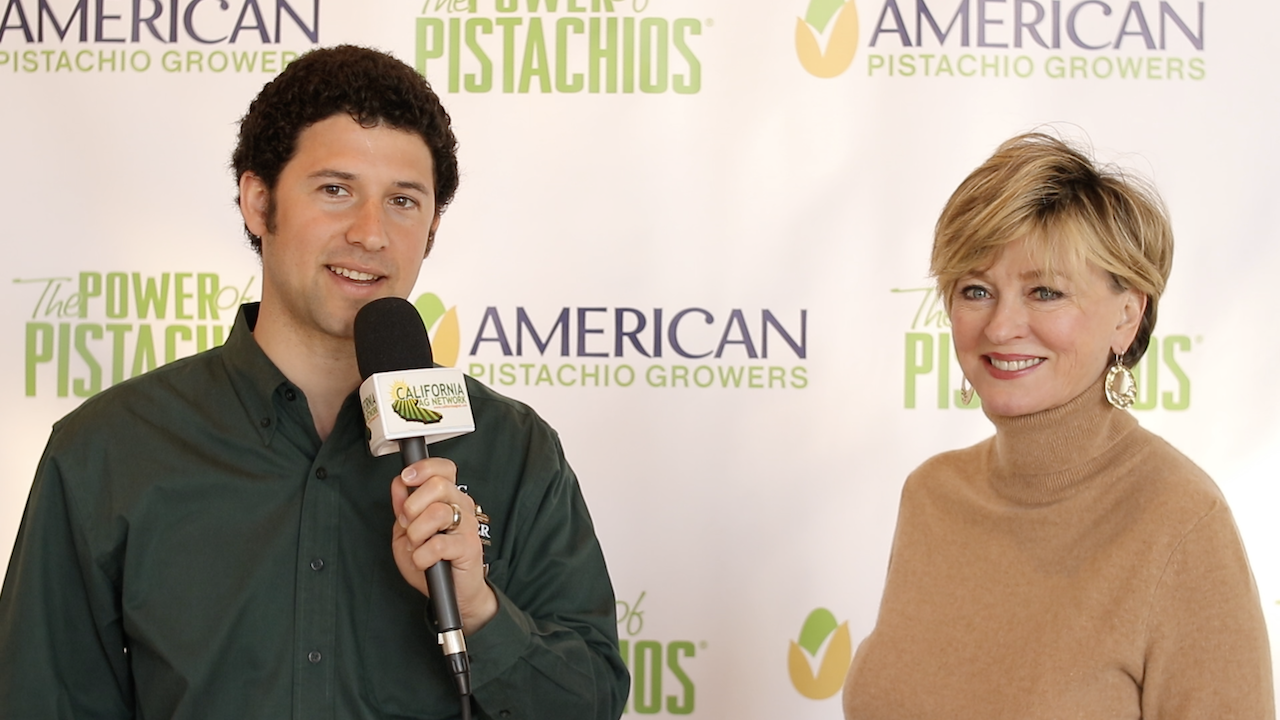
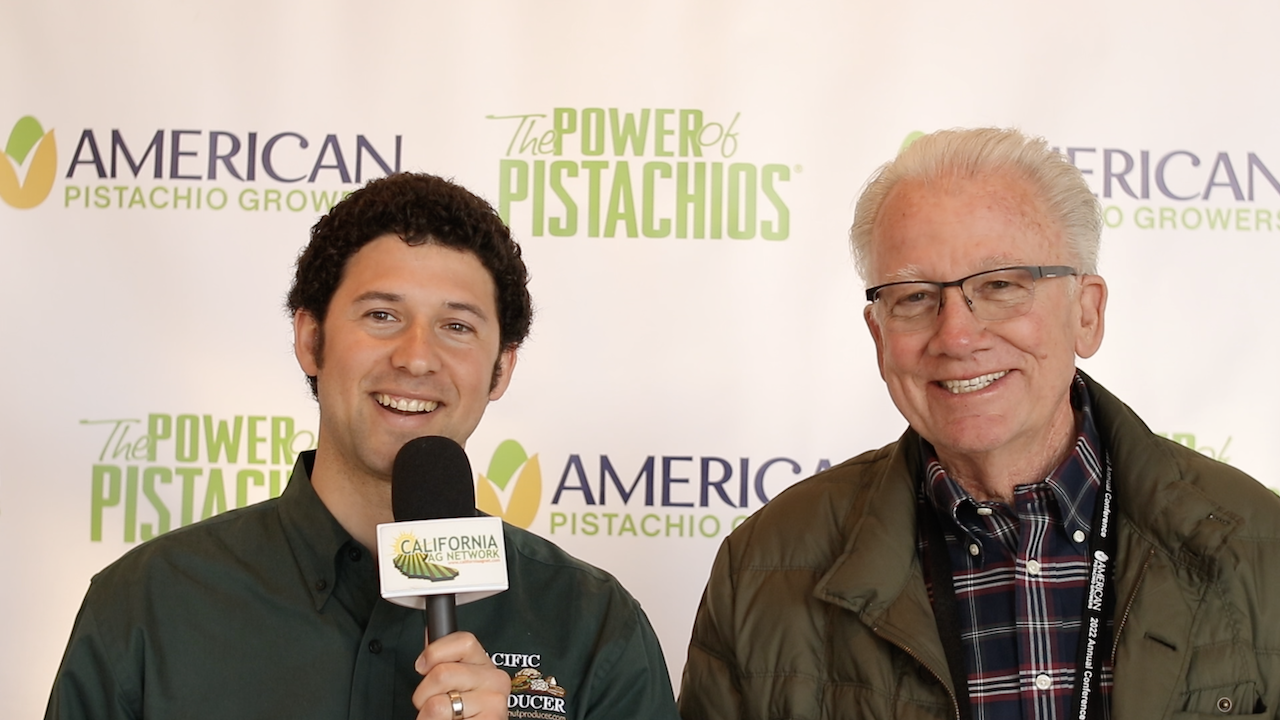
As the US Pistachio industry continues to ramp up in production, global marketing efforts have never been more critical to keep demand ahead of supply. Watch this brief interview with Judy Hirigoyen from American Pistachio Growers as she shares how American Pistachio Growers is leading the charge.Please thank this video’s sponsor Trece for their industry support. -

Pistachio Conference Attendance Shatters Record, as is Likely for the 2022 Crop
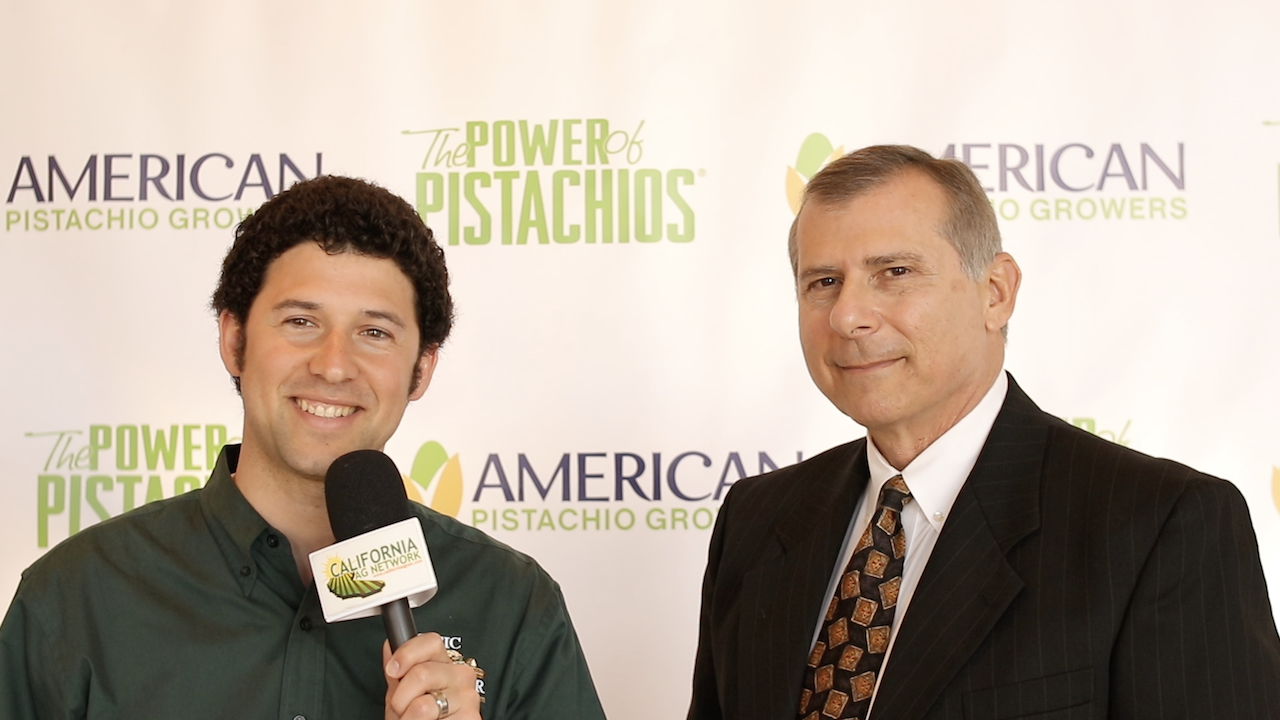
American Pistachio Growers gathered in record numbers recently for their annual conference in Carlsbad, CA.Watch this brief interview with Richard Matoian, President of American Pistachio Growers as he shares highlights, and how the record attendance is also a reflection of the growth of the industry and new heights in pistachio acreage and production being reached.Please thank this video’s sponsor Trece for their industry support. -

Dennis Woods to Lead New American Pistachio Growers Board as Chairman
The election results for six Board seats, for the 2022 American Pistachio Growers (APG) Board of Directors, were recently announced during the Annual Membership Meeting. The newly elected board members are Adam Kusmak of Tularosa Pistachio Groves, New Mexico, and from California, William Bourdeau of Harris Farms, Paul Huckabay of Keenan Farming Company, Raj Kahlon of RHM Farms, Jim Zion of LJL Farming, and Ali Amin of Primex Farms, who has been re-elected to the board for a second term. Rudy Placencia of Touchstone Pistachio Company was appointed to the Board in November to fill a vacant seat.

The 2022 APG officers were also unanimously confirmed for the year: Dennis Woods, Chair; Vice Chair Justin Wylie; and Rich Kreps Secretary/Treasurer. As for the six who have completed their terms of service, APG offers their heartfelt gratitude to them. The invaluable leadership and the many hours of volunteering that Dominic Pitigliano, Gary Smith, Steve Moore, Steve Burcham, and Danielle Kusmak gave, on behalf of APG, is deeply appreciated.
American Pistachio Growers’ Board of Directors consists of 18-member growers who bring a diverse range of knowledge, perspective and experience to the association. Board members, elected by APG growers, serve a 3-year term, and may serve up to 2 consecutive terms.