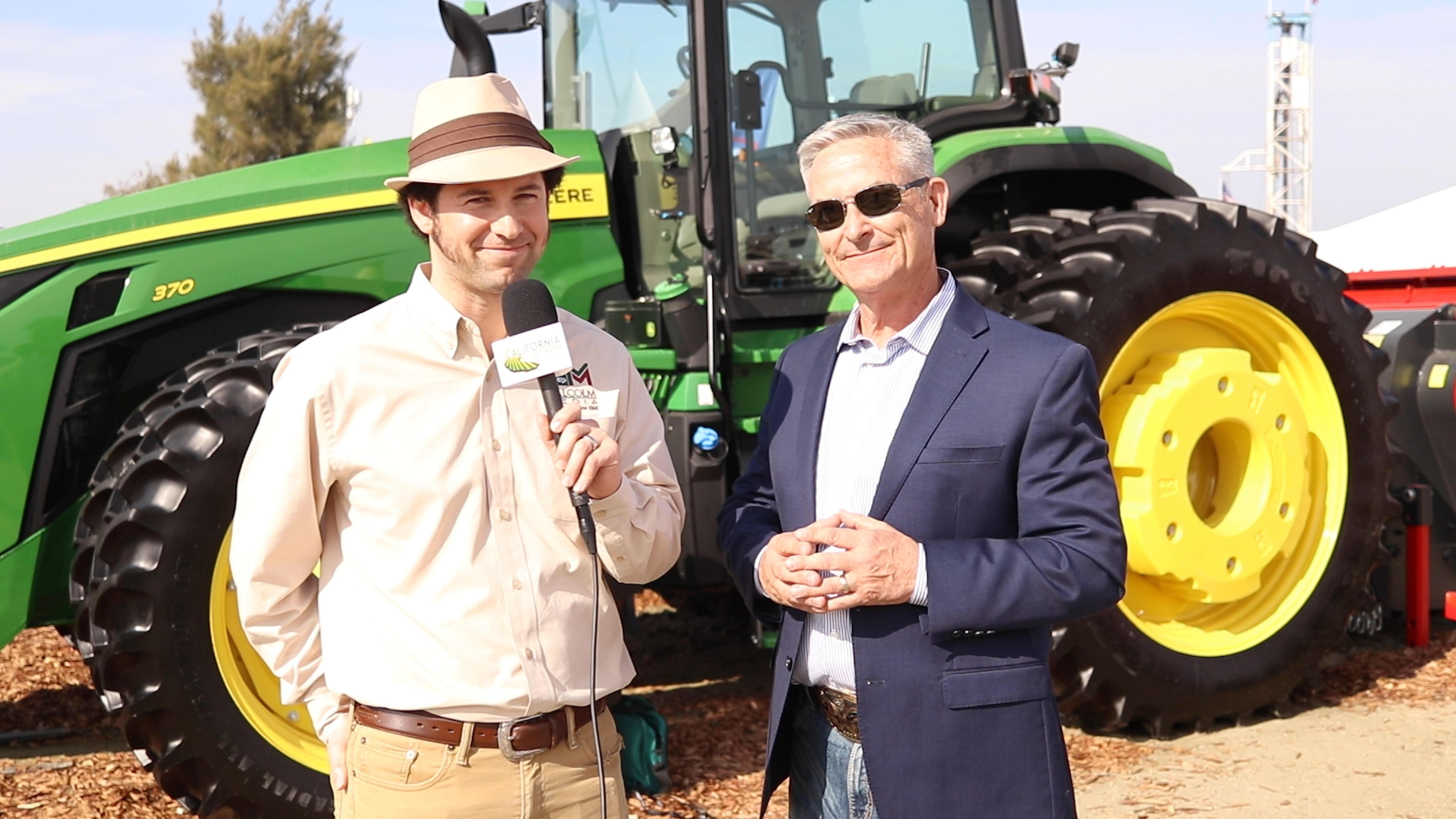
As California almond orchards are coming to life again in beautiful bloom, most of the nation’s beehives have been strategically placed around orchards all over the state in hopes of a solid 2024 crop set. Should growers be concerned about these hives disappearing overnight? Watch this brief interview Tulare County Sheriff Mike Boudreaux who addresses this, along with the historical issues of tree nut theft, and measures that have been taken to mitigate these problems. Boudreaux is also running for Congress, and he shared how he plans to represent California farmers if elected to the 20th Congressional District seat vacated by Kevin McCarthy.
Category: Economics
-
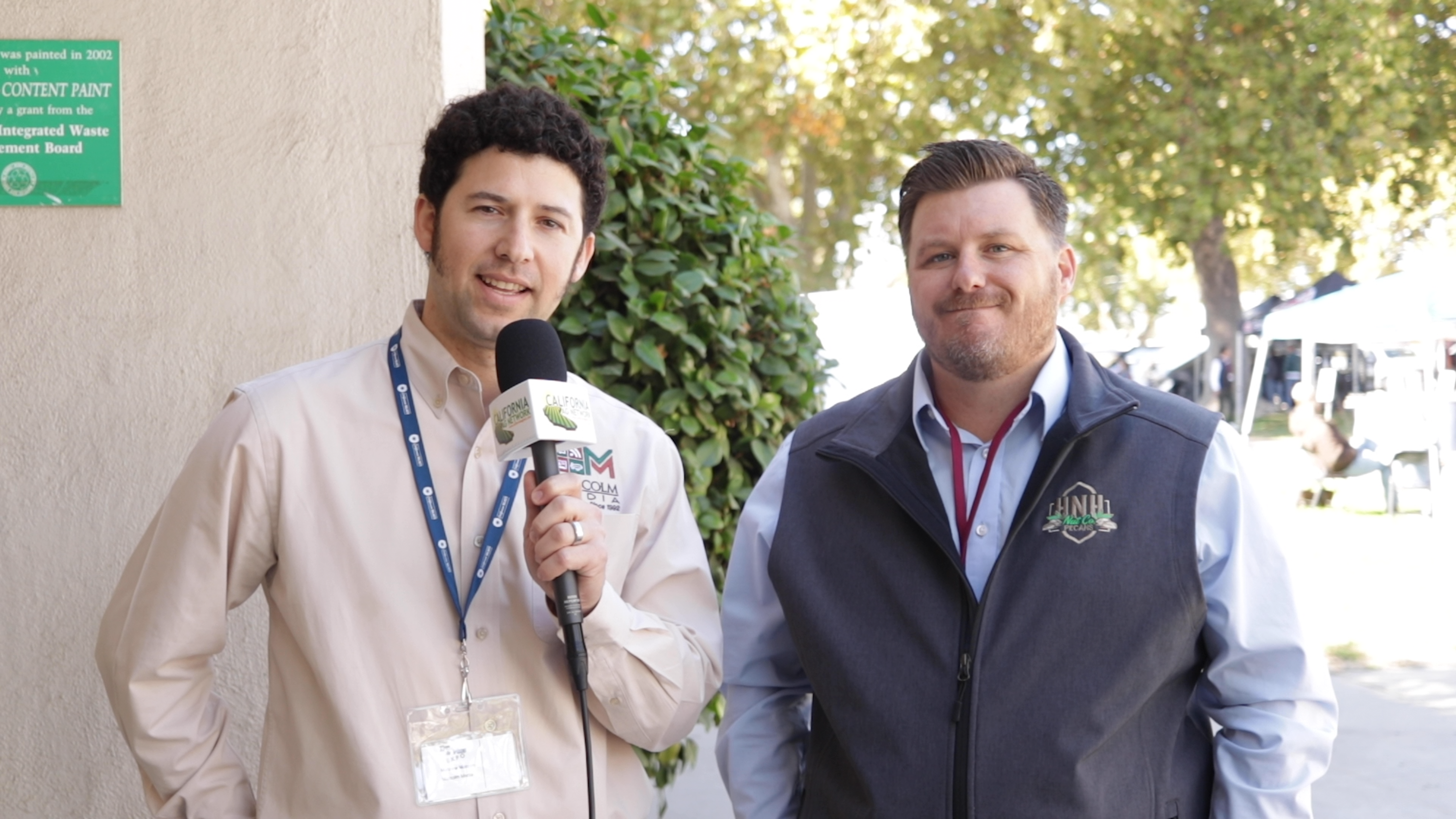
Growth Opportunities for the Western Pecan Industry
While the southern states have historically led the nation in pecan production by far, acreage and production trends in the West are rising, according to California pecan grower/processor and American Pecan Council Board Member Blake Houston. Watch his video interview with Matthew Malcolm at the recent Tree & Vine Expo in Turlock, based on his State of the Pecan Industry presentation. Read more about it in Pacific Nut Producer Magazine.
-
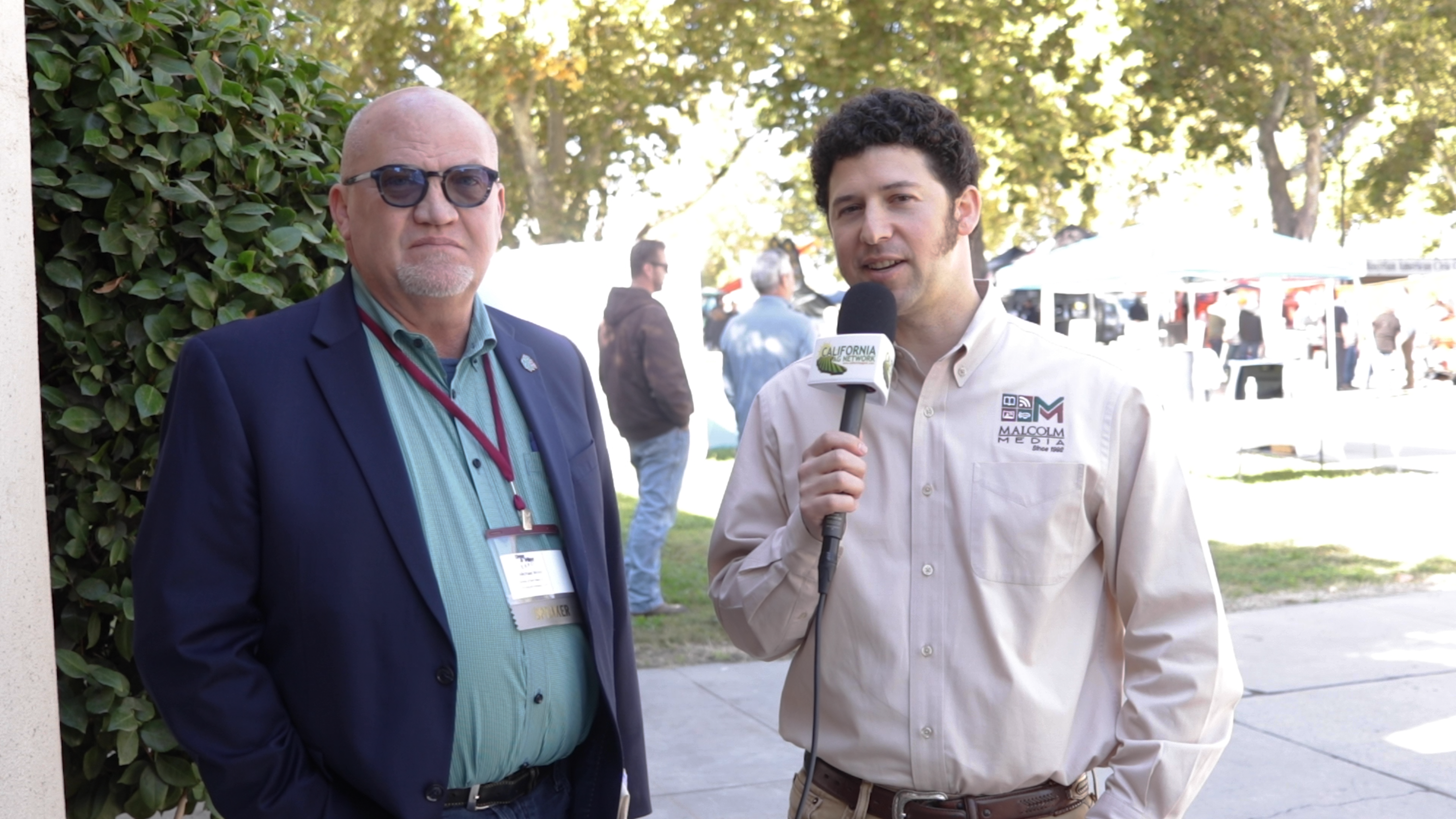
California Growers Celebrate Legislative Win Supporting Groundwater Recharge
Last Fall, Governor Newsom signed SB 659, The California Water Supply Solutions Act of 2023, sponsored by the California Association of Winegrape Growers and the Regional Water Authority in Sacramento. But what does this mean for California farmers implementing groundwater recharge practices in the coming months? Watch this video with Michael Miiller from the California Association of Winegrape Growers to find out.
-
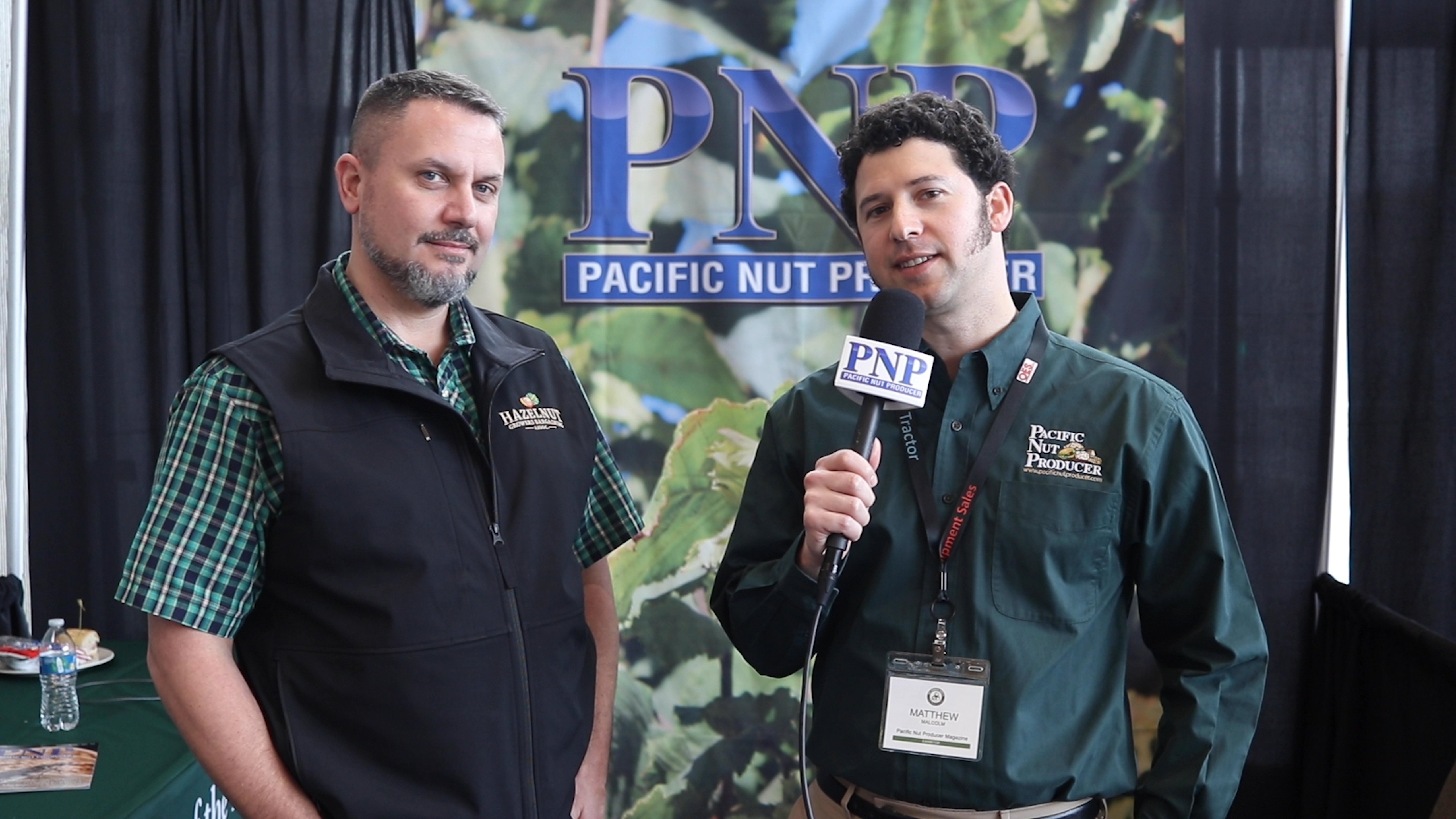
Hazelnut Market Improves, Oregon Growers Celebrate Higher Prices

Pacific Northwest hazelnut growers at the recent Nut Growers Society Winter Meeting were happy with the news of improving market conditions and prices for their 2023 crop. Watch this brief video with Terry Ross from the Hazelnut Growers Bargaining Association for the specifics, and read more about it in Pacific Nut Producer Magazine.
Please thank this video’s sponsor George Packing Company for their industry support.
-
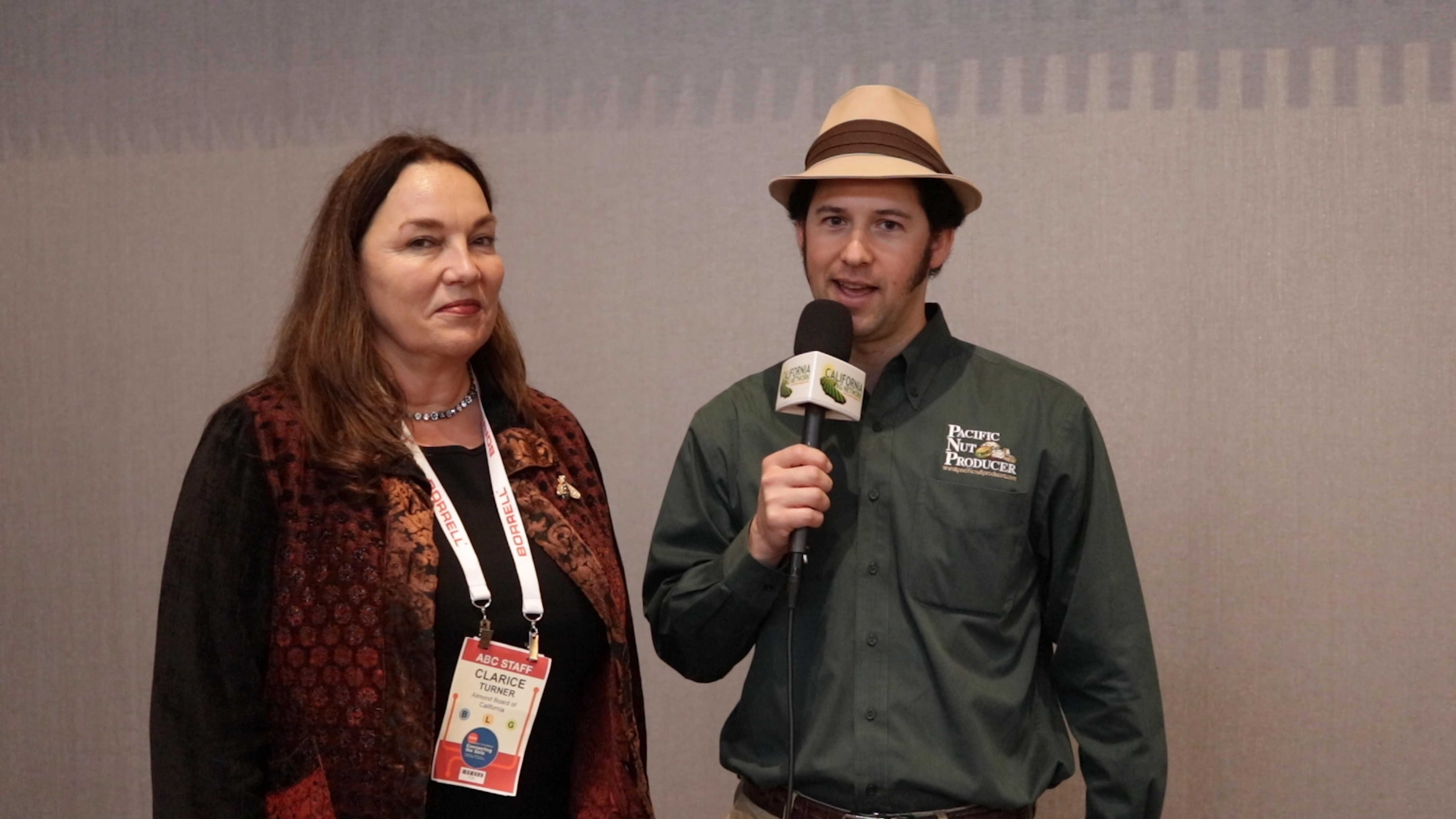
New Almond Board CEO Shares Optimism for Future of Industry
At the recent Almond Board of California annual conference in Sacramento, growers, hullers and processors witnessed the passing the reigns from the former President Richard Waycott, to the new President and CEO Clarice Turner. Watch this interview to learn more about Clarice Turner, as well as the experience and optimism for the future of the industry that she brings to the table. Read more in Pacific Nut Producer Magazine.
-
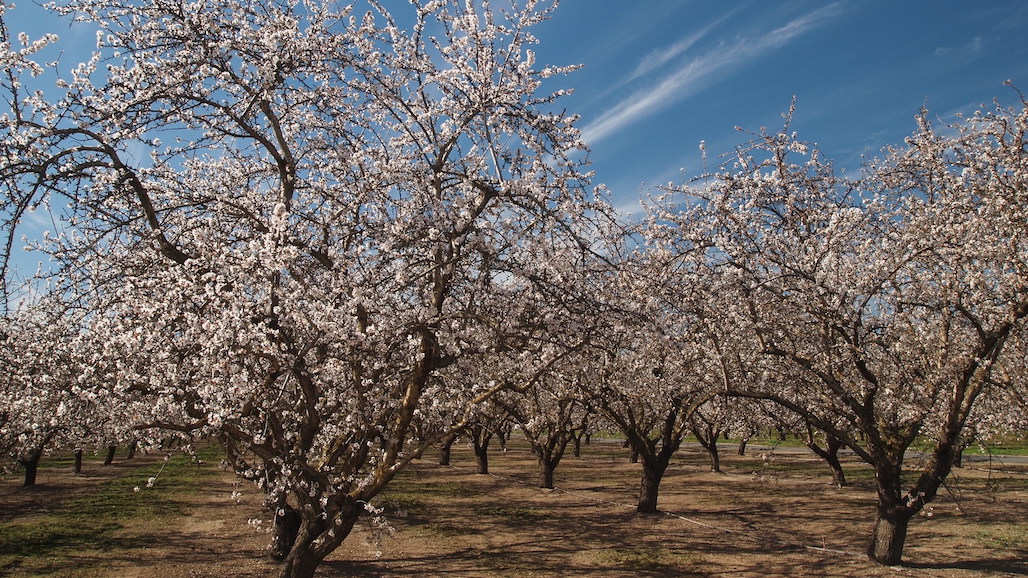
Almond Board of California Announces 2024 Elections
Elections for the Almond Board of California (ABC) Board of Directors will launch for the 2024-2025 crop year on Friday, Feb. 9 with the call to all candidates to file their petitions or declarations of candidacy by April 1, 2024.
The industry will choose people to hold two independent grower positions and two independent handler positions on the ABC Board of Directors in voting that starts April 22 and ends May 23. Alternate seats for those spots are also open.
To be considered for an independent grower or alternate seat, candidates must be a current grower and must submit a petition signed by at least 15 independent almond growers (as verified by ABC). Independent handler and alternate candidates must declare their intention in writing to ABC.
All details, documents, open positions, the election timeline and deadlines, and frequently asked questions can be found at Almonds.com/Elections. All petitions and declarations must state the position for which the candidate is running and be sent to abcbodelections@almondboard.com or printed and mailed to ABC, 1150 Ninth St., Suite 1500, Modesto, CA 95354. The deadline for all filings is April 1. Potential candidates who’d like more information can contact ABC at abcbodelections@almondboard.com.
“The ABC Board of Directors is tremendously important to the success of our industry,” said ABC President and CEO Clarice Turner. “More than 7,600 growers and 100 handlers count on them to guide the work of the Almond Board and to help the industry navigate these complicated times and work toward a positive future.”
The ABC board sets policy and recommends budgets in major areas, including marketing, production research, public relations and advertising, nutrition research, statistical reporting, quality control and food safety.
Getting involved provides an opportunity to help shape the future of the almond industry and to help guide ABC in its mission to promote California almonds to domestic and international audiences through marketing efforts, funding and promoting studies about almonds’ health benefits, and ensuring best-of-class agricultural practices and food safety.
ABC encourages eligible women, minorities and people with disabilities to consider running for a position on the Board of Directors to reflect the diversity of the industry it serves.
About the Almond Board of California
California almonds make life better by what we grow and how we grow. The Almond Board of California promotes natural, wholesome and quality almonds through leadership in strategic market development, innovative research, and accelerated adoption of industry best practices on behalf of the more than 7,600 almond farmers and processors in California, most of whom are multi-generational family operations. ABC is a non-profit organization that administers a grower-enacted Federal Marketing Order under the supervision of the USDA. It was established in 1950 and is based in Modesto, CA. For more information on the Almond Board or California almonds, visit Almonds.com. -
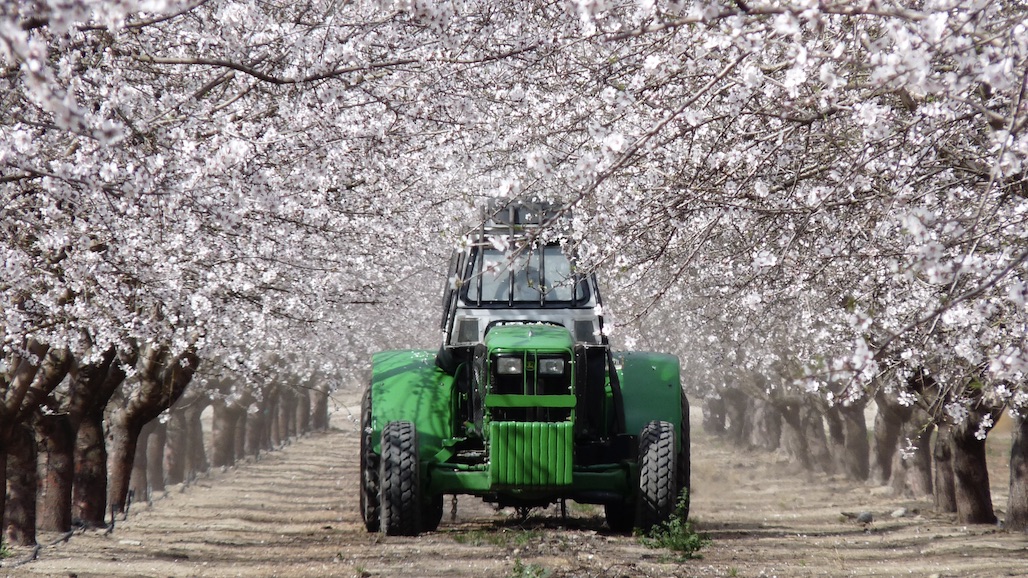
EPA Approves Section 18 Emergency Registration for Kasugamycin on Almonds
The Environmental Protection Agency (EPA) and California Department of Pesticide Regulation recently accepted a Section 18 petition to allow the use of Kasumin 2L (kasugamycin) to control bacterial blast (Pseudomonas sp) in almonds. The registration allows up to two applications under anticipated cold or freezing conditions on almonds at a use rate of 64 fl. oz. per acre from February 2, 2024, through petal fall. Application after petal fall is prohibited. Kasugamycin may only be used during bloom.
The approval applies to the counties of Butte, Calaveras, Colusa, Contra Costa, Fresno, Glenn, Madera, Merced, Placer, San Joaquin, Stanislaus, Sutter, Tehama, Yolo, and Yuba.
Growers interested in this application are heavily encouraged to reference the Almond Board of California’s Honey Bee Best Management Practices as well as the Quick Guide for Applicators (in English & Spanish) to ensure pollinator health is maintained. As stated in these practices, growers should only use applications when absolutely necessary and should only make applications in the late afternoon or evening, when bees and pollen are not present.
Please contact your local County Ag Commissioner’s office for further details if interested in using this product. Visit the California Department of Food and Agriculture website for a full list of County Ag Commissioners’ offices as well as contact information for each.
-
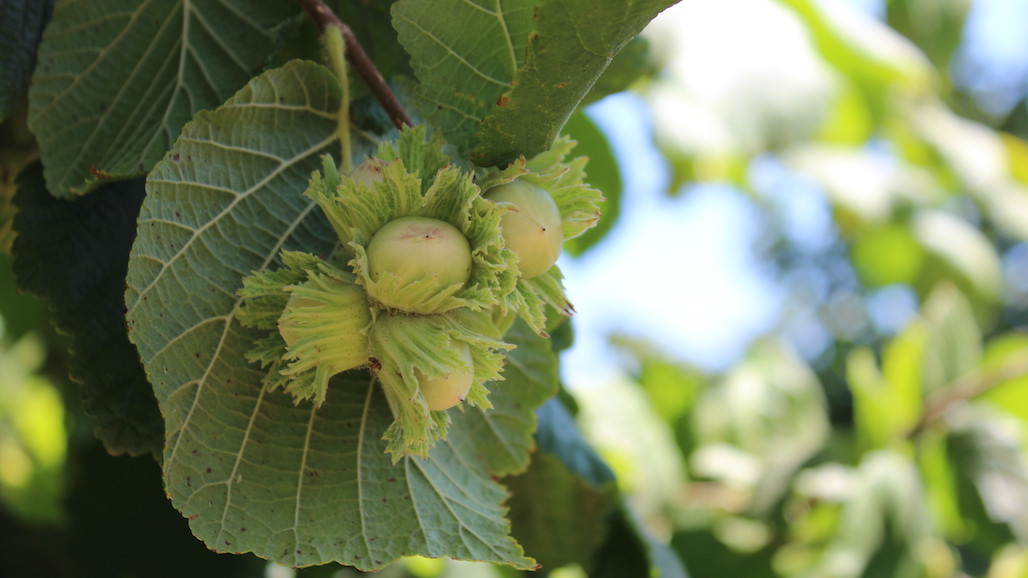
Attention Hazelnut Growers: USDA to Measure Financial Well-being of Northwest Farmers
The U.S. Department of Agriculture’s National Agricultural Statistics Service (NASS) will spend several months gathering information about farm economics from farmers and ranchers across the Pacific Northwest, as the agency conducts the third and final phase of the 2023 Agricultural Resource Management Survey (ARMS).
“ARMS is the only survey that measures the current financial well-being of producers and their households as a whole,” said Dennis Koong, Director of the NASS Northwest Region Office. “The data will help inform decisions on local and federal policies and programs that affect Northwest farms and farm families.”
To obtain the most accurate data, NASS will reach out to nearly 40,000 producers nationwide, including almost 2,600 in Idaho, Oregon, and Washington between February and April 2024. The survey asks producers to provide in-depth information about their operating revenues, production costs, and household characteristics. The 2023 ARMS survey includes a version of the questionnaire focused on farm costs of production and expenditures for oat producers.
“In February, our interviewers will begin reaching out to those farmers who have not yet responded,” said Koong. “We appreciate their time and are here to help them with the questionnaire so that their information will continue to support sound agricultural decision- making.”
Information provided to NASS is kept confidential, as required by federal law. The agency only publishes data in aggregate form, ensuring that no individual respondent or operation can be identified.
The expense data gathered in ARMS will be published in the annual Farm Production Expenditures report on July 26, 2024. That report and others are available at nass.usda.gov/Publications. Additional ARMS data analysis and reports are available at ers.usda.gov/arms.
-
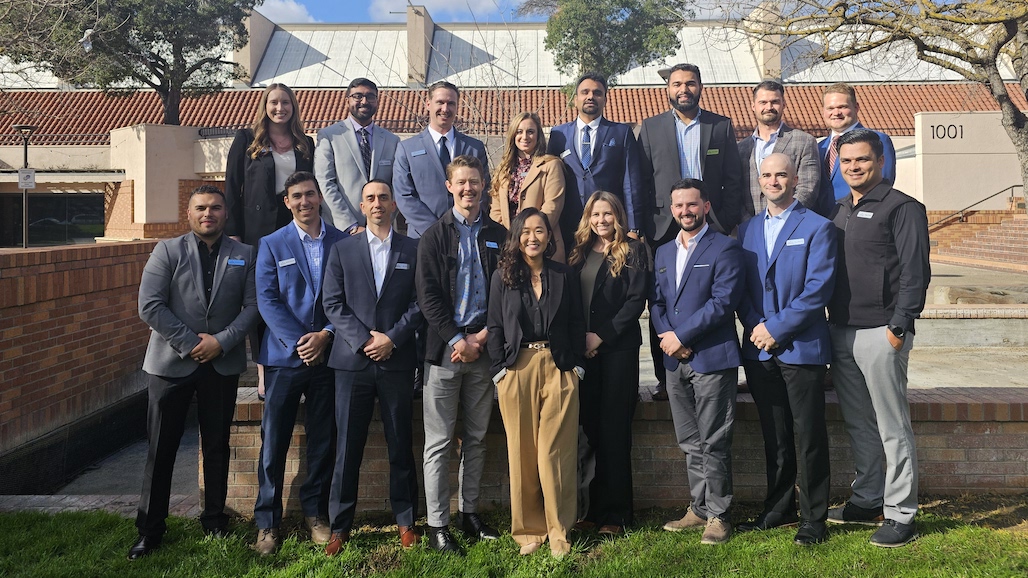
Almond Board Announces Exceptional 2024 Almond Leadership Class
The Almond Board of California is proud to announce the Almond Leadership Program class of 2024, a group of 18 exceptional professionals expected to help lead the industry into the future.
Bayer Crop Science has sponsored the Almond Leadership Program (ALP) for a number of years and is again the sponsor of this 2024 class of next-generation leaders who were chosen from more than 50 highly qualified applicants. They come from diverse backgrounds across the full range of the industry and include growers and processors, sales representatives, sustainability specialists, company executives, pest control advisors and more.
ALP began in 2009 and has graduated 226 industry members. Dozens now serve on ABC workgroups, committees and even the Board of Directors.
“We have had so many great participants through the years, and this 2024 class is simply outstanding,” said Rebecca Bailey, the ABC senior specialist who oversees ALP. “This program helps great people become great leaders and our industry continues to see the enormous benefits from 15 years of ALP. We have no doubt these 18 people will continue to be great assets and advocates for the almond industry.”
Members of this 15th class – while still working at their jobs – will be immersed in every aspect of the industry, including ABC activities in global marketing, production, nutrition research, food safety and more. They’ll sharpen their communication skills and build lasting relationships with industry leaders, ABC staff and each other.
“It’s crucial to be connected to people in all areas of the almond supply chain,” said Erik Stanek, a class member and sustainability specialist with Blue Diamond Growers. “Industry challenges are not solved in a silo. For me, ALP offers an opportunity to build meaningful relationships that can lead to actionable solutions. The program helps lift the entire industry.”
Class members are guided by volunteer mentors – many of them ALP graduates – who will help them develop the skills, knowledge and perspective to improve their industry and their communities.
“As a mentor, I have an opportunity to share what I’ve learned in the last 25 years as a farmer and a conservation biologist,” said mentor Christine Gemperle, a grower and member of ABC’s Board of Directors. “It’s my hope that the next generation of industry leaders can take that knowledge and grow an even better future for California almonds.”
The leadership program will also offer class members thorough looks at the impacts on the industry of social, economic, environmental and regulatory issues. In addition, participants will take on a yearlong, self-directed project focused on improving the California almond industry. Some past projects have led to important breakthroughs for the industry.
Leadership class members kicked off their training with a two-day orientation at the ABC offices in Modesto, which included one-on-one talks with their mentors and hearing from Board of Directors Chair Alexi Rodriguez and ABC CEO Clarice Turner.
“The leadership program has been incredibly enriching so far. I’ve been introduced to so many fascinating topics beyond my usual scope of work,” said Ziv Attia, part of the 2024 class and head of agronomy at Phytech. “Besides that, the staff and program members are amazing, and I look forward to getting to know them better, gaining further insights and building lasting connections that will contribute to the almond industry’s growth.”
Once again, class members will raise money for California FFA, pledging to raise more than $25,000 in scholarships for high school students interested in pursuing agriculture in college. Through the years, ALP has raised more than $320,000 for FFA.
The 2024 Almond Leadership class members are Ziv Attia of Bakersfield and Phytech; Andy Barahate of Kerman andCentral California Almond Growers Association; Gurajan Brar of Madera and Brar & Son Farms; Matthew Brocato of Fresno and Phytech; Mark Cavallero of Madera and Sierra Valley Almonds; Zachary Days of Patterson and Cal Coast Almond Processing Inc.; Mallory Dodds of Fresno and Gowan USA; Ryan Hackett of Modesto and Gold Leaf Farming; Brandon Heinrich of Modesto and B&M Orchards; Amanda Hernandez of Hollister and TriCal Inc.; Victoria Lee of Sacramento and Blue Diamond Growers; Sutter Long of Corning and Bayer Crop Science; Antonio Lopez of Woodland and Yocha Dehe Wintun Nation; Ryan McCoon of Escalon and Cultiva; Edgar Perez of Modesto andAmerican AgCredit; Jeevan Sandhu of Yuba City and Wilbur Ellis; Erik Stanek of Sacramento and Blue Diamond Growers; and Delaney Woolwine of Fresno and Harris Woolf California Almonds.
About California Almonds
Almonds from California are a healthy, natural, wholesome and quality food. The Almond Board of California promotes almonds with a research-based approach to responsible farming, production and marketing on behalf of the more than 7,600 almond growers and processors in California, many of whom have third- and fourth-generation family operations. Established in 1950 and based in Modesto, California, ABC is a non-profit organization administering a grower-enacted Federal Marketing Order under the supervision of the USDA. For more information on ABC or California almonds, visit Almonds.com.
-

Opportunities to Grow Tree Nut & Wine Exports in Serbia
Serbia offers good opportunities for the U.S. exporters of consumer-oriented agriculture products. From January-October 2023, total U.S. exports of agriculture products to Serbia reached $22.6 million, an increase of about 16 percent compared to the same period in 2022. The most significant commodities traded were almonds, whiskey, bourbon, tobacco, sweet potato, pistachios, peanuts, vegetable planting seeds, pet food, cranberries, juices and extracts from hops, wine, dietetic foods, concentrated proteins, snacks food, fish, and seafood products. This report provides U.S. food and agriculture exporters with background information and suggestions for entering the Serbian market. The statistical data are as of October 2023.
The World Bank (WB) ranks Serbia as an upper middle-income economy based on the Gross National Income per capita of the previous year (2023). Serbia is ranked 35th among the 39 countries in Europe. Moreover, the International Monetary Fund projected real GDP change at 2 percent in 2023. The total GDP is projected at $75 billion. Serbia is a developing country with a vibrant agriculture and food industry which contribute to almost 10 percent of total GDP. In 2023, the average annual inflation rate is expected to be 8.5 percent. Serbia has Free Trade Agreements with the European Union (EU), Turkey, and the Eurasian Economic Union (Russia, Kazakhstan, Belarus, Armenia, and Kyrgyzstan). It is also a signatory to the Central European Free Trade Agreement (CEFTA). January-October 2023 Serbia’s total agri-food exports reached a value of $4.1 billion, a decrease of 8 percent from the same period in 2022. The total agriculture imports in 2022 were valued at $2.9 billion, a decrease of 3 percent compared to the same period in 2022 with a registered $1.2 billion surplus.
In the January-October 2023 period, agri-food imports were $2.9 billion, a 3 percent decrease compared to the same period in 2022. Over 60 percent of imports come from the EU member states, while 30 percent come from the CEFTA member countries. The total U.S. agri-food exports to Serbia for the January-October 2023 period were valued at $22.6 million, with an increase of about 16 percent compared to 2022. One major obstacle to increasing the U.S. market share in Serbia a is 30 percent customs import tax on most agri-food products, compared to zero import taxes for products from countries with whom Serbia has signed FTAs (about 90 percent of Serbian trade partners). Essential commodities imported from the U.S. include almonds ($4.9M), whiskey bourbon ($3.5), consumer products ($2.6M), pistachios ($2.5M), tobacco ($1.4M), peanuts ($860,000), baby food ($605,000), vegetable seed ($580,000) and hake ($520,000).
Serbia is the largest agricultural market in the Western Balkans, with strong agricultural production and food processing tradition. Serbia is a global leader in the production of non-GMO corn and raspberries. The food processing industry accounts for approximately one-third of Serbia’s processingindustry. Over 20,000 food businesses are operational, and about 90 percent are micro, small, or medium-sized enterprises. This industry employs more than 120,000 people and is a rare example of a sector that has not been hit adversely by the economic crisis during COVID-19 pandemic. The largest subsectors in Serbia by value are dairy, meat, fruits, vegetables, wine, and confectionery industries.
Food retail revenue in the Serbian market is approximately $9 billion a year, which represents a relatively small market. Foreign retail chains hold more than 80 percent of the total retail market, mainly divided between Dutch-owned Delhaize (owner of retail chains Maxi and Tempo) and the Croatian Fortenova Group (owner of retail chains Idea, Roda, and Mercator). Other international retail chains include Germany’s Metro, Lidl, and Greece’s Super Vero. Domestic retail chains represent only some 20 percent of the Serbian market: Dis, Univerexport, and Gomex. More than 50 percent of all food products are still sold through small grocery shops (estimated to number close to 30,000). Due to significant changes in consumer behavior during the COVID-19 pandemic, online retail increased by almost 600 percent since March 2020. Delivery services also expanded their business in Serbia by more than 400 percent over the past 3 years.
Economic Situation
The Serbian economy is rebounding from last year’s energy price shocks, despite continuing adverse economic conditions both regionally and globally. Economic growth is expected to reach 2 percent in 2023, increasing to 3 percent in 2024 as domestic demand recovers. Unemployment is at an all-time low. Inflation rose to 16 percent in February 2023, which was slightly higher than expected, led by higher food and energy prices. Average inflation in 2023 is expected to be 8.5 percent mostly driven by cost-push pressures. Additional challenges include the performance of the Serbian energy sector and the availability of electricity and gas in the winter of 2024, as well as the rising cost of financing the fiscal deficit and debt obligations considering higher interest rates. With limited space for future stimulus packages, structural reforms are needed to bring the economy back to sustained and growth, boost jobs and incomes. Currently, almost 60 percent of the population’s income is spent on food it is expected to be even more during 2024.
Serbia needs to make further changes to its regulatory policy, mainly in accordance with the 2023 European Commission (E.C.) Annual Progress Report for Serbia published on November 8, 2023, https://neighbourhood-enlargement.ec.europa.eu/serbia-report-2023_en. According to the report Serbia made limited progress overall. The capacity to pursue key challenges in trade policy needs to be strengthened, to move forward with accession to the World Trade Organization (WTO), where again no progress was made. In October 2023, Serbia provided an updated list of actions to be taken in the context of the WTO accession process as part of the action plan on its remaining legislative alignment with the EU acquis. In the coming year, Serbia should adopt a WTO-compliant law on genetically modified organisms, to move forward with remaining bilateral market access negotiations and towards finalization of its accession to the WTO.
Overall Business Climate
Serbia is an open economy with a strategic geographic location that makes it an attractive destination for investment and exports. Serbia has easy access to both EU and non-EU markets, a highly skilled and educated force, and solid infrastructure that has led many global companies to establish manufacturing and service facilities (see Serbia’s Country Commercial Guide https://www.trade.gov/country- commercial-guides/serbia-market-overview?section-nav=5477 ).
Recent Trends
The local and regional media frequently publish articles detailing consumers perceived (and actual) discrepancies in the quality of identically branded food products sold in Western Europe and Serbia. Concerns about ingredients and lower quality also have a strong influence on buyers’ confidence in imported products. This “dual ingredient” issue is common in Central and Eastern European countries. Most consumers have adjusted their eating habits and diet for health reasons, increasing health consciousness. Price remains the most important factor affecting purchasing decisions.
Serbian consumers are increasingly purchasing online especially cross-border retail for lower prices and this segment is expected to grow at an annual average rate of over 10 percent over the course of the next five years. Currently, e-commerce is 5 percent of total retail turnover at about $500 million a year with 2.9 million online shoppers. The number of shoppers is expected to increase to 3.9 million by the end of 2024. Read the full report from USDA Foreign Ag Service HERE.