Category: Economics

  • Hazelnut Grower Keeps Nuts Out of the Mud by Cover Cropping

    Hazelnut Grower Keeps Nuts Out of the Mud by Cover Cropping

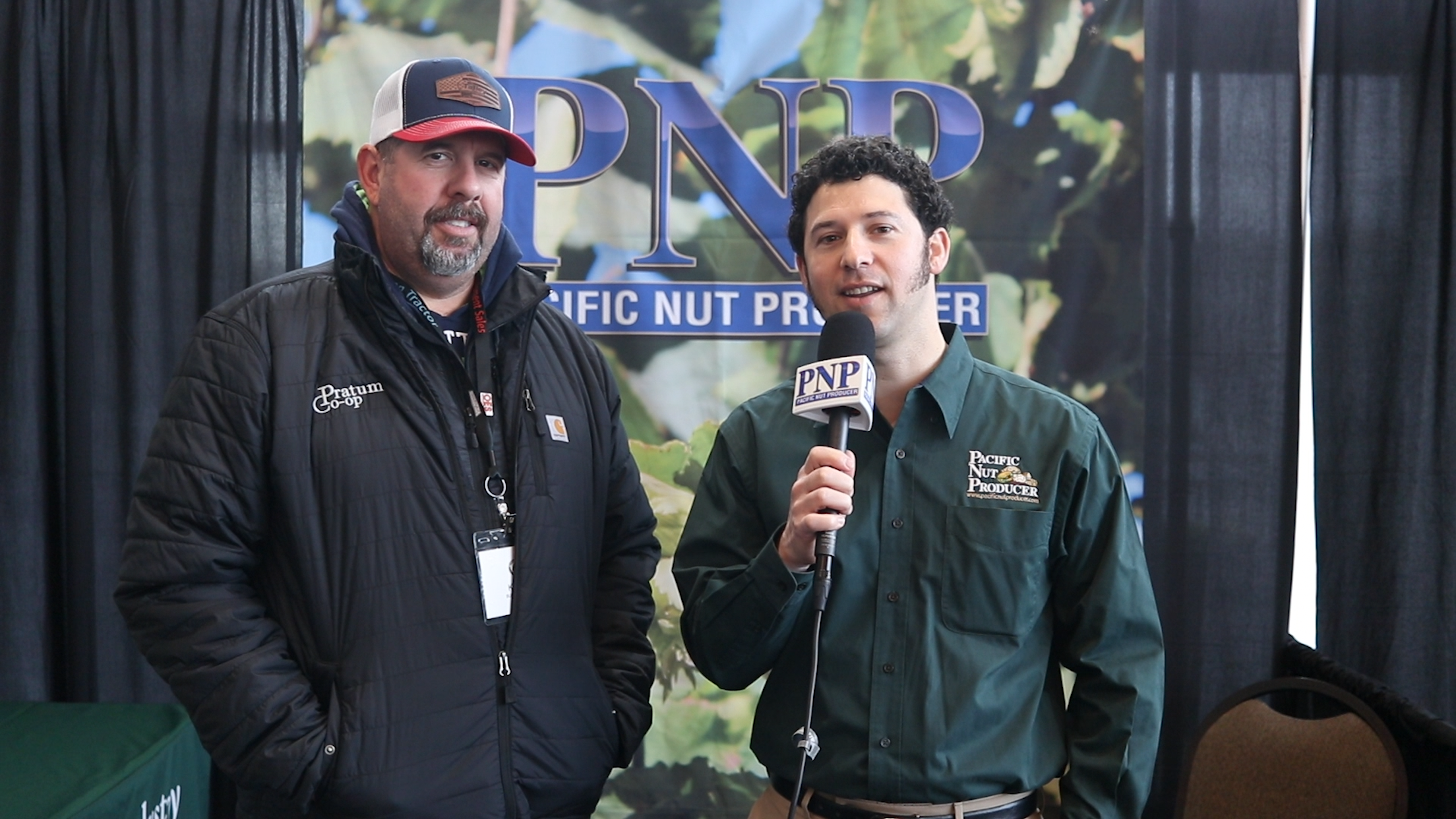
    Like many tree nut commodities, hazelnuts are harvested from the orchard floor after dropping from the trees; however, Oregon growers tend to get more early fall rain events than their California nut grower neighbors. Harvest can get pretty muddy, adding extra processing costs to clean up the crop. The rains came again last year, impacting the later harvested varieties; however, harvest remained pretty clean for hazelnut grower Kent Burkholder, who believes cover cropping made all the difference. Watch his brief interview with Pacific Nut Producer Editor Matthew Malcolm, and read his full story HERE.

    Please thank this video’s sponsor George Packing Company for their industry support.

  • Almond Growers Anticipate Solid Crop Following Successful Bloom

    Almond Growers Anticipate Solid Crop Following Successful Bloom

    Despite some early spring rainstorms, the 2024 California almond crop is off to a great start after what turned out to be a very successful bloom. Watch this brief video as Pacific Nut Producer Editor Matthew Malcolm discusses this with agricultural data analyst Megan Nunes, CEO of Bountiful.

  • New Farm Bill Priorities Supporting Specialty Crop Agriculture

    New Farm Bill Priorities Supporting Specialty Crop Agriculture

    As legislature continues to work on completing a new Farm Bill, specialty crops may reap greater representation and benefits than in any previous Farm Bill.  Watch this brief video featuring Philip Karsting from Olsson Frank Weeda as he discusses their priorities for specialty crop ag at a recent conference held by American Pistachio Growers.

    Special thanks to American Pistachio Growers for sponsoring this video.

  • How AI and Global Economic Trends will Impact California Agriculture

    How AI and Global Economic Trends will Impact California Agriculture

    World-renowned economist and and financial expert Marci Rossell addressed American Pistachio Growers again this year at their annual conference, this time sharing some key insights on how the boom in AI (artificial intelligence) and inflation/interest-rate trends will impact specialty crop growers in the immediate and near future. Watch her brief interview with Malcolm Media Editor Matthew Malcolm for the inside scoop.

    Special Thanks to American Pistachio Growers for sponsoring this video.

  • Pistachio Industry Continues Investment in Promising Export Market Opportunities

    Pistachio Industry Continues Investment in Promising Export Market Opportunities

    The U.S. pistachio industry continues to set high shipment records in key export markets. Much of this made possible by the unified efforts of American Pistachio Growers (APG) and their marketing campaigns overseas. Pacific Nut Producer Editor Matthew Malcolm met with APG’s VP of Global Marketing Scott Fryer to discuss pistachio export market trends and where they plan to market the record crop that is expected this year. Watch this brief interview and read more in Pacific Nut Producer Magazine.

    Special thanks to American Pistachio Growers for sponsoring this video.

  • Meridian Growers Processing Brings on Cristian Lazcano as Inventory Specialist

    Meridian Growers Processing Brings on Cristian Lazcano as Inventory Specialist

    Cristian Lazcano may be new to the tree nut industry, but he has more than 3 years’ experience managing inventory. He began in 2019 in sales, transitioned into logistics in 2020 before taking a position as the Director of Inventory Management in 2021. Cristian will be overseeing all of Meridian Growers Processing inventory, from the field all the way through to customer shipments. Meridian is eager for Cristian to use his wide range of experience to bring fresh eyes and a new way of looking at inventory to their processes. “We are thrilled to have Cristian join our team and know he will thrive in his new position. His vast knowledge and energy will be advantageous to our company,” shared John Beaulieu, General Manager.

    “I’m excited to be a part of the Meridian team and continue to develop my career in Agriculture,” said Cristian Lazcano.  “Inventory is at the forefront of many businesses, and I am happy to continue to grow my skillset while helping our business flourish.”

    Meridian Growers Processing has been in business since 2020 and processes 20 million pounds of pistachios with a second phase being completed this year bringing processing capacity up to 40 million.

  • Honey Bees at Risk for Colony Collapse from Longer, Warmer Fall Seasons

    Honey Bees at Risk for Colony Collapse from Longer, Warmer Fall Seasons

    The famous work ethic of honey bees might spell disaster for these busy crop pollinators as the climate warms, new research indicates.

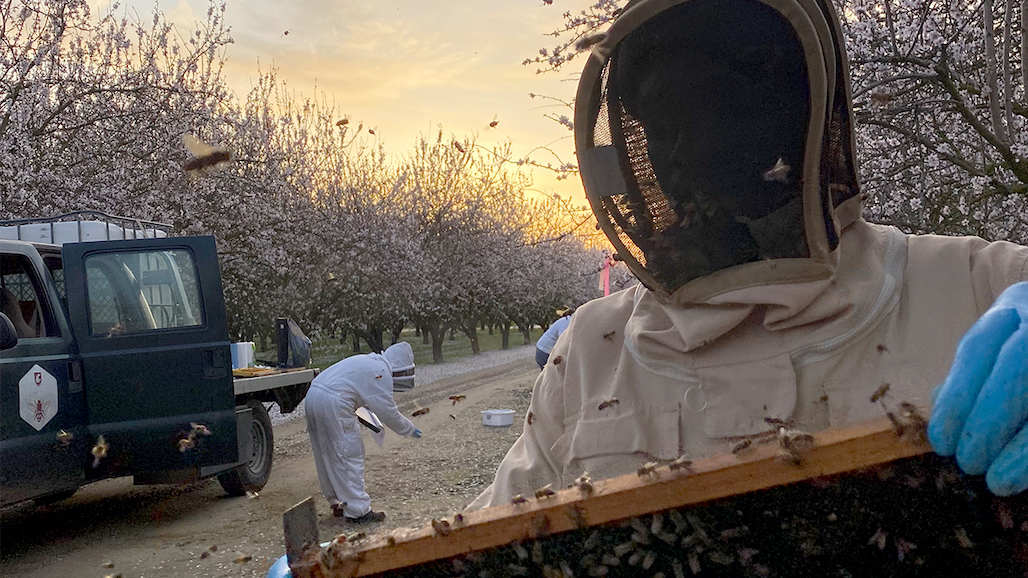
    Flying shortens the lives of bees, and worker honey bees will fly to find flowers whenever the weather is right, regardless of how much honey is already in the hive. Using climate and bee population models, researchers found that increasingly long autumns with good flying weather for bees raises the likelihood of colony collapse in the spring.

    The study, published in the journal Scientific Reports, focused on the Pacific Northwest but holds implications for hives across the U.S. The researchers also modeled a promising mitigation: putting colonies into indoor cold storage, so honey bees will cluster in their hive before too many workers wear out.

    “This is a case where a small amount of warming, even in the near future, will make a big impact on honey bees,” said lead author Kirti Rajagopalan, a Washington State University climate researcher. “It’s not like this is something that can be expected 80 years from now. It is a more immediate impact that needs to be planned for.”

    For this study, researchers ran simulations through a honey bee population dynamics model using climate projections for 2050 and the end of the century at 2100. They found that honey bee colonies that spend the winter outside in many areas of the Pacific Northwest would likely experience spring colony collapses in both the near- and long-term scenarios. This also occurred under a simulation where climate change continued as it is progressing now and one where greenhouse gas emissions were reduced in the near future.

    Worker honey bees will forage for food whenever temperatures rise above about 50 degrees Fahrenheit. When it gets colder, they cluster in the hive, huddling with other bees, eating honey reserves and shivering, which helps keep the bees warm. In the spring, the adult worker bees start flying again. That means they also start dying. If too many older worker bees die before their replacements emerge ready to forage, the whole colony can collapse. Scientists have estimated this happens when there are fewer than 5,000 to 9,000 adult bees in the hive.

    This study found that colonies wintering outside in colder areas like Omak in the far north of Washington state might still do all right under climate change. But for honey bee colonies in many other places, like Richland, Washington near the border of Oregon, staying outside in the winter would mean the spring hive population would plummet to fewer than 9,000 adults by 2050 and less than 5,000 by the end of the century.

    The authors note that the simulations just looked at seasonal factors like temperature, wind and the amount of daylight, making them fairly conservative models.

    “Our simulations are showing that even if there is no nutritional stress, no pathogens, no pesticides — just the conditions in fall and winter are enough to compromise the age structure of a colony. So when the hive comes out of winter, the bees are dying faster than they’re being born,” said co-author Gloria DeGrandi-Hoffman, a research leader at the U.S. Department of Agriculture’s Carl Hayden Bee Research Center.

    The researchers also simulated a potential mitigation, placing honey bee hive boxes in cold storage so the bees start to cluster earlier and save workers. For instance, in the Richland scenarios, by the end of the century, having bees in cold storage from October to April would boost the spring hive population to over 15,000 compared to around 5,000 to 8,000 if they were kept outside.

    A relatively new practice, cold storage is gaining popularity among commercial beekeepers to help manage bee health and for the logistics involved in moving hives to California to pollinate almond trees in February, an event that draws more than two million hives from across the country.

    “A lot of beekeepers are already practicing this management technique of storing bees indoors because it has a lot of immediate potential to help in a number of ways,” said co-author Brandon Hopkins, a WSU entomologist. “These findings demonstrate that there are additional benefits to this practice for the survival of colonies in a changing climate.” This research received support from the Washington Department of Agriculture’s Specialty Crop Block Grant. — 

  • Plant-Based Dairy Substitutes Demand Surges as Lactose Intolerance Rises in India

    Plant-Based Dairy Substitutes Demand Surges as Lactose Intolerance Rises in India

    Amidst growing concerns over lactose intolerance and dairy allergies, India is witnessing a surge in demand for plant-based dairy substitutes. Despite challenges like low consumer awareness and higher costs, the country’s affluent middle class and environmentally conscious younger demographics are driving the adoption of plant-based food and beverages. This trend is poised to propel the Indian market for milk alternatives by a value compound annual growth rate (CAGR) of 6-8% over 2023-27*, according to GlobalData, a leading data and analytics company.

    Mani Bhushan Shukla, Consumer Analyst at GlobalData, comments: “Plant-based dairy alternatives are making their way into the market, influenced by global health and ethical consumer trends. Over the years, it has been revealed through multiple research studies that nearly 60% of the Indian population suffers from lactose intolerance or dairy allergies. Nonetheless, a large proportion of these consumers remain unaware of their medical condition and continue to consume dairy products without seeking any medical intervention.”

    Francis Gabriel Godad, Consumer Business Development Manager at GlobalData India, notes: “Since the onset of the COVID-19 pandemic, there has been a notable emphasis on health, leading to a significant rise in the popularity of vegetarian, vegan, and flexitarian diets. Furthermore, the escalating concerns regarding milk adulteration and the widespread use of antibiotics in cattle farms have resulted in a heightened demand for dairy-free alternatives. Additionally, consumers who prioritize eco-friendliness opt for non-dairy milk options such as coconut, almond, and cashew milk, as these products are produced ethically and have a lower carbon footprint.”

    This aligns with GlobalData’s Q4 2023 consumer survey finding that 79% of Indian consumers find “plant-based” product attribute as either essential or nice-to-have when making purchasing decisions**.”

    Shukla adds: “Younger consumers find plant-based products more appealing than older consumers, likely due to greater access to information (particularly with higher online use) regarding the health as well as environmental benefits of consuming plant-based alternatives.”

    Godad concludes: “By focusing on pricing, flavor, and texture of dairy alternatives, manufacturers can successfully target Millennials and Gen Z cohorts and gain widespread acceptance. These consumer segments are more likely to be enticed by such offerings. Moreover, manufacturers can compete more effectively if they offer customized options that are tailored to specific consumer needs. Considering the high prevalence of lactose-intolerance among Indians, dairy-alternatives has the potential to revolutionize the plant-based dairy substitutes market.”

    *GlobalData Consumer Intelligence Center – Market Analyzers, accessed in March 2024

    **GlobalData Q4 2023 Consumer Survey­ – India, published in December 2023, with 564 respondents

    About GlobalData

    4,000 of the world’s largest companies, including over 70% of FTSE 100 and 60% of Fortune 100 companies, make more timely and better business decisions thanks to GlobalData’s unique data, expert analysis, and innovative solutions, all in one platform. GlobalData’s mission is to help our clients decode the future to be more successful and innovative across a range of industries, including the healthcare, consumer, retail, financial, technology, and professional services sectors.

  • Buzzing Spring Pollinator Plays Significant Role in Almond Industry

    Buzzing Spring Pollinator Plays Significant Role in Almond Industry

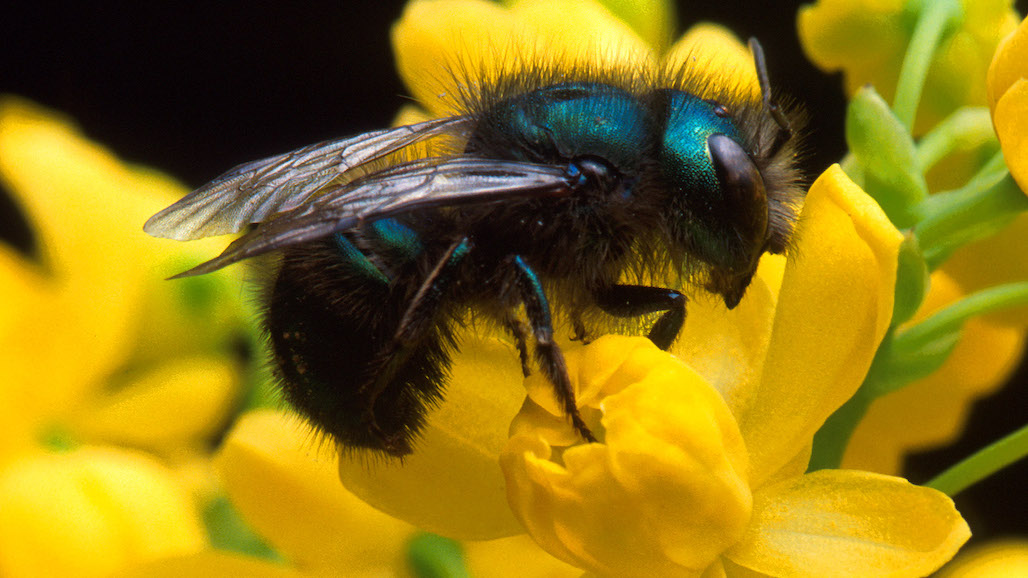
    The USDA’s Agricultural Research Service (ARS), in collaboration with the Ecological Forestry Applications Research Centre in Spain and North Dakota State University, conducted a comparison of the physiological and molecular processes involved in the summer and winter dormancy of Osmia lignaria, also known as blue orchard bee or orchard mason bee.

    This analysis of gene expression is believed to be the first to compare the dormancy periods of this species in their natural habitat, and more importantly, it led to sequencing the first draft genome of this important pollinator for the almond industry.

    According to the U.S. Forest Service, North America has 140 species of OsmiaOsmia lignaria, a solitary bee, follows a one-year lifecycle that includes two periods of dormancy. During summer, the bee develops to the prepupal stage (the stage of larva after its final molt), pauses, then finishes to developing to the adult stage before winter. Adult bees slow their metabolic activity while overwintering [second dormancy]. When spring arrives, adult bees emerge from dormancy and become highly active in pollination. Although this species does not produce honey, it is very effective in pollinating almond trees due to cross-pollination among different varieties, which leads to higher crop yields.

    “This species inhabits a wide latitudinal range in North America, with populations in the north having different developmental rates and lengths of dormancy periods than those in southern populations,” said Alex Torson, a computational biologist with ARS’ Insect Genetics and Biochemistry Research in Fargo, North Dakota.

    “In the future, we can use the genome presented in this study to start comparing the genomes of individuals from these different geographic populations. If these differences in development and dormancy can be traced to their genetics, then we could develop managed populations from different geographic locations, and time the characteristics of those populations with peak floral blooms for different types of crops.”

    By aligning their emergence with the timing of crops, it would allow for better management and pollination, as this bee species emerges in the spring and is a significant pollinator of almond trees due to how it pollinates.

    Understanding how this lifecycle occurs has become increasingly important due to changes in environmental conditions. A better understanding of the evolutionary relationships among populations of this species will be critical for developing managed populations we can use for pollination services.

    The study is available in Insect Biochemistry and Molecular Biology.

    The Agricultural Research Service is the U.S. Department of Agriculture’s chief scientific in-house research agency. Daily, ARS focuses on solutions to agricultural problems affecting America. Each dollar invested in U.S. agricultural research results in $20 of economic impact.

  • UK Suspends Tariffs on All Raw Almonds Beginning April 11

    UK Suspends Tariffs on All Raw Almonds Beginning April 11

    Almond Board of California — The United Kingdom’s government announced it would suspend tariffs for at least two years on raw kernel and inshell almonds from all origins – including the U.S. – beginning April 11, 2024.

    The Almond Board of California has been working for many years with the UK’s Nut and Dried Fruit Trade Association (NDFTA), the group that represents the UK processors buying California almonds. This past year, ABC provided factual information and trade data to NDFTA, which they used to officially apply to have tariffs suspended on imported almonds.

    “We are grateful for our long-time partnership with the UK’s Nut and Dried Fruit Trade Association and appreciate the UK government’s approval of the application to suspend tariffs on almonds,” said Julie Adams, ABC’s vice president for global technical and regulatory affairs. “This will certainly benefit UK consumers with increased availability of healthy almond products.”

    The tariffs – 4% on inshell almonds and 2% on raw kernels – have been in place since the UK left the European Union in 2021.

    UK trade officials on March 18 issued a list of commodities, including almonds, that will have tariffs suspended until June 30, 2026. UK officials said there is a possibility they will reassess before that date, possibly to extend the suspension or make a permanent change.

    Estimates put the costs of the soon-to-be-suspended tariffs to UK importers at about $4 million a year. The suspension will allow UK importers to offer a more competitive price on raw California almonds to UK processors, and ultimately to consumers.

    UK duties of 8-10% still remain on roasted almonds (which includes flavored almonds), 8% on marzipan and almond flour, and 20% on almond paste.

    “We plan to work with NDFTA to assess further tariff suspensions in the UK, and with other partners overseas to identify opportunities for additional tariff suspension requests to lower costs for importers and processors and boost demand for California almonds,” said Keith Schneller, ABC’s senior advisor on trade policy.

    About the Almond Board of California

    California almonds make life better by what we grow and how we grow. The Almond Board of California promotes natural, wholesome and quality almonds through leadership in strategic market development, innovative research and accelerated adoption of industry best practices on behalf of the more than 7,600 almond farmers and processors in California, most of whom are multi-generational family operations. ABC is a non-profit organization that administers a grower-enacted Federal Marketing Order under the supervision of the USDA. It was established in 1950 and is based in Modesto, CA. For more information on the Almond Board or California almonds, visit Almonds.com.