In the 1970s, the Almond Board of California began supporting Regional Variety Trials (RVTs) to provide a mechanism to test the performance of new varieties across the diverse almond growing regions in the State of California and to extend that information to local growers. Previous and current RVTs have been designed to evaluate new varieties or selections in a semi-commercial (20 to 40 trees per variety) manner and compare them to standard varieties such as Nonpareil, Mission, and currently accepted pollinizer varieties.
One of the main outputs of the first two generations of RVTs was to fully document the performance of the top 14 out of 15 varieties most currently adopted in California. These first two RVTs identified good pollinizers for Nonpareil, collected key horticulture and almond quality data, and discarded many undesirable pollinizers before they were widely adopted.
The third, and current generation of RVTs started in 2014 and is already in the process of identifying top performers. For instance, the USDA breeder recently released selection Y116-161-99, as the new variety ‘Yorizane’ variety due to the consistent novelties of the variety, including self-fertility, high yields and good kernel quality recorded in the current RVT. The current RVT brings key novelties in comparison to the previous generations such as the fact that all the trees were planted in the same year (2014), in multiple locations (Butte, Stanislaus & Madera Counties) and with statistical repetitions.
For nearly 50 years the Almond Board has partnered with the University of California (UC) to conduct Regional Variety Trails (RVTs) that provide a mechanism by which ABC, researchers and industry members can evaluate new varieties across the diverse almond-growing regions in the state.
Due to the contribution of these RVTs, our industry has been able to adopt a wide range of varieties that offer a versatile supply of almond kernel and confer competitive advantage to growing almonds in California. Thanks to the outputs of these RVTs, our industry counts on multiple pollen compatible varieties (i.e. Fritz, Price, Aldrich, Wood Colony, Monterey, etc) that adequately cover Nonpareil bloom. The RVTs have identified varieties that are more resistant to pests and diseases such as NOW (i.e. Price and Butte) and Hull Rot (i.e. Monterey, Carmel, and Fritz), respectively. RVT outputs have expanded our harvesting and processing operations by identifying the Sonora group (harvested 7-13 days after Nonpareil), the Price group (harvested 15-21 days after Nonpareil), and the Carmel group (harvested 29-34 days after Nonpareil), among others. Also, the data collection in these RVTs have served to group varieties by their ease of nut removal (i.e. Butte, and Price fall in the easy category while Merced falls in the difficult category), hull split date, vigor, etc.
This investment in varietal research has resulted in the commercialization of new UC varieties in the past 20 years such as: Kester, Sonora, Sweetheart and Winters. And thanks to the RVTs and the ongoing collaboration with the USDA breeder Craig Ledbetter, we can now add Yorizane – another self-compatible variety with many intriguing characteristics — to the mix. It is the latest example of ABC research and collaboration with the UC coming to fruition, with many other new varietals potentially still in the pipeline from the current RVT.
Understanding the benefits, trade-offs
At The Almond Conference (TAC) 2020 breakout session in December, ABC Associate Director of Agricultural Research Sebastian Saa told growers that evaluating more self-compatible varieties like Yorizane remains a priority. Self-compatible varieties potentially require fewer pollinators in the orchard because the pollen only has to move a short distance – from one blossom to another blossom of the same tree – rather than from one blossom to another blossom a tree row or more away.
There are other advantages, Saa said: “Self-compatible trees can be grown in blocks of the same variety, allowing for more efficiency at harvest time. ‘One shake, one harvest,’” he said.
Many of the most recent new varieties created in California and around the world are also are self-compatible. Saa said that CA new varieties typically bloom about the same time as Nonpareil but are harvested a couple of weeks later and therefore could be viable options for growers seeking to transition to off-ground harvesting.
During the online discussion at the breakout session, a grower asked Saa if there is an increased risk of resiliency to diseases or pests with self-compatible varieties, especially if there is less genetic diversity within an orchard.
“If we adopt one self-compatible variety, then there is a potential risk,” Saa acknowledged, “but if we adopt multiple self-compatible varieties from different genetic background, then the risk remains low, and our resilience is improved. Our goal is to enhance variety diversification for the California almond industry by adopting better almond varieties that respond to different market demands as well as provide enhanced traits such as self-compatibility.”
In addition to learnings around self-compatible varieties, TAC attendees also had an opportunity to hear from Phoebe Gordon, a UC Cooperative Extension orchard crops farm advisor in Merced County. Gordon manages one of the RVT sites in Madera County (others are located in Butte and Stanislaus counties). Since 2017, she and her peers have tested various pollinator varieties paired with alternating rows of Nonpareil trees.
“We test all varieties for bloom timing, bloom profusion, hullsplit timing, yields, defects and insect damage, and observe any disease issues,” Gordon explained.
She said early results in the RVT indicate that some of the pollinator varieties may have higher yields than Nonpareil, but cautioned that “we need to look at entire lifespan of these varieties.”
Research requires patience
Developing a new variety can take many years, if not decades. Craig Ledbetter, a research geneticist with the Agricultural Research Service, based at the San Joaquin Valley Agricultural Sciences Center in Parlier, was directly involved with the development of Yorizane.
He said the first seedling was planted in 1999. Its kernel attractiveness and ease of cracking – combined with self-fertilization — quickly separated it from other alternatives, Ledbetter said. Annual tests on roller crackers also showed its kernels damage less often than Nonpareil. Then, the RVT that began in 2014 revealed Yorizane’s heavy yield potential.
“Yorizane provides a varietal option to growers to establish a more efficient single-variety orchard,” Ledbetter explained. “As a part of the RVT, it has been evaluated in blind tests by industry personnel for kernel attributes and has been found to have excellent kernel appearance and marketing potential.”
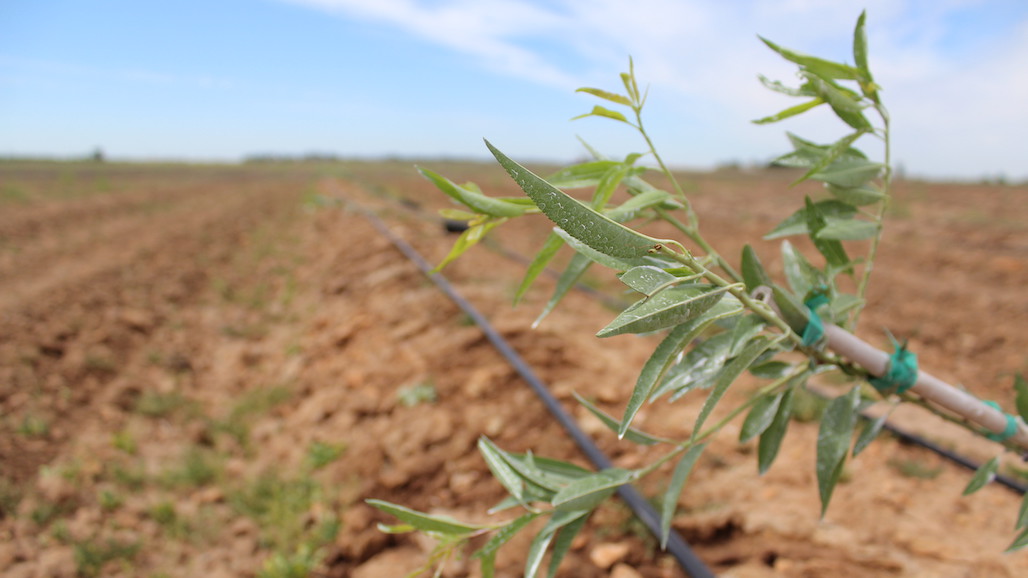
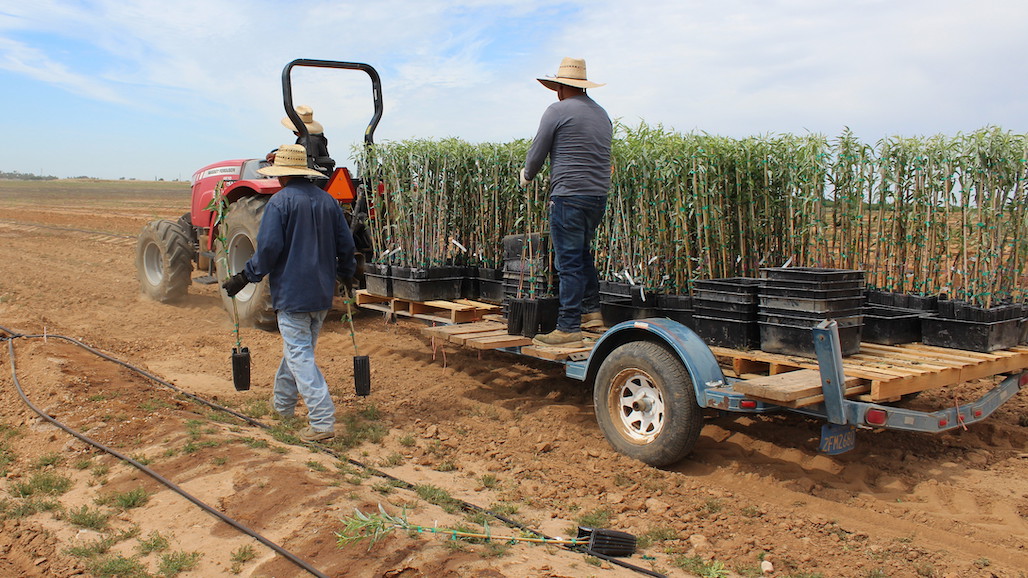
Limited quantities of Yorizane already are available at many of California’s leading tree nurseries.
Partners key to long-term success
Yorizane is just one example of the ongoing value and importance of the Almond Board’s long-term investment in research, development and real-word, in-the-orchard testing of new varietals. It is a critical partnership between the industry and the U.S. Department of Agriculture’s Agricultural Research Service (USDA/ARS), the University of California system, and private breeders and nurseries in California.
Chuck Fleck, director of horticulture research at Sierra Gold Nurseries near Yuba City, said there are many other exciting scientific advances on the horizon. Although Sierra Gold’s variety development program is relatively young, he said its team plans to eventually release almond varieties and rootstocks that provide growers with many advantageous genetic characteristics.
Fleck pointed to the work of two researchers – Malli Aradhya of the USDA and Tom Gradziel of UC Davis – as being especially promising. Aradhya’s has focused on helping growers overcome abiotic (atmosphere, chemical elements, sunlight/temperature, wind and water) as well as biotic (soil, floom, leaves and wood) challenges in their orchards. Gradziel is working to bring new germplasm into almonds’ fairly narrow genetic base as well as exploring alternative rootstock options to more effectively deal with abiotic and biotic issues.
“Perennial crop breeding takes years to see successes and breakthroughs,” Fleck explained. “Because it can take decades before such successes come to light, the resulting varieties — and therefore the breeding program’s true value — is not easily discerned until long after their inception.”
Factsheets will inform growers
It hasn’t always been easy to efficiently communicate breakthroughs in the genetic world or promising results from RVTs to growers. That’s why so many industry officials are excited about the rollout of varietal fact sheets co-created by the Almond Board, UC-ANR, and the Fruit and Nut Center (FNC) at UC Davis.. These factsheets are housed on a new website that will launch later this year at the FNC center. The first fact sheet debuted is on Yorizane and can be viewed here.
“The data that is being generated is important and frequently actionable, but to date there has not been a particularly convenient way to access the results from these research projects,” said Julia Stover-Blackburn, director of Fruit and Nut Center. “ABC and UC-ANR do a great job of communicating findings at The Almond Conference and other meetings throughout the year, but we anticipate that making these results findable in the same place will help extend the reach.”
She said the website will have an overview of various almond-breeding resources but primarily will serve as a repository for the findings of the most recent Regional Variety Trial. A second site is under construction to serve as a repository for almond rootstock trial findings. The hope, Stover-Blackburn explained, is that the sites “will be a resource for both researchers and growers looking to see how various varieties and rootstocks compare in these extensive trials.”
“These data are valuable for growers making decisions about new plantings and for researchers making decisions about what varieties to include in other projects,” she said.
The importance of RVTs cannot be overstated. Saa said 14 of the 15 most popular almond varieties in California are the product of trials. Initiation is already under way for the next RVT, which Saa expects to plant on the ground late in 2022 or early in 2023 and continue for a decade or more. He said the next trial likely will include many novelties in comparison to the current regional trial and that ABC is already working to identify the ad hoc research team.
“Having third-party data collection about how that variety performs in different regions of the state is very valuable to growers, nurseries and handlers,” Saa said. “We need to know the weaknesses and strengths of varieties. There is no perfect variety. Some growers are looking for different things, like harvest times or kernel characteristics. There is no doubt that we need a diverse supply of almonds varieties.”
Gordon said RVTs allow horticultural characteristics like yield, bloom overlap and harvest timing to be compared in an unbiased setting.
“If there are conditions that are conducive to disease development, they can also be a way to compare relative susceptibilities to diseases,” she said. “They also allow growers and PCAs to see new varieties in person before committing.”
Industry members interested to learn more about ongoing research should stay tuned for a report that will be issued this spring summarizing the RVT data collected in the past four years.
In addition, industry members are encouraged to check out this session from The Almond Conference 2020 during which Gordon and other experts provide information on the latest varieties and selections under evaluation, in addition to discussing ABC’s overall breeding strategy.
Finally, in 2020, the Almond Board published a comprehensive breeding report that provides an evaluation of national and international varieties and selections currently under evaluation or available in the market. Those interested in sinking their teeth into this topic are welcome to review this report. — Almond Board of California
Category: Almonds
-
Trials of New Almond Varieties Pay Dividends
-

Almond Board Election Underway
Almond Board of California — Voting began April 21st to select two independent grower member and alternate positions and two independent handler member and alternate positions. These positions will serve as directors for the Almond Board of California (ABC) with the terms beginning on August 1, 2021.
Candidates for the independent grower positions are:
Position One, Member (One-year term):Paul Ewing, Los Banos (incumbent)
Ross Franson, Fresno (petitioner)
Position One, Alternate:
Michael Anderson, Vina (petitioner)
Brandon Rebiero, Modesto (petitioner)
Position Three, Member (Three-year term):
Dave DeFrank, Fresno (petitioner)
Joe Gardiner, Earlimart (petitioner)
Caleb Gervase, Escalon (petitioner)
Kash Gill, Yuba City, (petitioner)
Position One, Alternate:
Dinesh Bajaj, Orland (petitioner)
Chris Bettencourt, Westley (petitioner) Caleb Gervase, Escalon (petitioner)
Candidates for the independent handler positions are:
Position Two, Member (Three-year term):Todd Meyer, Chico (incumbent)
Bob Silveira, Williams (petitioner)
Position Two, Alternate:
Dexter Long, Ballico (incumbent)
Position Three, Member (One-year term):
Darren Rigg, Le Grand (incumbent)
Position Three, Alternate:
Chad DeRose, McFarland (incumbent)
Ballots and instructions have been mailed to all independent growers whose names are on file with ABC. The Almond Board must receive ballots by May 27, 2021 for them to be counted. If an independent grower or a handler does not receive a ballot, one may be obtained by contacting Bunnie Ibrahim at (209) 343-3228.
As a governing body for the industry, the ABC Board of Directors is comprised of five handler and five grower representatives who set policy and recommend budgets in several major areas including: production research, public relations and advertising, nutrition research, statistical reporting, quality control and food safety.
-
CA Almond Acreage Continues on the Rise
The Almond Board of California (ABC) is releasing two California almond industry acreage reports: USDA’s National Agricultural Statistics Service (USDA-NASS) 2020 California Almond Acreage Report including the 2021 preliminary bearing acreage, and Land IQ’s 2021 Standing Acreage Initial Estimate (bearing acres, only). These reports are being issued side by side to improve industry reporting methods and provide a more robust picture of California’s almond acreage.
USDA-NASS reports a continued increase in California’s almond acreage in 2020. Bearing acres, or orchards that have matured enough to produce a crop, are estimated at 1.25 million acres, up 5.9 percent from 2019. Total almond acreage, including non-bearing trees, is estimated at 1.6 million, up 5.3 percent from the previous year. Nonpareil continued to be the leading variety, followed by Monterey, Butte, Carmel, and Padre.
Land IQ’s initial estimate for total bearing acreage in 2021 – which reflects standing acreage that will be productive during the 2021/2022 harvest – is 1,323,722 acres. This estimate takes into account both young orchards coming into production and orchards removed or estimated to be removed.
“California almond bearing and non-bearing acreage continues to increase indicating almond production will also rise in coming years. Demand has consistently been very strong during this crop year with global shipments YTD (August 2020 – March 2021) up 17.7%, as production crossed the 3 billion pound threshold for the first time,” said Richard Waycott, president and CEO of the Almond Board.
All export regions of the world have reported strong numbers, with shipments to China/Hong Kong up 59% year to date (YTD), South Korea up 45% YTD, India up 51% YTD, and Western Europe up 12% YTD, as compared to a year ago.
USDA-NASS’s acreage report is the first of three annual reports, including the Subjective Estimate released in May and Objective Report in July. These reports are commissioned by the Almond Board to provide statistical transparency to industry stakeholders around the world.
Each USDA-NASS California Almond Acreage Report includes estimates on bearing, non-bearing and total acreage, in addition to data organized by variety, year planted and county. A major source of data for this survey is almond growers’ voluntary responses to mailed questionnaires distributed by USDA-NASS, with consecutive telephone and field follow-up. To arrive at the estimated almond acreage, USDA-NASS compares its almond acreage database with the 2017 Census of Agriculture, pesticide application data maintained by County Agricultural Commissioners and the California Department of Pesticide Regulation, in addition to data collected on the 2020 Almond Nursery Sales Report, which this year USDA-NASS released in conjunction with the California Almond Acreage Report, and Land IQ assessment.
In 2018, ABC first commissioned Land IQ, a Sacramento-based agricultural and environmental scientific research and consulting firm, to develop a comprehensive, living map of California almonds. The map is the result of nearly a decade of research, and because Land IQ’s approach does not rely on surveys or extrapolation, it has an accuracy of 98% or greater. Beginning in 2019, ABC began a mapping process with Land IQ in which two acreage estimates will be released annually: the initial estimate of bearing acreage in the spring and the final estimate, with both bearing and non-bearing acreage for the same production year, delivered in the fall. In addition to the acreage estimates, Land IQ will annually produce an estimate of removed acreage.
This year, Land IQ’s spatial analysis shows that between September 1, 2020, and March 31, 2021, 44,303 acres were removed and estimates that an additional 3,500 acres will be removed from April 1 to August 31, 2021, for a total estimate of 47,803 acres removed.
Starting in 2020, Land IQ annually provided its initial estimate to USDA-NASS to fine-tune the official California Almond Acreage Report and other forecasts. The USDA-NASS reports and estimates remain the official Almond Board statistics provided for the California almond industry.
On Wednesday, May 12, 2021, USDA-NASS will release the 2021 Subjective Estimate, which provides an initial forecast of the upcoming crop. Data within the Subjective Estimate is based on opinions obtained from almond growers in a survey sent by USDA-NASS. Almond growers will soon receive the USDA-NASS survey and are encouraged to participate. On Monday, July 12, 2021, USDA-NASS will release the 2021 Objective Report. This report collects data later in the growing season, closer to harvest, and is based on an actual count of nuts on the trees. — Almond Board of California

-
CA Almond Industry Roadshow Coming Soon
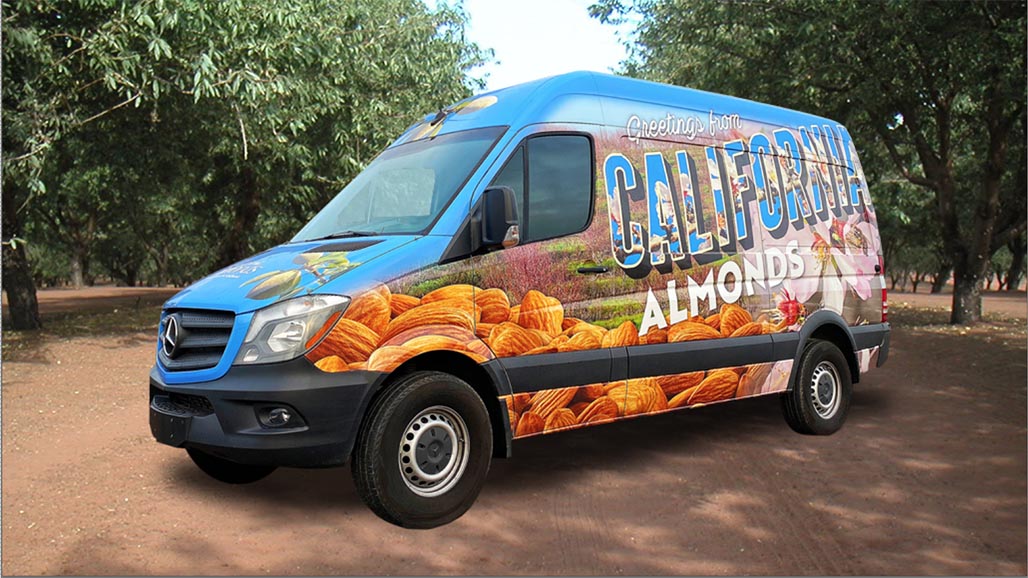
Next month, starting May 4, the Almond Board of California’s Field Outreach and Education team will be embarking on our previously postponed, long-awaited Industry Roadshow! The team is loading up Fritz, the almond van, with 3,000 informational packets featuring the latest ABC resources and traveling to 20 locations throughout the state with the purpose of:
- Handing out new ABC resources, as well as resources that industry members would have picked up at the ABC booth during an in-person Almond Conference
- Offering industry members an opportunity to meet ABC staff and leadership. We have missed spending time with industry members, and as things begin to normalize we look forward to connecting with the industry, answering their questions, hearing updates from the field, etc.
 Roadshow Details:
The Almond Board of California’s Field Outreach and Education team, in addition to industry and ABC leadership, will kick off the first-ever Industry Roadshow on Tuesday, May 4. The Almond Board team will visit 20 locations (details attached). Industry members are invited to drive up to the location nearest them and look for Fritz,the almond van, as well as the Field Outreach team and ABC/industry leadership. Industry members will have the opportunity to meet the Field Outreach team members who are responsible for providing them with ABC resources, hands-on assistance in the orchard, California Almond Sustainability Program (CASP) support, and more. In addition, they will have the opportunity to pick up latest ABC resources, including:
· 2020 Research Update· NEW: Nitrogen Best Management PracticesNEW: Application Quick Tips – in English and Spanish· NEW: Whole Orchard Recycling Grower Guide· NEW: Almond Production Resource Cards: Pests, Water and More!

-
New CA Pollinator Coalition Pledges to Increase Pollinator Habitat on Working Lands
Spearheaded by the almond industry, a new coalition of agricultural and conservation groups was announced today to encourage more voluntary, grower-friendly efforts to protect the state’s native insect pollinators and managed honeybees.
The California Pollinator Coalition includes a broad array of more than 20 of the state’s leading agricultural organizations and conservation groups (complete list below). The Coalition will focus on increasing grower participation in projects to provide habitat and forage for pollinators and other beneficial insects across the state’s agricultural landscape.
“California’s almond industry has a long record of continuing improvement in the area of Integrated Pest Management and protection and stewardship of managed bees,” said Dr. Josette Lewis, Chief Scientific Officer for ABC. “This new coalition helps us expand on our work to benefit California’s many native pollinator species. We’ll also get more results by collaborating within the agriculture and conservation communities on voluntary efforts that benefit both growers and the environment. Improving the health or our ecosystems is not something we can do alone, so we are glad to have many strong allies in this.”
“It’s a simple fact that without honey bees, there would be no almonds. The Almond Alliance strongly supports this collaborative effort to increase habitat for pollinators on working lands,” said Alliance Chairman Mike Curry.Convened by Pollinator Partnership, the California Department of Food and Agriculture and the Almond Board of California, the Coalition’s goal is to increase habitat for pollinators on working lands to benefit biodiversity and food production through on-farm and in-orchard projects, supported by technical guidance, research, and documenting progress toward increasing healthier pollinator habitats.
“What we are doing in California is acknowledging the urgency to address the critical issue of protecting all pollinators, including native and managed species,” said President and CEO of Pollinator Partnership Laurie Davies Adams. “Agriculture and conservation must work together to achieve this goal.”
“The outcome will not be a tidy report that sits on a shelf, but rather a metric of acres, projects, and species added to the landscape while agriculture continues to profitably feed the nation,” Adams said.Objectives of the Coalition
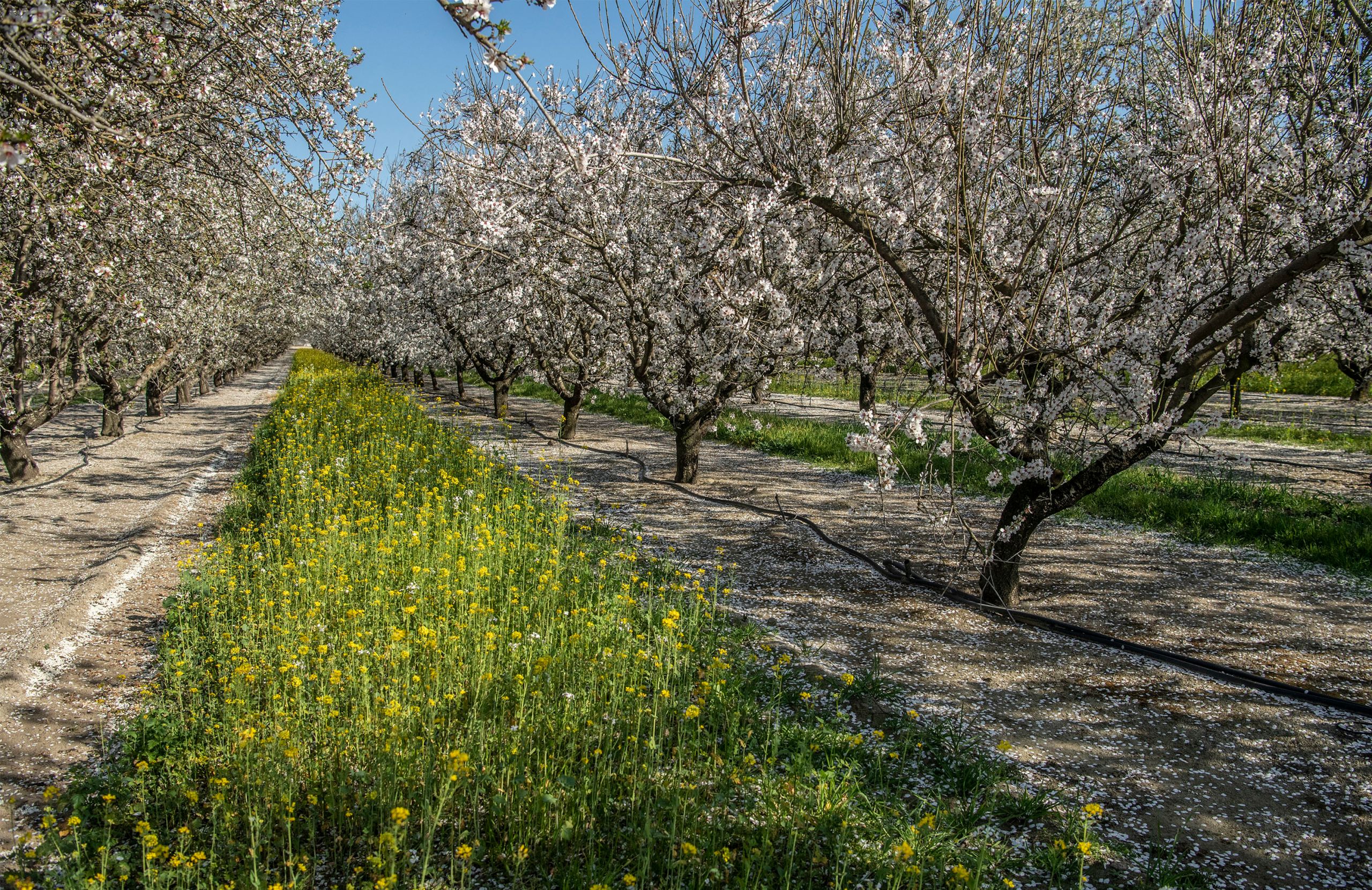
Extending the California almond industry’s commitment to protect honeybees during almond pollination, the Coalition plans to address habitat issues on an unprecedented scale for the benefit of the state’s beneficial insects, which include 1,600 species of native bees, managed honeybees, butterflies, beetles, wasps, and more. Populations of many California pollinators are declining and often suffer from the same challenges as California’s agriculture.
The Coalition will work together on a variety of fronts to support pollinators:- Preparing grower-friendly guidance to build and maintain pollinator habitat on farms and ranches
- Conducting research and disseminating relevant science
- Monitoring outcomes (adoption rates and effectiveness of practices)
“Collaborative action can mitigate risks to California’s pollinators, and that’s exactly why this coalition has come together,” said Karen Ross, Secretary of California Department of Food and Agriculture. “We need urgent action, yet the first step in the process is building trust that encourages, enables, and enhances the result. The California Pollinator Coalition is a big step forward in a journey of grower and conservation groups voluntarily demonstrating leadership.”
“This will not be an easy or quick fix,” Lewis said. “It will require a robust and sustained effort, but we are determined to be part of the solution. Almond growers and many other farmers depend on pollinators to produce a crop and pollinators depend on us to provide safe habitat. Working lands can and should be part of the solution.”
“Farm Bureau supports voluntary, farmer-friendly efforts to improve habitat for native pollinators, and we have long advocated improved research on pollinator health,” said President of the California Farm Bureau Jamie Johansson. “We will work with the coalition for the benefit of native pollinators and managed bees, and to assure stability for the domestic bee business.”Almond Alliance Sponsors AB 391
In addition to the efforts of the new coalition, the Almond Alliance of California is sponsoring AB 391 California Pollinator Conservation Funding, authored by Assemblymember Carlos Villapudua (D-Stockton). This bill will provide critically needed funding for activities that accelerate the adoption of conservation practices designed to integrate pollinator habitat and forage on working lands. “California almond farmers know that every almond exists because a honey bee visited an almond blossom,” explained Alliance Chairman Mike Curry. “Honey bees and other pollinators need a varied and nutritious diet. This bill will help growers implement those important conservation practices that benefit honey bees as they forage for pollen and nectar in the orchard. The Almond Alliance is proud to sponsor this bill and looks forward to working with its partners for the bill’s successful passage in the California legislature.”
Assembly member Villapuda noted the importance of protecting pollinators. “Pollinators are responsible for bringing us one out of every three bites of food,” he explained. “They also sustain our ecosystems and produce our natural resources by helping plants reproduce. Working lands offer an opportunity to expand habitat and forage for pollinators which will help sequester carbon and contribute to climate risk reduction. To further engage growers in delivering solutions that benefit pollinators, state investment is critical for activities that accelerate the adoption of conservation practices that integrate pollinator habitat and forage on working lands.”
AB 391 will appropriate $5 million dollars to provide funding to a variety of agencies to deliver technical assistance, outreach and grants to incentivize participation in state and federal conservation programs where pollinator habitat and forage is established.
California Pollinator Coalition Partners
While just beginning its work, the Coalition is continuing to recruit partners who understand the urgency and share the common goal of supporting both the health of pollinators and agriculture. Current California Pollinator Coalition membership includes:
- Agricultural Council of California
- Almond Alliance of California
- Almond Board of California
- California Alfalfa and Forage Association
- California Association of Pest Control Advisers
- California Association of Resource Conservation Districts
- California Cattlemen’s Association
- California Citrus Mutual
- California Department of Food and Agriculture
- California Farm Bureau Federation
- California State Beekeepers Association
- California Sustainable Winegrowing Alliance
- Environmental Defense Fund
- Monarch Joint Venture
- Monarch Watch
- Pollinator Partnership
- Project Apis m.
- University of California Agriculture and Natural Resources
- USDA Natural Resources Conservation Service of California
- Western Growers
- Dr. Neal Williams, University of California, Davis
About the California Pollinator Coalition
The California Pollinator Coalition, convened by Pollinator Partnership, the California Department of Food and Agriculture and the Almond Board of California, is made up of a diverse group of agricultural and conservation organizations with the shared goal of providing enhanced habitat for pollinators. The Coalition and its members have pledged to increase habitat for pollinators on working lands. Additionally, the group plans to promote research and track its progress toward healthy and abundant habitats. -
Blue Diamond Growers Earns Recognition as Green Business Certified
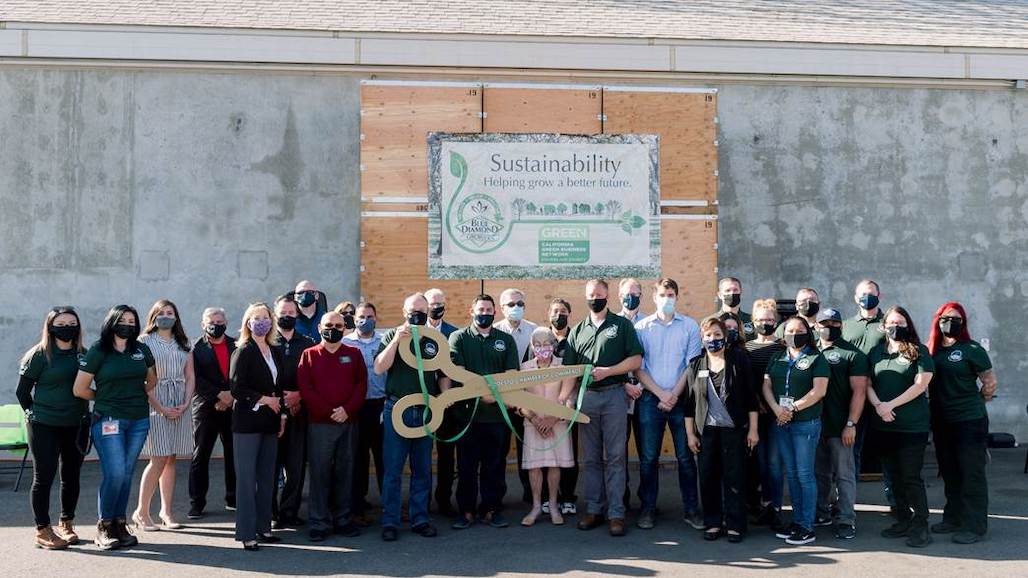
 Following a comprehensive certification process, the Blue Diamond Growers facility in Salida, Calif., has earned distinction as being Green Business Certified. Blue Diamond is the first business in Stanislaus County to be recognized by the California Green Business Network, Stanislaus County, a program of the Modesto Chamber of Commerce, for demonstrating sustainability as a top business priority.
The Green Business Certified recognition was awarded at a ceremony today organized by the Modesto Chamber of Commerce at the Blue Diamond facility in Salida, California. The ceremony was attended by
Brian Barczak, Senior Vice President, Global Supply for Blue Diamond, as well as Congressman Josh Harder, and several other state and local dignitaries.
“Blue Diamond has a long 110-year history as an almond cooperative, and within that history has been a commitment to sustainability across all our facilities – Sacramento, Salida and Turlock,” said Barczak. “As we look toward the future, our investment in sustainability strengthens our relationship with our customers and consumers, provides benefits to our local communities, and lays the groundwork for the continuation of our legacy as a cooperative. This recognition means a great deal to us as it shows that we are doing our part to build a healthier and more sustainable future for our local communities.”
The Green Business Certified recognition goes to companies that achieve a verified set of standards, including reducing water use, conserving energy, preventing pollution, increasing recycling, avoiding waste, encouraging alternative transportation, and partnering with other local vendors.
This latest Blue Diamond Growers’ honor comes on the heels of growth and positive milestones at the Salida facility. In 2020, a multi-year construction plan was completed including the addition of a 50-million-pound-capacity Brown Almond Bulk Warehouse. The new warehouse is the second facility of similar capacity recently built at the site. Additionally, also in 2020, the Salida facility achieved its fifth consecutive year – representing five million work hours – of no lost-time accidents. In terms of sustainability, according to Salida Site Leader Dennis Bettencourt, the site has successfully diverted more than 18 tons of waste from the landfill for more optimal uses, among other achievements in reducing water and
energy usage.“We are proud that Blue Diamond’s priority on sustainability is being recognized and wish to thank the Modesto Chamber of Commerce – California Green Business Network, Stanislaus County for their efforts to advance the importance of sustainability in our community,” said Bettencourt. “We are honored by this recognition, as well as motivated to continue providing Blue Diamond almonds to the world in a way that honors, respects and preserves the planet and the natural resources that mean so much to all of us.”
About Blue DiamondBlue Diamond Growers, a grower-owned cooperative representing over 3,000 of California’s almond growers, is the world’s leading almond marketer and processor. Established in 1910, it created the California almond industry and opened world markets for almonds. Blue Diamond is dedicated to delivering the benefits of almonds around the world and does so by providing high-quality almonds, almond ingredients and branded products. Headquartered in Sacramento, the company employs more than 1,800 people throughout its processing plants, receiving stations and gift shops. To learn more about Blue Diamond Growers, visit www.bluediamond.com and follow the company on Facebook, Instagram, LinkedInand Twitter.
-
CIDETRAK® NOW MESO™ – A Testament to PERFORMANCE
– SPONSORED CONTENT –
 24/7, Peace of Mind
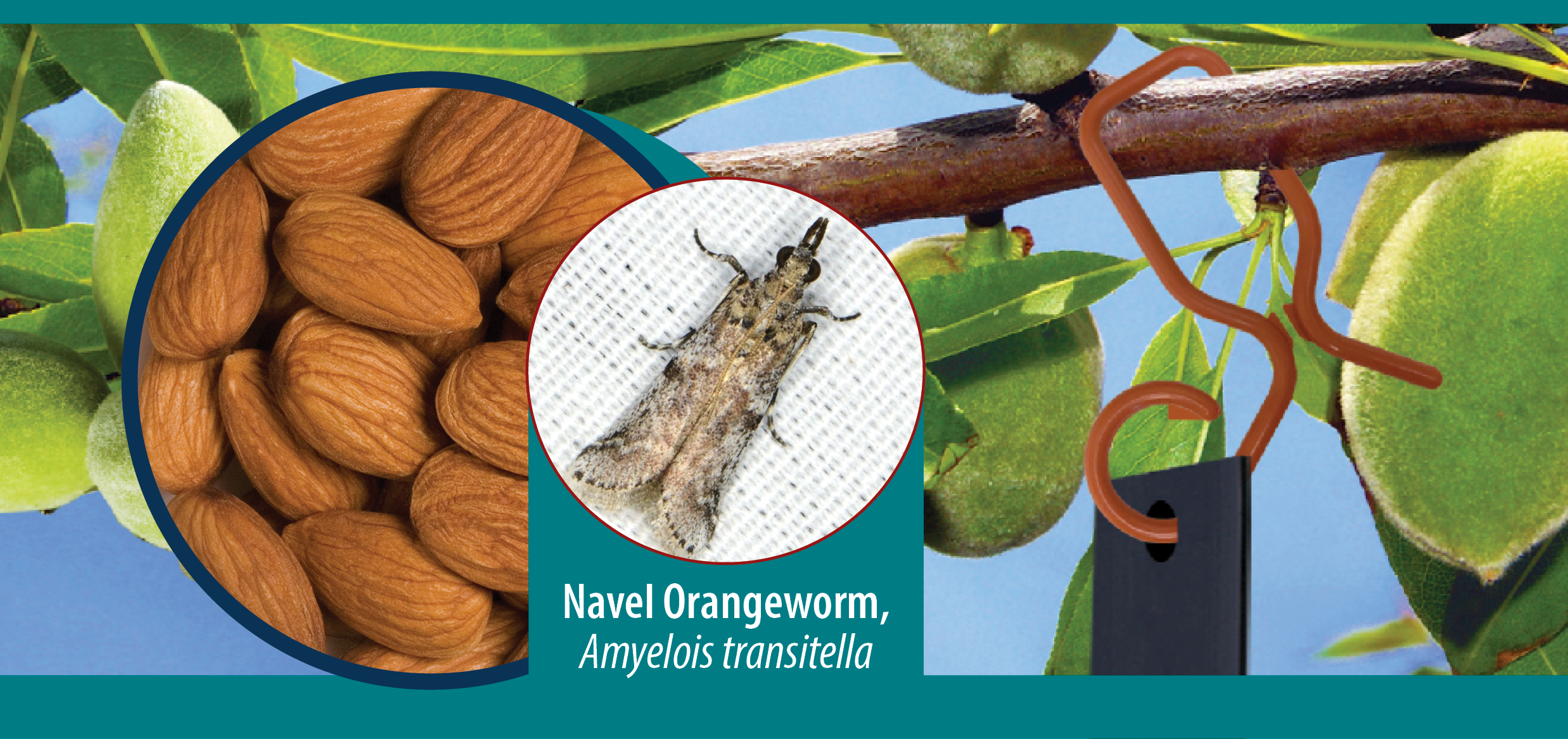
“This is our second year using CIDETRAK® NOW MESO™ in our Almonds and Pistachios, and I’m very satisfied with the results. We applied CIDETRAK on roughly 800 acres of Almonds and 2,000 acres of Pistachios. It gives me peace of mind knowing that this product is on 24/7 and continually releases pheromone season long.
Since adding CIDETRAK to our NOW management program, we’ve seen a consistent reduction in injury year over year. NOW injury has continually been suppressed below 1%. The product is quick and easy to apply. It’s also very convenient that each CIDETRAK box turns into a carrying case, making the application process much easier.
Hands down, this is an extremely effective tool in managing NOW in our nut crops. I highly recommend CIDETRAK to anyone who would like to see a product that delivers consistent results and assurance that their orchard will be protected.”
About Joe:
Joe grew up in a family of farmers. Since the age of 8, he has worked in Agriculture and has learned an array of skills that he’s been able to apply throughout his career. Joe graduated from Cal Poly in 2006, and became the Research Director at DB Specialty Farms working in Strawberries. In 2013, he took a position with Maricopa Orchards and is currently their Director of Agronomy. Joe resides in Clovis, CA with his wife and four kids.
Get Your Own Peace of Mind – CONTACT US


-
Pacific Nut Producer April Issue
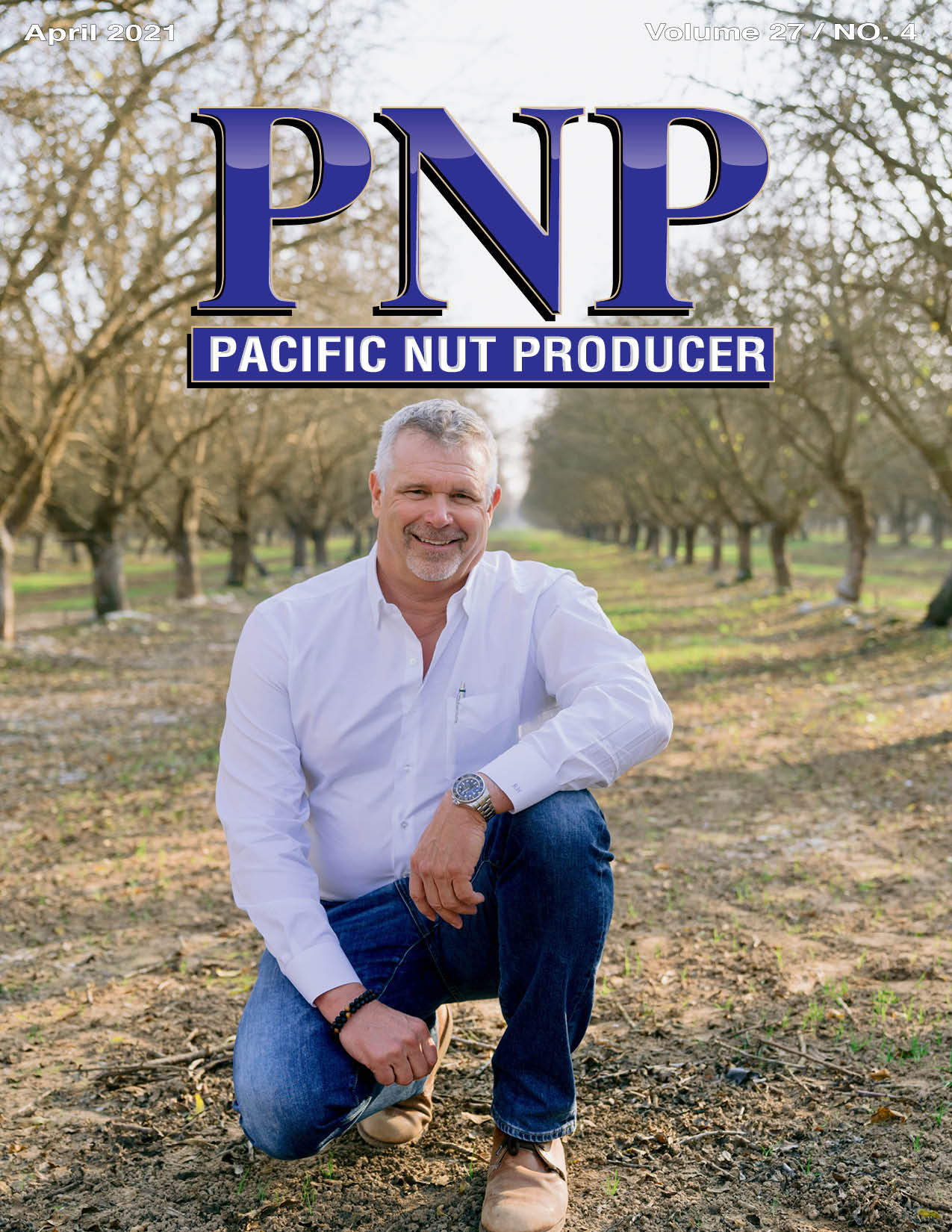
PNP April Issue [btn btnlink=”https://malcolmmedia.com/order-a-back-issue/back-issue-pacific-nut-producer-magazine/” btnsize=”full” txtcolor=”#ffffff” color=”#FFF” bgcolor=”#492500″ btnnewt=”1″ nofollow=”1″]Order A Back Issue[/btn]
[btn btnlink=”http://malcolmmedia.com/pacific-nut-producer-magazine-subscriptions/” btnsize=”full” txtcolor=”#ffffff” bgcolor=”#492500″ btnnewt=”1″ nofollow=”1″]Subscribe Free[/btn]
[three_fifth_last]Contents of the April Issue:
Harris Family EnterprisesFrom Humble Beginnings to Successful Business
Almond Alliance 39th Annual ConventionRegistration Is Open for This In-Person Event
Orchard ViewsPatrick Cavanaugh Retires
April Orchard TasksAlmonds, Hazelnuts, Pecans, Pistachios, Walnuts[/three_fifth_last]
-
Almond Board Joins Group to Speed CA’s Shift to Safer Pest Management
Yesterday, the California Department of Pesticide Regulation and California Department of Food and Agriculture launched a broad new work group to accelerate the systemwide adoption of safer, sustainable pest control practices.
The 25-member Sustainable Pest Management Work Group includes farmers, community members, university researchers and representatives from commodity groups and the pesticide industry. They are charged with identifying pathways to minimize the use of toxic pesticides and expand the use of integrated pest management practices; better protect public and environmental health; and engage, educate and promote collaboration to achieve these goals.
“Transitioning away from toxic pesticides requires us to speed up the development of effective alternatives,” said CalEPA Secretary Jared Blumenfeld. “By giving our farmers a suite of integrated pest management tools, we can better protect farmworkers and some of California’s most vulnerable communities. This dynamic task force will give us the roadmap to achieve this bold vision.”
“California agriculture is recognized not only for its quality and quantity, but also for the sustainable, innovative, forward-thinking way it is grown,” said CDFA Secretary Karen Ross. “Our farmers have been leaders in adopting integrated pest management and partnering with universities and technical assistance providers to meet our high standards for food, environmental and worker safety. This work group represents a broad array of perspectives to inform the next decade of research and development investment and new partnerships to continue the production of nutritious, delicious food and high quality agricultural products with the least impact to our surrounding communities.”
Funded in last year’s budget, the group’s work will build upon the recommendations of the Alternatives to Chlorpyrifos Work Group whose 2020 report identified alternatives to the hazardous insecticide and outlined actions to further support agriculture and the health of local communities, farmworkers and the environment. A new status update details additional actions DPR has taken based on the 2020 report, and how DPR and CDFA are working together to provide additional funding to the University of California and California State University to expand integrated pest management research and education. California prohibited virtually all uses of chlorpyrifos as of Dec. 31, 2020.
The Sustainable Pest Management Work Group is part of the State’s larger commitment to accelerating the transition away from hazardous pesticides. To support the move, Governor Newsom is proposing to fund additional support for the transition by replacing the current flat-fee mill assessment on pesticide sales with a new risk-based tiered mill assessment, where higher toxicity pesticides are assessed a higher fee.
The members of the Sustainable Pest Management Work Group include:
- Jenny Broome, Driscoll’s
- Don Cameron, Terranova Ranch
- Casey Creamer, California Citrus Mutual
- Jim Farrar, UC Integrated Pest Management (IPM)
- Chris Geiger, City of San Francisco
- Kim Harley, UC Berkeley
- Lisa Herbert, Sutter County Agricultural Commissioner
- Nina Ichikawa, Berkeley Food Institute
- Dan Kaiser, Environmental Defense Fund
- Susan Kegley, Pesticide Research Institute
- Margaret Lloyd, UC Extension – small farm advisor
- Suguet Lopez, Líderes Campesinas
- Gabriele Ludwig, Almond Board of California
- Pam Marrone, Chestnut Bio Advisors, Formerly Marrone Bio Innovations
- Nayamin Martinez, Central California Environmental Justice Network
- John McKeon, Taylor Farms
- Cliff Ohmart, Pest Control Advisor (PCA)
- Scott Park, Park Farms
- Margaret Reeves, Pesticide Action Network
- Taylor Roschen, California Farm Bureau
- Sarah Ryan, Environmental Director Big Valley Band of Pomo Indians
- Daniel Sonke, Campbell Soup Company
- Paul Walgenbach, Bayer
- Ron Whitehurst, Pest Control Advisor (PCA)
- Houston Wilson, UC Organic Agriculture Institute
-
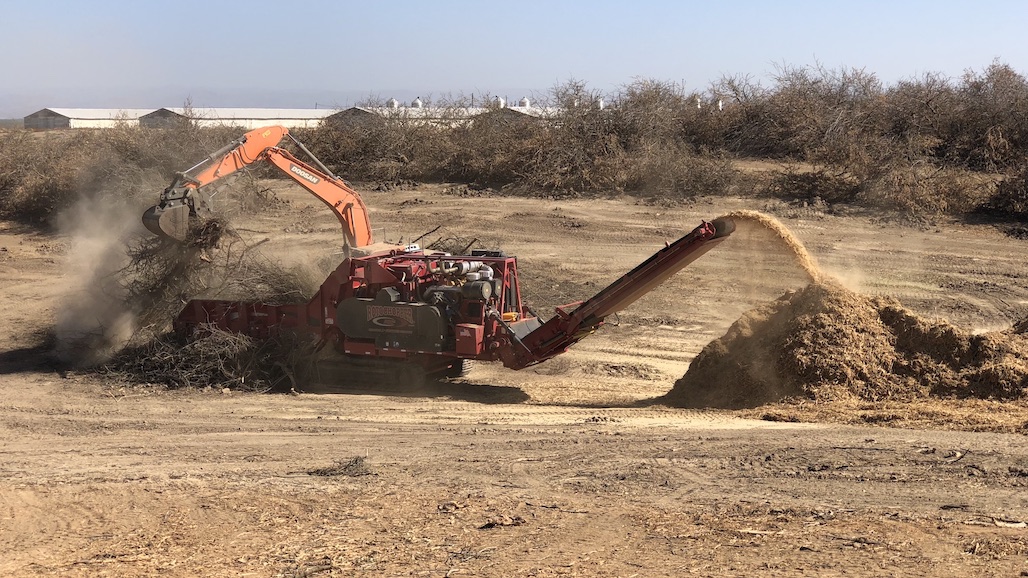
Alternative to Ag Open Burning Incentive Program
Almond Alliance of California – The San Joaquin Valley Air Pollution Control District (Air District) is accepting applications for the Alternative to Agricultural Open Burning Incentive Pilot Program. This program provides incentives to commercial agricultural operations located within Air District boundaries to chip or shred agricultural material from orchard and vineyard removals and use for soil incorporation or land application on agricultural land as an alternative to the open burning of the agricultural materials.
The Almond Alliance and Almond Board of California continue to encourage almond growers to utilize this program, especially given the recent Air Resources Board (CARB) approved plan to phase out all open agricultural burning by 2025 in the San Joaquin Valley.
Applicants must have not chipped, nor can begin chipping, any of the acres and/or orchard to be removed at the location referenced in their application until they have an executed voucher.
Applications are processed on a first-come, first-served basis while funds are available. The review and approval process consists of an application review and site inspection. A voucher is executed and sent to the applicant upon determination of an eligible and complete application and inspection. The approval process typically takes 7-10 business days.
Land conversions intended for non-agricultural purposes are not eligible for funding.
To be eligible, farmers have to use the material for soil incorporation or land application as an alternative to the burning of the material. Eligible crop types include orchard and vineyard removals. Applicants who will be chipping the material with soil incorporation may receive up to $600 per acre, for a maximum of $60,000 per year. Farmers who wish to chip without soil incorporation are eligible for up to $300 per acre with a $30,000 maximum per year.
Almond Alliance Chairman Mike Curry of Johnson Farms indicated that it was easy to apply stating “It’s very simple paperwork. It’s pretty straightforward.” Adding that growers who have applied for Air District funding to assist with the purchase of low-dust harvesting equipment or to replace diesel pumps will find the application process similar.
For Program Guidelines, Click Here.
For Program Application, Click Here.
San Joaquin Valley Air Pollution Control District Contact Information:
Phone: (559) 230-5800
Email: grants@valleyair.org
Website: www.valleyair.org