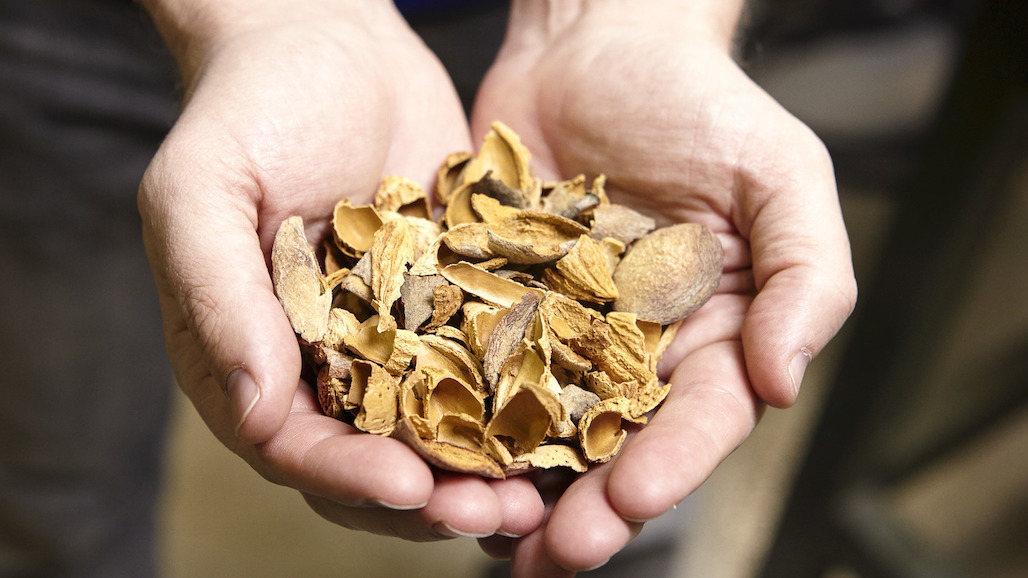
The Almond Alliance of California today commended Rep. Josh Harder (C-10) for including funding to support ten nationwide pilot programs to convert tree nut by-products into biocarbon products in the Future of Agricultural Resiliency and Modernization (FARM) Act.
Almond Alliance President Elaine Trevino explained that in California the funding will help accelerate efforts to develop new biofuels or other biocarbon products derived from almond harvest by-products. For example, in a process called “pyrolysis” almond harvest by-products can produce biochar, a soil amendment with excellent carbon sequestration potential and syngas and bio-oils, which can be used directly to fire furnaces or more importantly as inputs to produce motor vehicle biofuels and other biochemicals.
Trevino commented, “California’s almond growers are proud to be innovators who remain focused on sustainability and are constantly looking to put everything we grow to its highest and best use. We expect that biofuels produced using California Grown almond by-products will become a major contributor towards meeting California’s carbon neutral goals. We appreciate Congressman Harder’s ongoing support of almond growers and especially his inclusion of funding for pilot projects in the FARM Act that will catalyze development of climate-friendly biocarbon and biofuel products.”
About the Almond Alliance
The Almond Alliance of California (AAC) is a trusted non-profit organization dedicated to advocating on behalf of the California almond community. California almonds generate more than $21 billion in economic revenue and directly contribute more than $11 billion to the state’s total economy. California’s top agricultural export, almonds create approximately 104,000 jobs statewide, over 97,000 in the Central Valley, which suffers from chronic unemployment. The AAC is dedicated to educating state legislators, policy makers and regulatory officials about the California almond community. As a membership-based organization, our members include almond processors, hullers/shellers, growers and allied businesses. Through workshops, newsletters, conferences, social media and personal meetings, AAC works to raise awareness, knowledge and provide a better understanding about the scope, size, value and sustainability of the California almond community.
For more information on the Almond Alliance, visit https://almondalliance.org/ or check out the Almond Alliance on Facebook, Twitter and Instagram.
Almond Board of California — The California Almond Objective Measurement Report, published Monday by the United States Department of Agriculture-National Agricultural Statistics Service (USDA-NASS), estimates that the 2021 crop will come in at 2.8 billion meat pounds, 10 percent below last year’s record of 3.1 billion pounds. (Editor’s Note: The steep decline in production this year comes as a big surprise with the May subjective forecast suggesting a larger crop at 3.2 billion pounds)
The drop comes during a very difficult water year across California and at a time when the almond industry is navigating a complex market with record shipments but with returns to growers down from recent years.
“The report still forecasts a really large crop, and it’s further proof that California is an ideal place to grow almonds, even in difficult times,” said Kent Stenderup, Chair of the Almond Board of California (ABC) Board of Directors. “It’s also a testament to the hard work of growers and their efforts to improve stewardship practices and meet the demands of consumers despite the hurdles we’re facing this year.”
The 2021 Objective Report’s forecast is 13 percent below the 2021 California Almond Subjective Forecast in May of 3.20 billion pounds. The forecast for the average nut set per tree is 4,619, down 18 percent from the 2020 almond crop. The Nonpareil average nut set is 4,512, down 20 percent from last year’s set. The average kernel weight for all varieties sampled was 1.46 grams, down 3 percent from the 2020 average weight.
“Shipment numbers show that the demand for California almonds continues to increase both in the U.S. and around the world,” said Almond Board President and CEO Richard Waycott. “The strong forecast means the California almond industry will keep up with that growing global demand with a steady supply of high quality almonds. With such strong demand, competition for the 2021 crop could lead to a much needed increase in the return to growers, which is currently below the cost of production due to the recent record crop.”
ABC’s June 2021 Position Report showed that both exports and total shipments increased the records set in May for a single crop year, while shipments within the U.S. are on pace for a record year. Through June, total shipments reached 2.67 billion pounds. The crop year ends July 31.
USDA-NASS conducts the annual Objective Report, Subjective Forecast and Acreage Report to provide the California almond industry with the data needed to make informed business decisions and it thanks all farm operators, owners and management entities for their time providing the information necessary to create these reports. These reports are the official industry crop estimates.
About the Almond Board of California
Almonds from California are a healthy, natural, wholesome and quality food. The Almond Board of California promotes almonds with a research-based approach to responsible farming, production and marketing on behalf of the more than 7,600 almond growers and processors in California, many of whom have third- and fourth-generation family operations. Established in 1950 and based in Modesto, California, the Almond Board of California is a non-profit organization that administers a grower-enacted Federal Marketing Order under the supervision of the United States Department of Agriculture. For more information on the Almond Board of California or California almonds, visit Almonds.com.
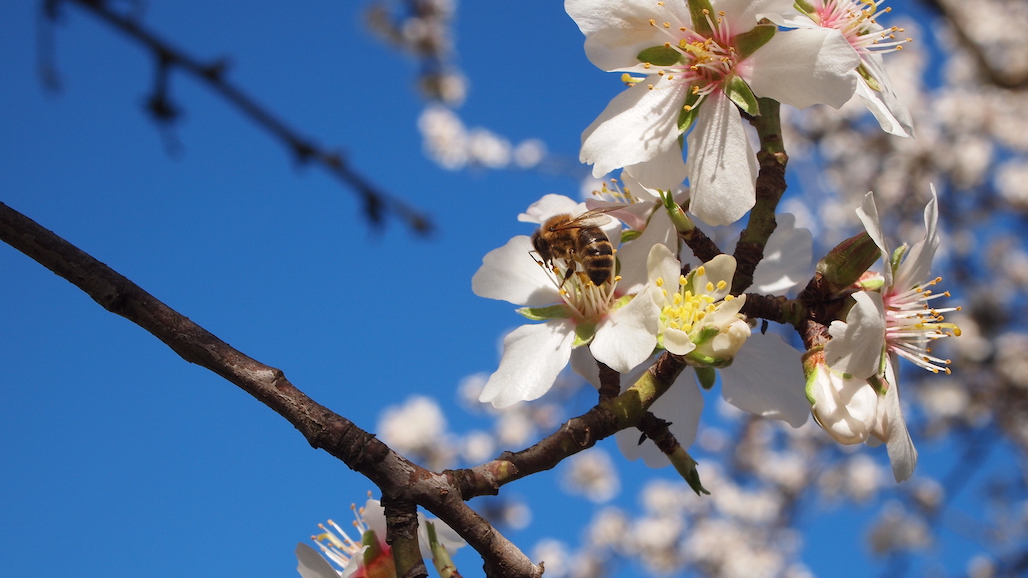
Researchers at the U.S. Department of Agriculture’s (USDA) Agricultural Research Service (ARS) have found that a component in almond nectar and pollen can reduce honey bee viruses and gut parasites, which are some of the leading threats to bee health and colonies.
The study, published in the journal Insects, showed amygdalin – a naturally-occurring chemical compound found in the nectar and pollen of almond trees – decreased levels of chronic bee paralysis virus, black queen cell virus and deformed wing virus. The bees also showed increased levels of beneficial gut bacteria and lower levels of the gut parasite Lotmaria passim.
“We have found nectar chemicals can work as an antibiotic in bees, even against important viruses,” said Jay Evans, USDA-ARS research entomologist. “We were interested in amygdalin as a possible inhibitor of bee disease, because it is so important to the diet of honey bees.”
The bees were fed natural concentrations of amygdalin over a two-month period as part of the study conducted in a bee yard at the Bee Research Laboratory in Beltsville, MD. In the treatment group, bees received a sugar solution supplemented with dissolved amygdalin from a supplier. The control group just received sugar water.
The findings showed that amygdalin, which was previously reported to cause malaise in bees when fed sugar syrup, did not cause any negative effects to bee behavior.
Amygdalin is not only found in the nectar and pollen of almond trees, but in a variety of other crops, such as cherries, nectarines and apples. During almond pollination season, western honey bees inevitably consume the natural compound since almond crops are almost exclusively pollinated by honey bees.
The Agricultural Research Service is the U.S. Department of Agriculture’s chief scientific in-house research agency. Daily, ARS focuses on solutions to agricultural problems affecting America. Each dollar invested in agricultural research results in $17 of economic impact.
Almond Board of California Chief Scientific Officer Josette Lewis traveled virtually to Washington D.C. to brief key congressional leaders about the unique California Pollinator Coalition and its value to the health of bees and other pollinators.
Lewis was one of four speakers, and the only representative from agriculture, at the virtual congressional briefing on the status of pollinators convened by Reps. Rodney Davis (R-IL) and Jimmy Panetta (D-CA) during National Pollinator Week. They are co-chairs of the Congressional Pollinator Protection Caucus.
“This hearing, and this week, were extremely valuable because they helped raise awareness about the need to protect all pollinators and their habitats,” Lewis said. “For the California almond industry, every week is pollinator week. This is something we work hard at every day.”
During the briefing, Lewis detailed the steps being taken by the California Pollinator Coalition and why its brand of collaborative conservation is a strong model to both bolster the health of pollinators and to set an example for a range of effective environmental alliances among independent groups.
The pollinator coalition includes more than 20 California organizations and was spearheaded by the Almond Board of California (ABC) along with the Pollinator Partnership and the state Department of Food and Agriculture. It represents the large majority of agricultural acreage in the state and its goal is to expand pollinator health and habitats on working ag lands.
“The representatives heard how the coalition represents agriculture putting its best foot forward,” Lewis said. “Given the crucial importance of pollinators to food production and to ecosystems, it’s essential that agriculture be part of the solution. That’s one reason ABC partnered with the Pollinator Partnership to help build this coalition. We know the almond industry and the ag community can continue to help.”
A key subject the congressional leaders wanted Lewis to address was the value of collaborations like the Pollinator Coalition, how they can be built and how they can help in areas ranging from research to shared incentive programs.
One incentive example is ABC’s Bee+ Scholarship program, which pays up to $2,000 of the cost of seeds for pollinator-friendly cover crops and has added 15,000 acres of pollinator habitat in almond orchards in its first year. It will also cover the fees to register as a Bee Friendly Farm.
“The goal is to reduce the risks to growers to try new practices that can benefit pollinators and growers alike. One size does not fit all growers, so this offers a chance to try something new,” Lewis said. “Collaborations are effective because everyone has a stake in healthy ecosystems and healthy food, and together we can help each other take actions and make a difference.” — By the Almond Board of California
What is the current status of the international trade war impact on almonds and what changes can we anticipate in the foreseeable future? Watch this brief video with Julie Adams from the Almond Board of California and read more about it in Pacific Nut Producer Magazine.
Please thank this video’s sponsor Suterra for their industry support.
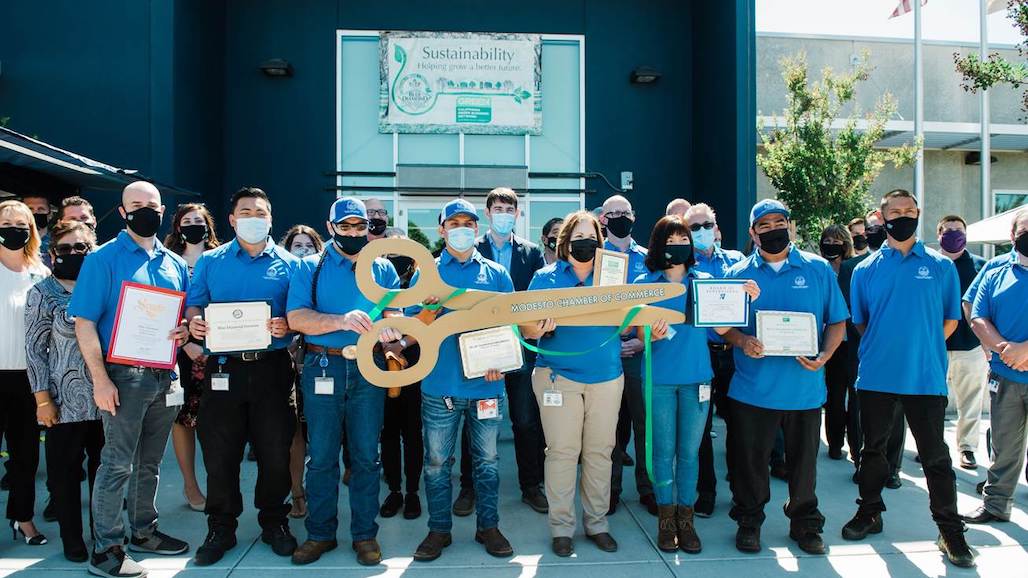
Following a comprehensive certification process, the Blue Diamond Growers plant in Turlock, Calif., has earned distinction by becoming Green Business Certified by the Modesto Chamber of Commerce’s California Green Business Network, Stanislaus County program.
The achievement marks the second such honor for the 111-year-old almond cooperative this year as the Blue Diamond Growers’ Salida facility was recognized as Green Business Certified in April. The Green Business Certified honor goes to companies that achieve a verified set of standards, including reducing water use, conserving energy, preventing pollution, increasing recycling, avoiding waste, encouraging alternative transportation, and partnering with other local vendors.
“Blue Diamond Growers has a long-standing commitment to implementing sustainable practices across all of our facilities and in our almond orchards, too,” said Mark Jansen, president and CEO of Blue Diamond Growers. “This recognition further demonstrates that we are committed to doing our part to build a healthier and more sustainable future for our local communities through adopting new technologies and practices that improve our sustainability efforts. We are proud to have not one, but two facilities to have earned this honor and important recognition.”
The Green Business Certified recognition was awarded at a ceremony on June 3, organized by the Modesto Chamber of Commerce at the Turlock facility on Washington. The ceremony was attended by Blue Diamond leadership as well as Congressman Josh Harder, Turlock Mayor Amy Bublak, and several other state and local dignitaries.
The 250,000-square-foot plant located at 1300 N. Washington Road in Turlock is celebrating its eighth anniversary this month and is currently under the direction of Site LeaderZach Lewis. In 2014, the facility was named “Plant of the Year” by Food Engineering Magazine. The state-of-the-art Turlock plant specializes in processing almonds (blanching, roasting, slicing, dicing, slivering, etc.) to be used by major global food customers in cereals, snack bars, yogurt toppings, baked goods and candies. The Turlock location also prepares the beverage base for Blue Diamond Growers’ Almond Breeze® Almondmilk and produces Blue Diamond Growers’ Almond Flour and other value-added almond products.
In addition to the sustainability efforts at the Blue Diamond Growers’ manufacturing facilities, the co-op emphasizes sustainable field practices, including irrigation management, pest management, and bee health. Blue Diamond Growers actively participates in the California Almond Sustainability Program (CASP), led by the Almond Board of California, to collect grower-submitted production practice information. CASP helps growers find ways to improve the efficiency of their farming operations.
To further underscore its ongoing commitment to improved sustainability, Blue Diamond Growers recently hired Dr. Daniel Sonke, who spoke at today’s event, as the new Director of Sustainability. In this role, Dr. Sonke is leading global sustainability efforts across all segments of the Blue Diamond Growers’ business. He will be responsible for integrating company performance with Blue Diamond Growers’ sustainability pillars of economic viability, environmental stewardship, and community well-being.
About Blue Diamond
Blue Diamond Growers, a grower-owned cooperative representing over 3,000 of California’s almond growers, is the world’s leading almond marketer and processor. Established in 1910, it created the California almond industry and opened world markets for almonds. Blue Diamond is dedicated to delivering the benefits of almonds around the world and does so by providing high-quality almonds, almond ingredients and branded products. Headquartered in Sacramento, the company employs more than 1,800 people throughout its processing plants, receiving stations and gift shops. To learn more about Blue Diamond Growers, visit www.bluediamond.com and follow the company on Facebook,Instagram, LinkedIn and Twitter.
The Almond Board of California (ABC) has released election results for the Board of Directors positions whose terms of office begin August 1, 2021. As a governing body for the industry, the ABC Board of Directors is comprised of five handler and five grower representatives who set policy and recommend budgets in several major areas, including production research, public relations and advertising, nutrition research, statistical reporting, quality control and food safety.
The names of the following nominees have been submitted to the U.S. Secretary of Agriculture for selection:
Independent Grower
Member Position One (one-year term):
Paul Ewing, Los Banos
Alternate Position One:
Brandon Rebiero, Modesto
Member Position Three (three-year term):
Joe Gardiner, Earlimart
Alternate Position Three:
Chris Bettencourt, Westley
Independent Handler
Member Position Two (three-year term):
Bob Silveira, Williams
Alternate Position Two:
Dexter Long, Ballico
Member Position Three (one-year term):
Darren Rigg, Le Grand
Alternate Position Three:
Chad DeRose, McFarland
Cooperative Grower
Member Position Two (three-year term):
Christine Gemperle, Ceres
Alternate Position Two:
Kent Stenderup, Bakersfield
In addition, Lisa Giannini, Hickman, has been named to fill the Cooperative Grower Alternate Position One role.
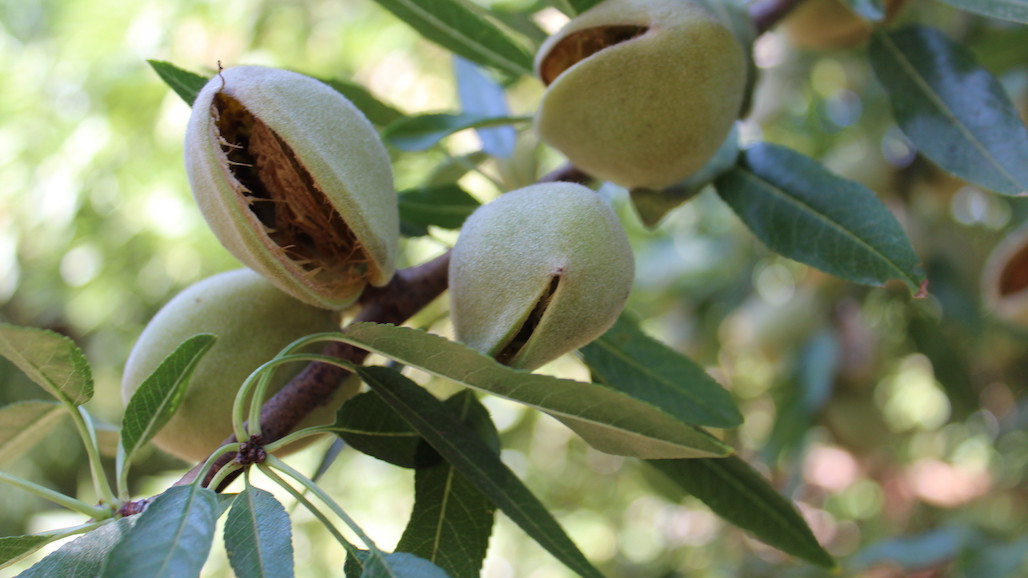
Almond experts say there is only one proven way to know when hull split begins: inspect your trees from the top down, starting in the southwest corner of the canopy.
The importance of knowing precisely when hull split occurs is critical because it signals the proper timing for treatments to control navel orangeworm (NOW) and, as appropriate, hull rot. Whether growers use a ladder, climb atop a pruning tower or lop off a few high branches with extension pruners, the goal is to understand what’s happening in the top of the tree, where nuts mature at a faster rate.
Simply looking up into a tree’s canopy from the orchard floor is a sure fire way to miss the advent of hull split. When hulls split, a scent is released into the air, attracting female NOW moths to lay their eggs on the suture of the splitting hull. As the hull splits, fungal spores also can enter and spawn hull rot infections.
Missing the beginning of hull split and allowing NOW or pathogens to gain a toehold in an orchard can wreck a grower’s entire season and reduce the value of the crop, costing growers in returns if nuts are rejected after harvest.
Summer split invites unwanted guests
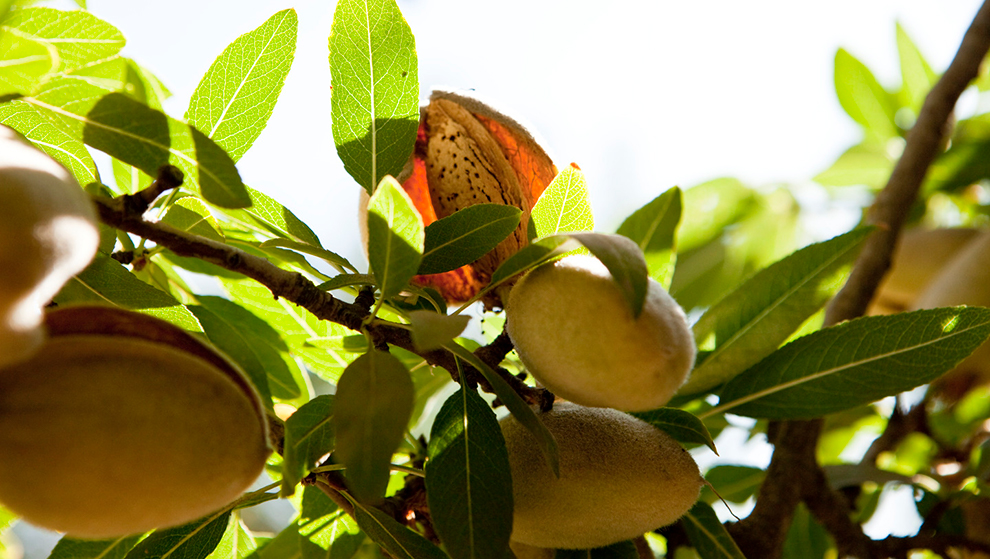
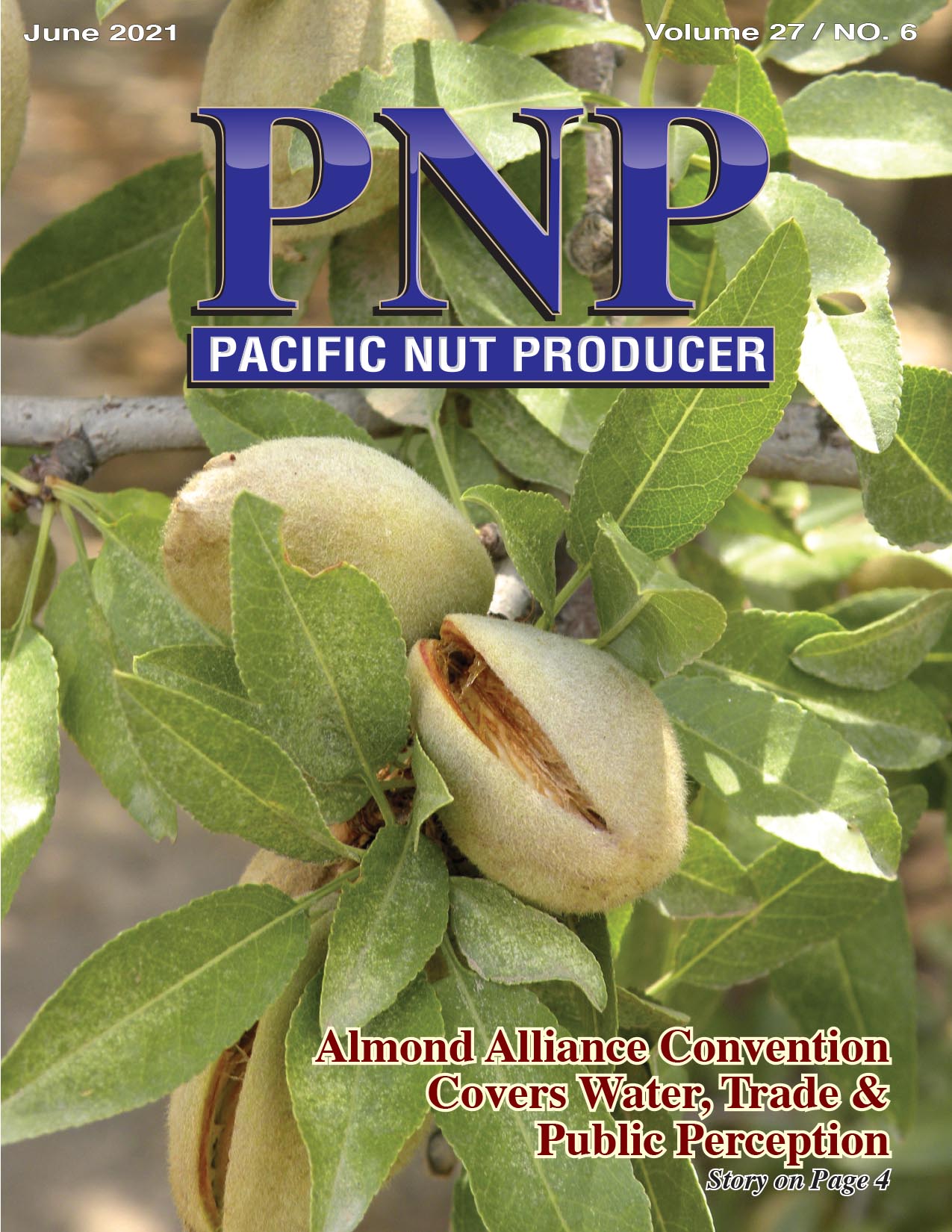
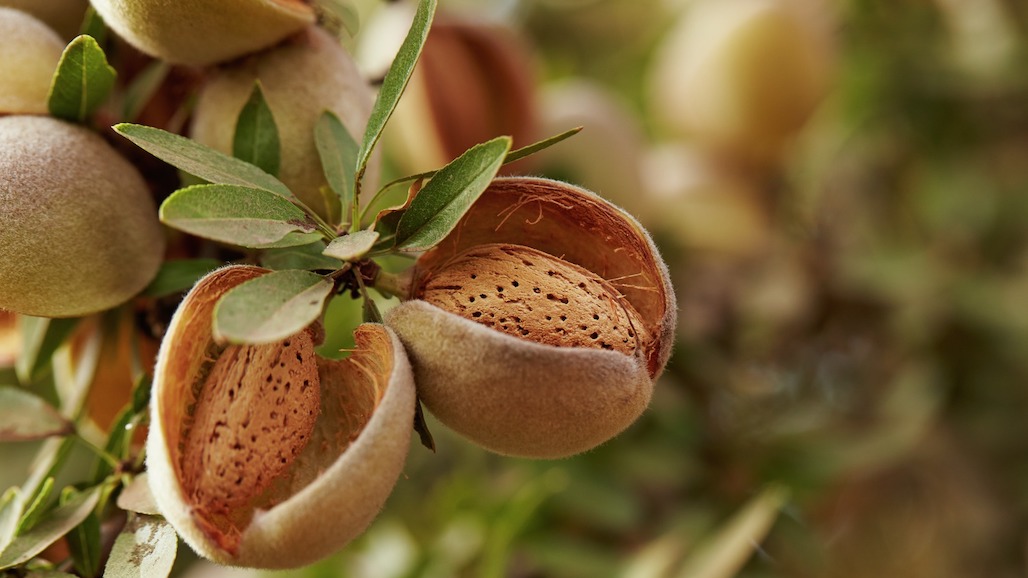
Growers can determine if hull split has occurred – and if it’s time to spray – if, when they squeeze the end of the hull, the entire suture opens up, exposing the shell within. Almond hulls split as the fruit ripens, and timing varies based on weather conditions and variety. For instance, the variety Nonpareil typically splits in early- to- mid-July, earlier than some other varieties.
However, it’s at the stage before this, when the hull is split in a deep “V,” that susceptibility to NOW and wound pathogens that cause hull rot (Rhizopus, Aspergillus, and Monilinia) increase, making it vitally important that growers actively monitor their trees.
Vice President of Member Services for Blue Diamond Growers Mel Machado advises growers to look for blank nuts – those without a kernel inside – as those hulls are the first to split, several days ahead of the “sound” nuts (those with a full kernel).
Mel Machado, Blue Diamond Growers
“The blanks are like the warning shot, signaling the start of hull split,” he said. “When full hull split does occur, the nuts at the top of the canopy will open up first.”
Experts say growers should pay attention to trees on the edge of their orchards as they often ripen more quickly. Growers should also closely monitor the upper and outer portions of the canopy, particularly the southwest quadrant of the orchard block where the hot afternoon sun aids in the splitting and drying process.
“Better to be too early than too late”
Hull split applications should be made no later than at 1% hull split. This is the most effective time to spray for NOW as it often coincides with initiation of the second NOW flight.1
Once growers identify hull split in their orchard, their next step should be to initiate timely treatment. Experts warn that waiting too long to begin spraying will cost growers, as will performing a poor spray job.
Machado advised, “It’s better to be a bit on the early side than late” when spraying. Once hull split begins, he recommended the entire orchard be sprayed in five days or less. “If it takes 10 or 15 days, that’s too long,” he said.
Planning ahead – especially for smaller growers who rely on custom applicators – is essential.
“Watch your fields closely and be in contact with your operator early on,” Machado advised.
In larger orchards, Machado advises growers consider starting with aerial sprays, recognizing that ground-based sprays don’t always provide complete coverage at the tops of the trees.
“We’re seeing growers effectively incorporate aerial applications into their treatment programs for the first application in order to cover the acreage in a timely manner,” Machado said.
The best time to spray is early in the morning or at dusk.
“Do not spray in the heat of the day – your application will evaporate into thin air and you won’t get the material where it needs to go. That’s a waste of time and money, as you’re not only wasting spray material but you also won’t achieve the coverage necessary to combat crop damage,” Machado said.
Finally, growers should ensure their ground-based sprayers are properly calibrated, the nozzles are unplugged and that air flow isn’t restricted. Once it’s time to spray, growers should remind applicators to drive no more than two mph through orchards to ensure optimum coverage and to drive down each row to ensure the trees are equally covered.
“There are some guys who spray every other row, and that’s not a good idea,” Machado said. “There are two sides to the tree; you need to spray both of them.”
Machado reinforced that hullsplit sprays offer the final chance to manage NOW populations before harvest. Still, these applications are only part of a coordinated, year-round, integrated pest management plan to combat NOW that also must include winter sanitation and mating disruption, both of which are performed earlier in the crop year. — By the Almond Board of California
 Almond Board of California