Category: Non-Video

  • New CA Pollinator Coalition Pledges to Increase Pollinator Habitat on Working Lands

    New CA Pollinator Coalition Pledges to Increase Pollinator Habitat on Working Lands

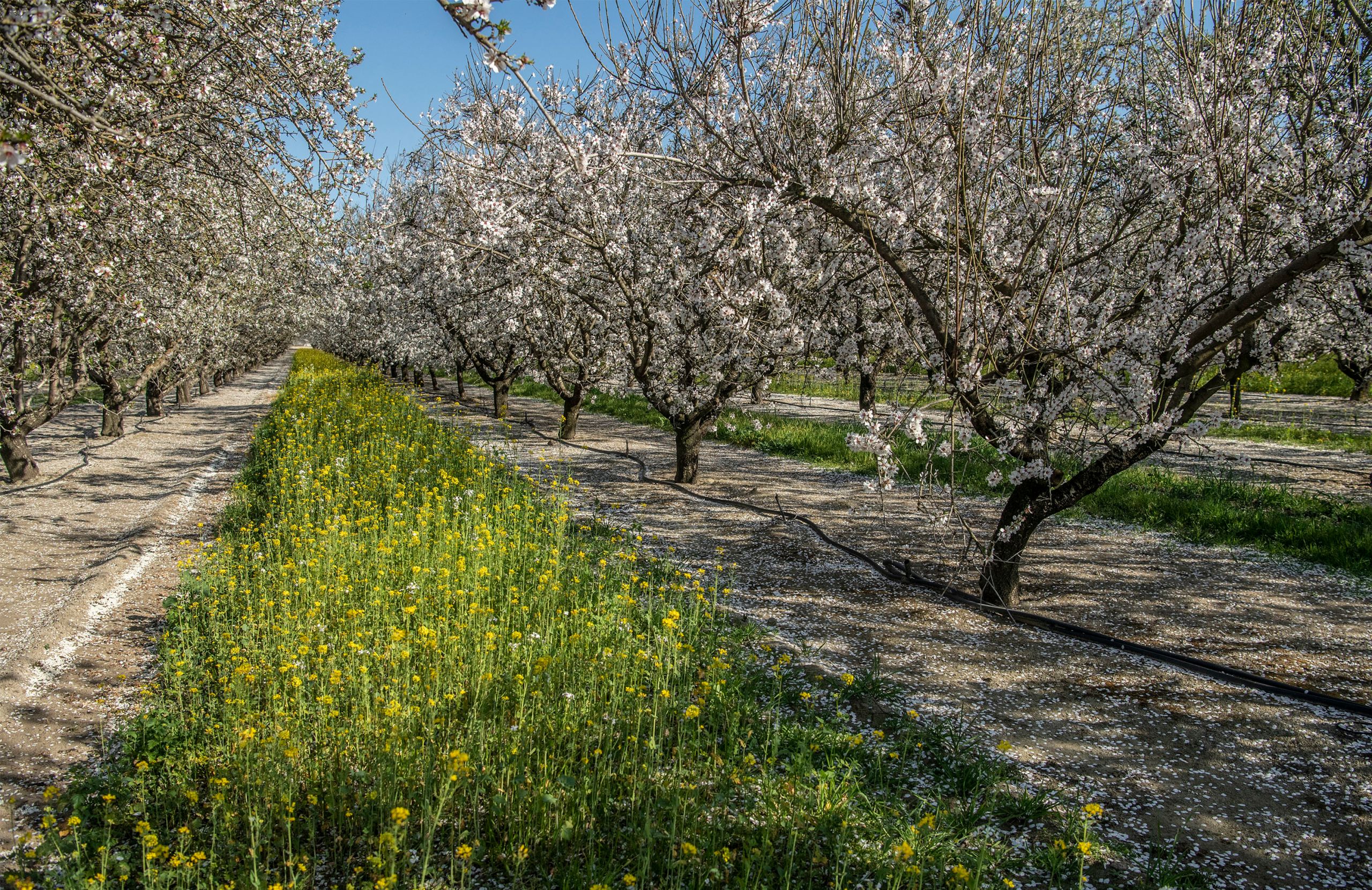
    Spearheaded by the almond industry, a new coalition of agricultural and conservation groups was announced today to encourage more voluntary, grower-friendly efforts to protect the state’s native insect pollinators and managed honeybees.

    The California Pollinator Coalition includes a broad array of more than 20 of the state’s leading agricultural organizations and conservation groups (complete list below). The Coalition will focus on increasing grower participation in projects to provide habitat and forage for pollinators and other beneficial insects across the state’s agricultural landscape.

    “California’s almond industry has a long record of continuing improvement in the area of Integrated Pest Management and protection and stewardship of managed bees,” said Dr. Josette Lewis, Chief Scientific Officer for ABC. “This new coalition helps us expand on our work to benefit California’s many native pollinator species. We’ll also get more results by collaborating within the agriculture and conservation communities on voluntary efforts that benefit both growers and the environment. Improving the health or our ecosystems is not something we can do alone, so we are glad to have many strong allies in this.” 

    “It’s a simple fact that without honey bees, there would be no almonds. The Almond Alliance strongly supports this collaborative effort to increase habitat for pollinators on working lands,” said Alliance Chairman Mike Curry. 

    Convened by Pollinator Partnership, the California Department of Food and Agriculture and the Almond Board of California, the Coalition’s goal is to increase habitat for pollinators on working lands to benefit biodiversity and food production through on-farm and in-orchard projects, supported by technical guidance, research, and documenting progress toward increasing healthier pollinator habitats.

    “What we are doing in California is acknowledging the urgency to address the critical issue of protecting all pollinators, including native and managed species,” said President and CEO of Pollinator Partnership Laurie Davies Adams. “Agriculture and conservation must work together to achieve this goal.”

    “The outcome will not be a tidy report that sits on a shelf, but rather a metric of acres, projects, and species added to the landscape while agriculture continues to profitably feed the nation,” Adams said.

    Objectives of the Coalition
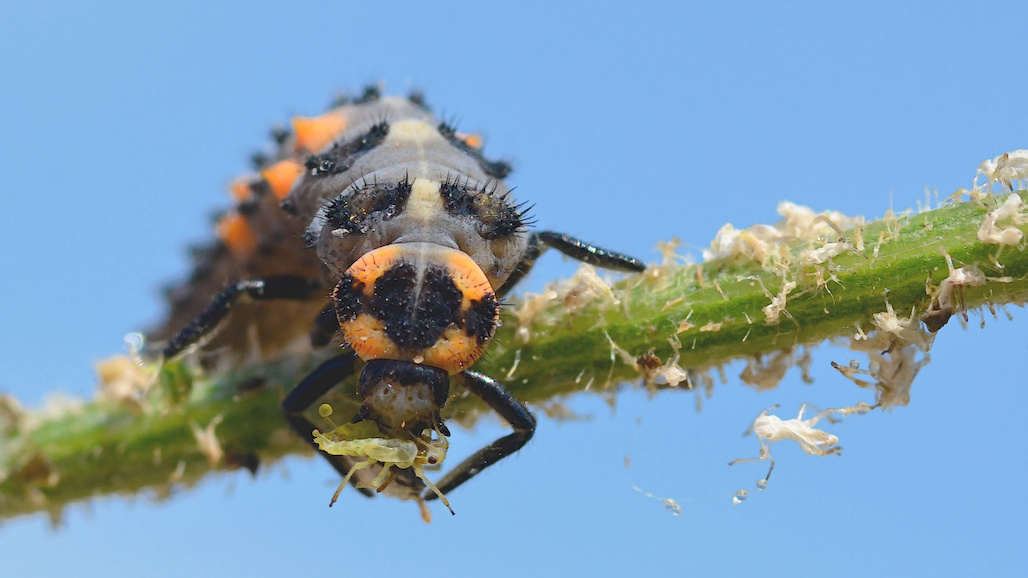
    Extending the California almond industry’s commitment to protect honeybees during almond pollination, the Coalition plans to address habitat issues on an unprecedented scale for the benefit of the state’s beneficial insects, which include 1,600 species of native bees, managed honeybees, butterflies, beetles, wasps, and more. Populations of many California pollinators are declining and often suffer from the same challenges as California’s agriculture. 

    The Coalition will work together on a variety of fronts to support pollinators: 

    • Preparing grower-friendly guidance to build and maintain pollinator habitat on farms and ranches
    • Conducting research and disseminating relevant science
    • Monitoring outcomes (adoption rates and effectiveness of practices)

    “Collaborative action can mitigate risks to California’s pollinators, and that’s exactly why this coalition has come together,” said Karen Ross, Secretary of California Department of Food and Agriculture. “We need urgent action, yet the first step in the process is building trust that encourages, enables, and enhances the result. The California Pollinator Coalition is a big step forward in a journey of grower and conservation groups voluntarily demonstrating leadership.” 

    “This will not be an easy or quick fix,” Lewis said. “It will require a robust and sustained effort, but we are determined to be part of the solution. Almond growers and many other farmers depend on pollinators to produce a crop and pollinators depend on us to provide safe habitat. Working lands can and should be part of the solution.”

    “Farm Bureau supports voluntary, farmer-friendly efforts to improve habitat for native pollinators, and we have long advocated improved research on pollinator health,” said President of the California Farm Bureau Jamie Johansson. “We will work with the coalition for the benefit of native pollinators and managed bees, and to assure stability for the domestic bee business.”

    Almond Alliance Sponsors AB 391

    In addition to the efforts of the new coalition, the Almond Alliance of California is sponsoring AB 391 California Pollinator Conservation Funding, authored by Assemblymember Carlos Villapudua (D-Stockton). This bill will provide critically needed funding for activities that accelerate the adoption of conservation practices designed to integrate pollinator habitat and forage on working lands.  “California almond farmers know that every almond exists because a honey bee visited an almond blossom,” explained Alliance Chairman Mike Curry. “Honey bees and other pollinators need a varied and nutritious diet. This bill will help growers implement those important conservation practices that benefit honey bees as they forage for pollen and nectar in the orchard. The Almond Alliance is proud to sponsor this bill and looks forward to working with its partners for the bill’s successful passage in the California legislature.”

    Assembly member Villapuda noted the importance of protecting pollinators. “Pollinators are responsible for bringing us one out of every three bites of food,” he explained. “They also sustain our ecosystems and produce our natural resources by helping plants reproduce. Working lands offer an opportunity to expand habitat and forage for pollinators which will help sequester carbon and contribute to climate risk reduction. To further engage growers in delivering solutions that benefit pollinators, state investment is critical for activities that accelerate the adoption of conservation practices that integrate pollinator habitat and forage on working lands.”

    AB 391 will appropriate $5 million dollars to provide funding to a variety of agencies to deliver technical assistance, outreach and grants to incentivize participation in state and federal conservation programs where pollinator habitat and forage is established.

    California Pollinator Coalition Partners

    While just beginning its work, the Coalition is continuing to recruit partners who understand the urgency and share the common goal of supporting both the health of pollinators and agriculture. Current California Pollinator Coalition membership includes: 

    • Agricultural Council of California
    • Almond Alliance of California
    • Almond Board of California
    • California Alfalfa and Forage Association
    • California Association of Pest Control Advisers
    • California Association of Resource Conservation Districts
    • California Cattlemen’s Association
    • California Citrus Mutual
    • California Department of Food and Agriculture
    • California Farm Bureau Federation
    • California State Beekeepers Association
    • California Sustainable Winegrowing Alliance
    • Environmental Defense Fund
    • Monarch Joint Venture
    • Monarch Watch
    • Pollinator Partnership
    • Project Apis m.
    • University of California Agriculture and Natural Resources
    • USDA Natural Resources Conservation Service of California
    • Western Growers
    • Dr. Neal Williams, University of California, Davis

    About the California Pollinator Coalition 
    The California Pollinator Coalition, convened by Pollinator Partnership, the California Department of Food and Agriculture and the Almond Board of California, is made up of a diverse group of agricultural and conservation organizations with the shared goal of providing enhanced habitat for pollinators. The Coalition and its members have pledged to increase habitat for pollinators on working lands. Additionally, the group plans to promote research and track its progress toward healthy and abundant habitats.
  • Blue Diamond Growers Earns Recognition as Green Business Certified

    Blue Diamond Growers Earns Recognition as Green Business Certified

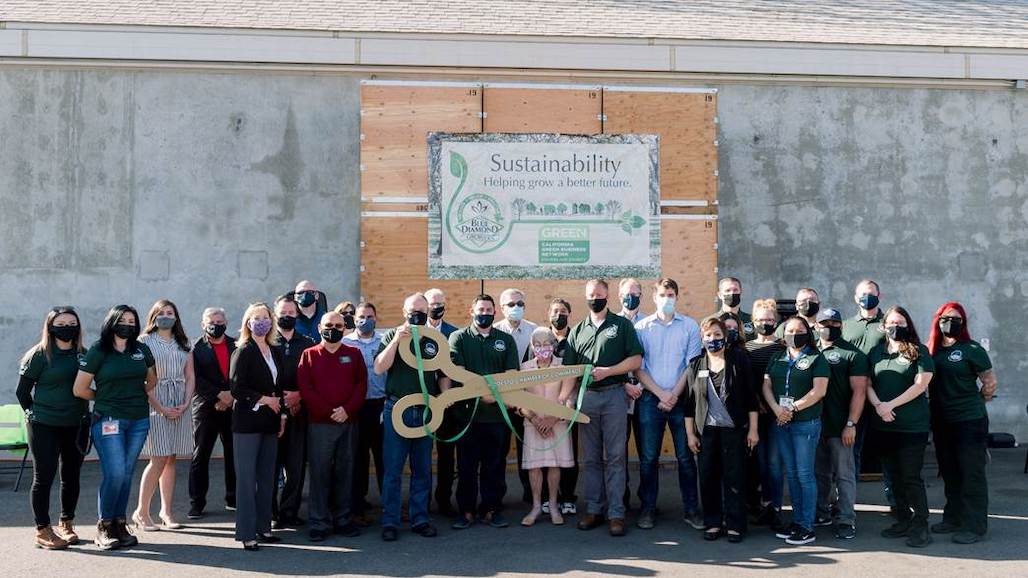
    Following a comprehensive certification process, the Blue Diamond Growers facility in Salida, Calif., has earned distinction as being Green Business Certified. Blue Diamond is the first business in Stanislaus County to be recognized by the California Green Business Network, Stanislaus County, a program of the Modesto Chamber of Commerce, for demonstrating sustainability as a top business priority.
    The Green Business Certified recognition was awarded at a ceremony today organized by the Modesto Chamber of Commerce at the Blue Diamond facility in Salida, California. The ceremony was attended by
    Brian Barczak, Senior Vice President, Global Supply for Blue Diamond, as well as Congressman Josh Harder, and several other state and local dignitaries.

    “Blue Diamond has a long 110-year history as an almond cooperative, and within that history has been a commitment to sustainability across all our facilities – Sacramento, Salida and Turlock,” said Barczak. “As we look toward the future, our investment in sustainability strengthens our relationship with our customers and consumers, provides benefits to our local communities, and lays the groundwork for the continuation of our legacy as a cooperative.  This recognition means a great deal to us as it shows that we are doing our part to build a healthier and more sustainable future for our local communities.”

    The Green Business Certified recognition goes to companies that achieve a verified set of standards, including reducing water use, conserving energy, preventing pollution, increasing recycling, avoiding waste, encouraging alternative transportation, and partnering with other local vendors.

    This latest Blue Diamond Growers’ honor comes on the heels of growth and positive milestones at the Salida facility. In 2020, a multi-year construction plan was completed including the addition of a 50-million-pound-capacity Brown Almond Bulk Warehouse. The new warehouse is the second facility of similar capacity recently built at the site. Additionally, also in 2020, the Salida facility achieved its fifth consecutive year – representing five million work hours – of no lost-time accidents. In terms of sustainability, according to Salida Site Leader Dennis Bettencourt, the site has successfully diverted more than 18 tons of waste from the landfill for more optimal uses, among other achievements in reducing water and
    energy usage.

    “We are proud that Blue Diamond’s priority on sustainability is being recognized and wish to thank the Modesto Chamber of Commerce – California Green Business Network, Stanislaus County for their efforts to advance the importance of sustainability in our community,” said Bettencourt. “We are honored by this recognition, as well as motivated to continue providing Blue Diamond almonds to the world in a way that honors, respects and preserves the planet and the natural resources that mean so much to all of us.”


    About Blue Diamond

    Blue Diamond Growers, a grower-owned cooperative representing over 3,000 of California’s almond growers, is the world’s leading almond marketer and processor. Established in 1910, it created the California almond industry and opened world markets for almonds. Blue Diamond is dedicated to delivering the benefits of almonds around the world and does so by providing high-quality almonds, almond ingredients and branded products. Headquartered in Sacramento, the company employs more than 1,800 people throughout its processing plants, receiving stations and gift shops. To learn more about Blue Diamond Growers, visit www.bluediamond.com and follow the company on Facebook, Instagram, LinkedInand Twitter.

  • CA Pistachio Growers and Processors Create $5.2 Billion Impact on State’s Economy

    CA Pistachio Growers and Processors Create $5.2 Billion Impact on State’s Economy

    American Pistachio Growers  As California pistachio growers and processors shell out money to grow protein-packed nuts, they generate a whirlwind of economic activity throughout the Golden State. That’s the conclusion of economic impact studies commissioned by American Pistachio Growers (APG) and conducted by The Tootelian Company to quantify how spending by growers and processors sparks business activity, grows jobs and labor income, and contributes indirect business taxes.

    In California, the dominant force in U.S. pistachio production with 98 percent of the nation’s supply and more than 485,000 planted acres in 2020, the data show a significant and growing impact that ripples through the economy of the Golden State.

    47,200 jobs & $5.2 billion in economic output generated in 2020

    “When a grower spends money, that creates new business for other organizations, which means jobs and labor income, and it also creates business taxes,” said Dennis H. Tootelian, who conducted the study. California growers and processors spent more than $2.8 billion in 2020, averaging more than $7.7 million a day. In terms of total economic impact, the best measure of economic activity, the data show the state’s growers and processors created $5.2 billion in economic output, the equivalent of more than $10,000 every minute in 2020.

    California’s pistachio industry resulted in more than 47,200 jobs on a full-time equivalent basis in 2020. Grower spending generated more than 21,000 jobs and processor spending generated nearly 26,200 jobs, according to the data.

    Tootelian found that nearly $2.5 billion in labor income was generated by California growers and processors in 2020. “These dollars are diffused throughout the state’s economy as workers spend their income on an array of goods and services,” he added.

    56 percent growth in California acreage 2016-2020

    A significant factor driving economic impact in California since his last study in 2016 has been grower investment in new pistachio plantings. From 2016 to 2020, Tootelian noted that growers

    added 173,540 acres of pistachios, an increase of 56 percent. This surge in acreage, alone, resulted in nearly $1.9 billion in economic impact to California. 

    “The real wow factor in this whole thing is the huge jump in acreage in the last four years.

    Growers’ investment in new acreage equated to more than $5.1 million per day and $10,777 per acre,” Tootelian said. “This meant more than 16,800 jobs, nearly $883.7 million in additional labor income, and nearly $68.4 million in added indirect business taxes.”

    The data calculated the total indirect business taxes from California growers and processors at $191.9 million in 2020, or the equivalent of $525,000 per day.

    “The impact of the economic output of the pistachio industry in California is huge in the agriculture sector, but it also permeates nearly every other sector in the state — from real estate, construction, insurance, professional services and retailing,” said Tootelian.

    Pistachios contribute to Arizona and New Mexico economies

    For the first time, Tootelian gathered data and analyzed the economic impact of growers and processors in Arizona and New Mexico in 2020. While pistachio production in the two states is modest by comparison to California, Tootelian’s analysis revealed significant economic benefits from spending by growers and processors in Arizona and New Mexico.

    The data for Arizona’s pistachio growers and processors show total expenditures of $49.1 million in 2020, total economic impact of $91.8 million, the creation of 915 jobs and $39.6 million in labor income, and $3 million in indirect business taxes. Total pistachio acreage in Arizona is about 9,500 acres.

    For New Mexico, expenditures by growers and processors totaled nearly $2.7 million in 2020, total economic impact was $4.5 million, the industry created 38 jobs and generated $1.9 million in labor income, and the state’s growers and processors created nearly $148,000 in indirect business taxes. Pistachio acreage in New Mexico is about 600 acres.

    “Our members are rightly proud of the role they play in boosting economies across their respective states,” said APG President Richard Matoian. “While this study showed 485,000 acres of pistachios throughout California in 2020, new data shows the growth continues with 523,000 acres already in 2021.”

    “American-grown pistachios are valued in international markets for their exceptional quality and food safety,” said Judy Hirigoyen, APG VP, Global Marketing. “The new acreage will help supply consumers worldwide as dietary patterns shift to sustainable, plant-based proteins.”

    The 2020 study by Tootelian, Ph.D., Emeritus Professor of Marketing at CSU-Sacramento, is a follow-up to a similar study conducted for APG in 2016. His analyses were conducted for net total expenditures by growers and the net variable expenses of processors. He completed economic impact studies using 2020 data for California, Arizona and New Mexico, the three states that comprise U.S. commercial pistachio production.

    American Pistachio Growers is a non-profit trade association representing more than 800 growers and member processors in California, Arizona, and New Mexico.

    California Report

    California Fact Sheet

  • CIDETRAK® NOW MESO™ – A Testament to PERFORMANCE

    CIDETRAK® NOW MESO™ – A Testament to PERFORMANCE

    – SPONSORED CONTENT –

    24/7, Peace of Mind

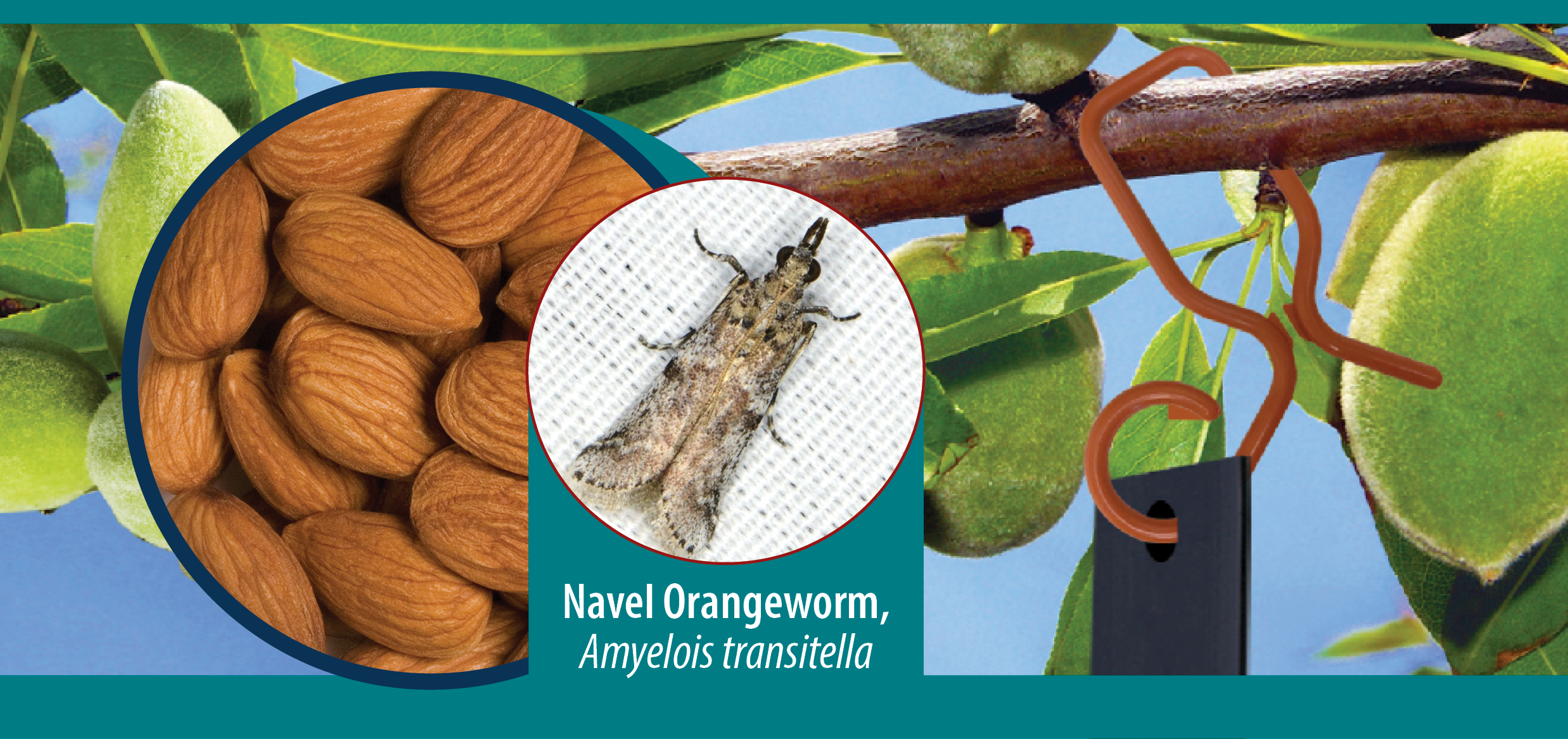
    “This is our second year using CIDETRAK® NOW MESO™ in our Almonds and Pistachios, and I’m very satisfied with the results. We applied CIDETRAK on roughly 800 acres of Almonds and 2,000 acres of Pistachios. It gives me peace of mind knowing that this product is on 24/7 and continually releases pheromone season long.

    Since adding CIDETRAK to our NOW management program, we’ve seen a consistent reduction in injury year over year. NOW injury has continually been suppressed below 1%. The product is quick and easy to apply. It’s also very convenient that each CIDETRAK box turns into a carrying case, making the application process much easier.

    Hands down, this is an extremely effective tool in managing NOW in our nut crops. I highly recommend CIDETRAK to anyone who would like to see a product that delivers consistent results and assurance that their orchard will be protected.”

    About Joe:

    Joe grew up in a family of farmers. Since the age of 8, he has worked in Agriculture and has learned an array of skills that he’s been able to apply throughout his career. Joe graduated from Cal Poly in 2006, and became the Research Director at DB Specialty Farms working in Strawberries. In 2013, he took a position with Maricopa Orchards and is currently their Director of Agronomy. Joe resides in Clovis, CA with his wife and four kids.

    Get Your Own Peace of Mind – CONTACT US


  • Pacific Nut Producer April Issue

    Pacific Nut Producer April Issue

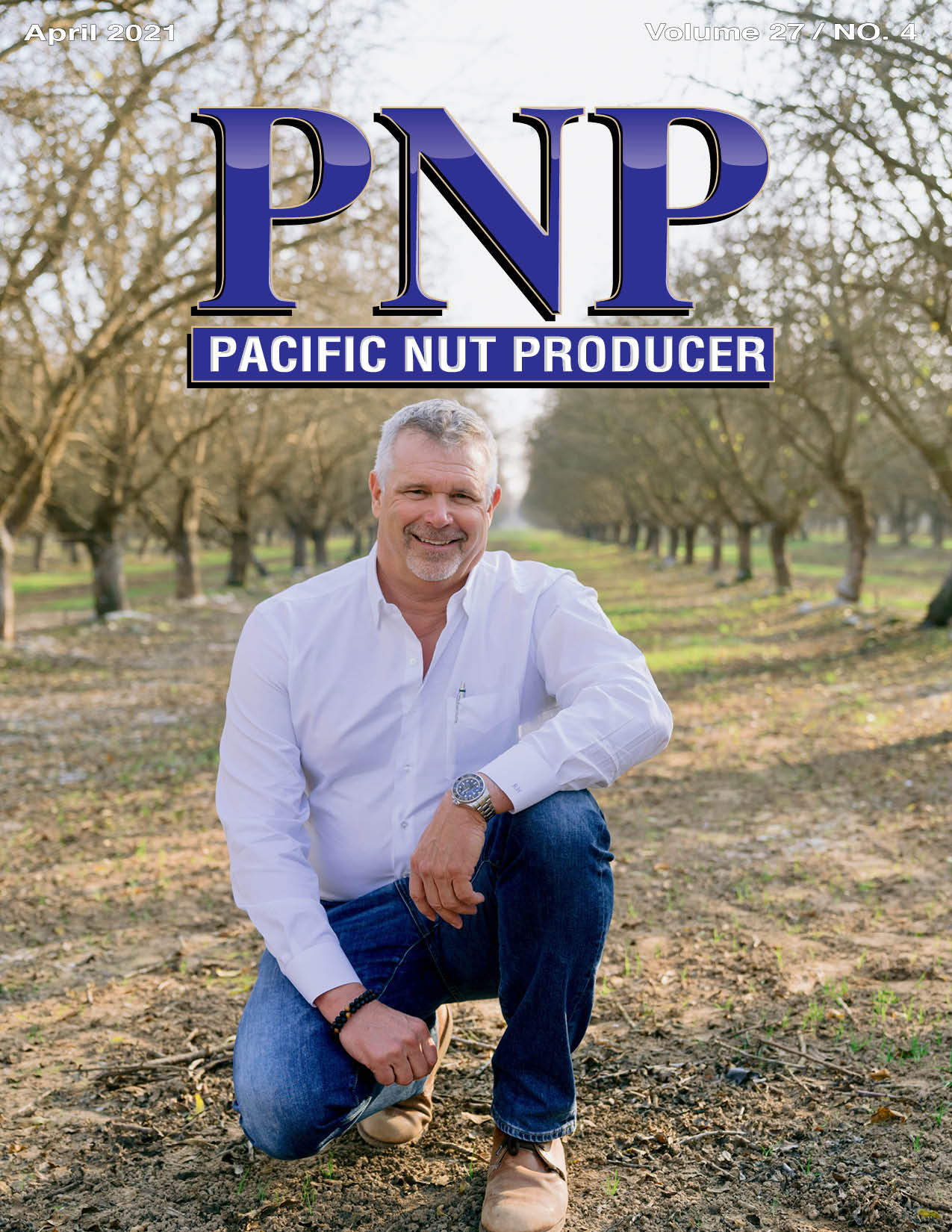
    PNP April Issue
    PNP April Issue

    [btn btnlink=”https://malcolmmedia.com/order-a-back-issue/back-issue-pacific-nut-producer-magazine/” btnsize=”full” txtcolor=”#ffffff” color=”#FFF” bgcolor=”#492500″ btnnewt=”1″ nofollow=”1″]Order A Back Issue[/btn]

    [btn btnlink=”http://malcolmmedia.com/pacific-nut-producer-magazine-subscriptions/” btnsize=”full” txtcolor=”#ffffff” bgcolor=”#492500″ btnnewt=”1″ nofollow=”1″]Subscribe Free[/btn]
    [three_fifth_last]

    Contents of the April Issue:

    Harris Family Enterprises
    From Humble Beginnings to Successful Business

    Almond Alliance 39th Annual Convention
    Registration Is Open for This In-Person Event

    Orchard Views
    Patrick Cavanaugh Retires

    April Orchard Tasks
    Almonds, Hazelnuts, Pecans, Pistachios, Walnuts

    [/three_fifth_last]

  • USDA Announces New & Expanded Pandemic Assistance for Farmers

    USDA Announces New & Expanded Pandemic Assistance for Farmers

    Agriculture Secretary Tom Vilsack announced today that USDA is establishing new programs and efforts to bring financial assistance to farmers, ranchers and producers who felt the impact of COVID-19 market disruptions. The new initiative—USDA Pandemic Assistance for Producers—will reach a broader set of producers than in previous COVID-19 aid programs. USDA is dedicating at least $6 billion toward the new programs. The Department will also develop rules for new programs that will put a greater emphasis on outreach to small and socially disadvantaged producers, specialty crop and organic producers, timber harvesters, as well as provide support for the food supply chain and producers of renewable fuel, among others. Existing programs like the Coronavirus Food Assistance Program (CFAP) will fall within the new initiative and, where statutory authority allows, will be refined to better address the needs of producers.

    USDA Pandemic Assistance for Producers was needed, said Vilsack, after a review of previous COVID-19 assistance programs targeting farmers identified a number of gaps and disparities in how assistance was distributed as well as inadequate outreach to underserved producers and smaller and medium operations.

    “The pandemic affected all of agriculture, but many farmers did not benefit from previous rounds of pandemic-related assistance. The Biden-Harris Administration is committed to helping as many producers as possible, as equitably as possible,” said Vilsack. “Our new USDA Pandemic Assistance for Producers initiative will help get financial assistance to a broader set of producers, including to socially disadvantaged communities, small and medium sized producers, and farmers and producers of less traditional crops.”

    USDA will reopen sign-up for CFAP 2 for at least 60 days beginning on April 5, 2021. The USDA Farm Service Agency (FSA) has committed at least $2.5 million to improve outreach for CFAP 2 and will establish partnerships with organizations with strong connections to socially disadvantaged communities to ensure they are informed and aware of the application process.

    The payments announced today (under Part 3, below) will go out under the existing CFAP rules; however, future opportunities for USDA Pandemic Assistance will be reviewed for verified need and during the rulemaking process, USDA will look to make eligibility more consistent with the Farm Bill. Moving forward, USDA Pandemic Assistance for Producers will utilize existing programs, such as the Local Agricultural Marketing Program, Farming Opportunities Training and Outreach, and Specialty Crop Block Grant Program, and others to enhance educational and market opportunities for agricultural producers.

    USDA Pandemic Assistance for Producers – 4 Parts Announced Today

    Part 1: Investing $6 Billion to Expand Help & Assistance to More Producers

    USDA will dedicate at least $6 billion to develop a number of new programs or modify existing proposals using discretionary funding from the Consolidated Appropriations Act and other coronavirus funding that went unspent by the previous administration. Where rulemaking is required, it will commence this spring. These efforts will include assistance for:

    • Dairy farmers through the Dairy Donation Program or other means:
    • Euthanized livestock and poultry;
    • Biofuels;
    • Specialty crops, beginning farmers, local, urban and organic farms;
    • Costs for organic certification or to continue or add conservation activities
    • Other possible expansion and corrections to CFAP that were not part of today’s announcement such as to support dairy or other livestock producers;
    • Timber harvesting and hauling;
    • Personal Protective Equipment (PPE) and other protective measures for food and farm workers and specialty crop and seafood producers, processors and distributors;
    • Improving the resilience of the food supply chain, including assistance to meat and poultry operations to facilitate interstate shipment;
    • Developing infrastructure to support donation and distribution of perishable commodities, including food donation and distribution through farm-to-school, restaurants or other community organizations; and
    • Reducing food waste.

    Part 2: Adding $500 Million of New Funding to Existing Programs

    USDA expects to begin investing approximately $500 million in expedited assistance through several existing programs this spring, with most by April 30. This new assistance includes:

    • $100 million in additional funding for the Specialty Crop Block Grant Program, administered by the Agricultural Marketing Service (AMS), which enhances the competitiveness of fruits, vegetables, tree nuts, dried fruits, horticulture, and nursery crops.
    • $75 million in additional funding for the Farmers Opportunities Training and Outreach program, administered by the National Institute of Food and Agriculture (NIFA) and the Office of Partnerships and Public Engagement, which encourages and assists socially disadvantaged, veteran, and beginning farmers and ranchers in the ownership and operation of farms and ranches.
    • $100 million in additional funding for the Local Agricultural Marketing Program, administered by the AMS and Rural Development, which supports the development, coordination and expansion of direct producer-to-consumer marketing, local and regional food markets and enterprises and value-added agricultural products.
    • $75 million in additional funding for the Gus Schumacher Nutrition Incentive Program, administered by the NIFA, which provides funding opportunities to conduct and evaluate projects providing incentives to increase the purchase of fruits and vegetables by low-income consumers
    • $20 million for the Animal and Plant Health Inspection Service to improve and maintain animal disease prevention and response capacity, including the National Animal Health Laboratory Network.
    • $20 million for the Agricultural Research Service to work collaboratively with Texas A&M on the critical intersection between responsive agriculture, food production, and human nutrition and health.
    • $28 million for NIFA to provide grants to state departments of agriculture to expand or sustain existing farm stress assistance programs.
    • Approximately $80 million in additional payments to domestic users of upland and extra-long staple cotton based on a formula set in the Consolidated Appropriations Act, 2021 that USDA plans to deliver through the Economic Adjustment Assistance for Textile Mills program.

    Part 3: Carrying Out Formula Payments under CFAP 1, CFAP 2, CFAP AA

    The Consolidated Appropriations Act, 2021, enacted December 2020 requires FSA to make certain payments to producers according to a mandated formula. USDA is now expediting these provisions because there is no discretion involved in interpreting such directives, they are self-enacting.

    • An increase in CFAP 1 payment rates for cattle. Cattle producers with approved CFAP 1 applications will automatically receive these payments beginning in April. Information on the additional payment rates for cattle can be found on farmers.gov/cfap. Eligible producers do not need to submit new applications, since payments are based on previously approved CFAP 1 applications. USDA estimates additional payments of more than $1.1 billion to more than 410,000 producers, according to the mandated formula.
    • Additional CFAP assistance of $20 per acre for producers of eligible crops identified as CFAP 2 flat-rate or price-trigger crops beginning in April. This includes alfalfa, corn, cotton, hemp, peanuts, rice, sorghum, soybeans, sugar beets and wheat, among other crops. FSA will automatically issue payments to eligible price trigger and flat-rate crop producers based on the eligible acres included on their CFAP 2 applications. Eligible producers do not need to submit a new CFAP 2 application. For a list of all eligible row-crops, visit farmers.gov/cfap. USDA estimates additional payments of more than $4.5 billion to more than 560,000 producers, according to the mandated formula.
    • USDA will finalize routine decisions and minor formula adjustments on applications and begin processing payments for certain applications filed as part of the CFAP Additional Assistance program in the following categories:
      • Applications filed for pullets and turfgrass sod;
      • A formula correction for row-crop producer applications to allow producers with a non-Actual Production History (APH) insurance policy to use 100% of the 2019 Agriculture Risk Coverage-County Option (ARC-CO) benchmark yield in the calculation;
      • Sales commodity applications revised to include insurance indemnities, Noninsured Crop Disaster Assistance Program payments, and Wildfire and Hurricane Indemnity Program Plus payments, as required by statute; and
      • Additional payments for swine producers and contract growers under CFAP Additional Assistance remain on hold and are likely to require modifications to the regulation as part of the broader evaluation and future assistance; however, FSA will continue to accept applications from interested producers.

    Part 4: Reopening CFAP 2 Sign-Up to Improve Access & Outreach to Underserved Producers

    As noted above, USDA will re-open sign-up for of CFAP 2 for at least 60 days beginning on April 5, 2021.

    • FSA has committed at least $2.5 million to establish partnerships and direct outreach efforts intended to improve outreach for CFAP 2 and will cooperate with grassroots organizations with strong connections to socially disadvantaged communities to ensure they are informed and aware of the application process.

    Please stay tuned for additional information and announcements under the USDA Pandemic Assistance to Producersinitiative, which will help to expand and more equitably distribute financial assistance to producers and farming operations during the COVID-19 national emergency. Please visit www.farmers.gov for more information on the details of today’s announcement.

    USDA touches the lives of all Americans each day in so many positive ways. In the Biden administration, USDA is transforming America’s food system with a greater focus on more resilient local and regional food production, ensuring access to healthy and nutritious food in all communities, building new markets and streams of income for farmers and producers using climate-smart food and forestry practices, making historic investments in infrastructure and clean-energy capabilities in rural America, and committing to equity across the Department by removing systemic barriers and building a workforce more representative of America. To learn more, visit www.usda.gov.

  • CA Walnuts to Launch Global Marketing Initiative with Coordinated “Power of 3” Events across the Globe

    CA Walnuts to Launch Global Marketing Initiative with Coordinated “Power of 3” Events across the Globe

    The California Walnut Commission recently announced the second annual “Power of 3” global marketing campaign, which builds on the successful 2020 campaign. “Power of 3” will launch on March 3rd with a first-ever global event celebrated in the USA, Germany, India, Japan, South Korea, Spain, Turkey, the United Kingdom and the Middle East to showcase how they like to get their daily handful of walnuts.

    The Power of 3:

    1. Launches March, the 3rd month of the year.
    2. Emphasizes the rich essential plant-based omega-3 ALA content of walnuts (2.5 grams/ounce).
    3. Encourages a handful a day (28-30 grams) as a simple way to improve overall nutrition.

    This campaign is a fun and engaging way to build on one of California walnuts’ core benefits as the only nut that is a rich source of plant-based omega-3 ALA (2.5 grams/ounce). ALA is an essential nutrient needed by the human body that can only be provided through the diet and has been associated with benefits for heart health, brain health and healthy aging. A one ounce serving of walnuts provides plant-based protein (4 grams), fiber (2 grams) and is good source of magnesium. Walnuts are also a good source of vitamin B6 (0.2mg/oz) and an excellent source of copper (0.45mg/oz) and manganese (0.1mg/oz) all of which contribute to the normal functioning of the immune system.

    “There was tremendous excitement around the globe for the Power of 3 campaign last year and we are thrilled to bring it back on an even bigger scale in 2021,” shares Pamela Graviet, Senior Marketing Director, International, for the California Walnut Commission. “This campaign makes it simple for consumers to remember just how easily they can improve their overall diet with a handful of walnuts.”

    The campaign will employ a variety of communications tools, including a video that is a core component of the campaign and will be used across all markets. Recipes, developed by influencers in each country, will be shared across the globe providing inspiration to consumers. Other elements will vary by market including digital and social media, blog posts, sweepstakes, influencer programs, recipe tips and tricks, easy recipes, instore promotions, advertisements and more to generate awareness that a handful of California walnuts is a powerful addition to the diet.

    The Science behind Plant-Based Omega-3 ALA

    All omega-3s provide health benefits, so it’s important to get these good fats from a variety of sources. As the only nut significantly high in omega-3 ALA (2.5g per one ounce/28g), one of the easiest ways to get more ALA into your diet is to start with walnuts.

    ALA and Heart Health

    A study from Advances in Nutrition found that ALA may help improve heart health just as we have seen in studies focused on EPA and DHA1. The literature review provided evidence showing the potentially beneficial role ALA may have in primary and secondary prevention of cardiovascular disease, including stroke and heart attack. According to a clinical trial published in The Journal of Nutrition, eating a diet rich in omega-3 ALA, from foods like walnuts, may help to lower the risk of heart disease through anti-inflammatory effects2. Given the current promising data, there is a need for well-controlled clinical trials to clarify the effects of ALA on risk for cardiovascular disease and to determine the recommended amount of ALA to consume for heart health benefits.

    ALA and Brain Health

    A review study from Progress in Lipid Research assessed the tissue levels of omega-3 DHA formed from ALA3. They reported several important findings. The first was that ALA leads to the synthesis of EPA in some cases, and in particular, may contribute to DHA levels in the brain. Evidence from a variety of studies suggests dietary ALA may be able to fulfill the human requirement for DHA in the body when higher levels of ALA (at least 1.2g) are consumed. Assessing the synthesis of EPA and DHA from ALA in humans is limited to blood level measurements. The takeaway from this study is that through its conversion process, ALA may play a role in maintaining DHA levels in important tissues such as the brain. More research is needed to fully understand the effect of this process in the body.

    ALA and Healthy Aging

    A study published in the Journal of the American College of Cardiology (2020) looked at regular consumption of foods rich in marine or plant-based omega-3s and risk of death among individuals who have suffered a heart attack4. In addition, research from one of the largest clinical trials looking at the benefits of a Mediterranean diet suggested older Spanish individuals (ages 55-80) with a high cardiac risk who supplemented a high fish diet with dietary ALA saw a reduced risk of all-cause mortality. Specifically, study participants who consumed at least 0.7% of their daily calorie intake from ALA had a 28% reduced risk of all-cause mortality.

  • Almond Board Joins Group to Speed CA’s Shift to Safer Pest Management

    Almond Board Joins Group to Speed CA’s Shift to Safer Pest Management

    Yesterday, the California Department of Pesticide Regulation and California Department of Food and Agriculture launched a broad new work group to accelerate the systemwide adoption of safer, sustainable pest control practices.

    The 25-member Sustainable Pest Management Work Group includes farmers, community members, university researchers and representatives from commodity groups and the pesticide industry. They are charged with identifying pathways to minimize the use of toxic pesticides and expand the use of integrated pest management practices; better protect public and environmental health; and engage, educate and promote collaboration to achieve these goals.

     “Transitioning away from toxic pesticides requires us to speed up the development of effective alternatives,” said CalEPA Secretary Jared Blumenfeld. “By giving our farmers a suite of integrated pest management tools, we can better protect farmworkers and some of California’s most vulnerable communities. This dynamic task force will give us the roadmap to achieve this bold vision.”

    “California agriculture is recognized not only for its quality and quantity, but also for the sustainable, innovative, forward-thinking way it is grown,” said CDFA Secretary Karen Ross. “Our farmers have been leaders in adopting integrated pest management and partnering with universities and technical assistance providers to meet our high standards for food, environmental and worker safety. This work group represents a broad array of perspectives to inform the next decade of research and development investment and new partnerships to continue the production of nutritious, delicious food and high quality agricultural products with the least impact to our surrounding communities.” 

    Funded in last year’s budget, the group’s work will build upon the recommendations of the Alternatives to Chlorpyrifos Work Group whose 2020 report identified alternatives to the hazardous insecticide and outlined actions to further support agriculture and the health of local communities, farmworkers and the environment. A new status update details additional actions DPR has taken based on the 2020 report, and how DPR and CDFA are working together to provide additional funding to the University of California and California State University to expand integrated pest management research and education. California prohibited virtually all uses of chlorpyrifos as of Dec. 31, 2020.

    The Sustainable Pest Management Work Group is part of the State’s larger commitment to accelerating the transition away from hazardous pesticides. To support the move, Governor Newsom is proposing to fund additional support for the transition by replacing the current flat-fee mill assessment on pesticide sales with a new risk-based tiered mill assessment, where higher toxicity pesticides are assessed a higher fee.

    The members of the Sustainable Pest Management Work Group include:


    1. Jenny Broome, Driscoll’s
    2. Don Cameron, Terranova Ranch
    3. Casey Creamer, California Citrus Mutual
    4. Jim Farrar, UC Integrated Pest Management (IPM)
    5. Chris Geiger, City of San Francisco
    6. Kim Harley, UC Berkeley
    7. Lisa Herbert, Sutter County Agricultural Commissioner
    8. Nina Ichikawa, Berkeley Food Institute
    9. Dan Kaiser, Environmental Defense Fund
    10. Susan Kegley, Pesticide Research Institute
    11. Margaret Lloyd, UC Extension – small farm advisor
    12. Suguet Lopez, Líderes Campesinas
    13. Gabriele Ludwig, Almond Board of California
    14. Pam Marrone, Chestnut Bio Advisors, Formerly Marrone Bio Innovations
    15. Nayamin Martinez, Central California Environmental Justice Network
    16. John McKeon, Taylor Farms
    17. Cliff Ohmart, Pest Control Advisor (PCA)
    18. Scott Park, Park Farms
    19. Margaret Reeves, Pesticide Action Network
    20. Taylor Roschen, California Farm Bureau
    21. Sarah Ryan, Environmental Director Big Valley Band of Pomo Indians
    22. Daniel Sonke, Campbell Soup Company
    23. Paul Walgenbach, Bayer
    24. Ron Whitehurst, Pest Control Advisor (PCA)
    25. Houston Wilson, UC Organic Agriculture Institute
  • $1.9 Million Hawaii Micro-Grant Program For Small-Scale Ag

    $1.9 Million Hawaii Micro-Grant Program For Small-Scale Ag

    The Hawai`i Department of Agriculture (HDOA) is now accepting applications for the Micro-Grants for Food Security Program, which provides support for small-scale gardening, herding and livestock operations to help produce food in areas that are insecure.

    In August 2020, the U.S. Department of Agriculture (USDA) awarded Hawai`i a total of $1,938,556.80 for this grant program which was established under the 2018 Farm Bill.  Nathan Trump, President of the Hawaii Macadamia Nut Association, commented that many macadamia growers may be able to qualify for this program, with grants of up to $5,000 for individuals and $10,000 for organizations to help purchase equipment and supplies for agricultural projects.

    Information on the Request for Proposals may be found at the Hawai‘i State Procurement website at: https://hands.ehawaii.gov/hands/opportunities/opportunity-details/20023 . The maximum award for an individual is $5,000 for a project of 12 months, $2,500 for a six-month project. Under the grant program rules, religious organization, food banks and food pantries may also apply. Applications/proposals must be emailed to hdoa.addrfp@hawaii.gov and received by noon, April 23, 2021.

    “Through the pandemic, there has been an increase in backyard and small-scale farming which has helped families to economically supplement their basic food needs,” said Gov. David
    Ige. “This grant program presents a unique opportunity to support subsistence agriculture in Hawai`i.”

    “Small-scale farmers and food gardens are often left out of federal funding programs,” said Phyllis Shimabukuro-Geiser, chairperson of the Hawai`i Board of Agriculture. “In these cases, we know that a little support can go a long way to help food security for our families and communities.”

    Examples of the types of activities that may be funded under this grant include:

    Small-Scale Gardening – purchase tools or equipment, soil, seeds, plants, canning equipment, refrigeration, composting equipment, towers, hydroponic and aeroponic farming.

    Small-Scale Herding and Livestock Operations – purchase animals, buy, erect or repair fencing for livestock, activities or supplies associated with setting up or equipping a slaughter and processing facility, including purchasing mobile slaughterhouses.

    -Expanding Access to Food and Knowledge of Food Security – create or expand avenues for the sale of food commodities – includes paying for shipping of purchased items related to growing or raising food for local consumption.

    Additional information, including Frequently Asked Questions, are available at the grant portal at: https://hands.ehawaii.gov/hands/opportunities/opportunity-details/20023

    To assist interested parties with the application requirements, a Zoom webinar has been scheduled for:

    https://zoom.us/j/98372262871?pwd=MklnZWFMTXlsbXhjLzFIYXZLMHVEQT09

    Meeting ID: 983 7226 2871

    Passcode: HDOAMDB

    Information and a recording of the webinar will also be posted at: https://hdoa.hawaii.gov/add/md/

    Eligible proposals will be reviewed by a panel in each county and awards are expected to be announced in May 2021, with first disbursement of funds expected in July 2021.

    Questions regarding the application process may addressed to HDOA’s Market Development Branch at (808) 973-9595 or email: hdoa.addrfp@hawaii.gov

  • Alternative to Ag Open Burning Incentive Program

    Alternative to Ag Open Burning Incentive Program

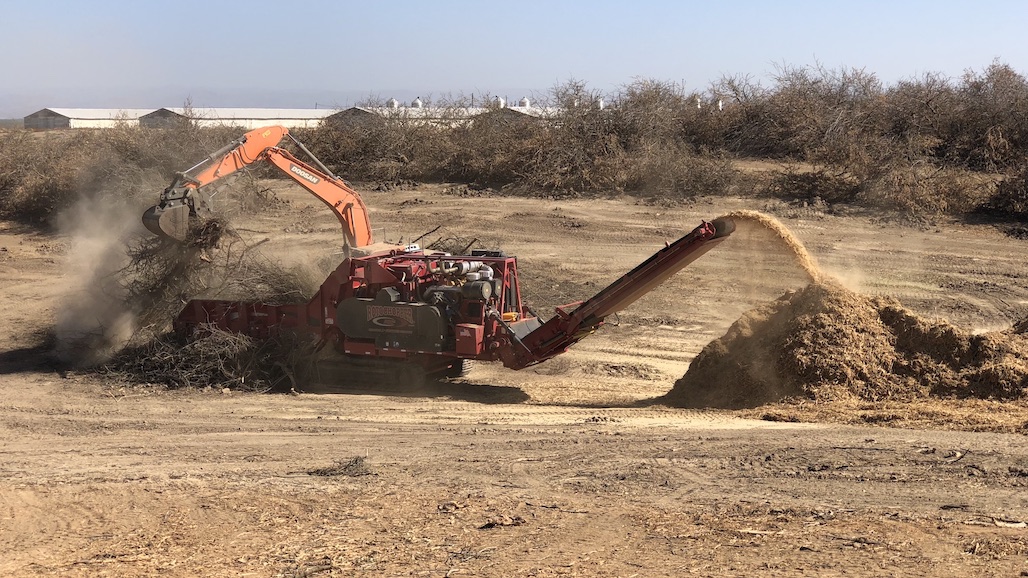
    Almond Alliance of California – The San Joaquin Valley Air Pollution Control District (Air District) is accepting applications for the Alternative to Agricultural Open Burning Incentive Pilot Program. This program provides incentives to commercial agricultural operations located within Air District boundaries to chip or shred agricultural material from orchard and vineyard removals and use for soil incorporation or land application on agricultural land as an alternative to the open burning of the agricultural materials.

    The Almond Alliance and Almond Board of California continue to encourage almond growers to utilize this program, especially given the recent Air Resources Board (CARB) approved plan to phase out all open agricultural burning by 2025 in the San Joaquin Valley.

    Applicants must have not chipped, nor can begin chipping, any of the acres and/or orchard to be removed at the location referenced in their application until they have an executed voucher.

    Applications are processed on a first-come, first-served basis while funds are available. The review and approval process consists of an application review and site inspection.  A voucher is executed and sent to the applicant upon determination of an eligible and complete application and inspection.  The approval process typically takes 7-10 business days.

    Land conversions intended for non-agricultural purposes are not eligible for funding.

    To be eligible, farmers have to use the material for soil incorporation or land application as an alternative to the burning of the material. Eligible crop types include orchard and vineyard removals.  Applicants who will be chipping the material with soil incorporation may receive up to $600 per acre, for a maximum of $60,000 per year.  Farmers who wish to chip without soil incorporation are eligible for up to $300 per acre with a $30,000 maximum per year.

    Almond Alliance Chairman Mike Curry of Johnson Farms indicated that it was easy to apply stating “It’s very simple paperwork. It’s pretty straightforward.” Adding that growers who have applied for Air District funding to assist with the purchase of low-dust harvesting equipment or to replace diesel pumps will find the application process similar.

    For Program Guidelines, Click Here.

    For Program Application, Click Here.


    San Joaquin Valley Air Pollution Control District Contact Information:
    Phone: (559) 230-5800
    Email: grants@valleyair.org
    Website: www.valleyair.org